3 Seater White Sofas
A good sofa is a great way to add comfort, style, and functionality to your home. It's also a place where you can entertain guests, watch TV, eat meals, or just relax. A 3-seat white sofa is a great choice for almost any home. These sofas come in a variety of shapes, sizes, and fabrics, making it easy to find one that fits your lifestyle and décor. Here are some great options.
Sort
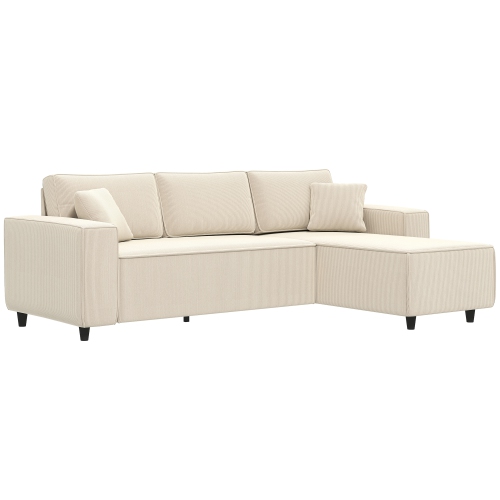
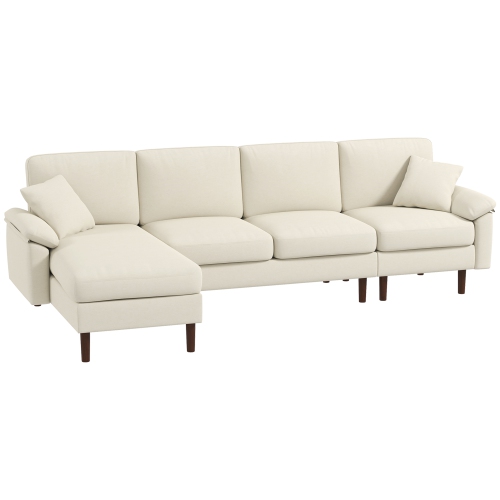

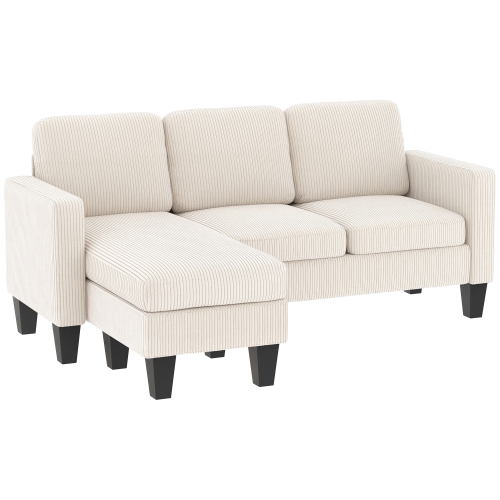
White upholstery with more to consider than colour
Three-seater white sofas offer shared seating for living rooms, family rooms, and multipurpose spaces, with a light-coloured finish that works alongside warm wood, dark metal, patterned rugs, and colourful accents. A white sofa can be the quiet centre of a room rather than its most visually demanding feature, leaving room for artwork, cushions, or a distinctive coffee table to add character. The category includes different shades of white: crisp white tends to look clean and defined, while ivory and off-white have warmer undertones that can sit comfortably beside beige upholstery or oak furniture. Lighting affects how those shades appear, so a fabric sample, when offered, can make it easier to judge the colour beside existing flooring and wall paint. Many three-seater sofas measure approximately 72 to 96 inches wide and 30 to 40 inches deep, although dimensions vary by design. Seat heights often fall around 16 to 18 inches from the floor, with some styles sitting higher. These measurements are useful starting points, not fixed standards; the listed dimensions of an individual sofa are what determine its fit. The three-seater label describes its intended seating capacity, but usable seat width matters more than the number of cushions. Broad, padded arms take up space that slimmer arms leave for sitting, and a single bench cushion can accommodate three people without separate cushion divisions. In a compact condo, a straight three-seater can provide generous everyday seating without the footprint of a corner arrangement. In a larger room, it can anchor a conversation area opposite two chairs or serve as the main seat facing a television. Raised legs reveal more of the floor and make the outline feel lighter, while a low, fully upholstered base creates a more substantial presence. Squared arms, rounded edges, tufting, and loose back cushions each change the look, allowing white upholstery to suit anything from a spare, modern interior to a softer, more layered room.
Upholstery gives a white three-seater sofa much of its character and has a direct effect on everyday care. Smooth woven fabric offers a relatively understated surface, while chenille has a soft pile and bouclé brings a more pronounced looped texture. Linen and linen-blend upholstery can have a relaxed appearance with visible creasing, whereas tightly woven synthetic fabrics may offer straightforward maintenance, depending on their composition and finish. Performance fabric is a broad description rather than a guarantee of stain resistance or a particular cleaning method, so the stated fabric properties matter more than the label alone. White leather has a different feel and appearance from fabric, with natural variations that depend on the leather type and finish. Faux leather can provide a similar smooth look, but its wear patterns and care requirements differ from those of genuine leather. For a sofa used daily by children, guests, or pets, texture deserves as much attention as colour. Looped fabrics may catch claws, pale upholstery can show transferred dye from dark denim, and cushion seams can collect crumbs. A tightly woven surface with clear cleaning instructions may be a practical fit for a busy household, while a more textured fabric may appeal in a sitting room used mainly for reading and conversation. Removable covers can simplify access for cleaning, but a zip does not necessarily mean that a cover is machine washable. The care label should specify whether washing, professional cleaning, or a particular spot-cleaning method is appropriate. Regular vacuuming with a suitable upholstery attachment helps remove grit before it works into the fabric. Fresh spills are generally best blotted rather than rubbed, followed by the manufacturer’s recommended treatment; any permitted cleaner should first be tested in a hidden area. Leather and faux leather also need their own approved care methods rather than the same treatment used on woven upholstery. Throws and cushion covers can add washable layers in frequently used spots, though strongly dyed textiles should be checked for colour transfer. White upholstery is not maintenance-free, but matching its care requirements to the household’s routine makes it a more practical everyday choice.
Comfort and durability depend on what sits beneath the upholstery as well as how the sofa fits its users. A deeper seat leaves room to curl up with a book or stretch out across the cushions, while a shallower seat can make upright conversation more comfortable. For someone who prefers firm support or finds low seating difficult, seat height, cushion compression, and supportive arms are especially important. Overall depth does not reveal usable seat depth: thick back cushions can reduce the sitting area considerably. Foam cushions tend to offer a more defined shape, while fibre-filled or feather-blend cushions may feel softer and need more frequent fluffing. Where cushions are designed to be moved or reversed, regular rotation can help distribute wear; attached cushions require a different maintenance approach. Frame construction, joint reinforcement, and the suspension beneath the seat all contribute to long-term support, so descriptions of these features are more informative than appearance alone. A sofa for daily television watching and visiting friends needs to suit repeated use, not just look appealing from across the room. Placement is equally practical. Measuring the intended floor space, nearby furniture, door openings, and the delivery route helps establish whether a three-seater will work in the home. Lift dimensions, stair turns, hallway corners, and packaging can affect access even when the assembled sofa fits the room. Removable legs or a divided frame may help with manoeuvring, but only when the design allows them to be detached. Within the seating area, there should be enough space to walk past comfortably and reach a coffee table without feeling hemmed in. Households that prefer a place to put their feet up may also consider 3 Seater Sectional Sofas, where a chaise or corner layout changes both the lounging space and the footprint. A straight white three-seater remains a versatile option for people furnishing a first apartment, arranging a shared living room, or replacing a sofa in an established home. Its suitability comes down to the combination of comfortable proportions, appropriate upholstery, dependable support, and a shape that leaves the room easy to use.
Top selling and popular products
-
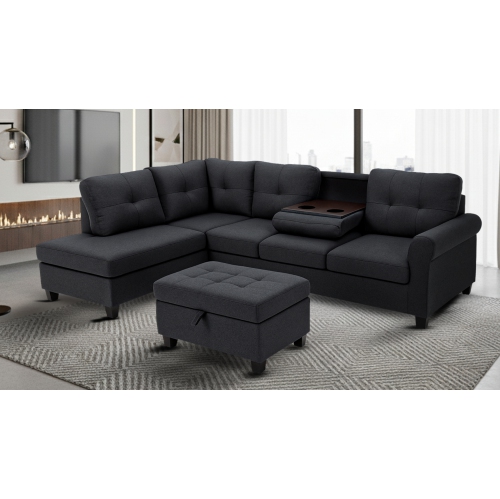 Your price for this item is $1399
-
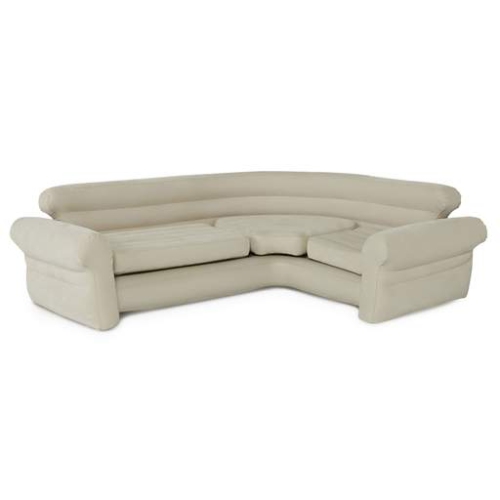 Your price for this item is $362.99
-
 Your price for this item is $1099
-
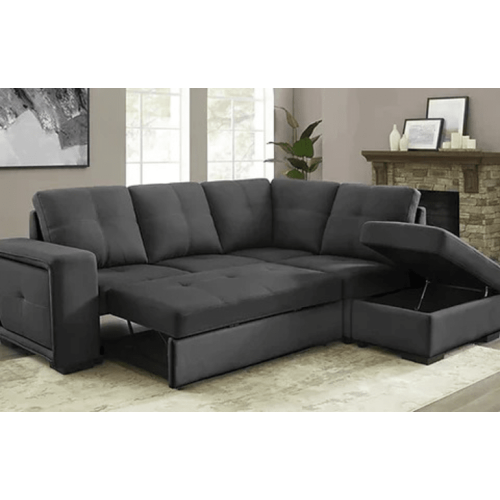 Your price for this item is $1699
-
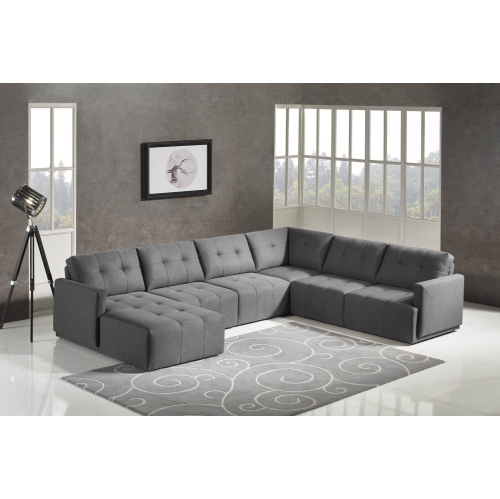 Your price for this item is $3999
-
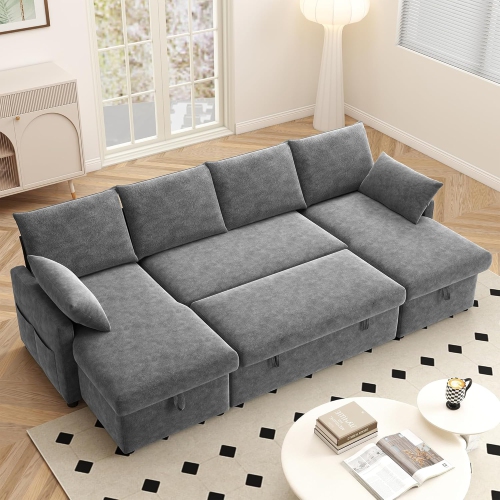 Your price for this item is $849.99
-
 Your price for this item is $649.99
-
 Your price for this item is $999
Discover more categories related to 3 Seater White Sofas
Top Collections:
Pokemon Centers, Best Cameras for Sports Photography, Kindle Devices, Samsung Galaxy Phones, Canon G7X Cameras, Pokémon 30th Celebration Cards, Refurbished Apple Laptops, iPhone 15 Apple, Laptops for Students, Budget Smartphones
Some products may be subject to Environmental Handling Fees
(EHF) depending on your province.
Learn more about EHFs.