30 Inch Wide Lateral File Cabinets
Maximize your office organization without sacrificing style with our 30-inch wide lateral file cabinets. Whether you're a busy professional or a home office enthusiast, these cabinets are the perfect addition to your workspace. Check out these great options for you.
Sort
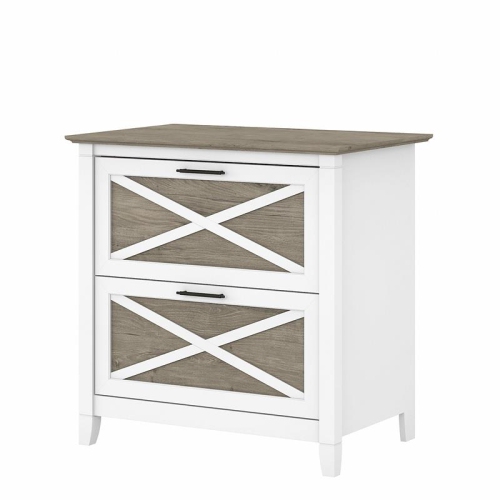
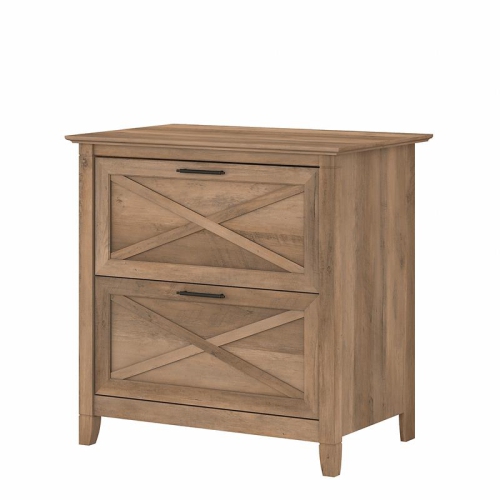
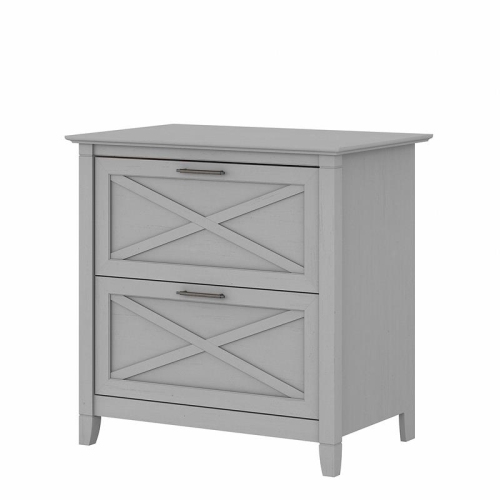
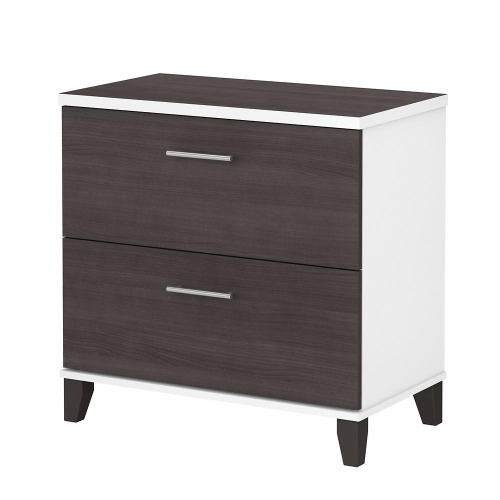
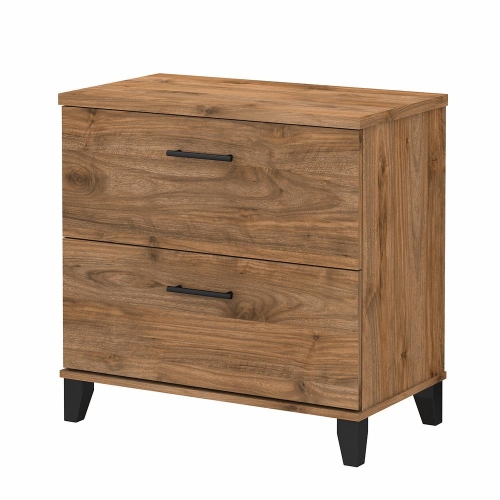
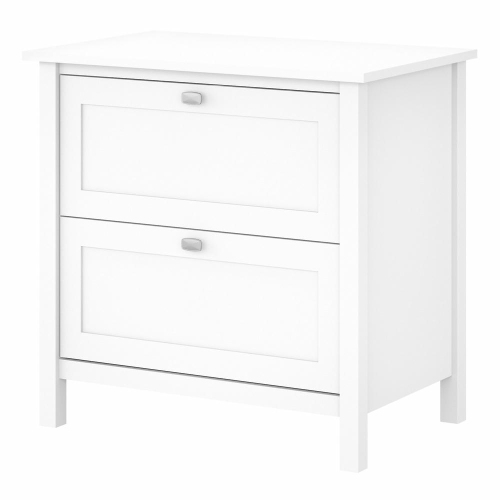
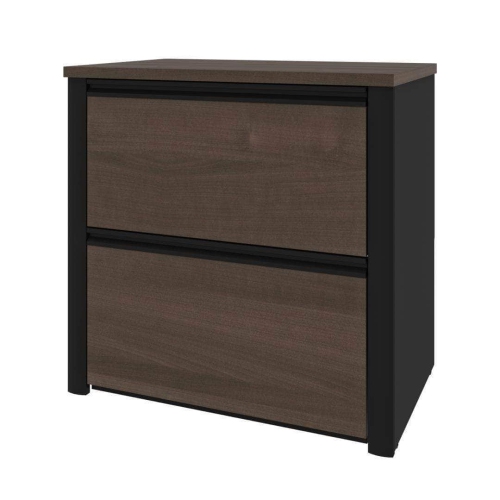
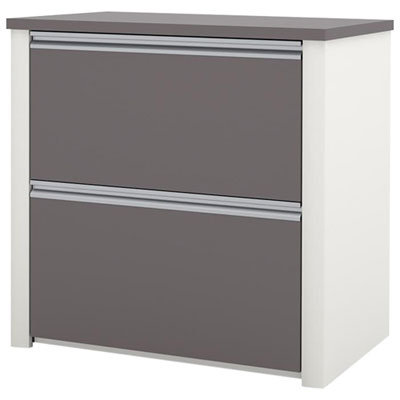
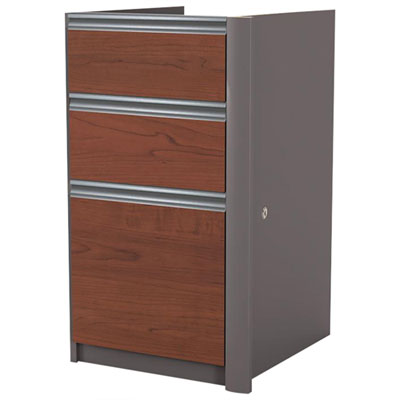

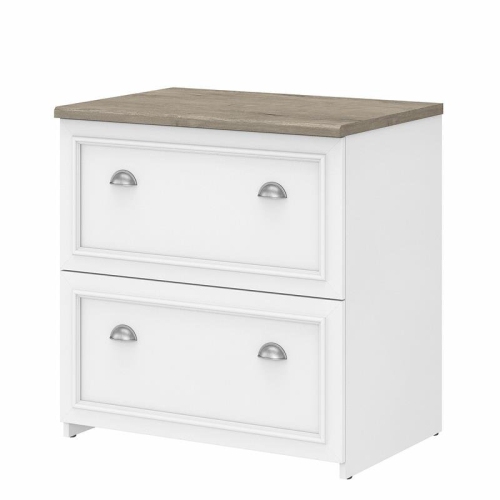
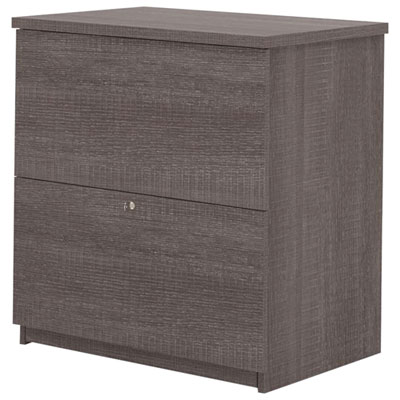
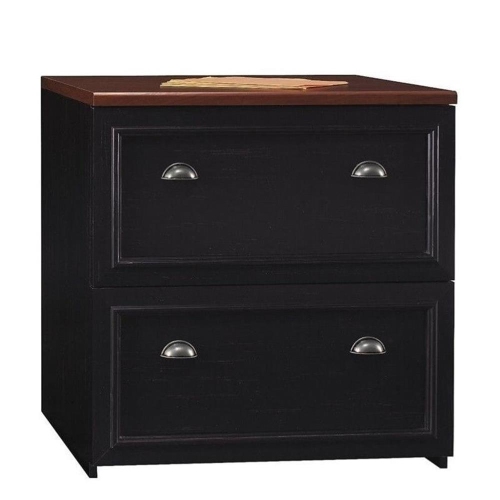
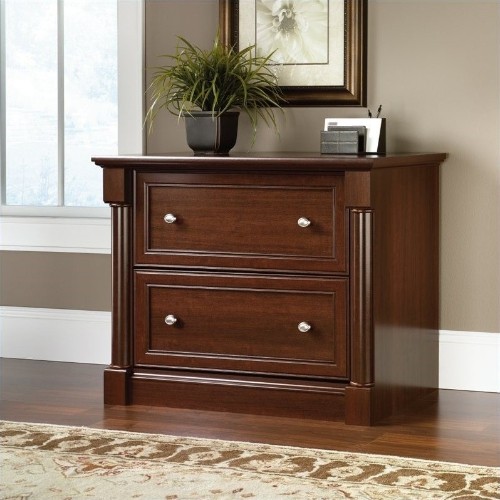
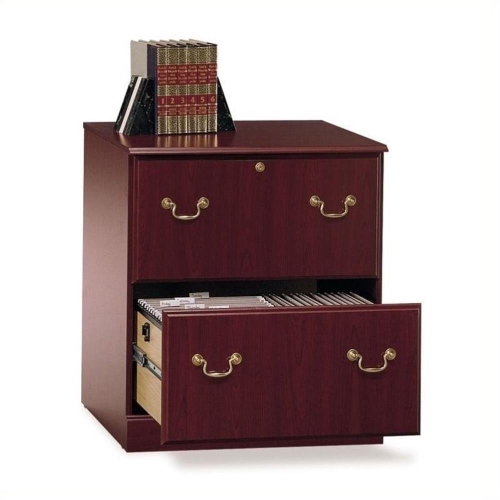
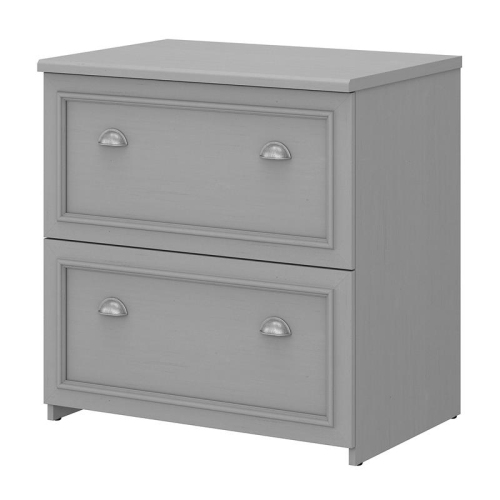
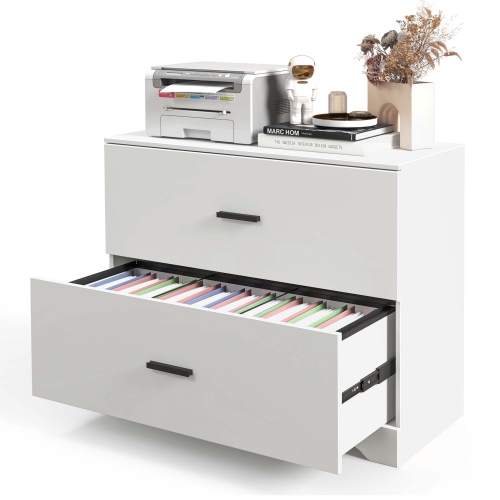
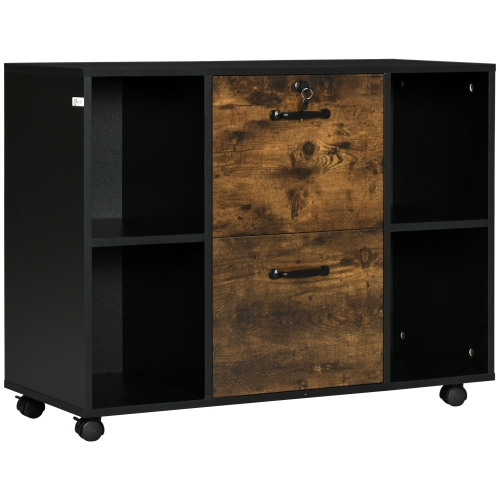
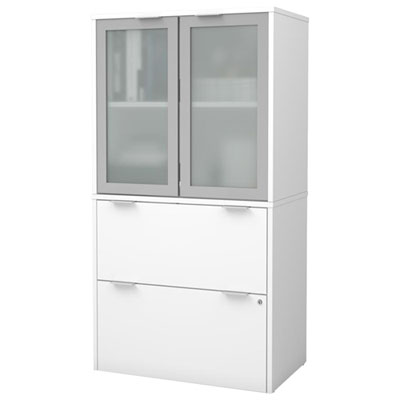
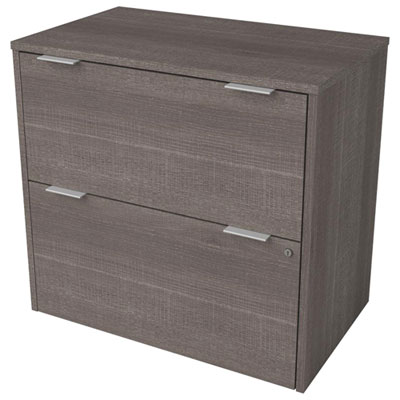
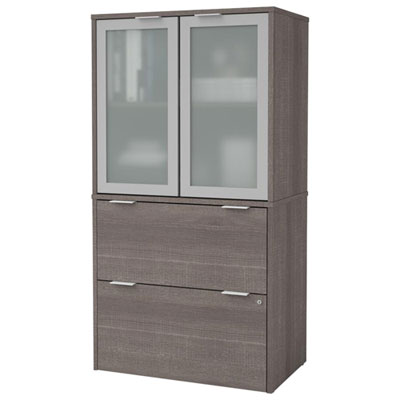
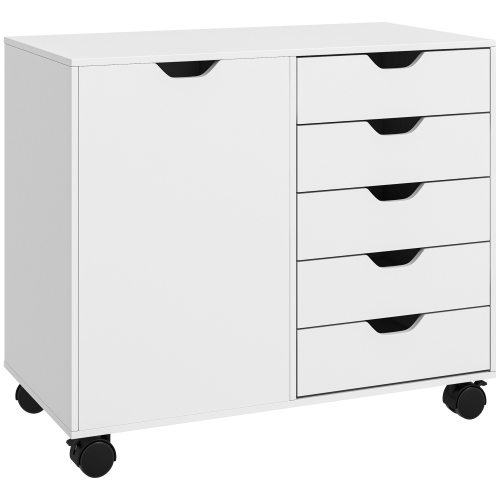
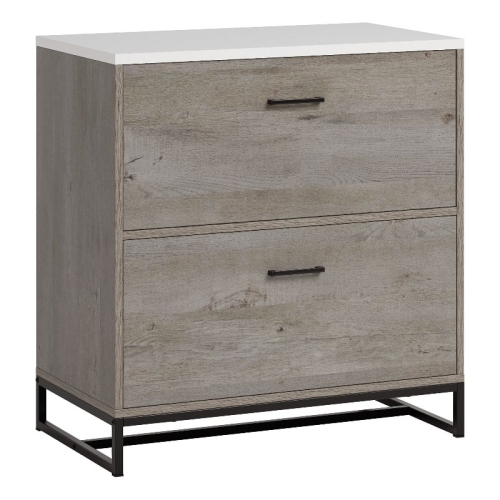
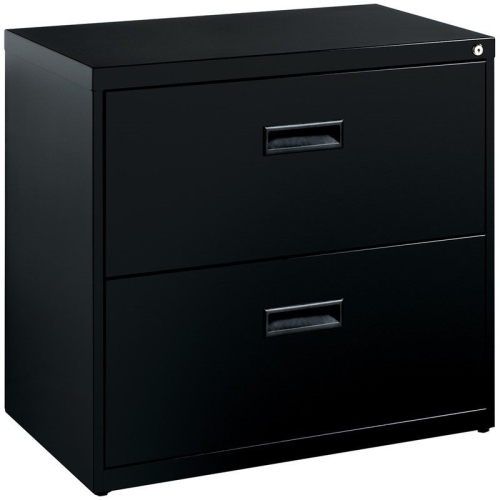
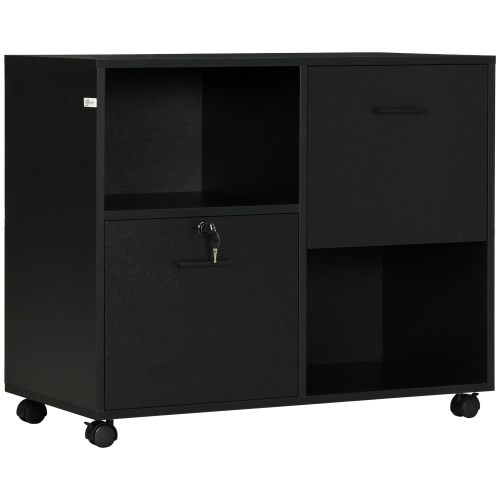
Practical guidance on sizing, materials, security, and filing capacity
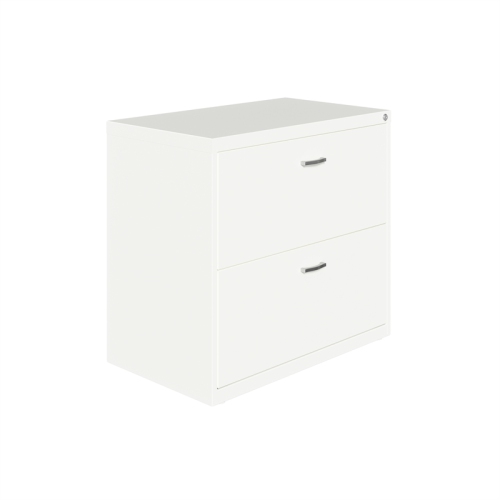
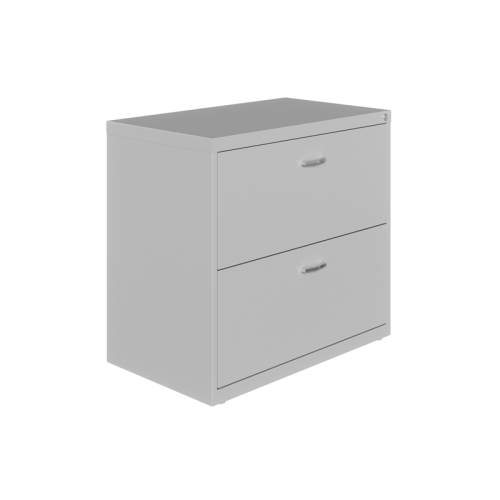
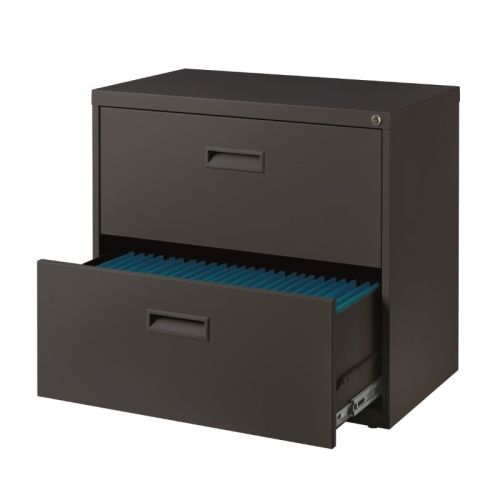
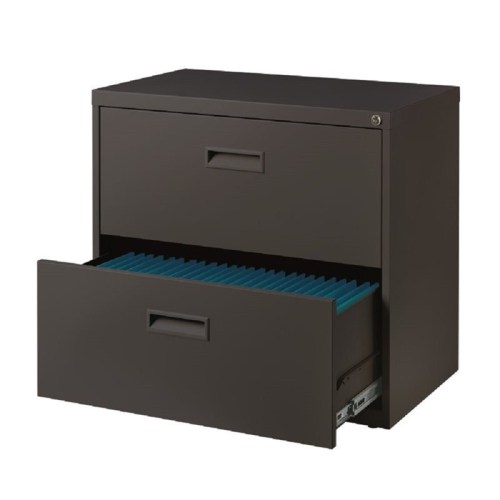
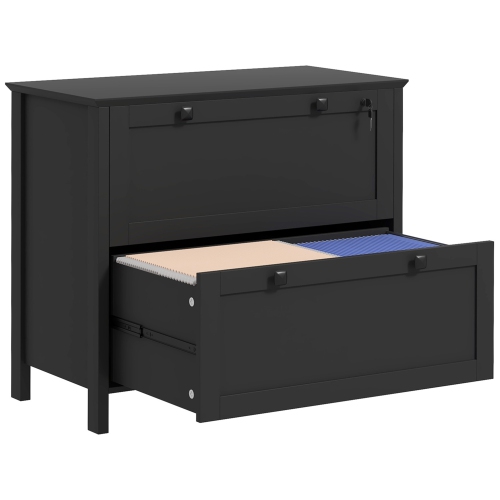
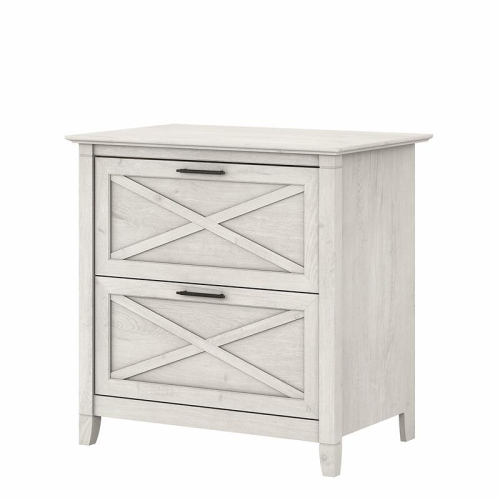
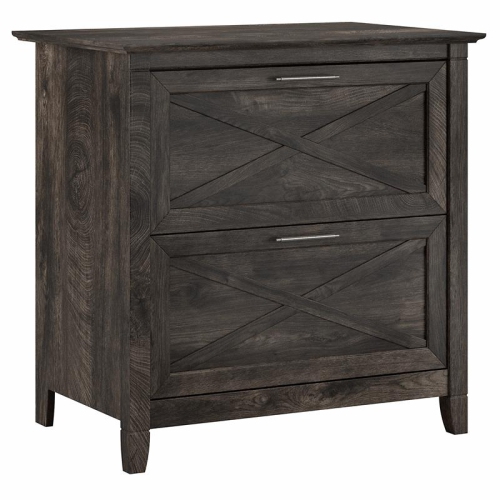
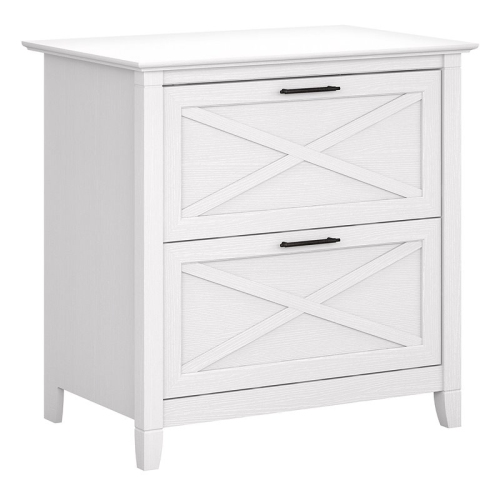
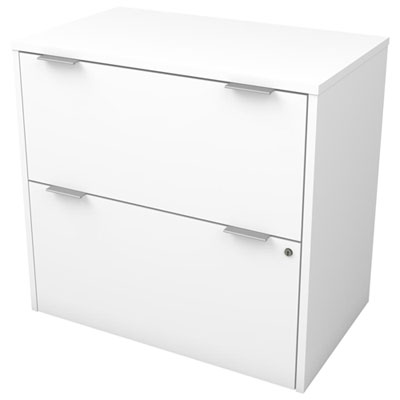
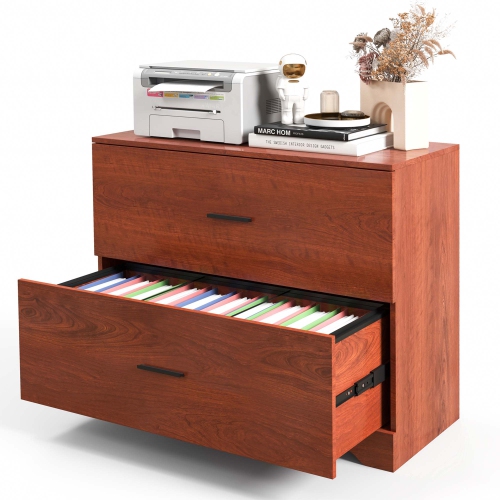
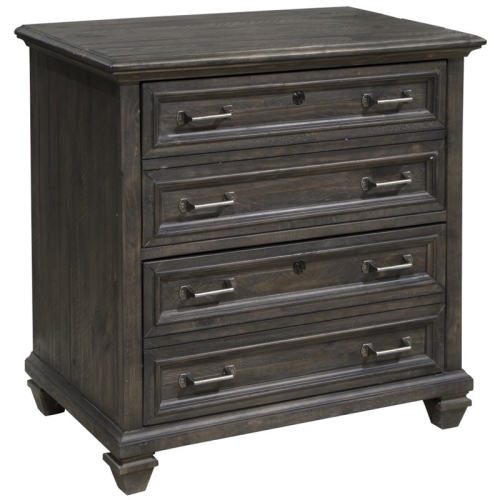
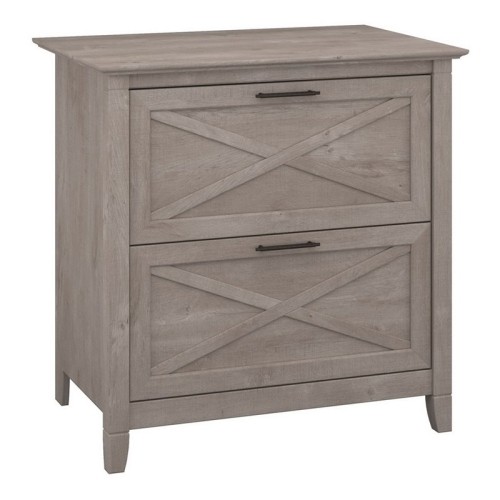
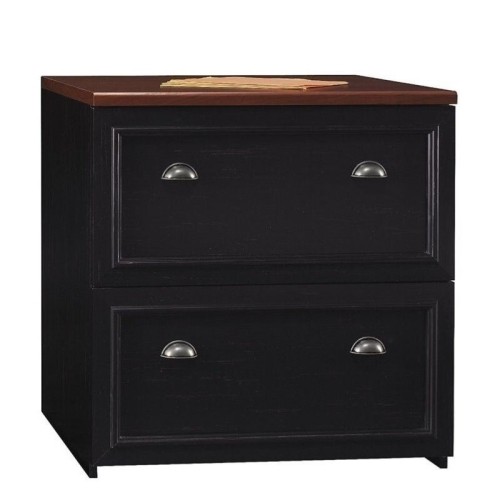
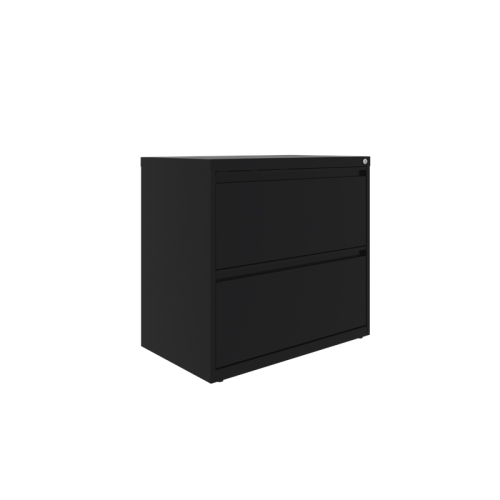
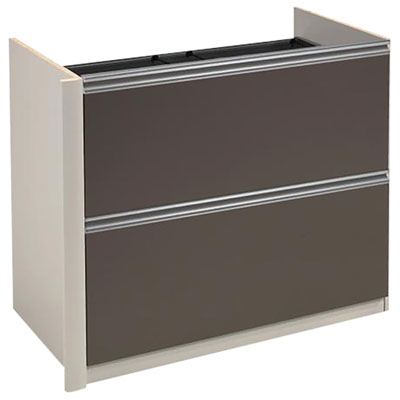
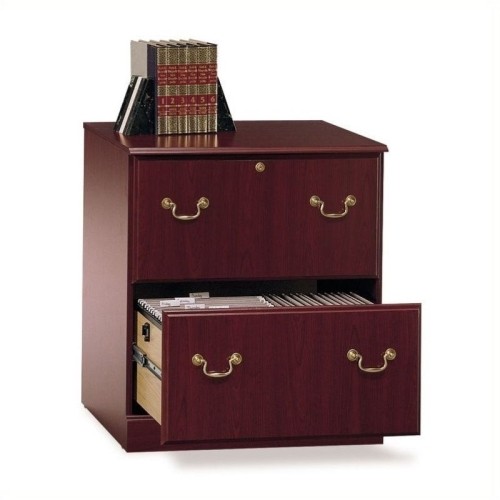
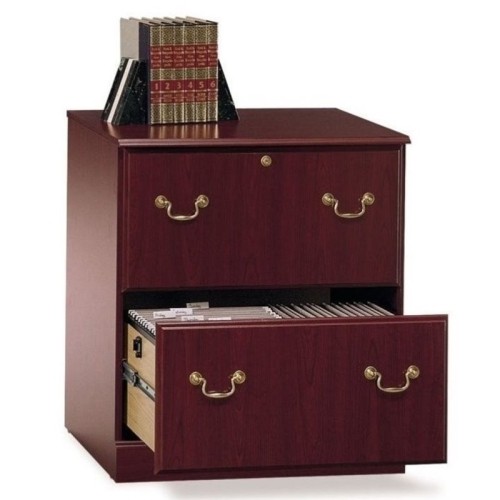
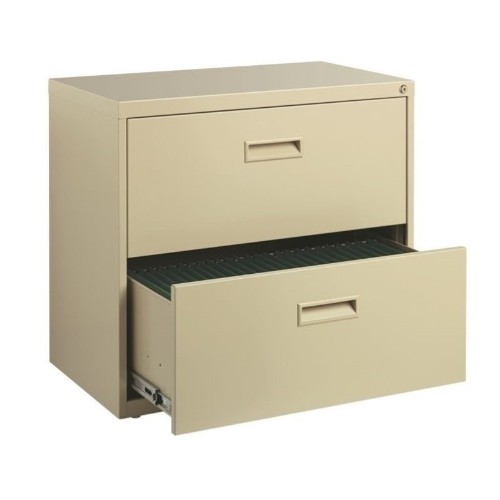
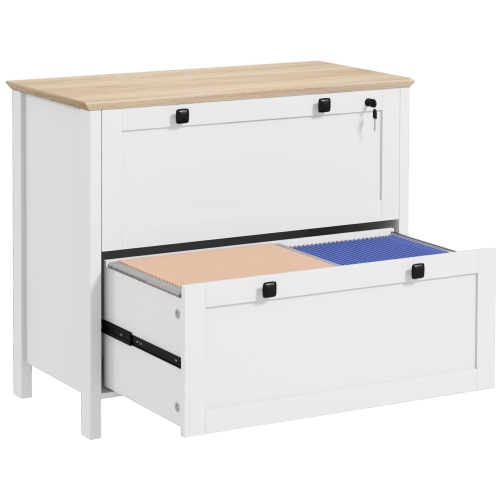
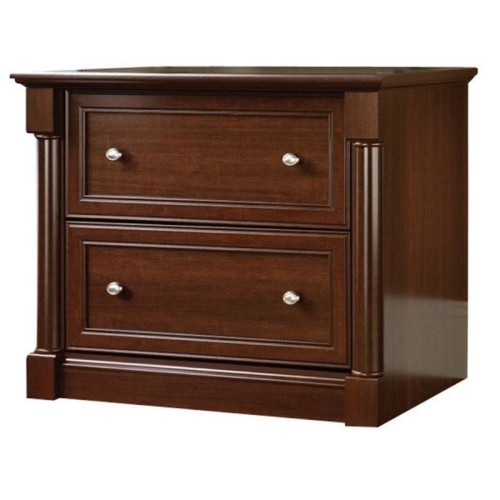
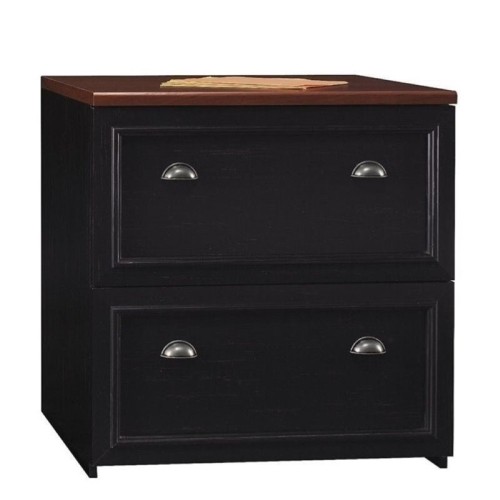
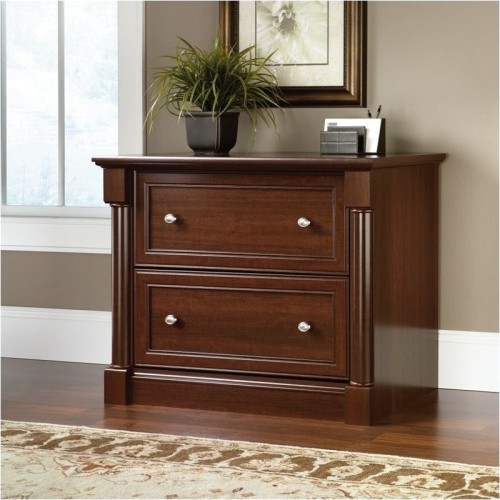
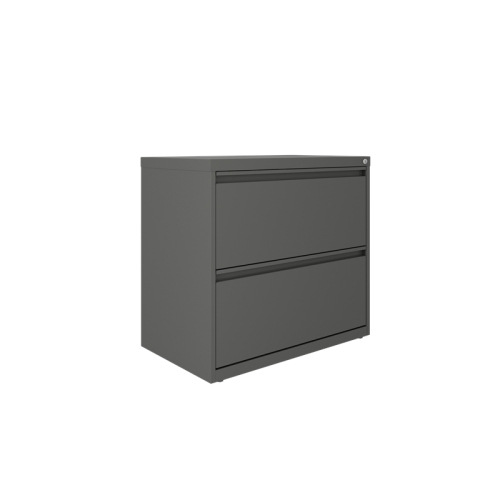
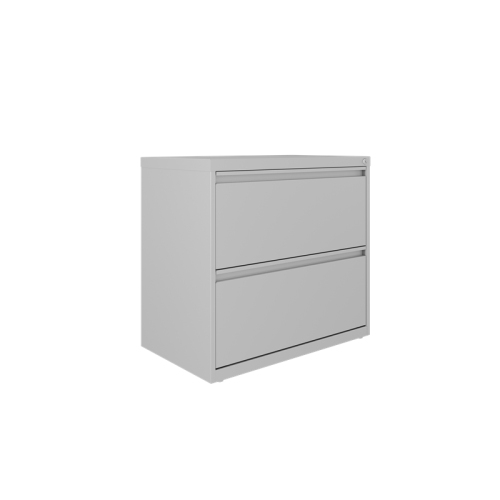
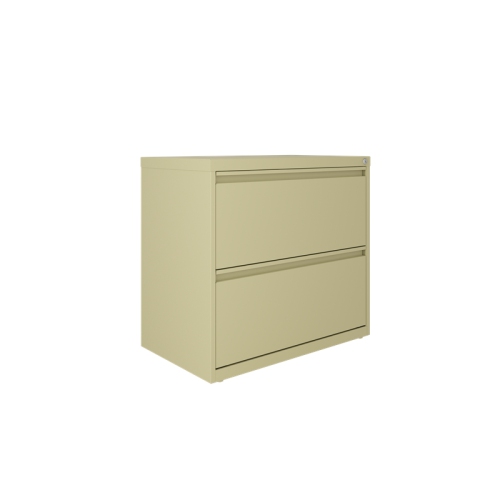
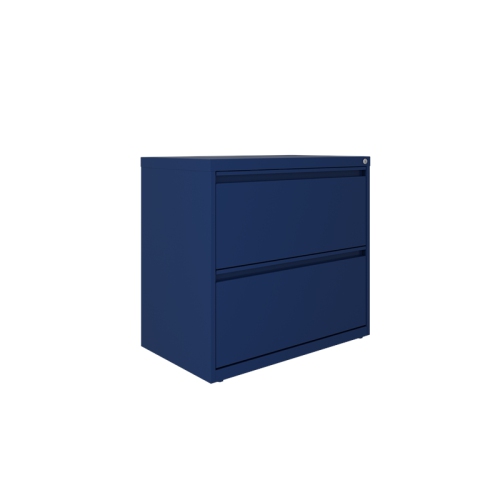
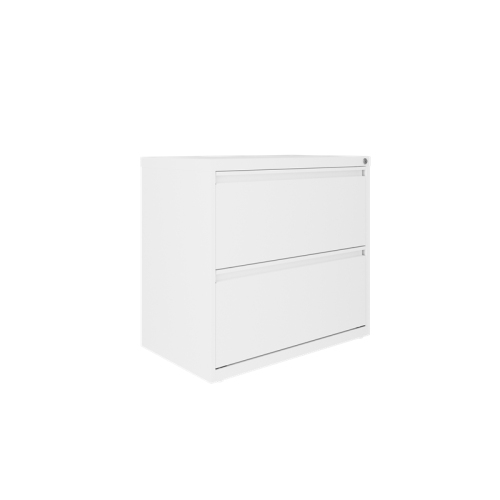
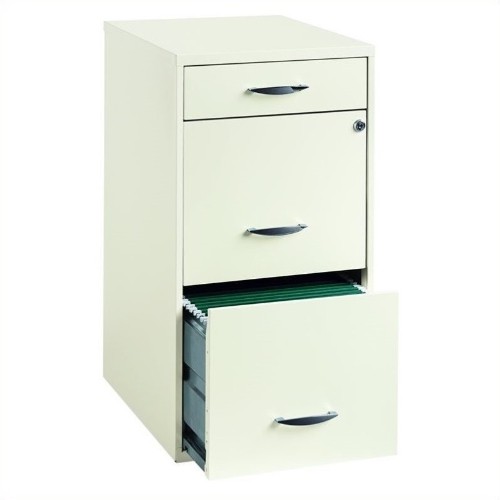
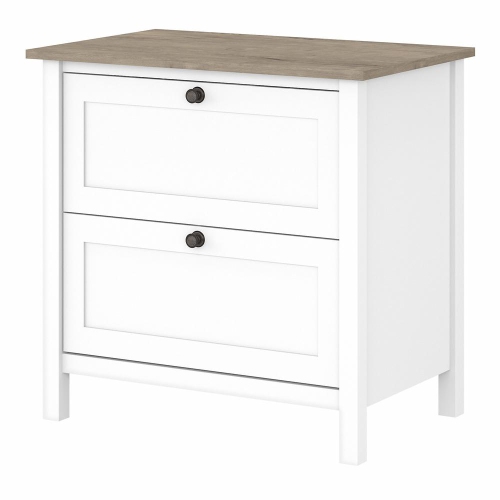
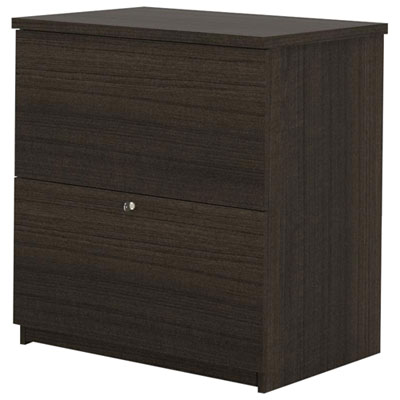
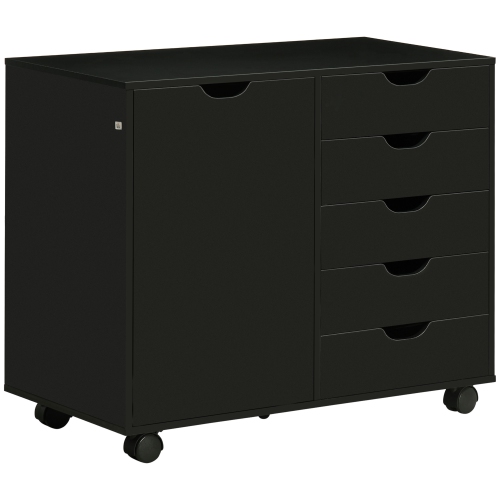
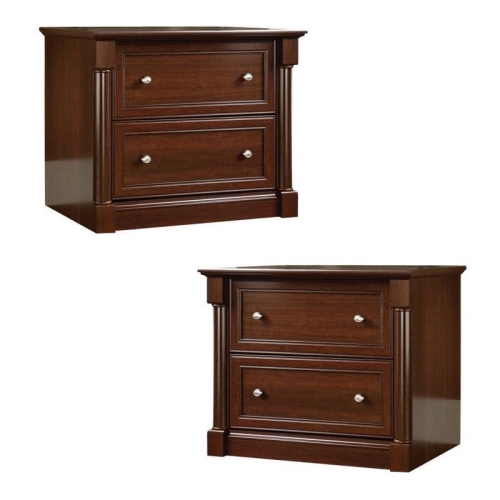
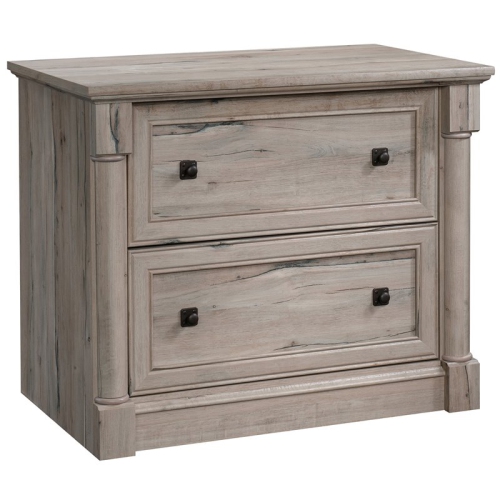
A 30 inch wide lateral file cabinet offers broad, side-to-side storage for organising paperwork without extending too far into a room. Unlike vertical file cabinets, which use narrow drawers stacked high, lateral file cabinets let you arrange folders horizontally so frequently used documents are easier to see and reach. This format can be a practical choice for a home office, shared workspace, classroom, reception area, small business, or study where floor space and accessibility both matter. Many cabinets in this size range are designed to accommodate letter-size files, while some include adjustable hang rails or drawer configurations that support legal-size folders as well. Before choosing a cabinet, measure the available area carefully, allowing room for drawers to open fully and for comfortable movement around the unit. A cabinet measuring approximately 30 inches wide may still vary in height and depth, so check the complete specifications rather than relying on width alone. Depth is especially important in a compact office, where a cabinet that projects too far could interfere with a desk chair, doorway, baseboard, or walkway. It is also worth considering how much paperwork you plan to store and whether the cabinet will hold active files, archived records, office supplies, or a combination of the three. Two-drawer models can suit a home office or occasional filing needs, while taller three- or four-drawer designs provide more capacity for businesses, households with extensive records, or workspaces shared by several people. If you need greater capacity or a broader range of sizes, explore Large Lateral File Cabinets as another option for organising documents and supplies.
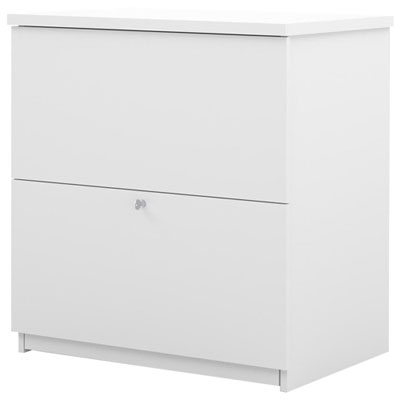
Construction plays an important role in how a 30 inch wide lateral file cabinet fits into your space and how it performs over time. Steel cabinets are often selected for busy offices because they provide a sturdy, professional feel and can withstand regular drawer use. A powder-coated finish may help resist everyday scuffs and make the surface easier to maintain, while full-extension ball-bearing slides can allow a drawer to open farther for a clearer view of folders stored at the back. Manufactured wood and laminate cabinets can offer a warmer appearance that coordinates with desks, bookcases, and other home furnishings, making them well suited to a residential office, bedroom workspace, or study area. Look for smooth drawer glides, reinforced drawer bottoms, and handles that are comfortable to use repeatedly. A central lock or locking drawer can be useful when cabinets store tax documents, client records, personal identification, school records, or other private paperwork. A locking feature does not replace sensible document-handling practices, but it can provide an additional layer of control in a shared room. Drawer interlock mechanisms are also worth reviewing on taller models, as they can help prevent multiple drawers from being opened at once. This feature may improve stability by keeping the cabinet’s weight more concentrated, particularly when drawers are filled with dense paper. Adjustable levelling feet can help compensate for slightly uneven flooring and reduce rocking, while an anti-tip design may be an important consideration for homes and workplaces with children, pets, or frequent foot traffic. Pay attention to assembly requirements as well. Some cabinets arrive assembled, while others require installation of handles, rails, drawers, or hardware. A fully assembled cabinet can save time, but it may require two people to move safely because filing units become very heavy once loaded.
The best way to organise a lateral file cabinet is to create a simple system that matches the way you work. For a home office, one drawer might hold bills and financial records, another could be reserved for warranties and household documents, and a separate section could contain current projects. In a small business, labelled folders can be arranged by client, department, project, or year, with active files kept within easy reach and less frequently used records stored in a lower drawer. Hanging folders with clear labels make broad categories easy to identify, while interior folders can separate individual accounts or subjects. Leave a little room for new documents so the drawers do not become difficult to open or close, and review older files periodically to keep the cabinet useful rather than overfilled. A 30 inch wide cabinet can also support more than paper storage: depending on the drawer dimensions and weight capacity, it may hold envelopes, notebooks, printer supplies, craft materials, classroom resources, or small office accessories. Keep heavier items in lower drawers and distribute contents evenly from side to side. When placing the cabinet, position it on a level surface and avoid blocking vents, electrical access, or frequently used pathways. In a shared workspace, a low two-drawer cabinet may double as a convenient surface for a lamp, organiser, or décor, while a taller cabinet can make better use of vertical space in a dedicated office. During the cooler months, when more work and study may take place indoors, a well-planned filing area can make paperwork feel less scattered and help keep desks clear. Whether you are furnishing a first home office, refreshing an established workplace, or creating a more orderly space for household records, choosing the right drawer capacity, material, security features, dimensions, and interior filing system will help ensure that a 30 inch wide lateral file cabinet suits both your room and your routine.
Construction plays an important role in how a 30 inch wide lateral file cabinet fits into your space and how it performs over time. Steel cabinets are often selected for busy offices because they provide a sturdy, professional feel and can withstand regular drawer use. A powder-coated finish may help resist everyday scuffs and make the surface easier to maintain, while full-extension ball-bearing slides can allow a drawer to open farther for a clearer view of folders stored at the back. Manufactured wood and laminate cabinets can offer a warmer appearance that coordinates with desks, bookcases, and other home furnishings, making them well suited to a residential office, bedroom workspace, or study area. Look for smooth drawer glides, reinforced drawer bottoms, and handles that are comfortable to use repeatedly. A central lock or locking drawer can be useful when cabinets store tax documents, client records, personal identification, school records, or other private paperwork. A locking feature does not replace sensible document-handling practices, but it can provide an additional layer of control in a shared room. Drawer interlock mechanisms are also worth reviewing on taller models, as they can help prevent multiple drawers from being opened at once. This feature may improve stability by keeping the cabinet’s weight more concentrated, particularly when drawers are filled with dense paper. Adjustable levelling feet can help compensate for slightly uneven flooring and reduce rocking, while an anti-tip design may be an important consideration for homes and workplaces with children, pets, or frequent foot traffic. Pay attention to assembly requirements as well. Some cabinets arrive assembled, while others require installation of handles, rails, drawers, or hardware. A fully assembled cabinet can save time, but it may require two people to move safely because filing units become very heavy once loaded.
The best way to organise a lateral file cabinet is to create a simple system that matches the way you work. For a home office, one drawer might hold bills and financial records, another could be reserved for warranties and household documents, and a separate section could contain current projects. In a small business, labelled folders can be arranged by client, department, project, or year, with active files kept within easy reach and less frequently used records stored in a lower drawer. Hanging folders with clear labels make broad categories easy to identify, while interior folders can separate individual accounts or subjects. Leave a little room for new documents so the drawers do not become difficult to open or close, and review older files periodically to keep the cabinet useful rather than overfilled. A 30 inch wide cabinet can also support more than paper storage: depending on the drawer dimensions and weight capacity, it may hold envelopes, notebooks, printer supplies, craft materials, classroom resources, or small office accessories. Keep heavier items in lower drawers and distribute contents evenly from side to side. When placing the cabinet, position it on a level surface and avoid blocking vents, electrical access, or frequently used pathways. In a shared workspace, a low two-drawer cabinet may double as a convenient surface for a lamp, organiser, or décor, while a taller cabinet can make better use of vertical space in a dedicated office. During the cooler months, when more work and study may take place indoors, a well-planned filing area can make paperwork feel less scattered and help keep desks clear. Whether you are furnishing a first home office, refreshing an established workplace, or creating a more orderly space for household records, choosing the right drawer capacity, material, security features, dimensions, and interior filing system will help ensure that a 30 inch wide lateral file cabinet suits both your room and your routine.
Top selling and popular products
-
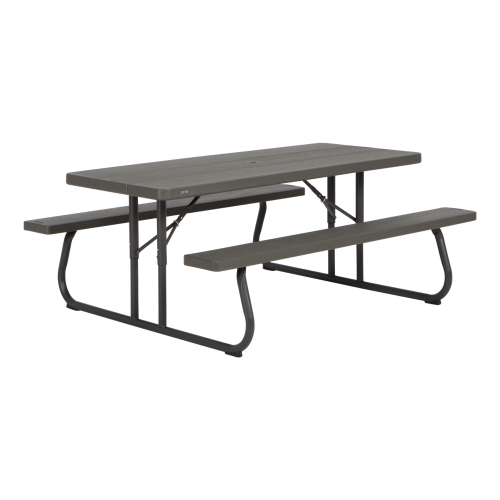 Your price for this item is $399.99
 -
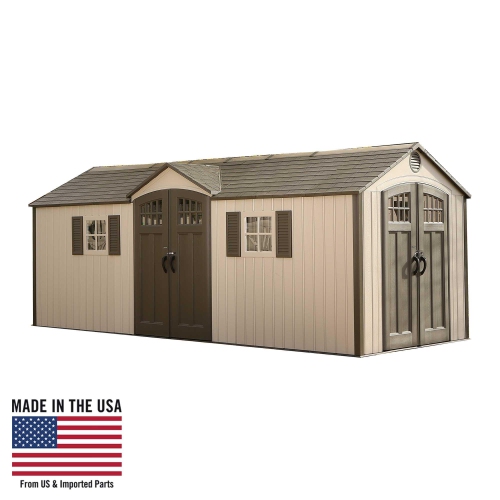 Your price for this item is $5999.99
 -
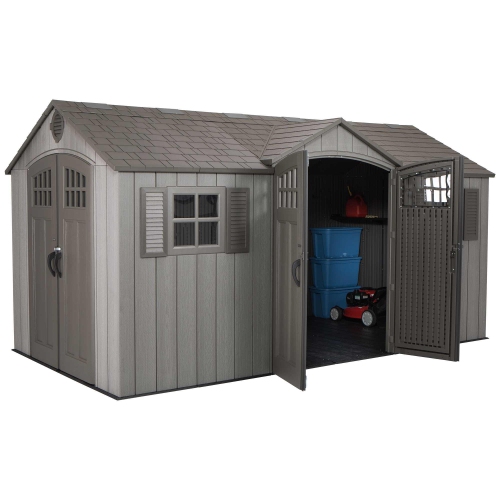 Your price for this item is $4499.99
 -
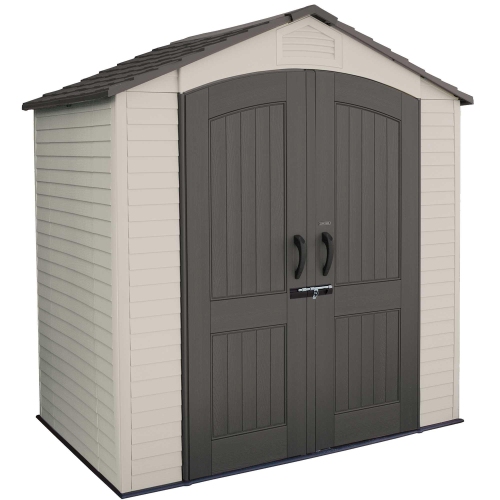 Your price for this item is $1799.99
 -
 Your price for this item is $965.99
 -
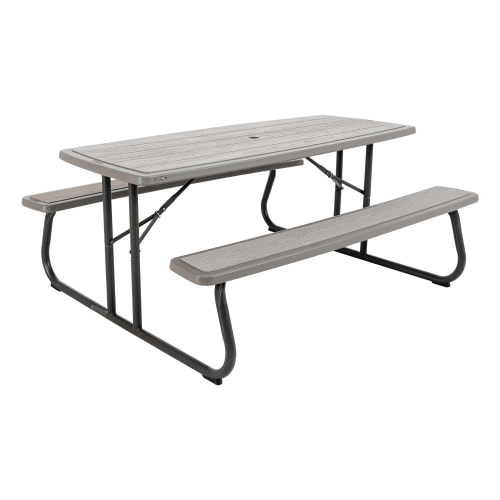 Your price for this item is $399.99
 -
 Your price for this item is $402.87
 -
 Your price for this item is $5999.99
Discover more categories related to 30 Inch Wide Lateral File Cabinets
Top Collections:
Pokemon Centers, Kindle Devices, Best Budget Office Chairs, Apple iPhones 16, Canon G7X Cameras, iPhone 15 Apple, Alarm Clock, Refurbished Apple Laptops, Flip Phones, Best Laptops for Writers
Some products may be subject to Environmental Handling Fees
(EHF) depending on your province.
Learn more about EHFs.