Large Lateral File Cabinets
A large lateral file cabinet is a great way to keep your home organized and free of clutter. It's also a great way to make sure important documents are easy to find. A large lateral file cabinet can be used in almost any room in your house, but it's especially useful in the home office. Here are some great large lateral file cabinets available today.
Sort
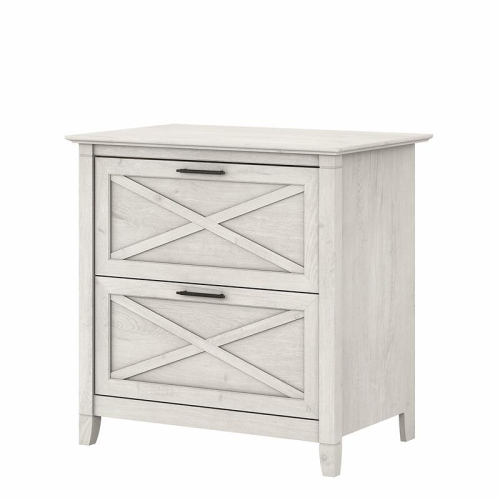
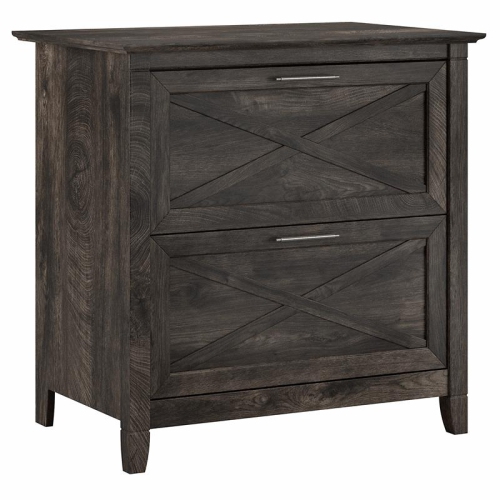
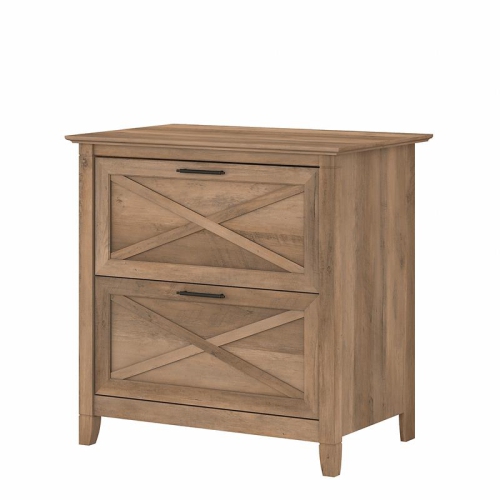
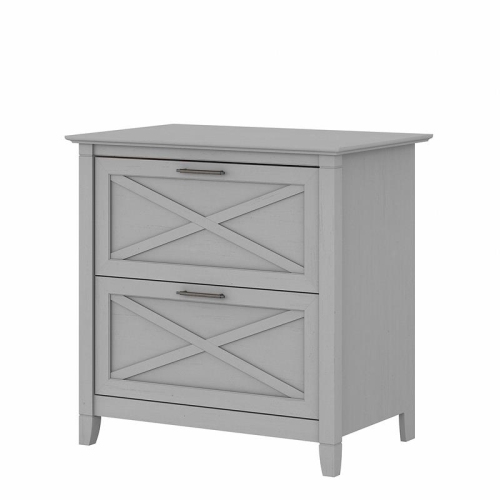
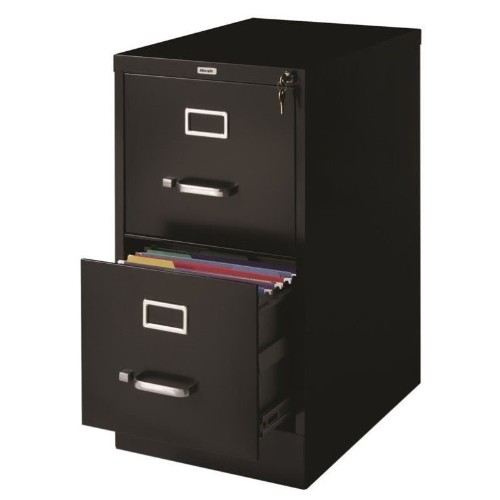
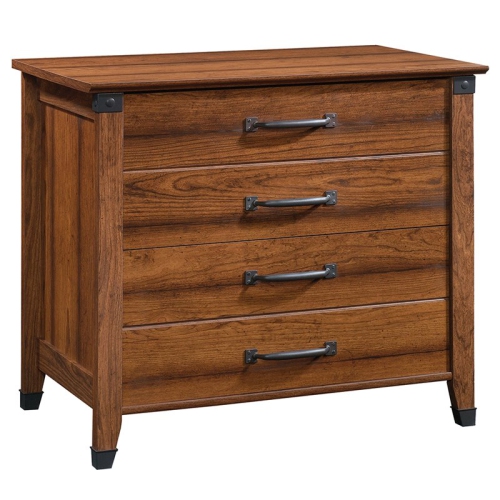
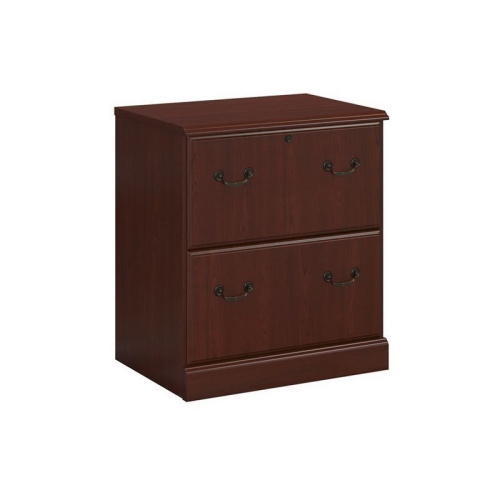
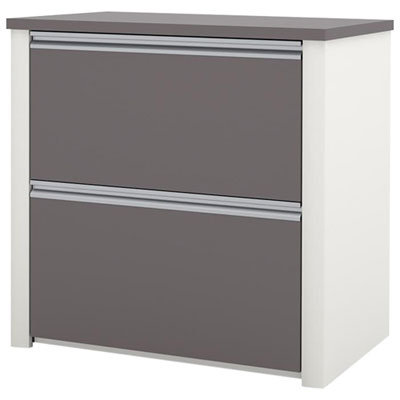
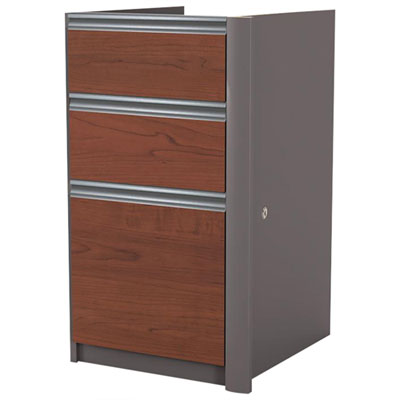

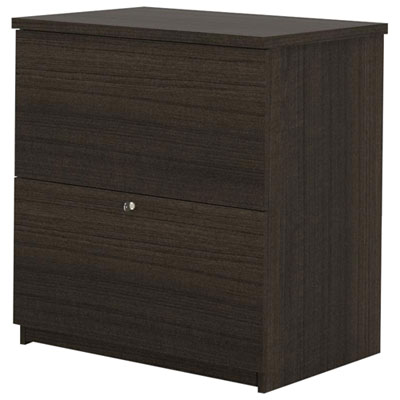
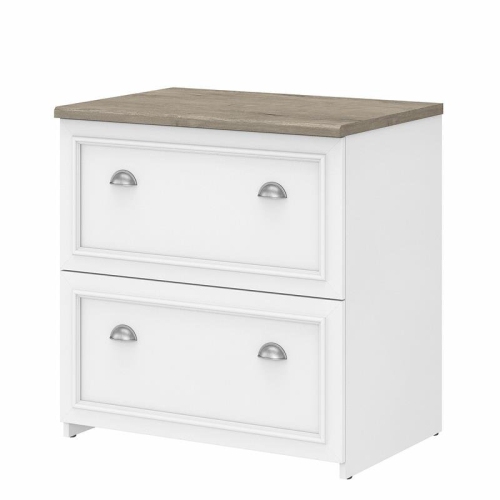
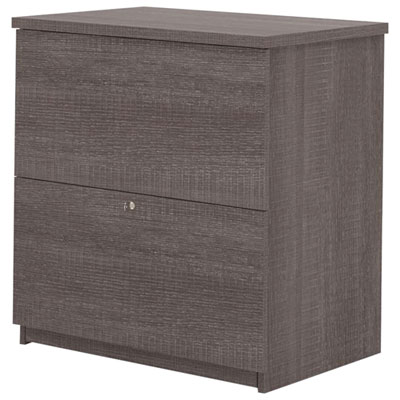
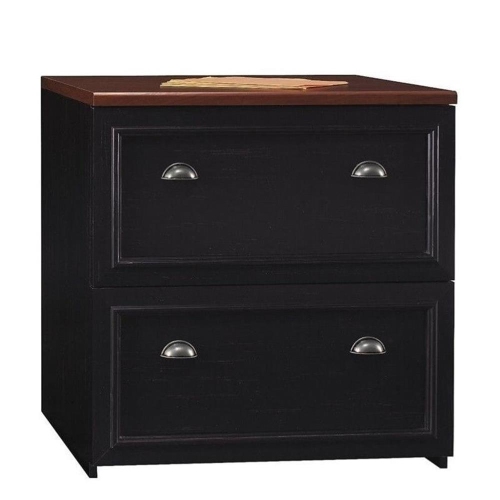
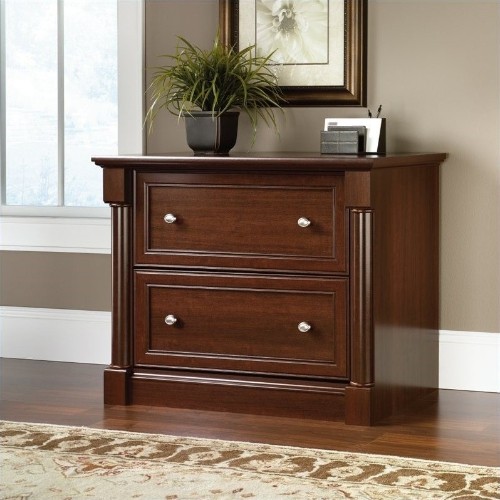
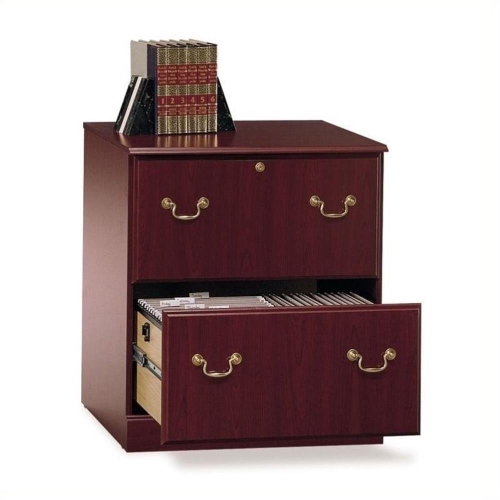
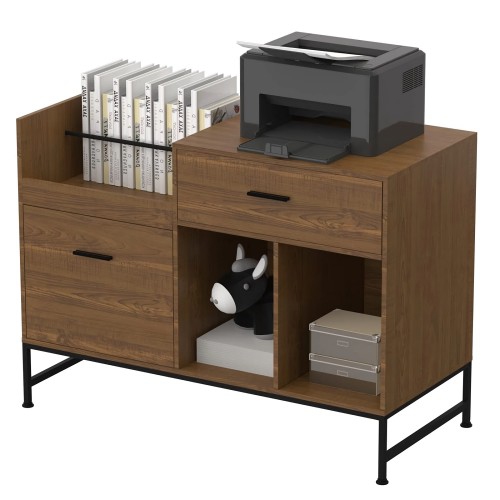
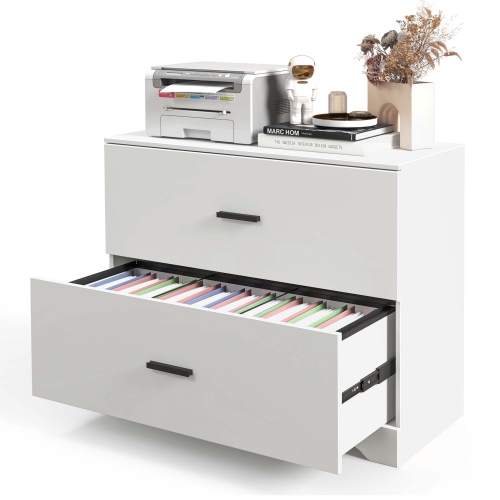
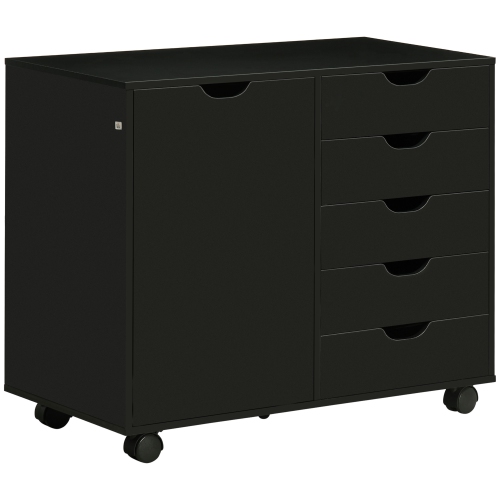
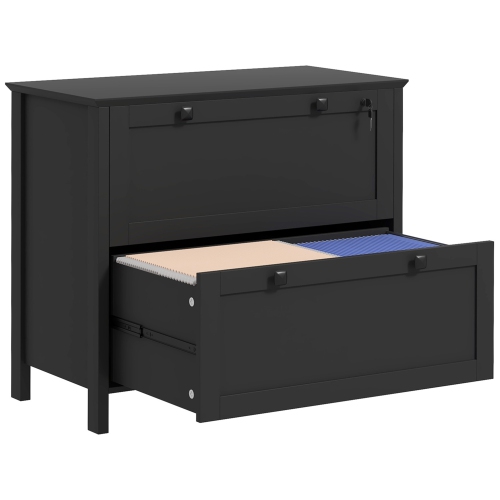
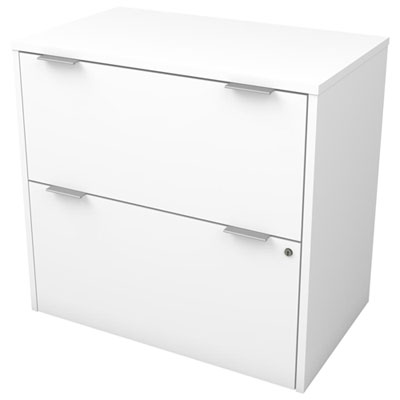
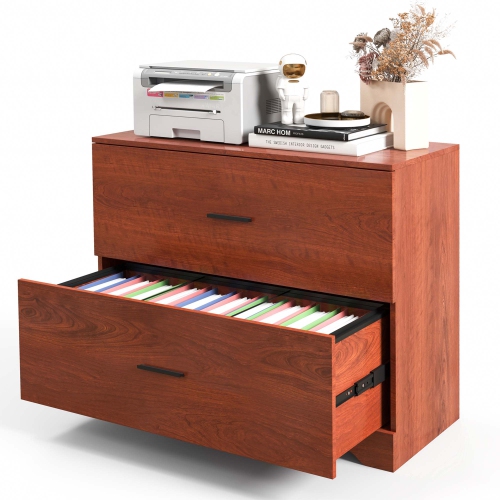
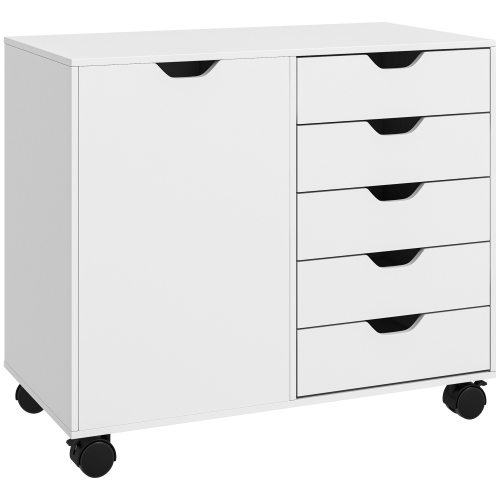
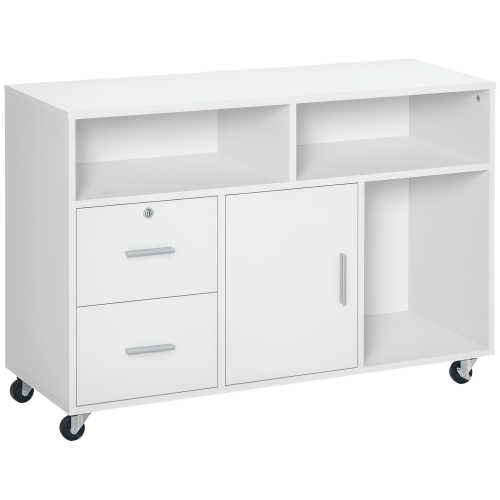
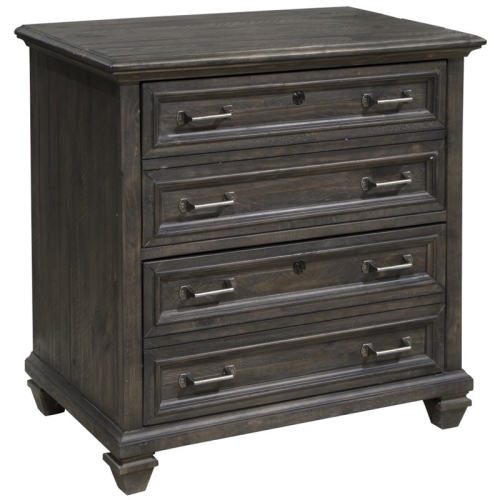
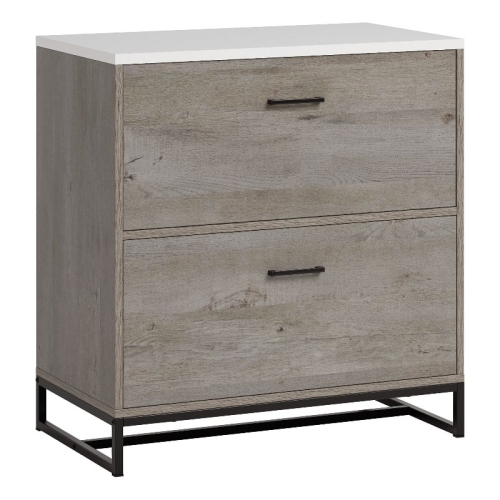
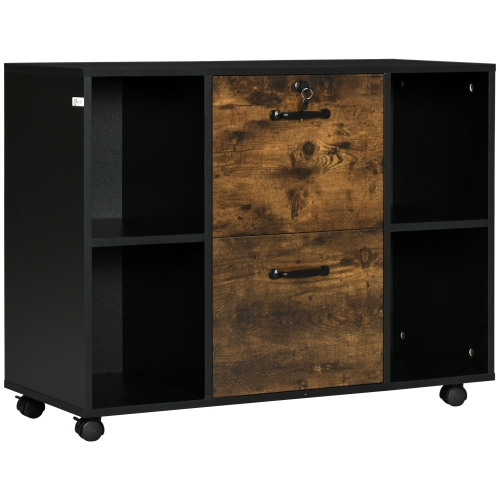
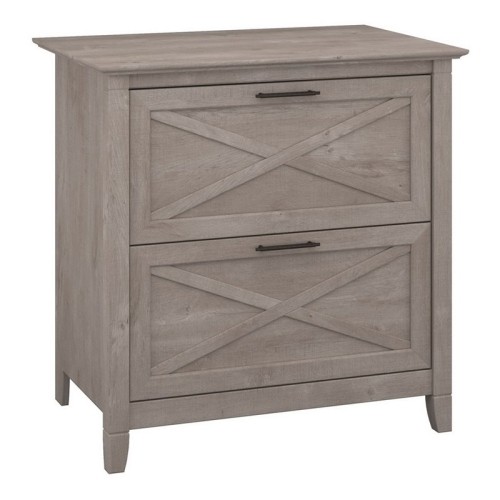
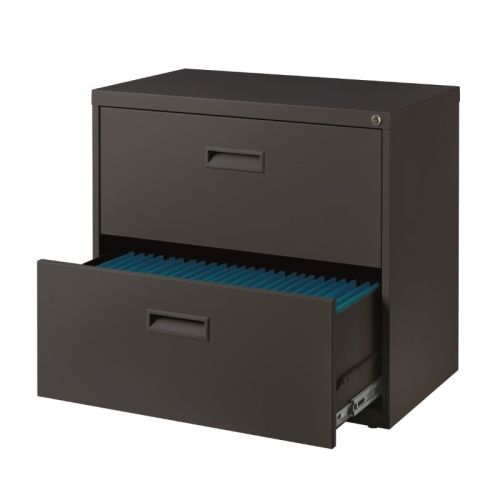
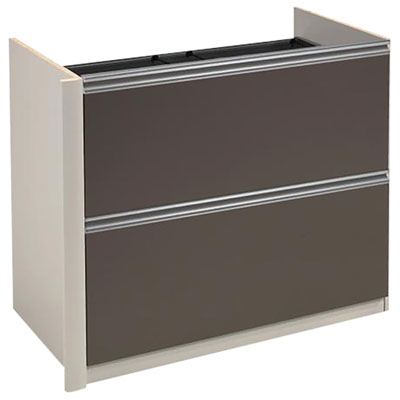
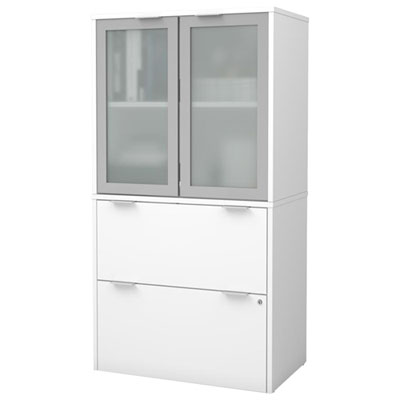
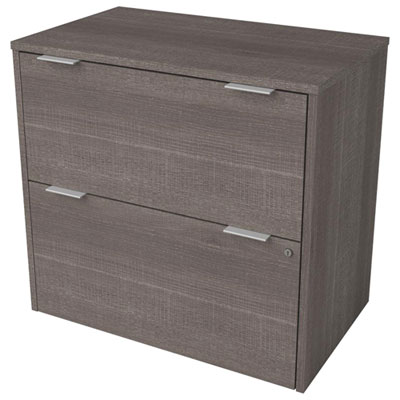
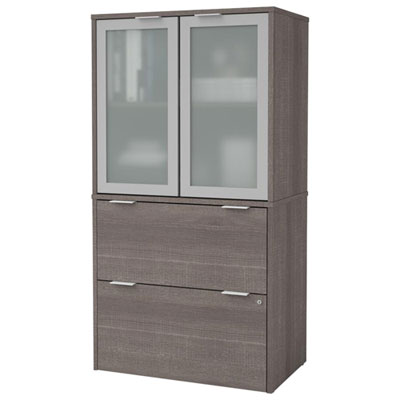

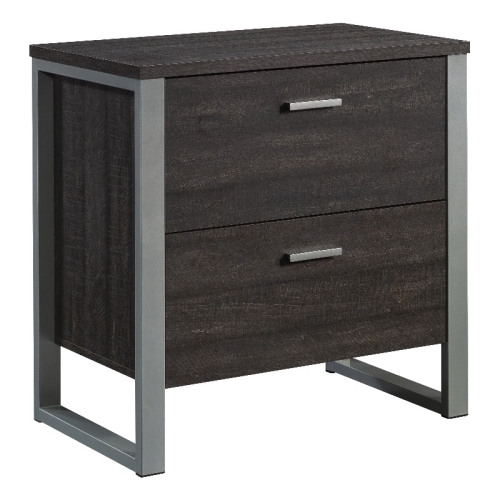
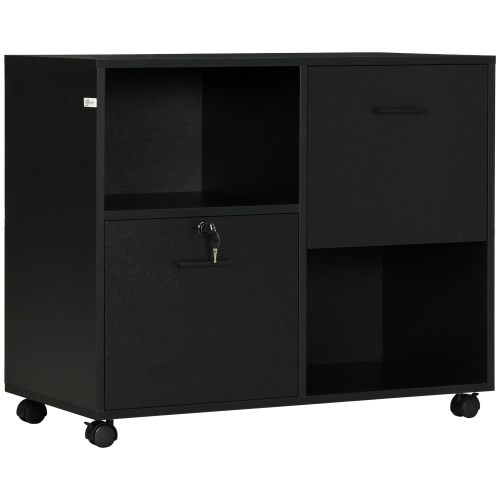
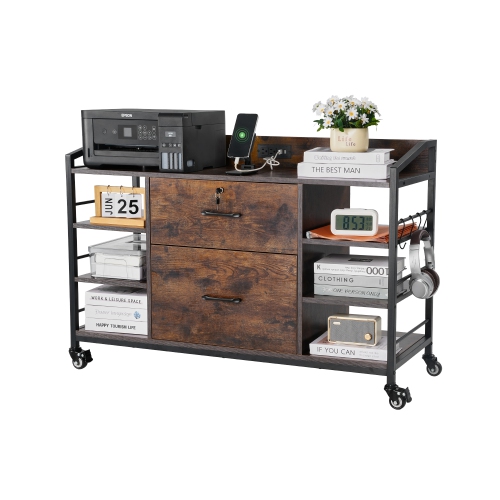
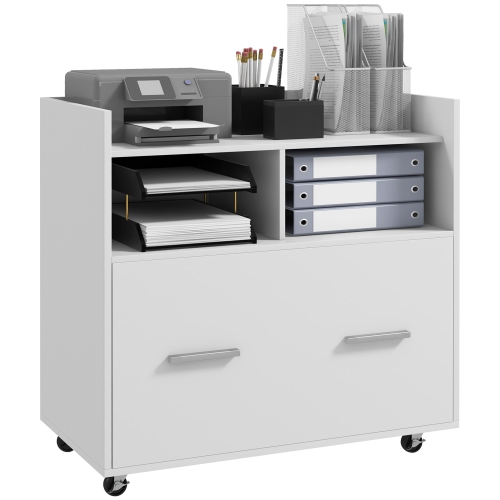
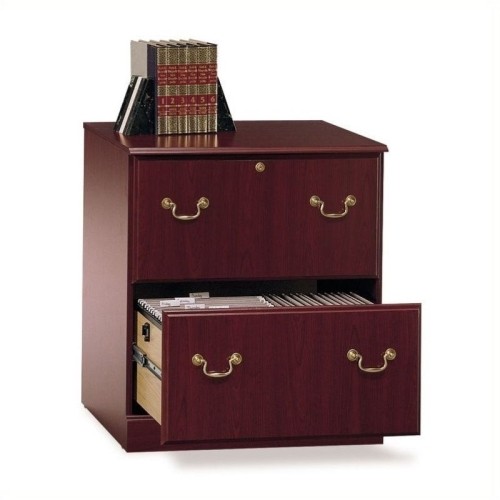
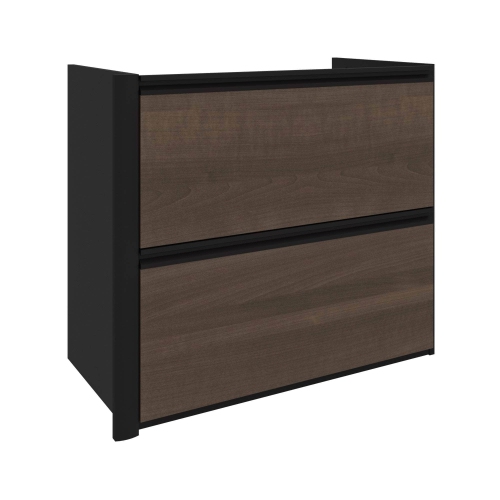
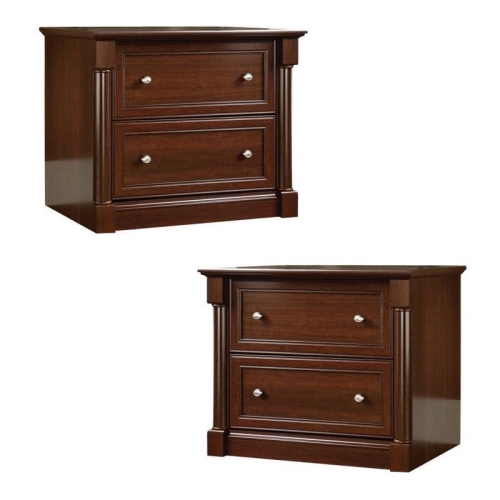
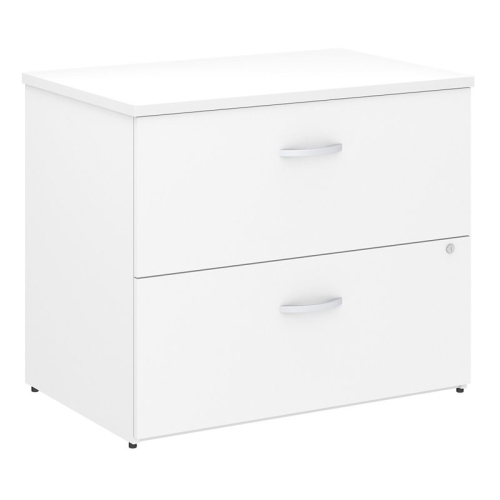

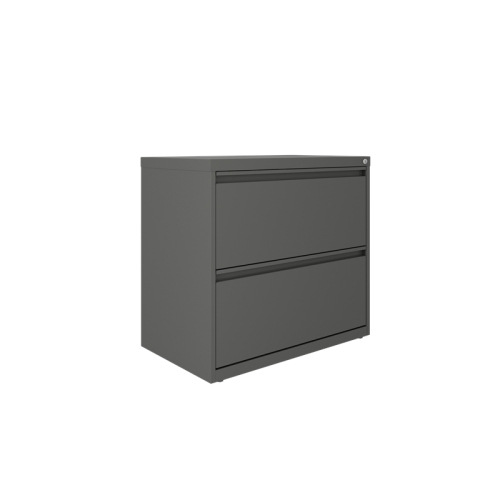
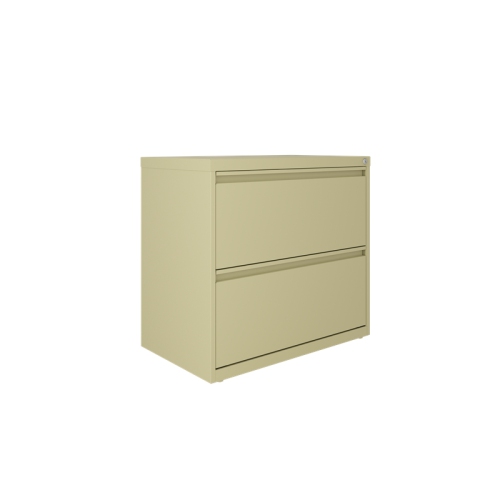
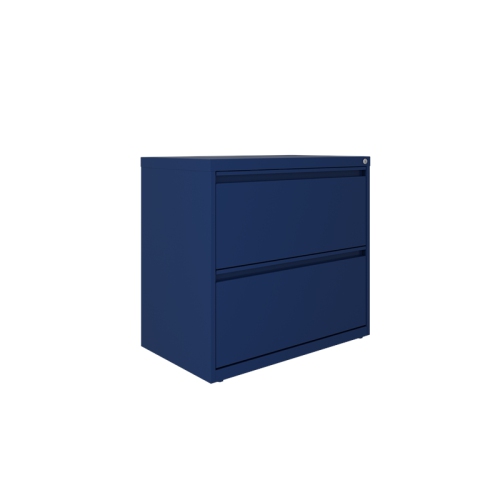
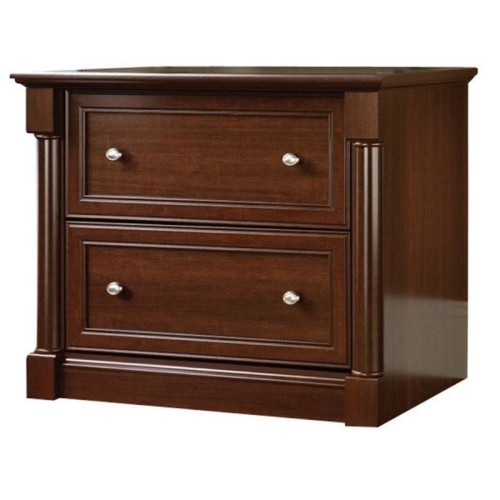
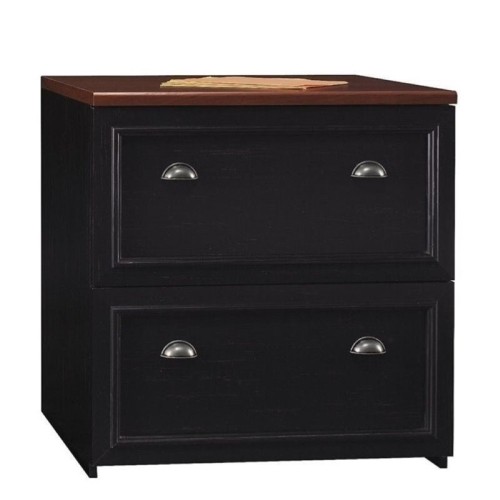
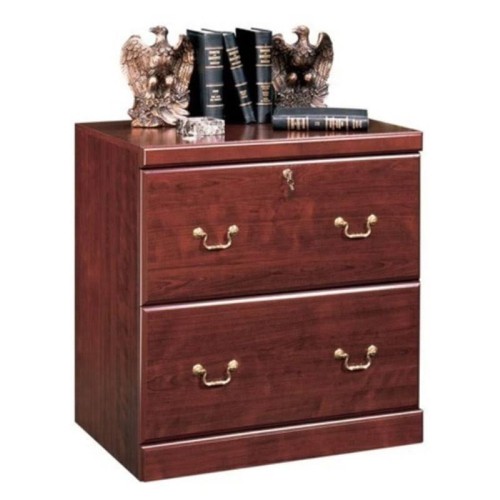
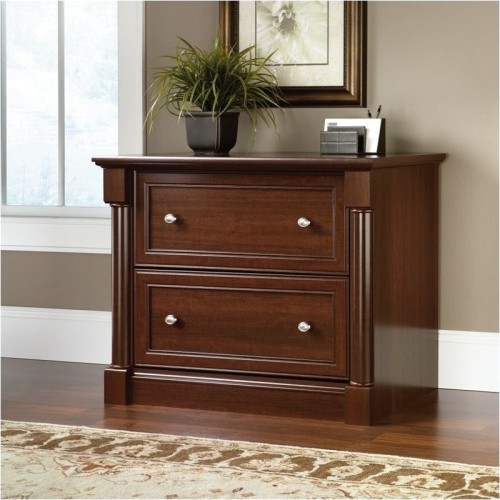
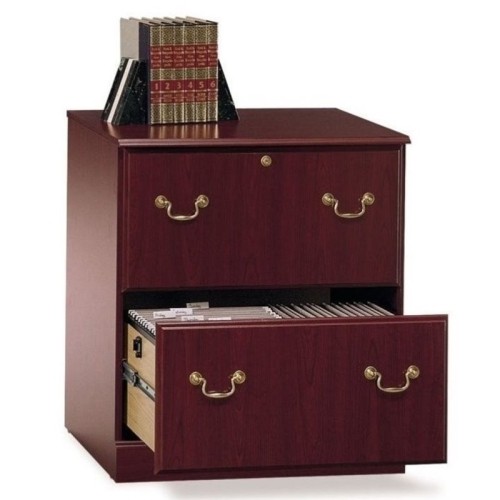
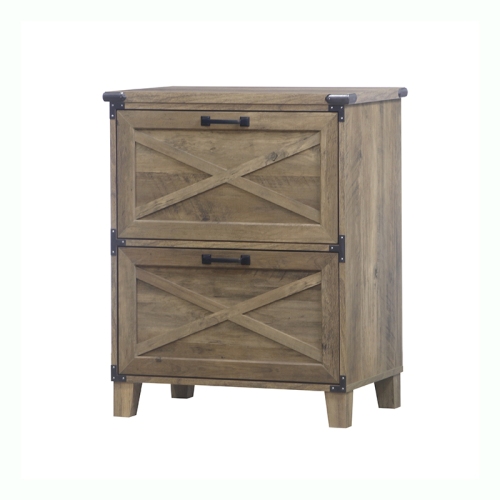
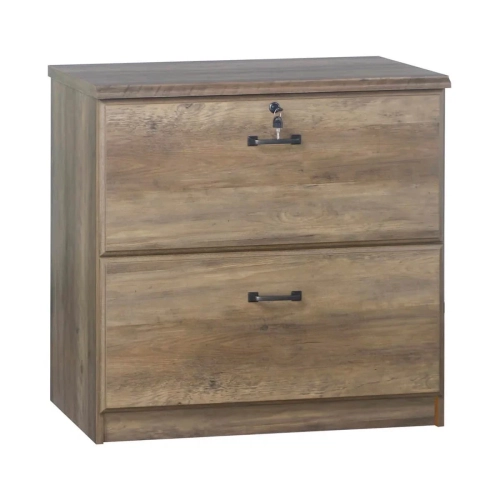
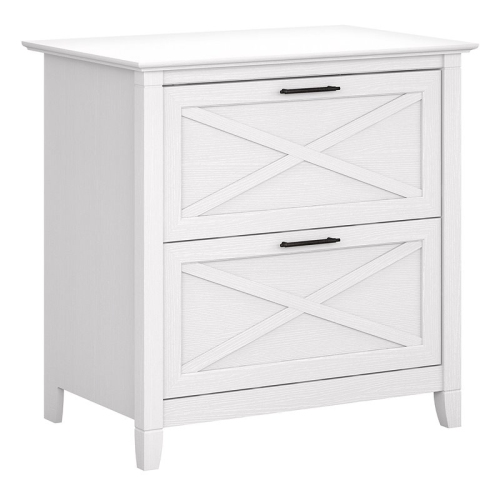
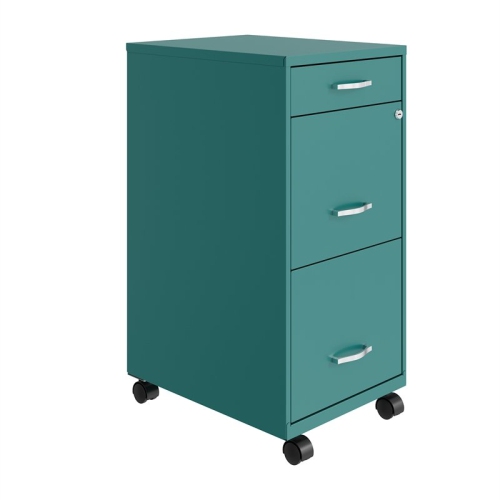
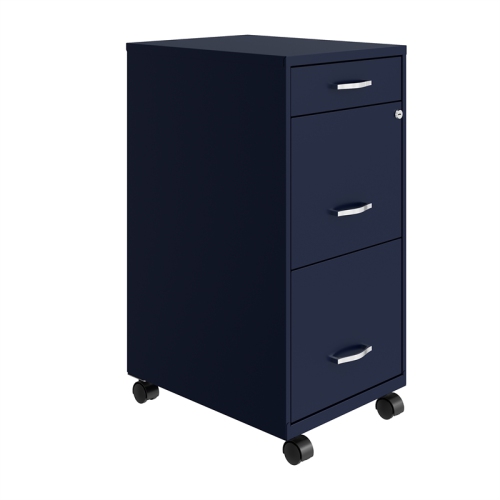
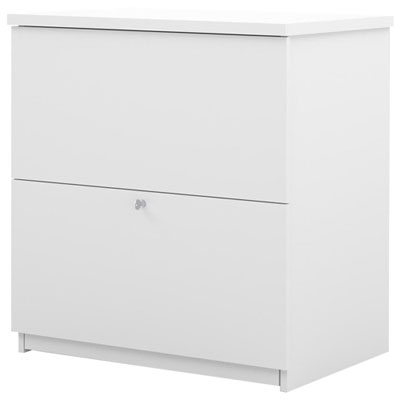
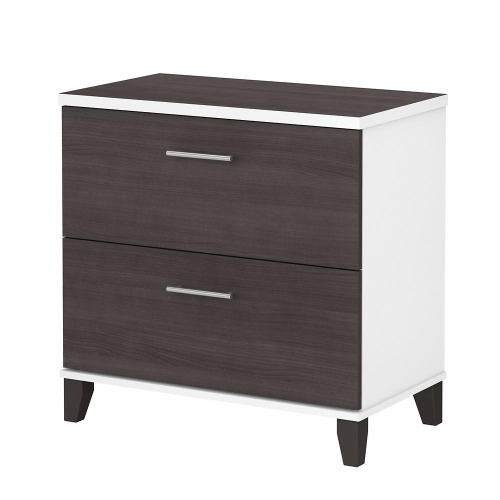
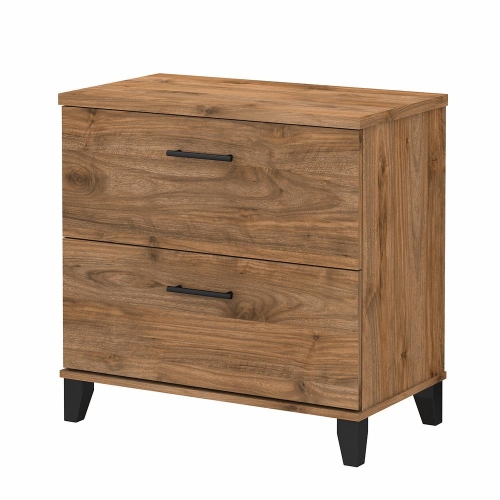
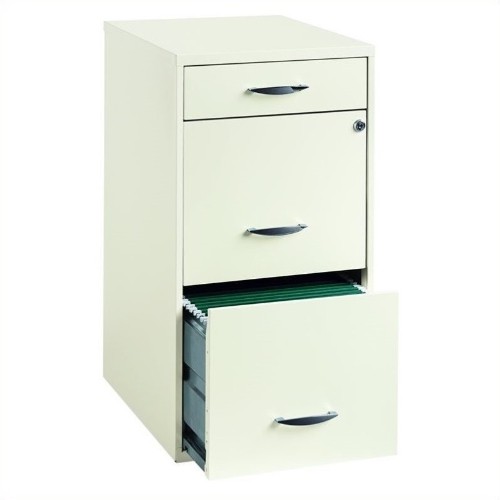
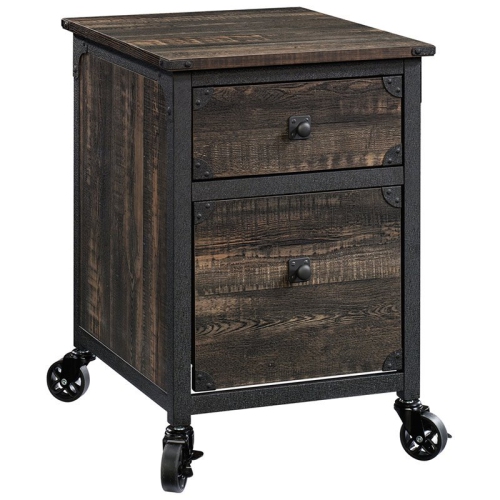
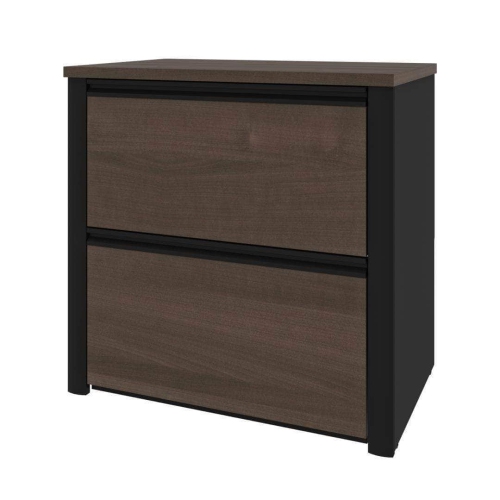
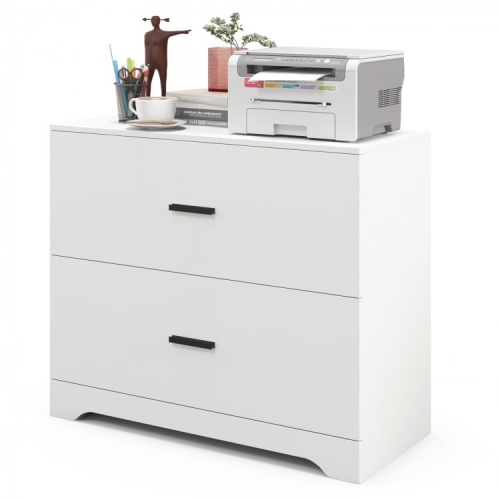
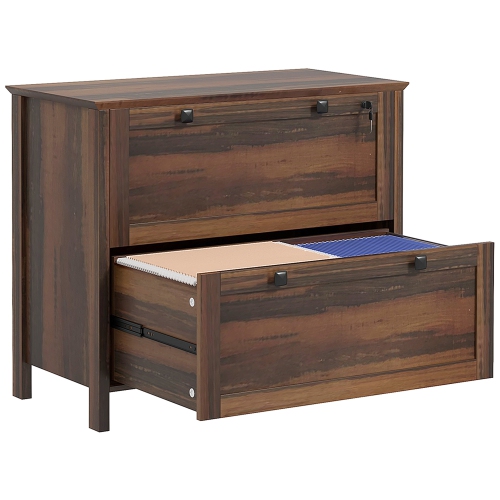
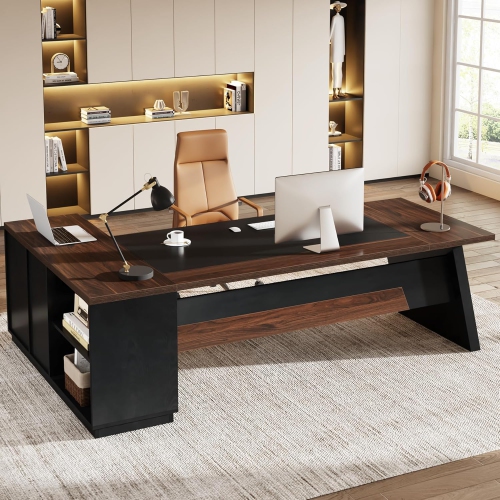
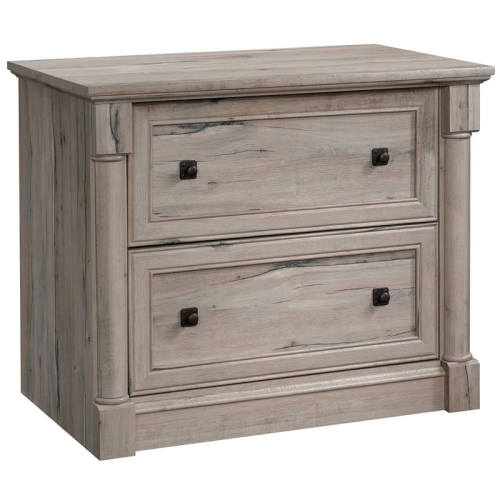
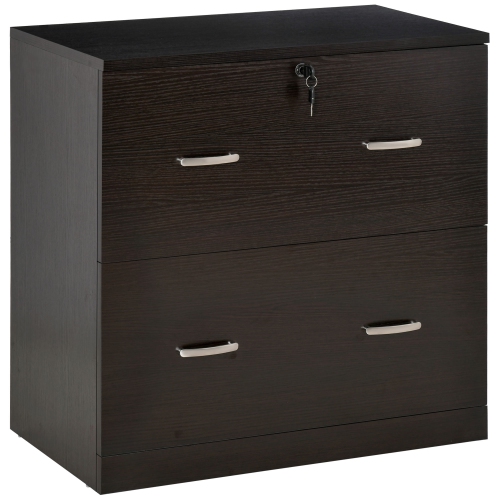
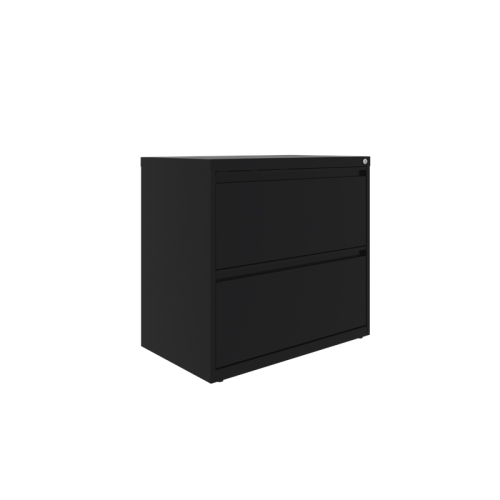
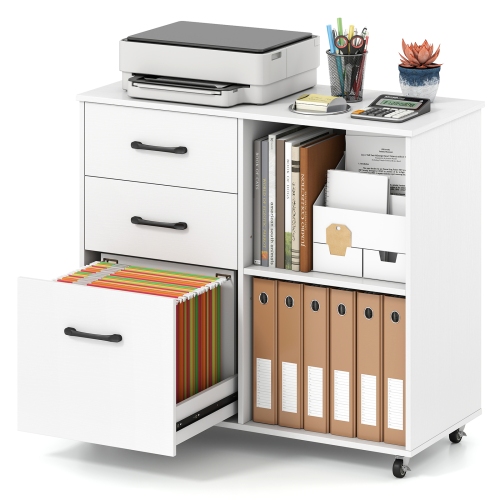
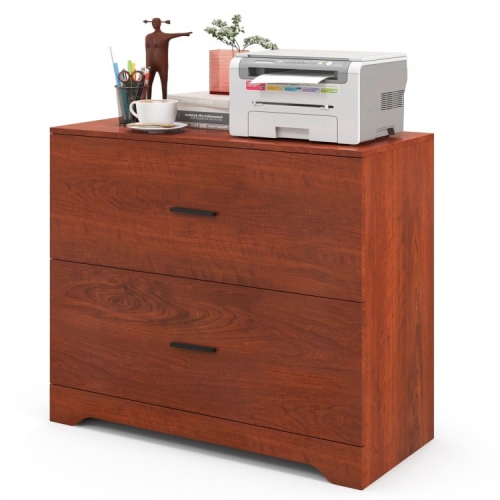
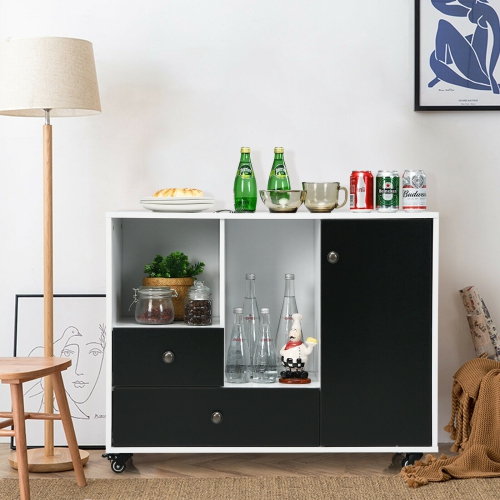
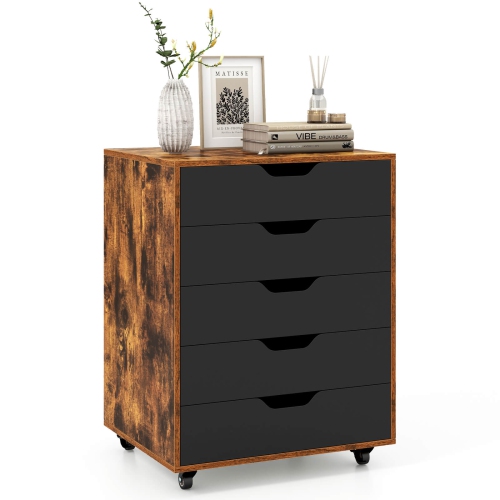
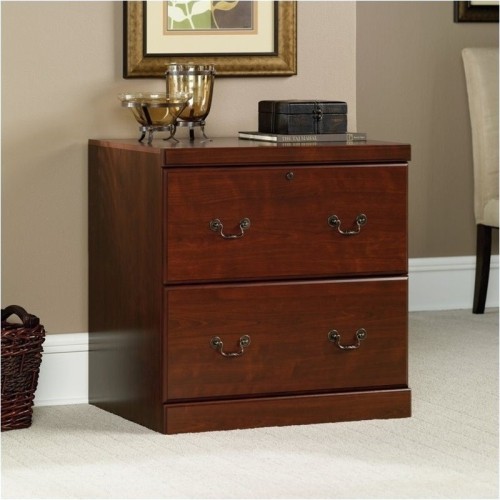
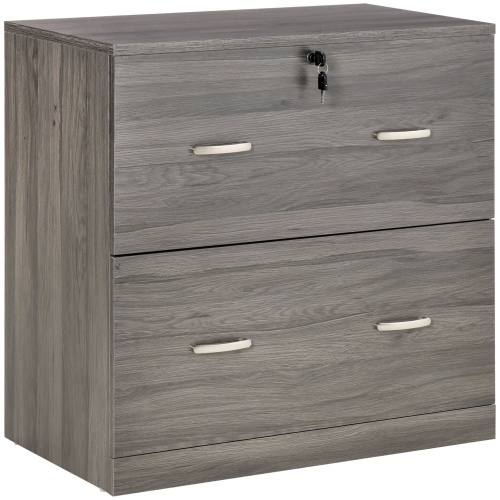
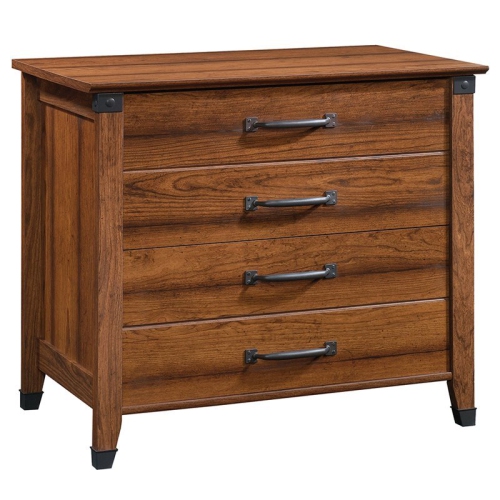
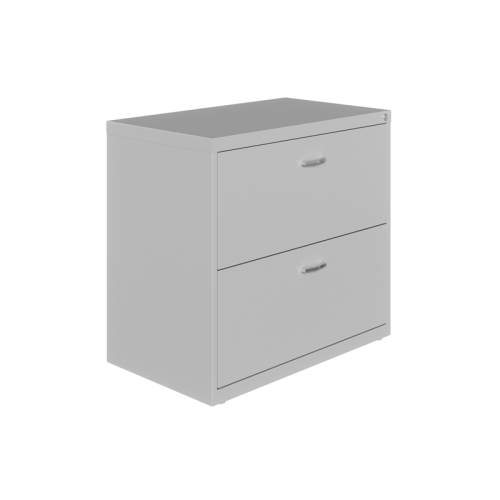
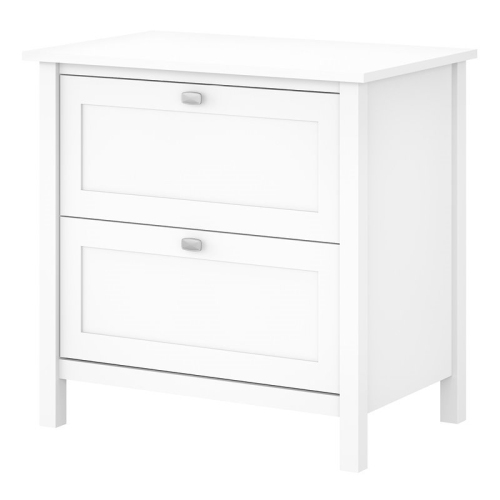
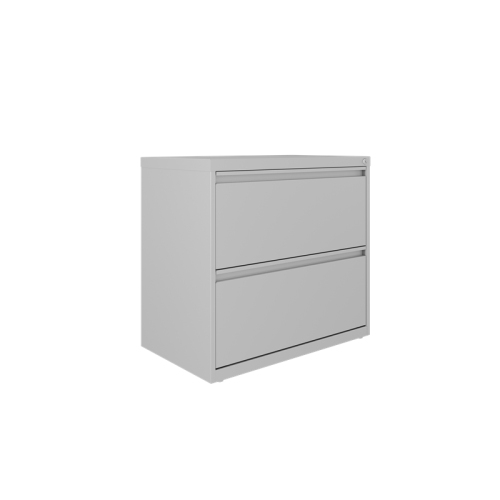

Wide storage and smooth access for busy filing spaces
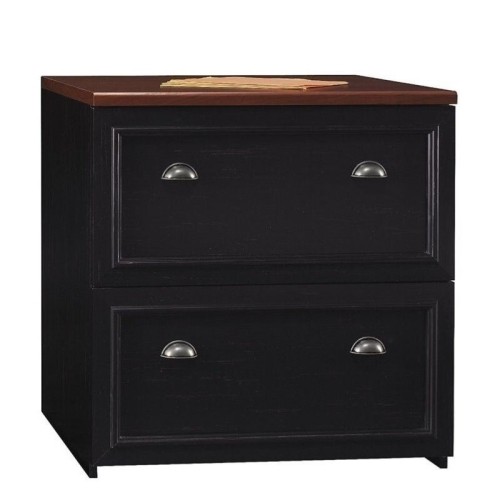
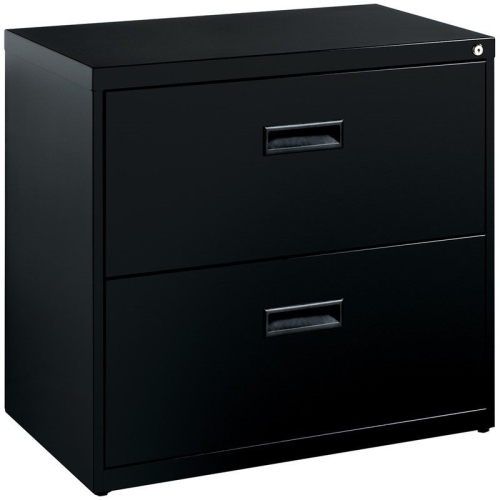
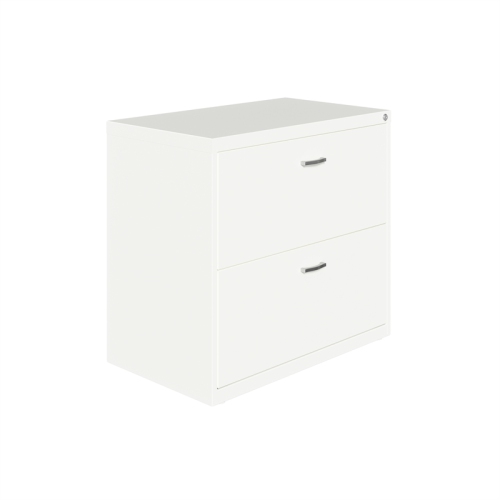
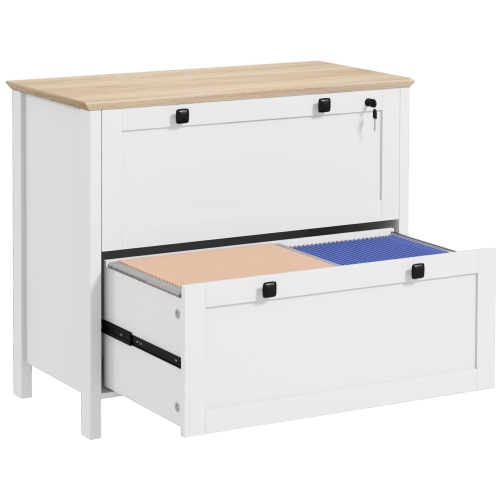
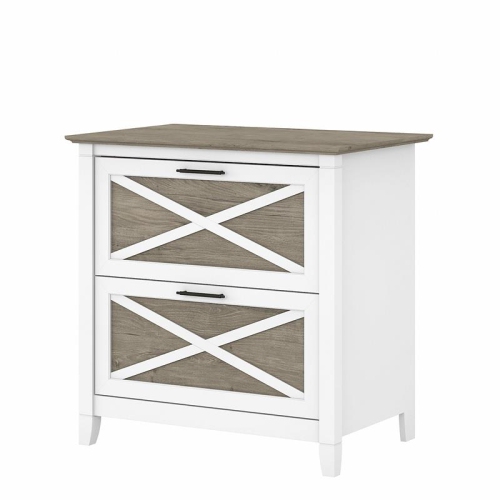
Large lateral file cabinets bring order to paperwork without requiring the deep floor space of a traditional vertical filing cabinet. Their drawers extend across the wide front of the unit, making folders easier to see and reach from a seated or standing position. This broad format works especially well in busy home offices, shared workspaces, reception areas, classrooms, clinics, studios and small businesses where several people need access to records throughout the day. Common widths include approximately 30, 36 and 42 inches, while configurations generally range from two to five drawers. Before choosing a cabinet, measure the wall, desk and walkway areas carefully, allowing enough clearance for drawers to open fully. It is also worth checking the dimensions of your files: many cabinets accommodate letter-size folders, while others support legal-size or A4 documents. Adjustable hang rails can add flexibility by allowing files to be arranged from side to side or front to back, which is helpful when your filing system changes over time. A wide cabinet can also double as a useful surface for a printer, desk lamp, display items or everyday office supplies, provided the top has the appropriate weight capacity and the items do not interfere with drawer access. For a coordinated workspace, explore Lateral Filing Cabinets White as another way to create a clean, bright look alongside desks, shelving and storage furniture.
Construction and drawer performance are especially important when a cabinet will hold large volumes of paper. Steel models are often selected for commercial environments because they provide a sturdy feel and are designed for frequent use, while wood-laminate finishes can blend more naturally with home-office furniture and residential décor. Look for full-extension ball-bearing slides if you want to reach folders at the back of each drawer without removing everything in front of them. Smooth, quiet movement is a small detail that becomes noticeable when a cabinet is opened dozens of times during a workday. Drawer capacity matters as well; heavy-duty units may support roughly 90 to 110 pounds per drawer, but the exact limit varies, so check the manufacturer’s specifications before loading them with binders, hanging folders or other dense materials. A two-drawer cabinet can be a practical fit for a home-based professional or a household that needs space for tax documents, warranties, insurance papers and school records. Three-, four- or five-drawer designs are better suited to offices with separate categories for clients, projects, personnel, accounting and archived files. Interlock safety systems, which allow only one drawer to open at a time, help reduce the risk of tipping when drawers are fully extended. This feature is particularly valuable in shared offices, work areas used by children or any room where the cabinet may be placed on a busy route. Leveling feet can help keep the unit stable on slightly uneven flooring, while a central lock can secure multiple drawers with one key. If confidentiality is a priority, consider whether the lock is designed for occasional privacy or regular security, and keep the keys in a consistent, restricted location.
The most effective filing cabinet is one that supports the way you already work. A real-estate professional may organize property records by address, while a contractor might separate estimates, permits, invoices and active projects. In a home office, one drawer could hold household documents, another could be reserved for business records and a third could store reference materials that need to remain close at hand. In a classroom or studio, wide drawers can keep forms, lesson materials, patterns, supplies and project paperwork arranged in broad, easy-to-scan categories. Label folders clearly and leave a little room in each drawer so new documents can be filed without forcing folders together. Hanging folders with consistent labels make it easier for anyone sharing the cabinet to return paperwork to the right place, and a simple colour system can distinguish active work from records that are complete. Large lateral file cabinets can also support a more comfortable room layout: unlike tall storage, their lower profile can sit beneath windows or artwork and keep frequently used files within an easy reach. During the warmer seasons and into the cooler months, they can help refresh a home office, prepare a workplace for a new project cycle or make a recently organized room feel finished. Choose the width, drawer count, file size and finish that match your space, then confirm the cabinet’s slide capacity, locking system and safety features before bringing it into your filing routine.
Construction and drawer performance are especially important when a cabinet will hold large volumes of paper. Steel models are often selected for commercial environments because they provide a sturdy feel and are designed for frequent use, while wood-laminate finishes can blend more naturally with home-office furniture and residential décor. Look for full-extension ball-bearing slides if you want to reach folders at the back of each drawer without removing everything in front of them. Smooth, quiet movement is a small detail that becomes noticeable when a cabinet is opened dozens of times during a workday. Drawer capacity matters as well; heavy-duty units may support roughly 90 to 110 pounds per drawer, but the exact limit varies, so check the manufacturer’s specifications before loading them with binders, hanging folders or other dense materials. A two-drawer cabinet can be a practical fit for a home-based professional or a household that needs space for tax documents, warranties, insurance papers and school records. Three-, four- or five-drawer designs are better suited to offices with separate categories for clients, projects, personnel, accounting and archived files. Interlock safety systems, which allow only one drawer to open at a time, help reduce the risk of tipping when drawers are fully extended. This feature is particularly valuable in shared offices, work areas used by children or any room where the cabinet may be placed on a busy route. Leveling feet can help keep the unit stable on slightly uneven flooring, while a central lock can secure multiple drawers with one key. If confidentiality is a priority, consider whether the lock is designed for occasional privacy or regular security, and keep the keys in a consistent, restricted location.
The most effective filing cabinet is one that supports the way you already work. A real-estate professional may organize property records by address, while a contractor might separate estimates, permits, invoices and active projects. In a home office, one drawer could hold household documents, another could be reserved for business records and a third could store reference materials that need to remain close at hand. In a classroom or studio, wide drawers can keep forms, lesson materials, patterns, supplies and project paperwork arranged in broad, easy-to-scan categories. Label folders clearly and leave a little room in each drawer so new documents can be filed without forcing folders together. Hanging folders with consistent labels make it easier for anyone sharing the cabinet to return paperwork to the right place, and a simple colour system can distinguish active work from records that are complete. Large lateral file cabinets can also support a more comfortable room layout: unlike tall storage, their lower profile can sit beneath windows or artwork and keep frequently used files within an easy reach. During the warmer seasons and into the cooler months, they can help refresh a home office, prepare a workplace for a new project cycle or make a recently organized room feel finished. Choose the width, drawer count, file size and finish that match your space, then confirm the cabinet’s slide capacity, locking system and safety features before bringing it into your filing routine.
Top selling and popular products
-
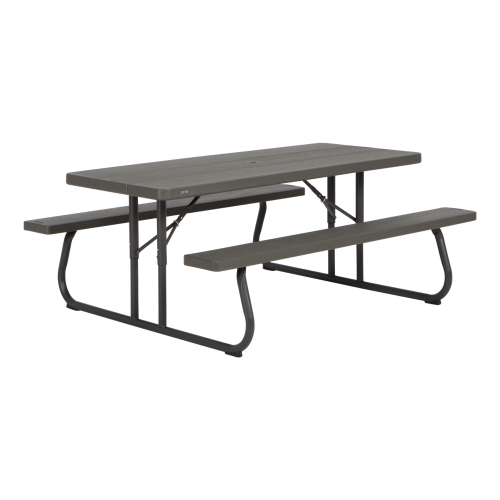 Your price for this item is $399.99
 -
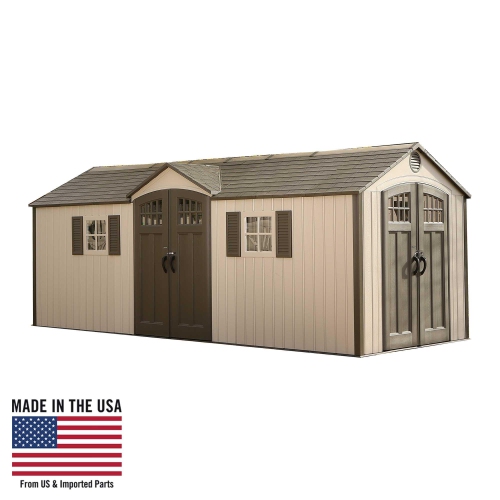 Your price for this item is $5999.99
 -
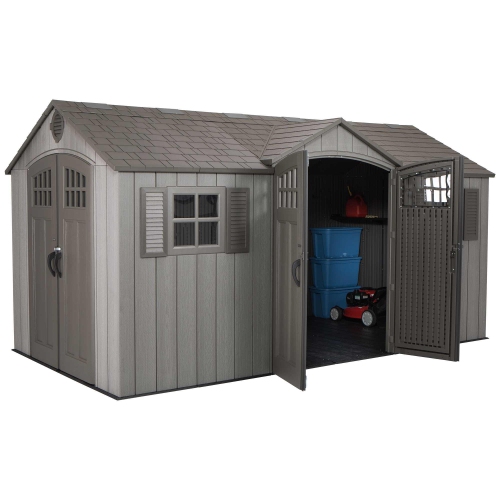 Your price for this item is $4499.99
 -
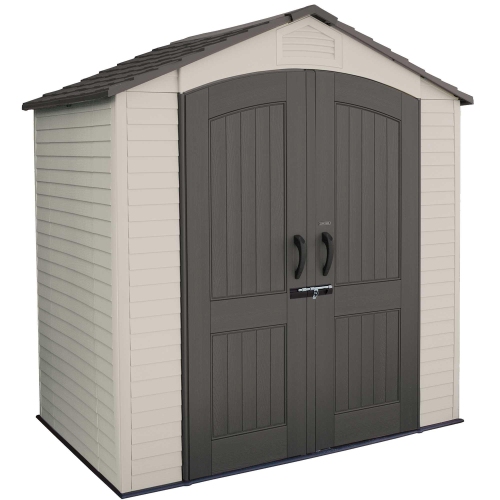 Your price for this item is $1799.99
 -
 Your price for this item is $965.99
 -
 Your price for this item is $399.99
 -
 Your price for this item is $402.87
 -
 Your price for this item is $5999.99
Discover more categories related to Large Lateral File Cabinets
Top Collections:
Pokemon Centers, Kindle Devices, Best Budget Office Chairs, Apple iPhones 16, Canon G7X Cameras, iPhone 15 Apple, Alarm Clock, Refurbished Apple Laptops, Flip Phones, Best Laptops for Writers
Some products may be subject to Environmental Handling Fees
(EHF) depending on your province.
Learn more about EHFs.