3d Gifts
Delve into a world where imagination meets reality with an array of 3D gifts that are sure to captivate and inspire. Whether you're shopping for tech enthusiasts, creative minds, or someone who simply loves innovative gadgets, these unique gifts offer an immersive experience that transcends the ordinary. From cutting-edge devices that bring digital creations to life to interactive toys that spark curiosity and creativity, there's something for everyone in this exciting collection. Explore the possibilities and discover how these 3D wonders can transform everyday moments into extraordinary experiences.
Sort










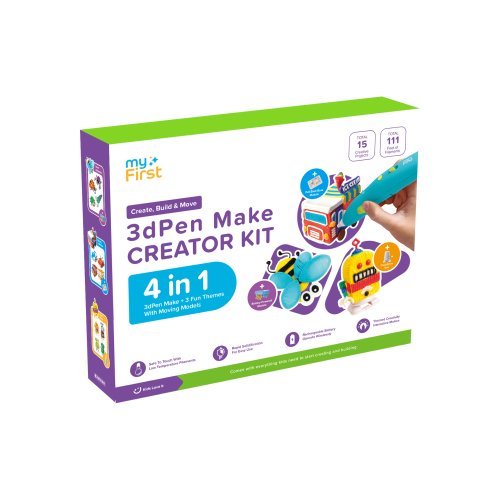

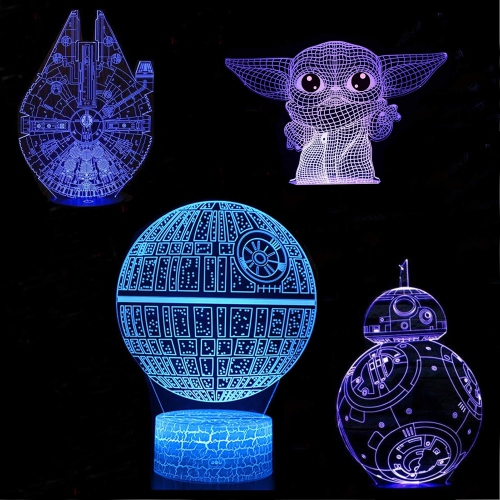

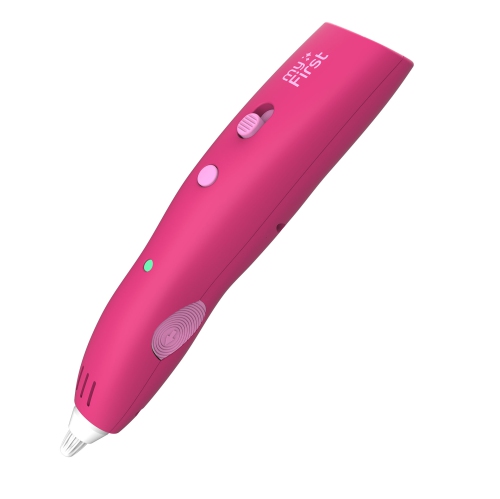
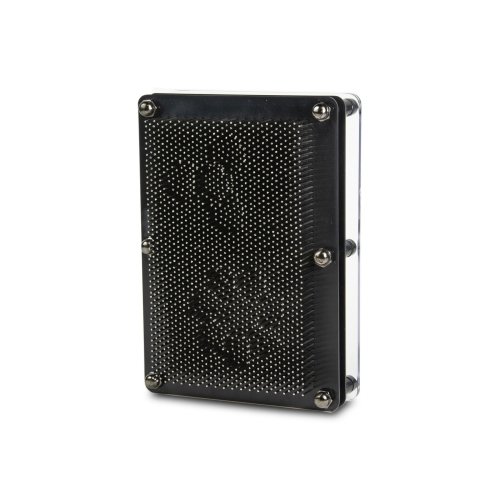
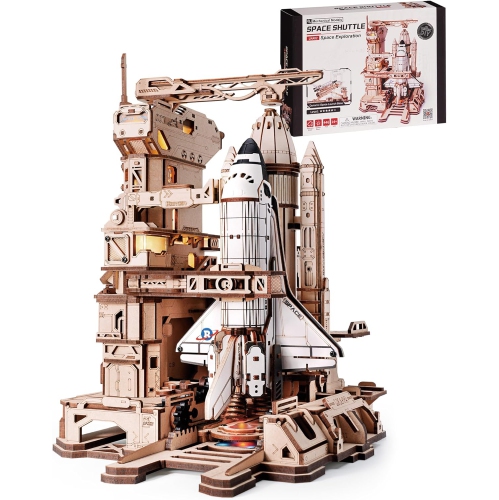

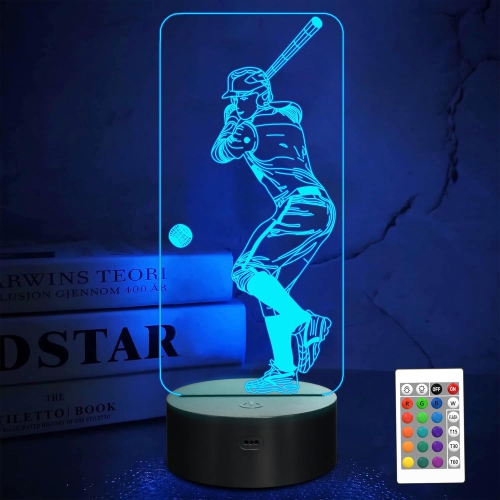
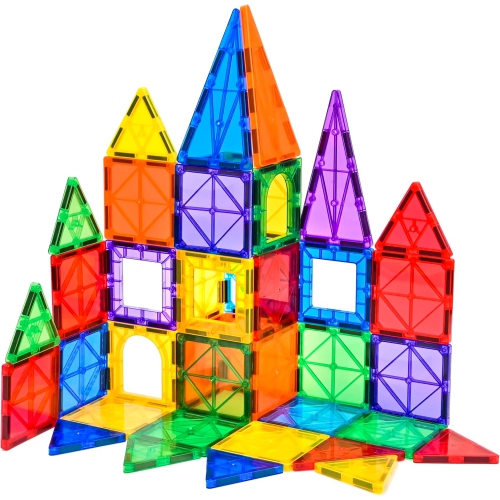
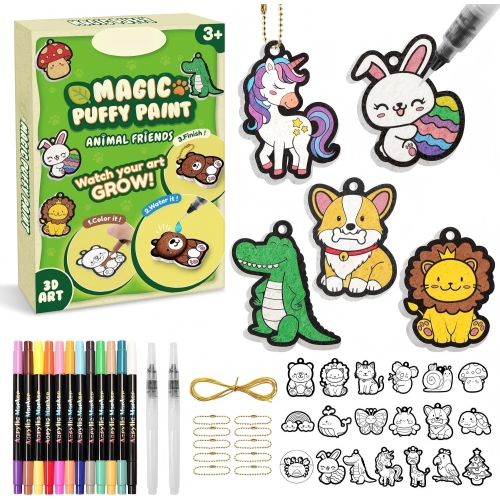
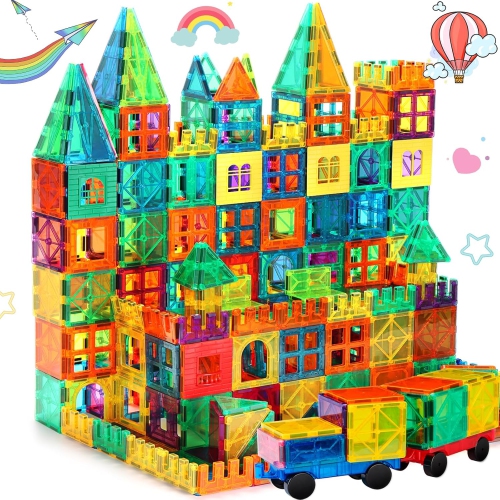
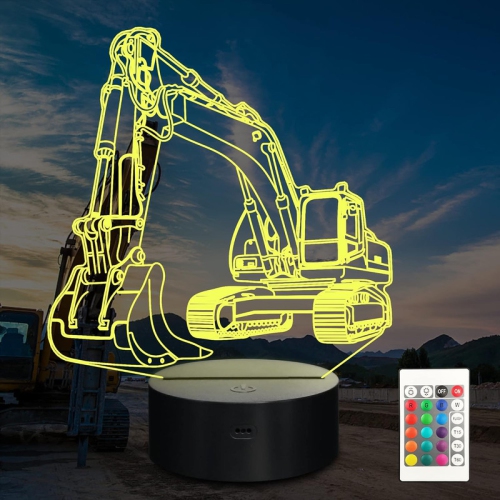
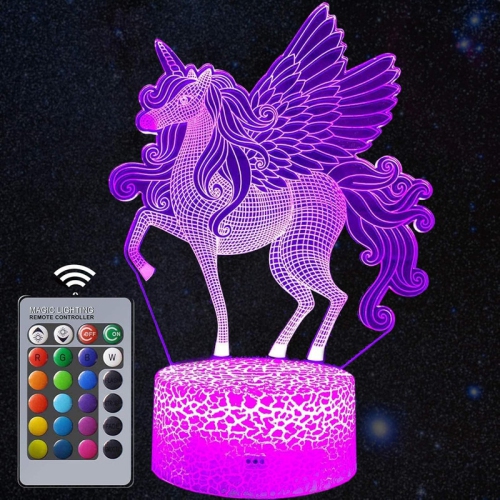
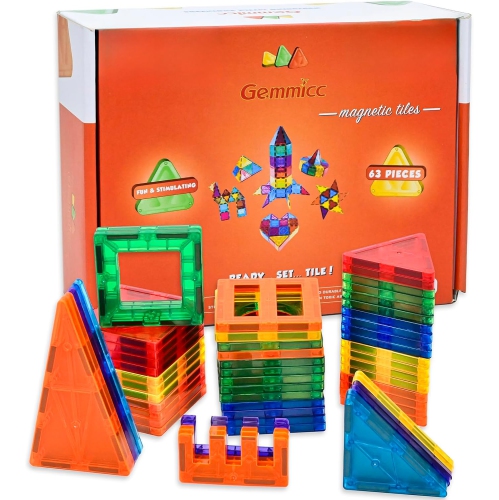
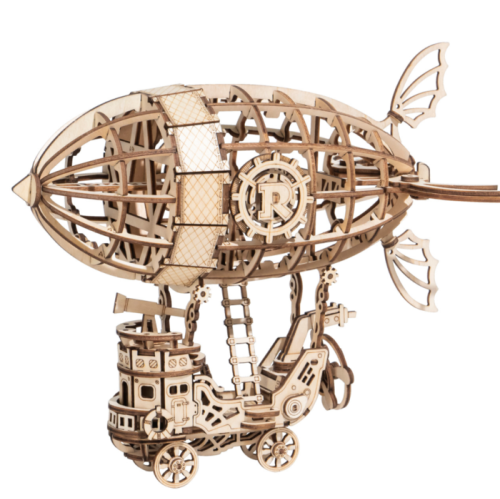
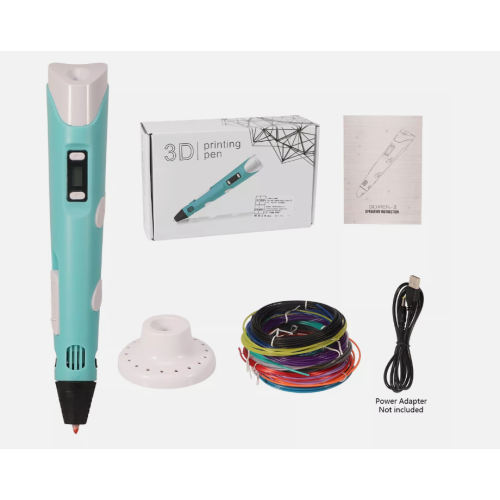
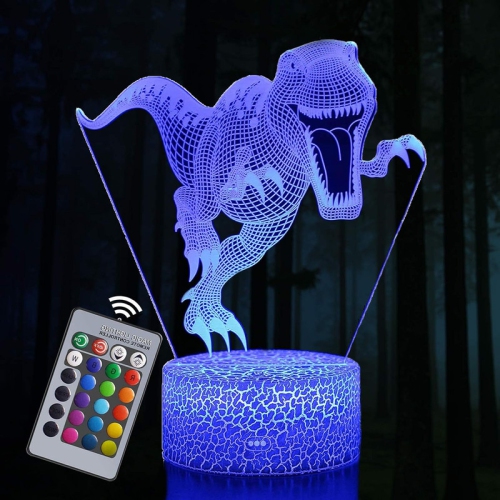

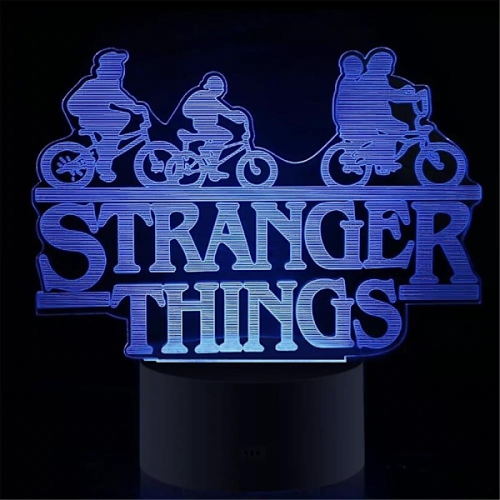





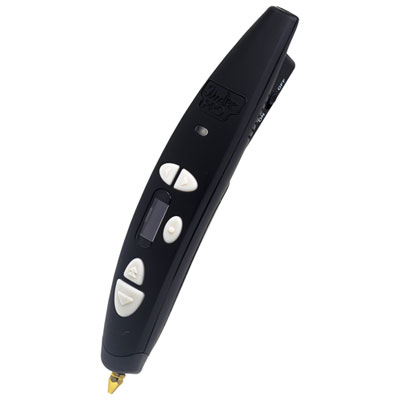
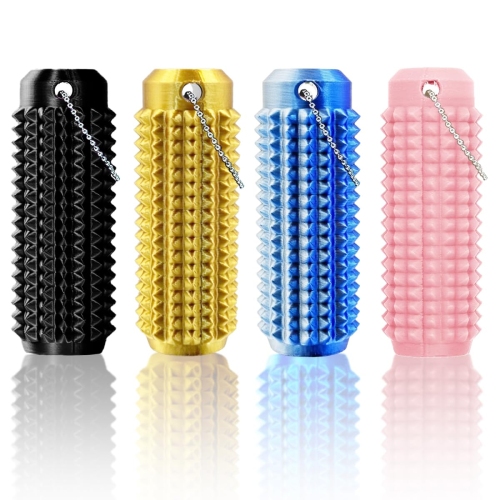
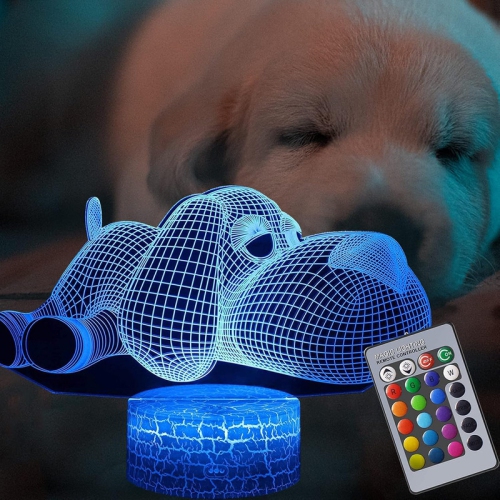
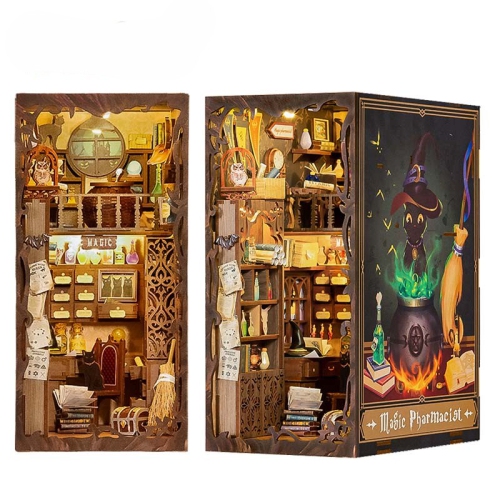

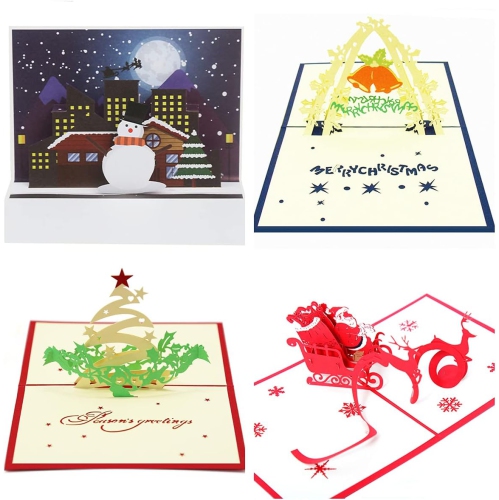
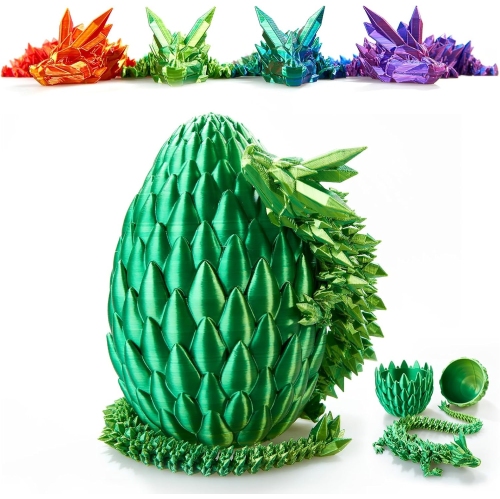
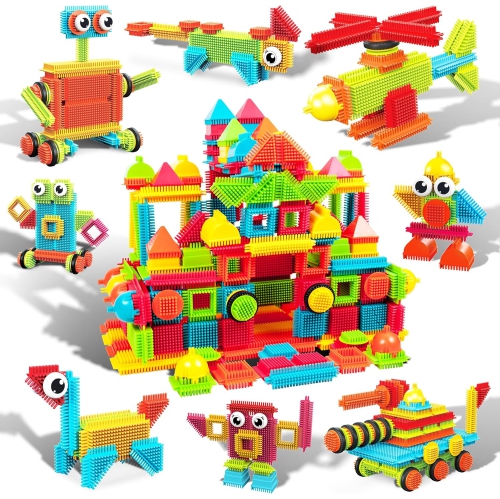
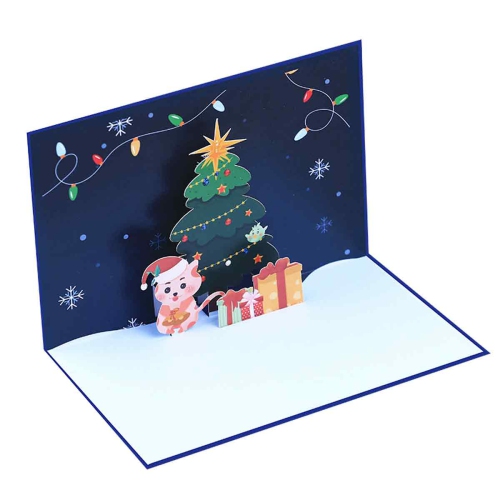



How depth and detail make gifts feel personal
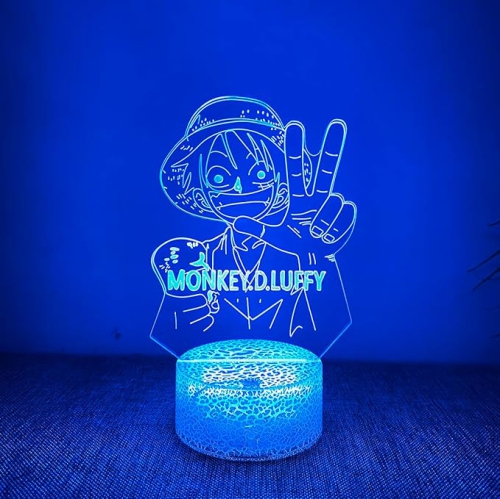
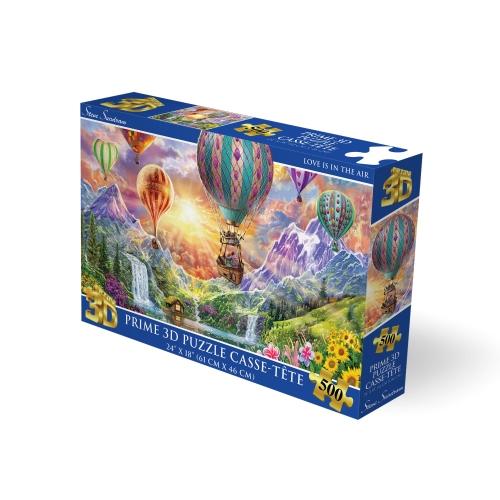
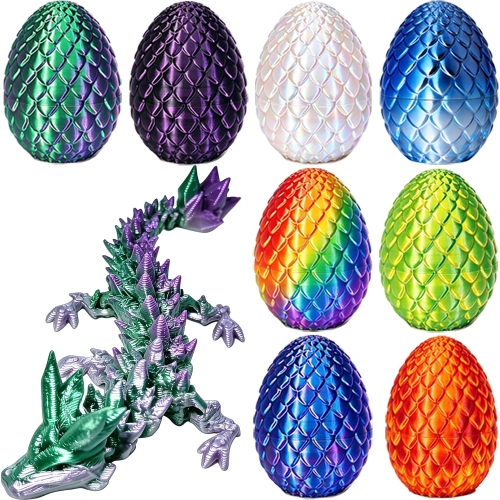
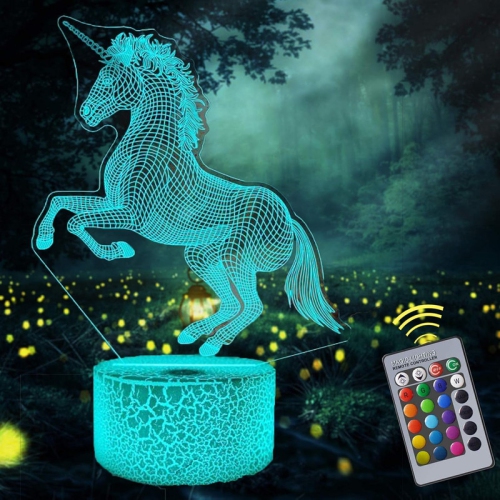
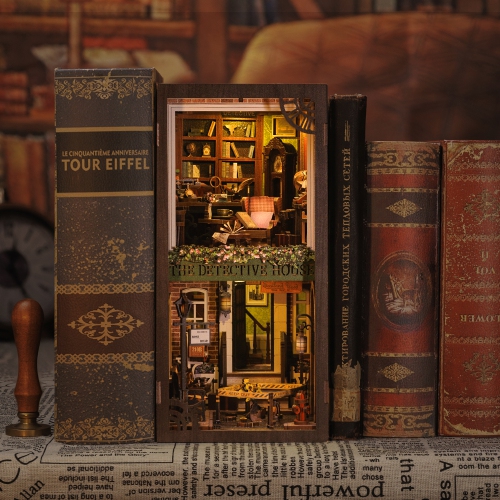
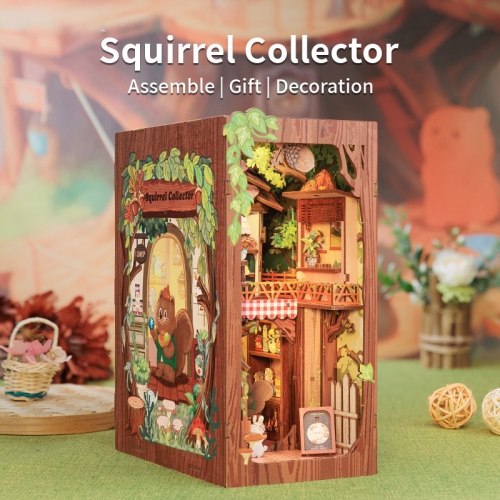
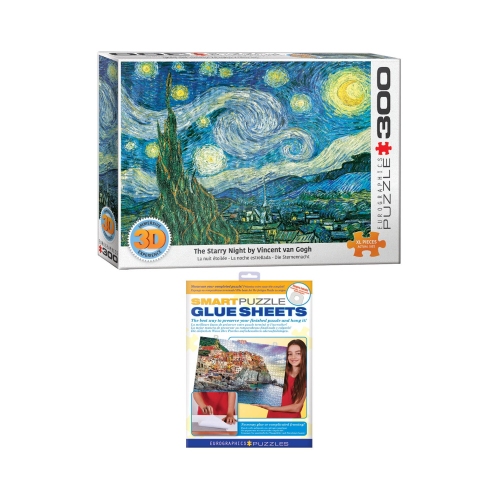
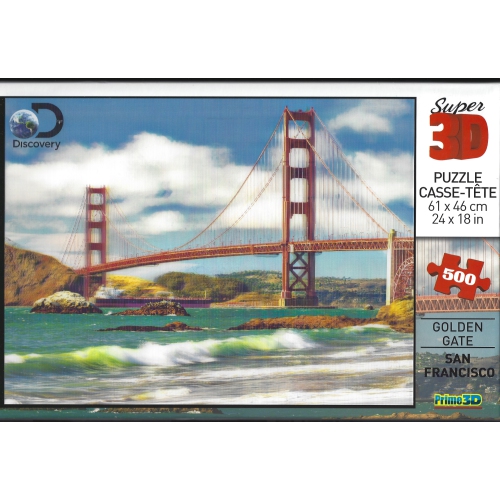
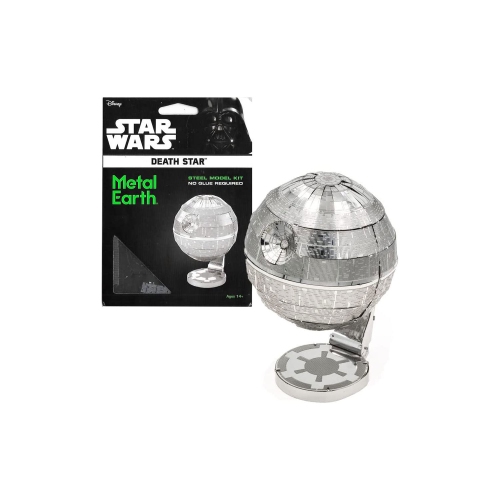
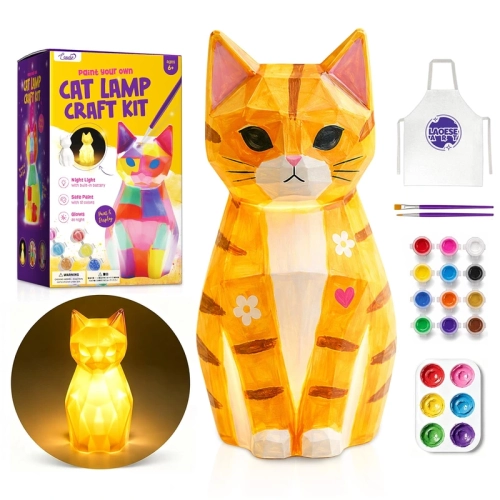
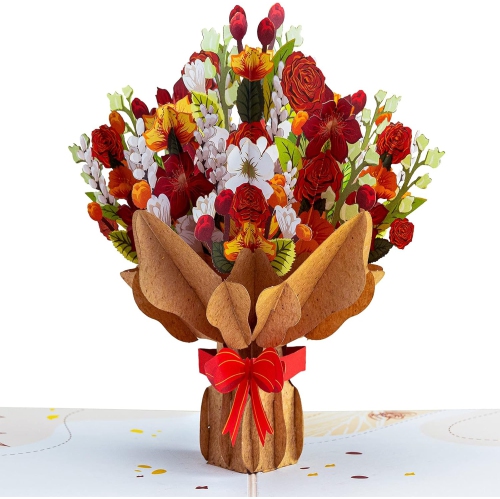
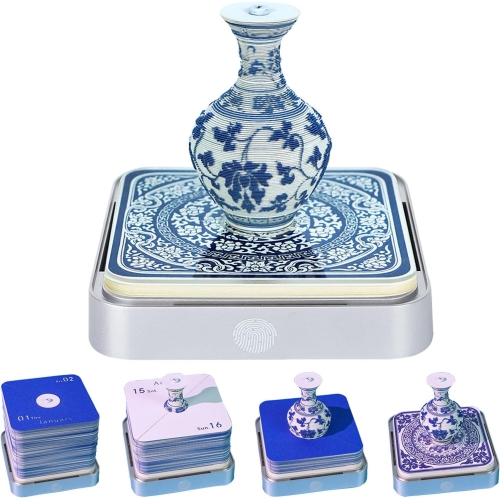
3D gifts are physical presents that use shape, depth, texture, or layered imagery to create something more dimensional than a flat picture. Common categories include 3D-printed figurines, articulated desk toys, sculptural lighting, dimensional puzzles, and photographic keepsakes with an image displayed inside clear glass or crystal. The term describes both how a gift is made and how it looks: a printed object is built up in successive layers, while an engraved keepsake uses carefully positioned marks within a transparent material to create an impression of depth. A lithophane works differently again, using variations in the thickness of a panel to reveal an image when light passes through it. These differences give 3D gifts a broad appeal, from small objects that invite handling to decorative pieces meant to be admired on a shelf. For someone who enjoys playful details, moving joints or interlocking shapes can make a desk accessory feel more engaging. For a recipient who values photographs and shared memories, a dimensional portrait can turn a familiar image into a display piece that changes subtly with the viewing angle. Personalized designs may feature names, dates, portraits, or other meaningful details, making the finished object closely connected to a person or occasion. A birthday, graduation, anniversary, or housewarming can all suit this kind of gift without requiring a particular decorative style. The distinction between display and interaction matters, though: a finely detailed miniature may be intended for a cabinet rather than repeated handling, while a puzzle or articulated design needs construction suited to movement. Scale also affects the impression a gift makes. A compact object can add character beside a monitor without taking over the workspace, whereas a larger sculptural piece needs enough room for its outline and details to be appreciated. Colour, finish, and visual complexity help determine whether the gift blends into the recipient’s surroundings or becomes a deliberate focal point.
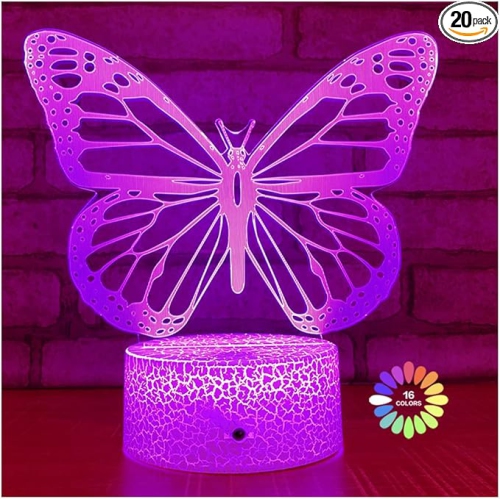
Materials and construction influence how a 3D gift feels, how it holds up, and where it belongs. Printed plastics can make lightweight shapes with intricate geometry, but their strength depends on more than the material name. Wall thickness, the direction of the printed layers, joint design, and the finishing process all affect durability. Fine projections and narrow connections generally need gentler handling than solid, rounded forms. Resin printing can capture small details and smooth surfaces, although delicate resin parts may be vulnerable to impact. Visible layer lines are a normal feature of many printed objects, and their appearance varies with the printing method and finish; they are not automatically a sign of poor workmanship. Glass and crystal keepsakes offer a different experience, with weight, clarity, and polished surfaces that suit careful display. Their edges and corners can chip if knocked against hard surfaces, so a stable position away from the edge of a desk or shelf is important. Cleaning should match the material and any coating. A soft, lint-free cloth is often suitable for removing dust from smooth surfaces, while textured designs may need a gentle brush that can reach recessed details without catching thin parts. Abrasive cleaners, soaking, or dishwasher cleaning can damage finishes or components unless the care instructions specifically permit them. For illuminated gifts, the light source, power connection, cable length, and access to an outlet affect everyday use as much as the appearance. A backlit image needs even illumination to show its detail clearly, and any replacement light source should meet the maker’s specifications. Objects intended for children need particular attention to age recommendations, small parts, sharp edges, and detachable components. A decorative object is not necessarily a toy, even if its shape looks playful. For gifts that will be handled frequently, smooth contact surfaces, secure connections, and straightforward care are useful qualities. Dimensions and weight also help establish whether a piece will sit comfortably on its intended surface, especially when that surface already holds a keyboard, lamp, or other everyday essentials.
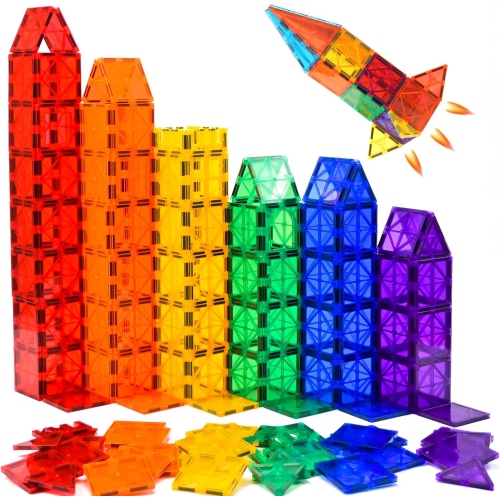
A well-matched 3D gift reflects how the recipient spends time and what they enjoy having around them. Someone who likes hands-on problem solving may appreciate a dimensional puzzle with a satisfying mechanical structure, while a collector may place more value on crisp detail, a balanced pose, and a finish that looks good from several angles. A colleague’s desk usually calls for a compact footprint and a design that does not interfere with work; a gift for a home display can have a more personal character. Functional shapes, such as organizers and holders, combine visual interest with a clear purpose, but their usefulness depends on fit. Openings need to accommodate the objects they are intended to hold, bases need to remain steady during use, and moving sections need enough clearance to work without snagging. Photographic designs have their own considerations. A clear subject, distinct facial features, and a composition that keeps the important people close together can help a dimensional image remain recognizable at a smaller scale. The finished effect may differ from a conventional photograph, particularly when the design relies on engraving, relief, or transmitted light rather than printed colour. For recipients who prefer making things to displaying them, creative tools offer another connection to the theme. These gifts involve different expectations: workspace, compatible materials, setup, and the time needed to learn the process all matter. Someone interested in modelling, digital sculpting, or turning an original design into a physical object may also appreciate Gifts for 3D Artists. Finished 3D gifts, by contrast, can be enjoyed without learning a production workflow. A stable display position, materials suited to the intended handling, and a design connected to the recipient’s interests give a dimensional present lasting appeal, whether it becomes a daily desk companion, a conversation piece, or a keepsake associated with a meaningful occasion.
Top selling and popular products
-
 Your price for this item is $232.99
-
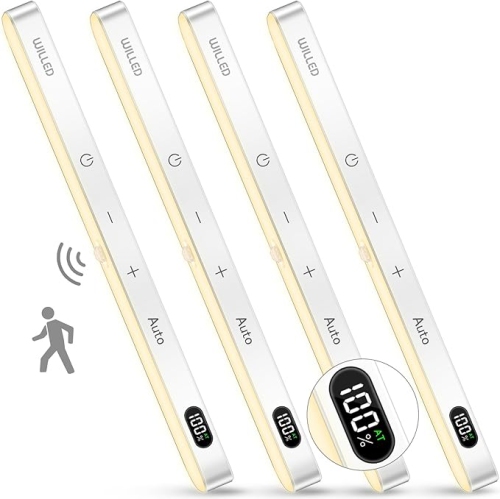 Your price for this item is $17.68
-
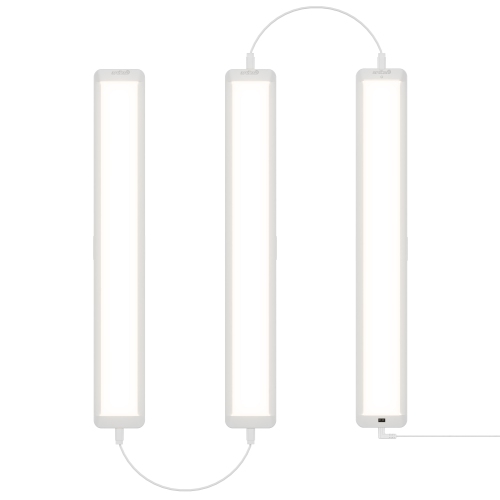 Your price for this item is $89.99
-
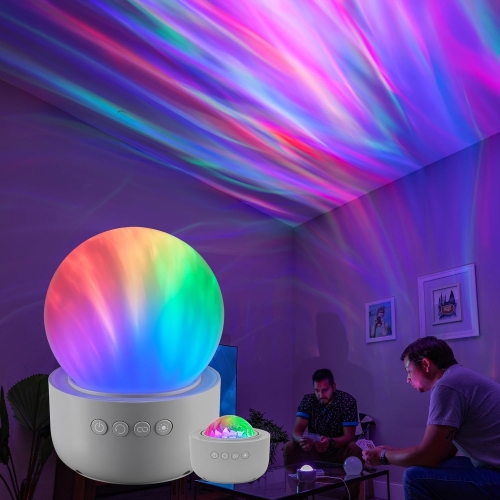 Your price for this item is $29.99
-
 Your price for this item is $119.99
-
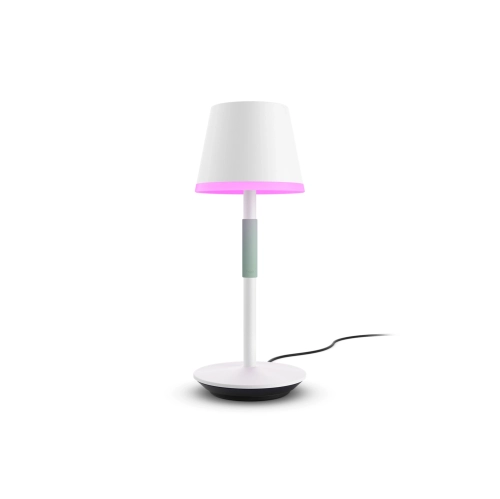 Your price for this item is $245.68
-
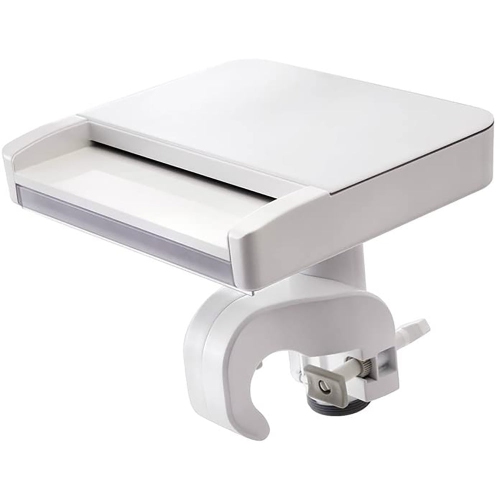 Your price for this item is $129.99
-
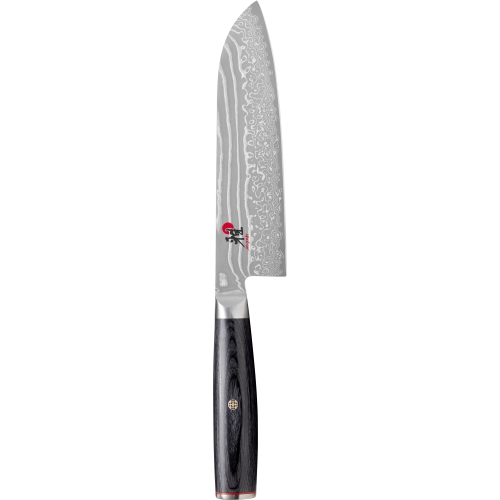 Your price for this item is $299.99
Discover more categories related to 3d Gifts
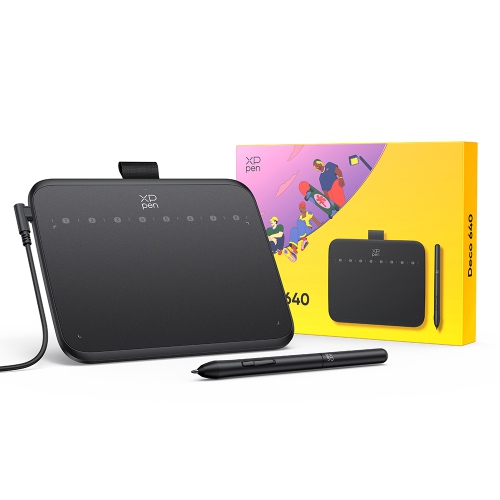
Top Collections:
Best Black Friday Deals This Year, Best Black Friday Deals On Electronics, Kindle Devices, Pokemon Centers, Best Black Friday Deals On Apple Products, Best Cameras for Sports Photography, Dyson Airwrap, Pokémon 30th Celebration Cards, Apple iPhone 17 Pro, Canon G7X Cameras
Some products may be subject to Environmental Handling Fees
(EHF) depending on your province.
Learn more about EHFs.