8 Piece Outdoor Furniture Sets
Create your dream outdoor oasis with our 8-piece outdoor furniture sets. Whether you're looking to entertain friends and family or simply relax in the sun, these versatile sets provide the perfect combination of style and comfort. Crafted with durability in mind, each set is designed to withstand the elements and enhance your outdoor space for years to come. From cozy conversation sets to spacious dining options, our 8-piece outdoor furniture sets offer a variety of configurations to suit your needs. Transform your patio, deck, or backyard into a stylish retreat with these must-have sets.
Sort
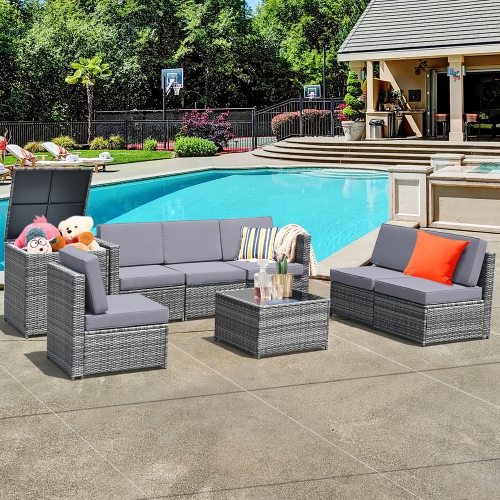
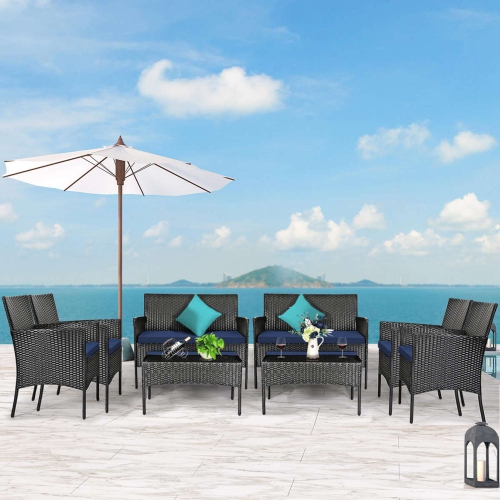
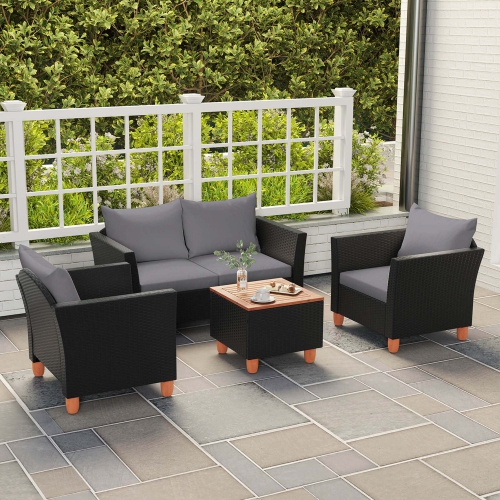

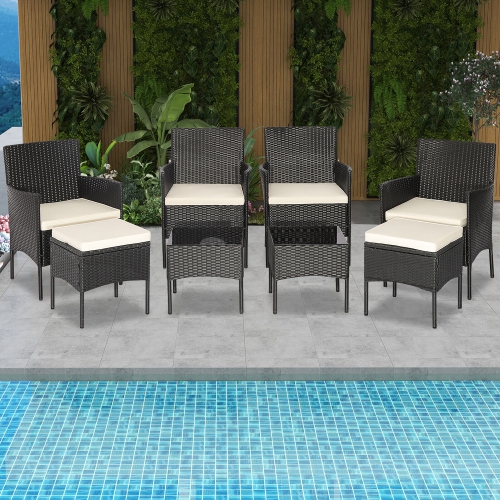
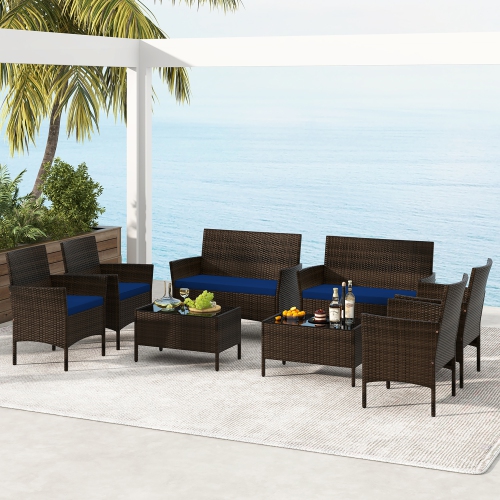
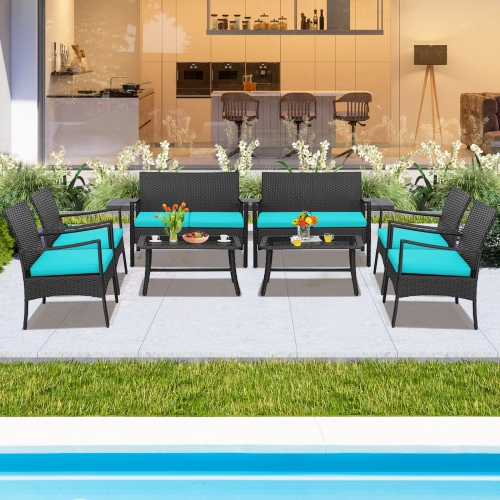
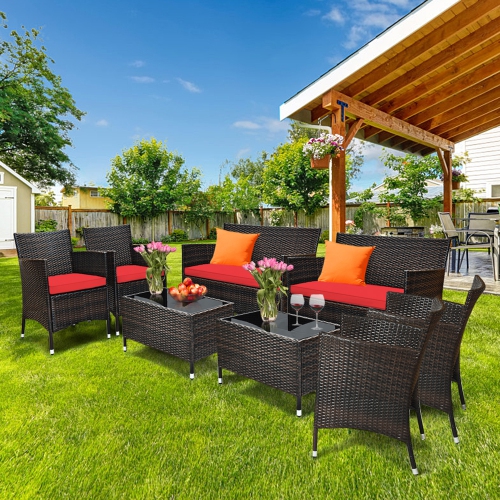
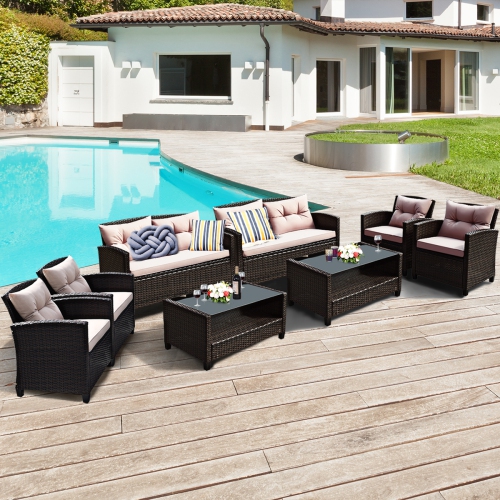
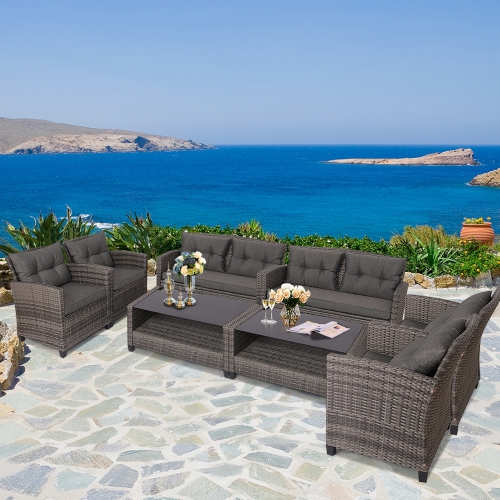
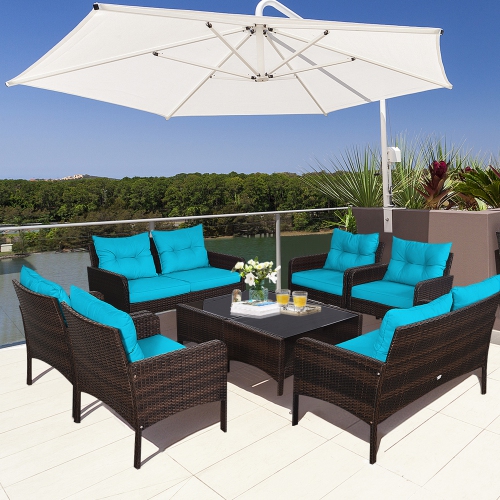
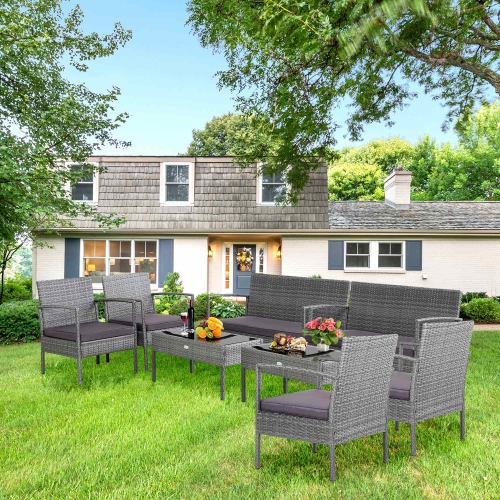
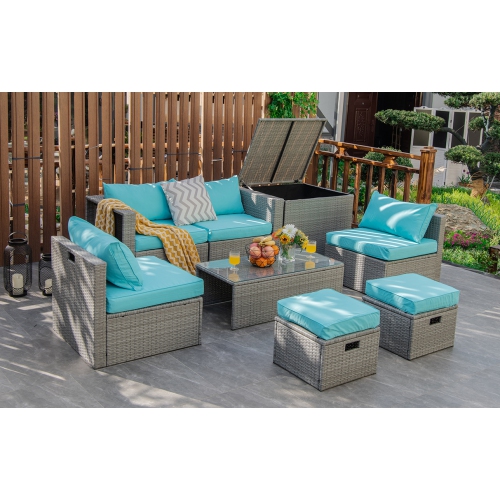
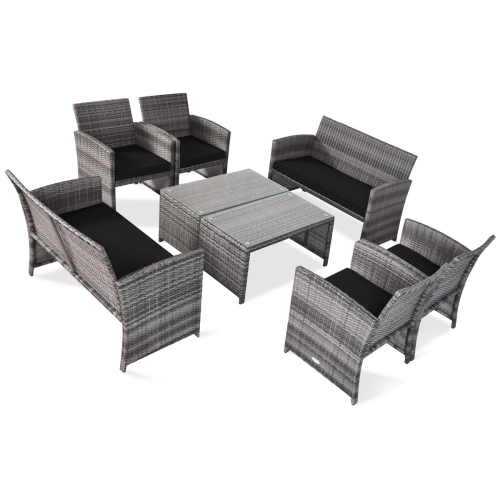

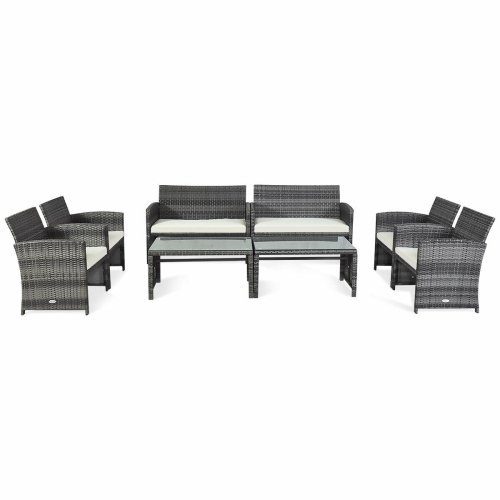
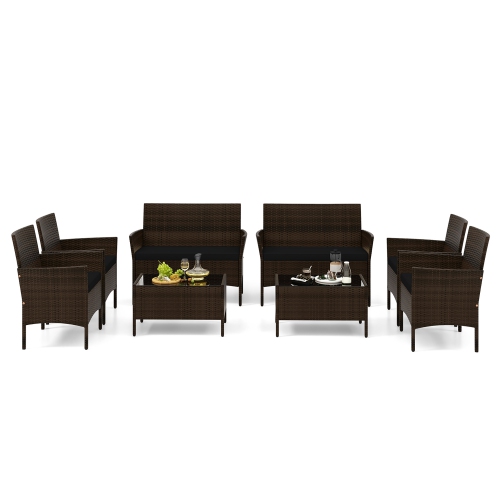
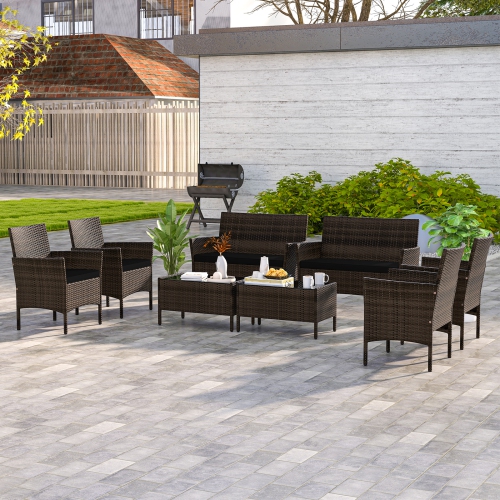
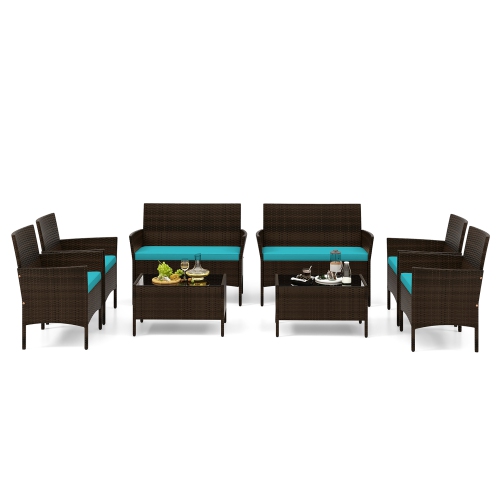
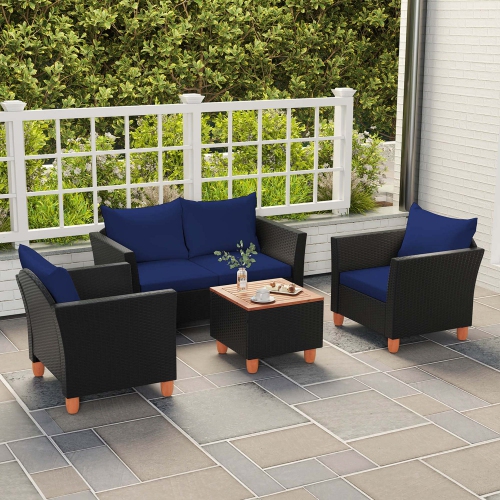
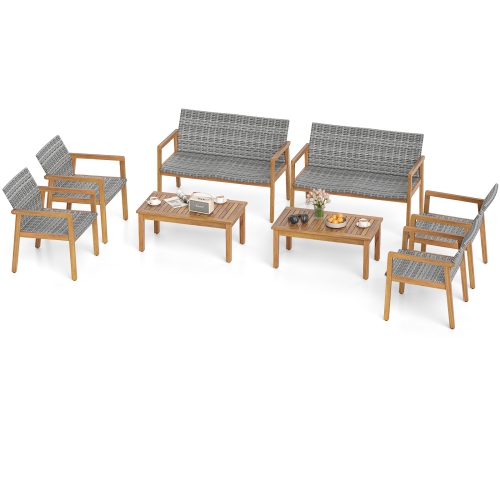
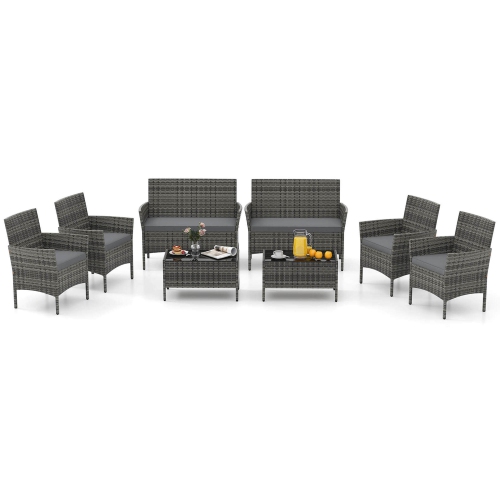
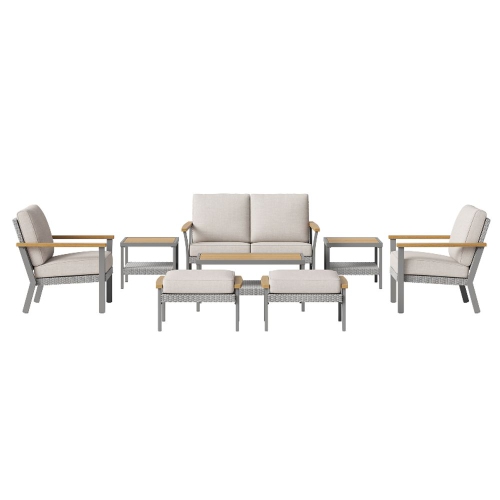
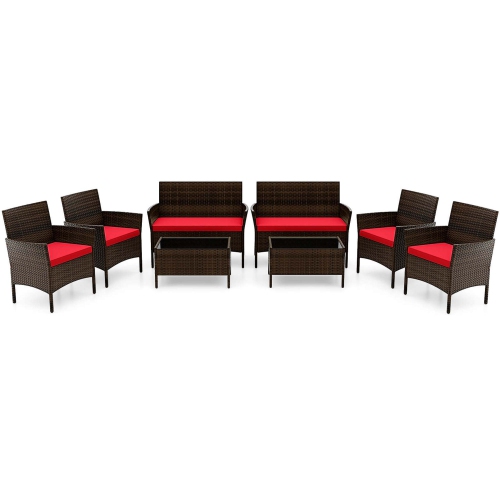
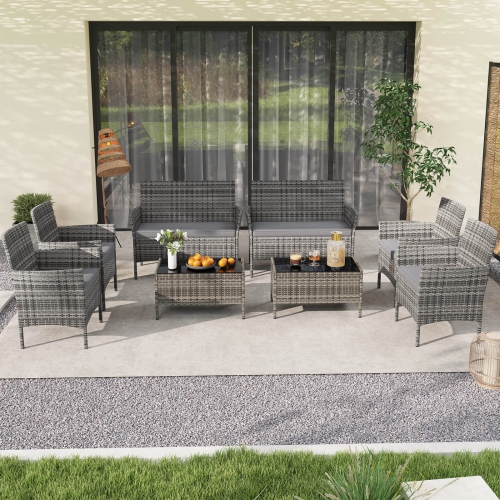
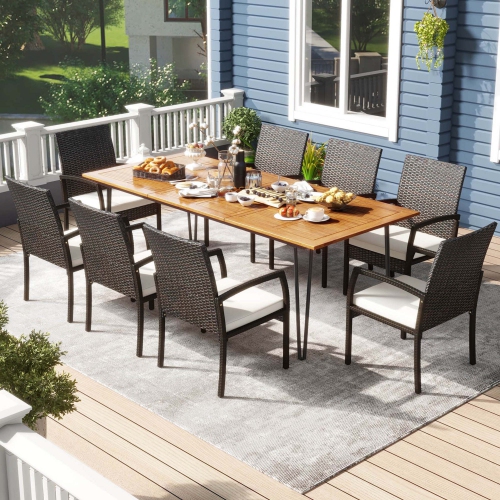
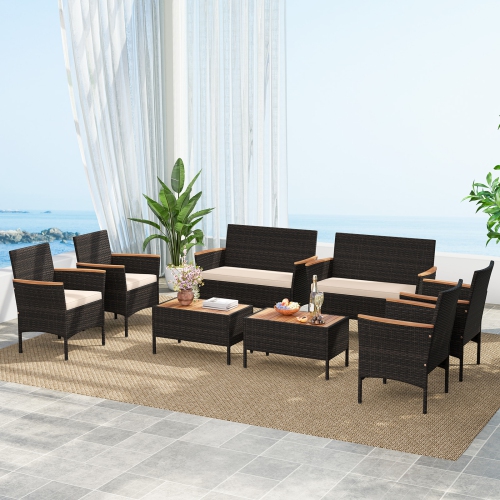
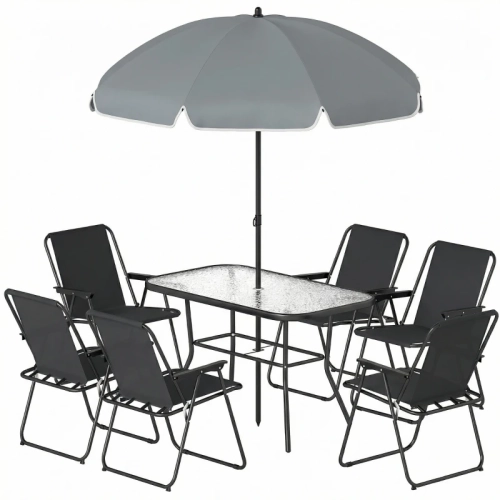
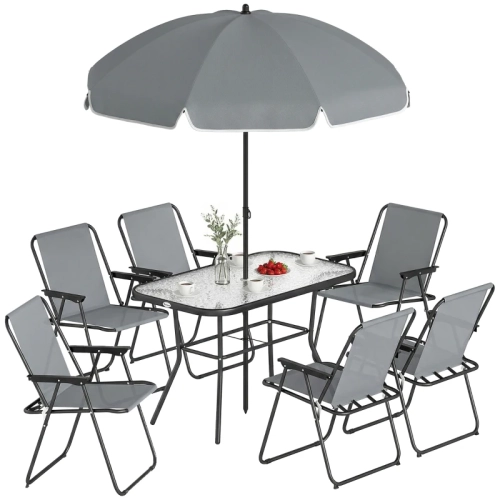
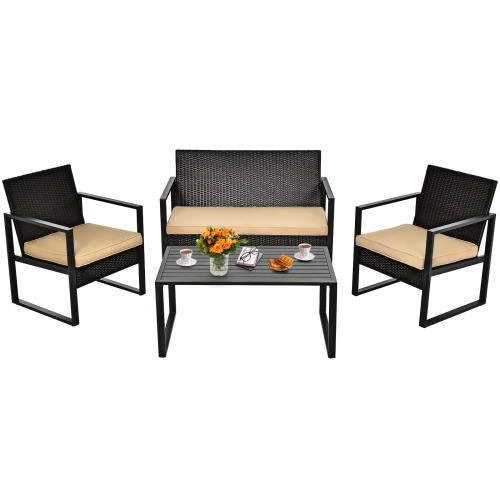
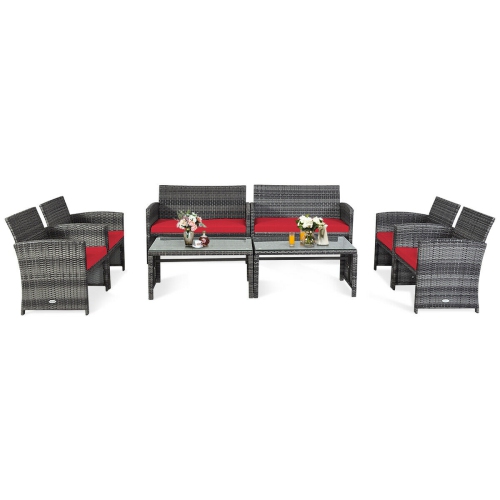
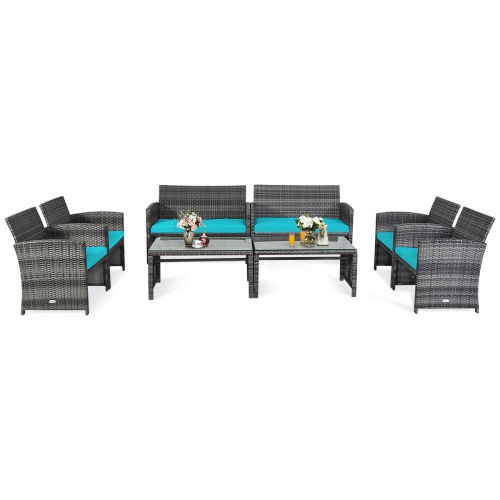
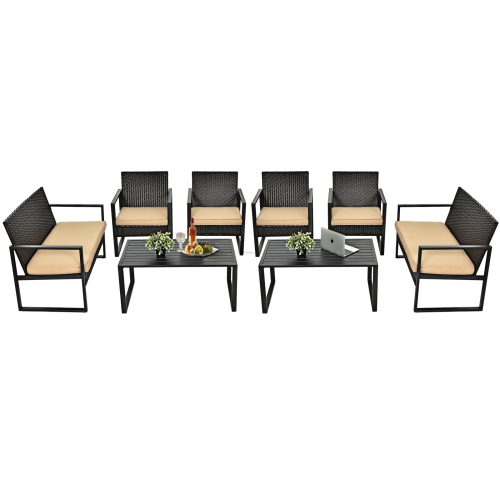
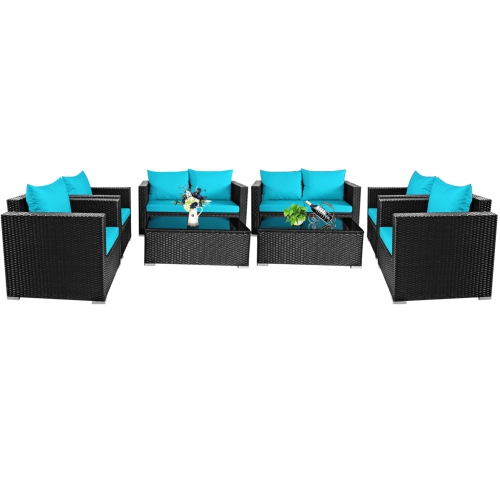
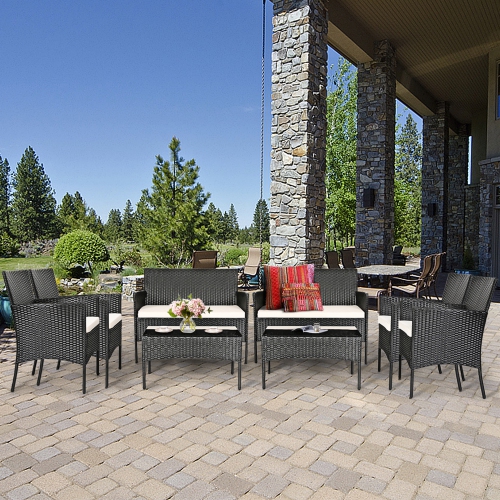

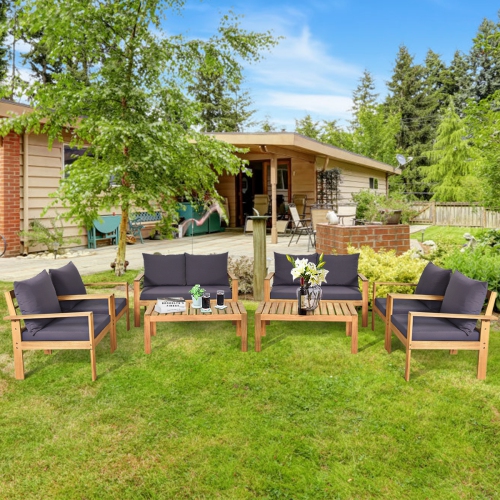
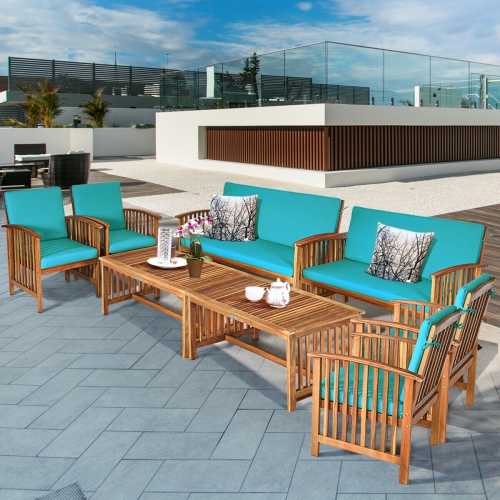
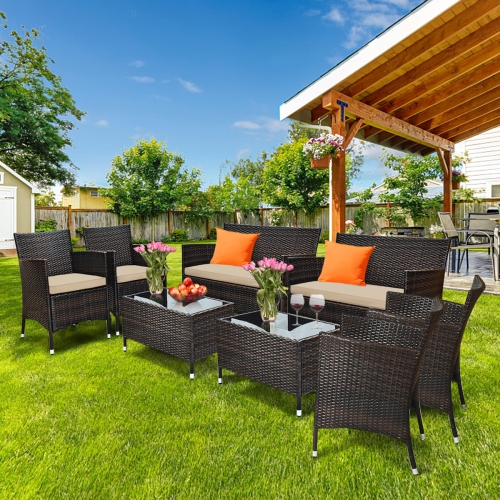
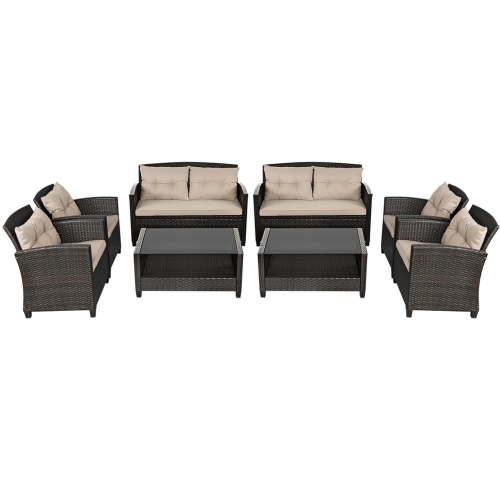
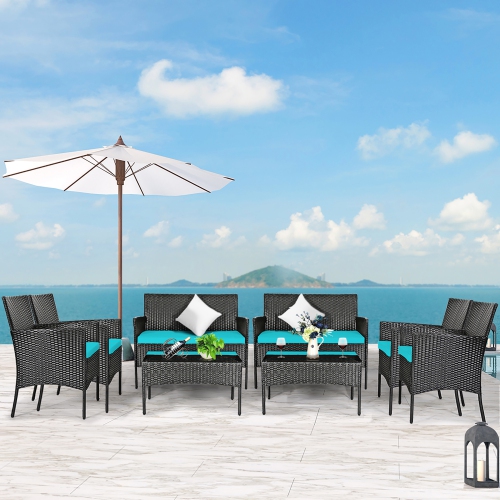
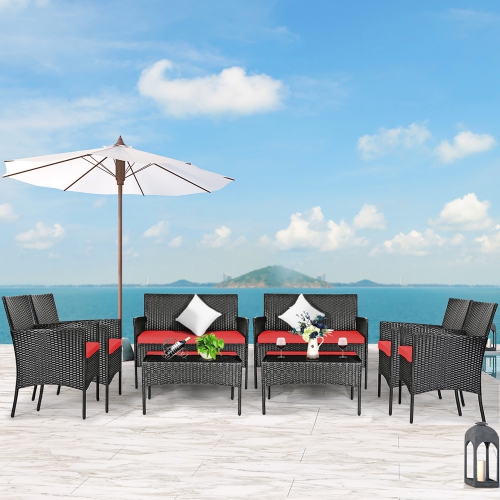
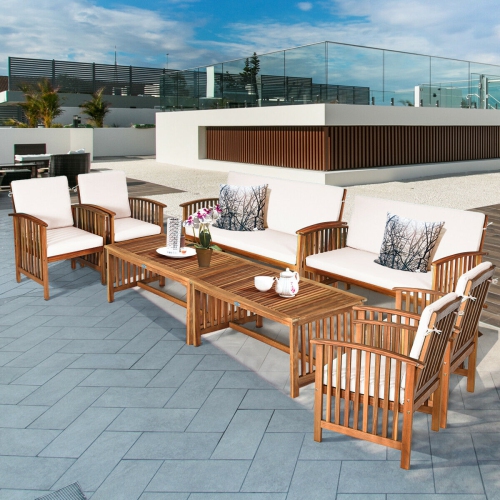
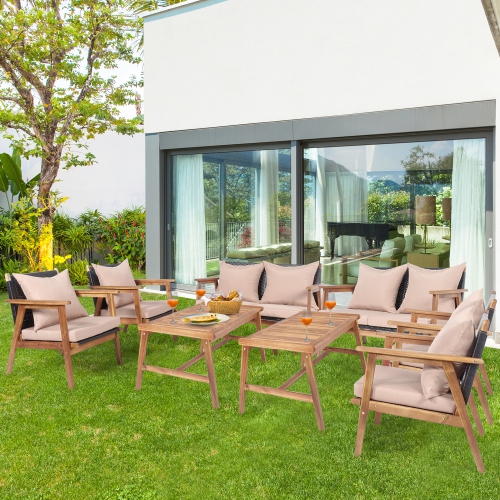
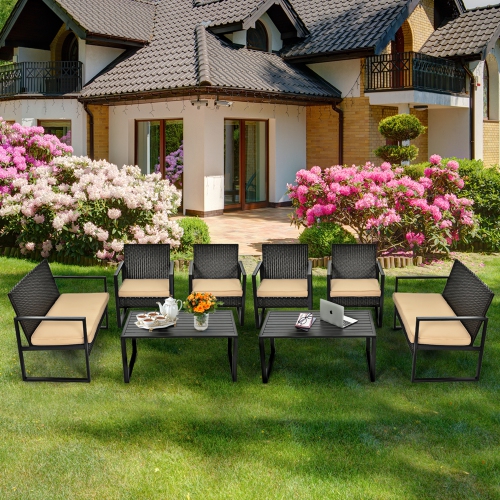
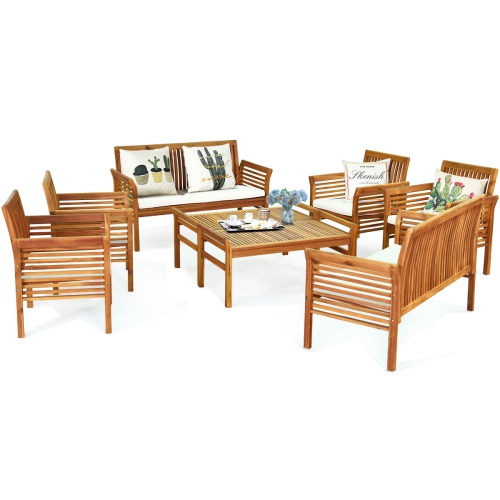
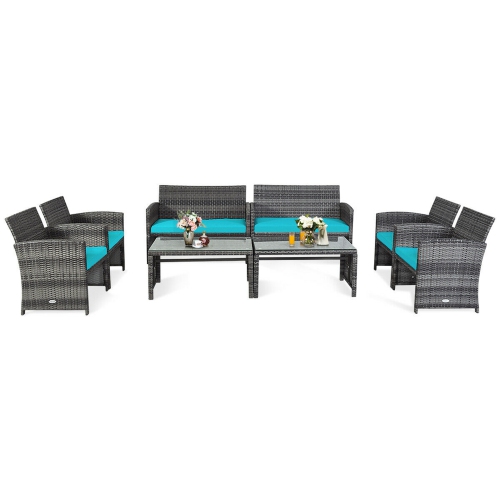
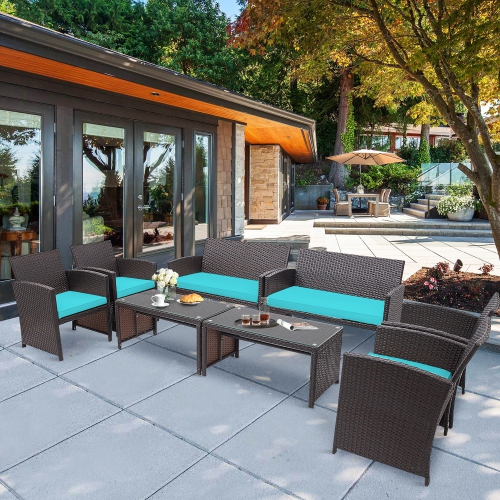
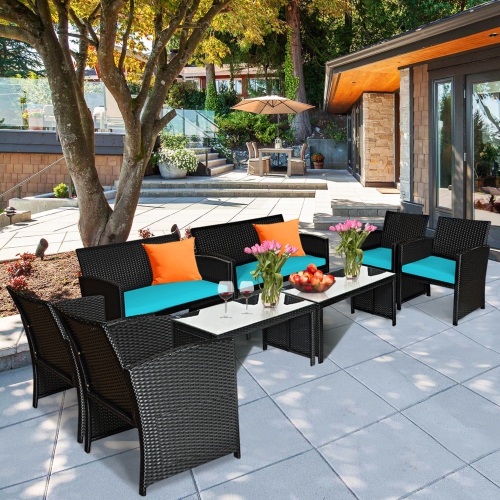
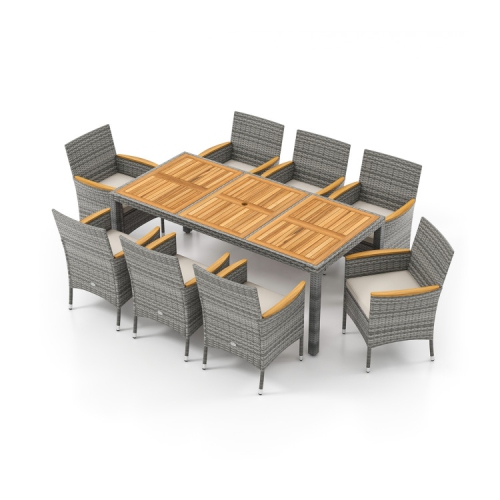
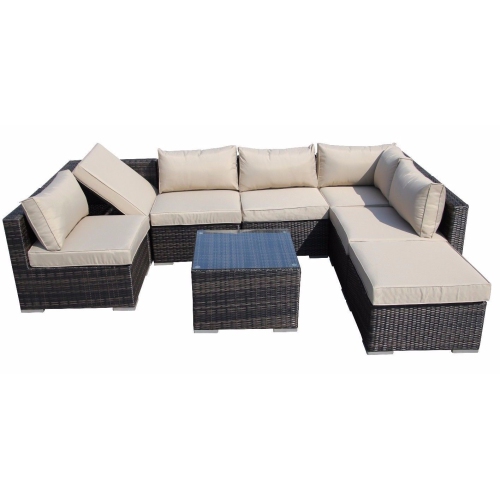
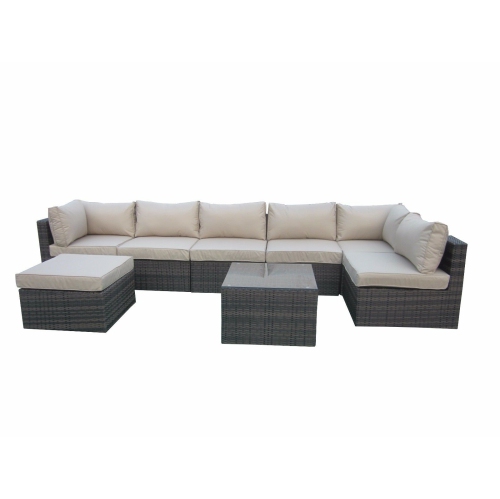
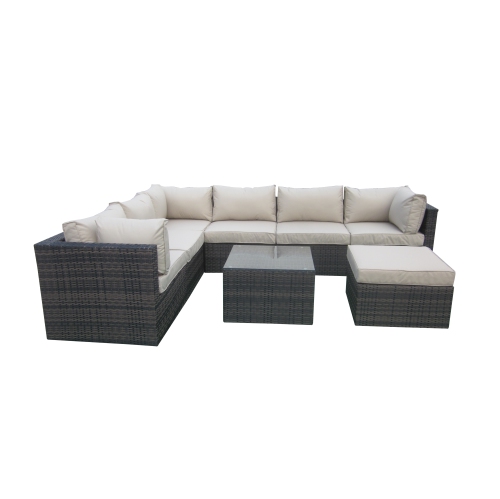
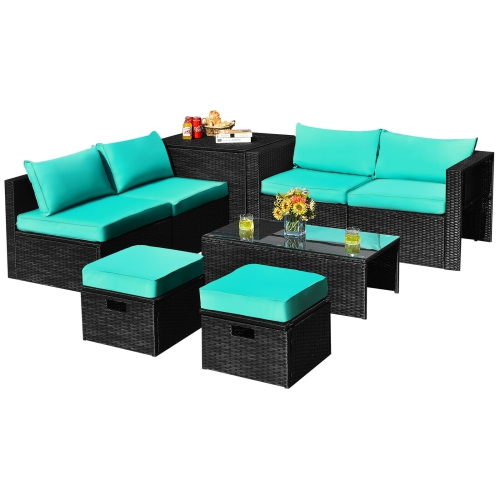
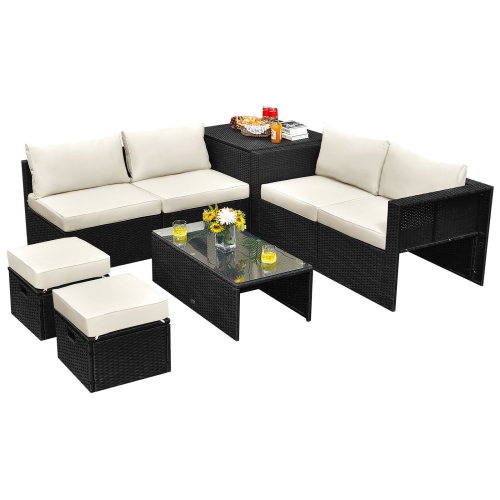
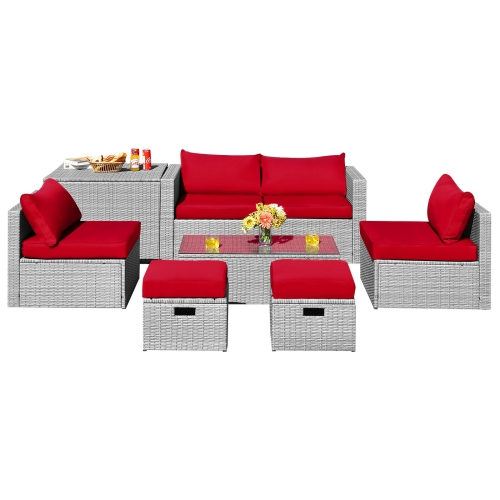

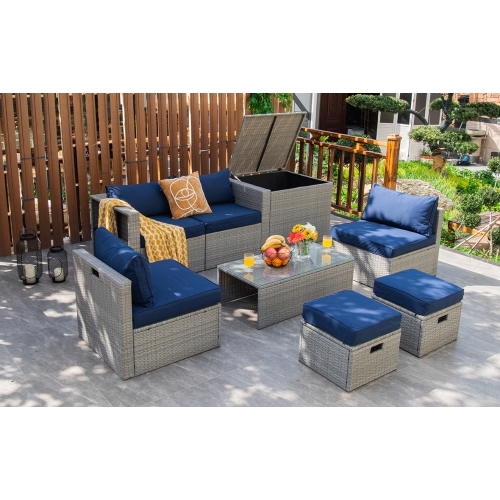
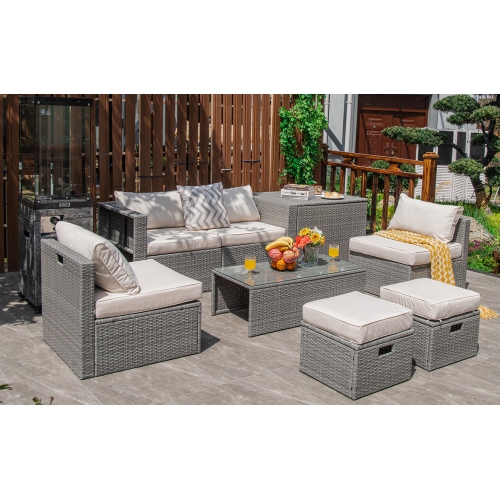
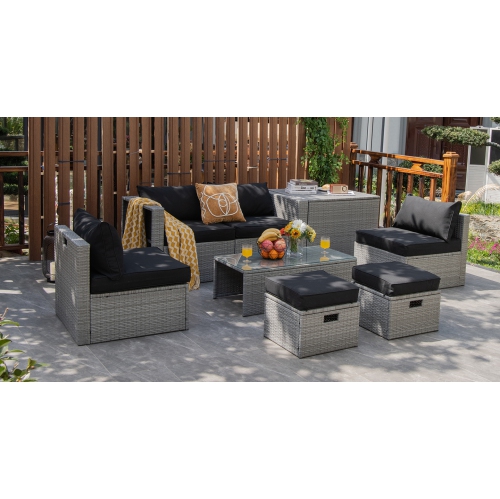
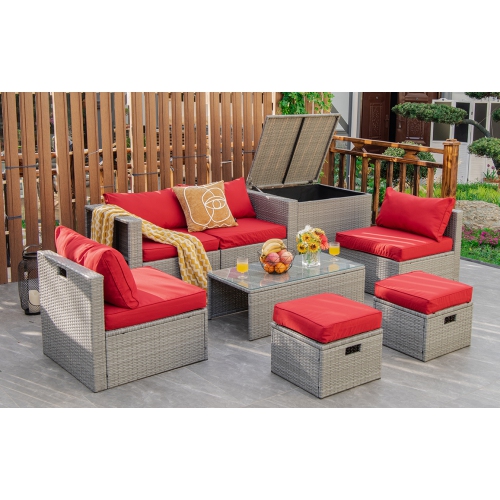
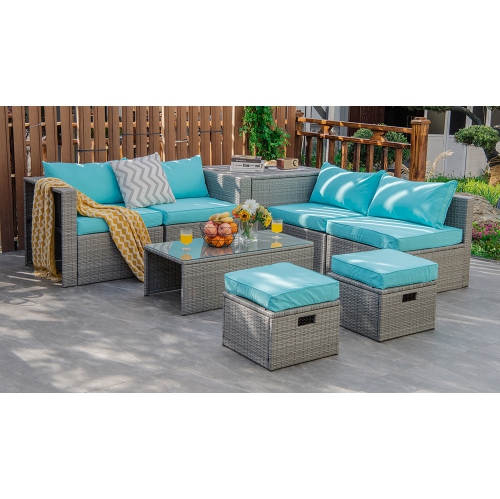

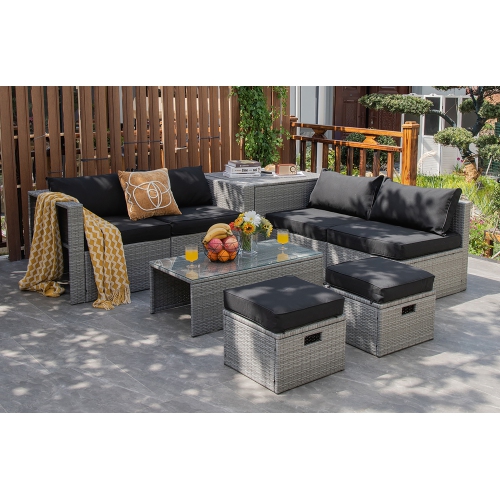
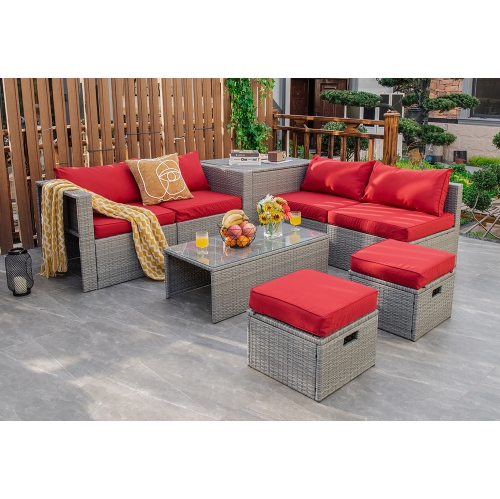
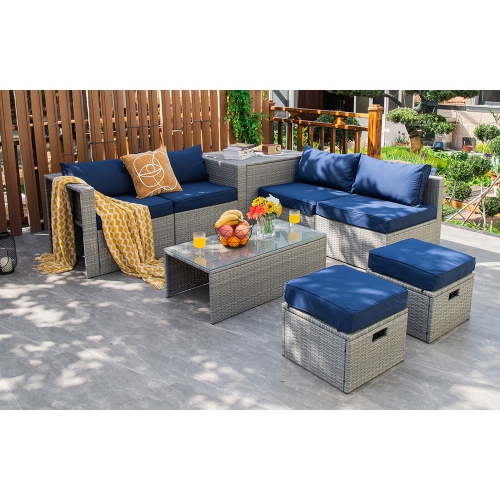
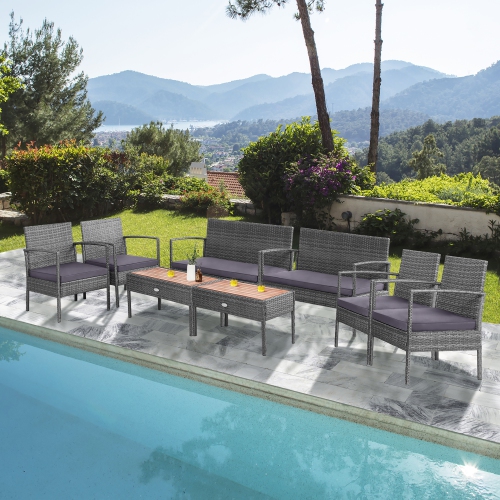
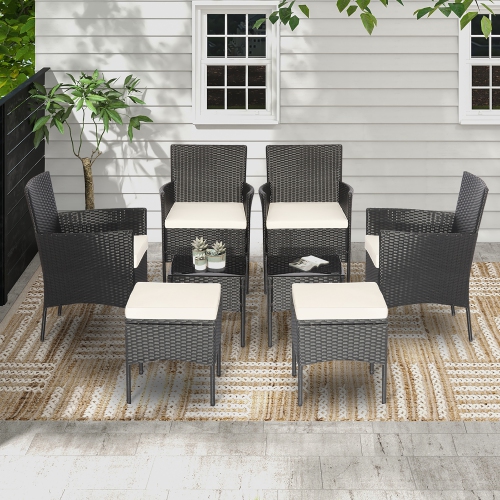
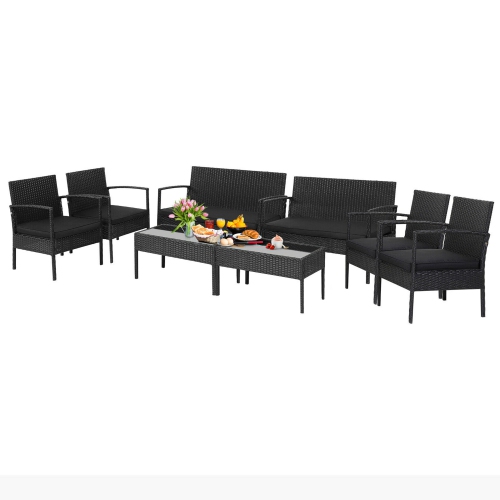
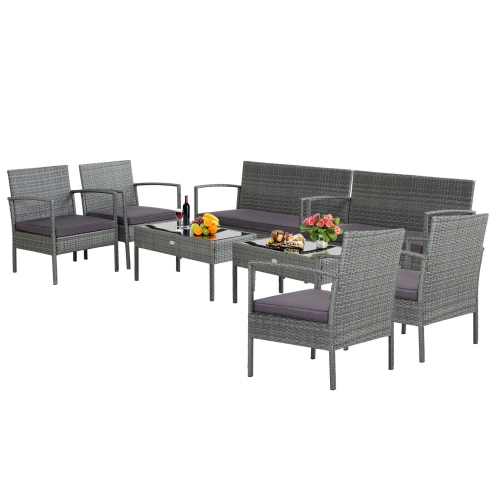
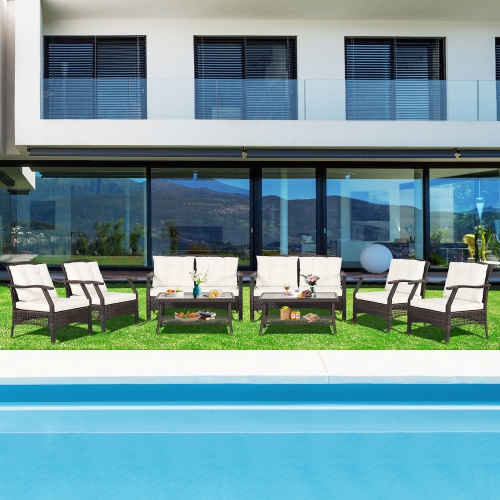
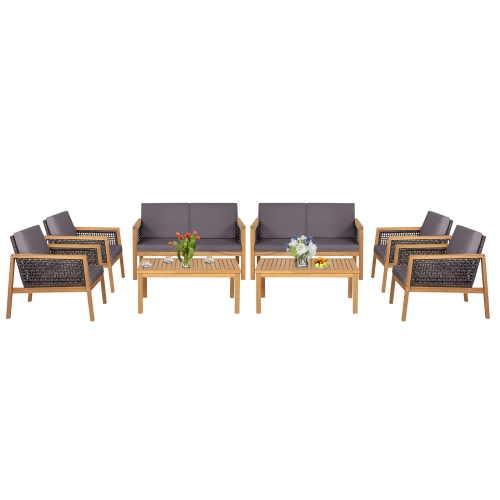
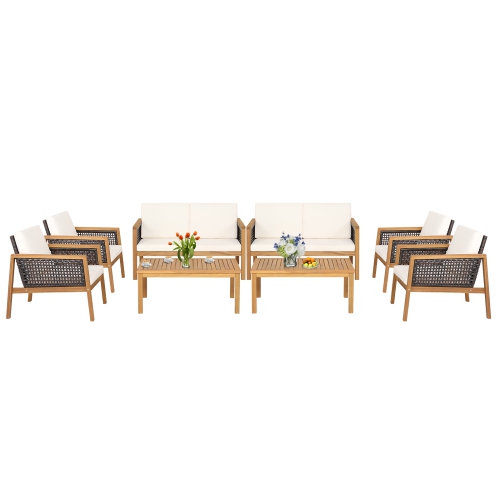

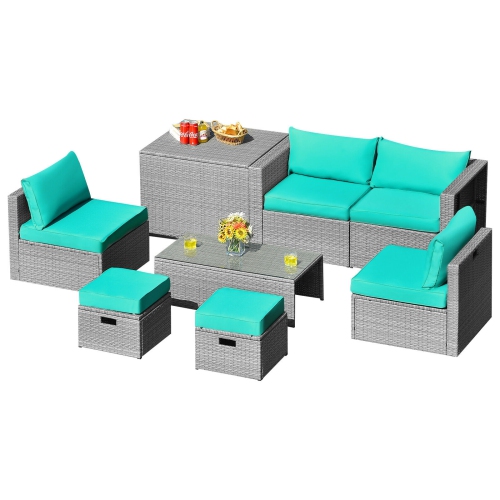
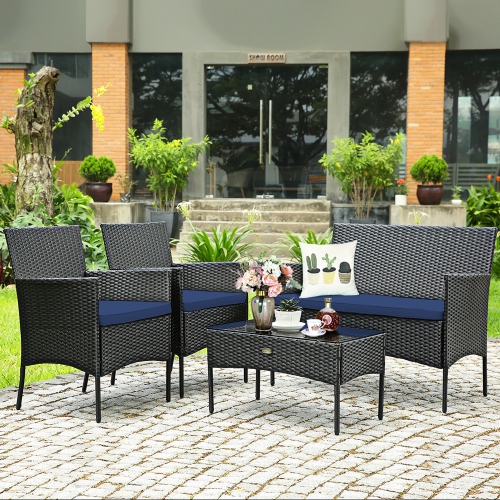
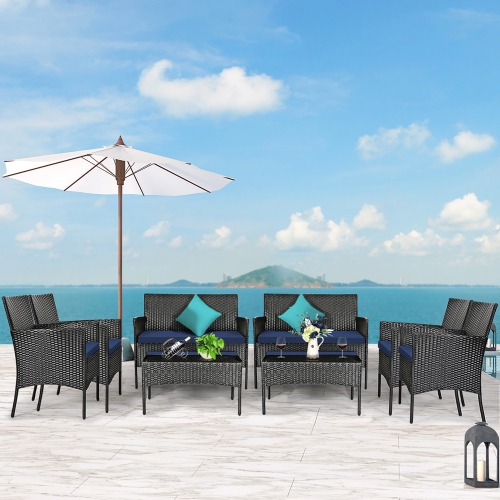
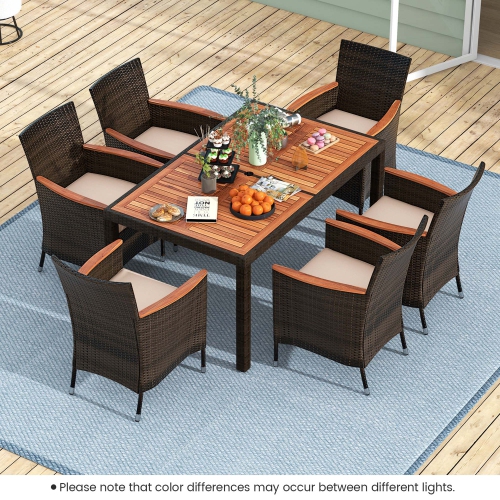
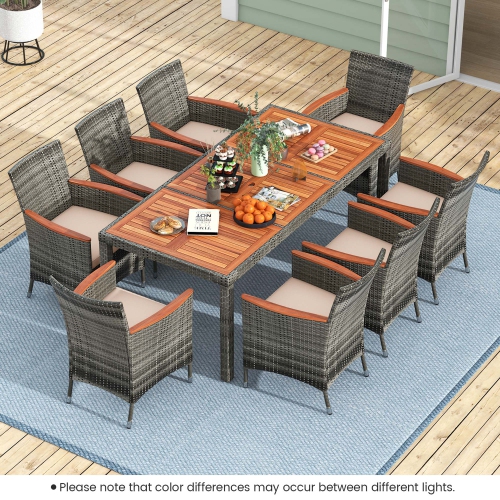
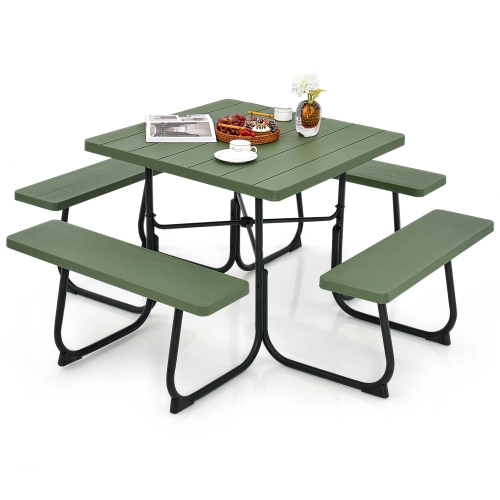
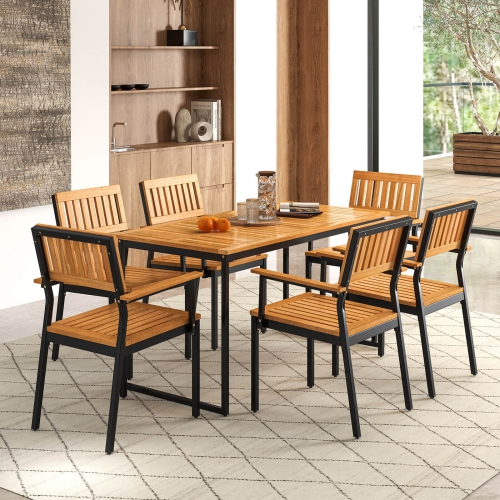
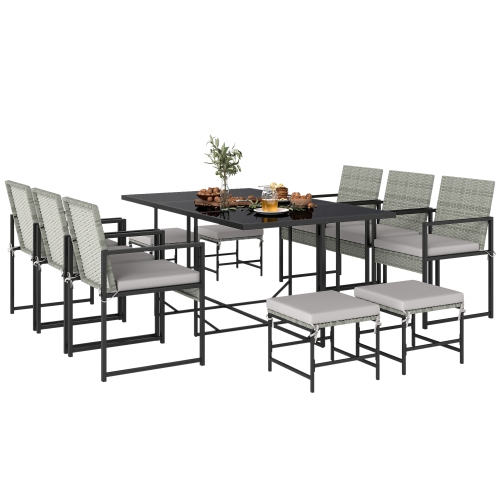
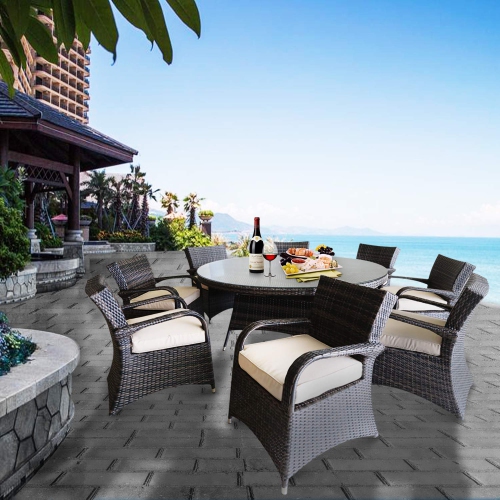
Eight pieces do not always mean eight seats
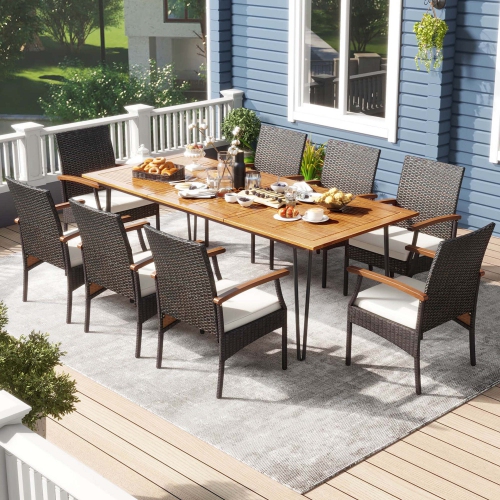
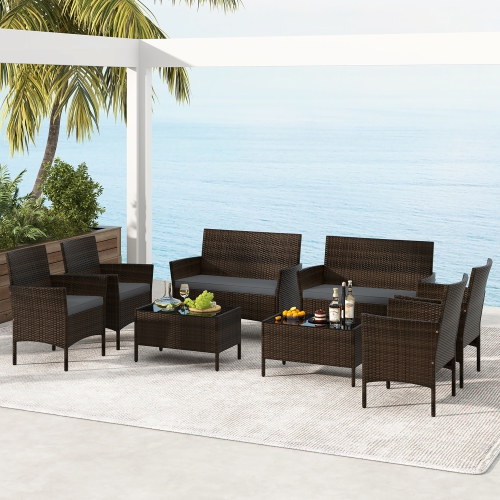
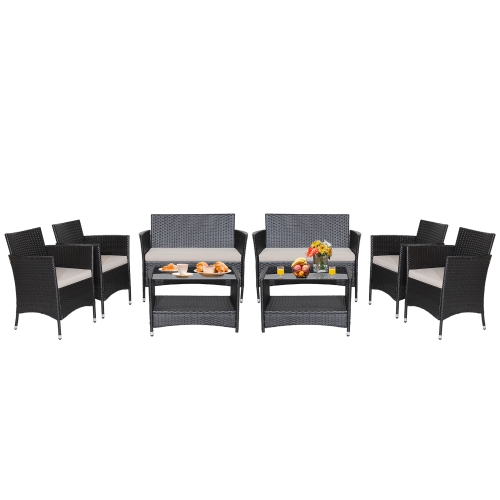
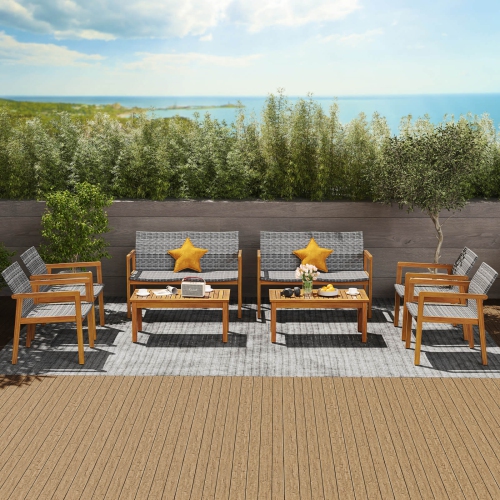
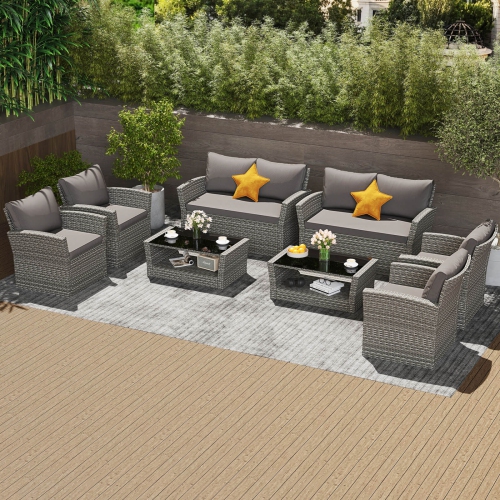
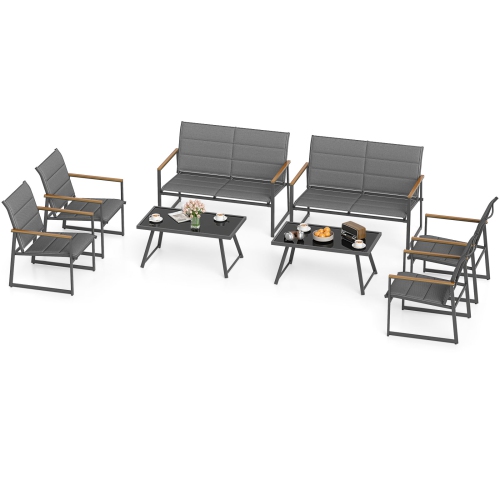
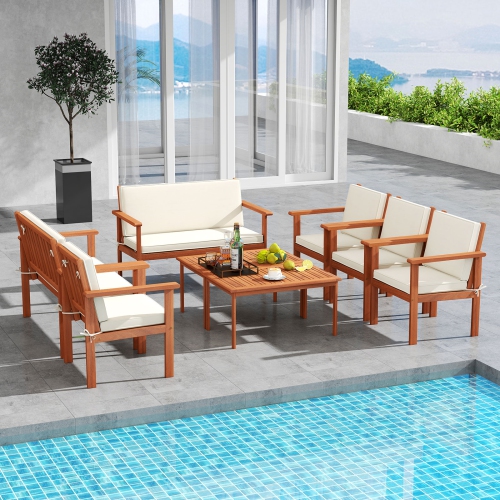
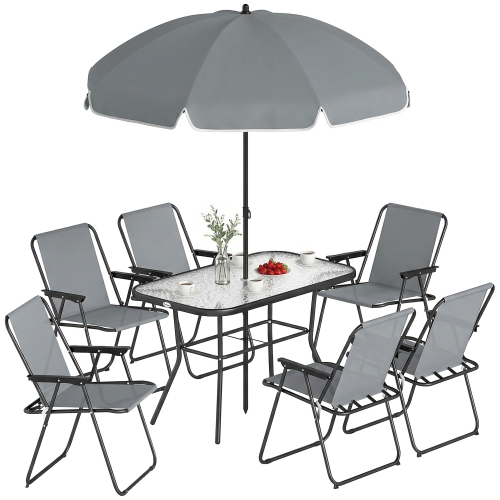
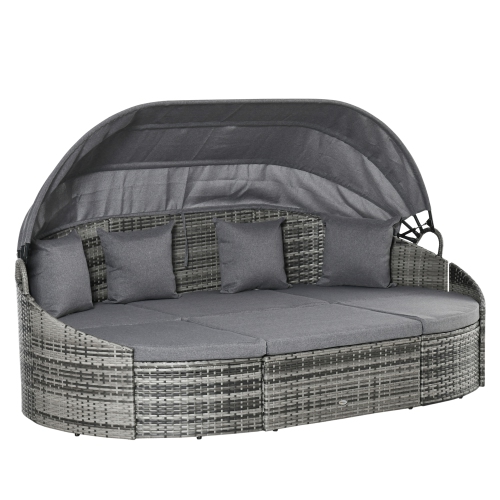
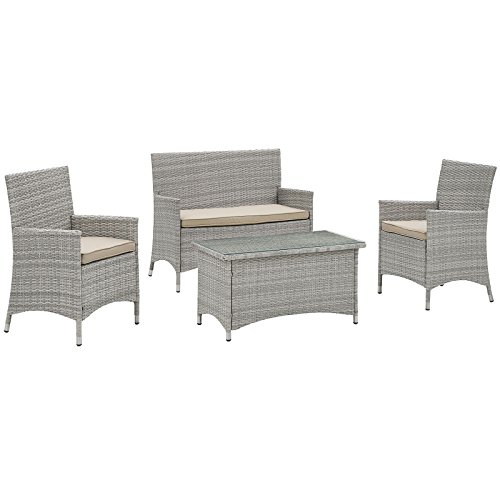
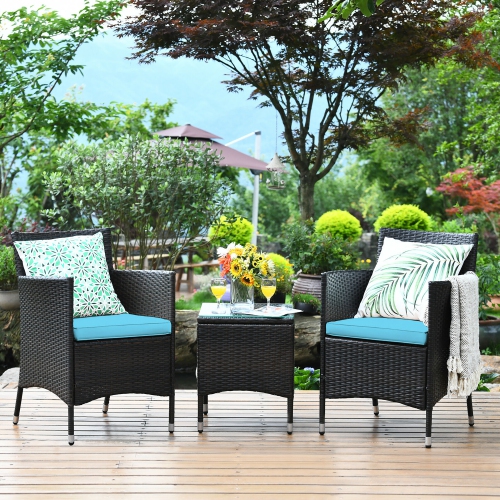
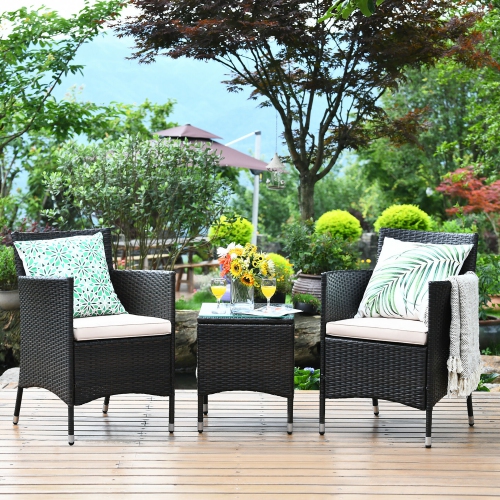
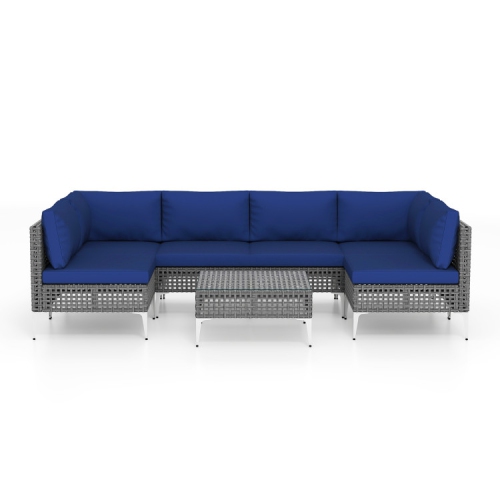
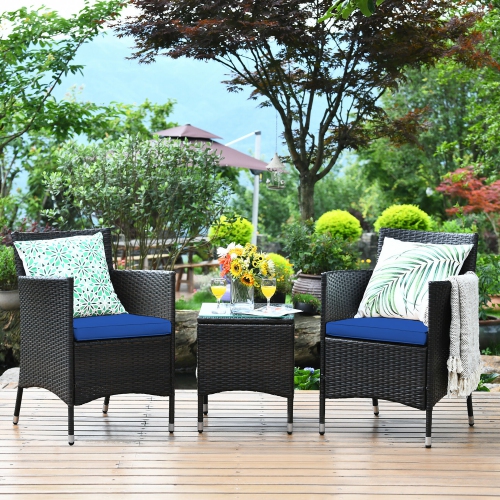
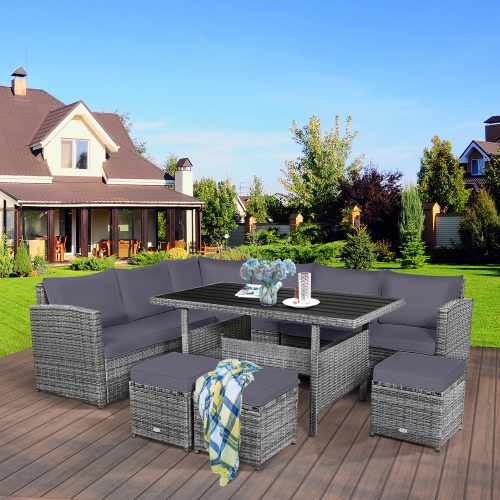
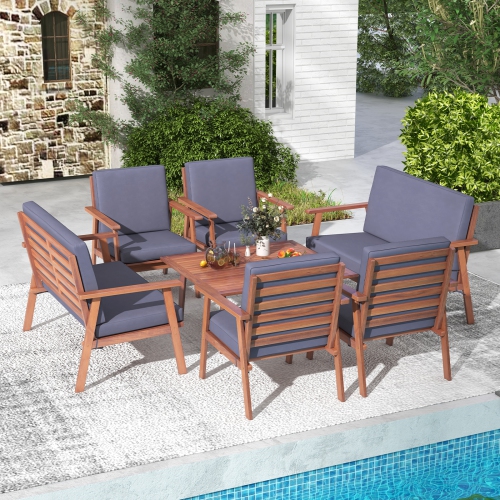
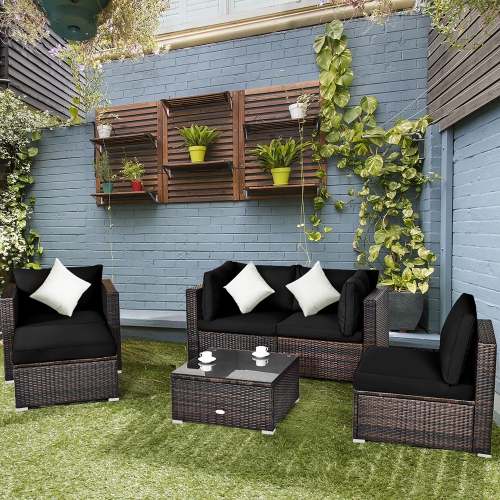
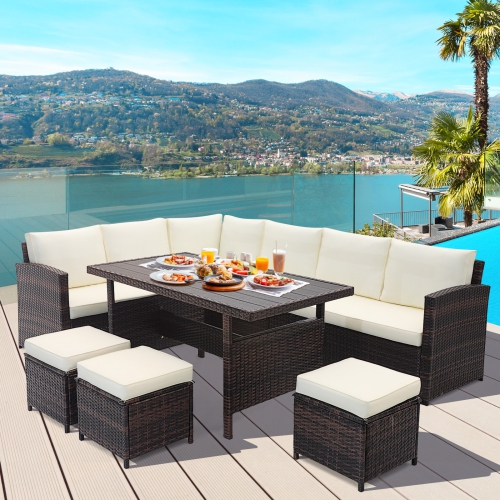
An 8-piece outdoor furniture set brings together coordinated seating, tables, or other matching components for a patio, deck, or backyard gathering space. The eight-piece count describes the number of furniture components, not necessarily the number of people the set seats. A conversation set might combine modular sofa sections with a coffee table and ottomans, while another arrangement might pair a sofa with individual chairs and several tables. Cushions may be listed separately from the furniture count, so the component list and stated seating capacity are more useful than the piece count alone. This distinction matters when furnishing a space for family meals, relaxed visits, or an afternoon stretched out with a book. Low seating and a coffee table suit drinks and conversation, whereas a dining-height table with compatible chairs gives meals and board games a more comfortable home. Modular outdoor sectionals offer flexibility: separate sections can form a corner arrangement, an extended sofa, or smaller seating groups where the design allows. Connecting clips, when included, help keep compatible sections together rather than letting gaps form as people sit down. Individual armchairs create defined places to sit and can make it easier for guests to join or leave a conversation without moving past others. Ottomans add somewhere to rest feet, though they should only serve as extra seating when their construction and weight rating permit it. For a household that regularly hosts relatives or neighbours, a coordinated set can make a larger deck feel inviting without mixing furniture of different heights and proportions. On a narrower patio, the same piece count may feel crowded, particularly if the arrangement includes deep seats or wide armrests. A smaller grouping, such as 6-Piece Patio Furniture Sets, may leave more room for comfortable movement. The best fit depends on the dimensions and function of every component, rather than the number in the set name.
Materials influence the appearance, weight, upkeep, and long-term performance of 8-piece patio furniture sets. Resin wicker, often made from polyethylene, provides a woven finish over a supporting frame; it is different from natural rattan, which generally needs more protection from outdoor moisture. A close, even weave and neatly finished edges are useful details to inspect, especially around armrests and seat fronts that receive frequent contact. The frame beneath the weave matters just as much. Aluminum is relatively light and does not develop iron rust, making it practical for furniture that gets repositioned, although its finish and hardware still need care. Steel can provide a substantial feel, but scratches or chips in its protective coating may expose it to rust. Powder-coated finishes help protect metal surfaces, rather than making them immune to wear or prolonged dampness. Solid wood brings visible grain and a warmer feel to an outdoor seating area, with maintenance requirements that vary by wood species and finish. Some wood develops a silvery patina as it ages; retaining its original colour may require cleaning and treatment specified by the manufacturer. Tabletop materials deserve attention, too. Tempered glass offers a smooth surface for wiping away spills, but it still needs protection from impacts and should never be used as a seat. Slatted surfaces can let water drain, while gaps may make small objects less steady. Cushion comfort depends on seat depth, back support, and the filling, not simply on how thick a cushion looks. Deep seats lend themselves to lounging, while shallower seats and supportive armrests can make sitting upright and standing up easier. Outdoor fabrics may have resistance to fading or light moisture, but water-resistant does not mean waterproof. Removable covers simplify care only when their washing instructions suit the intended cleaning method. For households with children, frequent guests, or pets, washable surfaces, secured cushions, and replaceable components can be particularly practical. Neutral upholstery keeps the arrangement visually quiet, while textured weaves and contrasting frames give a large furniture grouping definition without needing many additional accessories.
Fit starts with the usable floor area, not the full size of the deck or patio. Door swings, steps, railings, planters, and access to storage all reduce the space available for furniture. Marking each component’s footprint with painter’s tape can reveal whether a sectional blocks a doorway or a chair leaves too little room behind it. Allow space to pull out dining chairs and to carry a tray between seating areas without turning sideways. If the arrangement will sit near a barbecue or outdoor heater, follow the appliance manufacturer’s clearance requirements and keep cushions and frames outside those zones. A level, stable surface helps tables sit evenly and prevents unnecessary strain on furniture joints; adjustable feet can help with minor surface variations when provided. Delivery and assembly also deserve a little planning with a larger set. Gate openings, stairways, and doorways need to accommodate the packaged components, and assembly is easier with enough clear space to lay out parts without scratching them. Follow the supplied instructions for tightening fasteners, then check connections periodically as the furniture is used. Routine care usually begins with removing loose debris and cleaning with methods approved for the material. Mild soap and a soft cloth are suitable for many surfaces, but abrasive tools, strong cleaners, and pressure washers may damage coatings, wicker, or fabric. Let cushions dry thoroughly before storing them, including after cleaning or a stretch of damp weather. During the cooler months, covered storage can help protect cushions and smaller components from persistent moisture. Furniture covers should fit securely and allow ventilation; trapped dampness can contribute to mildew even when rain cannot reach the furniture directly. Before freezing conditions arrive, follow the manufacturer’s storage guidance, particularly for glass tabletops and components that can collect water. A covered patio provides some shelter, but wind-driven rain, snow, and repeated freezing and thawing still affect exposed furniture. Choosing a configuration that fits daily routines, then giving its materials the care they need, helps an eight-piece outdoor furniture set remain a comfortable place for shared meals, quiet breaks, and unhurried conversation whenever conditions allow.
Materials influence the appearance, weight, upkeep, and long-term performance of 8-piece patio furniture sets. Resin wicker, often made from polyethylene, provides a woven finish over a supporting frame; it is different from natural rattan, which generally needs more protection from outdoor moisture. A close, even weave and neatly finished edges are useful details to inspect, especially around armrests and seat fronts that receive frequent contact. The frame beneath the weave matters just as much. Aluminum is relatively light and does not develop iron rust, making it practical for furniture that gets repositioned, although its finish and hardware still need care. Steel can provide a substantial feel, but scratches or chips in its protective coating may expose it to rust. Powder-coated finishes help protect metal surfaces, rather than making them immune to wear or prolonged dampness. Solid wood brings visible grain and a warmer feel to an outdoor seating area, with maintenance requirements that vary by wood species and finish. Some wood develops a silvery patina as it ages; retaining its original colour may require cleaning and treatment specified by the manufacturer. Tabletop materials deserve attention, too. Tempered glass offers a smooth surface for wiping away spills, but it still needs protection from impacts and should never be used as a seat. Slatted surfaces can let water drain, while gaps may make small objects less steady. Cushion comfort depends on seat depth, back support, and the filling, not simply on how thick a cushion looks. Deep seats lend themselves to lounging, while shallower seats and supportive armrests can make sitting upright and standing up easier. Outdoor fabrics may have resistance to fading or light moisture, but water-resistant does not mean waterproof. Removable covers simplify care only when their washing instructions suit the intended cleaning method. For households with children, frequent guests, or pets, washable surfaces, secured cushions, and replaceable components can be particularly practical. Neutral upholstery keeps the arrangement visually quiet, while textured weaves and contrasting frames give a large furniture grouping definition without needing many additional accessories.
Fit starts with the usable floor area, not the full size of the deck or patio. Door swings, steps, railings, planters, and access to storage all reduce the space available for furniture. Marking each component’s footprint with painter’s tape can reveal whether a sectional blocks a doorway or a chair leaves too little room behind it. Allow space to pull out dining chairs and to carry a tray between seating areas without turning sideways. If the arrangement will sit near a barbecue or outdoor heater, follow the appliance manufacturer’s clearance requirements and keep cushions and frames outside those zones. A level, stable surface helps tables sit evenly and prevents unnecessary strain on furniture joints; adjustable feet can help with minor surface variations when provided. Delivery and assembly also deserve a little planning with a larger set. Gate openings, stairways, and doorways need to accommodate the packaged components, and assembly is easier with enough clear space to lay out parts without scratching them. Follow the supplied instructions for tightening fasteners, then check connections periodically as the furniture is used. Routine care usually begins with removing loose debris and cleaning with methods approved for the material. Mild soap and a soft cloth are suitable for many surfaces, but abrasive tools, strong cleaners, and pressure washers may damage coatings, wicker, or fabric. Let cushions dry thoroughly before storing them, including after cleaning or a stretch of damp weather. During the cooler months, covered storage can help protect cushions and smaller components from persistent moisture. Furniture covers should fit securely and allow ventilation; trapped dampness can contribute to mildew even when rain cannot reach the furniture directly. Before freezing conditions arrive, follow the manufacturer’s storage guidance, particularly for glass tabletops and components that can collect water. A covered patio provides some shelter, but wind-driven rain, snow, and repeated freezing and thawing still affect exposed furniture. Choosing a configuration that fits daily routines, then giving its materials the care they need, helps an eight-piece outdoor furniture set remain a comfortable place for shared meals, quiet breaks, and unhurried conversation whenever conditions allow.
Top selling and popular products
-
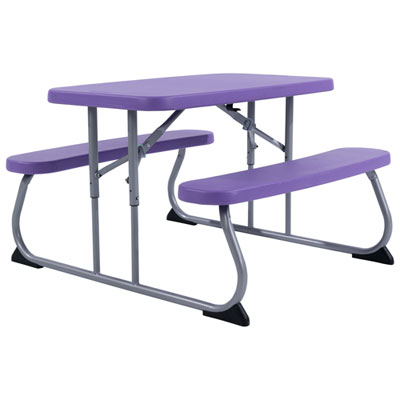 Your price for this item is $123.98
 -
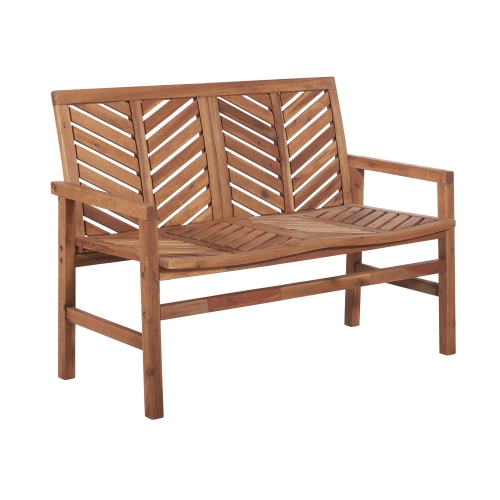 Your price for this item is $481.58
 -
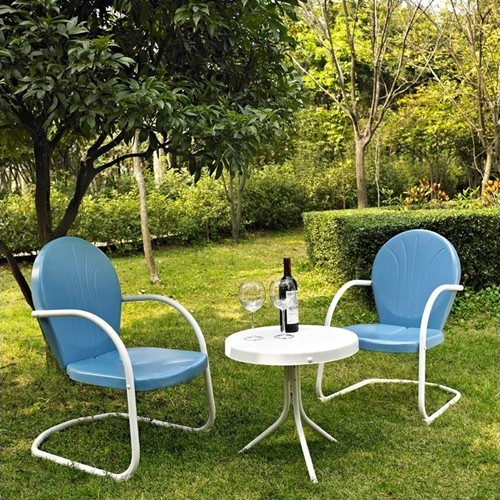 Your price for this item is $815.42
 -
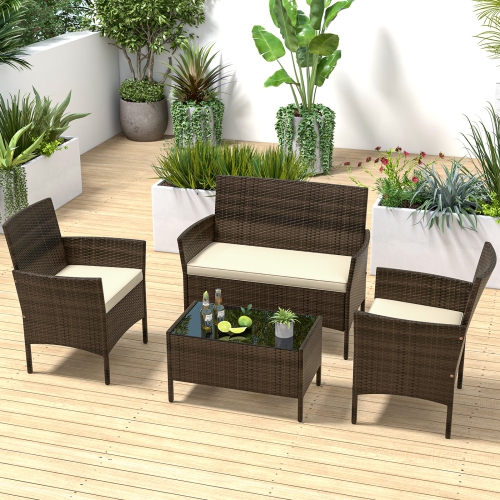 Your price for this item is $246.99
 -
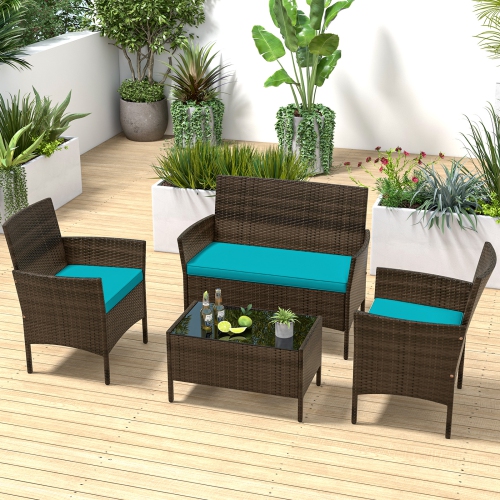 Your price for this item is $232.99
 -
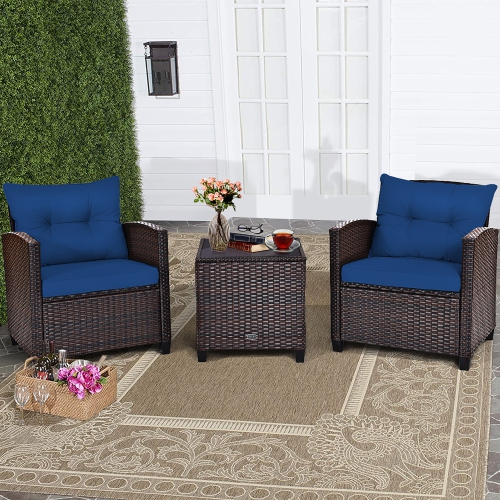 Your price for this item is $229.99
 -
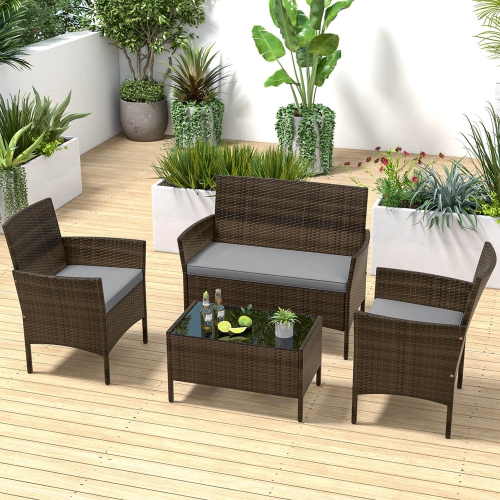 Your price for this item is $236.99
 -
 Your price for this item is $899.99
Discover more categories related to 8 Piece Outdoor Furniture Sets
Top Collections:
Pokemon Centers, Kindle Devices, Best Budget Office Chairs, Apple iPhones 16, Best Laptops for Writers, iPhone 15 Apple, Canon G7X Cameras, Refurbished Apple Laptops, Alarm Clock, Motorola Razr Phones
Some products may be subject to Environmental Handling Fees
(EHF) depending on your province.
Learn more about EHFs.