9 Inch Mattresses
Looking for the perfect mattress to bring comfort and support to your sleep routine? Look no further than our collection of 9 inch mattresses. These mattresses are designed with your utmost comfort in mind, providing a luxurious night's sleep that you deserve. Crafted with high-quality materials and innovative technology, our 9 inch mattresses offer the perfect balance between plushness and firmness. Whether you prefer memory foam, latex, or hybrid options, we have a wide selection to cater to your unique needs and preferences. Upgrade your sleep experience with our range of 9 inch mattresses and wake up feeling refreshed and rejuvenated every morning.
Sort






























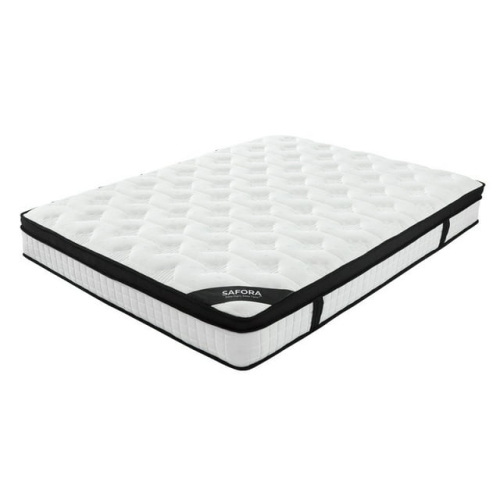


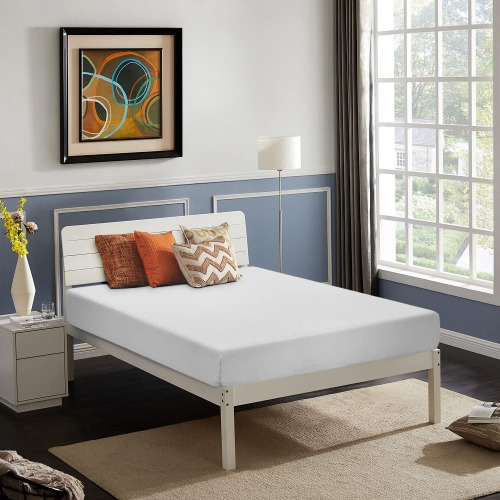


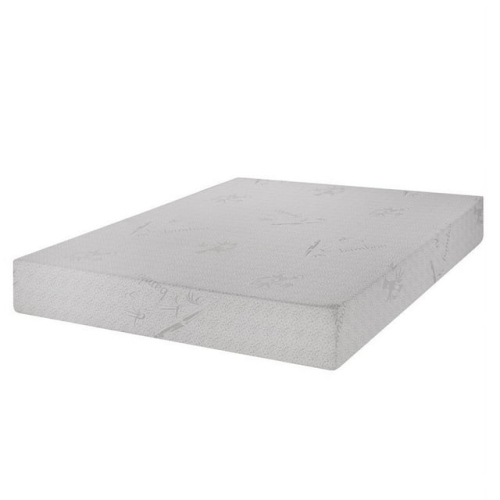
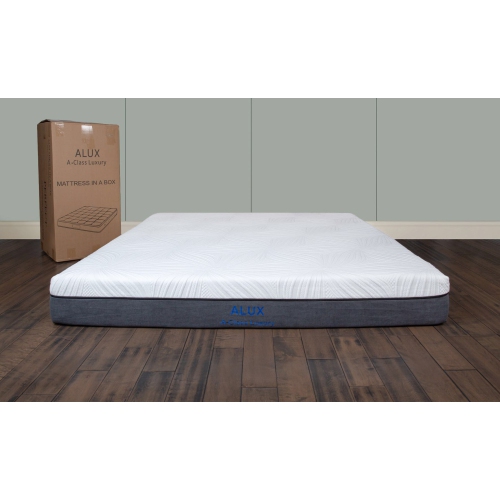

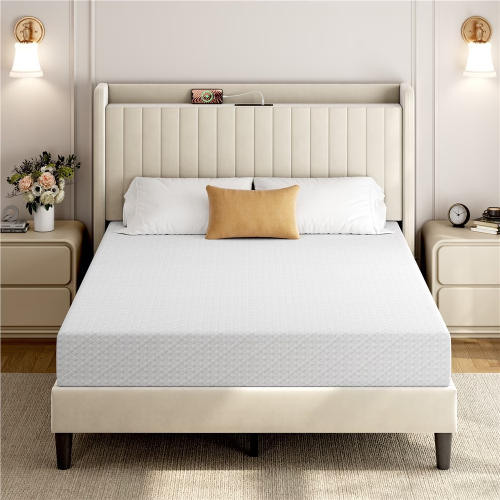


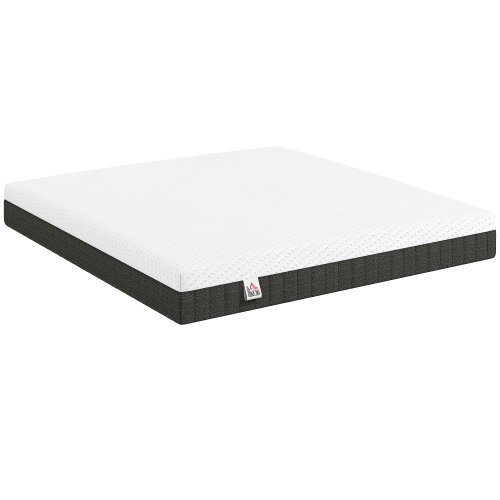
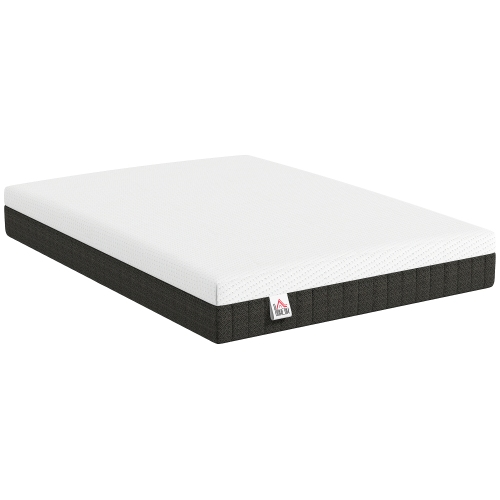


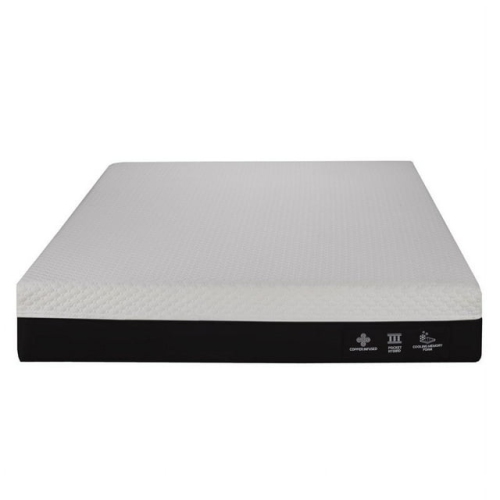
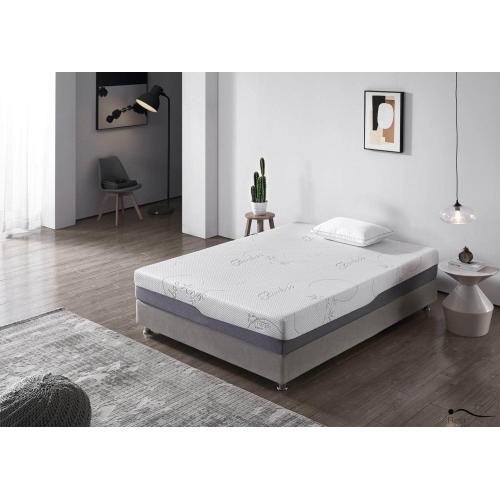
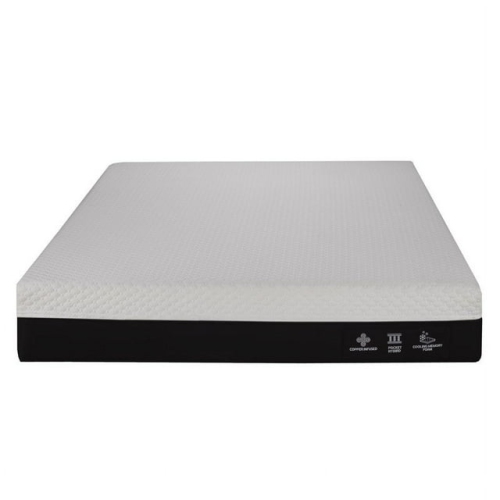

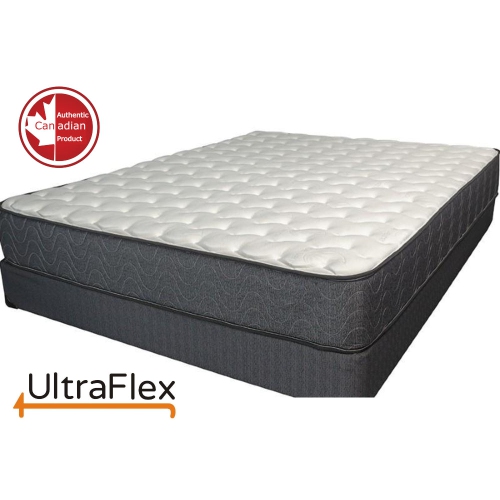


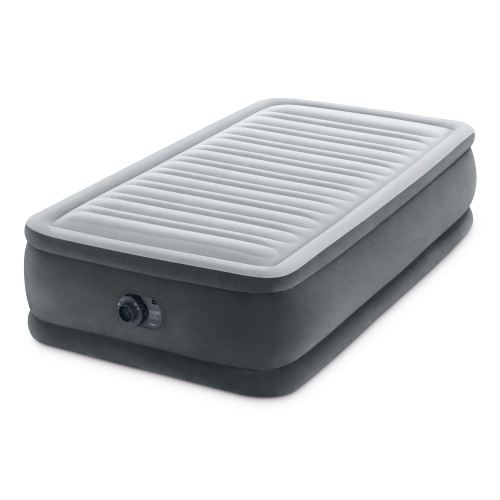
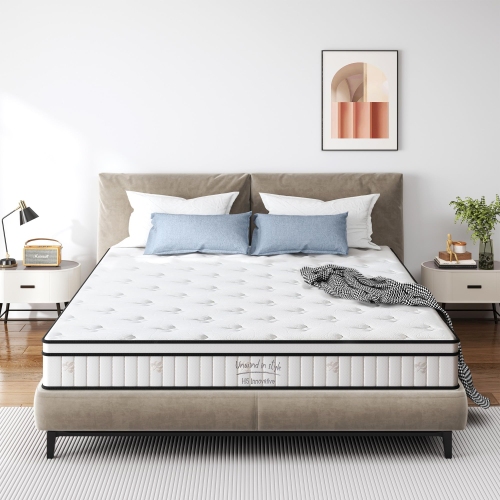


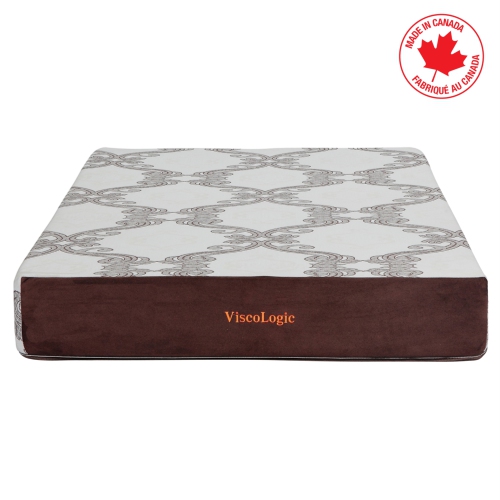
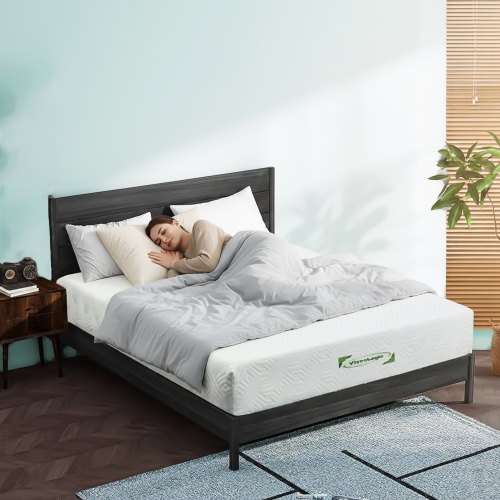
Why mattresses of the same height feel different
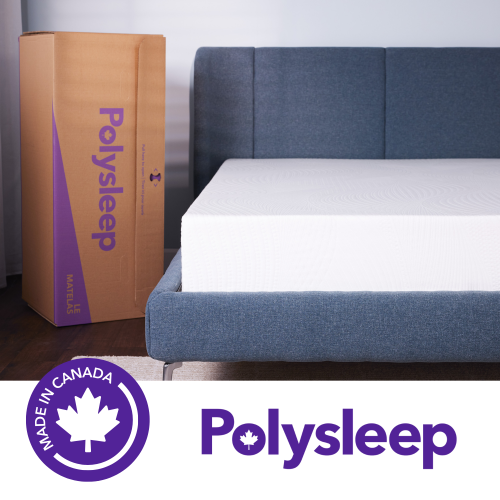
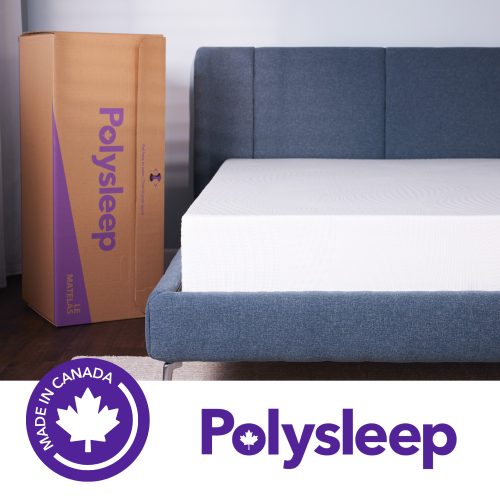
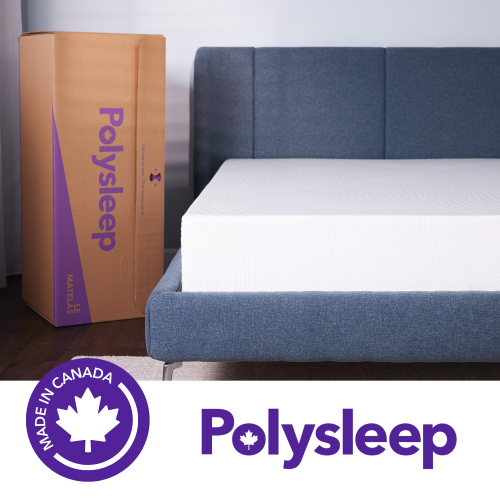
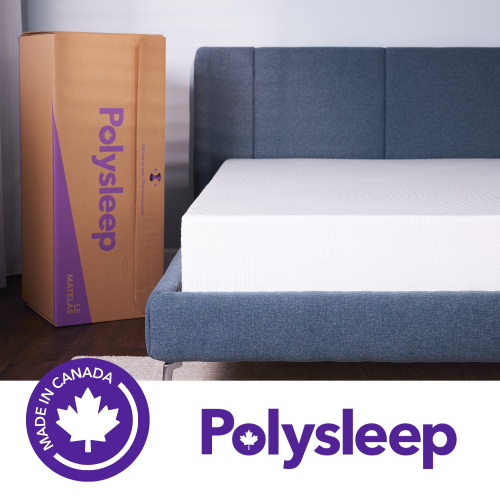
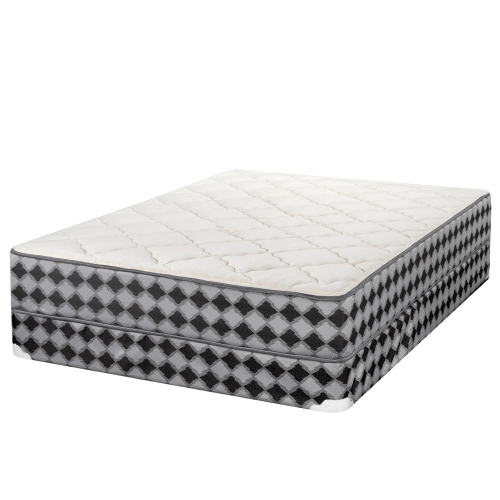
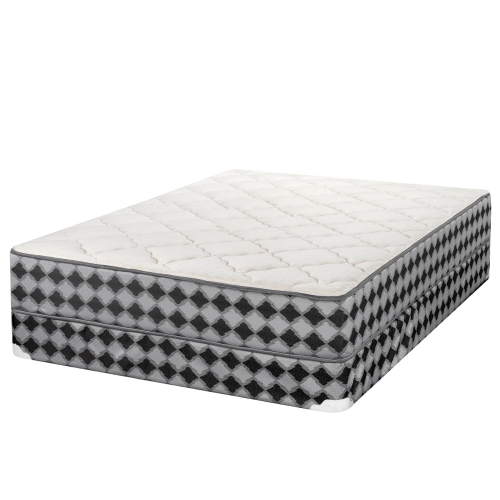
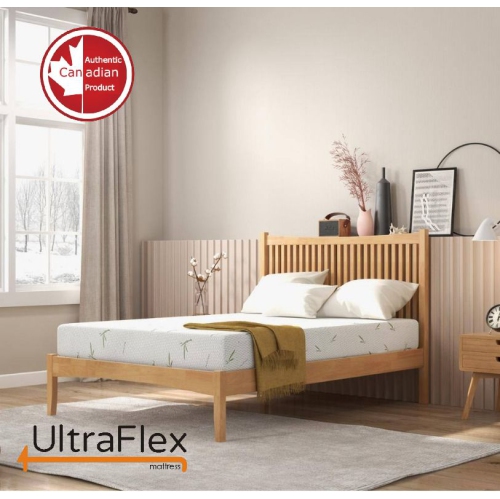
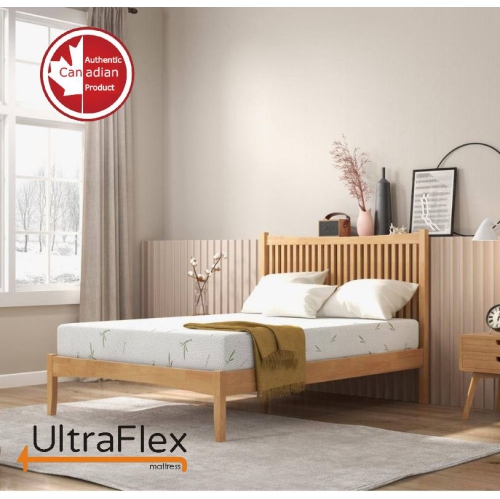
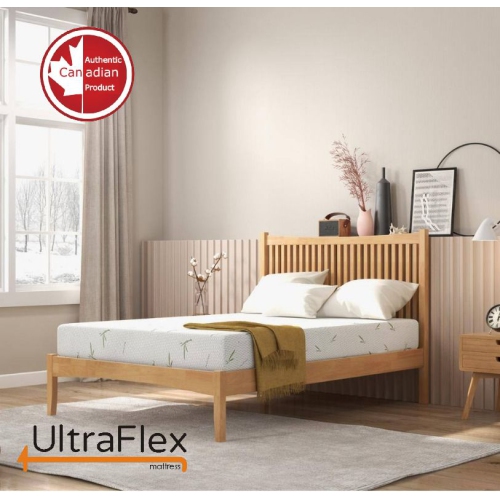
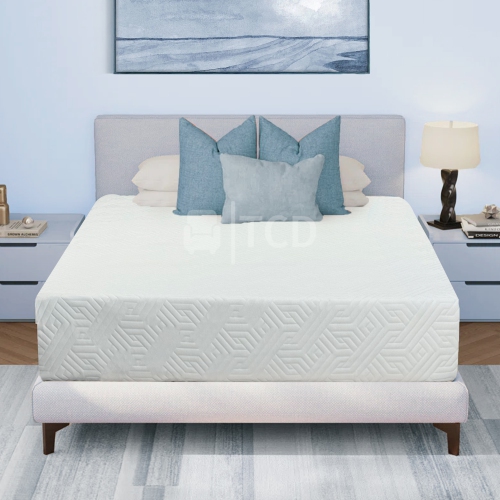
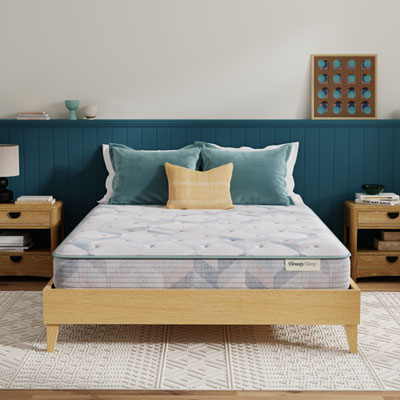
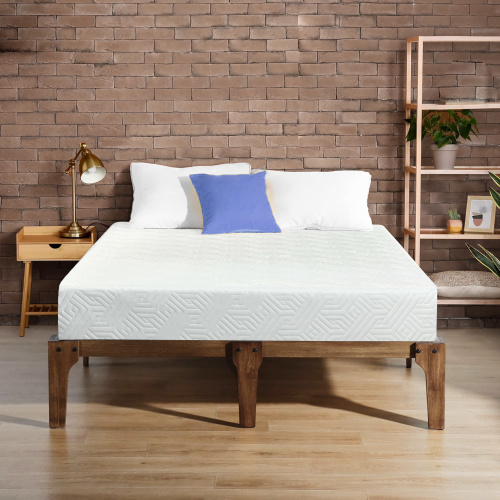
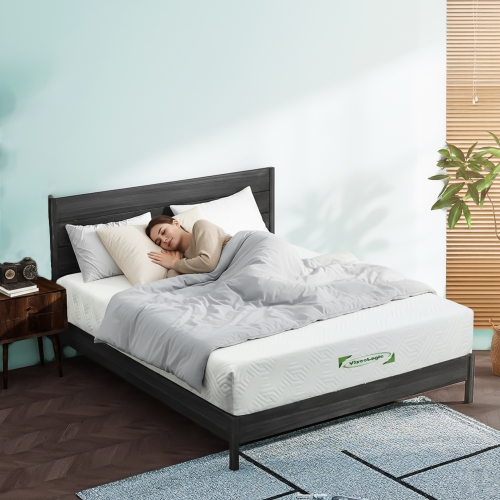
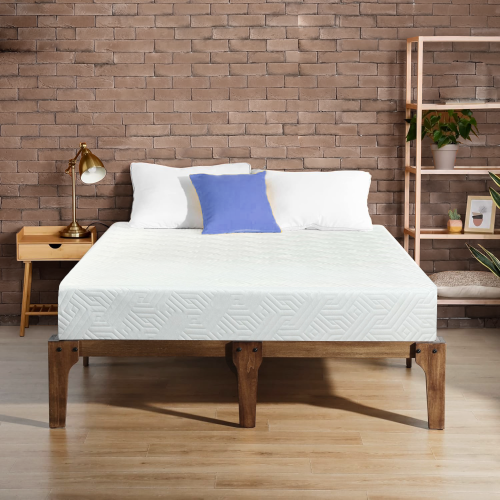
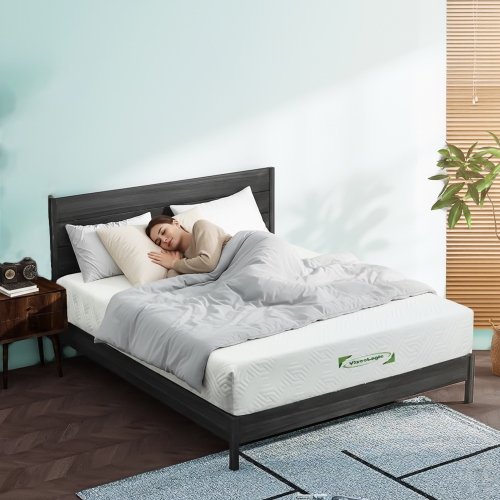
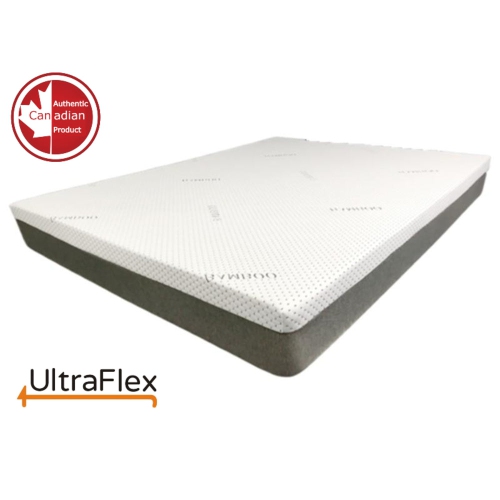
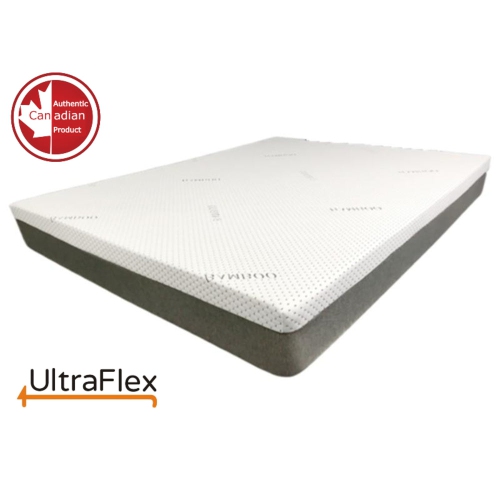
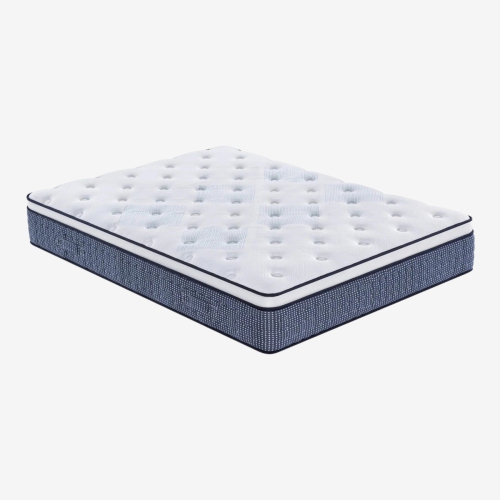
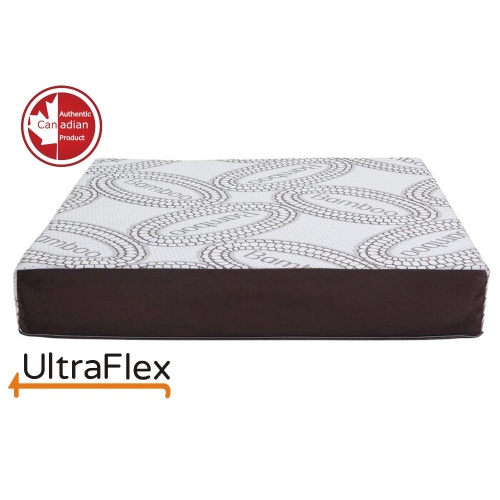
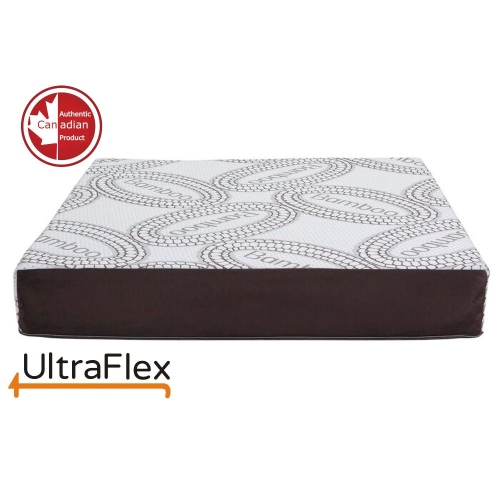
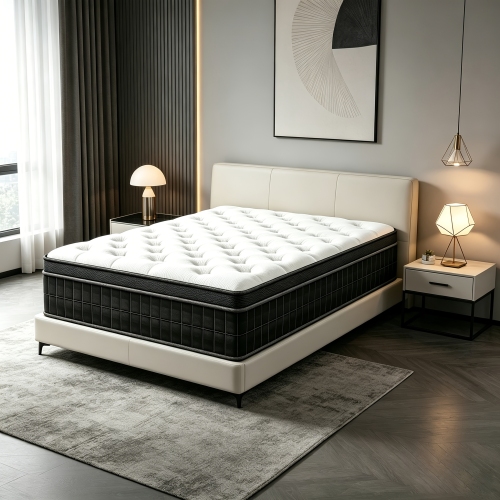
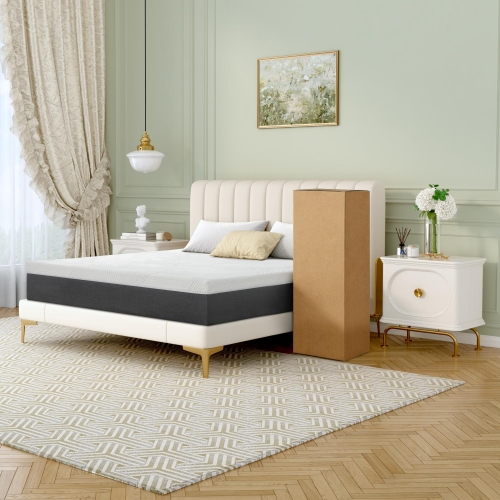
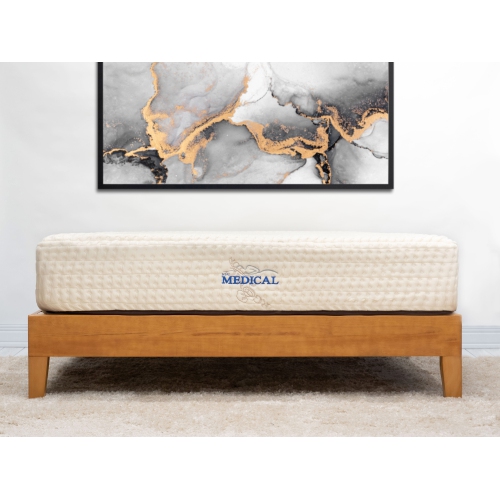
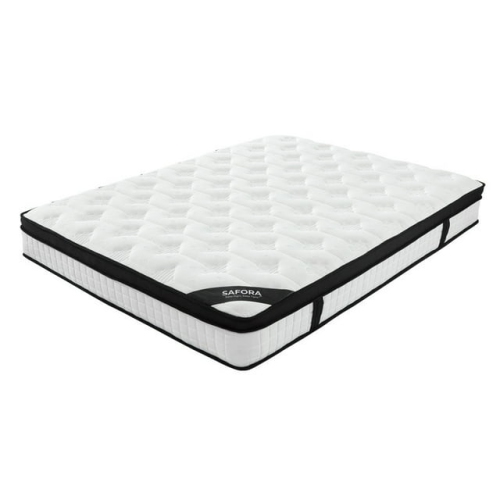
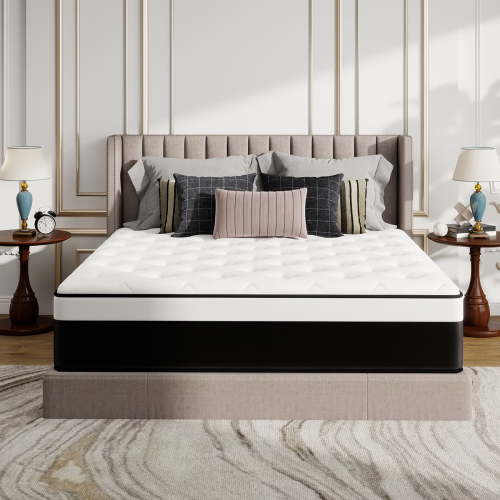
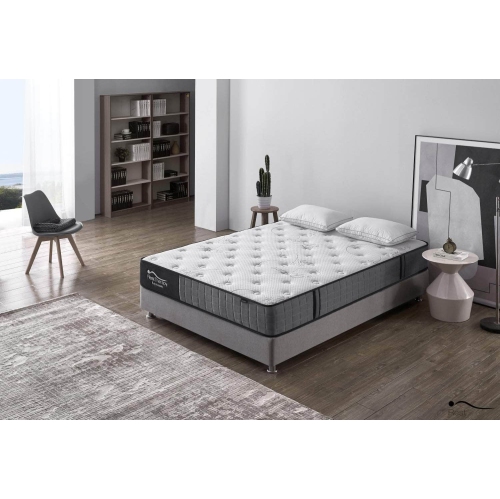
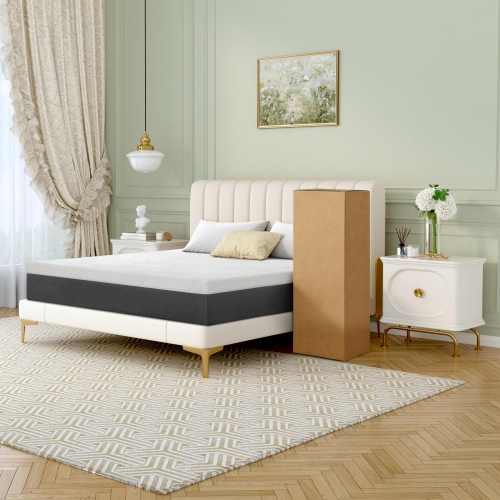
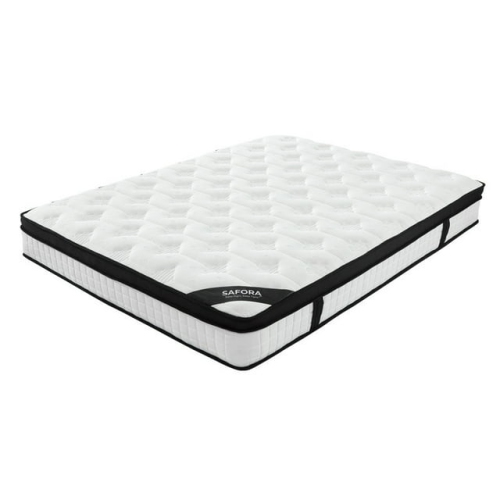
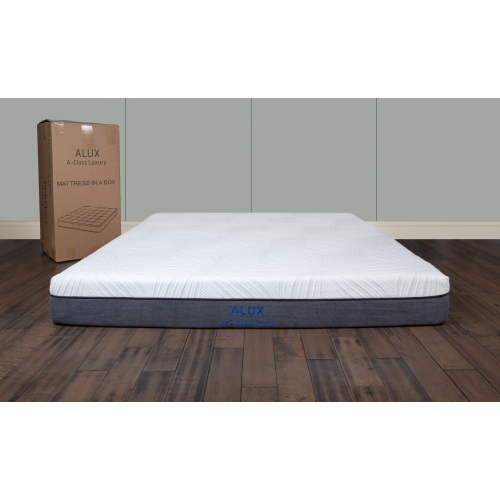
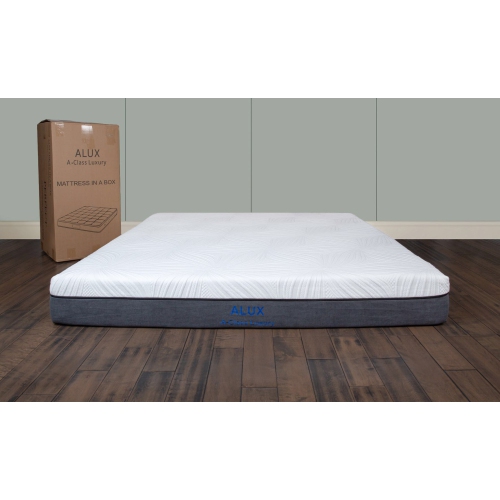
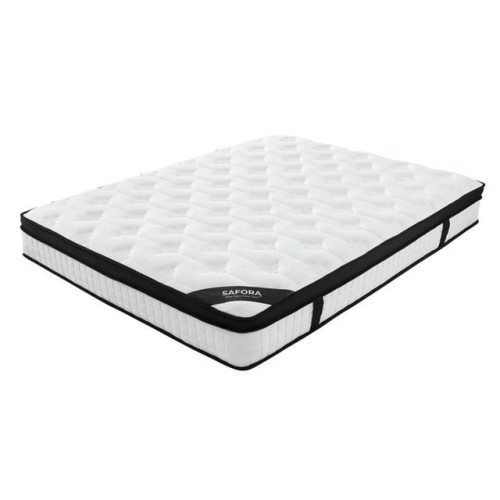
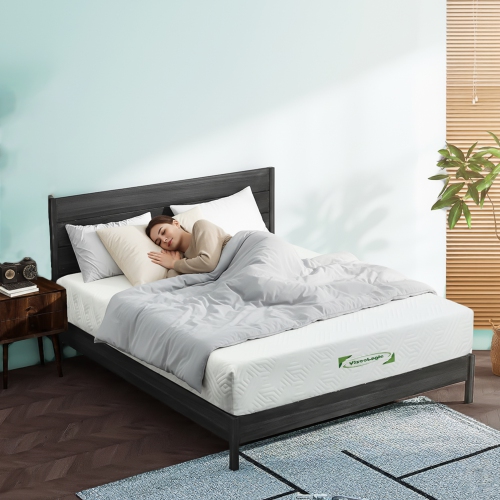
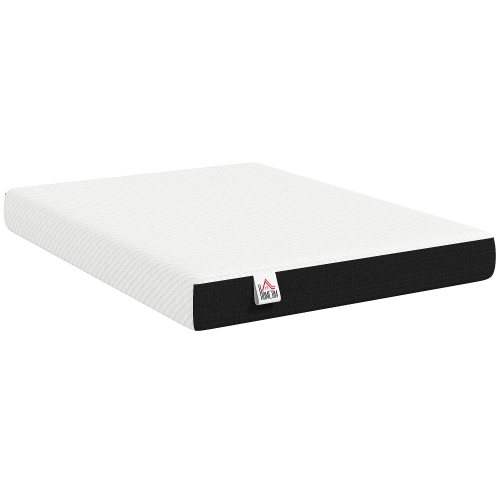
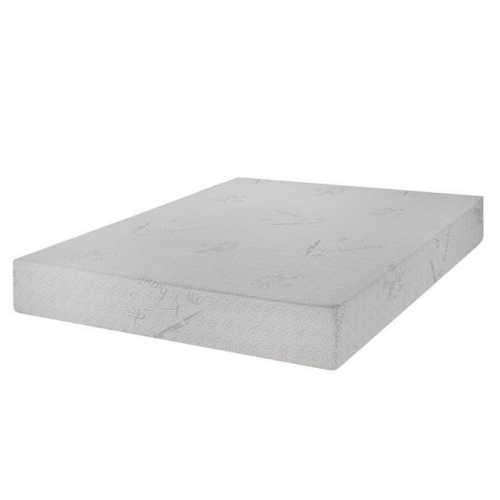
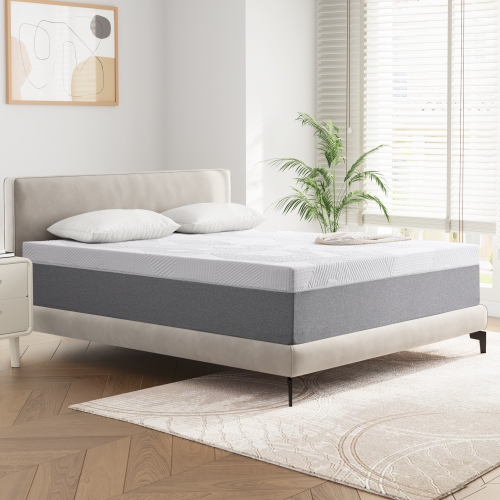
A 9-inch mattress has a profile approximately 23 cm deep, offering a relatively low sleeping surface that can suit platform beds, guest rooms, and everyday bedrooms. Its thickness describes its height, not its firmness: two 9-inch mattresses can feel quite different depending on their materials, internal construction, and comfort layers. Foam mattresses typically combine a cushioning upper layer with a denser support core, while hybrid designs pair foam or other comfort materials with springs. Memory foam contours gradually around the body, creating a close, cradling feel that can help distribute pressure around the shoulders and hips. More responsive foams spring back faster, which may appeal to sleepers who change position often or prefer not to feel nestled into the surface. Latex, where included, generally offers a buoyant feel, while individually wrapped coils can provide responsive support with some separation between each sleeper’s movements. The cover also contributes to the overall feel, whether it is smoothly knit, lightly quilted, or padded for extra softness. For nightly use, the balance between cushioning and support matters more than the height alone. Side sleepers often appreciate enough cushioning for their shoulders and hips to settle comfortably, while back and stomach sleepers may prefer a surface that limits excessive sinking through the middle. Body weight influences that balance, too: the same mattress may feel firm to a lighter sleeper and noticeably softer to someone heavier. A 9-inch profile can provide comfortable support for many people, but sleepers who need deeper cushioning should look closely at the thickness and composition of the comfort layers. For couples, motion isolation and edge support are useful considerations alongside firmness. Foam that absorbs movement may make a partner’s turning less noticeable, while a supportive perimeter can make the edge feel steadier when sitting down to put on socks or getting into bed. These details help distinguish mattresses that share the same height but serve different sleeping preferences.
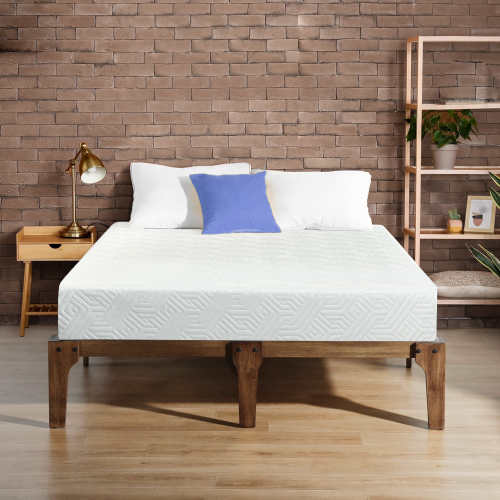
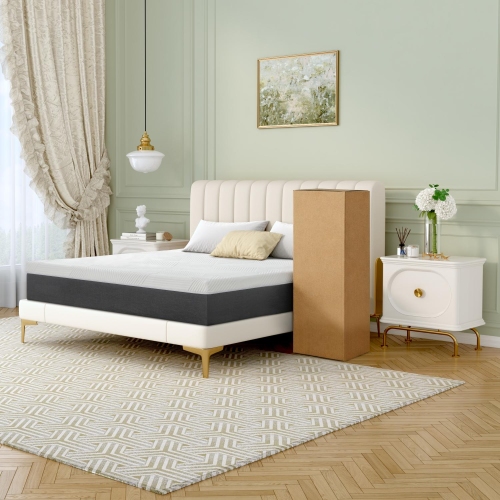
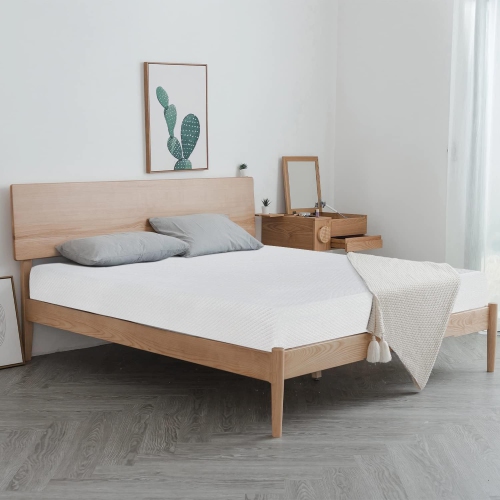
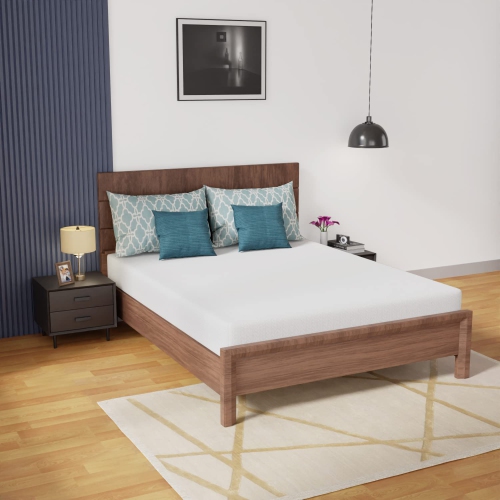
Fit involves both the mattress dimensions and the bed beneath it. A 9-inch mattress may come in familiar sizes such as twin, twin XL, double, queen, and king, but the listed length and width should always be checked against the frame’s usable interior dimensions. Twin and twin XL mattresses, for example, differ in length, which matters for taller sleepers and compact bed frames with fixed end panels. Mattress height also affects how the finished bed works in the room. On a low platform, a 9-inch profile can keep the bed visually understated and leave more of a headboard visible. On a taller foundation, it may help avoid an unnecessarily high sleeping surface. For someone who finds getting up from a low seat difficult, however, a low mattress and frame combination may be less comfortable to use. Considering the full height from floor to mattress top gives a more useful picture than mattress depth by itself. Guest bedrooms, smaller bedrooms, and beds for older children or teenagers can all benefit from this profile when the support and firmness suit the sleeper. Bunk beds, loft beds, trundles, and RV sleeping spaces require extra attention rather than an assumption that any lower-profile mattress will fit. A bunk or loft bed’s maximum permitted mattress thickness must be followed so the guardrails remain sufficiently above the sleeping surface. Trundles need enough clearance to slide beneath the main bed, including any bedding left in place, and RV beds may use dimensions that differ from standard household sizes. The base is equally important: slat spacing, centre support, and foundation type should meet the mattress manufacturer’s requirements. Adjustable bases also need a mattress explicitly suited to bending and repeated movement. Fitted sheets should have pockets that accommodate the mattress without leaving excessive loose fabric, and any topper adds to the total depth. For a deeper bed profile, 12-inch mattresses offer another height to consider, although added thickness does not automatically mean a firmer feel or better support.
Care and construction play a large part in how a 9-inch mattress holds its shape over time. Foam density, spring construction, stitching, and the quality of the support base are more informative than thickness alone when considering durability. A mattress used every night will experience different wear from one reserved for occasional overnight guests, and regularly sitting on the same edge can concentrate pressure in one area. Rotating the mattress from head to foot may help distribute wear if the manufacturer permits it, but flipping is appropriate only for a design intended to be used on both sides. Many mattresses have a defined top comfort layer and should remain upright. A properly fitted mattress protector helps keep everyday spills, perspiration, and dust from reaching the cover, while washable bed linen makes routine upkeep simpler. Cleaning instructions deserve close attention: a zippered cover is not necessarily removable for washing, and soaking foam can leave moisture trapped inside. Where spot cleaning is allowed, use the specified method and let the surface dry completely before replacing bedding. Keeping the mattress supported across its intended contact points also helps prevent avoidable sagging; a bowed slat or missing centre leg can affect the sleeping surface even when the mattress itself is relatively new. For compressed mattresses, allow the stated expansion time before judging the final height or feel, and follow any unpacking instructions concerning placement and ventilation. Once in regular use, look for changes such as lasting depressions, uneven support, or a noticeable tendency to roll towards the middle. Some surface settling can occur, but deeper changes should be assessed against the manufacturer’s care and warranty terms. Practical details matter during setup as well: mattress weight, stairway turns, and the space around the bed can affect how easily it is moved or rotated. A well-matched 9-inch mattress brings together the right dimensions, suitable support, and a comfortable surface without relying on extra height, making its construction and fit central to everyday comfort.
Top selling and popular products
-
 Your price for this item is $1195
-
 Your price for this item is $1095
-
 Your price for this item is $945
-
 Your price for this item is $1395
-
 Your price for this item is $895
-
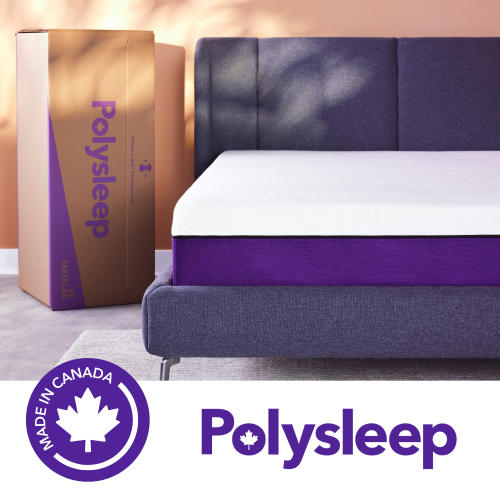 Your price for this item is $1395
-
 Your price for this item is $1199
-
 Your price for this item is $920
Discover more categories related to 9 Inch Mattresses
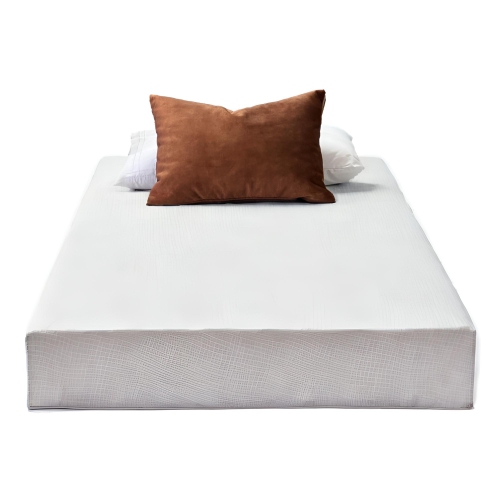
Top Collections:
Pokemon Centers, Best Cameras for Sports Photography, Kindle Devices, Samsung Galaxy Phones, Canon G7X Cameras, Pokémon 30th Celebration Cards, Refurbished Apple Laptops, iPhone 15 Apple, Laptops for Students, Budget Smartphones
Some products may be subject to Environmental Handling Fees
(EHF) depending on your province.
Learn more about EHFs.