9 Piece Dining Sets
Create a stunning dining space with our versatile and stylish 9 piece dining sets. Whether you're hosting a dinner party or enjoying a casual family meal, these sets offer the perfect combination of functionality and elegant design. With ample seating and a range of finishes to choose from, our 9 piece dining sets are designed to accommodate your needs and complement any decor. Crafted with quality materials, these sets are built to last, ensuring years of enjoyment and unforgettable dining experiences. Discover the perfect centerpiece for your dining room today with our collection of 9 piece dining sets at Best Buy Canada.
Sort
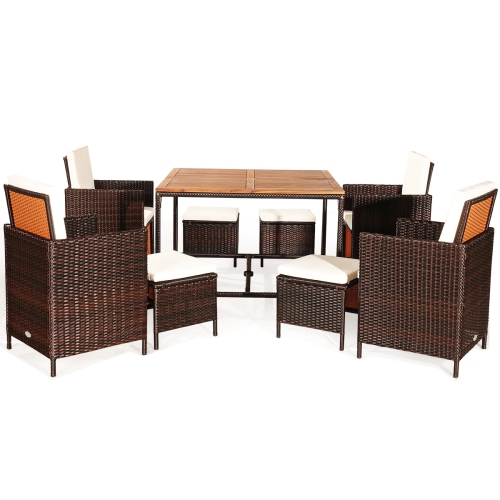

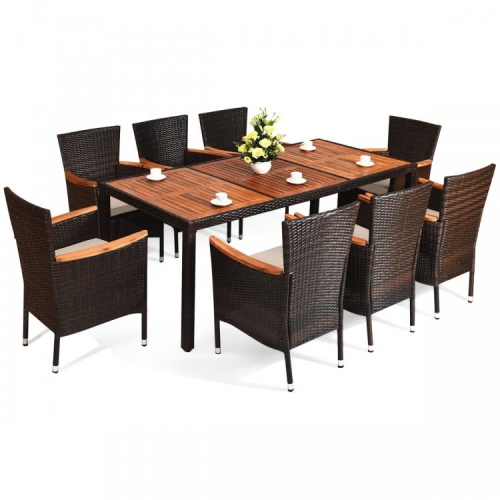
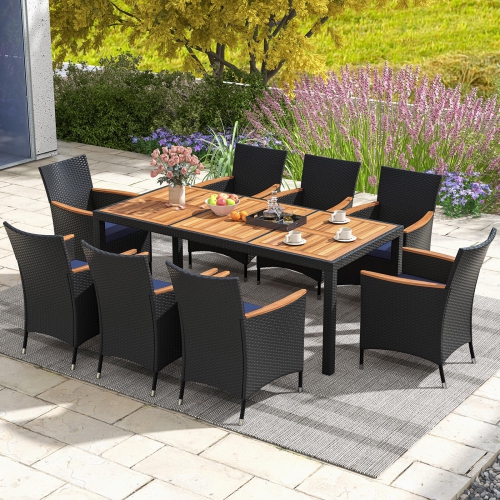
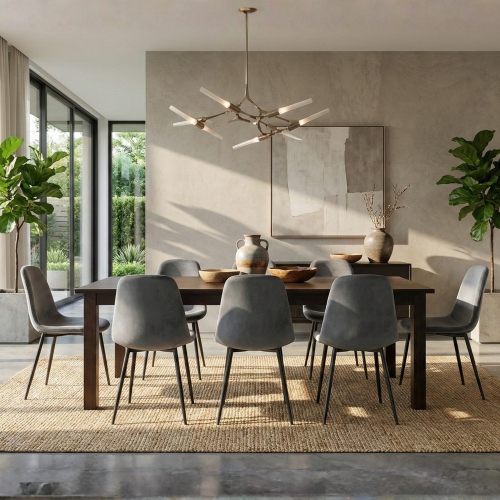
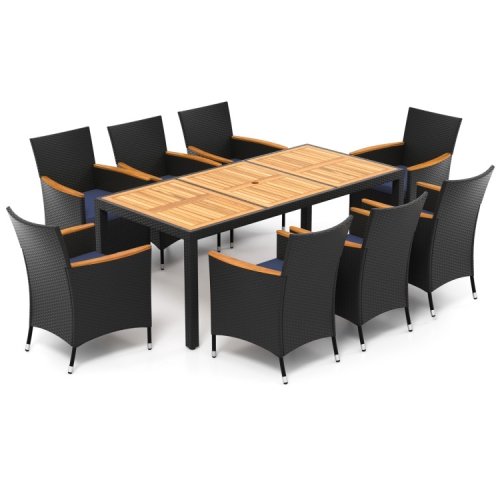

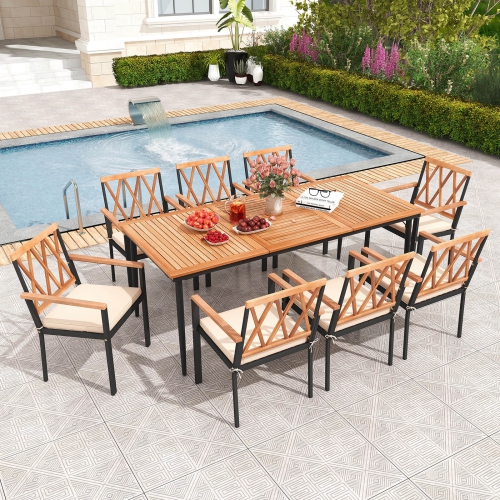
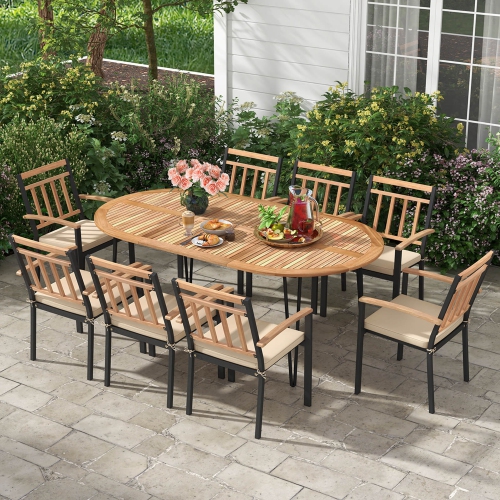
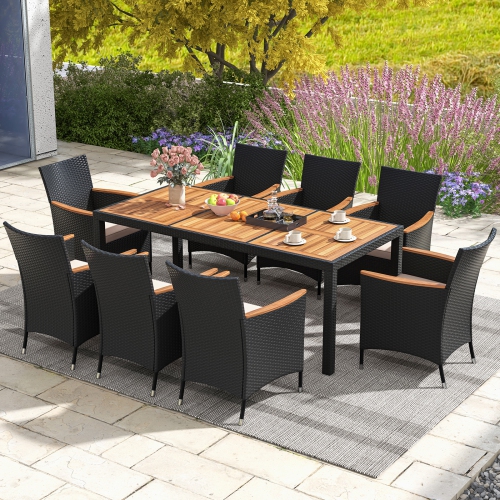
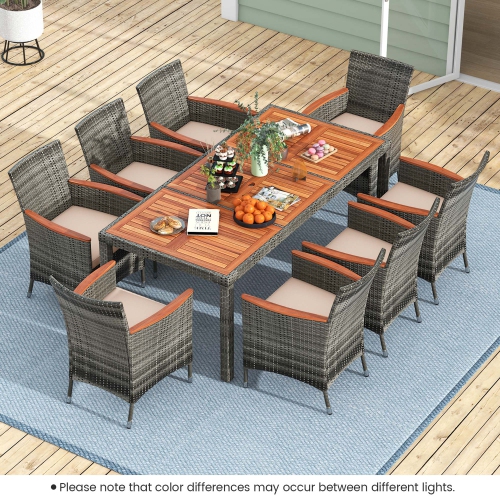
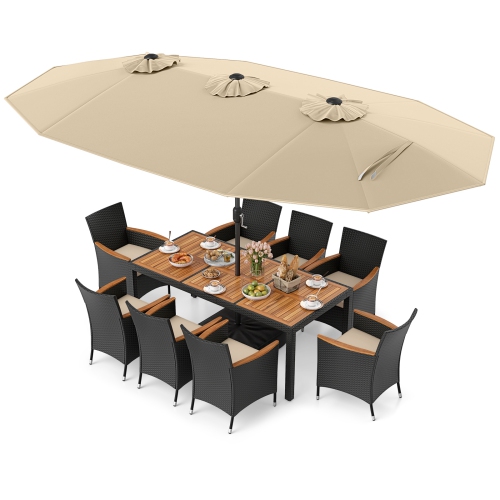
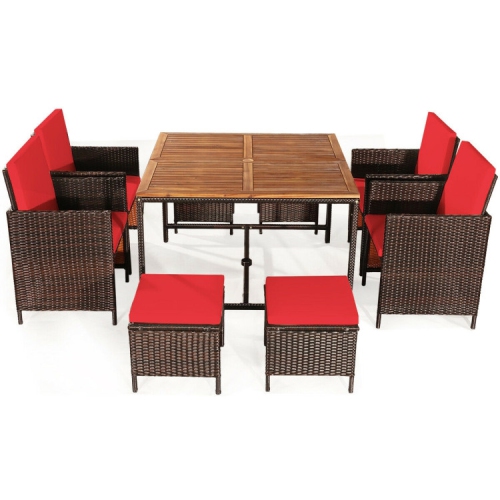
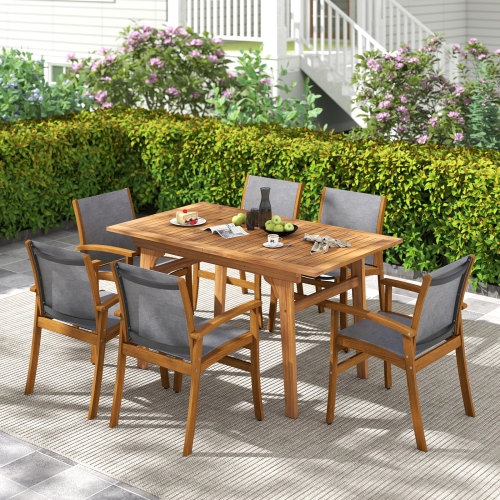
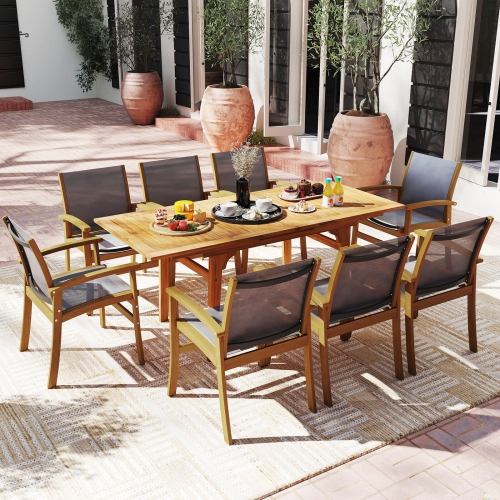
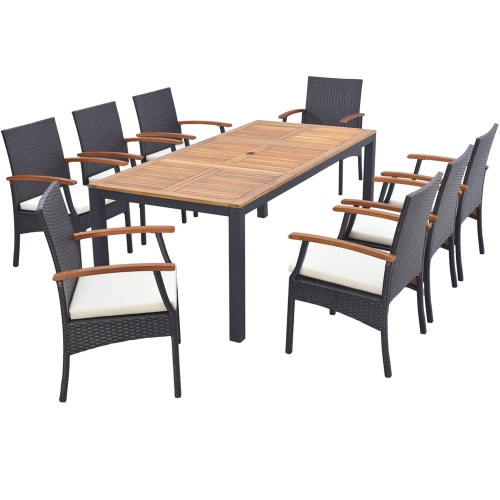
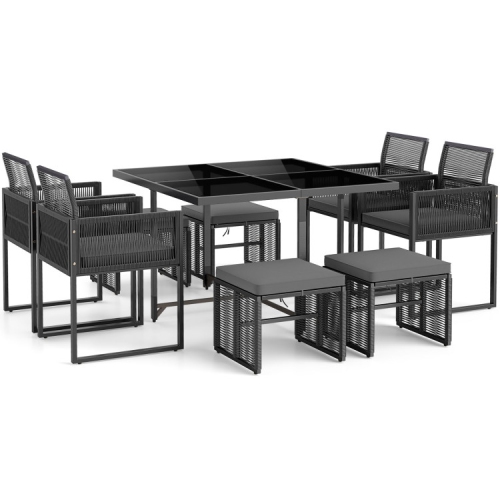
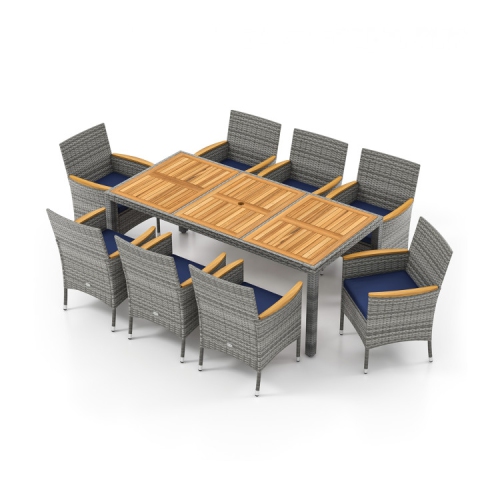
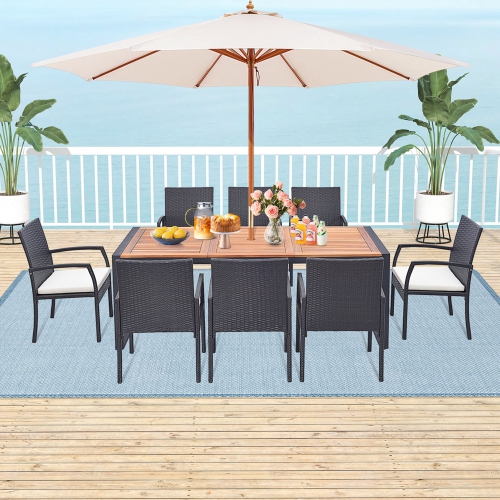
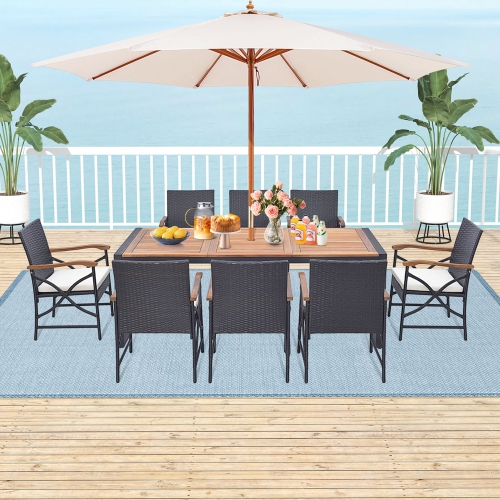
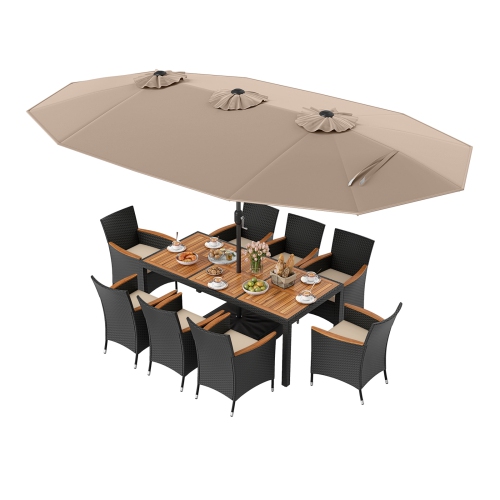
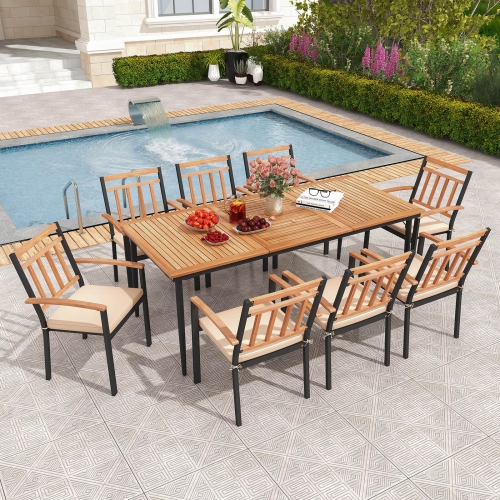
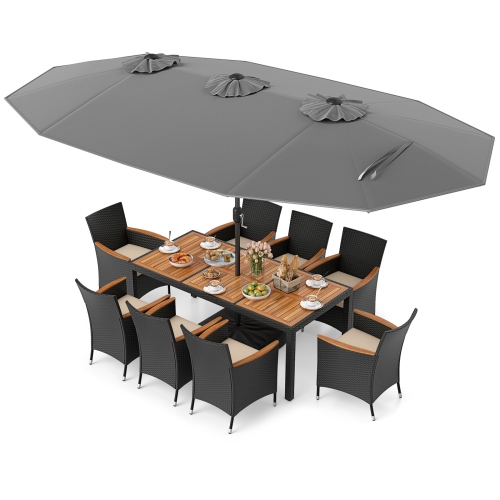
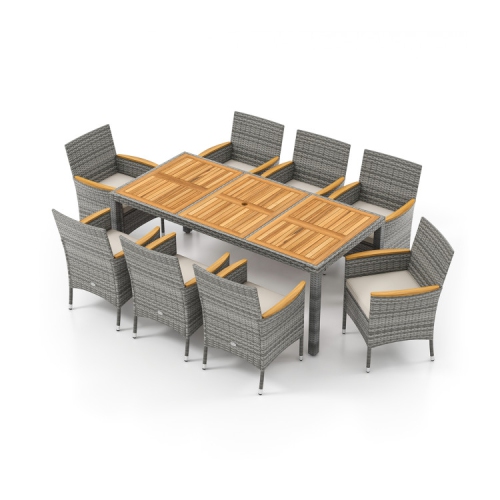
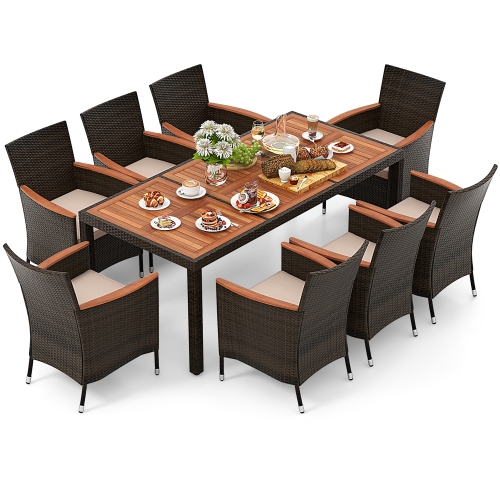
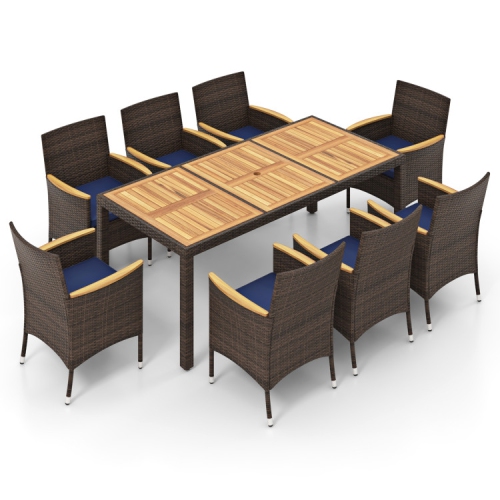
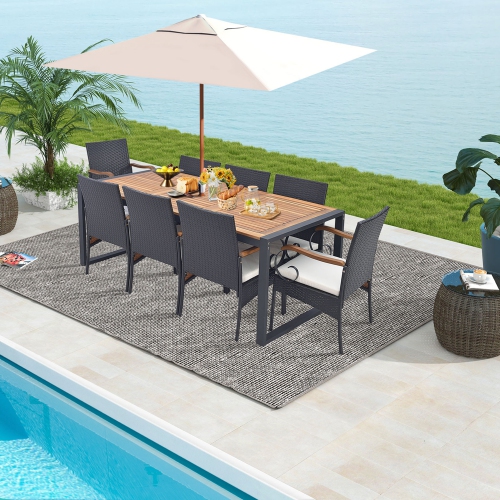

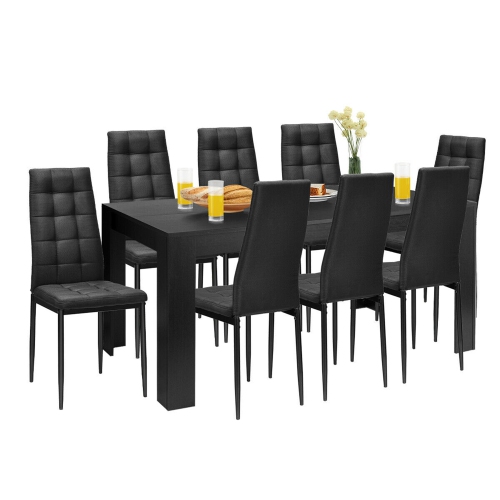
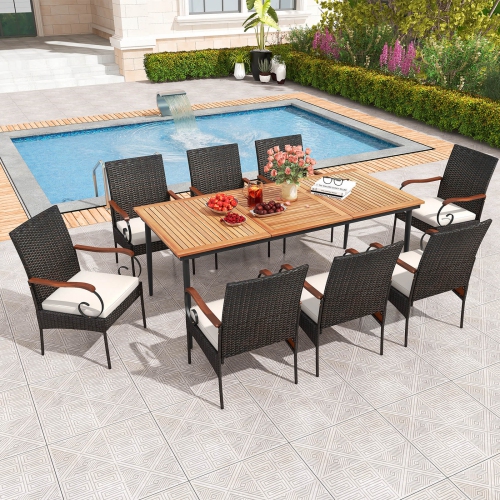
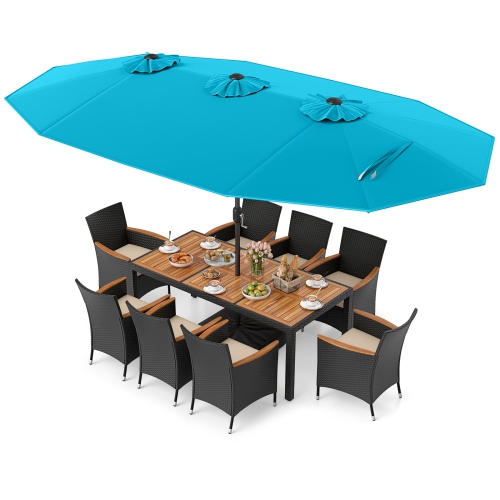
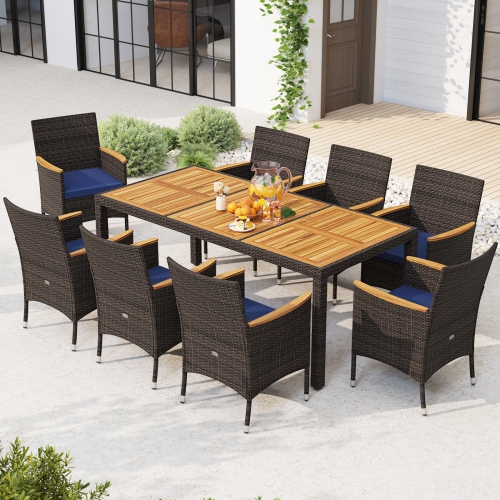
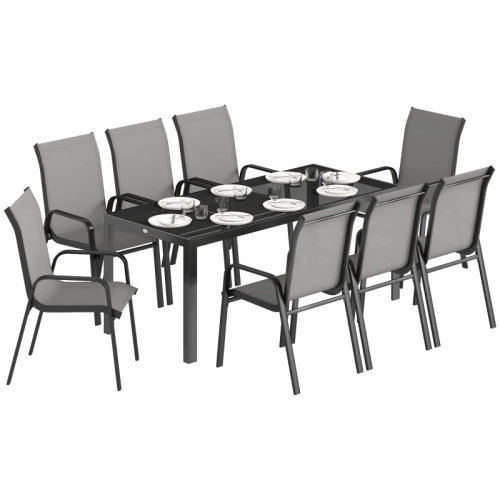
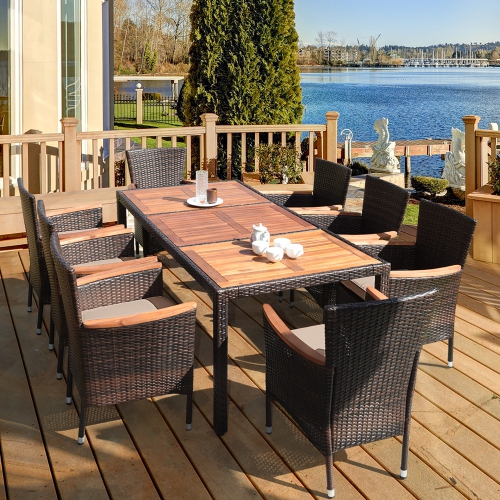
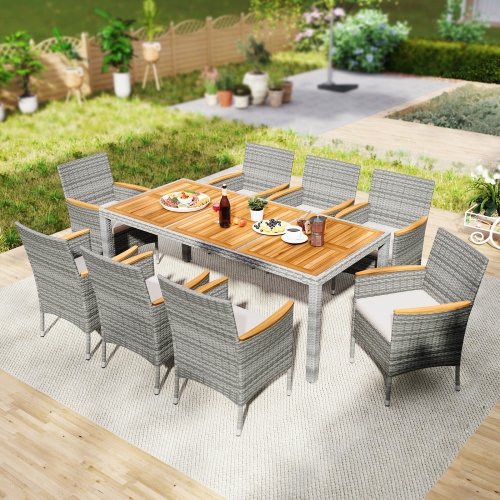
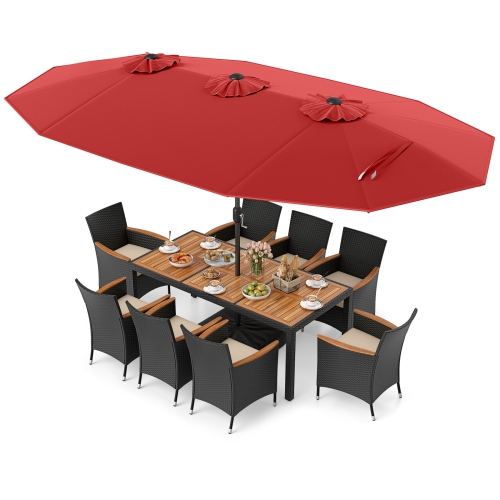

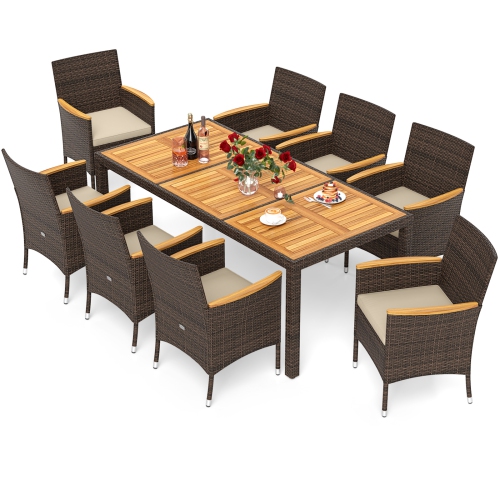
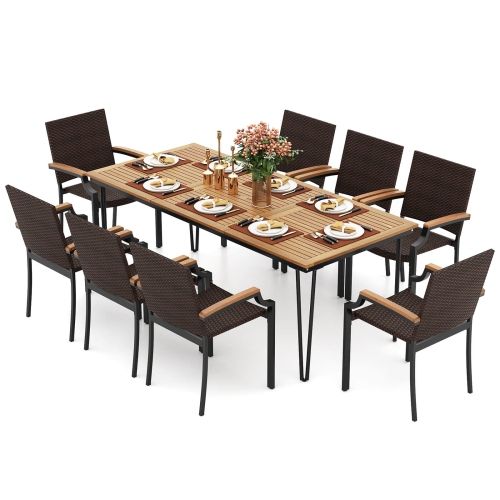
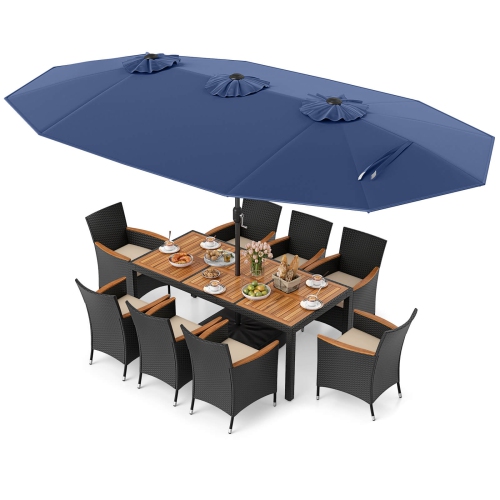
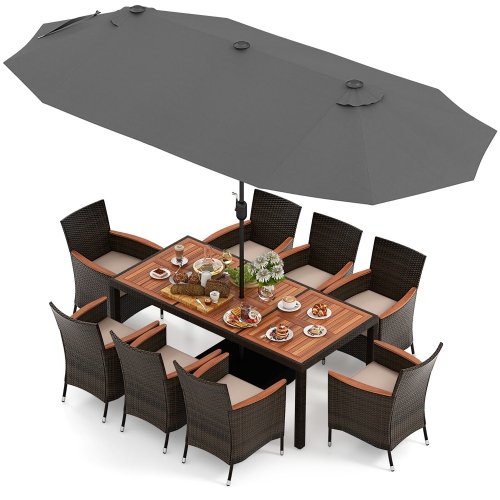
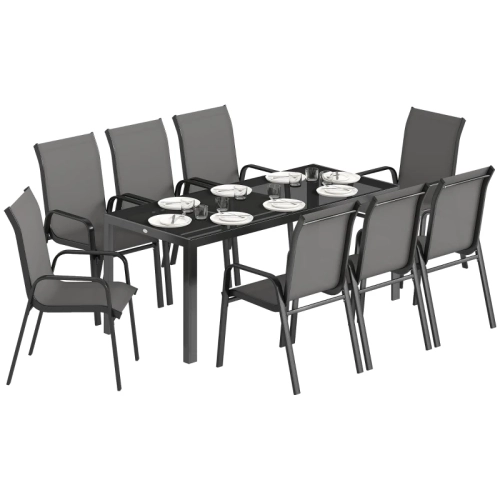

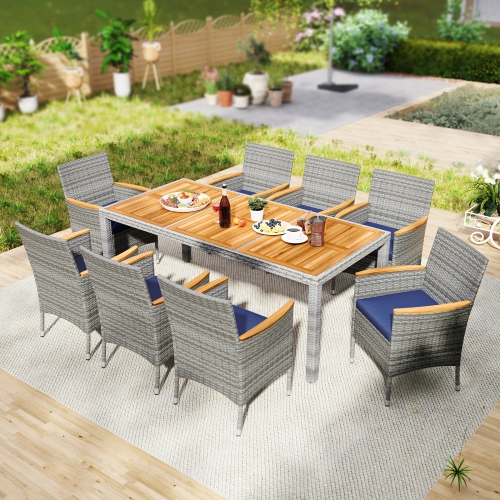
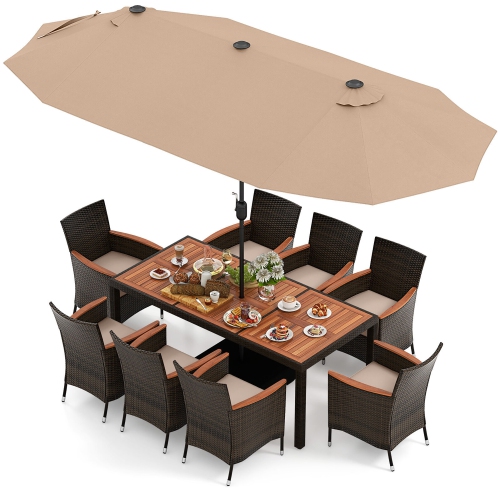
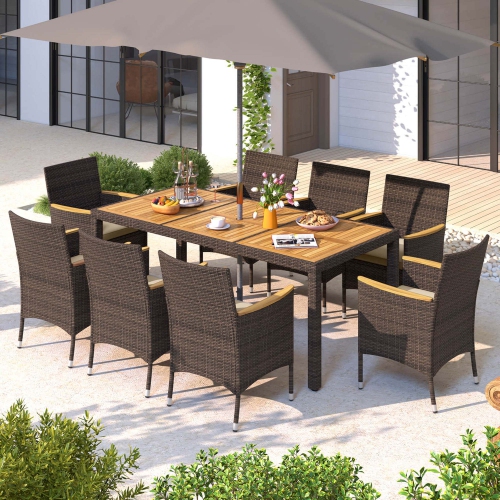
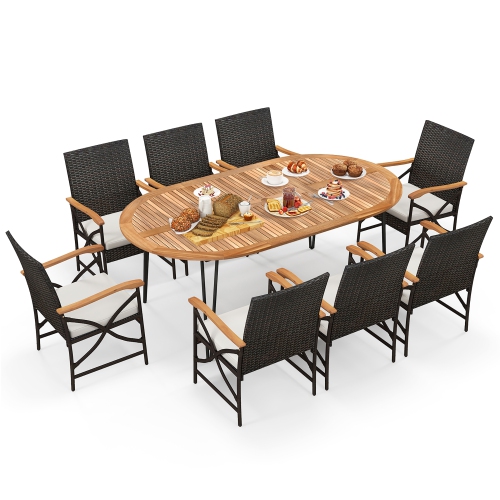
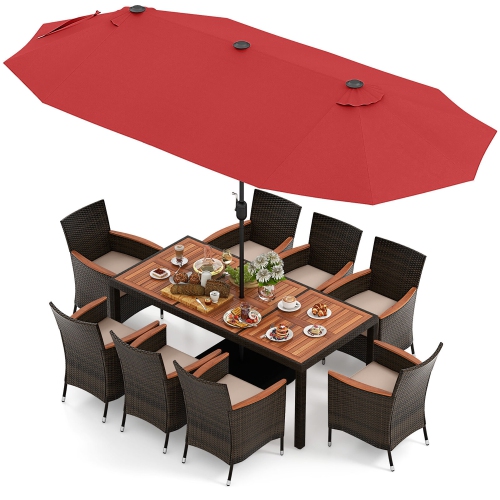
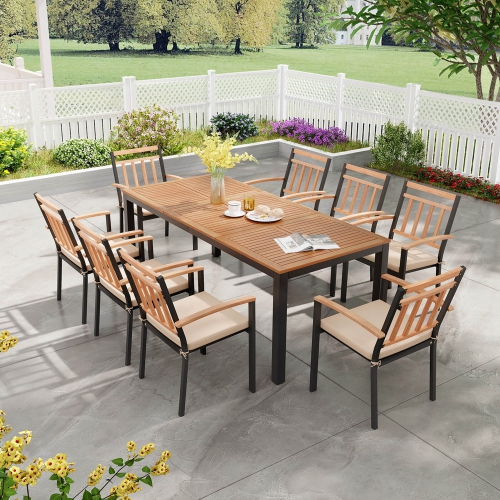
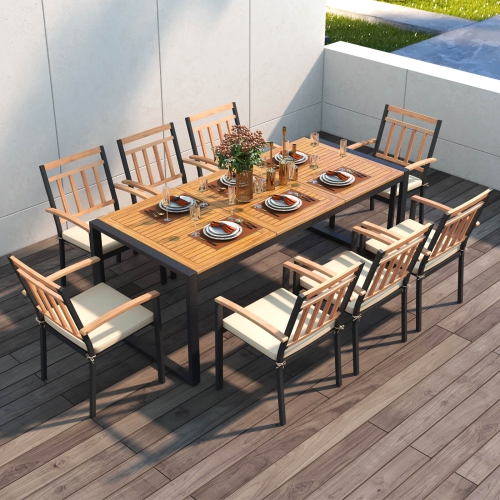
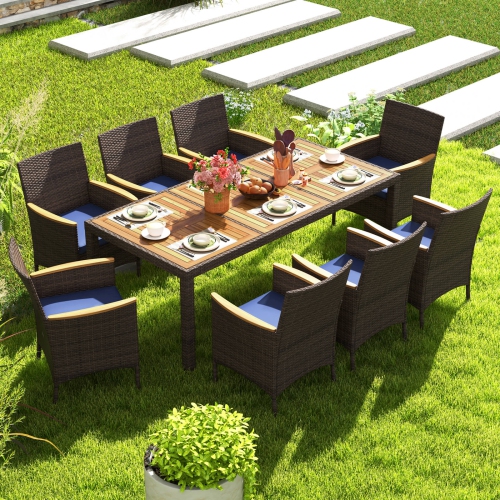
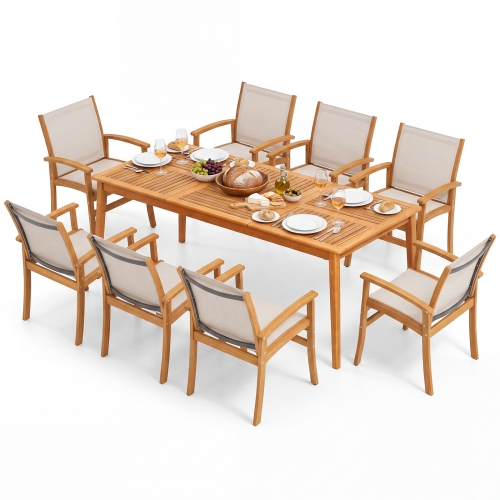
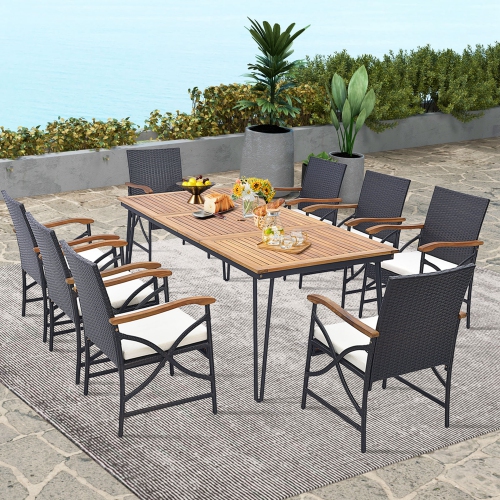
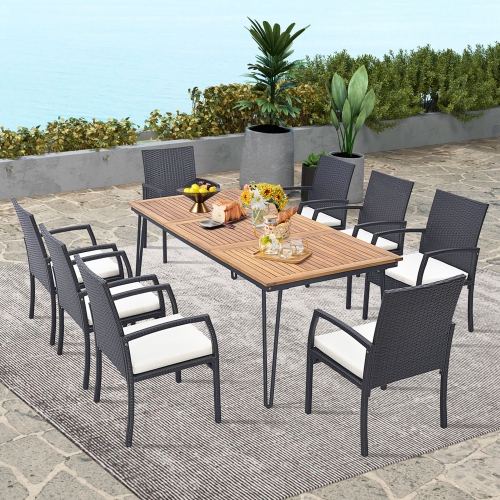
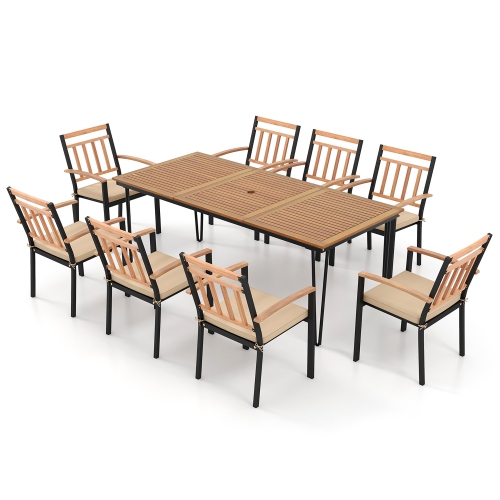
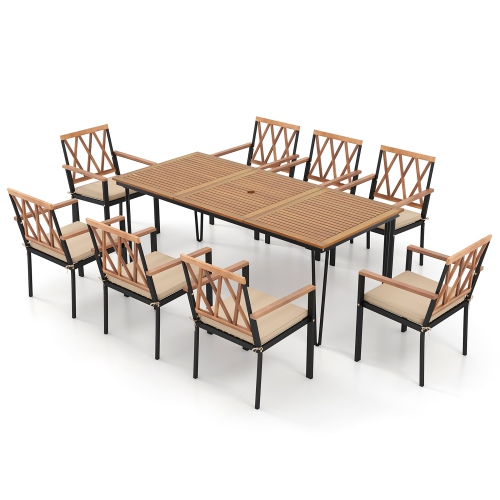
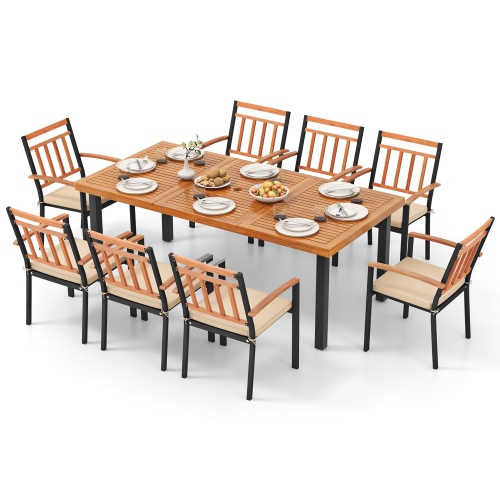
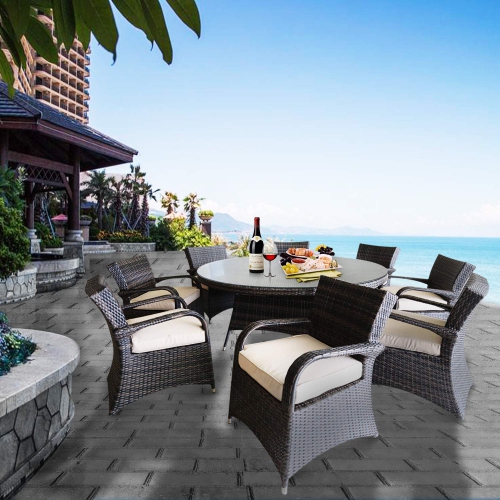
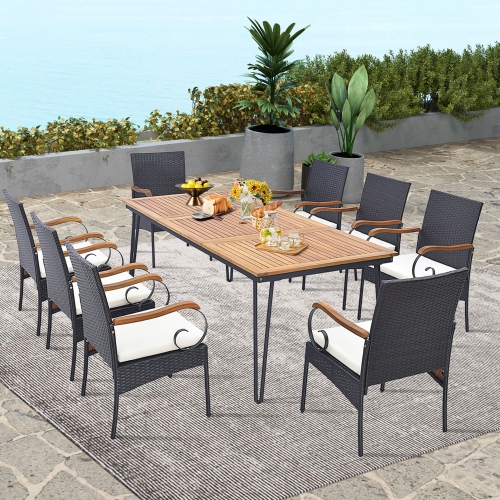
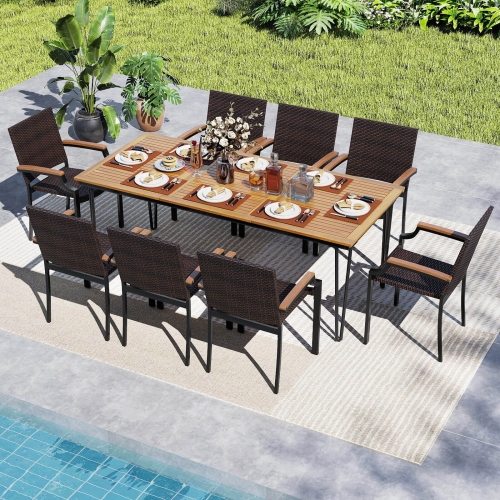
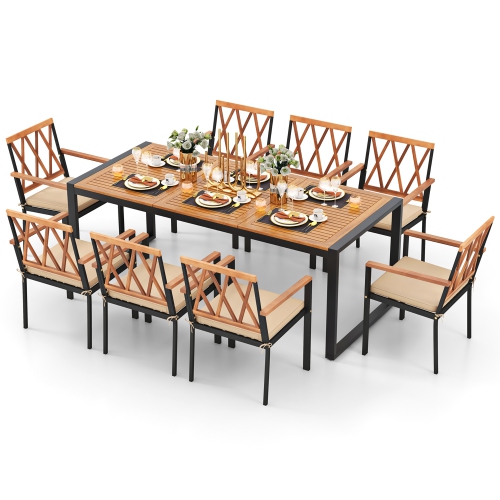
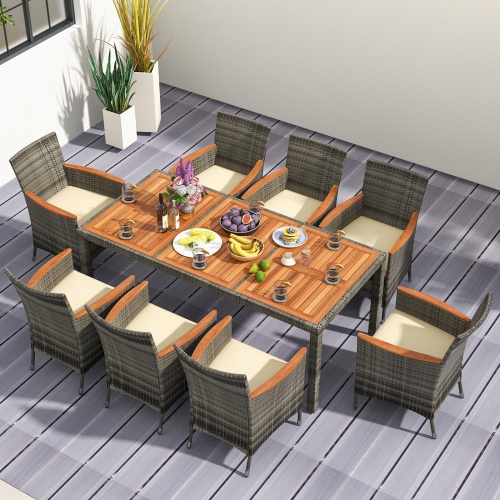
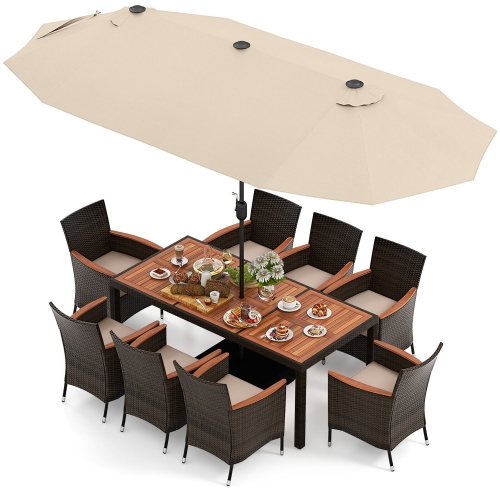
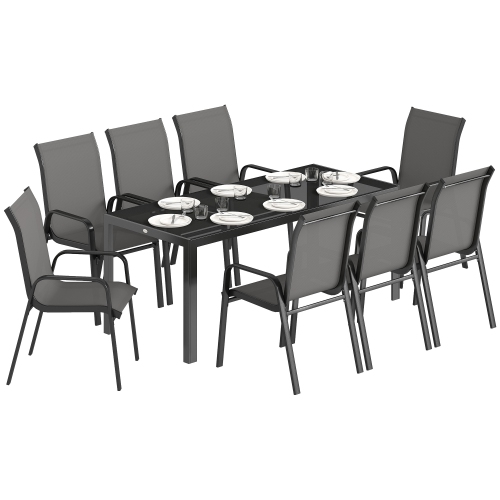
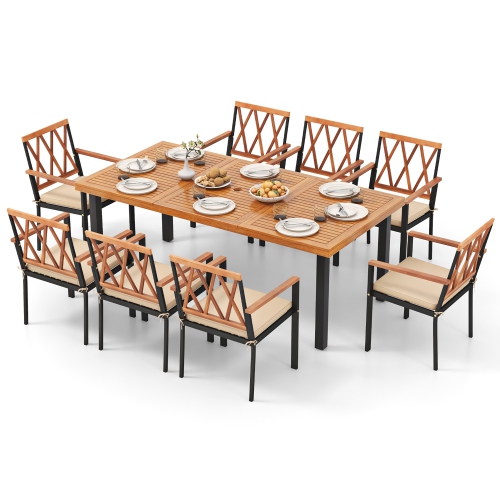
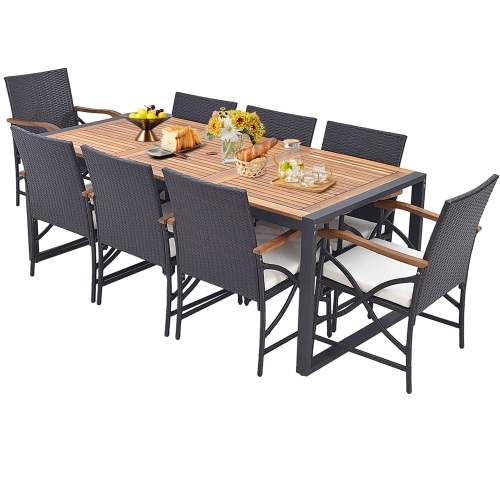
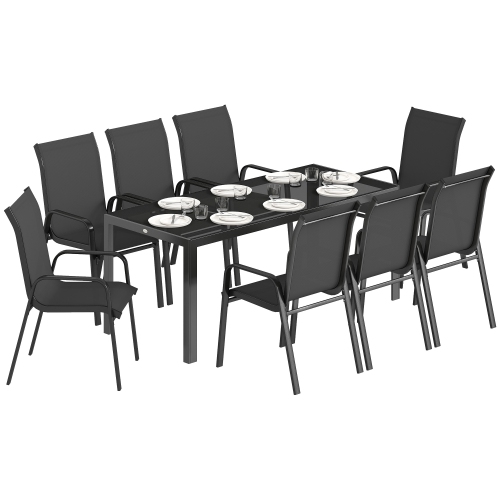
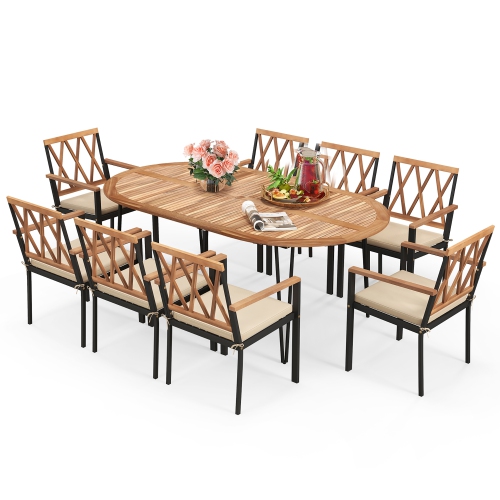
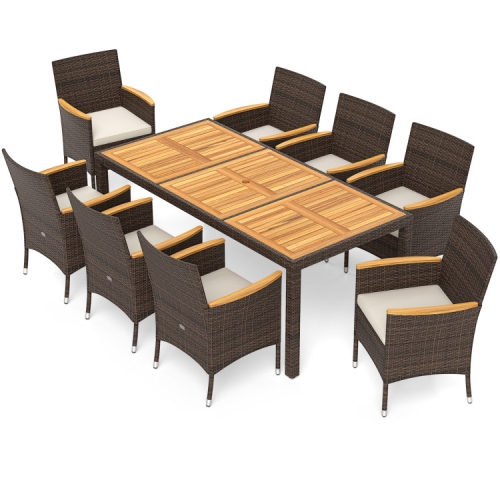
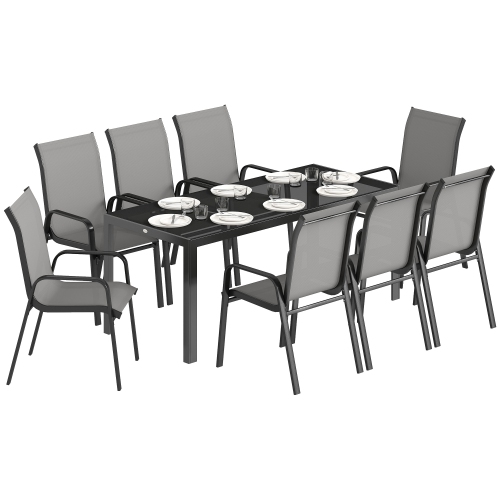
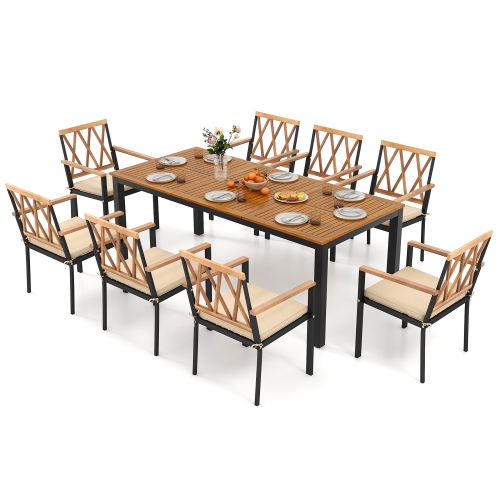
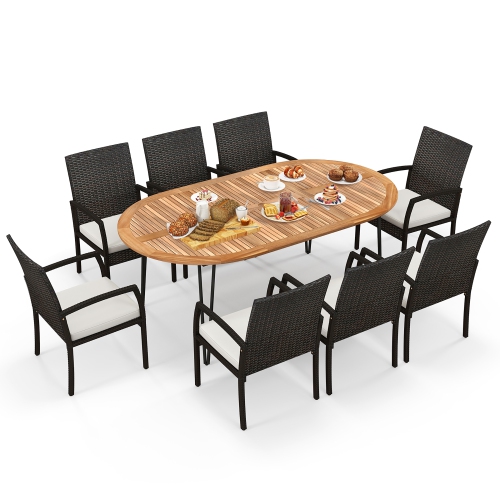

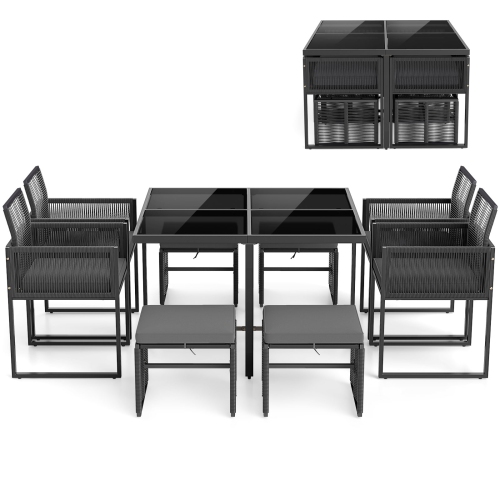
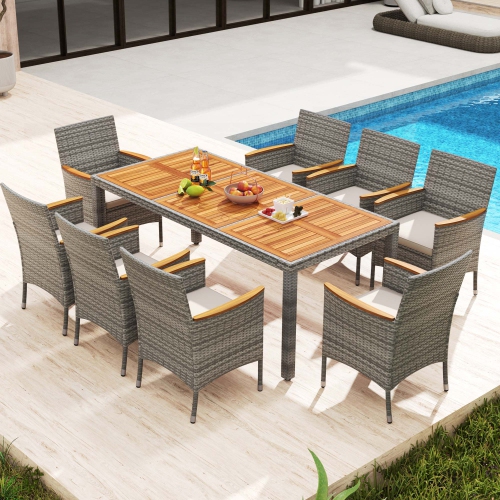
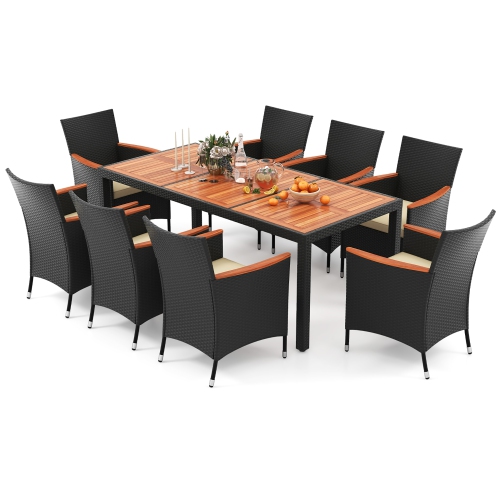
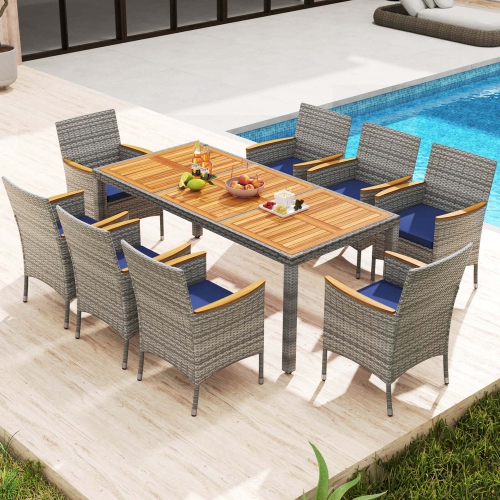
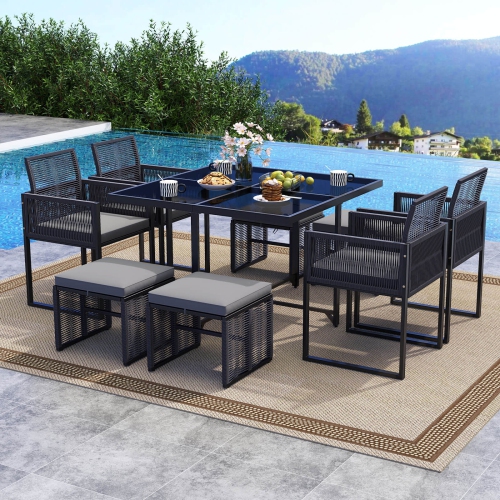
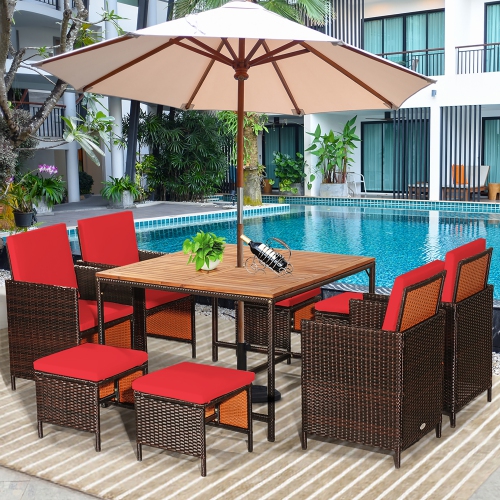
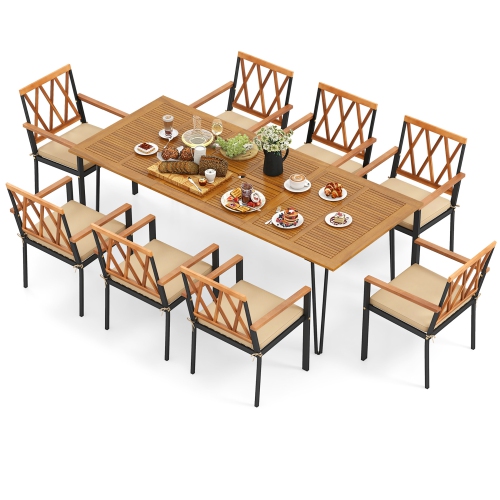
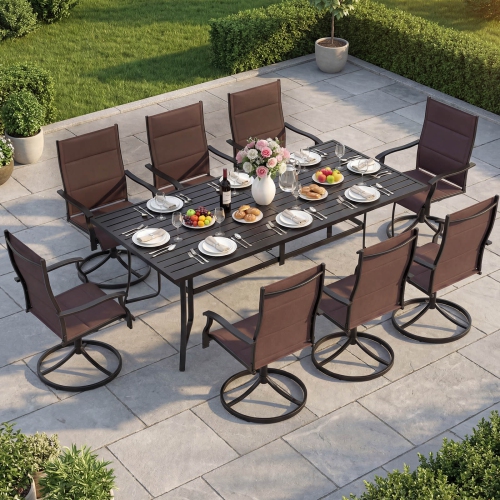
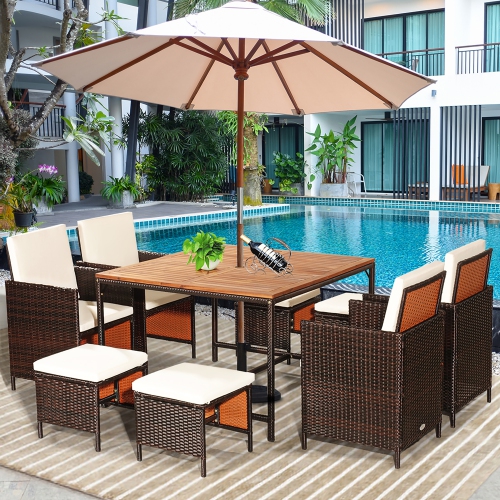
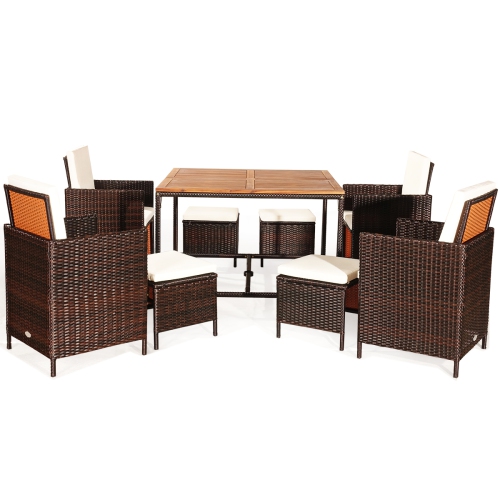
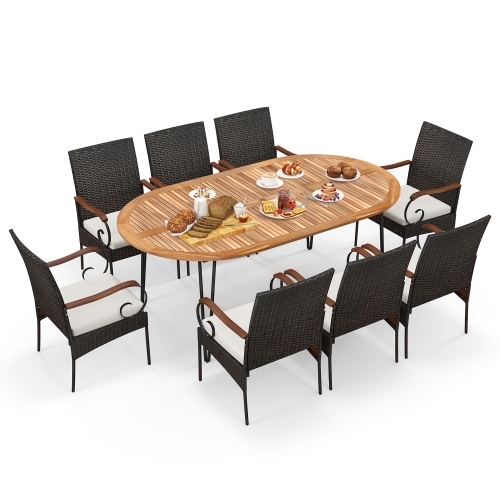
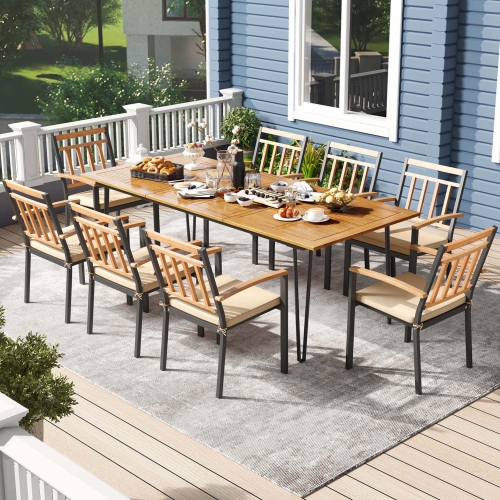
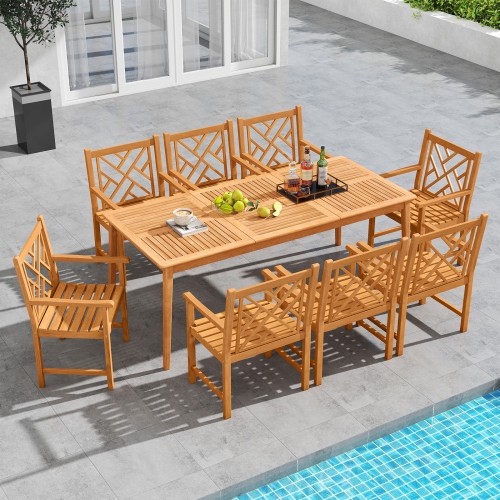


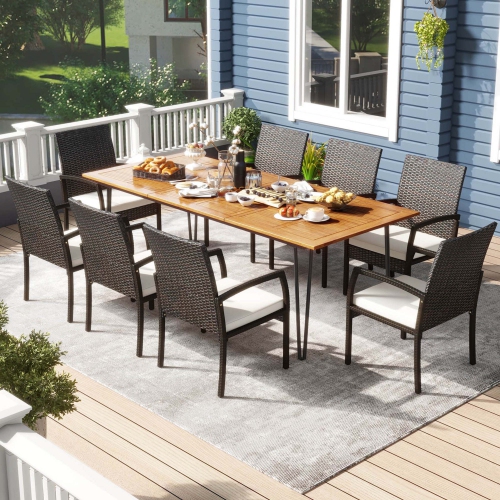
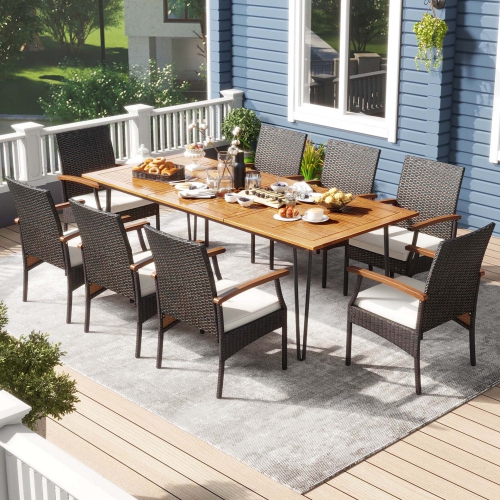
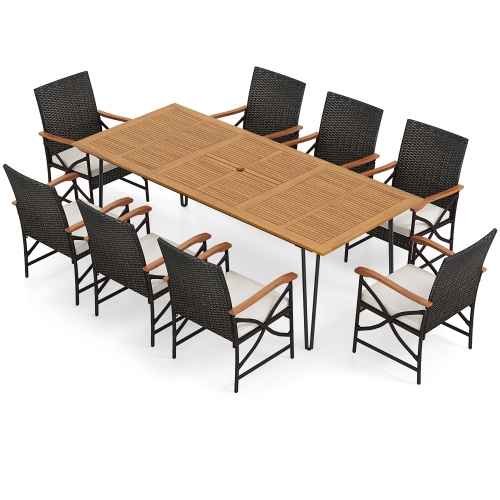
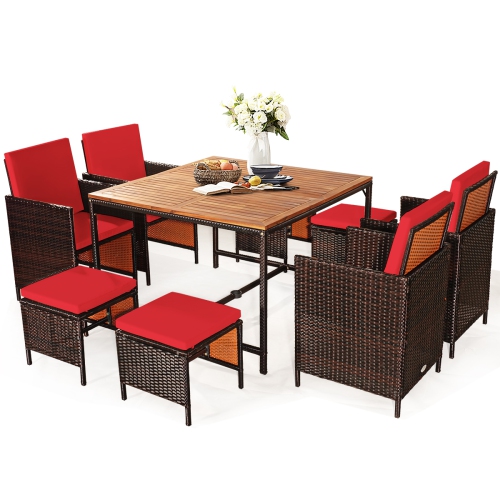
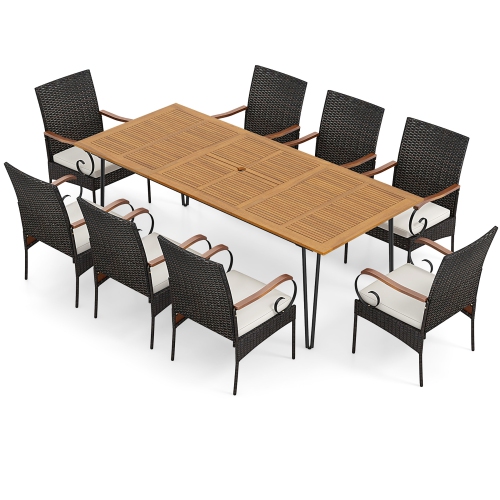
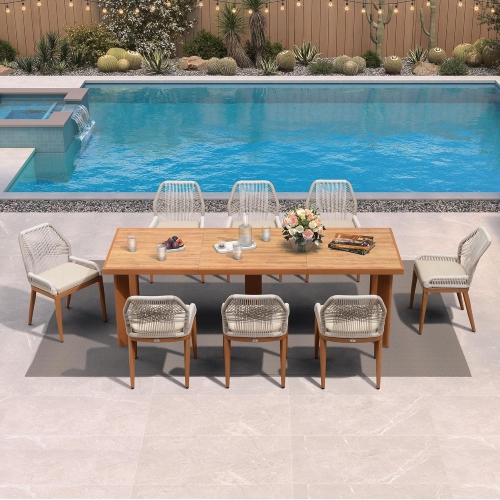
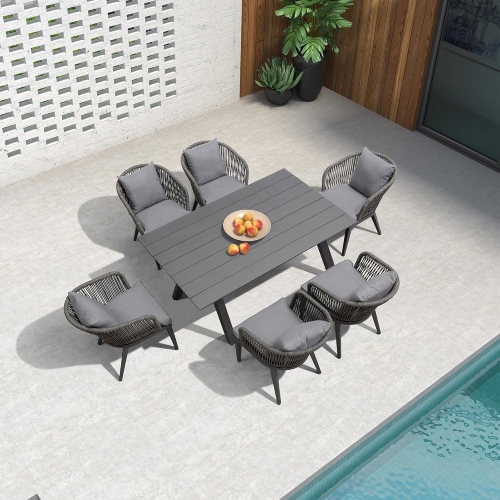
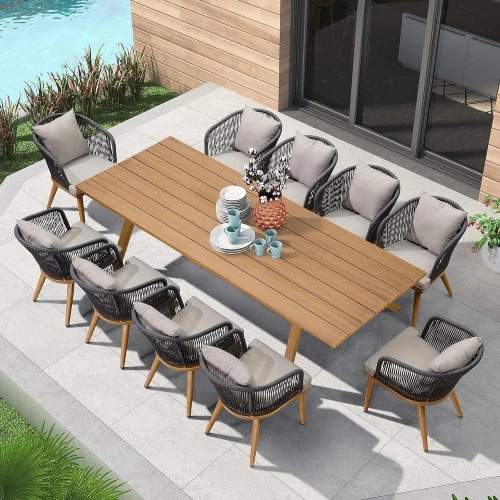
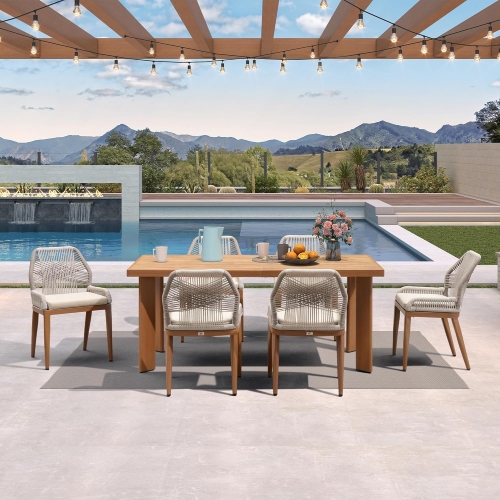
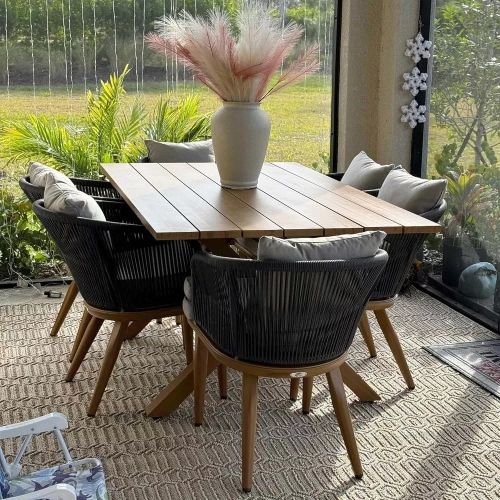
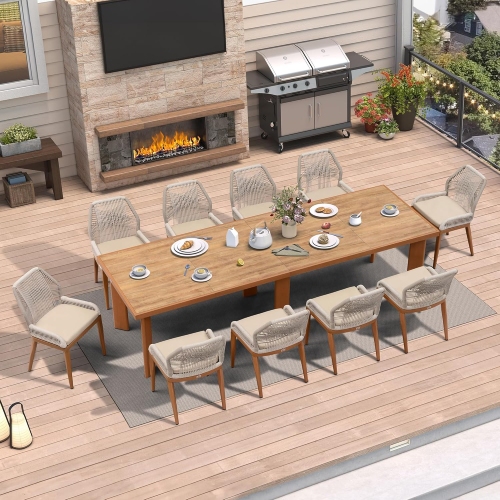
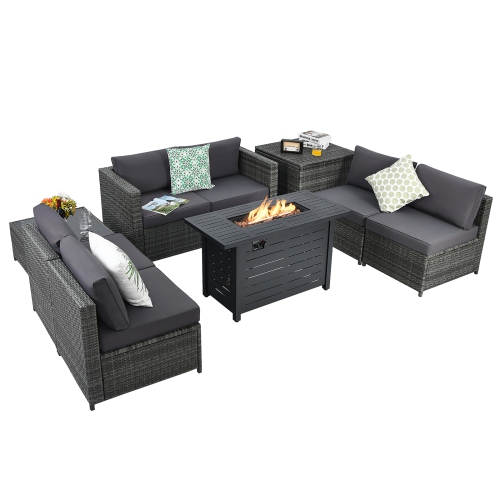
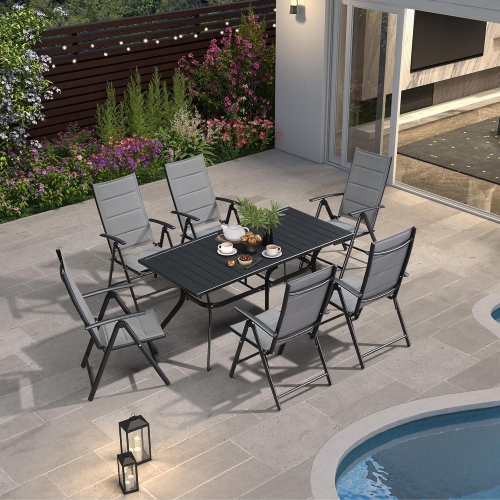
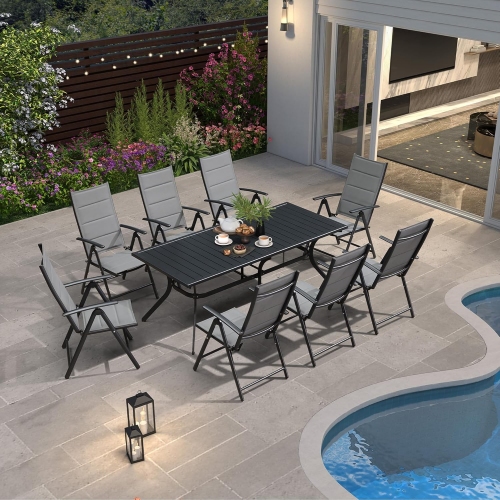

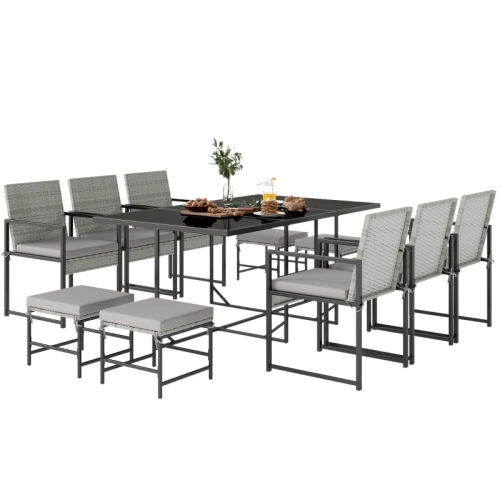

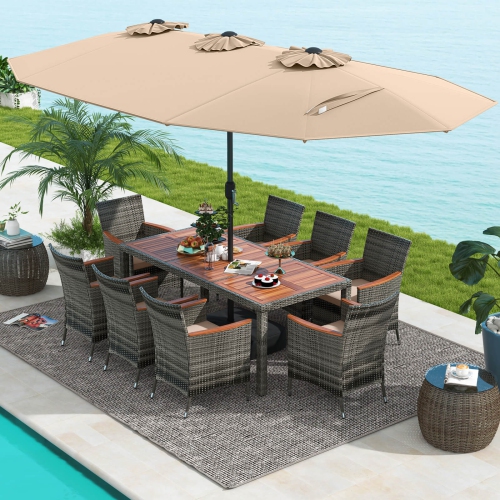
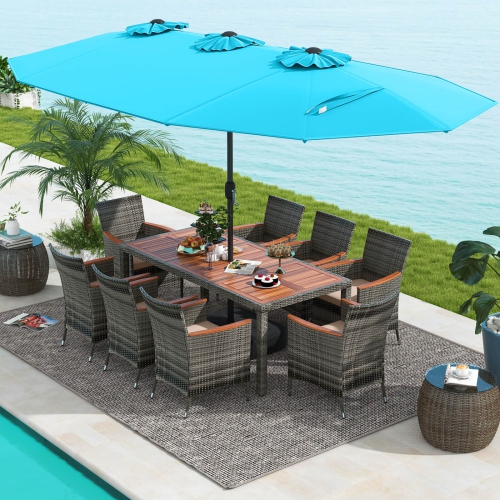
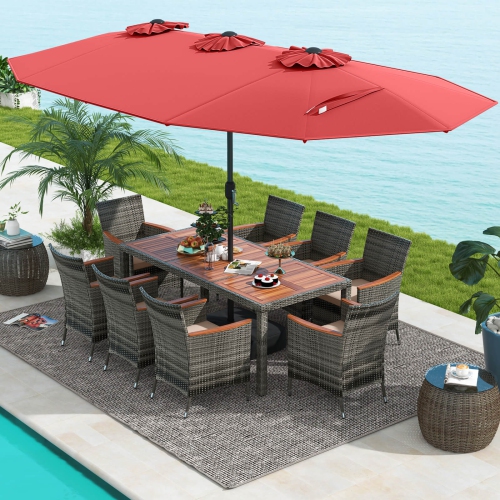
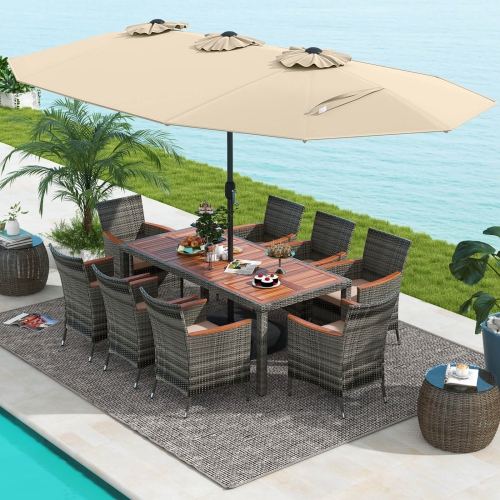
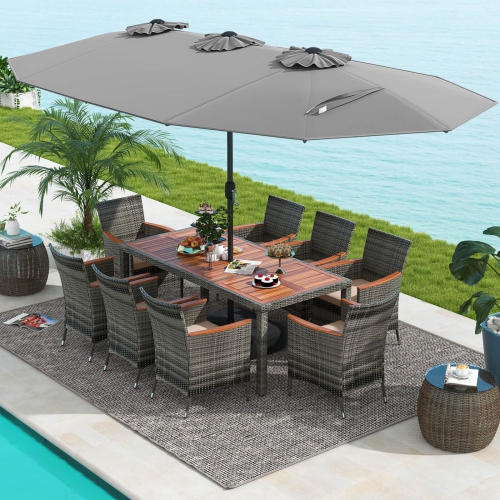
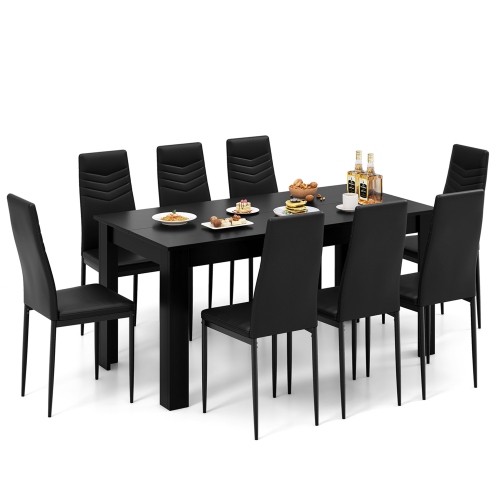
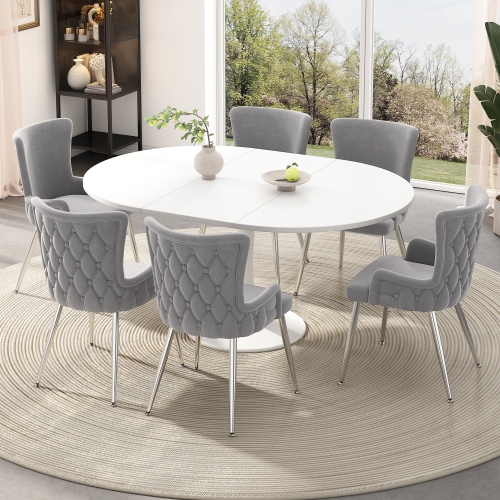
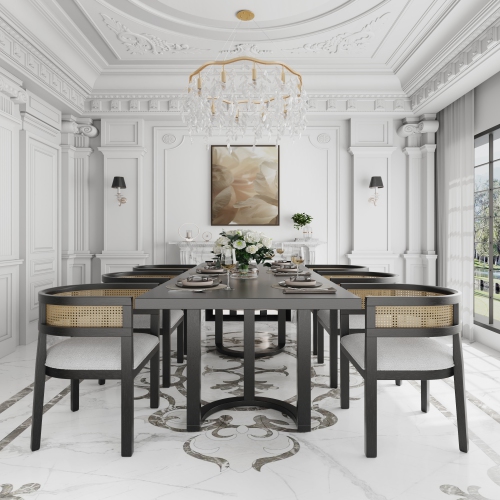
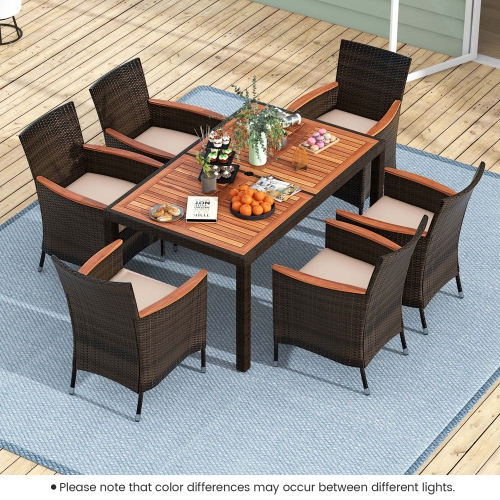
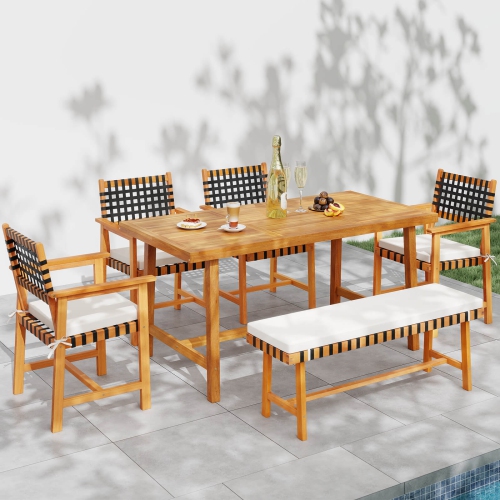
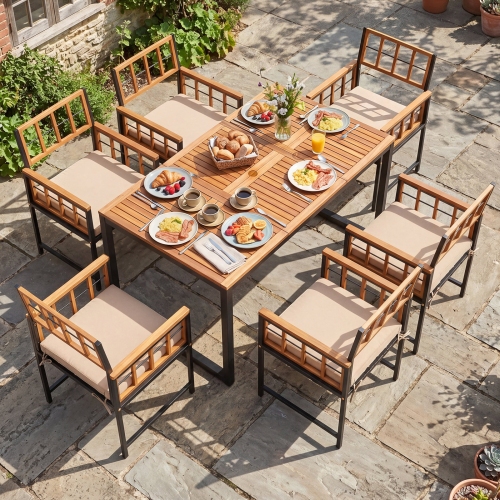
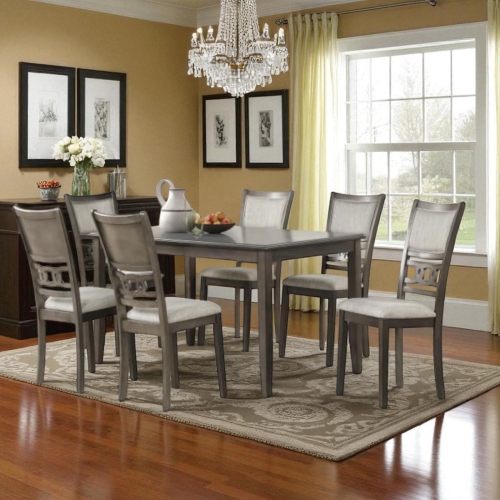

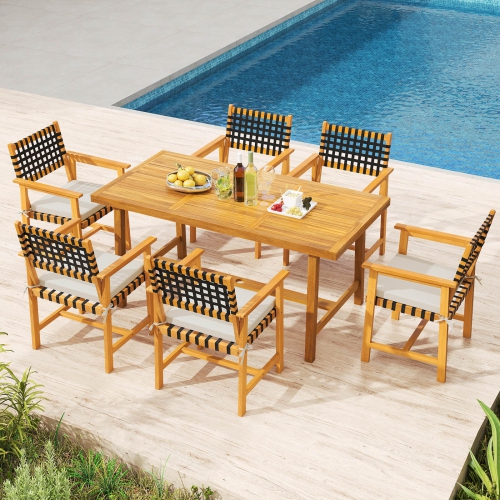
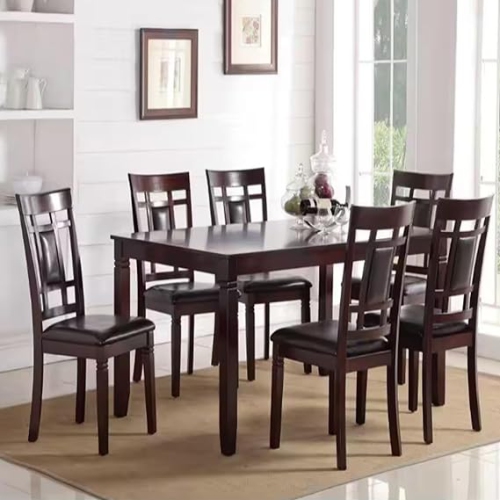

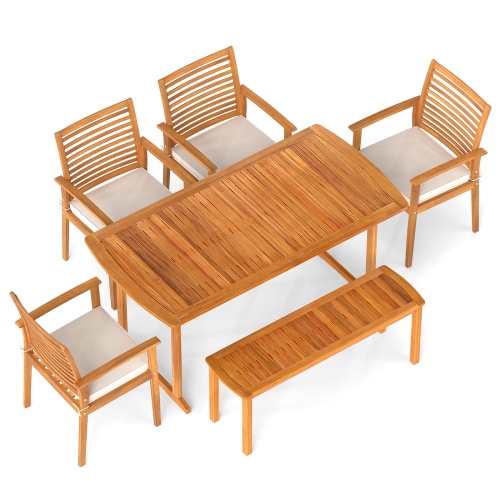
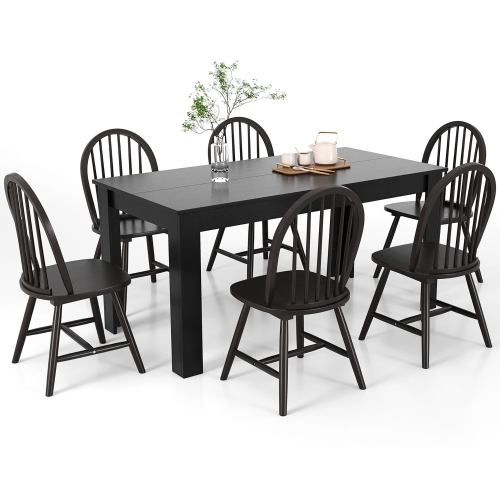

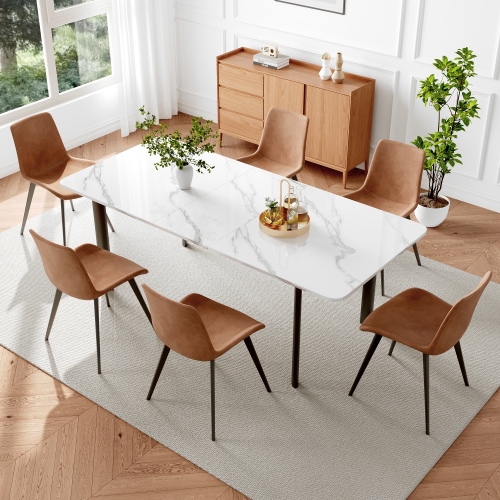
Comfortable seating for eight starts with the right proportions
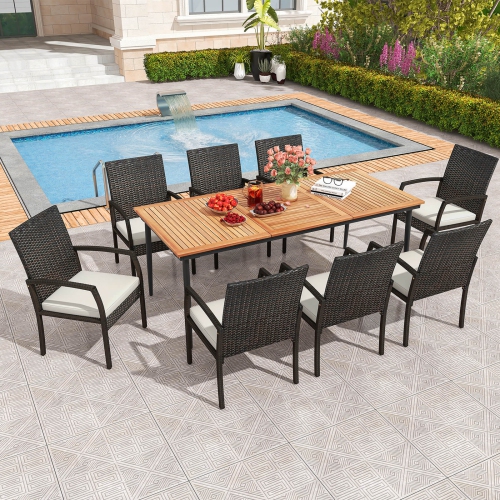
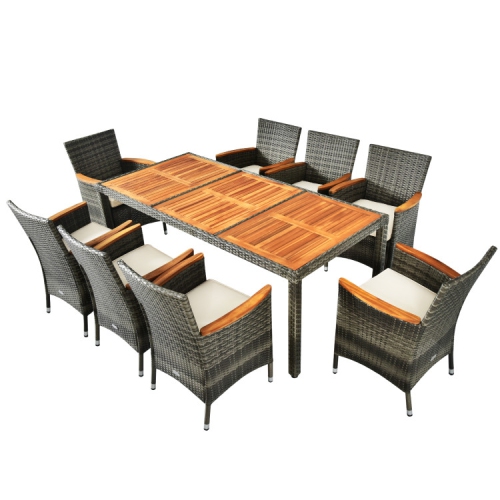
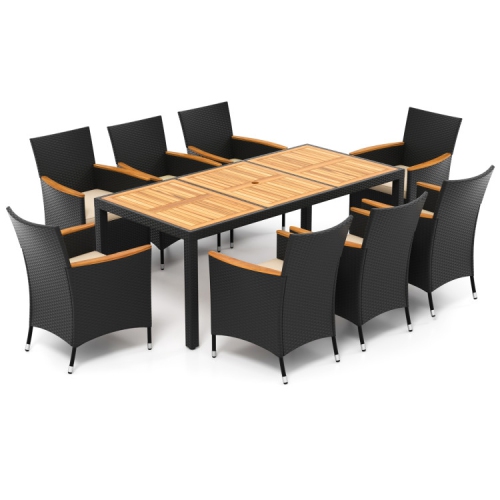
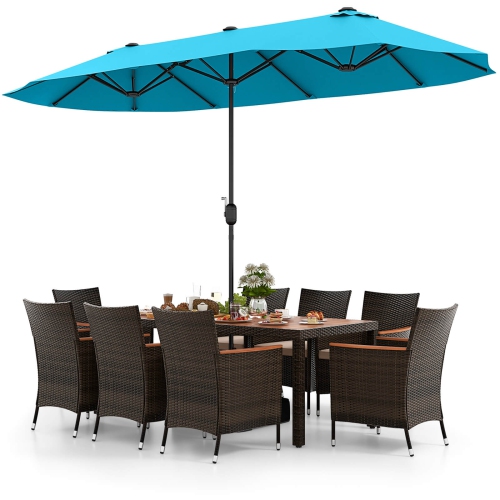
A 9-piece dining set typically includes one dining table and eight matching chairs, creating a coordinated place for up to eight people to share a meal. This arrangement suits larger households, frequent hosts, and anyone who wants room for guests without bringing extra chairs in from another part of the home. It can also give an open-concept dining area a clear purpose, with a substantial table anchoring the space between the kitchen and living room. Rectangular tables are a familiar choice for seating eight, usually with three chairs along each side and one at either end. Square and round designs create a different seating arrangement, though larger versions need generous floor space to keep every seat accessible. Table dimensions matter more than the piece count alone: eight chairs may fit around a tabletop, but comfort also depends on chair width, leg placement, and how much room remains for elbows and serving dishes. Around 24 inches of table edge per person is a useful planning allowance, with more space helpful for wider chairs or relaxed dining. For many rectangular layouts, a table roughly 84 to 96 inches long offers a practical starting point, although the base design and seating proportions affect the fit. Allowing about 36 inches between the table edge and a wall or nearby furniture gives chairs room to pull out; busy walkways generally benefit from additional clearance. Sideboards, door swings, and kitchen islands also influence how comfortably the arrangement works. Extension tables add flexibility when everyday meals call for a smaller footprint, but their fully extended dimensions and leaf storage requirements deserve attention. For a dining area that does not need eight seats, 7 Piece Dining Room Sets offer a smaller seating arrangement that typically pairs a table with six chairs. The right proportions leave space for both a full table and the ordinary movement of people carrying plates, settling into chairs, or passing through the room.
Materials influence the appearance, weight, upkeep, and long-term performance of 9-piece dining sets. Solid wood brings visible grain and natural variation, giving a large tabletop character even when it is set simply with everyday dishes. Species such as oak and rubberwood have different grain patterns and surface characteristics, while the finish helps determine how the table handles routine spills and wear. Wood can develop marks through use and may respond to changes in indoor humidity, so its appeal often includes an appreciation for a surface that gains character rather than remaining perfectly uniform. Wood veneer provides a real-wood surface over a supporting core, while laminated finishes can offer a consistent appearance and straightforward cleaning. Neither the colour nor the surface pattern alone reveals how a table is constructed; the tabletop, supporting frame, and chair frames may use different materials. Metal bases can create a slim, open profile or a more substantial industrial look, depending on their shape and finish. Glass tabletops allow sightlines through the dining area, which can make a large set feel less visually imposing. Tempered glass is designed for greater strength than ordinary glass, but it still needs protection from sharp impacts, particularly around its edges. A pedestal base may reduce interference from corner legs, while a trestle or cross-braced design can affect where feet rest beneath the table. These structural details are especially noticeable when all eight places are occupied. Finishes also shape how a dining set relates to the rest of the home. Lighter wood tones can sit comfortably beside pale cabinetry, while darker finishes give the dining area a stronger visual anchor. A combination of wood, metal, and upholstered seating adds contrast without requiring every nearby furnishing to match. Repeated details, such as a similar wood tone or chair-frame colour, can connect the set with a sideboard or shelving while keeping the room from looking overly uniform.
Chair comfort becomes particularly important when dinner stretches into conversation, a board game, or an evening of homework at the table. Seat height, seat depth, backrest shape, and cushioning all affect how a chair feels over time. Many standard-height dining tables are approximately 28 to 30 inches tall, while dining-chair seats commonly sit around 17 to 19 inches from the floor; the space beneath the tabletop and apron still determines whether there is comfortable legroom. Armchairs need enough clearance to slide underneath, and broad chair backs can occupy more space than their seats suggest. Upholstered chairs provide a softer sitting surface, with woven fabrics adding texture and coated upholstery offering a different feel and cleaning routine. Fabric performance varies, so a tightly woven appearance should not be treated as a guarantee against stains. In homes with young children, frequent shared meals, or pets that brush against chair legs, accessible surfaces and manageable care requirements can make daily use easier. Removable seat cushions or covers may simplify cleaning where the design includes them, but care labels remain important. For most dining furniture, prompt attention to spills, soft cleaning cloths, and protection beneath hot dishes help preserve the finish. Coasters and placemats reduce direct contact with moisture and abrasive tableware, while a protective pad is useful when the table doubles as a workspace. Upholstery may need regular vacuuming and an appropriate spot-cleaning method rather than the same treatment used on the tabletop. Stable construction matters just as much as surface care: secure joints, properly fitted hardware, and a level position help prevent movement during everyday use. Felt pads can protect hard flooring, and a dining rug works best when it extends far enough for chair legs to remain supported as seats pull back. Indoor dining furniture belongs in the conditions specified by its manufacturer; a covered patio is not automatically a suitable substitute for an indoor room. With comfortable seating, appropriate materials, and enough clearance around the table, a nine-piece dining set can support everything from a quick family breakfast to a leisurely meal with eight places laid.
Top selling and popular products
-
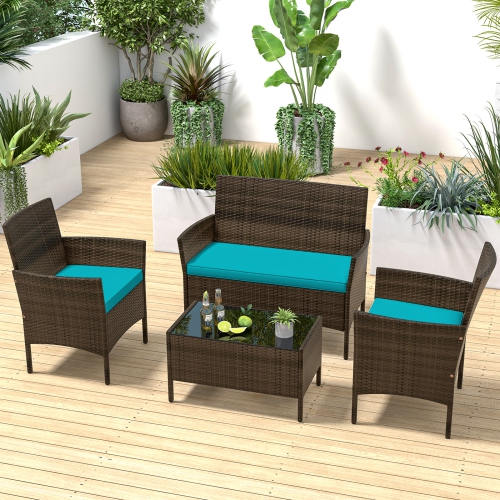 Your price for this item is $243.99
-
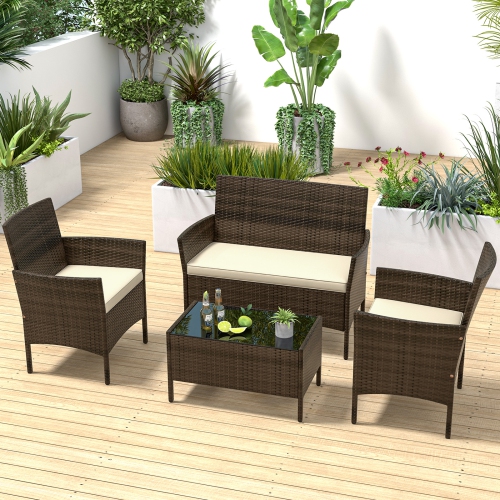 Your price for this item is $246.99
-
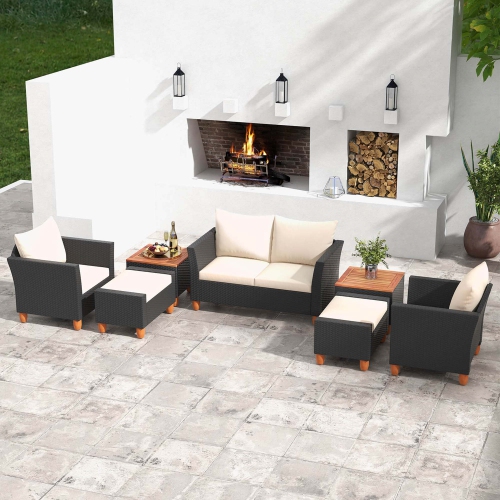 Your price for this item is $629.99
-
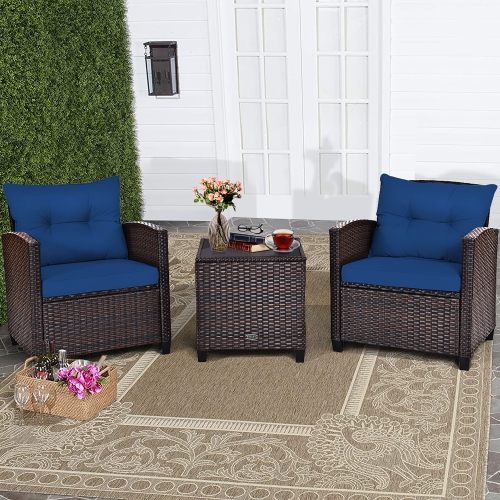 Your price for this item is $220.99
-
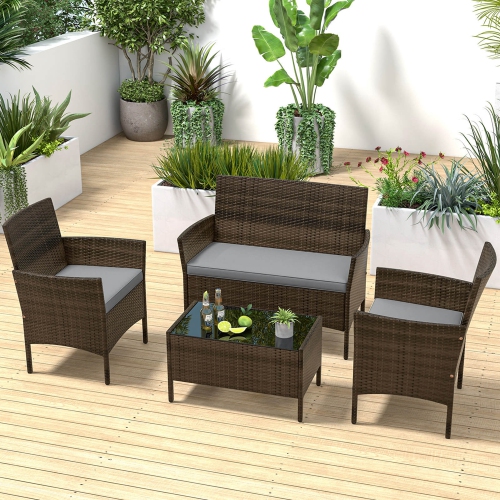 Your price for this item is $236.99
-
 Your price for this item is $229.99
-
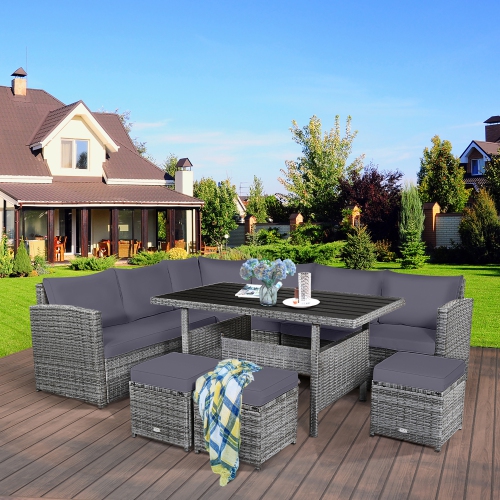 Your price for this item is $899.99
-
 Your price for this item is $654.99
Discover more categories related to 9 Piece Dining Sets
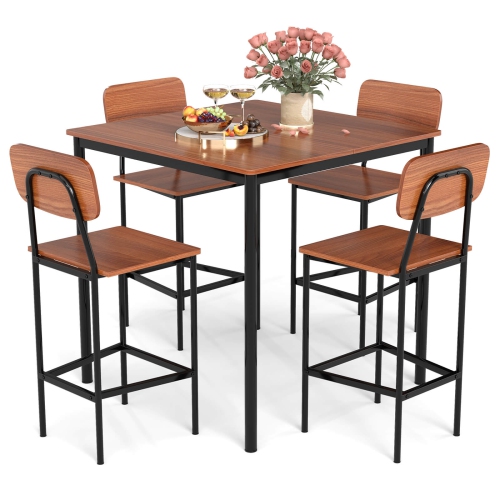
Top Collections:
Best Black Friday Deals This Year, Best Black Friday Deals On Electronics, Kindle Devices, Pokemon Centers, Best Black Friday Deals On Apple Products, Best Cameras for Sports Photography, Dyson Airwrap, Pokémon 30th Celebration Cards, Apple iPhone 17 Pro, Canon G7X Cameras
Some products may be subject to Environmental Handling Fees
(EHF) depending on your province.
Learn more about EHFs.