Acacia Wood Outdoor Chairs
Acacia Wood Outdoor Chairs bring a touch of natural elegance to any patio, garden, or balcony. Known for their timeless appeal, these chairs offer a stylish seating solution for enjoying the outdoors with family and friends. The rich tones and classic look of acacia wood complement a variety of outdoor décors, making them a popular choice for those looking to enhance their exterior spaces. Explore options that blend comfort and design, perfect for relaxing afternoons or entertaining guests in your backyard oasis.
Sort
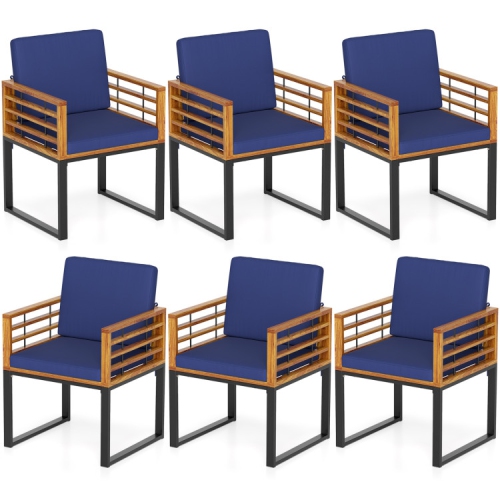
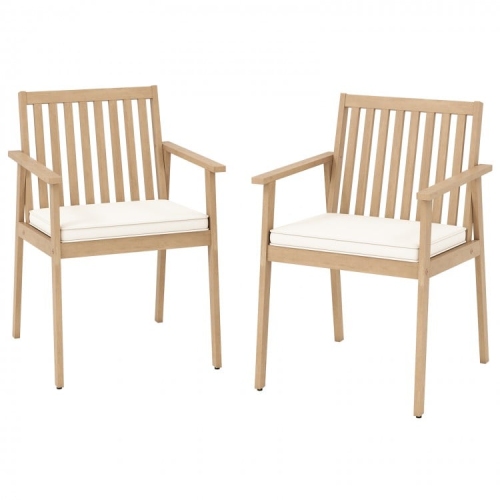
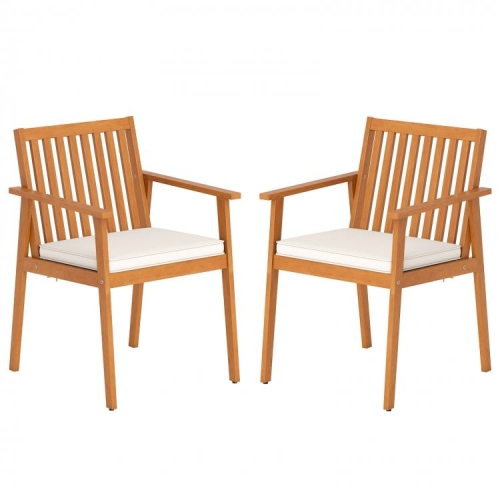
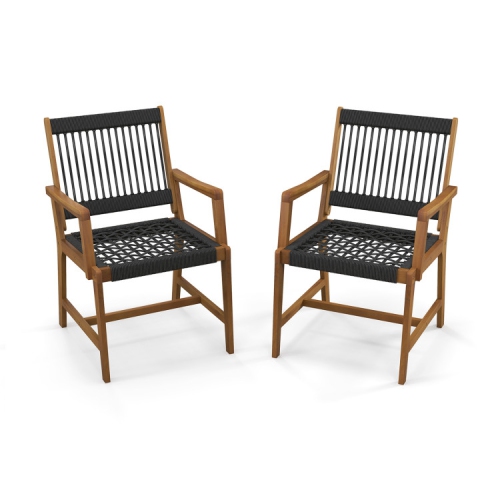
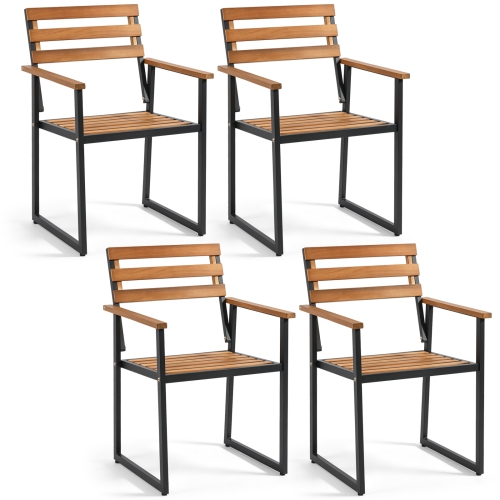
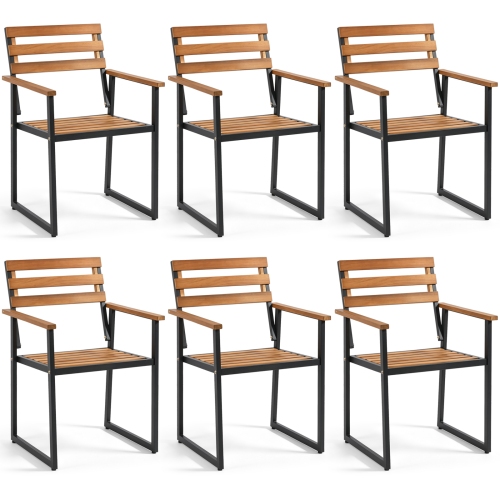
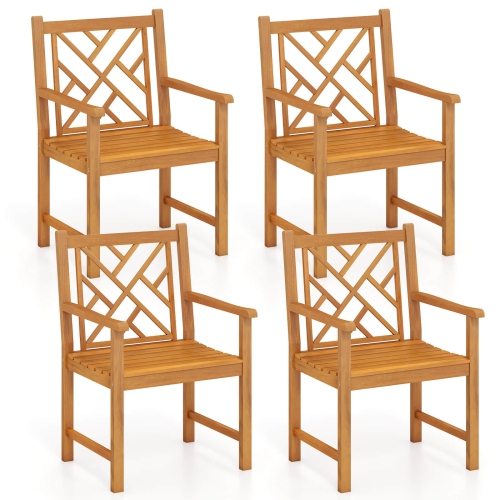
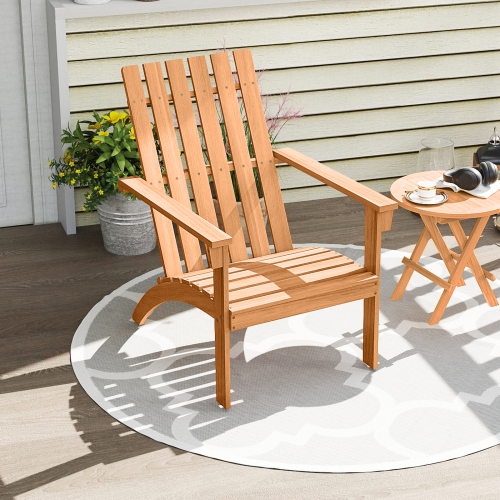
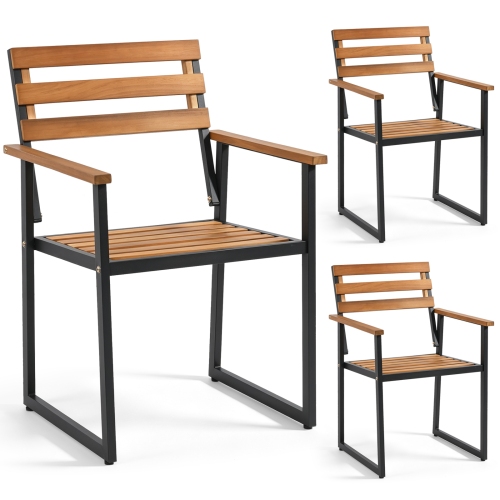
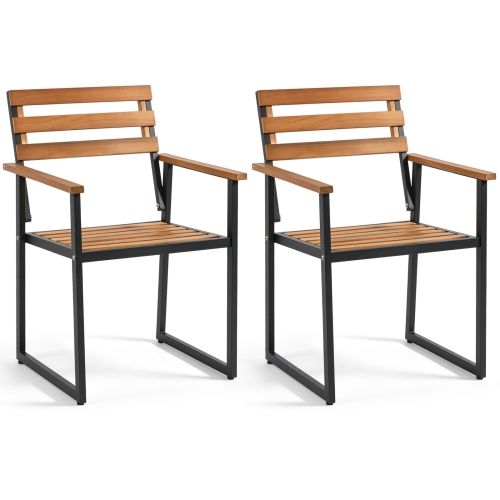

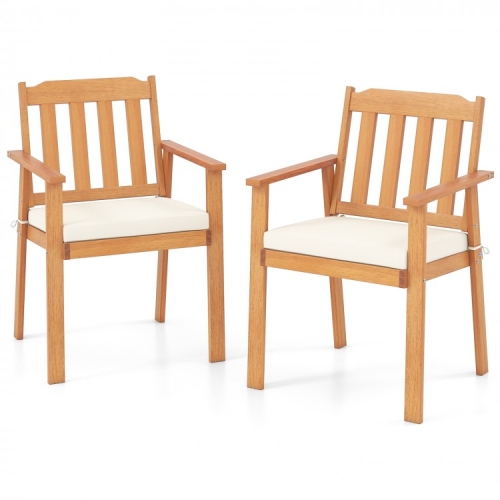
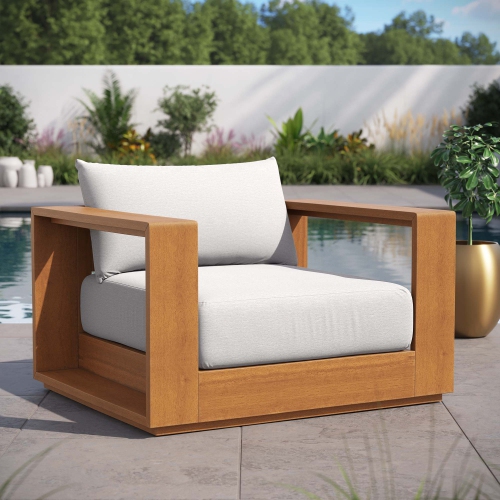
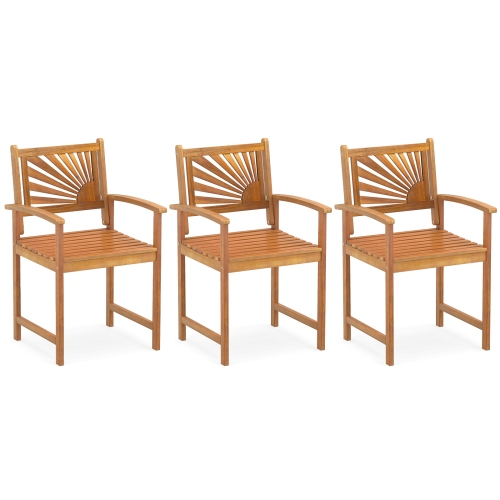
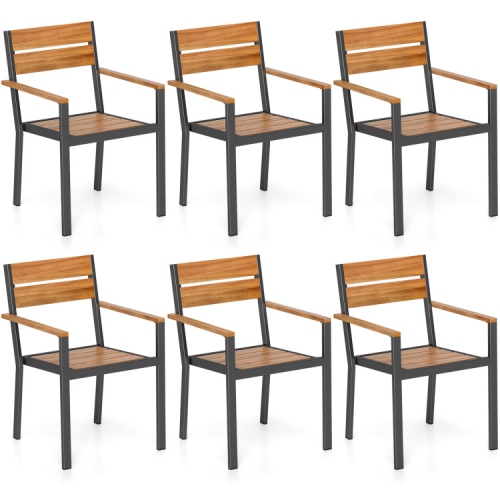
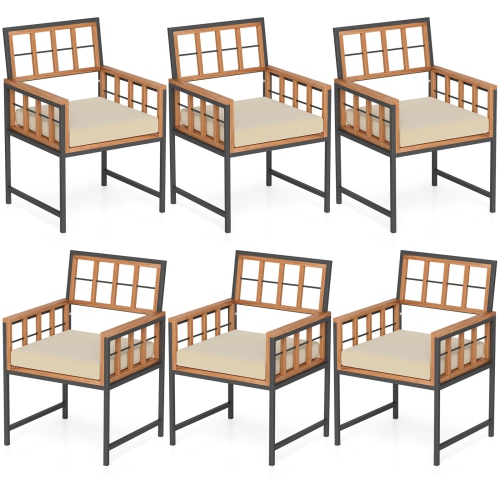
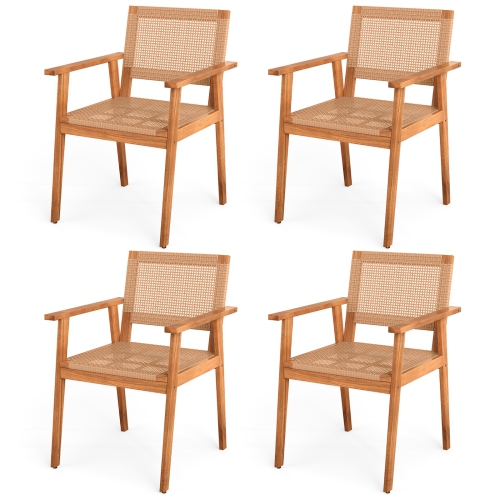
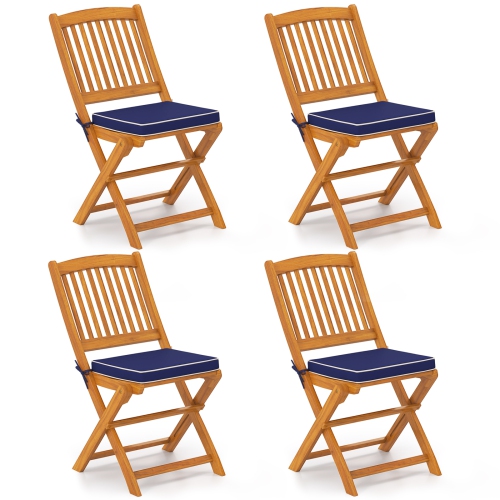

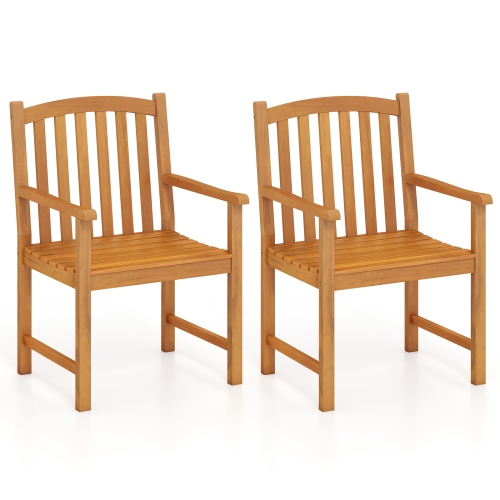
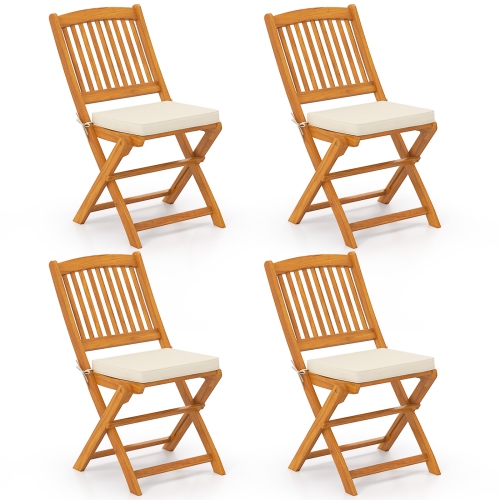
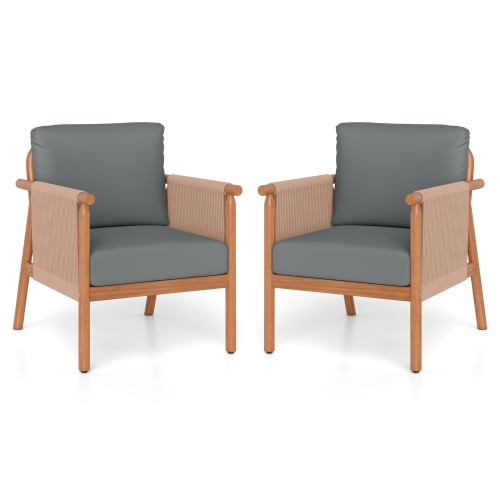
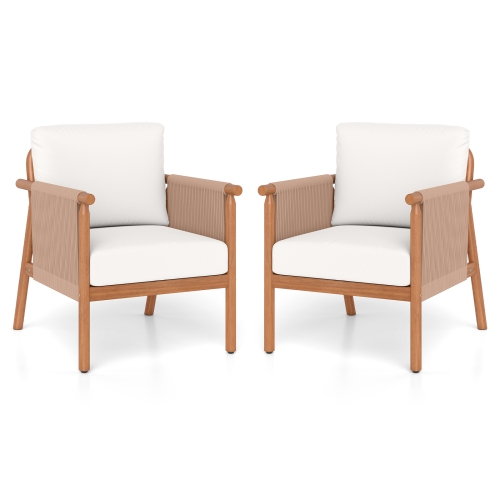
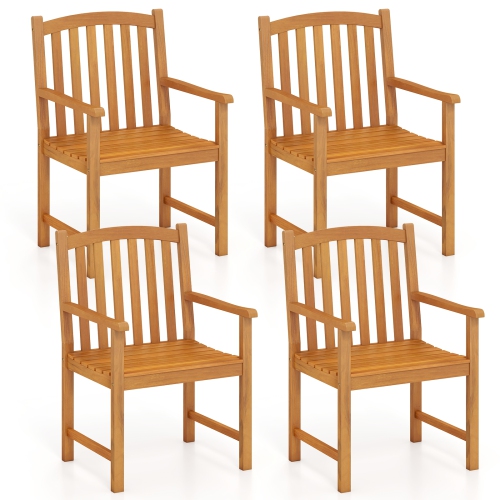
Distinctive grain gives each chair its own character
Acacia wood outdoor chairs bring the warmth of hardwood to patios, balconies, decks, and garden seating areas. Acacia is a dense hardwood valued for its distinctive grain and its ability to stand up to outdoor use when properly finished and maintained. Its natural oils offer some resistance to moisture, but the wood is not waterproof and still needs protection from prolonged dampness, standing water, and harsh exposure. Colour can range from honey and golden brown to deeper reddish or chocolate tones, with variations that give each chair a slightly different appearance. A clear or lightly tinted finish can highlight those grain patterns, while a darker stain creates a more uniform look alongside stone paving, metal railings, or a painted outdoor table. Construction matters as much as appearance: well-fitted joints, suitable hardware, and a finish intended for exterior use all contribute to lasting performance. Slatted seats and backs give wooden chairs a familiar patio look and allow water to drain rather than collect on a broad, solid surface, although joints and contact points still need time to dry. Different chair shapes suit different ways of spending time outside. Upright dining chairs support meals and conversation around a table, while deeper lounge chairs offer more room to settle in with a book. Folding designs can make a compact balcony easier to rearrange, and stackable designs may simplify storage where floor space is limited. Acacia frames can also be paired with woven rope, metal details, or upholstered cushions, creating looks that range from clean-lined and contemporary to relaxed and traditional. Mixed-material construction deserves a closer look because every component has its own care requirements. An outdoor-rated frame does not automatically mean that cushions can remain uncovered in rain, and exposed hardware may need periodic attention. The most suitable combination is one whose comfort, proportions, and upkeep match how the seating area will actually be used.
The fit of an outdoor chair affects everything from a leisurely breakfast to a full table of dinner guests. Overall width is useful for planning a row of chairs, but the usable seat width between the arms gives a better sense of personal space. Seat depth, back angle, and arm height also influence comfort: a deep, reclined chair feels different from a shallower chair that keeps someone close to the dining table. For outdoor dining, the seat needs to sit comfortably below the tabletop, with enough space for legs beneath the apron. Armrests should clear the underside if the chairs need to tuck away neatly. Thick cushions raise the sitting position, so their depth belongs in those measurements too. On a small balcony, a chair that fits on paper can still crowd a sliding door or leave too little room to walk past; allowing for someone to pull out the seat makes the layout more practical. Around a larger patio table, generous spacing between chairs gives guests room to move their elbows and get up without disturbing the whole row. Weight capacity should always come from the chair’s stated specifications rather than an assumption based on the thickness of the wood. Chair weight matters as well, especially when seating is moved between a dining area and a sunny corner of the deck. For anyone who finds low seating difficult to use, a firmer seat, supportive back, and suitably positioned arms may be more comfortable than a low lounge profile. Removable cushions can soften a wooden seat, with secure ties helping keep them in place. Exterior-rated fabric, removable covers, and suitable drying arrangements make regular care more manageable. When planning a coordinated space, Acacia Outdoor Furniture can help connect the seating with complementary tables and other outdoor furnishings. Matching dimensions and compatible finishes often matter more than making every piece look identical, particularly where dining and lounging areas share the same deck.
Regular care helps acacia outdoor chairs retain their appearance and keeps everyday use comfortable. Dust, pollen, crumbs, and bird droppings are easier to remove before they settle into the grain or collect around joints. A soft cloth or brush and mild soap diluted in water are often suitable for routine cleaning, provided they agree with the manufacturer’s instructions. Harsh cleaners, abrasive pads, and pressure washing can damage the finish or roughen the surface. After cleaning, the wood should dry thoroughly, including the undersides of seats and the areas where rails meet legs. Protective finishes need attention over time, but the correct treatment depends on what is already on the chair. Oil, stain, and film-forming coatings are not interchangeable; using a compatible treatment according to the care directions is more reliable than applying a general-purpose wood treatment. Sunlight can fade the original colour, while repeated wetting and drying may lead to small surface checks or changes in texture. Some untreated or weathered wood develops a grey patina, though appearance alone does not establish whether a chair is structurally sound. Loose joints, damaged slats, splinters, and corroded fasteners need attention before further use. A sheltered position reduces direct exposure, and breathable covers can provide additional protection when secured over clean, dry chairs. Covers should not trap moisture against the wood, and cushions are best stored separately in a dry place when not in use for extended periods. In Canadian settings with snow, freezing temperatures, or frequent freeze-thaw cycles, dry, protected storage can reduce unnecessary wear. Folding or stacking chairs should be stored only in the manner their design permits, without forcing joints or overloading the stack. Outdoors, a stable, reasonably level surface helps prevent rocking and uneven stress on the frame. Suitable furniture glides can protect the chair feet and deck surface, making these details worthwhile whether the chairs serve daily family meals, quiet afternoons, or occasional gatherings.
Top selling and popular products
-
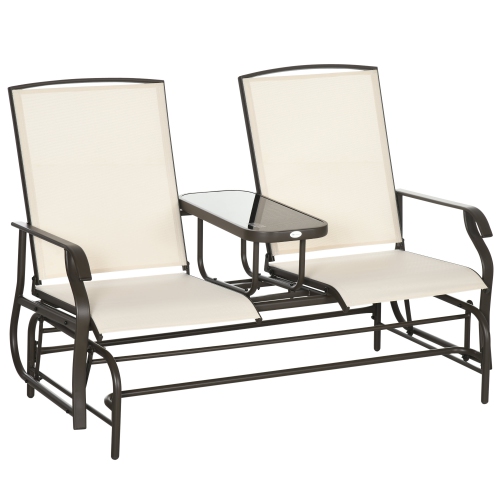 Your price for this item is $209.99
-
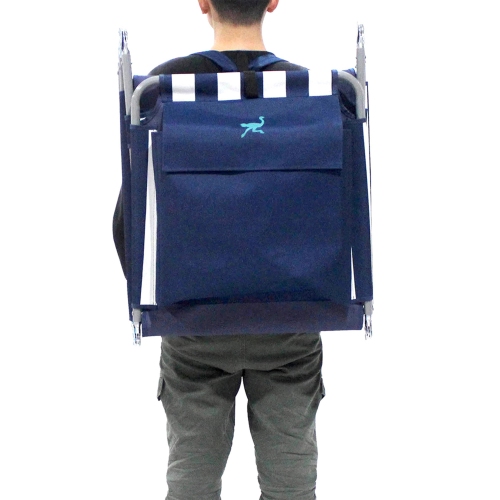 Your price for this item is $222.99
-
 Your price for this item is $187.99
-
 Your price for this item is $407.99
-
 Your price for this item is $254.99
-
 Your price for this item is $177.99
-
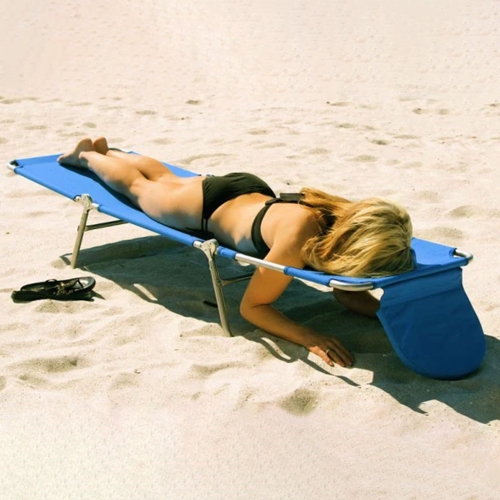 Your price for this item is $712.99
-
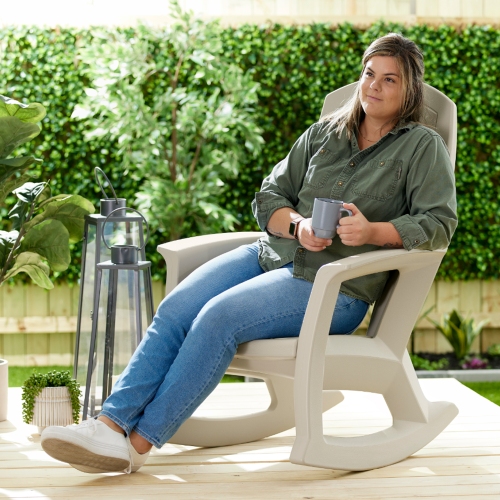 Your price for this item is $459.99
Discover more categories related to Acacia Wood Outdoor Chairs
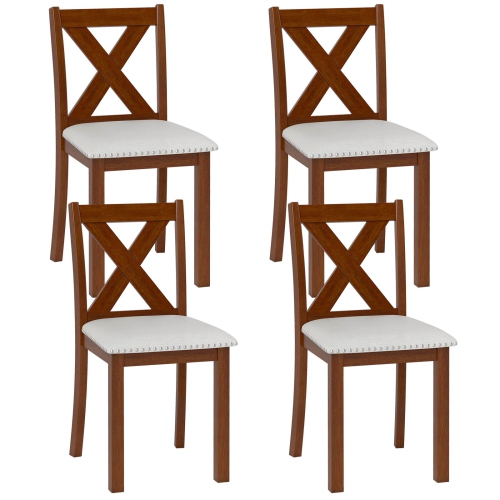
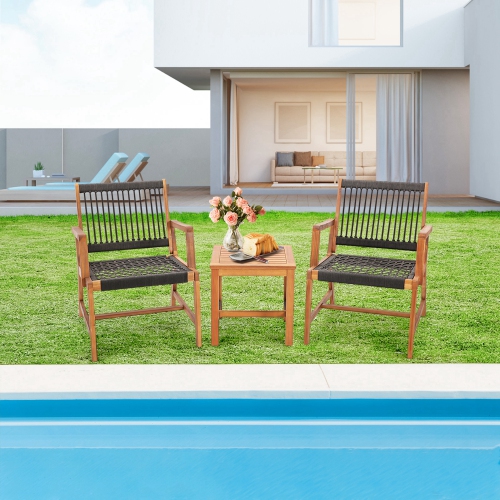

Top Collections:
Best Black Friday Deals This Year, Best Black Friday Deals On Electronics, Kindle Devices, Dyson Airwrap, Best Cameras for Sports Photography, Best Budget Office Chairs, Canon G7X Cameras, PS5 Pro Consoles, Best Black Friday Deals On Apple Products, XBOX One S Consoles
Some products may be subject to Environmental Handling Fees
(EHF) depending on your province.
Learn more about EHFs.