Adjustable Floor Lamps
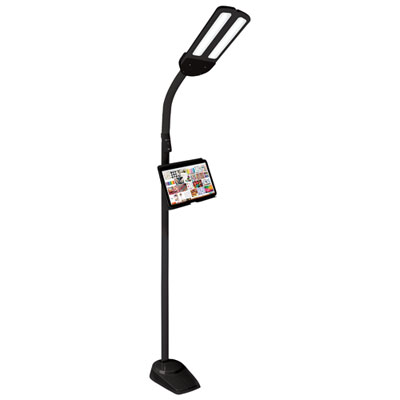
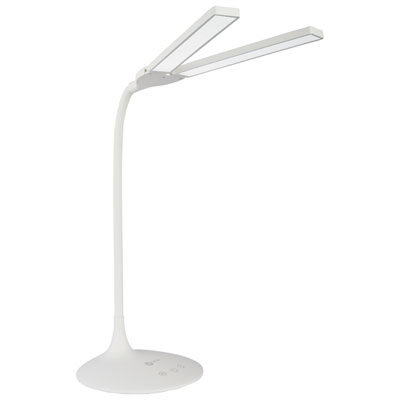
Looking to brighten up your space with a versatile lighting solution? Look no further than our selection of adjustable floor lamps. Whether you need focused task lighting for reading or a soft ambient glow for creating a cozy atmosphere, these floor lamps offer the flexibility to adjust the height, angle, and brightness to suit your needs. With sleek designs and a variety of finishes to choose from, these adjustable floor lamps are not only functional but also stylish additions to almost any room. Explore our range and find the perfect lighting solution to illuminate your space with ease and elegance.
Sort





















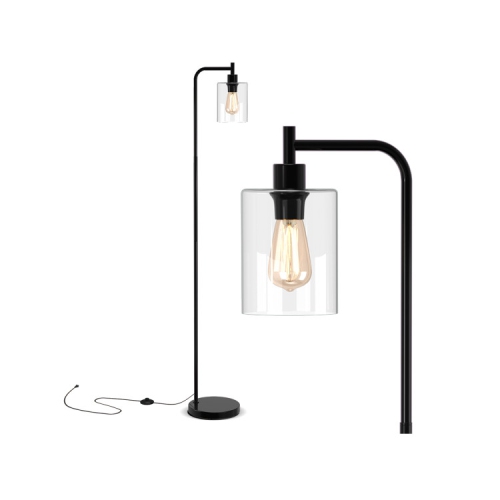
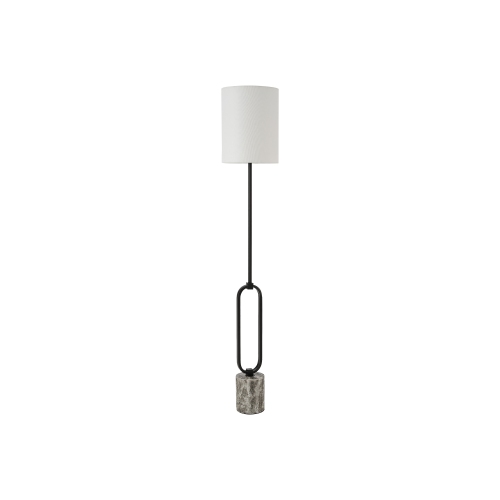
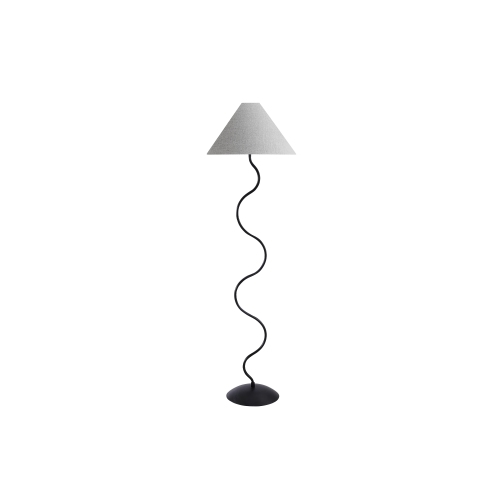
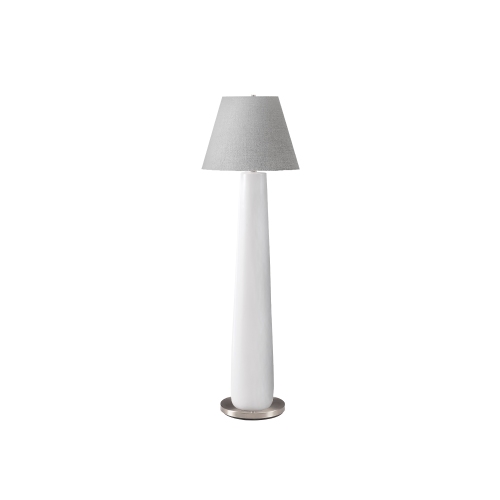
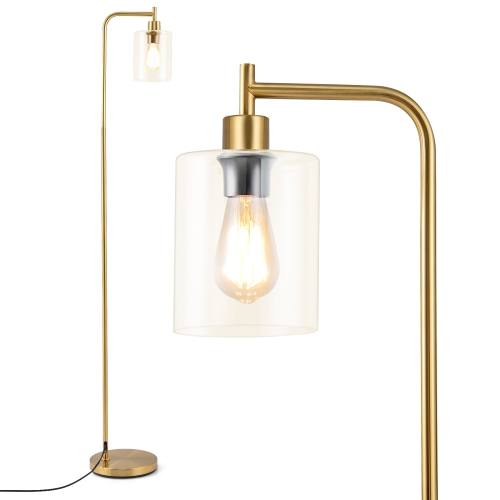
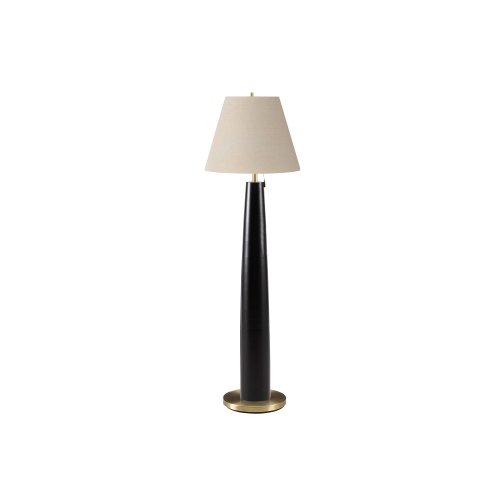
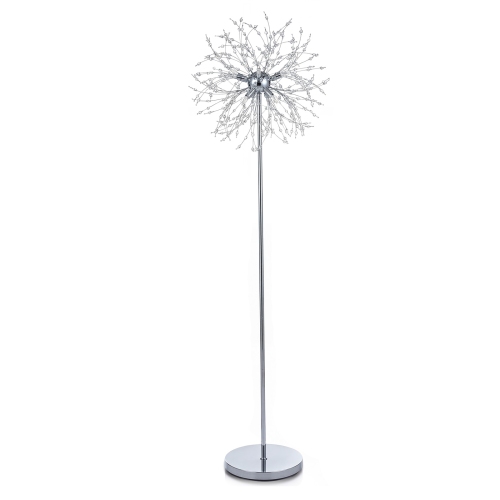
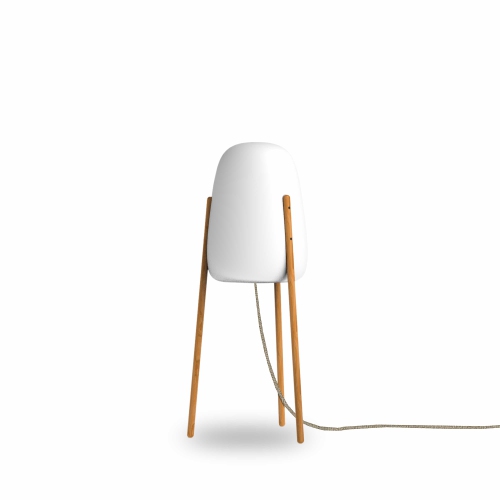






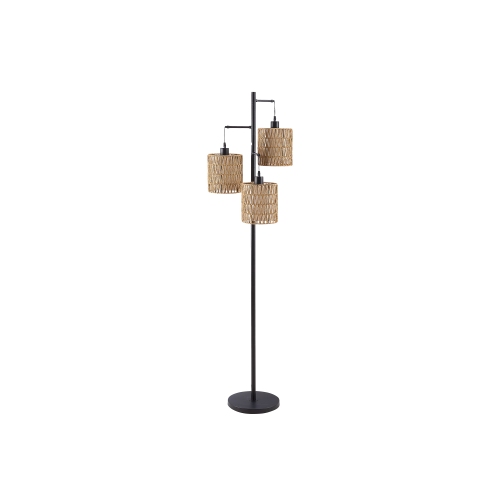


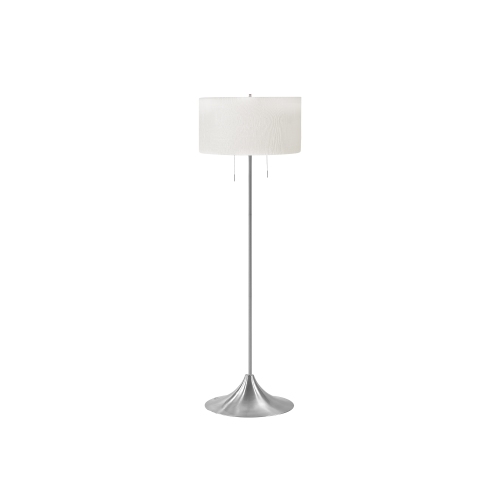
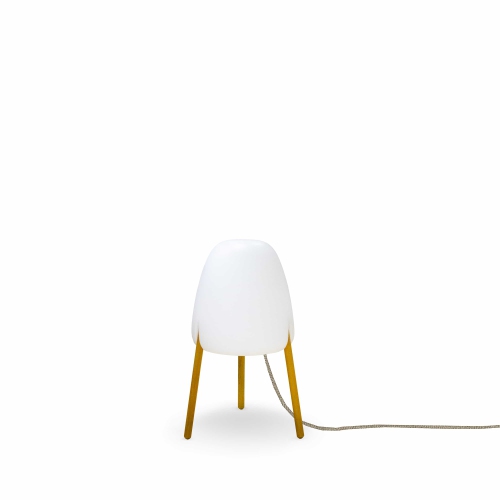
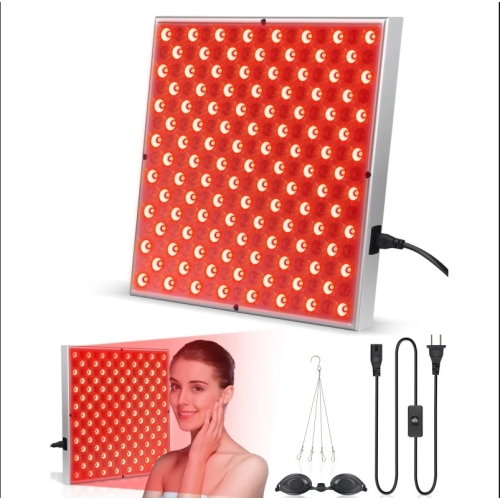




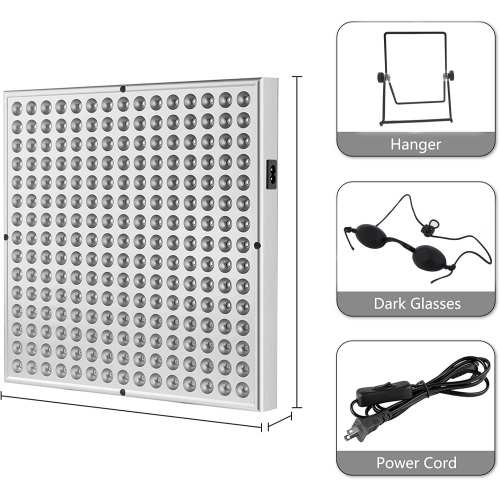

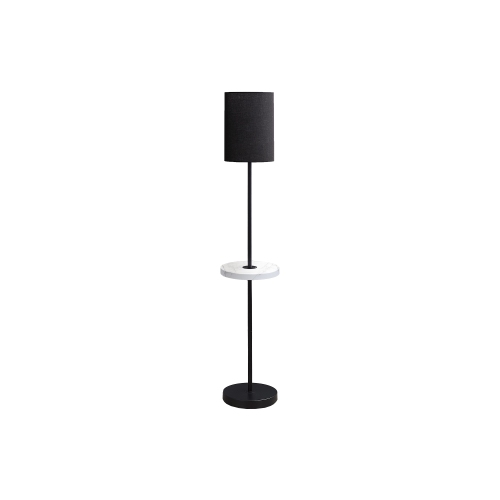
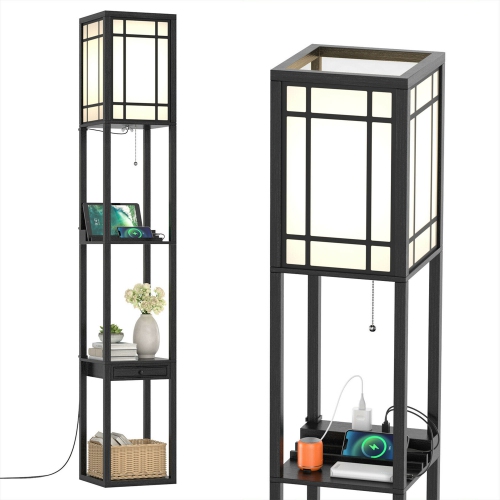
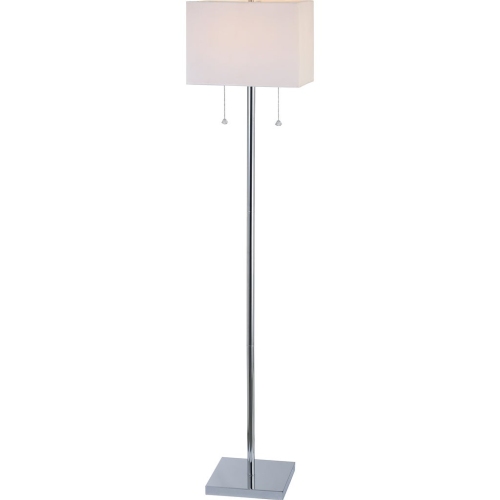



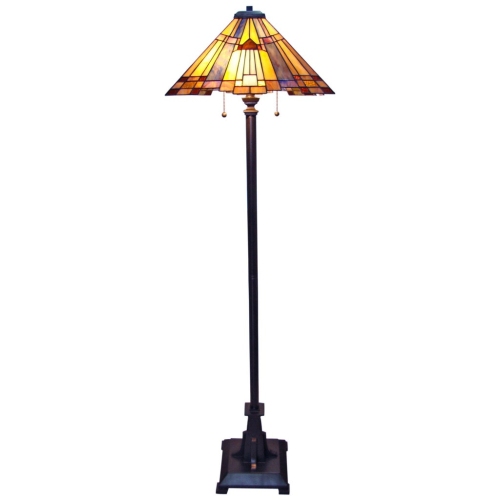

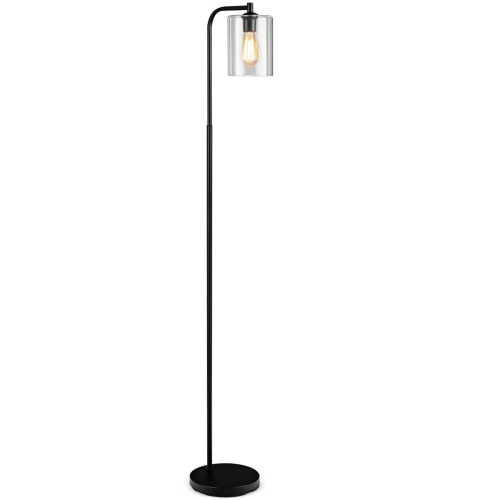
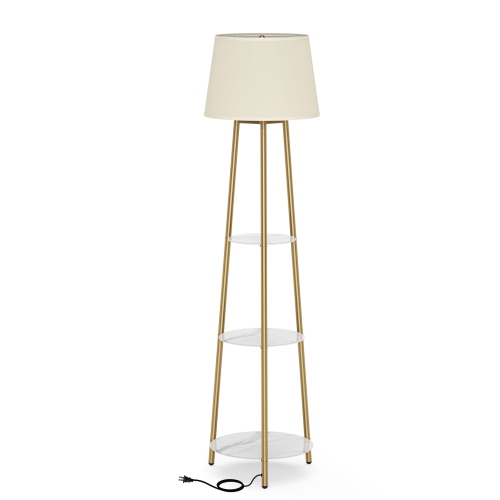



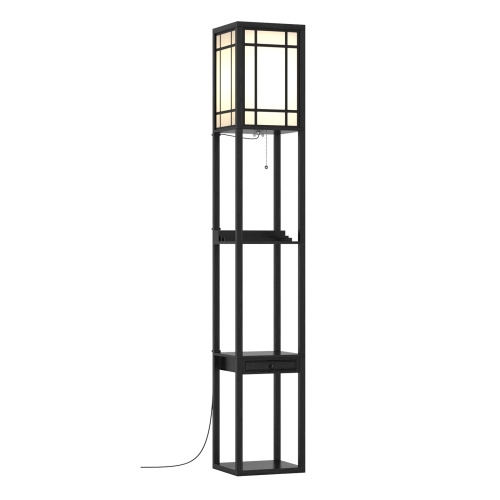

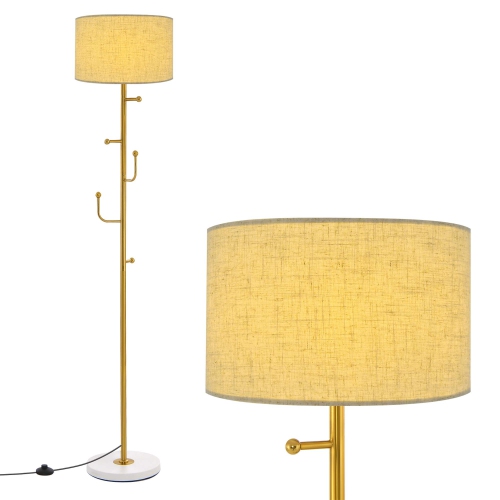
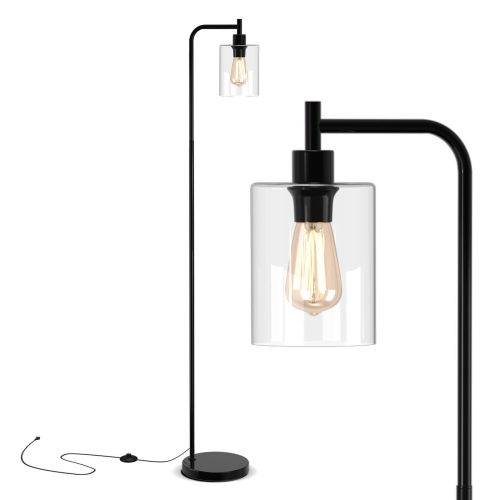


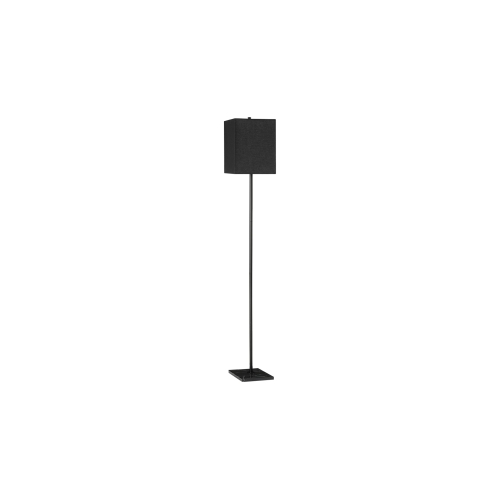
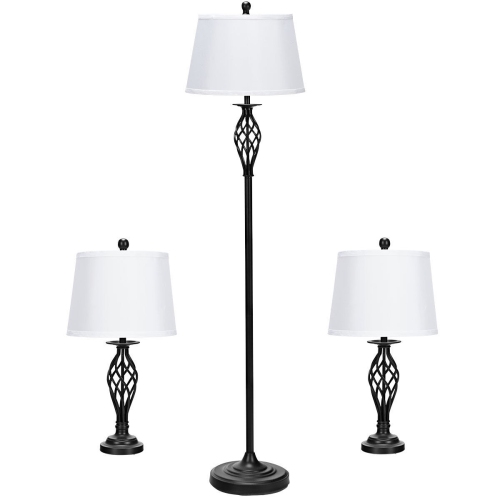
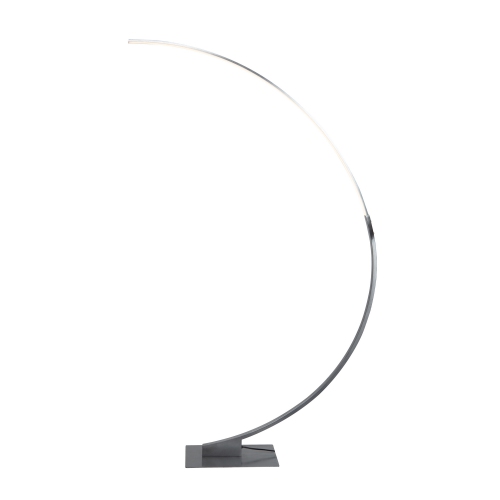
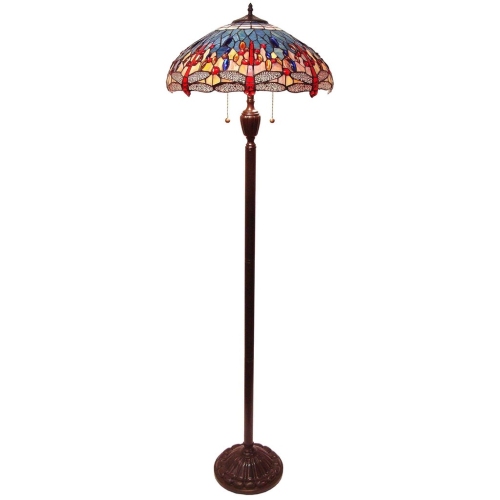

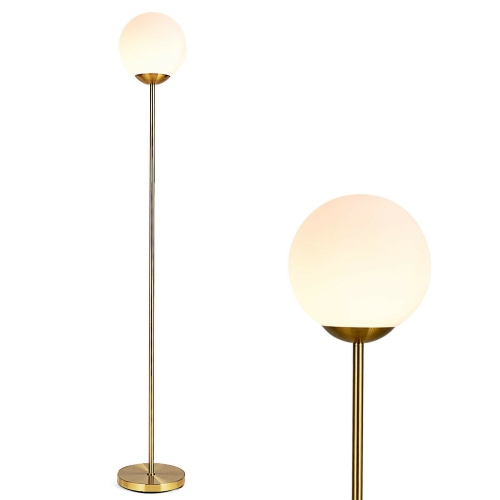
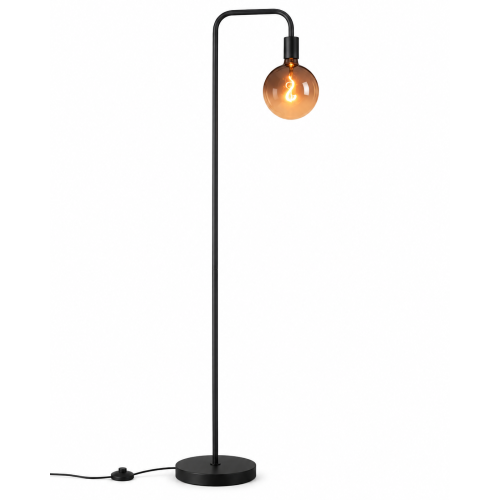


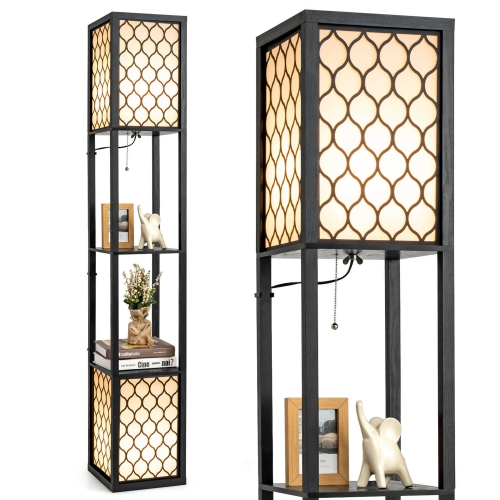

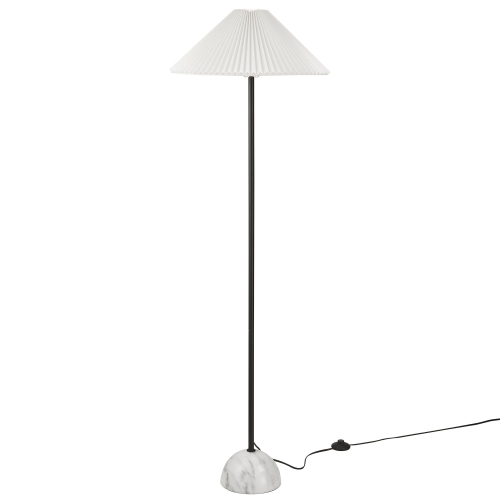
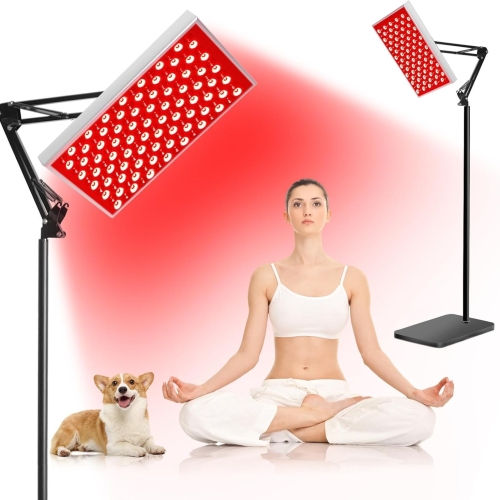

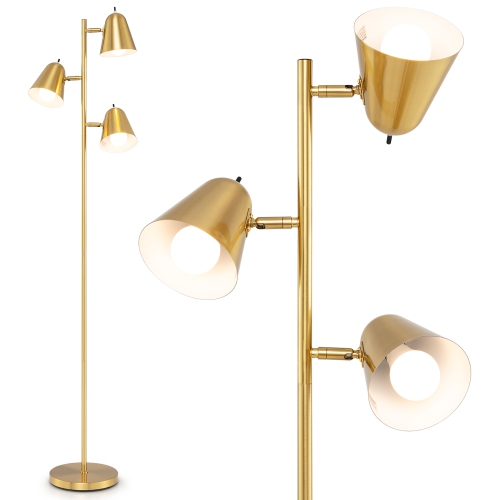
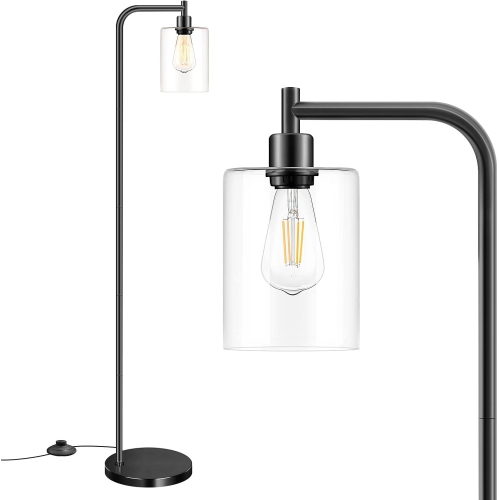
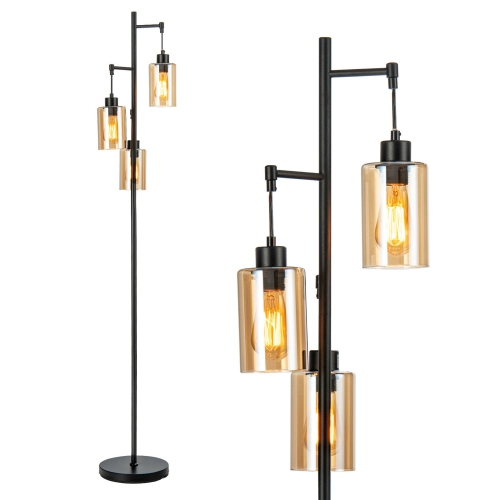

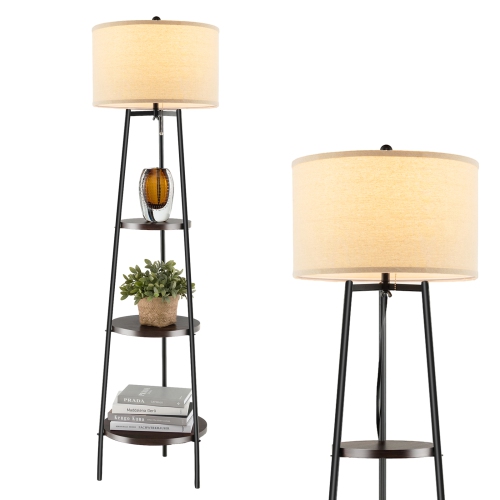
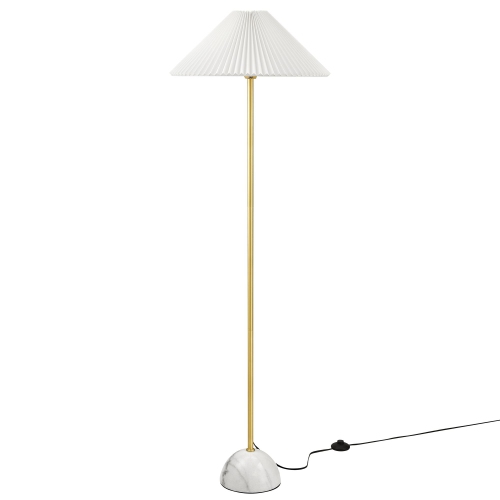

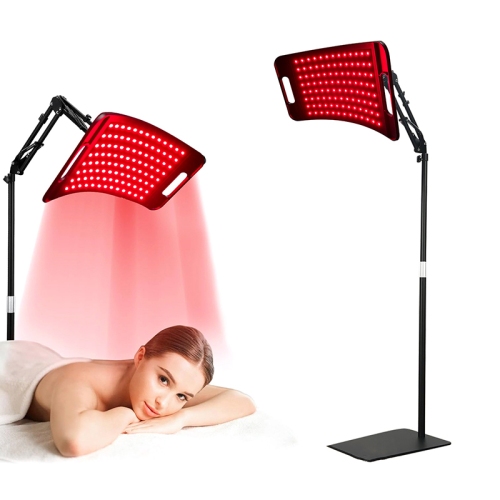


Why lamp reach matters as much as height
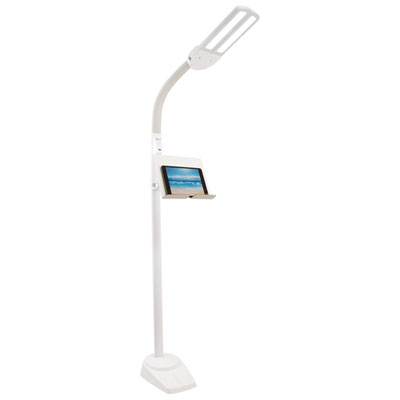
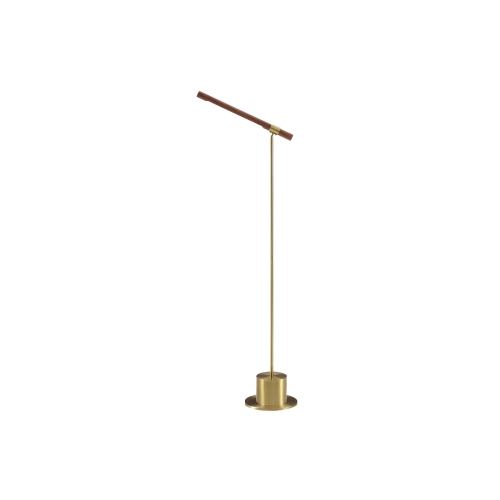
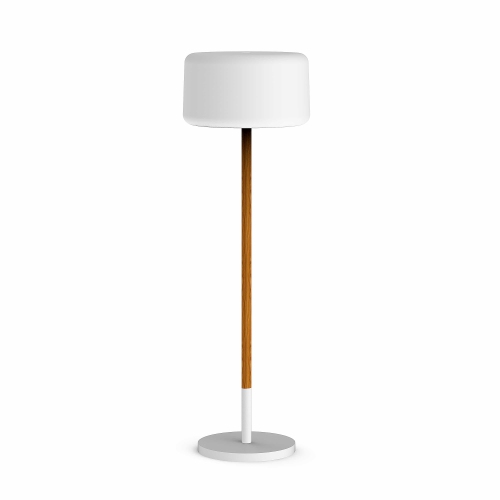
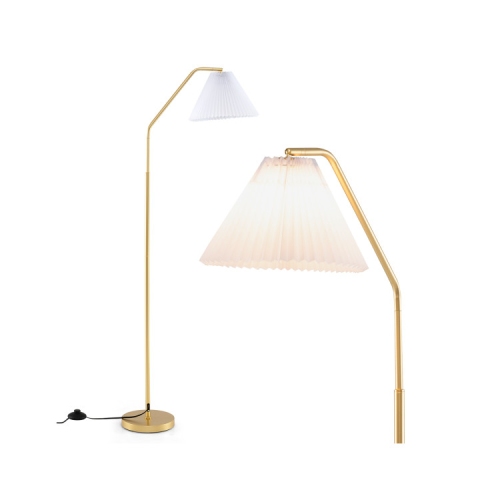
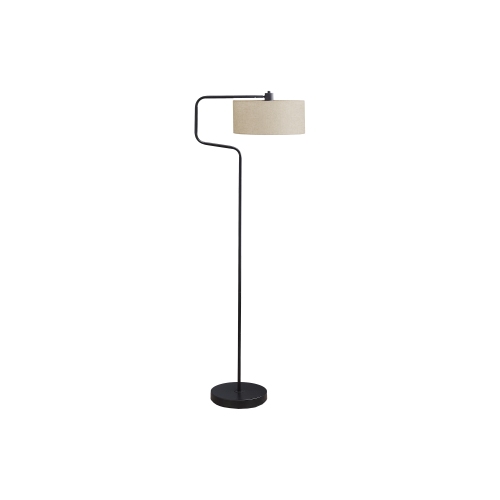
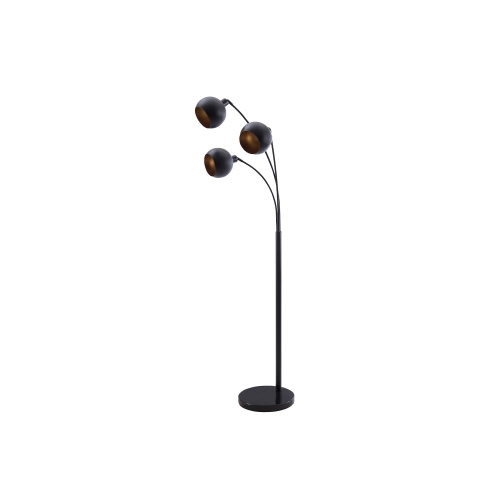
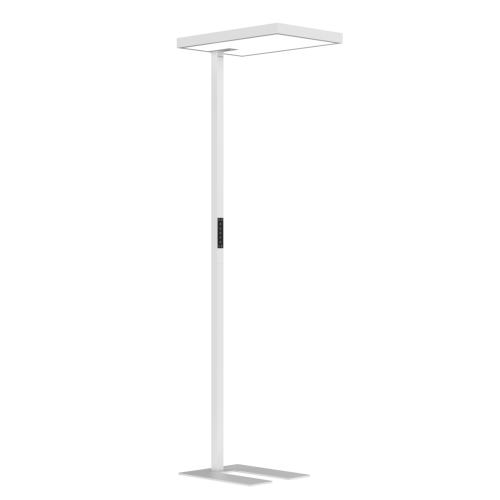
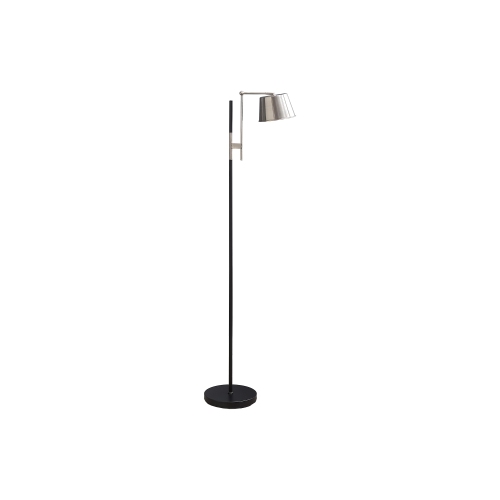
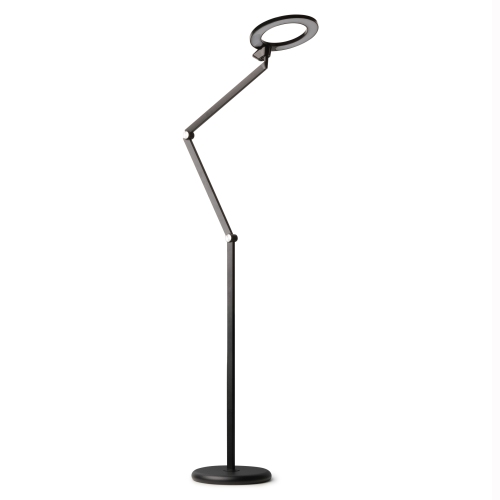
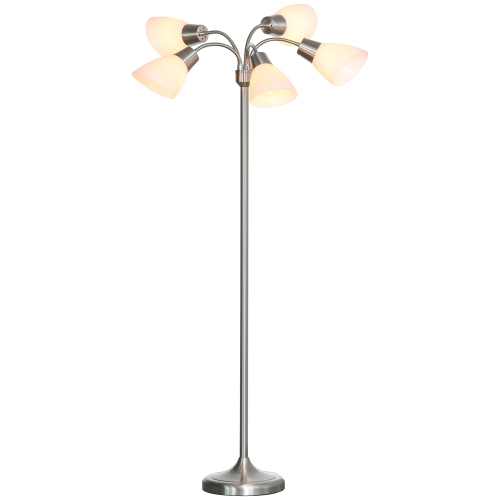
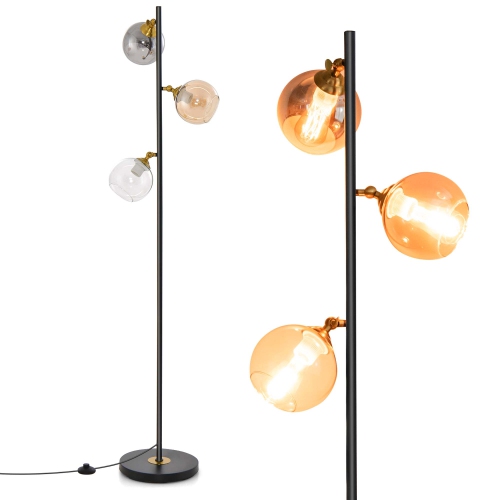
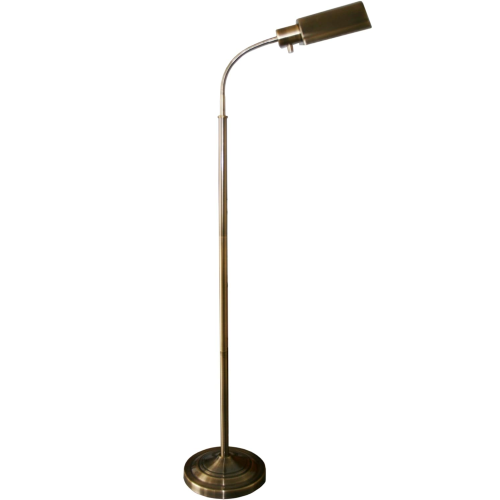
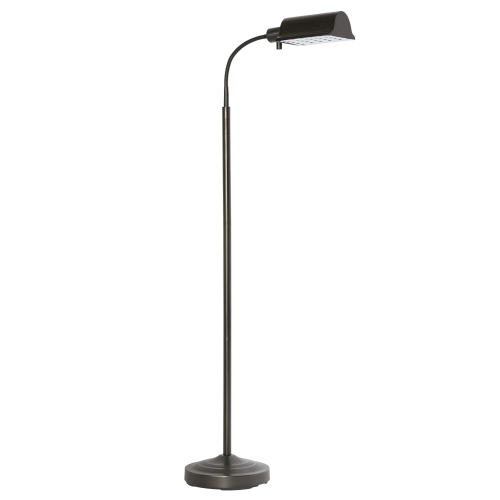
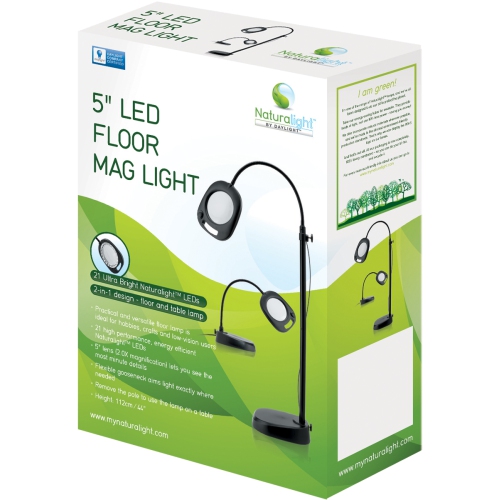
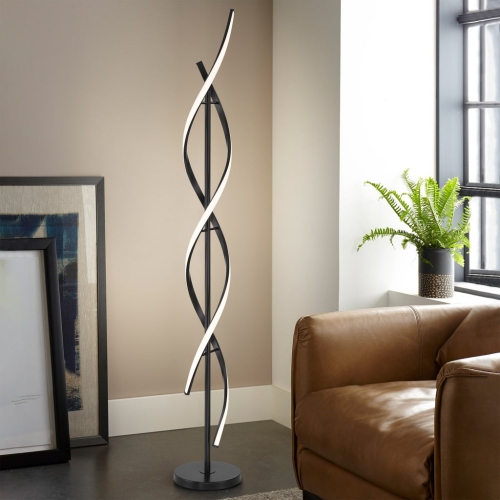
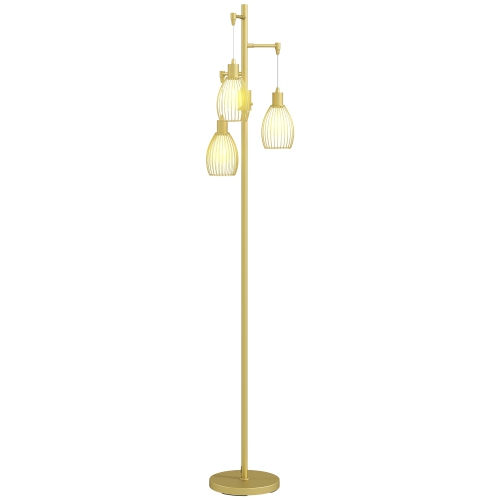
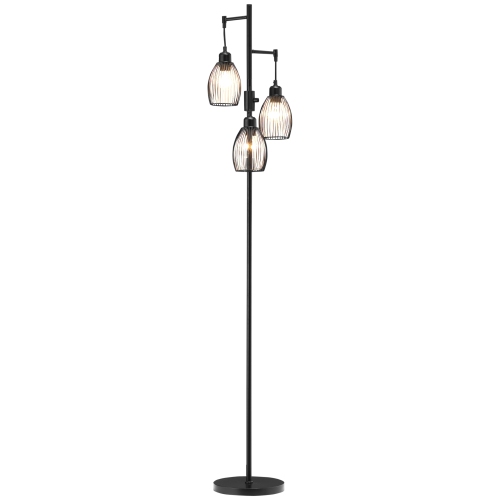
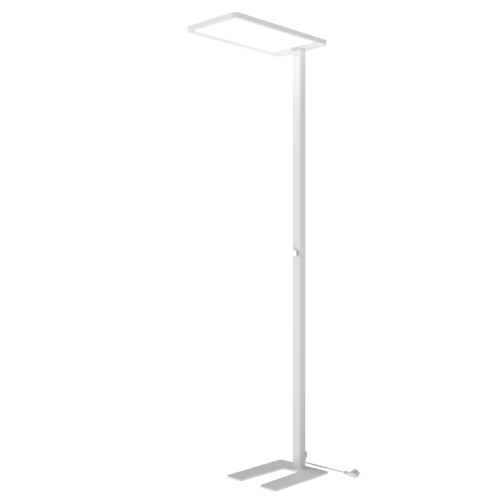
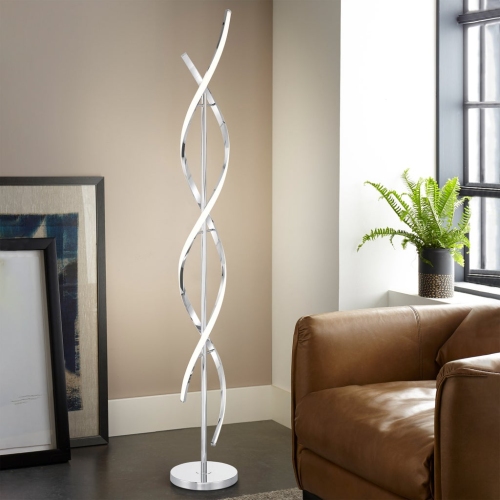
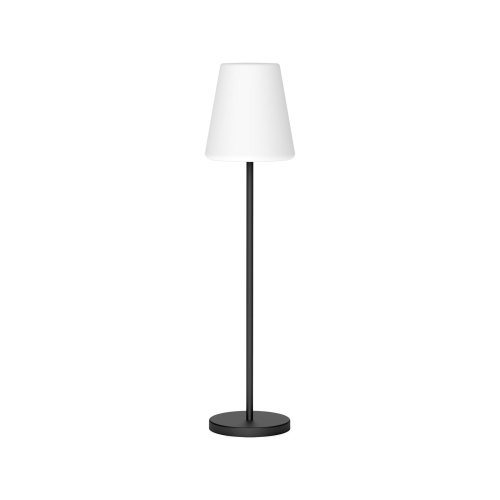
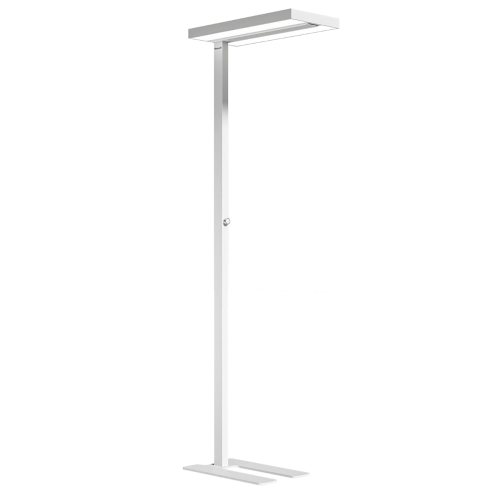
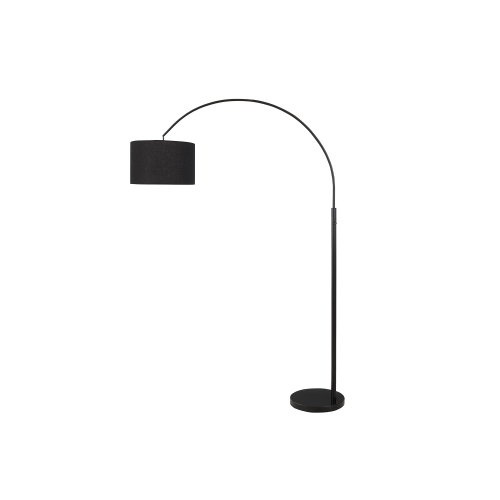
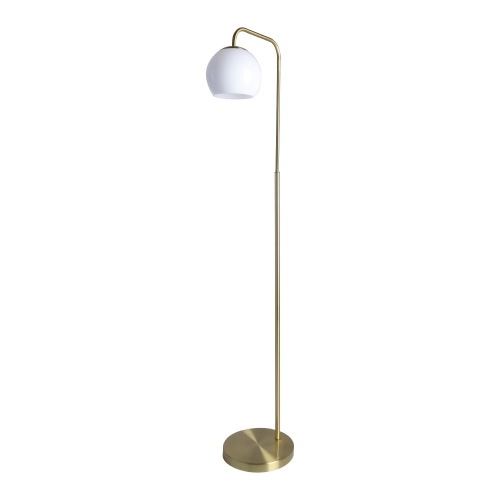
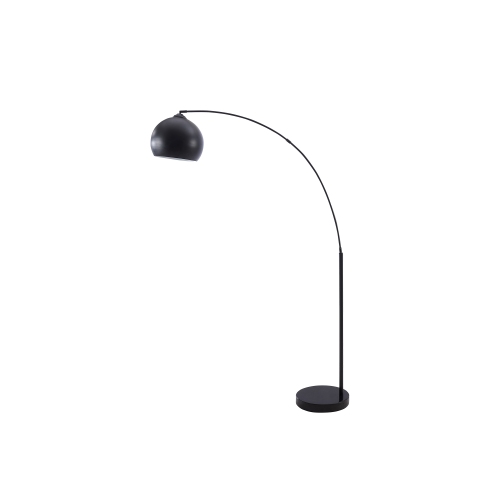
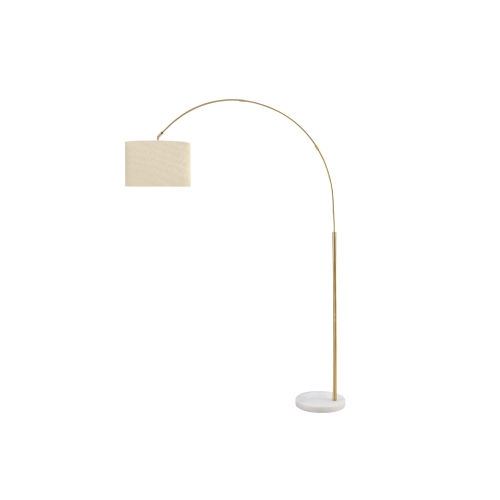
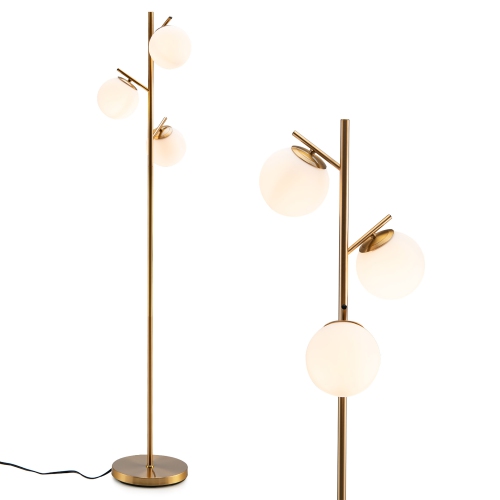
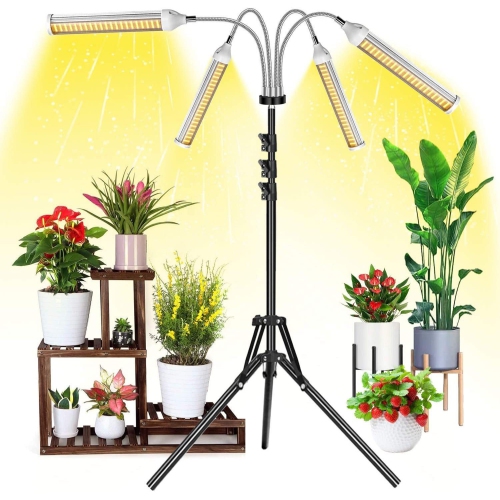
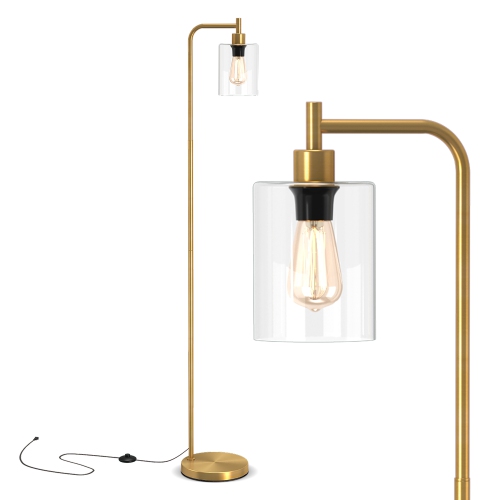
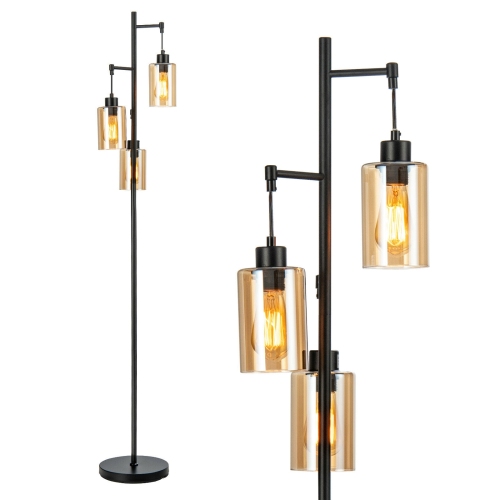
Adjustable floor lamps bring light closer to the activity at hand, whether that means turning a page in an armchair, working at a small desk, or settling into a quiet corner with a craft project. Their defining feature is movement: the height, arm position, lamp head, or some combination of these can be changed to direct illumination where it is needed. A telescoping pole raises or lowers the light source, a swing arm extends it sideways, and a flexible gooseneck bends to aim the beam more precisely. Pivoting heads offer another way to change the angle without moving the entire lamp. These adjustments serve different purposes, so an adjustable head does not necessarily mean the lamp itself changes height. For seating of different heights or a light that needs to shift between desk and sofa use, Adjustable Height Floor Lamps offer a useful starting point. Beside a deep lounge chair, horizontal reach may matter just as much as vertical movement: an arm that brings the shade over a book can be more practical than a tall stem positioned well behind the reader. In a bedroom, a compact directional lamp can provide focused light beside the bed without occupying the bedside table. A shaded design in a living room can contribute a softer pool of light while still allowing some adjustment for reading. During the cooler months, when more evenings are spent indoors, this flexibility makes a single corner useful for several activities. The best fit depends on the relationship between the lamp, the furniture, and the person using it. Seated eye level, armrest height, and the distance from the base to the reading surface all influence comfort. A light positioned slightly to the side and above the task can help keep the source out of the direct line of sight, while placing it opposite the writing hand can reduce shadows on paper. For shared spaces, easy-to-reach adjustments make it simpler for different people to position the light comfortably.
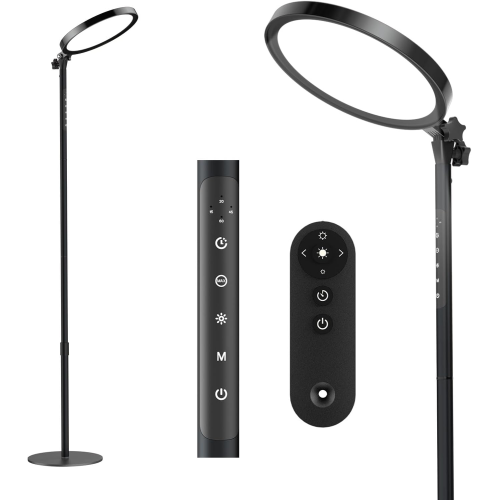
The quality of the light matters as much as the range of movement. Lumens describe light output, while watts describe power consumption; wattage alone does not indicate how bright different bulb types will appear. A narrow, focused beam suits detailed tasks, whereas a wider shade or diffuser spreads light across a larger area. Warm white light, often around 2700 K to 3000 K, creates a softer effect beside a sofa or bed. Neutral or cooler white settings can suit tasks where a crisper appearance is preferred, though comfort varies from person to person. Some adjustable floor lamps provide more than one colour temperature, allowing the same fixture to shift from evening reading to desk work. Dimming offers another layer of control, particularly in a room that already has ceiling lights or daylight from a nearby window. With a replaceable-bulb design, dimming depends on compatibility between the lamp controls and the bulb, so both specifications matter. Integrated LED designs have the light source built into the fixture and may allow slim heads or compact arms; whether that light source can be serviced or replaced varies by design. A lamp with a standard bulb socket offers flexibility to change a compatible bulb later, within the stated bulb type and wattage limits. Shade construction also changes the experience. An opaque metal shade directs more light towards the task, while a fabric shade generally allows a gentler glow into the surrounding room. A diffuser can soften the visible light source, which is useful when the lamp sits close to eye level. For a home office, angling the head away from a monitor helps limit distracting reflections on the screen. For knitting, sketching, or puzzles, light that reaches the work surface evenly can be more useful than a bright spot surrounded by shadow. Controls deserve attention, too: a foot switch avoids reaching behind furniture, while a control on the stem or a remote may be easier to operate from a chair. Touch controls and memory settings, where included, can make frequent changes more convenient.
Materials, proportions, and construction determine how comfortably an adjustable floor lamp fits into everyday life. Steel and aluminium are common choices for stems and arms, offering different combinations of weight, profile, and finish. Wood accents add warmth, while glass, fabric, and metal shades create distinct lighting effects and visual textures. Matte finishes tend to produce fewer visible reflections than polished surfaces, although fingerprints and dust may show differently depending on the colour and material. In an adjustable design, joints and locking mechanisms deserve particular attention because they are handled repeatedly. The arm or pole should hold its intended position when secured according to the manufacturer's directions, rather than gradually slipping under the weight of the head. A weighted base helps support the structure, but stability also depends on the lamp's reach, its position, and the surface beneath it. Long arms need enough surrounding space to move without striking a wall, shelf, or person passing by. Base diameter is especially important beside a recliner, where the footrest needs room to open, or next to a sofa with little clearance underneath. A slim-looking stem does not always mean a small footprint. Placing the base on a level surface and routing the cord away from walkways helps keep the setup practical, particularly in homes with children or pets. Adjustable floor lamps can be thoughtful housewarming gifts or useful additions for students, readers, and people who enjoy hands-on hobbies, especially when the recipient's space and preferred controls are known. For lasting use, reposition the lamp with care rather than pulling it by its shade or cord, and avoid forcing an arm beyond its designed range. Unplug the fixture and let it cool before cleaning. A soft, dry cloth is suitable for many hard surfaces, while fabric shades may need gentle dusting as directed by the manufacturer. Keeping joints clean, checking that adjustable sections remain secure, and following the stated care instructions help preserve both the finish and the movement that make these lamps so useful.
Top selling and popular products
-
 Your price for this item is $164.99
-
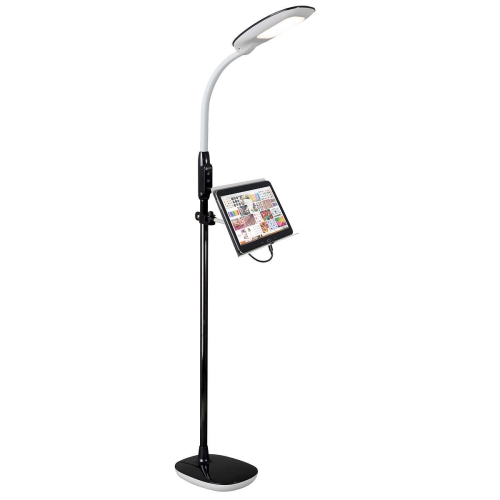 Your price for this item is $165
-
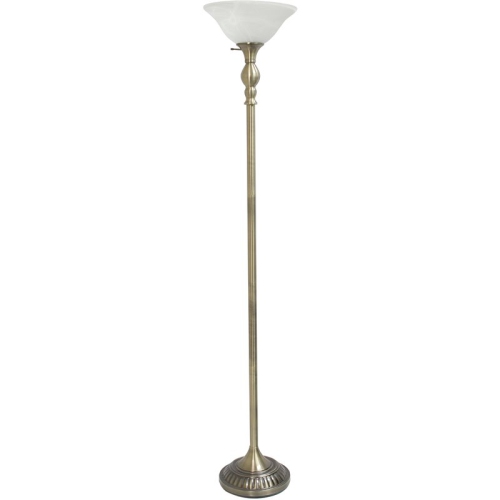 Your price for this item is $144.56
-
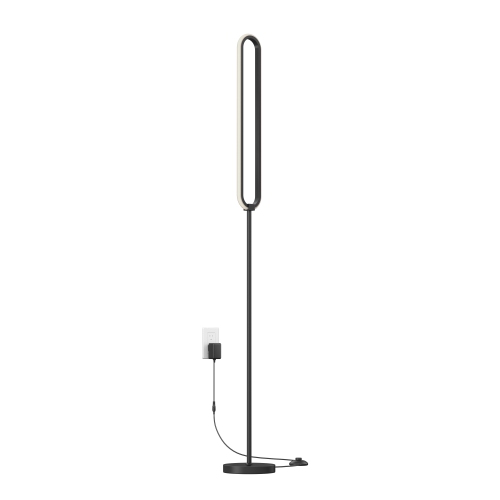 Your price for this item is $69.99
-
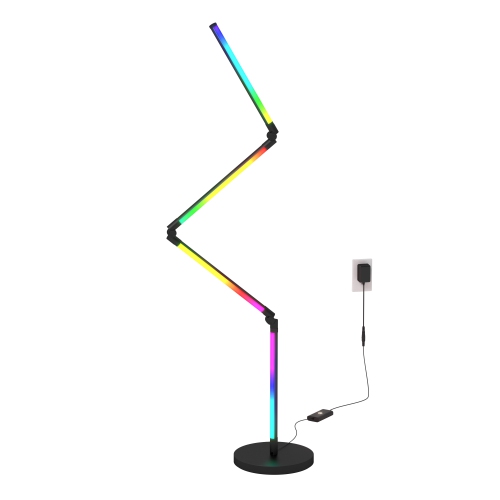 Your price for this item is $79.99
-
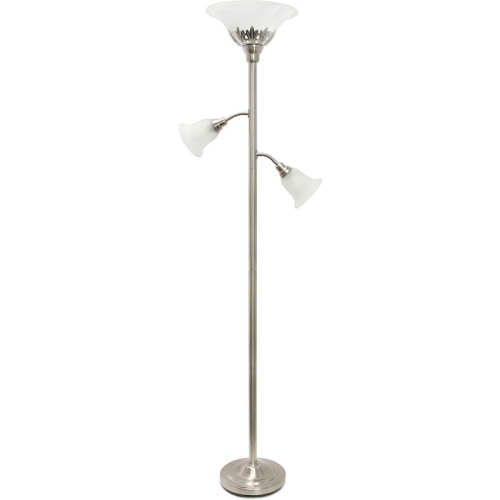 Your price for this item is $158.56
-
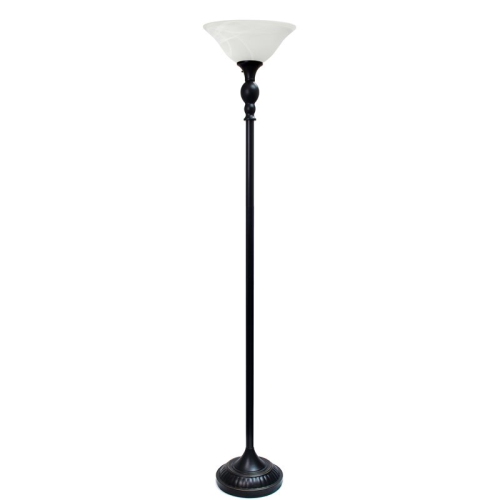 Your price for this item is $136.56
-
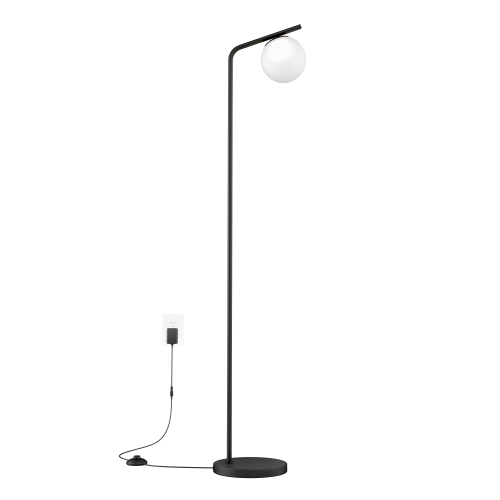 Your price for this item is $79.99
Discover more categories related to Adjustable Floor Lamps
Top Collections:
Pokemon Centers, Best Cameras for Sports Photography, Kindle Devices, Samsung Galaxy Phones, Canon G7X Cameras, Pokémon 30th Celebration Cards, Refurbished Apple Laptops, iPhone 15 Apple, Laptops for Students, Budget Smartphones
Some products may be subject to Environmental Handling Fees
(EHF) depending on your province.
Learn more about EHFs.