Adjustable Footrest
Transform your workspace into a haven of comfort and productivity with adjustable footrests. Designed to provide optimal support and promote proper posture, these versatile accessories are a must-have for anyone seeking relief from the strain of sitting for extended periods. Here are some great options available.
Sort
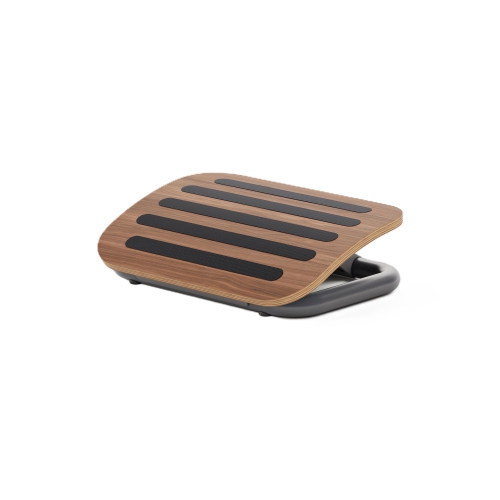

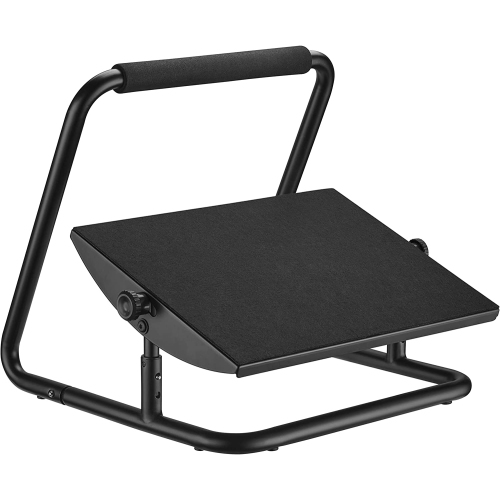


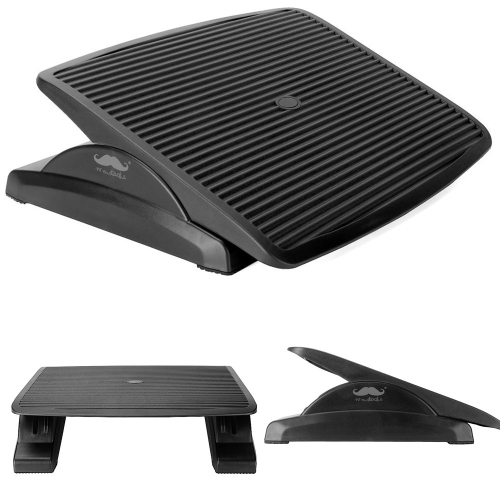
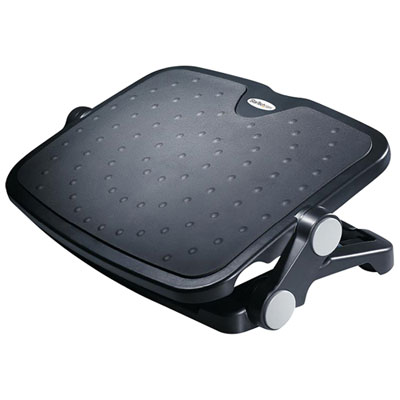
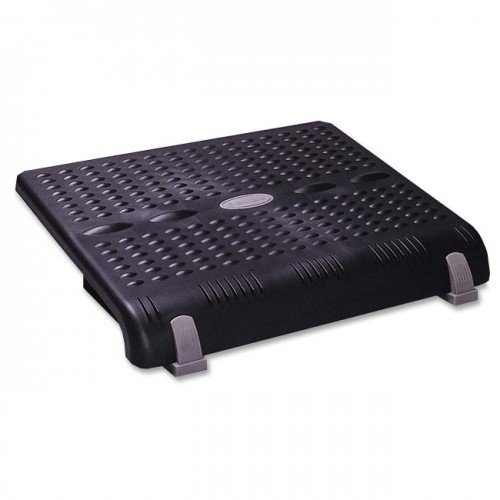
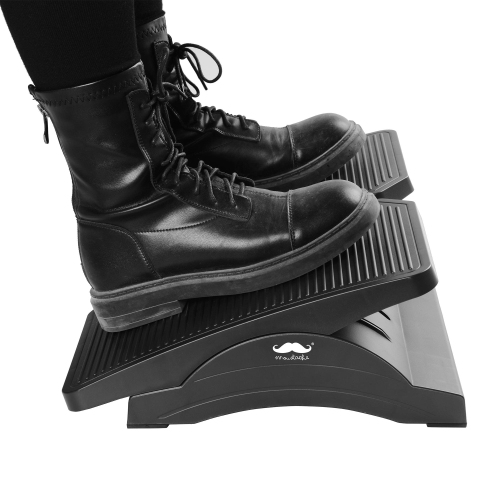

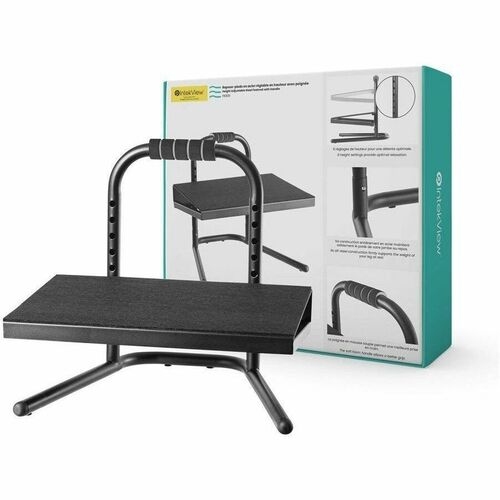
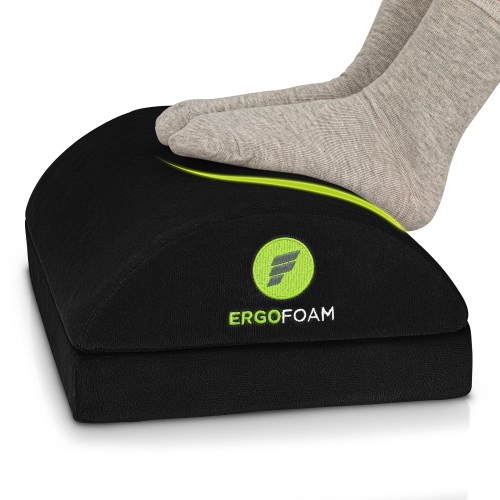

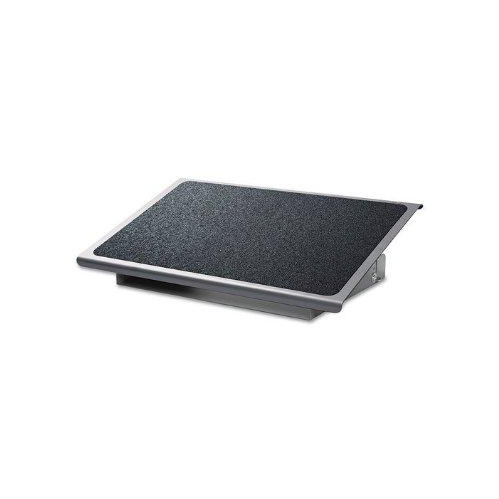

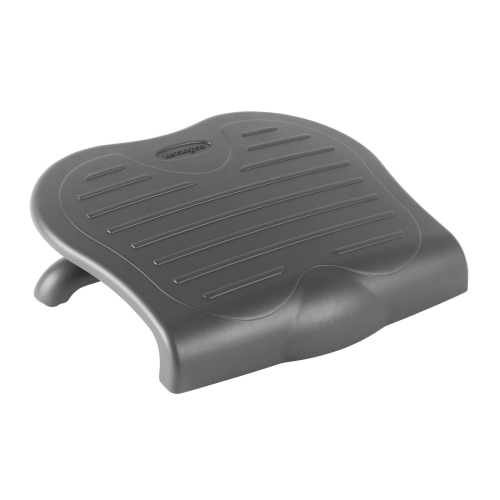
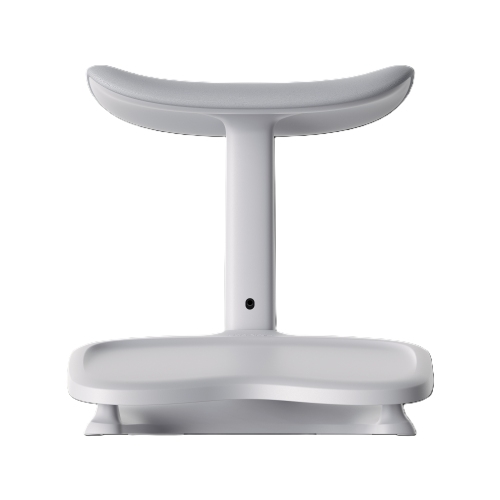


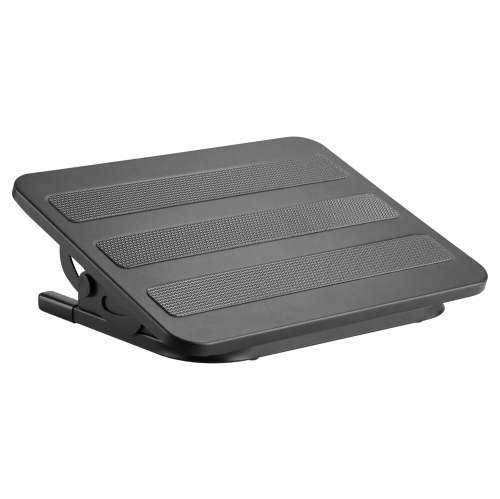
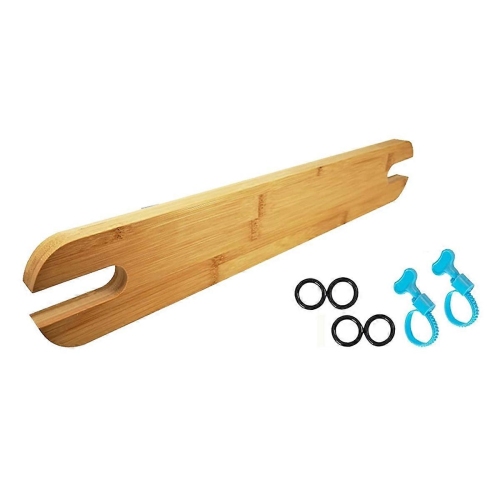


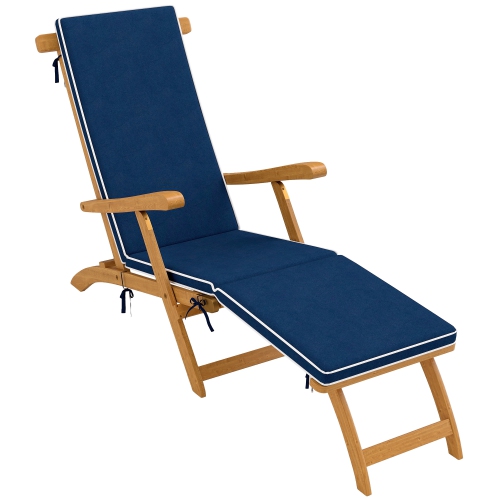


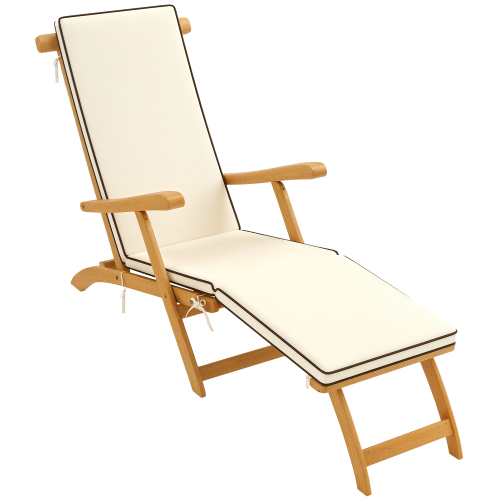
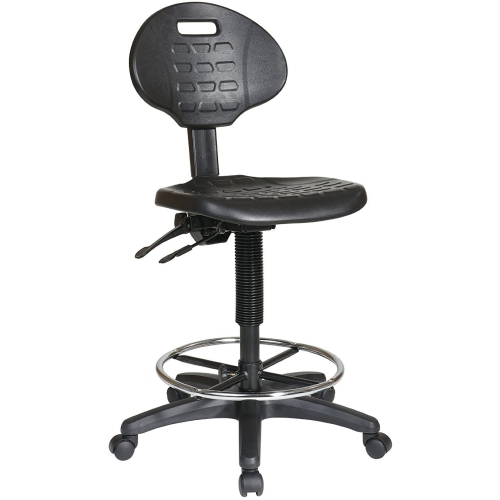
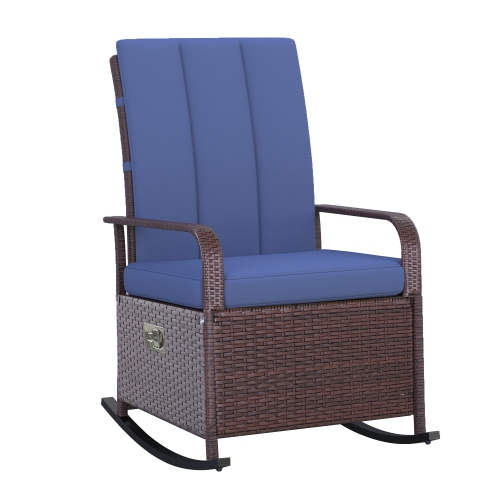
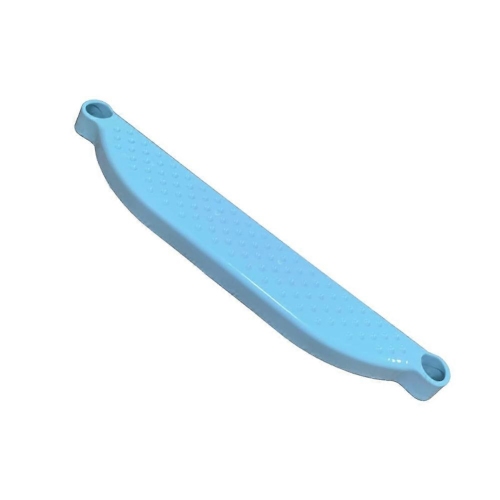
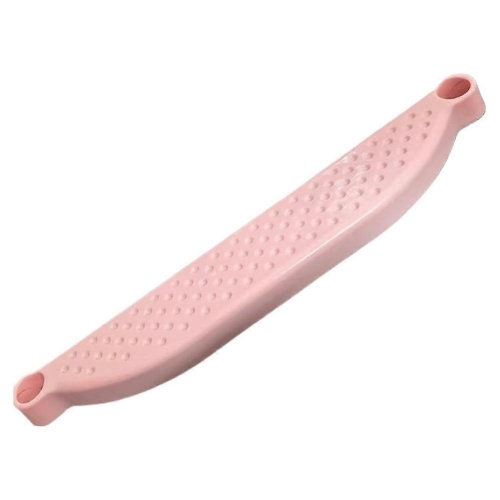

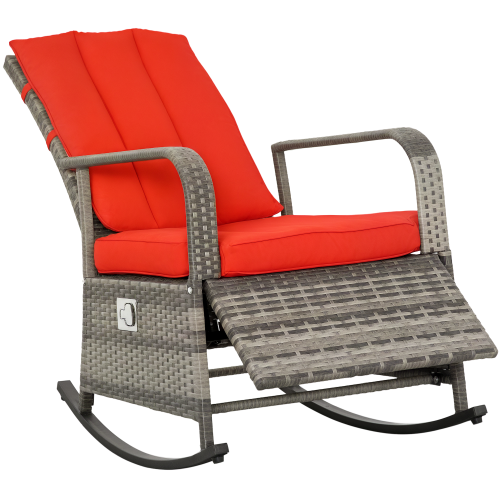

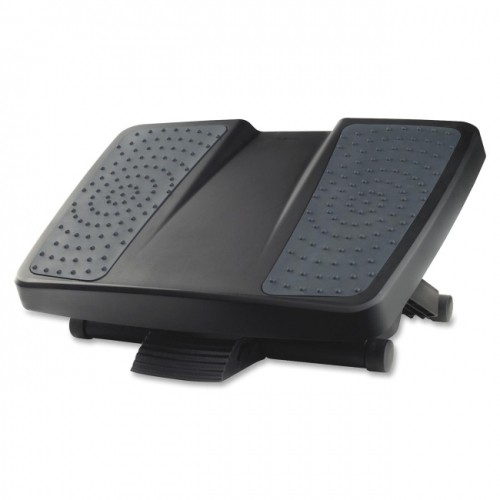


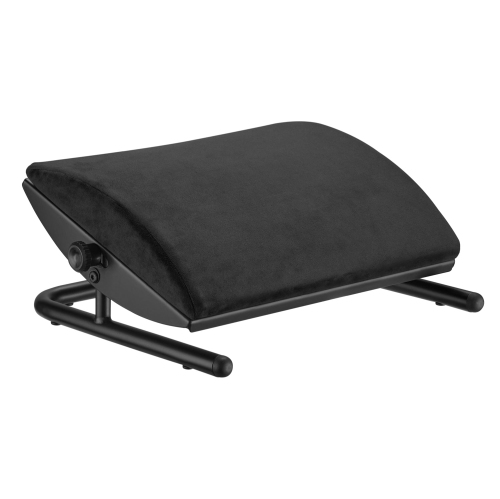





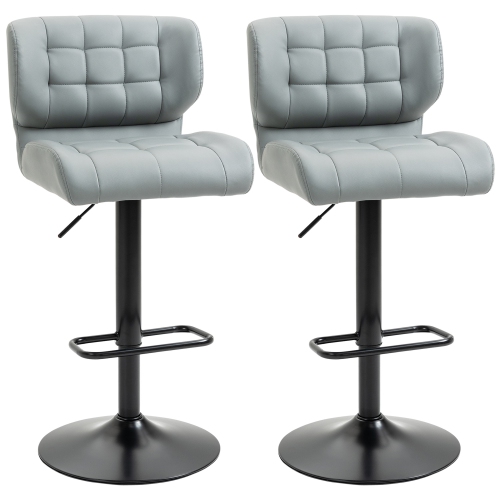


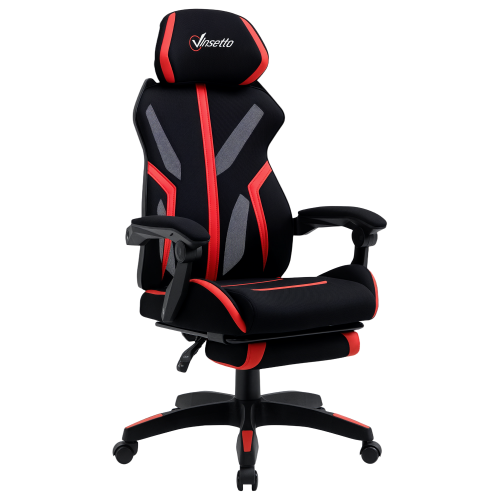
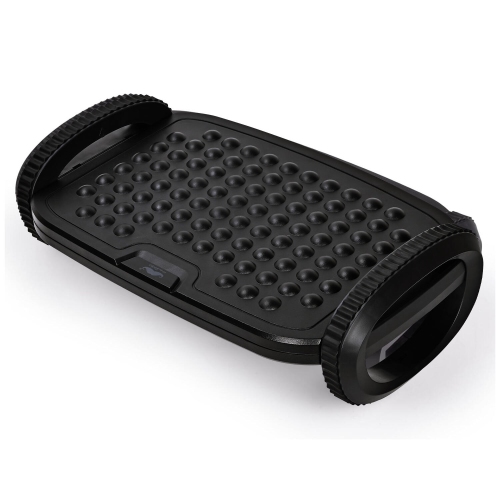
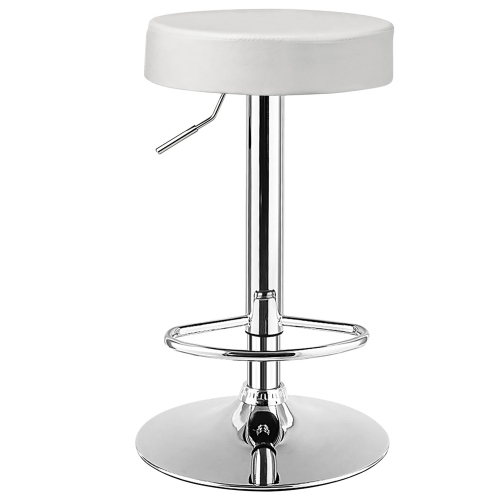


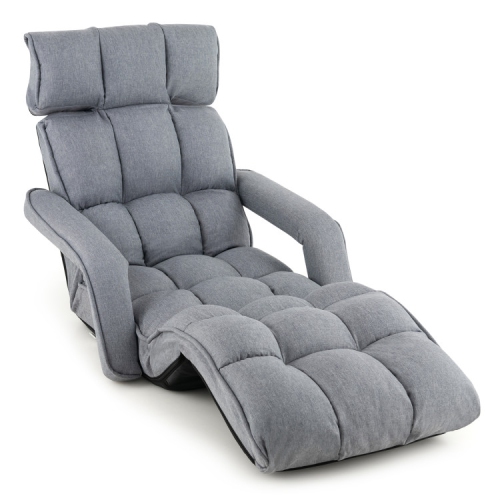


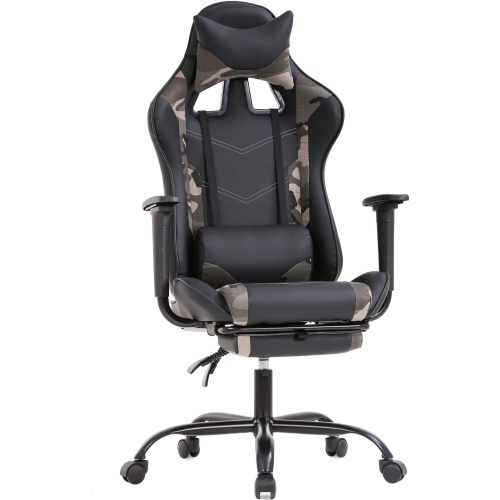


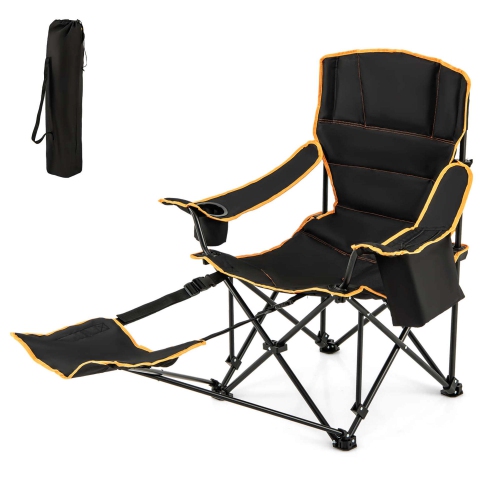
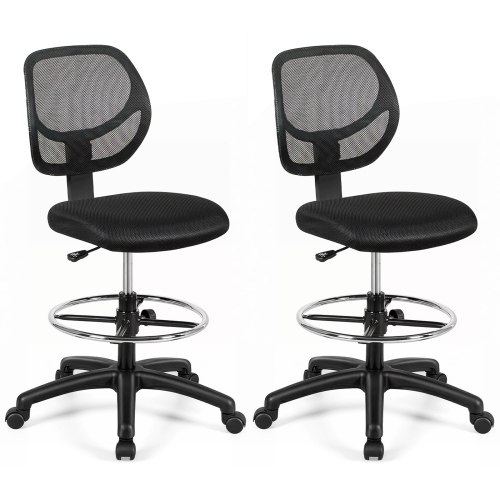

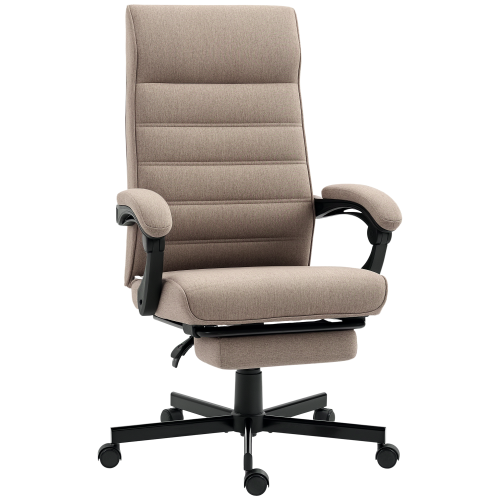
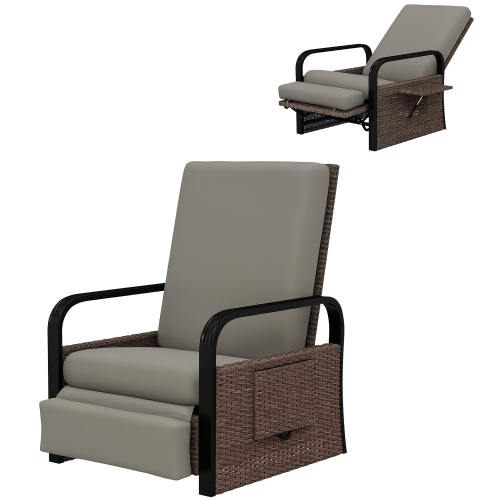
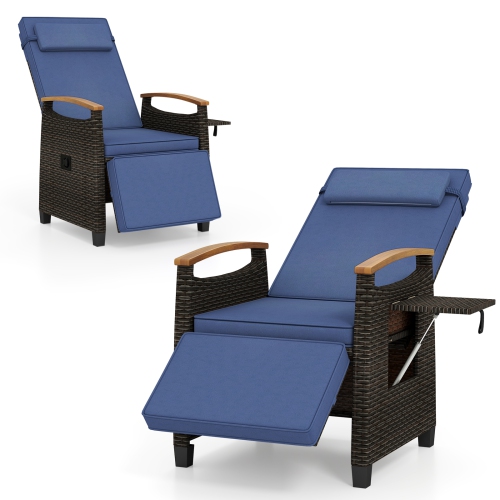
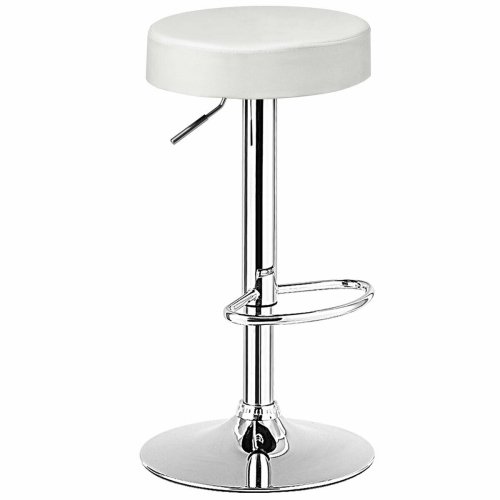


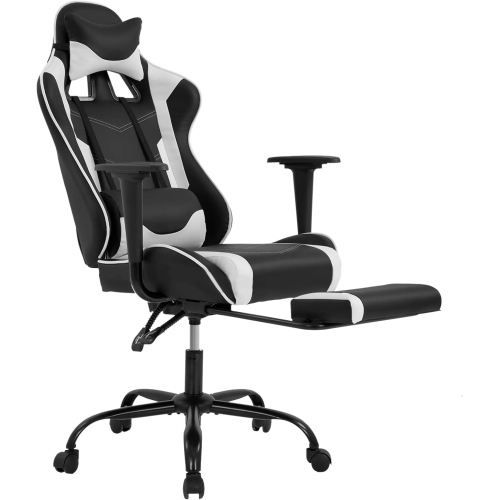
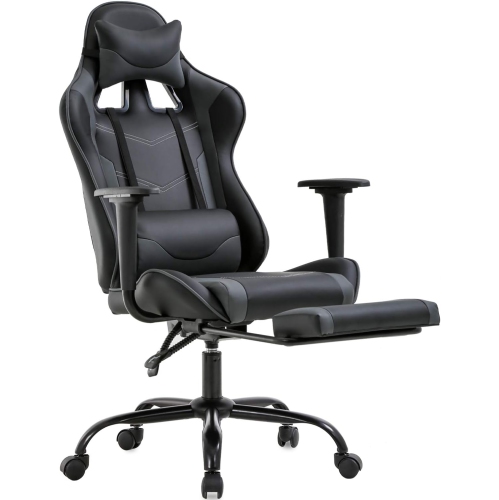
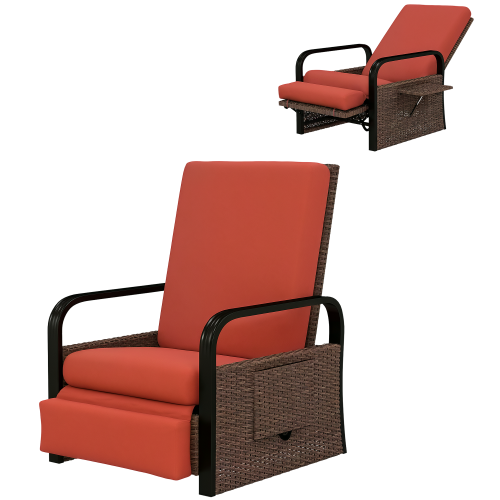
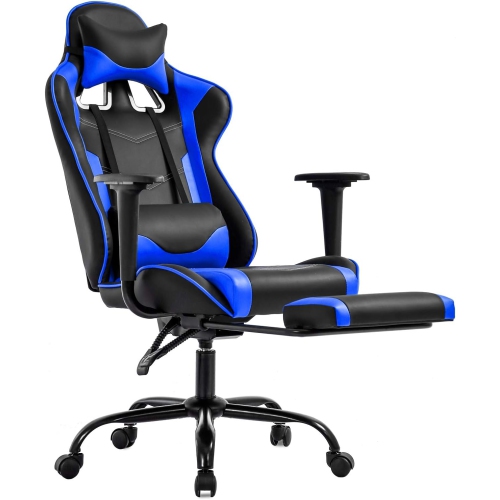
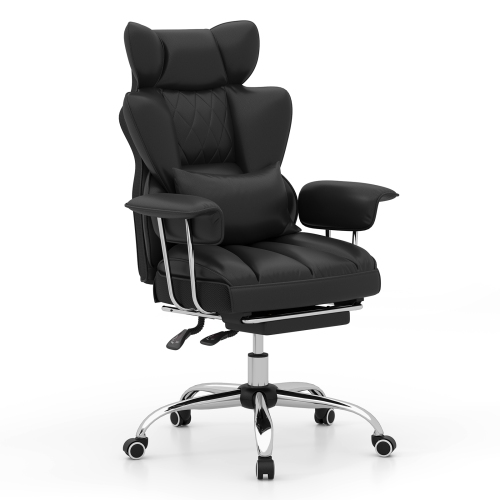
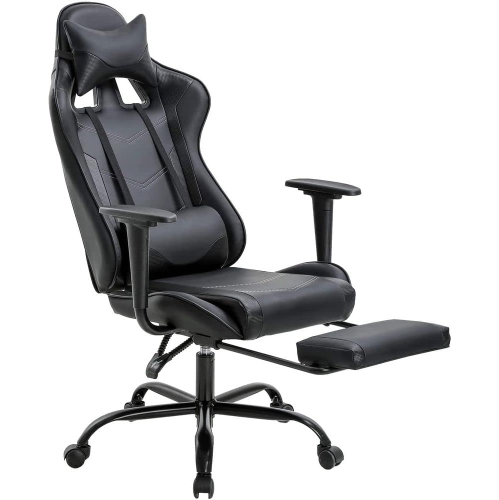
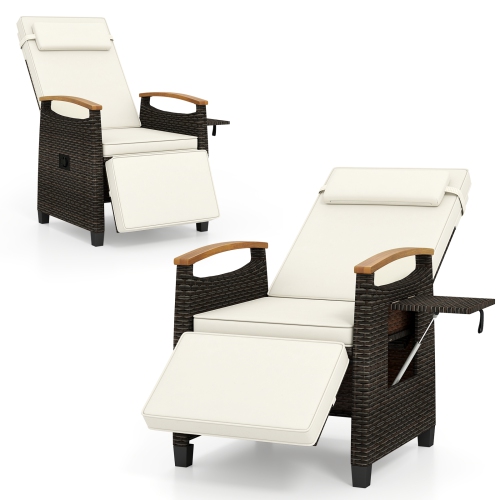
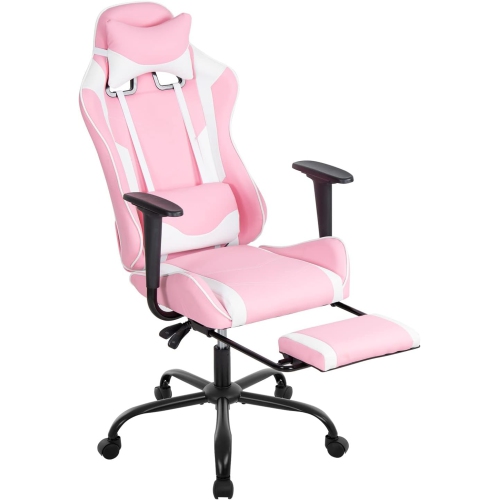
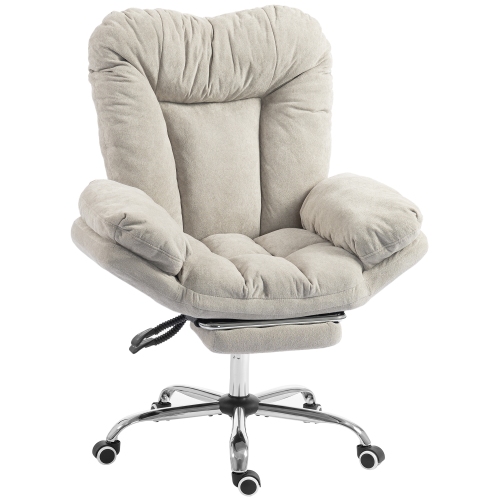


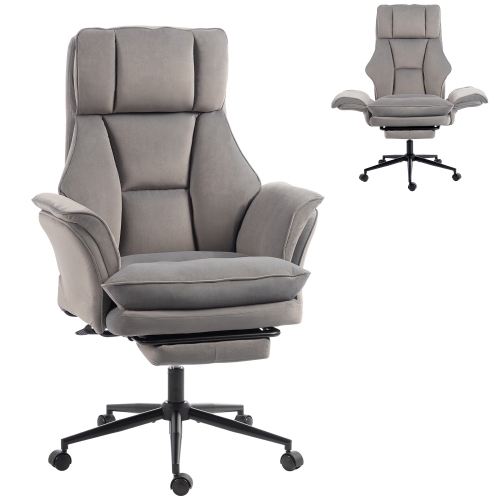
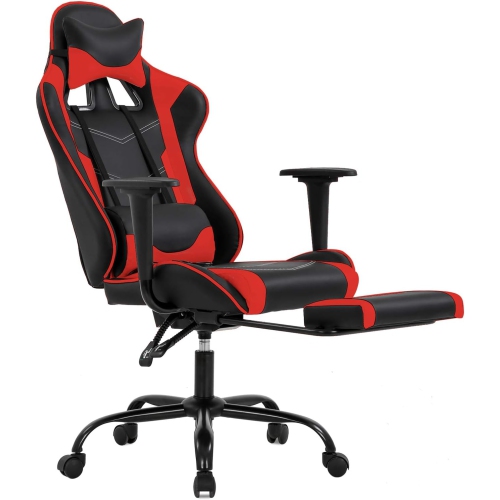
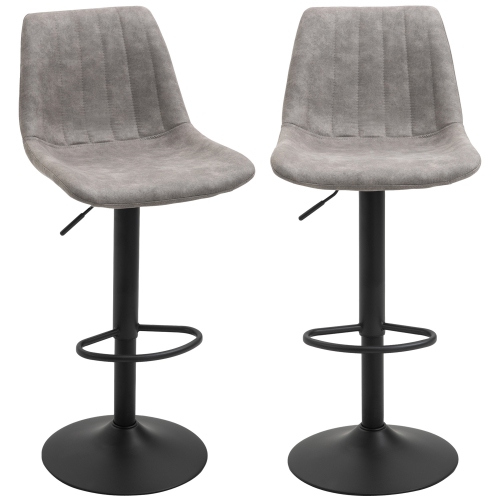

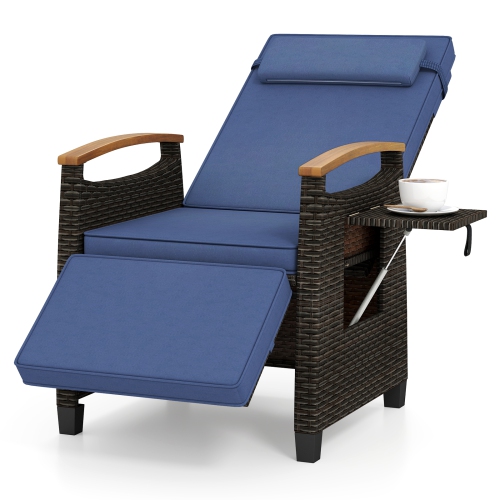
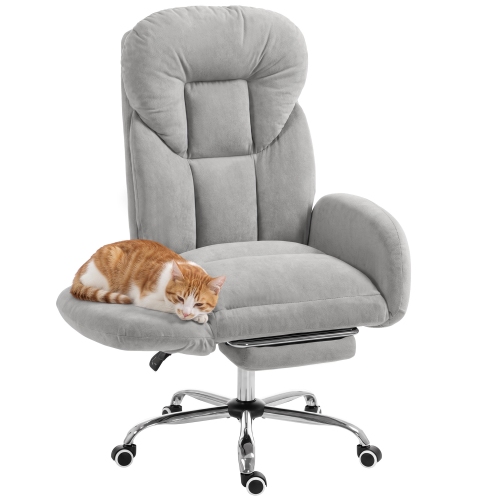
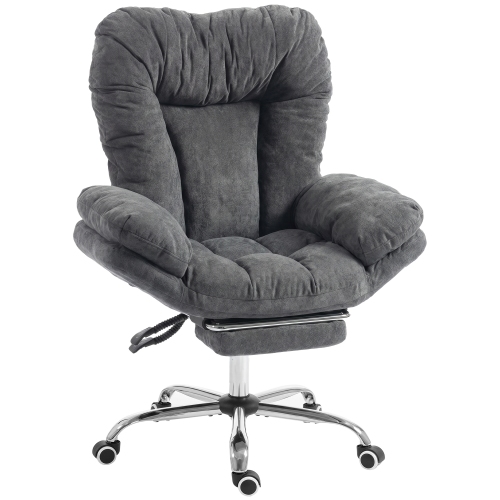


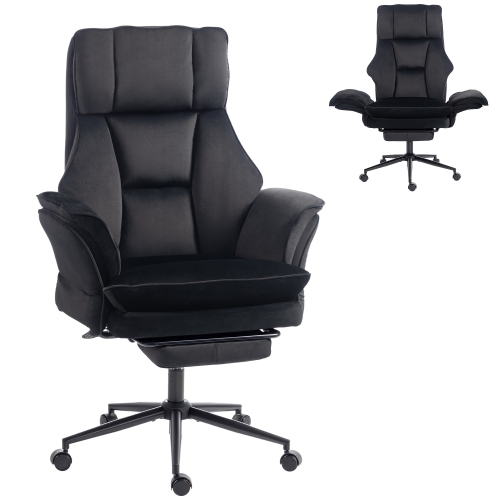
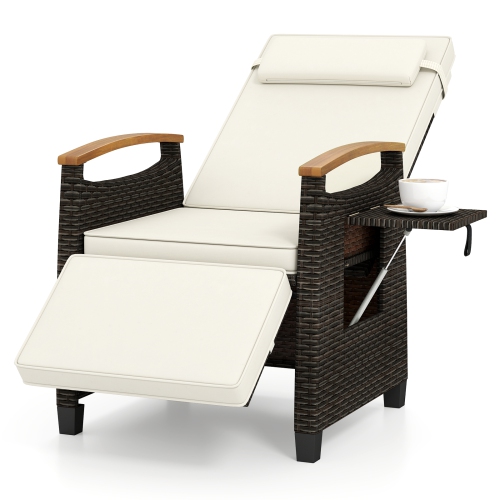
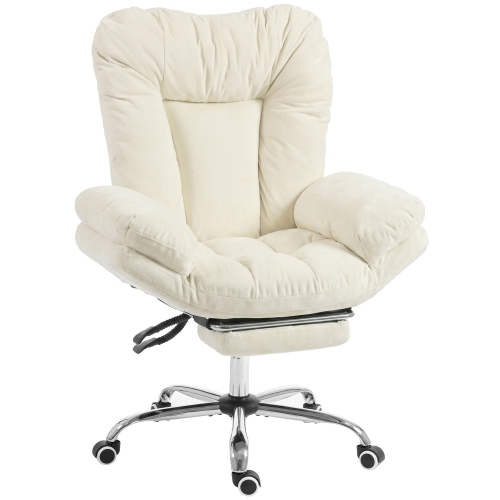
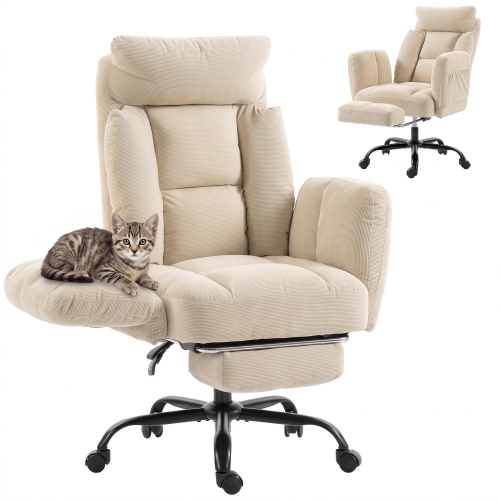

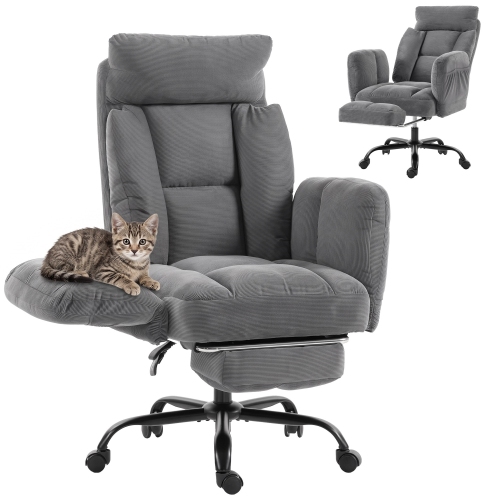

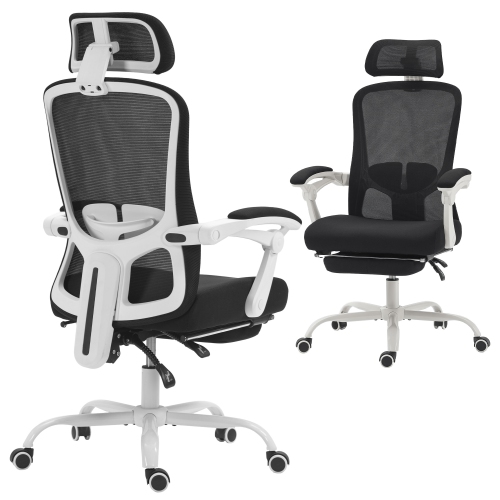
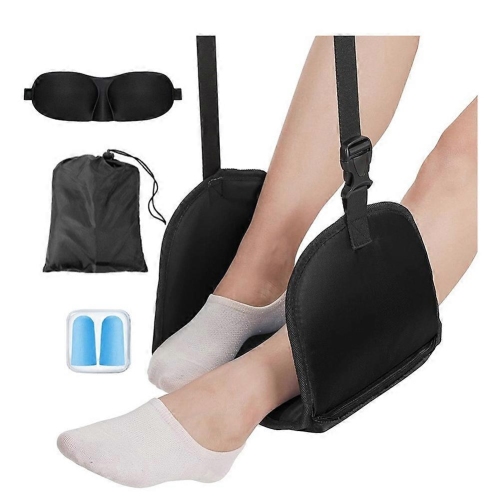

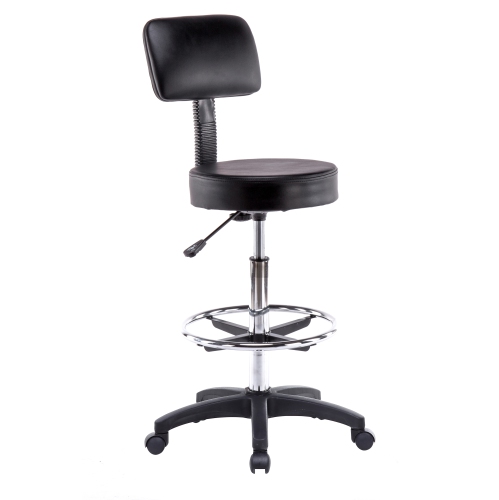
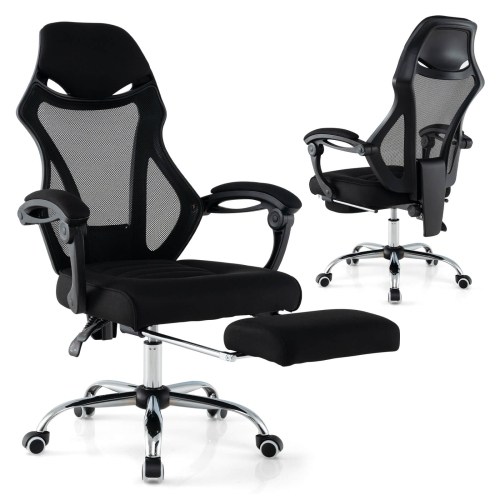
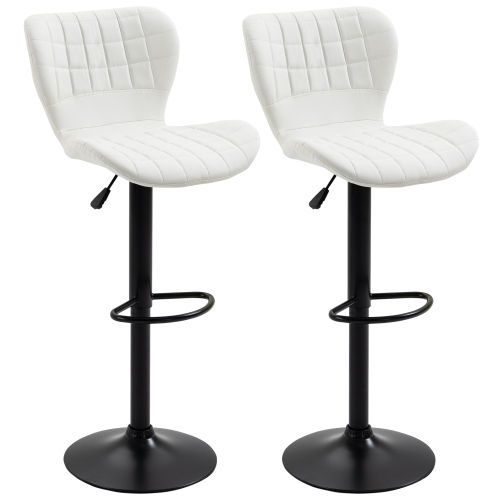
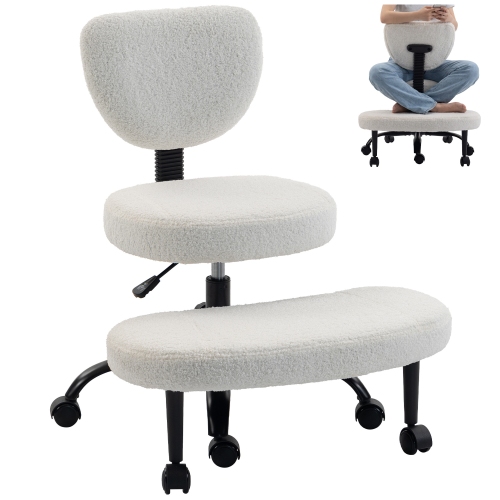


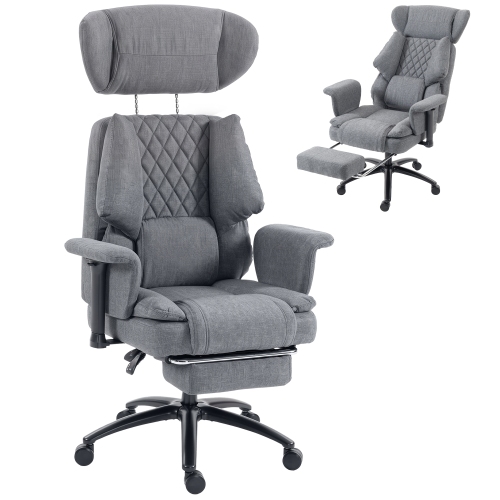


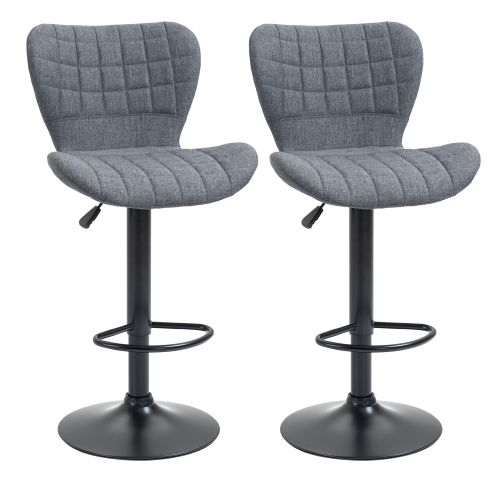
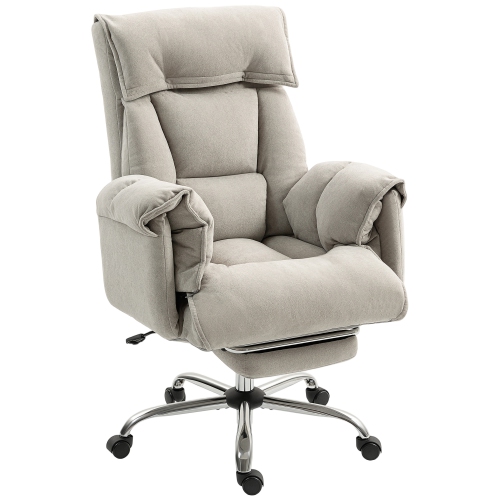
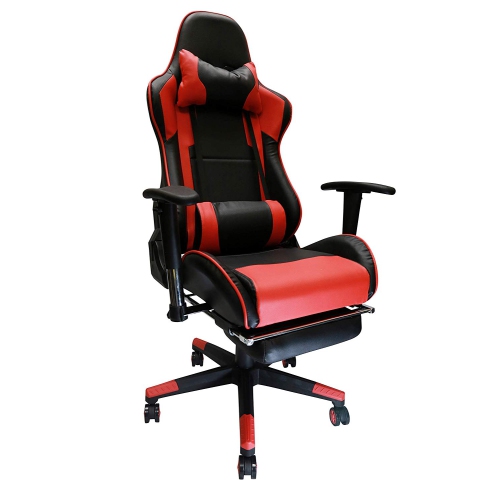
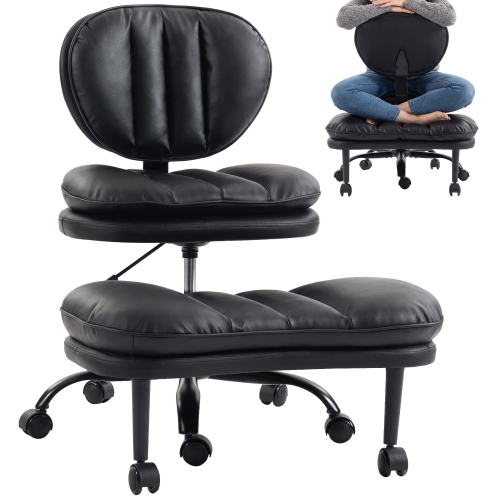
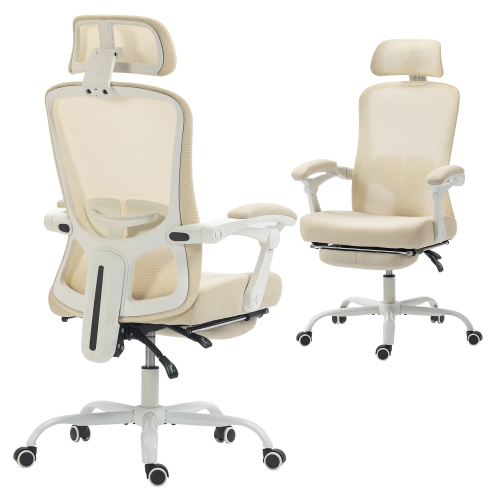


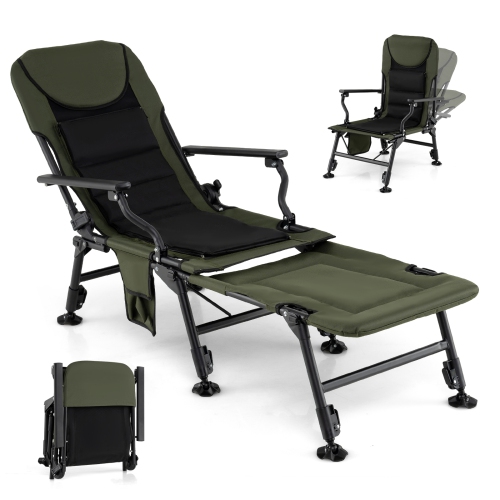

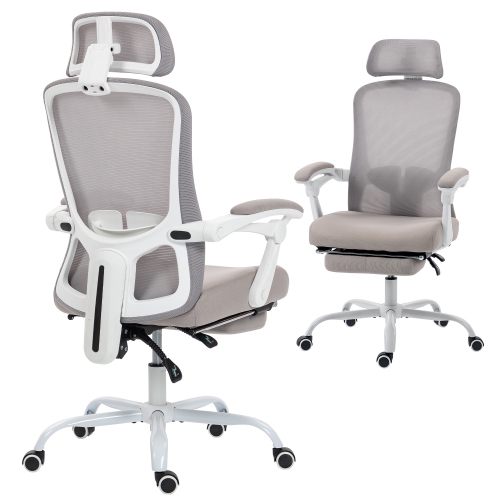
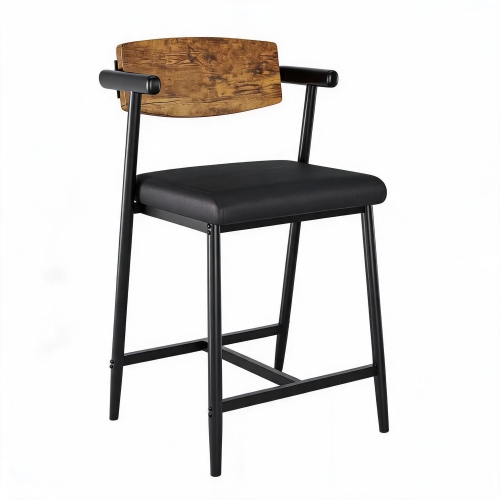
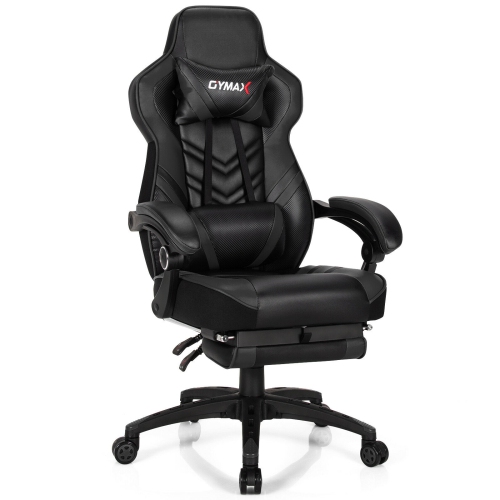


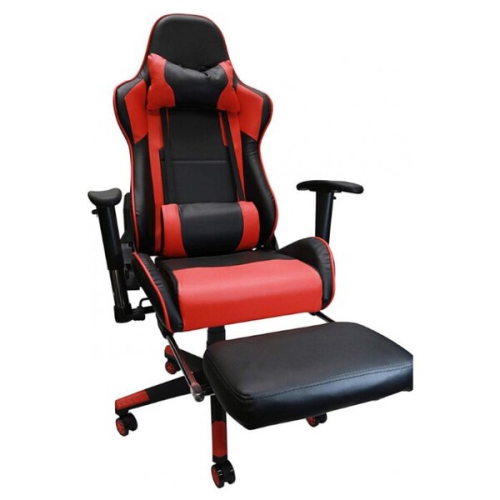
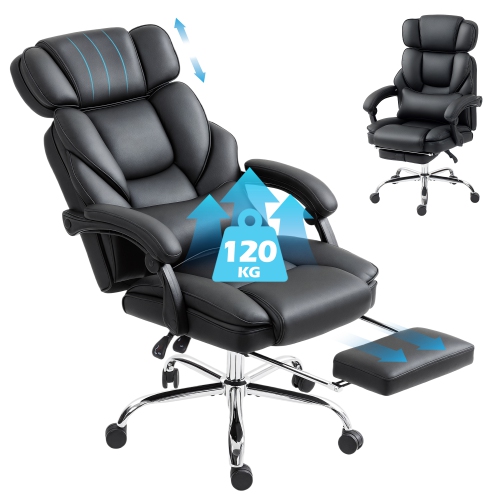
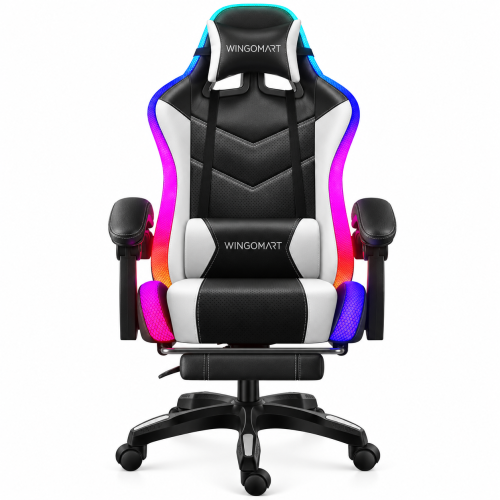

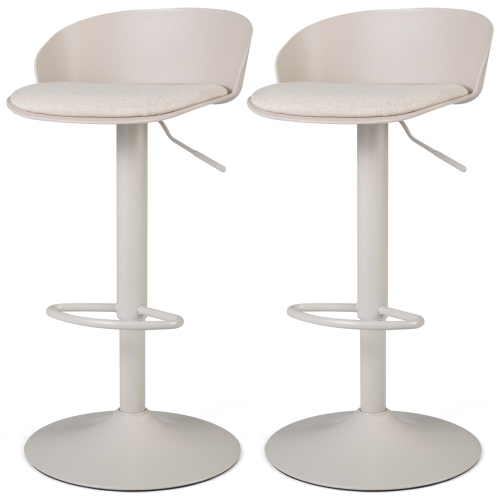
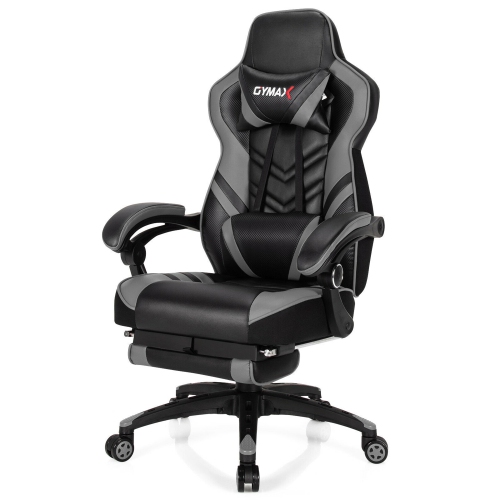
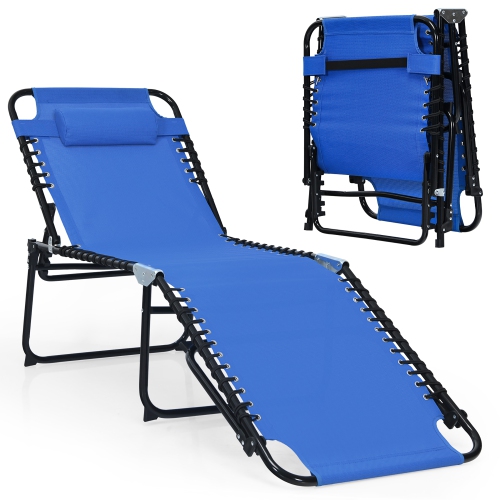


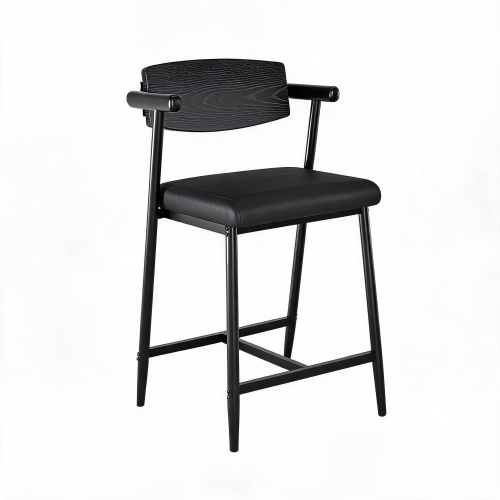
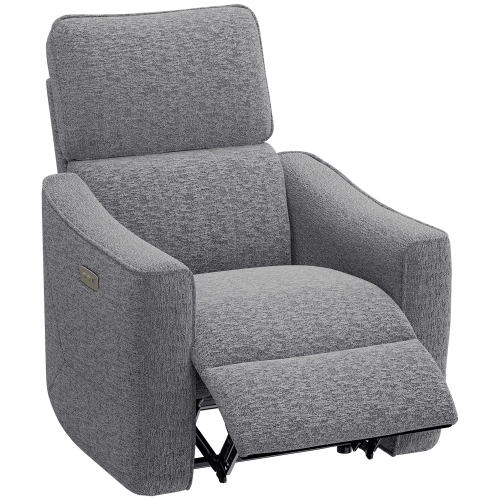

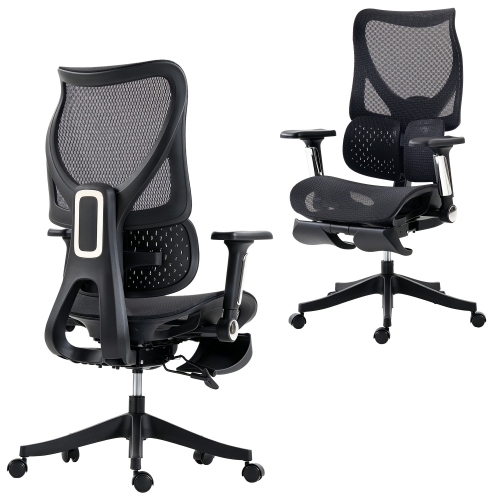
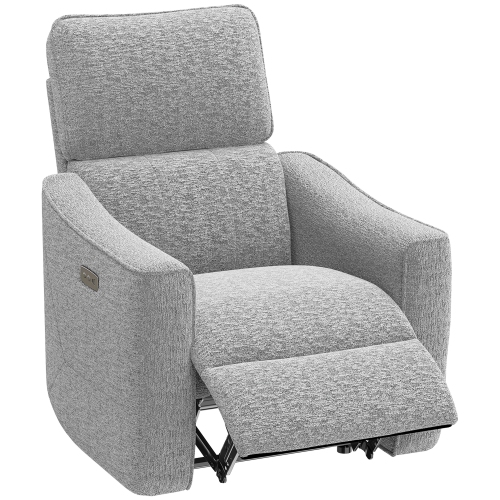

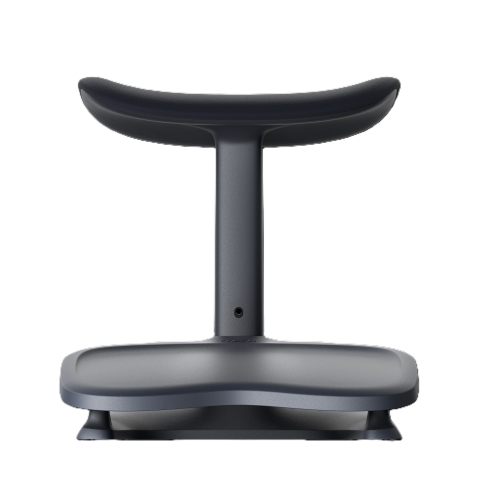


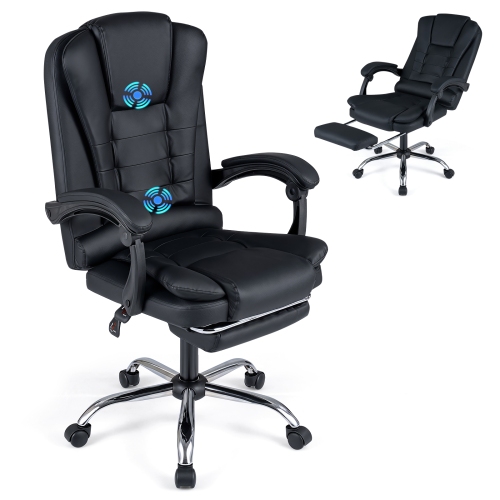

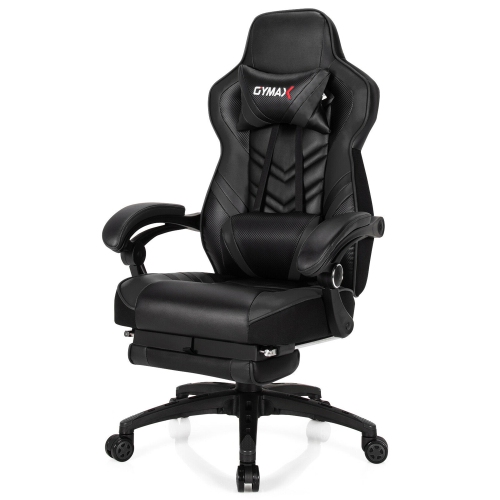
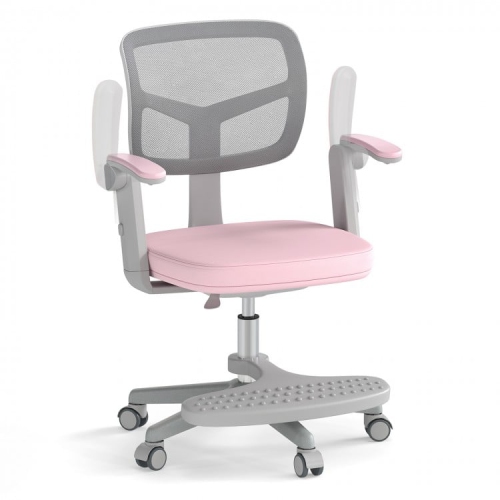
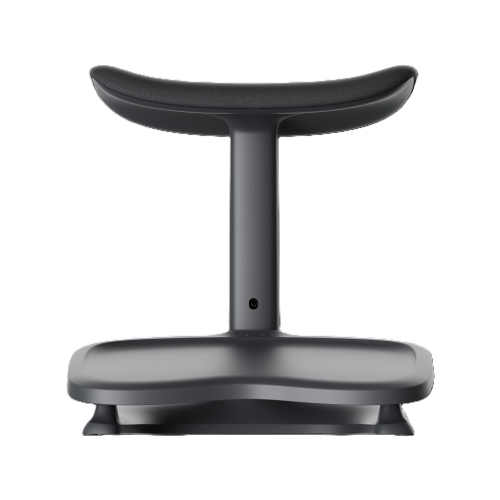

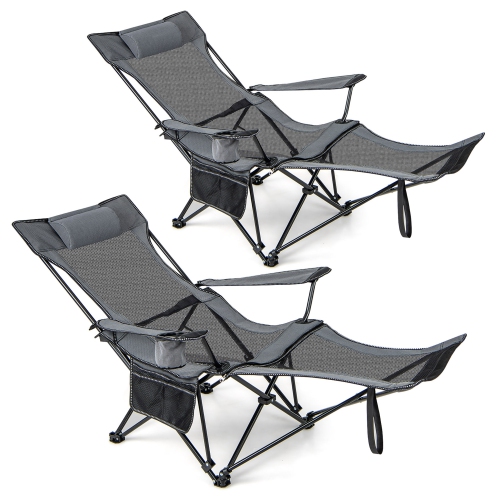

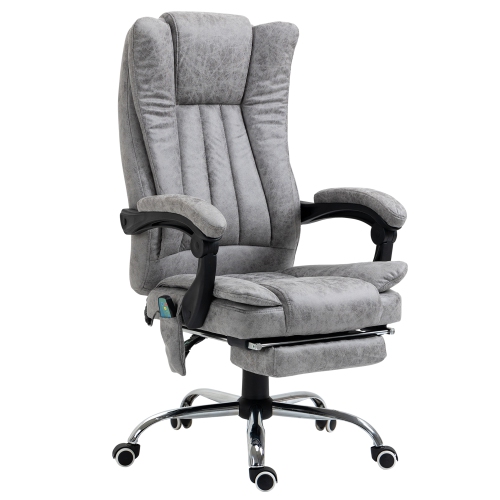

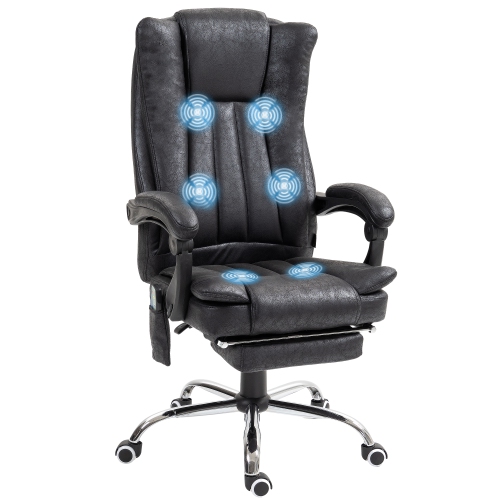

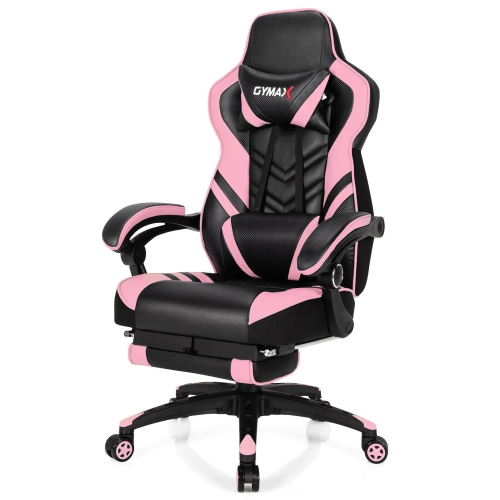
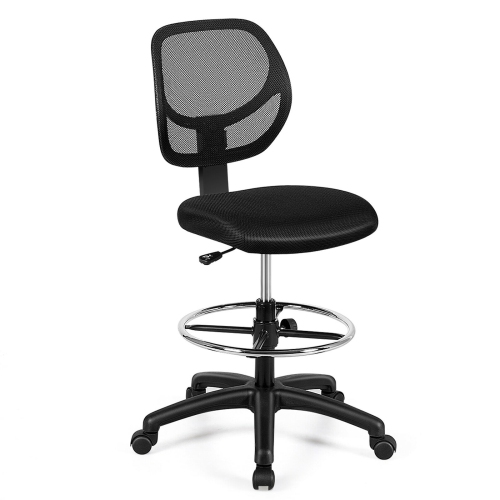
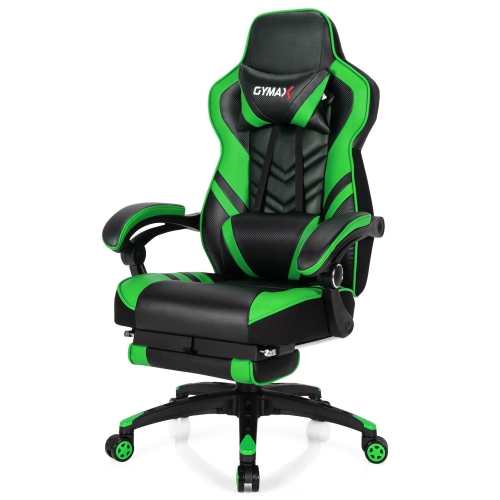
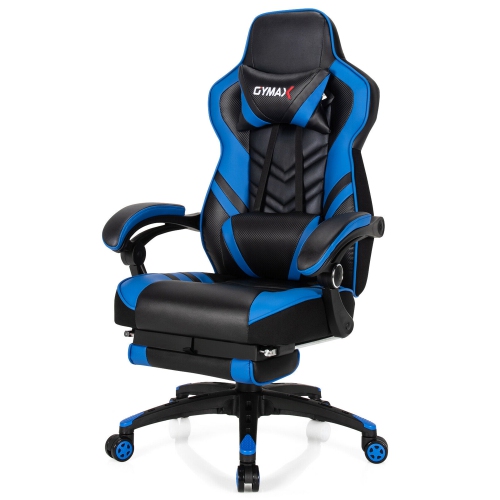


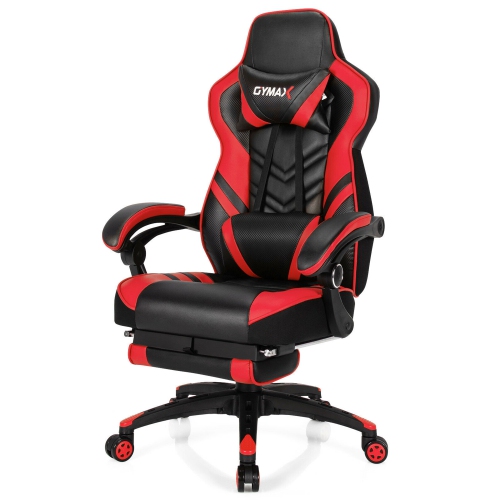
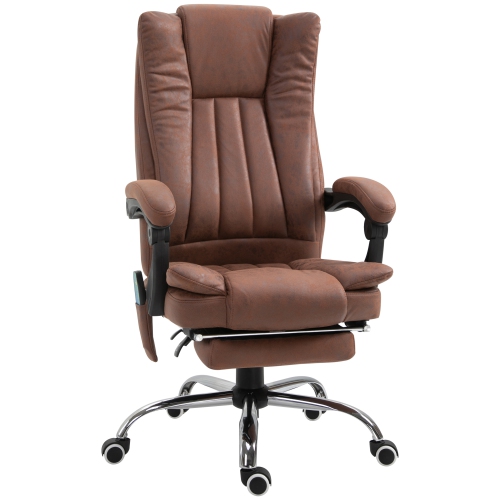


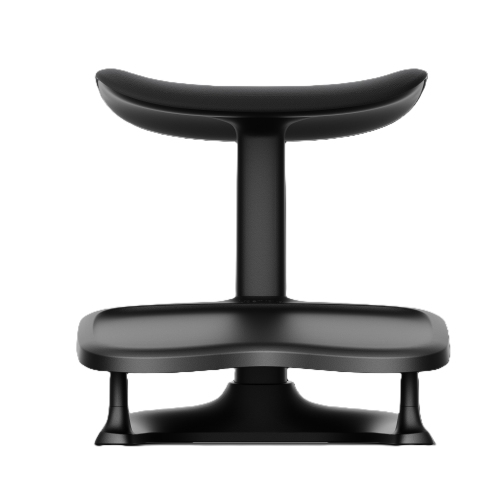

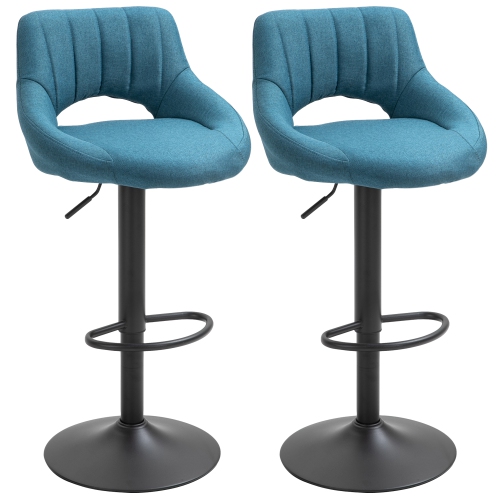
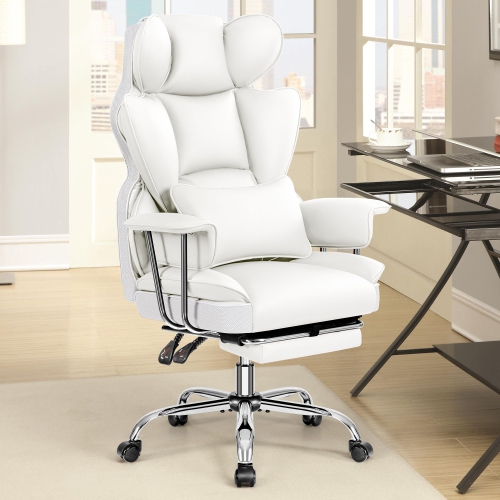

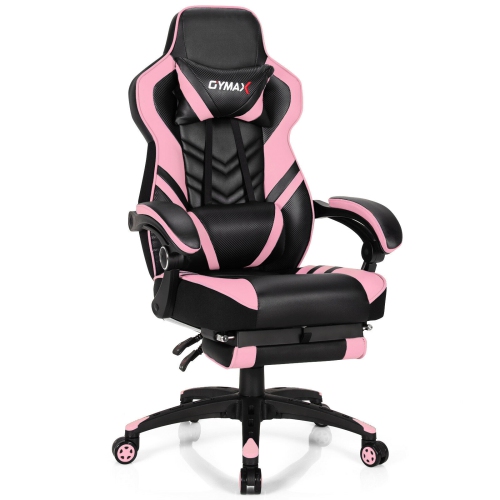
Steady support when your feet cannot reach the floor
An adjustable footrest is a support platform that raises the feet and lets the user change its height, angle, or both to suit a seated position. It can make a desk setup more comfortable when a chair needs to sit high enough for typing but leaves the feet short of the floor. Rather than resting on tiptoes or tucking a leg underneath the body, the user has a steady place for both feet. Adjustable footrests are useful for home offices, study spaces, shared workstations, and gaming desks, particularly where people of different heights use the same chair. Their main purpose is to support a comfortable sitting position; they do not replace a properly fitted chair, regular movement, or breaks from sitting. Height adjustment helps close the gap between the feet and the floor, while tilt adjustment changes the platform’s slope to suit the ankles. Some designs lock into a chosen position, while others allow rocking or gliding as the feet move. A fixed platform offers a predictable resting surface, whereas a moving platform accommodates small changes in position during reading, typing, or calls. Neither style is automatically the better fit: the choice depends on whether the user prefers stable support or gentle motion. When a desk surface requires a higher chair setting, a footrest can help support the feet without forcing the chair lower and leaving the keyboard awkwardly high. A related Ergonomic Foot Rest may also suit a workspace where foot support is part of a broader seating arrangement. The most useful features are those that address the actual gap beneath the feet, provide enough room to change position, and fit comfortably under the desk. For someone spending several hours at a workstation, easy adjustment can matter more than a long list of features that rarely get used.
Fit involves more than the footrest’s maximum height. The lowest setting matters just as much, especially when only a little lift is needed, and the distance between settings determines how closely the platform can match the user’s preferred position. Some adjustable footrests use stepped notches or removable layers; others use a mechanism that allows a wider choice of angles or heights. Separate height and tilt controls offer more flexibility than a design in which raising the platform also changes its slope. Platform width and depth should accommodate both feet without requiring them to stay pressed together or balanced at the edge. A person wearing work shoes may need more usable surface area than someone sitting in socks, while a broad stance calls for a wider platform. Under-desk space is equally important. Desk legs, storage drawers, cable trays, and a computer tower can restrict placement, and the chair needs enough clearance to roll in without striking the footrest. A comfortable starting position keeps both feet supported, the knees at roughly a right angle, and the thighs free from noticeable pressure along the chair’s front edge. Raising the feet too far can push the knees upward, so the highest setting is not necessarily the most suitable one. For shared desks, accessible adjustment controls make it easier to reset the support between users. A lockable tilt can be helpful when a steady surface is preferred, while a rocking design should move smoothly without tipping or sliding across the floor. Non-slip feet and a secure base are worth considering on smooth flooring; on carpet, the base should sit evenly rather than sink unevenly into the pile. Seated and standing foot supports are not interchangeable by default. A footrest intended for standing use needs an appropriate construction and stated load capacity, and a seated footrest should never be treated as a step stool.
Materials influence the feel, weight, care requirements, and long-term performance of an adjustable footrest. Rigid plastic platforms are often relatively light and easy to wipe down, with moulded ridges or textured surfaces that help shoes stay in place. Metal frames can provide a firm base, although their overall stability still depends on the design, joints, and floor contact points. Wood platforms offer a hard resting surface and a furniture-like appearance; their finish should be smooth, with edges that remain comfortable against the feet. Foam footrests provide cushioning for barefoot or sock use, and some adjust through removable sections that change the overall height. Softer foam may compress more noticeably under pressure, while firmer foam generally holds its shape more consistently during use. A fabric cover adds another point of contact to consider: seams, texture, and grip can all affect comfort, particularly for someone who prefers to work without shoes. Removable covers can simplify cleaning, but washing and drying methods should follow the care label. For hard surfaces, a soft cloth and a cleaning method suitable for the material help remove dust and shoe marks without damaging the finish. Hinges, grooves, and adjustment tracks can collect debris, so accessible mechanisms are easier to keep clean. Durability also depends on how securely the platform holds its setting, whether the base stays level, and whether moving parts remain smooth with repeated use. A compact, lightweight design can be practical for someone who moves between workspaces, while a larger, heavier base may suit a permanent desk. Students, remote workers, and people who enjoy seated hobbies may appreciate adjustable foot support, provided its dimensions match their furniture and sitting habits. As a gift, it is most thoughtful when the recipient’s desk clearance, preferred surface feel, and need for height adjustment are known. The goal is straightforward: dependable support that fits naturally into everyday use, with controls and materials that remain comfortable and manageable over time.
Top selling and popular products
-
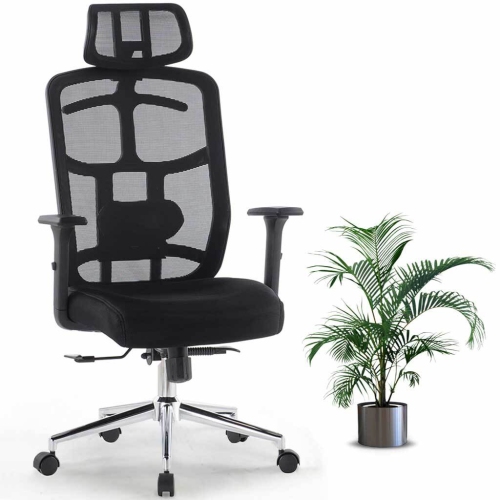 Your price for this item is $143.99
-
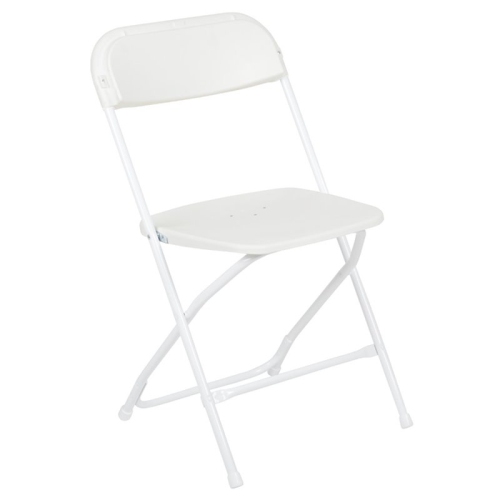 Your price for this item is $123
-
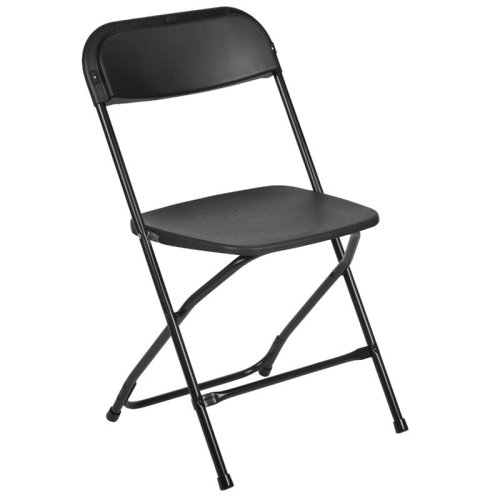 Your price for this item is $139.99
-
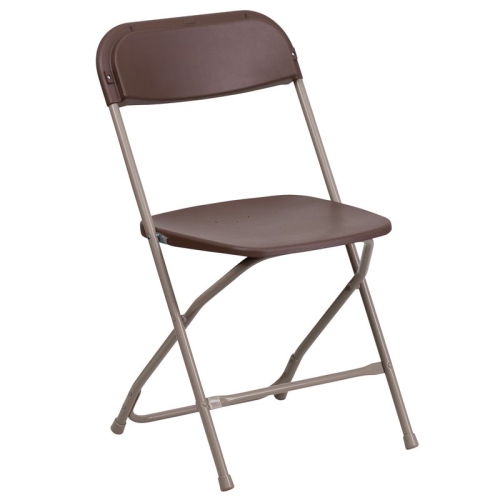 Your price for this item is $139.99
-
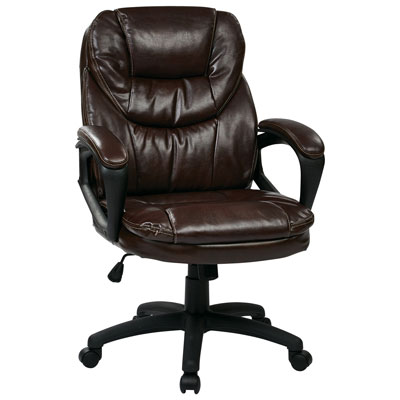 Your price for this item is $203.98
-
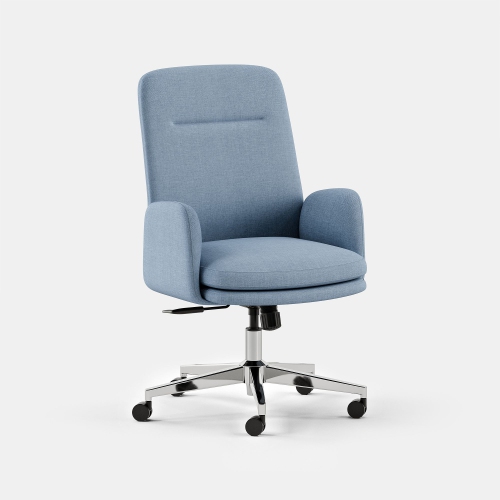 Your price for this item is $429
-
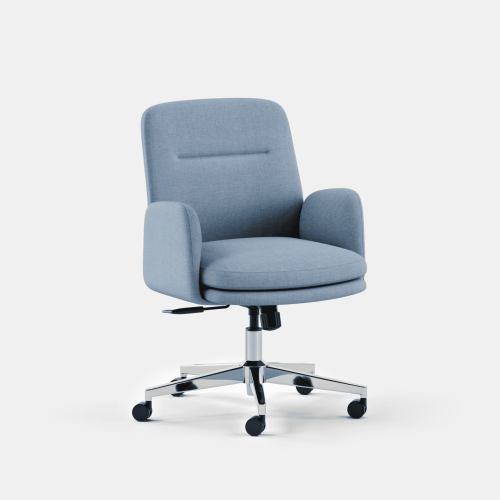 Your price for this item is $379
-
 Your price for this item is $429
Discover more categories related to Adjustable Footrest
Top Collections:
Pokemon Centers, Best Cameras for Sports Photography, Kindle Devices, Samsung Galaxy Phones, Canon G7X Cameras, Pokémon 30th Celebration Cards, Refurbished Apple Laptops, iPhone 15 Apple, Laptops for Students, Budget Smartphones
Some products may be subject to Environmental Handling Fees
(EHF) depending on your province.
Learn more about EHFs.