Advanced Drills
Discover the power and precision of advanced drills, designed to elevate your DIY projects and professional tasks to a whole new level. Whether you're an experienced craftsman or a weekend warrior, these tools offer the versatility and performance needed for a wide range of applications. From intricate woodworking to heavy-duty construction, advanced drills provide the reliability and efficiency you need to get the job done right. Explore our selection to find the perfect drill that meets your specific needs, ensuring every project is completed with excellence and ease.
Sort


Training equipment that connects footwork with game-day skills
Advanced drills are athletic training exercises that challenge coordination, reaction time, balance, speed, and control through more demanding movement patterns. Equipment used for these drills gives athletes clear targets, repeatable layouts, and practical ways to adjust difficulty as their skills develop. The aim is not simply to move faster: a well-designed drill asks someone to accelerate, stop, change direction, or handle a ball while maintaining sound technique. Agility ladders, floor markers, low training hurdles, and resistance accessories support different aspects of that work. A ladder creates a consistent pattern for precise foot placement, while spaced markers can define a lateral shuffle, a sharp turn, or a short acceleration zone. For basketball players, these layouts can pair controlled dribbling with changes of pace and direction. For pickleball players, court-position markers can support transition-zone practice and movement back into a balanced ready position. Hockey players may use off-ice agility equipment to practise lateral movement and body control, although skating technique still requires suitable on-ice practice. The most useful equipment suits the movement being trained rather than making every session as difficult as possible. Closely spaced markers may emphasize quick, compact steps; a wider layout allows room for longer strides and deliberate changes of direction. Flat, flexible markers are useful where feet repeatedly cross the training area, while more visible upright markers can define boundaries outside the main footwork path. Stable placement matters because a shifting marker changes the drill and can distract from technique. For home workouts, shared exercise spaces, and team practices, the available floor area also shapes what is practical. A compact setup can support controlled footwork and ball-handling, whereas acceleration and stopping drills need enough clear space to complete each movement safely. Advanced training equipment is useful for experienced athletes refining a specific skill, recreational players adding structure to practice, and coaches creating repeatable activities for participants with different abilities.
Ball-based practice adds another dimension to advanced drills by combining movement with touch, timing, and visual attention. A player may be comfortable controlling a ball while standing still, yet find the same task more demanding during a lateral shuffle or after a change of direction. Equipment suited to that progression makes it easier to connect footwork with the skills used in a game. Training Balls can support different practice goals, with size, weight, surface texture, and rebound behaviour determining how a ball feels and responds. A ball intended for sport-specific handling should match the relevant activity closely enough to support familiar technique, while a weighted exercise ball serves a different purpose, such as controlled strength or rotational work. These categories are not interchangeable: a heavier ball is not automatically a better choice for quick passing, repeated throwing, or fine hand control. Rubber surfaces can provide a secure grip and a lively rebound, while softer constructions may suit controlled exercises where comfort matters more than bounce. Textured finishes can help maintain contact during repeated catches, but the feel should remain comfortable through the full movement. Durable seams, valve construction, and a consistent shape matter when equipment is used frequently. Inflatable balls also depend on the correct inflation level; an overfilled or underfilled ball may respond differently from the intended design. Rebound nets and targets can complement ball drills by creating a defined return path or aiming point, provided their frames are stable and the practice area leaves room for an unexpected return. For reaction work, a partner’s cue or a changing target can add a decision-making element without increasing the load. A basketball player switching hands after a visual signal, for example, is training a different skill from someone repeating the same crossover in place. Useful progression comes from changing one demand at a time, such as direction, pace, target size, or the need to respond to a cue. That distinction helps keep practice purposeful rather than turning every drill into a test of fatigue.
Materials, fit, and care influence how well training accessories hold up to repeated sessions. Flexible plastic markers should retain their shape through regular handling, fabric components benefit from secure stitching, and resistance accessories need intact surfaces and dependable attachment points. Adjustable ladder spacing allows the layout to suit different stride lengths and movement patterns, while a resistance belt or harness should sit securely without pinching or restricting the intended motion. Resistance must also suit the athlete and exercise: excessive tension can alter posture, shorten movement, or turn a speed drill into a different type of strength task. Where an accessory attaches to an anchor, compatibility and the manufacturer’s setup requirements are essential. Floor contact deserves equal attention. Equipment that sits securely on a rubber exercise surface may behave differently on smooth flooring, and a mat intended for stationary exercise is not necessarily suitable for rapid direction changes. Clear space around the layout, supportive footwear appropriate to the activity, and equipment positioned away from passing foot traffic make a practice area more usable. Care is generally straightforward but should follow the material-specific instructions. Dirt and sweat can be removed with suitable cleaning methods, fabric pieces should be allowed to dry before storage, and balls should be kept free of sharp objects that could damage their surfaces. Regular checks for loose fasteners, damaged seams, worn straps, or cracking help identify accessories that no longer perform as intended. Compact storage is particularly useful when a training area also serves as a living space or shared workout room; nesting markers, folding frames, and storage bags make repeated setup less cumbersome. For a gift, training equipment is most useful when it matches the recipient’s sport, experience, and available practice space. A recreational player may appreciate accessories that make solo sessions more structured, while a coach may value durable components that are easy to arrange for a group. The strongest fit is equipment that supports a clear training purpose, feels comfortable to use, and remains practical enough to become part of regular practice.
Top selling and popular products
-
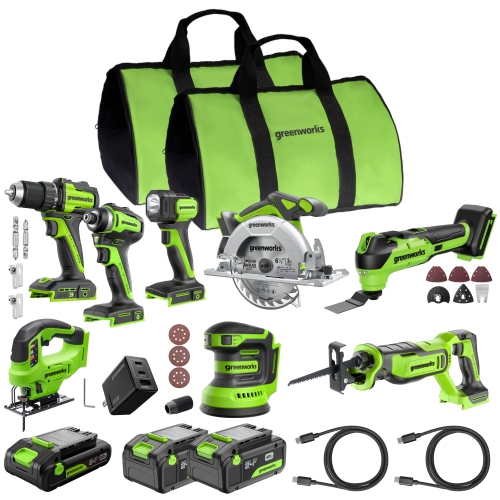 Your price for this item is $799.99
-
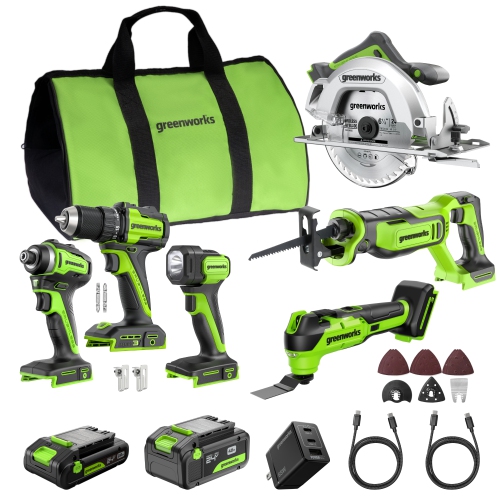 Your price for this item is $589.99
-
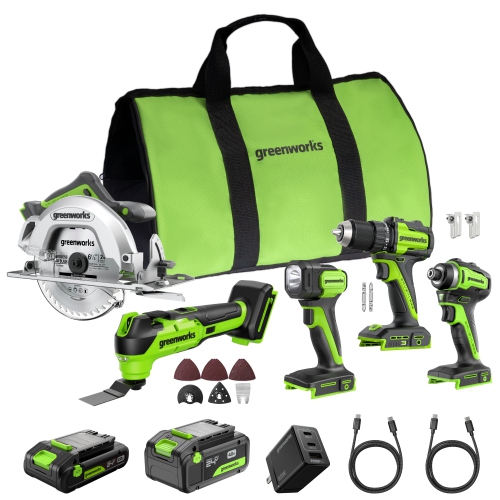 Your price for this item is $529.99
-
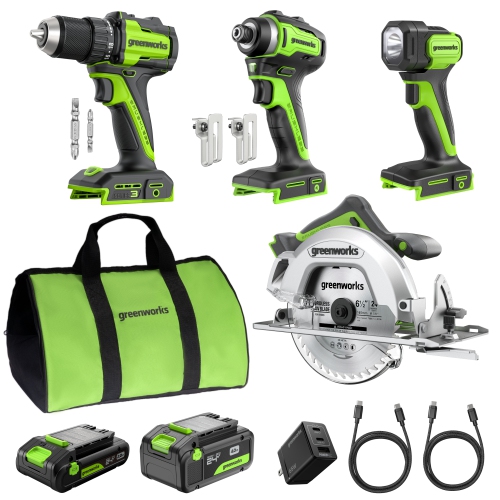 Your price for this item is $399.99
-
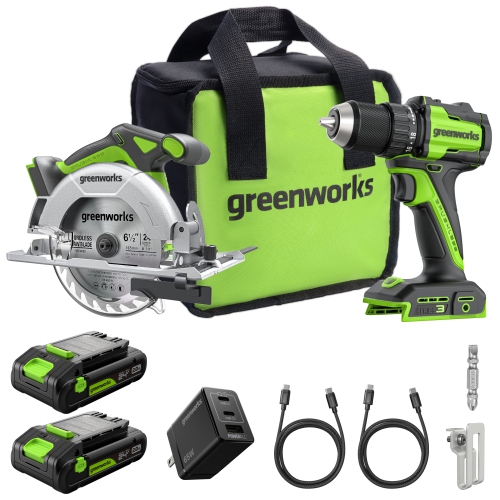 Your price for this item is $329.99
-
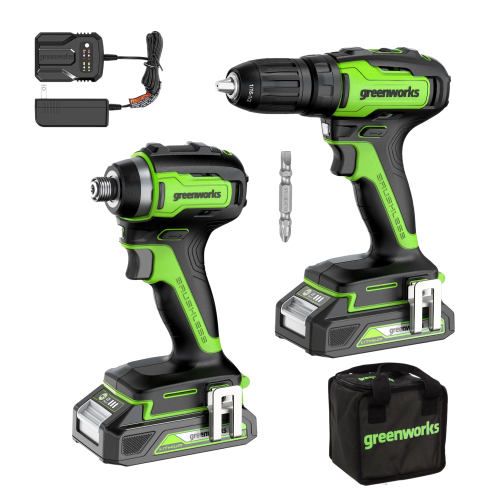 Your price for this item is $199.99
-
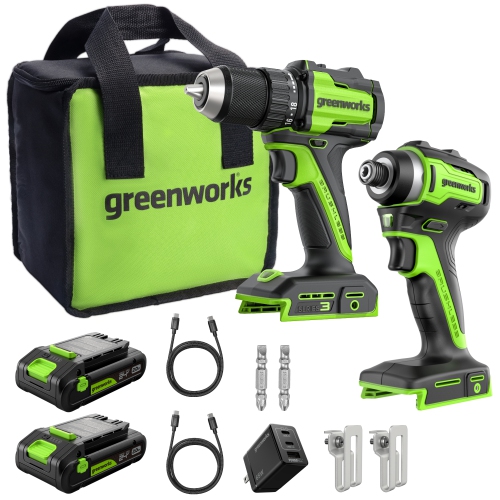 Your price for this item is $255.99
-
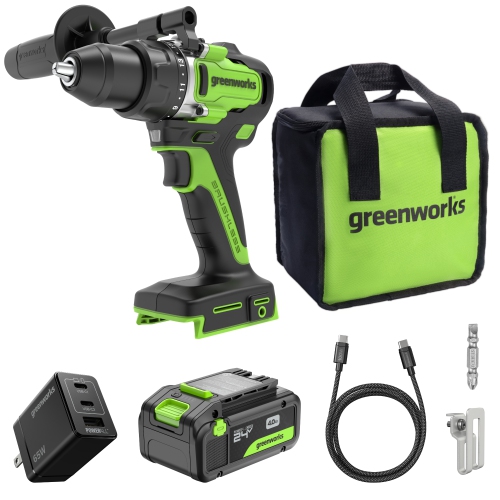 Your price for this item is $189.99
Discover more categories related to Advanced Drills
Top Collections:
Pokemon Centers, Best Budget Office Chairs, Kindle Devices, Best Cameras for Sports Photography, Pokémon 30th Celebration Cards, Best Laptops for Writers, Apple iPhones 16, Laptops for Business Work, Canon G7X Cameras, iPhone 15 Apple
Some products may be subject to Environmental Handling Fees
(EHF) depending on your province.
Learn more about EHFs.