Affordable Coffee Tables
Looking to add a stylish and functional centerpiece to your living room without breaking the bank? Look no further than our selection of affordable coffee tables. Whether you prefer a sleek and modern design or a more rustic and traditional look, we have many options to suit any taste and budget. These coffee tables not only provide a convenient surface for your morning cup of joe but also offer additional storage space for books, magazines, and other living room essentials. Upgrade your living space with one of these affordable coffee tables and create the perfect gathering spot for family and friends.
Sort
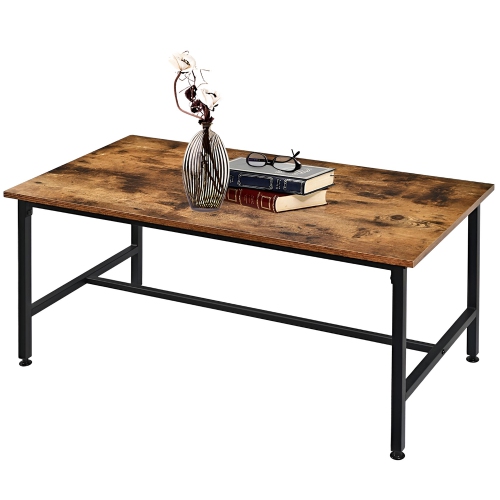
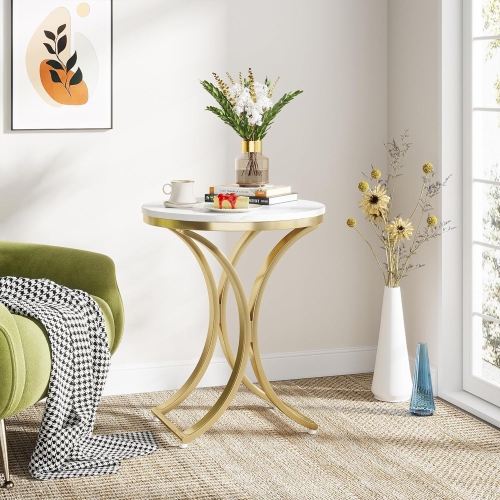
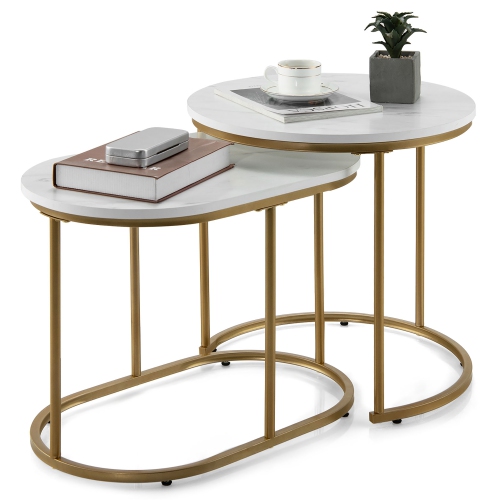
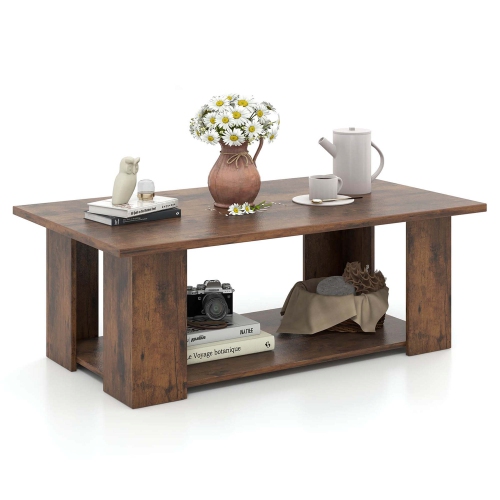

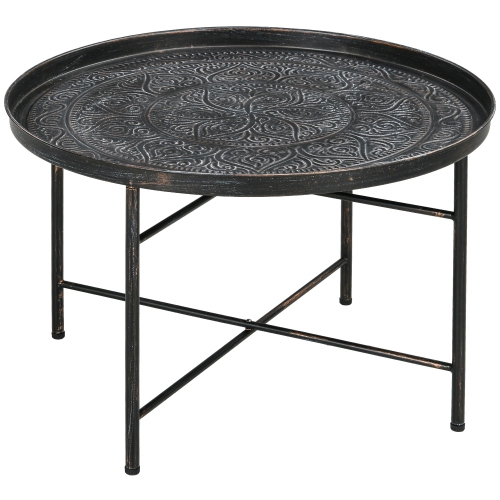
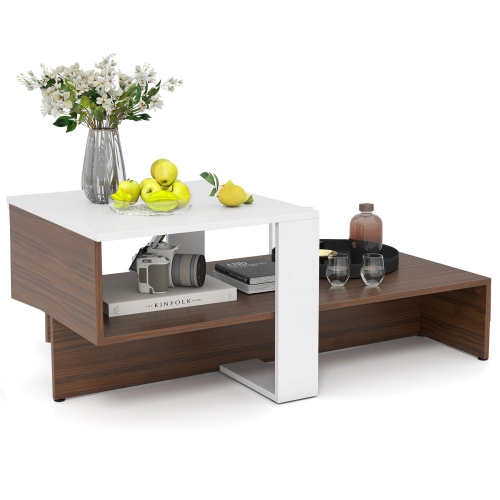
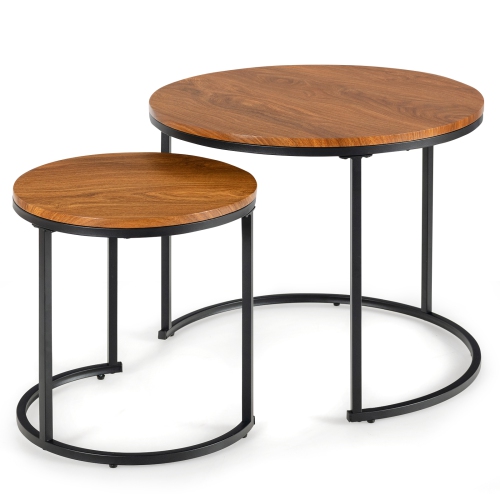
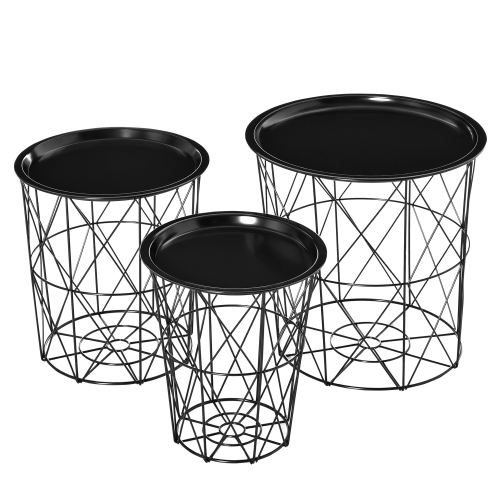
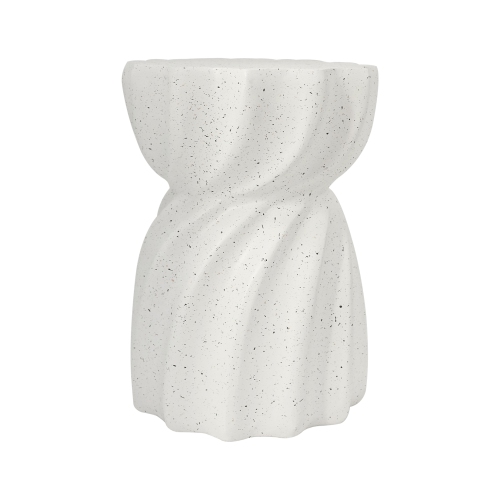
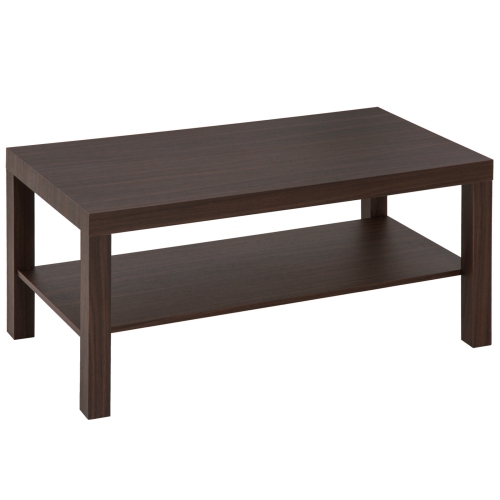
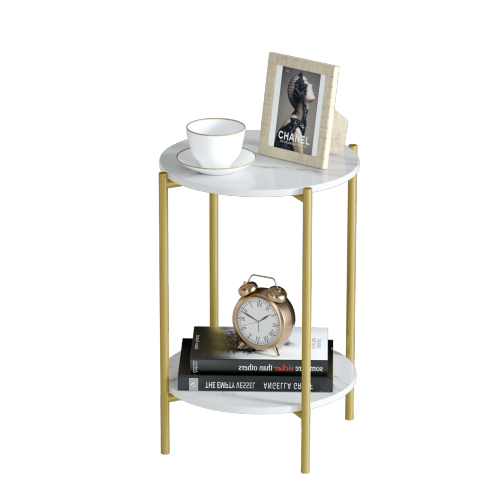
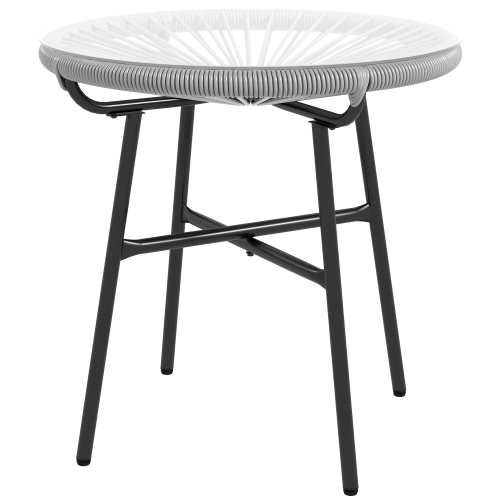
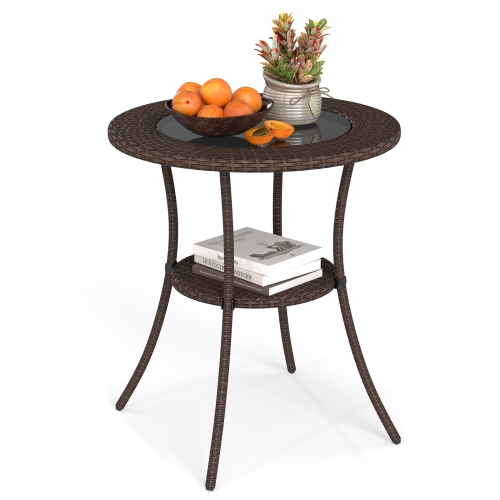
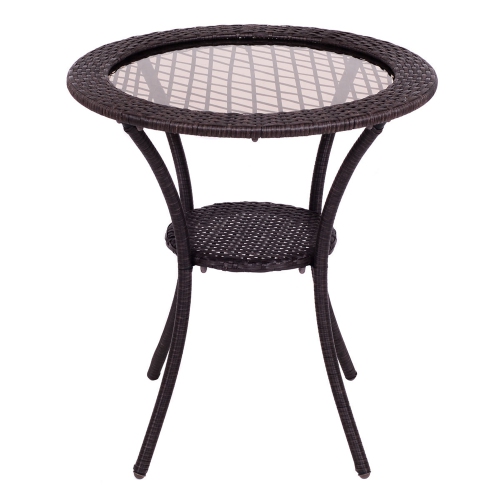
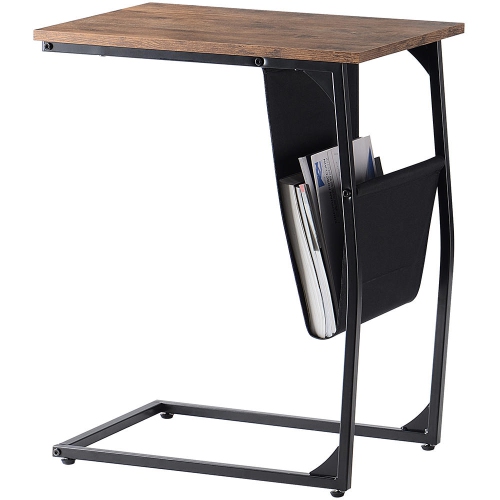
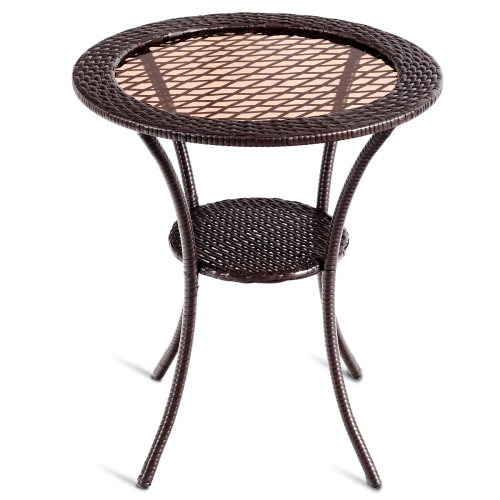

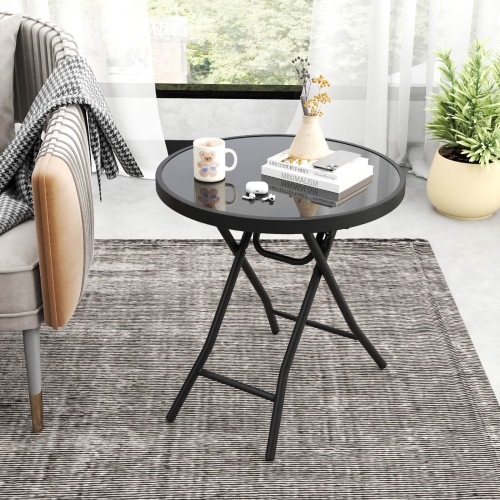

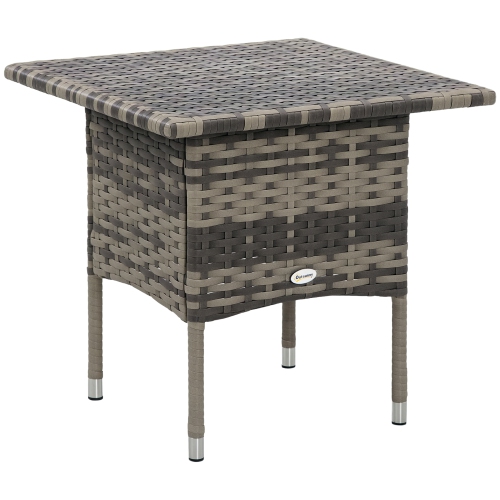

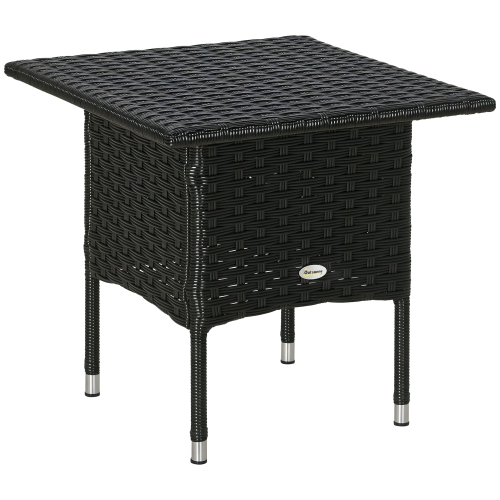
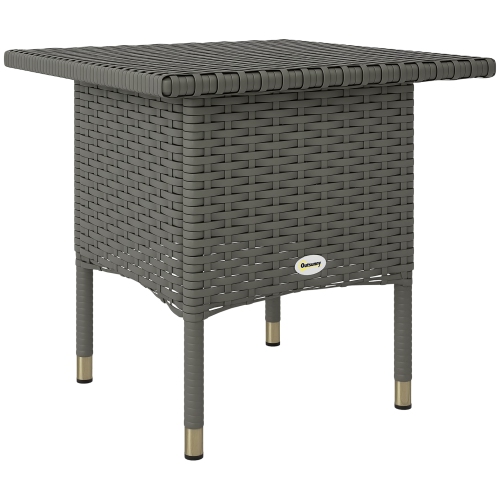
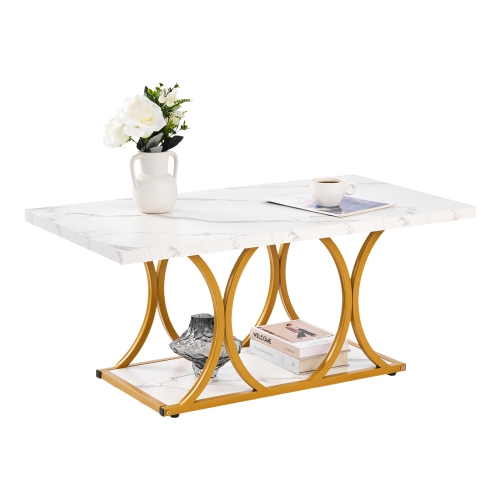
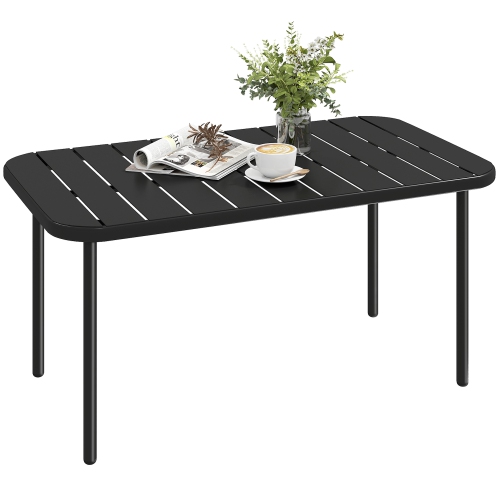
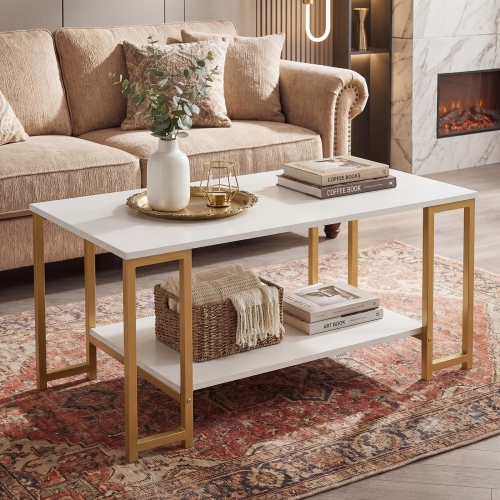
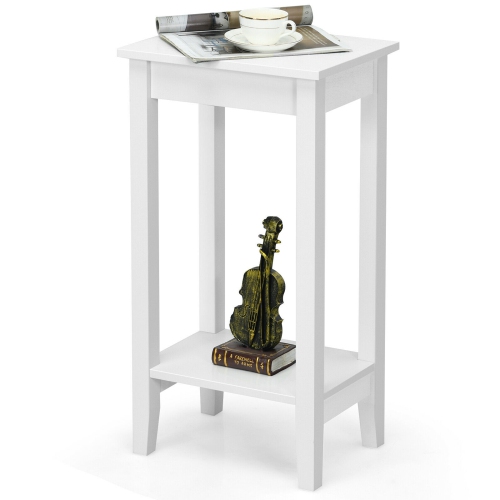
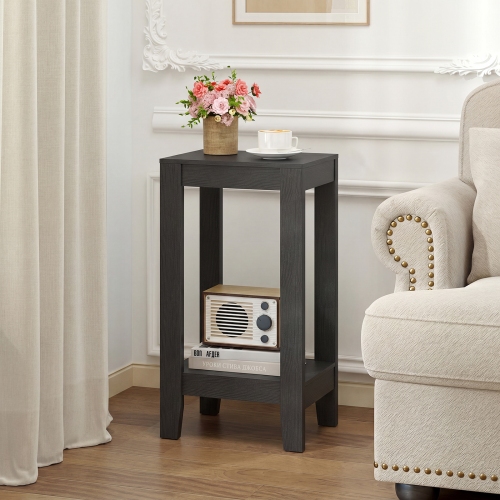
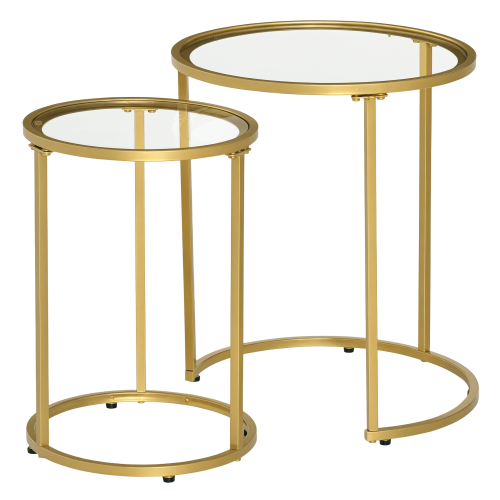
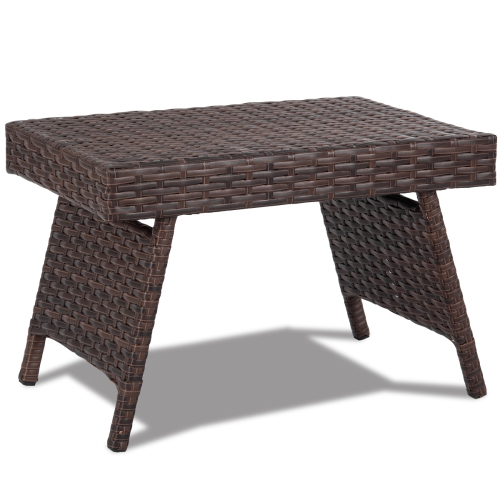
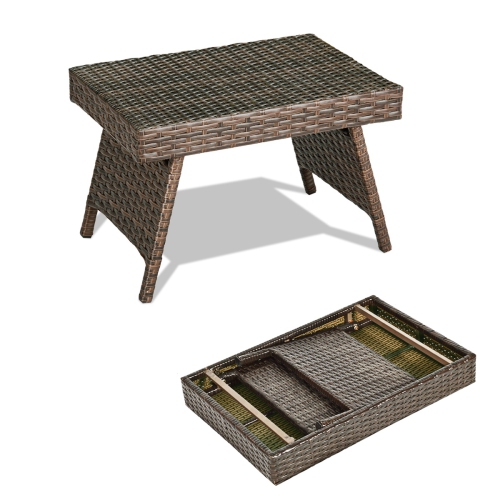
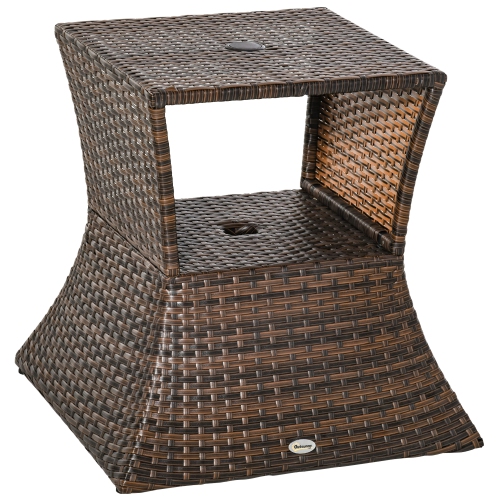

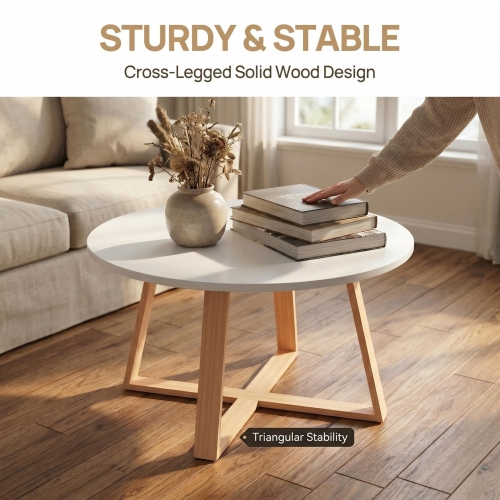
Coffee tables that do more than hold drinks
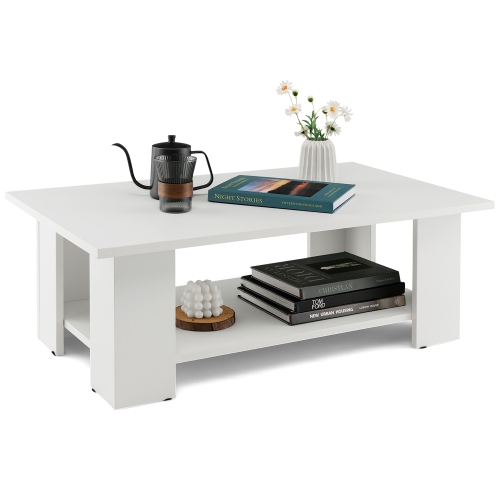
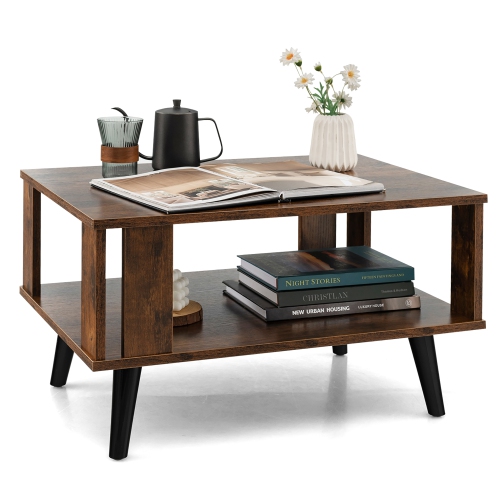
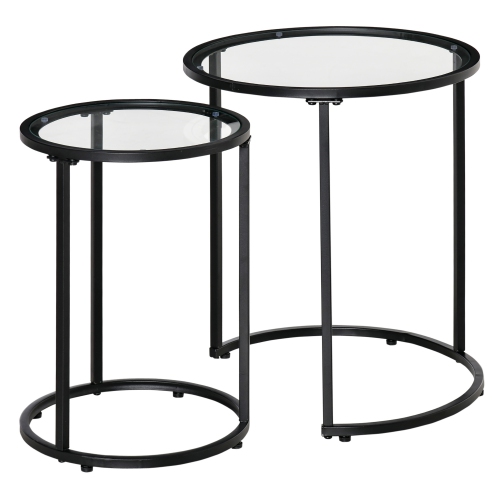
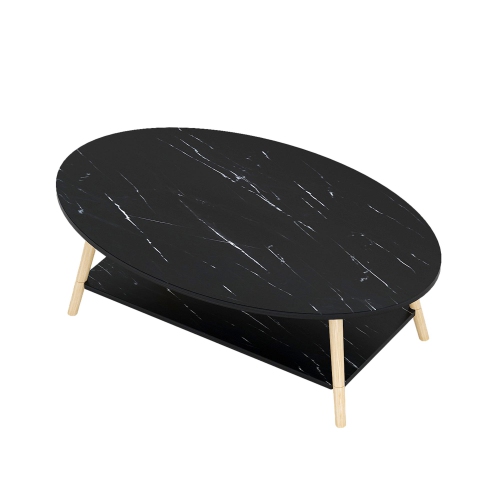
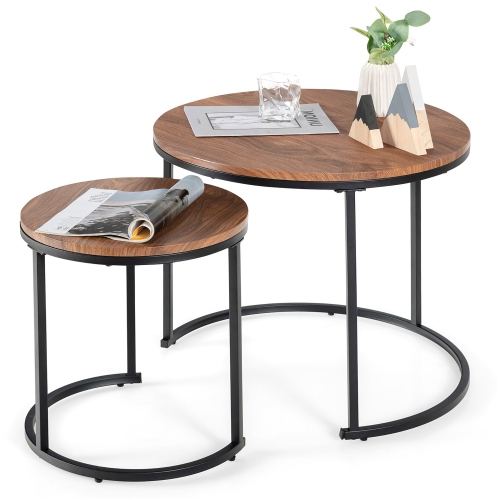
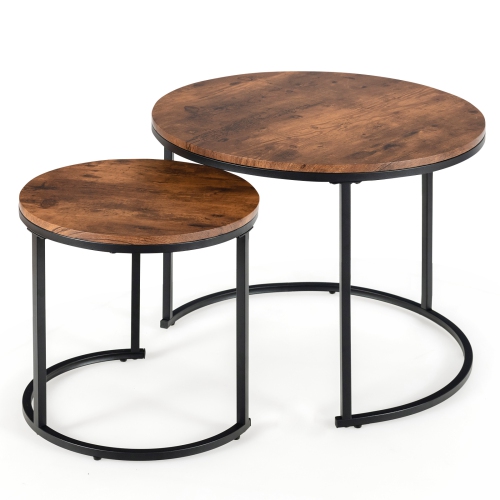
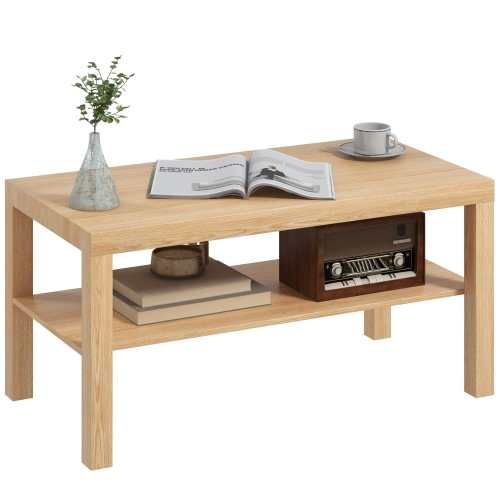
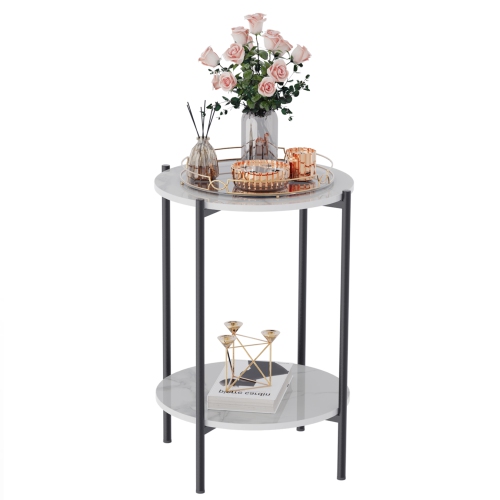
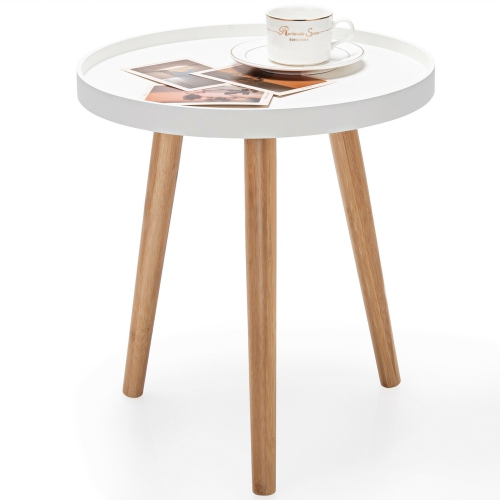
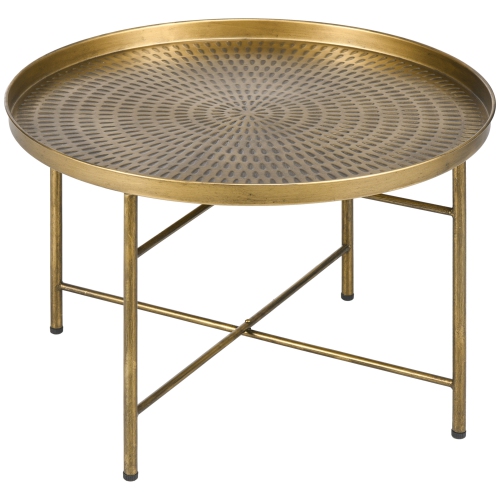
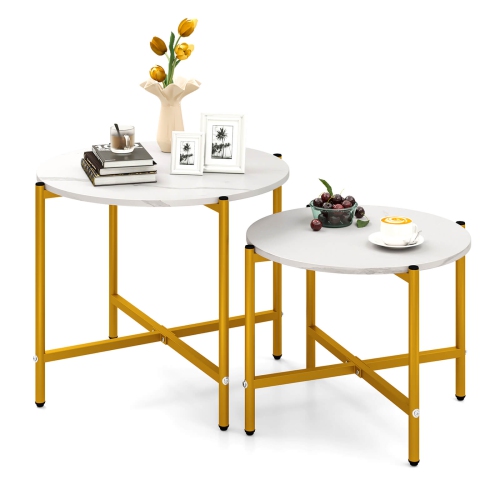
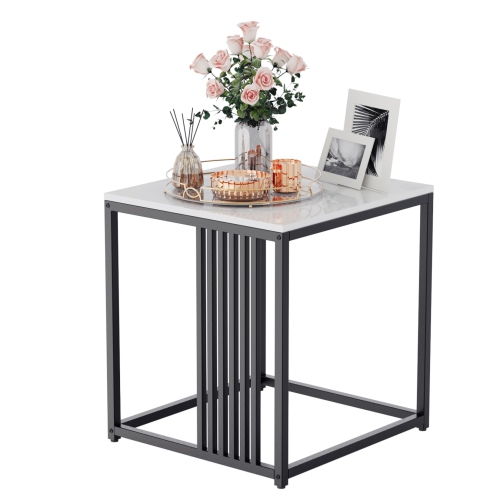
Affordable coffee tables bring a useful surface to the centre of a seating area, with shapes, materials, and storage features suited to everyday living. A coffee table gives mugs, reading glasses, and remote controls a place within reach, but its role often extends beyond holding a drink. It can anchor a sofa and armchair arrangement, keep a small living room organized, or provide room for a board game without taking over the space. The most useful design depends on how that room is used. A simple open-frame table leaves space beneath the top and can make a compact seating area feel less crowded, while a table with drawers keeps charging cables and other small belongings out of sight. A lower shelf offers an accessible spot for books or a basket, freeing the top for snacks and conversation. Lift-top designs can bring the surface closer for occasional laptop use or a casual meal, although the raised height, lifting mechanism, and clearance deserve attention. Nesting tables offer another approach: separate surfaces can be spread around the seating area when needed, then tucked together afterwards. For a first apartment, a shared home, or a smaller den, those practical differences often matter more than decorative details. A coffee table may also make a thoughtful housewarming gift when the recipient’s room measurements and furniture preferences are known; otherwise, a larger furnishing can be difficult to accommodate. Appearance still matters, especially for a piece that sits in the middle of the room. Pale wood tones can soften dark upholstery, black frames can connect with nearby shelving, and a simple neutral finish can work with changing cushions or rugs. The table does not need to match every other piece of furniture exactly. Repeating one colour, material, or shape is often enough to create a coherent arrangement. For another perspective on styles and everyday features, Best Coffee Tables offers a related collection to explore.
Size and shape determine whether a coffee table feels comfortable in daily use. A common starting point is a table roughly two-thirds the length of the sofa, with a top close to the height of the seat cushions or slightly lower. These proportions are useful reference points rather than fixed rules: a deep sectional, low lounge sofa, or pair of compact armchairs may call for a different arrangement. Leaving approximately 16 to 18 inches between the sofa and table generally provides room for legs while keeping drinks within reach. Main walking routes need more clearance, particularly where people pass between the seating area and a doorway. Marking the table’s footprint on the floor with removable tape can reveal whether a corner interrupts a natural path or whether an open drawer would crowd the sofa. Rectangular coffee tables tend to suit longer sofas, while square shapes can fill the space inside some sectional arrangements. Round and oval tables remove projecting corners and can ease movement through tighter layouts, though rounded edges alone do not make furniture childproof. In homes with young children, stability, edge profiles, and secure moving parts warrant extra consideration. A table with widely spaced legs may feel steady, but the full base design and the manufacturer’s weight limits are more useful than appearance alone. Glass tops can create an airy look, yet their edges may be harder to notice in some settings, and transparent surfaces leave anything stored underneath visible. For a room that doubles as a play area or exercise space, a manageable table weight can make rearranging easier. Check whether a nesting set fits fully underneath itself and whether a lift-top extends towards the sofa or away from it. A lower shelf should also have enough clearance for the belongings it will hold. These details help distinguish a table that merely fits the floor plan from one that works comfortably with the people, seating, and routines around it.
Materials and construction influence a coffee table’s feel, upkeep, and ability to handle repeated use. Solid wood brings natural grain variation and can develop visible character over time, but its resistance to dents and moisture depends on the wood species and finish. Wood veneer provides a thin layer of real wood over a supporting core; its appearance and care needs differ from those of a printed wood-look surface, and sanding may not be appropriate. Engineered wood with a laminate or melamine finish can offer a consistent appearance and straightforward wiping, although standing liquid can damage seams or exposed edges. A metal frame may provide a slim profile, while its coating, joints, and contact points affect how it holds up to knocks and regular movement. Glass is easy to see through and wipe clean, but fingerprints, dust, and cup rings can be conspicuous. Where glass is used, check the product details for its type, thickness, care requirements, and load limits rather than assuming all tops perform alike. Durability also comes from less visible details: firmly secured legs, well-supported shelves, smooth drawer runners, and lift mechanisms designed for the stated use. Assembly instructions should be followed carefully, with hardware checked periodically where recommended. A coffee table is not a seat or step unless the manufacturer expressly identifies it for that purpose. Everyday care is usually most effective when it is simple and consistent. Coasters help protect finishes from condensation, a suitable mat can separate warm serving dishes from the surface, and prompt attention to spills reduces the chance of staining or swelling. Use cleaning methods appropriate to the finish, and avoid abrasive pads or strong cleaners unless approved by the manufacturer. Felt pads can help protect compatible hard flooring when fitted correctly and kept free of grit. An open base makes it easier to reach underneath with a vacuum, whereas enclosed storage can reduce visible clutter but needs occasional sorting. For affordable coffee tables, useful proportions, dependable construction, and manageable care are lasting priorities. A well-suited table leaves room to move, keeps everyday belongings close, and supports the way the living room is actually used.
Size and shape determine whether a coffee table feels comfortable in daily use. A common starting point is a table roughly two-thirds the length of the sofa, with a top close to the height of the seat cushions or slightly lower. These proportions are useful reference points rather than fixed rules: a deep sectional, low lounge sofa, or pair of compact armchairs may call for a different arrangement. Leaving approximately 16 to 18 inches between the sofa and table generally provides room for legs while keeping drinks within reach. Main walking routes need more clearance, particularly where people pass between the seating area and a doorway. Marking the table’s footprint on the floor with removable tape can reveal whether a corner interrupts a natural path or whether an open drawer would crowd the sofa. Rectangular coffee tables tend to suit longer sofas, while square shapes can fill the space inside some sectional arrangements. Round and oval tables remove projecting corners and can ease movement through tighter layouts, though rounded edges alone do not make furniture childproof. In homes with young children, stability, edge profiles, and secure moving parts warrant extra consideration. A table with widely spaced legs may feel steady, but the full base design and the manufacturer’s weight limits are more useful than appearance alone. Glass tops can create an airy look, yet their edges may be harder to notice in some settings, and transparent surfaces leave anything stored underneath visible. For a room that doubles as a play area or exercise space, a manageable table weight can make rearranging easier. Check whether a nesting set fits fully underneath itself and whether a lift-top extends towards the sofa or away from it. A lower shelf should also have enough clearance for the belongings it will hold. These details help distinguish a table that merely fits the floor plan from one that works comfortably with the people, seating, and routines around it.
Materials and construction influence a coffee table’s feel, upkeep, and ability to handle repeated use. Solid wood brings natural grain variation and can develop visible character over time, but its resistance to dents and moisture depends on the wood species and finish. Wood veneer provides a thin layer of real wood over a supporting core; its appearance and care needs differ from those of a printed wood-look surface, and sanding may not be appropriate. Engineered wood with a laminate or melamine finish can offer a consistent appearance and straightforward wiping, although standing liquid can damage seams or exposed edges. A metal frame may provide a slim profile, while its coating, joints, and contact points affect how it holds up to knocks and regular movement. Glass is easy to see through and wipe clean, but fingerprints, dust, and cup rings can be conspicuous. Where glass is used, check the product details for its type, thickness, care requirements, and load limits rather than assuming all tops perform alike. Durability also comes from less visible details: firmly secured legs, well-supported shelves, smooth drawer runners, and lift mechanisms designed for the stated use. Assembly instructions should be followed carefully, with hardware checked periodically where recommended. A coffee table is not a seat or step unless the manufacturer expressly identifies it for that purpose. Everyday care is usually most effective when it is simple and consistent. Coasters help protect finishes from condensation, a suitable mat can separate warm serving dishes from the surface, and prompt attention to spills reduces the chance of staining or swelling. Use cleaning methods appropriate to the finish, and avoid abrasive pads or strong cleaners unless approved by the manufacturer. Felt pads can help protect compatible hard flooring when fitted correctly and kept free of grit. An open base makes it easier to reach underneath with a vacuum, whereas enclosed storage can reduce visible clutter but needs occasional sorting. For affordable coffee tables, useful proportions, dependable construction, and manageable care are lasting priorities. A well-suited table leaves room to move, keeps everyday belongings close, and supports the way the living room is actually used.
Top selling and popular products
-
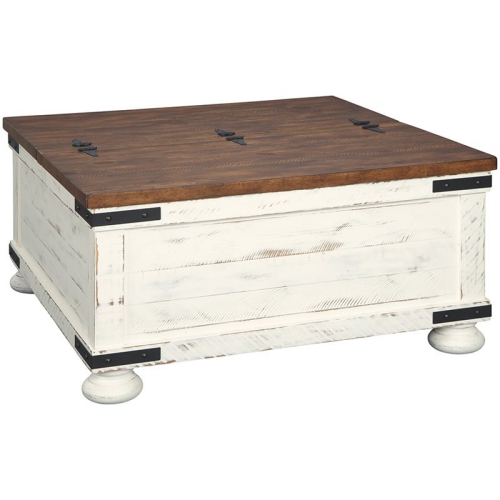 Your price for this item is $1031.75
 -
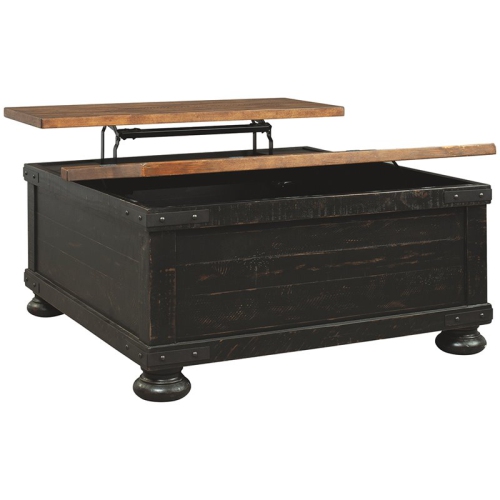 Your price for this item is $1072.64
 -
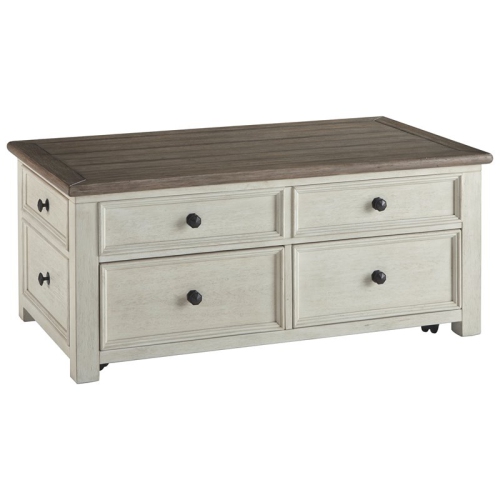 Your price for this item is $949
 -
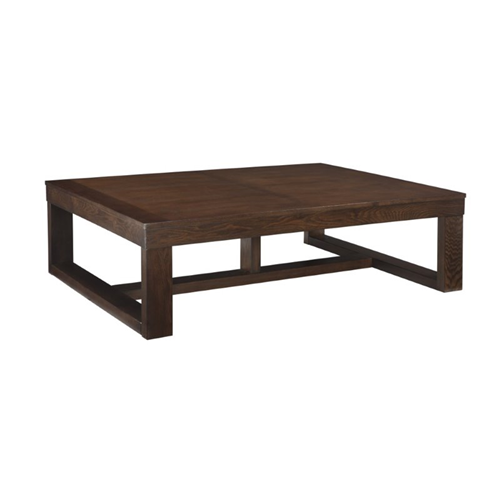 Your price for this item is $449
 -
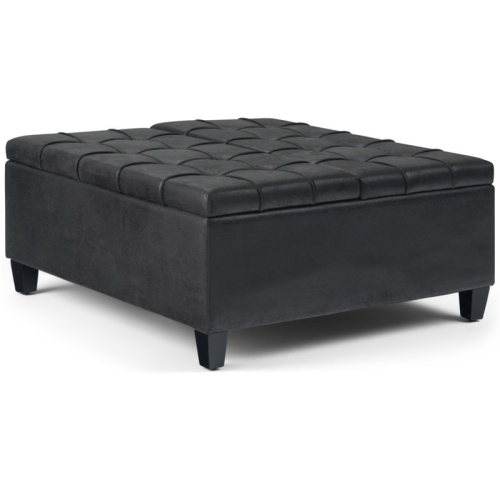 Your price for this item is $1044.6
 -
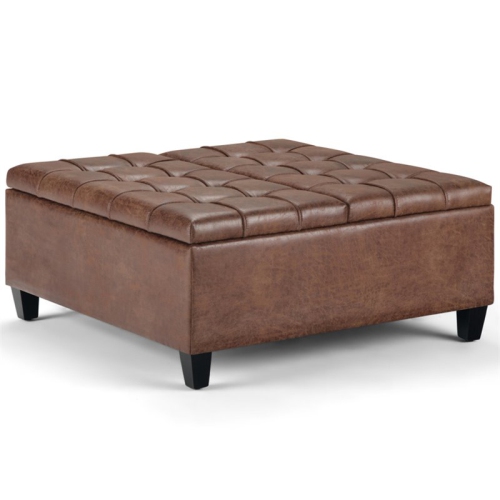 Your price for this item is $1013.86
 -
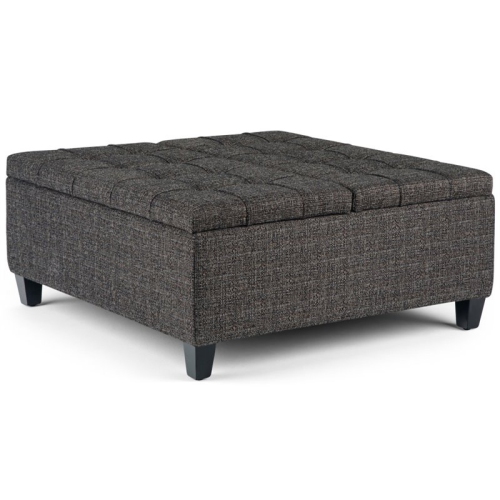 Your price for this item is $1021.28
 -
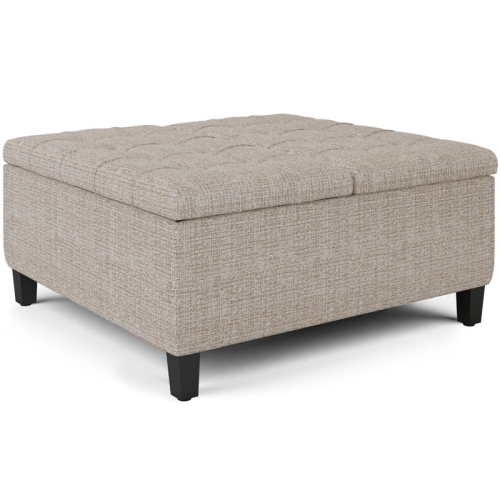 Your price for this item is $1023.68
Discover more categories related to Affordable Coffee Tables
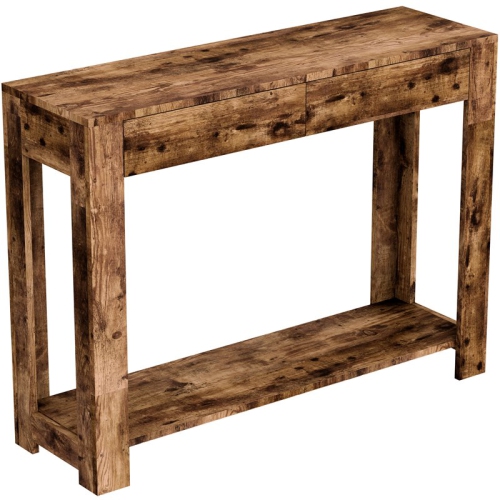
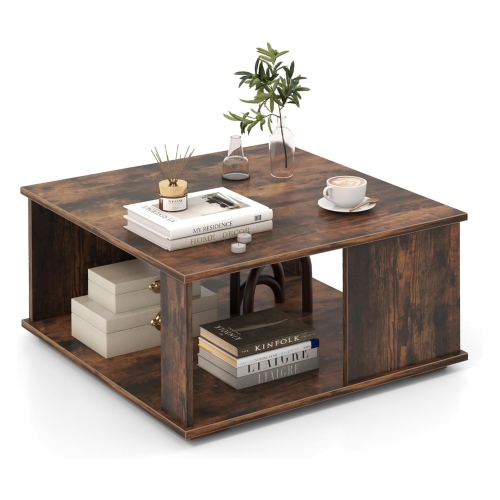
Top Collections:
Pokemon Centers, Kindle Devices, Best Budget Office Chairs, Apple iPhones 16, Canon G7X Cameras, iPhone 15 Apple, Alarm Clock, Refurbished Apple Laptops, Flip Phones, Best Laptops for Writers
Some products may be subject to Environmental Handling Fees
(EHF) depending on your province.
Learn more about EHFs.