Affordable Living Room Rugs
Transform your space with affordable living room rugs that add comfort and style without stretching your budget. Whether you’re refreshing your décor or completing a new look, finding the right rug can make all the difference. Explore a wide selection of sizes, colors, and patterns designed to suit any taste and complement your furniture. With so many options available, it’s easy to discover affordable living room rugs that help create a cozy and inviting atmosphere for family and guests alike.
Sort
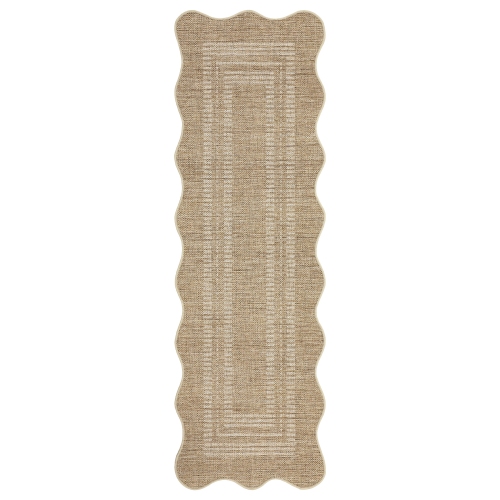
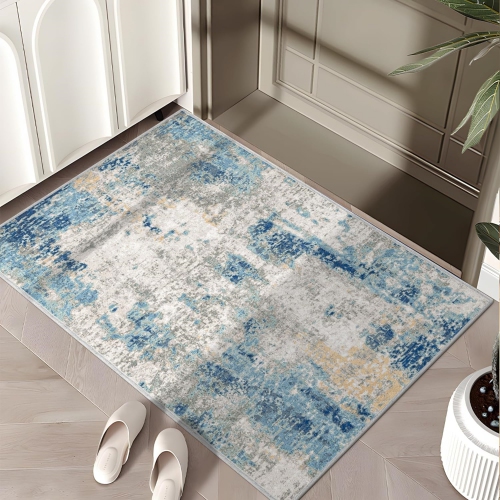
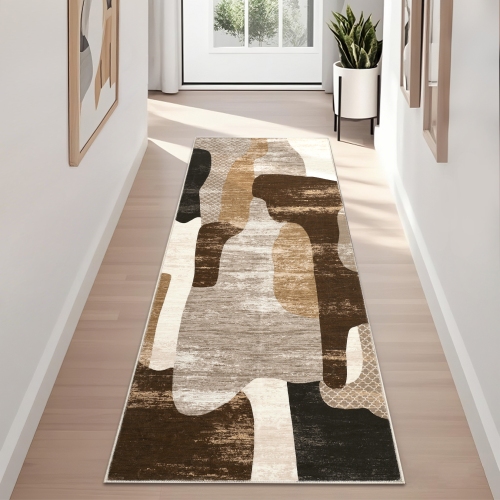
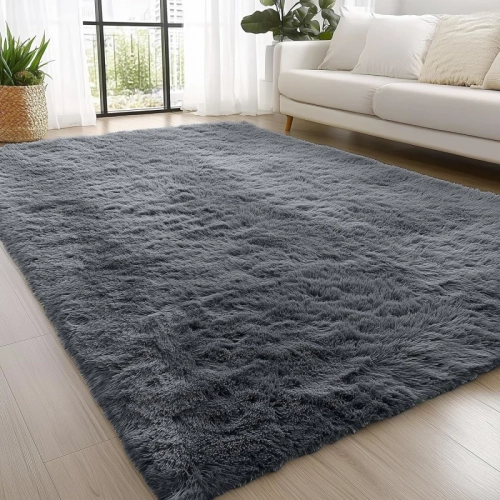
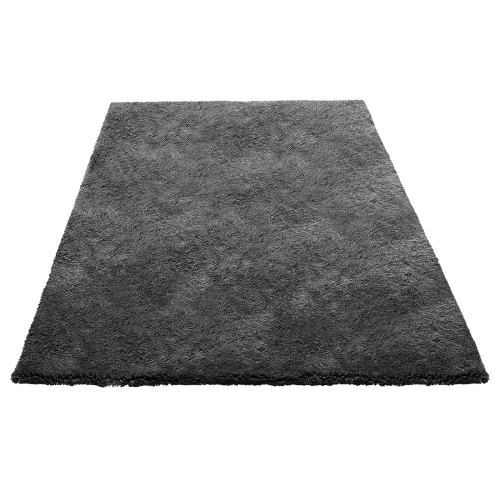
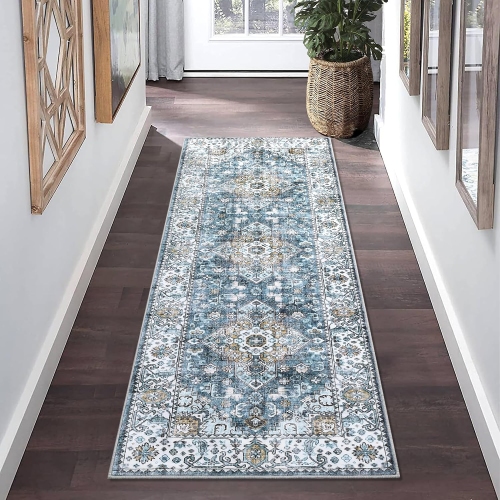
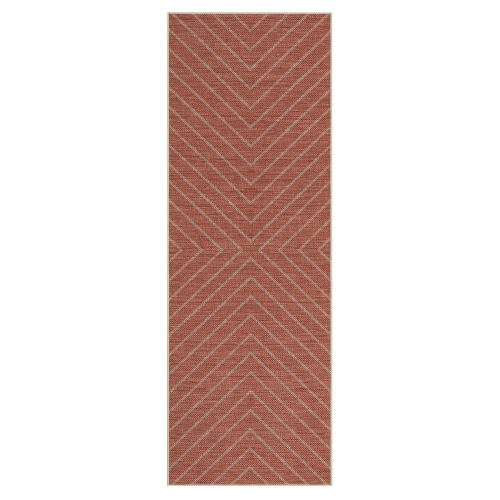
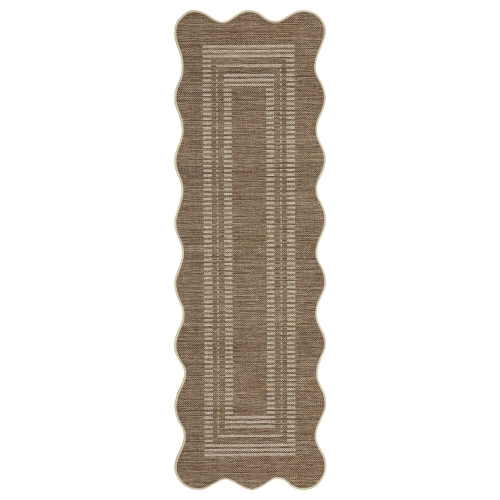
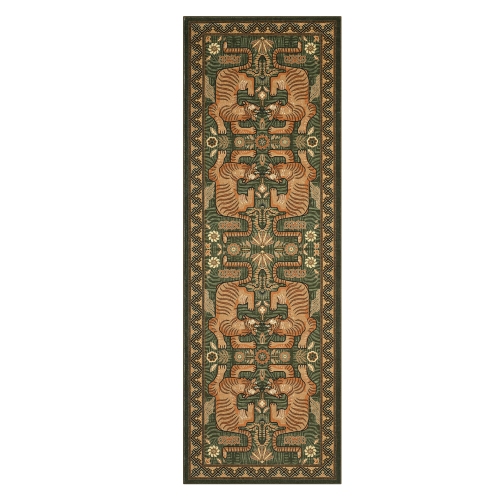
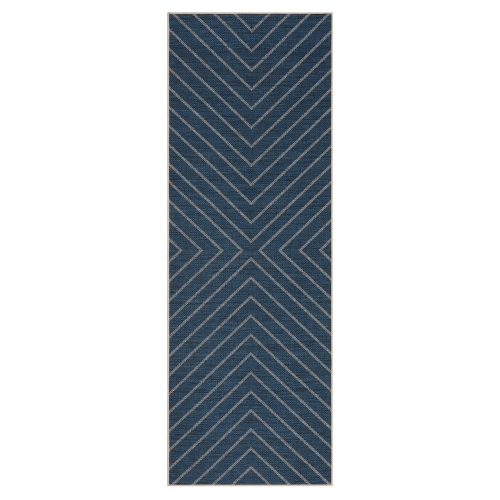
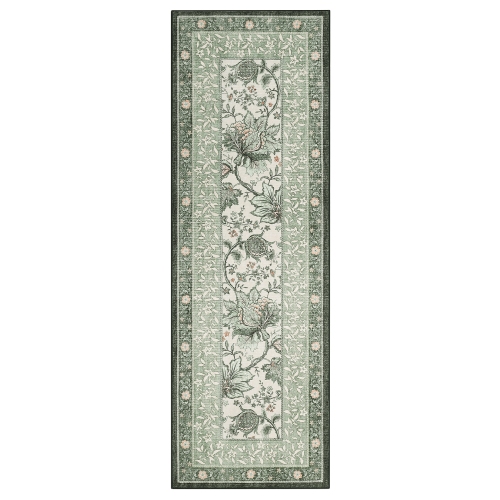
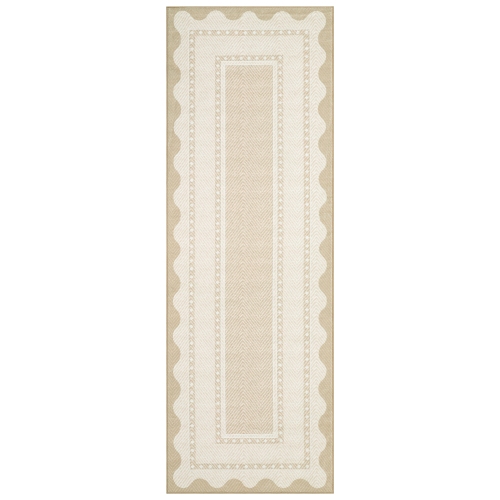
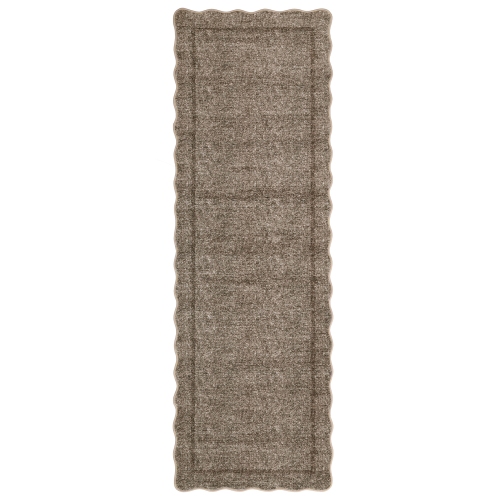
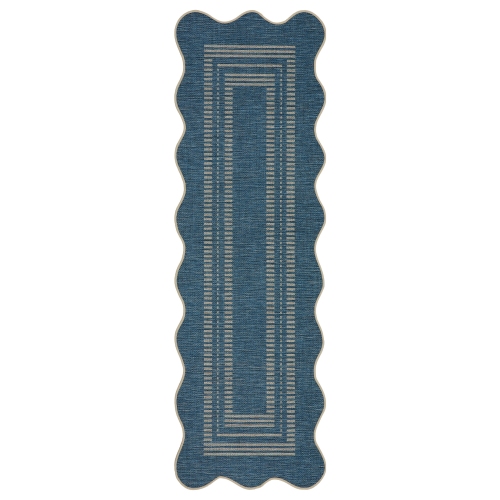
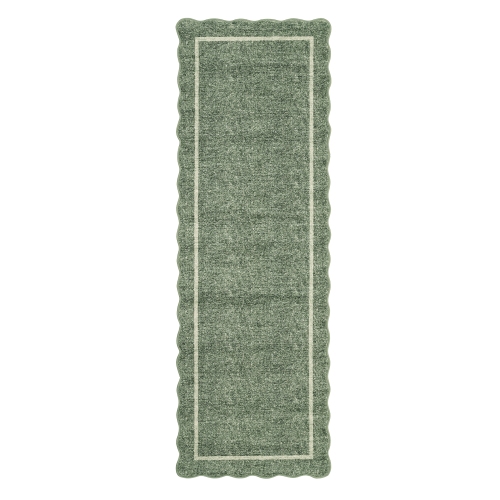
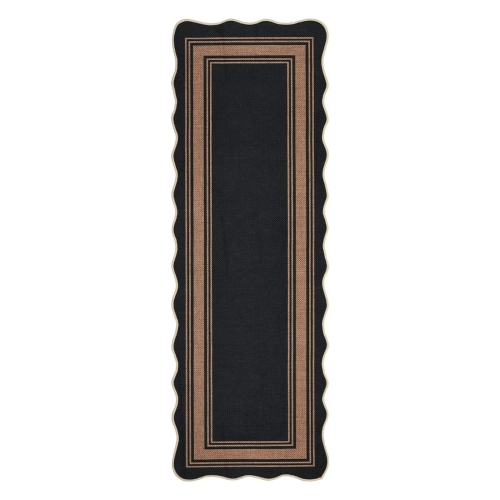
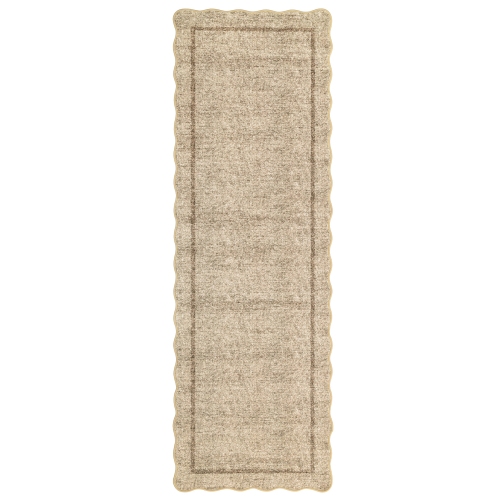
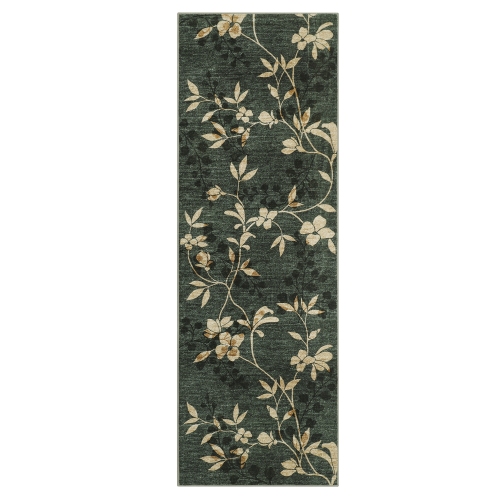
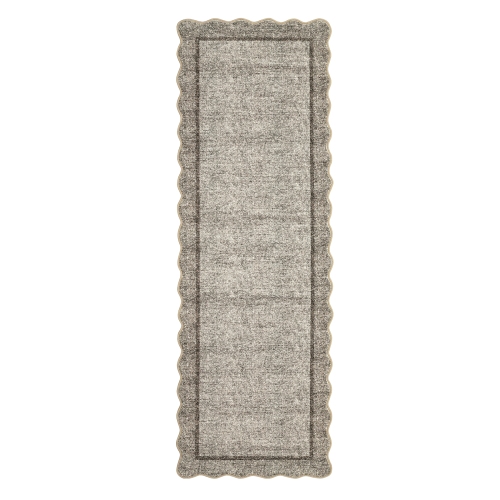
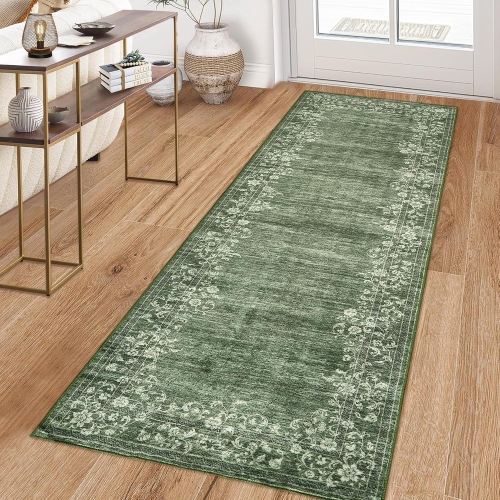
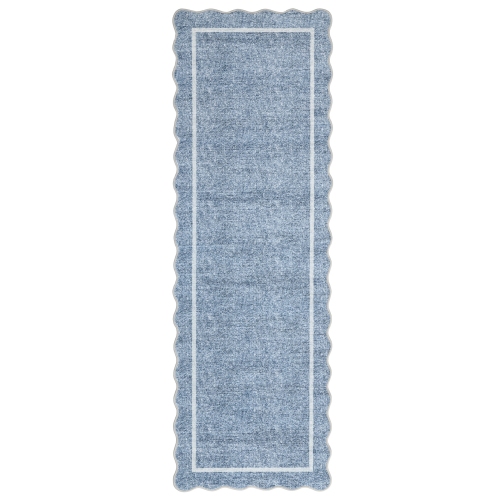
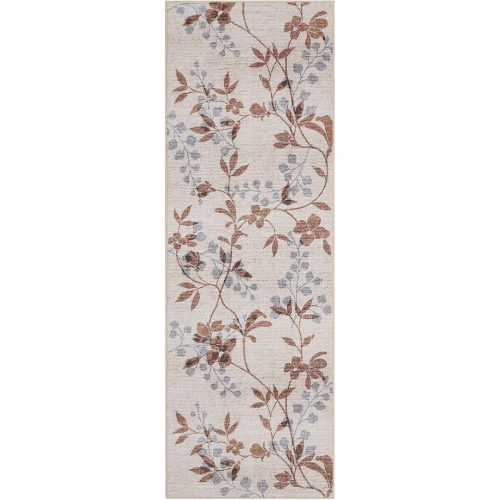
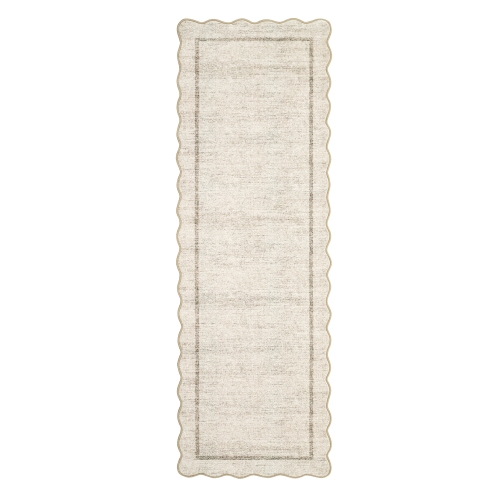
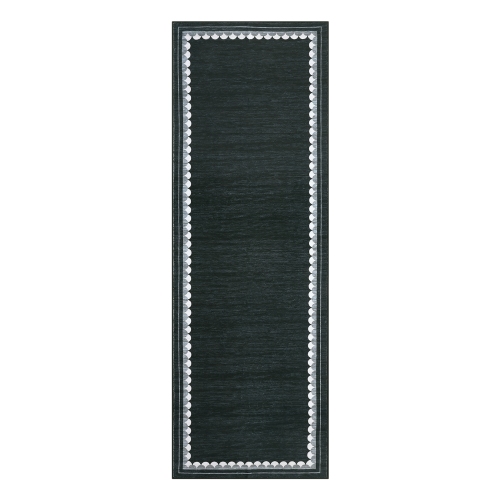
A well-sized rug brings your seating area together
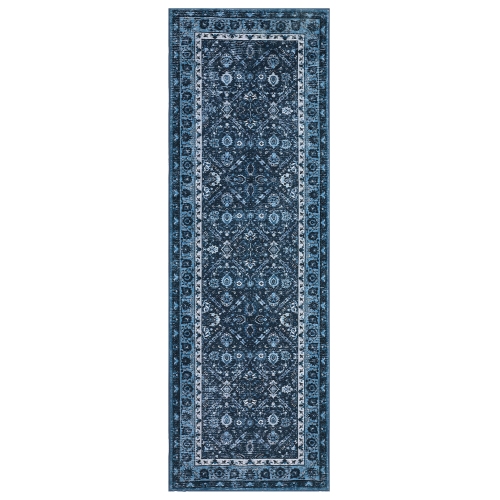
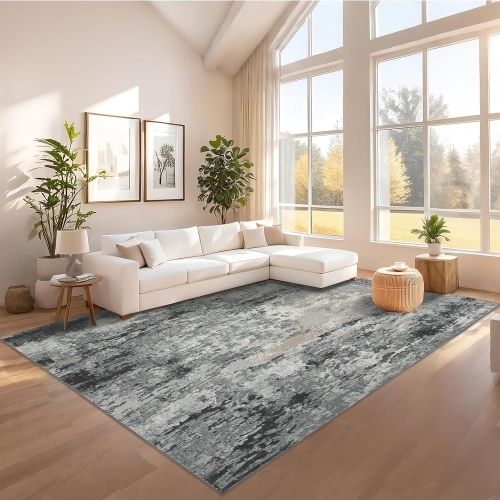
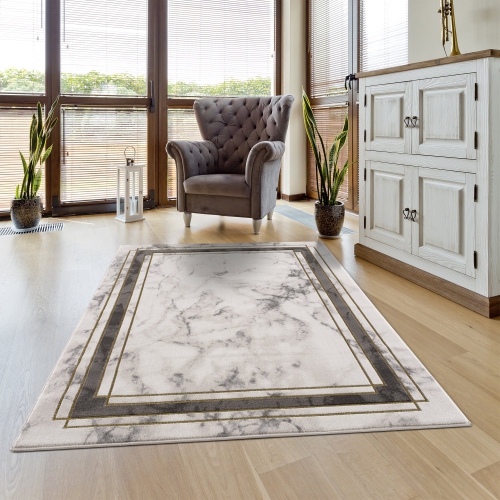
Affordable living room rugs help define a seating area, soften hard flooring, and bring colour or texture into a room without changing its main furniture. Common styles include flatweave, low-pile, and plush designs, as well as rugs labelled machine-washable, with suitability depending on their materials, dimensions, and care requirements. In an open-concept home, a rug creates a visual boundary between the sofa grouping and an adjoining dining space. In a smaller apartment, it can make a loveseat, armchair, and coffee table feel like one considered arrangement rather than separate pieces. Fit matters as much as the pattern. A rug that accommodates the front legs of the sofa and nearby chairs usually gives the seating area a more connected appearance than one sitting entirely beneath the coffee table. A smaller rug can still work well where the intention is to highlight a reading chair or furnish a compact nook. Common dimensions such as 5 by 7 feet, 8 by 10 feet, and 9 by 12 feet offer useful starting points, but the actual furniture footprint should determine the size. Marking the proposed edges with removable tape helps show whether the rug will reach the seating, leave comfortable walking paths, and stay clear of door swings. Rectangular shapes suit many sofa arrangements, while round rugs can complement curved furniture or soften a room dominated by straight lines. Colour and pattern also affect how the space feels. Cream, taupe, and soft grey can provide a quiet background for colourful cushions or artwork, while terracotta, navy, or layered geometric patterns can give a neutral room a stronger focal point. Small repeating motifs and varied tones may make everyday lint or minor marks less noticeable than a completely plain surface. For adjoining spaces, the broader Affordable Rugs collection offers a way to explore a consistent palette without making every room look identical.
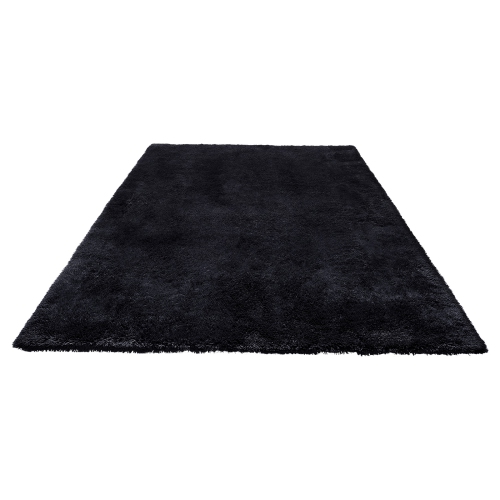
Material and construction influence how a living room rug feels, wears, and responds to cleaning. Polypropylene is a common synthetic fibre that generally resists moisture absorption and many water-based stains, although oily marks can be more difficult to remove. Polyester often provides a soft feel and clear colour, while nylon is known for resilience under repeated foot traffic. Performance still depends on the weave, fibre density, backing, and finishing, so the material name alone does not tell the whole story. Cotton rugs are often relatively lightweight and flexible, making some designs practical for smaller sitting areas or spaces where the rug needs to be moved regularly. Wool offers a springy texture and natural resilience, though shedding can occur, particularly when a rug is new, and its care requirements differ from those of many synthetic fibres. Blended constructions combine characteristics from more than one material; checking the fibre percentages helps clarify what to expect. Pile height is another useful distinction. Flatweave and low-pile rugs generally allow easier movement beneath a coffee table and can be simpler to vacuum than deep, shaggy surfaces. Plush rugs offer a cushioned feel for bare feet or sitting on the floor, but crumbs, pet hair, and small objects can settle farther into the pile. A busy room shared by children, pets, and frequent visitors may benefit from a closely woven surface with clearly stated cleaning instructions. A quieter sitting room may allow more emphasis on texture. Edges deserve attention as well: securely finished borders are useful in frequently crossed areas, while fringe can require extra care around vacuum brushes and curious pets. Backing should be suitable for the floor beneath it, particularly on hardwood, vinyl, or other surfaces with specific care restrictions. A compatible rug pad can help limit movement, add cushioning, and reduce friction, but its material should also be approved for the flooring. Keeping the pad slightly inside the rug’s edges helps it remain hidden and prevents an exposed ridge along a walking route.
Everyday care is easier when the rug’s maintenance requirements match the household routine. Machine-washable does not mean that every rug will fit a home washing machine, and some designs have a removable cover rather than a fully washable construction. The care label should identify what can be washed, the appropriate cycle, and whether air-drying or machine-drying is permitted. Size, wet weight, and appliance capacity all matter; forcing a bulky rug into a small drum can interfere with cleaning and strain the machine. For rugs that are not washable, regular vacuuming and prompt spot treatment are usually central to keeping the surface presentable. Vacuum settings should suit the construction, with particular care around loose fringe, looped fibres, and delicate edges. When a drink spills beside the sofa, blotting with a clean cloth rather than rubbing helps avoid pushing the liquid farther into the fibres. Any cleaning solution should be suitable for the material and tested in an inconspicuous area before broader use. The floor underneath also needs attention: allowing both the rug and flooring to dry fully before replacing the rug helps prevent trapped moisture. Occasional rotation can distribute wear from a favourite seat, a well-used path, or repeated exposure to direct sunlight. In homes with pets, a shorter pile may make loose hair easier to collect, while a secure placement helps reduce bunching when an animal runs through the room. For households where children play on the floor, a comfortable surface with a stable pad can make the seating area more inviting, provided the rug remains clear of doorways and other trip points. Texture also changes how furniture works within the room. A thick pile beneath a small side table may affect its stability, while a flatter surface can provide a firmer base. Whether the room serves as a place for conversation, film nights, reading, or everyday lounging, a well-proportioned rug with manageable care needs becomes part of how the space functions, not simply another decorative layer.
Top selling and popular products
-
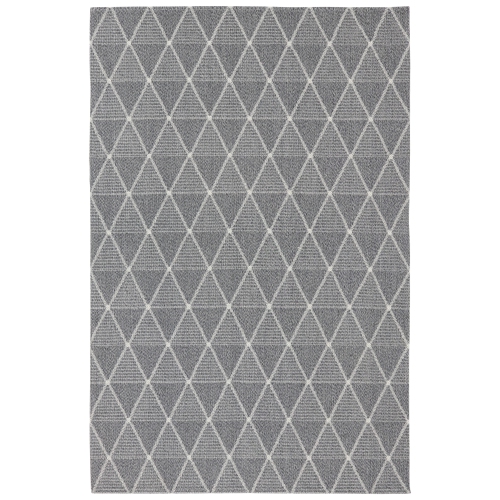 Your price for this item is $130.55
-
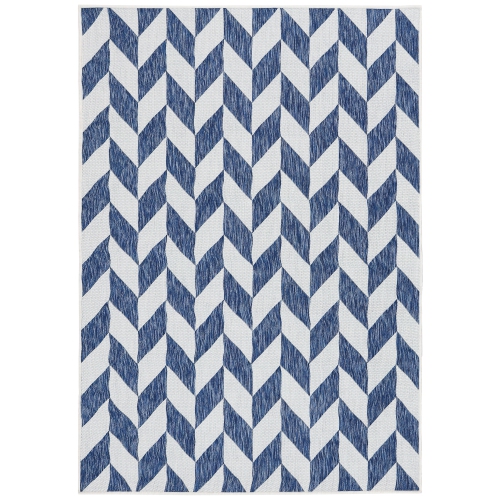 Your price for this item is $129.15
-
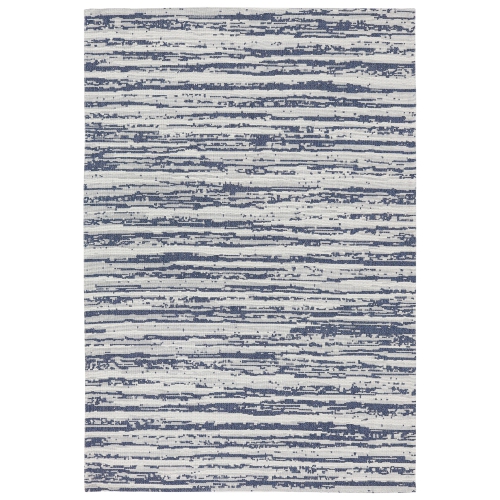 Your price for this item is $130.55
-
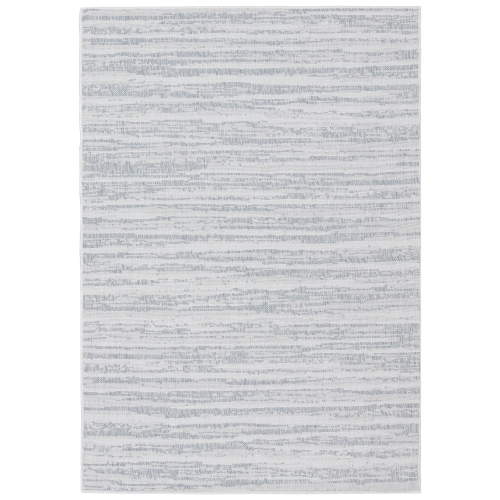 Your price for this item is $129.15
-
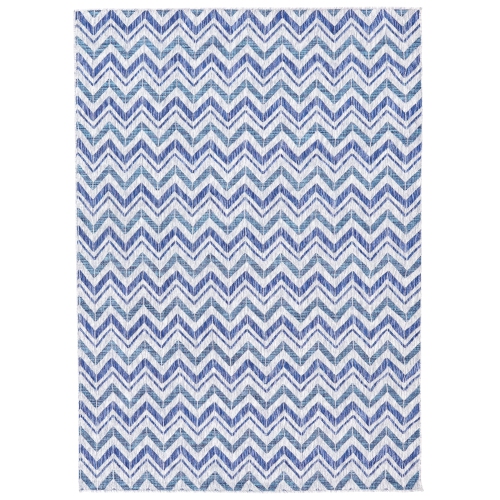 Your price for this item is $129.15
-
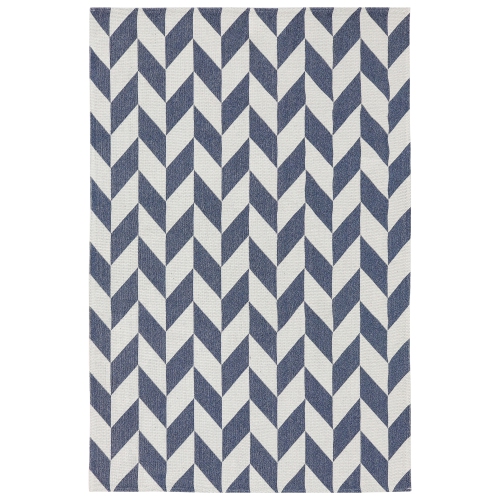 Your price for this item is $130.55
-
 Your price for this item is $144.99
-
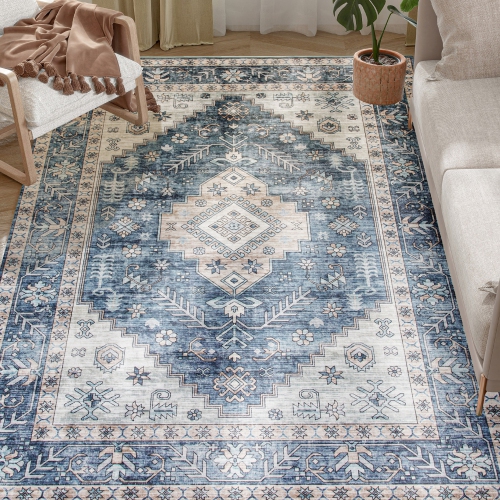 Your price for this item is $103.99
Discover more categories related to Affordable Living Room Rugs
Top Collections:
Best Black Friday Deals This Year, Best Black Friday Deals On Electronics, Kindle Devices, Dyson Airwrap, Best Cameras for Sports Photography, Best Budget Office Chairs, Canon G7X Cameras, PS5 Pro Consoles, Best Black Friday Deals On Apple Products, XBOX One S Consoles
Some products may be subject to Environmental Handling Fees
(EHF) depending on your province.
Learn more about EHFs.