Airplane Blankets
Stay cozy and comfortable during your travels with our selection of airplane blankets. Whether you're embarking on a quick domestic flight or a long-haul journey across the globe, having a soft and warm blanket can make all the difference in ensuring a relaxing and restful trip. From lightweight and compact options perfect for stashing in your carry-on to luxurious plush blankets for added comfort, our collection has something for every traveler. Explore our range of airplane blankets to find the perfect companion for your next adventure in the skies.
Sort
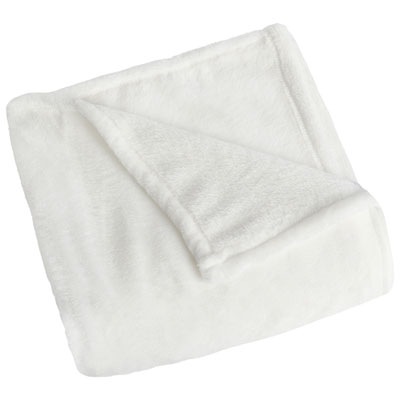


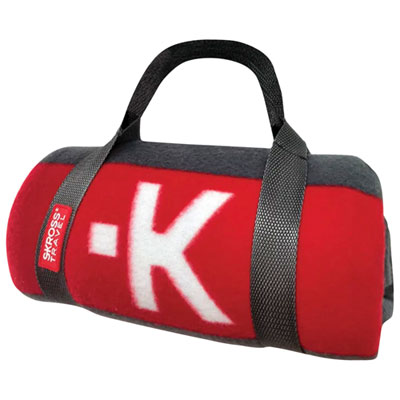
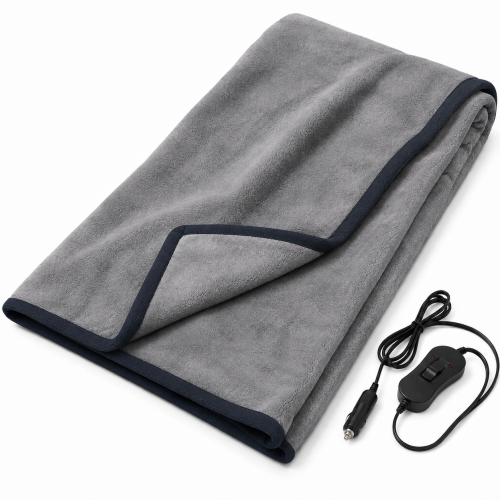


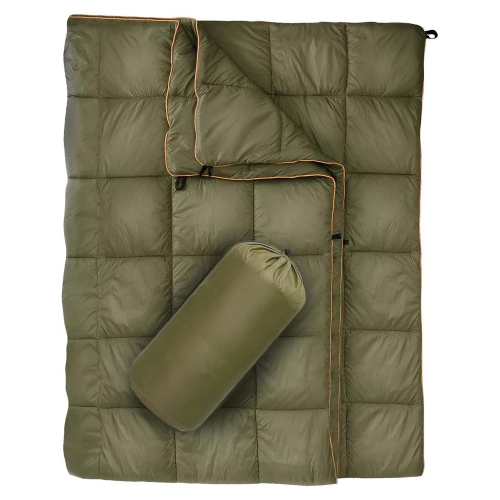
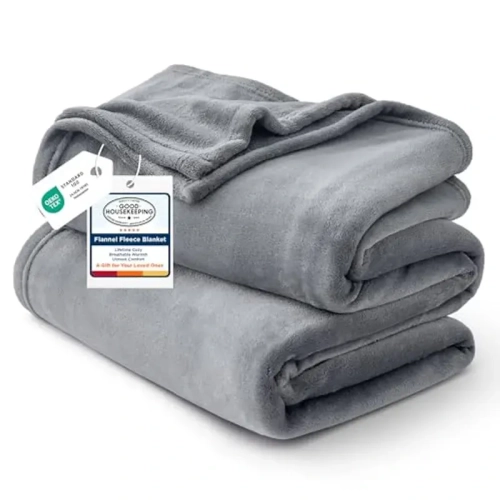
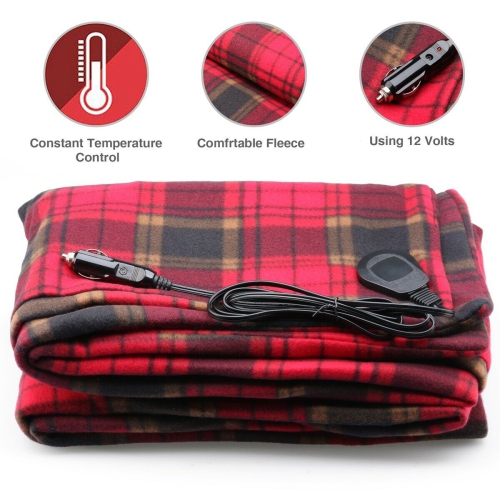

Cosy coverage that leaves room in your carry-on
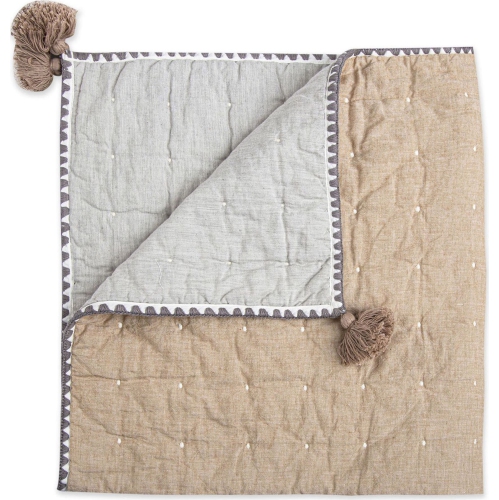
Airplane blankets are portable travel blankets designed to provide a comfortable layer during a flight without taking up the space of a full-size bed blanket. Their defining features are manageable weight, a compact packed shape, and enough coverage for resting in an upright seat. For someone settling into an overnight flight, reading beside the window, or travelling with a child who likes a familiar comfort from home, a dedicated blanket can make the seat feel more personal. Fabric is a useful starting point when comparing styles. Fleece typically offers a soft, lightly textured surface and folds easily, while plush microfibre has a smoother, sometimes velvety feel that suits travellers who prefer a cosy throw. These terms can describe different fabric constructions, so the fibre composition and care label give a clearer picture of what a blanket is made from. Cotton can appeal to those who prefer the feel of a natural fibre, although its weight and packed volume vary considerably with the weave. Lightweight quilted blankets use a shell and filling to create loft; their suitability for a carry-on depends on how readily that construction compresses. A deeply piled fabric may feel inviting across the lap but occupy more bag space than a thinner fleece, even when both have similar unfolded dimensions. Breathability, surface texture, and overall weight matter as much as softness, particularly when a blanket will sit against bare arms or cover the legs for several hours. Travellers who dislike slippery fabrics may prefer a brushed finish that stays more easily across the lap, while those sensitive to textured surfaces may favour a smoother weave. A personal flight blanket also offers familiarity: its feel, scent, and washing routine are already known before boarding. The most suitable choice balances that comfort with the practical realities of carrying, unfolding, and repacking it in a confined seat.
Size deserves attention in both its open and packed forms. A compact lap blanket can cover the knees without spilling into the aisle, while a longer travel blanket may provide shoulder-to-ankle coverage for someone trying to sleep. Coverage depends on the traveller’s height, seated position, and whether the fabric is tucked around the feet or draped over the shoulders. Width matters too: a blanket that looks generous when laid flat can feel narrower once wrapped around the body. Unlike bedding sized for a mattress, such as King Blankets, an airplane blanket needs to work within the footprint of a seat and the space inside a travel bag. Comparing unfolded dimensions with a familiar throw at home can make those proportions easier to picture. Packed dimensions are equally useful, especially for travellers using an underseat bag rather than a larger carry-on. A storage pouch keeps the blanket contained and separates it from shoes, charging cables, and other loose belongings. An attached pouch cannot be misplaced as easily, while a separate case may offer more flexibility when folding the fabric. Some travel blanket designs include a luggage sleeve that slides over a suitcase handle, or a clip for attaching the packed bundle to a bag. These features can free up hands in the terminal, but the attachment should be secure and should not leave the blanket dragging along the floor. A packed blanket may also serve as a soft cushion when its case and construction support that use, although it will not necessarily provide the shaped support of a travel pillow. On board, it helps to keep the blanket within the seat area, clear of the aisle and seat mechanisms, with the fastened seat belt visible over it when requested by the crew. Airline baggage policies can differ, so an externally carried blanket should not automatically be treated as exempt from carry-on limits.
Care and construction help determine how well an airplane blanket handles repeated trips. Regular folding, stuffing, washing, and contact with bag zippers place different demands on a travel blanket than occasional use on a sofa. Neatly finished edges, secure stitching, and a well-attached storage pouch are useful details to examine. With quilted styles, stitching helps hold the filling in place, while the shell fabric affects how the blanket feels and how easily it slides into its case. Plush fabrics can vary in shedding and resistance to pilling; a soft first impression does not tell the whole story about long-term wear. Care instructions should match the owner’s routine, particularly for frequent flyers who want to wash their travel accessories between journeys. Machine-washable construction can simplify upkeep, but wash settings, drying methods, and restrictions on fabric treatments still depend on the label. A blanket should be fully dry before being packed away, including any thicker seams or filled sections that take longer to dry. Keeping a clean pouch ready for the return trip can also help separate the blanket from other belongings after use. Darker colours and small patterns may make minor marks less noticeable, whereas lighter shades can make it easier to spot areas that need attention. Beyond flights, a compact blanket can accompany train journeys, road trips, or an overnight stay, extending its usefulness without requiring a separate bulky throw. As a gift, it can suit a student travelling between home and campus, a family member visiting relatives, or a colleague whose work involves regular flights. The recipient’s packing habits are a better starting point than appearance alone: a minimalist traveller may appreciate a thin blanket that fits inside a backpack, while someone taking longer journeys may prefer fuller coverage and a softer surface. Practical fabric, comfortable proportions, and straightforward care make an airplane blanket easier to keep in regular use rather than leave behind when the bag is full.
Top selling and popular products
-
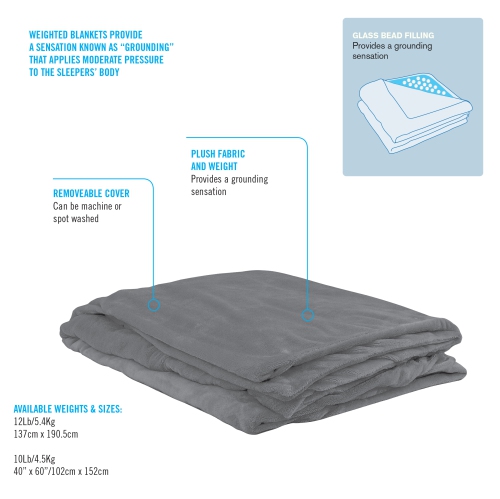 Your price for this item is $59.99
-
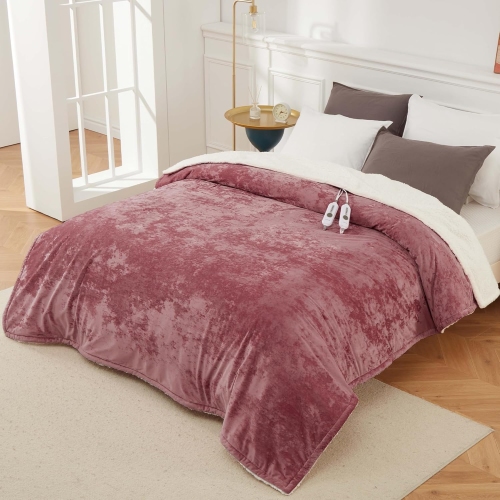 Your price for this item is $95.99
-
 Your price for this item is $75.99
-
 Your price for this item is $45.99
-
 Your price for this item is $69.99
-
 Your price for this item is $110.99
-
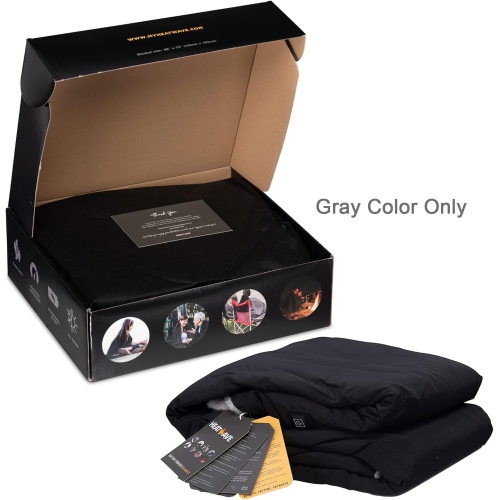 Your price for this item is $34.99
-
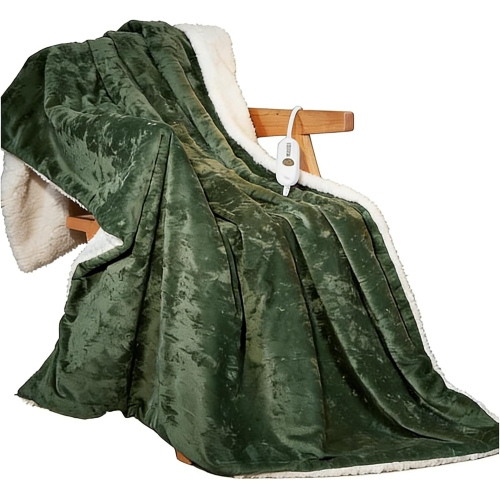 Your price for this item is $66.99
Discover more categories related to Airplane Blankets
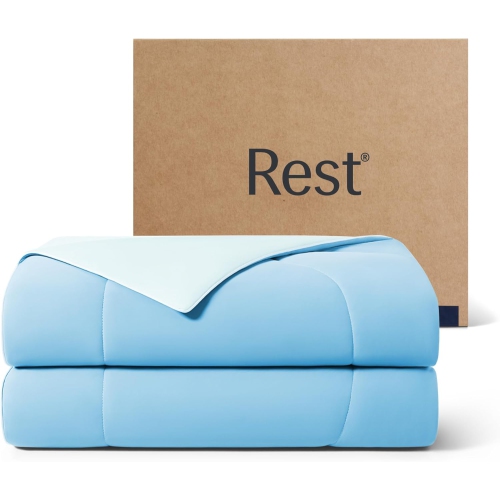
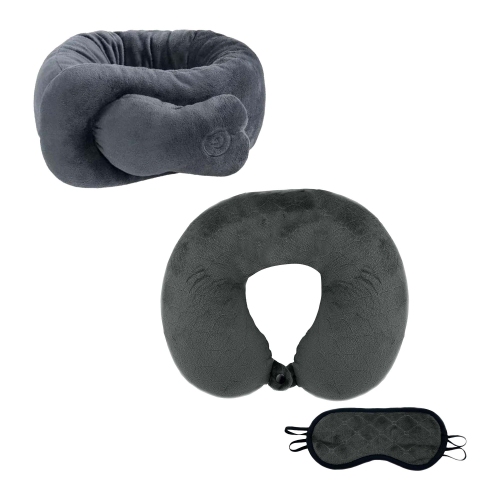
Top Collections:
Best Black Friday Deals This Year, Best Black Friday Deals On Electronics, Kindle Devices, Pokemon Centers, Best Black Friday Deals On Apple Products, Best Cameras for Sports Photography, Dyson Airwrap, Pokémon 30th Celebration Cards, Apple iPhone 17 Pro, Canon G7X Cameras
Some products may be subject to Environmental Handling Fees
(EHF) depending on your province.
Learn more about EHFs.