Airtight Food Storage Containers
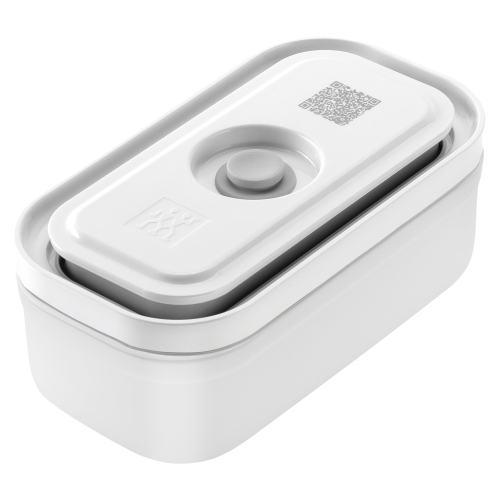
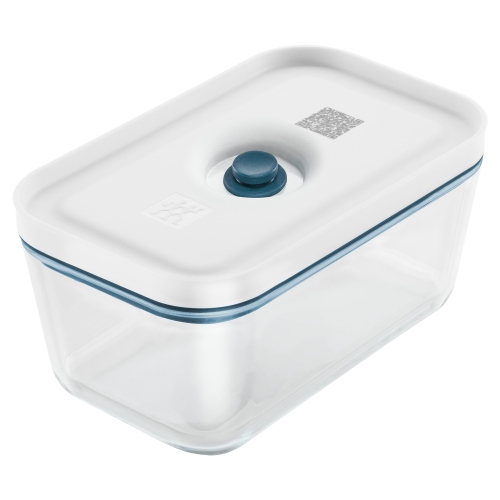
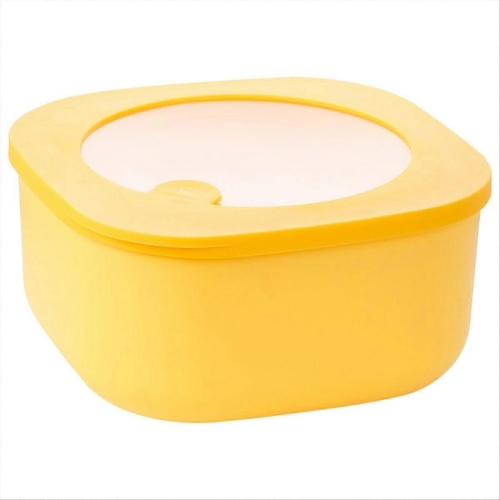
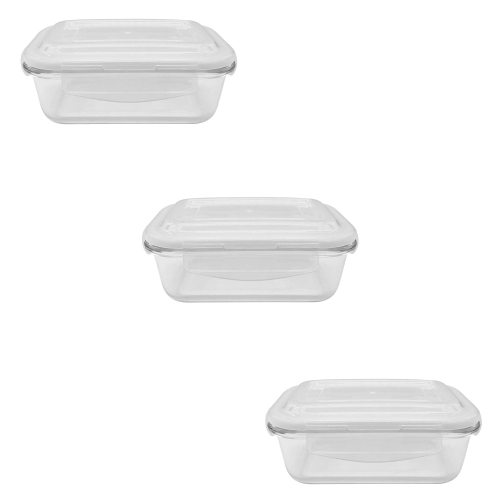
Organizing your kitchen and keeping your food fresh has never been easier with our selection of airtight food storage containers. These versatile containers are designed to keep your pantry staples, leftovers, and meal preps securely sealed, preventing any leaks or spills. With various sizes and shapes available, you can find the perfect container to fit your needs and maximize your storage space. Say goodbye to stale snacks and messy spills in your fridge or pantry, and say hello to a more organized and efficient kitchen with our range of airtight food storage containers.
Sort












































































Why an airtight seal is not always leakproof
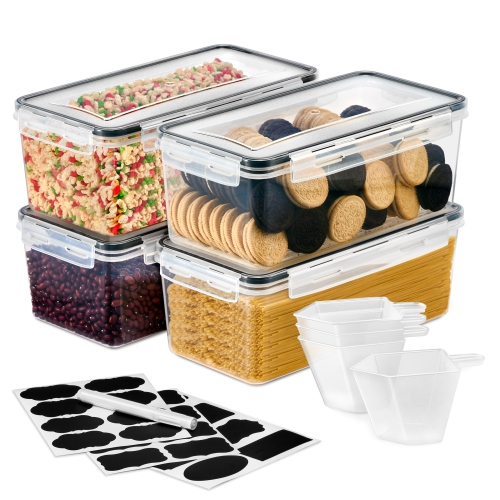
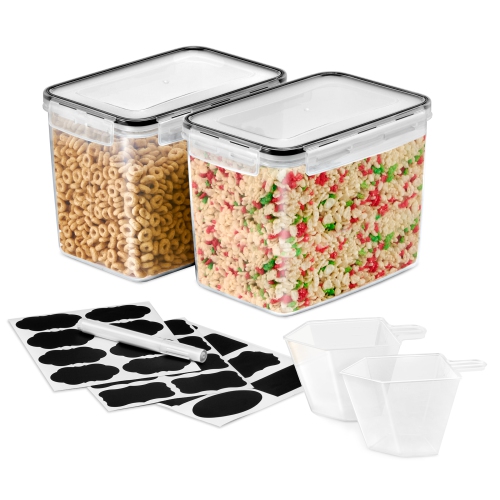
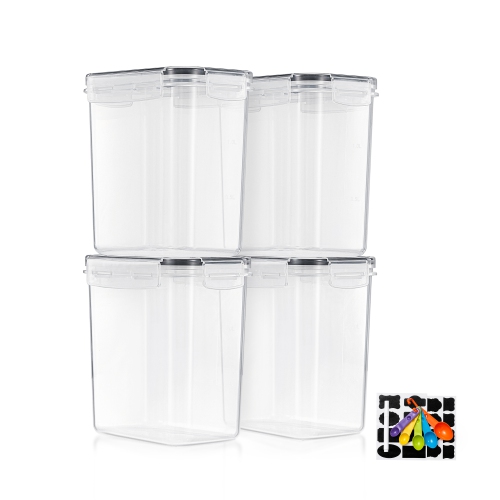
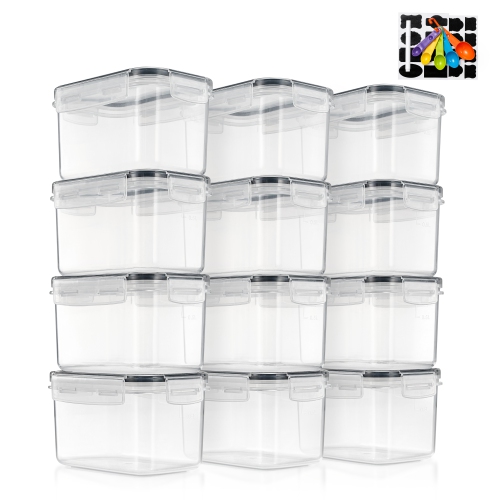
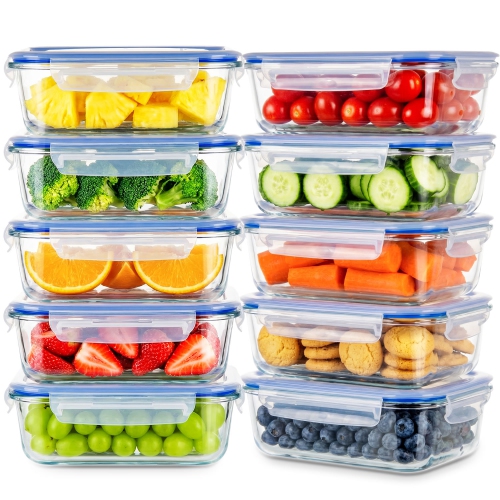
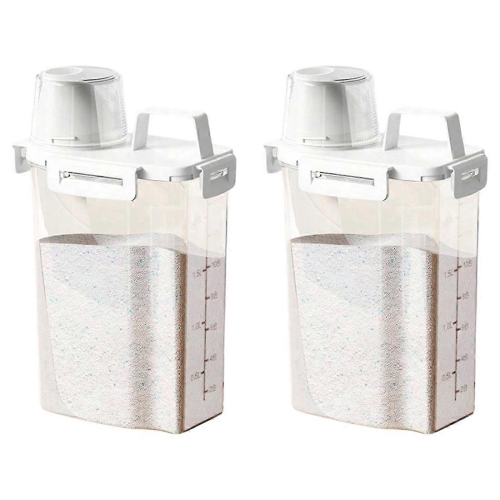
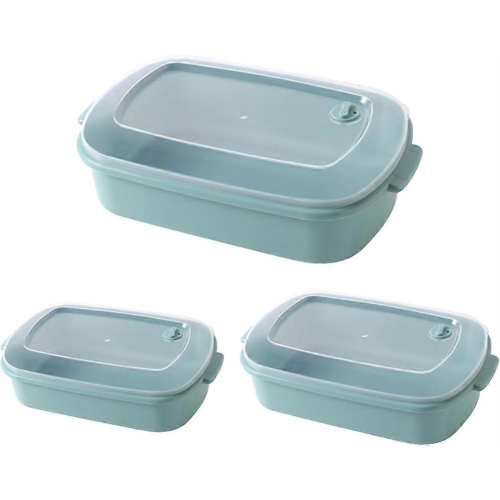
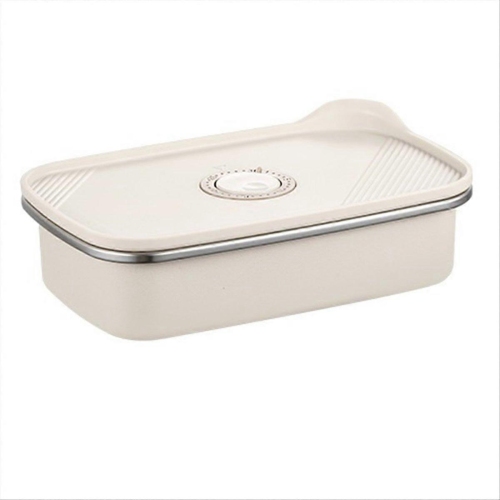
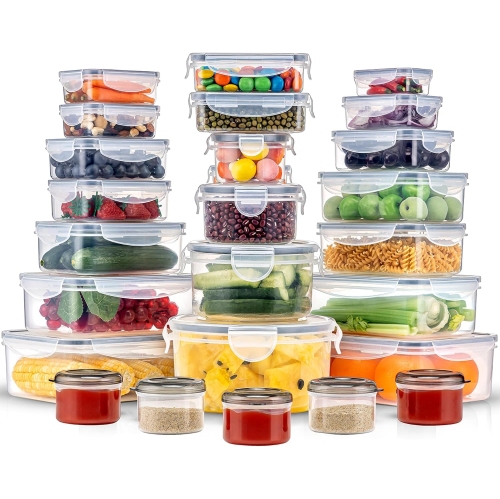
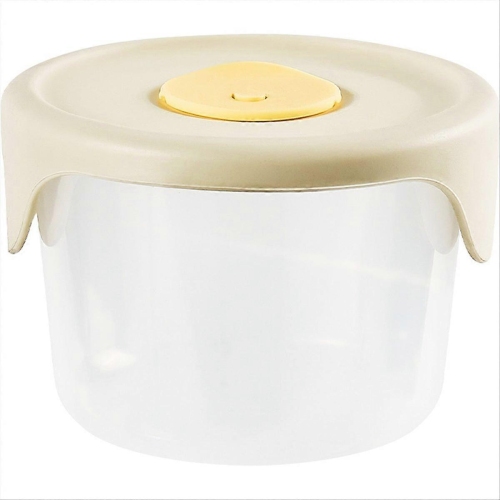
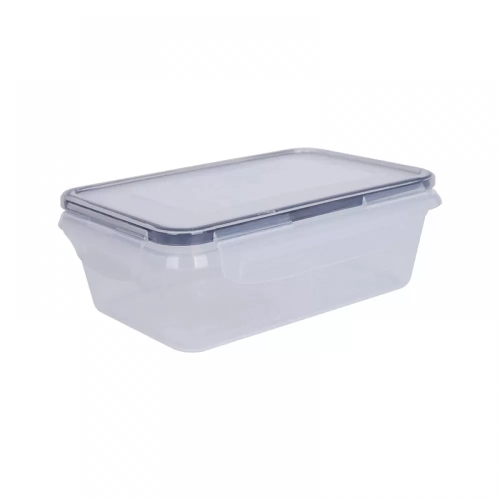
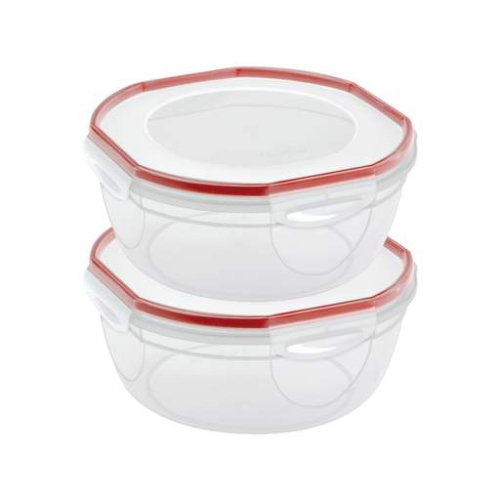
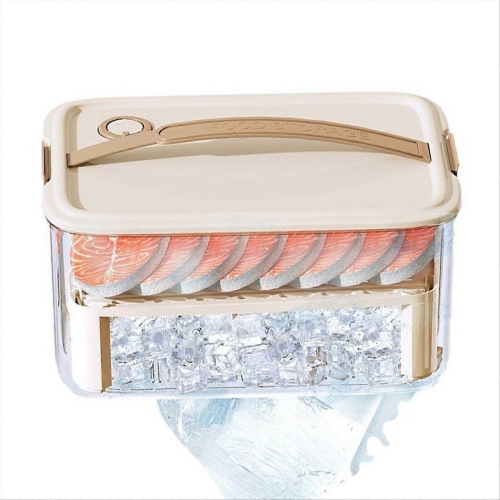
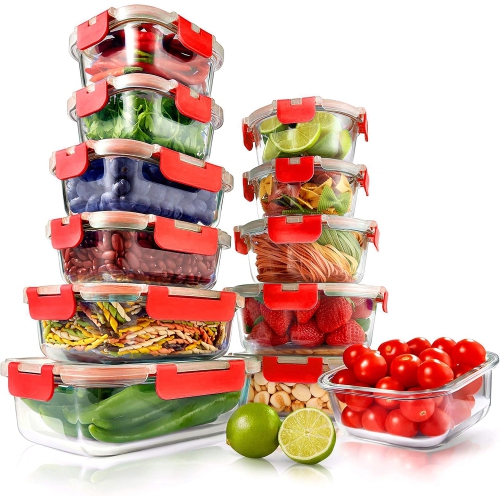
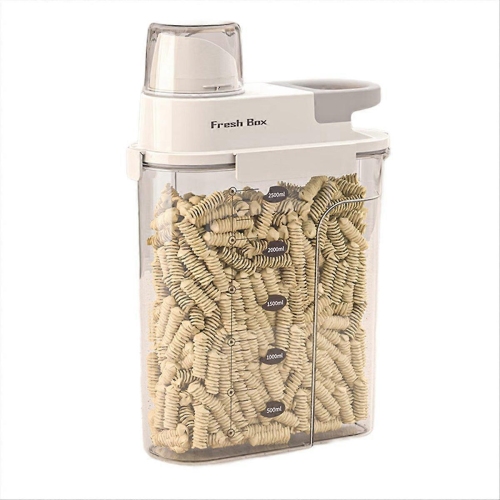
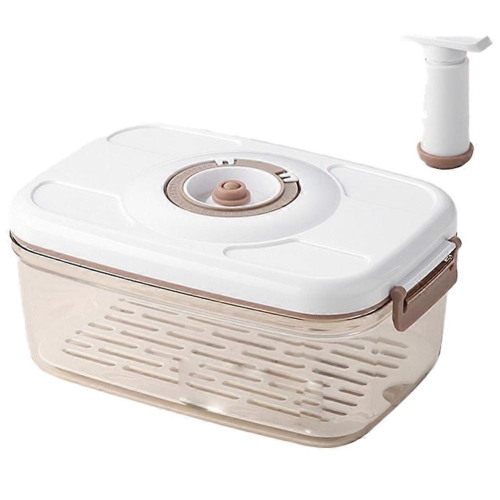
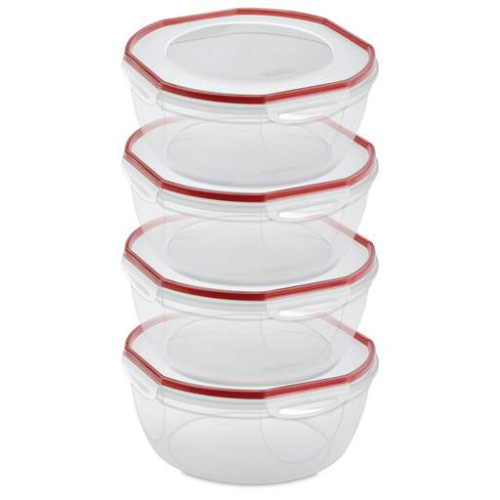
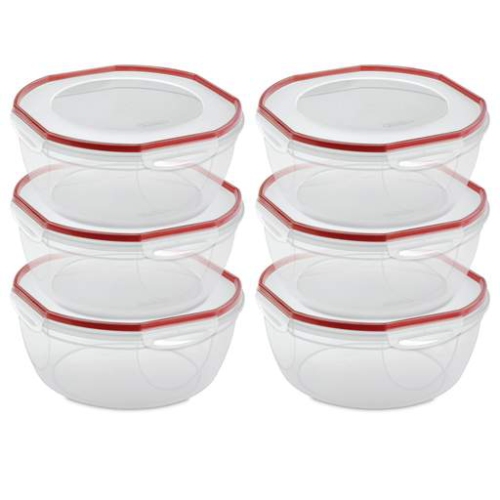
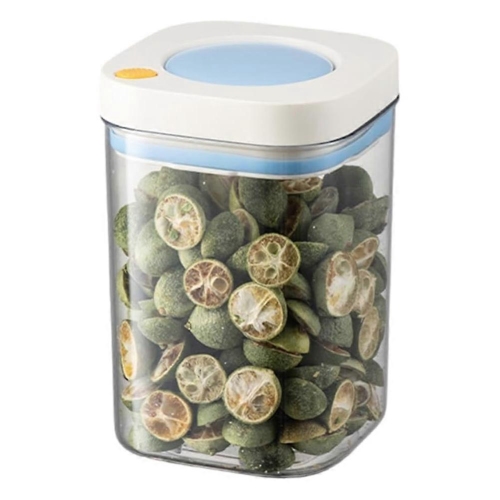
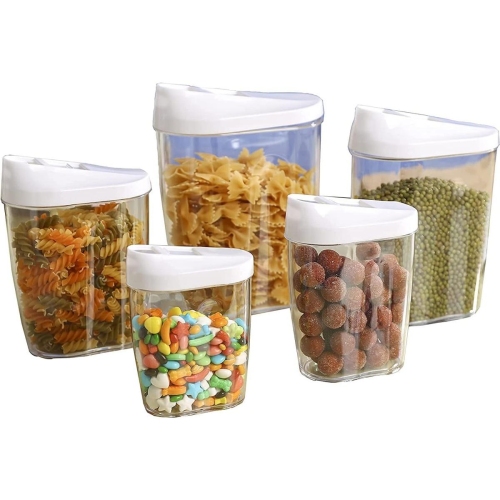
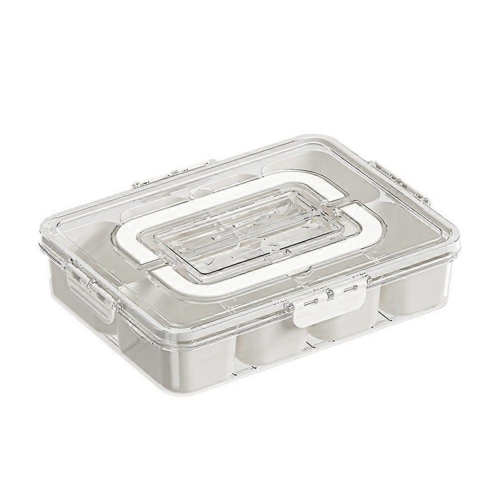
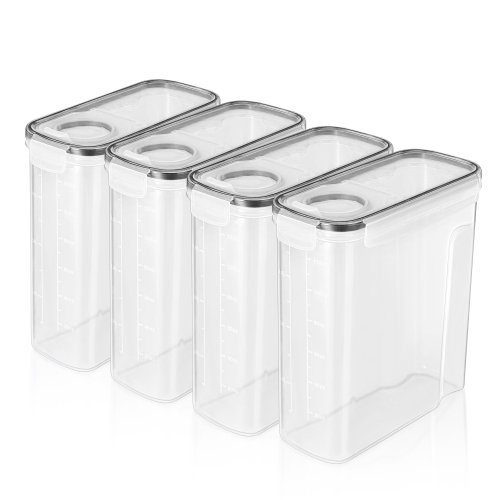
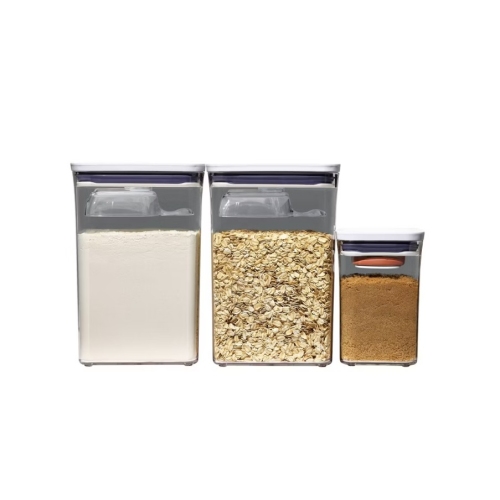
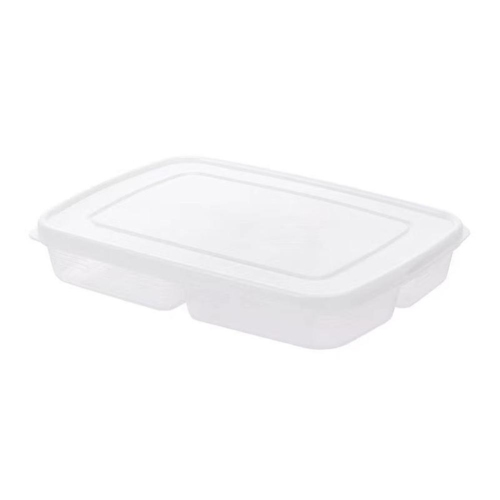
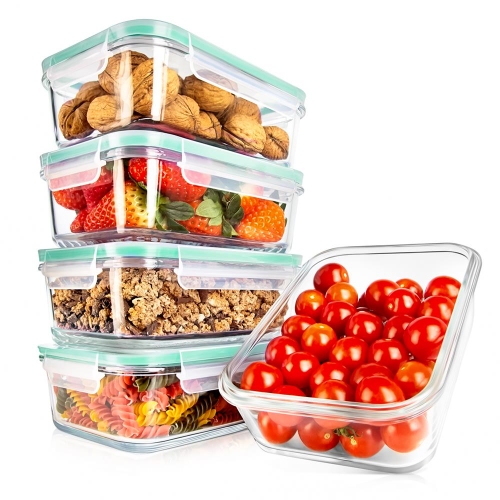
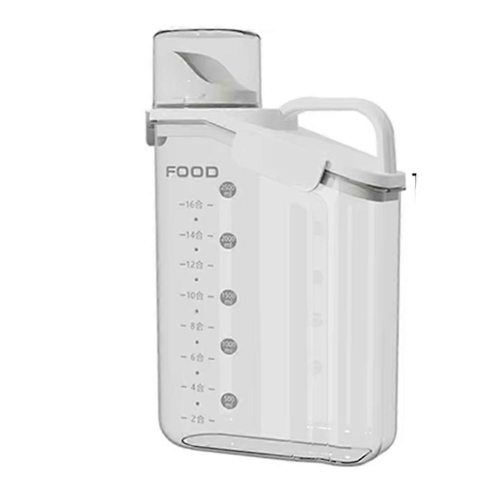
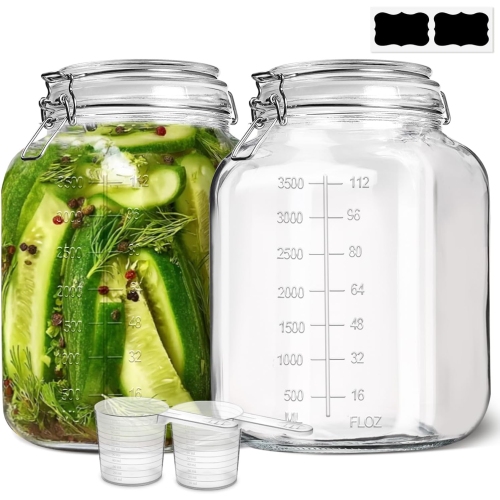
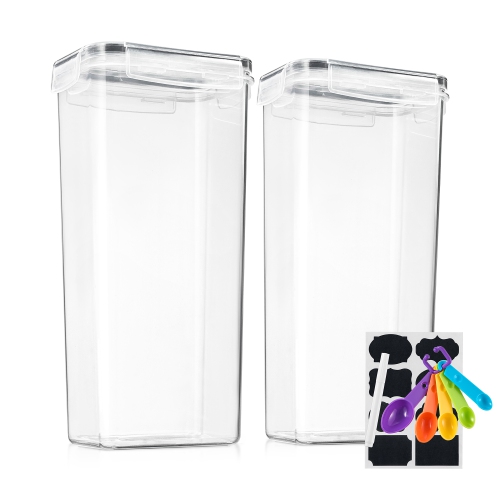
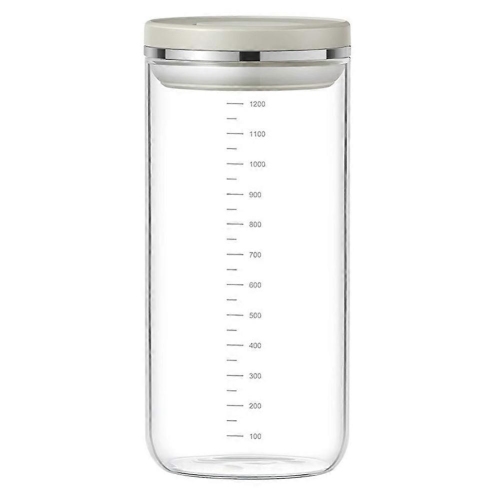
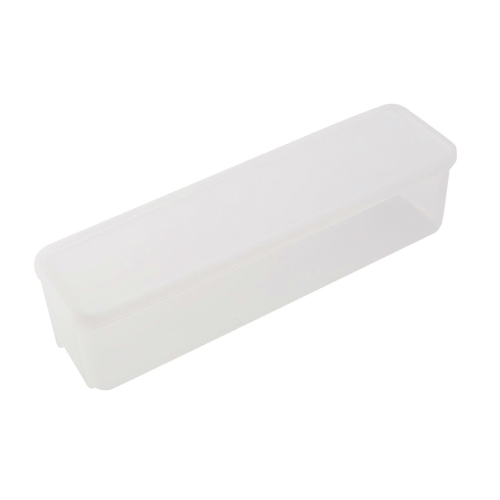
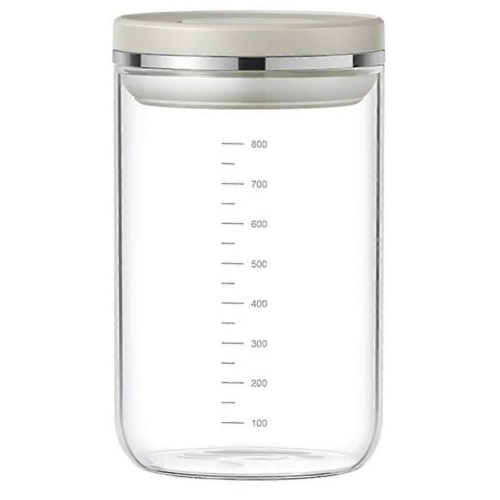
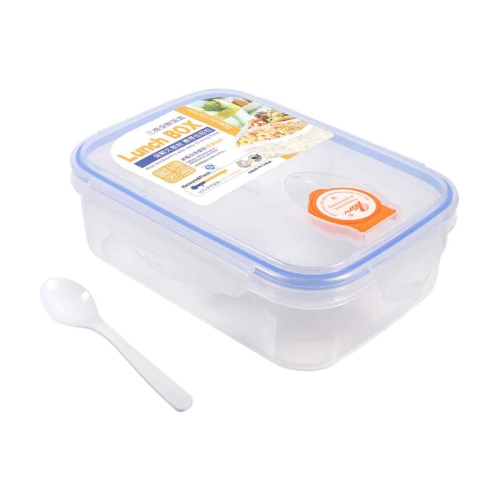
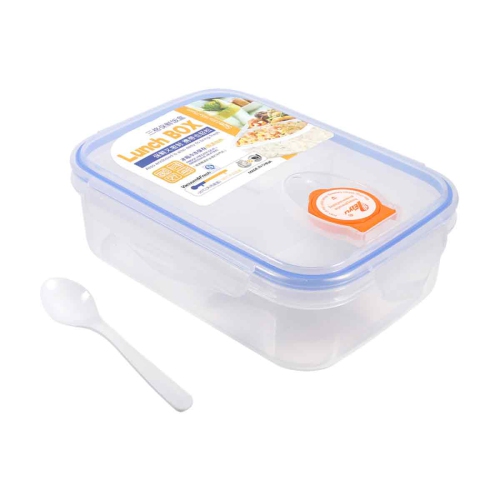
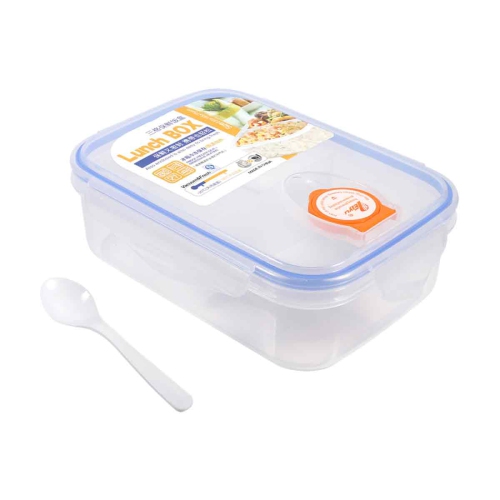
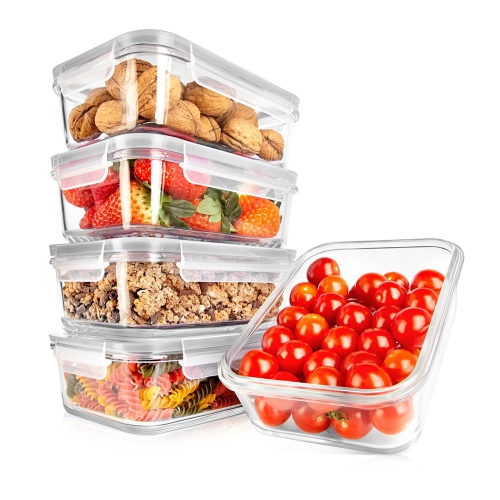
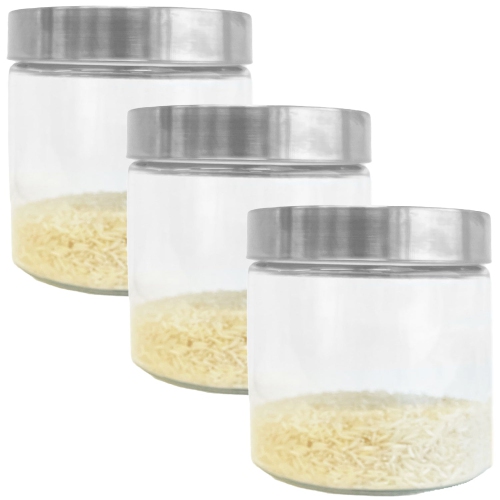
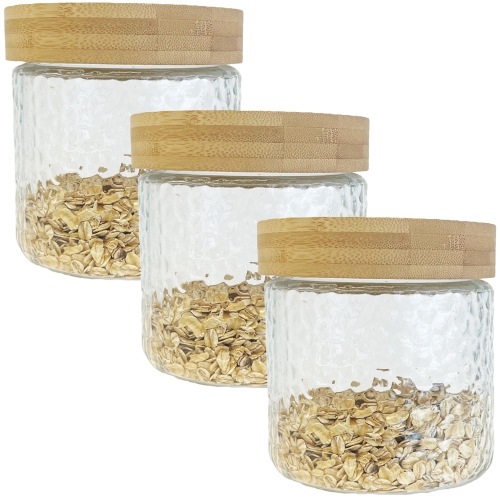
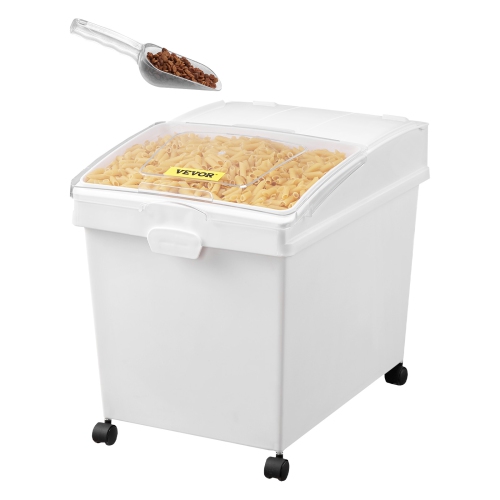
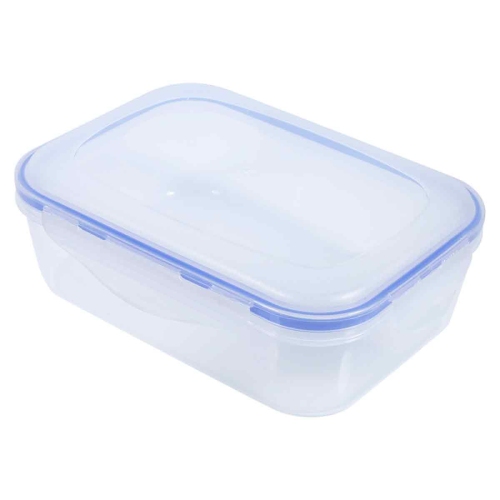
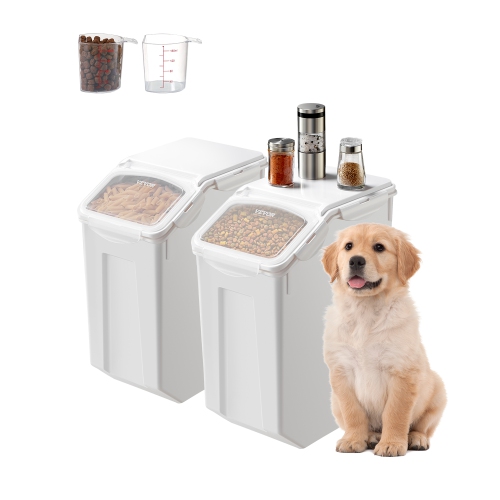
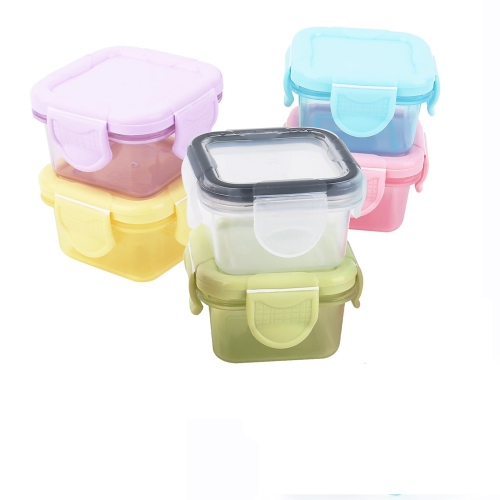
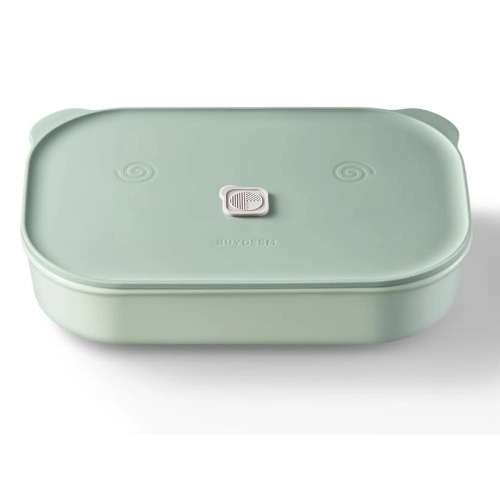
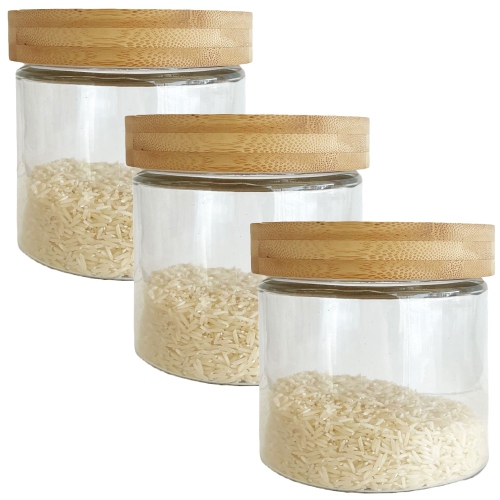
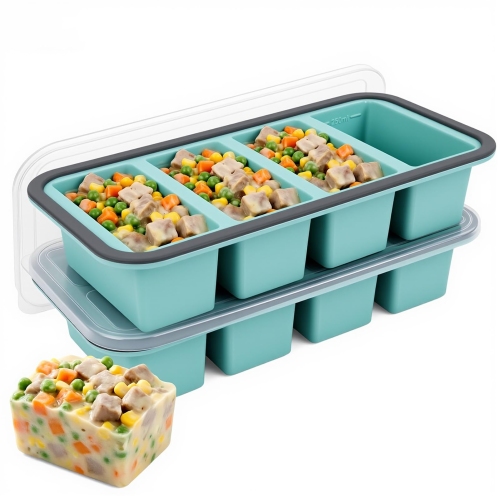
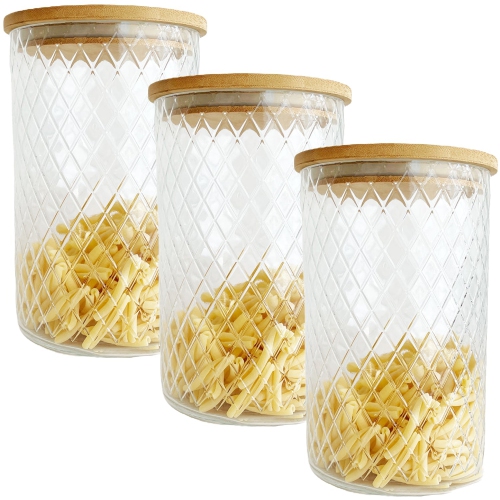
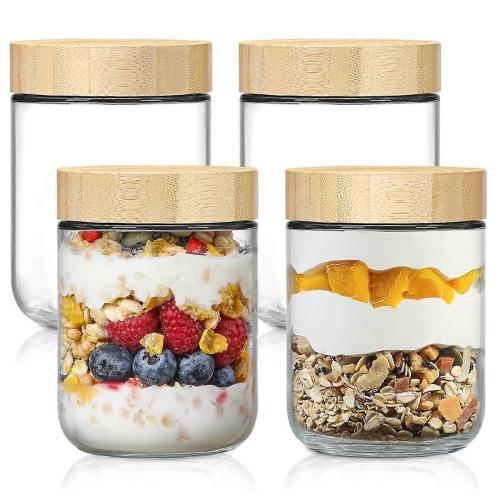
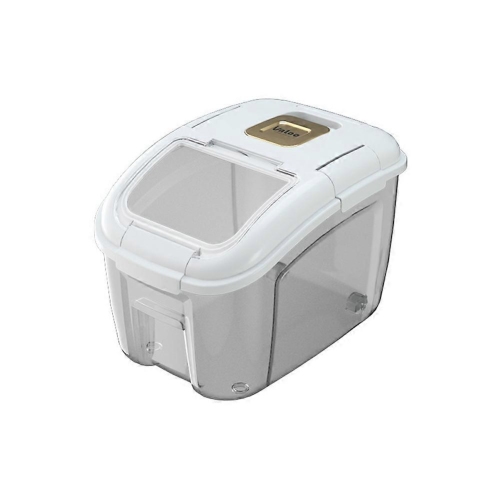
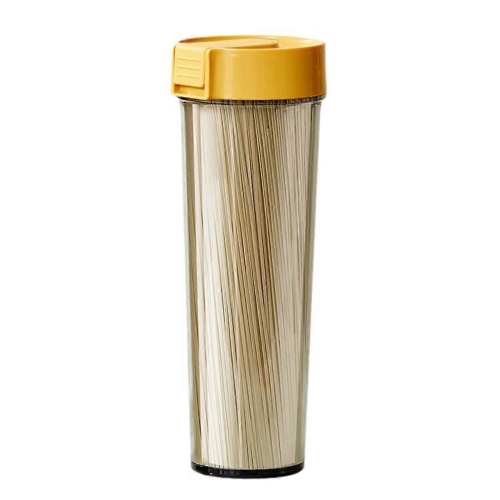
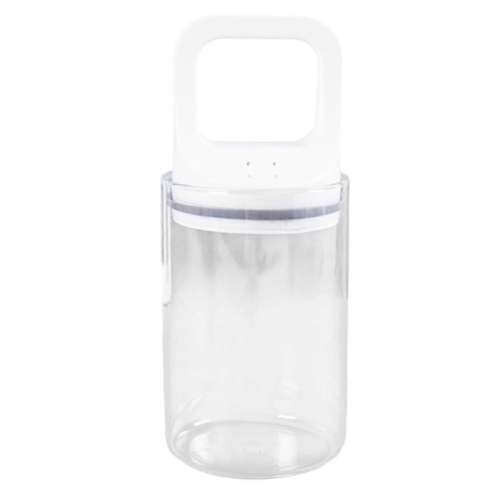
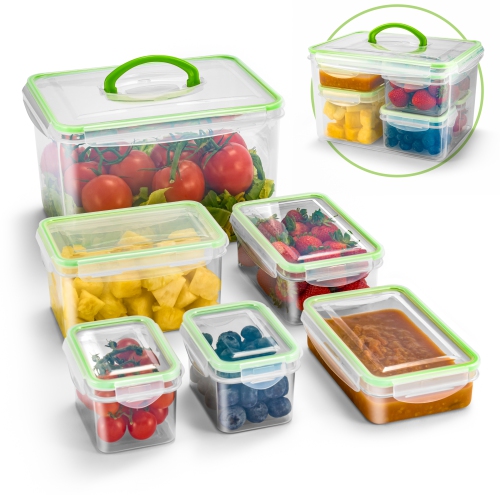
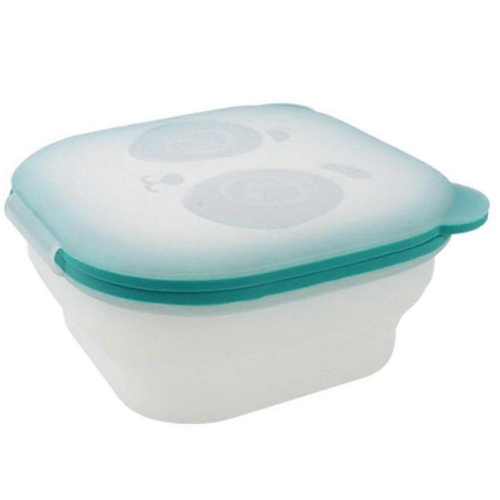
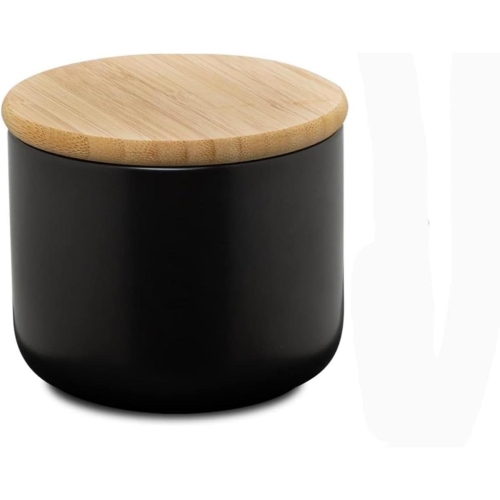
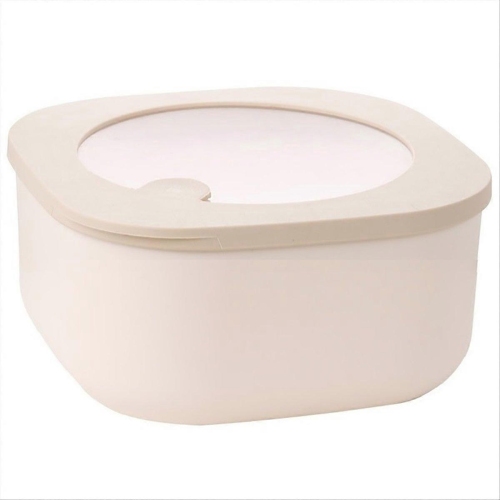
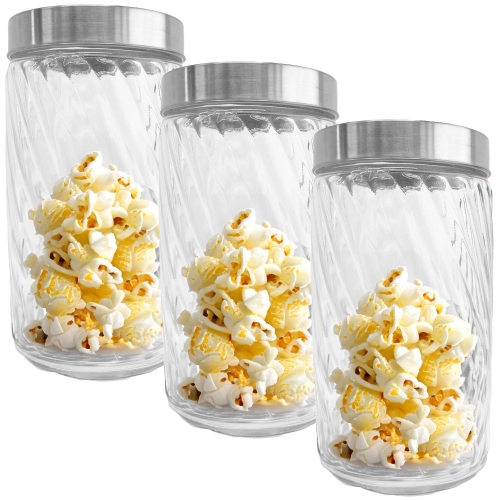
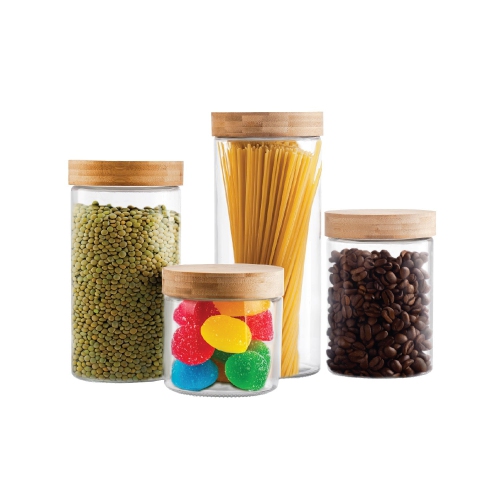
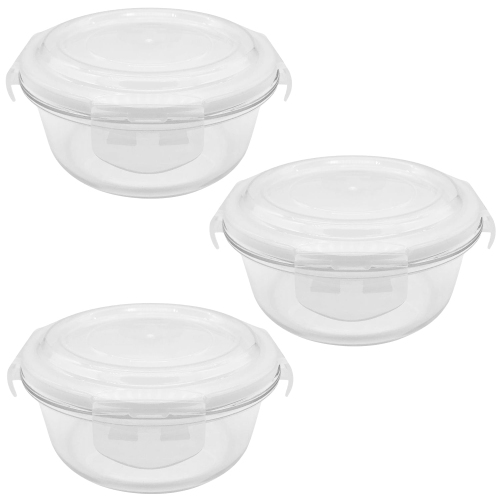
Airtight food storage containers use a closely fitted lid and seal to limit the movement of air and moisture between the container and its surroundings. They suit everyday tasks such as keeping cereal crisp, containing flour between baking sessions, and separating portions of cooked food in the fridge. The most useful choice depends on what goes inside: dry pantry staples benefit from easy access and efficient shelf storage, while prepared meals need containers suited to refrigeration, transport, and any planned reheating. An airtight seal is not automatically a leakproof seal, so a container intended to carry soup or dressing should also be specifically rated for holding liquids without leaking. Many designs use a continuous silicone gasket that compresses against the rim when the lid closes. Clips, locking tabs, or other closure mechanisms help hold that contact in place, but the gasket and rim still need to be clean and properly aligned. For pantry storage, shape and capacity make a noticeable difference to daily use. A tall, narrow container can hold spaghetti without breaking it, while a wide opening makes flour easier to scoop without spilling it across the counter. Rectangular containers often make better use of shelf corners than round shapes, although rounded interiors can be easier to scrape clean. Capacity should leave enough working room for a scoop or measuring cup rather than fitting the contents right to the lid. Checking the usable height beneath a cupboard shelf also helps avoid a container that fits inside but cannot be opened comfortably. Clear walls make it easier to see when rice or oats are running low, while opaque containers can help limit light exposure for ingredients that benefit from it. Neither style replaces appropriate storage conditions. Dry goods still need a clean, dry location away from direct sunlight and cooking steam, and transferring food should include keeping any relevant best-before dates, preparation directions, and allergen information. A label on the container can keep those details close to the contents without leaving a collection of partly opened packages on the shelf.
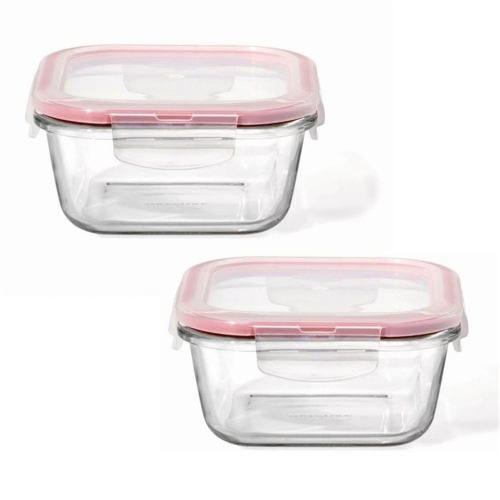
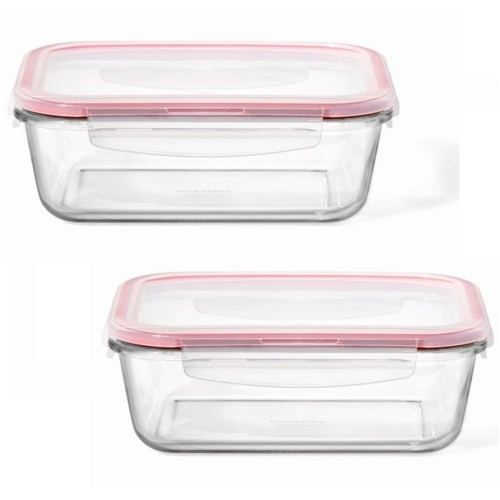
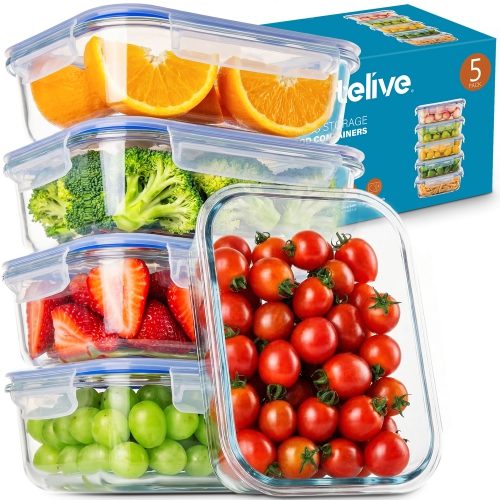
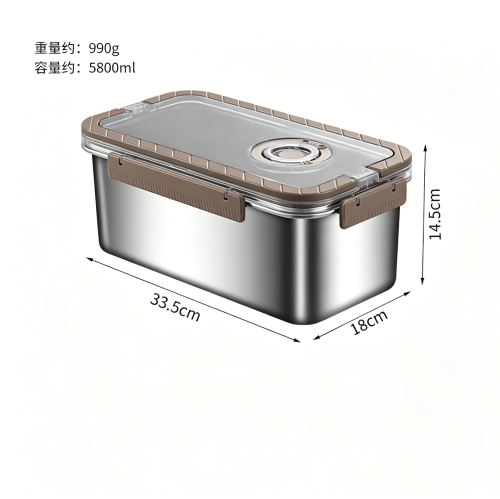
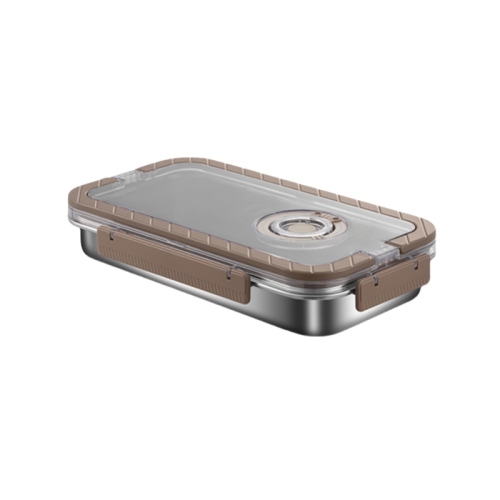
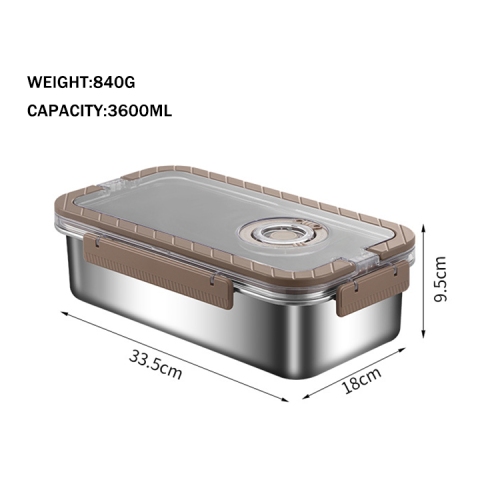
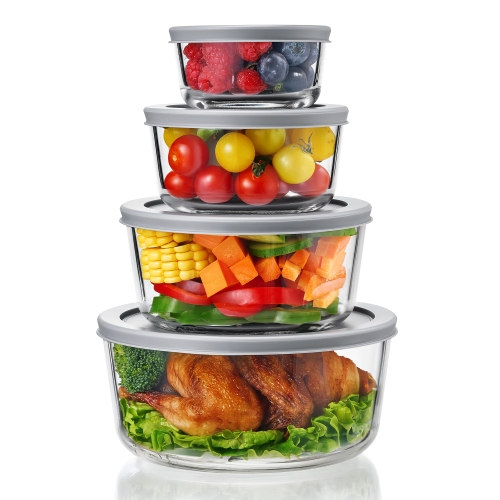
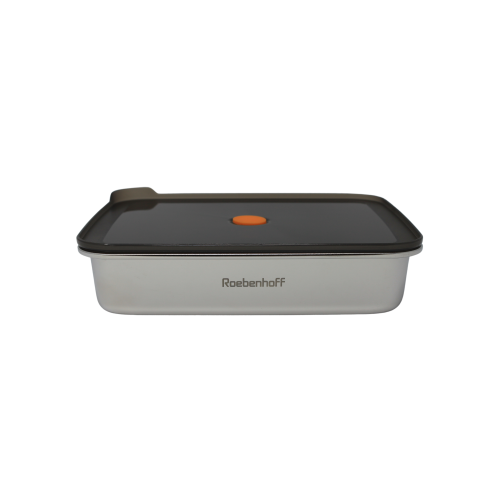
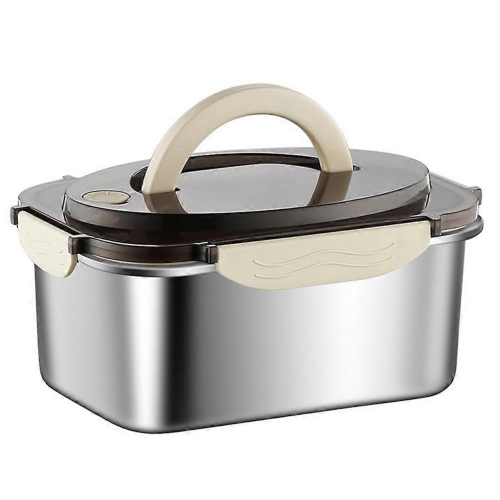
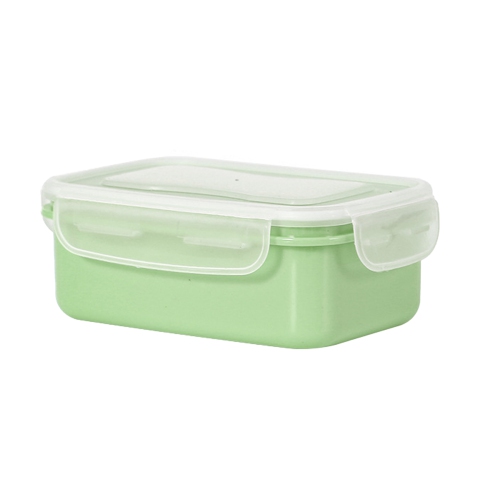
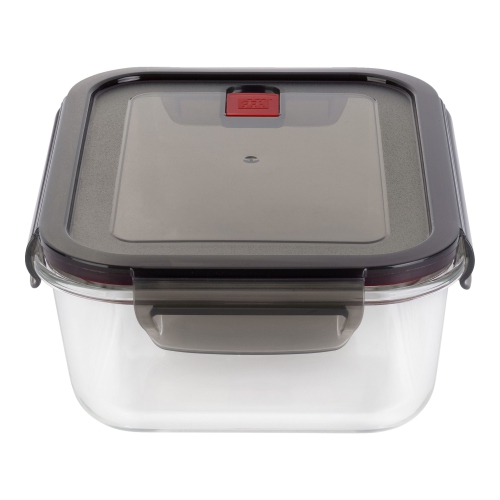
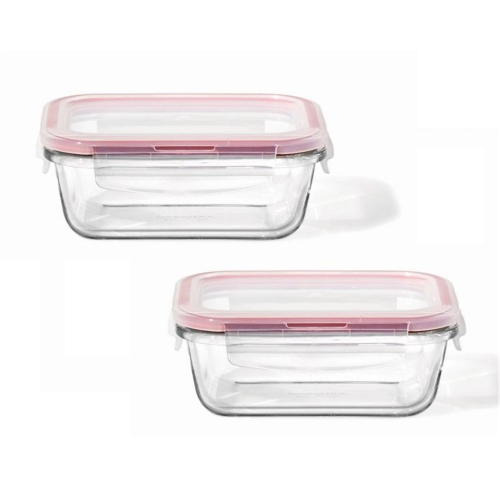
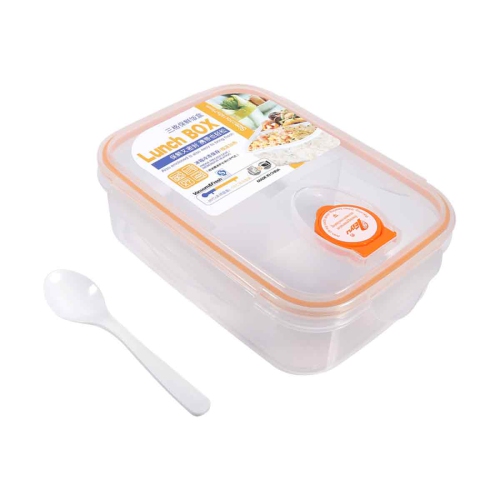
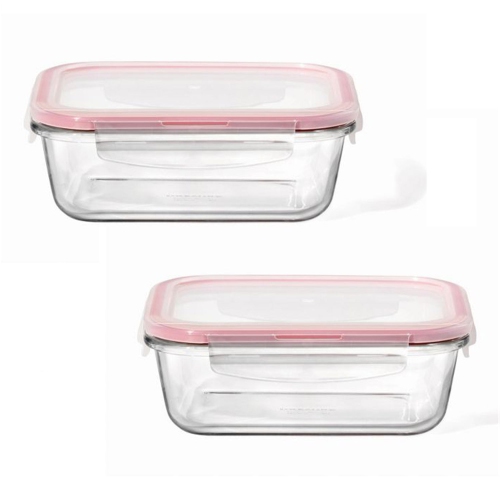
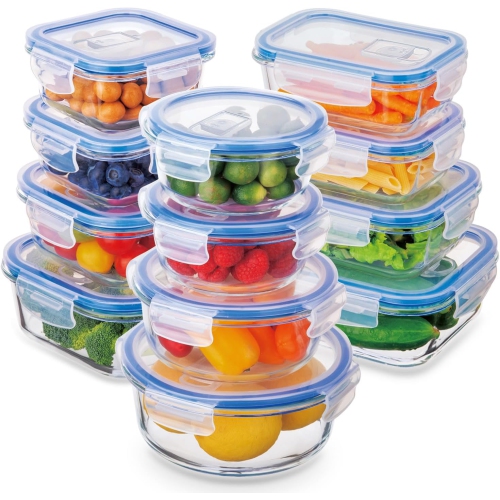
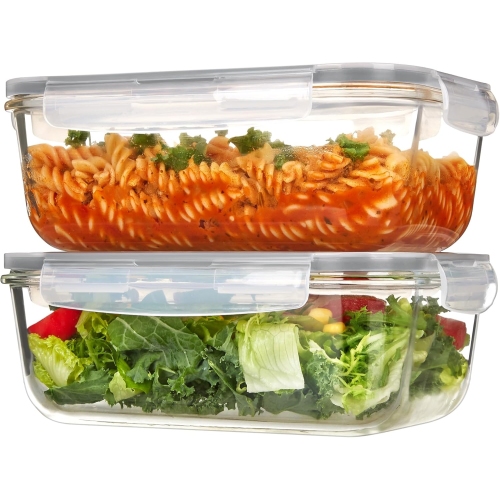
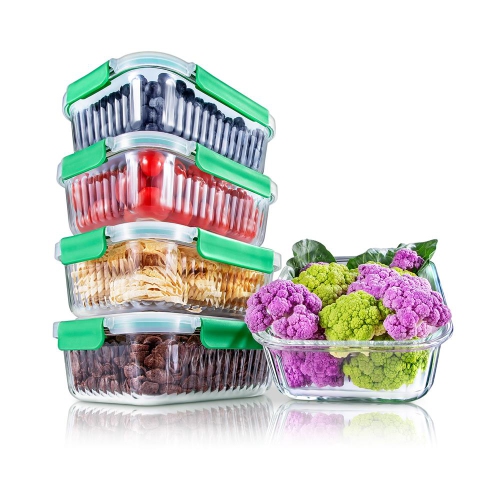
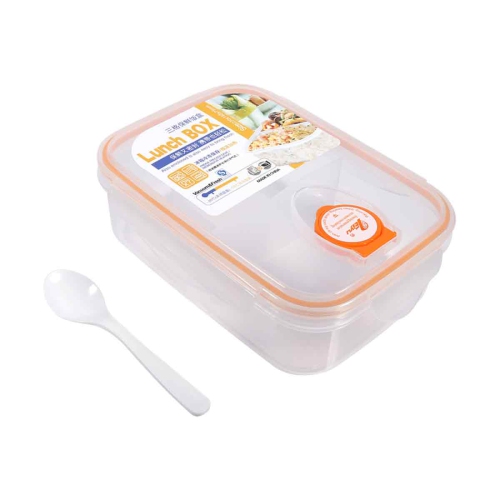
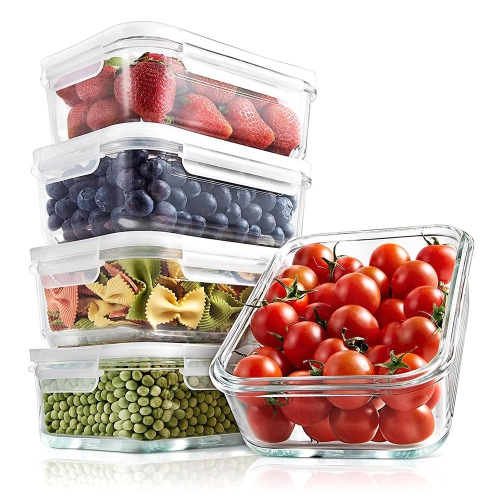
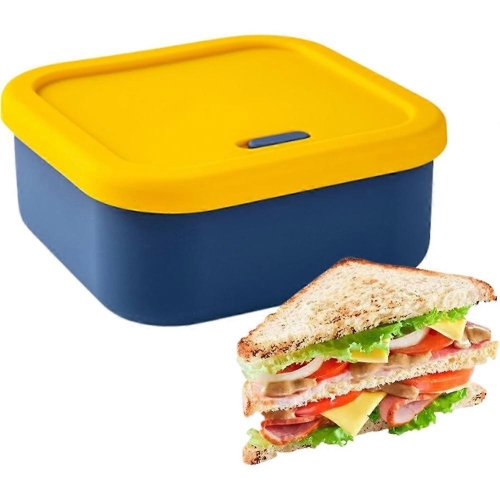
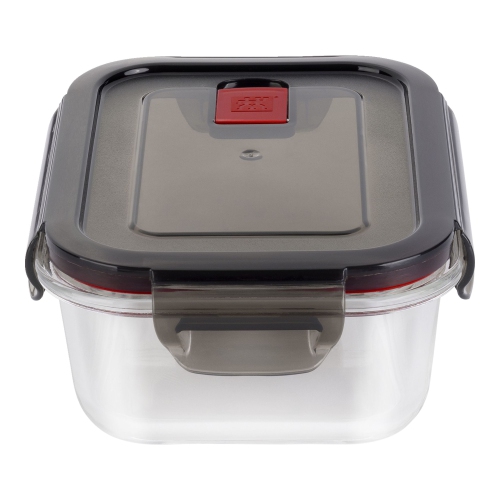
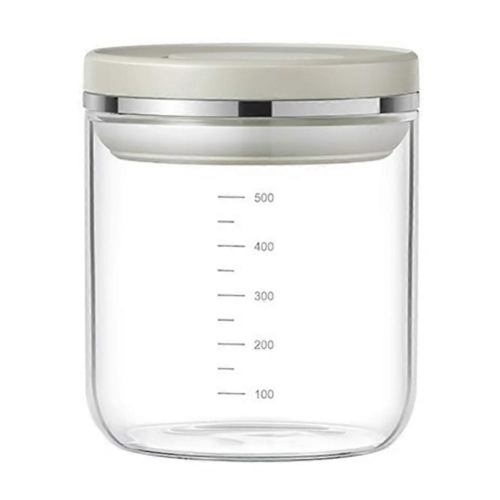
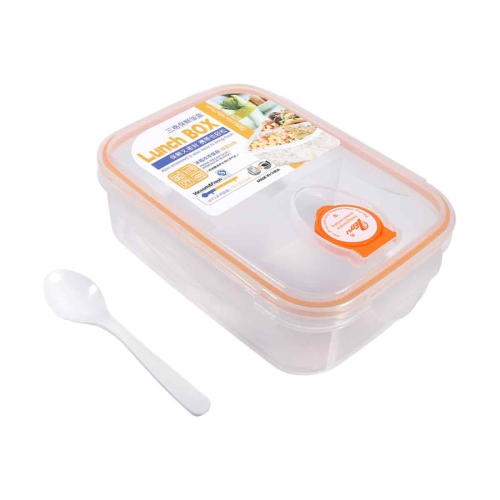
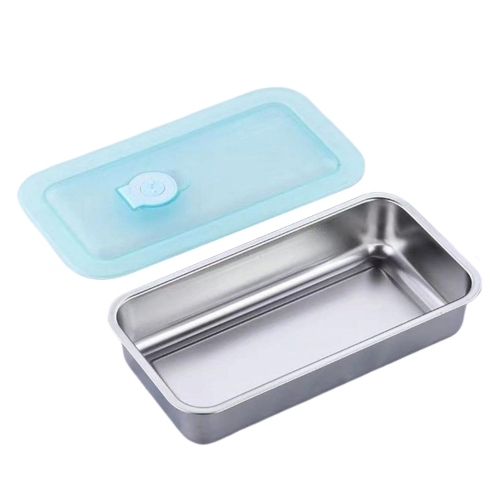
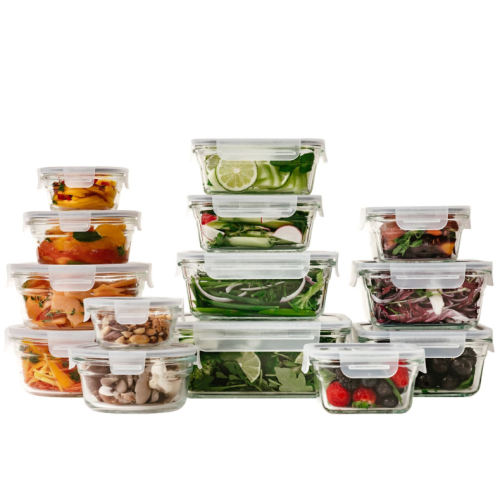
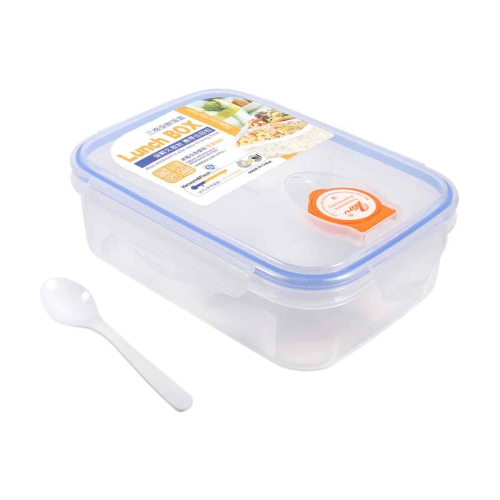
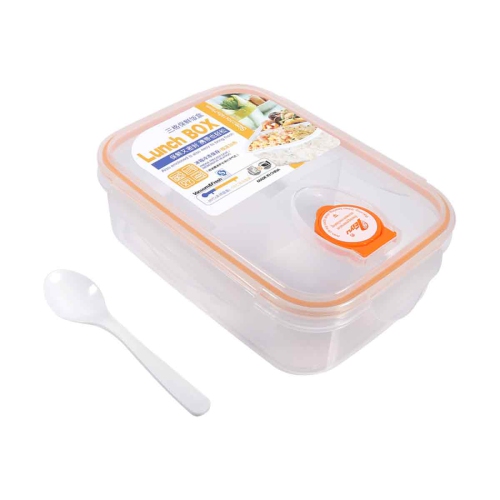
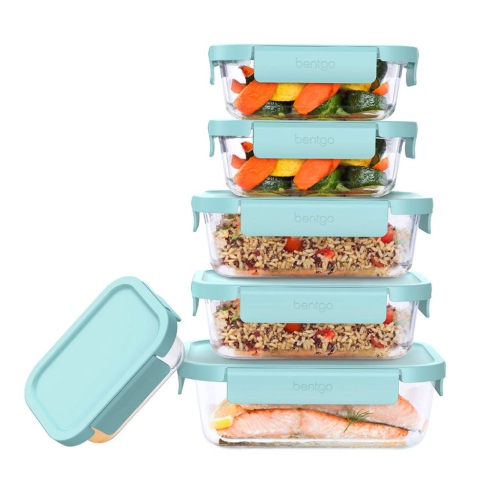
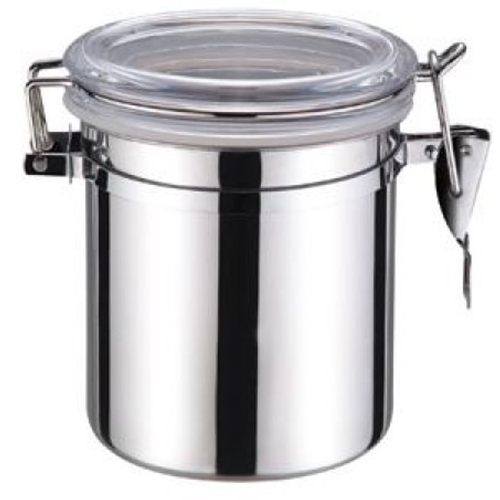
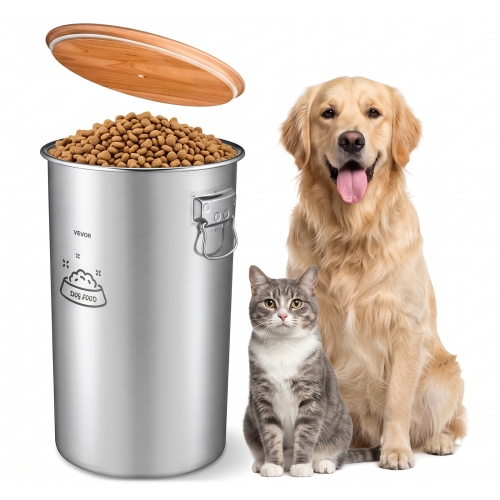
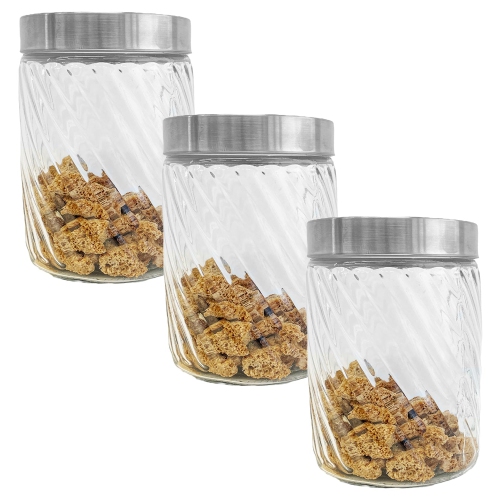
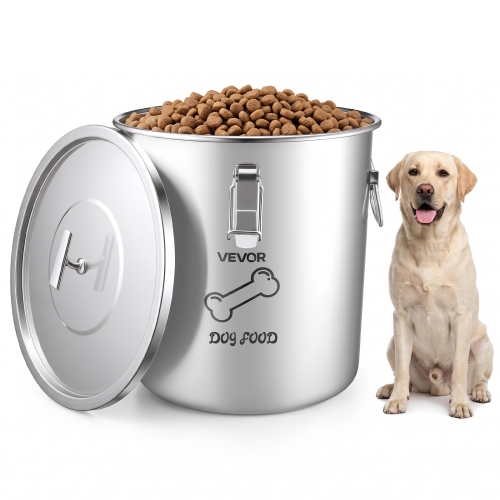
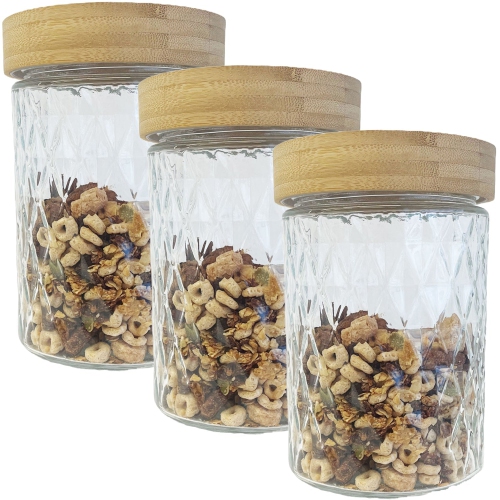
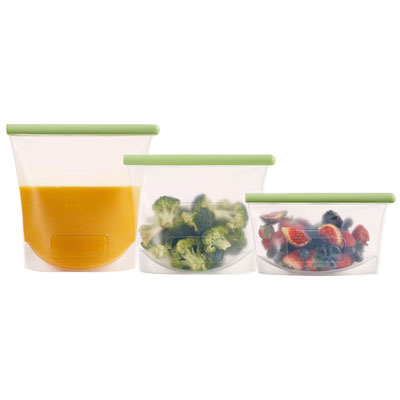
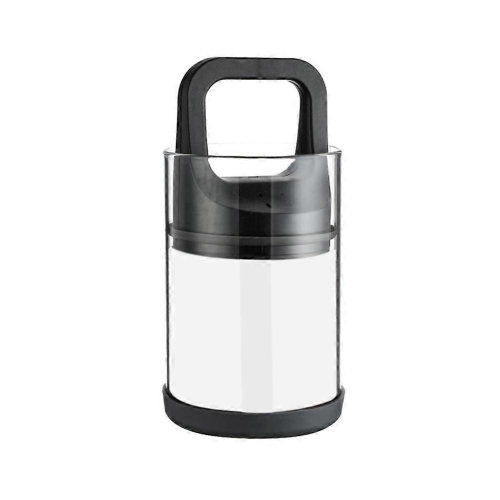
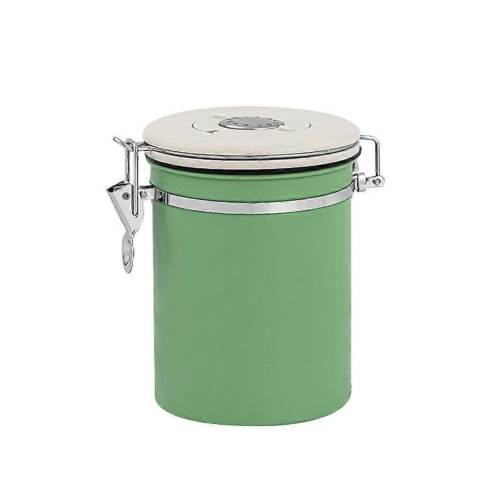
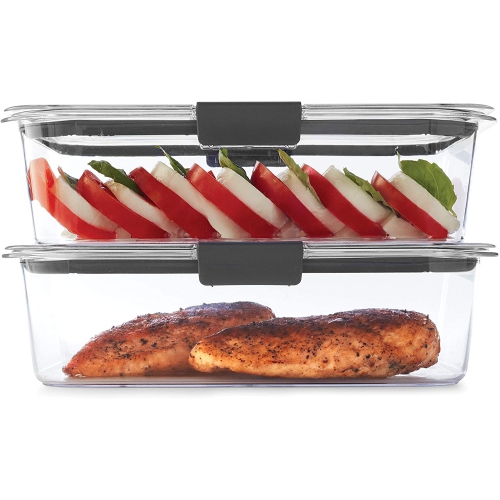
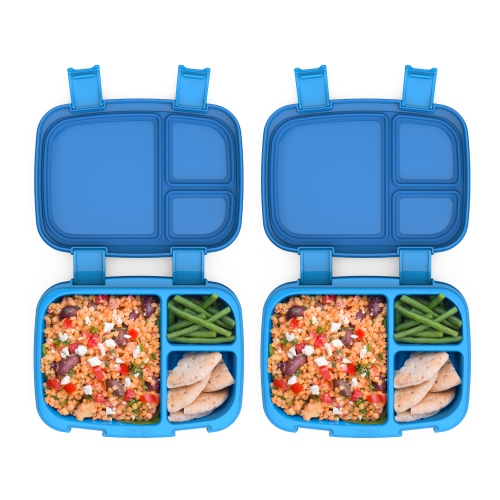
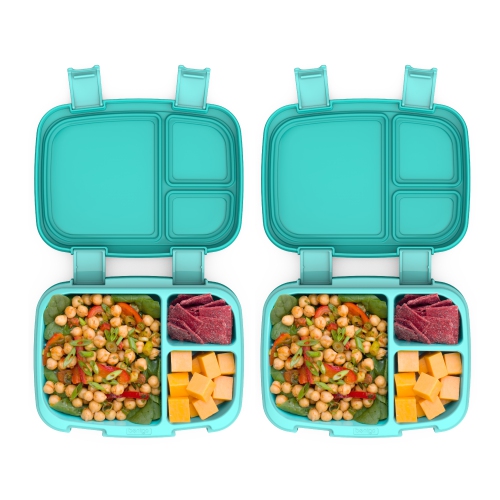
Material choice affects weight, handling, cleaning, and the ways a container can be used. Glass generally resists staining and lingering food odours, making it a practical option for tomato-based sauces, curries, and other strongly flavoured leftovers. Its weight can feel steady on a shelf or dining table, although it also makes a full container heavier to carry. Some glass bases are suitable for reheating or baking, but those uses depend on the manufacturer’s instructions; a glass base and its lid may have very different limits. Sudden changes in temperature can also damage glass, so suitability for a freezer, microwave, or oven should never be assumed from appearance alone. Food-storage plastic is usually lighter and can be easier to handle in a lunch bag, shared kitchen, or busy household. Depending on the material and construction, it may also tolerate everyday knocks better than glass. Plastic can develop scratches, stains, or odours over time, particularly when used outside its stated care instructions. Food-contact suitability and appliance-use markings matter more than a clear finish or a thick-looking wall. Stainless steel offers another durable option where seeing the contents through the sides is less important, though it is not suitable for microwave use. Whatever the base material, lid compatibility deserves equal attention. A replacement lid needs to match the exact container shape and size to seal as intended. For meals and ingredients kept chilled, Airtight Fridge Storage Containers help keep portions contained and can limit odour transfer when properly closed. Shallow shapes suit single servings and make portions easier to see, while deeper containers can accommodate larger quantities. Separate compartments are useful when sauces, grains, and vegetables need to stay apart, but not every divider forms its own liquid-tight seal. For commuting, lunches, or meals carried between homes, secure closures and a manageable filled weight are especially useful.
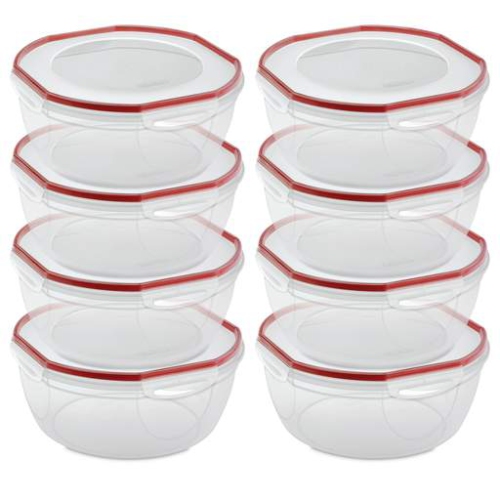
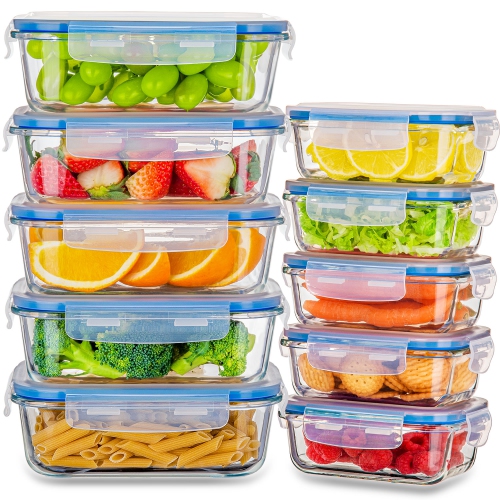
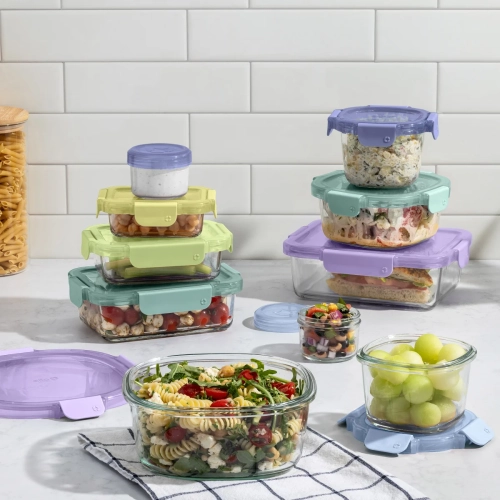
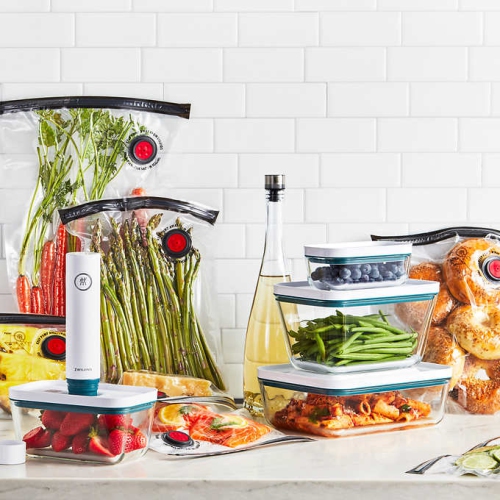
A well-matched collection should be convenient to use when full and straightforward to put away when empty. Stackable bases and lids can help organize a fridge shelf, while nesting containers reduce the cupboard space needed between uses. These are different features: containers that nest neatly when empty may not stack securely once filled. Consistent footprints can make several sizes easier to arrange together, but leaving room to lift a container out is more practical than filling every gap. Smaller containers suit chopped herbs, snack portions, and leftover sauces; larger capacities make sense for batch cooking or households that regularly prepare several servings at once. People cooking for one may find compact portions more useful than a large matching set, while frequent bakers may prefer generous openings and enough capacity for their usual dry ingredients. For someone setting up a first kitchen or organizing a shared home, an assortment of practical sizes can make a thoughtful housewarming gift. Long-term usefulness also depends on care. Food residue caught under a gasket can interfere with the seal, and flour dust along a rim can prevent a lid from sitting evenly. Removable seals, where provided, make thorough cleaning easier when taken out and refitted according to the care instructions. All parts should be completely dry before storing dry ingredients, particularly around lid grooves where water can linger. Dishwasher-safe markings should be checked separately for bases, lids, and seals, including any rack-placement requirements. Microwave use may require removing the lid or opening a designated vent; an airtight closure should not be used to trap steam during heating. Freezer use likewise calls for a suitable container and enough expansion space for the contents. Regular checks for cracks, warped lids, loose clips, or damaged gaskets help identify when a container no longer closes reliably. Airtight storage does not sterilize food or replace refrigeration and safe food-handling practices. With the right fit, suitable materials, and manageable care requirements, these containers can make everyday ingredients easier to find, portions easier to pack, and kitchen storage simpler to maintain.
Top selling and popular products
-
 Your price for this item is $5.99
-
 Your price for this item is $9.99
-
 Your price for this item is $108.25
-
 Your price for this item is $7.99
-
 Your price for this item is $59.99
-
 Your price for this item is $59.99
-
 Your price for this item is $49.99
-
 Your price for this item is $49.99
Discover more categories related to Airtight Food Storage Containers

Top Collections:
Pokemon Centers, Best Cameras for Sports Photography, Kindle Devices, Samsung Galaxy Phones, Canon G7X Cameras, Pokémon 30th Celebration Cards, Refurbished Apple Laptops, iPhone 15 Apple, Laptops for Students, Budget Smartphones
Some products may be subject to Environmental Handling Fees
(EHF) depending on your province.
Learn more about EHFs.