Aluminum Camping Cookware
Whether you're an experienced camper or just starting out, having the right cookware can make all the difference in your outdoor cooking adventures. Our selection of aluminum camping cookware is designed to meet the needs of every outdoor enthusiast. Lightweight, durable, and efficient, these cookware sets are perfect for preparing delicious meals while enjoying the great outdoors. From pots and pans to cooking utensils, our aluminum camping cookware collection offers a variety of options to suit your cooking style and preferences. Browse through our range and get ready to elevate your camping culinary experience.
Sort

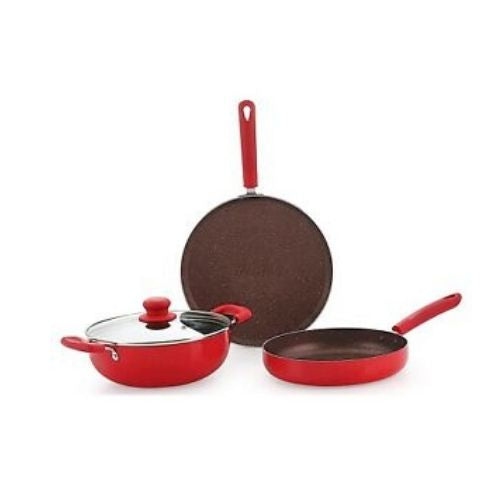
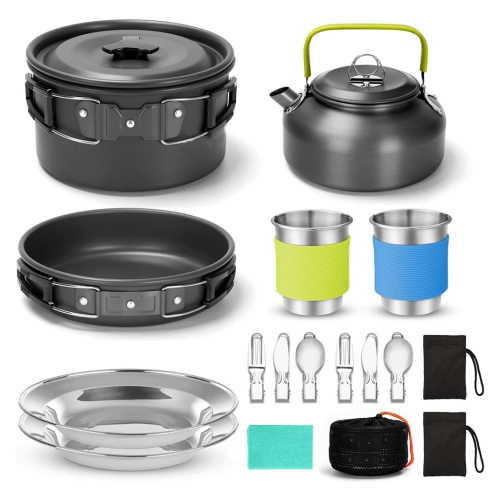
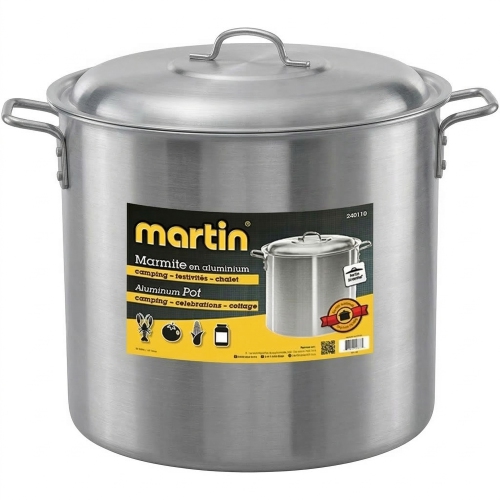
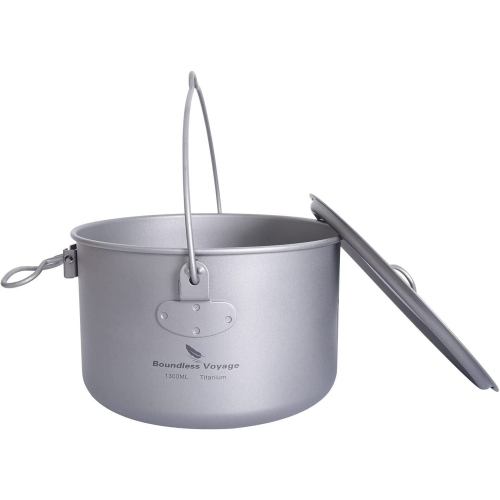
Why lightweight pots earn their place at camp
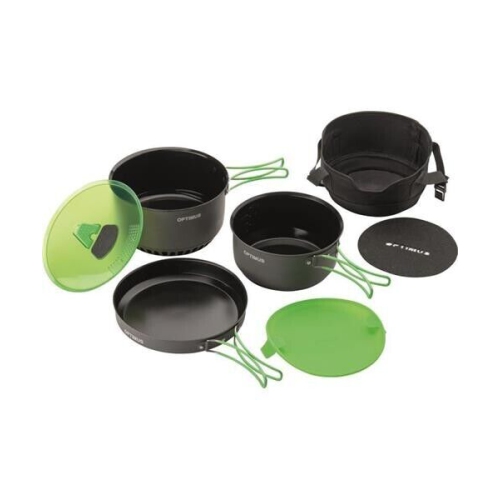
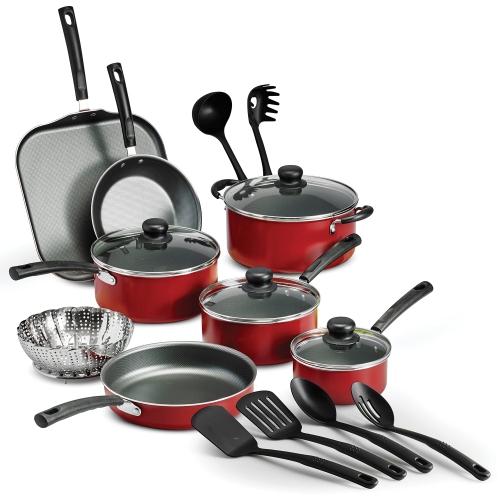
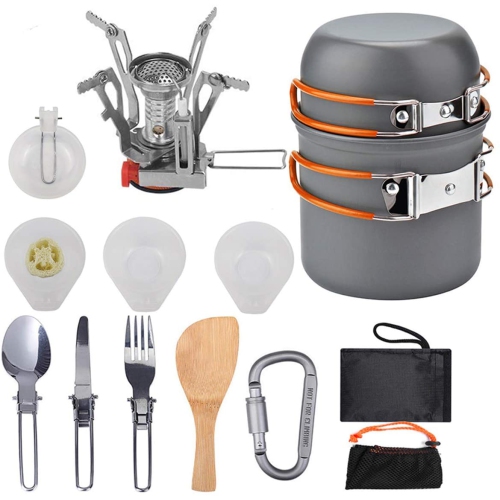
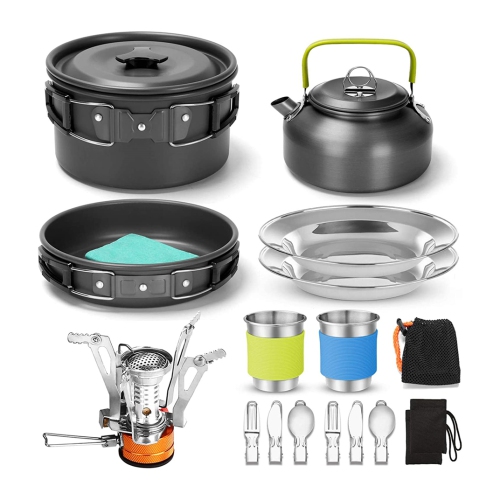
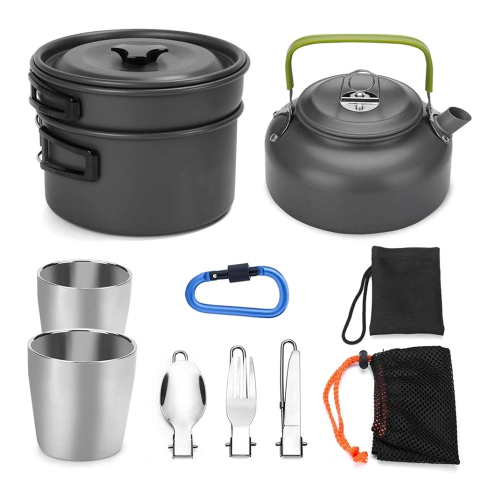
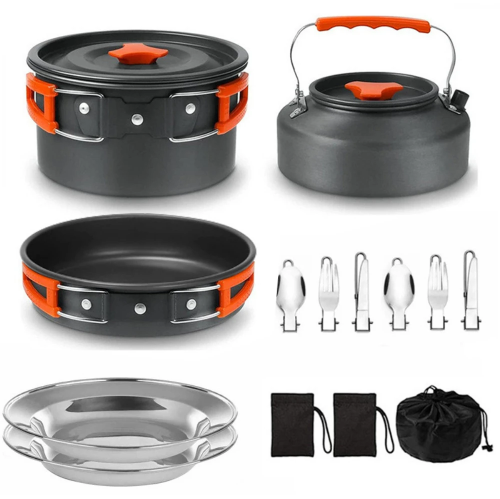
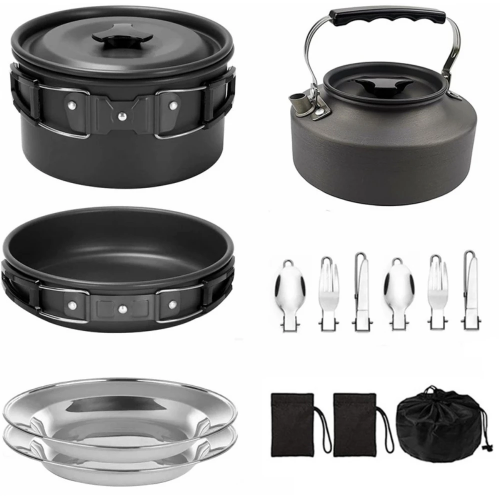
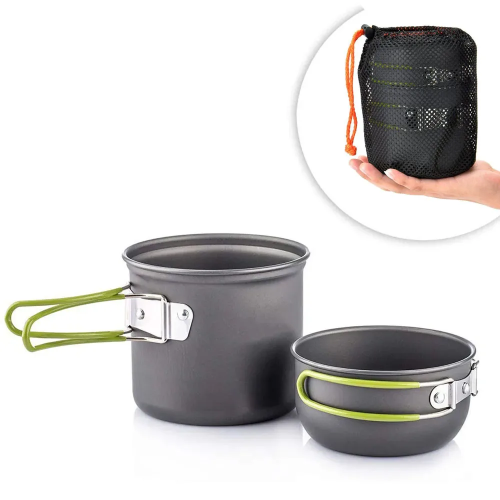
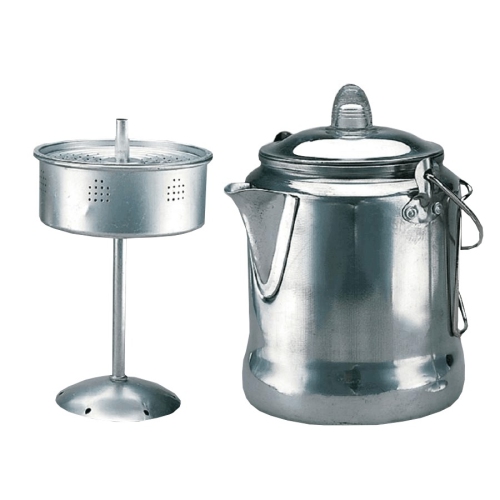
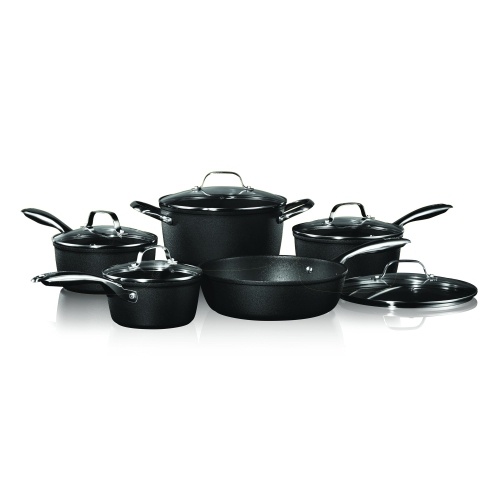
Aluminum camping cookware brings together low weight, responsive heating, and practical shapes for preparing meals away from a full kitchen. Aluminum conducts heat well, helping warmth spread across the base and sides of a pot rather than staying concentrated directly above the burner. That makes it useful for boiling water for coffee, warming soup, and cooking meals that need an occasional stir rather than constant attention. Actual boiling times and fuel use depend on the stove, the amount of water, the pot’s shape, and whether a suitable lid is in place. For someone carrying a kitchen in a backpack, the appeal is easy to understand: a lightweight pot can handle breakfast porridge and an evening meal without adding much bulk to the load. At a drive-in campsite, larger aluminum pots and pans offer room for pasta, scrambled eggs, or a shared stew while remaining manageable to lift, wash, and pack. The material is generally lighter than stainless steel, although finished weight varies with wall thickness, handles, lids, and other components. Thin walls help keep a cooking kit light, while thicker bases can improve heat distribution and feel more substantial during stirring. Bare aluminum, hard-anodized aluminum, and aluminum with a non-stick cooking surface have different strengths. Bare aluminum is lightweight and conducts heat efficiently, but its relatively soft surface can scratch or dent, and acidic or salty foods may react with exposed metal during prolonged contact. Hard-anodized aluminum has a hardened oxide surface that improves resistance to wear and reduces food contact with the underlying aluminum when intact. It is not automatically non-stick; a separate coating may provide that quality. A non-stick surface can make eggs or pancakes easier to release and simplify washing, but it needs utensils and heat settings suited to its finish. These distinctions matter more than appearance alone, especially when cookware will be stacked in a pack, moved between campsite tables, and used for several meals before heading home.
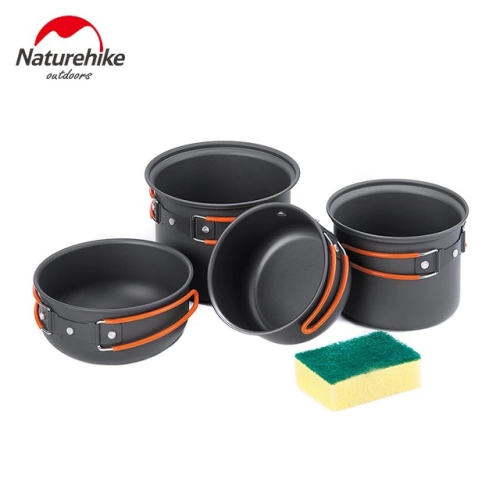
The right size and layout depend on what gets cooked and how the equipment travels. A solo camper who mainly heats water has different needs from a family preparing a pot of rice alongside sautéed vegetables. Usable cooking space matters as much as stated capacity: a pot filled close to its rim leaves little room for stirring, foaming, or carrying without spills. A little headroom is especially helpful for oatmeal, pasta, and meals that expand as they cook. Tall, narrow pots often fit neatly into a backpack, while wider pots and frying pans provide more space for turning food and stirring thicker dishes. Compatibility with the intended stove is just as important. A small backpacking burner needs cookware that sits securely on its supports, and a broad pan should not exceed the stove manufacturer’s size limits. A two-burner camp stove offers more flexibility, but handle clearance and the space between burners still affect how comfortably two vessels can be used together. Aluminum is not naturally magnetic, so induction cooking requires cookware with a compatible magnetic base. Direct campfire use is a separate consideration: coatings, handle coverings, and lightweight construction may not be designed for flames or uneven heat. Suitability for a campfire should be explicitly stated by the manufacturer rather than assumed from the camping label. Folding handles, removable grips, and nesting shapes can make packing more efficient, provided the handles lock or hold securely during use. A fitted lid helps retain heat, while a pouring lip or straining lid can make draining easier when used carefully with appropriate hand protection. Handles and lids can still become hot, even when they have insulating sections. Multi-piece cooking kits are most useful when their components match the meals and group size, not simply when they contain many pieces. Bowls, cups, and utensils may be included in the piece count without adding cooking capacity. For a broader look at cookware intended for other kitchen setups, Aluminum Cookware Sets offer a related category, though stove compatibility and suitability for outdoor use still depend on the individual design.
Care and packing habits have a noticeable effect on how well aluminum camping cookware holds up. Nesting saves space, but bare metal edges, loose cutlery, or a stove packed inside a pot can rub against its cooking surface in transit. A clean cloth, suitable pot protector, or storage pouch between components helps limit that contact and can also reduce rattling. Cookware should be clean and completely dry before it is packed away, with removable handles and lids stored so they cannot scrape delicate finishes. During cooking, moderate, controlled heat is often enough because aluminum responds quickly to burner adjustments. An empty pan left over a flame can overheat, particularly if it has a non-stick coating, and a flame extending up the sides can damage handles or finishes. Wooden or heat-resistant silicone utensils are generally gentler on coated surfaces than metal tools, although the cookware maker’s care directions remain the best reference. After a meal, allowing a hot pot to cool before washing helps avoid sudden temperature changes that can distort some cookware. Warm water, mild dish soap, and a soft sponge are usually a practical starting point; soaking stuck-on food is gentler than scraping it away with an abrasive pad. Dishwasher suitability varies, and handwashing is often recommended for anodized or coated aluminum. Leftovers are better transferred to a suitable food-storage container than left sitting in bare aluminum, particularly when the meal contains tomato sauce, citrus, or plenty of salt. Durability also comes down to small details such as secure handle attachments, a lid that seats properly, and a base that remains stable on the stove. For frequent backpackers, compact nesting and low weight may take priority; for families and paddle campers, comfortable handling and enough capacity for shared meals may matter more. As a gift, aluminum camping cookware is most thoughtful when it suits the recipient’s usual group size, cooking style, and existing stove. A well-matched cooking kit makes familiar campsite routines simpler, from lifting a full pot securely to washing up and fitting everything back into its place.
The right size and layout depend on what gets cooked and how the equipment travels. A solo camper who mainly heats water has different needs from a family preparing a pot of rice alongside sautéed vegetables. Usable cooking space matters as much as stated capacity: a pot filled close to its rim leaves little room for stirring, foaming, or carrying without spills. A little headroom is especially helpful for oatmeal, pasta, and meals that expand as they cook. Tall, narrow pots often fit neatly into a backpack, while wider pots and frying pans provide more space for turning food and stirring thicker dishes. Compatibility with the intended stove is just as important. A small backpacking burner needs cookware that sits securely on its supports, and a broad pan should not exceed the stove manufacturer’s size limits. A two-burner camp stove offers more flexibility, but handle clearance and the space between burners still affect how comfortably two vessels can be used together. Aluminum is not naturally magnetic, so induction cooking requires cookware with a compatible magnetic base. Direct campfire use is a separate consideration: coatings, handle coverings, and lightweight construction may not be designed for flames or uneven heat. Suitability for a campfire should be explicitly stated by the manufacturer rather than assumed from the camping label. Folding handles, removable grips, and nesting shapes can make packing more efficient, provided the handles lock or hold securely during use. A fitted lid helps retain heat, while a pouring lip or straining lid can make draining easier when used carefully with appropriate hand protection. Handles and lids can still become hot, even when they have insulating sections. Multi-piece cooking kits are most useful when their components match the meals and group size, not simply when they contain many pieces. Bowls, cups, and utensils may be included in the piece count without adding cooking capacity. For a broader look at cookware intended for other kitchen setups, Aluminum Cookware Sets offer a related category, though stove compatibility and suitability for outdoor use still depend on the individual design.
Care and packing habits have a noticeable effect on how well aluminum camping cookware holds up. Nesting saves space, but bare metal edges, loose cutlery, or a stove packed inside a pot can rub against its cooking surface in transit. A clean cloth, suitable pot protector, or storage pouch between components helps limit that contact and can also reduce rattling. Cookware should be clean and completely dry before it is packed away, with removable handles and lids stored so they cannot scrape delicate finishes. During cooking, moderate, controlled heat is often enough because aluminum responds quickly to burner adjustments. An empty pan left over a flame can overheat, particularly if it has a non-stick coating, and a flame extending up the sides can damage handles or finishes. Wooden or heat-resistant silicone utensils are generally gentler on coated surfaces than metal tools, although the cookware maker’s care directions remain the best reference. After a meal, allowing a hot pot to cool before washing helps avoid sudden temperature changes that can distort some cookware. Warm water, mild dish soap, and a soft sponge are usually a practical starting point; soaking stuck-on food is gentler than scraping it away with an abrasive pad. Dishwasher suitability varies, and handwashing is often recommended for anodized or coated aluminum. Leftovers are better transferred to a suitable food-storage container than left sitting in bare aluminum, particularly when the meal contains tomato sauce, citrus, or plenty of salt. Durability also comes down to small details such as secure handle attachments, a lid that seats properly, and a base that remains stable on the stove. For frequent backpackers, compact nesting and low weight may take priority; for families and paddle campers, comfortable handling and enough capacity for shared meals may matter more. As a gift, aluminum camping cookware is most thoughtful when it suits the recipient’s usual group size, cooking style, and existing stove. A well-matched cooking kit makes familiar campsite routines simpler, from lifting a full pot securely to washing up and fitting everything back into its place.
Top selling and popular products
-
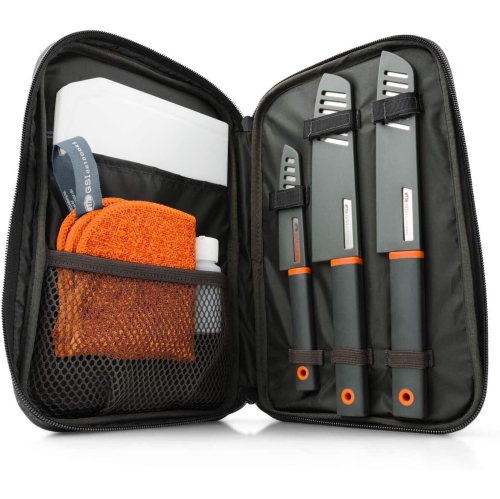 Your price for this item is $55.95
 -
 Your price for this item is $40.95
 -
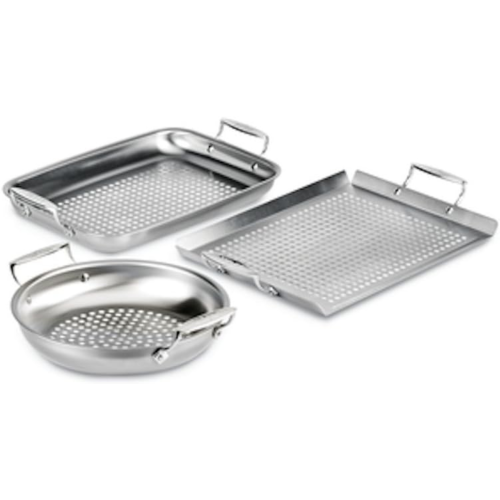 Your price for this item is $284.05
 -
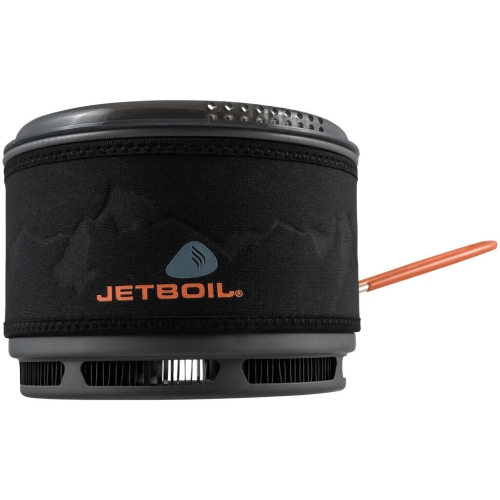 Your price for this item is $99.95
 -
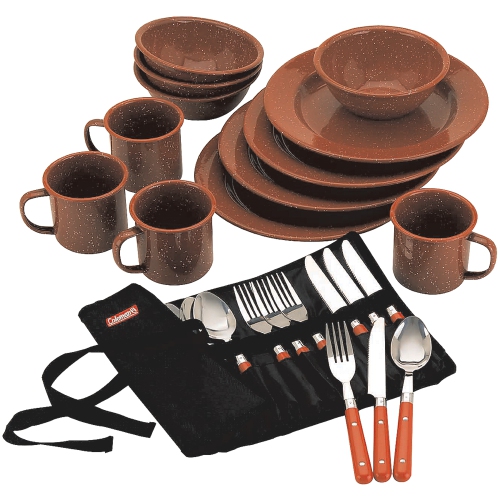 Your price for this item is $100.53
 -
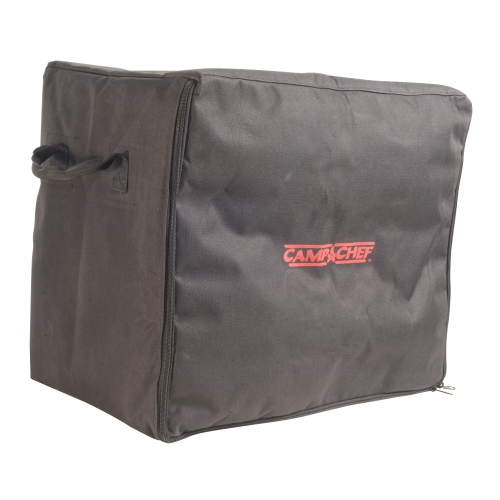 Your price for this item is $159.99
 -
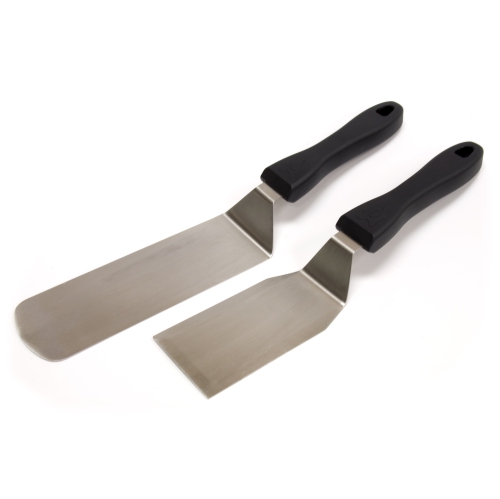 Your price for this item is $29.99
 -
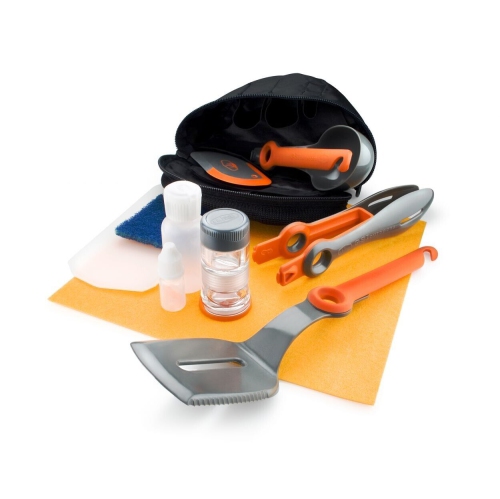 Your price for this item is $57.95
Discover more categories related to Aluminum Camping Cookware
Top Collections:
Pokemon Centers, Kindle Devices, Best Budget Office Chairs, Apple iPhones 16, Best Laptops for Writers, iPhone 15 Apple, Canon G7X Cameras, Refurbished Apple Laptops, Alarm Clock, Motorola Razr Phones
Some products may be subject to Environmental Handling Fees
(EHF) depending on your province.
Learn more about EHFs.