Anti Allergy Pillows
Are you tired of waking up with a stuffy nose, itchy eyes, or constant sneezing? Say goodbye to allergies and hello to a restful night's sleep with our collection of anti-allergy pillows. Designed to provide relief from common allergens such as dust mites, pet dander, and pollen, these pillows are the perfect solution for those who suffer from allergies or asthma. Made with hypoallergenic materials and advanced technologies, our anti-allergy pillows offer a comfortable and healthy sleep environment, allowing you to wake up feeling refreshed and ready to take on the day.
Sort
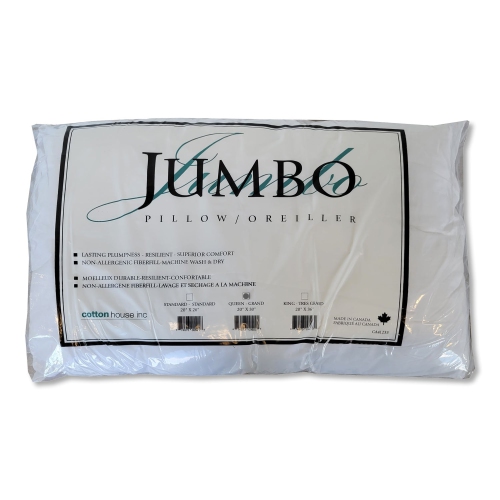
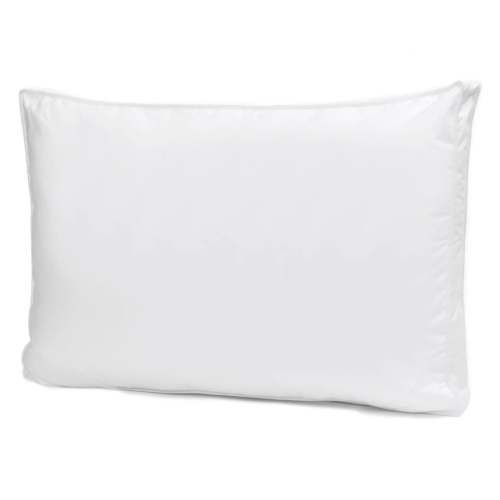
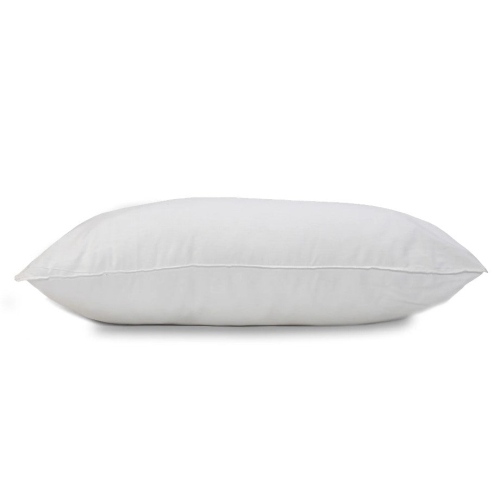
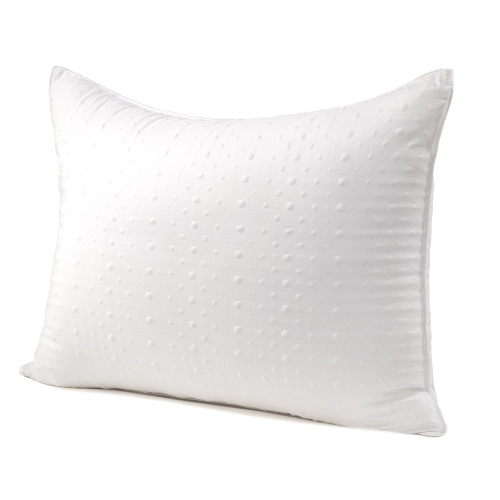
How fillings and care support a fresher sleep surface
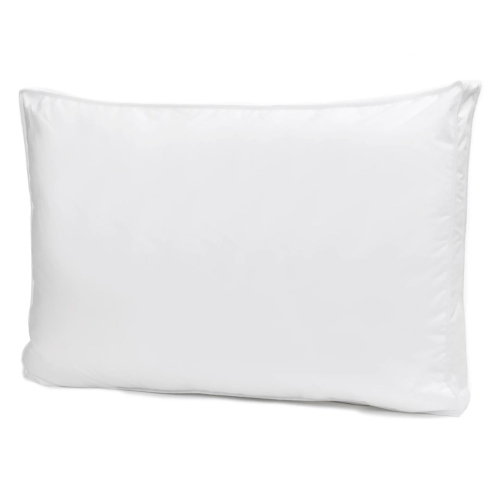
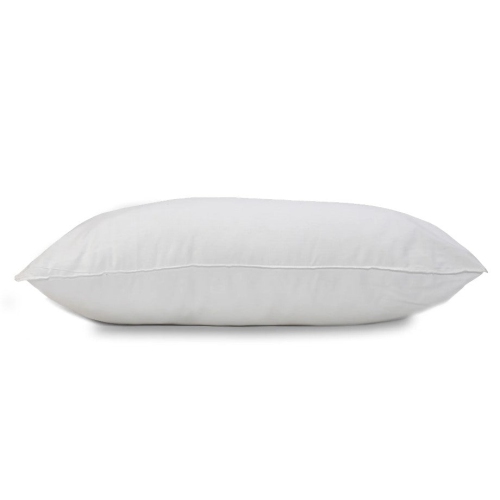
Anti allergy pillows are designed to help create a cleaner, more comfortable sleep environment for people who are sensitive to common household allergens such as dust mites, pollen and pet dander. They typically use tightly woven outer fabric, specialized fillings or solid foam construction to limit the places where allergens can collect and settle. While no pillow can remove every allergen from a bedroom or replace advice from a healthcare professional, the right pillow can be a useful part of a consistent bedding routine. A pillow with an allergen-barrier cover may help reduce exposure to particles that become trapped in the pillow, while a washable surface makes regular cleaning easier. Look for clear information about the filling, cover material, care instructions and whether the complete pillow or only the removable cover can be washed. A zippered pillow protector with a close weave can add another layer between your face and the pillow, especially for sleepers who share their room with pets or who notice more congestion during pollen-heavy periods. Some allergy-focused bedding recommendations refer to covers with a pore size of 6 microns or smaller, but product specifications can vary, so check the manufacturer’s details before buying. Pairing an anti allergy pillow with Hypoallergenic Bed Sheets, a clean duvet cover and regularly laundered pillowcases can help keep the entire sleep surface feeling fresh through the cooler months.
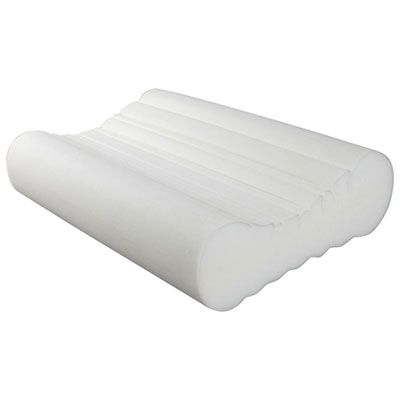
The filling makes a noticeable difference in both allergen management and comfort. Latex pillows have a resilient, gently springy feel and a naturally dense structure that does not provide an easy environment for dust mites; latex also resists moisture better than many traditional materials when it is properly ventilated and cared for. Memory foam pillows use a solid, supportive core rather than loose fibres, which can help limit the spaces where dust and dander gather. They are often available in contoured shapes that support the neck, although some sleepers prefer a conventional rectangular design. Down alternative pillows use polyester or microfiber fill to provide a soft, compressible feel without real feathers, making them a practical option for people who prefer the loft of a plush pillow or want to avoid feather filling that can retain dander. When choosing among these styles, begin with your sleeping position. Side sleepers generally need a higher, firmer pillow to fill the space between the shoulder and neck, while back sleepers often prefer medium loft that supports the natural curve of the neck without pushing the head too far forward. Stomach sleepers usually find a lower, softer pillow more comfortable. Body size, mattress firmness and personal preference also matter: a pillow that feels supportive on a firm mattress may feel too high on a softer one. If two people share a bed, separate pillows make it easier for each sleeper to choose the right height and feel. Anti allergy pillows can also be thoughtful gifts for students moving into a residence, guests preparing a spare room, new homeowners or anyone setting up a more comfortable bedroom routine. For a gift, a washable, medium-loft design is often a versatile choice, while a person with a known preference may appreciate a specific profile such as contouring memory foam or a soft down alternative.
Good pillow care is as important as the initial choice. Wash pillowcases and removable covers regularly, following the care label and using the warmest recommended water setting; washing at around 60°C / 140°F may help reduce dust mites when the fabric and filling allow it. A pillow protector with a zipper can be laundered more frequently than the pillow itself and helps shield the inner filling from perspiration, skin oils and airborne particles. Keep pets off the pillow and allow bedding to dry completely before making the bed, since lingering moisture can contribute to stale odours and may encourage mould growth. Foam and latex pillows generally should not be placed in a washing machine unless the instructions specifically permit it. Instead, spot-clean the cover or use the recommended method, then air the pillow in a well-ventilated area away from direct heat. Fluffing a fibre-filled pillow can restore its shape, while gently airing a foam pillow can help it feel fresh after unpacking. Replace a pillow when it remains flat, lumpy or misshapen, when it no longer supports your neck, or when the filling has developed a persistent odour that cleaning cannot resolve. During the transition from warmer weather into early winter, closed windows, indoor heating and heavier bedding can change how a bedroom feels, so breathable covers and regular laundering can be especially helpful. With the right combination of filling, loft, protective covers and simple cleaning habits, an anti allergy pillow can support a comfortable night’s sleep and make the bed feel inviting from the first cool evening through the colder season.
The filling makes a noticeable difference in both allergen management and comfort. Latex pillows have a resilient, gently springy feel and a naturally dense structure that does not provide an easy environment for dust mites; latex also resists moisture better than many traditional materials when it is properly ventilated and cared for. Memory foam pillows use a solid, supportive core rather than loose fibres, which can help limit the spaces where dust and dander gather. They are often available in contoured shapes that support the neck, although some sleepers prefer a conventional rectangular design. Down alternative pillows use polyester or microfiber fill to provide a soft, compressible feel without real feathers, making them a practical option for people who prefer the loft of a plush pillow or want to avoid feather filling that can retain dander. When choosing among these styles, begin with your sleeping position. Side sleepers generally need a higher, firmer pillow to fill the space between the shoulder and neck, while back sleepers often prefer medium loft that supports the natural curve of the neck without pushing the head too far forward. Stomach sleepers usually find a lower, softer pillow more comfortable. Body size, mattress firmness and personal preference also matter: a pillow that feels supportive on a firm mattress may feel too high on a softer one. If two people share a bed, separate pillows make it easier for each sleeper to choose the right height and feel. Anti allergy pillows can also be thoughtful gifts for students moving into a residence, guests preparing a spare room, new homeowners or anyone setting up a more comfortable bedroom routine. For a gift, a washable, medium-loft design is often a versatile choice, while a person with a known preference may appreciate a specific profile such as contouring memory foam or a soft down alternative.
Good pillow care is as important as the initial choice. Wash pillowcases and removable covers regularly, following the care label and using the warmest recommended water setting; washing at around 60°C / 140°F may help reduce dust mites when the fabric and filling allow it. A pillow protector with a zipper can be laundered more frequently than the pillow itself and helps shield the inner filling from perspiration, skin oils and airborne particles. Keep pets off the pillow and allow bedding to dry completely before making the bed, since lingering moisture can contribute to stale odours and may encourage mould growth. Foam and latex pillows generally should not be placed in a washing machine unless the instructions specifically permit it. Instead, spot-clean the cover or use the recommended method, then air the pillow in a well-ventilated area away from direct heat. Fluffing a fibre-filled pillow can restore its shape, while gently airing a foam pillow can help it feel fresh after unpacking. Replace a pillow when it remains flat, lumpy or misshapen, when it no longer supports your neck, or when the filling has developed a persistent odour that cleaning cannot resolve. During the transition from warmer weather into early winter, closed windows, indoor heating and heavier bedding can change how a bedroom feels, so breathable covers and regular laundering can be especially helpful. With the right combination of filling, loft, protective covers and simple cleaning habits, an anti allergy pillow can support a comfortable night’s sleep and make the bed feel inviting from the first cool evening through the colder season.
Top selling and popular products
-
 Your price for this item is $300
 -
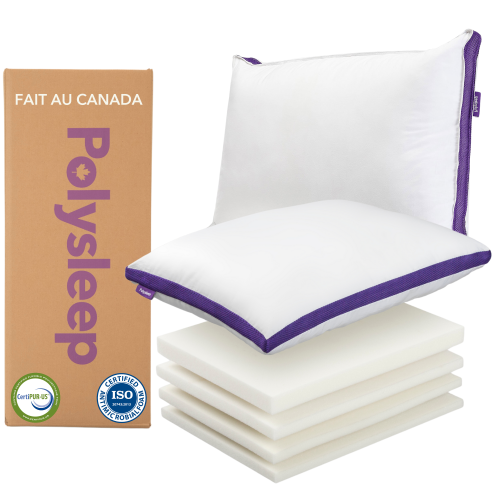 Your price for this item is $350
 -
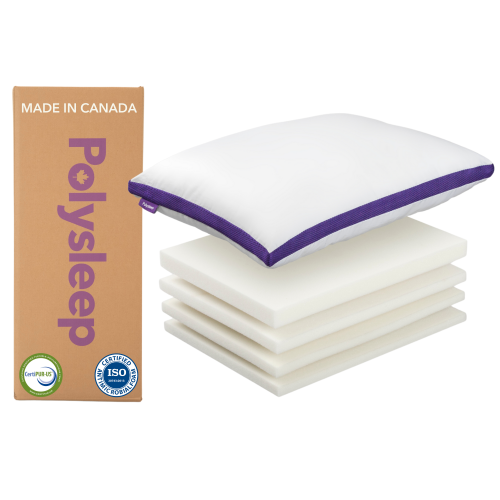 Your price for this item is $175
 -
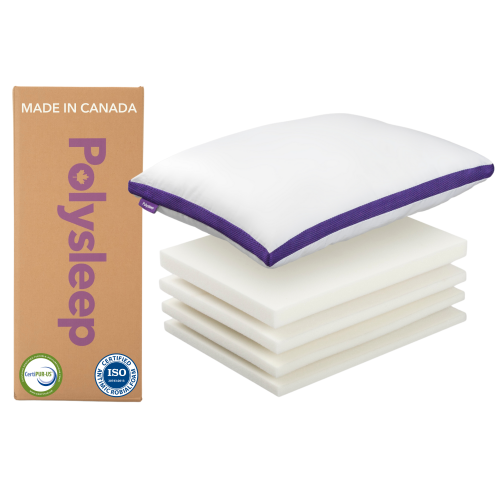 Your price for this item is $150
 -
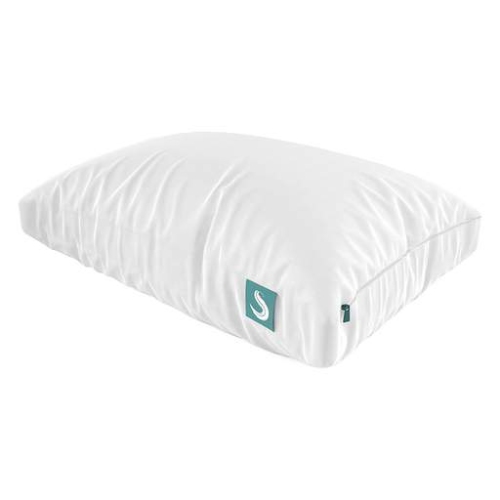 Your price for this item is $153.99
 -
 Your price for this item is $295
 -
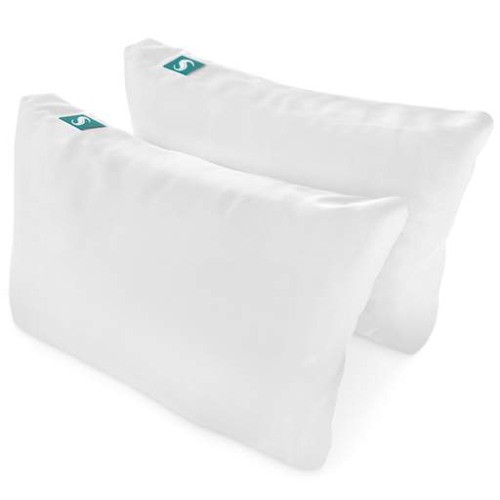 Your price for this item is $243.99
 -
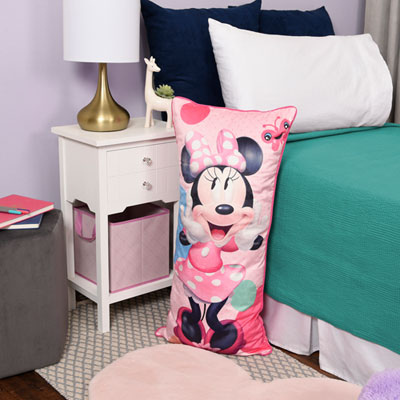 Your price for this item is $24.99
Discover more categories related to Anti Allergy Pillows
Top Collections:
Pokemon Centers, Kindle Devices, Best Budget Office Chairs, Apple iPhones 16, Best Laptops for Writers, iPhone 15 Apple, Canon G7X Cameras, Refurbished Apple Laptops, Alarm Clock, Motorola Razr Phones
Some products may be subject to Environmental Handling Fees
(EHF) depending on your province.
Learn more about EHFs.