Hypoallergenic Mattress Pads
Upgrade your sleep experience with these hypoallergenic mattress pads. Designed to provide an extra layer of comfort and protection, our hypoallergenic mattress pads are perfect for those seeking relief from allergies or sensitivities. Here are some great options for you.
Sort
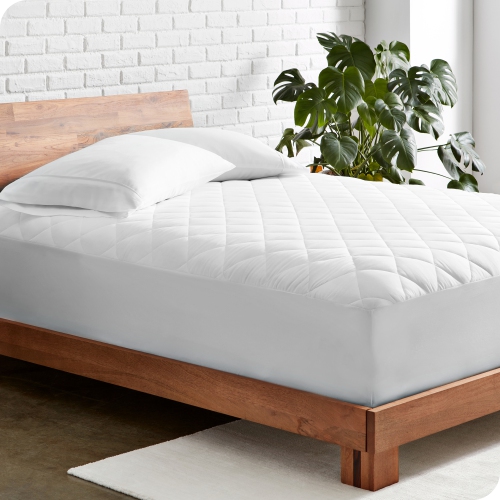

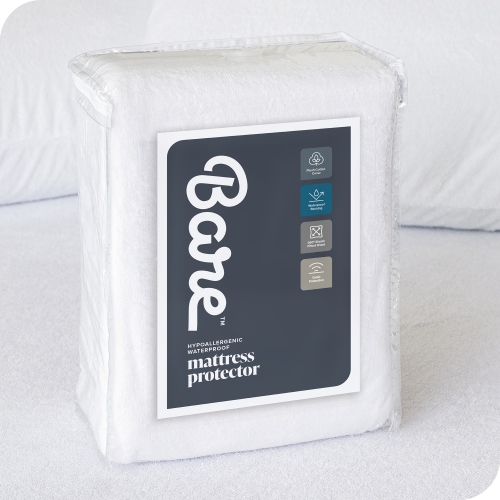
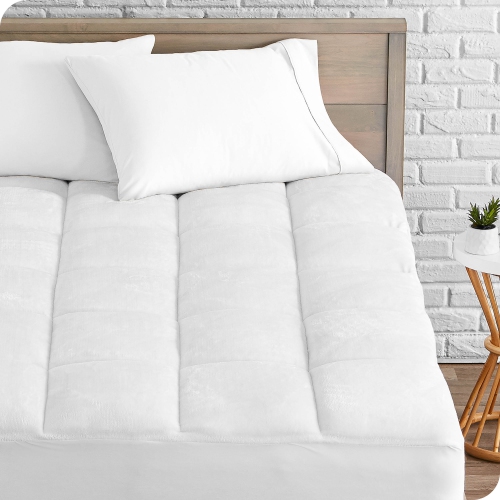
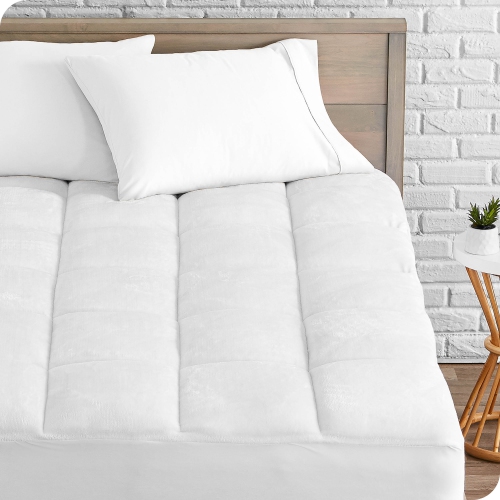
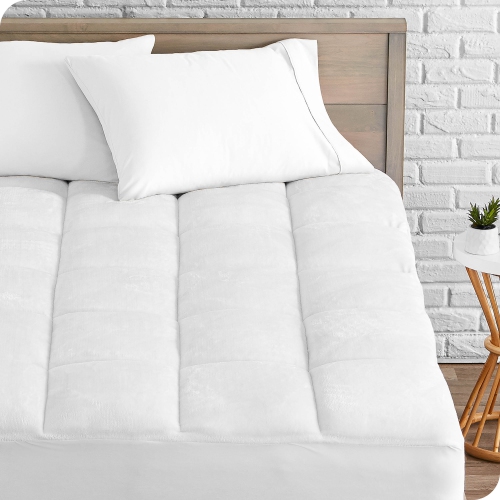
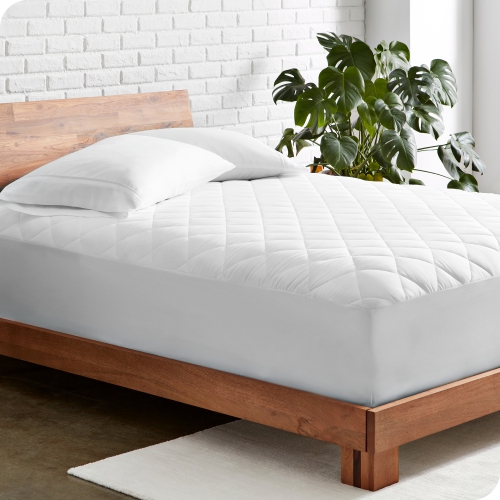
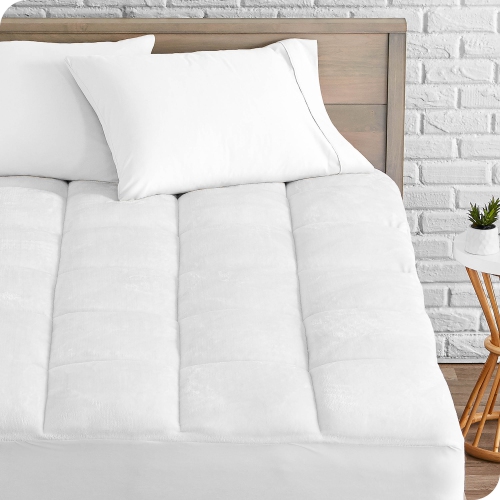

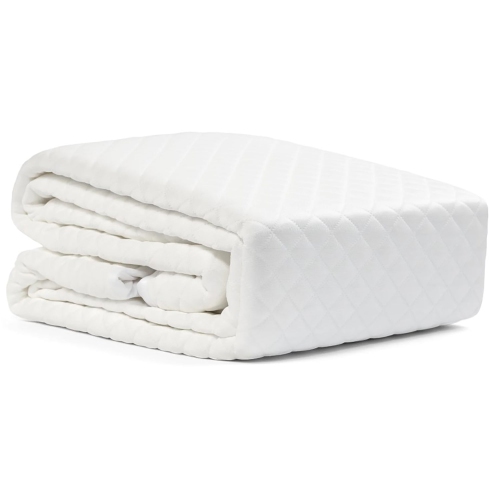
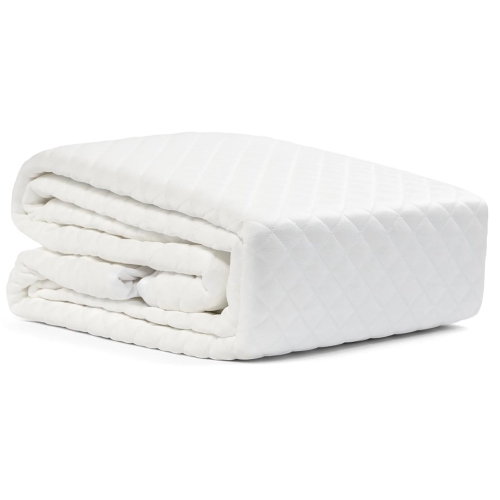
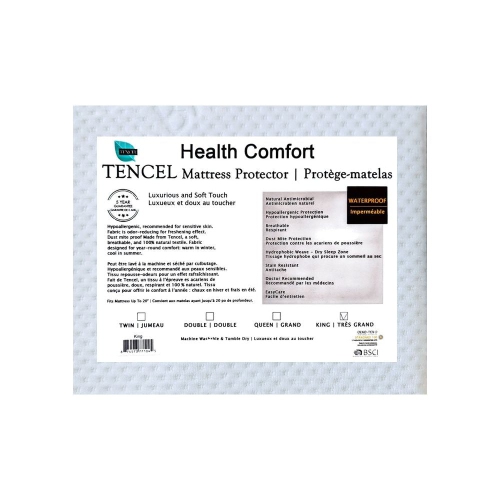
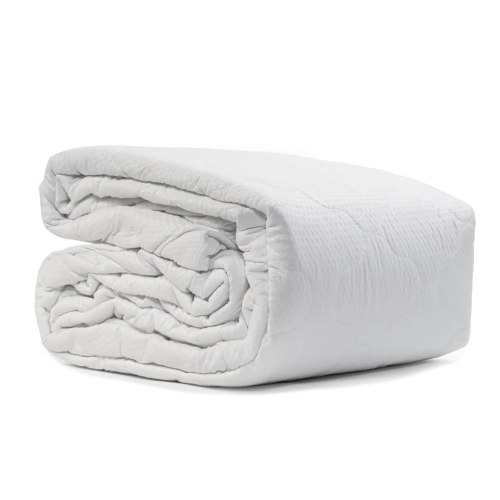
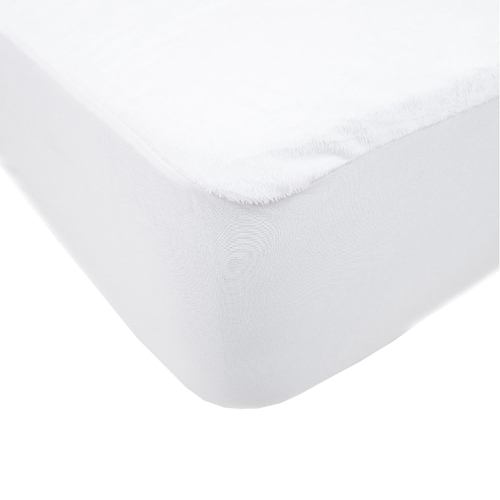
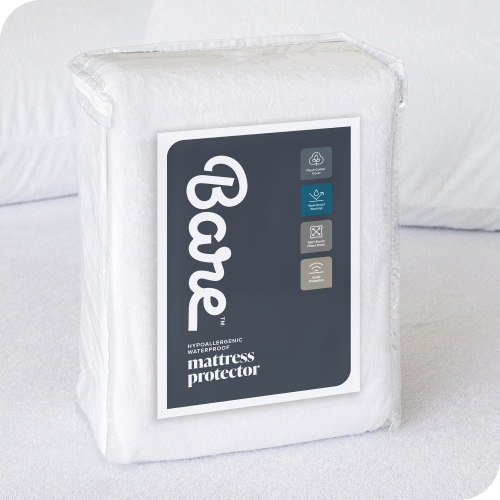
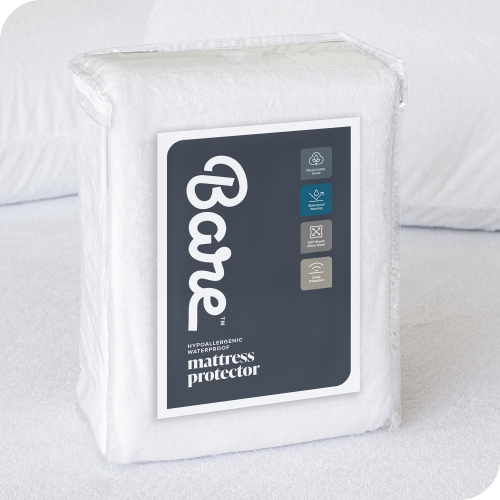
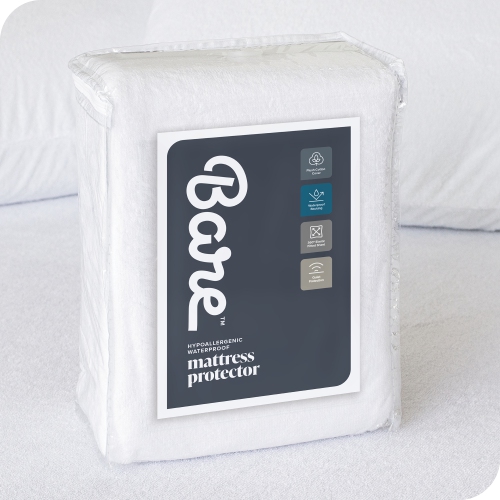
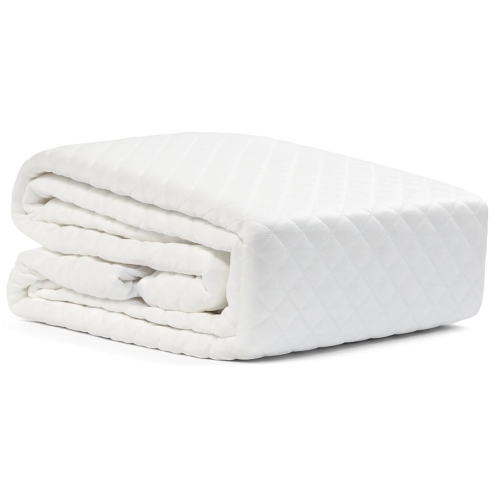
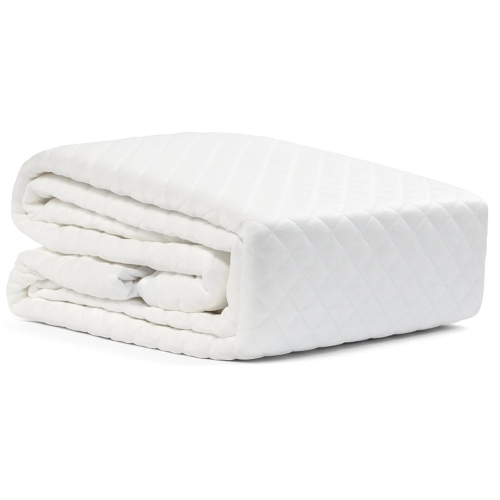
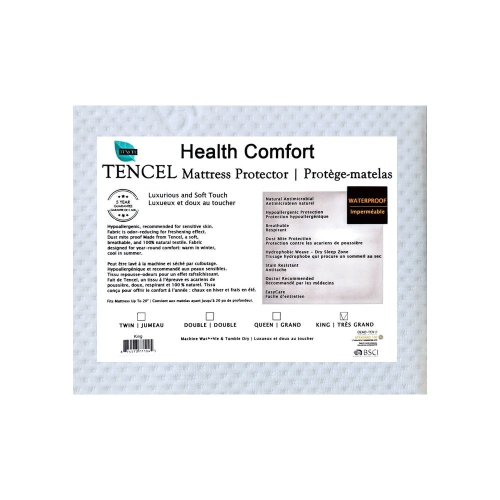
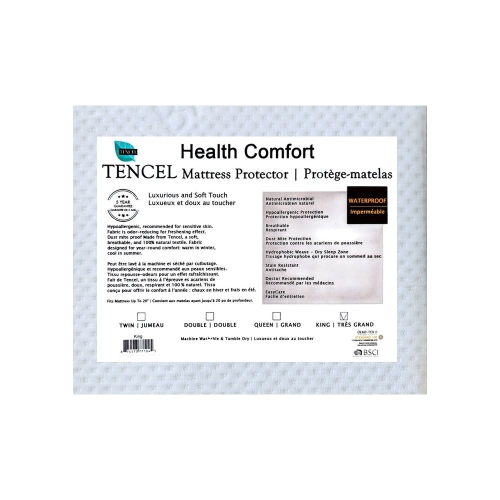
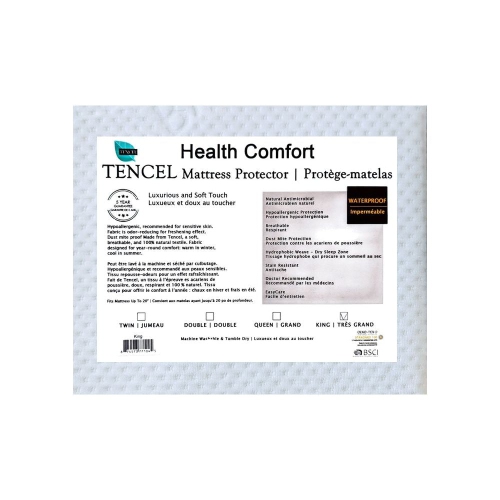
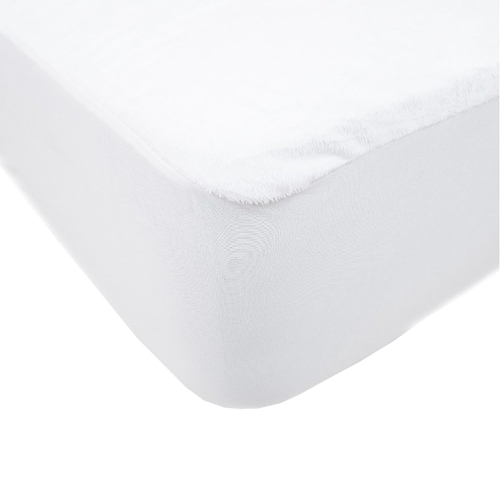
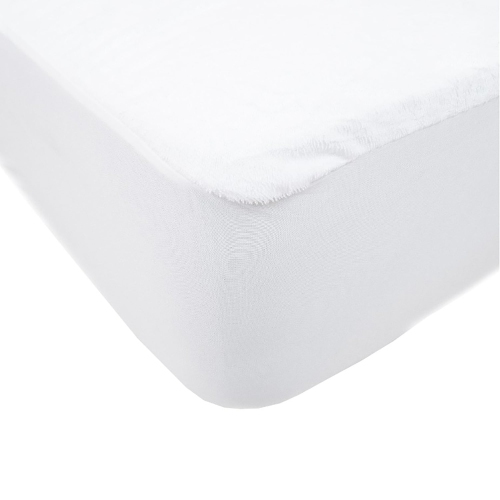
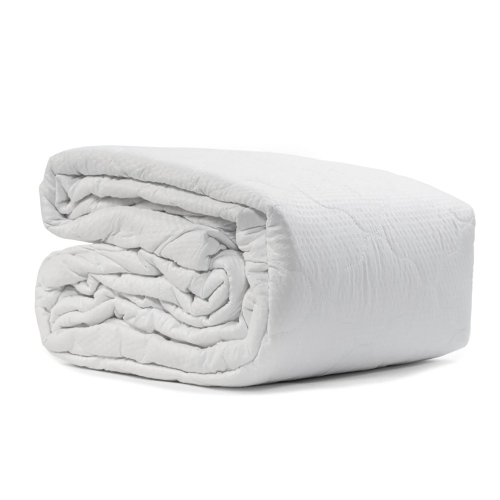
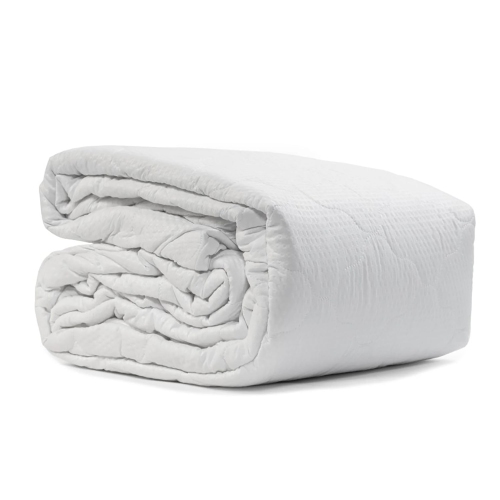
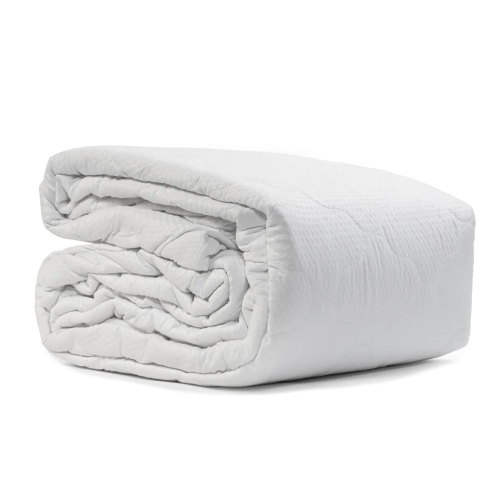
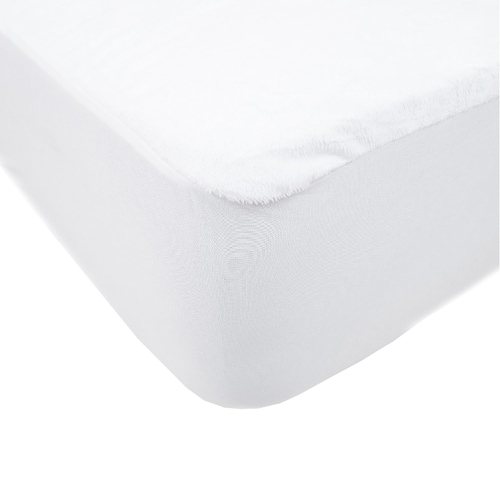
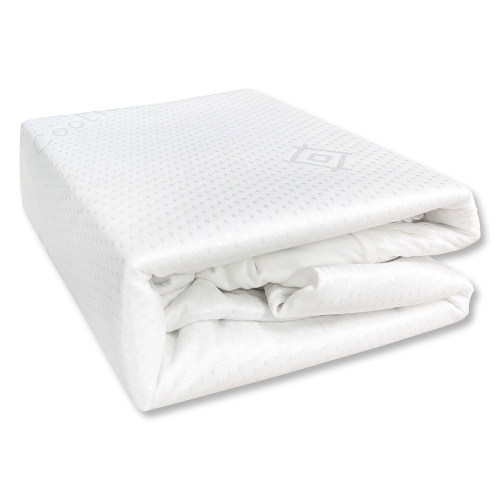
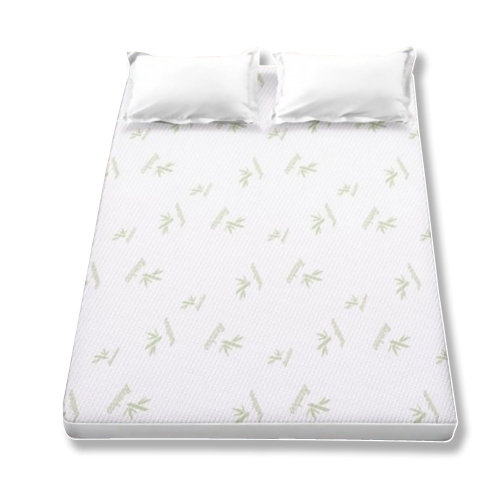
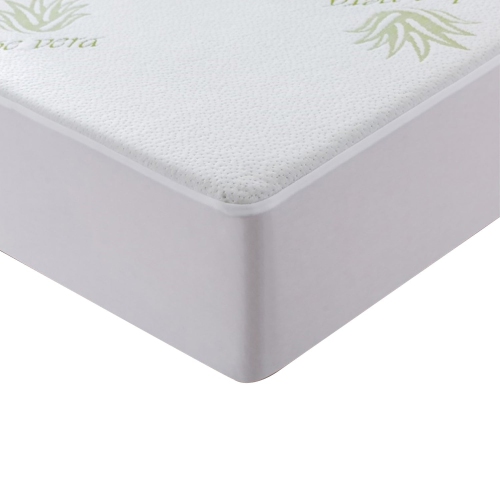
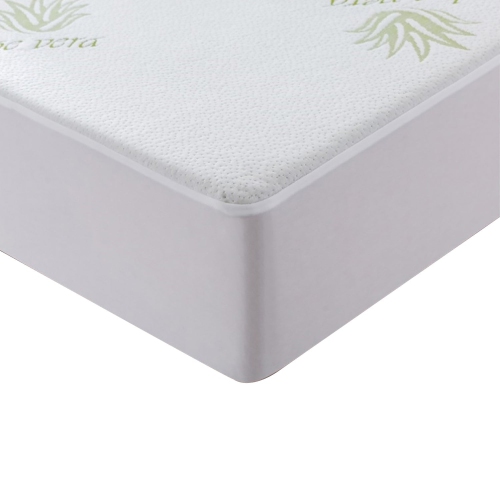
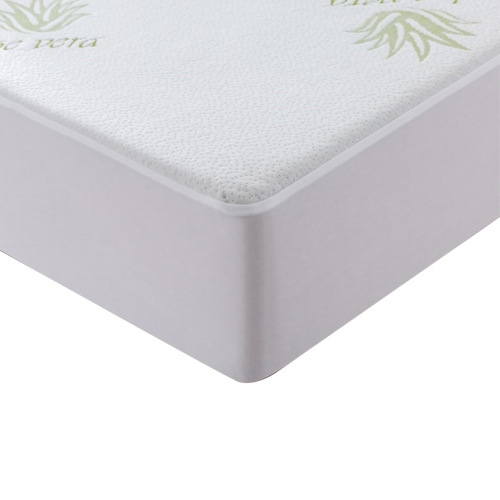

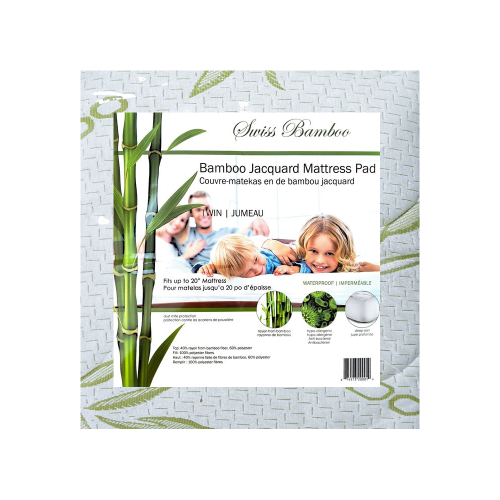
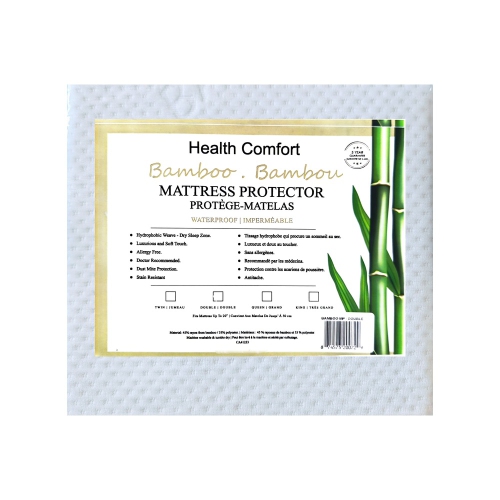
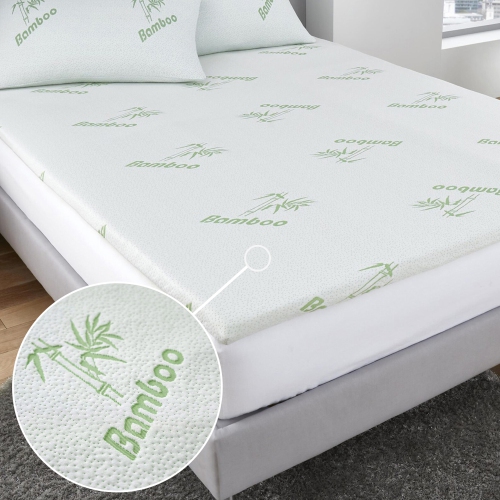

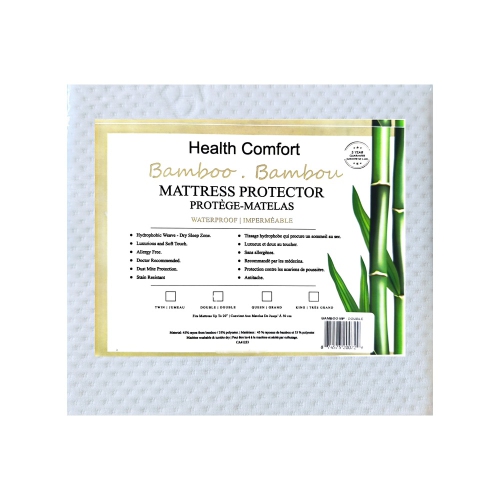
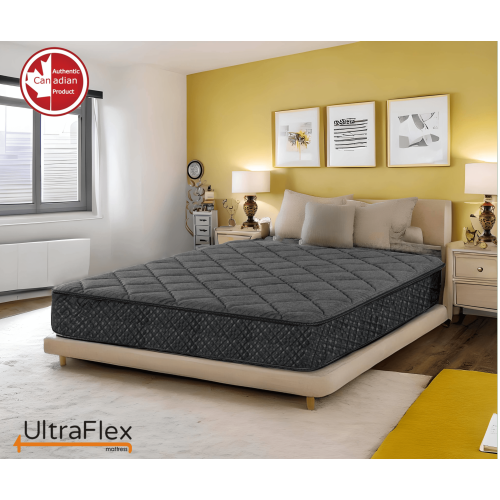

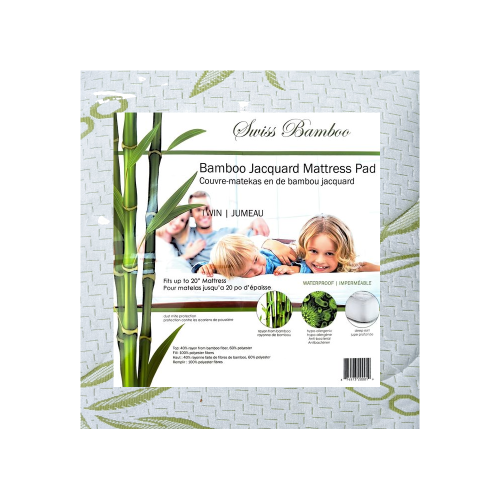
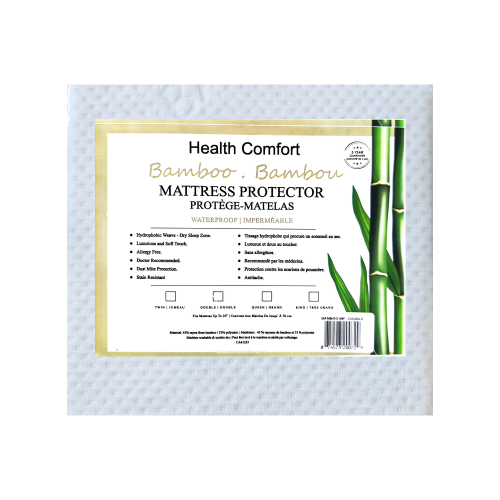
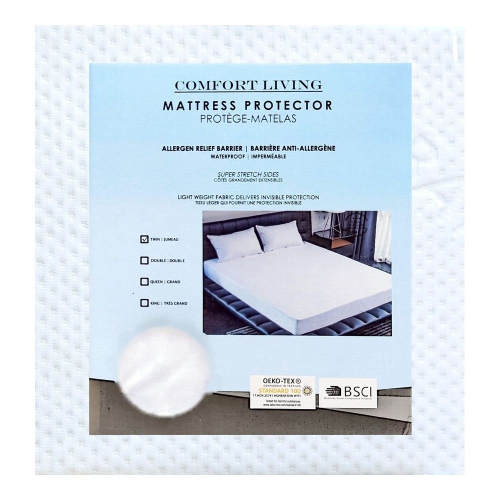
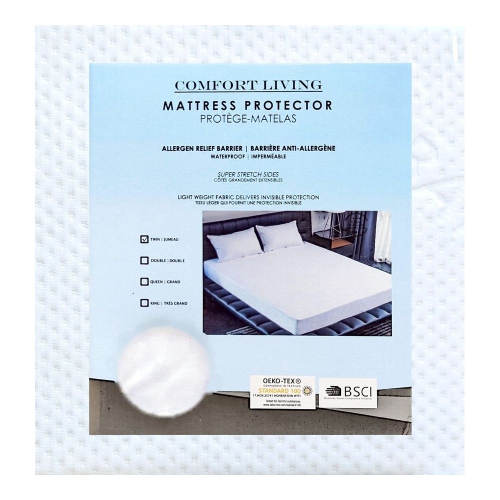

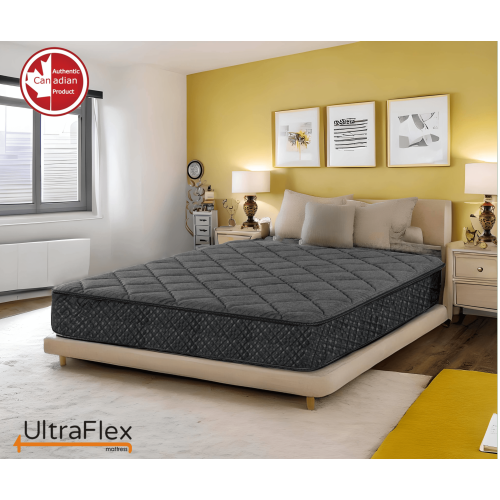
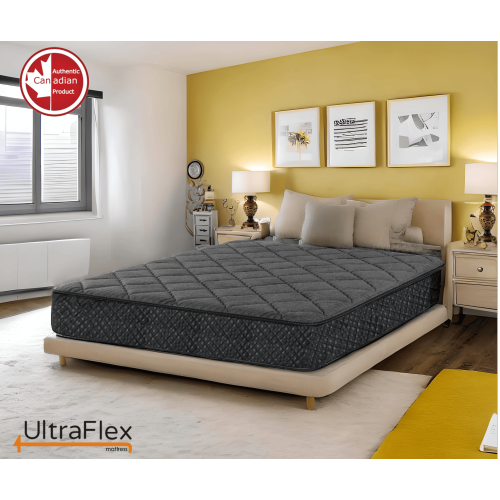
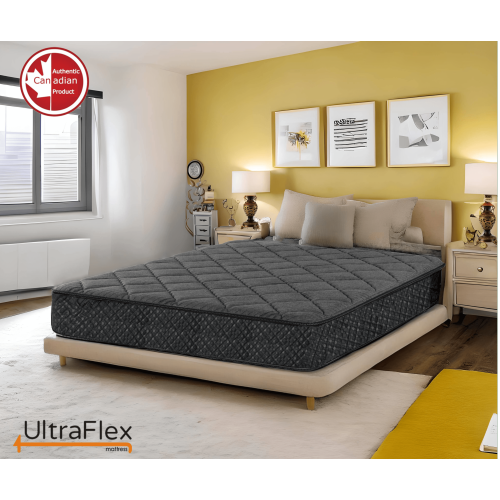
Allergen-conscious comfort with washable mattress protection
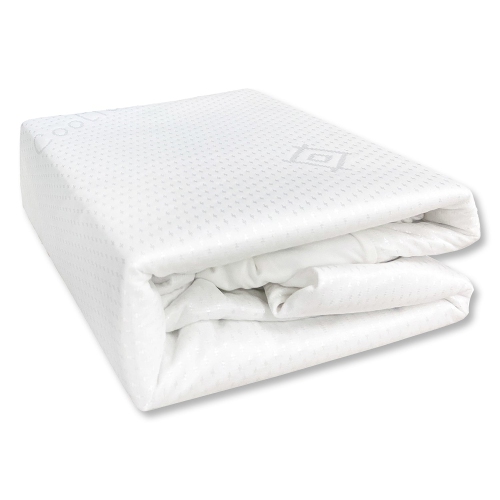
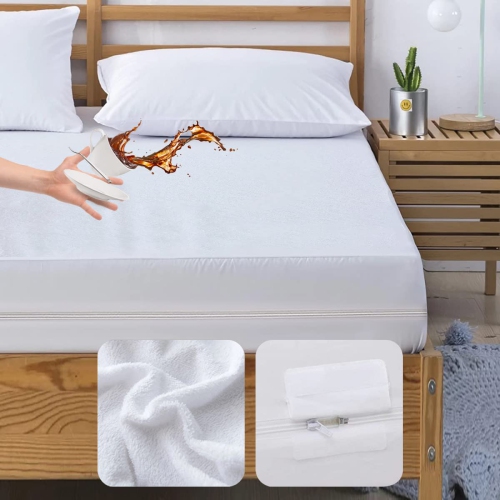
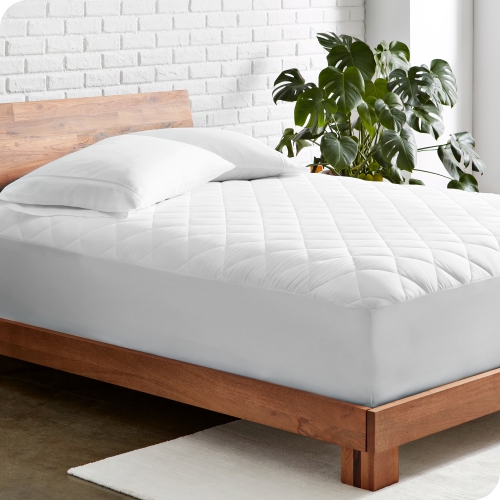
Hypoallergenic mattress pads are designed to add a comfortable layer between you and your mattress while helping reduce contact with common household irritants. Depending on the construction, they may use tightly woven fabric, quilted surfaces, or specialized fill materials that make it harder for dust mites, pet dander, and pollen to settle into the bedding. This can be especially helpful for people with allergies, asthma, sensitive skin, or a preference for a cleaner-feeling sleep environment. A mattress pad will not eliminate allergens from a bedroom, and “hypoallergenic” does not mean that every sleeper will respond identically to a particular material, but the right design can support a more comfortable bedtime routine. Many pads also add gentle cushioning to a mattress that feels too firm, smooth out minor surface unevenness, and protect the mattress from everyday perspiration, skin oils, and accidental spills. For households with pets, open windows, or seasonal sensitivities, a washable mattress pad can provide a practical layer that is easier to clean than the mattress itself. During warmer weather, a breathable cotton or moisture-managing surface can help prevent a clammy feel, while during cooler months, quilted construction and soft fill can make the bed feel more inviting without changing the mattress underneath. The best choice depends on whether the main priority is allergen-conscious bedding, added softness, temperature control, spill resistance, or a combination of these features.
Start by selecting the correct mattress size, such as Twin, Full, Queen, King, or California King, and then check the pad’s dimensions and fitted skirt depth. A pad that is too small may pull away from the corners, while one with a shallow skirt may not stay securely in place on a deeper mattress. Elastic edging, fitted corners, and stretch panels can help keep the pad smooth as you move during the night. Pay close attention to the surface fabric and fill. Cotton and cotton-blend covers are often appreciated for their familiar, breathable feel, while polyester and microfibre can offer a smooth finish, easy care, and reliable durability. Hypoallergenic down-alternative fill may suit sleepers who want lightweight loft without natural feather or down materials. If heat retention is a concern, look for breathable quilting, moisture-wicking fabric, or a lower-profile design that allows warmth to disperse. If spills, bedwetting, or frequent washing are part of the household routine, a waterproof or water-resistant barrier can provide an additional layer of protection, although some waterproof coatings may feel less breathable or slightly crinkly. Care instructions matter just as much as the initial feel: machine-washable construction, durable stitching, and a dryer-friendly design make it easier to wash the pad regularly and keep the sleep surface fresh. Wash and dry it according to the manufacturer’s instructions, avoid storing it damp, and allow it to dry completely before placing it back on the bed. For a coordinated bedding setup, pair the mattress pad with Hypoallergenic Bed Sheets made from a compatible fabric and sized for the same mattress.
A hypoallergenic mattress pad can be a thoughtful gift for someone settling into a new home, updating a guest room, preparing a child’s bedroom, or creating a more comfortable sleep space for a family member with known sensitivities. It is also a useful choice for university students, new renters, and anyone replacing older bedding after moving into a different bedroom. Before giving one as a gift, confirm the mattress size and consider whether the recipient sleeps hot, prefers a plush surface, or needs waterproof protection. For a guest room, a neutral, low-profile pad with a secure fit can make the bed feel more welcoming while helping protect the mattress between visits. In a child’s room, easy laundering and a dependable fit may be more important than extra loft. In a primary bedroom, shoppers may prefer a thicker quilted layer that changes the feel of a firm mattress, or a breathable pad that adds softness without making the bed noticeably warmer. A mattress pad should be treated as part of a broader bedding-care routine: vacuum the bedroom regularly, wash sheets and pillowcases as directed, keep pets’ sleeping areas clean, and follow the care label for the pad. Replacing a worn pad can refresh the feel of a bed and provide a cleaner, more comfortable surface for everyday sleep. Whether you are preparing for the cooler months, refreshing a room after a move, or simply looking for a softer layer between the sleeper and mattress, comparing materials, fit, protection, and maintenance requirements can help you choose hypoallergenic mattress pads that suit the way your household rests.
Start by selecting the correct mattress size, such as Twin, Full, Queen, King, or California King, and then check the pad’s dimensions and fitted skirt depth. A pad that is too small may pull away from the corners, while one with a shallow skirt may not stay securely in place on a deeper mattress. Elastic edging, fitted corners, and stretch panels can help keep the pad smooth as you move during the night. Pay close attention to the surface fabric and fill. Cotton and cotton-blend covers are often appreciated for their familiar, breathable feel, while polyester and microfibre can offer a smooth finish, easy care, and reliable durability. Hypoallergenic down-alternative fill may suit sleepers who want lightweight loft without natural feather or down materials. If heat retention is a concern, look for breathable quilting, moisture-wicking fabric, or a lower-profile design that allows warmth to disperse. If spills, bedwetting, or frequent washing are part of the household routine, a waterproof or water-resistant barrier can provide an additional layer of protection, although some waterproof coatings may feel less breathable or slightly crinkly. Care instructions matter just as much as the initial feel: machine-washable construction, durable stitching, and a dryer-friendly design make it easier to wash the pad regularly and keep the sleep surface fresh. Wash and dry it according to the manufacturer’s instructions, avoid storing it damp, and allow it to dry completely before placing it back on the bed. For a coordinated bedding setup, pair the mattress pad with Hypoallergenic Bed Sheets made from a compatible fabric and sized for the same mattress.
A hypoallergenic mattress pad can be a thoughtful gift for someone settling into a new home, updating a guest room, preparing a child’s bedroom, or creating a more comfortable sleep space for a family member with known sensitivities. It is also a useful choice for university students, new renters, and anyone replacing older bedding after moving into a different bedroom. Before giving one as a gift, confirm the mattress size and consider whether the recipient sleeps hot, prefers a plush surface, or needs waterproof protection. For a guest room, a neutral, low-profile pad with a secure fit can make the bed feel more welcoming while helping protect the mattress between visits. In a child’s room, easy laundering and a dependable fit may be more important than extra loft. In a primary bedroom, shoppers may prefer a thicker quilted layer that changes the feel of a firm mattress, or a breathable pad that adds softness without making the bed noticeably warmer. A mattress pad should be treated as part of a broader bedding-care routine: vacuum the bedroom regularly, wash sheets and pillowcases as directed, keep pets’ sleeping areas clean, and follow the care label for the pad. Replacing a worn pad can refresh the feel of a bed and provide a cleaner, more comfortable surface for everyday sleep. Whether you are preparing for the cooler months, refreshing a room after a move, or simply looking for a softer layer between the sleeper and mattress, comparing materials, fit, protection, and maintenance requirements can help you choose hypoallergenic mattress pads that suit the way your household rests.
Top selling and popular products
-
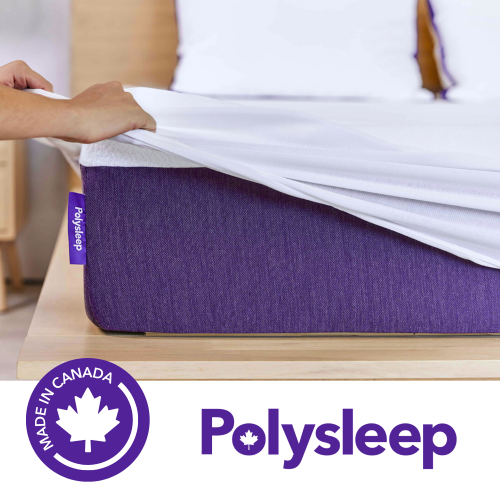 Your price for this item is $230
 -
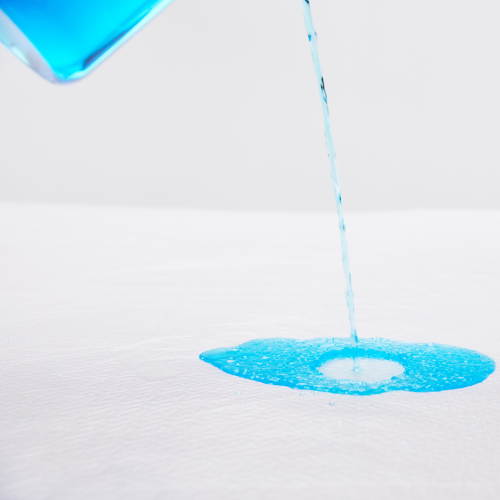 Your price for this item is $260
 -
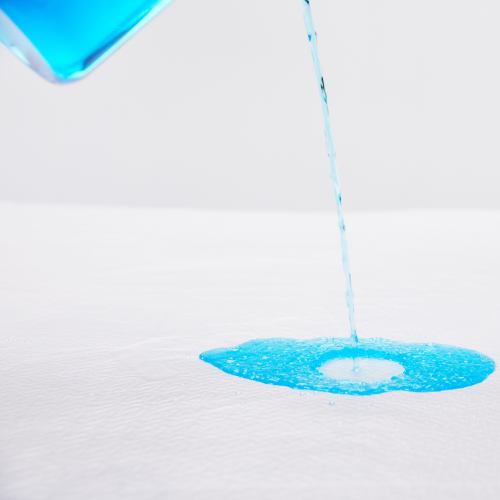 Your price for this item is $240
 -
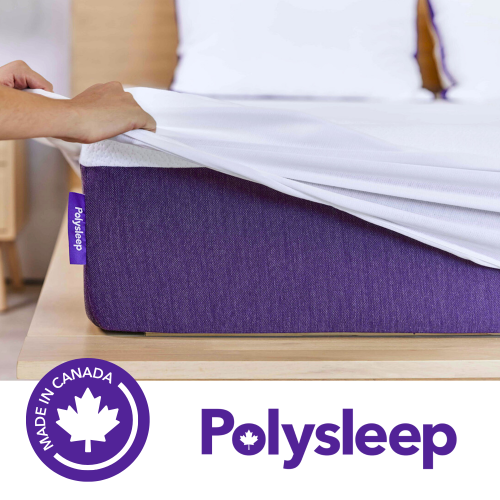 Your price for this item is $270
 -
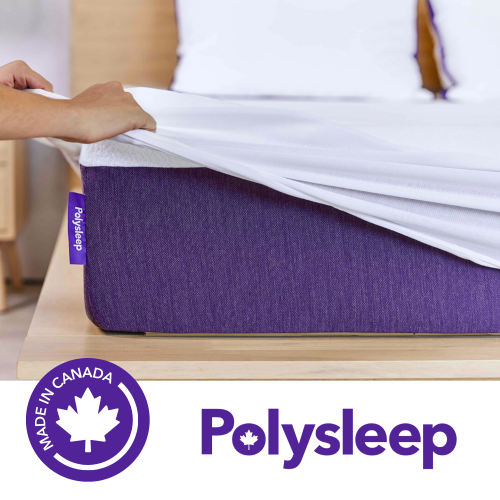 Your price for this item is $270
 -
 Your price for this item is $250
 -
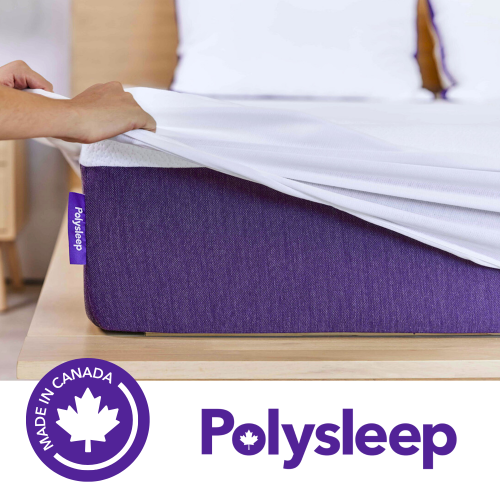 Your price for this item is $260
 -
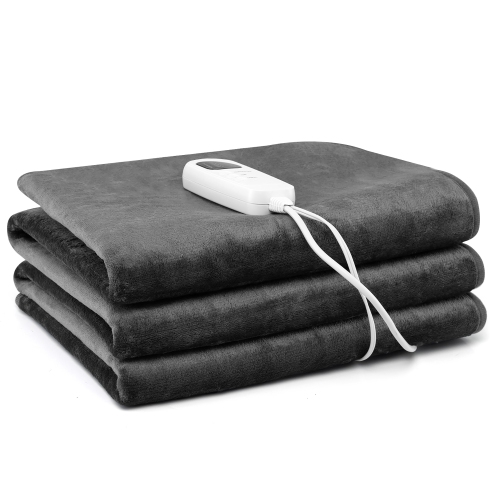 Your price for this item is $65.99
Discover more categories related to Hypoallergenic Mattress Pads
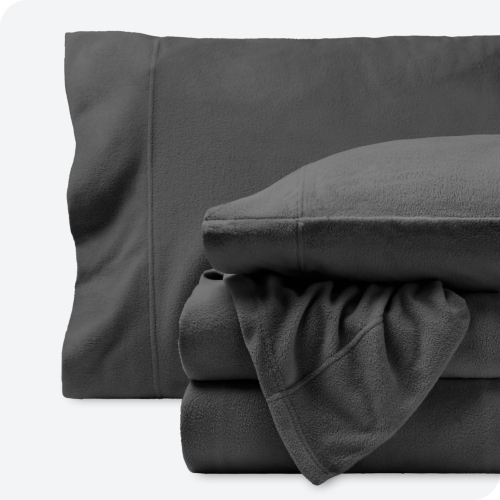
Top Collections:
Pokemon Centers, Kindle Devices, Best Budget Office Chairs, Apple iPhones 16, Best Laptops for Writers, iPhone 15 Apple, Canon G7X Cameras, Refurbished Apple Laptops, Alarm Clock, Motorola Razr Phones
Some products may be subject to Environmental Handling Fees
(EHF) depending on your province.
Learn more about EHFs.