Antique Storage Cabinets
Explore a curated selection of antique storage cabinets that effortlessly blend functionality with timeless style. Whether you're seeking a statement piece for your living room or a unique storage solution for your bedroom, these cabinets offer a touch of vintage charm to any space. From intricately carved designs to rustic finishes, each piece exudes character and elegance, making them perfect for adding a touch of old-world allure to your home decor. Discover the perfect antique storage cabinet to enhance your interior design aesthetic and keep your belongings organized in style.
Sort
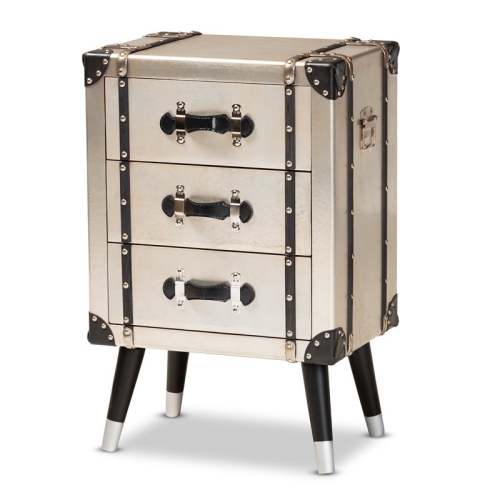
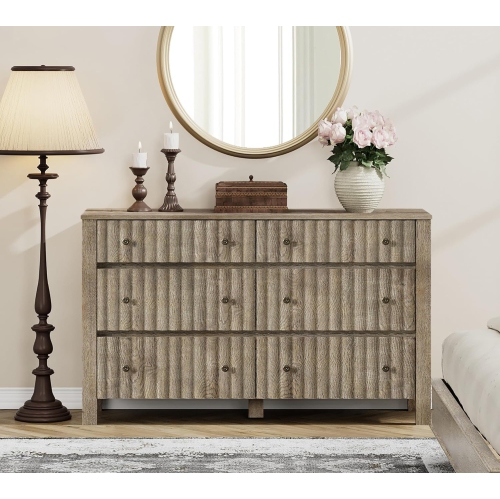
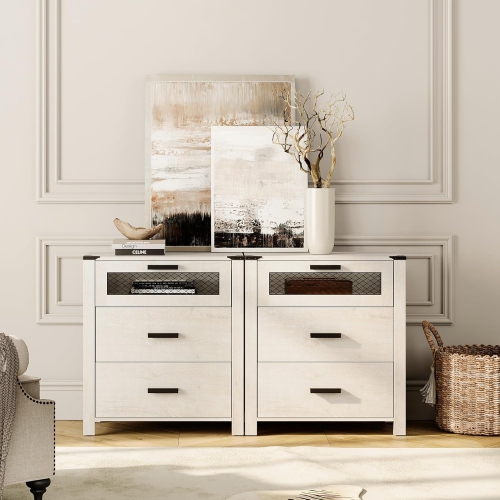
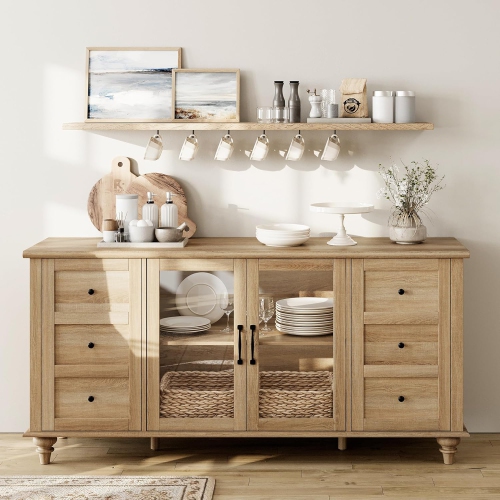

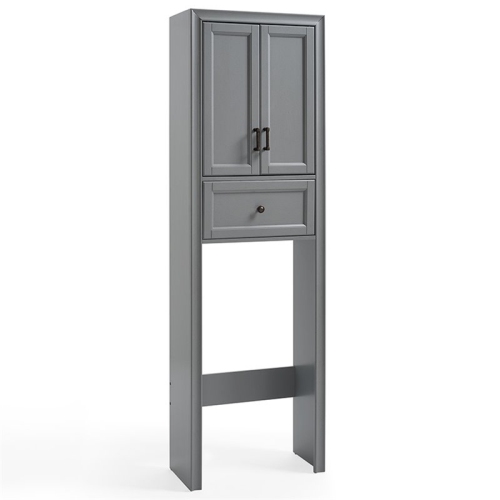
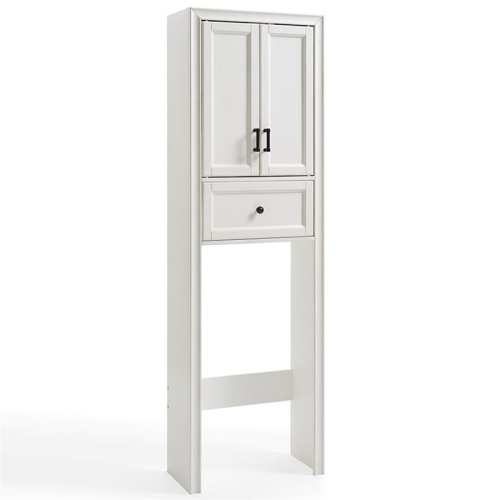
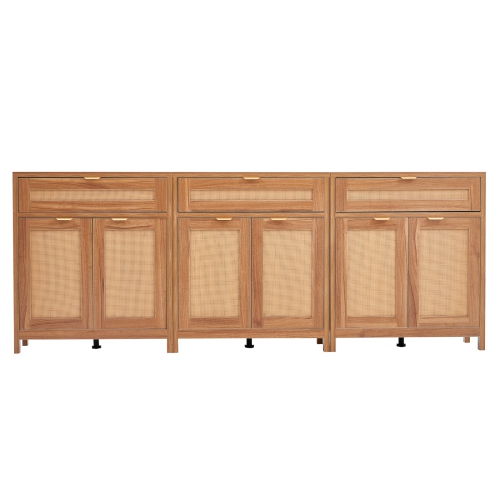
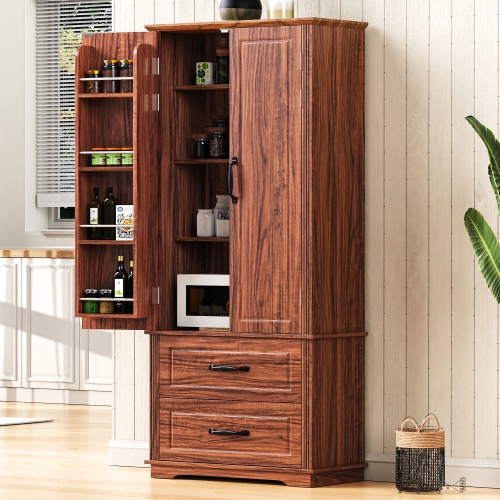
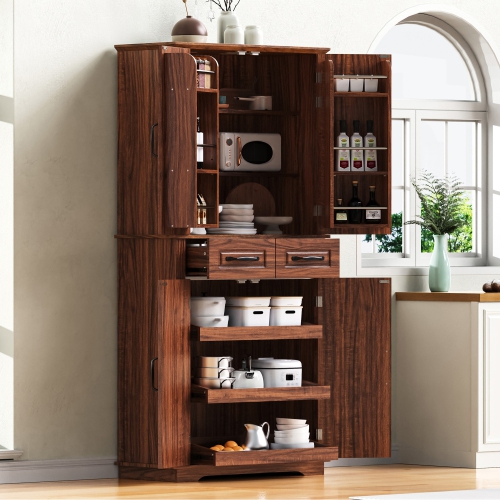
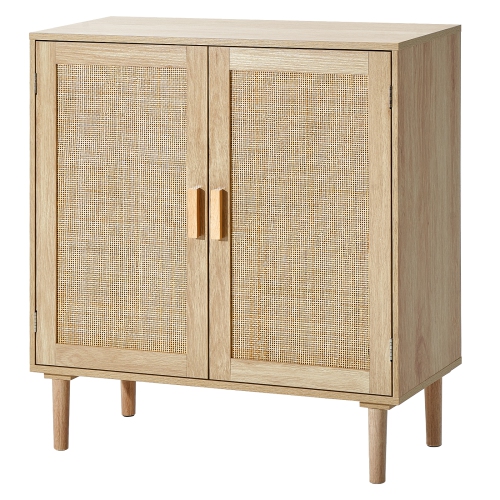
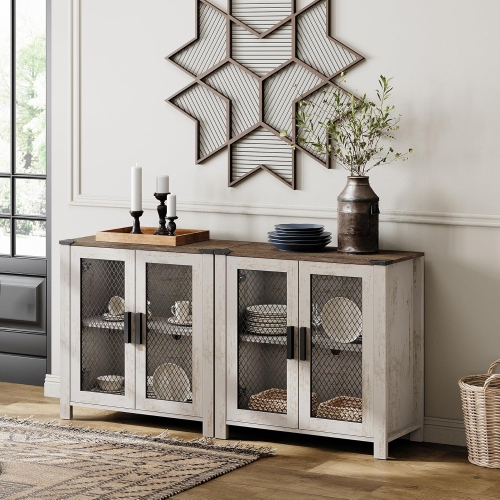
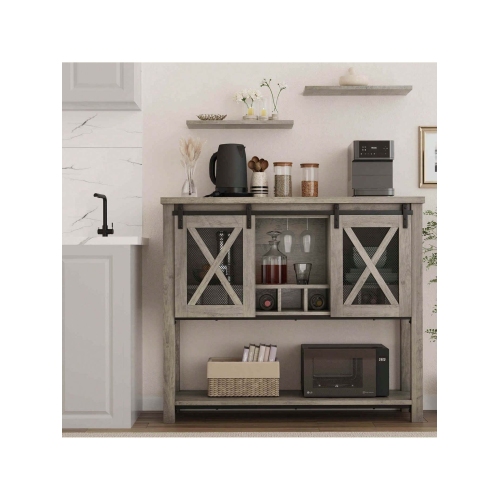
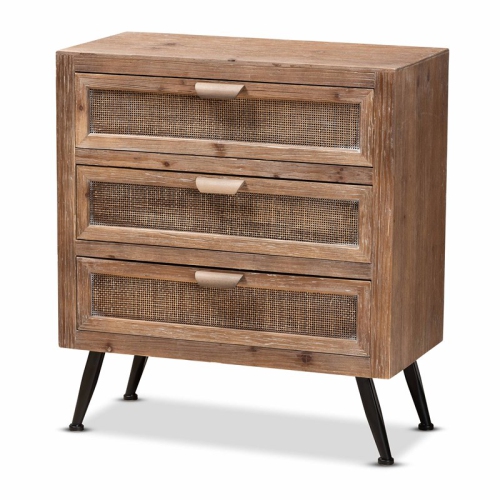
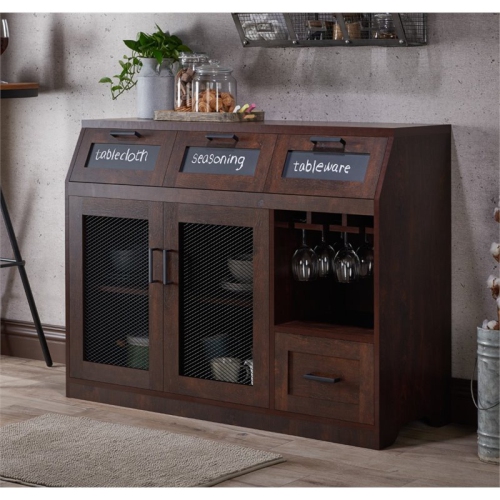
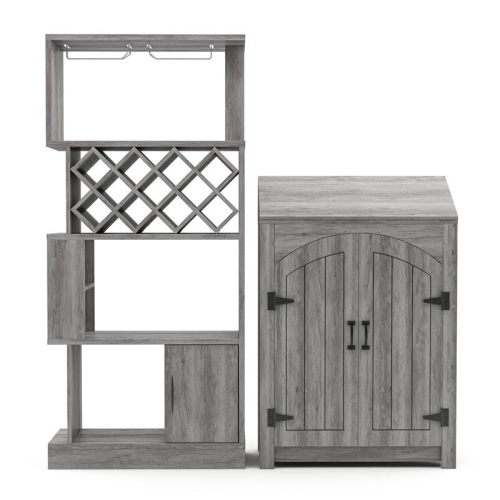
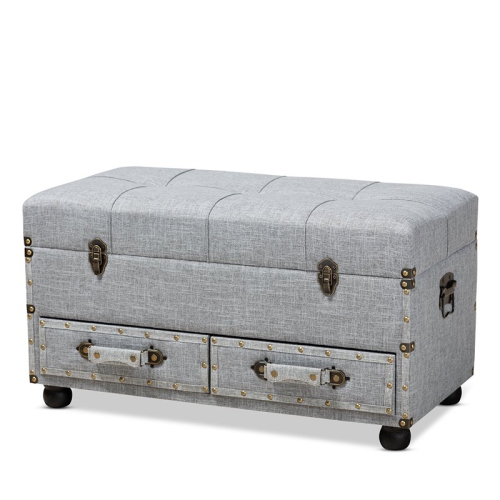
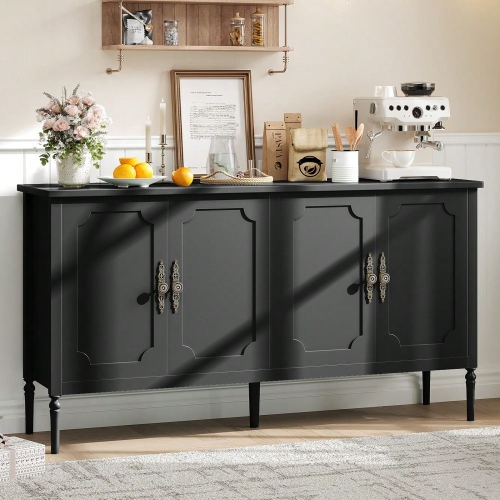
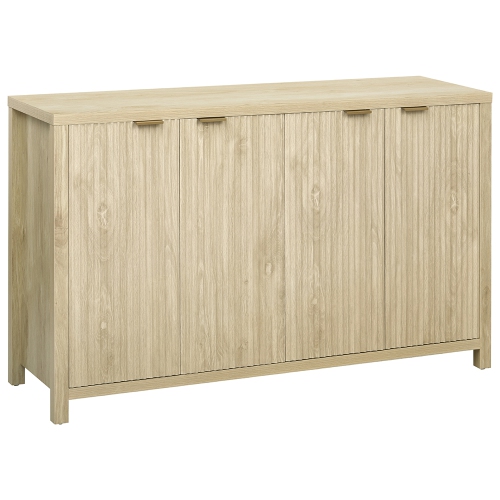
Genuine antiques and period-inspired cabinets have different stories
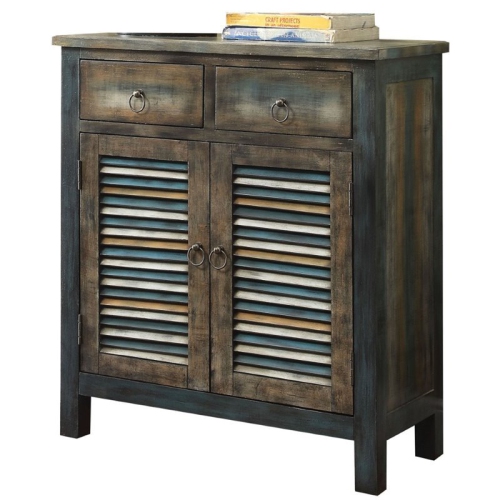
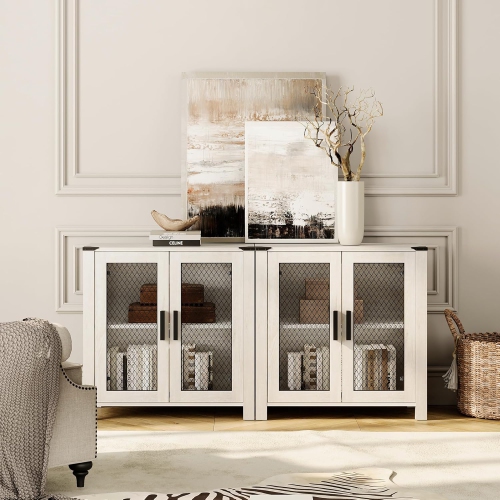
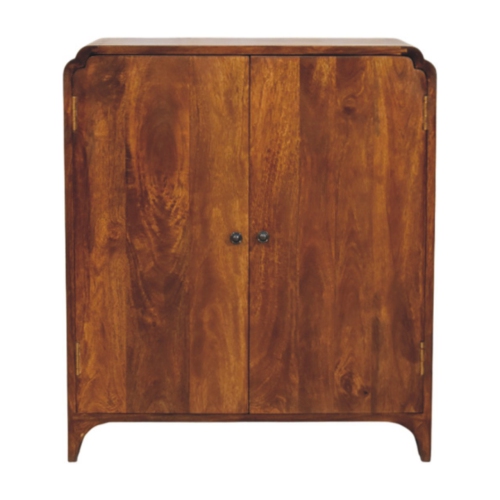
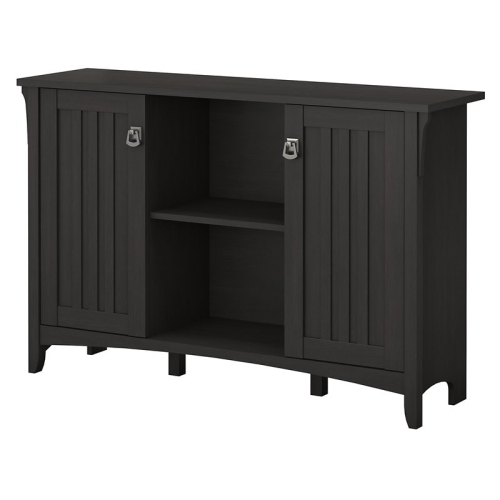
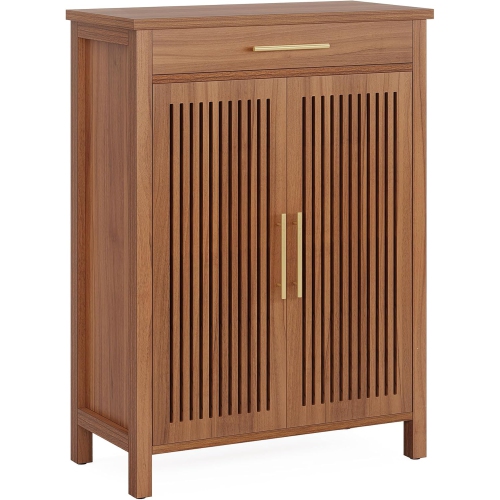
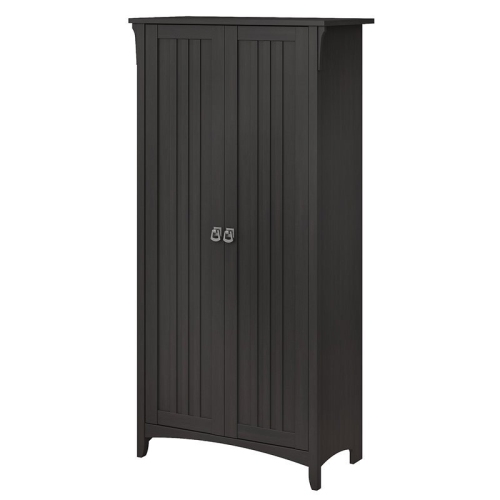
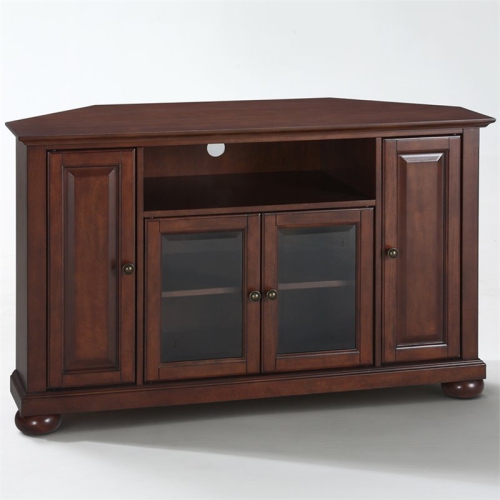
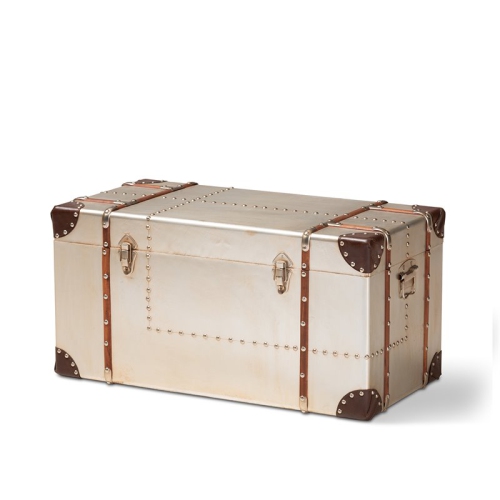
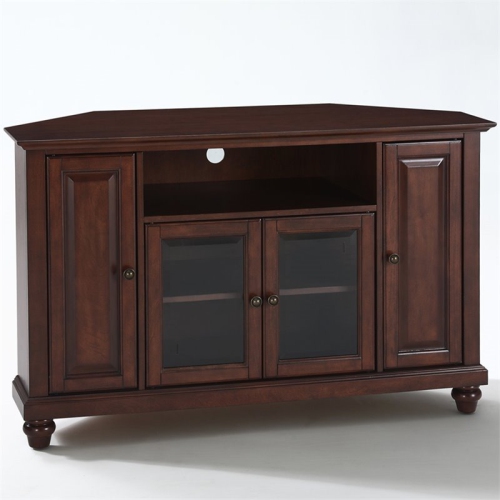
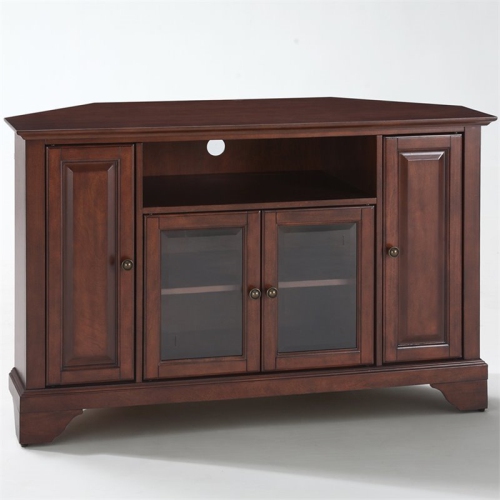
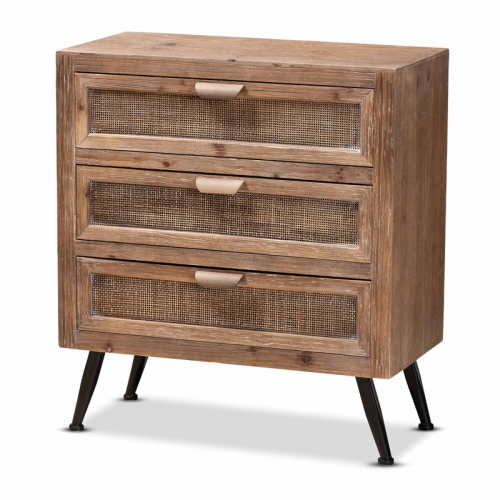
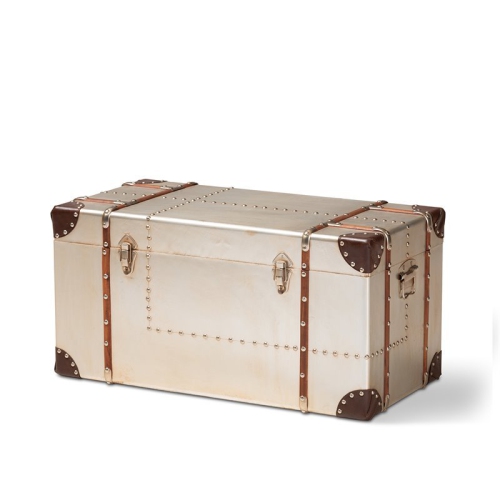
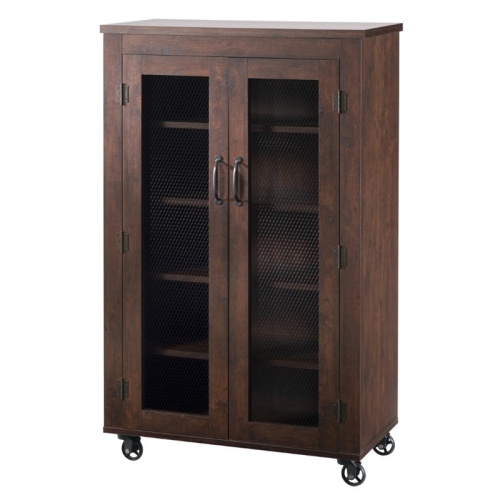
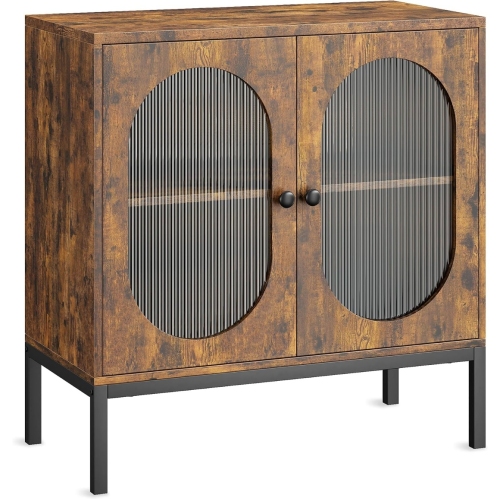
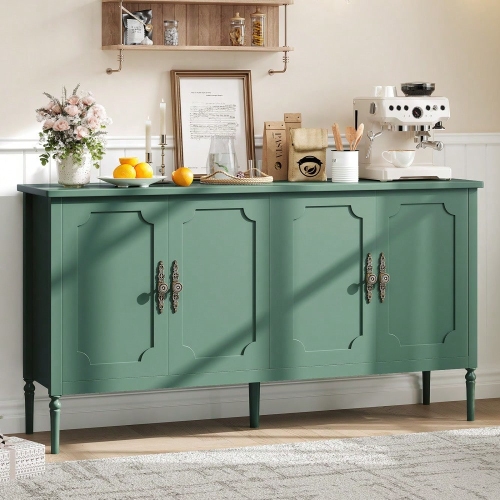
Antique storage cabinets bring enclosed storage and the character of traditional furniture into living rooms, dining areas, hallways, and home offices. The term can describe genuine antique furniture, generally understood to be at least 100 years old, as well as newly made cabinets with antique-inspired styling. That distinction matters: an aged finish or brass-tone handle gives a cabinet a particular appearance, but does not establish its age or origin. Genuine antiques may have documented provenance, period joinery, and wear consistent with years of use, while antique-style furniture offers historical design details in a more recently manufactured form. Within this broad theme, several cabinet types have distinctive roots. Apothecary cabinets are known for their many small drawers, originally used to separate medicinal ingredients and supplies. Haberdashery cabinets draw on shop furniture designed to organize and display sewing notions, clothing accessories, and other merchandise, often using shallow drawers or glass fronts. Primitive cupboards tend towards simple construction, panelled doors, and straightforward interiors, with pine commonly associated with their rustic appearance. Hoosier cabinets originated as freestanding kitchen workstations, combining storage with a work surface; some historical examples included flour bins and sifters. Pie safes used pierced tin or mesh panels to allow airflow around stored baked goods, while china cabinets placed tableware behind glass. These familiar forms continue to influence storage furniture even when the interior layout has changed to suit everyday household needs. A narrow cupboard can keep an entrance tidy without looking like office storage, while a broad glass-front cabinet gives serving dishes or pottery a defined place in a dining room. Carved details, shaped feet, recessed door panels, and visible wood grain each contribute a different degree of formality. A plain cupboard with dark metal pulls can sit comfortably beside relaxed upholstered seating, whereas a cabinet with moulded trim and glazed doors may suit a more traditional dining area. The most useful choice balances that visual character with a layout that makes sense for the belongings it will hold.
Materials and construction influence both the appearance of antique storage cabinets and how they perform over time. Solid oak often has pronounced grain and a substantial feel; pine typically offers a softer, more rustic look and may show dents more readily. Walnut is associated with rich brown tones, while painted finishes can soften the visual weight of a large cupboard. Wood veneer is not, by itself, a sign of poor quality: it has a long history in furniture making and allows carefully arranged grain patterns over a supporting structure. Its condition matters, particularly along edges and around handles, where lifting or chipping can be noticeable. Antique-inspired cabinets may combine solid wood, veneer, engineered wood, metal, and glass, so the material description is more informative than appearance alone. For everyday storage, inspect the stated shelf capacity, the support beneath wider shelves, and the way doors and drawers operate. A drawer full of stationery places different demands on its base than one holding folded napkins, and a shelf used for heavy stoneware needs appropriate support. Adjustable shelves offer flexibility for tall pitchers, binders, or baskets, while fixed compartments can provide a more deliberate arrangement for smaller belongings. Measurements should include more than the cabinet’s overall width and height. Interior depth determines whether dinner plates fit behind a closed door, and the clear opening between hinges can be narrower than the cabinet itself. In a hallway, allow enough room to open doors without blocking the walking path; beside a dining table, account for chairs being pulled out. Drawer clearance is especially important where a cabinet faces another large piece of furniture. Tall cupboards also need a suitable delivery route, including doorway and stairwell clearance, and should be secured against tipping using hardware appropriate to the cabinet and wall. For a home with children, secure furniture placement and suitable storage for fragile objects matter more than an ornamental lock. Glass doors offer visibility, but their glazing type and condition deserve attention, particularly in busy family spaces.
The interior arrangement helps determine where an antique storage cabinet will earn its place. Small drawers can keep craft supplies, correspondence, and sewing accessories separated, provided their dimensions suit what needs storing. A cupboard with wider shelves is often more practical for table linens, board games, or serving bowls, while glass-front storage lets books and collected objects remain visible without sitting on open shelving. In a home office, a traditional cabinet can conceal paper supplies and charging accessories, although enclosed furniture should not house operating electronics unless it provides the ventilation and cable access they require. For dining storage, washable shelf liners can protect surfaces from everyday contact, but should be compatible with the finish and should not trap moisture. Historical kitchen cabinets need particular care: original painted surfaces, worn linings, or uncertain finishes should not be assumed suitable for direct contact with food. A cabinet’s age and condition also shape its maintenance needs. A soft, dry cloth is often sufficient for routine dusting, with spills wiped promptly rather than left against wood or metal fittings. Avoid abrasive pads and general-purpose sprays unless the manufacturer or a qualified furniture specialist confirms they are suitable. When cleaning glass panels, apply an appropriate cleaner to the cloth rather than spraying near wooden frames, where liquid can collect at the edges. Genuine antique finishes may be sensitive to common cleaning products, and sanding or refinishing can remove details that contribute to a piece’s historical value. Stable placement, protection from direct sunlight, and lifting rather than dragging help preserve both appearance and structure. Visually, antique-style storage works best when it has room to stand out: a richly grained cupboard can anchor a wall without needing every nearby furnishing to share its period references. For an alternative with cleaner profiles and less ornament, Mid Century Storage Cabinets offer another approach to combining furniture character with practical organization. Whether the aim is a welcoming entrance, a more orderly dining room, or a dedicated home for treasured objects, thoughtful proportions and accessible storage make an antique-inspired cabinet useful well beyond its appearance.
Materials and construction influence both the appearance of antique storage cabinets and how they perform over time. Solid oak often has pronounced grain and a substantial feel; pine typically offers a softer, more rustic look and may show dents more readily. Walnut is associated with rich brown tones, while painted finishes can soften the visual weight of a large cupboard. Wood veneer is not, by itself, a sign of poor quality: it has a long history in furniture making and allows carefully arranged grain patterns over a supporting structure. Its condition matters, particularly along edges and around handles, where lifting or chipping can be noticeable. Antique-inspired cabinets may combine solid wood, veneer, engineered wood, metal, and glass, so the material description is more informative than appearance alone. For everyday storage, inspect the stated shelf capacity, the support beneath wider shelves, and the way doors and drawers operate. A drawer full of stationery places different demands on its base than one holding folded napkins, and a shelf used for heavy stoneware needs appropriate support. Adjustable shelves offer flexibility for tall pitchers, binders, or baskets, while fixed compartments can provide a more deliberate arrangement for smaller belongings. Measurements should include more than the cabinet’s overall width and height. Interior depth determines whether dinner plates fit behind a closed door, and the clear opening between hinges can be narrower than the cabinet itself. In a hallway, allow enough room to open doors without blocking the walking path; beside a dining table, account for chairs being pulled out. Drawer clearance is especially important where a cabinet faces another large piece of furniture. Tall cupboards also need a suitable delivery route, including doorway and stairwell clearance, and should be secured against tipping using hardware appropriate to the cabinet and wall. For a home with children, secure furniture placement and suitable storage for fragile objects matter more than an ornamental lock. Glass doors offer visibility, but their glazing type and condition deserve attention, particularly in busy family spaces.
The interior arrangement helps determine where an antique storage cabinet will earn its place. Small drawers can keep craft supplies, correspondence, and sewing accessories separated, provided their dimensions suit what needs storing. A cupboard with wider shelves is often more practical for table linens, board games, or serving bowls, while glass-front storage lets books and collected objects remain visible without sitting on open shelving. In a home office, a traditional cabinet can conceal paper supplies and charging accessories, although enclosed furniture should not house operating electronics unless it provides the ventilation and cable access they require. For dining storage, washable shelf liners can protect surfaces from everyday contact, but should be compatible with the finish and should not trap moisture. Historical kitchen cabinets need particular care: original painted surfaces, worn linings, or uncertain finishes should not be assumed suitable for direct contact with food. A cabinet’s age and condition also shape its maintenance needs. A soft, dry cloth is often sufficient for routine dusting, with spills wiped promptly rather than left against wood or metal fittings. Avoid abrasive pads and general-purpose sprays unless the manufacturer or a qualified furniture specialist confirms they are suitable. When cleaning glass panels, apply an appropriate cleaner to the cloth rather than spraying near wooden frames, where liquid can collect at the edges. Genuine antique finishes may be sensitive to common cleaning products, and sanding or refinishing can remove details that contribute to a piece’s historical value. Stable placement, protection from direct sunlight, and lifting rather than dragging help preserve both appearance and structure. Visually, antique-style storage works best when it has room to stand out: a richly grained cupboard can anchor a wall without needing every nearby furnishing to share its period references. For an alternative with cleaner profiles and less ornament, Mid Century Storage Cabinets offer another approach to combining furniture character with practical organization. Whether the aim is a welcoming entrance, a more orderly dining room, or a dedicated home for treasured objects, thoughtful proportions and accessible storage make an antique-inspired cabinet useful well beyond its appearance.
Top selling and popular products
-
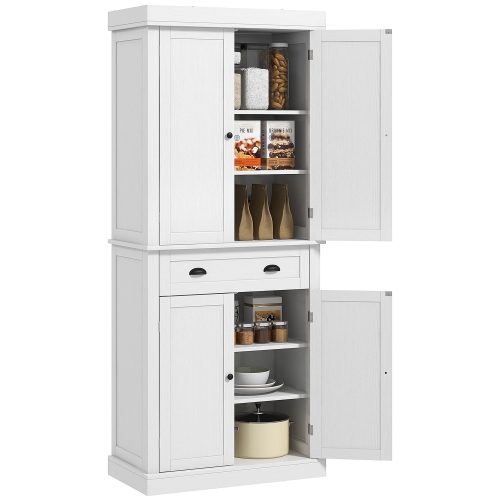 Your price for this item is $267.79
 -
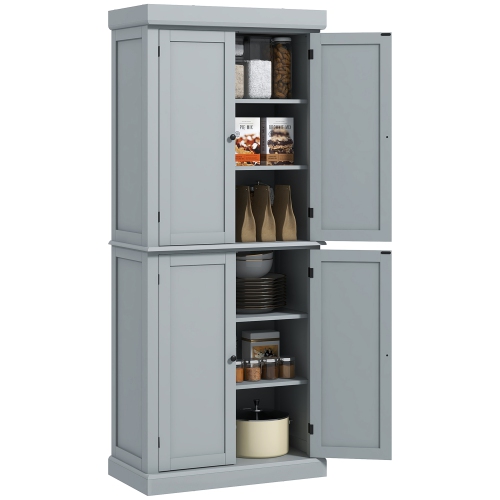 Your price for this item is $299.99
 -
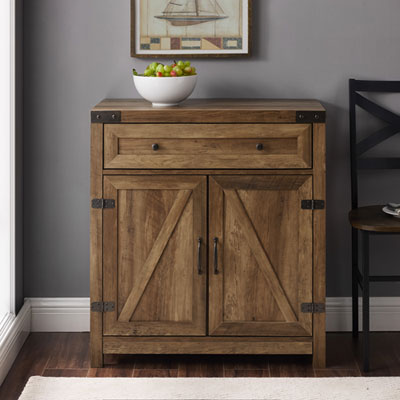 Your price for this item is $401.99
 -
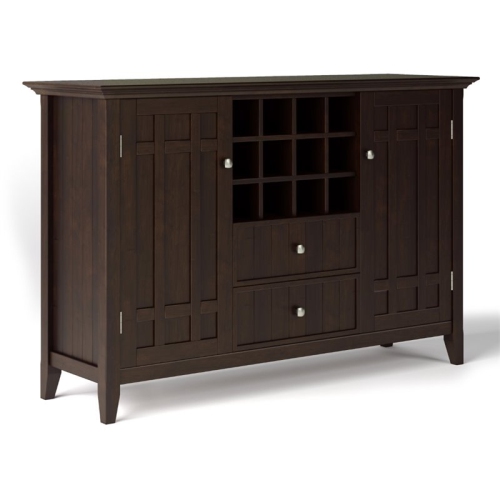 Your price for this item is $1449.04
 -
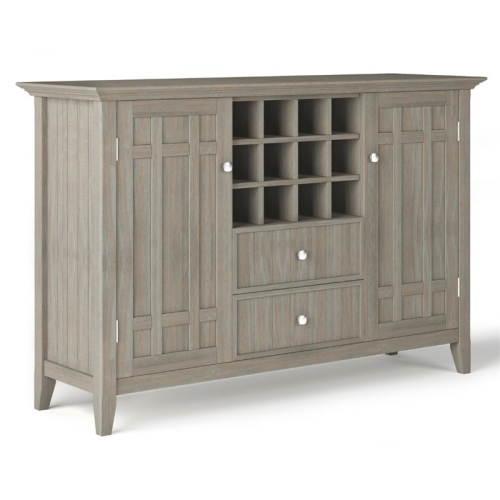 Your price for this item is $1463.19
 -
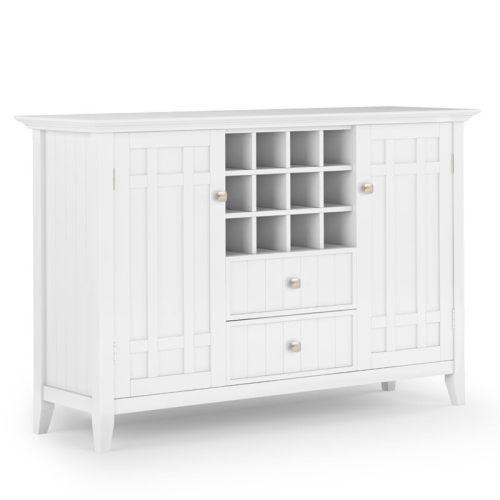 Your price for this item is $1454.75
 -
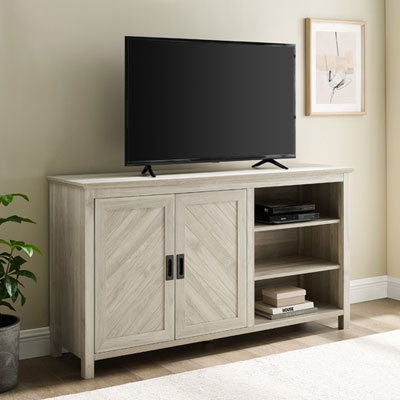 Your price for this item is $593.99
 -
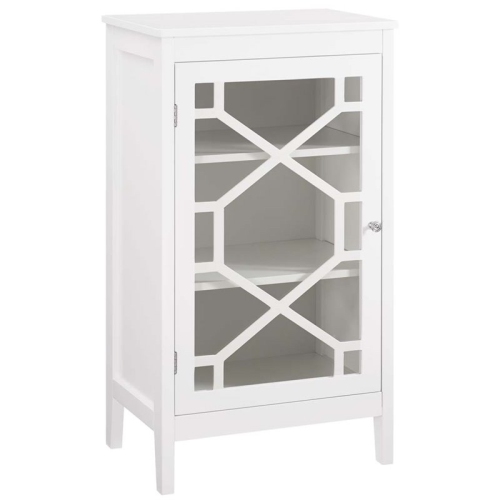 Your price for this item is $382.68
Discover more categories related to Antique Storage Cabinets
Top Collections:
Pokemon Centers, Kindle Devices, Best Budget Office Chairs, Apple iPhones 16, Best Laptops for Writers, iPhone 15 Apple, Canon G7X Cameras, Refurbished Apple Laptops, Alarm Clock, Motorola Razr Phones
Some products may be subject to Environmental Handling Fees
(EHF) depending on your province.
Learn more about EHFs.