Vintage Kitchen Storage Cabinets
Vintage Kitchen Storage Cabinets bring timeless charm and classic functionality to any kitchen space. These cabinets are perfect for organizing cookware, utensils, and pantry essentials while enhancing your home's décor with a touch of retro elegance. Whether you’re refreshing your kitchen or adding a statement piece, Vintage Kitchen Storage Cabinets offer practical storage solutions with a nostalgic appeal. Discover options that blend beautifully with both traditional and modern interiors, making it easy to create a welcoming and organized kitchen atmosphere.
Sort
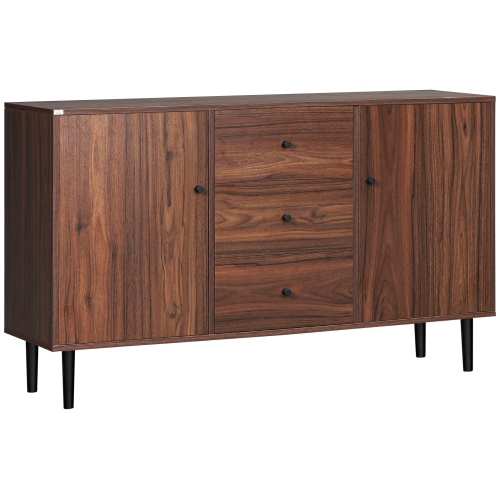
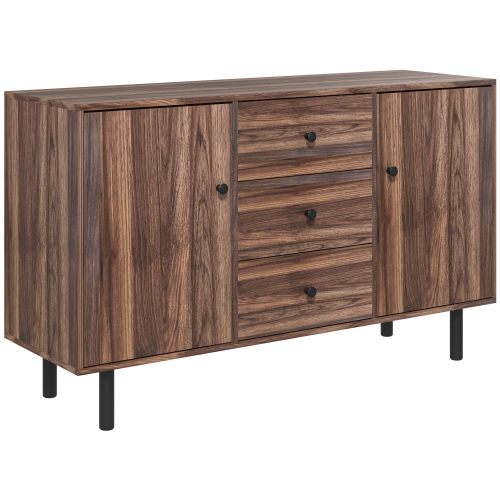
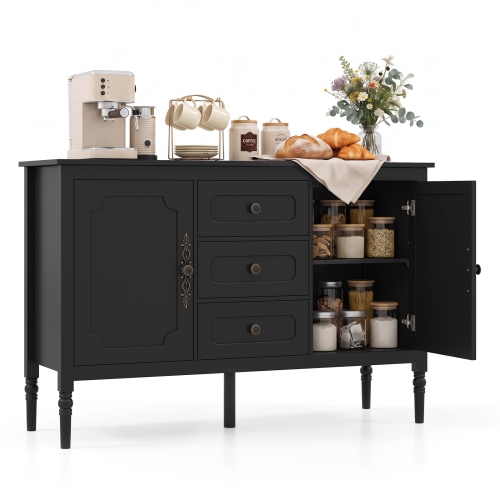
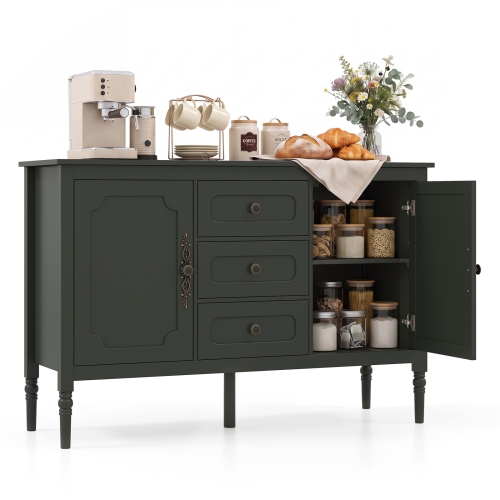
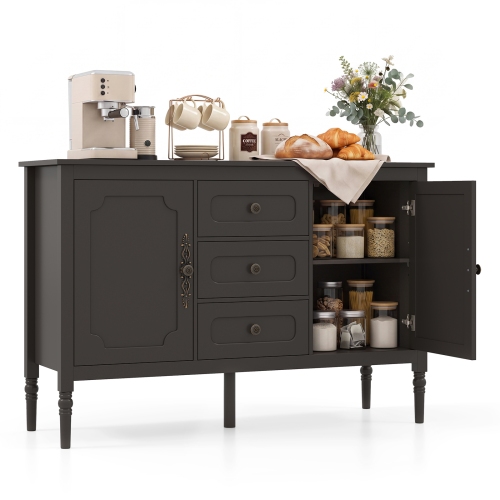
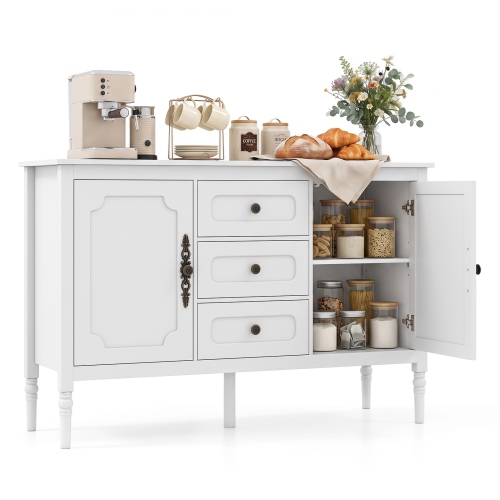
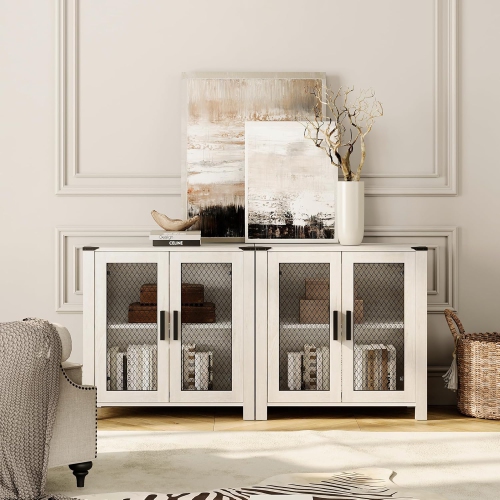

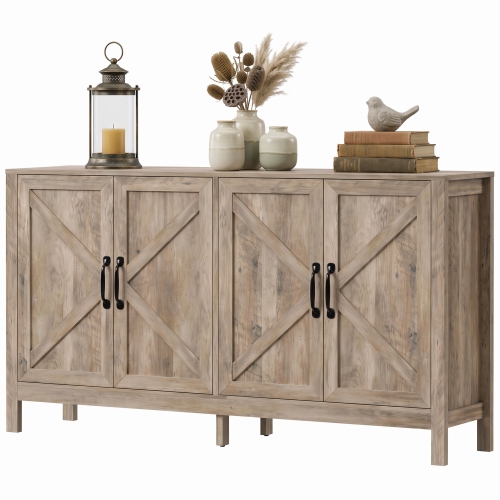
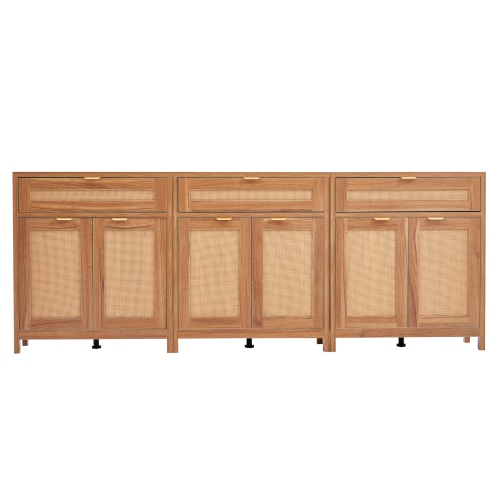
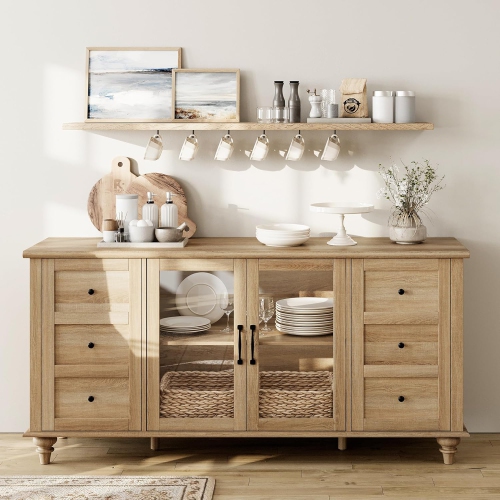
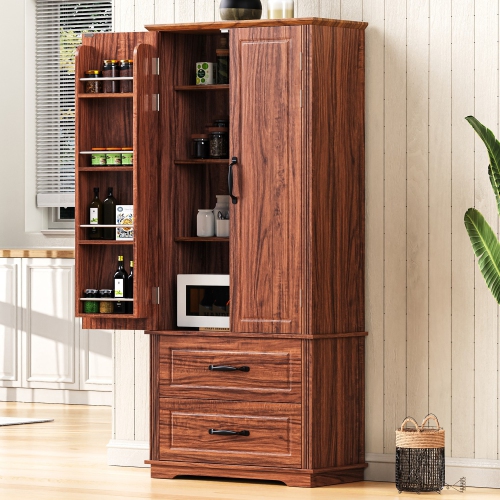
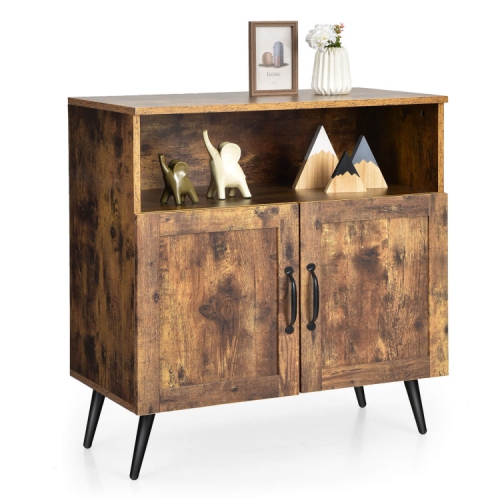

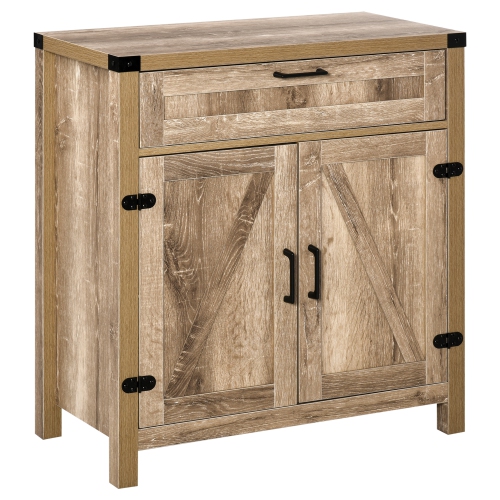

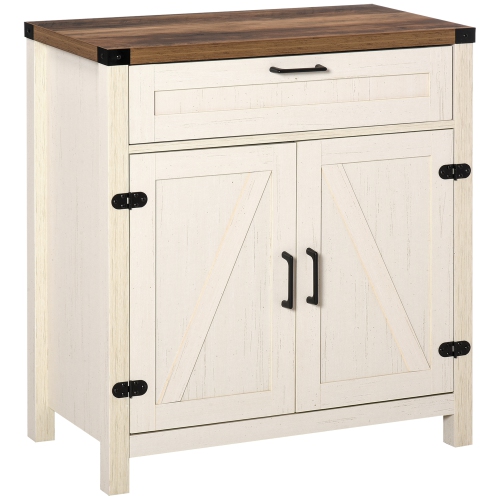
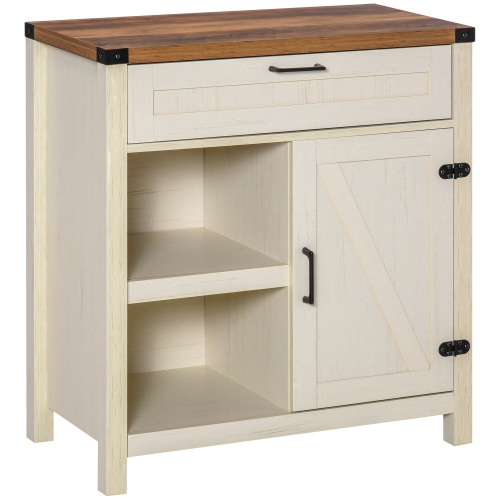
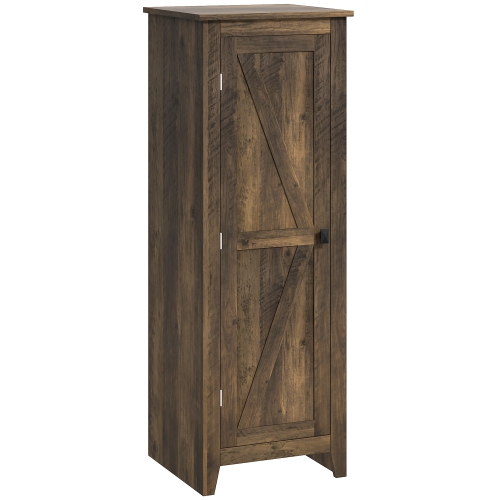
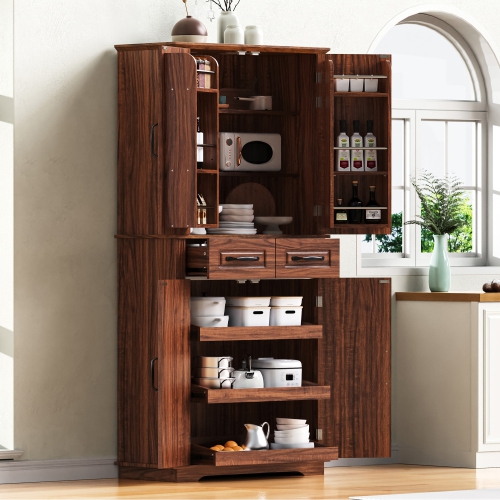
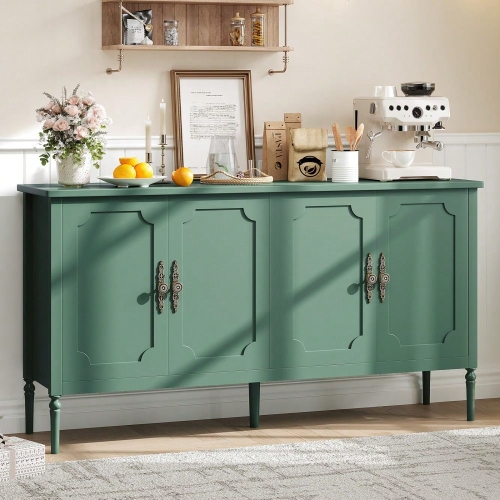
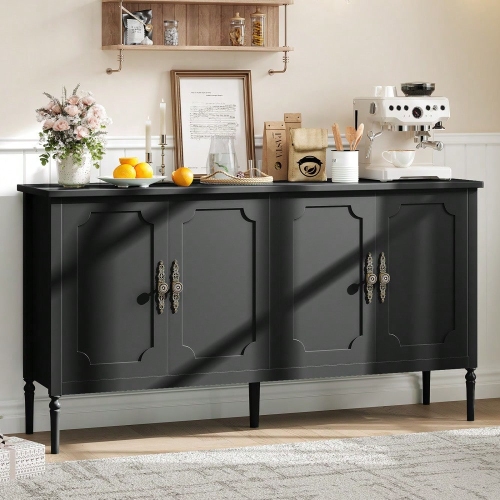
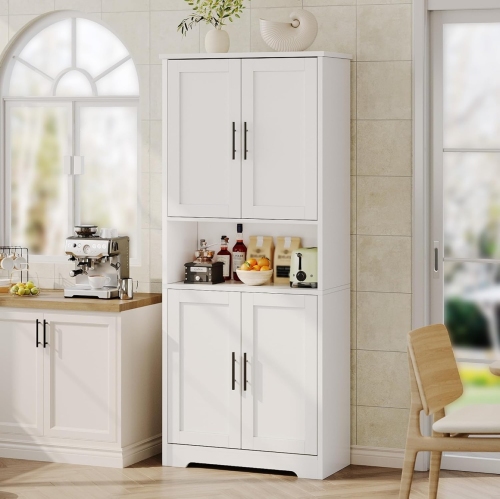
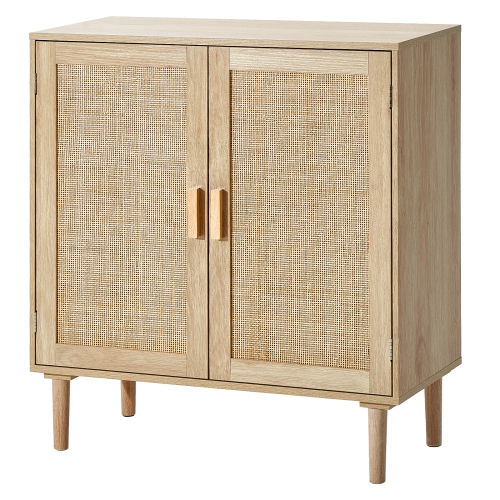
Old-fashioned charm with room for everyday kitchen essentials
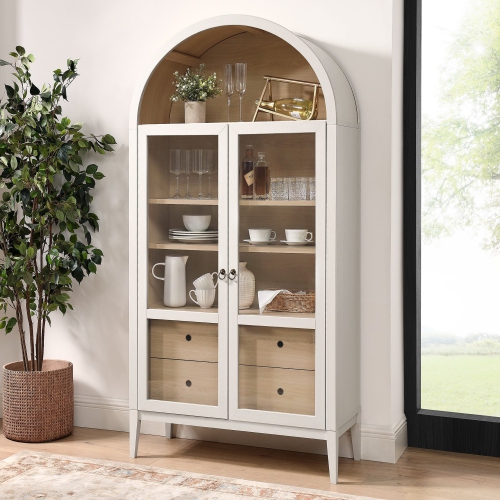
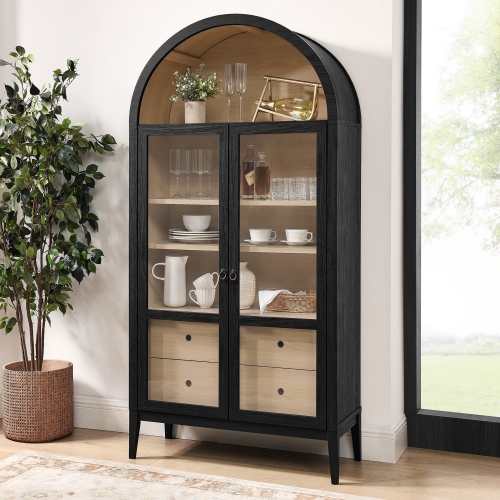
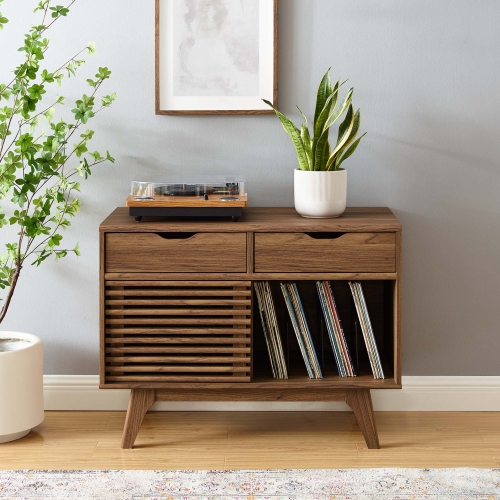
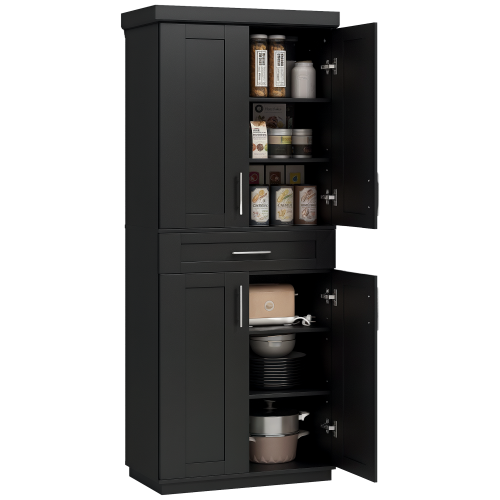
Vintage kitchen storage cabinets combine the character of older furniture styles with space for dishes, pantry staples, cookware, and table linens. The term can describe original older cabinets or newly made furniture with vintage-inspired details, so appearance alone does not establish a cabinet’s age. Familiar forms include freestanding pantry cupboards, glass-front hutches, stepback cabinets with shallower upper sections, and Hoosier-style cabinets inspired by early kitchen workstations. Each brings a different balance of concealed storage, display space, and usable surface area. A tall cupboard can gather dry goods behind closed doors, while a hutch gives everyday plates a home below and keeps favourite glassware visible above. Models with a countertop-height surface can also provide a convenient landing place for serving dishes, provided the surface is suitable for the intended use. Vintage styling is not limited to one look: panelled doors, turned feet, and softly worn finishes suit traditional rooms, while rounded corners, tapered legs, and simpler hardware can suggest a mid-century kitchen. Cream, muted green, warm wood tones, and darker painted finishes each create a distinct effect alongside existing cabinetry. Matching every finish is not essential; a separate storage cabinet can look deliberately collected when its proportions, undertones, or hardware relate to another feature in the room. Clear glass keeps favourite bowls and pitchers in view, textured glass softens the view of mixed contents, and solid doors conceal the practical jumble of food containers and small kitchen tools. For a compact apartment, a narrow cabinet can bring scattered essentials into one place. In a larger kitchen or adjoining dining area, a broader sideboard or dresser-style cabinet can establish a dedicated zone for serving pieces without filling every wall with fitted cabinetry. The appeal is furniture that contributes to the room’s character while giving everyday routines a more organized home, whether that means clearing crowded cupboards or keeping breakfast essentials within comfortable reach.
Materials and construction influence how a vintage-style kitchen cabinet feels, wears, and responds to daily use. Solid wood brings natural grain variation and can develop small changes in appearance over time, while wood veneer provides a real-wood surface over a supporting core. Engineered wood is also common in painted and wood-look cabinetry, with performance depending on its construction, finish, and protection from moisture. Metal frames, mesh panels, and glass doors introduce different textures, but the quality of joints, hinges, shelf supports, and drawer runners matters as much as the material description. Evenly aligned doors and drawers that move smoothly make a difference when a cabinet is opened several times a day. Adjustable shelves accommodate the changing mix of cereal containers, mixing bowls, and serving platters that fixed shelves may not fit as easily. Shelf load limits are particularly important for stacked stoneware, canned goods, and small appliances; a spacious cupboard is not automatically designed to hold heavy contents on every shelf. A distressed finish may be an intentional design detail rather than evidence of age, and genuine older furniture can have repairs or wear that call for closer assessment. Where an older painted cabinet has an unknown finish, its suitability around food preparation deserves particular care. Interior surfaces used for pantry storage should be clean, dry, and appropriate for that purpose, with food kept in suitable containers. Routine care usually centres on a soft cloth, prompt attention to spills, and cleaning products approved for the finish. Excess water, abrasive pads, and harsh cleaners can damage coatings or affect exposed edges. Glass panels, metal handles, and wooden surfaces may require different cleaning methods, and hot cookware should not rest directly on a cabinet top unless the surface is specifically designed for it. These practical details help preserve the cabinet’s appearance without treating a working kitchen like a display room where nothing can be touched.
A cabinet’s usefulness depends just as much on its placement as its storage capacity. Overall width, depth, and height need to work with the room, but door swing, drawer extension, nearby baseboards, and the route through the kitchen also deserve space. A shallow cupboard can be easier to live with beside a dining table than a deep cabinet that interrupts the walkway whenever a chair is pulled out. Behind closed doors, usable shelf depth and the clearance between shelves determine whether tall bottles, dinner plates, or bulky serving bowls actually fit. Above the cabinet, enough room to clean and to access any upper storage helps keep the arrangement practical. Tall or top-heavy furniture should be secured according to the manufacturer’s instructions, particularly in homes with children or pets, and heavier contents generally belong lower down. Placement away from splashes and direct cooking heat can also reduce unnecessary wear. For households that entertain, a cabinet near the dining area can hold napkins, tablecloths, and serving dishes without sending someone back through a busy kitchen. For enthusiastic bakers, accessible shelves can keep mixing bowls and baking supplies together, while a compact breakfast cupboard can organize mugs, tea, and other daily essentials. Any appliance placed on a cabinet needs suitable support, ventilation, electrical access, and clearance as specified by its manufacturer. The styling can bridge adjoining rooms, too: a painted hutch may connect a traditional kitchen with a relaxed dining space, while a simple wood cupboard can sit comfortably among more contemporary furnishings. For a look shaped more strongly by visible grain, substantial forms, and farmhouse-inspired details, Rustic Kitchen Storage Cabinets offer a related direction. Vintage styling places more emphasis on the character of an earlier furniture period, though the two approaches can overlap. The most useful cabinet balances that visual character with proportions, accessible storage, and a finish suited to everyday life.
Top selling and popular products
-
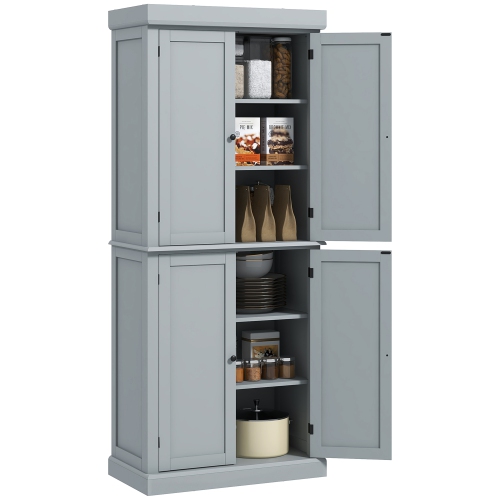 Your price for this item is $285
-
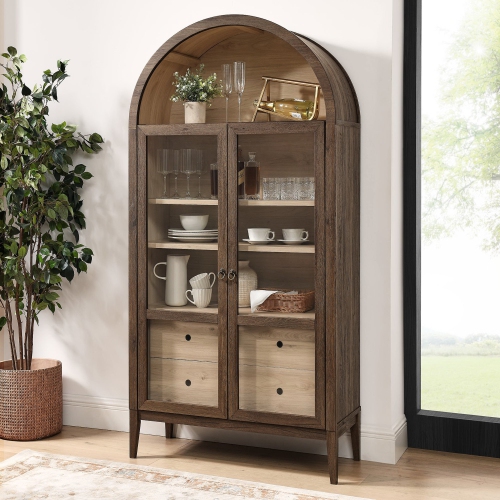 Your price for this item is $1155.71
-
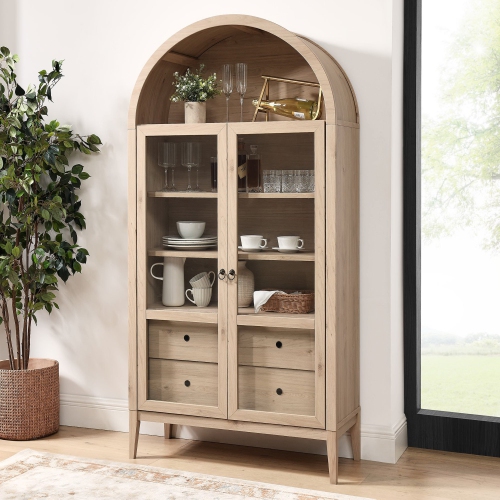 Your price for this item is $1155.71
-
 Your price for this item is $1155.71
-
 Your price for this item is $1155.71
-
 Your price for this item is $452.93
-
 Your price for this item is $155.99
-
 Your price for this item is $266.99
Discover more categories related to Vintage Kitchen Storage Cabinets
Top Collections:
Best Black Friday Deals This Year, Best Black Friday Deals On Electronics, Kindle Devices, Dyson Airwrap, Best Cameras for Sports Photography, Best Black Friday Deals On Apple Products, PS5 Pro Consoles, Portable Snow Blowers, Canon G7X Cameras, Pokémon 30th Celebration Cards
Some products may be subject to Environmental Handling Fees
(EHF) depending on your province.
Learn more about EHFs.