Apartment Dining Room Tables
Apartment Dining Room Tables offer the perfect blend of style and practicality for compact living spaces. Designed to maximize both comfort and functionality, these tables make it easy to create a welcoming dining area no matter the size of your home. Whether you’re hosting friends for dinner or enjoying everyday meals, Apartment Dining Room Tables help you make the most of your space while complementing your décor. Explore a variety of shapes, sizes, and finishes to find the ideal fit for your apartment dining needs.
Sort
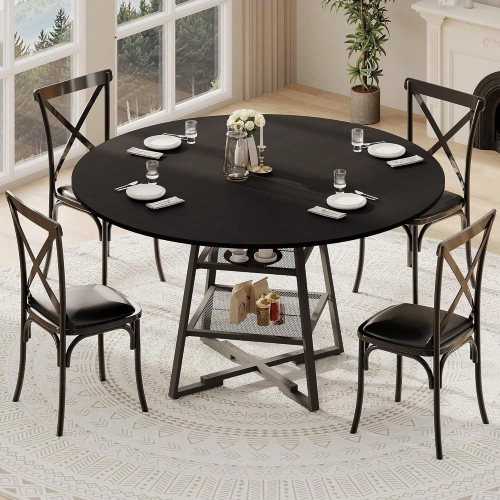
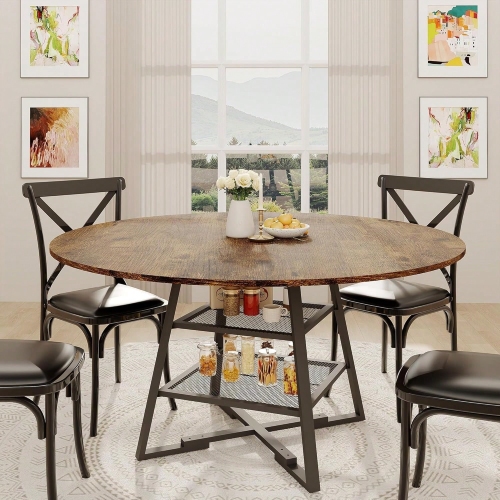
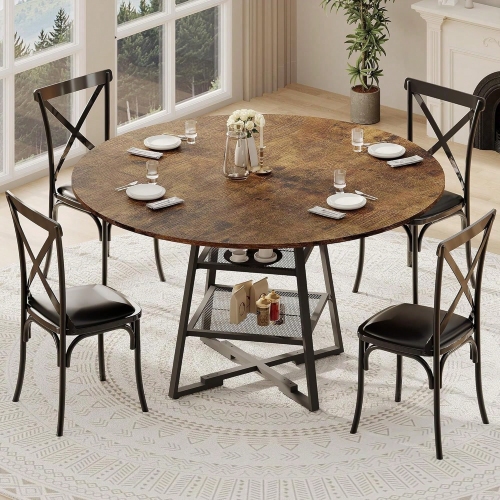
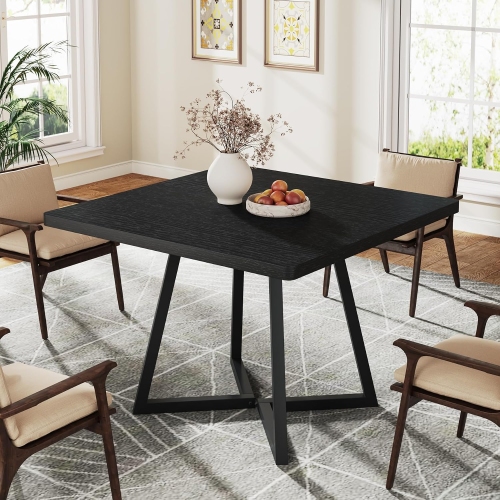
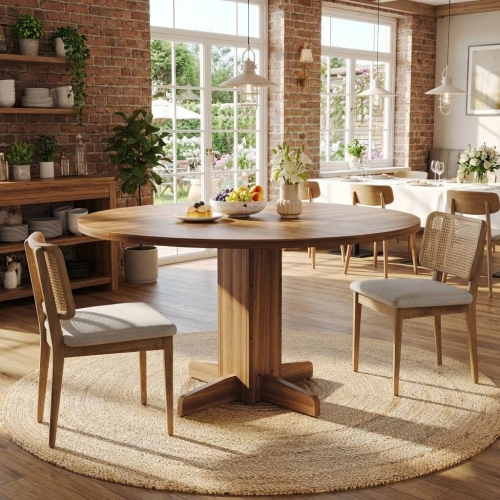
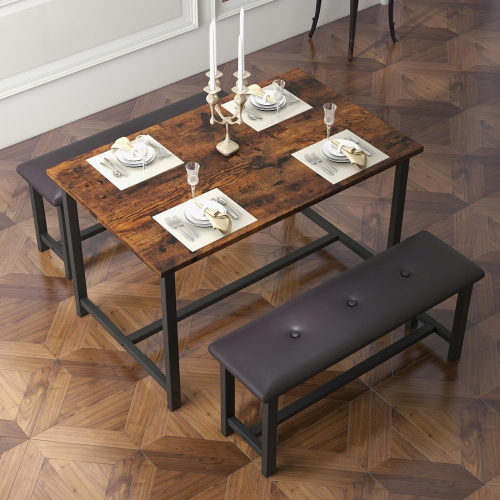
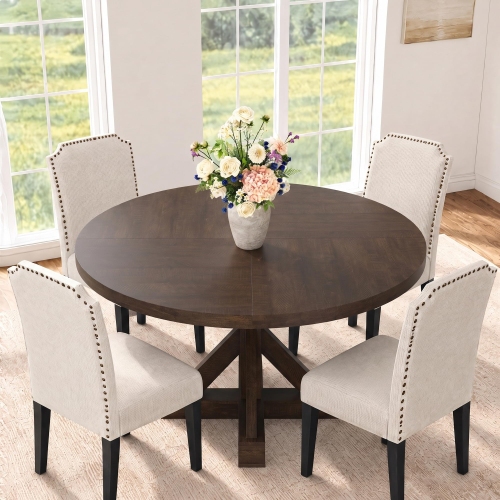
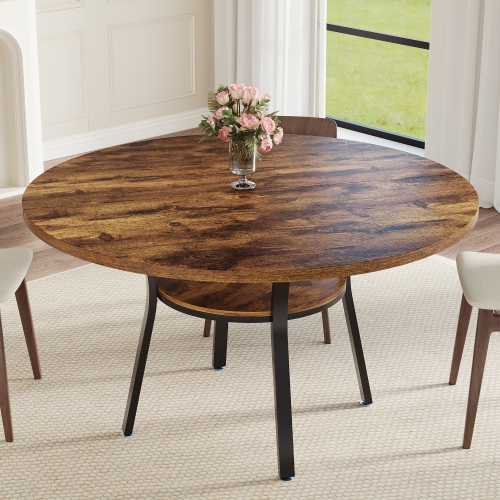


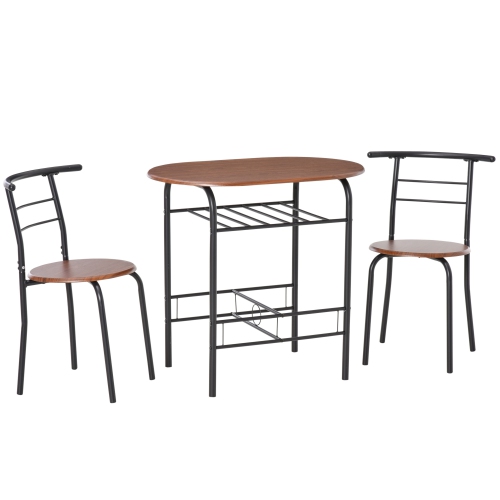
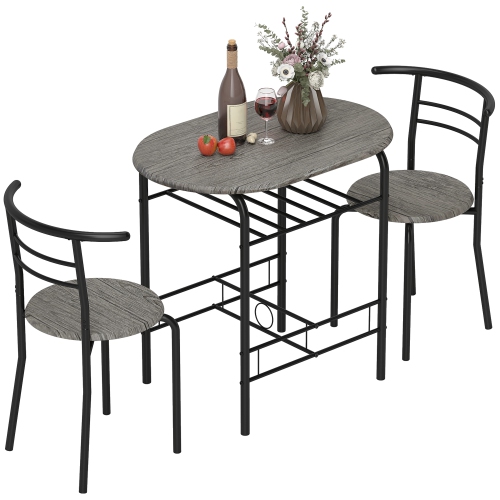


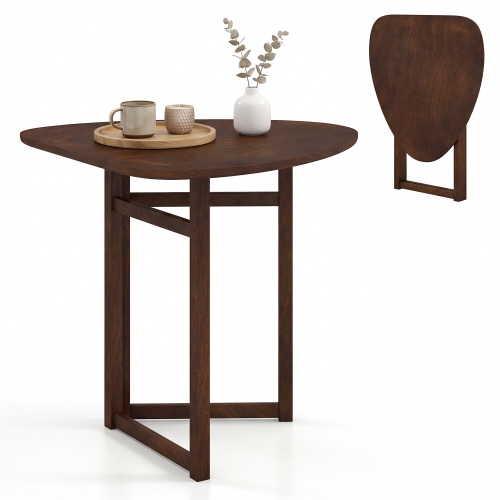


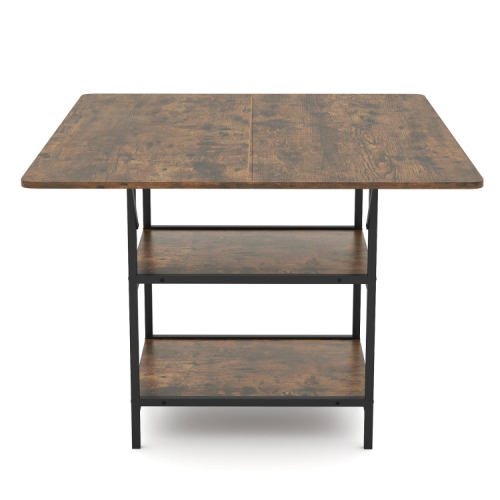
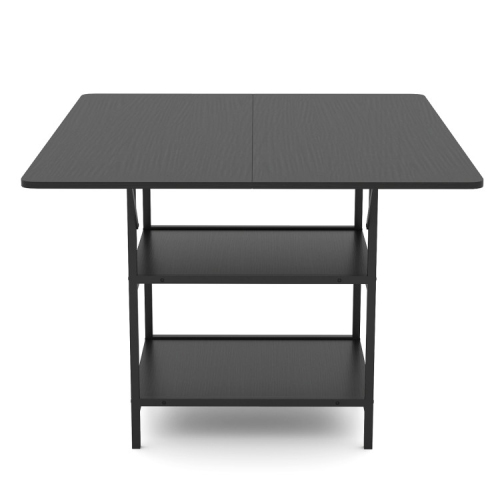
Comfortable dining takes more than a compact tabletop
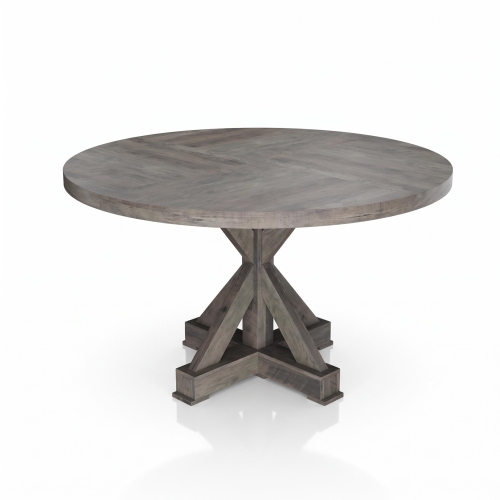
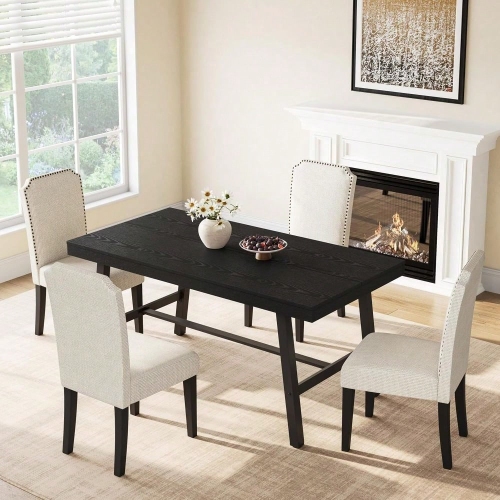
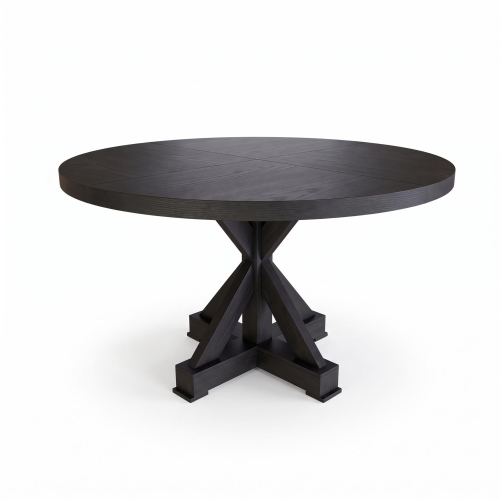
Apartment dining room tables provide a dedicated place to eat without taking over the living space around them. The most practical designs balance a compact footprint with enough tabletop area for everyday meals, comfortable seating, and the occasional extra guest. In an apartment, the usable space includes more than the table itself: chairs need room to pull out, cupboard doors need to open, and routes between the kitchen, living area, and entrance need to stay clear. About 36 inches between a table edge and nearby furniture is a useful starting point for chair access, while a walkway behind an occupied chair generally needs more space. Allowing roughly 24 inches of table edge per adult can also help distinguish comfortable everyday seating from a tighter arrangement used only occasionally. These measurements work best alongside the actual dimensions of the chairs, particularly when seats have arms or broad backs. Round tables can suit a dining nook or an open corner, with no sharp corners projecting into a busy route and a shape that makes conversation easy. A round top still needs clearance around its full circumference, so its diameter matters as much as its appearance. Square tables often work well for one or two people, especially where the layout allows a side to sit near a wall. Rectangular tables can follow the proportions of a narrow room or define a dining zone beside a kitchen. Oval tables offer a longer eating surface with rounded ends, although their bases still need to leave enough legroom. A pedestal base may make it easier to position chairs, while corner legs can limit where additional seats fit. Marking the tabletop outline on the floor with removable tape makes these differences easier to picture, especially when the chairs are also represented in their pulled-out positions. A table that looks modest in an open room can feel quite different beside a sofa, kitchen island, or balcony door.
Materials influence how an apartment dining table looks, feels, and handles daily use. Solid wood brings visible grain and variation that can give a small dining area warmth without requiring much decoration. Its surface may develop marks over time, and its response to spills, scratches, and refinishing depends on the wood species and protective finish. Wood veneer offers a real wood surface over a supporting core, often creating a similar visual effect, but its thinner top layer requires care because deep sanding can damage it. Laminate surfaces can be practical for frequent meals and quick cleanups, though seams and exposed edges still need protection from standing water. Painted finishes provide a more uniform colour, with durability depending on the coating and how the table is used. Glass tabletops can make a compact room feel less visually crowded by allowing the floor and base to remain visible. They also tend to show fingerprints, crumbs, and streaks, so their appeal comes with more frequent wiping. Where glass is part of the design, the stated glass type, edge treatment, and care requirements are worth checking. Metal bases can create a slim profile, although crossbars and angled supports may affect foot placement. Stone and stone-look tops offer another distinct appearance, but weight, porosity, and cleaning needs vary considerably by material. A heavier surface may be less convenient for anyone who regularly rearranges furniture or expects to move. For most materials, prompt spill cleanup, placemats, coasters, and protection beneath hot serving dishes help preserve the finish; the manufacturer's care directions should determine which cleaners are suitable. Appearance matters beyond the tabletop, too. A pale finish can sit quietly against light walls, while a darker base can connect visually with nearby shelving or kitchen hardware. Repeating one colour or material across the room often creates a more settled look than trying to match every surface exactly. Rounded edges, smooth joins, and a stable base contribute to everyday comfort, particularly in a home where the dining area sits along a frequently used path.
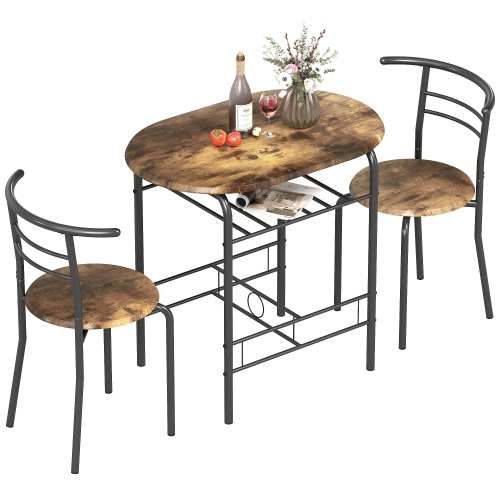
Flexible designs are especially useful when the same apartment dining area serves several purposes. A compact table might hold breakfast for two, a laptop in the afternoon, and a shared dinner later, so the right proportions depend on the activities that happen most often. A shallow top may suit quick meals but leave little room for a computer beside a notebook, while a broader surface can accommodate serving bowls without crowding place settings. Drop-leaf tables reduce their footprint when one or both sides are lowered, making them useful where dining space overlaps with another part of the room. Gateleg designs add support beneath raised leaves, though those supports can influence chair placement. Extension tables provide additional seating when opened, but the expanded dimensions need to fit the room just as carefully as the closed size. Some leaves store within the table; others need a separate storage spot, an important distinction in an apartment with limited cupboard space. Seating deserves the same attention as the tabletop. Chairs that slide fully underneath help keep a dining corner tidy, while arms may catch on a low apron even when the seat height seems suitable. Benches can tuck away neatly in some layouts, but they need enough access for people to sit down without squeezing past a wall. Coordinating these proportions is also part of the appeal of Small Apartment Dining Table Sets, particularly when a table and seating need to work together in a confined area. For renters, first apartments, and shared homes, moving and assembly details can be as important as seating capacity. Doorway widths, lift dimensions, stairwell turns, package sizes, and removable legs all affect how easily a table reaches its intended spot. Once assembled, secure fittings and floor protectors help keep it steady and protect the surface beneath it. A well-proportioned apartment dining table supports the ordinary routines of the household while leaving enough space around it for the rest of daily life.
Top selling and popular products
-
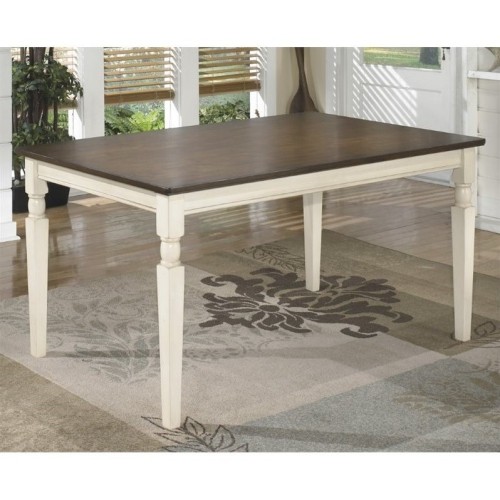 Your price for this item is $399
-
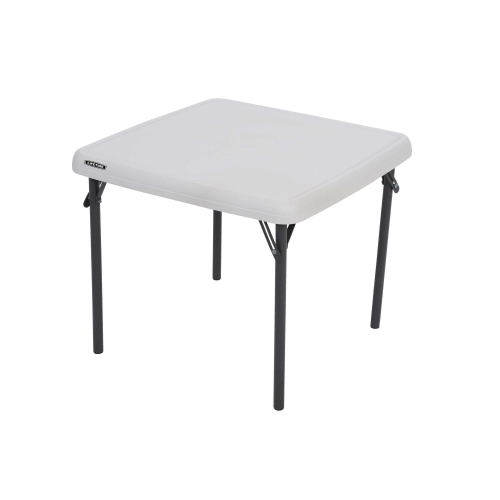 Your price for this item is $74.99
-
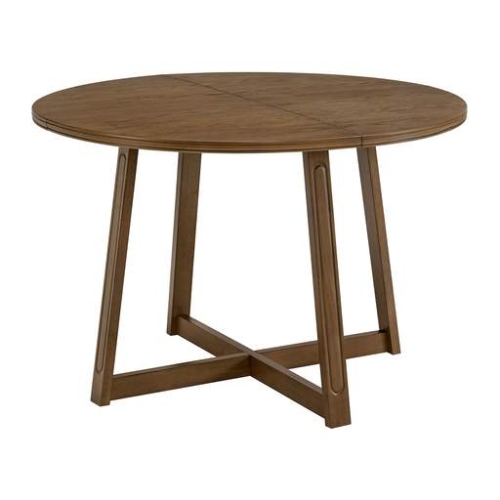 Your price for this item is $796.99
-
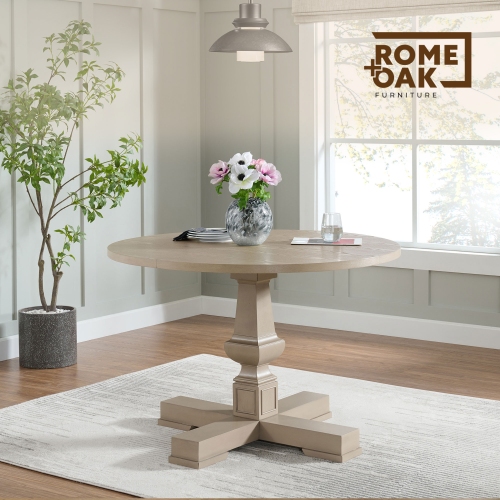 Your price for this item is $971.99
-
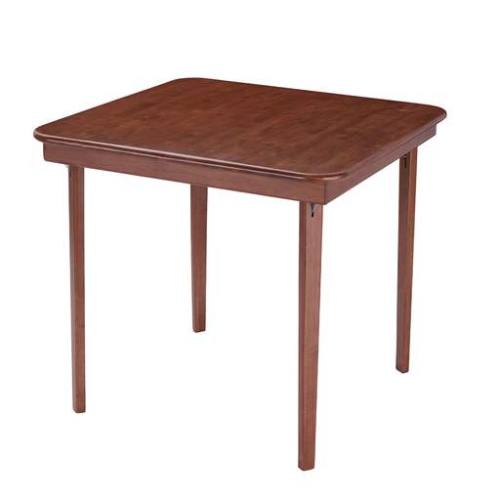 Your price for this item is $330.99
-
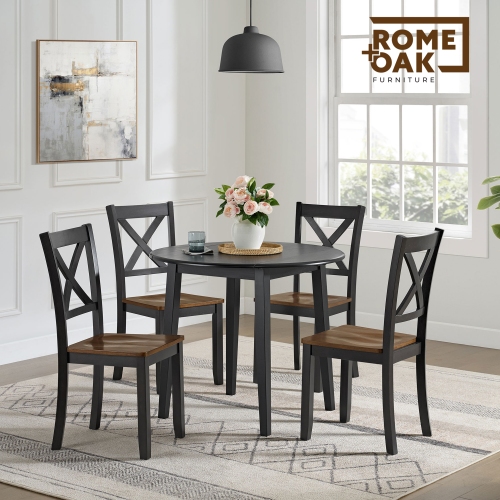 Your price for this item is $393.99
-
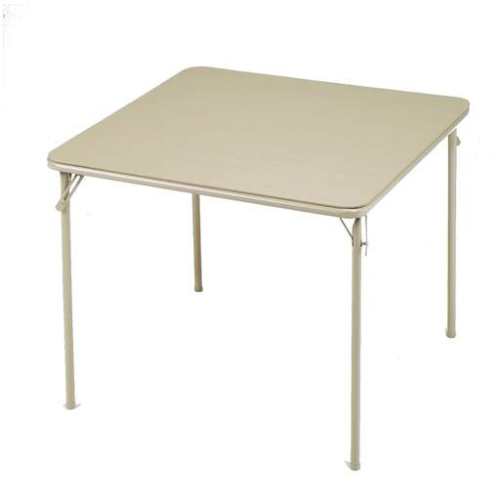 Your price for this item is $244.99
-
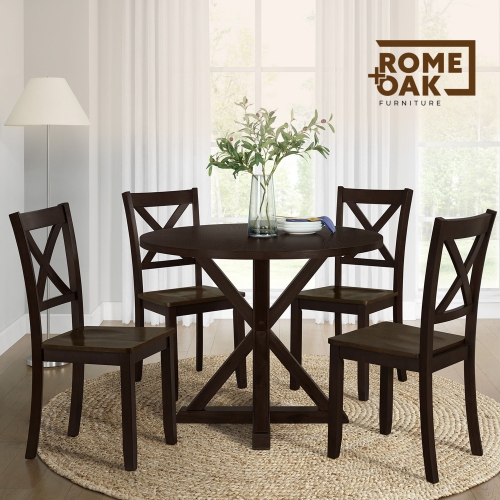 Your price for this item is $827.99
Discover more categories related to Apartment Dining Room Tables
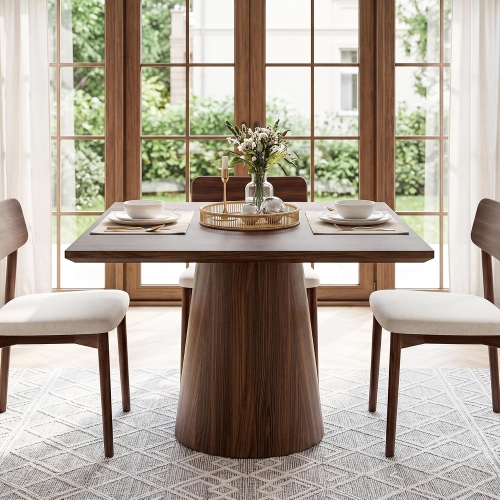

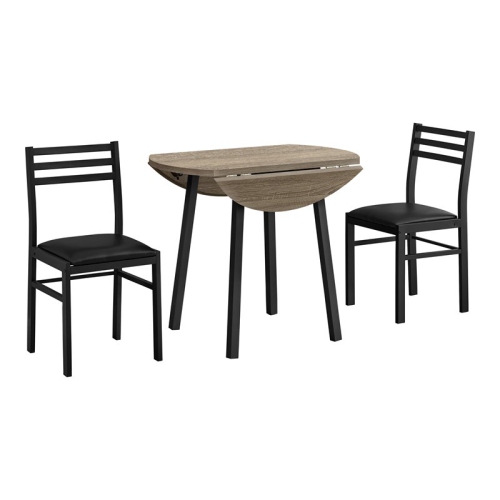
Top Collections:
Pokemon Centers, Best Black Friday Deals This Year, Best Black Friday Deals On Electronics, Kindle Devices, Best Budget Office Chairs, Best Black Friday Deals On Apple Products, Best Cameras for Sports Photography, Pokémon 30th Celebration Cards, Dyson Airwrap, Canon G7X Cameras
Some products may be subject to Environmental Handling Fees
(EHF) depending on your province.
Learn more about EHFs.