Armless Living Room Chairs
Armless Living Room Chairs offer a versatile seating solution that complements any home décor. Perfect for creating an open and inviting atmosphere, these chairs fit seamlessly into both compact spaces and spacious living areas. With a wide range of styles, colors, and materials available, finding the ideal armless chair to match your aesthetic is easy. Discover options that enhance comfort and add a touch of modern elegance to your living room setup.
Sort


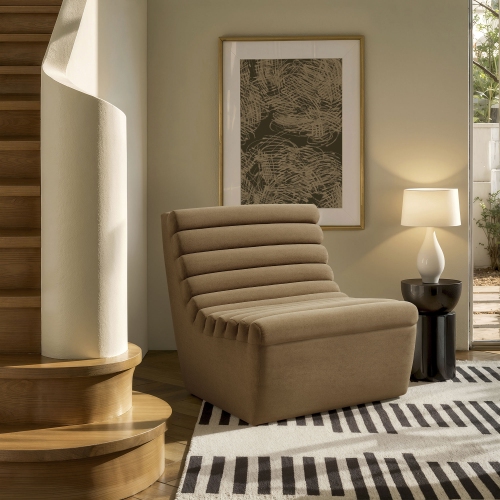
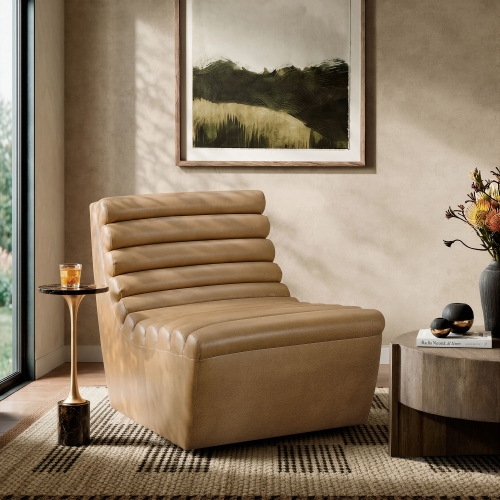
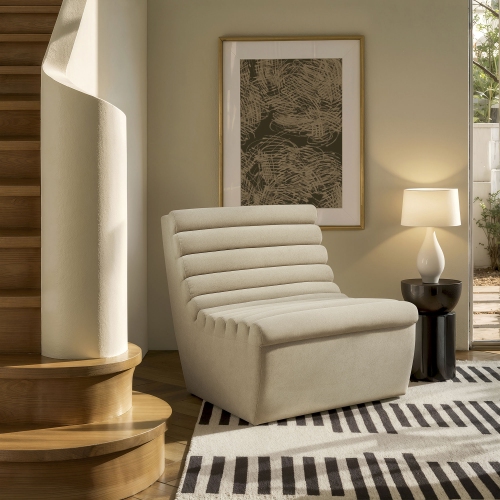
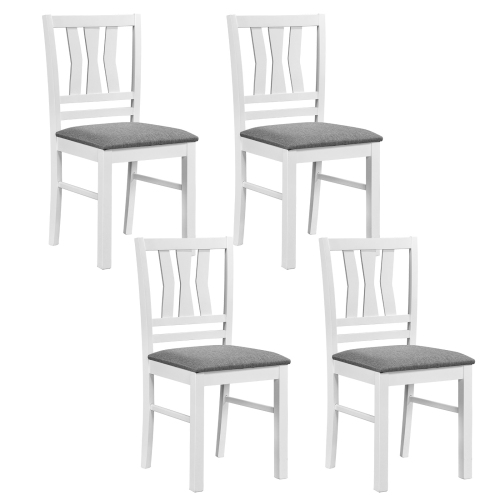
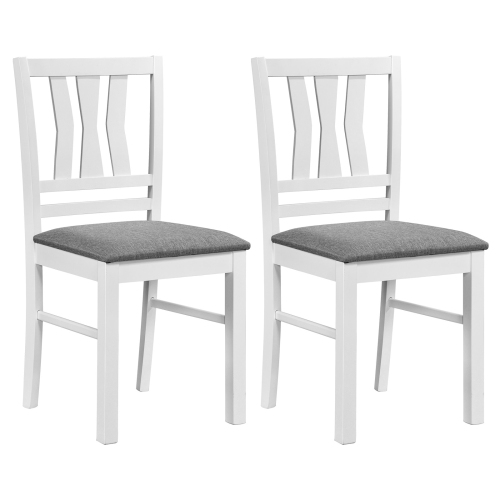
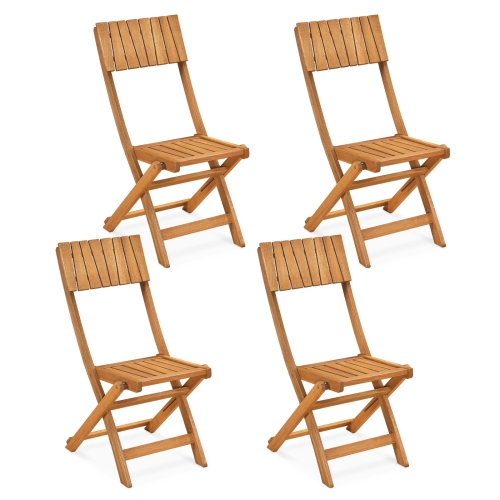
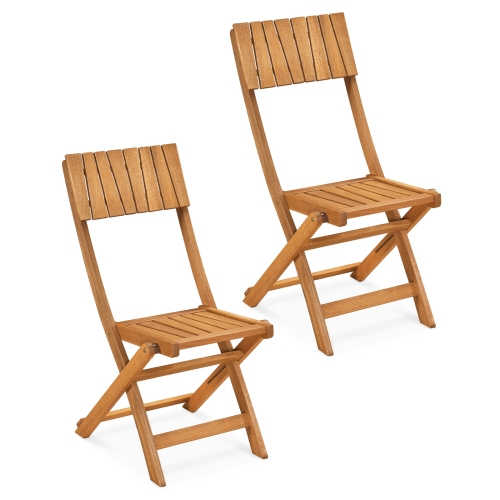


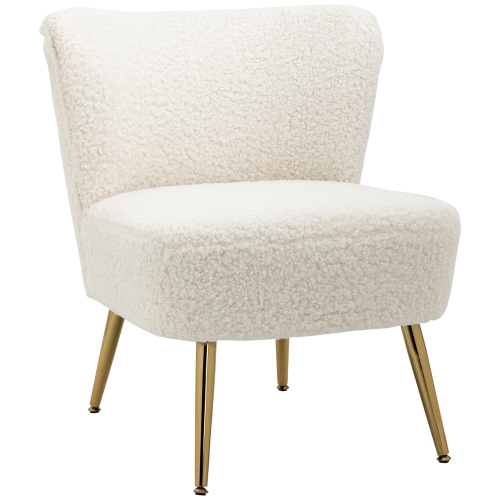


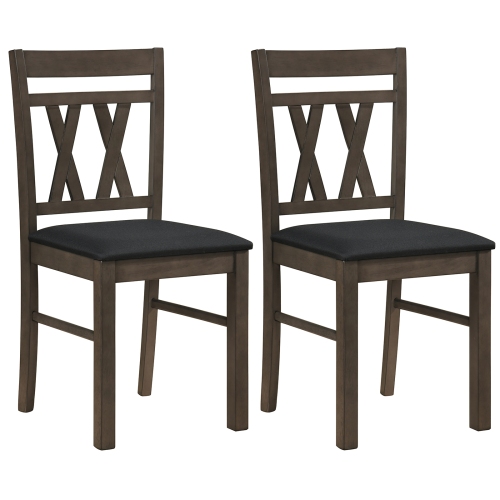

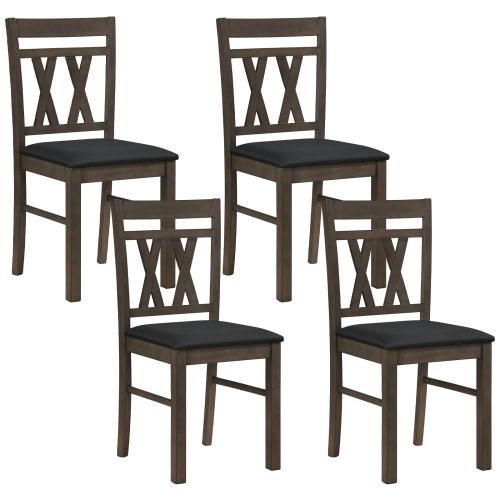
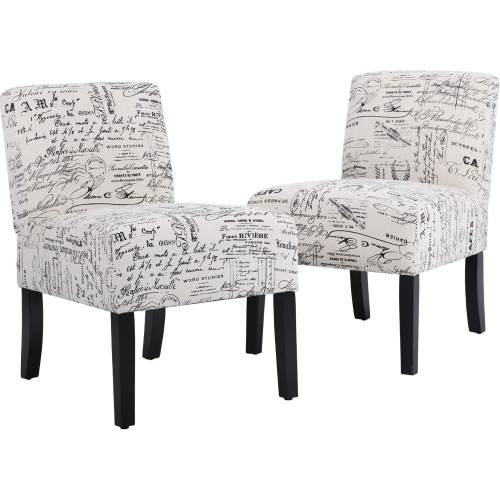

Comfortable seating without the visual weight of wide armchairs
Armless living room chairs add a comfortable place to sit without the visual weight of a wide armchair, making them a useful fit for conversation areas, reading corners, and rooms where furniture needs to share space with everyday movement. Their open sides leave the seat easy to approach from different angles, while the simpler outline can keep a seating arrangement from feeling crowded. Beside a sofa, an armless chair creates an extra spot for a guest without forming a solid barrier between the living room and an adjoining dining area. A pair placed across from a loveseat can give a compact room a balanced layout, especially when there is enough clearance around the coffee table for people to pass comfortably. The absence of arms does not always mean a smaller footprint, though: a generously cushioned seat or a deeply angled back can take up considerable floor space. Overall width and depth matter just as much as the chair’s silhouette, and the rear legs may extend beyond the backrest. Low-profile slipper chairs tend to have an understated presence, while taller backs, curved upholstery, and exposed wooden frames can make an armless design feel more substantial. In an open-plan room, the back of the chair becomes part of the view, so its shape and finish deserve the same attention as the front. Armless designs can also sit alongside existing furniture without requiring an exact match. A chair in a textured neutral fabric can soften the appearance of a leather sofa, while a patterned seat can introduce colour to a room built around plain upholstery. The wider category of Armless Chairs includes silhouettes suited to different spaces, but living room seating benefits most from proportions that support relaxed use and work naturally with nearby sofas, tables, and lighting. The result can be an inviting seat that feels like part of the room rather than an extra piece squeezed into a gap.
Comfort in an armless living room chair depends on the relationship between seat height, usable seat depth, back angle, and cushioning. A deep seat may suit someone who likes to tuck their legs up while reading, but it can leave a shorter person sitting forward without much back support. A shallower seat can make it easier to rest against the backrest with both feet on the floor. Seat height also affects how comfortably a person sits down and stands up, particularly when cushions compress under weight. Without armrests to push against, an armless chair may be less suitable for someone who relies on that support when getting to their feet. Firmness is another practical distinction: a plush cushion can feel welcoming for a brief rest, while a firmer seat may offer a more stable position for longer conversations or time spent with a book. A small side table within easy reach provides a place for a mug, glasses, or a phone when there is no chair arm beside the seat. Materials shape both the feel and the character of the furniture. Woven upholstery brings texture and can range from smooth, tightly constructed surfaces to more pronounced, nubby finishes. Velvet creates a softer sheen, with changes in the direction of the pile affecting how its colour appears in the light. Leather has its own grain and surface character, while coated alternatives have different care needs and may feel quite different against bare skin. Fabric names alone do not establish how well a chair will handle daily use; weave, fibre composition, construction, and any documented upholstery testing provide more useful context. In a home with pets, raised loops and loose textures may be more vulnerable to catching claws. For a chair used during meals in front of the television, clear cleaning instructions and accessible seams can matter as much as appearance. These details help distinguish a chair intended mainly as occasional accent seating from one that will become a favourite everyday place to settle.
The lasting appeal of an armless living room chair comes from more than its upholstery. Frame construction, secure joints, supportive cushioning, and a stable base all contribute to how the chair performs over time. Solid wood, plywood, and metal can each be used effectively, but material labels do not tell the whole story; the way the frame is assembled and supported matters too. A chair intended for frequent use should have a stated weight capacity appropriate to its users, and any assembly should follow the manufacturer’s directions, including instructions for checking fasteners. Exposed legs influence the look of the room as well as the practical fit. Slender legs can leave more floor visible, while a low upholstered base creates a more grounded appearance. Clearance underneath affects whether a vacuum attachment can reach dust without moving the chair. Suitable floor protectors help reduce marking on hard surfaces, and stable placement is especially important where chair legs sit partly on a rug and partly on the floor. Routine care depends on the covering: upholstery may call for gentle vacuuming with an appropriate attachment, while wood, metal, and leather finishes each require compatible cleaning methods. Removable cushion covers are not necessarily machine washable, and spot cleaning should follow the care label rather than a general household cleaning routine. Spills are usually best addressed promptly by blotting rather than rubbing, with any permitted cleaner tested first in an inconspicuous area. Direct sunlight can affect the colour of fabrics and finishes, so placement near a bright window deserves consideration. If cushions are designed to be turned or rotated, doing so as directed can help distribute wear. These practical qualities are particularly valuable in a shared living room, where the same chair might hold a visiting friend for an afternoon conversation, serve as a quiet reading seat, or be moved slightly to join a larger gathering. With suitable dimensions, supportive construction, and manageable care requirements, an armless chair can bring flexible seating and a distinct sense of style to a room without dominating its layout.
Top selling and popular products
-
 Your price for this item is $361.55
-
 Your price for this item is $67.89
-
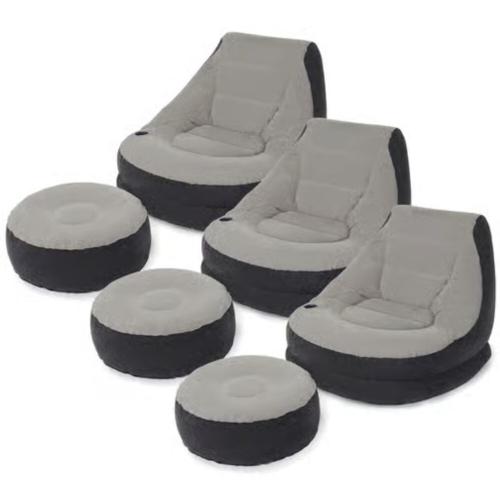 Your price for this item is $185.99
-
 Your price for this item is $312.99
-
 Your price for this item is $599.99
-
 Your price for this item is $233.99
-
 Your price for this item is $137.99
-
 Your price for this item is $862.99
Discover more categories related to Armless Living Room Chairs
Top Collections:
Pokemon Centers, Best Cameras for Sports Photography, Kindle Devices, Samsung Galaxy Phones, Canon G7X Cameras, Pokémon 30th Celebration Cards, Refurbished Apple Laptops, iPhone 15 Apple, Laptops for Students, Budget Smartphones
Some products may be subject to Environmental Handling Fees
(EHF) depending on your province.
Learn more about EHFs.