Art Deco Mirrors
Transform your living space with the timeless elegance of Art Deco mirrors. These stunning pieces effortlessly blend vintage charm with contemporary style, making them a perfect addition to any room. Characterized by their bold geometric patterns and luxurious materials, Art Deco mirrors serve as both functional decor and eye-catching focal points. Whether you're looking to enhance the light in a cozy corner or add a touch of sophistication to your hallway, these mirrors offer versatility and flair. Discover the allure of Art Deco design and elevate your home decor with these exquisite reflective masterpieces.
Sort
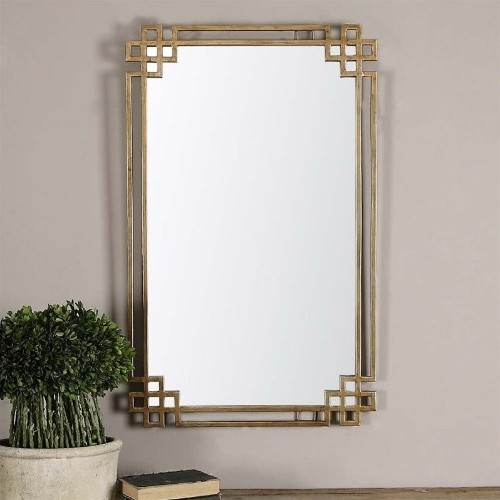
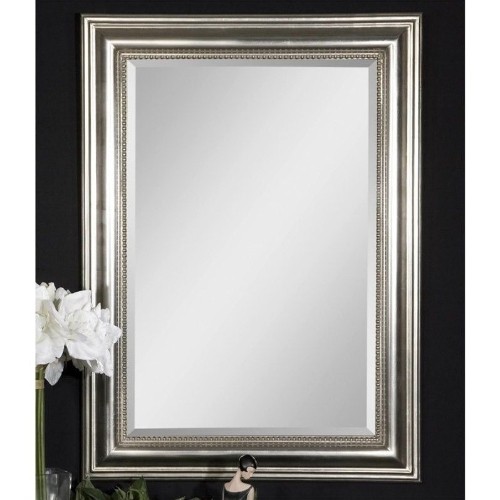


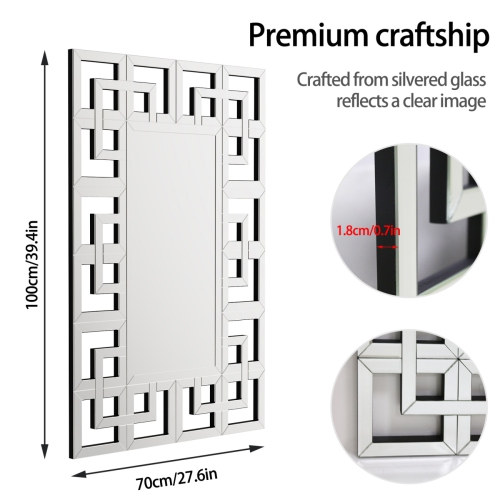
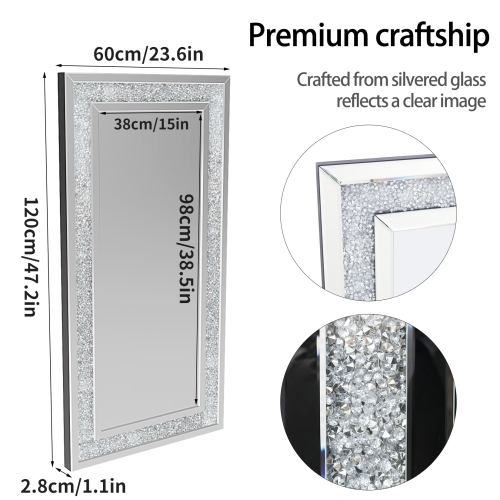
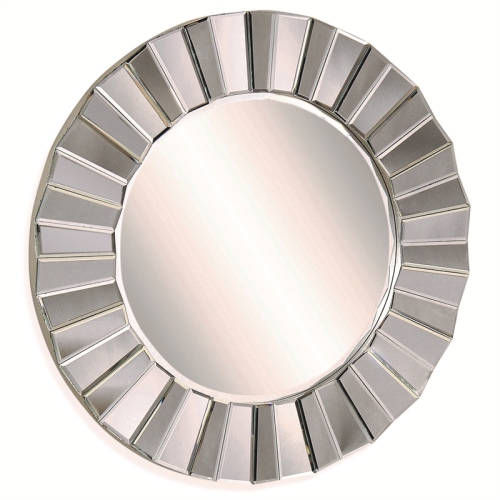
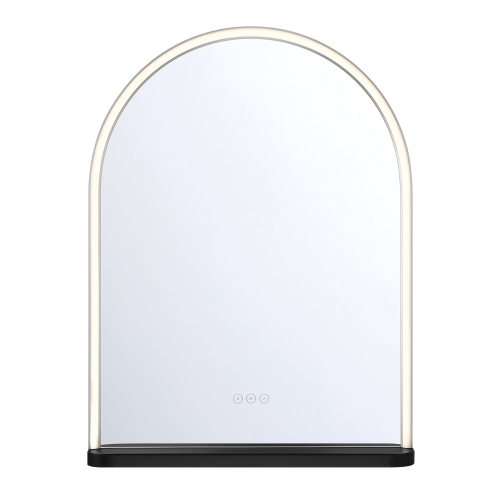
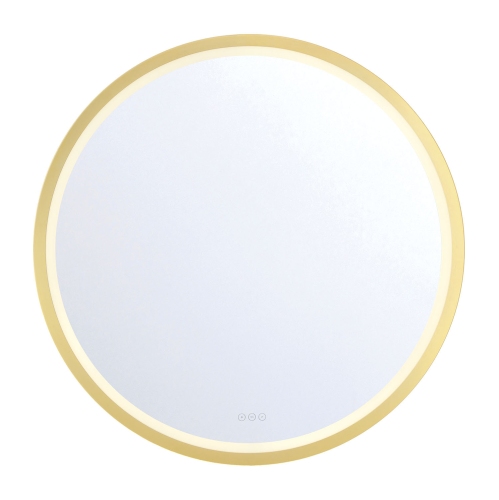
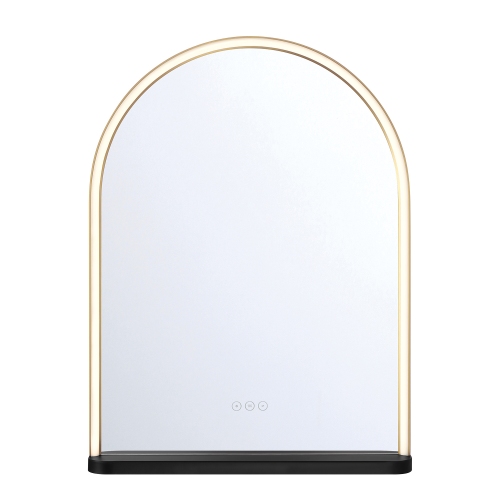
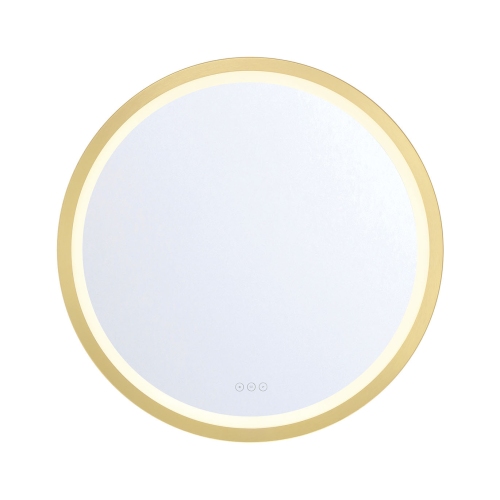
Geometric details and reflective surfaces amplify light beautifully
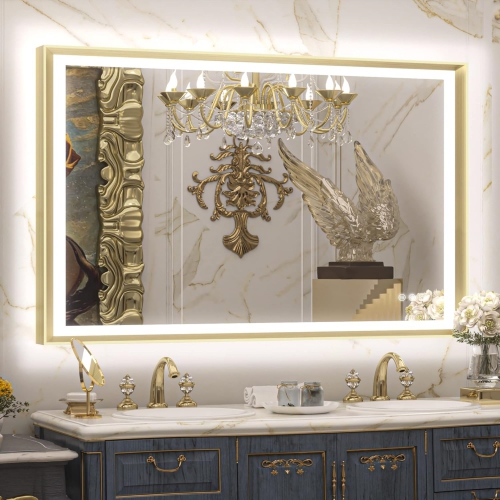
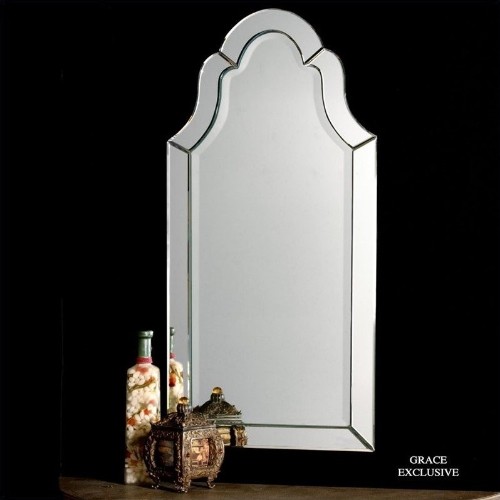
Art Deco mirrors bring a distinctive sense of glamour to a room through bold geometry, balanced proportions and richly finished details. Inspired by the design movement of the 1920s and 1930s, these mirrors often feature sunburst rays, fan-shaped curves, stepped edges, arches, circles and other carefully arranged forms that feel both decorative and architectural. A mirror with radiating segments can create the impression of light spreading across a wall, while a tiered rectangular design echoes the clean, symmetrical lines of a grand entrance or historic theatre. Finishes help define the character of the piece. Polished chrome and brushed metal can create a crisp, luminous look, while antique brass, gold-toned accents, black lacquer details and wrought iron offer a warmer or more dramatic appearance. Frameless bevelled mirrors take a quieter approach, allowing the angled glass edges to catch the light without a substantial outer frame. Smoked glass can add depth and a slightly moody finish, particularly in dining areas, bedrooms or entryways with rich wall colours. When comparing Art Deco mirrors, consider the overall silhouette first, then look at the finish, bevelled detailing, frame depth and hanging orientation. A mirror should complement the room’s existing shapes rather than compete with every other feature, so a fan or sunburst design may work beautifully above a simple console, whereas a stepped rectangular mirror can reinforce the orderly lines of a modern vanity or hallway.
Scale is one of the most important practical considerations when choosing an Art Deco mirror. Before browsing, measure the wall, the furniture beneath it and the clear space around nearby doors, cabinets or light fixtures. A large wall mirror can make a narrow entryway feel more open and help distribute natural or lamp light, but it should still leave enough visual breathing room around its frame. Above a console, a mirror that is roughly two-thirds to three-quarters of the furniture’s width often looks well balanced, though a tall, narrow design may suit a smaller table or a slender wall. For a bathroom or dressing area, check whether the mirror’s height allows a comfortable view for everyone using the space, and pay attention to whether the frame or decorative edge reduces the usable reflective area. Weight also matters, particularly for oversized mirrors or pieces with substantial metal framing. Confirm the wall type, locate suitable studs where possible and use mounting hardware rated for the mirror’s weight. In a rental or frequently rearranged space, a lighter design may be easier to install and reposition. Folding or multi-panel vanity mirrors can be useful on a dressing table, where angled sections provide different views for hair styling, accessories or makeup application. They also bring a strong period-inspired presence to a bedroom without requiring a large wall installation. For a memorable housewarming, wedding or birthday gift, an Art Deco mirror can be a thoughtful choice because it combines daily function with a decorative focal point. A smaller bevelled or geometric design is often easier to give than a large statement piece, while someone furnishing a new home may appreciate a wider mirror for an entry, living room or dining space. If the intended recipient favours polished, upscale interiors, you may also wish to explore Luxury Mirrors for similarly dramatic finishing touches.
Placement determines how the mirror feels once it is part of the room. In an entryway, a sunburst or fan mirror can greet guests with a bright, theatrical detail while providing a convenient last look before heading out. Above a fireplace or sideboard, a symmetrical geometric frame can serve as the visual anchor for artwork, lamps and decorative objects, especially when its finish repeats a nearby metal accent. In a bedroom, a full-length design can make getting dressed more convenient, while a smaller vanity mirror adds polish to a dressing area or bedside nook. An Art Deco mirror can also soften a space filled with straight furniture lines by introducing curves, or bring structure to a room with more relaxed furnishings. Think about reflection as well as appearance: positioning a mirror opposite a window can help spread daylight, while placing it near a pendant, wall sconce or table lamp can create appealing highlights during the cooler months when rooms are used more often in the evening. Avoid directing the reflection toward cluttered storage, harsh overhead lighting or a television if you want the mirror to remain the focal point. Dust and fingerprints are especially noticeable on dark frames, polished metal and bevelled glass, so clean the reflective surface with a soft, lint-free cloth and use care around decorative finishes. For framed designs, follow the manufacturer’s cleaning instructions and keep moisture away from unsealed edges. Whether used to add glamour to a compact apartment, finish a carefully styled dining room or give a new home a more personal sense of arrival, Art Deco mirrors combine useful reflection with expressive design. The best choice is one whose size, shape, finish and installation requirements suit the room, while its distinctive geometry adds the kind of visual detail that remains engaging through changing décor and seasons.
Scale is one of the most important practical considerations when choosing an Art Deco mirror. Before browsing, measure the wall, the furniture beneath it and the clear space around nearby doors, cabinets or light fixtures. A large wall mirror can make a narrow entryway feel more open and help distribute natural or lamp light, but it should still leave enough visual breathing room around its frame. Above a console, a mirror that is roughly two-thirds to three-quarters of the furniture’s width often looks well balanced, though a tall, narrow design may suit a smaller table or a slender wall. For a bathroom or dressing area, check whether the mirror’s height allows a comfortable view for everyone using the space, and pay attention to whether the frame or decorative edge reduces the usable reflective area. Weight also matters, particularly for oversized mirrors or pieces with substantial metal framing. Confirm the wall type, locate suitable studs where possible and use mounting hardware rated for the mirror’s weight. In a rental or frequently rearranged space, a lighter design may be easier to install and reposition. Folding or multi-panel vanity mirrors can be useful on a dressing table, where angled sections provide different views for hair styling, accessories or makeup application. They also bring a strong period-inspired presence to a bedroom without requiring a large wall installation. For a memorable housewarming, wedding or birthday gift, an Art Deco mirror can be a thoughtful choice because it combines daily function with a decorative focal point. A smaller bevelled or geometric design is often easier to give than a large statement piece, while someone furnishing a new home may appreciate a wider mirror for an entry, living room or dining space. If the intended recipient favours polished, upscale interiors, you may also wish to explore Luxury Mirrors for similarly dramatic finishing touches.
Placement determines how the mirror feels once it is part of the room. In an entryway, a sunburst or fan mirror can greet guests with a bright, theatrical detail while providing a convenient last look before heading out. Above a fireplace or sideboard, a symmetrical geometric frame can serve as the visual anchor for artwork, lamps and decorative objects, especially when its finish repeats a nearby metal accent. In a bedroom, a full-length design can make getting dressed more convenient, while a smaller vanity mirror adds polish to a dressing area or bedside nook. An Art Deco mirror can also soften a space filled with straight furniture lines by introducing curves, or bring structure to a room with more relaxed furnishings. Think about reflection as well as appearance: positioning a mirror opposite a window can help spread daylight, while placing it near a pendant, wall sconce or table lamp can create appealing highlights during the cooler months when rooms are used more often in the evening. Avoid directing the reflection toward cluttered storage, harsh overhead lighting or a television if you want the mirror to remain the focal point. Dust and fingerprints are especially noticeable on dark frames, polished metal and bevelled glass, so clean the reflective surface with a soft, lint-free cloth and use care around decorative finishes. For framed designs, follow the manufacturer’s cleaning instructions and keep moisture away from unsealed edges. Whether used to add glamour to a compact apartment, finish a carefully styled dining room or give a new home a more personal sense of arrival, Art Deco mirrors combine useful reflection with expressive design. The best choice is one whose size, shape, finish and installation requirements suit the room, while its distinctive geometry adds the kind of visual detail that remains engaging through changing décor and seasons.
Top selling and popular products
-
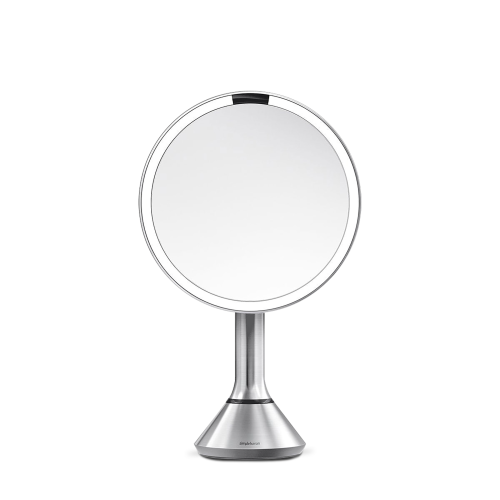 Your price for this item is $270
 -
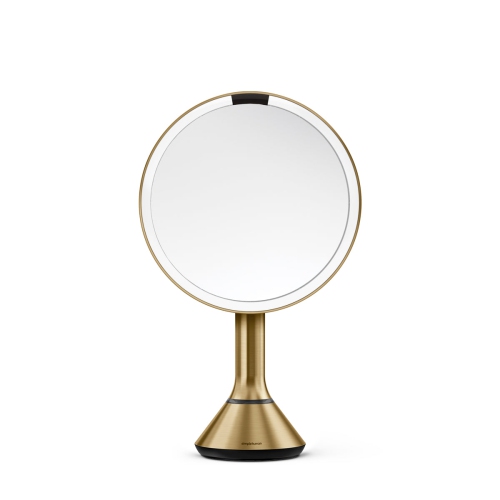 Your price for this item is $270
 -
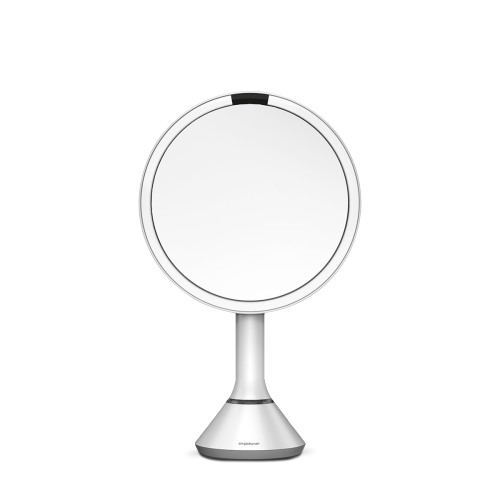 Your price for this item is $270
 -
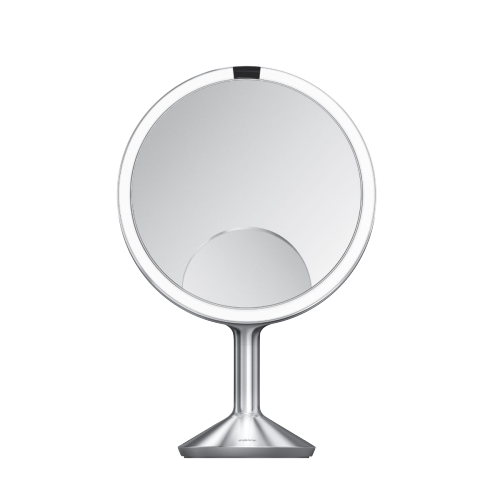 Your price for this item is $450
 -
 Your price for this item is $158.98
 -
 Your price for this item is $149.99
 -
 Your price for this item is $400
 -
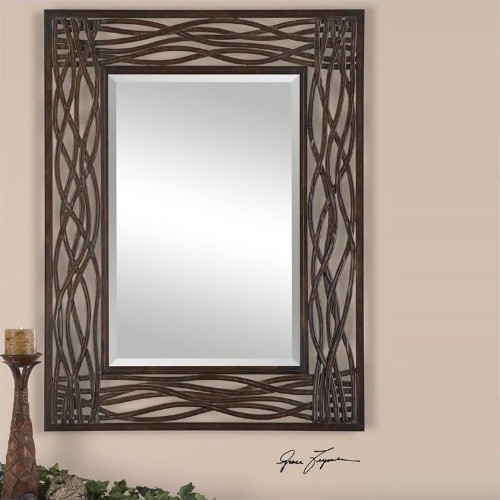 Your price for this item is $833.35
Discover more categories related to Art Deco Mirrors

Top Collections:
Pokemon Centers, Kindle Devices, Best Budget Office Chairs, Apple iPhones 16, Best Laptops for Writers, iPhone 15 Apple, Canon G7X Cameras, Refurbished Apple Laptops, Alarm Clock, Motorola Razr Phones
Some products may be subject to Environmental Handling Fees
(EHF) depending on your province.
Learn more about EHFs.