Decorative Wall Mirrors
Enhance the aesthetic appeal of your living space with our wide selection of decorative wall mirrors. These elegant and stylish mirrors are designed to not only reflect your unique sense of style but also add depth and dimension to any room. Whether you're looking for a statement piece to adorn your entryway or a sleek mirror to complement your bedroom decor, we have the perfect options to suit every taste and budget. From ornate designs with intricate detailing to minimalist frames that exude contemporary charm, our collection of decorative wall mirrors offers endless possibilities to elevate the look of your home.
Sort
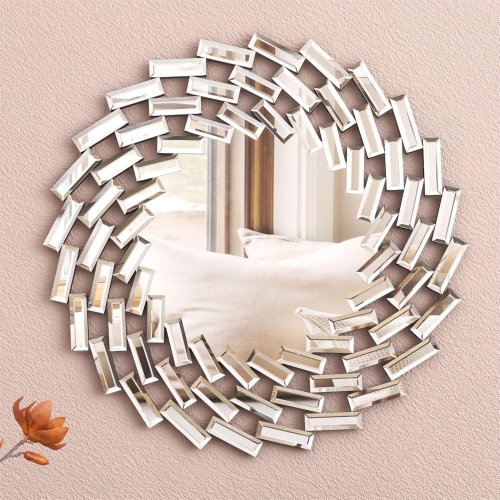


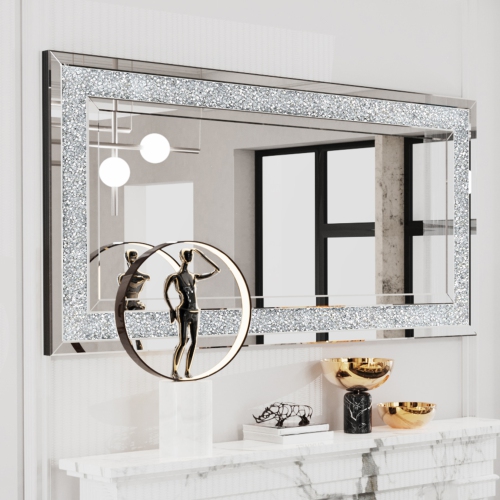
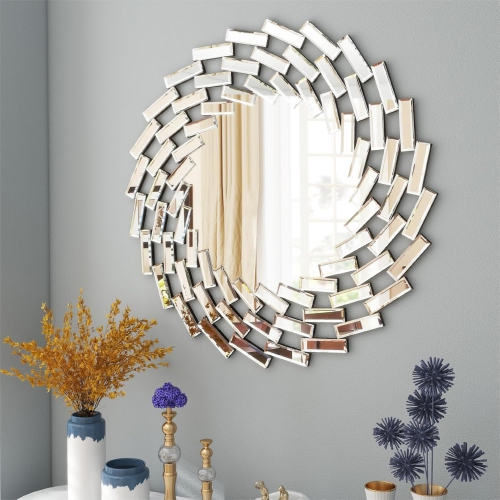

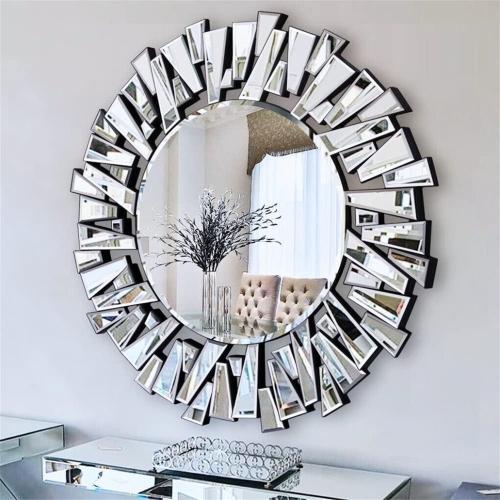









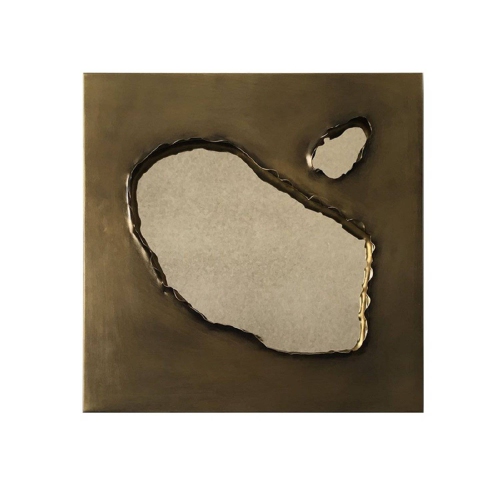
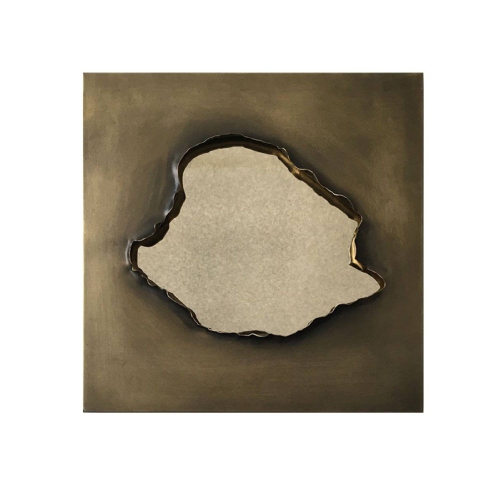
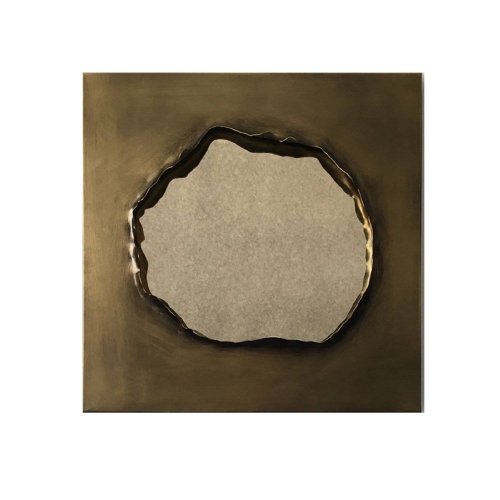
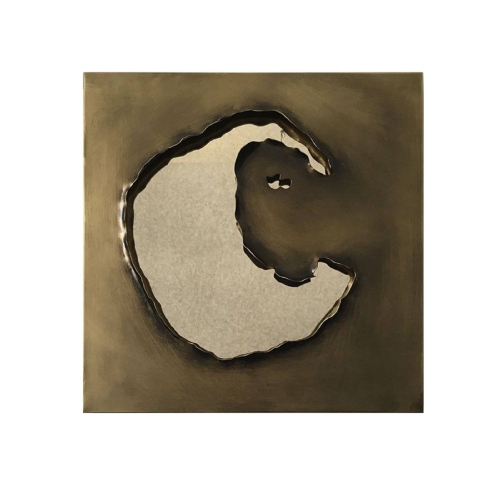
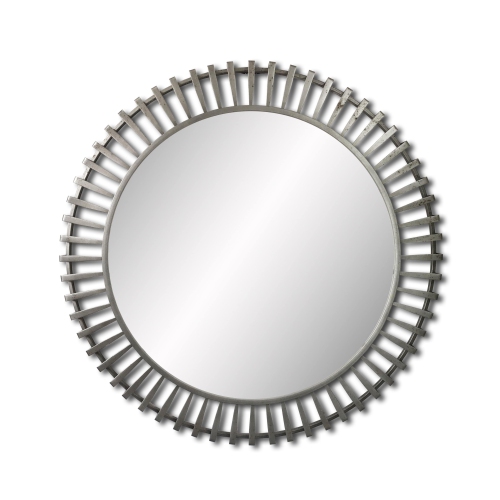


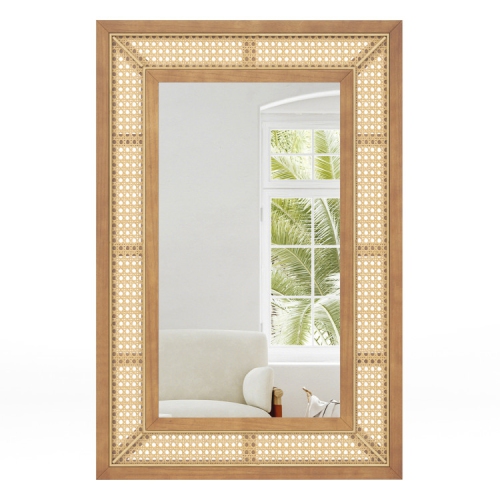
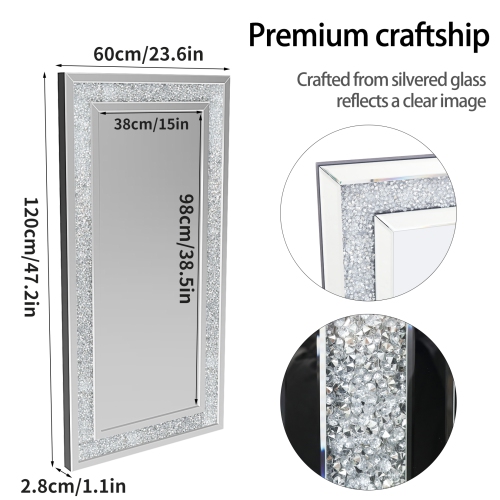
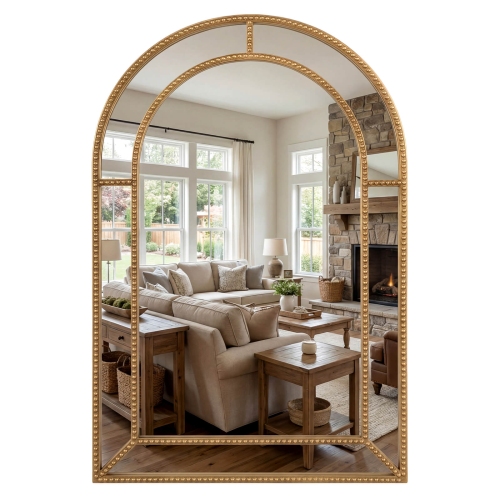
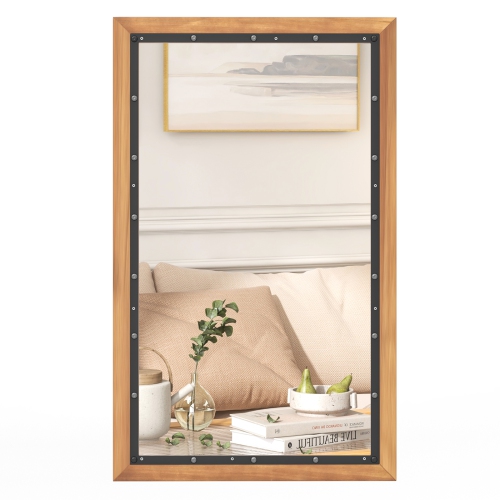

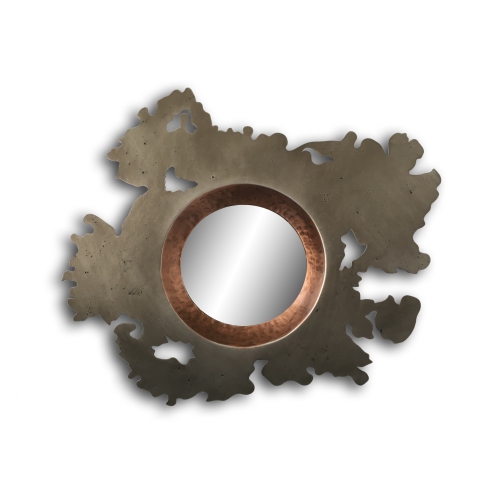
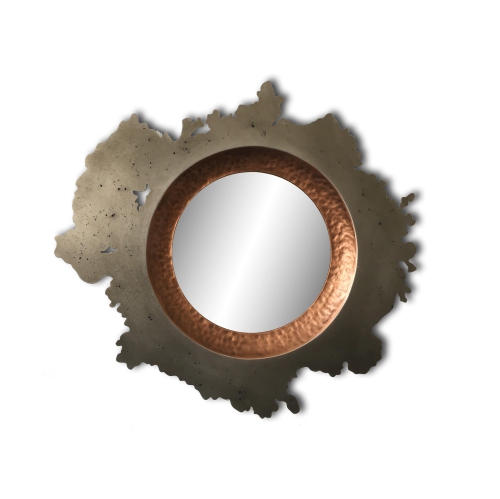
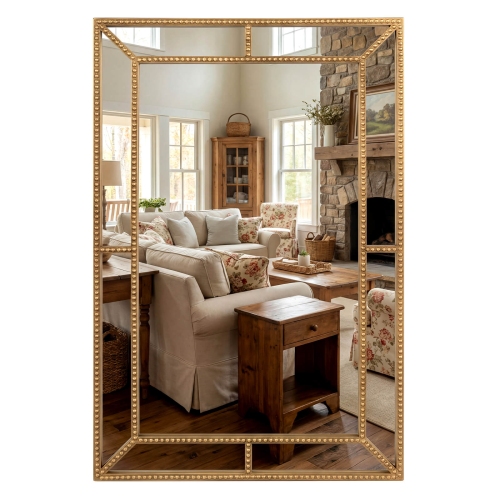


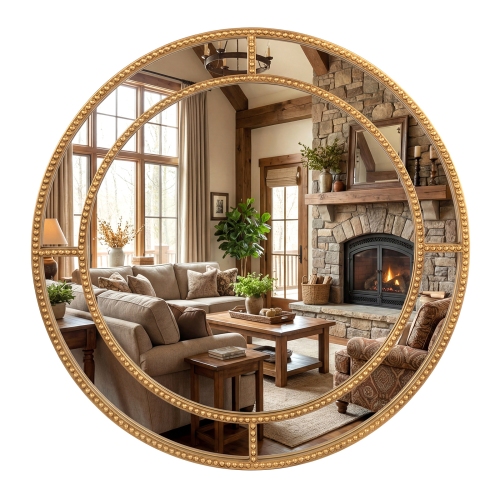


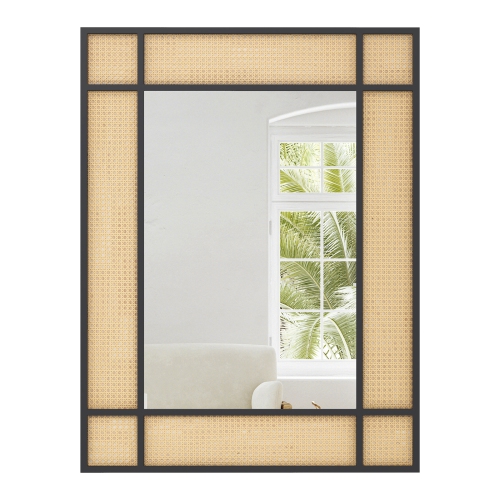


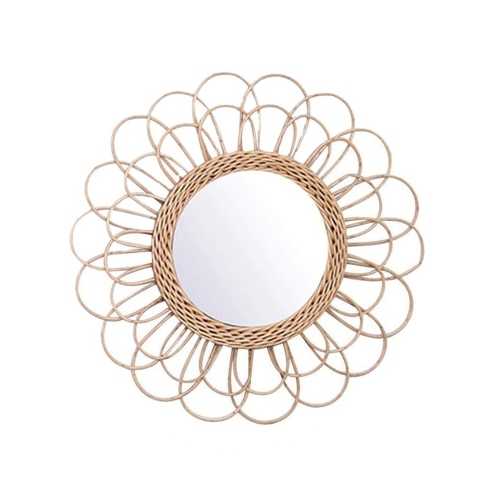


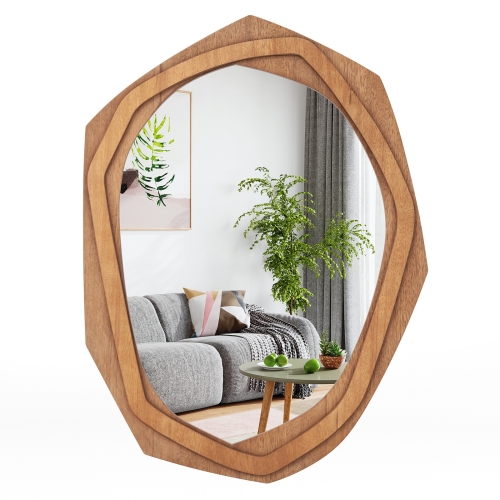












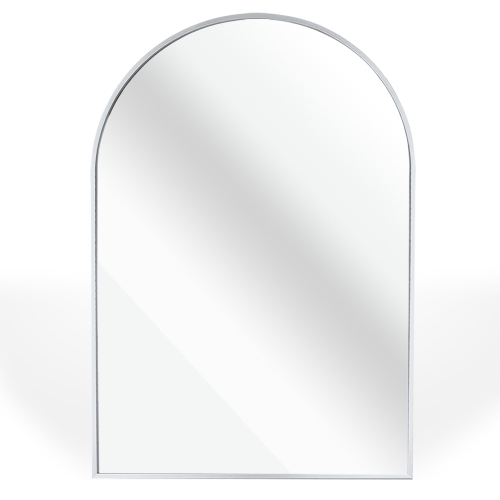


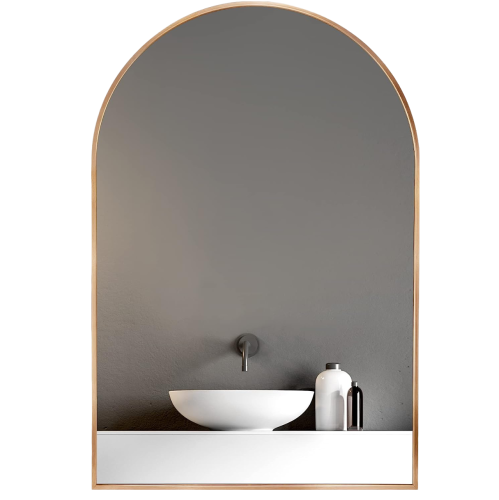
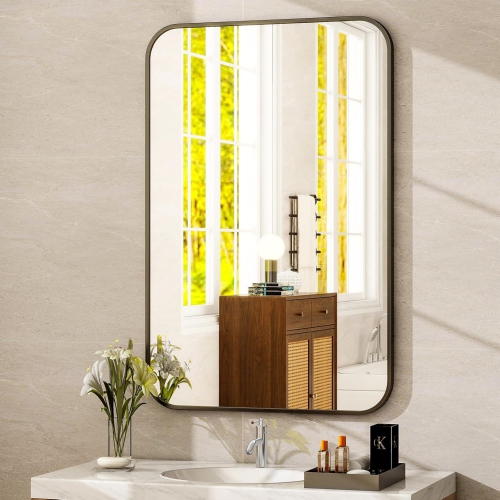
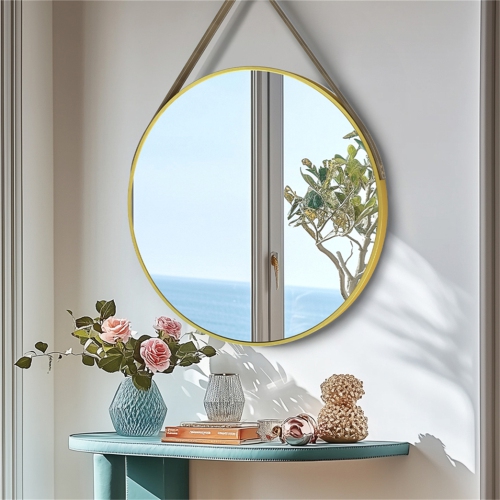
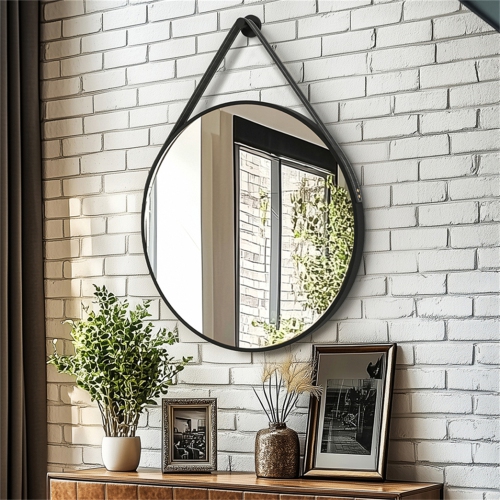

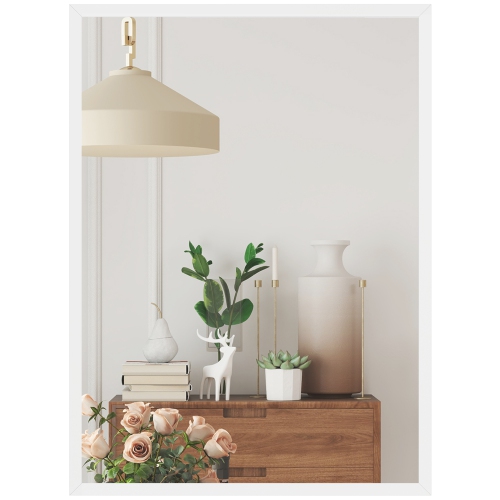


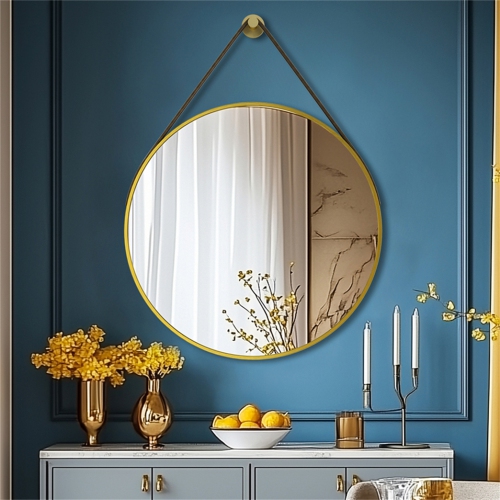





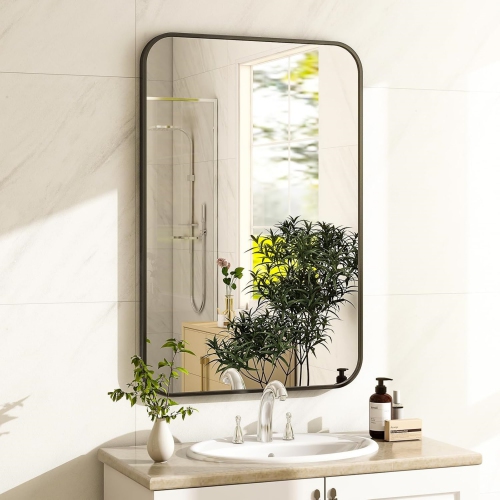
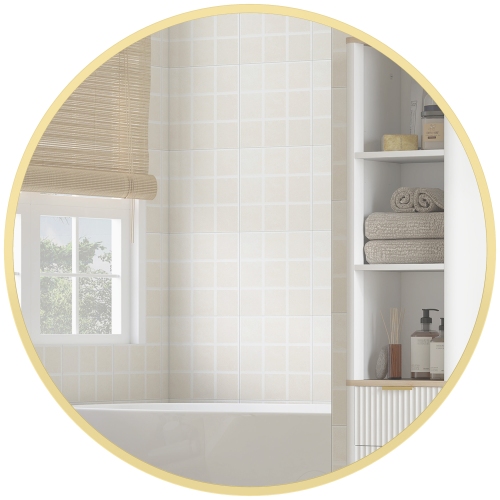
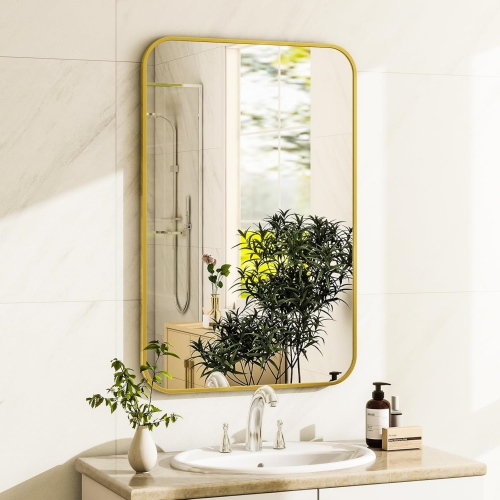
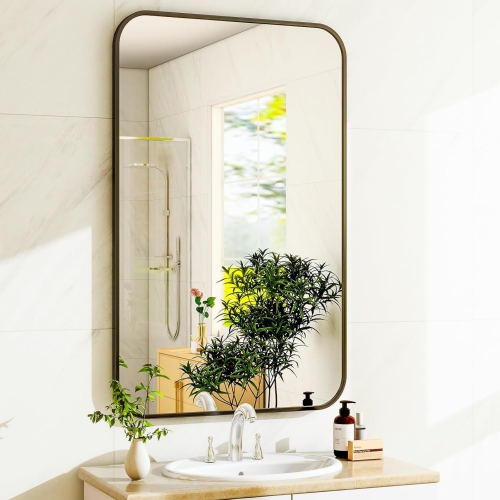
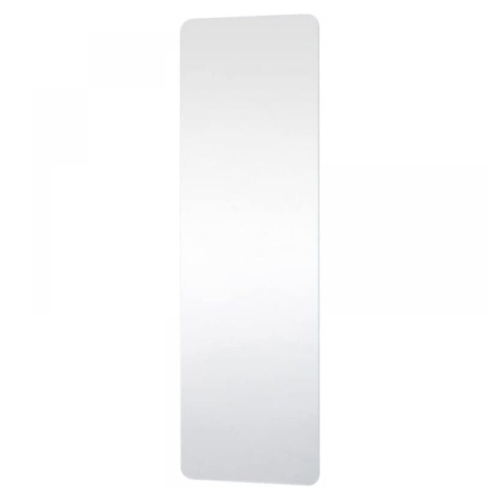
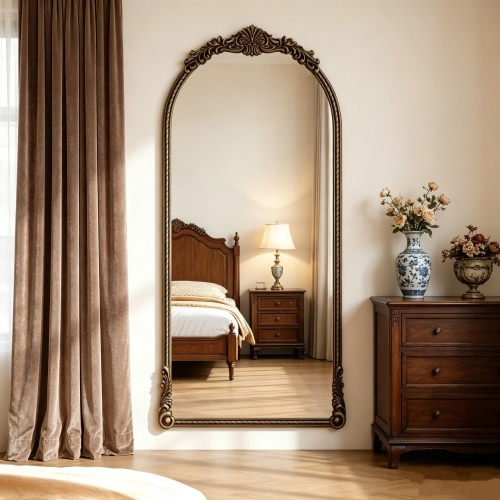

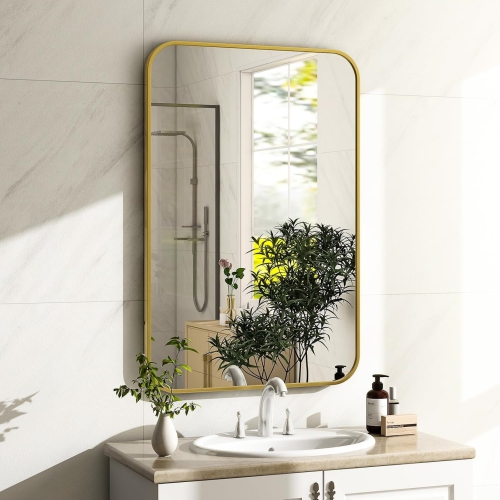


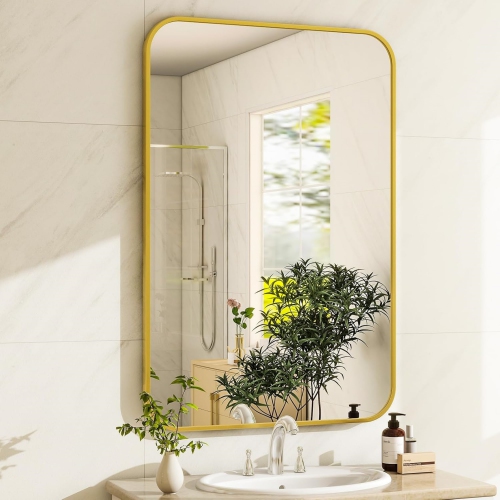





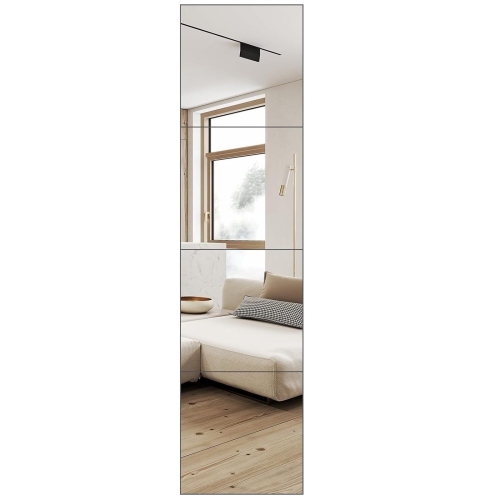

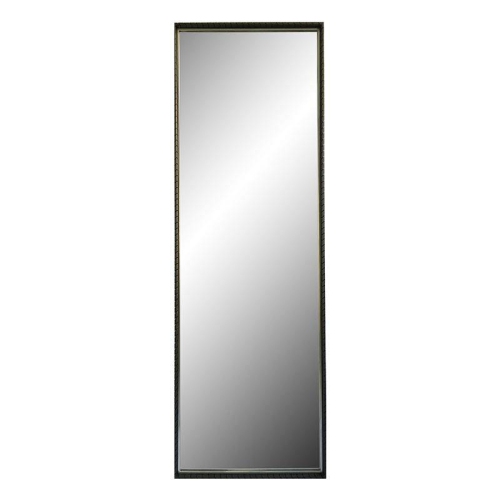


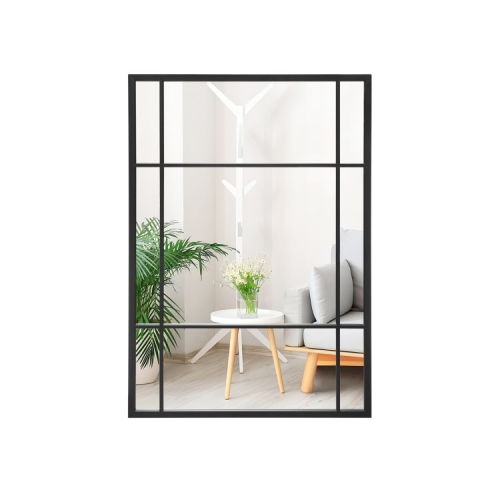


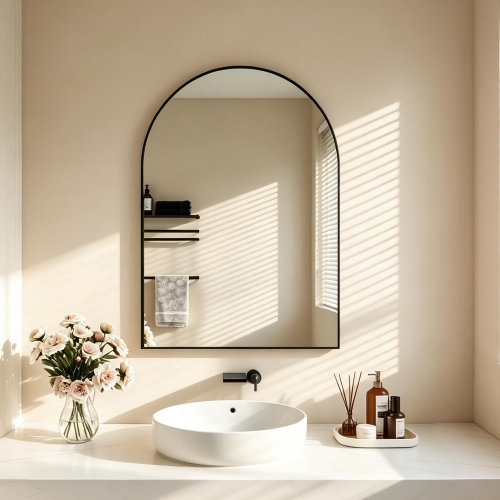
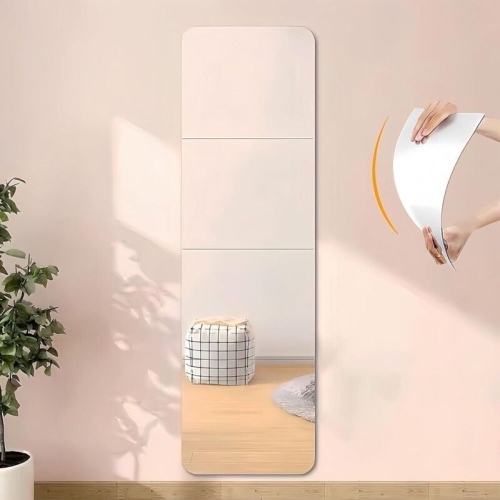


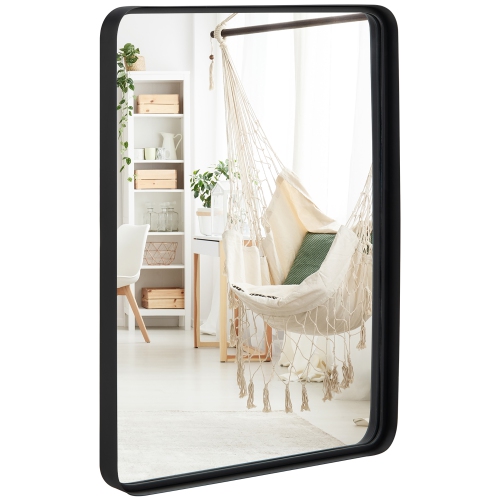


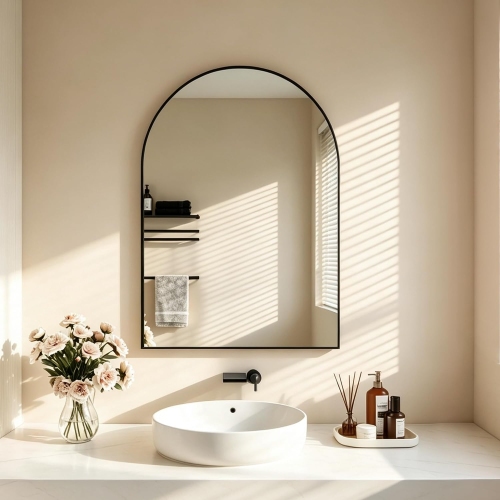
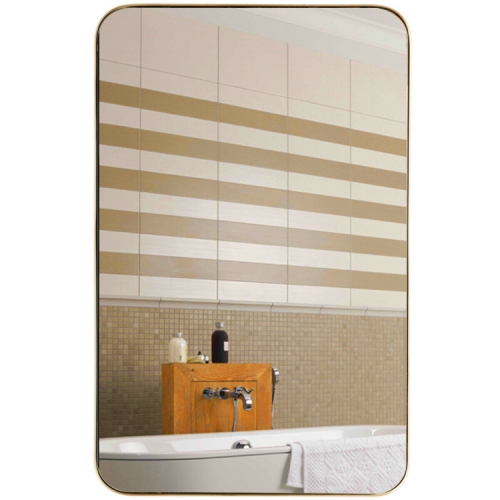

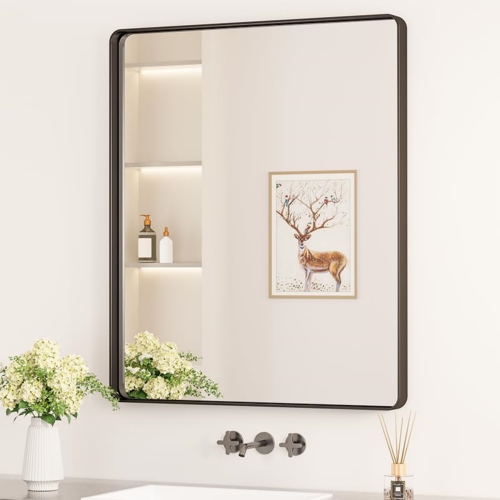

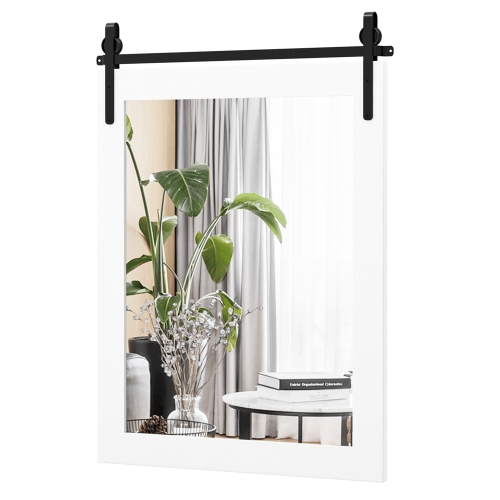
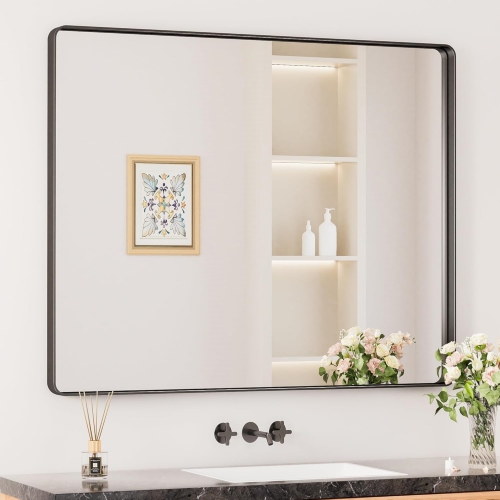
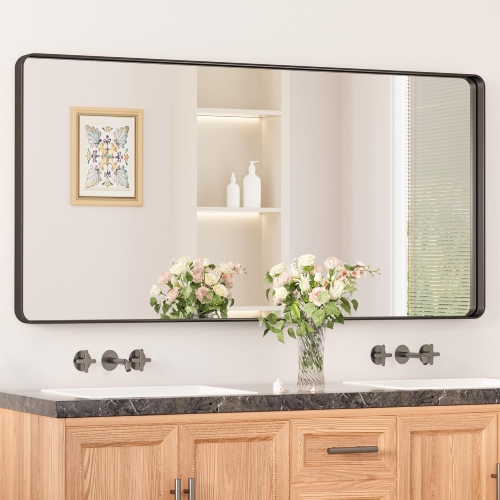
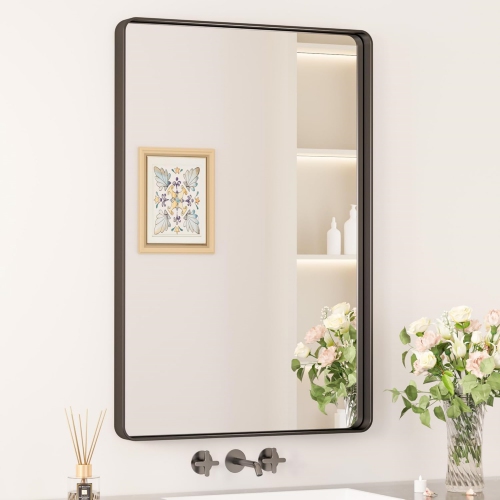
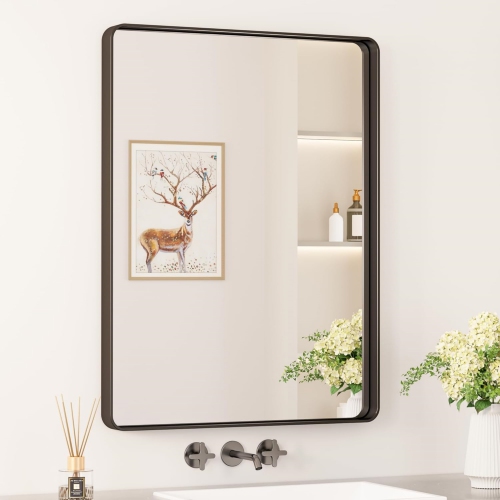
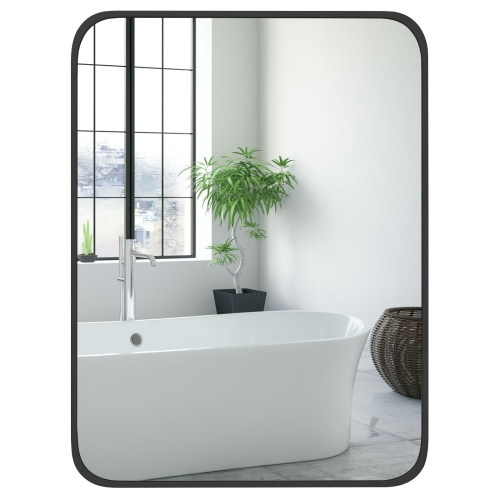
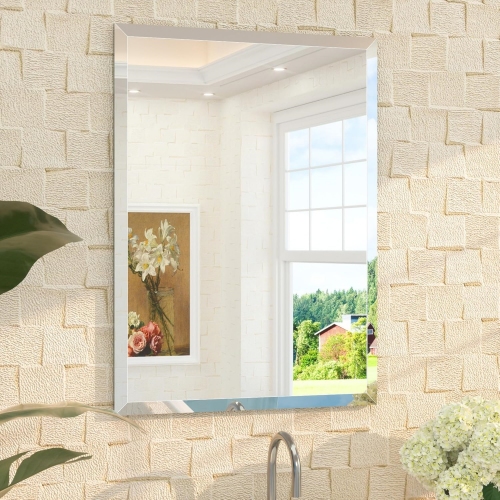
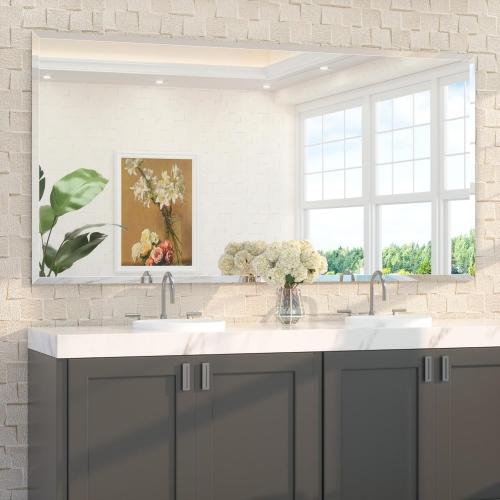
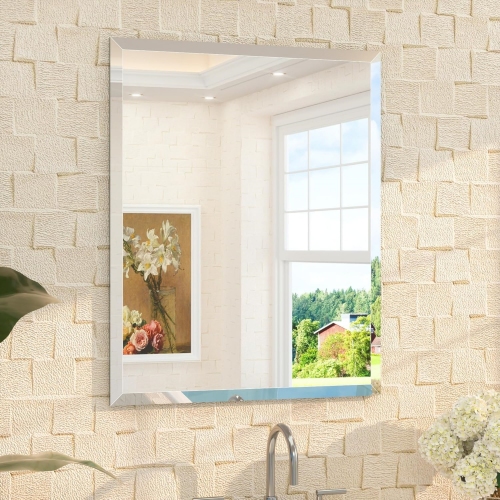
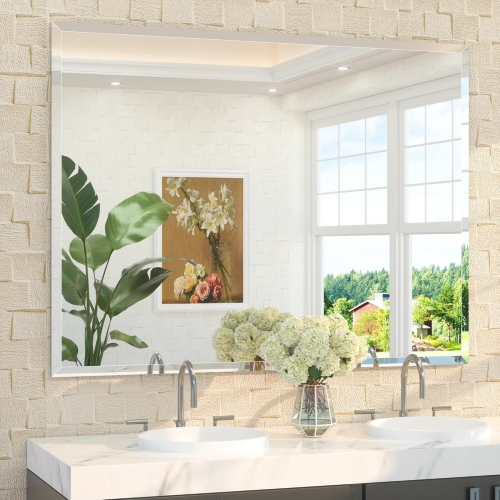

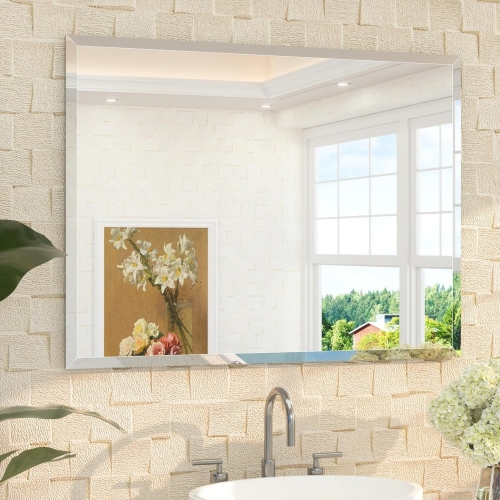




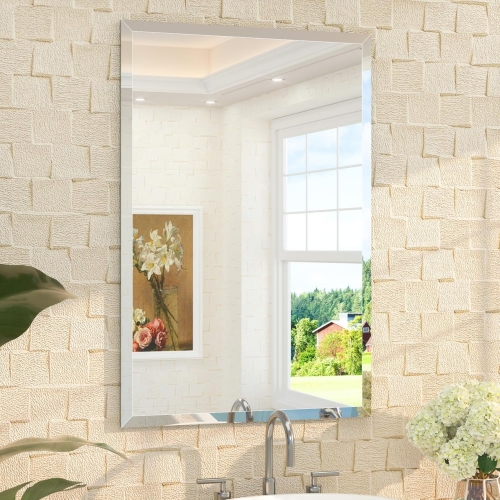
How mirror frames and placement shape a room
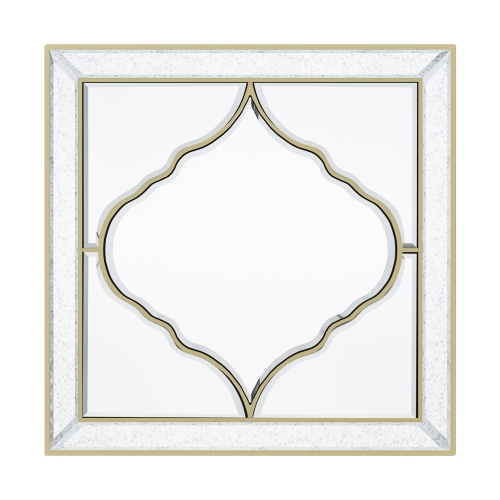
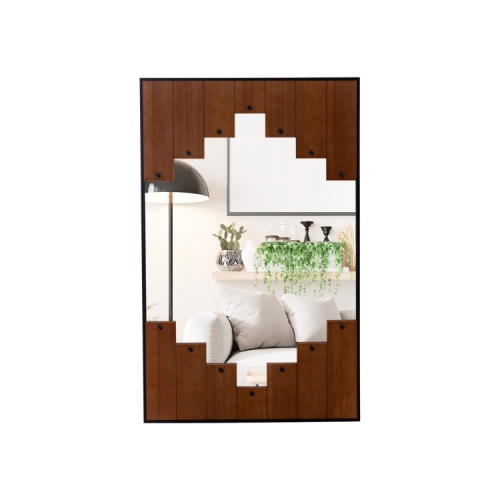
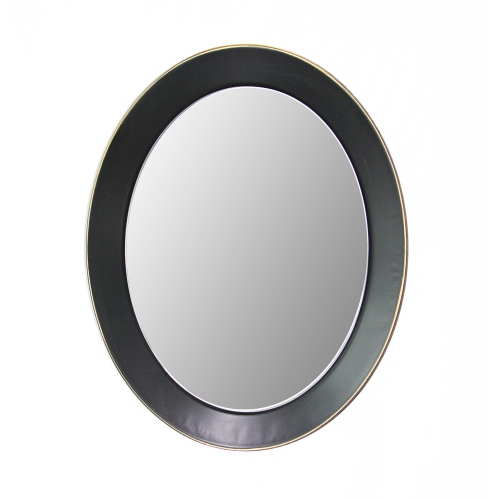
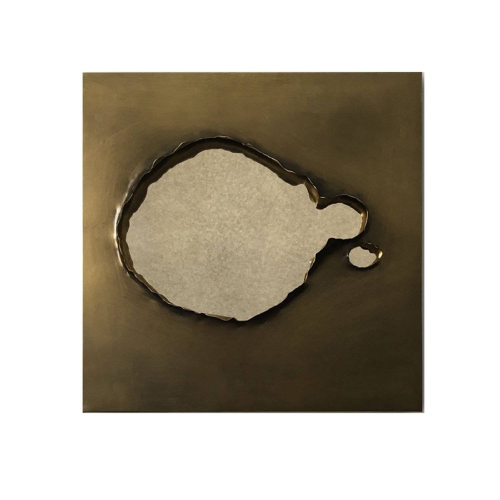
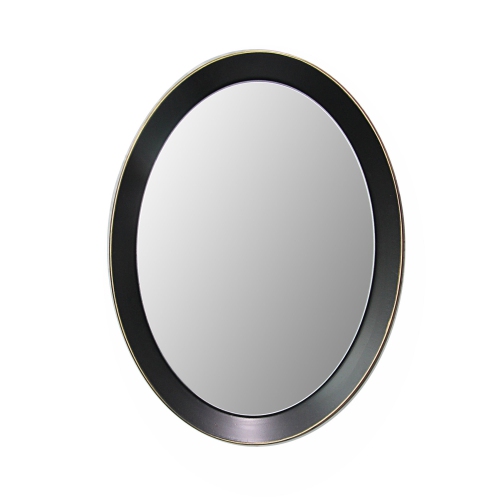
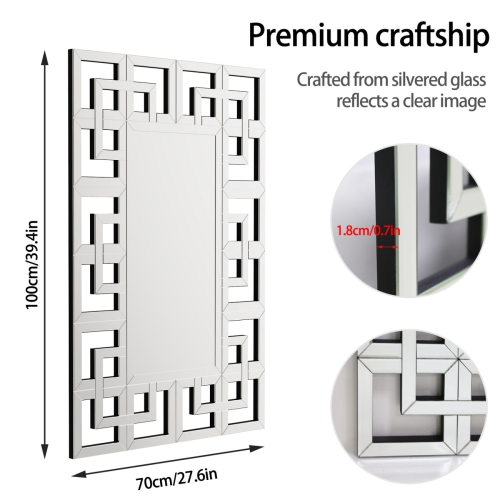
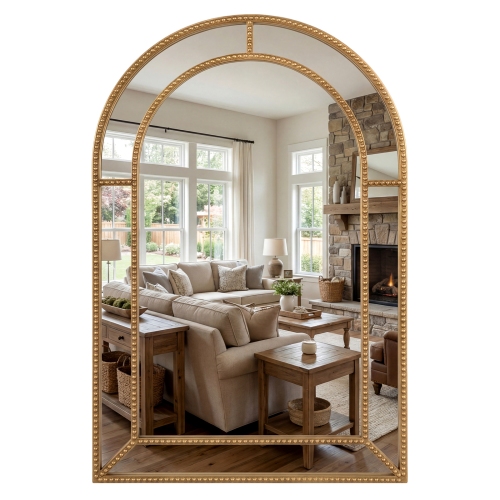
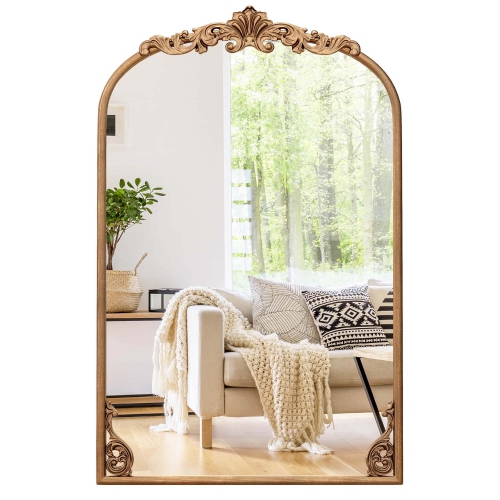
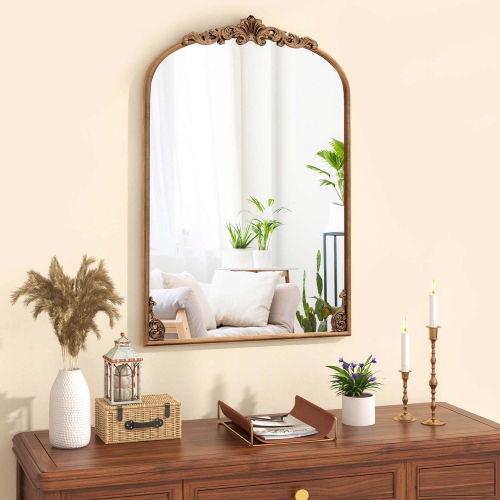
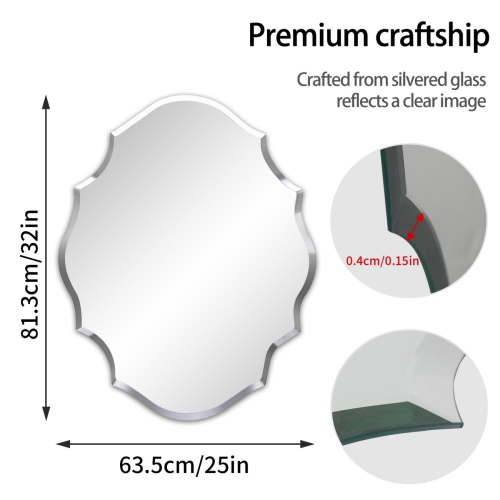
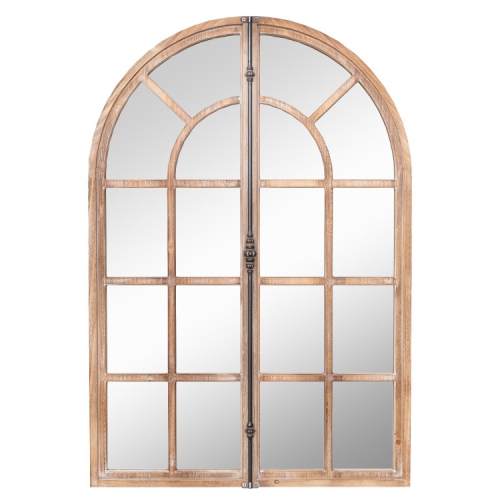
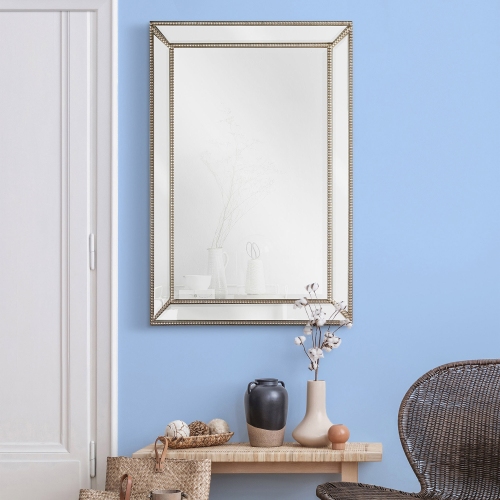
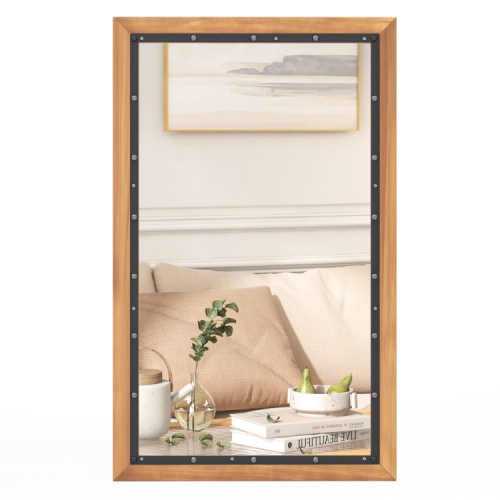
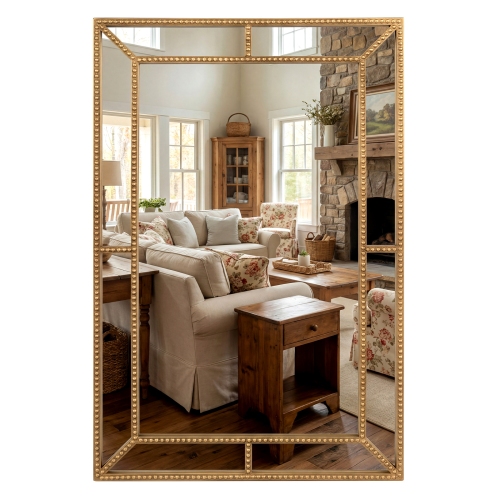
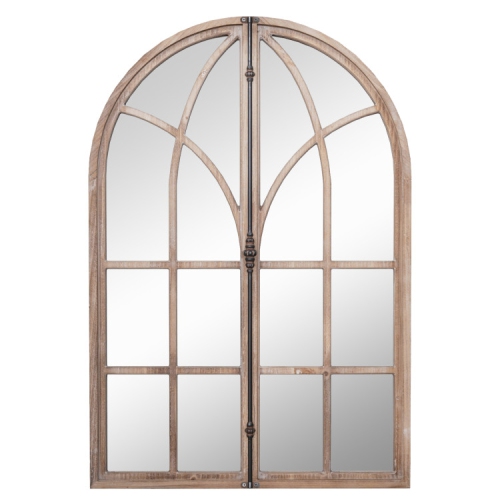
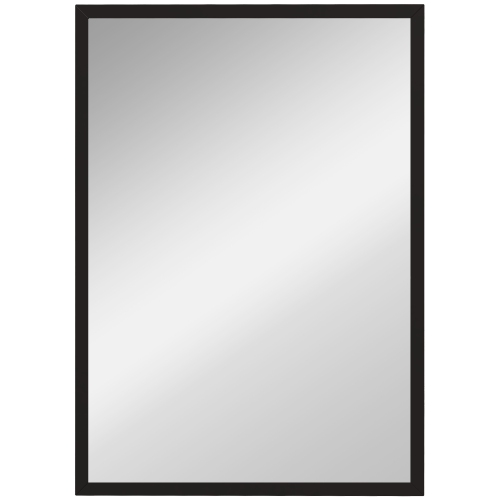
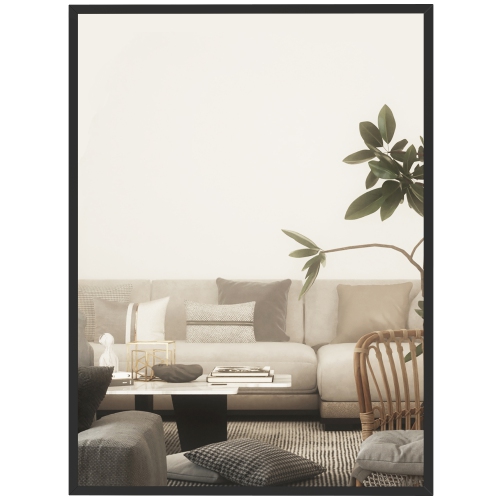
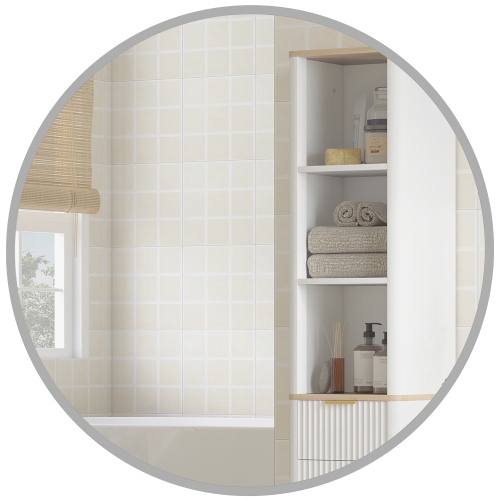
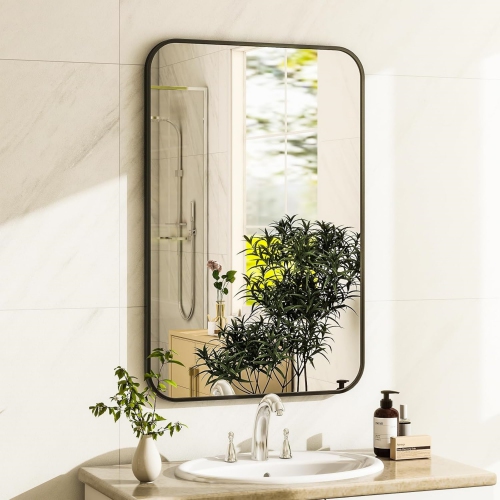
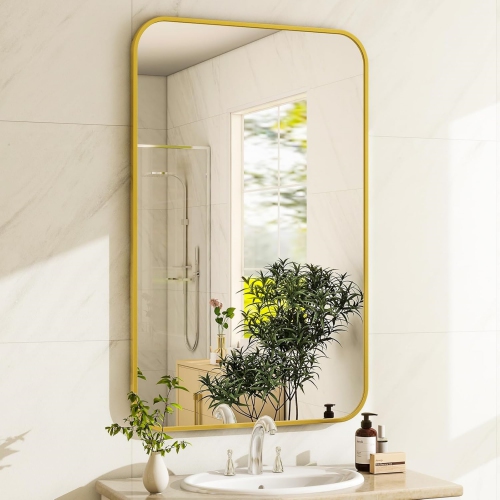
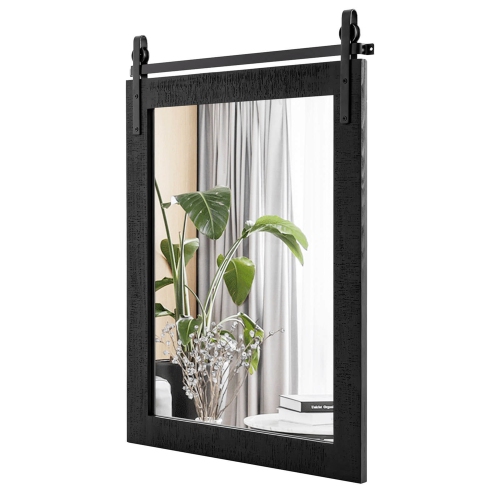
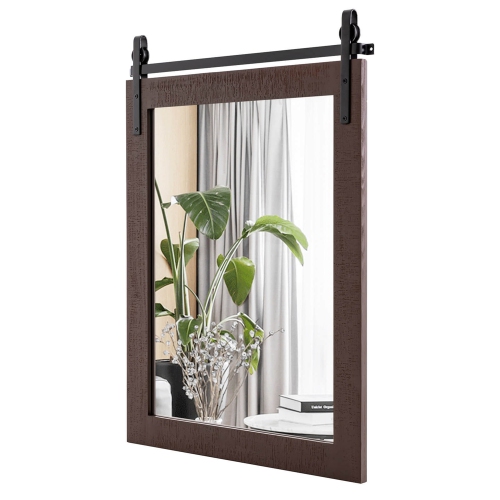
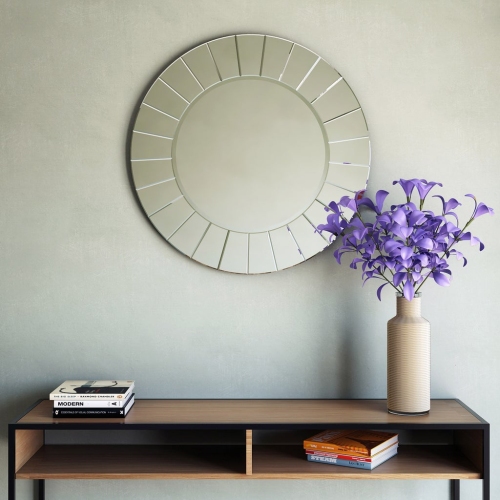
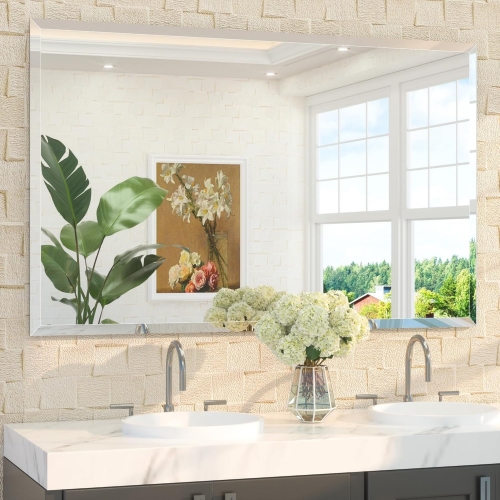
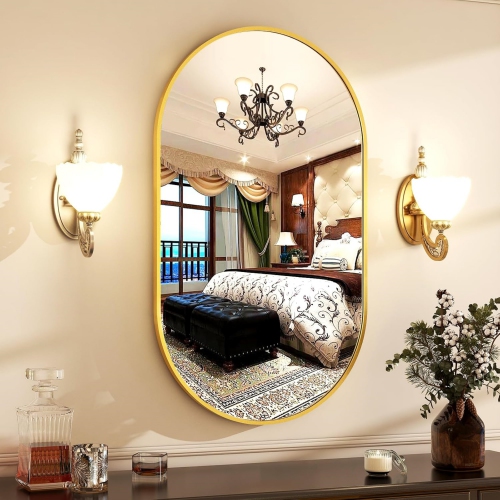
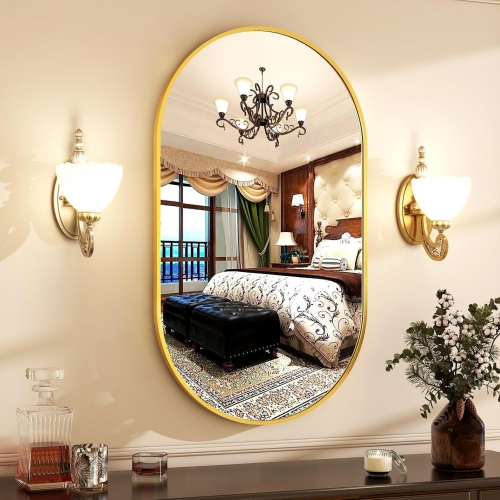
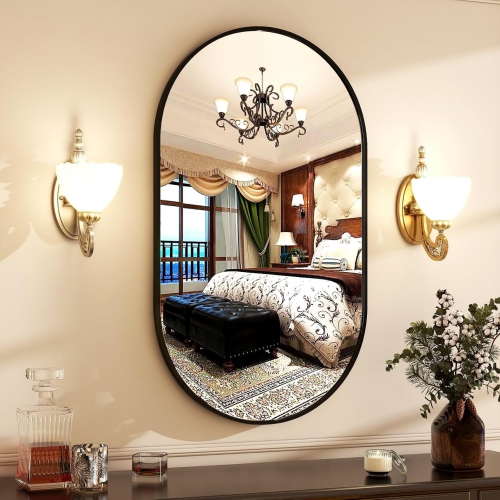
Decorative wall mirrors bring shape, texture, and reflected light to a room without taking up floor space. Above an entryway console, a mirror offers a convenient place for a quick check before heading out; over a living room sideboard, it can give an otherwise quiet wall a clear focal point. The frame often sets the tone. A narrow black metal edge creates a crisp outline against a pale wall, while a warm wood frame can tie together oak furniture, woven textiles, and other natural textures. Gold-tone or brass-tone finishes add warmth, and silver-tone frames sit comfortably alongside cool colours and polished hardware. Frameless designs keep the emphasis on the mirrored surface, with bevelled edges adding a subtle border that catches the light. Shape matters just as much as finish: round mirrors soften arrangements filled with straight-edged furniture, rectangular mirrors echo the lines of consoles and cabinets, and arched mirrors introduce height with a gentler profile than a square corner. Irregular silhouettes feel more expressive and can hold their own on a wall with little else around them. Within the broader range of decorative mirrors, wall-mounted styles work particularly well where a freestanding design would interrupt a walkway or compete with furniture. Their effect depends partly on what they reflect. A mirror facing artwork, a window, or a thoughtfully arranged bookshelf brings those details into another view, whereas one opposite an overflowing coat rack may make a small entrance feel busier. Reflected daylight can help a room feel brighter, but a mirror does not create light on its own. Placement near a lamp can also add visual depth, provided the reflection does not direct an exposed bulb or distracting glare towards a favourite seat. These practical details help a mirror feel like part of the room rather than an accessory added simply to fill an empty spot.
Size and placement determine whether a wall mirror feels balanced and useful in everyday life. A broad mirror above a sofa or dining room cabinet can anchor the furniture arrangement, while a smaller design is often better suited to a narrow strip of wall or a compact dressing area. When hanging a mirror above furniture, leaving visible wall space on either side usually gives the arrangement breathing room. The frame’s thickness also affects its visual weight: a deeply carved border may look substantial even around a modest reflective surface, while a slim frame can make a larger mirror feel lighter. Overall dimensions include the frame, so the usable mirrored area may be smaller than expected. Frame depth deserves attention in hallways and behind doors, where a projecting edge can become an obstacle. Before mounting, a paper outline on the wall helps show how the size relates to nearby furniture, light switches, shelves, and door trim. Check the reflection from the places where it will actually be seen, such as the entrance to the room or a seated position at the dining table. A mirror intended for checking an outfit needs a different height and viewing distance from one used mainly as a visual accent. In a shared household, positioning should take account of the people who use it rather than relying on a single standard eye level. Some rectangular mirrors support both vertical and horizontal hanging, but that flexibility depends on the mounting points supplied by the manufacturer. The wall itself is equally important. Mirror weight, wall construction, and the specified mounting system all affect the fixings required; plasterboard, masonry, and timber studs call for different approaches. Use hardware rated for the load and appropriate for the surface, and follow the installation instructions rather than assuming a picture hook will suffice. Large or heavy mirrors may need two people to position them safely, and professional installation can be worthwhile when the wall structure or fixing method is uncertain.
Materials and construction influence how a decorative wall mirror looks, how it wears, and where it is best used. Solid wood frames offer grain variation and a tactile finish, while wood-based frames may have painted, wrapped, or veneered surfaces that create a more uniform appearance. Metal frames can be slender and sharply defined or more substantial and sculptural; their long-term appearance depends on the finish and exposure to moisture. Resin frames allow for detailed moulding and ornate shapes, though their weight and resistance to knocks vary by construction. Glass quality also affects everyday use. A clear, consistent reflection is especially valuable in an entryway or dressing space, while deliberately antiqued glass prioritizes character over a perfectly crisp image. Distressed frames and mottled mirrored finishes can complement vintage-inspired furniture, but those surface effects are different from accidental chips, scratches, or deterioration. In bathrooms and other damp spaces, suitability needs to be confirmed in the product specifications. A mirror designed for a dry living area is not automatically appropriate above a basin, where repeated moisture exposure can affect the backing, frame, and edges. For routine care, a soft, lint-free cloth and a cleaner suitable for the surface are generally preferable to abrasive pads or powders. Applying cleaner to the cloth rather than spraying it directly onto the mirror helps limit liquid collecting along the frame or seeping behind the glass; the manufacturer’s care directions should take priority. Wood, painted finishes, and metallic coatings may require different cleaning methods from the mirrored surface itself. Secure mounting and sensible placement matter in homes with children or pets, especially near play areas and busy routes through a room. Decorative wall mirrors can also make thoughtful housewarming or wedding gifts when the recipient’s style, wall space, and ability to mount one are known. A simple shape in a familiar finish is often easier to place than a highly ornate statement piece. Whether used to complete a bedroom dressing corner, brighten the view across a dining room, or bring definition to an entrance, a well-proportioned wall mirror combines a useful reflection with a lasting place in the room’s design.
Top selling and popular products
-
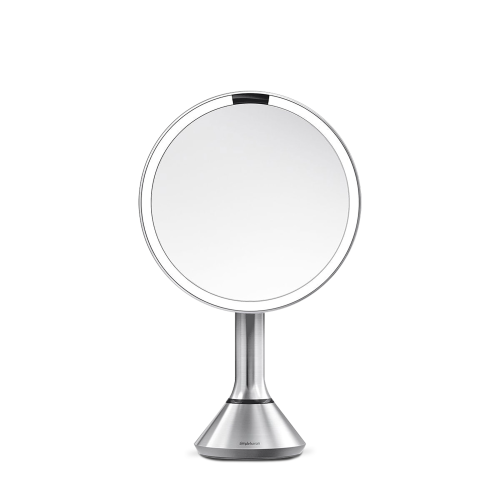 Your price for this item is $270
-
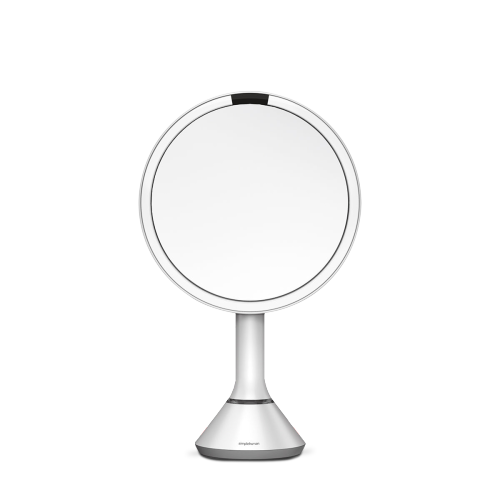 Your price for this item is $270
-
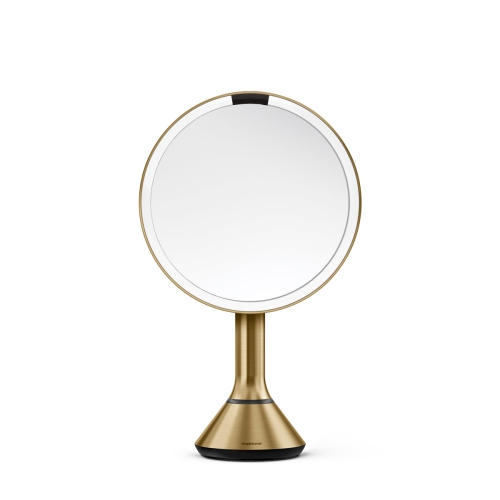 Your price for this item is $270
-
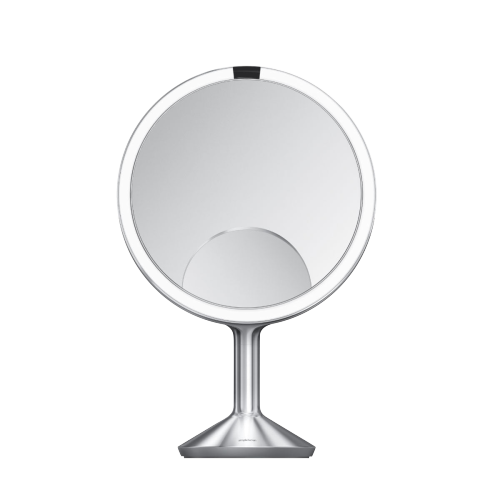 Your price for this item is $450
-
 Your price for this item is $184.99
-
 Your price for this item is $115.98
-
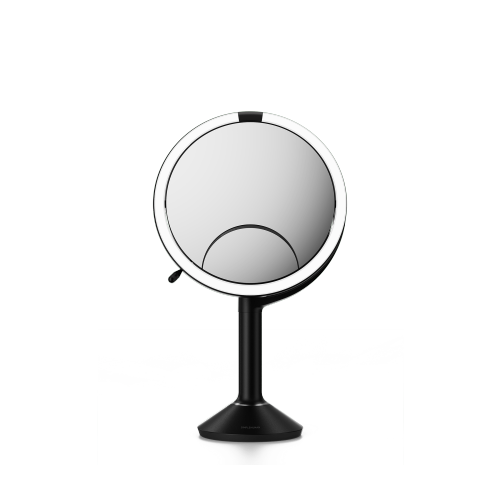 Your price for this item is $400
-
 Your price for this item is $44.99
Discover more categories related to Decorative Wall Mirrors

Top Collections:
Pokemon Centers, Kindle Devices, Best Cameras for Sports Photography, Pokémon 30th Celebration Cards, Canon G7X Cameras, Samsung Galaxy Phones, iPhone 15 Apple, Best Black Friday Deals On Electronics, Jackery Power Stations, Solar Generators for Home
Some products may be subject to Environmental Handling Fees
(EHF) depending on your province.
Learn more about EHFs.