Artificial Potted Plants
Bring the beauty of nature indoors with our stunning collection of artificial potted plants. Perfect for adding a touch of greenery to any space, these lifelike plants are a low-maintenance and stylish way to brighten up your home or office. Whether you're looking for a vibrant pop of color or a subtle decorative accent, our wide range of artificial potted plants offers something for every taste and style. With their realistic appearance and hassle-free upkeep, these plants are the perfect solution for those who love the look of fresh foliage without the need for constant care.
Sort
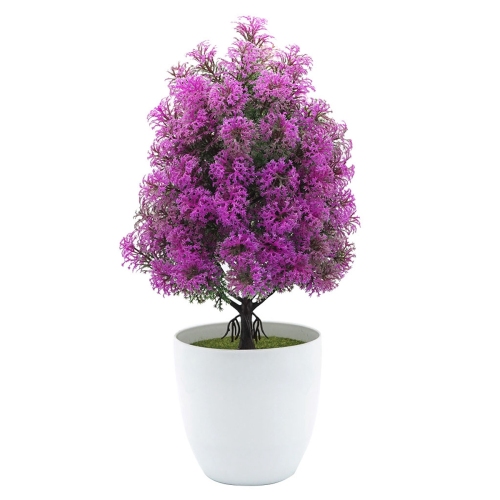

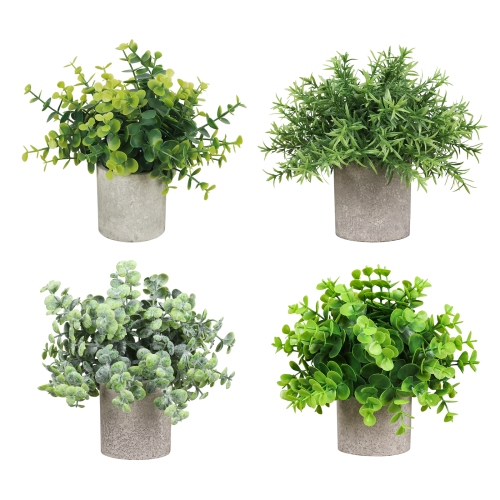
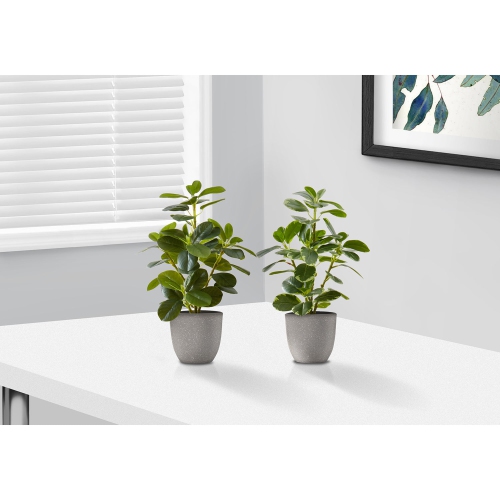
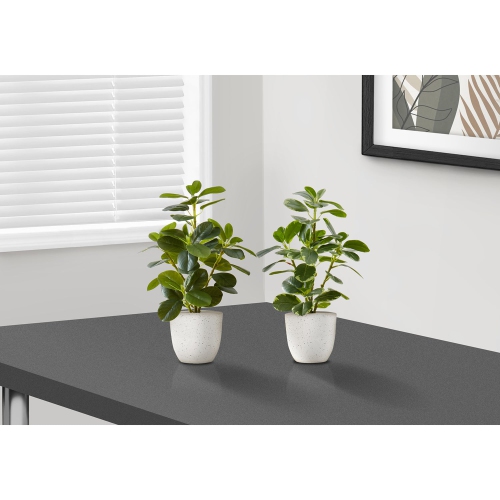

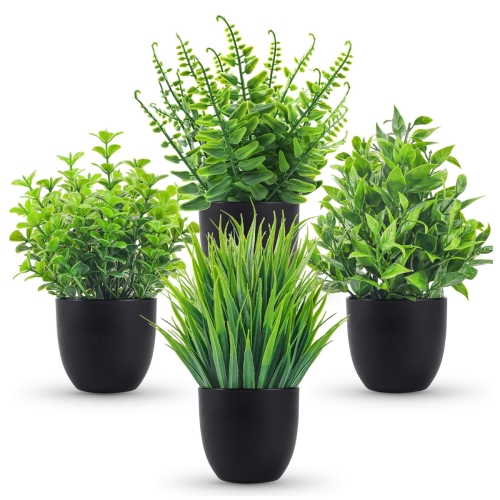
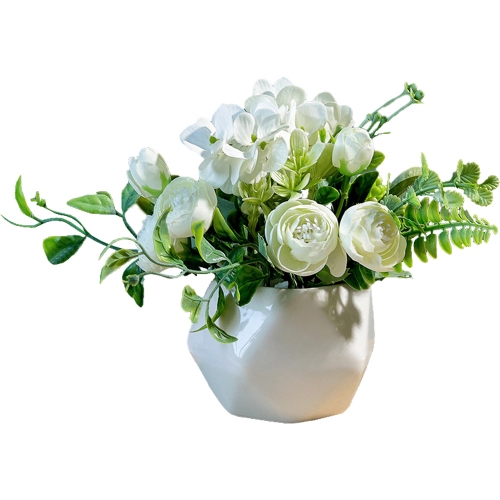
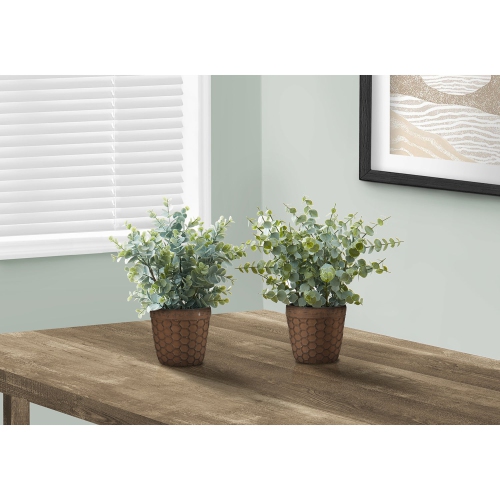

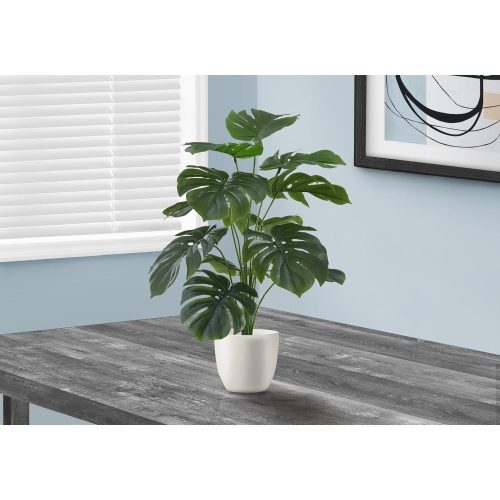
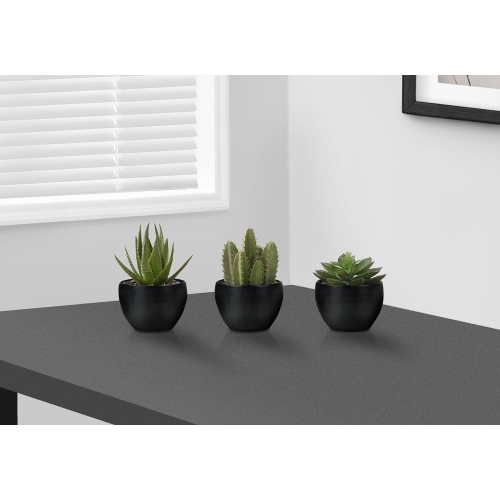
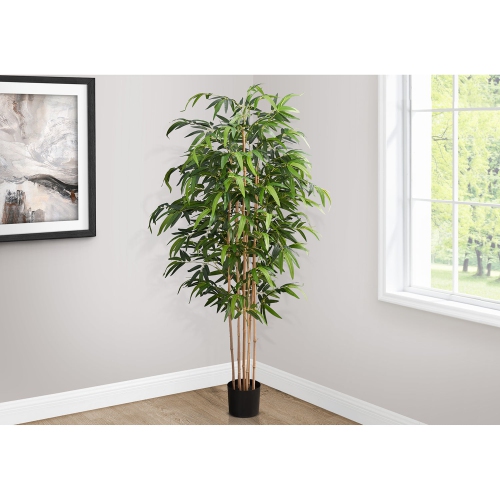
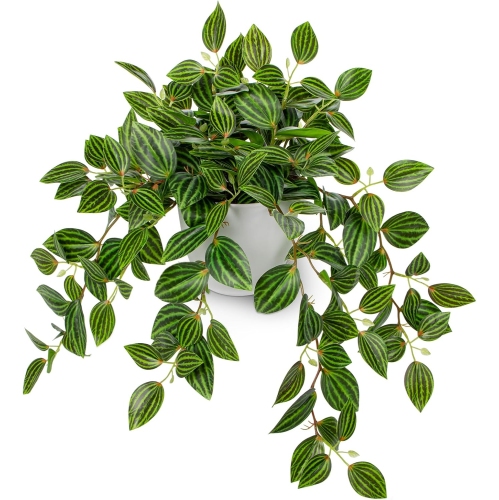

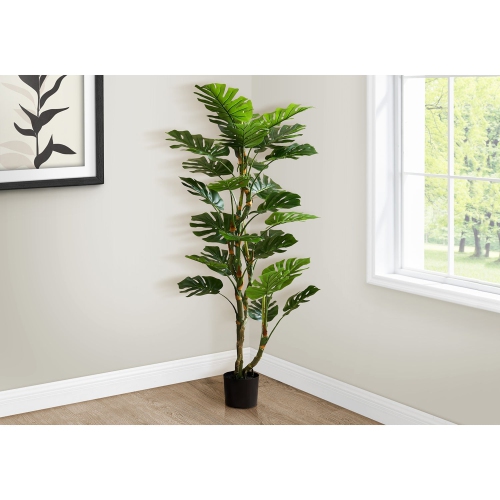

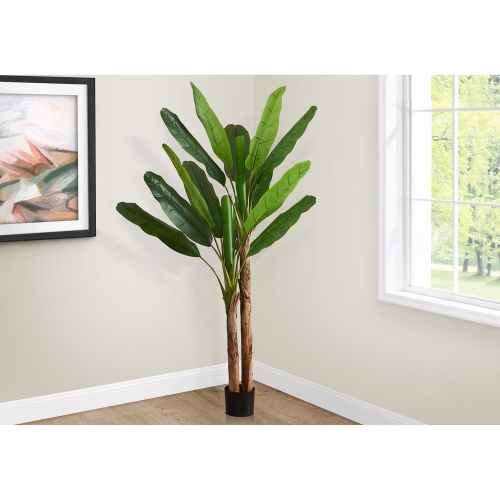
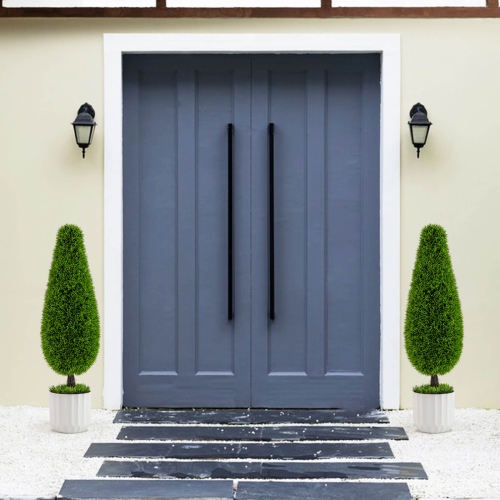
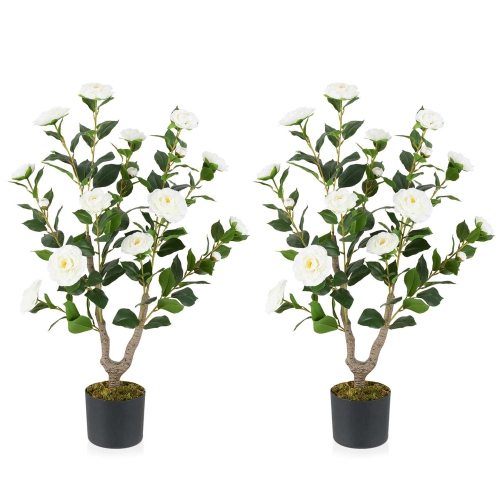
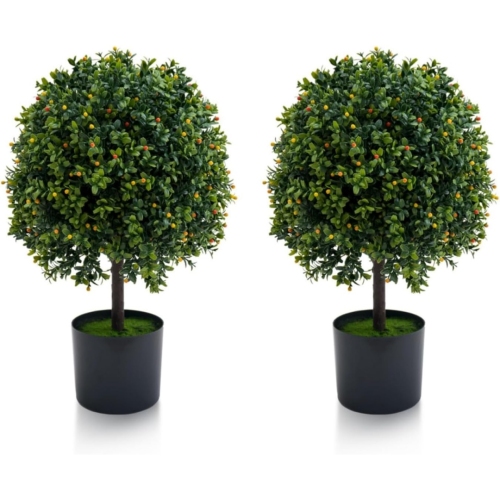


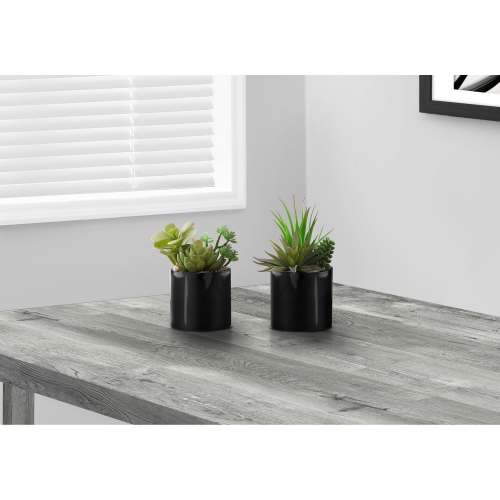
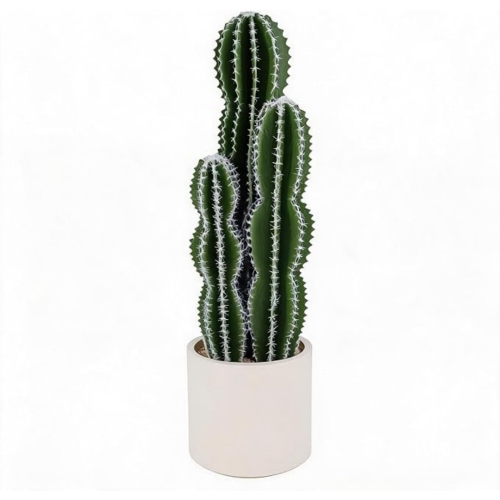
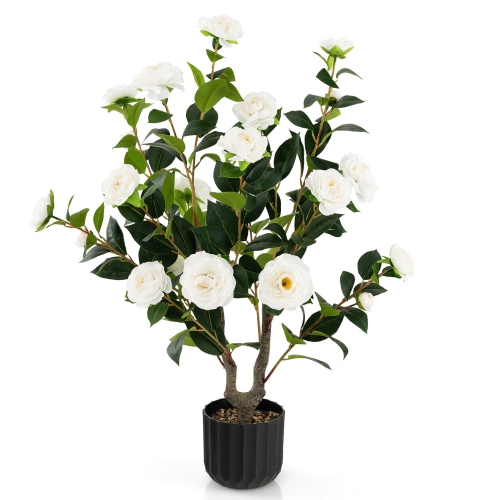

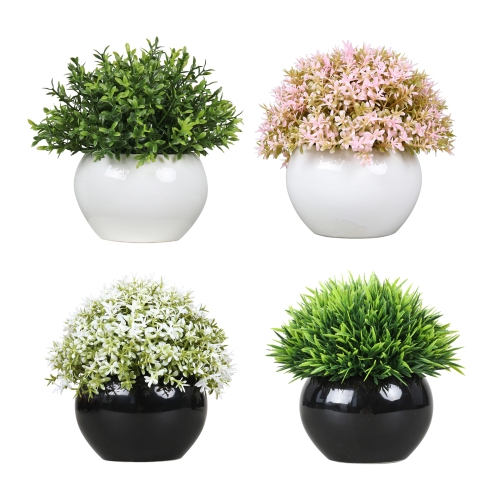
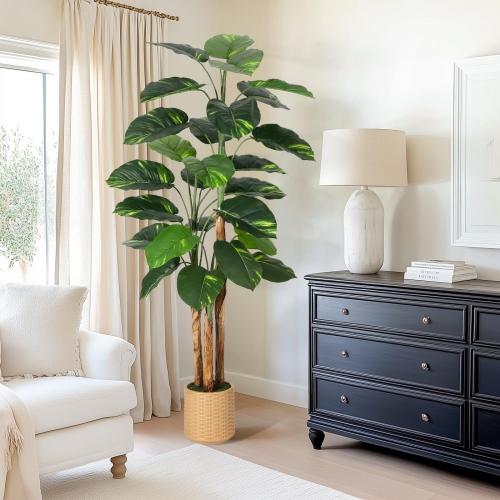

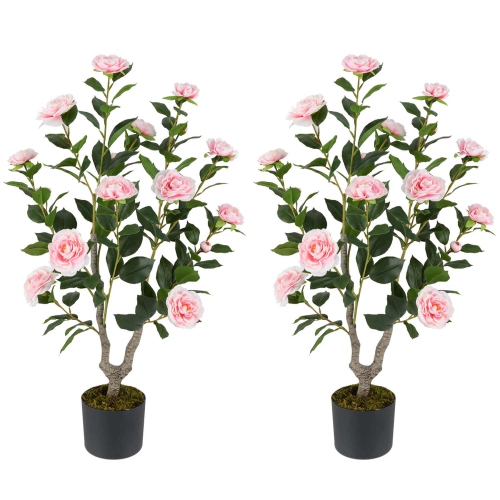

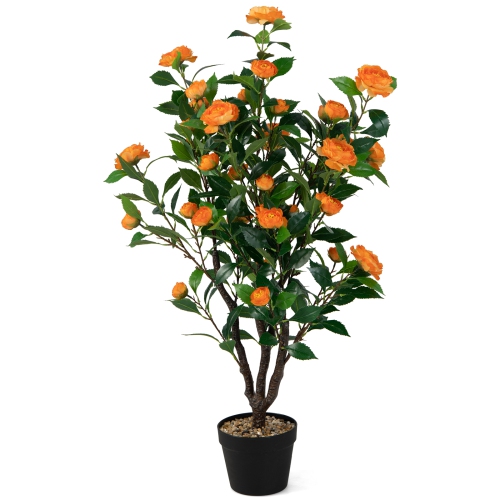
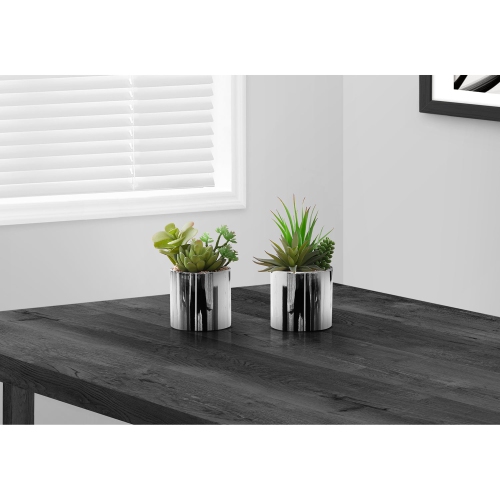
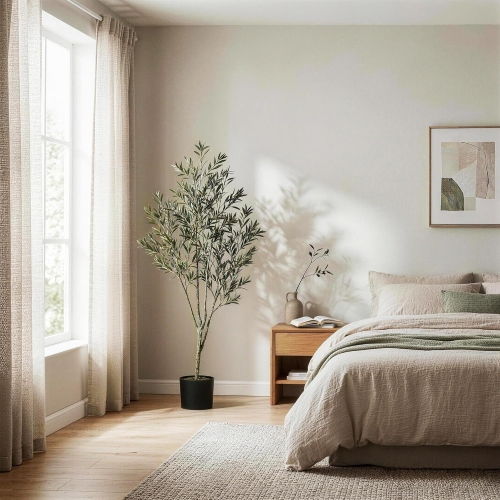

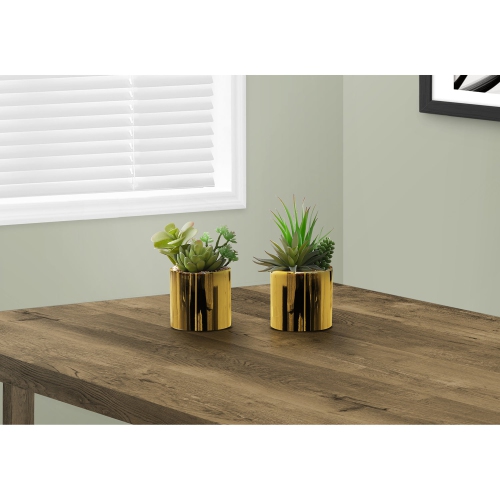
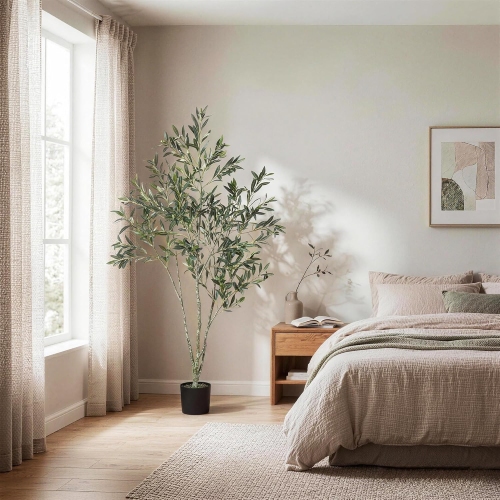
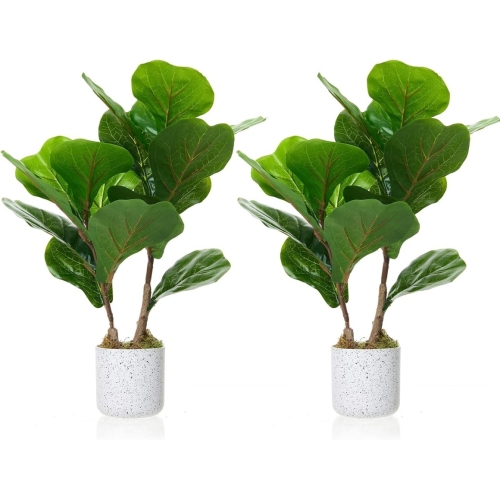
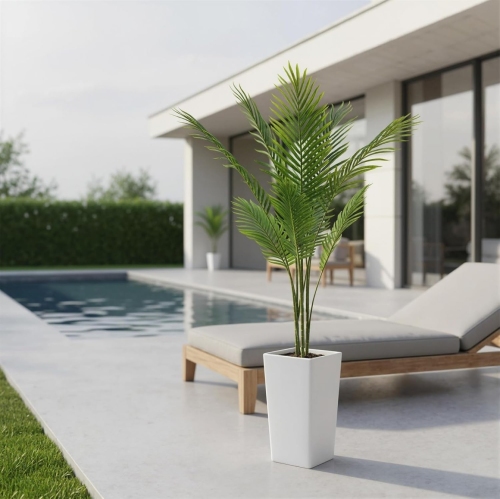

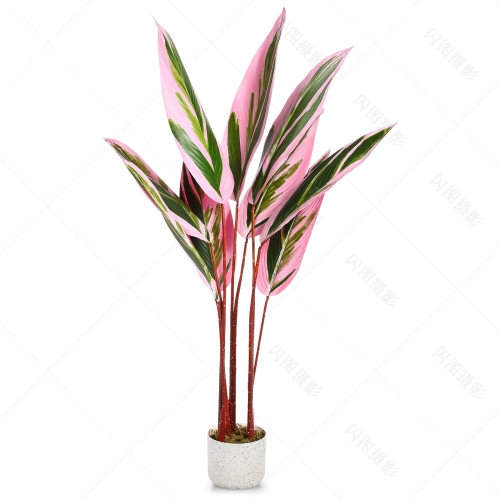
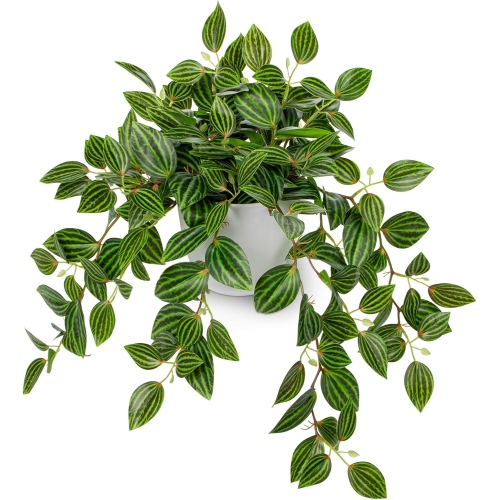
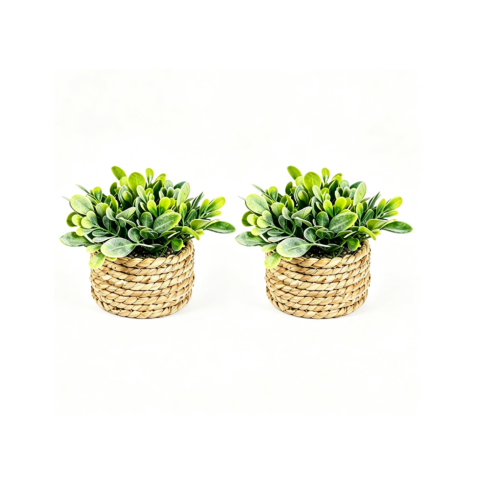
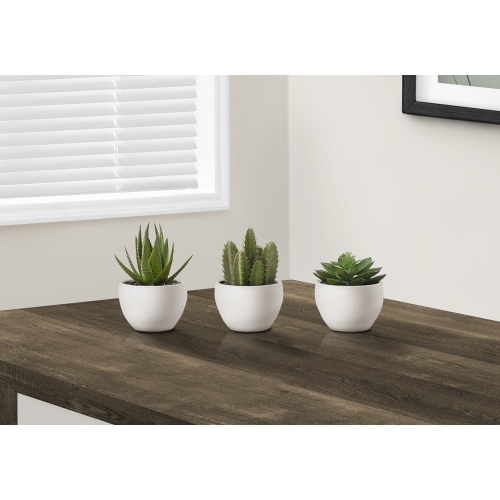
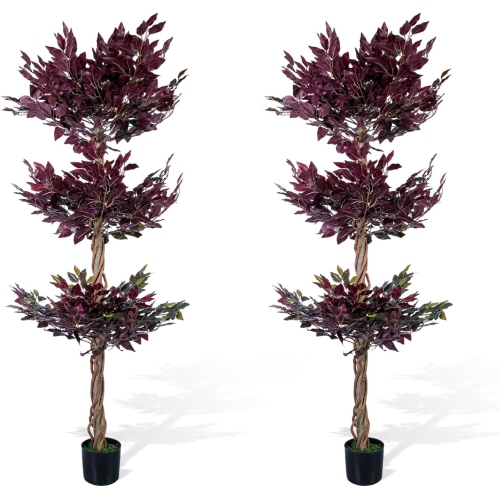
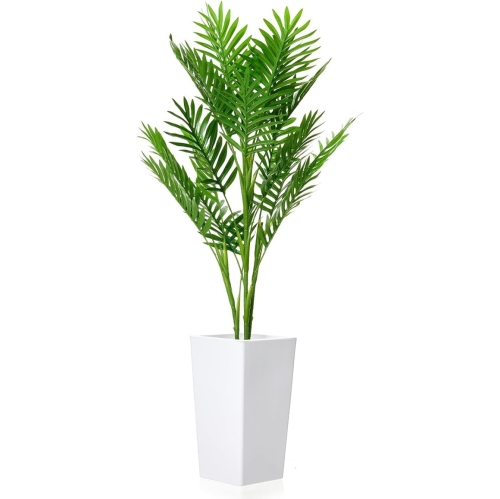

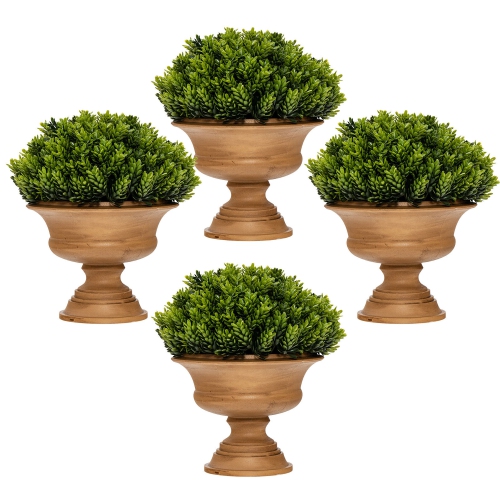

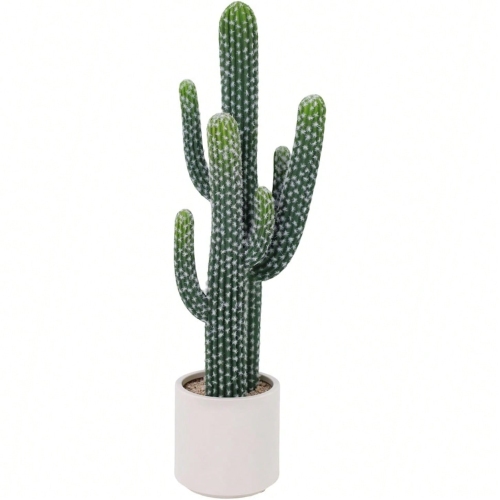


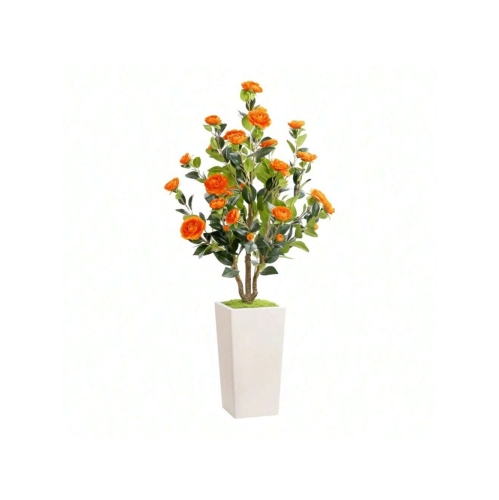

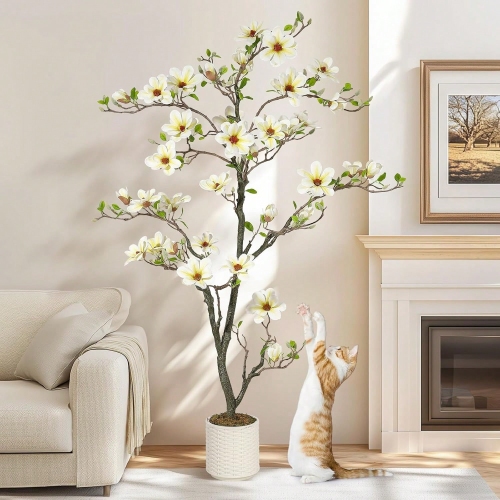
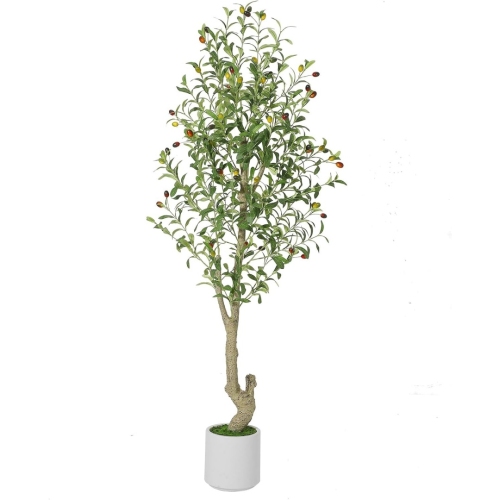
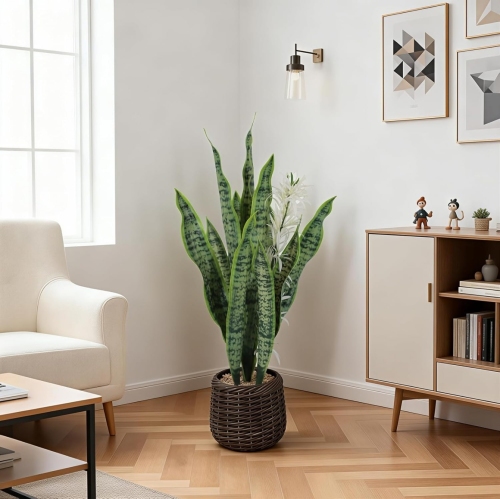

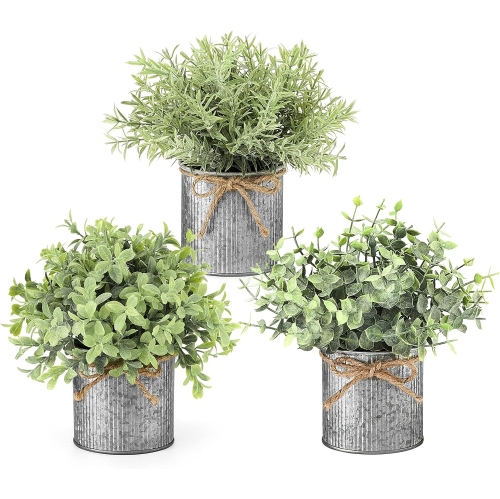


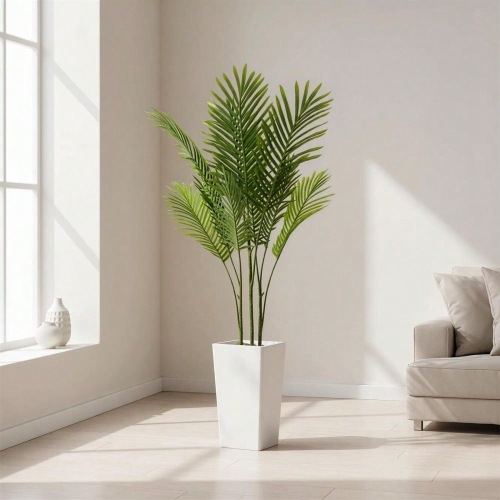

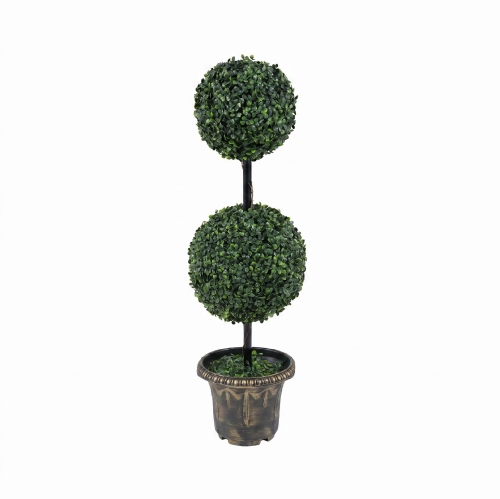


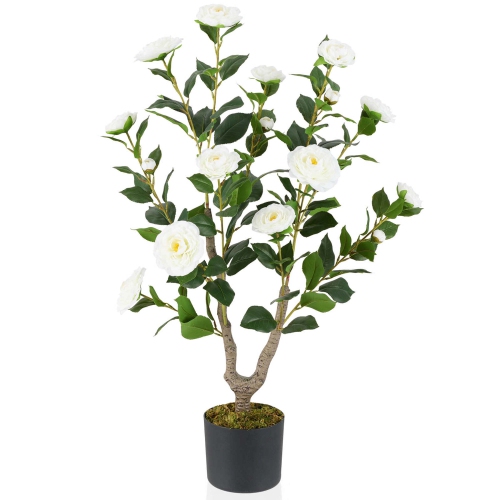

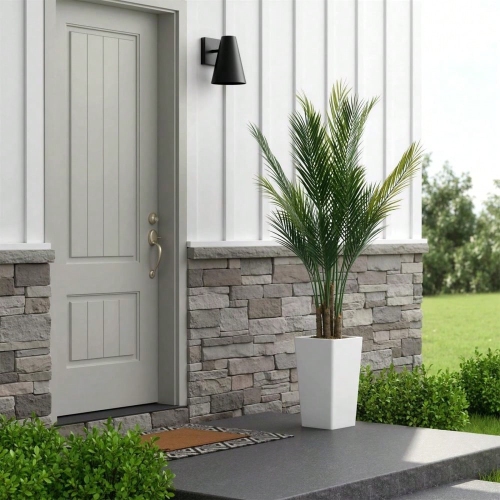
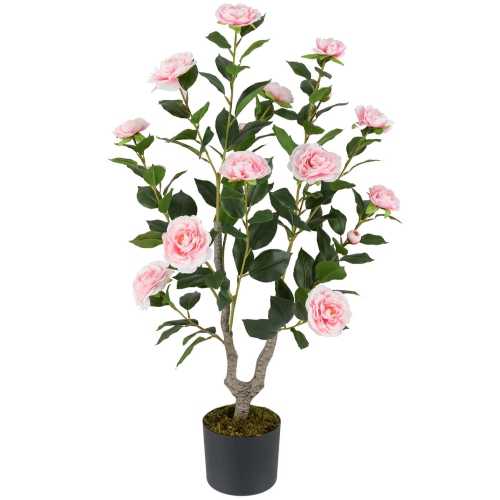


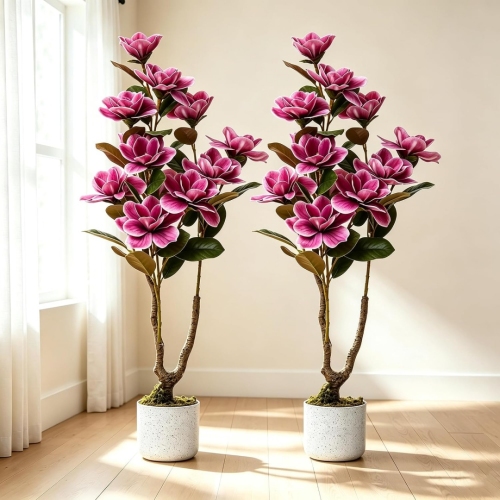


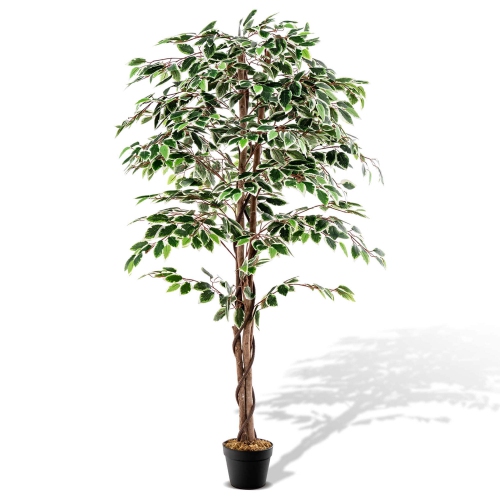
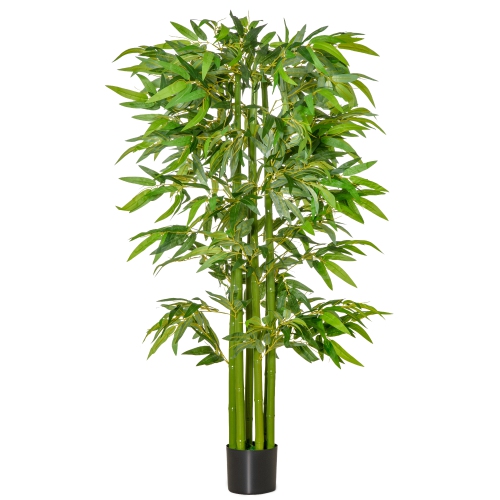
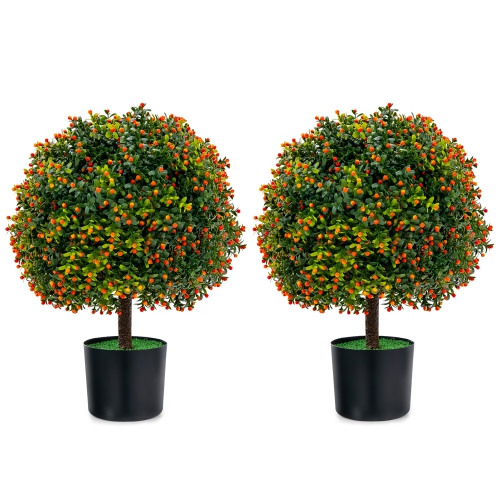
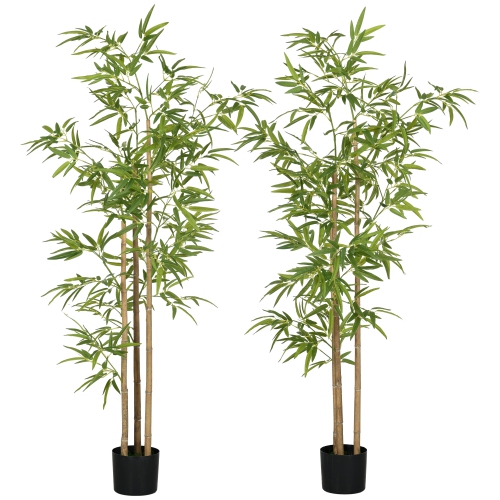


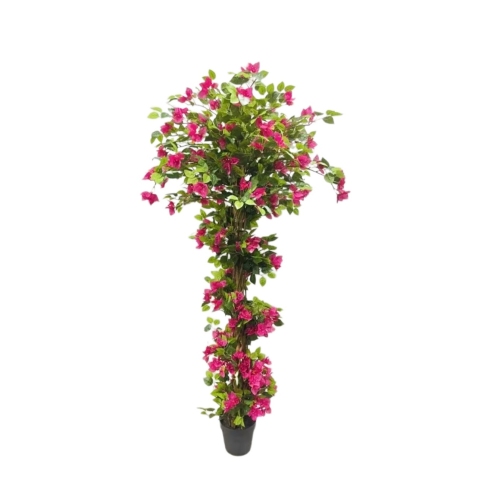

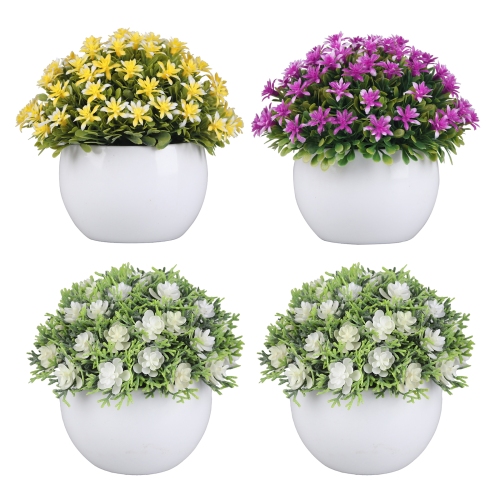
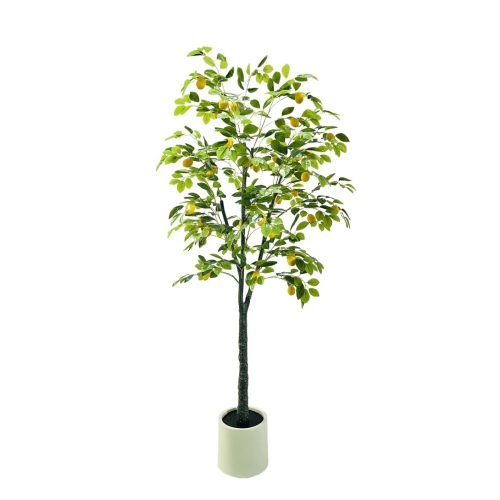


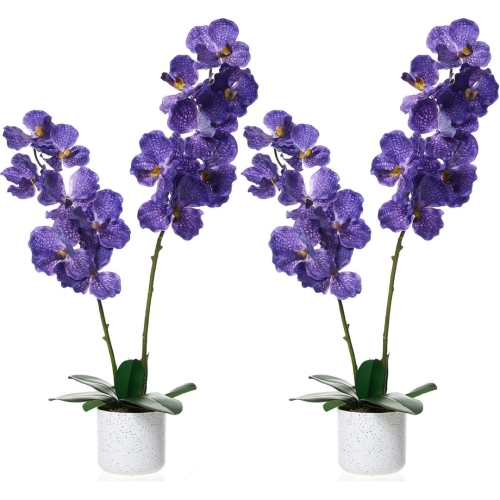
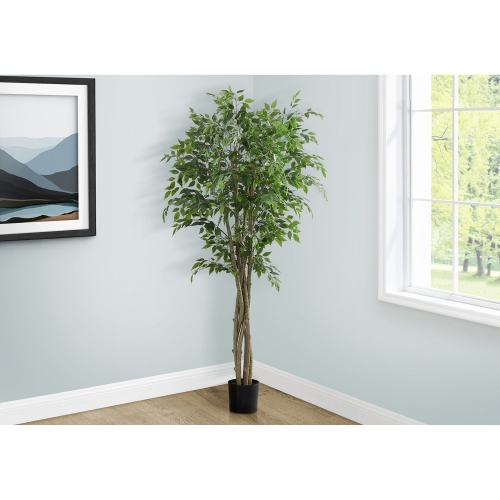
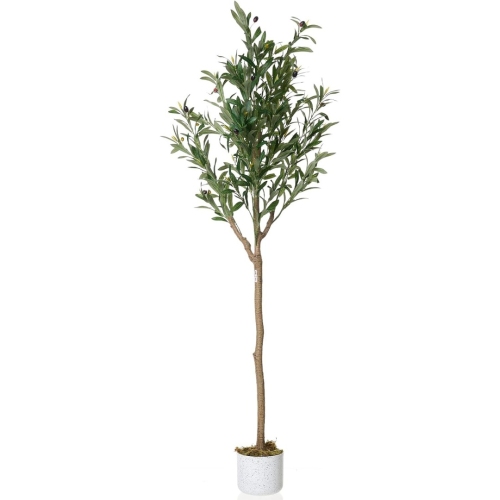
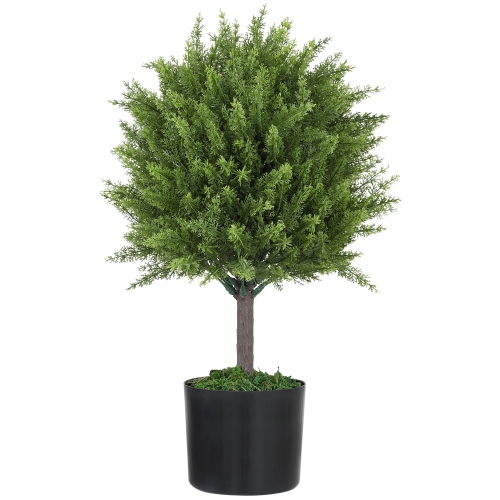

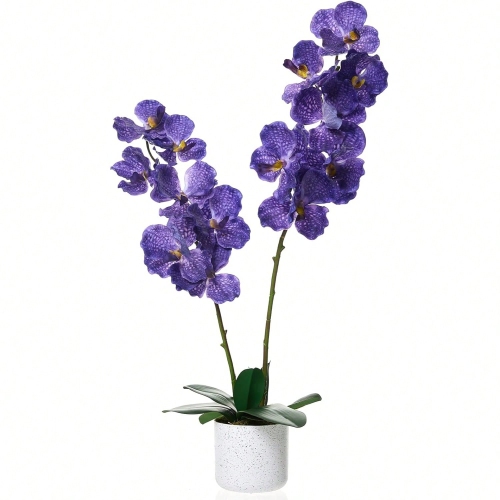

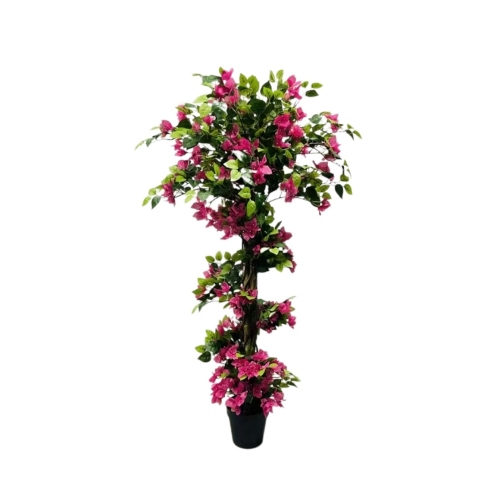
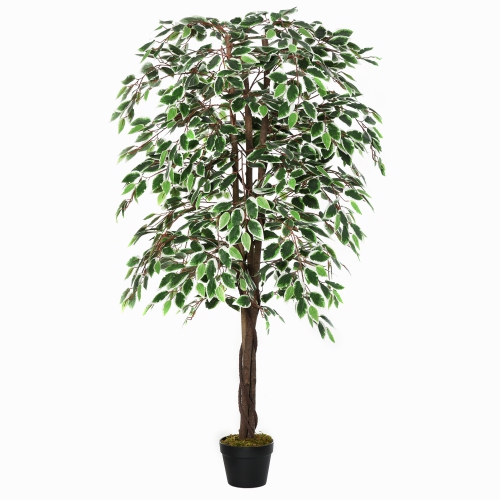
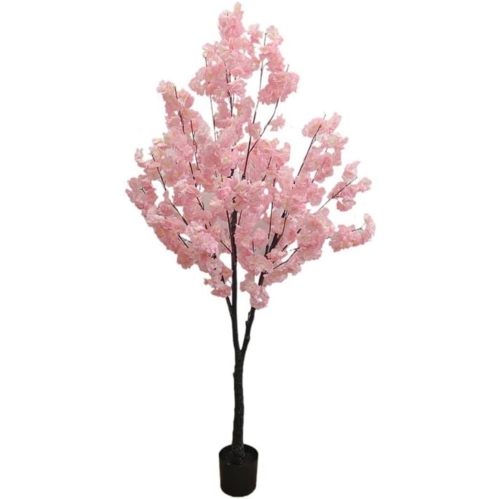

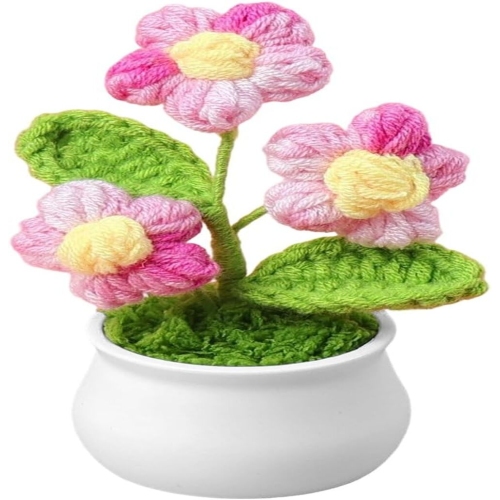


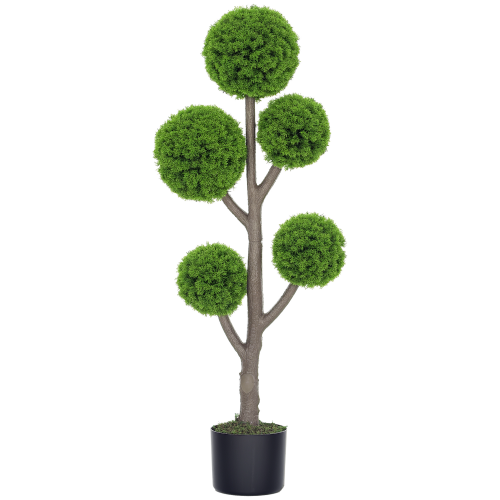
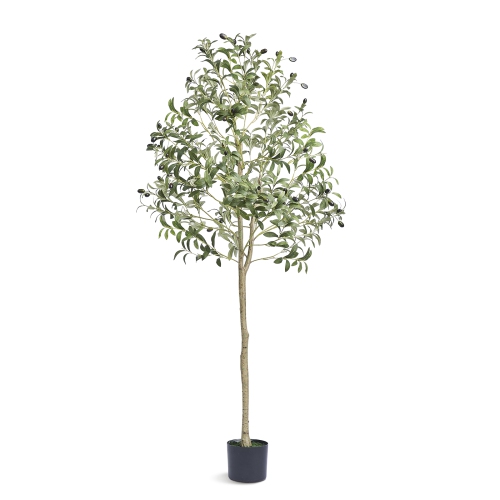

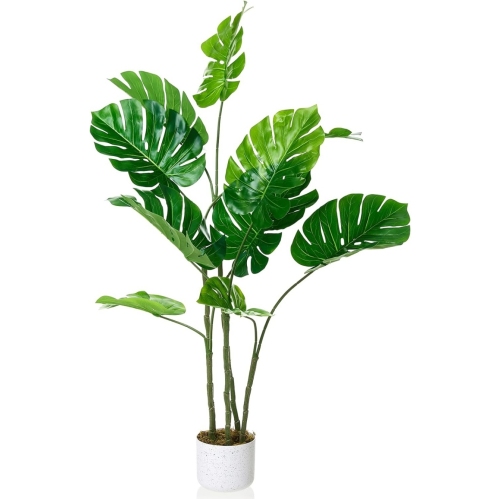

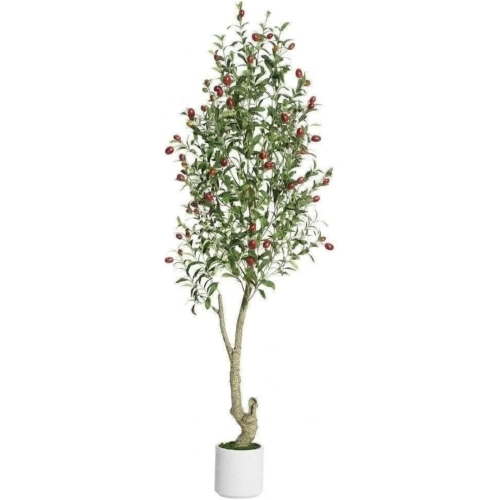
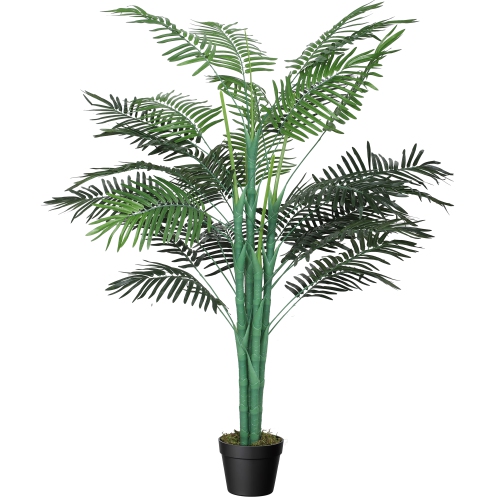


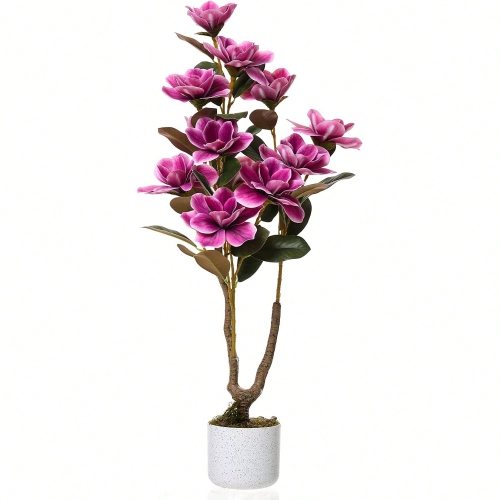
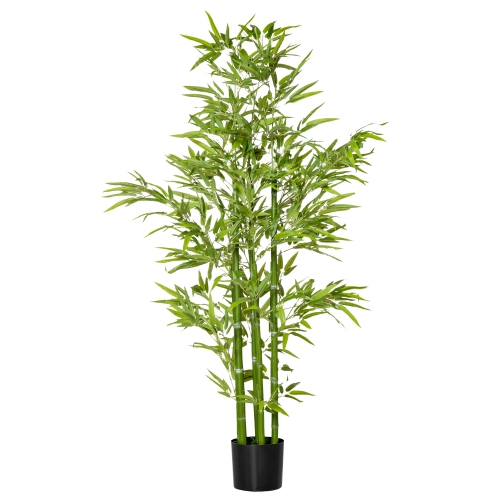

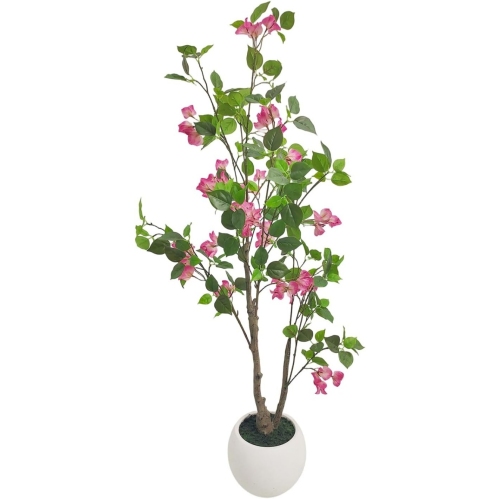
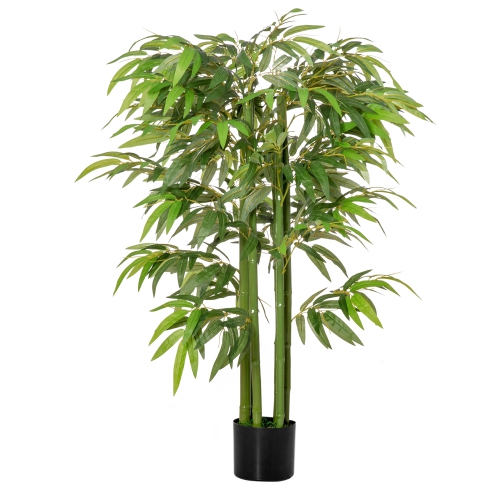
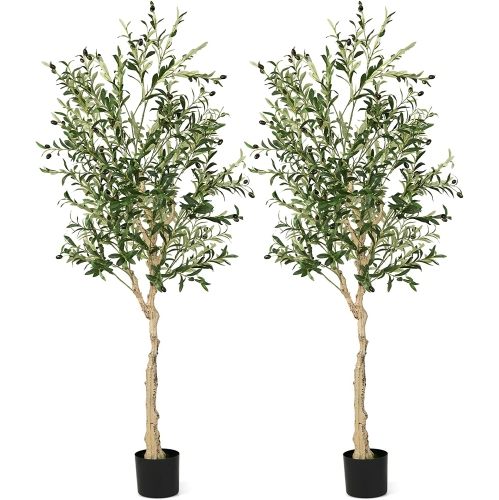
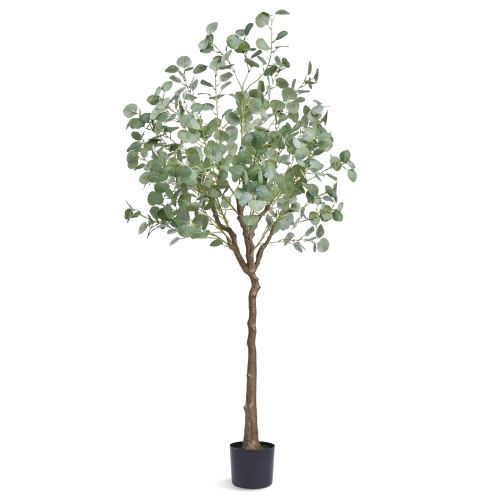
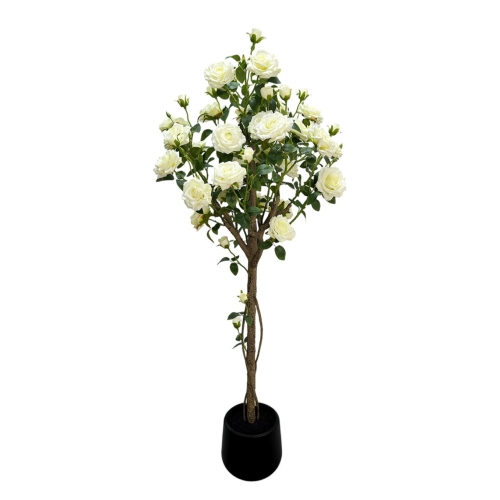
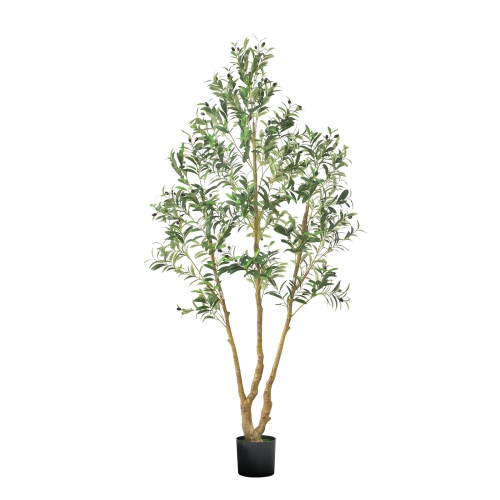
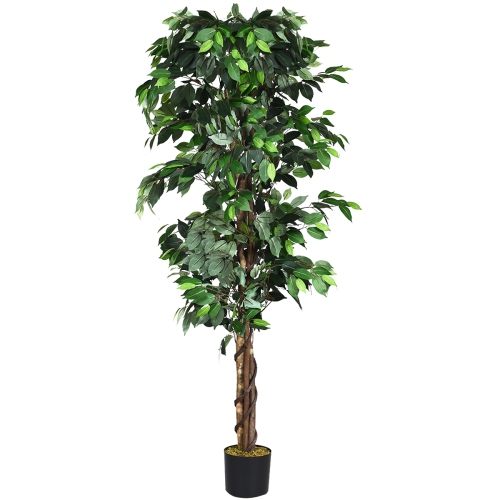
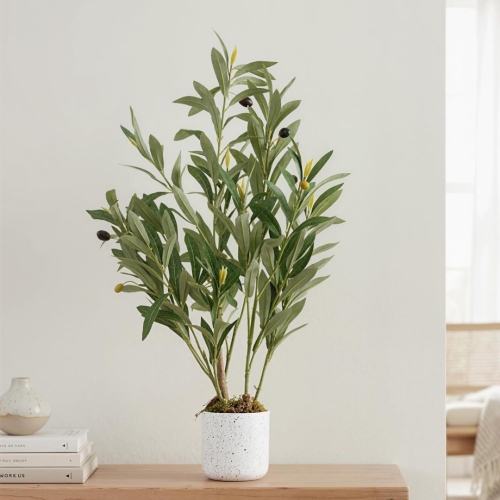

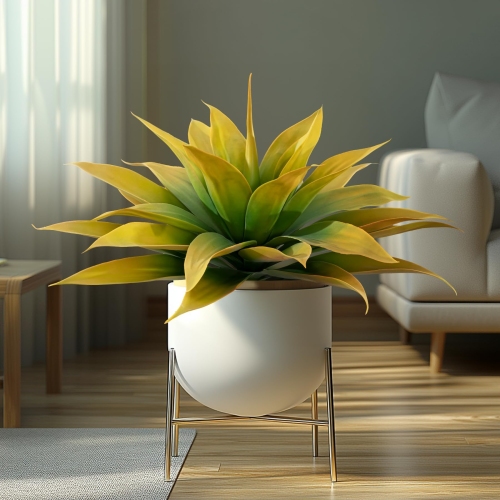

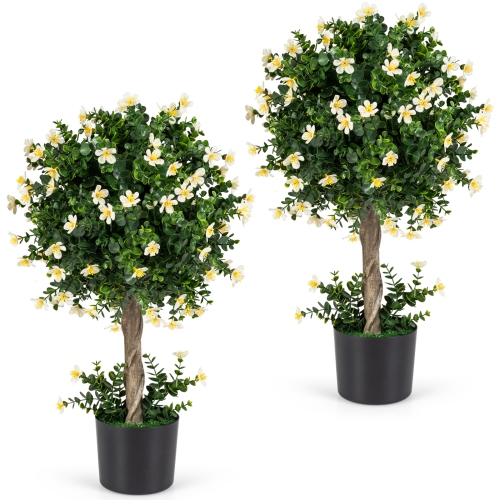
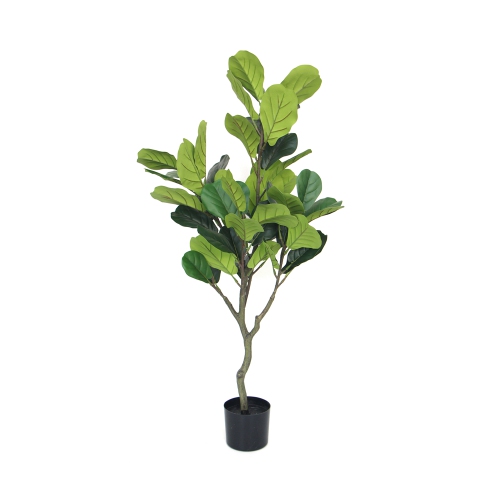

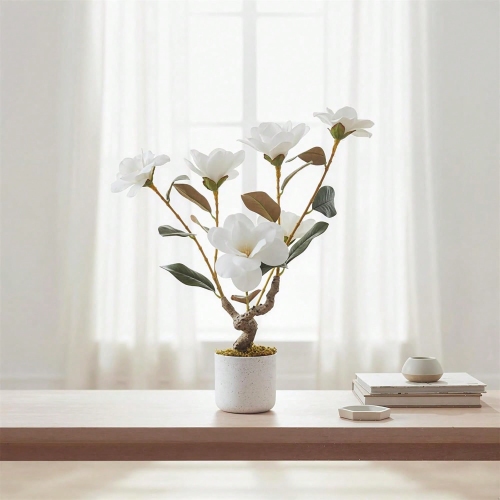
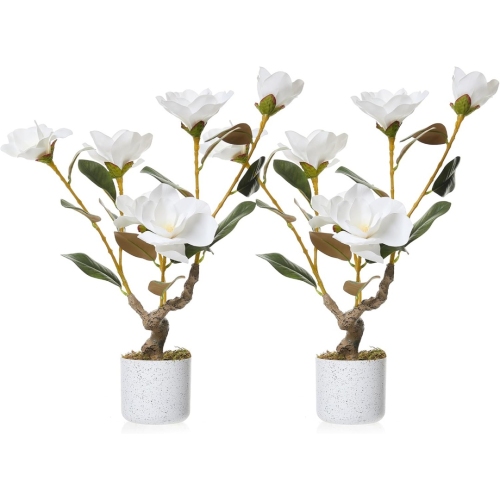
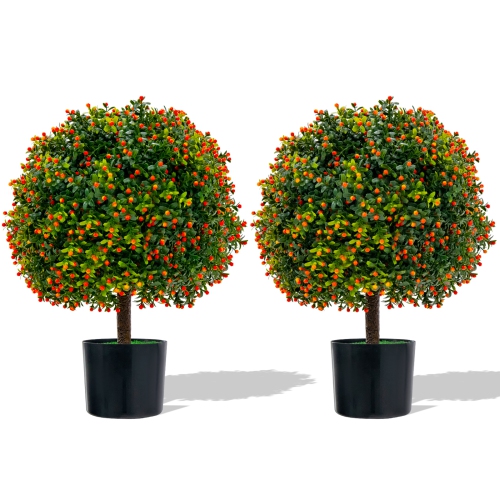
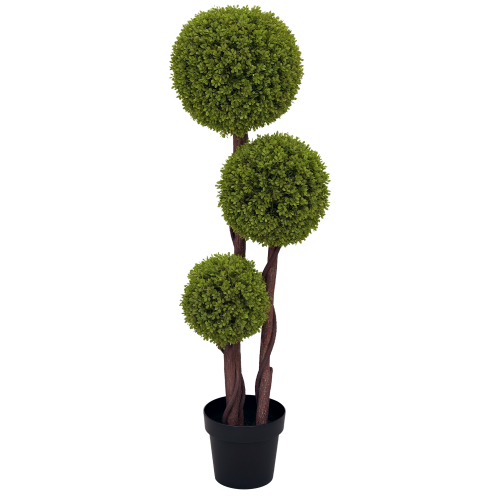
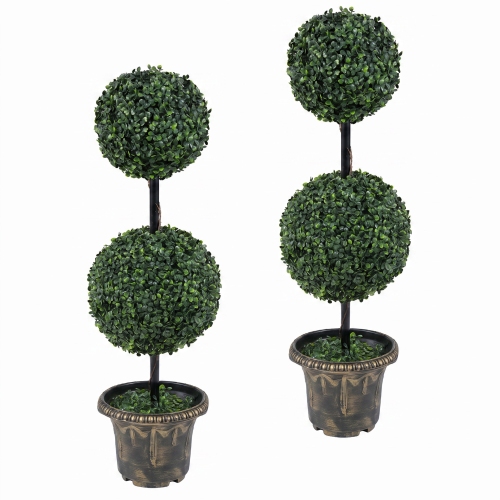
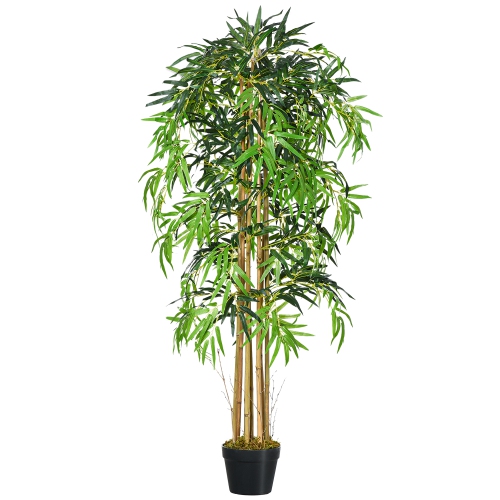

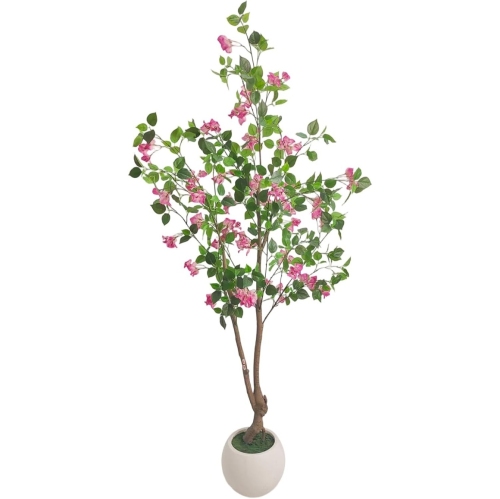


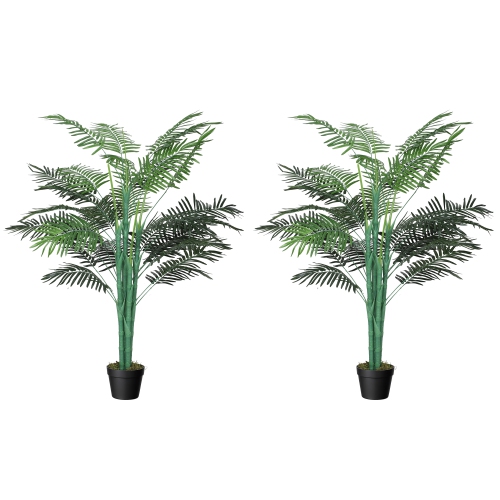
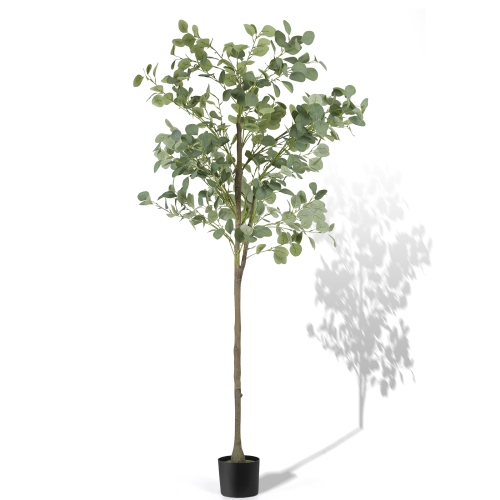
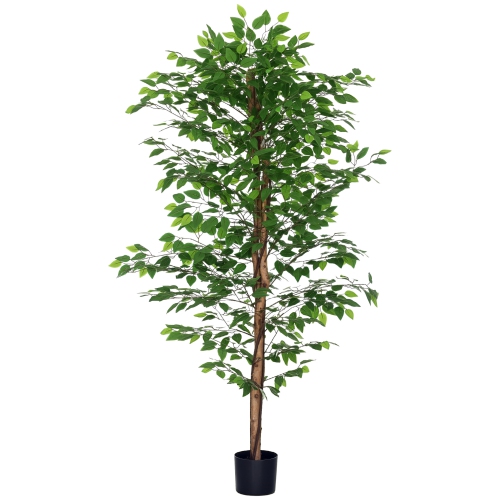

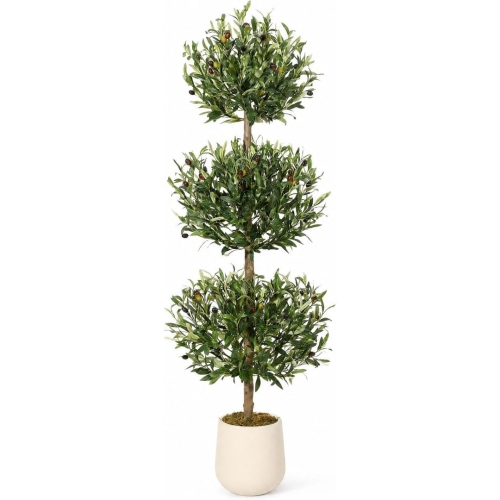

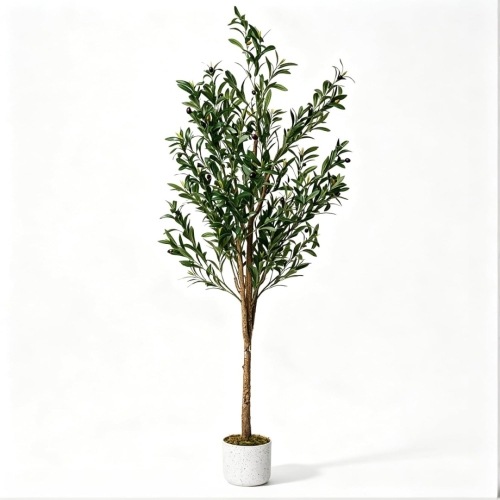

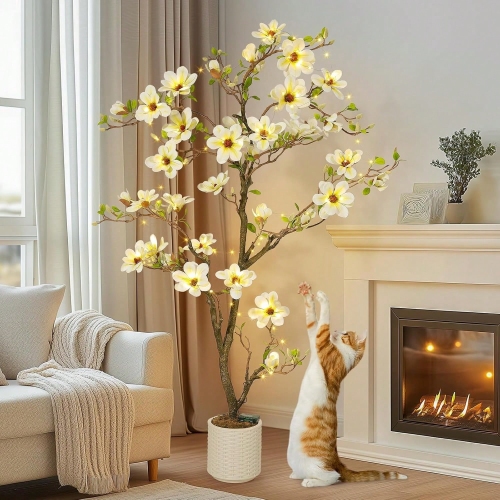

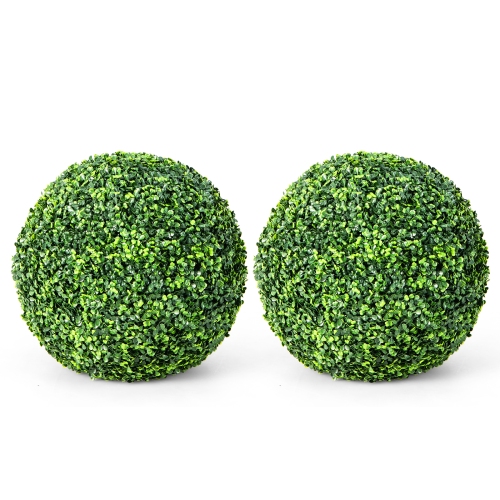

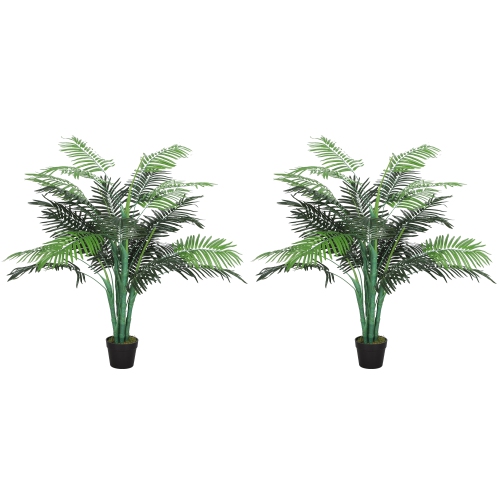
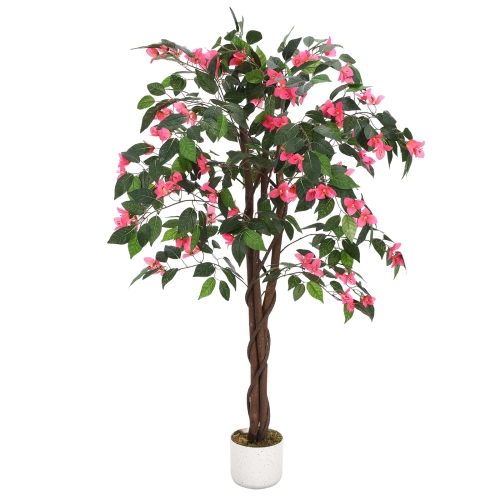
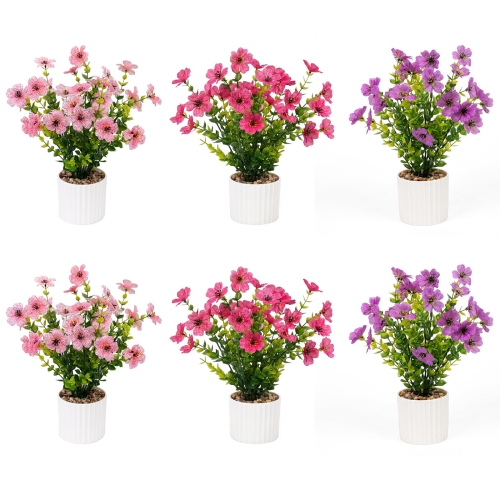

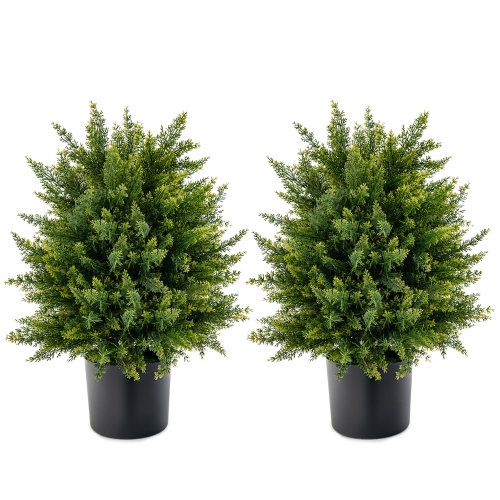


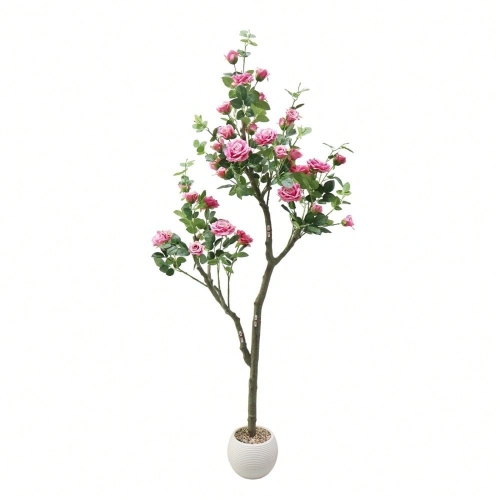


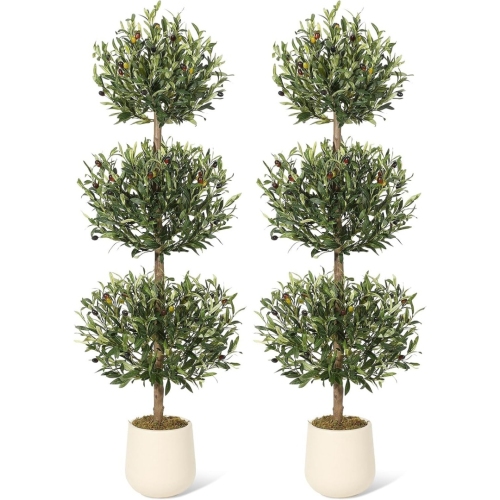

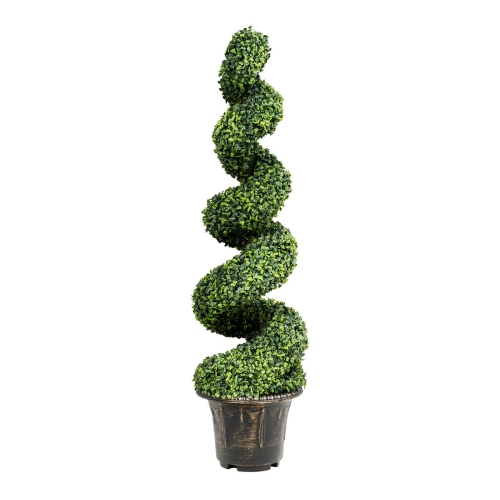


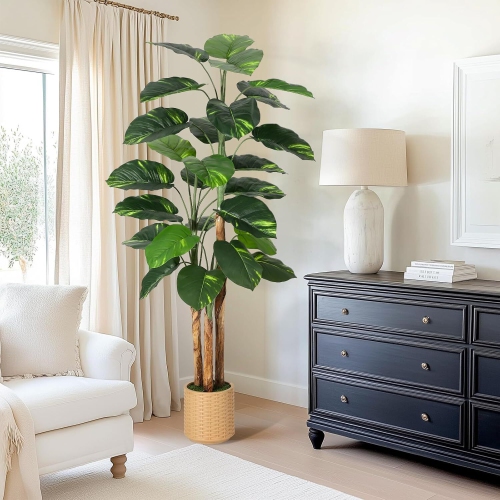
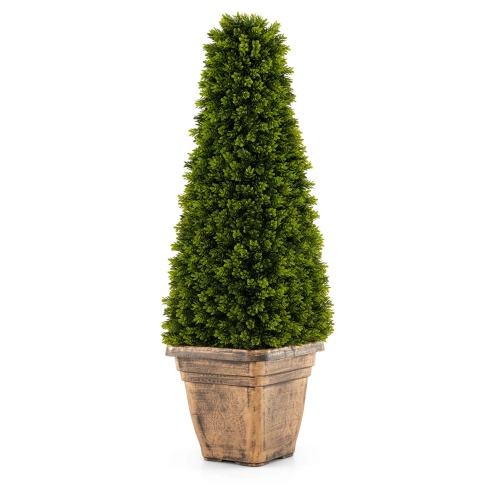
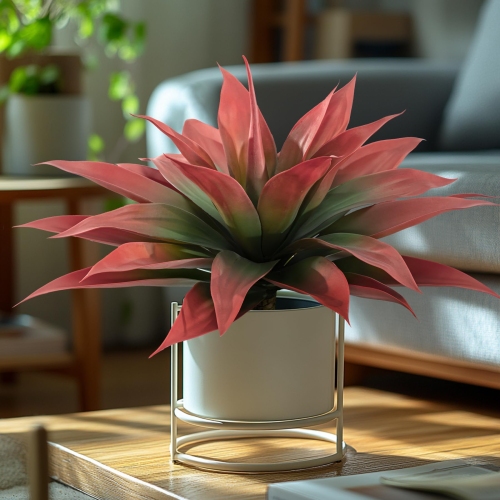


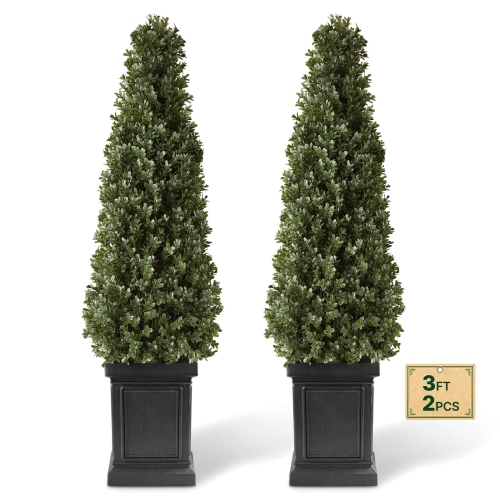
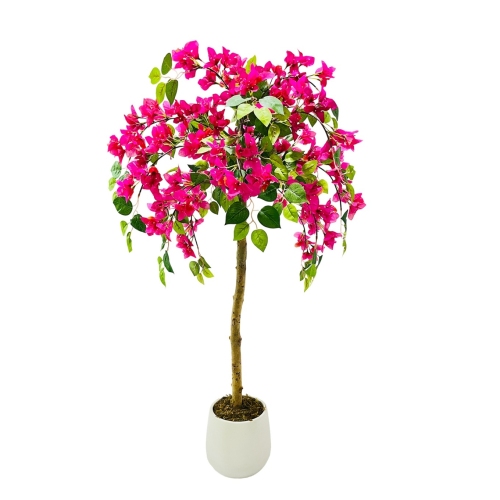
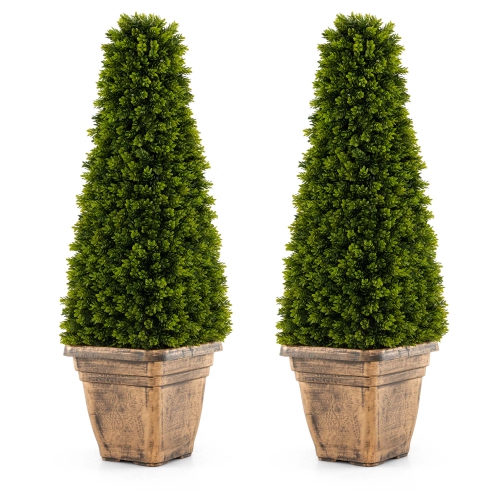
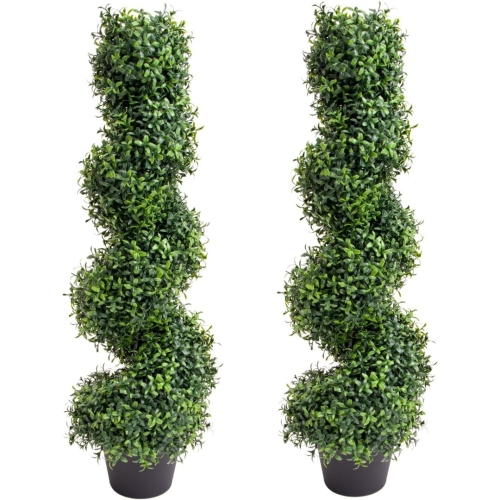


Lifelike greenery without the watering and pruning
Artificial potted plants bring the shapes, colours, and layered textures of greenery into a room without the watering, pruning, or growing-light requirements of live plants. Each arrangement combines artificial foliage with a pot or planted base, making it easy to add a finished accent to a desk, bookcase, console, or open corner. Their appeal is as practical as it is visual: a leafy silhouette can soften the straight lines of office furniture, while a compact cluster of fleshy-looking leaves adds interest beside books or a bedside lamp. They suit busy households, frequent travellers, shared offices, and rooms where natural light is limited. The most convincing appearance comes from a combination of details rather than colour alone. Slight differences in leaf size, visible veining, varied shades of green, and branches that spread unevenly can help foliage look less repetitive. Matte surfaces tend to reduce the bright reflections that can make some artificial leaves look plastic, although a gentle sheen is appropriate for foliage modelled on naturally glossy leaves. For a plant viewed closely from a chair or workstation, the finish of the stems and the way leaves connect to branches matter as much as the overall shape. From across a room, proportion and silhouette usually make a stronger impression. Upright forms fit neatly beside cabinets, rounded arrangements fill gaps on wider shelves, and trailing foliage can soften a ledge when it has enough room to fall freely. Broad, sculptural leaves create a more pronounced focal point; Artificial Tropical Plants offer another way to explore that look. Artificial greenery also works well for people who enjoy arranging their rooms without needing to account for plant growth. A potted arrangement stays close to its chosen dimensions, making it easier to maintain a balanced display around framed photos, artwork, and other pieces that already have a place in the home.
Materials affect both the appearance of artificial potted plants and how comfortably they fit into everyday spaces. Moulded plastic can give small, thick leaves a rounded shape, while fabric foliage often provides a softer surface for larger leaves. Some designs combine several materials, including fabric leaves, plastic stems, and wire supports that allow limited adjustment. A fabric described as silk-style is not necessarily made from silk, so material details are more useful than the descriptive name alone. Flexible branches can help create an open, irregular outline, but only stems intended for shaping should be adjusted; rigid joins and glued leaf attachments can loosen if forced. The container deserves equal attention. Ceramic and cement pots can provide a substantial base, while lighter plastic containers are easier to move between rooms. Woven outer baskets add texture, though they may need a firm, level insert to hold a planted base upright. Some arrangements have a finished pot intended to remain visible, while others use a simple inner container that can sit inside a separate decorative planter. When pairing containers, check the inner width and depth of the outer pot rather than relying only on its outside dimensions. A narrow opening or tapered interior may prevent the planted base from sitting properly. Overall height should also be checked carefully, since listed measurements may include the pot as well as the foliage. On a desk, allow enough room for leaf spread without crowding a keyboard, monitor, or task light. On a shelf, consider both the height above the pot and whether branches will extend into neighbouring objects. Floor arrangements need a stable footprint and enough clearance from door swings, drawers, and walking routes. A tall plant with a narrow base can be easier to tip, particularly where children or pets pass by. Placing the arrangement slightly back from an edge helps keep it from being brushed by a sleeve, bag, or moving chair.
Care is generally straightforward, but artificial potted plants still benefit from regular dust removal and thoughtful placement. A soft, dry cloth or gentle brush can lift dust from broad leaves, stems, and creases; supporting each leaf from underneath reduces strain on its attachment. For washable surfaces, a lightly dampened cloth may be suitable when the care instructions permit it. Fabric foliage, glued components, and textured pot finishes can respond differently to moisture, so soaking or rinsing the whole arrangement is not a safe default. Harsh cleaners may affect colour or surface coatings, and rough scrubbing can wear away printed leaf details. Long periods in direct sunlight may also fade materials unless the arrangement is specifically rated for that exposure. Indoor artificial plants should not be assumed suitable for a patio or balcony; an outdoor designation and clear care information are better indicators of intended use. Around the home, keep foliage clear of candles, fireplaces, cooking surfaces, and appliance vents, and avoid placing it where trailing stems could catch on handles or cables. Artificial plants do not need soil or water, although the visible base may use fixed moss-like material, imitation soil, or stones to complete the planted effect. Loose toppings can spill and may be unsuitable within reach of young children or pets; artificial leaves should also be kept away from animals that chew household objects. For styling, a little breathing room often looks more natural than filling every available surface. A single potted arrangement beside a reading chair can carry more visual weight than several small accents crowded onto the same table. Repeating a pot colour elsewhere in the room helps connect the display to existing furnishings, while contrasting smooth foliage with a woven basket or textured container adds depth. These arrangements can also make thoughtful housewarming or workspace gifts, particularly when the recipient enjoys greenery but prefers not to care for living plants. A manageable size, a neutral container, and foliage that suits the recipient’s room make the gift easier to place and enjoy.
Top selling and popular products
-
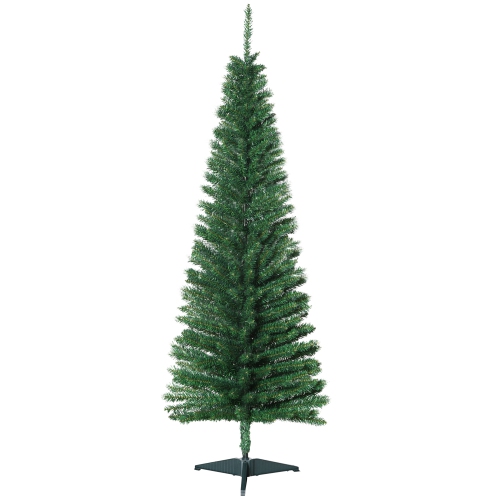 Your price for this item is $44.99
-
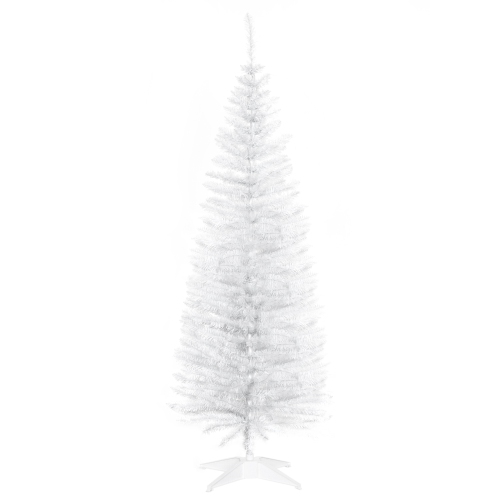 Your price for this item is $44.99
-
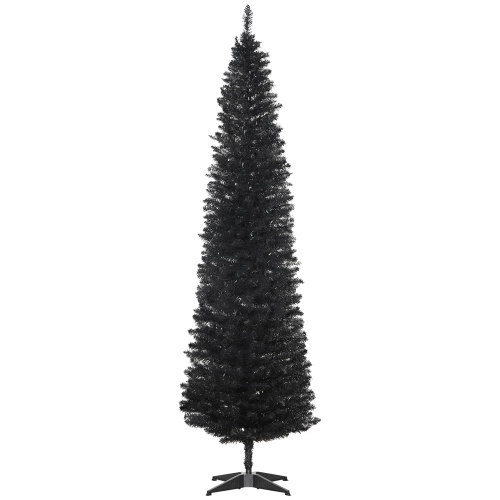 Your price for this item is $79
-
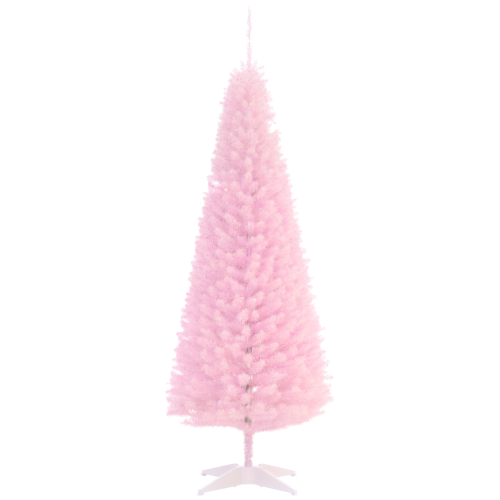 Your price for this item is $48
-
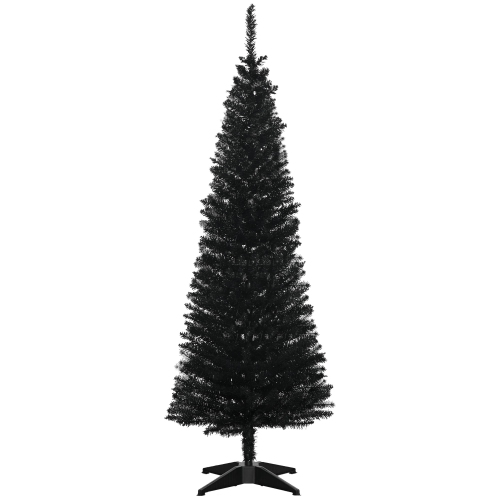 Your price for this item is $51.99
-
 Your price for this item is $137.99
-
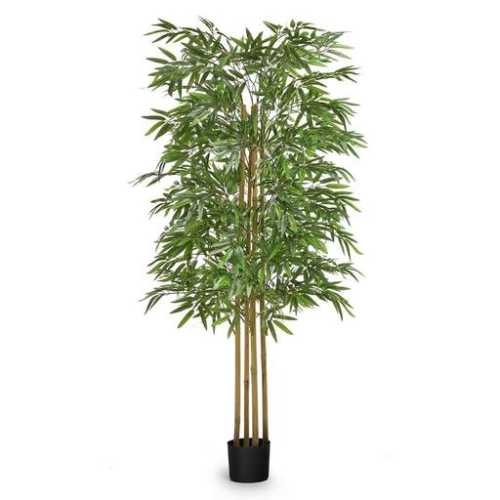 Your price for this item is $141.99
-
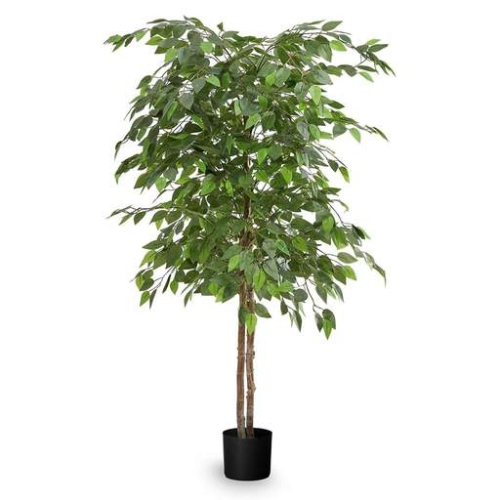 Your price for this item is $101.99
Discover more categories related to Artificial Potted Plants
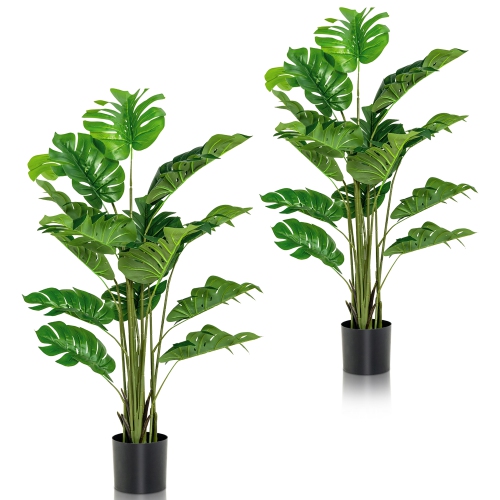
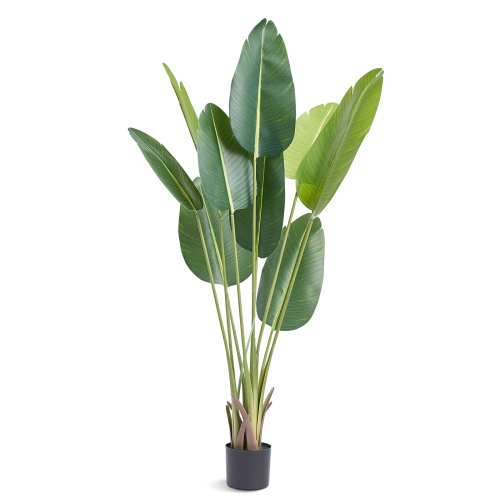
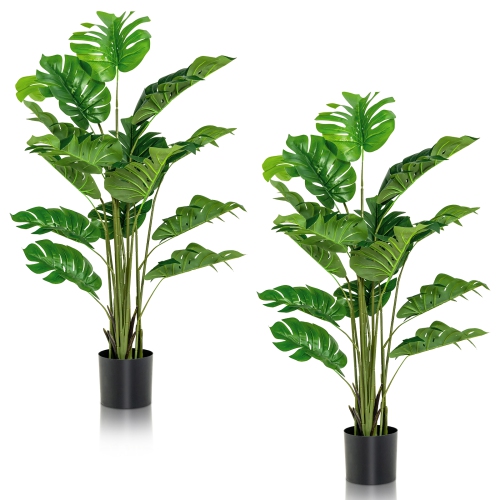
Top Collections:
Pokemon Centers, Kindle Devices, Best Cameras for Sports Photography, Pokémon 30th Celebration Cards, Apple iPhones 16, Canon G7X Cameras, iPhone 15 Apple, Flip Phones, Samsung Galaxy Phones, Alarm Clock
Some products may be subject to Environmental Handling Fees
(EHF) depending on your province.
Learn more about EHFs.