Athletes Bath Tub
Elevate your post-workout recovery routine with an athlete's bath tub, designed to offer the ultimate relaxation and rejuvenation experience. These specialized tubs cater to the needs of active individuals, providing a soothing sanctuary where tired muscles can unwind and recuperate after intense physical activity. With features that enhance comfort and promote healing, an athlete's bath tub is a valuable addition to any home gym or wellness space. Whether you're a professional athlete or simply enjoy staying active, discover how this essential piece of equipment can help you achieve peak performance and well-being.
Sort



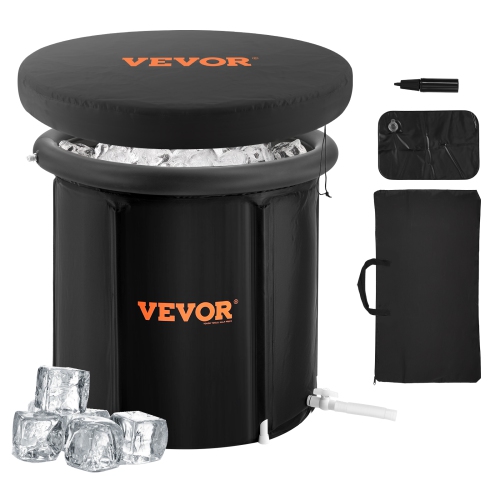


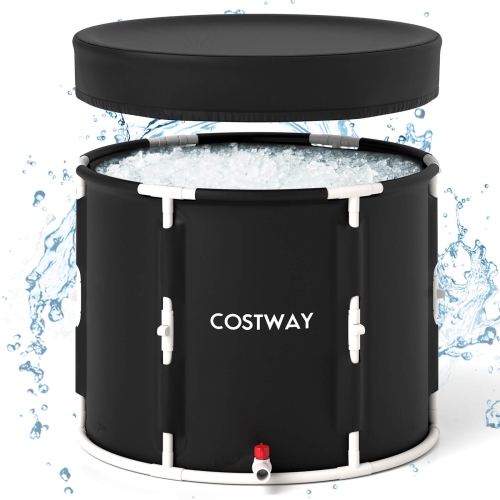
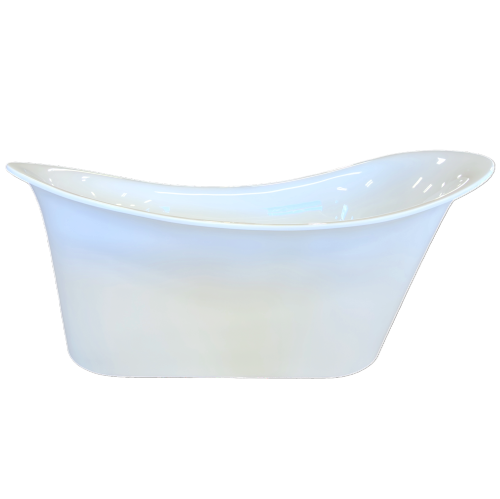
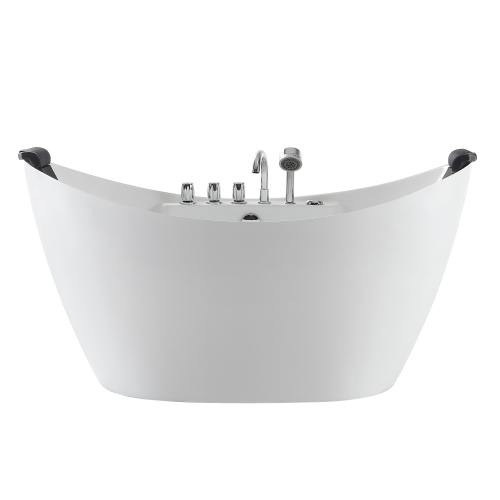
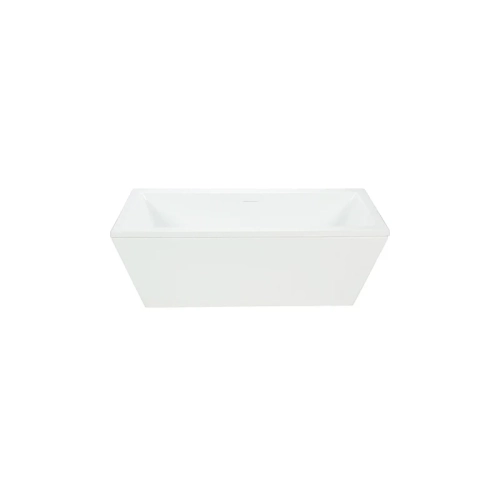
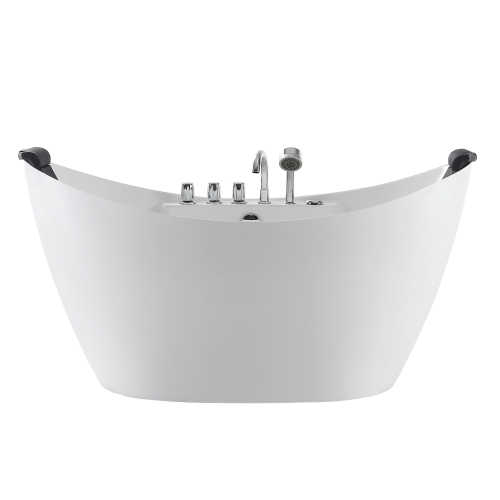
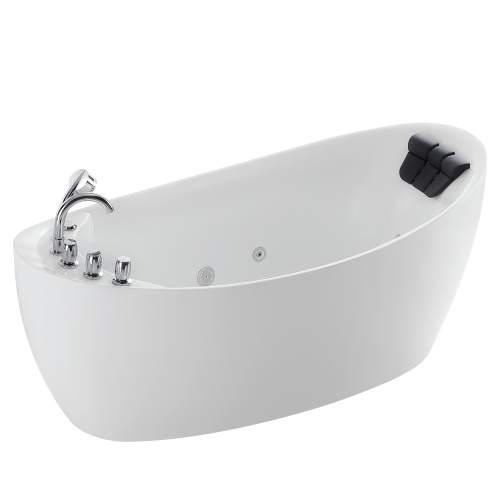
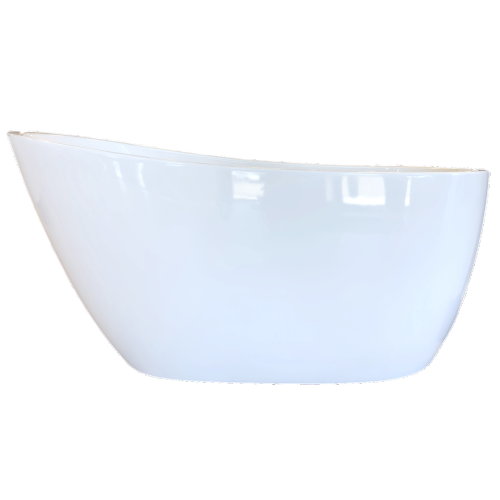
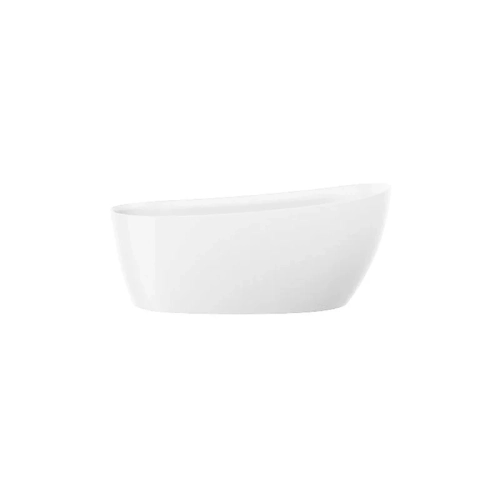
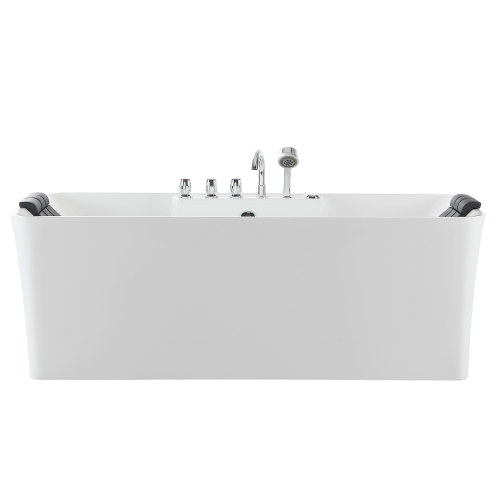
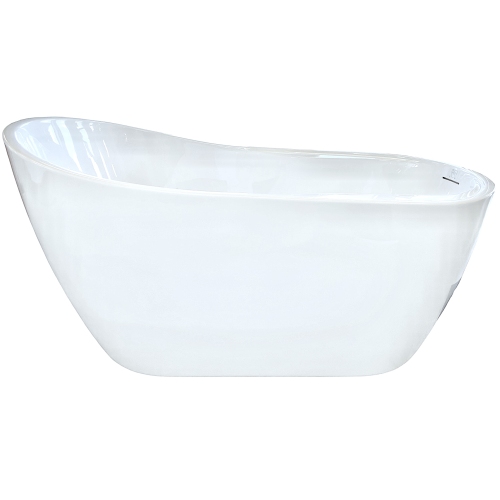
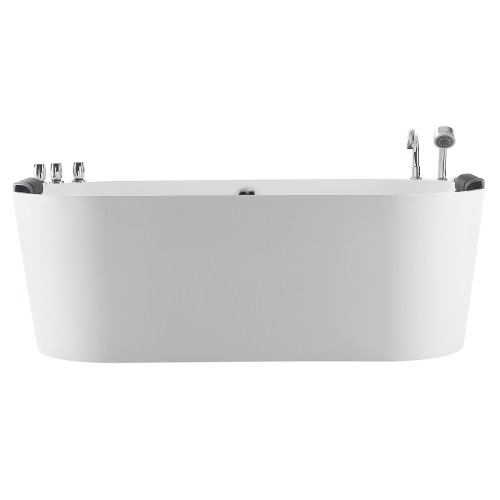
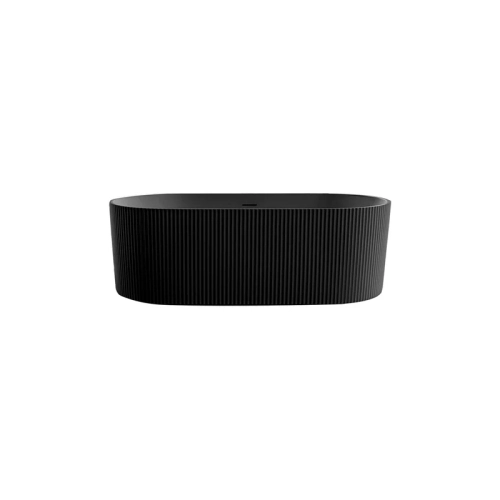
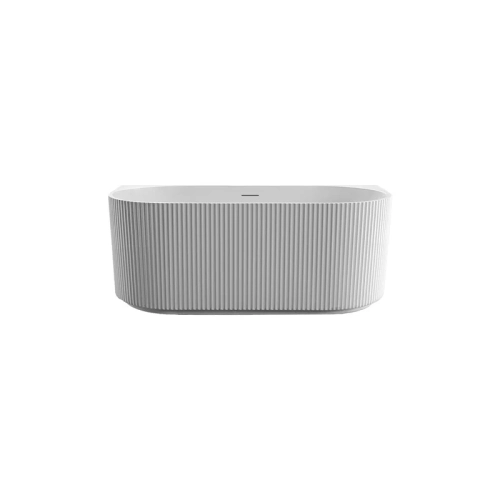
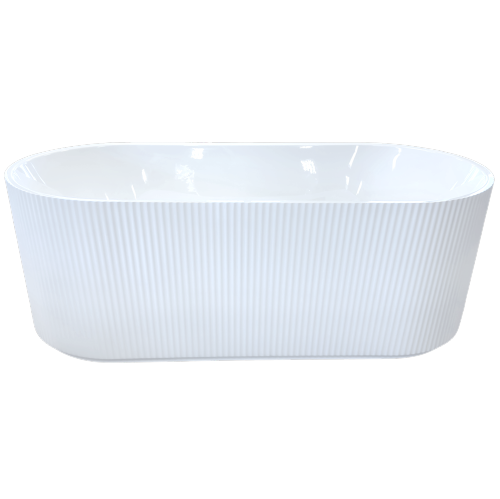
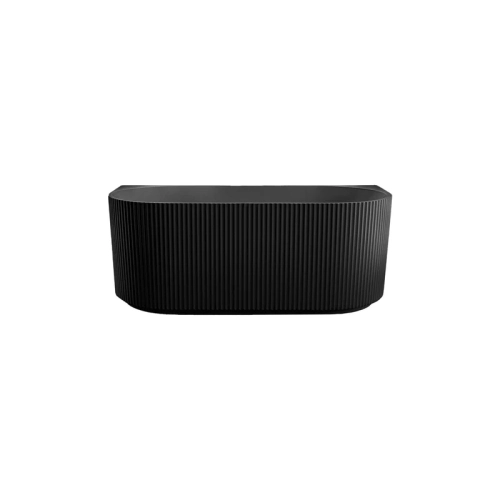
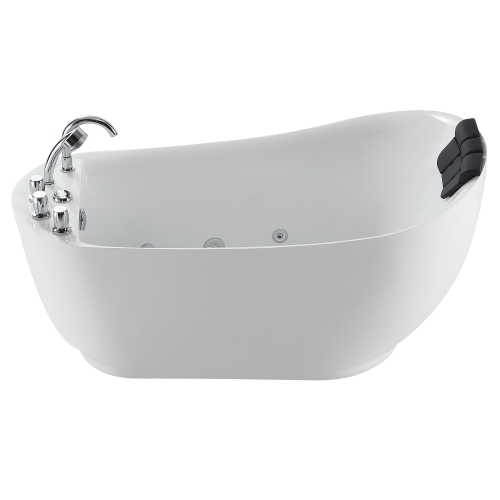
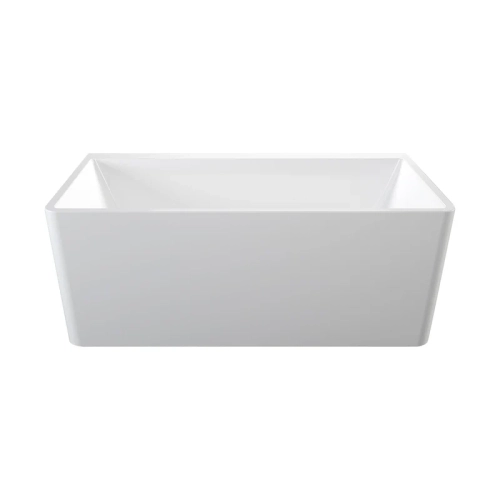
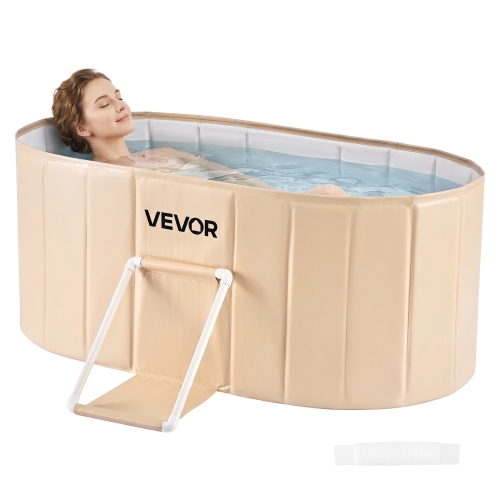
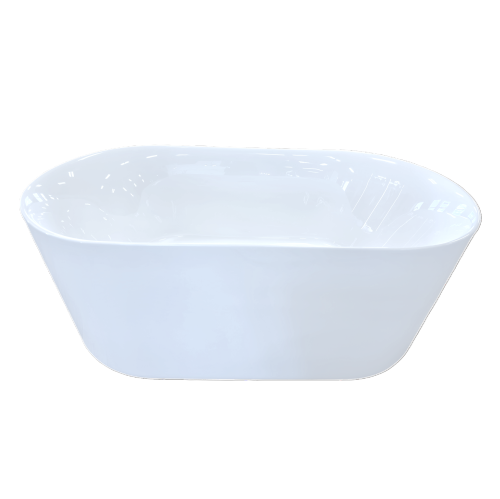
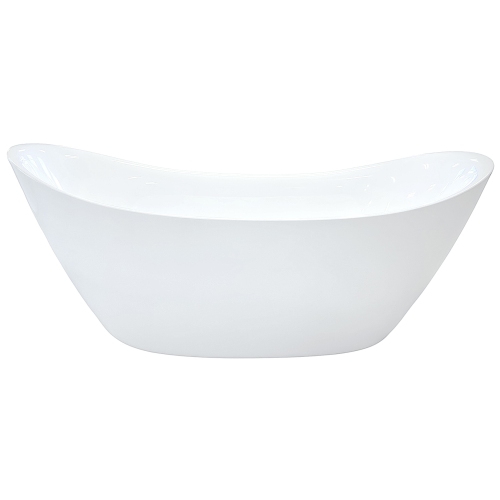
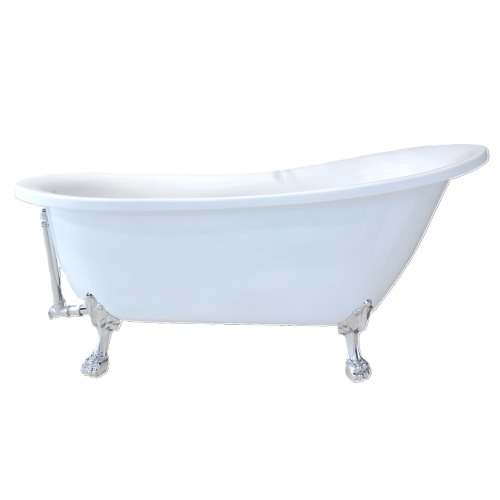
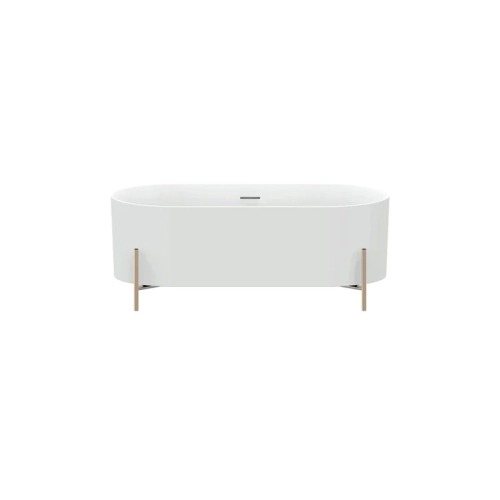
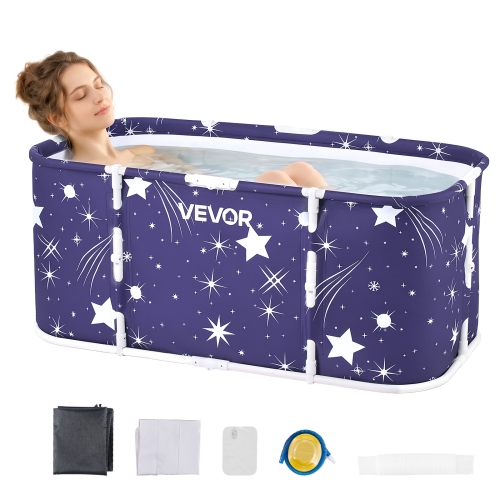
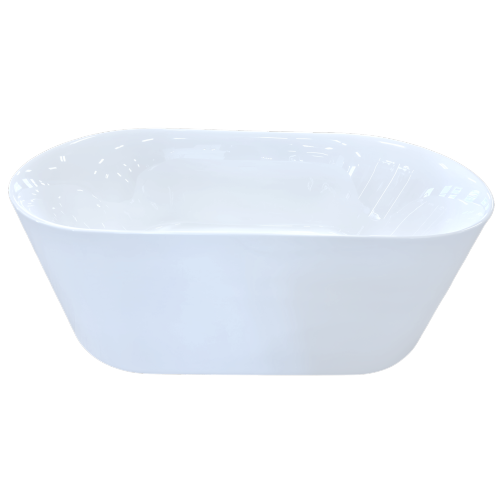
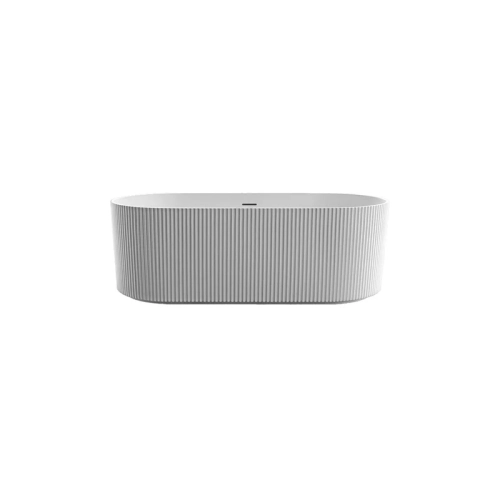
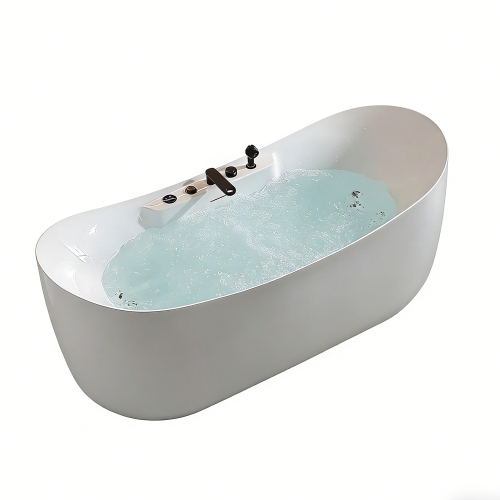
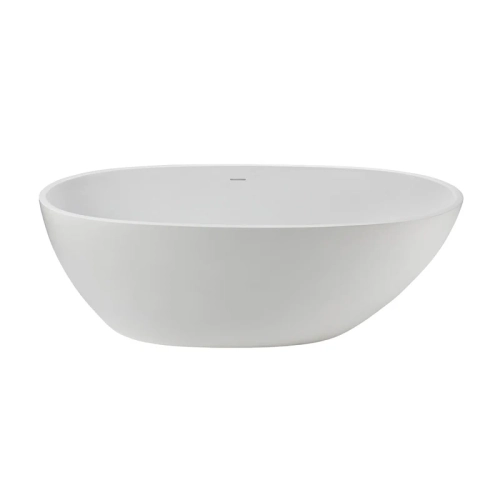
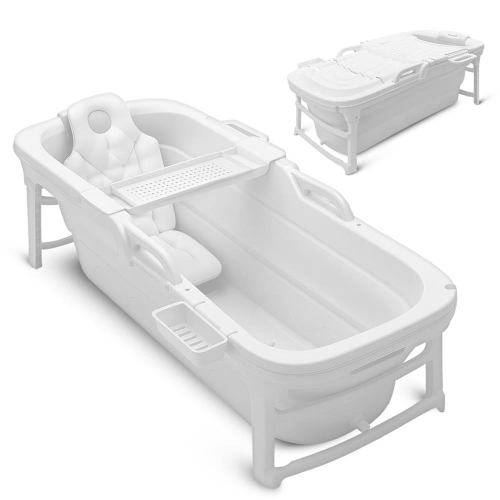
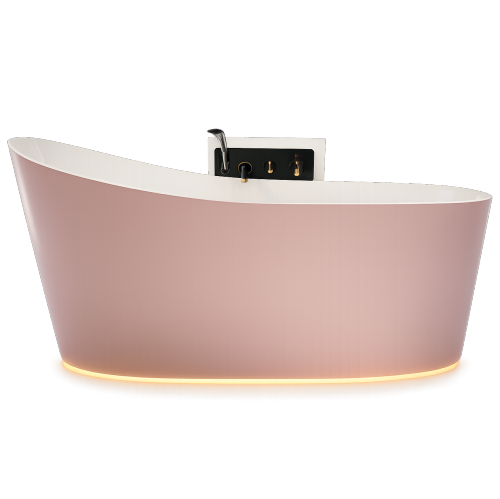
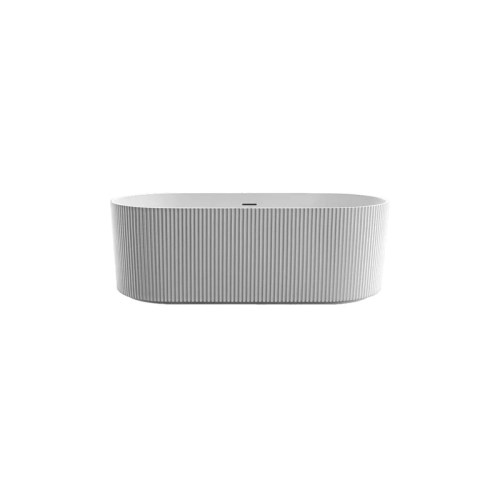
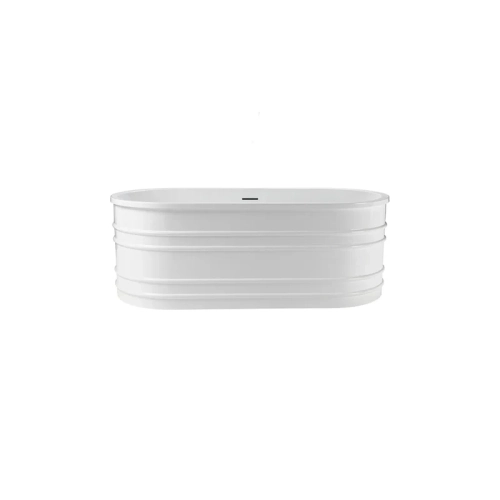
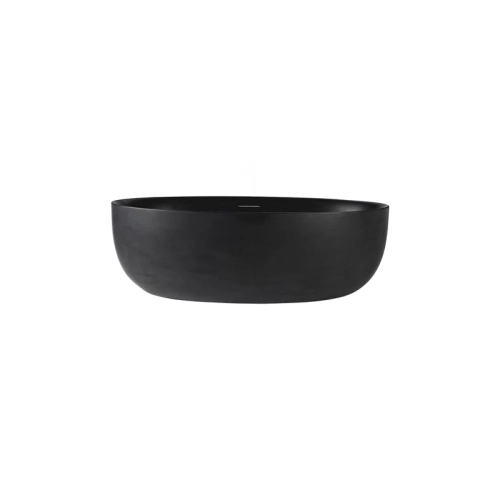
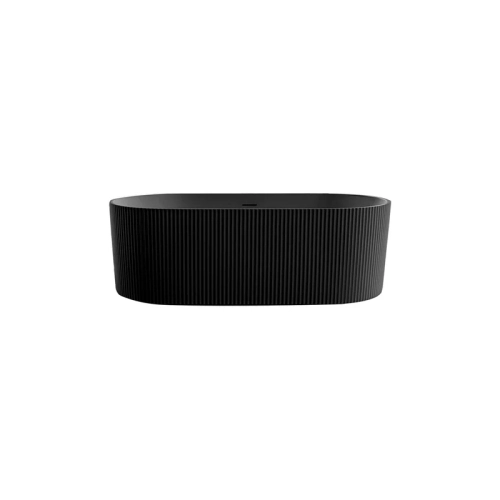
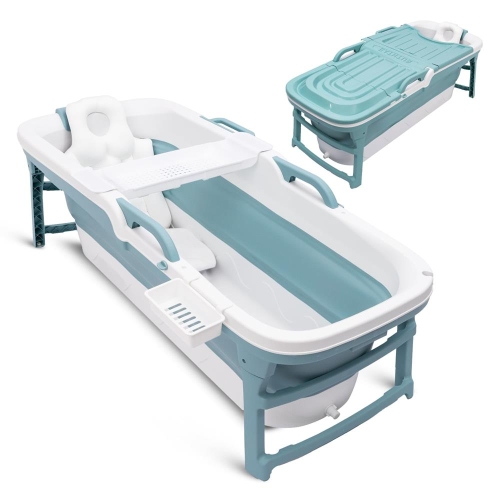
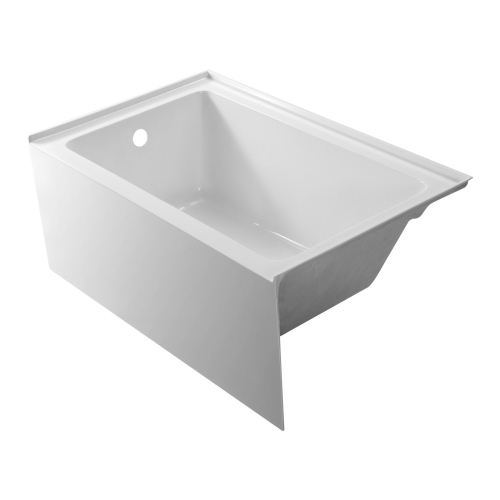
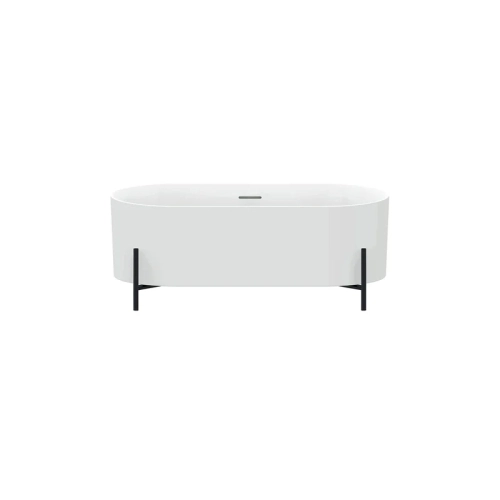
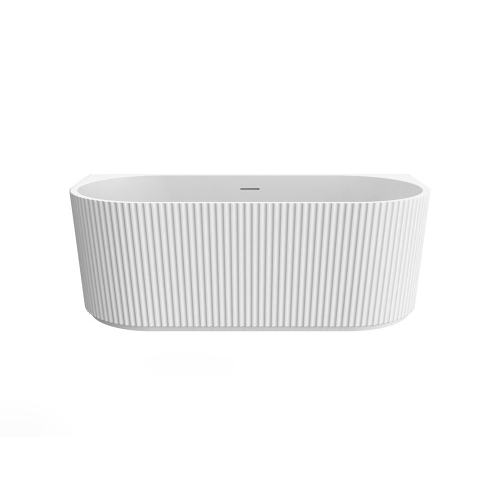
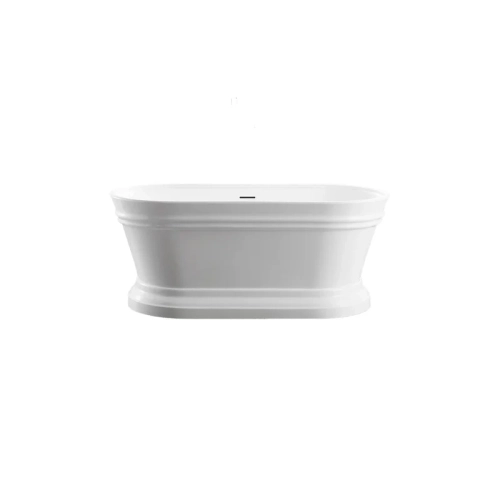

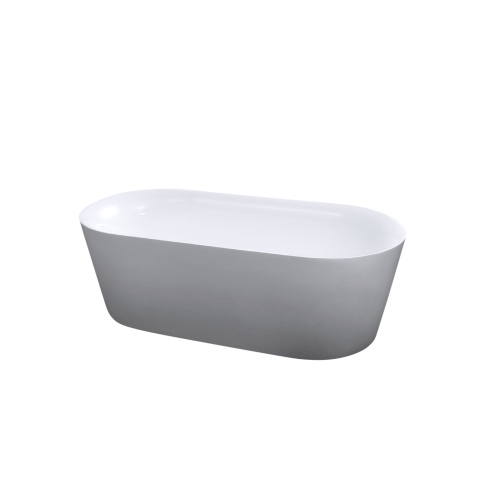


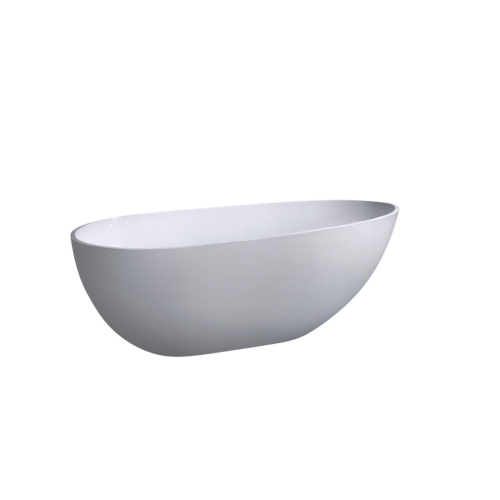
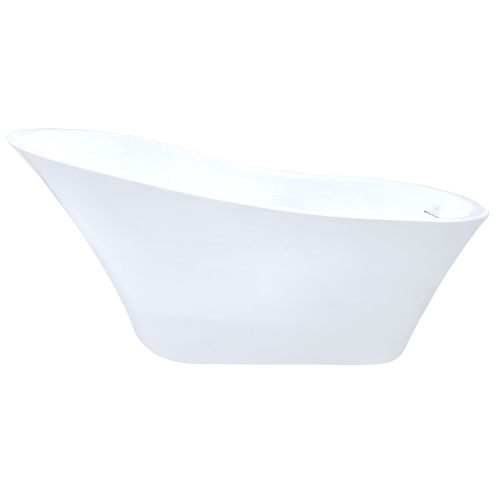

Sizing, setup, and safety shape your recovery routine
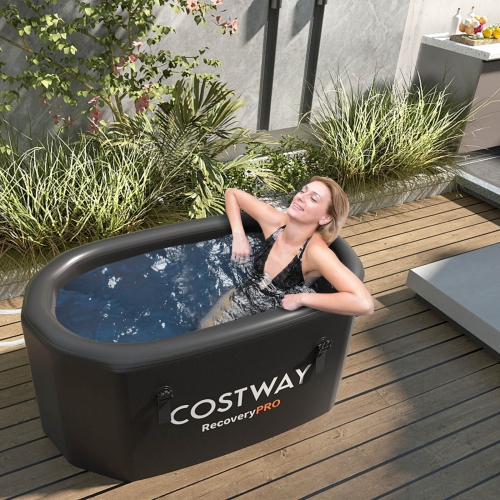
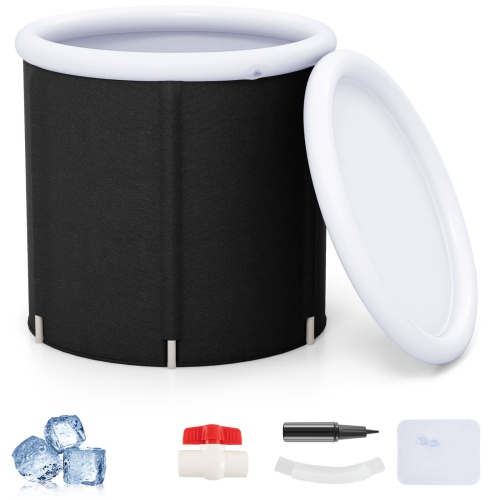
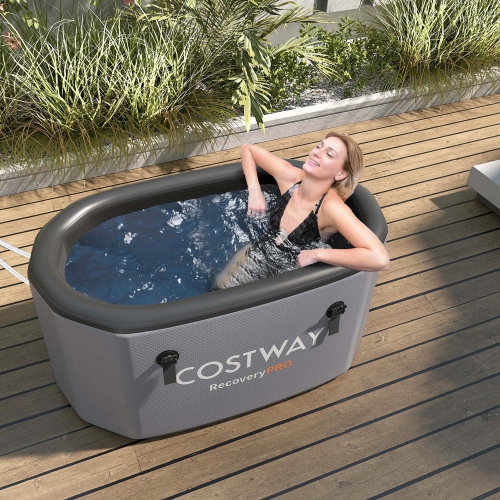
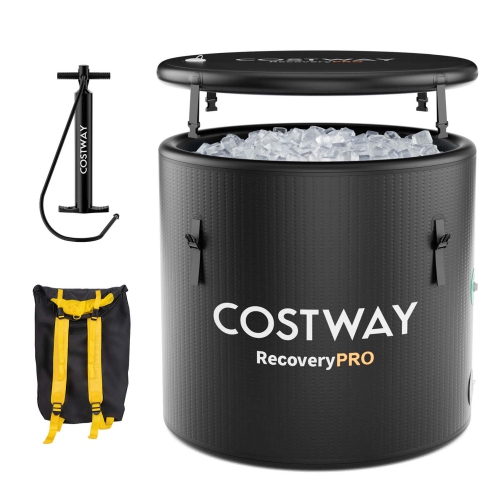
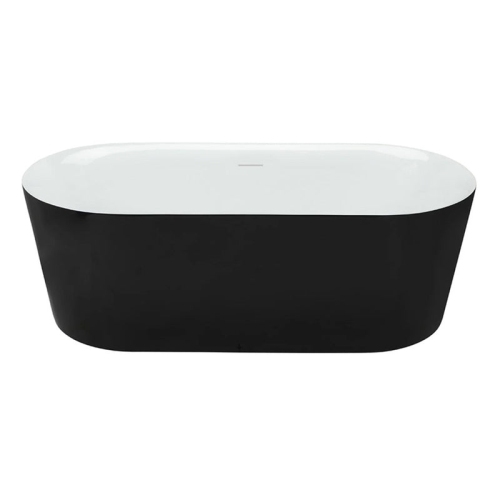
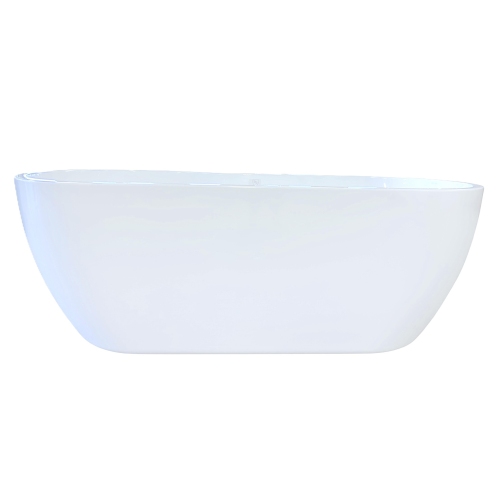
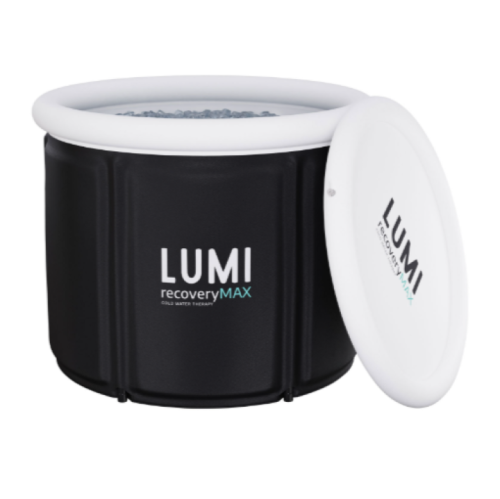
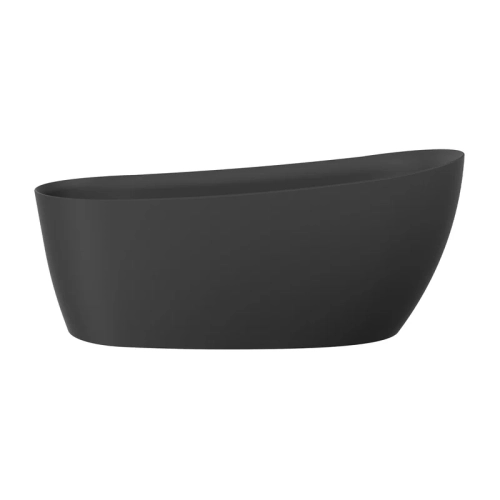
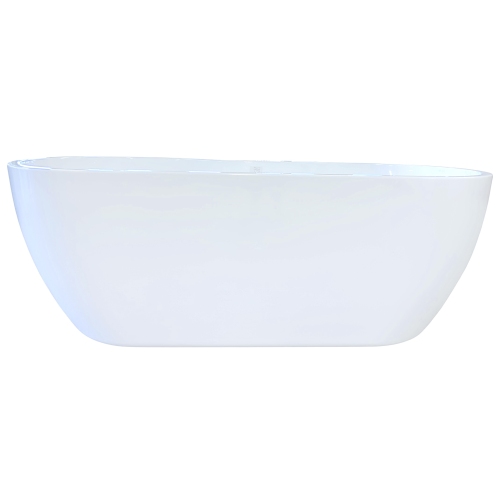
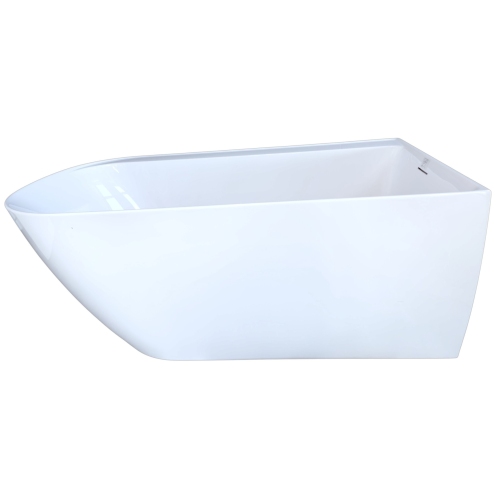
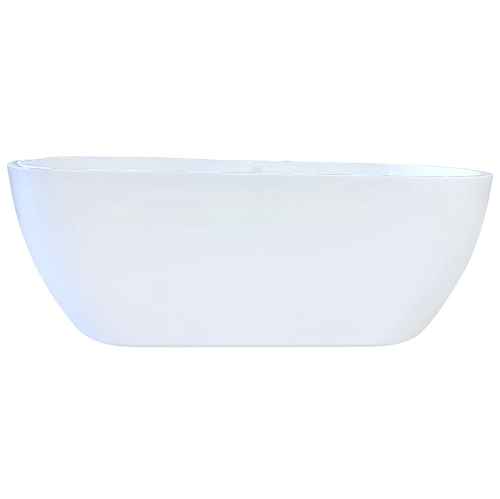
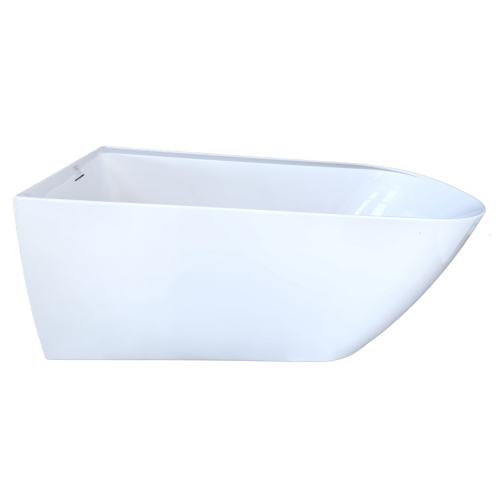
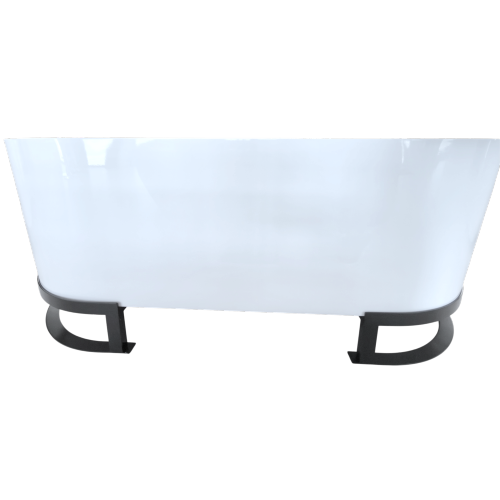
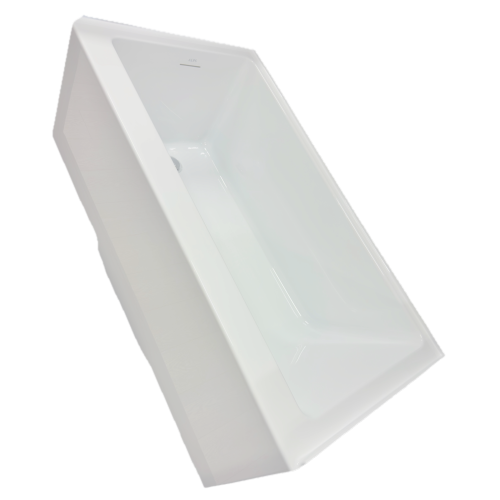
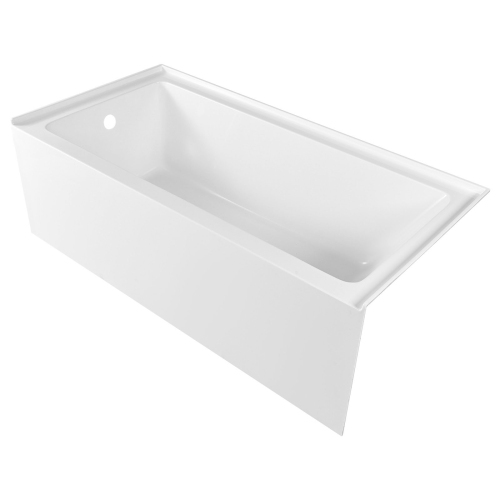
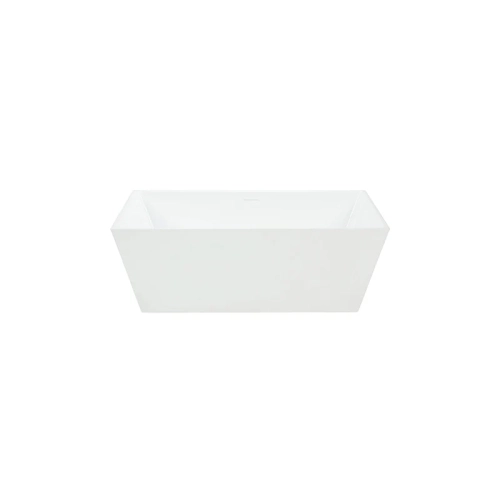
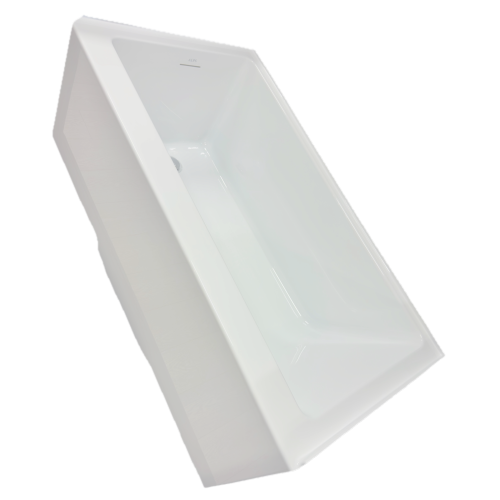
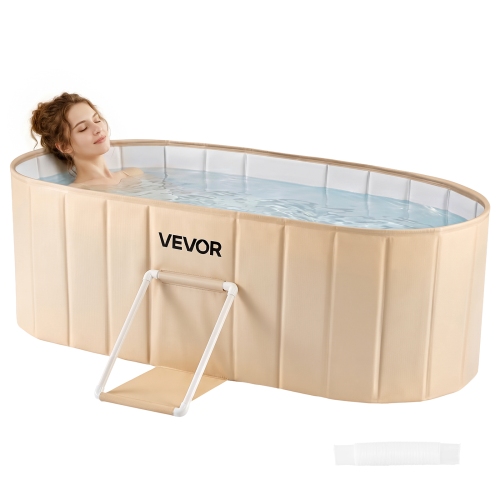
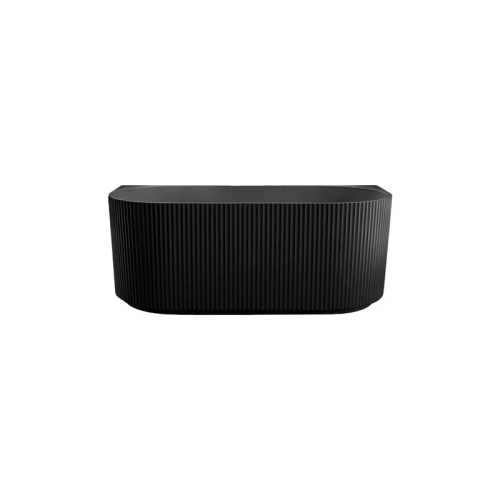
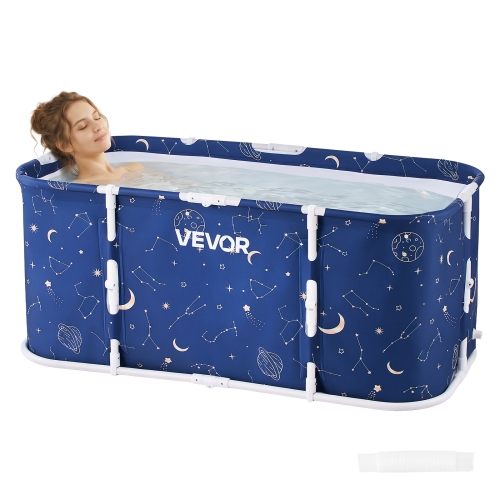
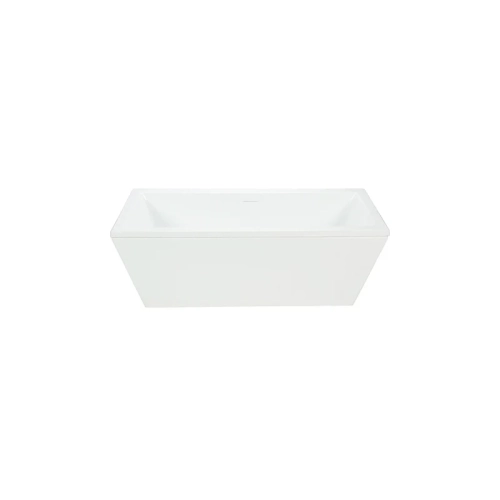
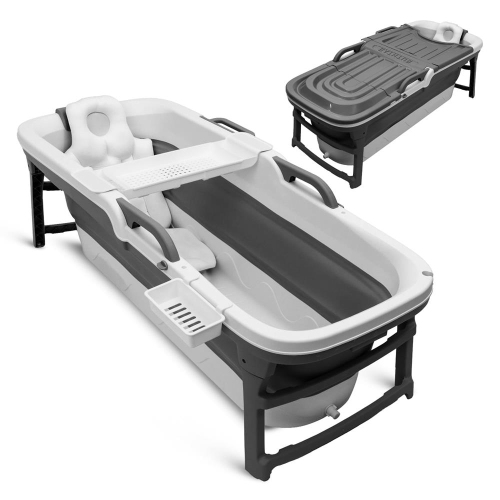
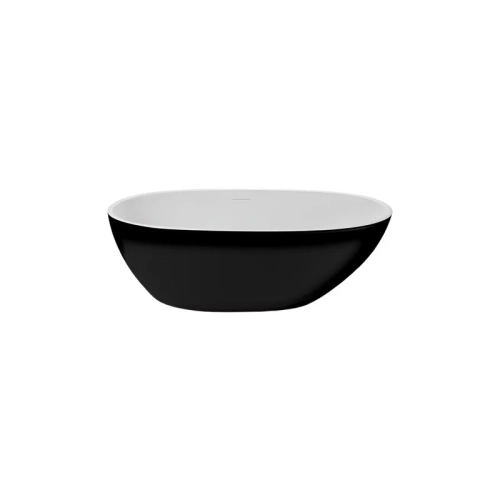
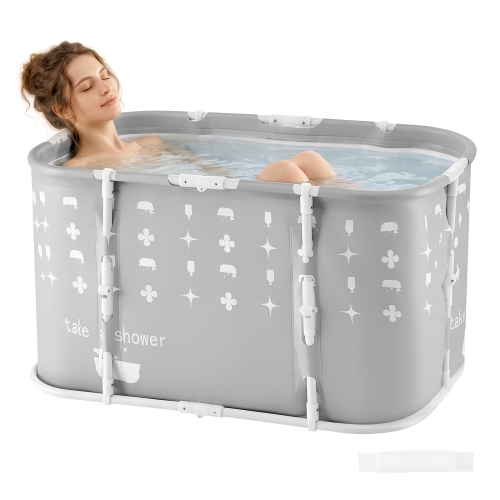
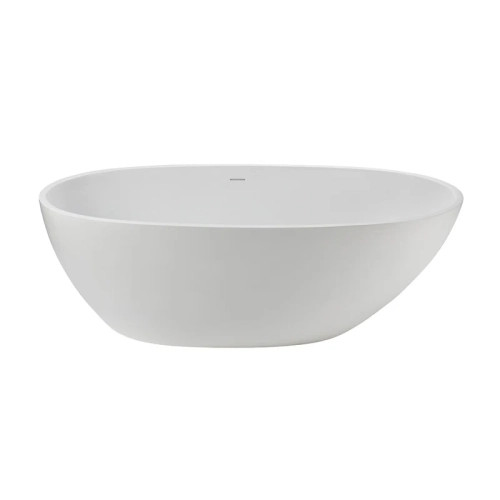
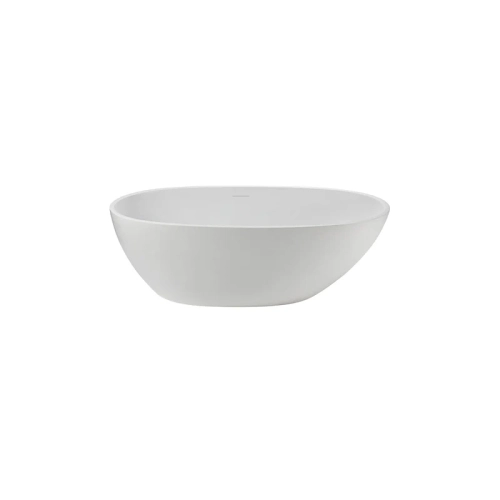
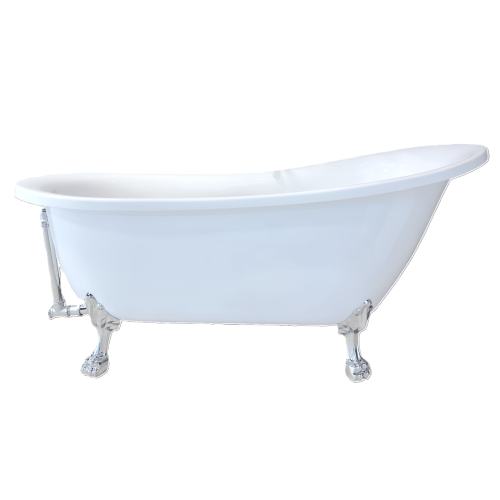
An athlete’s bathtub is commonly known as a cold plunge tub, ice bath tub, or portable cold-water immersion tub. It is designed to hold cold water for short periods after training, competition, travel, or other demanding physical activity. Cold-water immersion may help reduce the feeling of muscle soreness, ease the sensation of tired legs, and support an athlete’s preferred recovery routine. Many people describe stepping into cold water as an invigorating experience that helps them feel refreshed and mentally reset after a long workout. These tubs can be useful for runners, cyclists, hockey players, football players, swimmers, dancers, weightlifters, fitness enthusiasts, and anyone whose routine places repeated demands on their muscles and joints. They may also appeal to coaches, personal trainers, physiotherapy clinics, sports teams, and households with more than one active person. The products in this selection can vary considerably in size, construction, insulation, drainage, and cooling method, so the best choice depends on how often the tub will be used and where it will be set up. A portable or foldable model is often practical for apartments, garages, balconies, training camps, and travel because it can be emptied, stored, and moved between sessions. These tubs generally use cold tap water and loose ice, giving the user control over the temperature and making them a flexible option for occasional recovery. A more substantial rigid tub may suit athletes who plan to use cold immersion frequently and have a dedicated indoor or outdoor location. Some models are designed to work with an automated water chiller, which can maintain colder water with less manual ice handling, although these systems may require additional space, electrical access, filtration, and regular water care. Before choosing, consider the tub’s interior dimensions, maximum water capacity, filled weight, entry height, insulation, cover, drain position, and how easily it can be cleaned. An athlete who is tall or has a broad frame may need more room to sit comfortably, while someone with limited space may value a compact footprint over maximum immersion depth.
Setup and maintenance are important parts of owning an athlete’s bath tub. A filled tub can be extremely heavy, so it should be placed on a stable, level surface that can safely support the combined weight of the water and user. Indoor setups need suitable drainage and protection for nearby flooring, while outdoor setups should be positioned away from clutter, sharp edges, and areas where children or pets could accidentally fall in. A cover can help keep leaves, dust, and debris out between uses, but the water still needs attention. Follow the manufacturer’s instructions for draining, cleaning, filtration, and any approved water-treatment products, and replace the water as recommended rather than allowing it to become cloudy or develop an odour. For ice-based tubs, prepare enough ice to lower the water temperature without overfilling the basin, and keep a towel, warm clothing, and dry footwear close by. A simple routine may involve entering slowly, keeping the shoulders and head above the water, using a timer, and leaving before numbness or intense discomfort develops. Cold exposure is not a test of toughness, and longer or colder sessions are not automatically better. People new to cold immersion may prefer starting with cool water and brief sessions, then adjusting gradually according to comfort and professional guidance. Anyone with a heart condition, circulation concerns, high blood pressure, diabetes, a history of fainting, cold sensitivity, or another relevant health concern should speak with a healthcare professional before using cold-water immersion. It is also wise to avoid using a cold plunge when alone, especially during the first few sessions, and never enter the tub while impaired by alcohol, medication, or extreme fatigue. These practical details matter just as much as the tub itself because a recovery space should be easy to use consistently, simple to maintain, and comfortable enough to become part of a sensible training plan. Shoppers comparing cold plunge tubs with other home relaxation options may also wish to browse Spa Tubs for additional bathing and wellness equipment.
An athlete’s bath tub can be a thoughtful gift for someone who treats training as an important part of everyday life. It may be suitable for a runner preparing for a long-distance event, a recreational hockey player returning from evening league games, a cyclist who spends weekends on the road, or a fitness enthusiast who enjoys building a dedicated workout area at home. It can also make a practical gift for a coach, trainer, or active family, provided the recipient has enough room for safe placement and is comfortable with cold-water recovery. When buying for someone else, consider their preferred activities, available storage, physical size, and willingness to handle ice, water changes, and cleaning. A portable design may be more useful than a large permanent unit for a renter or frequent traveller, while an athlete with a home gym may appreciate greater capacity, stronger insulation, or compatibility with a chiller. During the cooler months, outdoor temperatures may make setup feel more intense, while an indoor location can offer a more controlled experience; in either case, the surrounding area should remain dry, well lit, and free from slipping hazards. Cold immersion is best viewed as one optional part of recovery alongside rest, hydration, balanced nutrition, mobility work, and advice from qualified healthcare or training professionals. It may help some people manage the temporary feeling of post-exercise soreness and return to their routine feeling more refreshed, but it should not be treated as a cure for an injury or a substitute for medical care. With the right size, water-management features, storage plan, and safety habits, a cold plunge tub can provide a convenient at-home recovery station for demanding workouts, active weekends, and regular training throughout the year.
Top selling and popular products
-
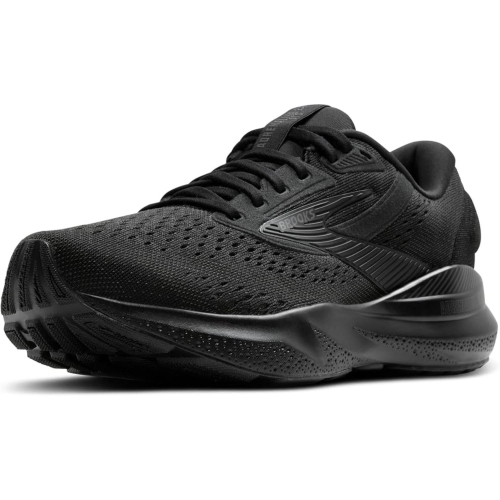 Your price for this item is $260.3
-
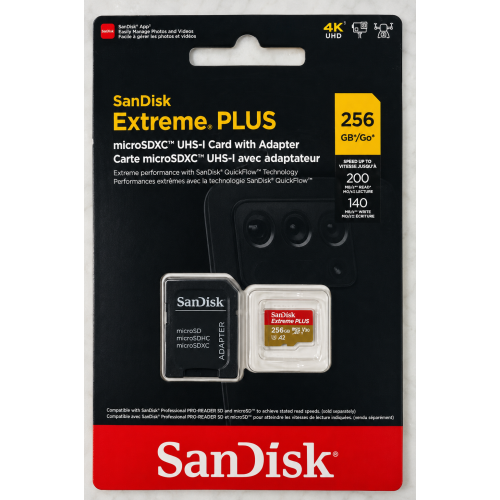 Your price for this item is $99
-
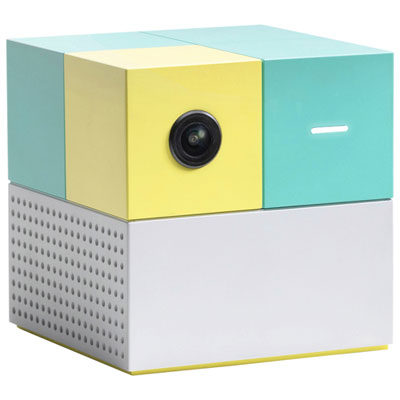 Your price for this item is $399.99
-
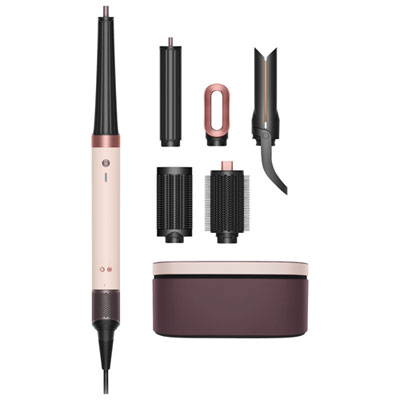 Your price for this item is $899.99
-
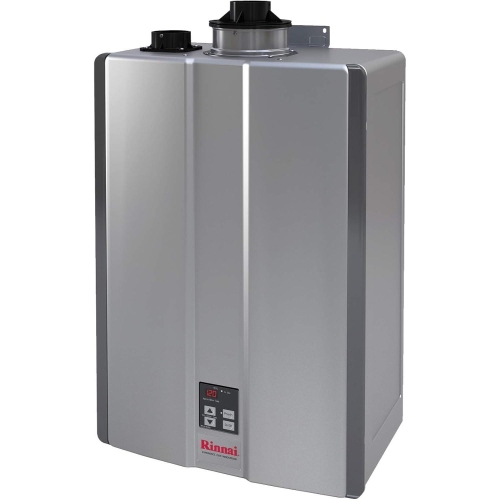 Your price for this item is $2199.25
-
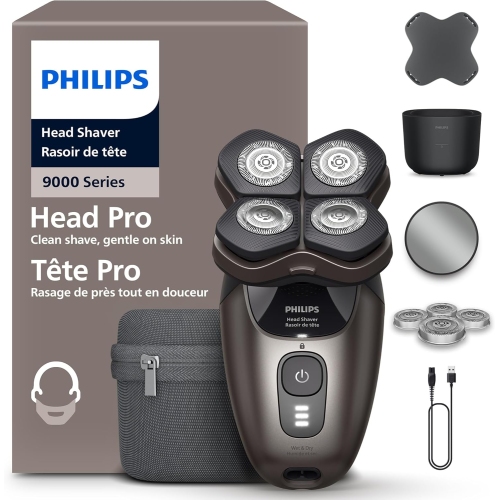 Your price for this item is $209.99
-
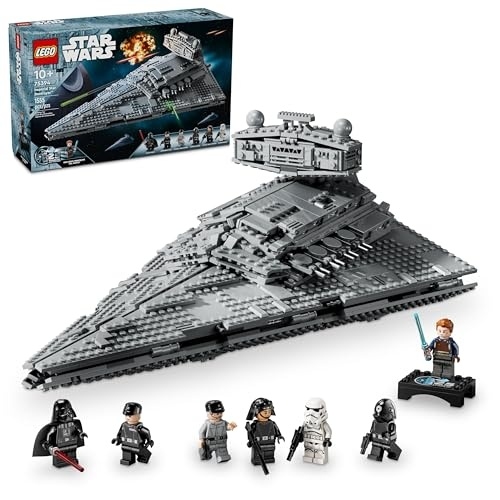 Your price for this item is $293.99
-
 Your price for this item is $299
Discover more categories related to Athletes Bath Tub

Top Collections:
Best Black Friday Deals This Year, Best Black Friday Deals On Electronics, Kindle Devices, Pokemon Centers, Best Black Friday Deals On Apple Products, Best Cameras for Sports Photography, Dyson Airwrap, Pokémon 30th Celebration Cards, Apple iPhone 17 Pro, Canon G7X Cameras
Some products may be subject to Environmental Handling Fees
(EHF) depending on your province.
Learn more about EHFs.