Automatic Lights
Automatic Lights offer a convenient way to enhance the lighting in your home or workspace. With a variety of options designed to suit different needs and preferences, these lights provide hands-free illumination for any setting. Whether you want to brighten up hallways, add safety to staircases, or create ambiance in living areas, Automatic Lights make it easy to enjoy reliable lighting whenever you need it. Explore the selection to find solutions that fit seamlessly into your lifestyle and space.
Sort
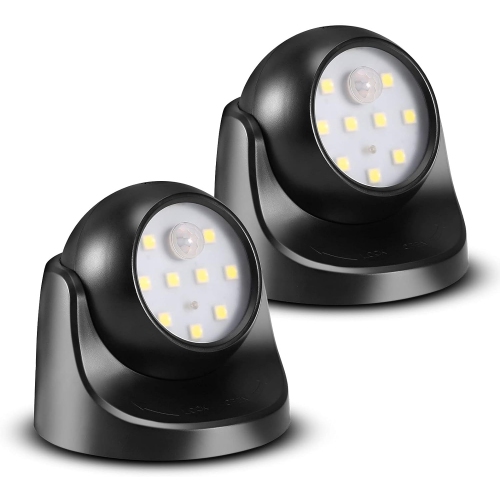
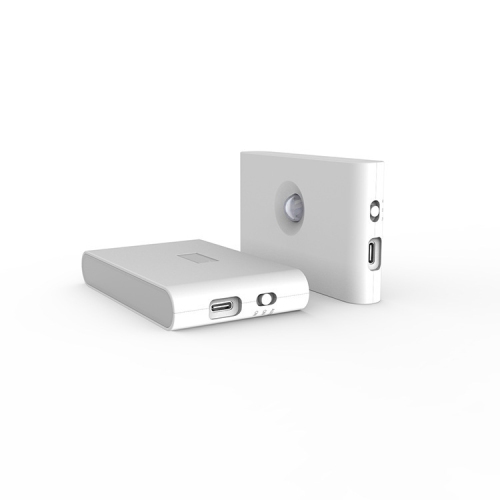
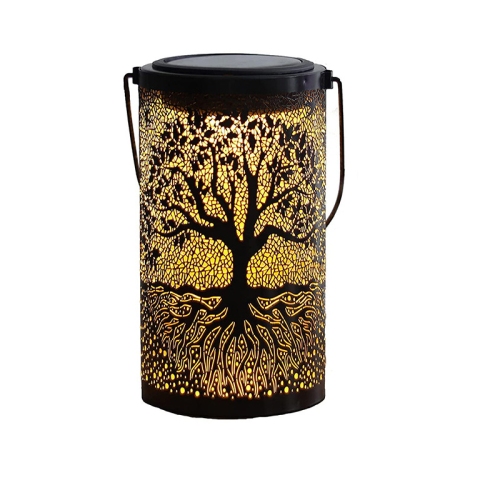
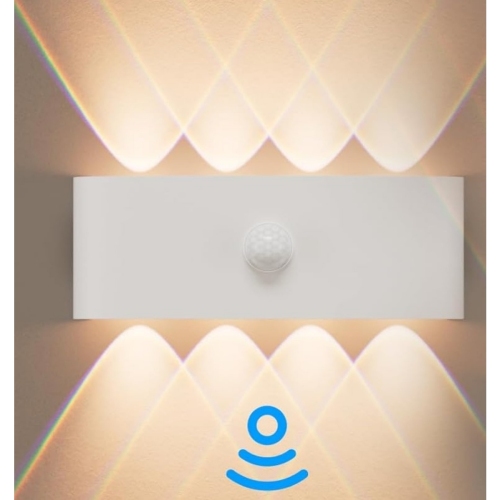
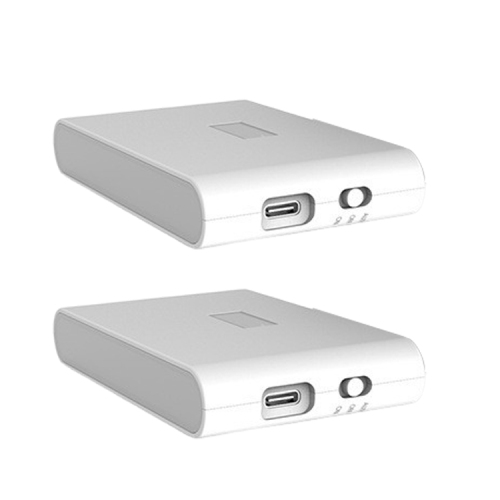
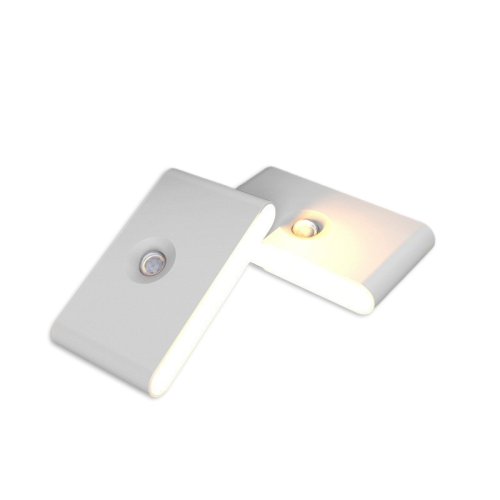
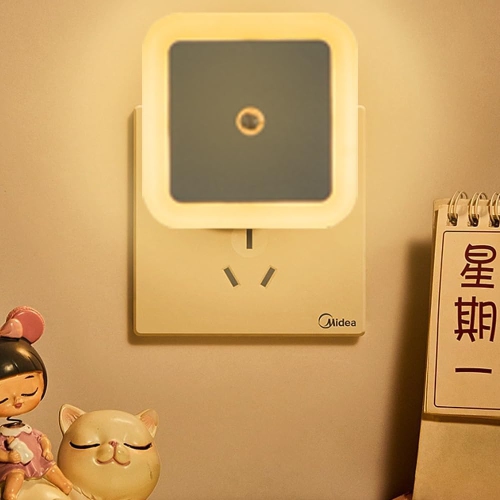
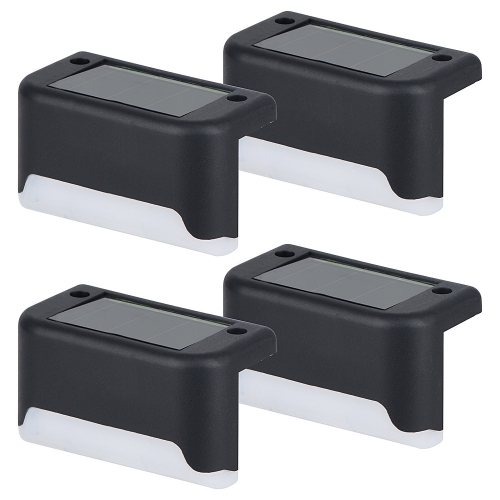
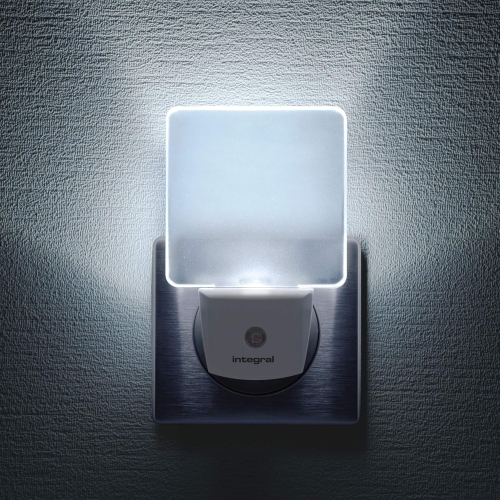
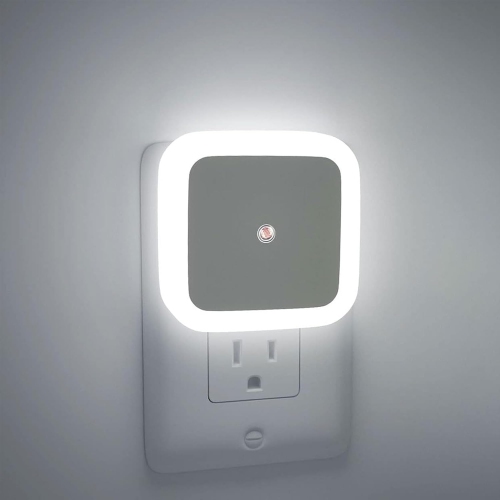
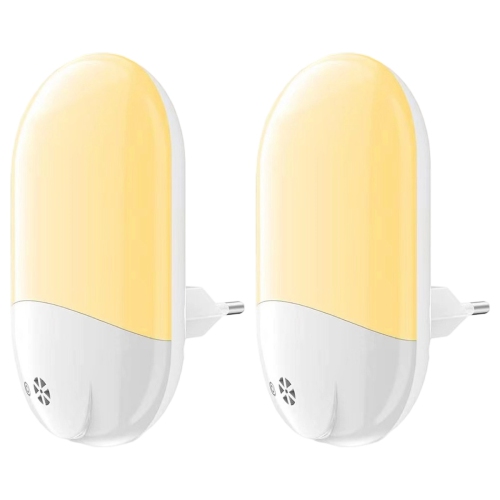
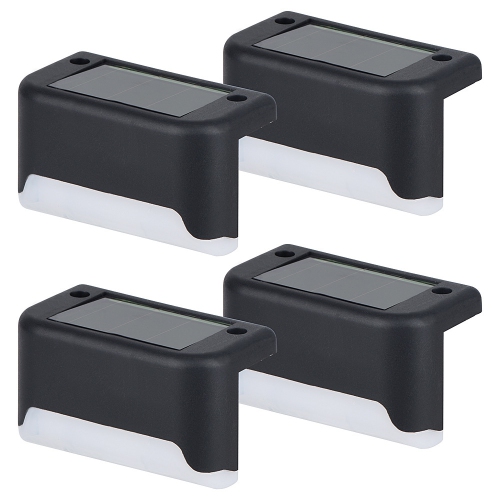
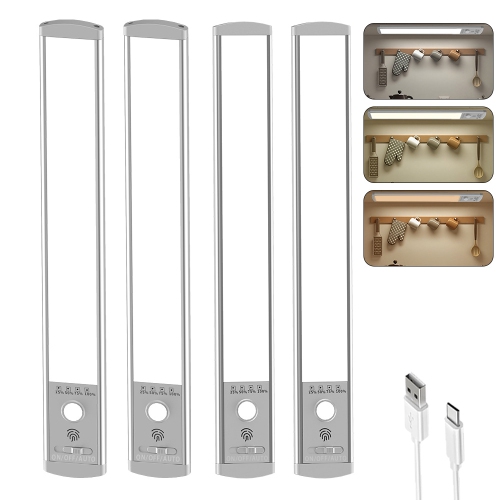
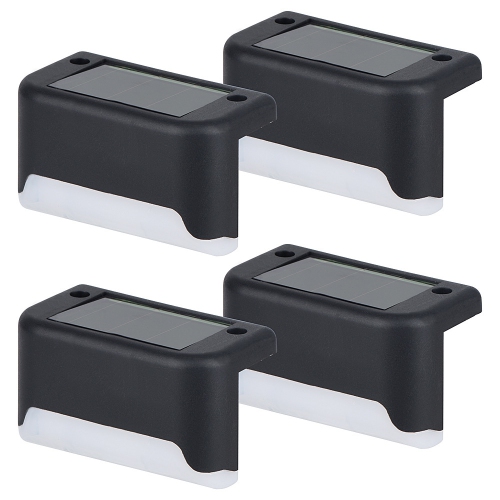
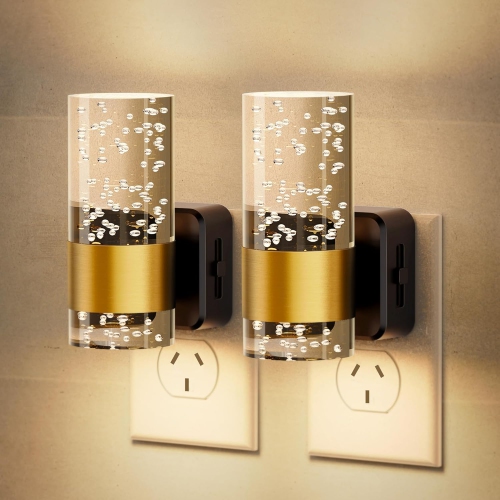
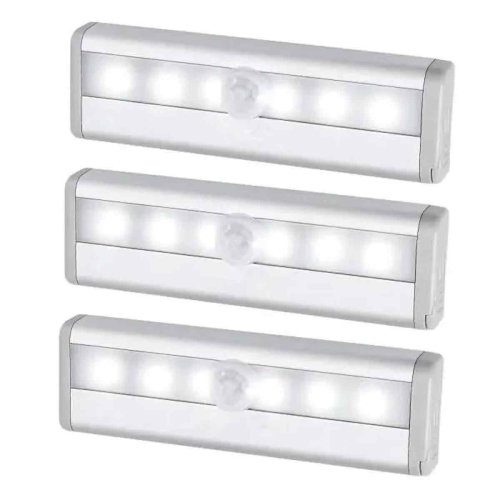
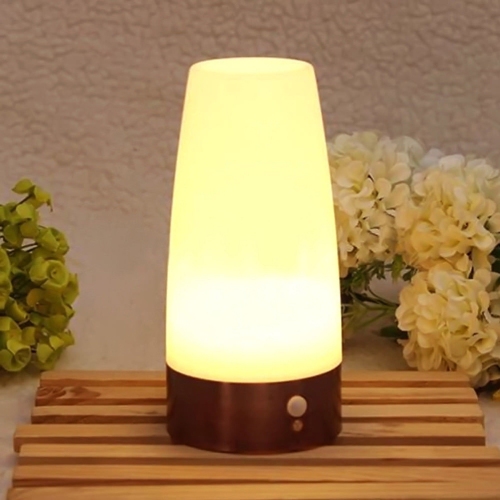
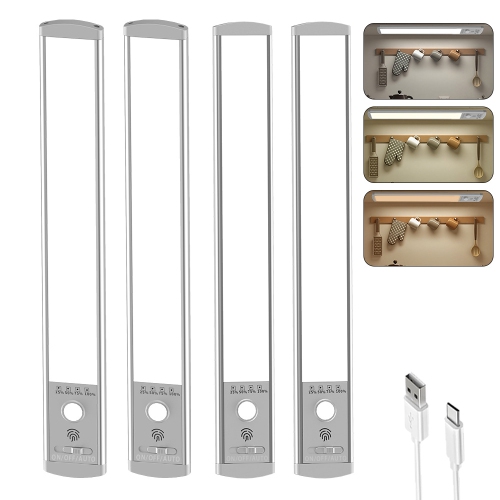
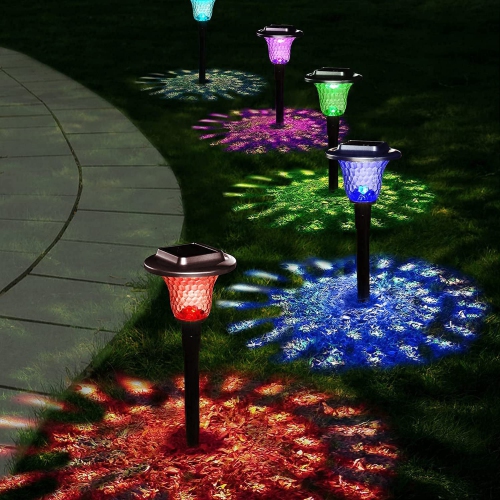

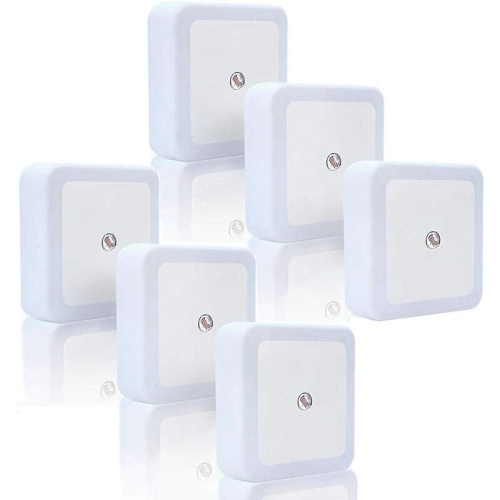
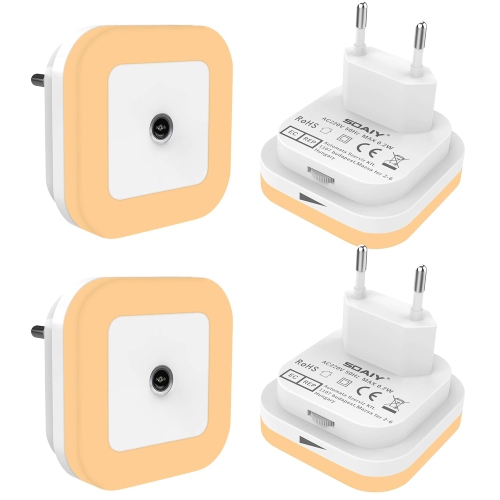
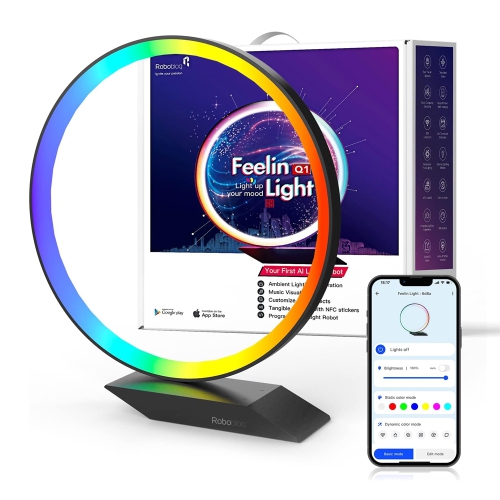
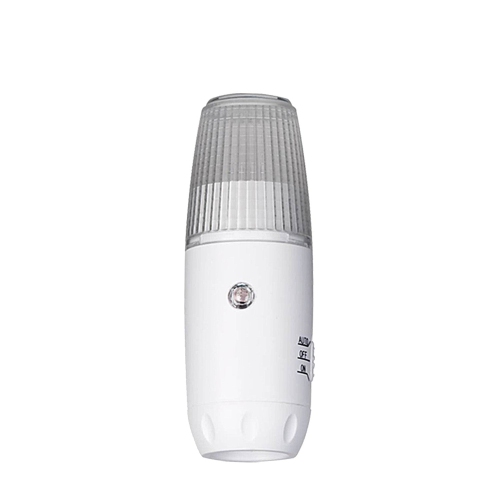
Lighting that responds to movement and changing daylight
Automatic lights switch on, switch off, or adjust their brightness in response to sensors, timers, or programmed settings, reducing the need to operate a switch for every change. The term includes automatic vehicle headlights and automatic home lighting, although these applications use different controls and have different installation requirements. Around the home, automatic lighting can illuminate a hallway when someone approaches, brighten a cupboard when its door opens, or turn an entry light on when daylight falls below a set level. Motion-activated lights respond to movement within a detection area, while dusk-to-dawn lights use a light sensor to respond to surrounding brightness. Timer-controlled lights follow a schedule, and some connected lighting combines scheduling with motion detection or other compatible smart home controls. These differences matter in everyday use: a light that responds to someone walking into a laundry room serves a different purpose from one intended to stay on throughout the evening. A low-level nightlight can provide a gentle point of reference between a bedroom and bathroom, while brighter task lighting helps reveal the contents of a storage area or the back of a deep cabinet. Automatic lights can be useful for households with children, people carrying groceries through an entrance, or anyone who prefers lighting that responds without an extra step. Sensor placement has a noticeable effect on that experience. A detector facing the usual approach to a doorway is more likely to respond when needed than one hidden behind furniture. Detection distance, sensing angle, and the length of time a light remains on all influence how naturally it fits into a room. Adjustable settings provide flexibility where a brief pass through a corridor calls for a different response than sorting clothes or finding shoes. Many motion sensors detect movement rather than continuous presence, so someone sitting still may need a longer shut-off delay. Where available, an ambient-light threshold can prevent unnecessary activation in an already bright space.
The right format depends on where the light will sit, how it receives power, and whether the installation needs to be permanent. Plug-in automatic lights suit locations with a conveniently positioned outlet, though the housing should fit without blocking a neighbouring socket or projecting into a narrow walkway. Battery-powered and rechargeable lighting allows more freedom inside wardrobes, beneath shelving, or in areas without nearby wiring. Access for charging or battery replacement remains important, particularly when a light is mounted high up or tucked behind stored belongings. Runtime varies with brightness, activation frequency, and the selected settings; a busy entrance places different demands on a battery than an occasionally opened cupboard. Hardwired fixtures offer a fixed installation, with electrical compatibility and any required professional installation forming part of the decision. Dimensions matter beyond the overall length of a fixture. Clearance beneath a cabinet, the space around a door frame, and the position of a sensor can determine whether the light feels integrated or gets in the way. Adhesive mounting is convenient on suitable surfaces, while screw-mounted brackets provide a more secure attachment where the surface and fixture support that method. Smart automatic lights add another layer of control, but connected features are not necessary for every application. A self-contained sensor light may operate independently, whereas app-controlled lighting can require a compatible hub, a particular Wi-Fi connection, or an account with the control platform. Household members should still have a practical way to turn a light on or off when an automatic setting does not suit the moment. Remote Lights can complement automatic lighting when control from a bedside table, sofa, or accessible position is useful. Remote operation and automatic operation are distinct features, so compatibility and included controls deserve attention rather than assuming that one function always includes the other.
Light quality, construction, and care shape how well automatic lighting works over time. Brightness is commonly expressed in lumens, but the most suitable output depends on the space and the job: a soft glow near floor level serves a different purpose from a broad pool of light across a countertop. A diffuser can soften the appearance of individual LEDs, while a directional design helps concentrate illumination where it is needed. Colour temperature also changes the feel of a space, with warmer-looking light often suiting a bedroom or lounge and a more neutral appearance supporting everyday tasks. Placement matters as much as output; a bright source aimed towards eye level can create glare instead of making the route ahead easier to see. Plastic housings are often lightweight, while metal housings can provide a more substantial mounting structure. Finish, lens quality, bracket design, and the protection around switches or charging ports also affect suitability for the intended location. Lighting installed near moisture or outdoors needs a rating appropriate to that placement; an indoor fixture should not be treated as suitable simply because it fits under a covered entrance. Integrated LED designs differ from fixtures with replaceable bulbs, so the ability to replace the light source, battery, or mounting hardware can influence long-term upkeep. Dust on a lens or sensor can interfere with light output or detection, making accessible surfaces and straightforward cleaning useful details. Cleaning should follow the manufacturer’s directions, without allowing liquid into electrical openings. For vehicle applications, automatic headlights generally use a light sensor to activate the headlights when surrounding light falls below a threshold. Automatic high-beam control is a separate function, and neither feature removes the driver’s responsibility to select appropriate lighting. Vehicle compatibility and approved installation requirements are separate from household lighting considerations. Across home applications, the most useful automatic lights match the actual routine: responding reliably at the entrance, staying on long enough for the task, and providing an appropriate level of illumination without making the controls complicated.
Top selling and popular products
-
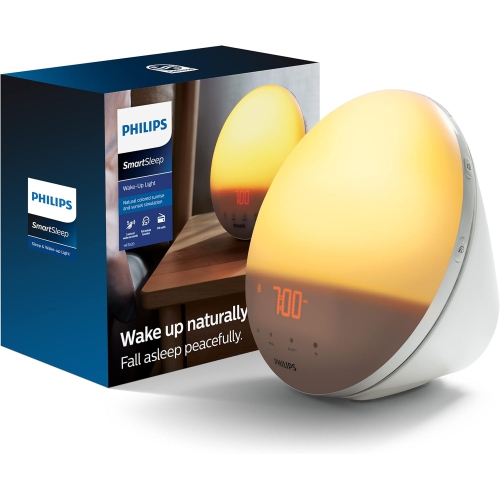 Your price for this item is $199.97
-
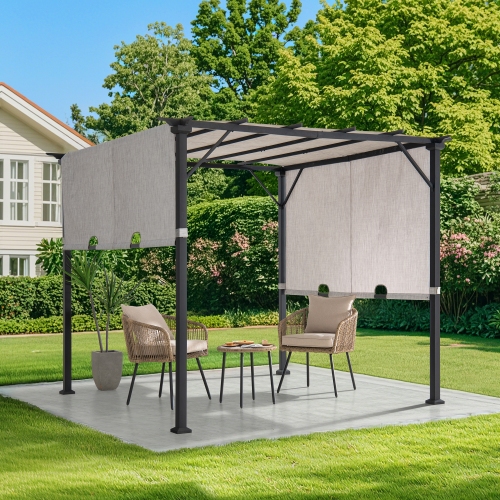 Your price for this item is $232.99
-
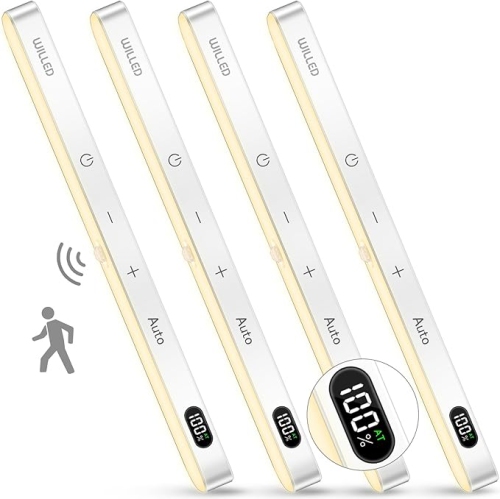 Your price for this item is $17.68
-
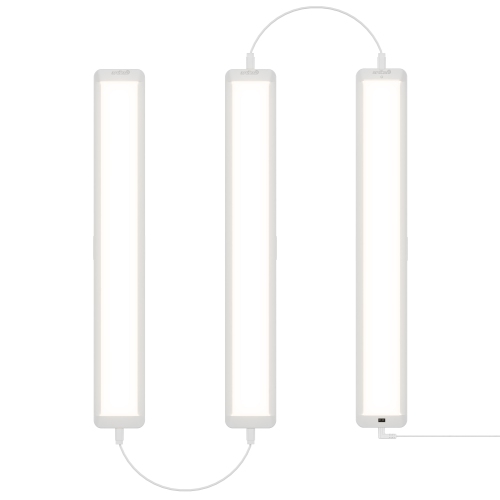 Your price for this item is $79.99
-
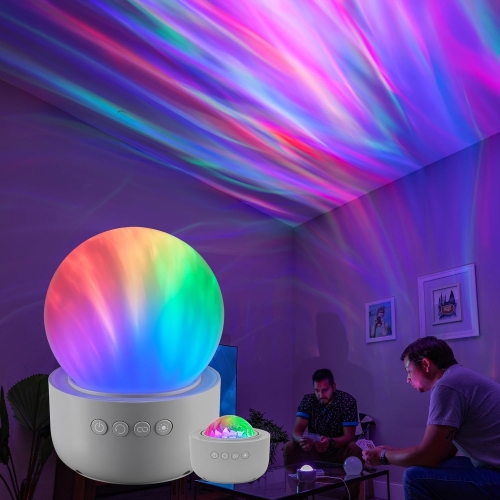 Your price for this item is $29.99
-
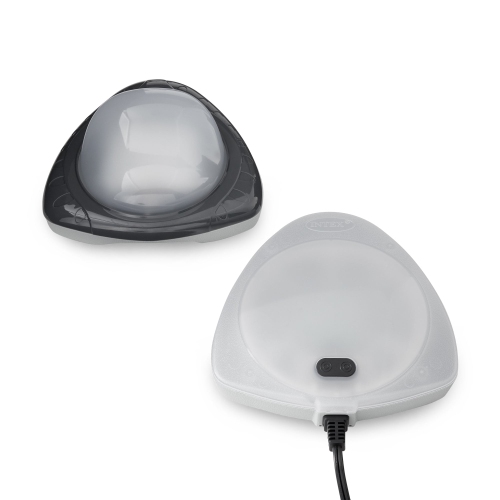 Your price for this item is $119.99
-
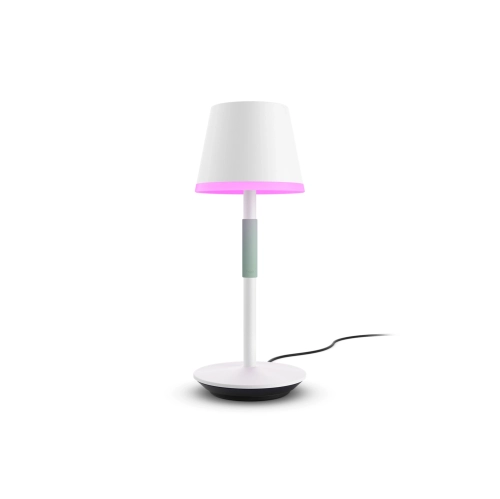 Your price for this item is $245.68
-
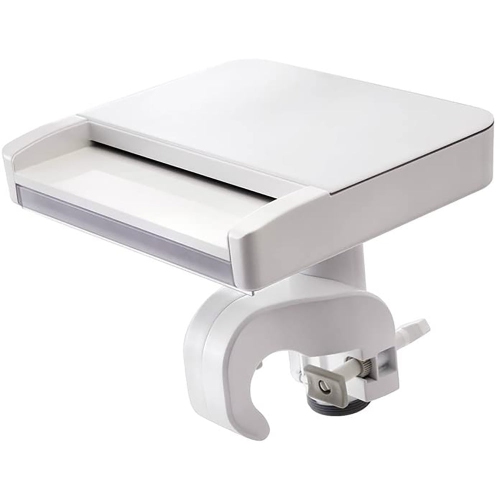 Your price for this item is $129.99
Discover more categories related to Automatic Lights
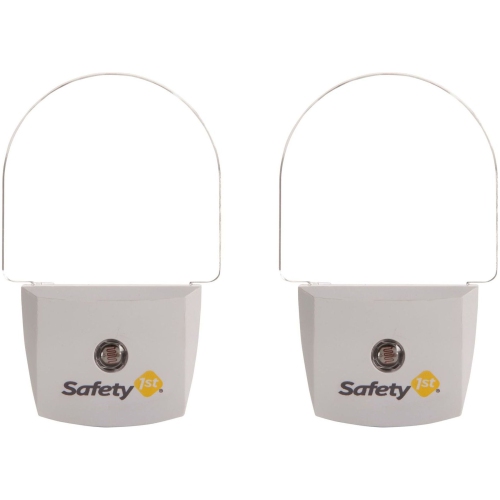

Top Collections:
Best Black Friday Deals This Year, Best Black Friday Deals On Electronics, Kindle Devices, Best Black Friday Deals On Apple Products, Best Budget Office Chairs, Best Cameras for Sports Photography, Dyson Airwrap, Canon G7X Cameras, Best Laptops for Writers, Samsung Galaxy Phones
Some products may be subject to Environmental Handling Fees
(EHF) depending on your province.
Learn more about EHFs.