Axial Blowers
Looking to increase airflow and ventilation in your space? Explore this selection of axial blowers, designed to efficiently move air in a straight line through their blades. Perfect for a variety of applications, such as cooling electronics, exhausting fumes, or drying damp areas, axial blowers are a versatile solution for improving air circulation. With their compact size and powerful performance, these blowers are ideal for both residential and commercial use. Find the right axial blower to meet your ventilation needs and keep your space comfortable and well-ventilated.
Sort
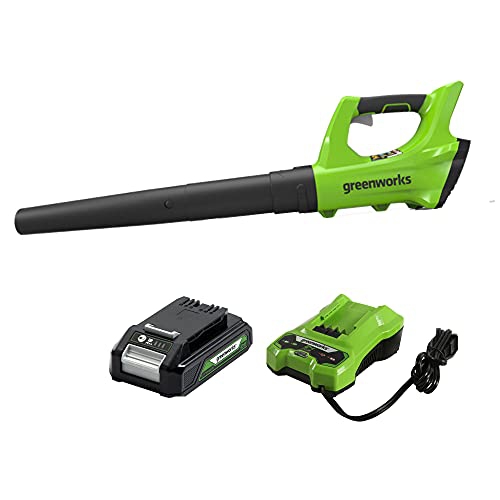
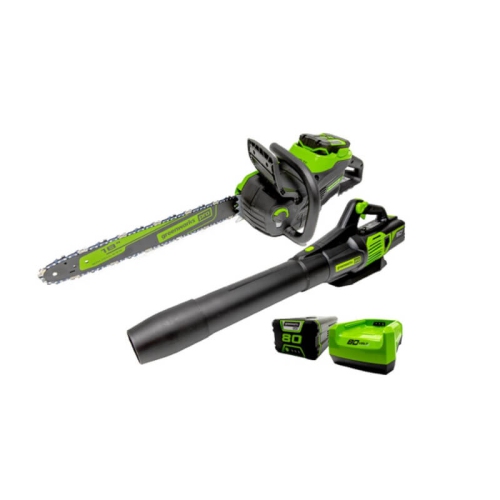
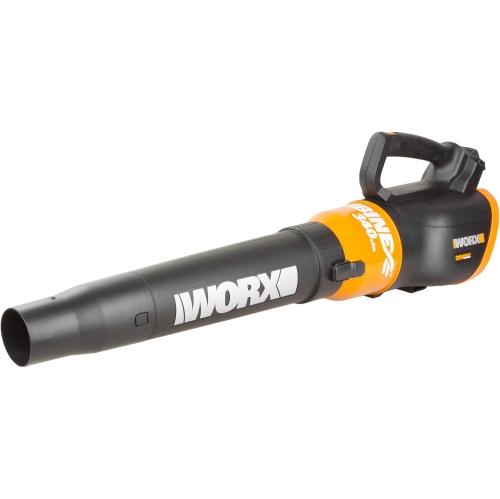
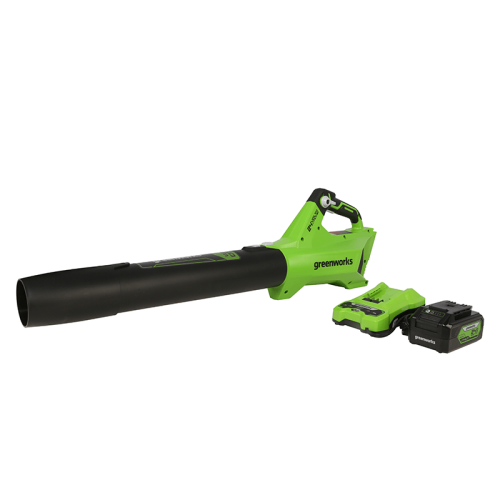
Understand airflow, pressure, sizing, and practical ventilation applications
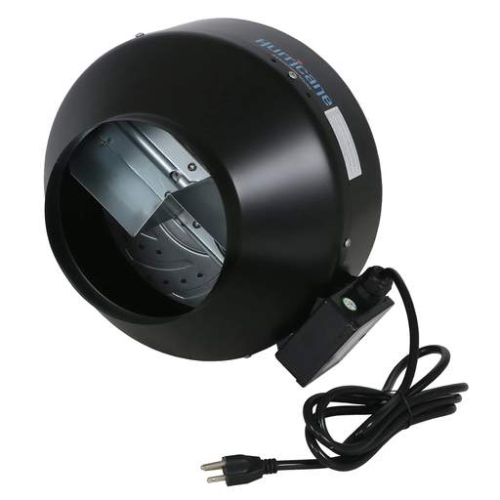
Axial blowers are air-moving devices designed to draw air in and propel it outward in a direction parallel to the rotating shaft. This straight-through airflow makes them well suited to moving large volumes of air across open spaces, through short and relatively unrestricted duct runs, or out of areas that need fresh circulation. Unlike centrifugal blowers, which are generally selected for applications requiring higher pressure against resistance, axial blowers are most effective where high airflow and low static pressure are the priorities. They can help ventilate workshops, garages, warehouses, agricultural buildings, event spaces, utility rooms and other large areas where warm, stale or contaminated air needs to be exchanged. They are also commonly used for space cooling, exhaust ventilation, equipment cooling and structural drying after water-related damage. During the warmer part of the year, an axial blower can help move a noticeable volume of air through a work area, while during cooler months it can assist with clearing condensation, fumes or lingering odours when paired with suitable ventilation. Understanding this basic operating principle is an important starting point when comparing axial blowers with other types of fans. An open propeller-style design typically moves air freely across a broad area, while a tubeaxial blower places the fan assembly inside a cylindrical housing to concentrate airflow through a more defined path. Vaneaxial designs add internal guide vanes that help straighten and direct the air leaving the impeller, which can be useful in more demanding ventilation layouts. For a wider selection of air-moving equipment, explore Blower Fans and compare the form factor, airflow characteristics and intended application of each option.
When choosing an axial blower, begin with the space and the job rather than the appearance of the unit. Airflow is often listed in cubic feet per minute, or CFM, and a higher rating generally indicates that the blower can move more air in an open environment. That rating may change once the air must pass through flexible ducting, screens, filters, bends or other restrictions, so it is helpful to consider the complete path between the intake and discharge. A blower intended to ventilate an open workshop may not be the right choice for pushing air through a long, narrow duct, and a model selected for a short exhaust run may not provide the pressure required for a complex system. Check the fan diameter, housing style and outlet dimensions to make sure they suit the available installation area and any duct accessories. Portability can be equally important for restoration crews, contractors and homeowners who need to move equipment from room to room. Handles, wheels and a manageable overall weight can make a difference when positioning a blower on a damp floor, in a crawlspace entrance or near a large open doorway. For more permanent use, consider mounting options, the direction of discharge and whether the unit can be integrated into an existing ventilation arrangement. A direct-drive design connects the impeller directly to the motor shaft, which can create a compact assembly with fewer mechanical components, while other configurations may use different motor and drive arrangements to suit the application. Motor power, operating voltage and plug requirements should be checked before purchase, particularly for commercial or industrial settings. Controls such as multiple speed settings can make it easier to balance air movement with noise and comfort, while a thermal protection feature may provide added reassurance during extended operation. The surrounding environment matters as well: a blower used around dust, moisture, fumes or construction debris should be selected according to the manufacturer’s stated operating conditions, and it should never be used where the motor or electrical components are exposed to incompatible substances.
Axial blowers are practical choices for people who need dependable air movement during hands-on work. A renovation contractor may use one to improve circulation while applying finishes or to direct fresh air through a work zone, provided the blower is suitable for the materials and ventilation plan. A property manager may keep one available for clearing warm air from a mechanical room or improving circulation in a large storage area. Restoration professionals often position several units to encourage air exchange and help wet carpets, flooring or structural materials dry more evenly; the exact setup depends on the affected materials, moisture level and guidance from the restoration team. In a workshop or garage, an axial blower can direct air across a broad space without taking up the room that a large permanent ventilation system would require. It can also support cooling around certain equipment enclosures or heat-producing work areas when the airflow path and operating conditions are appropriate. For occasional household use, a compact model may be useful for airing out a basement, moving air through a hobby room or assisting with general circulation during a project. These units are less conventional as gifts than small household appliances, but they can be thoughtful and practical for someone setting up a workshop, managing rental properties, operating a small business or building a serious home improvement toolkit. Safety should remain part of every purchase decision and setup: keep intake and discharge openings clear, place the blower on a stable surface, protect cords from water and traffic, and follow the manufacturer’s instructions for cleaning, positioning and continuous operation. Axial blowers are designed to move air, not to replace certified exhaust systems or address hazardous fumes without proper controls. Matching the airflow rating, static-pressure capability, size, power requirements and construction to the task will help ensure the blower performs as expected, whether it is used for ventilation, cooling, exhaust or drying.
When choosing an axial blower, begin with the space and the job rather than the appearance of the unit. Airflow is often listed in cubic feet per minute, or CFM, and a higher rating generally indicates that the blower can move more air in an open environment. That rating may change once the air must pass through flexible ducting, screens, filters, bends or other restrictions, so it is helpful to consider the complete path between the intake and discharge. A blower intended to ventilate an open workshop may not be the right choice for pushing air through a long, narrow duct, and a model selected for a short exhaust run may not provide the pressure required for a complex system. Check the fan diameter, housing style and outlet dimensions to make sure they suit the available installation area and any duct accessories. Portability can be equally important for restoration crews, contractors and homeowners who need to move equipment from room to room. Handles, wheels and a manageable overall weight can make a difference when positioning a blower on a damp floor, in a crawlspace entrance or near a large open doorway. For more permanent use, consider mounting options, the direction of discharge and whether the unit can be integrated into an existing ventilation arrangement. A direct-drive design connects the impeller directly to the motor shaft, which can create a compact assembly with fewer mechanical components, while other configurations may use different motor and drive arrangements to suit the application. Motor power, operating voltage and plug requirements should be checked before purchase, particularly for commercial or industrial settings. Controls such as multiple speed settings can make it easier to balance air movement with noise and comfort, while a thermal protection feature may provide added reassurance during extended operation. The surrounding environment matters as well: a blower used around dust, moisture, fumes or construction debris should be selected according to the manufacturer’s stated operating conditions, and it should never be used where the motor or electrical components are exposed to incompatible substances.
Axial blowers are practical choices for people who need dependable air movement during hands-on work. A renovation contractor may use one to improve circulation while applying finishes or to direct fresh air through a work zone, provided the blower is suitable for the materials and ventilation plan. A property manager may keep one available for clearing warm air from a mechanical room or improving circulation in a large storage area. Restoration professionals often position several units to encourage air exchange and help wet carpets, flooring or structural materials dry more evenly; the exact setup depends on the affected materials, moisture level and guidance from the restoration team. In a workshop or garage, an axial blower can direct air across a broad space without taking up the room that a large permanent ventilation system would require. It can also support cooling around certain equipment enclosures or heat-producing work areas when the airflow path and operating conditions are appropriate. For occasional household use, a compact model may be useful for airing out a basement, moving air through a hobby room or assisting with general circulation during a project. These units are less conventional as gifts than small household appliances, but they can be thoughtful and practical for someone setting up a workshop, managing rental properties, operating a small business or building a serious home improvement toolkit. Safety should remain part of every purchase decision and setup: keep intake and discharge openings clear, place the blower on a stable surface, protect cords from water and traffic, and follow the manufacturer’s instructions for cleaning, positioning and continuous operation. Axial blowers are designed to move air, not to replace certified exhaust systems or address hazardous fumes without proper controls. Matching the airflow rating, static-pressure capability, size, power requirements and construction to the task will help ensure the blower performs as expected, whether it is used for ventilation, cooling, exhaust or drying.
Top selling and popular products
-
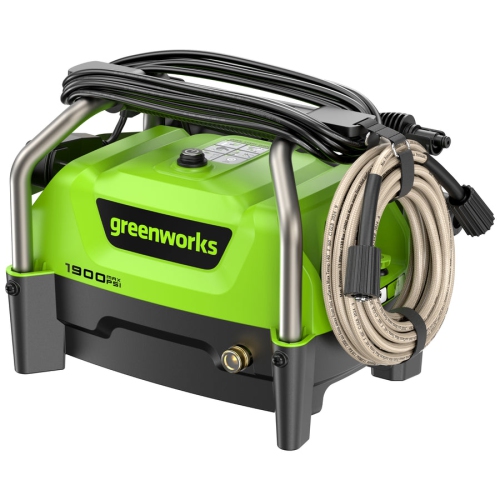 Your price for this item is $219.99
 -
 Your price for this item is $839.99
 -
 Your price for this item is $939.99
 -
 Your price for this item is $459.99
 -
 Your price for this item is $539.99
 -
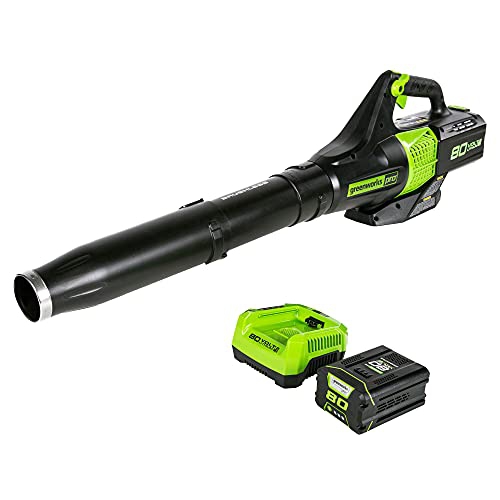 Your price for this item is $289.99
 -
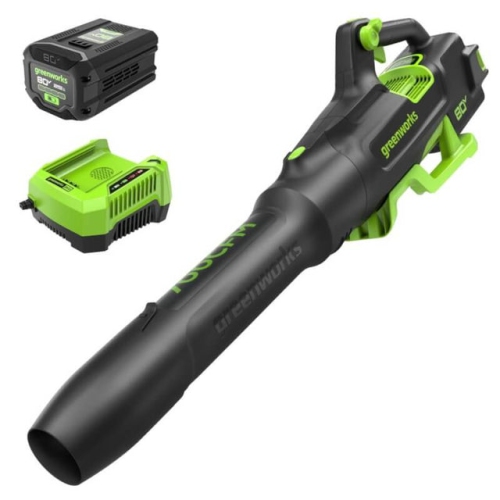 Your price for this item is $272
 -
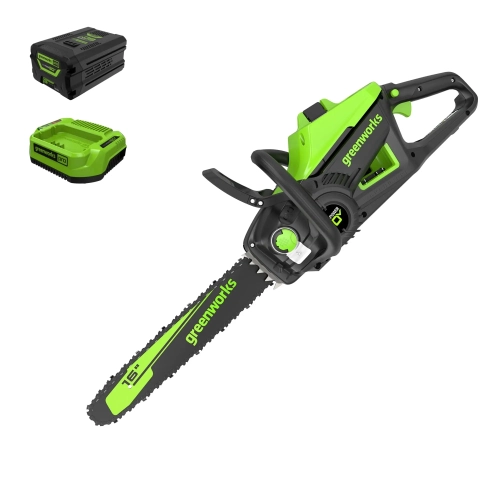 Your price for this item is $339.99
Discover more categories related to Axial Blowers
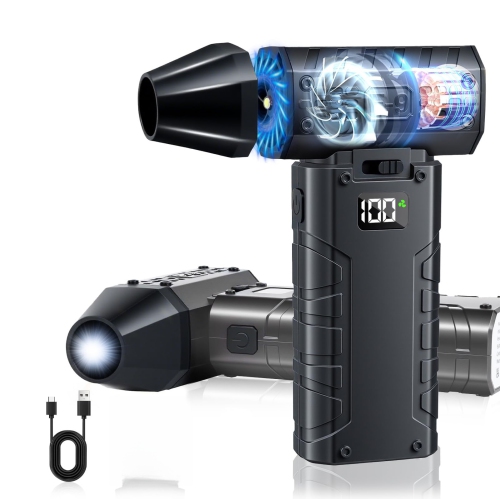
Top Collections:
Pokemon Centers, Best Cameras for Sports Photography, Kindle Devices, Samsung Galaxy Phones, Canon G7X Cameras, Pokémon 30th Celebration Cards, Refurbished Apple Laptops, iPhone 15 Apple, Laptops for Students, Budget Smartphones
Some products may be subject to Environmental Handling Fees
(EHF) depending on your province.
Learn more about EHFs.