Kids Chairs
Looking for the perfect seating solution for your little ones? Our selection of kids' chairs offers a variety of styles, sizes, and colors to suit any child's personality and any room decor. From cozy and plush options to sturdy and durable designs, these chairs are not only comfortable but also functional for activities like reading, playing, or simply relaxing. Explore our collection of kids' chairs to find the ideal addition to your child's space that combines comfort, style, and fun!
Sort
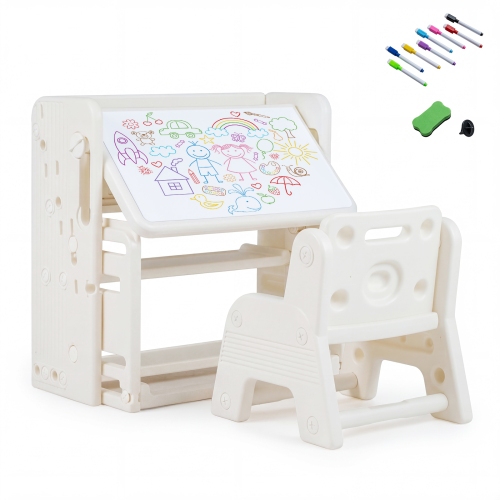
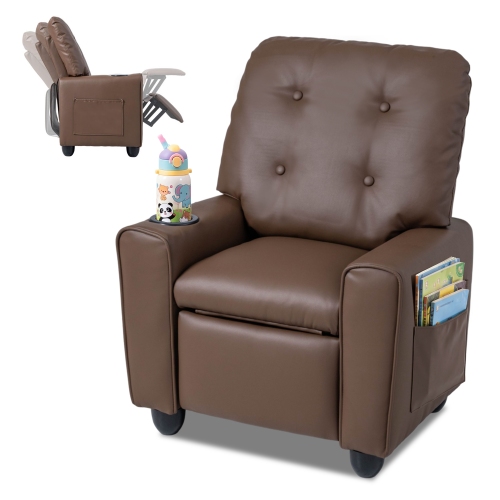
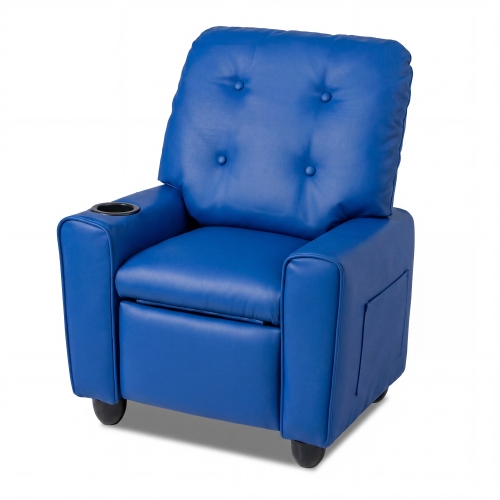
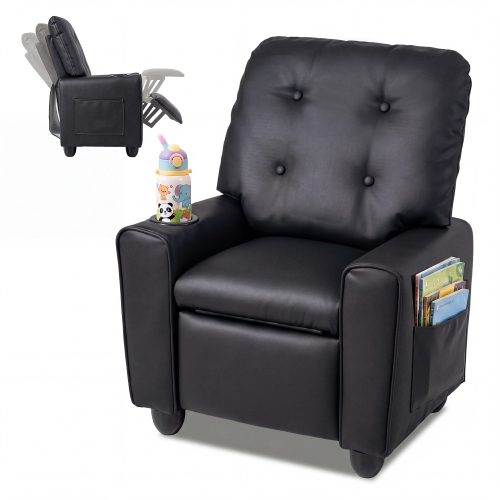


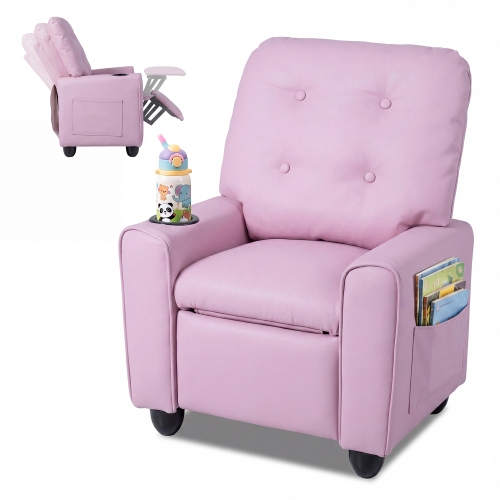

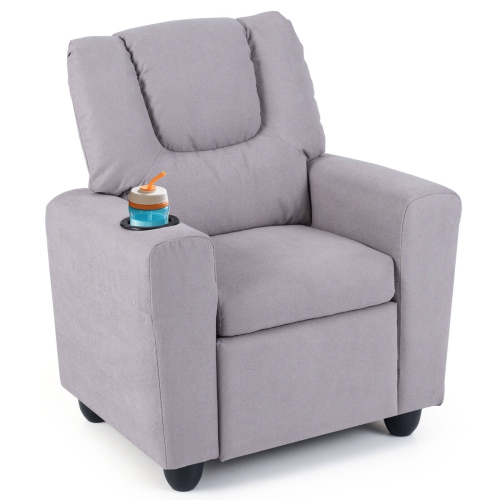


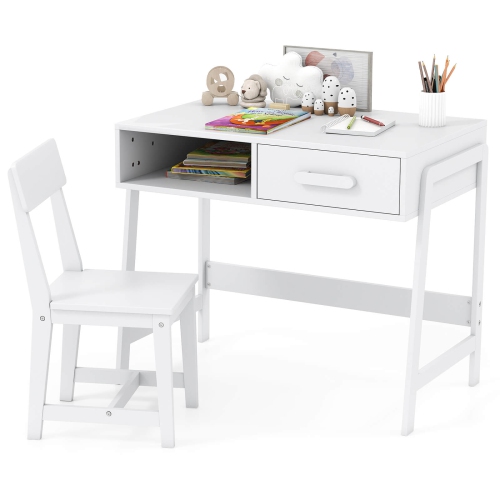
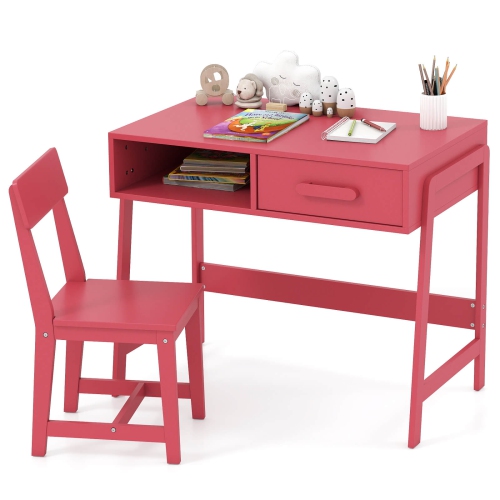




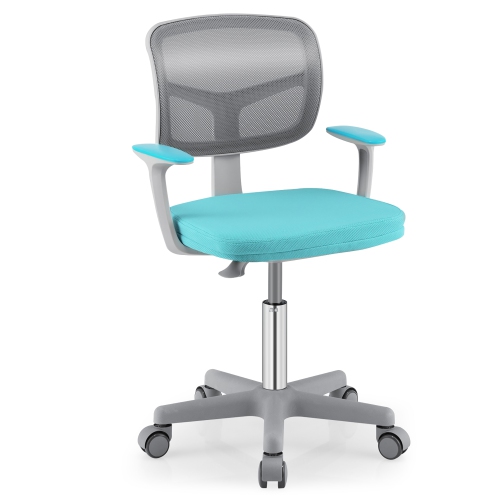
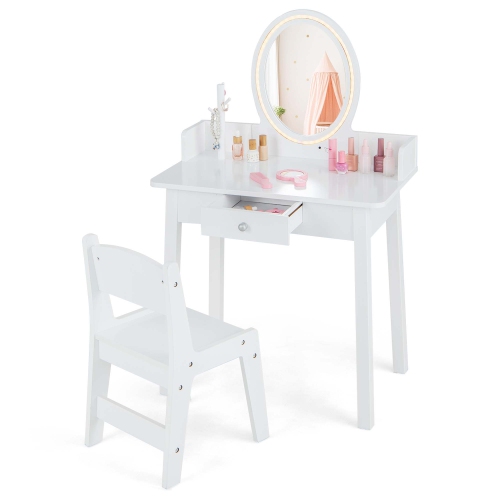

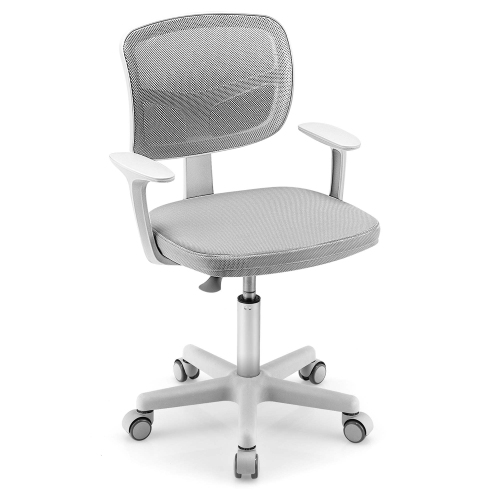
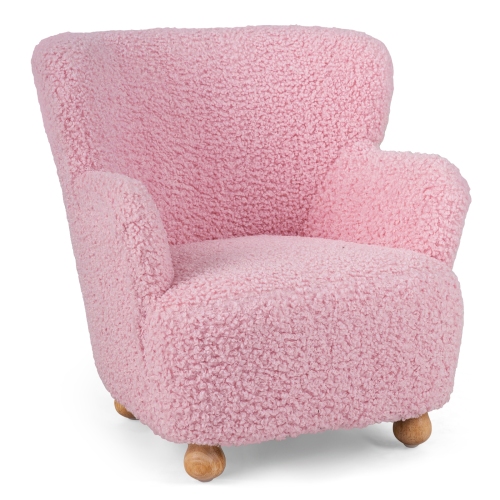











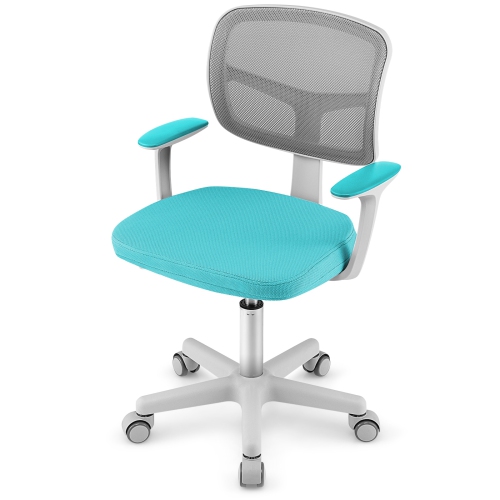
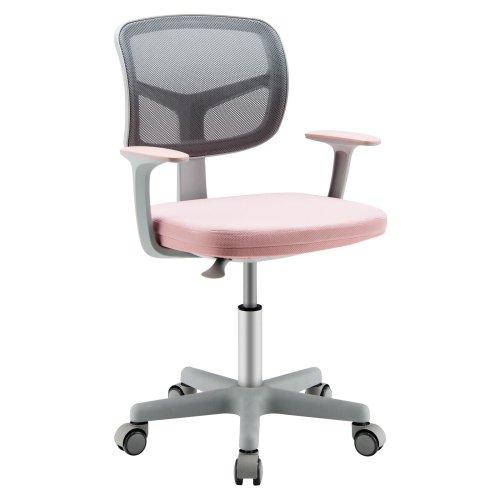

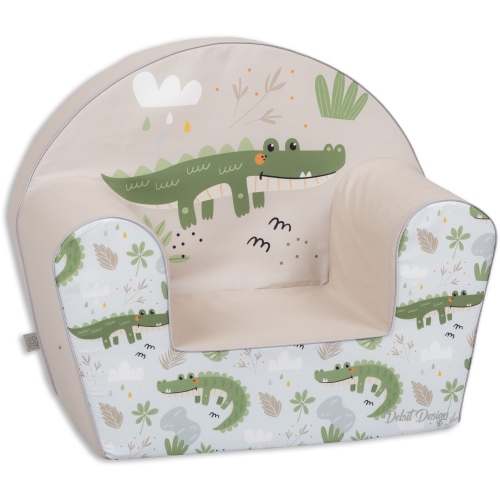


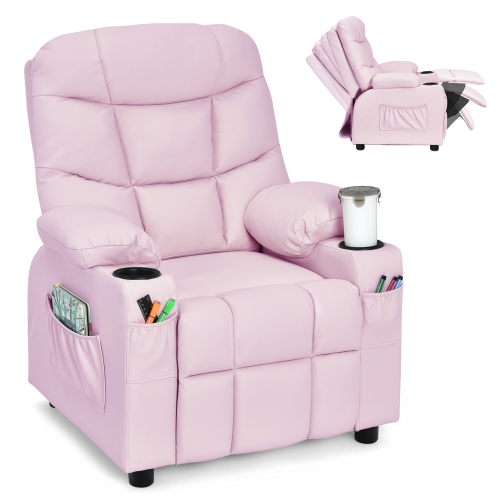


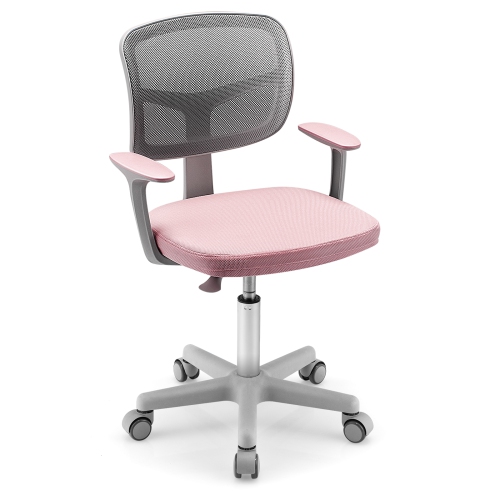

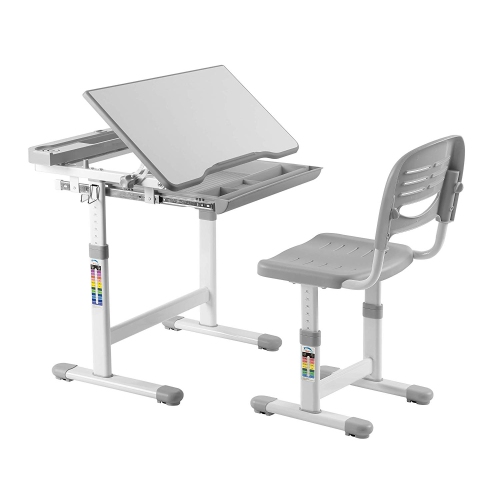



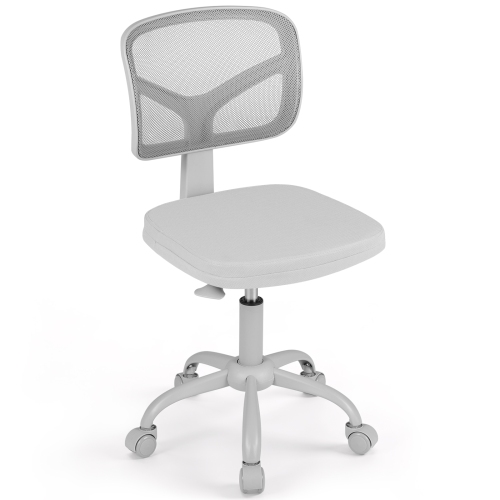
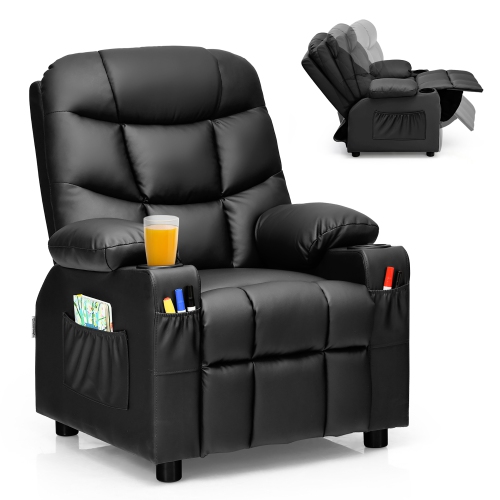


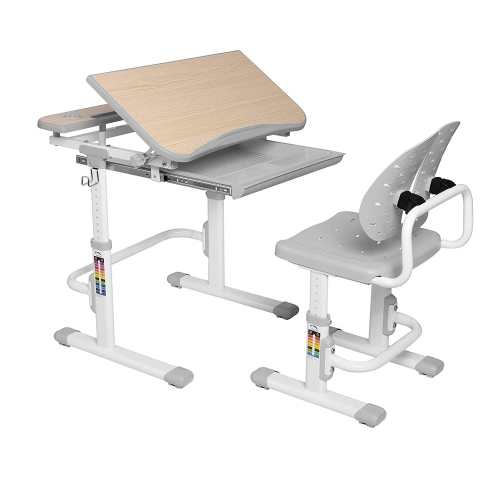


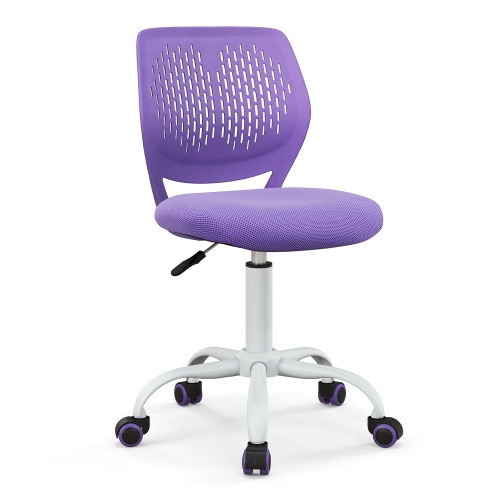


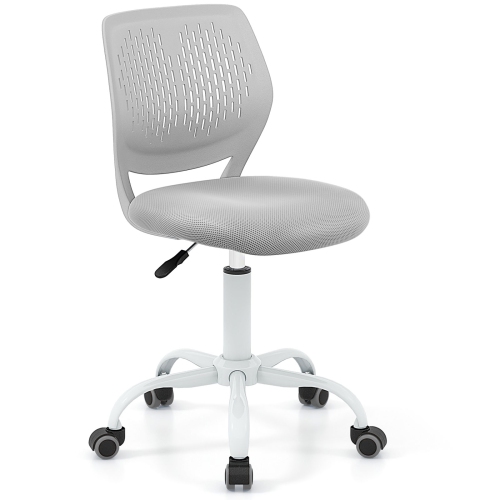
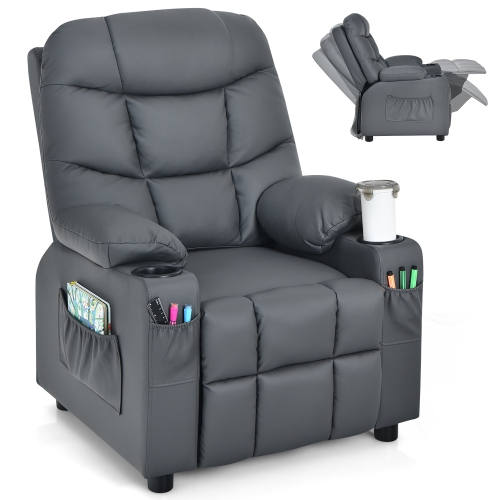

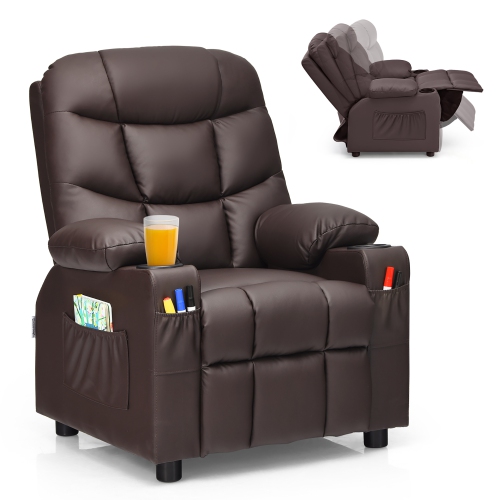
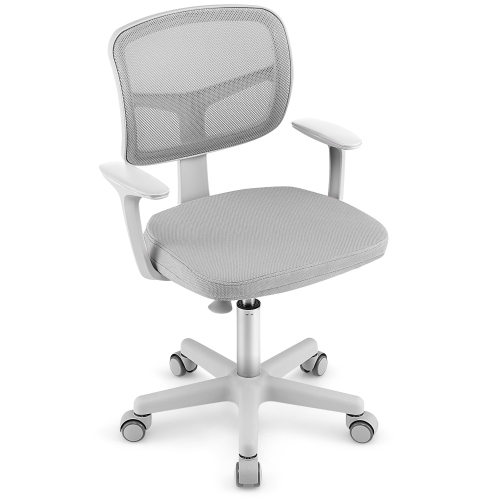

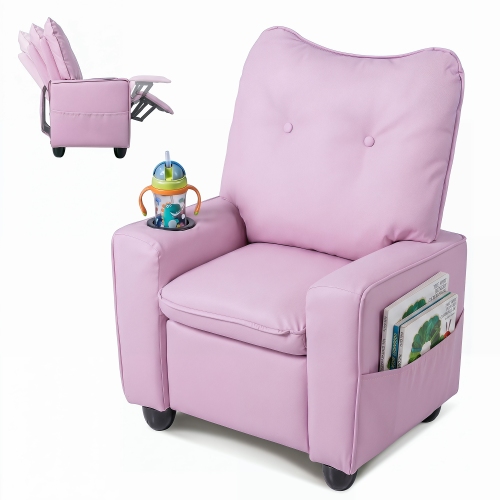
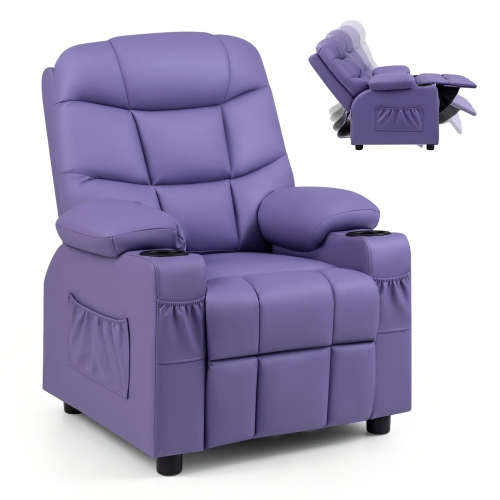


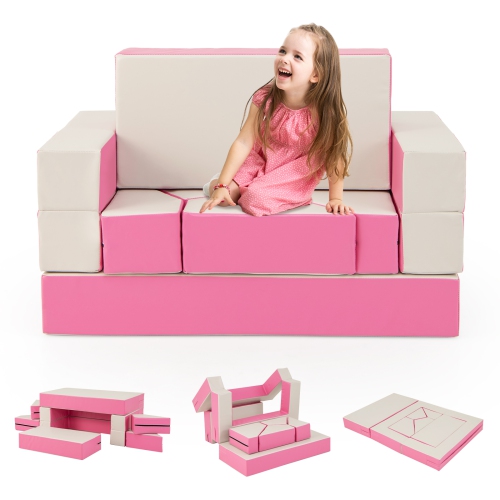


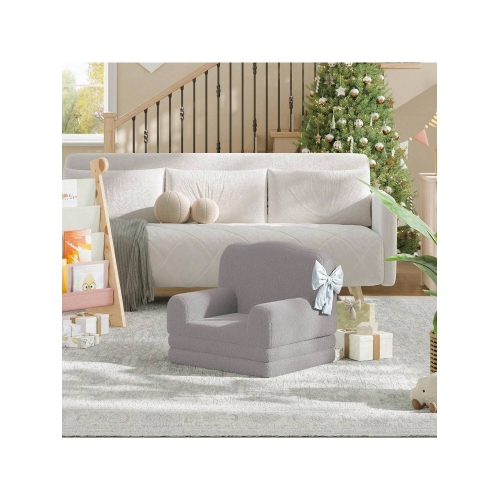
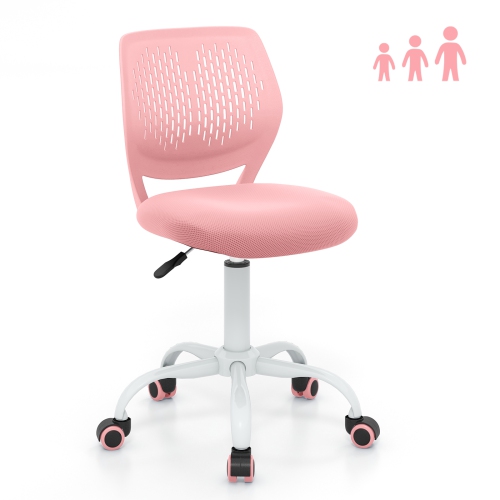








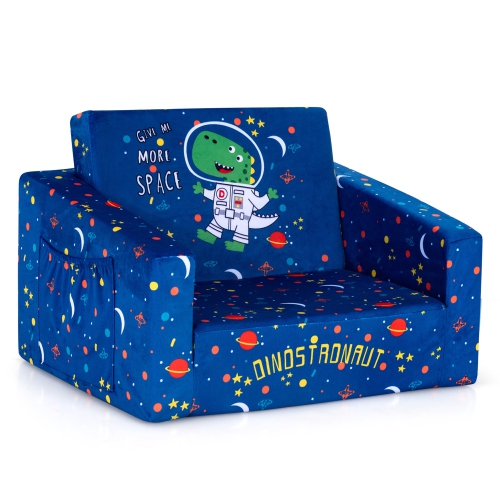


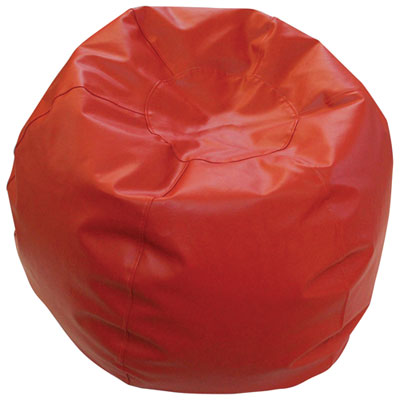


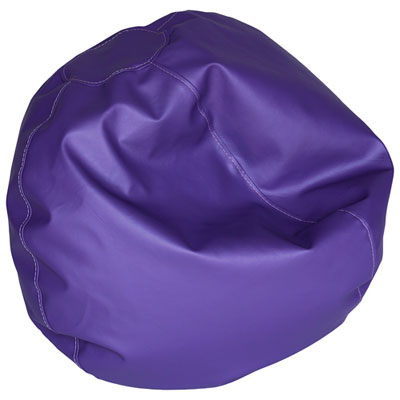


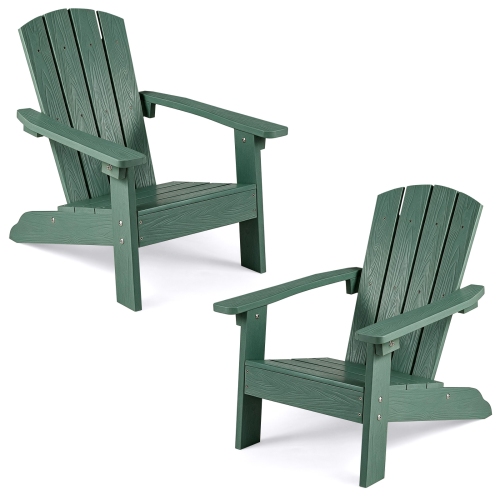
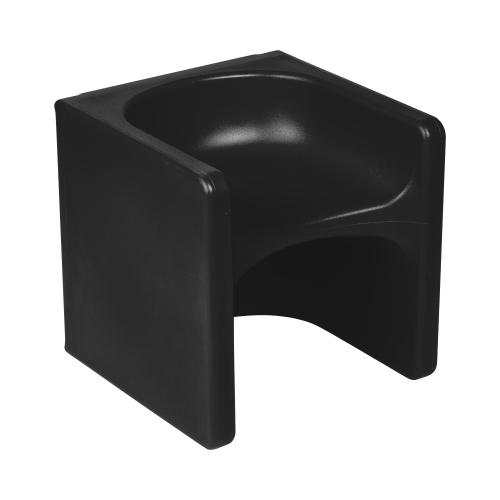

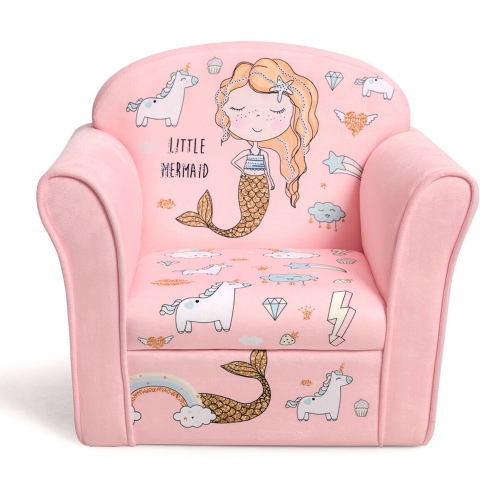
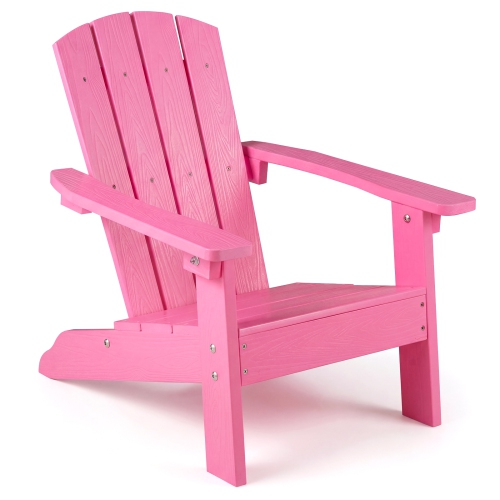


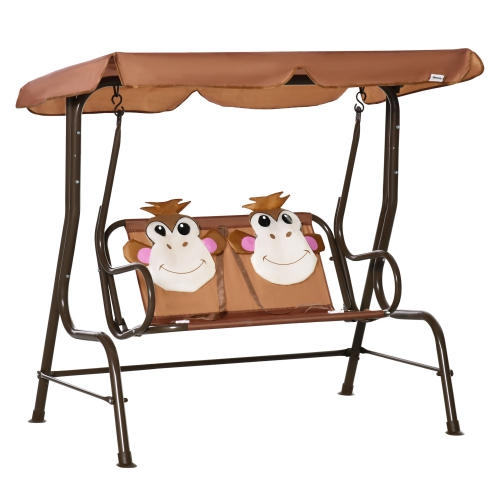
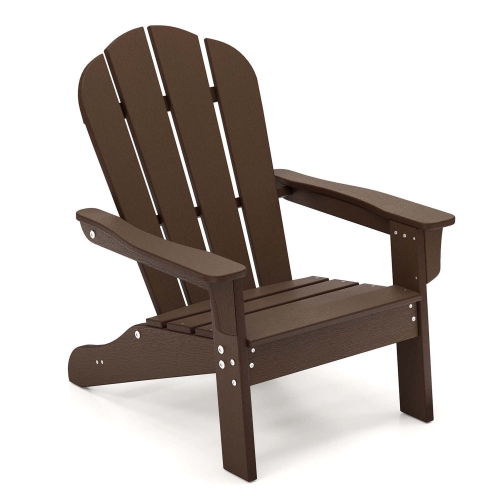
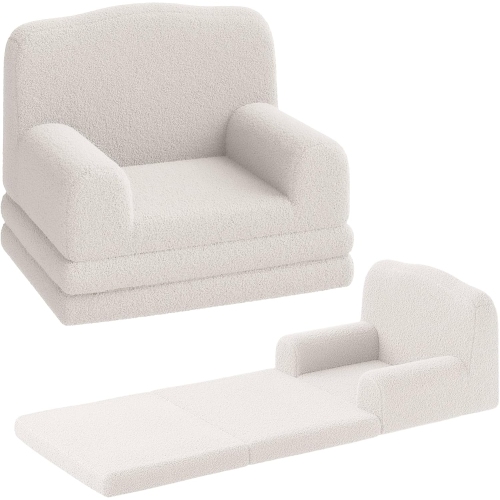
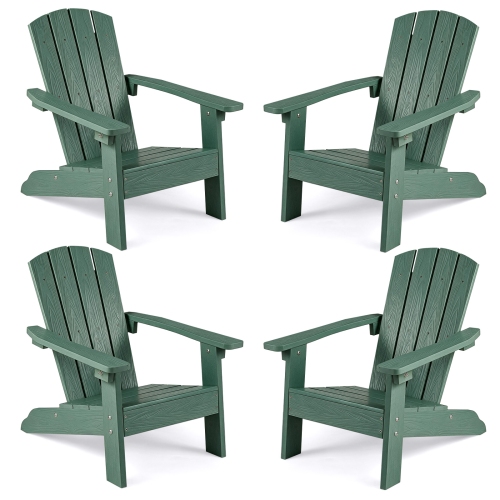


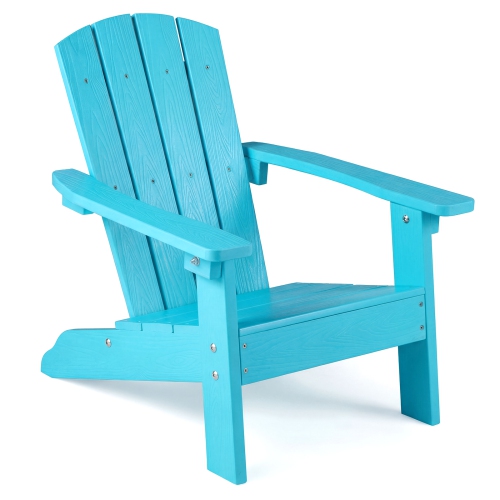
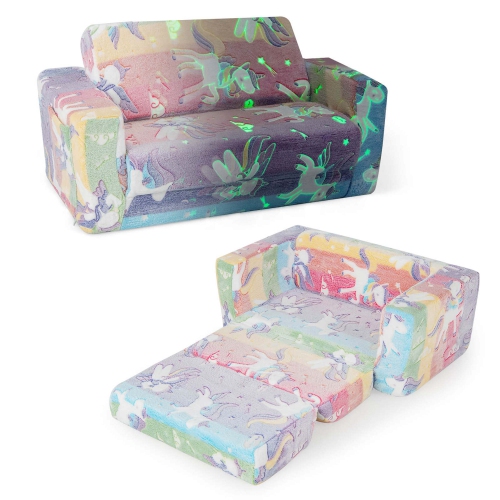
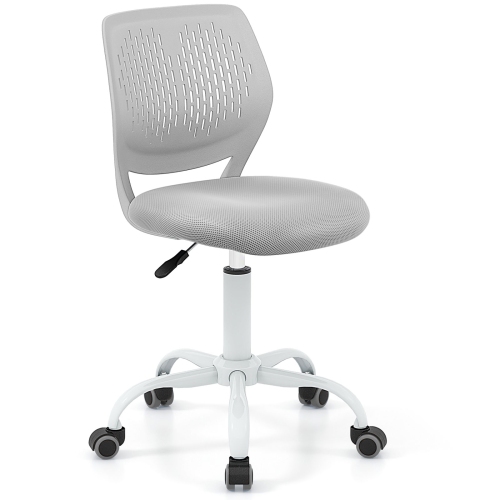
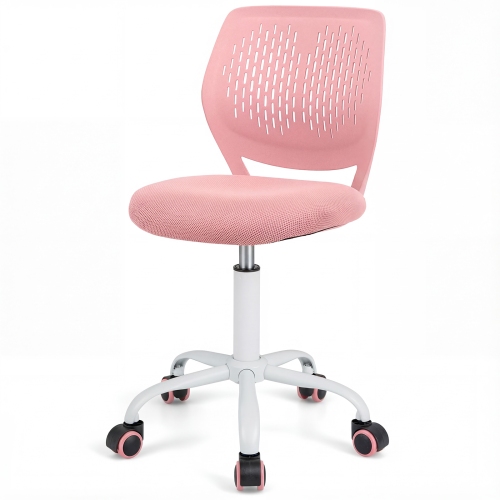
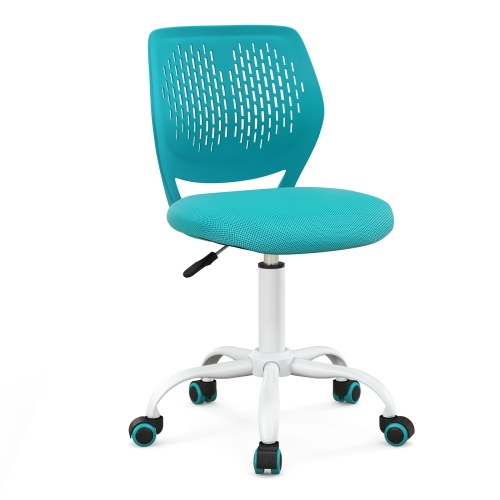
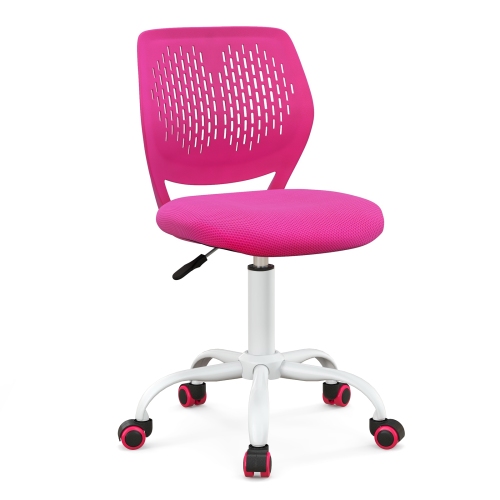


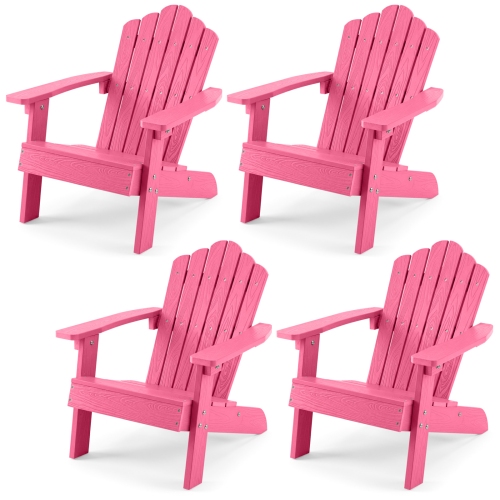
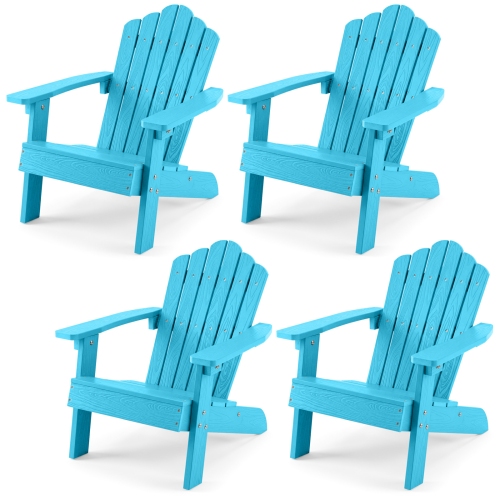
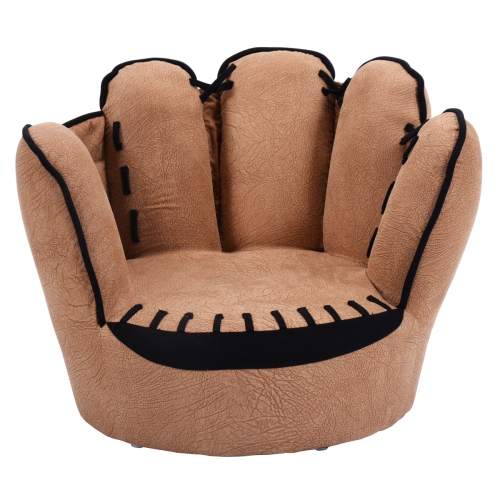
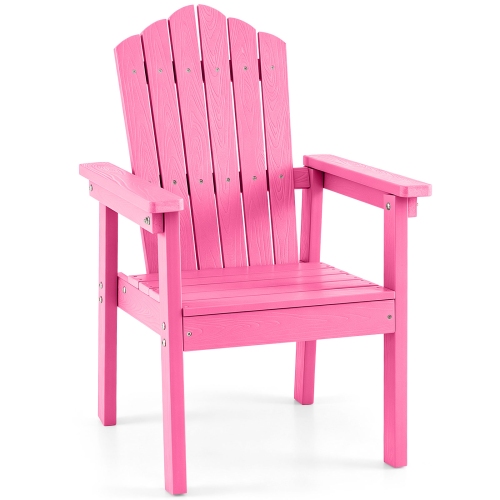
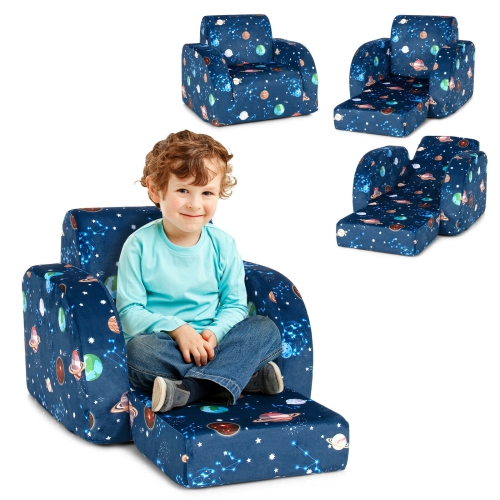
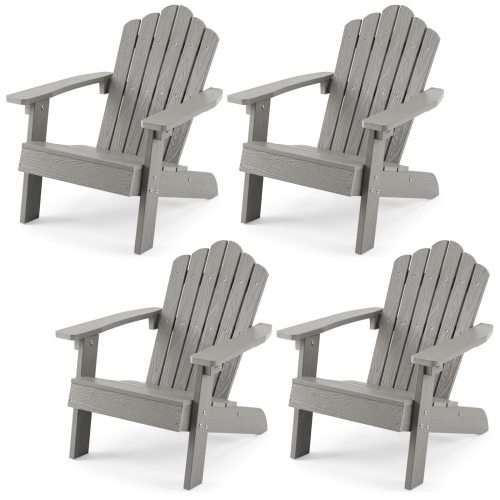

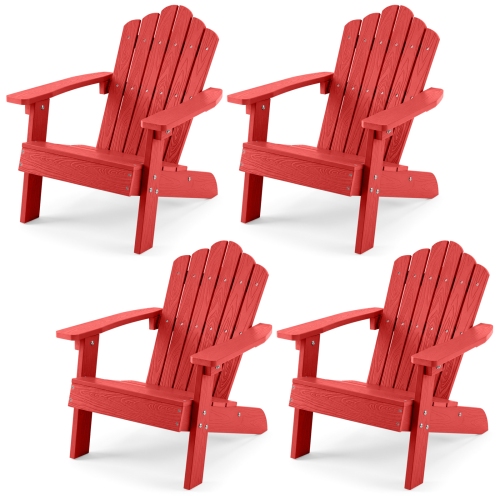


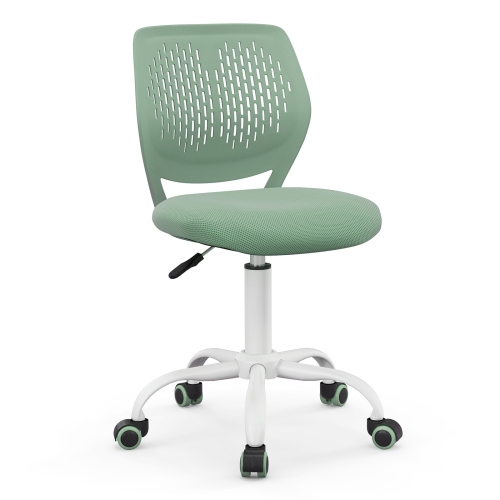
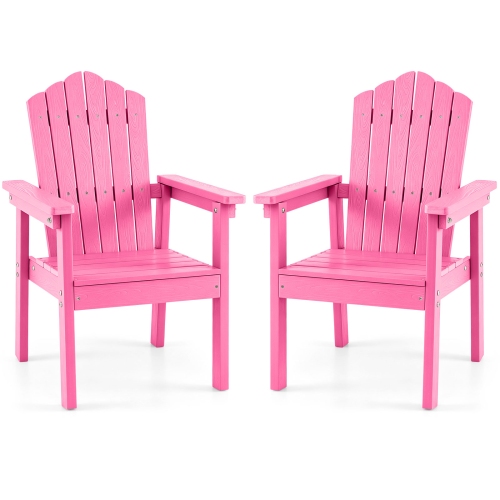
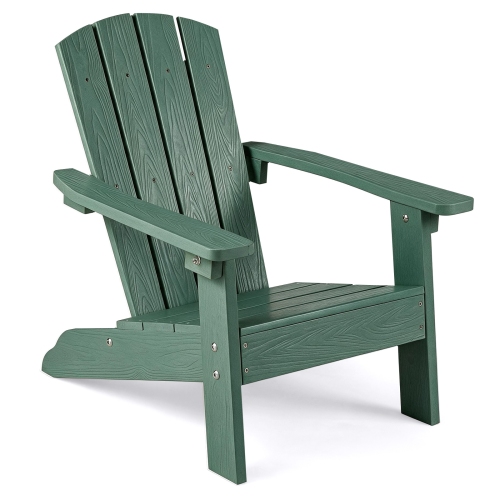

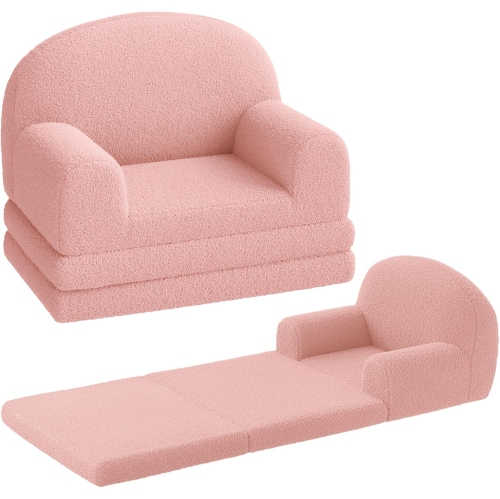
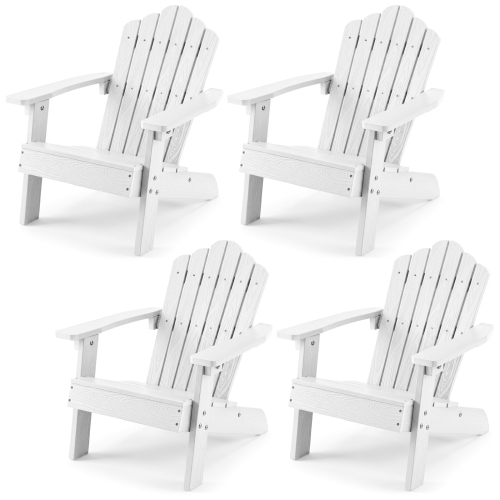

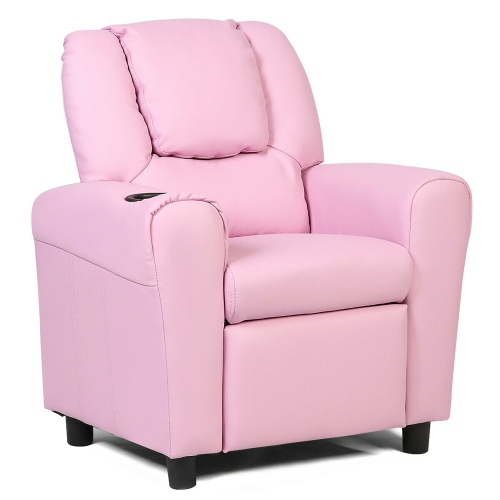
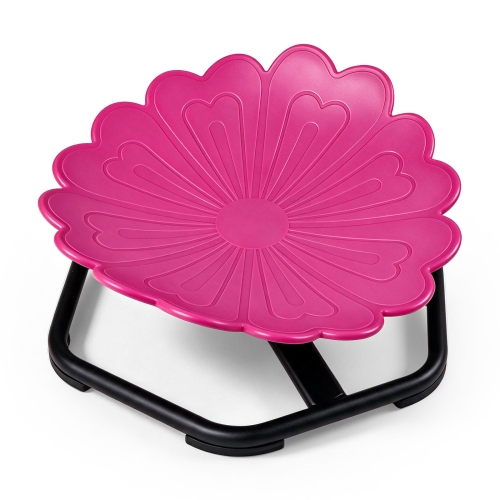
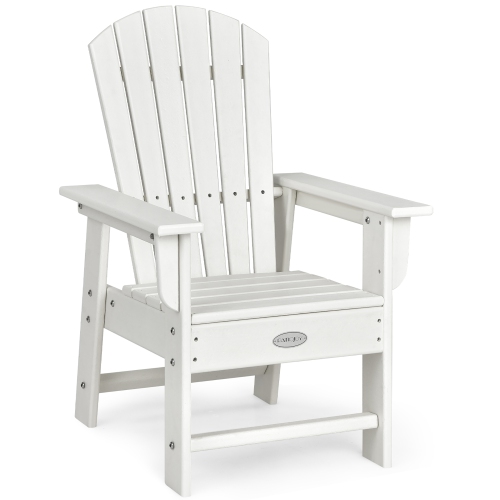
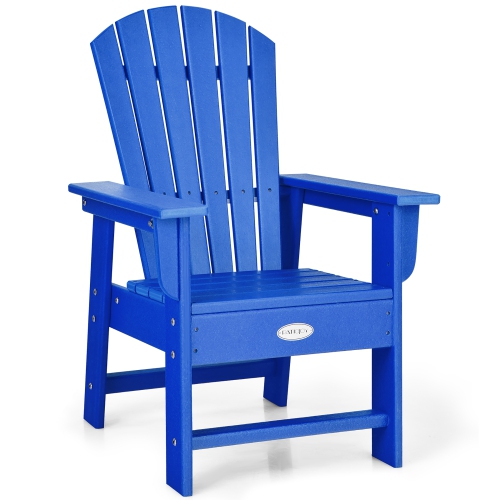
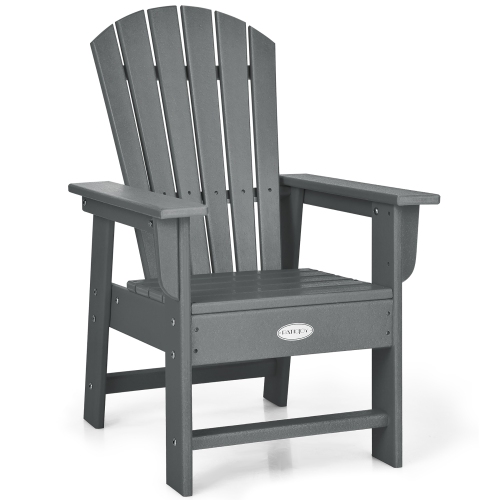

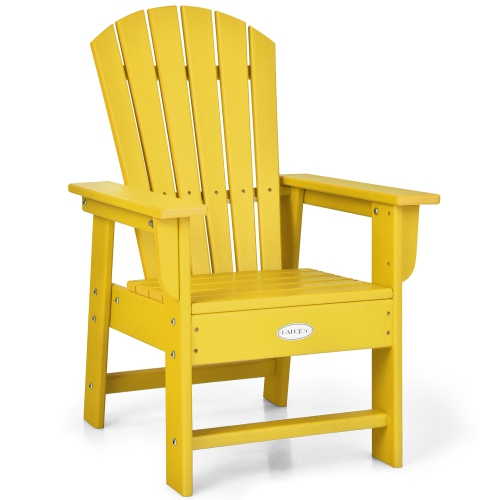

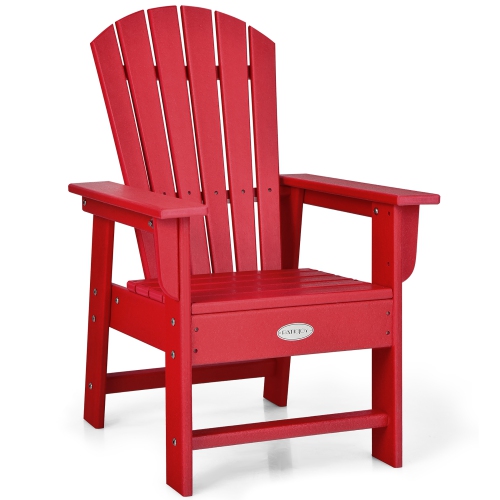

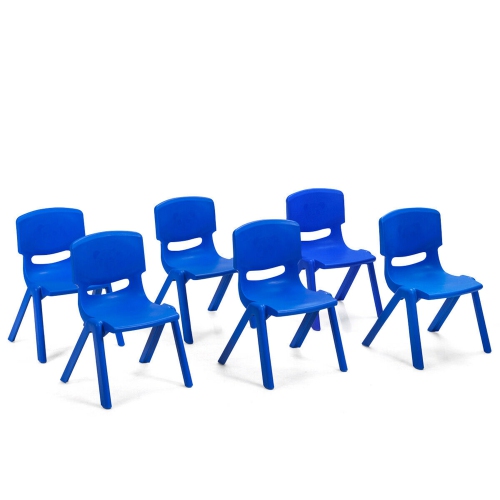

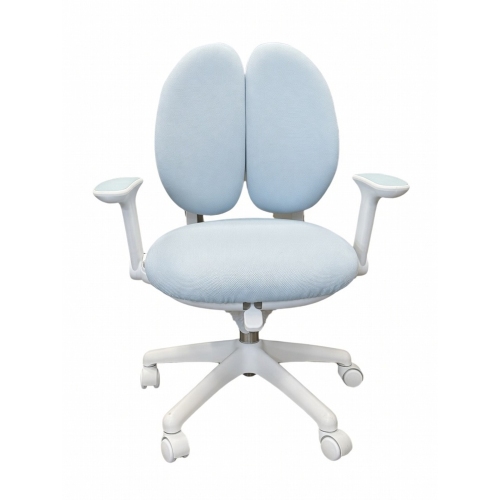

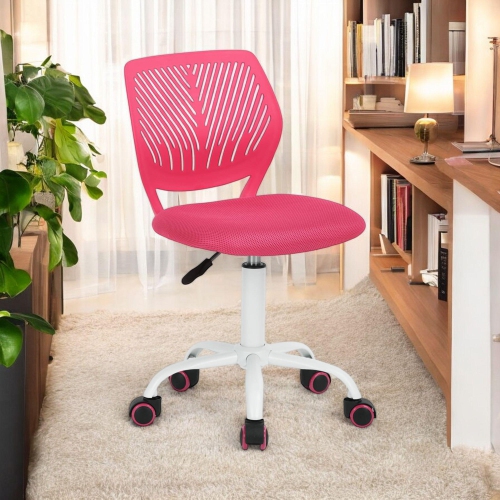
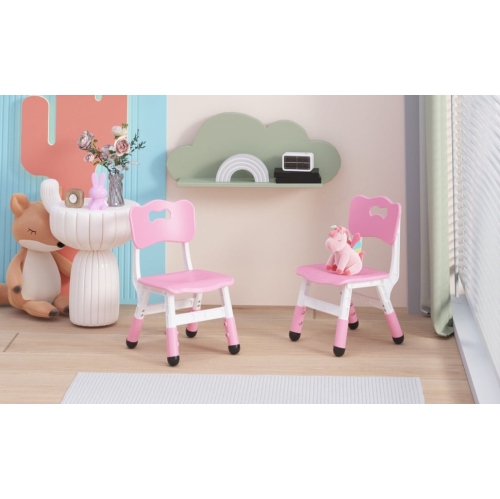
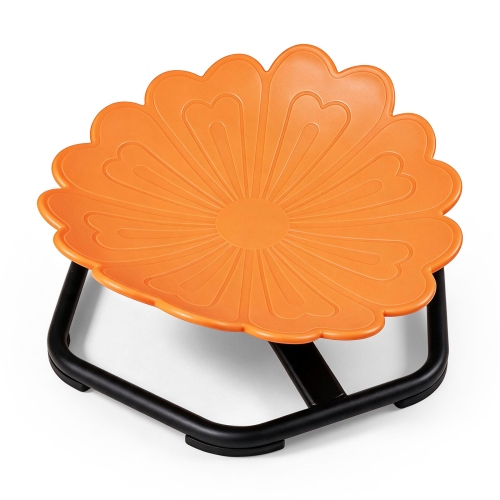

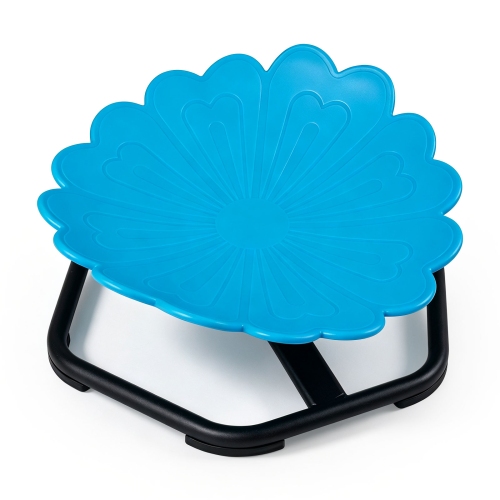


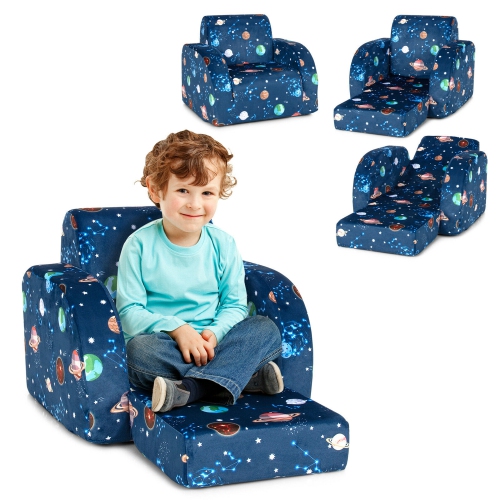
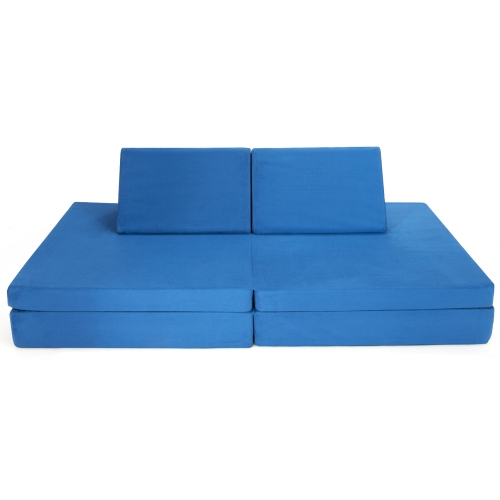

The right seat for little feet and everyday activities
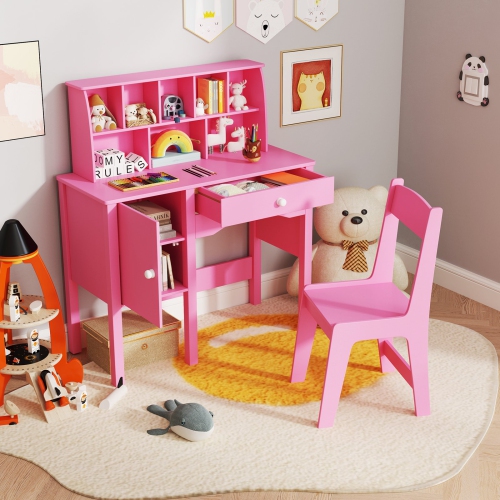
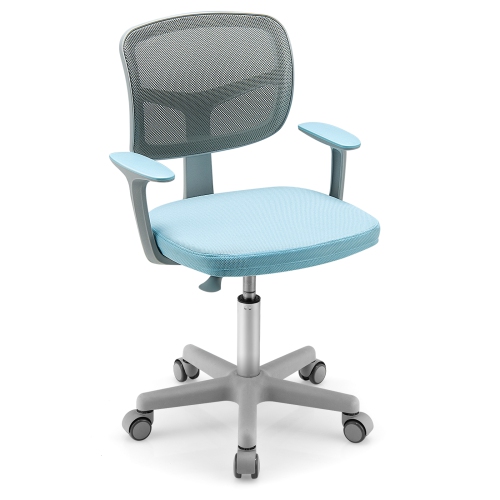
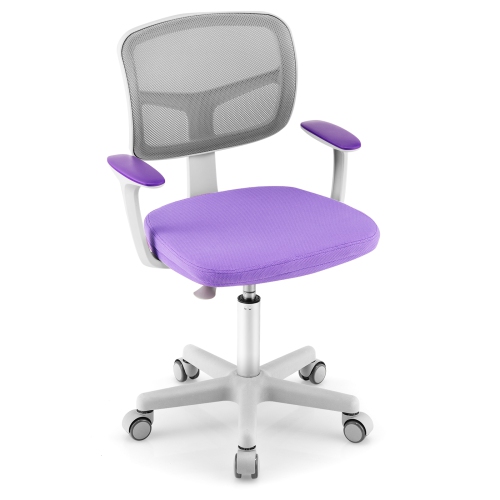
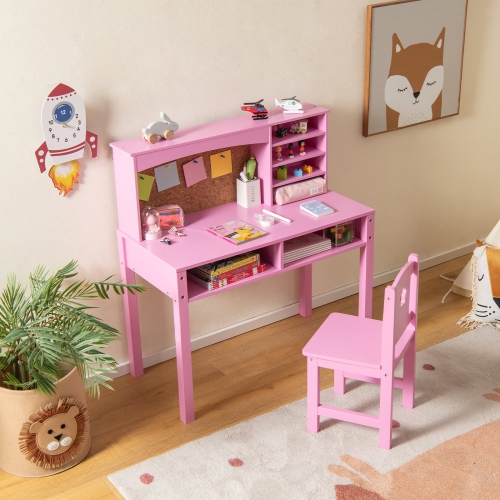
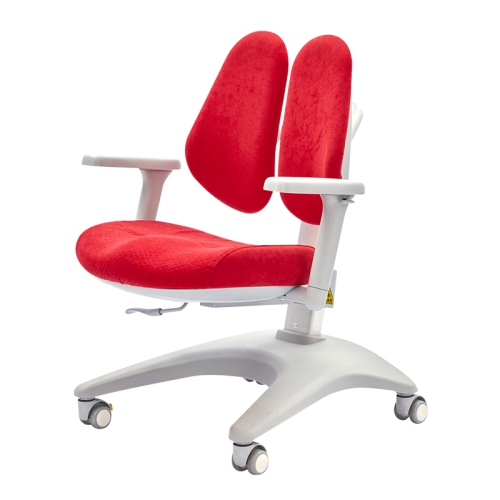
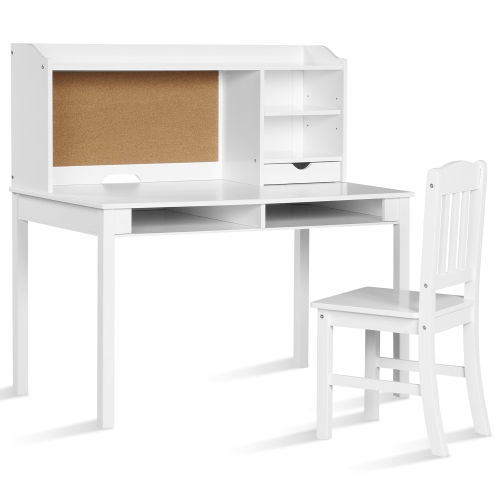
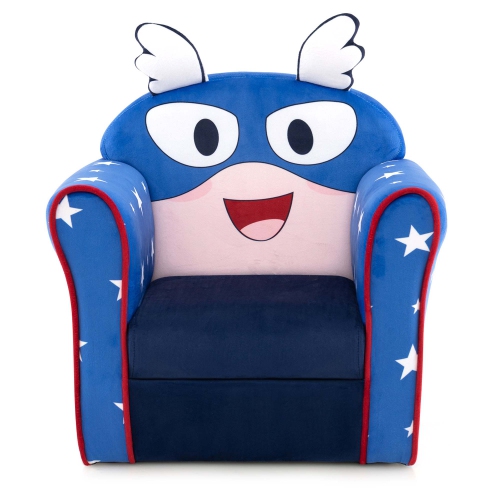
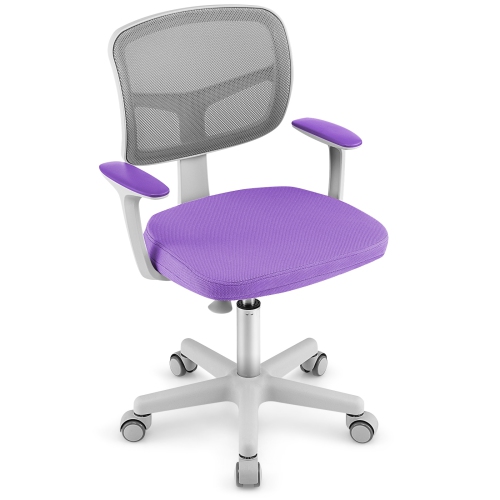
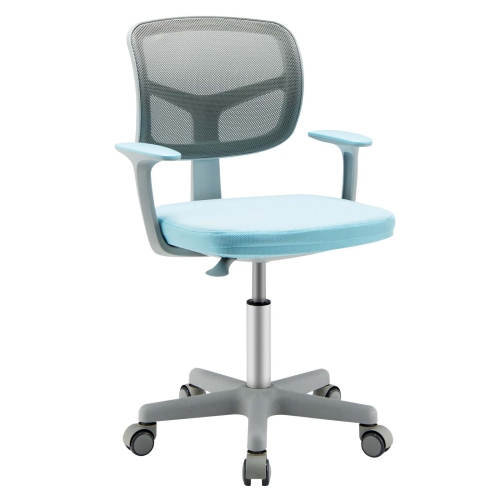
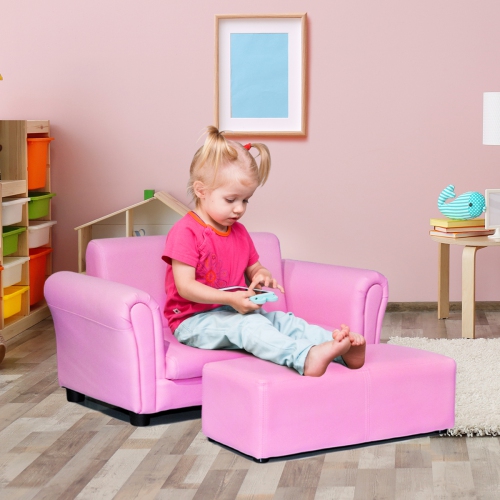
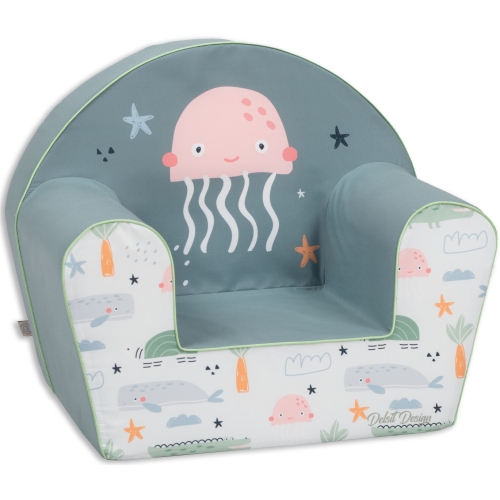
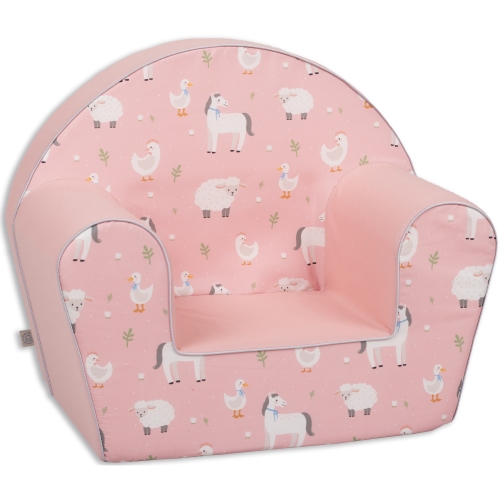
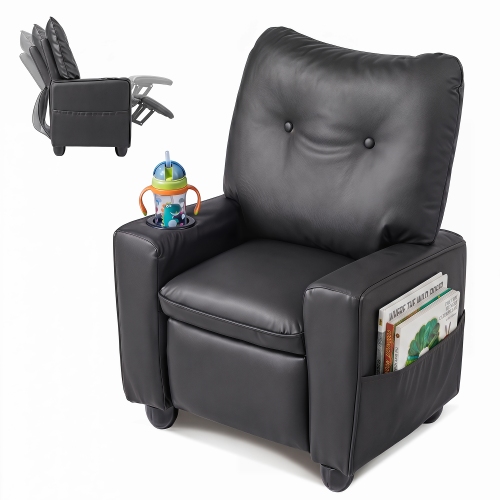
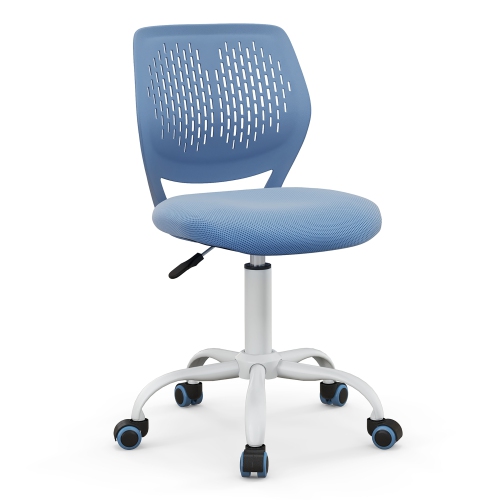
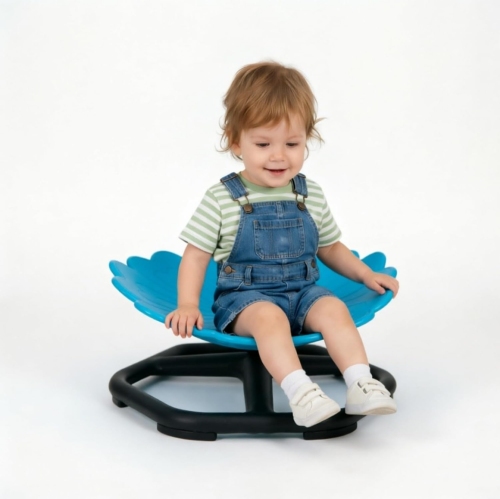
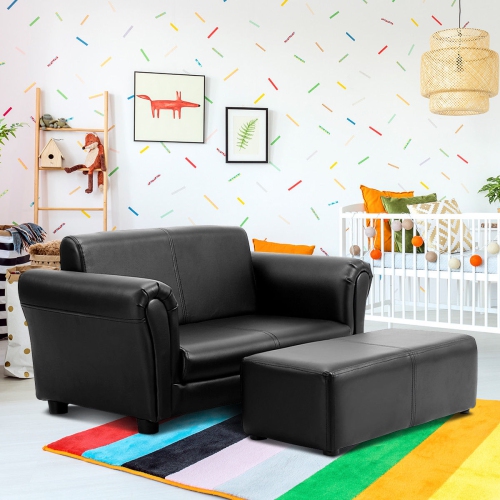
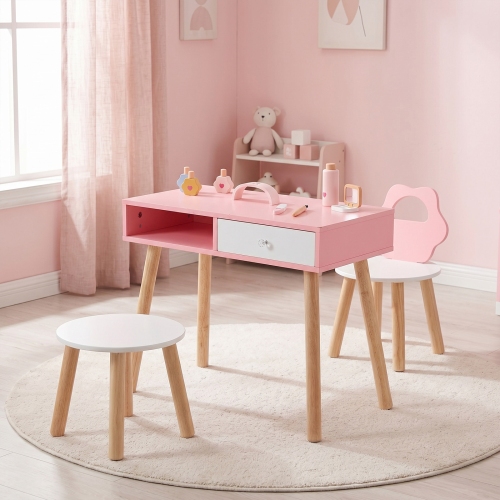
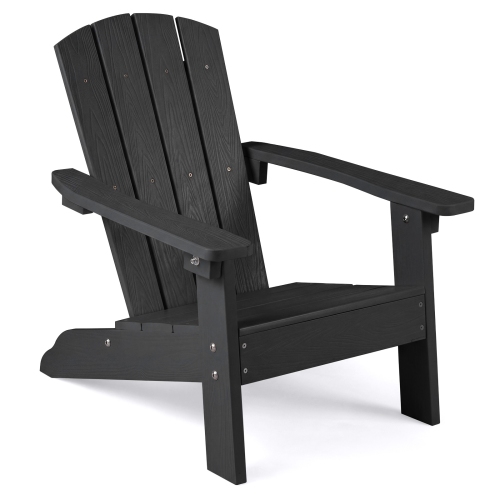
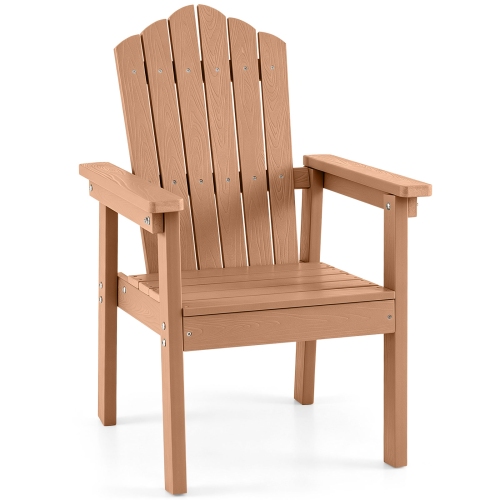
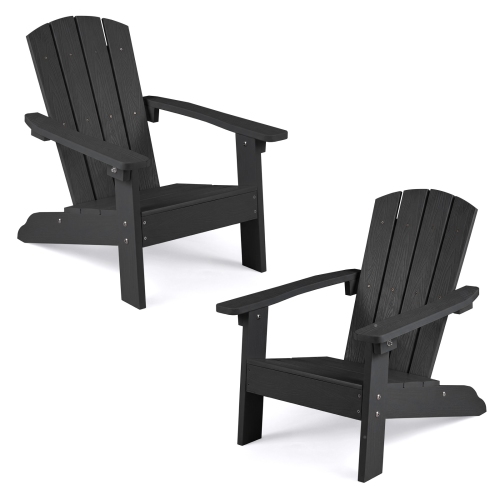
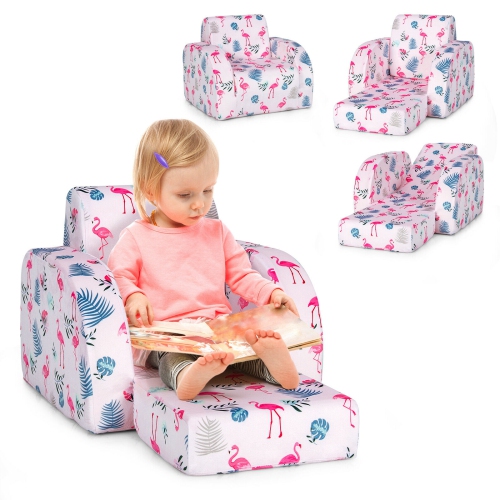
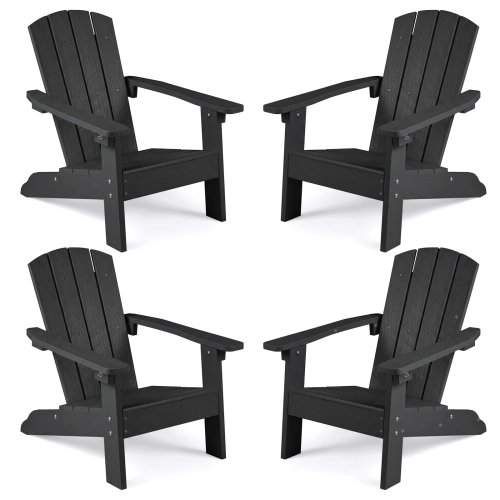
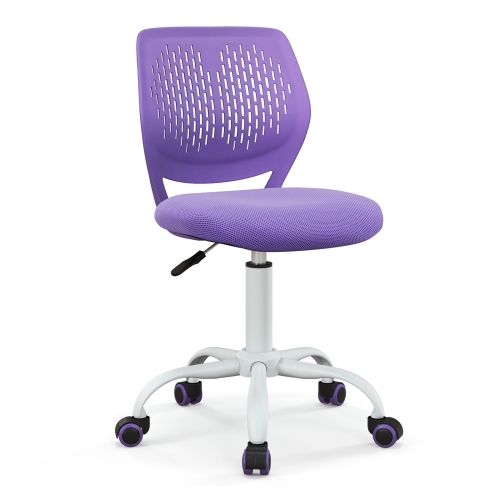
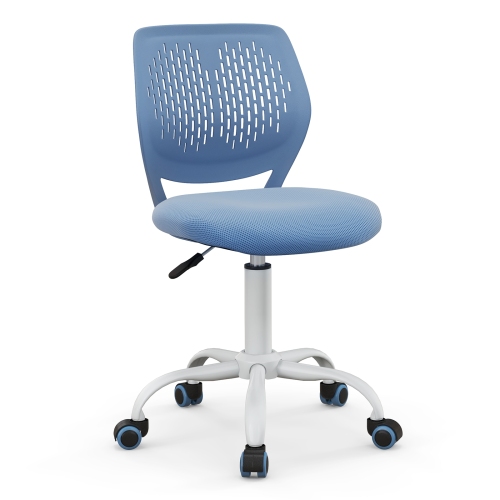
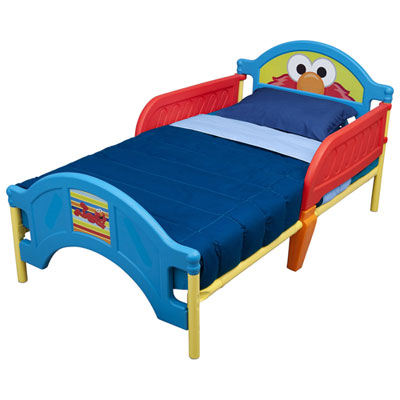
Kids’ chairs are child-sized seats designed for activities such as drawing, reading, doing puzzles, and relaxing in a playroom or bedroom. Common styles include upright wooden chairs for activity tables, lightweight plastic seats for everyday play, cushioned armchairs for reading corners, and soft foam loungers for quieter moments. The most useful shape depends on how a child will spend time in it: a firm, upright seat suits colouring and building at a table, while a padded chair with a supportive back offers a comfortable spot to settle with a picture book. Size matters more than a miniature version of an adult design. For seated table activities, a suitable chair lets a child sit with their feet supported, knees comfortably bent, and enough room between their thighs and the tabletop. A seat that is too deep can make it difficult to sit back without sliding forward, while a chair that is too tall may leave feet dangling. Seat height, seat depth, overall width, and the manufacturer’s age and weight recommendations provide a clearer picture of fit than appearance alone. Toddlers who are learning to sit down independently have different needs from school-aged children using a craft table, so one size may not suit every sibling. Armrests can give a chair a snug feel, but they also need clearance beneath a table if the seat is meant to tuck away. A broad, stable base and smooth edges are practical details for spaces where children move between floor play and seated activities. Kids’ seating also has a place beyond a dedicated playroom: a small chair beside the family bookshelf or near a shared activity table can give a child a spot of their own without taking over the room. For households comparing seating for compact spaces, Small Chairs can offer another starting point, with each chair’s dimensions and intended user remaining important distinctions.
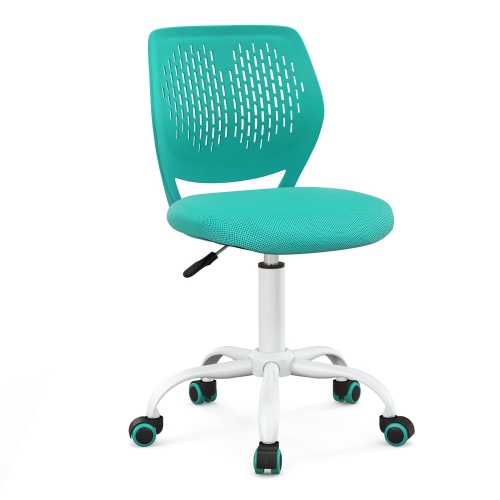
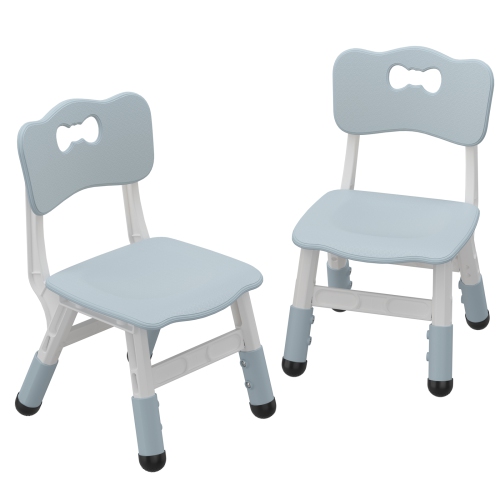
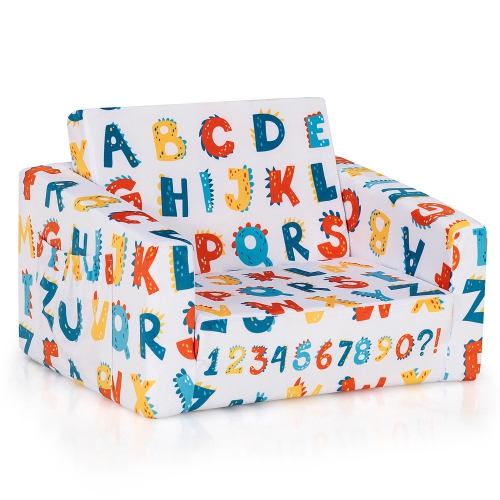
Materials influence how kids’ chairs feel, how easily they move, and how they stand up to everyday use. Wooden chairs often provide a firm seat and a structured shape that works well with drawing tables and puzzle stations. Solid wood and engineered wood have different construction and care requirements, so the finish, joints, and assembly details deserve as much attention as the material name. A smooth, intact finish helps make routine wiping easier, while exposed rough edges or loose connections need attention before further use. Moulded plastic chairs are often light enough to reposition between activities, and simple shapes with fewer seams can be easier to wipe after a snack or a modelling clay session. Lightweight construction does not automatically mean a chair is suitable for every setting; stability, weight limits, and the intended surface still matter. Metal-framed designs can offer a slim profile, though secure joints, covered edges, and feet that sit evenly on the floor are useful details to check. Upholstered children’s chairs bring a softer feel to a reading nook, with woven fabrics, plush covers, and coated surfaces each offering a different balance of texture and upkeep. A removable cover can be convenient, but it is only machine washable when the care label says so. Foam-filled seats and beanbag-style chairs also differ in how much they compress and how readily they regain their shape. Some encourage relaxed lounging close to the floor rather than upright work at a desk. Soft filling is not a substitute for a stable task chair, and any accessible filling requires particular care around young children. Fabric patterns and colour can help seating feel at home among existing furniture, whether that means a quiet neutral beside a sofa or a bright accent at an art table. For chairs intended for use outside, the manufacturer should specifically identify that use; a wipeable surface alone does not establish outdoor suitability.
Daily routines often reveal which features matter most in children’s seating. At an arts-and-crafts table, a chair with an easy-to-clean seat and few places for crumbs to collect may be more practical than deep upholstery. Beside a book basket, a cushioned back and enough room to shift position may matter more than the ability to slide under a tabletop. In a shared bedroom, the chair’s full footprint needs to leave clear access to drawers, beds, and doorways, not just fit into an empty corner. Stackable designs can help free up floor space after a group activity, provided they are stacked and stored according to the manufacturer’s directions and kept from becoming a climbing opportunity. Folding chairs need correctly engaged locking mechanisms, with opening and closing handled by an adult when moving parts could pinch small fingers. Regular care is usually straightforward when it follows the chair’s instructions: wipe up spills promptly, use suitable cleaning products, and allow cleaned surfaces or covers to dry fully before use. Upholstery may need gentle vacuuming along seams, while assembled frames benefit from occasional checks for loose fasteners, damaged feet, or wobbling. Protective pads can help reduce marks on flooring when they are compatible with the chair and securely attached. Children’s chairs are intended for sitting, not for reaching high shelves, and placement away from hazards is just as important as construction. Reclining or rocking designs need enough clearance for their movement, and lounge seating should not be treated as an infant sleep space. A child-sized chair can also make a thoughtful birthday or housewarming gift for a family, especially when the recipient’s measurements, available space, and preferred activities are known. A favourite colour may make the seat feel personal, but lasting usefulness comes from comfortable proportions and a clear purpose. Whether it becomes the place for an afternoon story, a careful row of puzzle pieces, or a drawing in progress, a well-matched chair supports the small, familiar activities that fill a child’s day.
Top selling and popular products
-
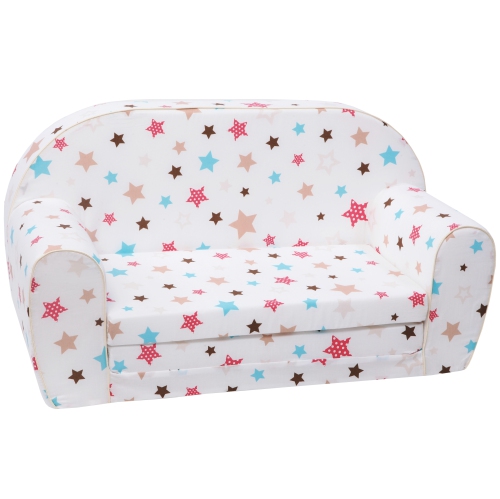 Your price for this item is $89.99
-
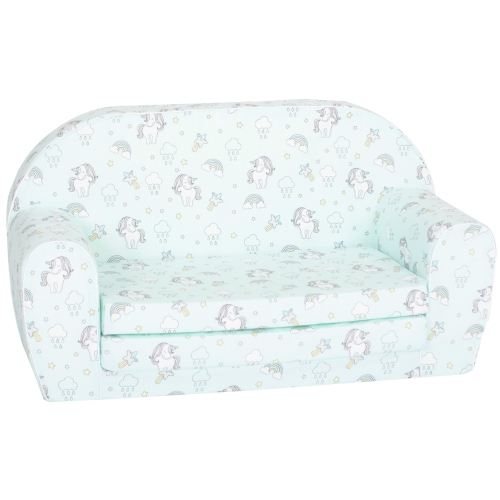 Your price for this item is $89.99
-
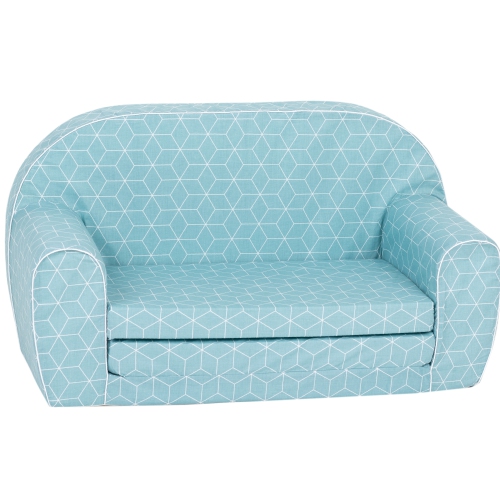 Your price for this item is $89.99
-
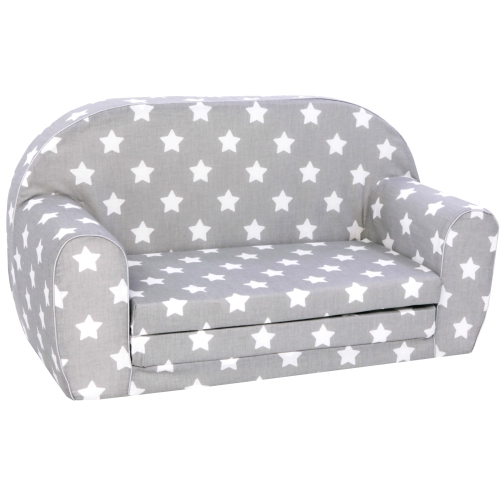 Your price for this item is $89.99
-
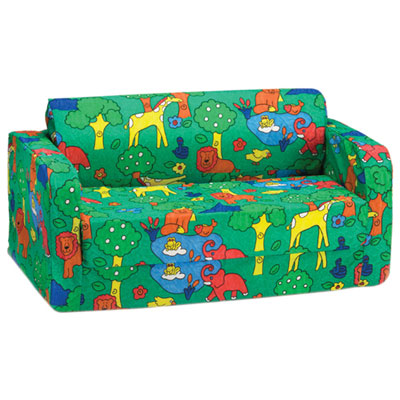 Your price for this item is $102.99
-
 Your price for this item is $228.66
-
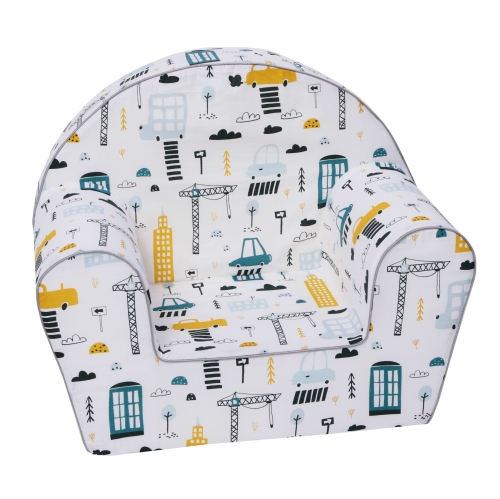 Your price for this item is $57.99
-
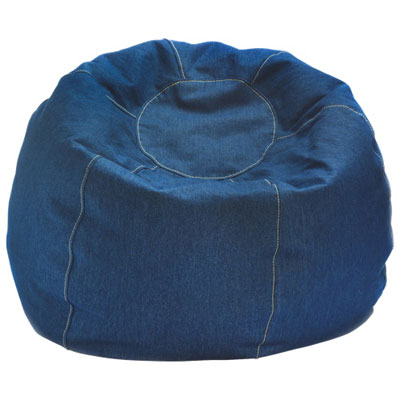 Your price for this item is $119.99
Discover more categories related to Kids Chairs

Top Collections:
Pokemon Centers, Best Cameras for Sports Photography, Kindle Devices, Samsung Galaxy Phones, Canon G7X Cameras, Pokémon 30th Celebration Cards, Refurbished Apple Laptops, iPhone 15 Apple, Laptops for Students, Budget Smartphones
Some products may be subject to Environmental Handling Fees
(EHF) depending on your province.
Learn more about EHFs.