Back Lumbar Support
The lumbar spine is one of the most flexible and mobile parts of the body. It's also one of the most important for supporting your weight and keeping you upright. The lower back is involved in almost every aspect of your life, from walking to sitting to standing up from a seated position. To help keep your lower back healthy and strong, it's important to support it properly. One way to do that is with lumbar support. Here are some of the best options available today.
Sort
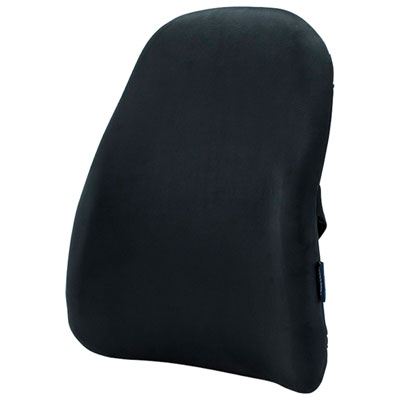
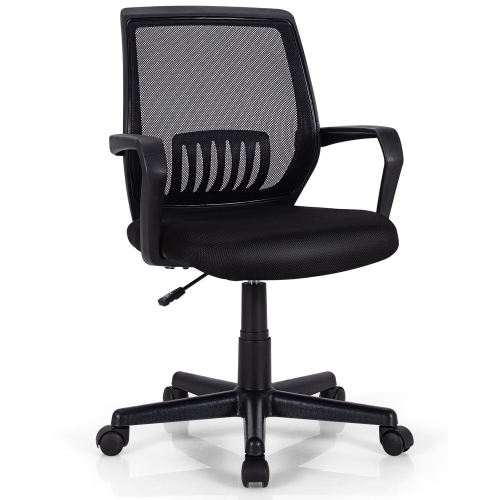
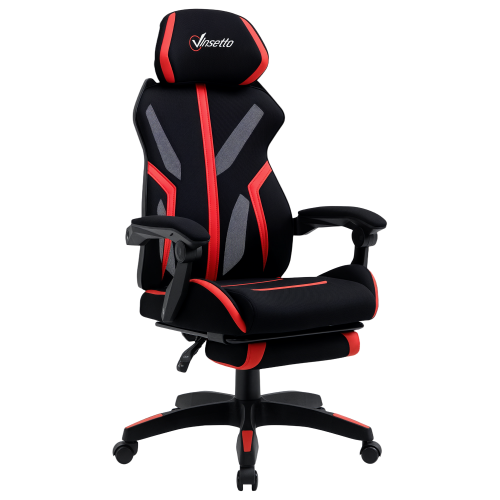
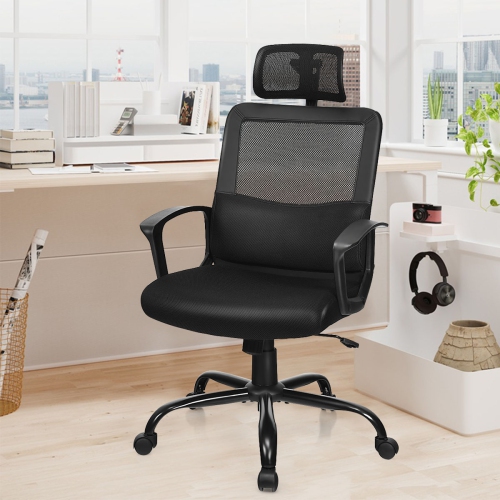
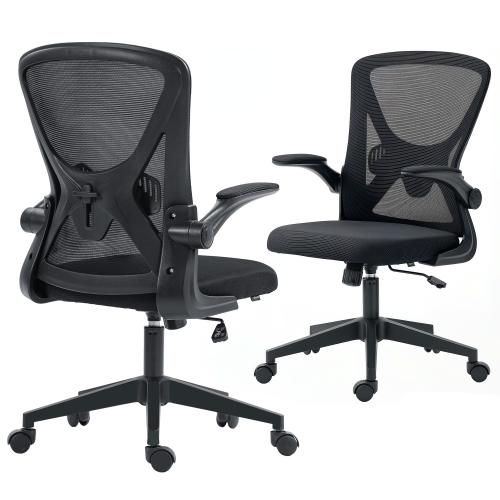
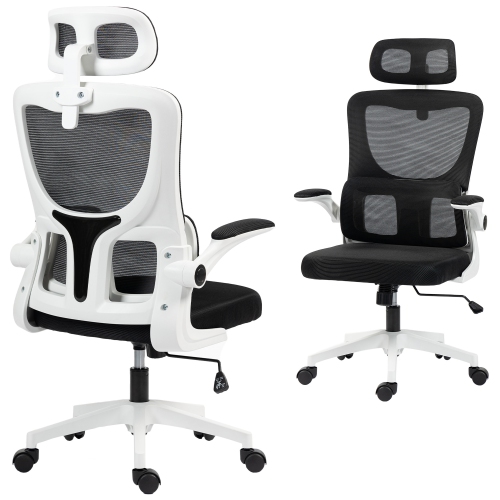
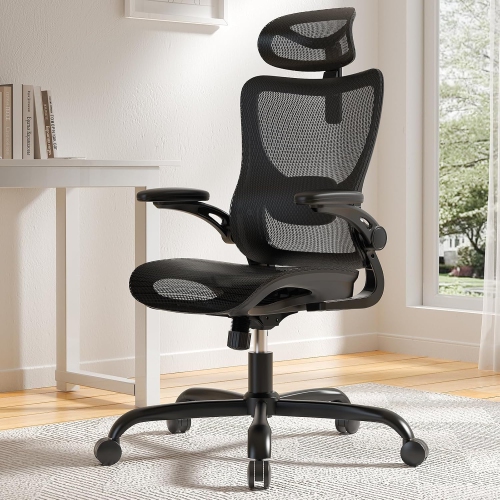
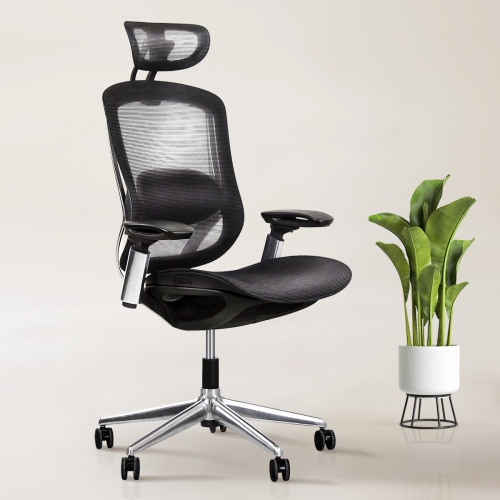
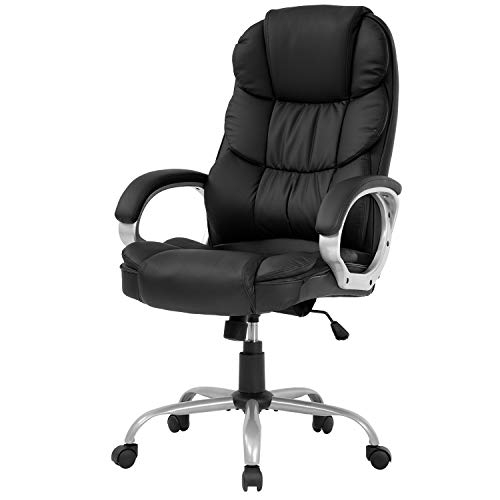
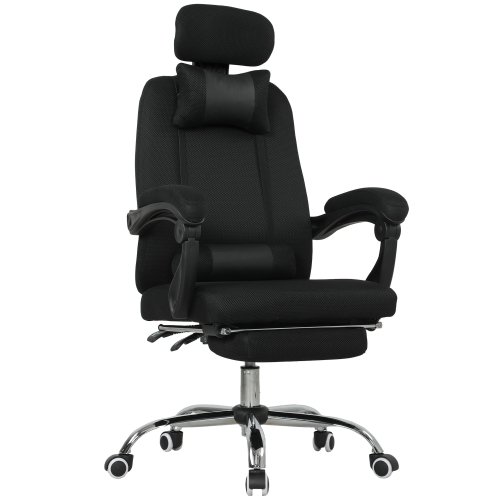
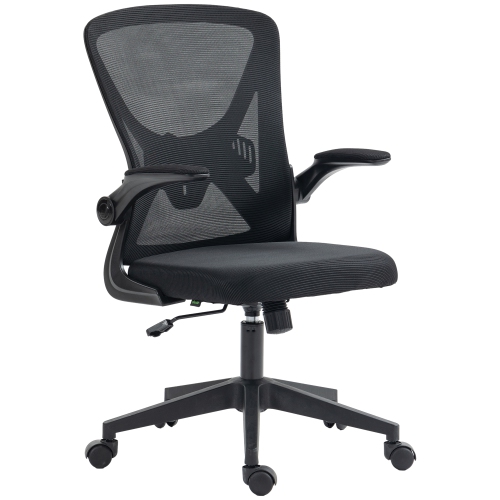


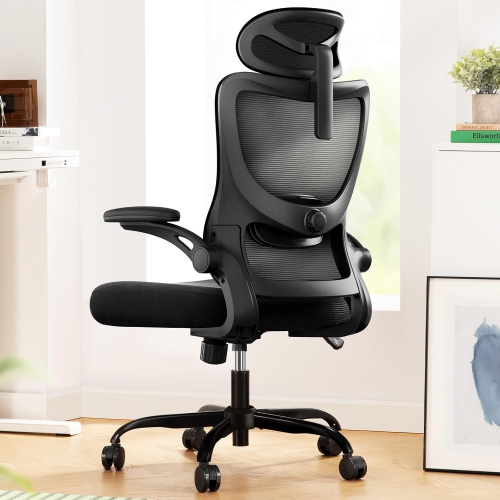
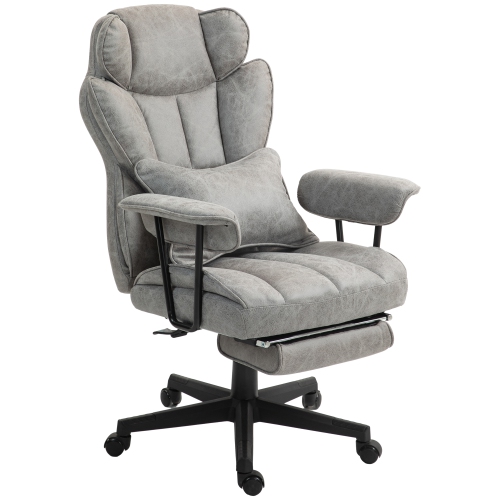
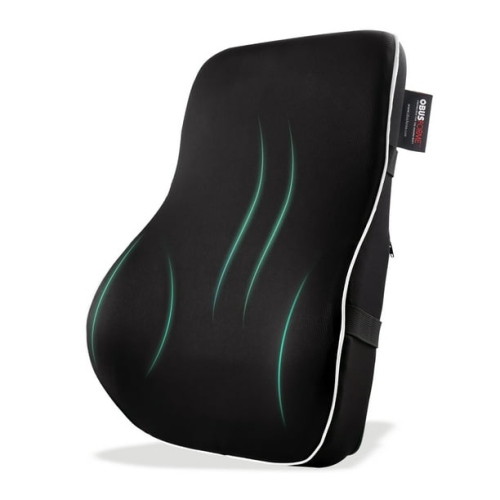
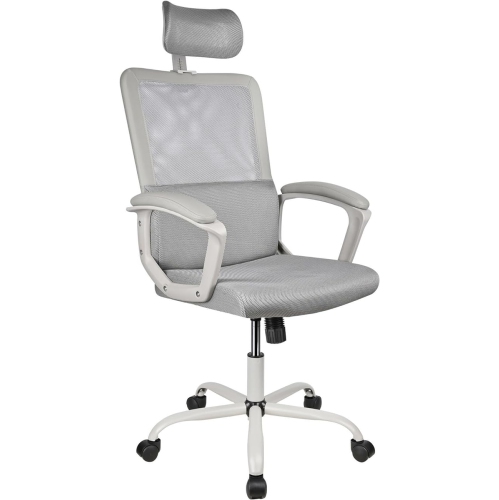
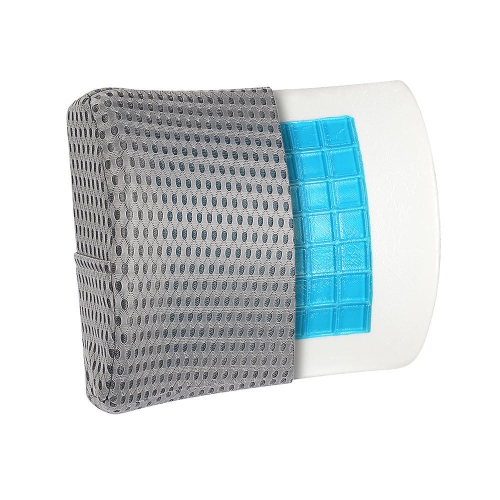

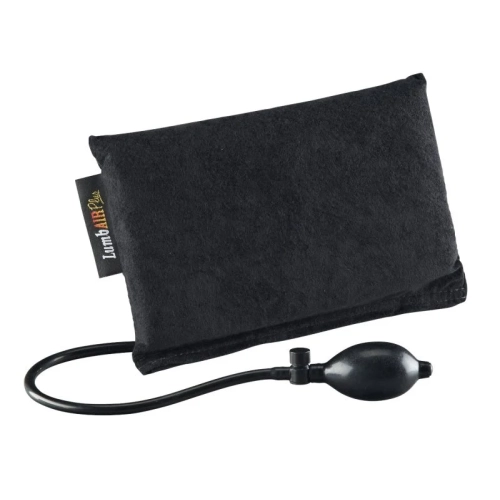
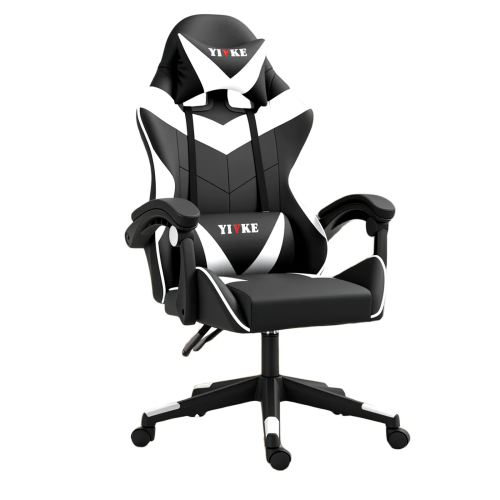
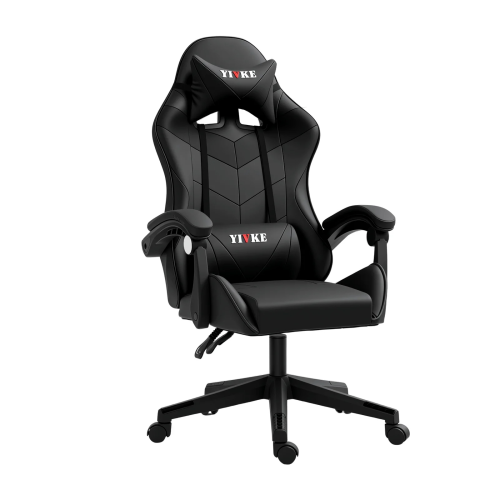
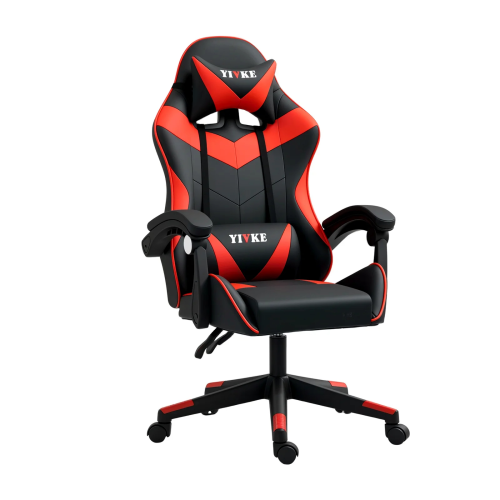
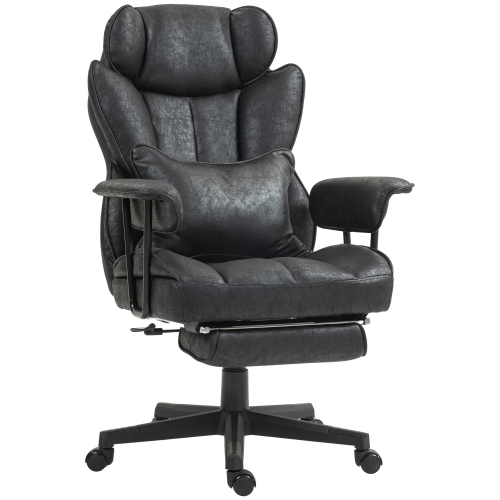
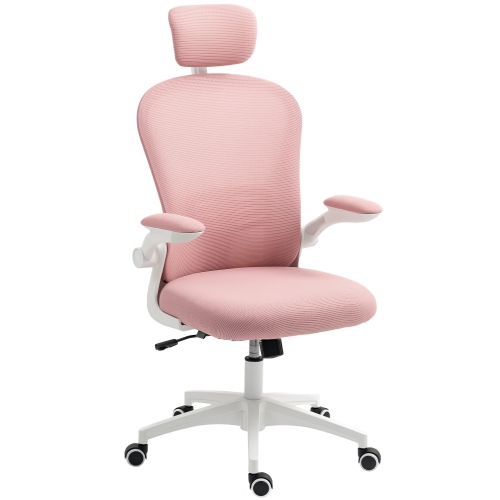
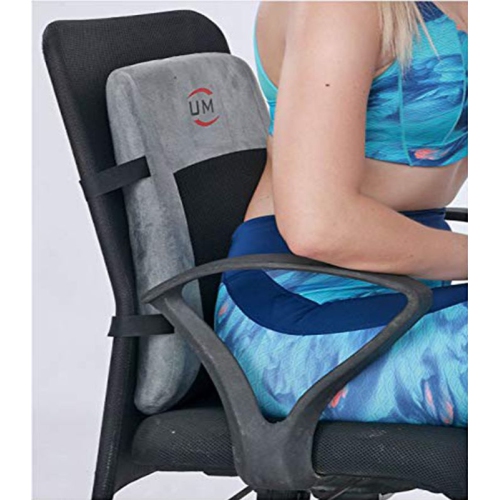
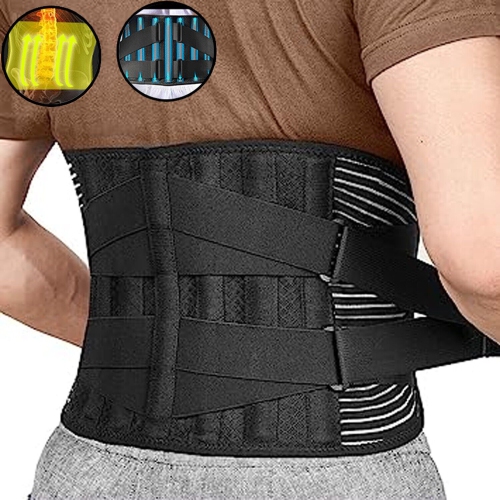
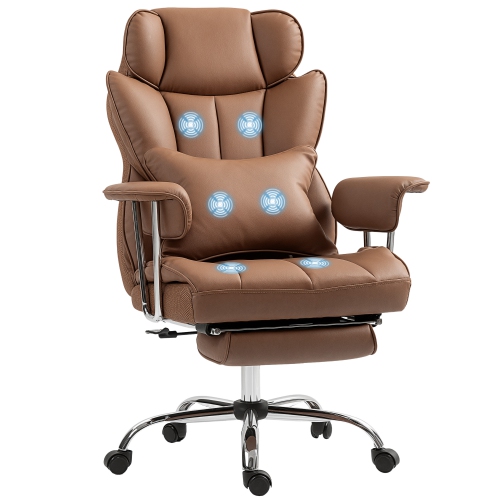

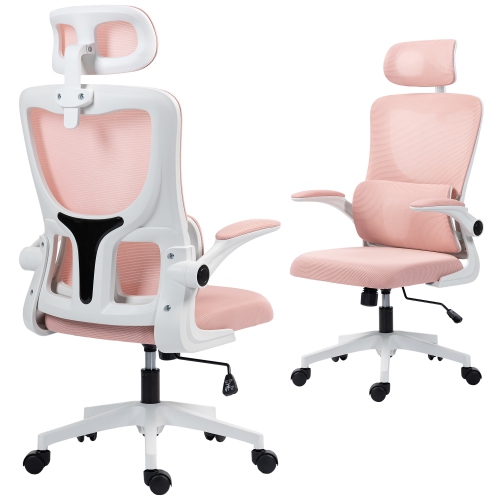
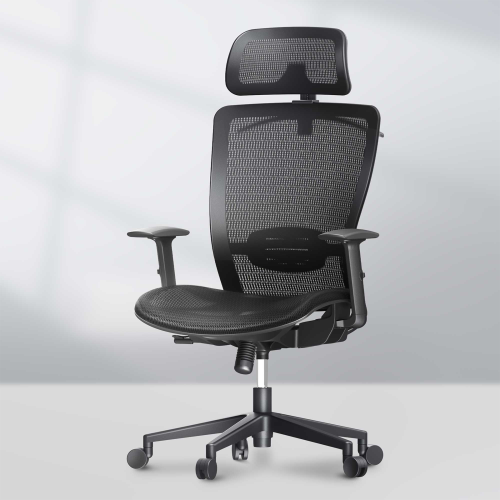


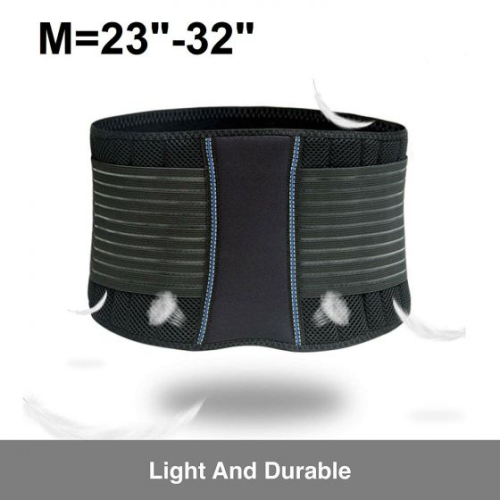
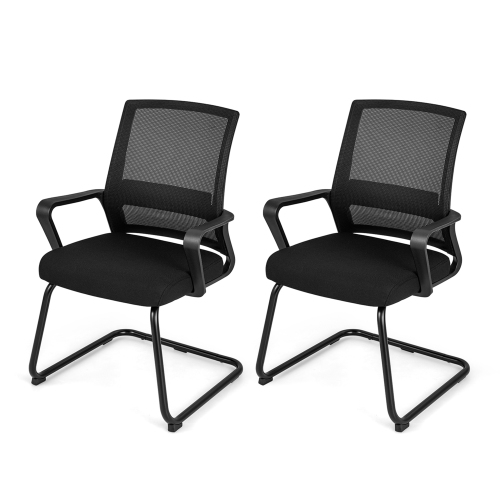
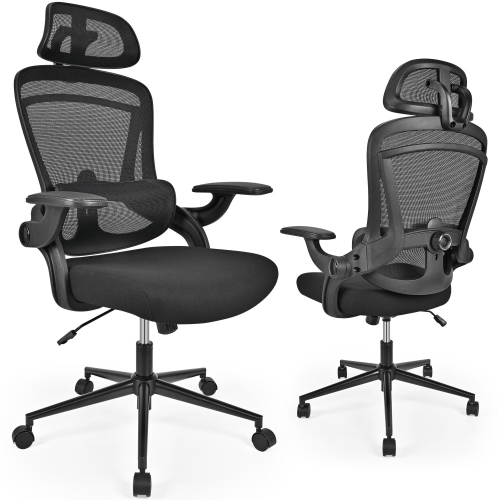
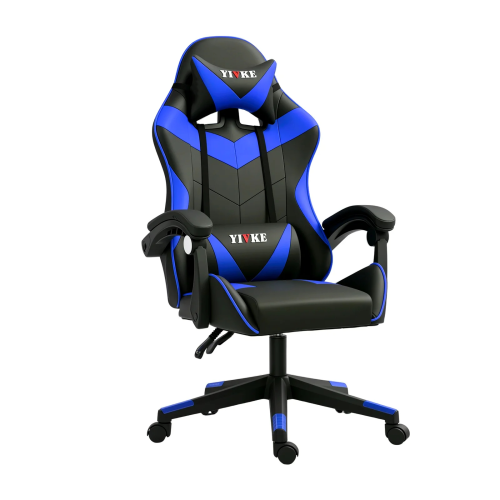
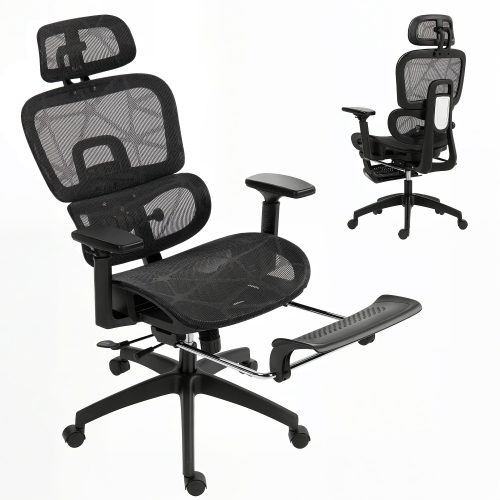
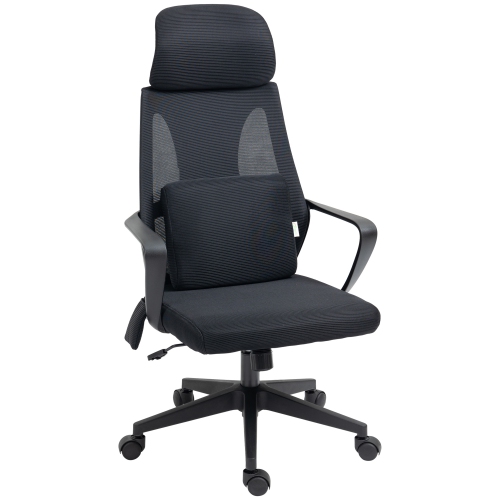
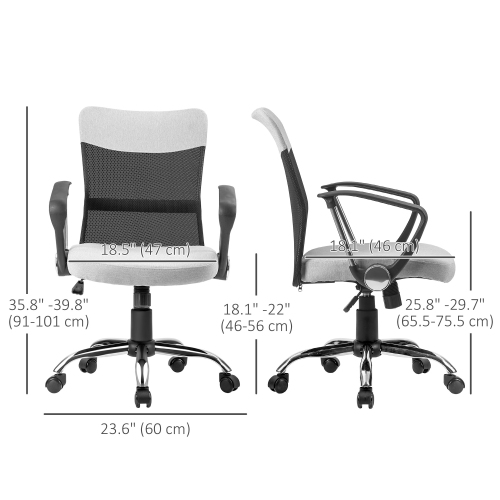
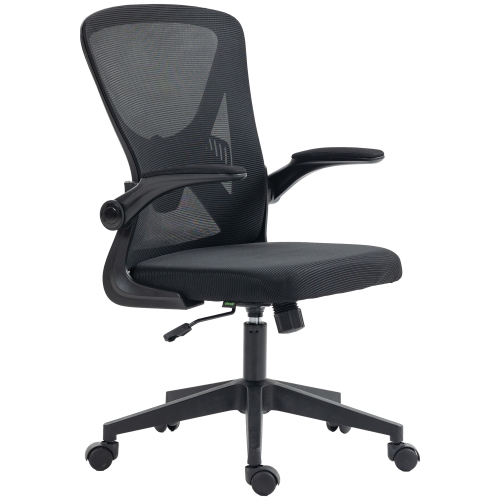
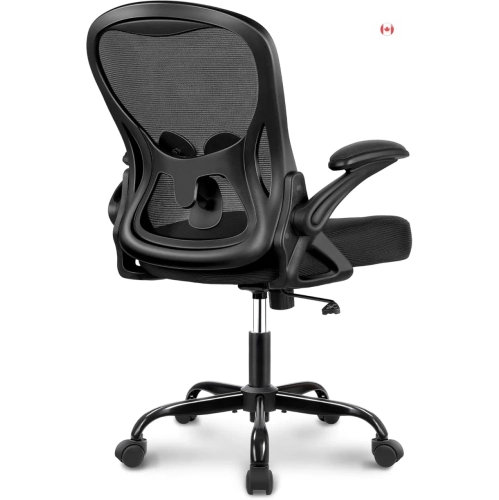
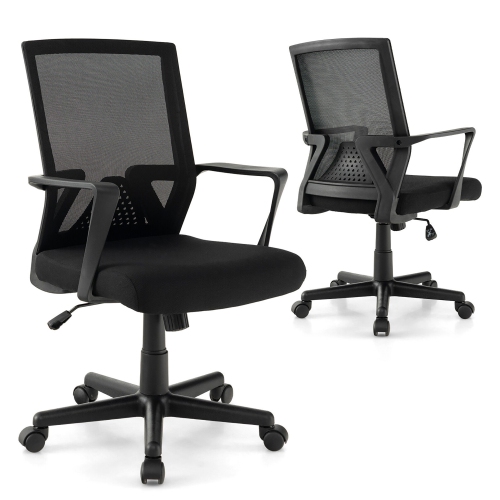
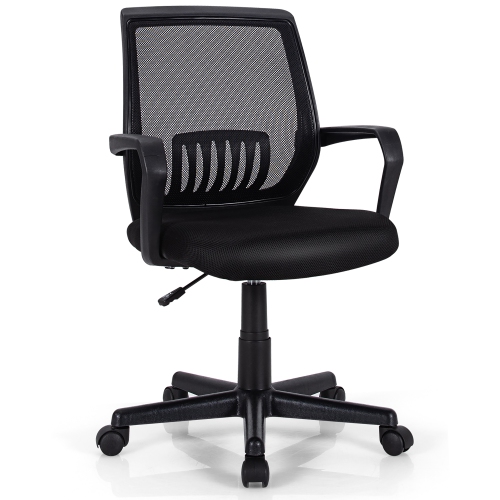
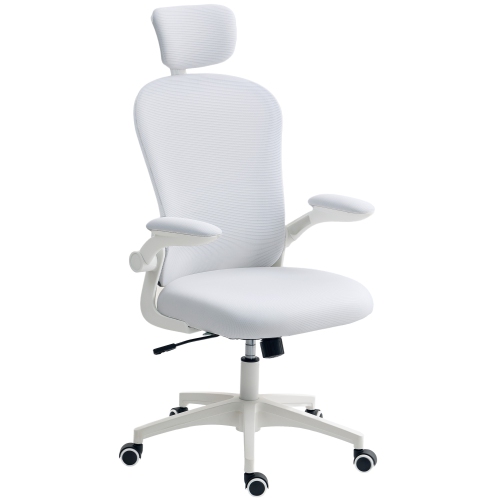
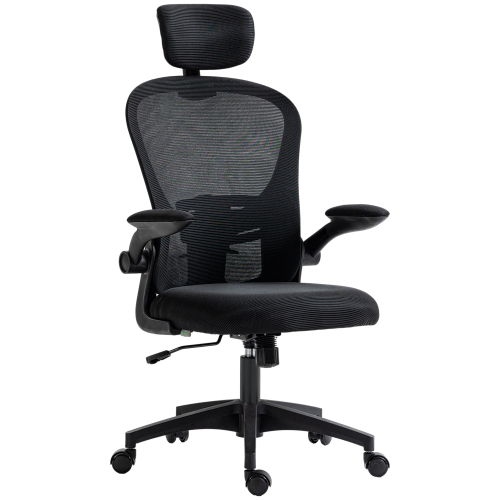
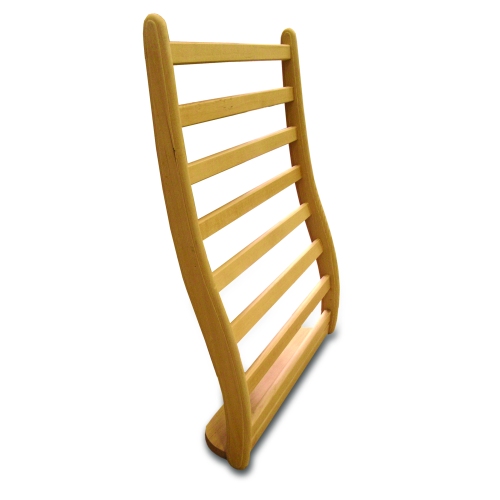
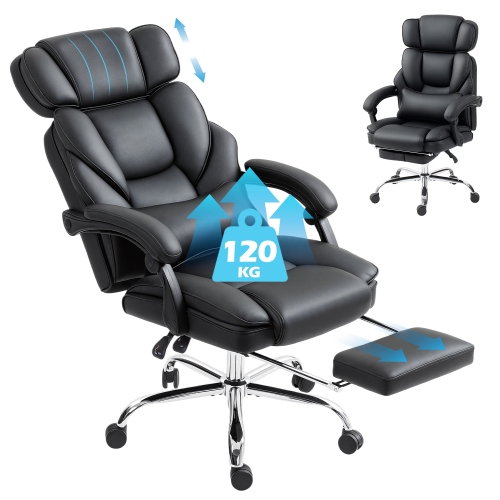
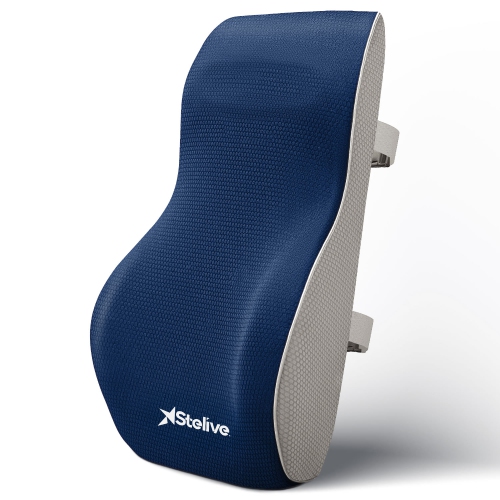
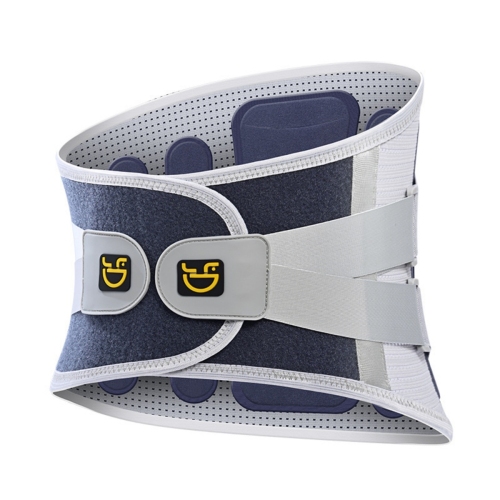
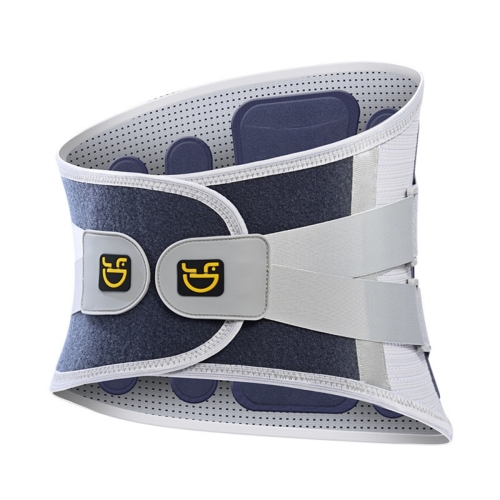
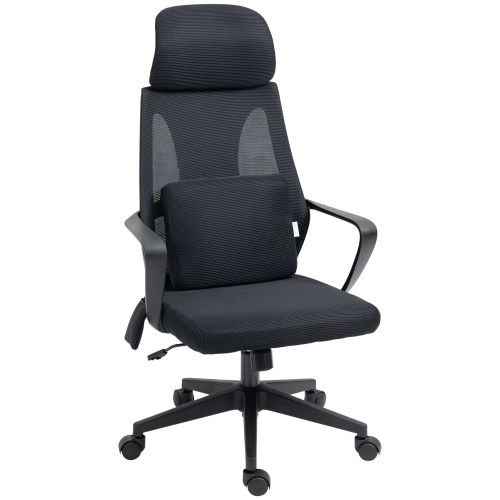
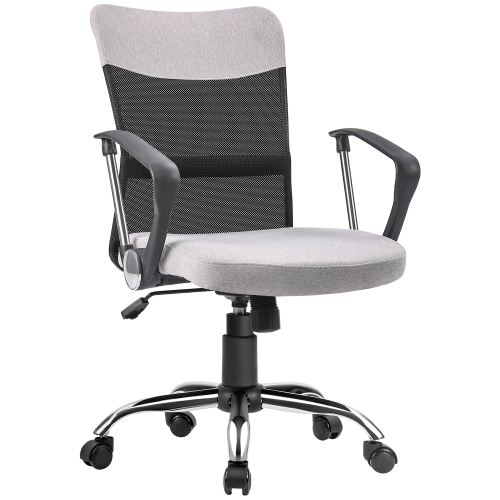
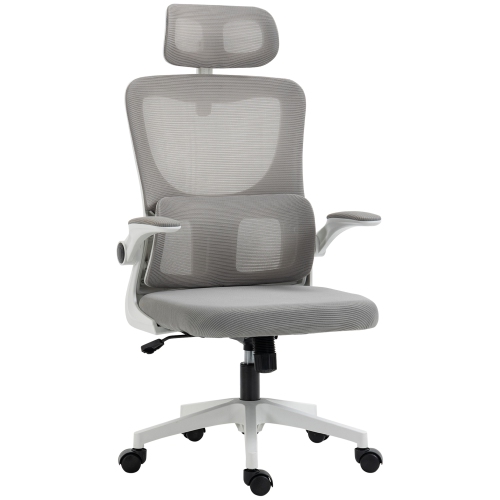
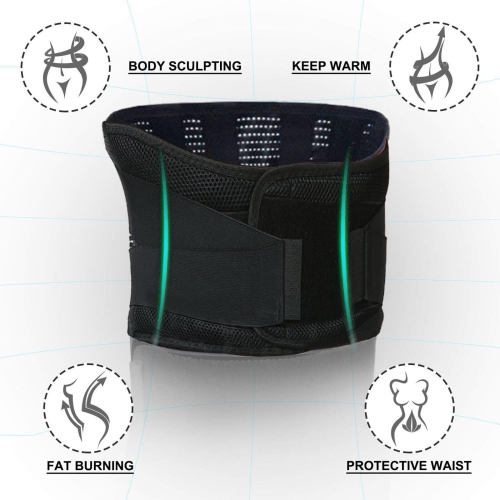
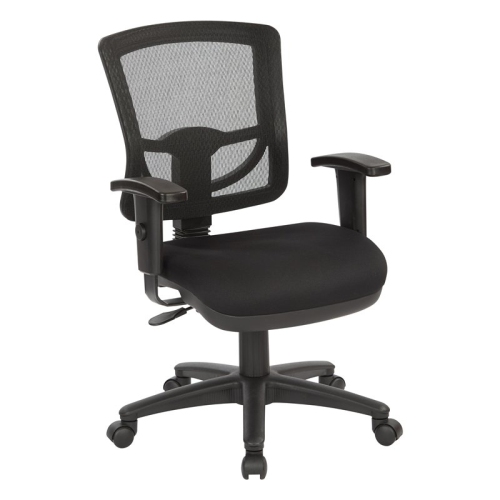
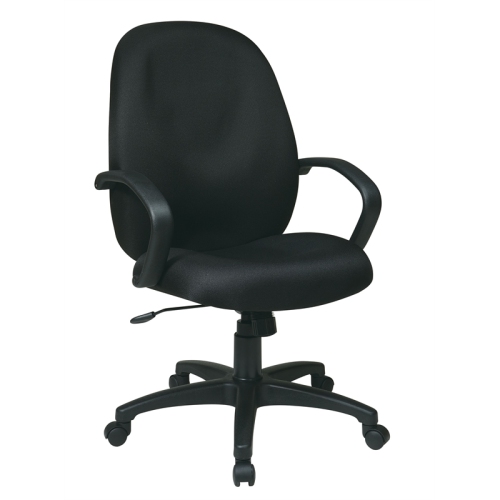
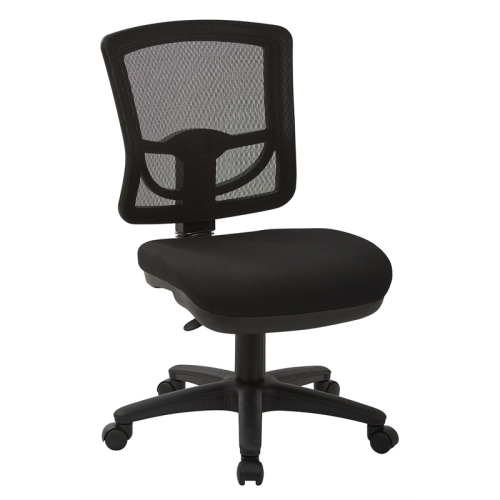
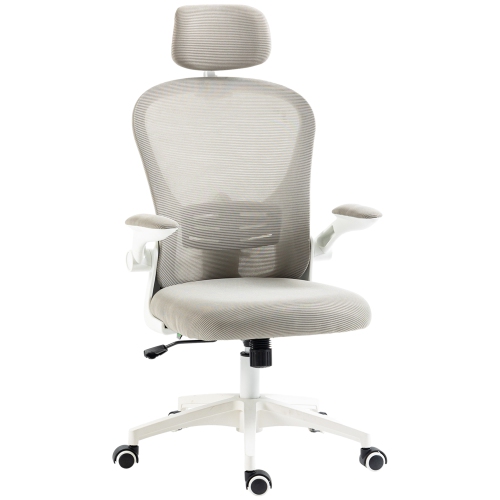
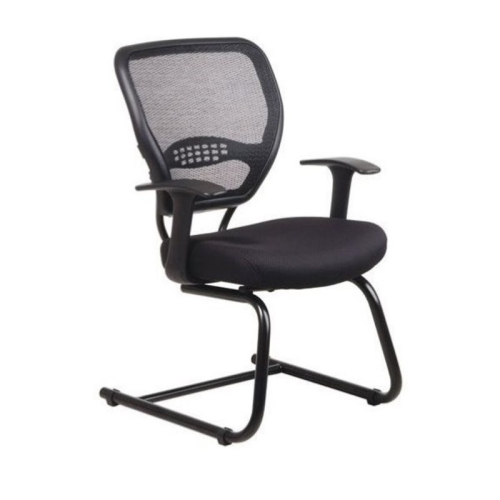
Practical comfort for desks, vehicles, and favourite chairs
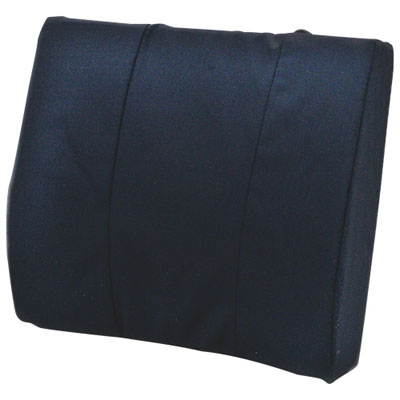
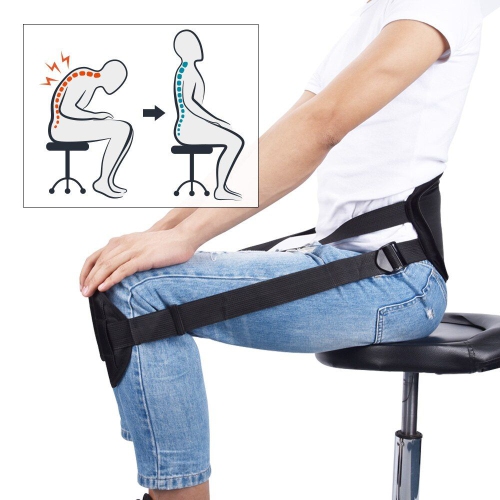
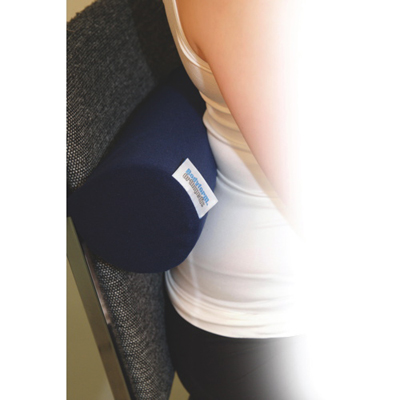
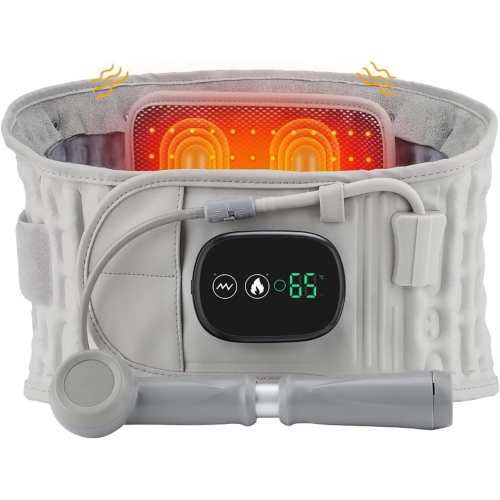
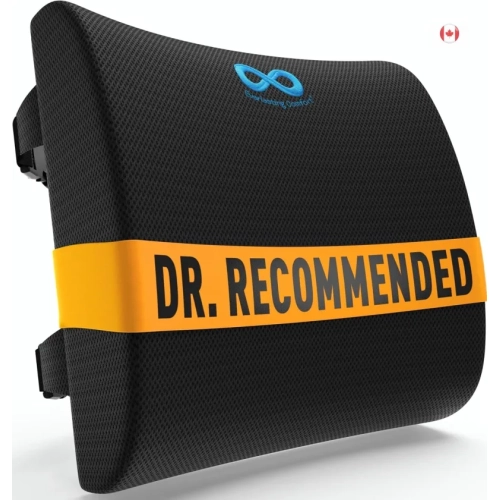
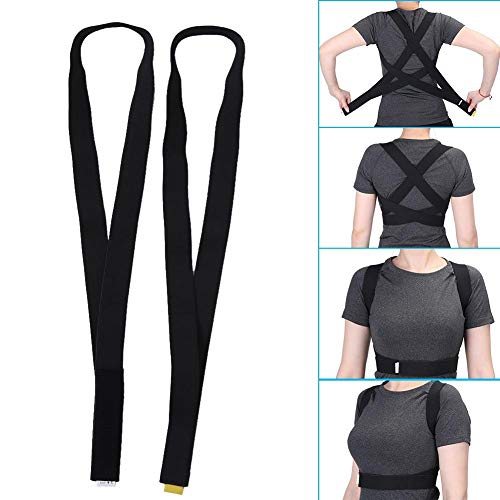
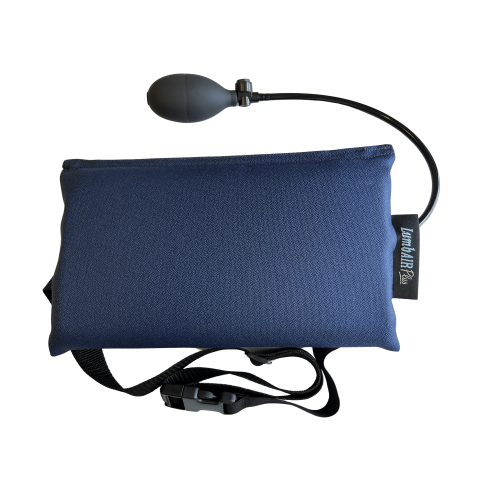
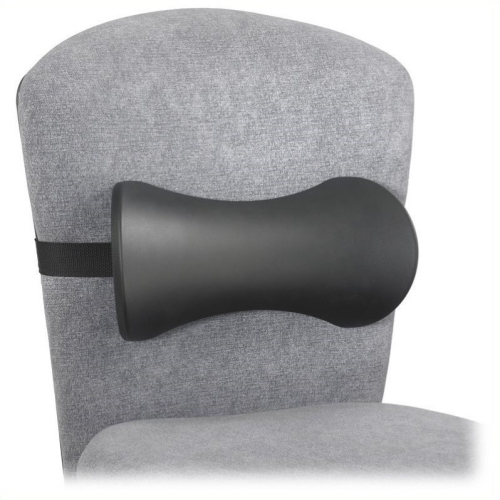
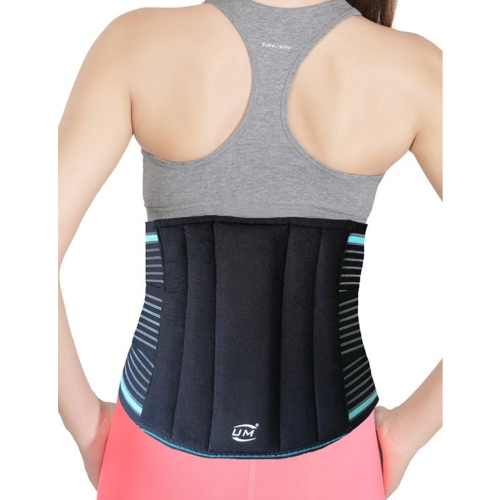
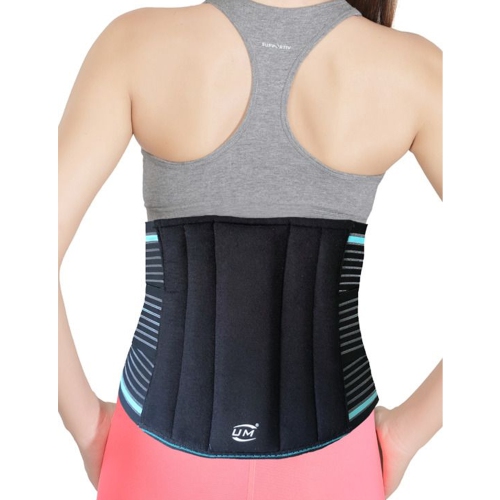
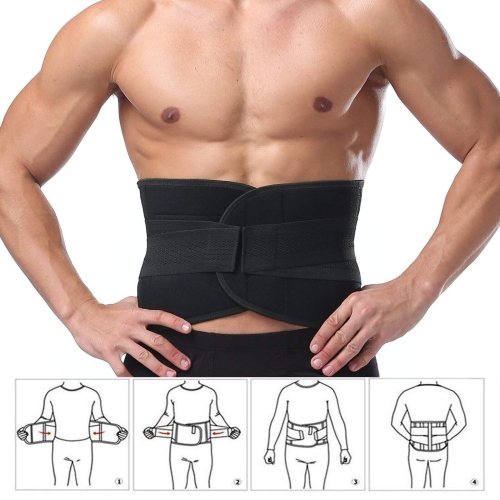
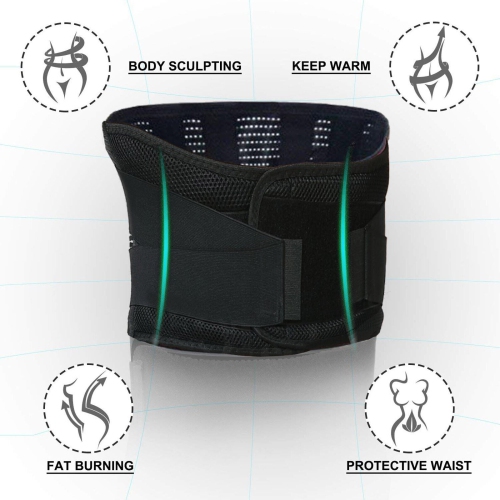
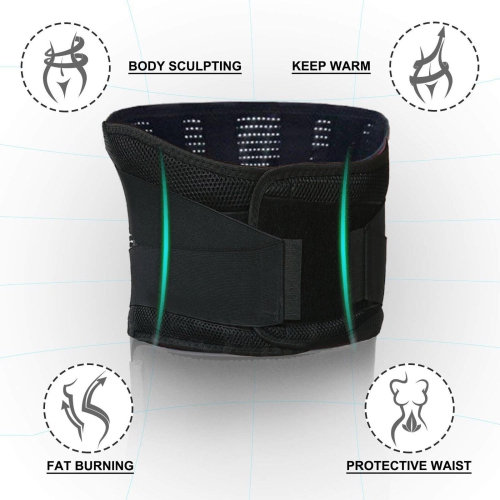
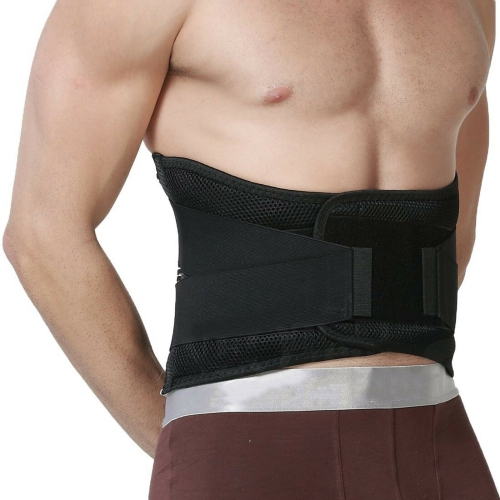
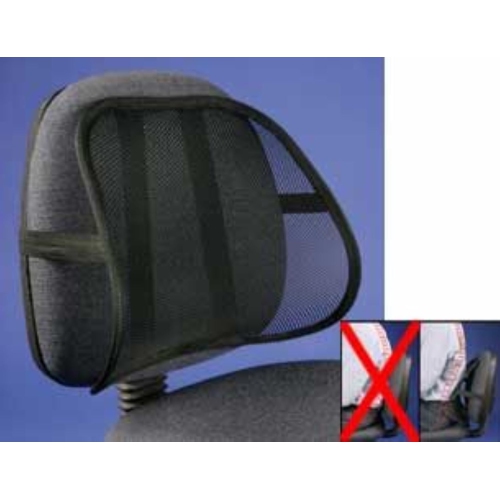
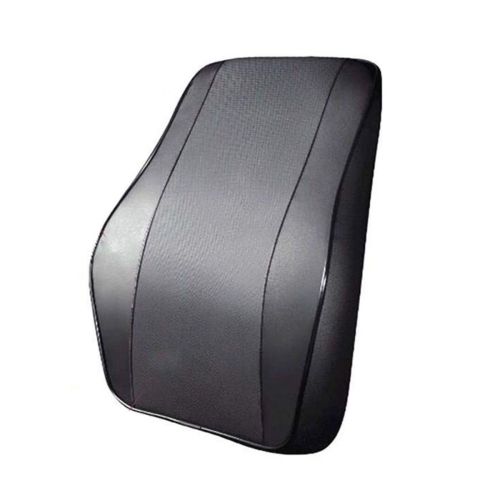
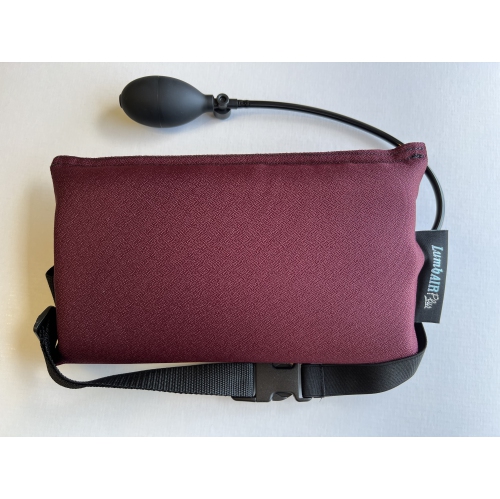
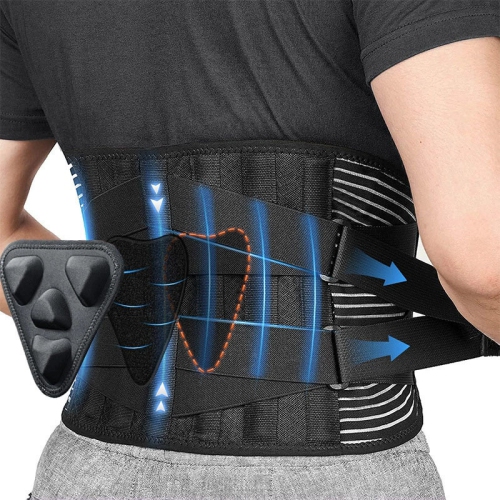
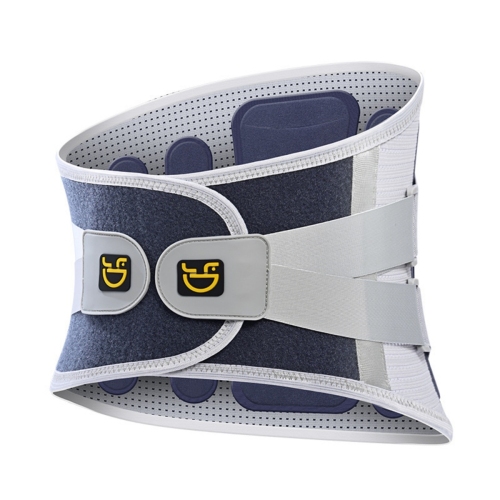
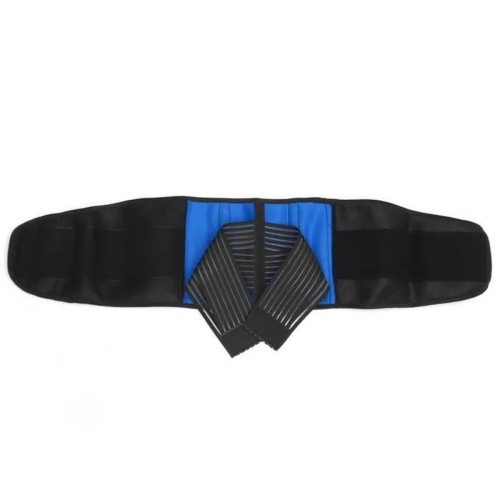
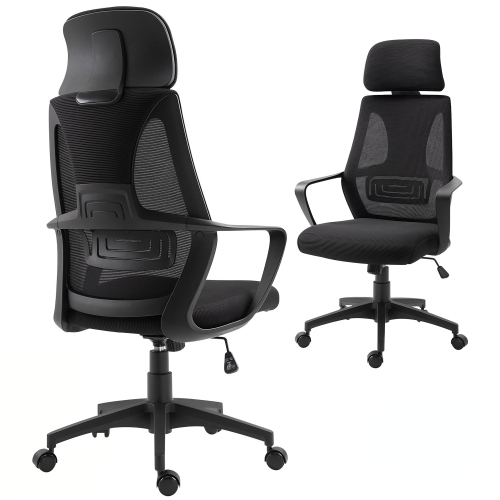
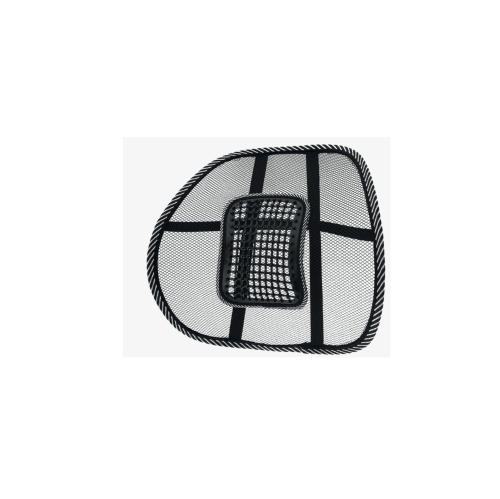
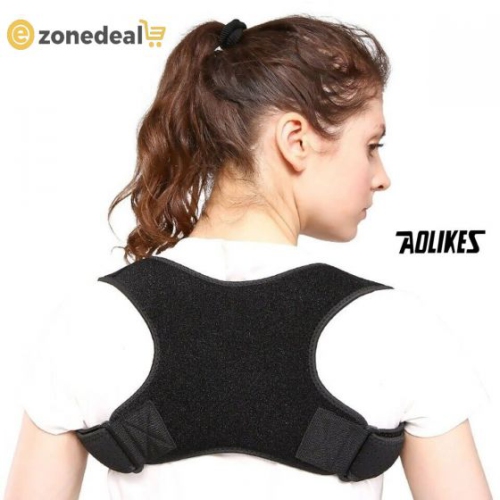
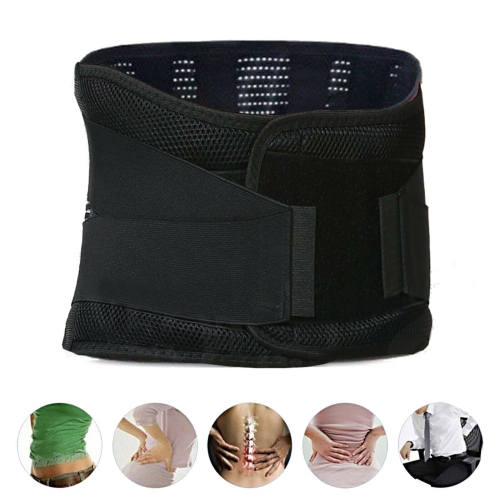
Back lumbar support products are designed to help fill the natural gap between the lower back and a seat, making it easier to maintain a comfortable, neutral posture during long periods of sitting. A well-positioned cushion, roll, or brace can encourage you to sit all the way back in your chair instead of gradually sliding forward or rounding your shoulders as the day goes on. This can be especially helpful at a desk, in a home office, on a long drive, or while relaxing in a chair that feels too deep or lacks built-in lower-back shaping. The best choice depends on where and how you plan to use it. Lumbar pillows typically provide broad, gentle support across the lower back and may be secured to an office chair or vehicle seat with an adjustable strap. Lumbar rolls are more compact and cylindrical, making them useful when you prefer targeted support at the small of your back or want an option that can move easily between seats. Wearable support belts wrap around the waist and may offer compression and stability during certain activities, including lifting or tasks that involve repeated movement. When comparing back lumbar support options, consider the shape, firmness, height, materials, and overall size. Memory foam and other resilient foams can contour to the body, while firmer designs may provide a more noticeable sense of structure. A softer cushion can feel inviting in a hard chair, whereas a denser roll may be preferable when a seat already has substantial padding. Breathable covers, removable washable fabrics, and smooth straps can also make a difference when a support is used every day. For a broader selection of cushions designed for chairs, explore Lumbar Support Chair Pillows.
Correct placement is just as important as the support style. Start by sitting with your bottom fully against the back of the seat and your feet resting flat on the floor, or supported by a footrest if needed. Position the cushion or roll around the belt line or the natural curve of the lower back rather than high between the shoulder blades. The support should make contact without forcing the torso too far forward or creating an exaggerated arch. If it feels as though the cushion is pushing you away from the desk, steering wheel, or table, try a thinner option or adjust the height. Many people find that a few small changes create a noticeable improvement: moving the support slightly upward or downward, raising the chair so the elbows rest comfortably, or bringing the screen closer so there is less leaning and reaching. In a vehicle, check that the support does not interfere with the seat belt, pedals, visibility, or safe driving position. For an office chair, make sure the cushion stays stable when you turn, stand, or shift your weight. A compact design may be useful for shared workspaces, classrooms, travel, or a second seat at home, while a larger model can provide more consistent coverage for a dedicated chair. Back lumbar support can also complement regular movement. Standing up, walking briefly, changing positions, and stretching gently throughout the day may help prevent the stiffness that comes from remaining in one posture for too long. These products are intended to improve comfort and encourage better positioning, not to replace professional assessment or treatment. Anyone experiencing persistent, severe, or worsening back pain, numbness, weakness, or other concerning symptoms should seek advice from a qualified health professional before relying on a brace or cushion.
A back lumbar support product can be a practical choice for people who spend cooler months commuting, working from home, studying, gaming, crafting, travelling, or settling into a favourite reading chair. It may suit a driver who notices tension after time behind the wheel, a student moving between a desk and lecture space, or someone furnishing a home office for longer work sessions as indoor routines become more regular. It can also be a thoughtful gift for a colleague, family member, frequent traveller, or new remote worker, particularly when you know they spend much of their day seated. For gifting, a versatile cushion with a secure strap and a medium level of firmness is often easier to use in different settings than a highly specialized design. If the recipient regularly lifts, gardens, plays recreational sports, or completes hands-on projects, a wearable belt may be worth considering, provided it fits correctly and is appropriate for the activity. Pay close attention to sizing information, adjustability, and the intended placement on the body. A product that is too tight can feel restrictive, while one that is too loose may shift during movement. For a shared household, portability and easy cleaning can be especially useful, allowing the same support to move from a desk chair to a dining chair, vehicle, or travel bag. During warmer weather, breathable materials and moisture-managing covers can make extended use more comfortable; during the cooler months, a supportive cushion can add structure to a deep upholstered chair without requiring a complete furniture change. Whatever the setting, look for a design that fits the seat, supports the lower-back curve without excessive pressure, and feels comfortable enough to encourage consistent use. Good back lumbar support should become a quiet part of a daily routine: placed at the small of the back, adjusted to suit the user, and used alongside sensible posture changes and regular movement.
Correct placement is just as important as the support style. Start by sitting with your bottom fully against the back of the seat and your feet resting flat on the floor, or supported by a footrest if needed. Position the cushion or roll around the belt line or the natural curve of the lower back rather than high between the shoulder blades. The support should make contact without forcing the torso too far forward or creating an exaggerated arch. If it feels as though the cushion is pushing you away from the desk, steering wheel, or table, try a thinner option or adjust the height. Many people find that a few small changes create a noticeable improvement: moving the support slightly upward or downward, raising the chair so the elbows rest comfortably, or bringing the screen closer so there is less leaning and reaching. In a vehicle, check that the support does not interfere with the seat belt, pedals, visibility, or safe driving position. For an office chair, make sure the cushion stays stable when you turn, stand, or shift your weight. A compact design may be useful for shared workspaces, classrooms, travel, or a second seat at home, while a larger model can provide more consistent coverage for a dedicated chair. Back lumbar support can also complement regular movement. Standing up, walking briefly, changing positions, and stretching gently throughout the day may help prevent the stiffness that comes from remaining in one posture for too long. These products are intended to improve comfort and encourage better positioning, not to replace professional assessment or treatment. Anyone experiencing persistent, severe, or worsening back pain, numbness, weakness, or other concerning symptoms should seek advice from a qualified health professional before relying on a brace or cushion.
A back lumbar support product can be a practical choice for people who spend cooler months commuting, working from home, studying, gaming, crafting, travelling, or settling into a favourite reading chair. It may suit a driver who notices tension after time behind the wheel, a student moving between a desk and lecture space, or someone furnishing a home office for longer work sessions as indoor routines become more regular. It can also be a thoughtful gift for a colleague, family member, frequent traveller, or new remote worker, particularly when you know they spend much of their day seated. For gifting, a versatile cushion with a secure strap and a medium level of firmness is often easier to use in different settings than a highly specialized design. If the recipient regularly lifts, gardens, plays recreational sports, or completes hands-on projects, a wearable belt may be worth considering, provided it fits correctly and is appropriate for the activity. Pay close attention to sizing information, adjustability, and the intended placement on the body. A product that is too tight can feel restrictive, while one that is too loose may shift during movement. For a shared household, portability and easy cleaning can be especially useful, allowing the same support to move from a desk chair to a dining chair, vehicle, or travel bag. During warmer weather, breathable materials and moisture-managing covers can make extended use more comfortable; during the cooler months, a supportive cushion can add structure to a deep upholstered chair without requiring a complete furniture change. Whatever the setting, look for a design that fits the seat, supports the lower-back curve without excessive pressure, and feels comfortable enough to encourage consistent use. Good back lumbar support should become a quiet part of a daily routine: placed at the small of the back, adjusted to suit the user, and used alongside sensible posture changes and regular movement.
Top selling and popular products
-
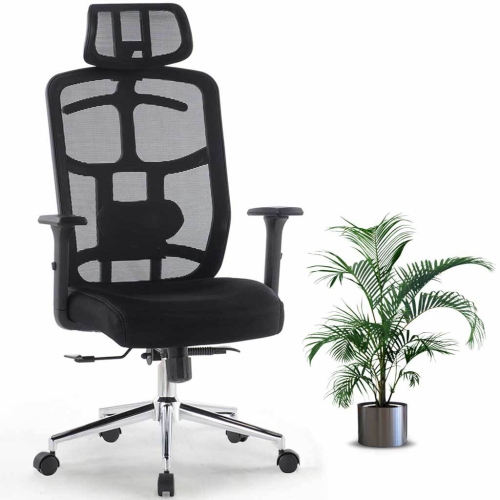 Your price for this item is $114.99
 -
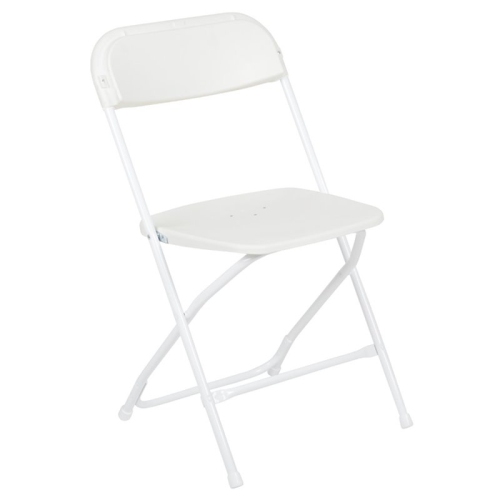 Your price for this item is $123
 -
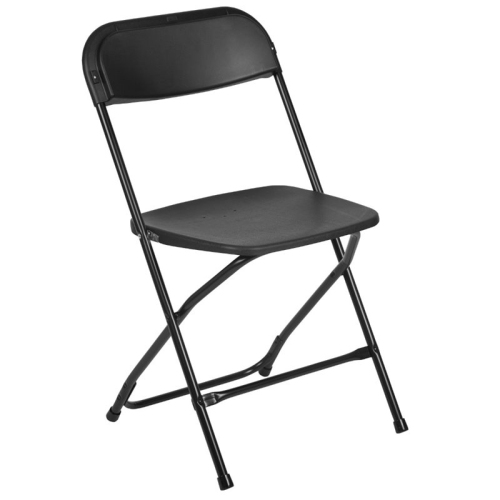 Your price for this item is $139.99
 -
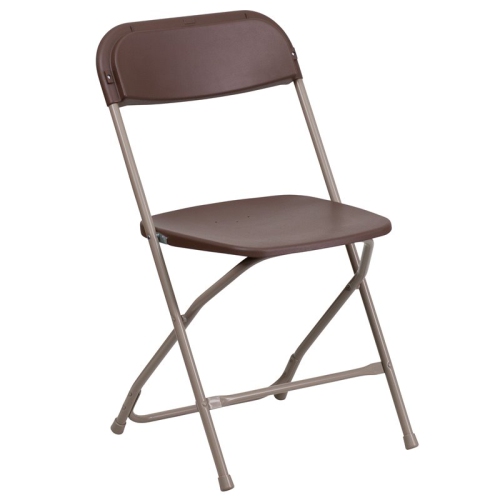 Your price for this item is $139.99
 -
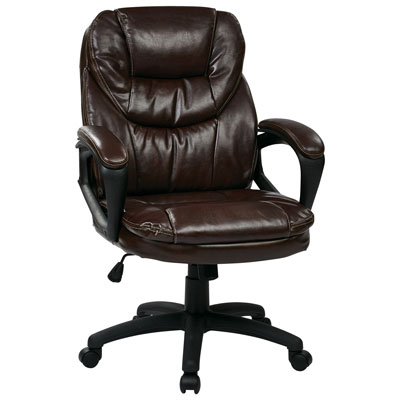 Your price for this item is $203.98
 -
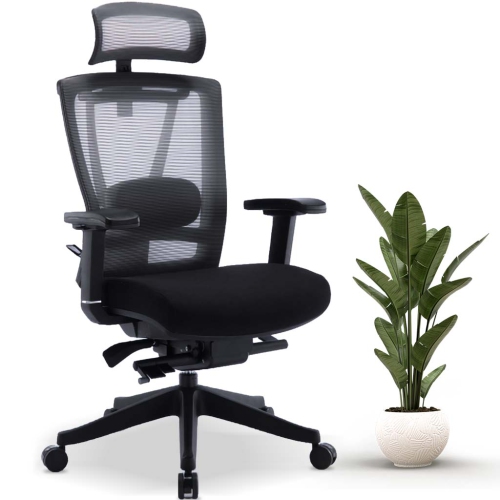 Your price for this item is $379.99
 -
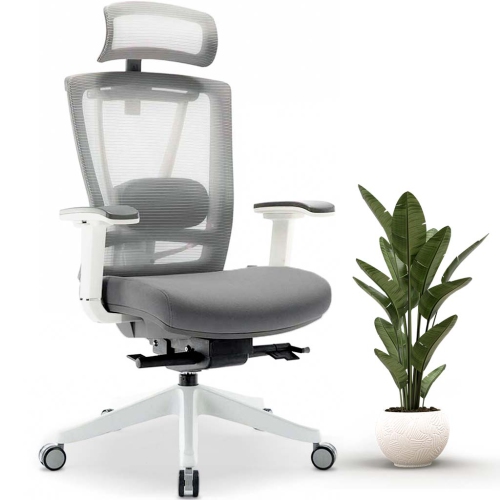 Your price for this item is $379.99
 -
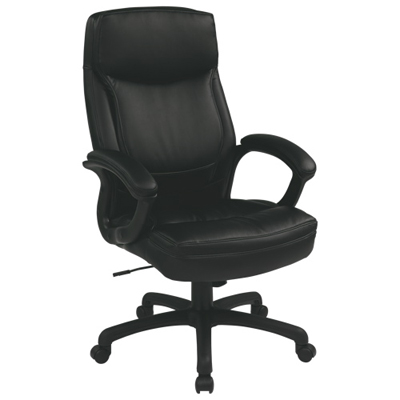 Your price for this item is $594.99
Discover more categories related to Back Lumbar Support
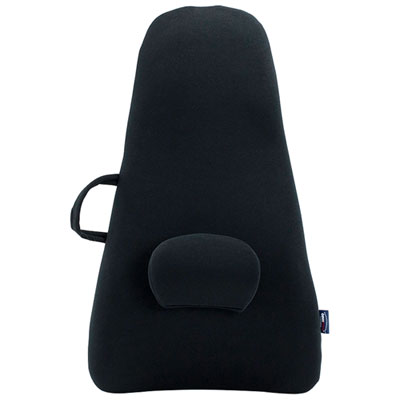
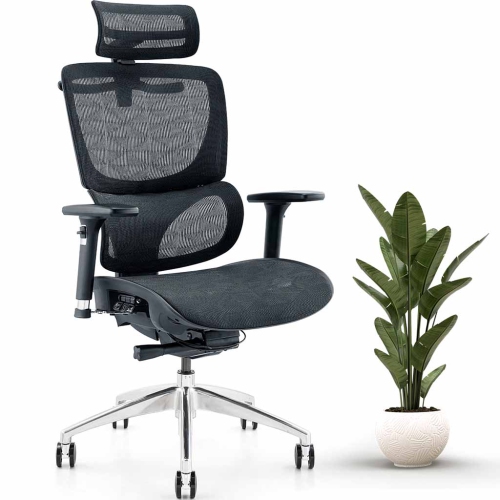
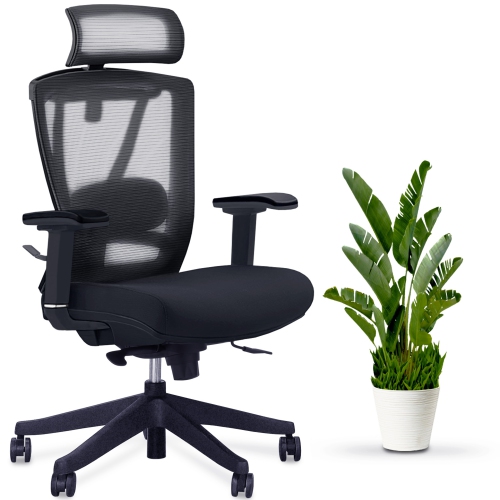
Top Collections:
Pokemon Centers, Kindle Devices, Best Budget Office Chairs, Apple iPhones 16, Best Laptops for Writers, iPhone 15 Apple, Canon G7X Cameras, Refurbished Apple Laptops, Alarm Clock, Motorola Razr Phones
Some products may be subject to Environmental Handling Fees
(EHF) depending on your province.
Learn more about EHFs.