Lumbar Support Chair Pillows
Lumbar Support Chair Pillow options are designed to enhance comfort and promote better posture whether you're working at your desk, relaxing at home, or on the go. Explore a wide selection of supportive pillows that fit seamlessly with various chairs and seating arrangements. Find the ideal Lumbar Support Chair Pillow to help you stay comfortable throughout your day and add extra support wherever you need it most.
Sort

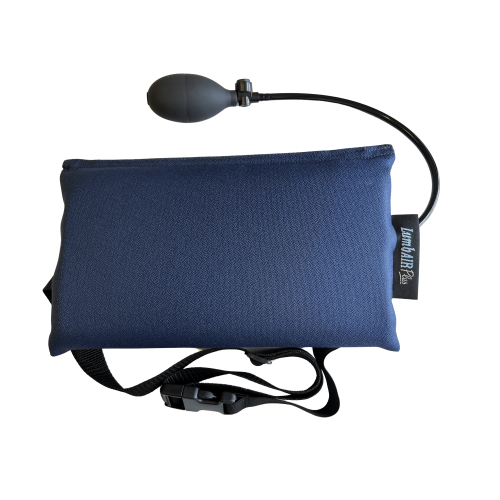
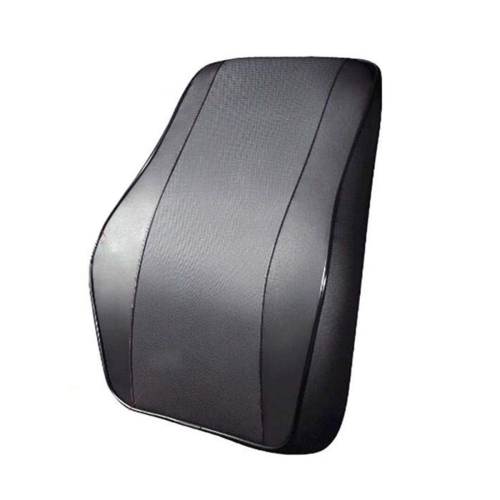
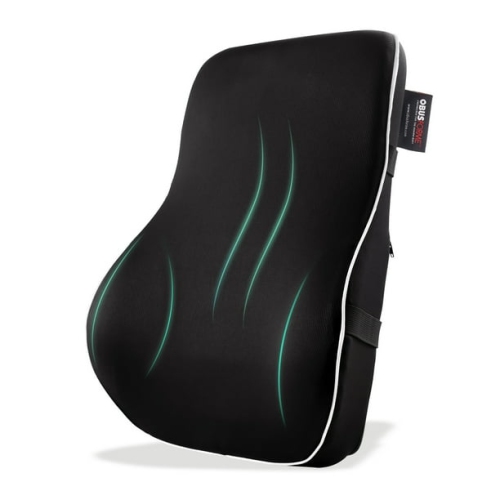
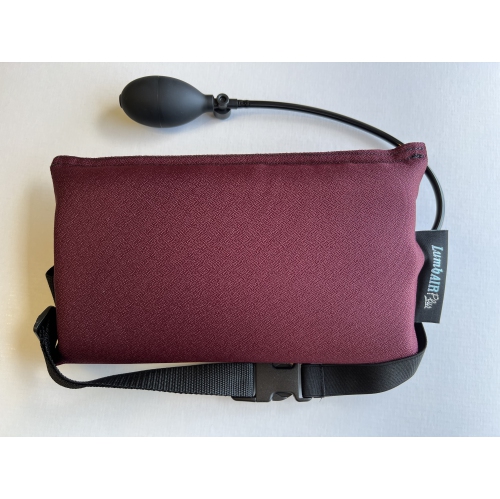
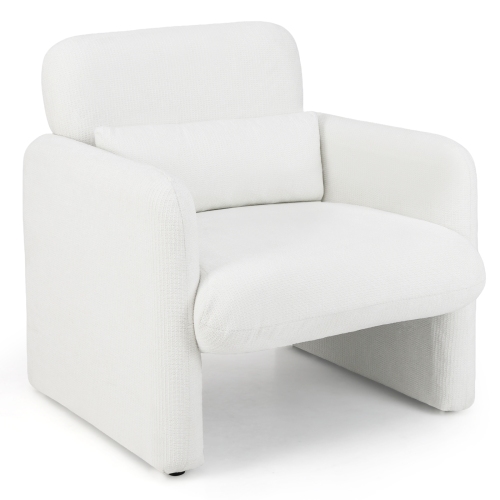
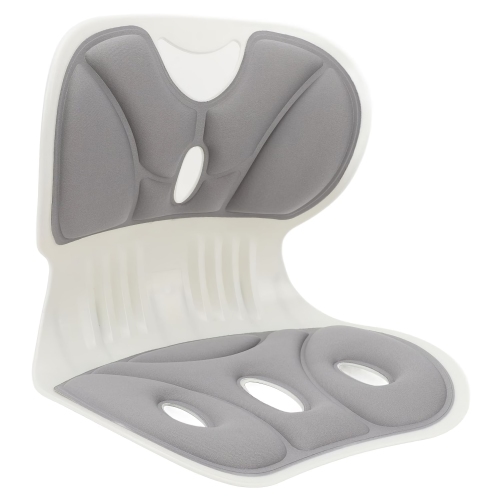
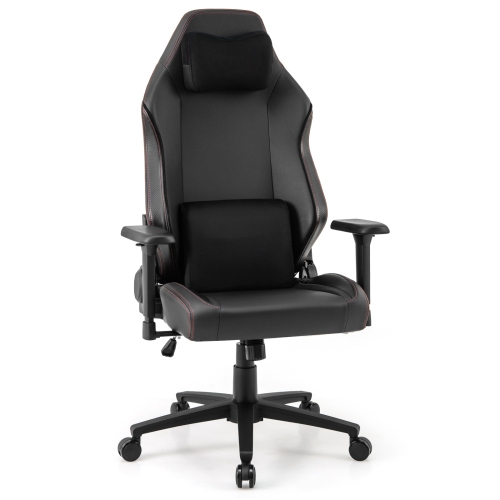
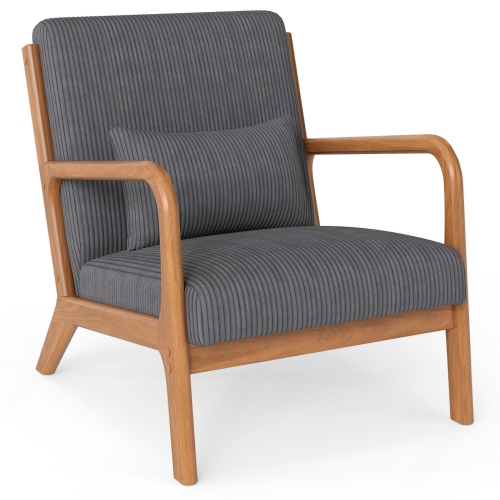
Better lower back support starts with the right fit
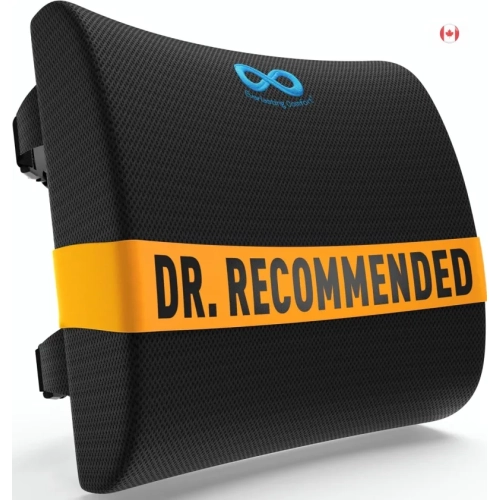
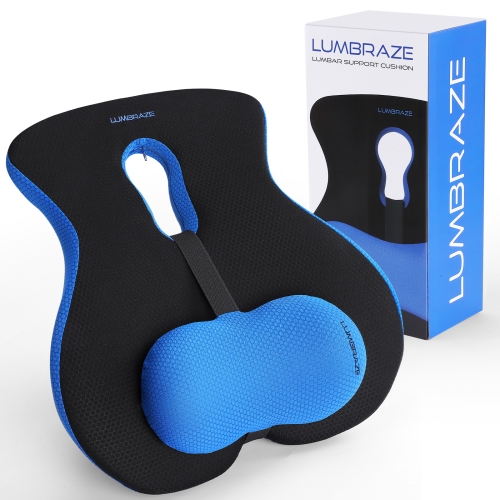
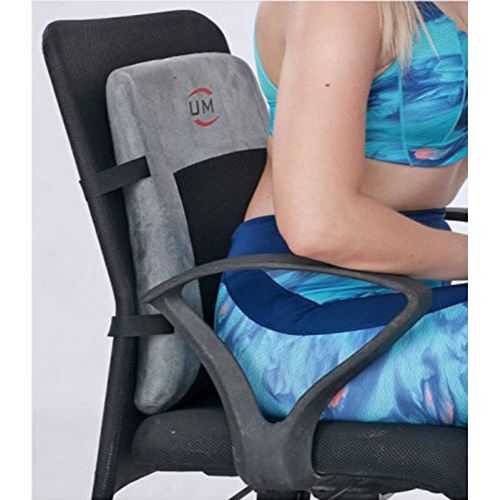
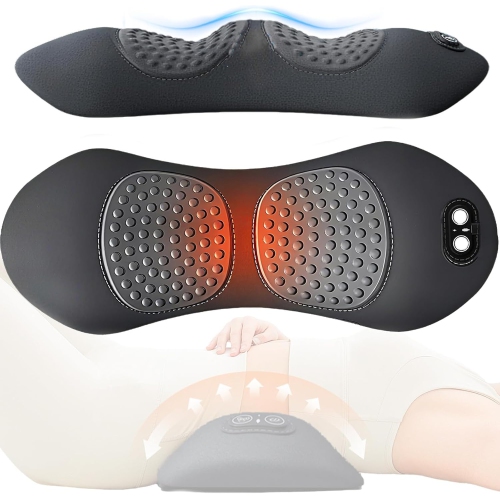
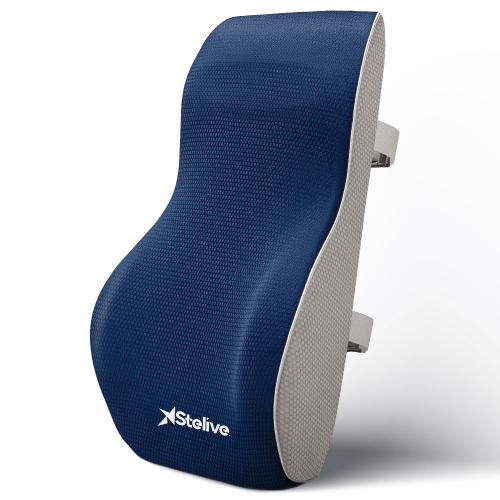
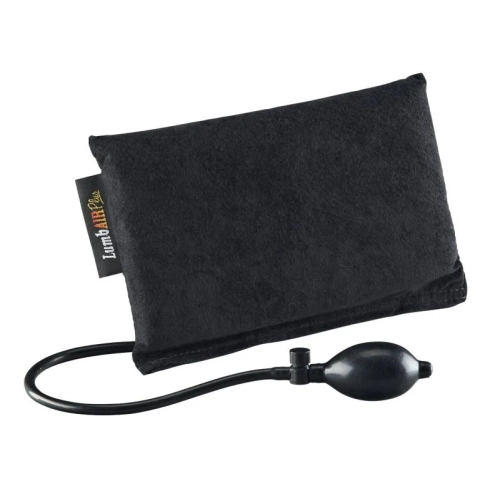
Lumbar support chair pillows are cushions shaped to fill the space between the lower back and a chair’s backrest, adding support where a flat or deeply curved seat may leave a gap. They can make a desk chair, dining chair, or reading chair feel better suited to the person using it, without replacing the chair itself. A contoured pillow generally has a fuller centre or curved profile that rests against the inward curve of the lower back. The aim is comfortable contact rather than a pronounced push: a cushion should not force the back into an exaggerated arch or shift the sitter onto the front edge of the seat. For someone working at a computer, studying at a dining table, or spending time on seated hobbies, the right fit depends as much on the chair as on the pillow. Seat depth is especially important because adding a cushion reduces the usable space from front to back. There should still be enough room to sit with the hips supported, feet resting on the floor or a footrest, and a small gap between the seat edge and the backs of the knees. A thick cushion may suit a deep chair but feel intrusive on a shallow seat. Height matters, too. Lumbar support belongs against the lower back, not high between the shoulder blades or so low that it mainly presses against the pelvis. Adjustable positioning can be useful when a chair serves different people or when the same pillow moves between seats. A student leaning towards a laptop and someone settling back to read may prefer different amounts of cushioning, even in the same chair. These pillows are comfort accessories rather than treatments, and they do not replace movement breaks or appropriate care for persistent back pain. Their everyday value lies in making an otherwise suitable chair feel more supportive during ordinary seated activities.
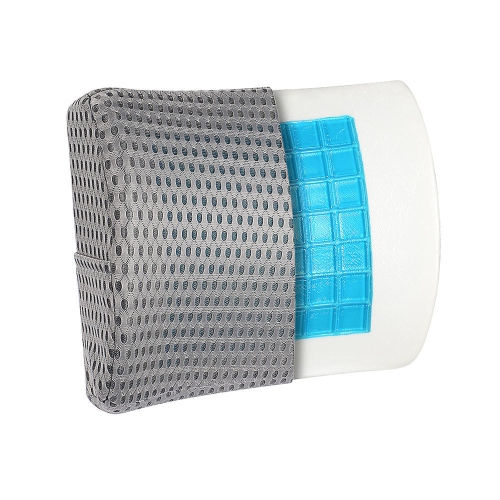
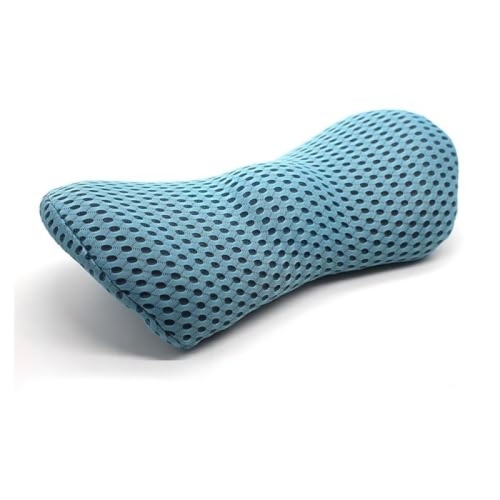
Materials and construction influence how a lumbar pillow feels when first sitting down and how well it holds its shape through repeated use. Memory foam gradually conforms under pressure, creating a close-fitting surface that may appeal to people who prefer a defined contour. Conventional resilient foam tends to respond more quickly when weight shifts, while fibre-filled cushions often feel softer and less structured. Neither softness nor firmness alone determines comfort: a pillow that compresses completely may provide little lasting support, while an overly firm or prominent shape can feel like a lump behind the back. The cushion’s thickness, width, and curve should work together with the chair’s existing padding. A broad pillow can spread contact across more of the lower back, but it needs enough space between armrests and should not buckle against the sides of a narrow backrest. Compact shapes may fit smaller chairs or travel more easily between a home desk and another workspace. Cover fabrics also make a noticeable difference. Mesh can allow airflow through the surface, while a smooth woven cover may be easier to slide against when changing position. Textured fabrics can help limit slipping, although comfort against clothing remains a personal preference. Removable covers are practical for frequently used seating, especially where several people share a chair. Attachment details deserve equal attention. Adjustable straps can hold a pillow at the intended height, and two attachment points may offer more stability on some backrests than a single loose band. Strap length must suit the chair’s width and thickness without placing strain on seams or fasteners. On an open-backed chair, check that straps have a secure path rather than relying on a narrow rail that lets the cushion twist. For vehicle use, choose only designs intended for that purpose and follow both vehicle and cushion instructions; added padding must not interfere with seat belts, airbags, head restraints, or normal seat adjustment.
Care and durability are worth considering for a cushion that may be used for several hours most days. A removable, washable cover can make routine cleaning more manageable, but the care label should determine whether it belongs in a washing machine or needs hand washing. Foam inserts commonly require different treatment from their covers, so avoid soaking or machine washing an insert unless its instructions permit it. Light surface cleaning and thorough drying help keep a pillow ready for use, while regular checks around zips, strap anchors, and seams can reveal wear before a small split becomes larger. Shape retention is another useful sign of condition: a cushion that stays flattened, develops uneven areas, or no longer sits securely may not provide the same feel it once did. When moving a pillow between chairs, a carry handle or compact profile can make the routine easier, but a close fit on the main chair usually matters more than portability. A dedicated cushion at a study desk may be more convenient than repeatedly readjusting straps between work and leisure seating. For a fuller view of support options across different seating arrangements, Chair Lumbar Support brings the focus back to how an accessory works with the seat already in place. Small setup changes can also affect the result: moving the chair closer to the desk, bringing a screen to a comfortable viewing height, or supporting the feet may reduce the tendency to perch forward and lose contact with the backrest. A lumbar pillow works best as part of that overall arrangement, not as a reason to remain in one position all day. It can also be a thoughtful gift for a student, home-office user, or someone who enjoys seated crafts, provided their chair dimensions and preference for softer or firmer support are known. The most useful choice is one that fits the person’s usual seat, stays where it belongs, and remains straightforward to care for.
Top selling and popular products
-
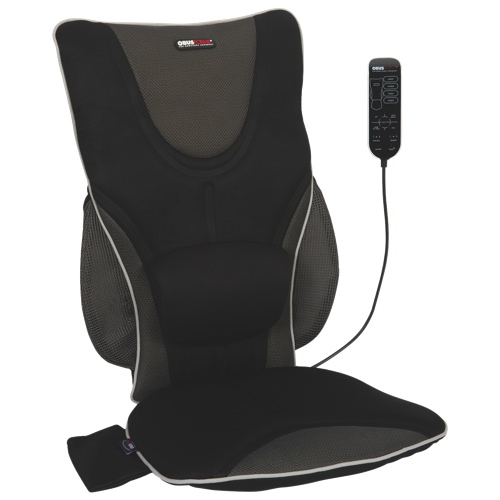 Your price for this item is $79.99
-
 Your price for this item is $44.99
-
 Your price for this item is $44.99
-
 Your price for this item is $44.99
-
 Your price for this item is $44.99
-
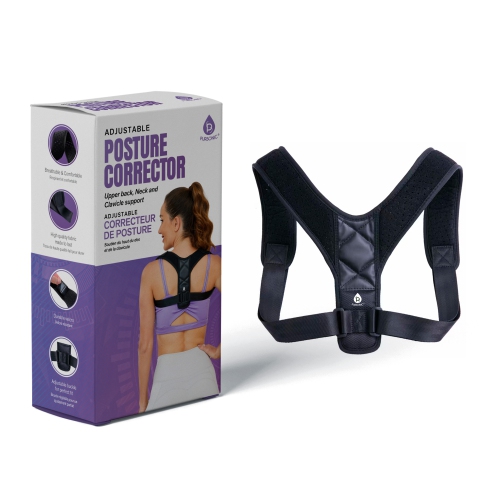 Your price for this item is $24.99
-
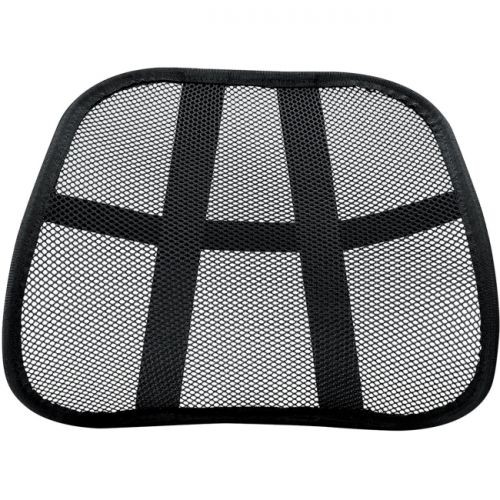 Your price for this item is $42.99
-
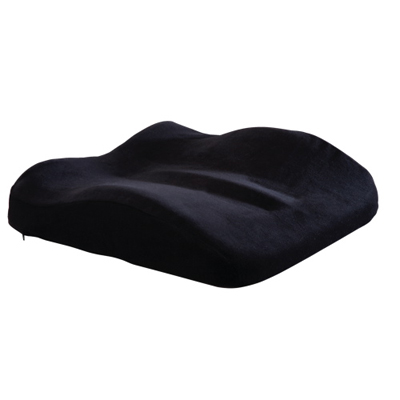 Your price for this item is $49.99
Discover more categories related to Lumbar Support Chair Pillows
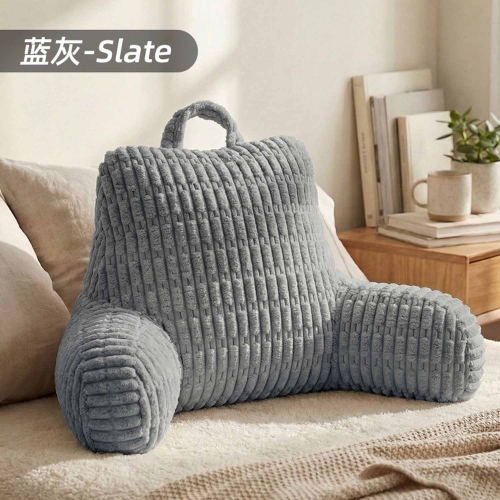
Top Collections:
Best Black Friday Deals This Year, Best Black Friday Deals On Electronics, Kindle Devices, Pokemon Centers, Best Black Friday Deals On Apple Products, Best Cameras for Sports Photography, Dyson Airwrap, Pokémon 30th Celebration Cards, Apple iPhone 17 Pro, Canon G7X Cameras
Some products may be subject to Environmental Handling Fees
(EHF) depending on your province.
Learn more about EHFs.