Back Pillows for Sleeping
Back pillows for sleeping are an essential item for those who want to achieve a good night's rest. These pillows are designed to provide support for the neck and head, helping to reduce strain and pressure on the spine. Here are some great options available.
Sort
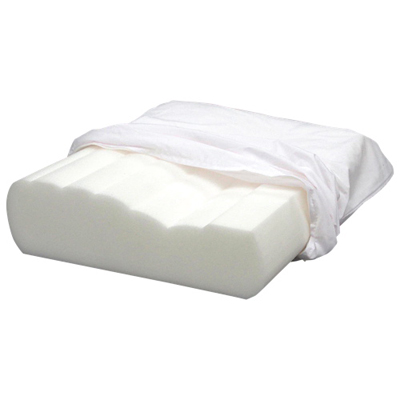
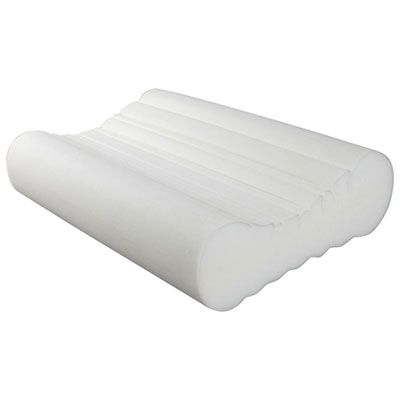
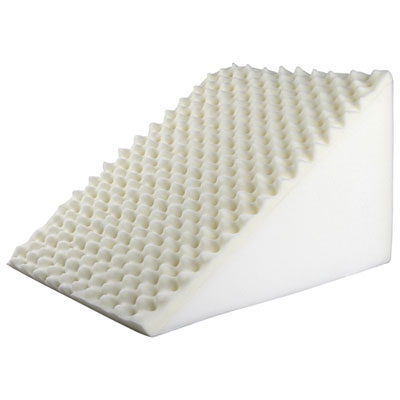
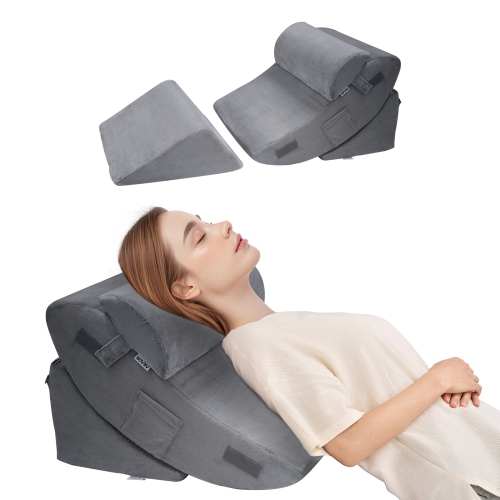
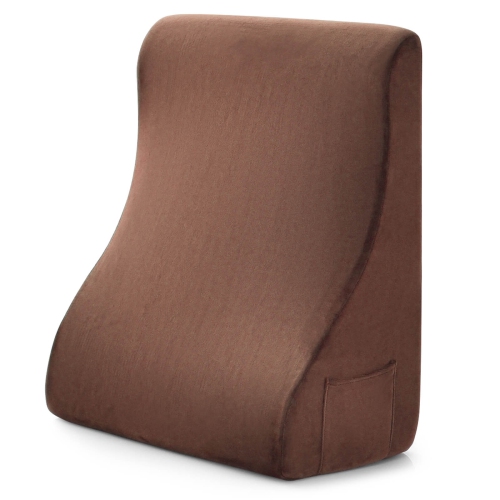
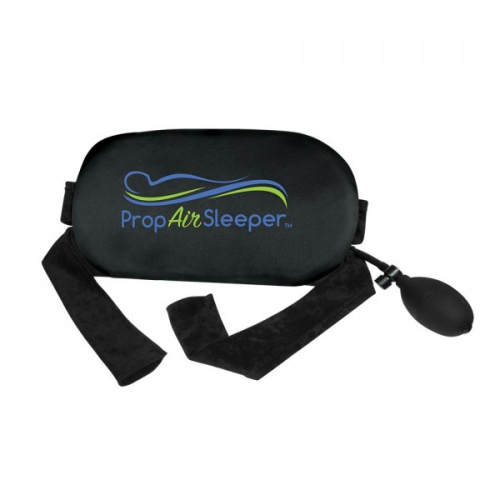
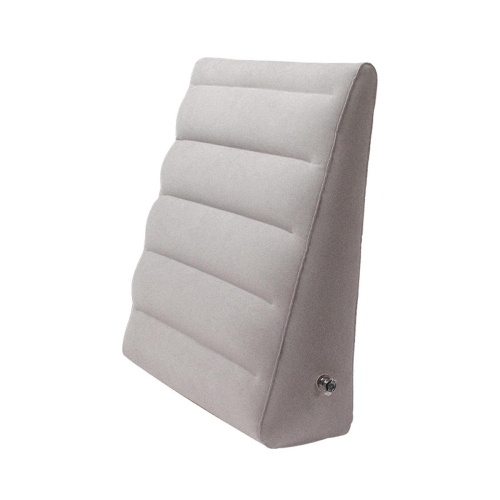
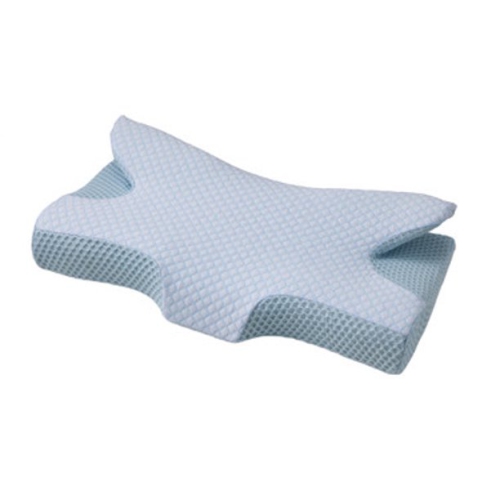
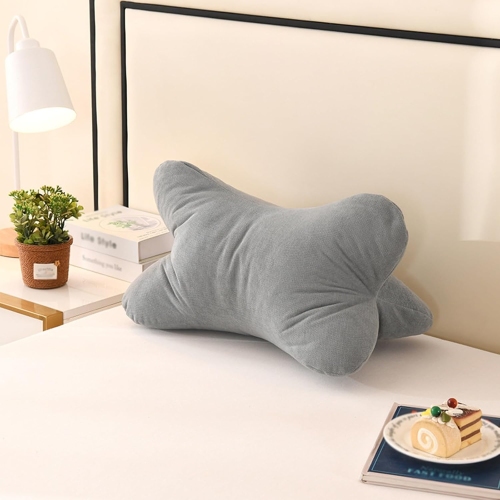
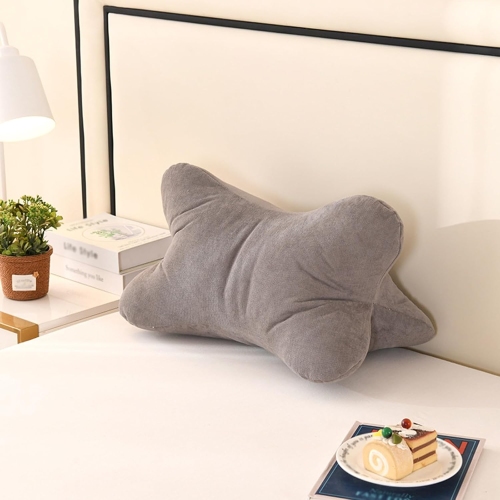
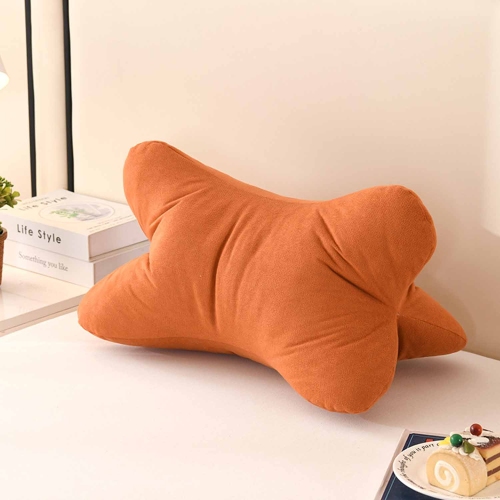
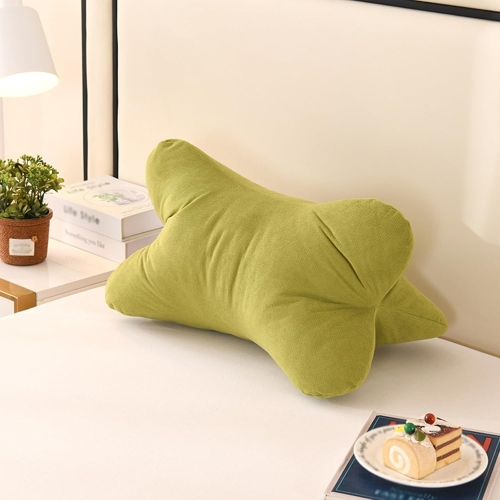
Why pillow height matters once your head settles
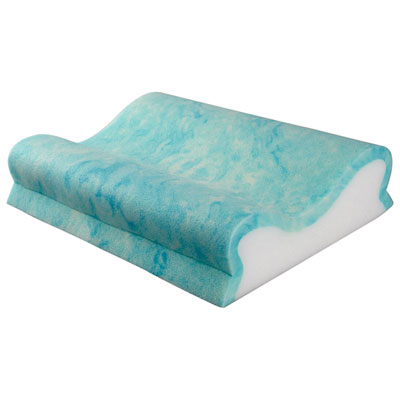
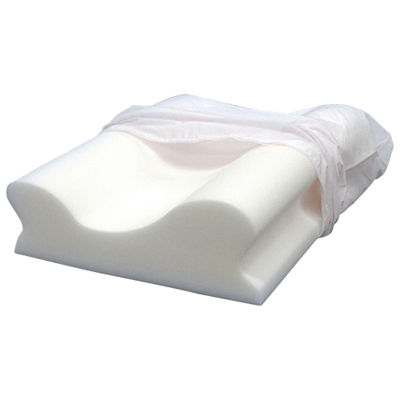
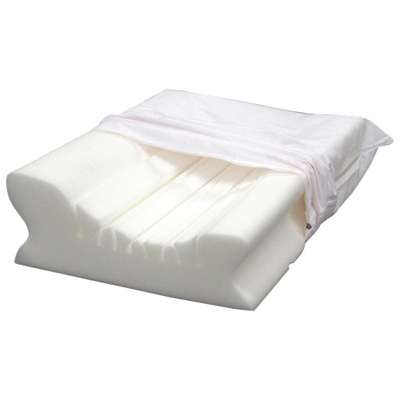
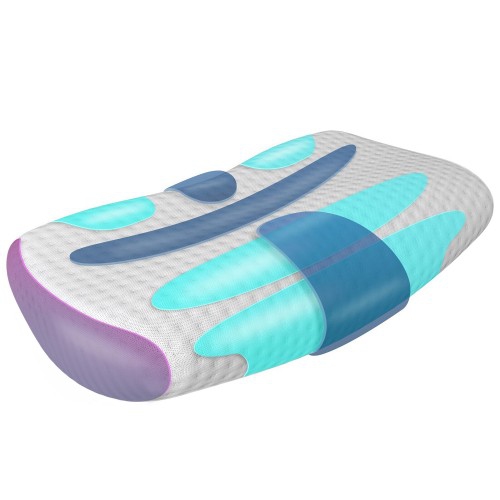
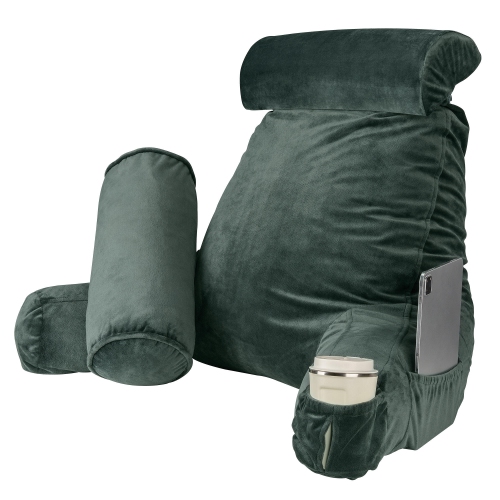
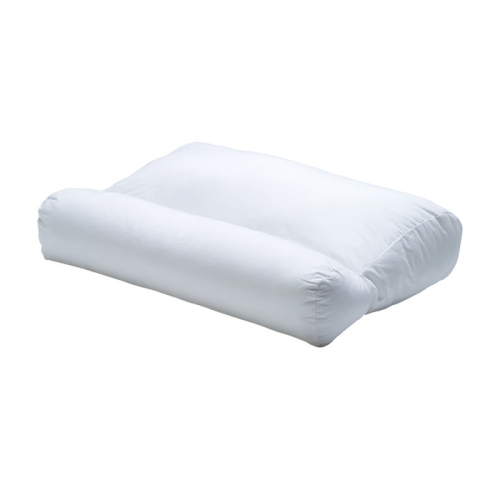
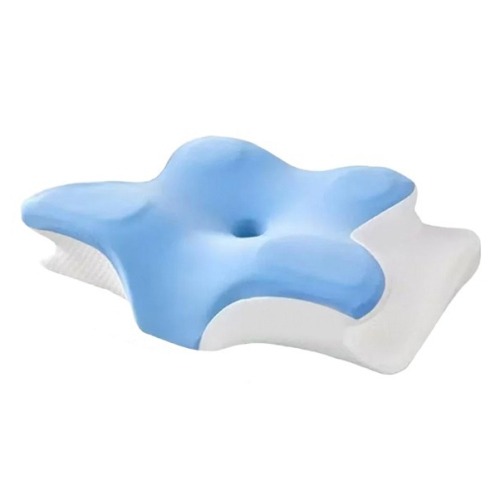
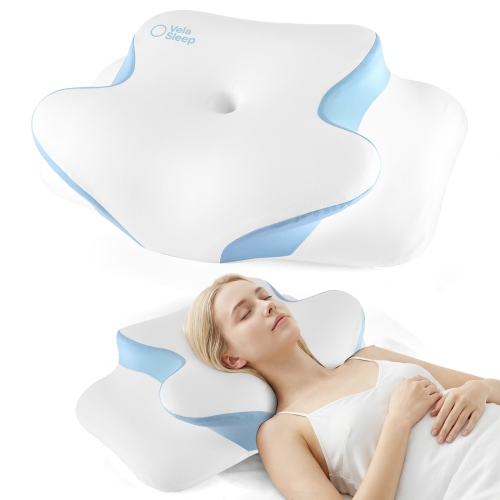
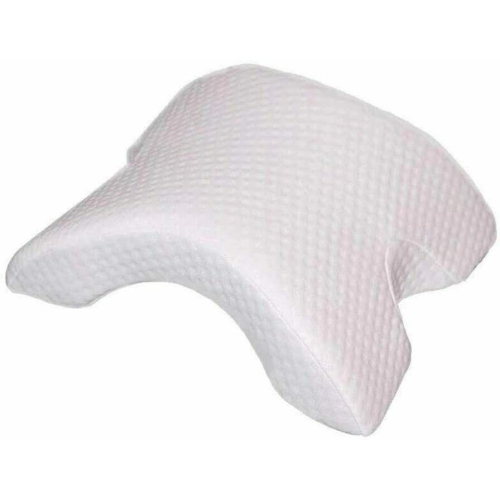
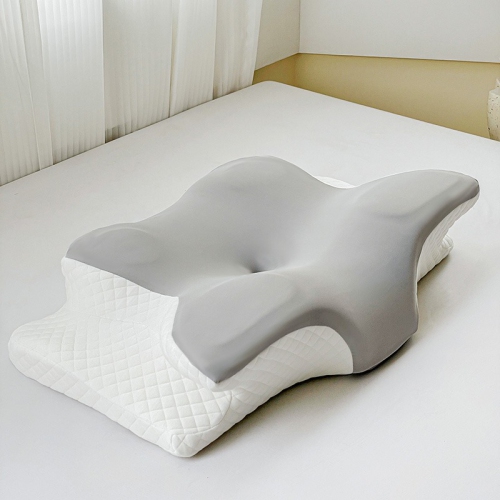
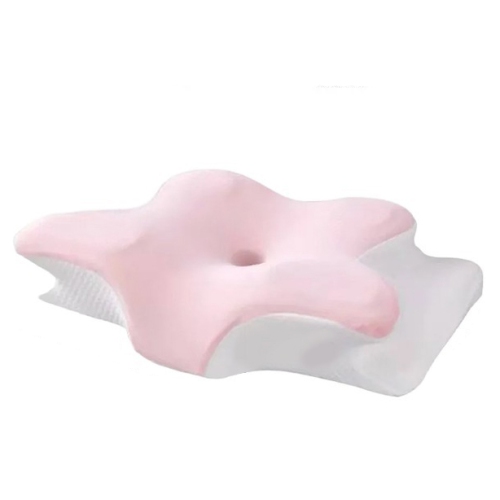
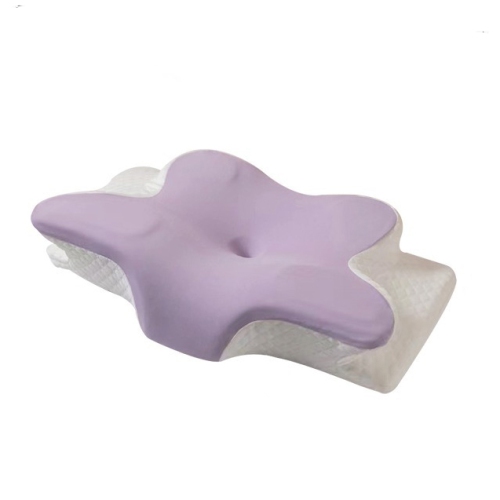
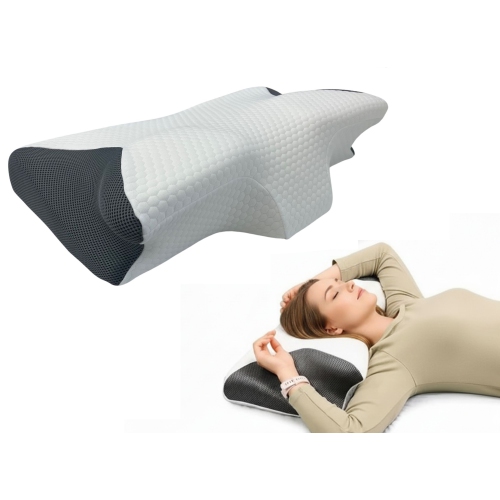
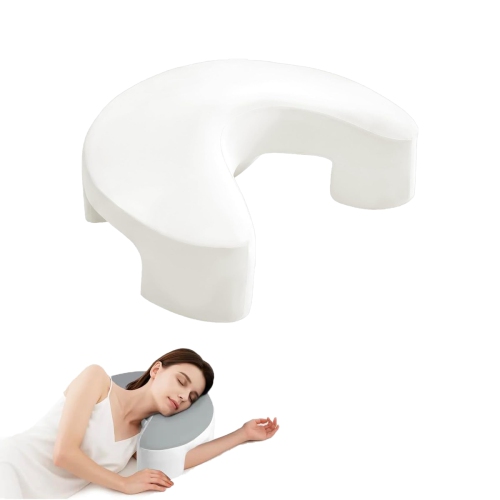
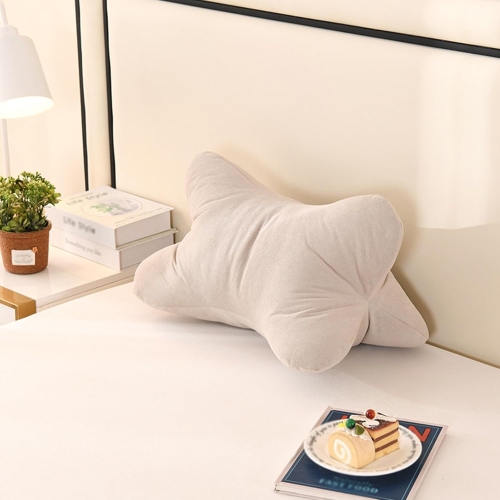
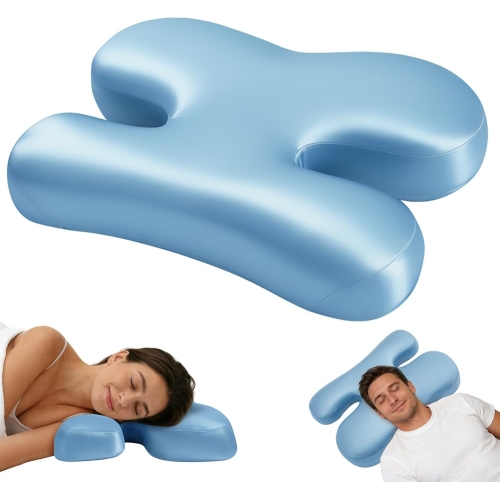
Back pillows for sleeping provide support for resting on your back, whether positioned beneath the head and neck or used to cushion the lower back and legs. For a back sleeper’s head pillow, a medium loft and medium-firm feel are often useful starting points: the pillow should fill the space beneath the neck without tipping the chin towards the chest or allowing the head to fall too far backwards. Loft means pillow height, but the height that matters is how much remains once the weight of your head compresses the fill. A pillow that looks tall on the bed may settle considerably, while a lower, denser foam design may hold its shape. The right fit depends on body proportions, mattress firmness, and personal comfort rather than a single measurement. On a softer mattress, the shoulders and upper body may sink farther into the surface, changing the amount of support needed beneath the neck. On a firmer mattress, a different profile may feel more natural. Contoured pillows typically have a shaped neck-support area and a shallow centre for the head, while traditional rectangular pillows offer a more familiar surface with room to shift position. Some contoured designs have edges of different heights, allowing a choice between profiles when used according to their directions. Adjustable-fill pillows offer another way to fine-tune the fit, particularly for someone whose preferred height falls between standard options. A comfortable position generally leaves the face pointing upwards, the neck supported, and the shoulders resting on the mattress rather than perched on the pillow. People who alternate between back and side sleeping may prefer a shape that accommodates both positions instead of a narrow cradle that limits movement. Pillow width also matters for anyone who turns frequently: enough usable surface can make it easier to settle again without repeatedly pulling the pillow back into place.
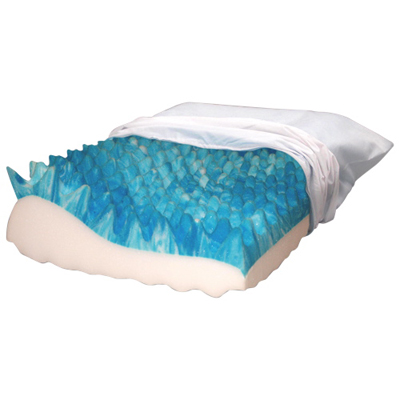
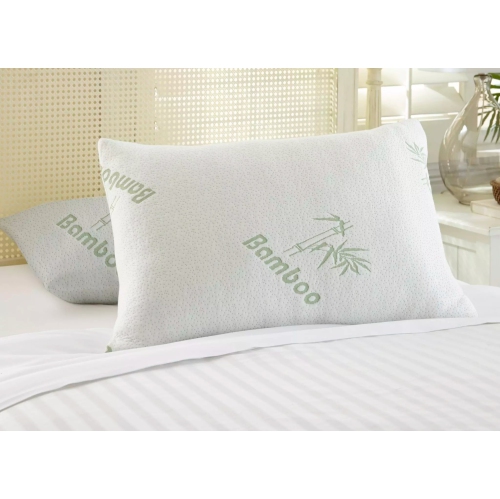
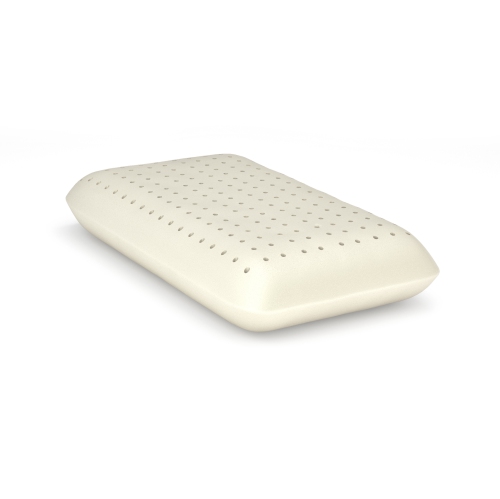
Materials determine much of a sleeping pillow’s feel, from the first impression under the head to the support that remains after several hours. Solid memory foam moulds gradually around the head and neck, offering a close-fitting feel with relatively little need for fluffing. Its response varies by density and construction, so two foam pillows with similar dimensions can feel quite different. Shredded memory foam has a more movable structure and may allow the fill to be redistributed or removed, although only designs intended to be adjustable should be opened for that purpose. Latex generally has a springier response, compressing under weight and returning to shape more quickly than slow-response foam. Anyone with a latex allergy should check the material specifications before choosing it. Fibre-filled and down-alternative pillows tend to feel softer and more yielding, and some can be shaped into a small roll beneath the neck. They may need regular fluffing to keep the fill evenly distributed. Down and feather blends also compress readily, so their suitability for back sleeping depends on whether they retain enough height and support through the night. Firmness and loft are separate qualities: a pillow can be low and firm, or tall and soft, and neither label alone establishes a good fit. Cover fabric contributes to everyday comfort as well. A smooth cotton cover, a soft knit, or a lightly textured fabric will feel different against the cheek when the sleeper turns. Visible seams, prominent zips, and heavy piping are worth considering for someone sensitive to texture. A removable cover makes routine cleaning simpler, while an appropriately sized pillowcase should sit neatly without squeezing the pillow out of shape. Standard rectangular cases may not follow a deep contour or unusual profile, so checking the pillow’s dimensions and cover requirements helps avoid a bunched-up surface. For shared beds, individual pillow choices can accommodate different support preferences without changing the mattress.
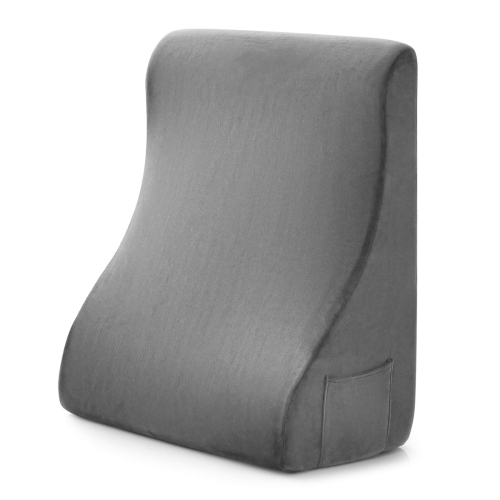
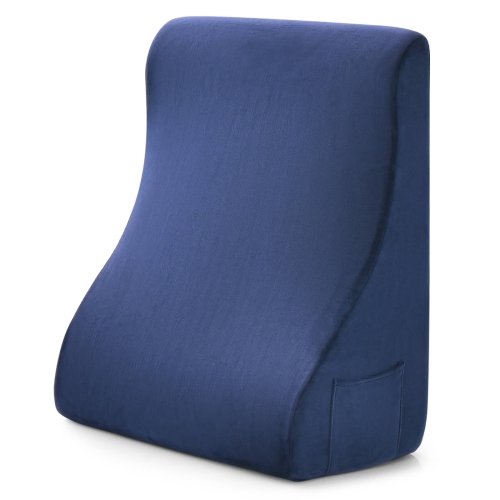
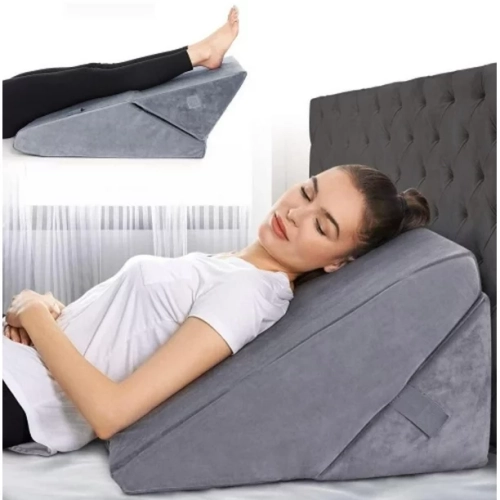
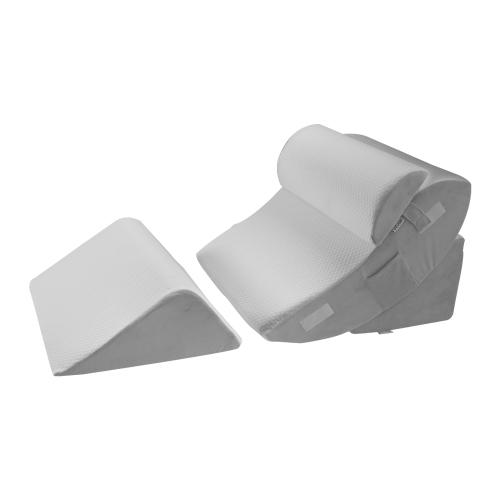
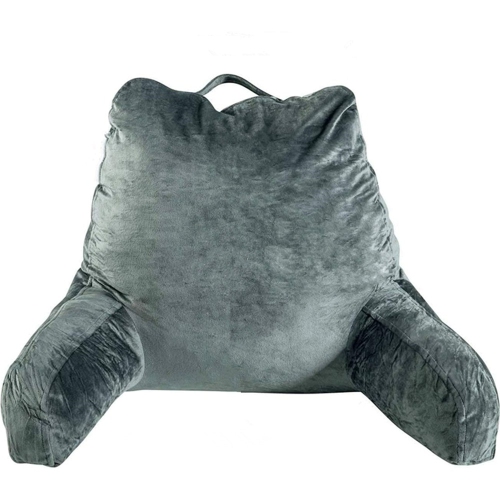
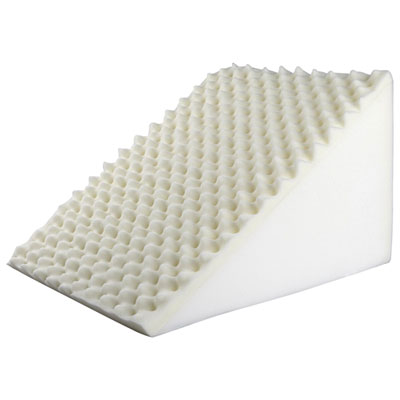
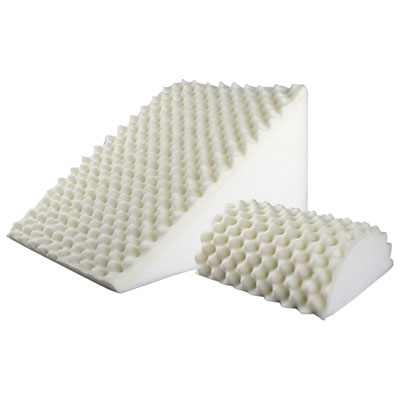
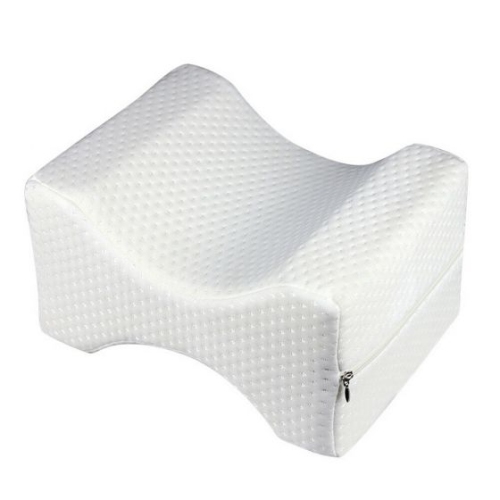
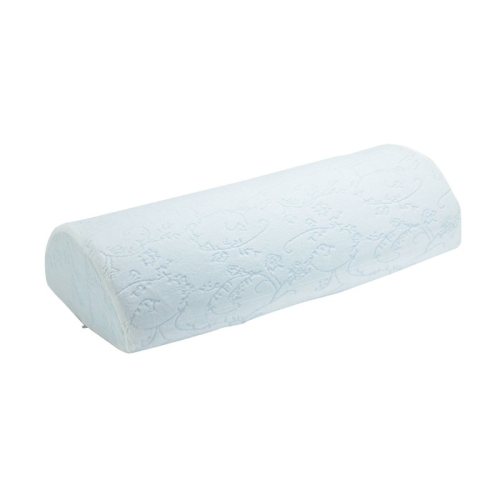
Support beneath the body serves a different purpose from support beneath the head, and the pillow’s intended placement should match how it will be used. A small lumbar cushion may provide gentle contact beneath the lower back, but an overly thick cushion can create an exaggerated arch rather than a comfortable resting position. A pillow beneath the knees can make lying on the back more comfortable for some people by allowing a slight bend in the legs. Cylindrical bolsters, shaped knee supports, and low-profile cushions offer different contact areas, so their height, firmness, and tendency to stay in place all matter. For a broader inclined surface beneath the upper body or legs, Wedge Pillows for Sleeping offer a different shape from a conventional head pillow or a small back cushion. Large upright backrests with arms, often used for reading in bed, are not interchangeable with pillows designed for lying down to sleep. Following the intended use is especially important when a support pillow is being considered after a procedure or for ongoing discomfort; a healthcare professional can advise on positioning, and a pillow should not be treated as a cure for pain or a sleep condition. Day-to-day care is another practical distinction. Some fibre-filled pillows can be machine washed, while many solid foam cores require spot cleaning and should not be soaked. The care label should govern washing, drying, and any removable-cover treatment, and every component should be fully dry before it returns to the bed. A washable protector can help keep the surface clean, provided it does not distort the pillow’s shape. Over time, persistent flattening, uneven lumps, torn seams, or foam that no longer rebounds can indicate that support has changed. Durability depends on construction, use, and care rather than firmness alone. For a gift, familiar preferences such as a low profile, washable cover, or adjustable fill are more useful than assuming a firmer pillow will suit everyone. A well-matched back pillow fits naturally into an established bedtime routine, with a shape and feel suited to the person using it.
Materials determine much of a sleeping pillow’s feel, from the first impression under the head to the support that remains after several hours. Solid memory foam moulds gradually around the head and neck, offering a close-fitting feel with relatively little need for fluffing. Its response varies by density and construction, so two foam pillows with similar dimensions can feel quite different. Shredded memory foam has a more movable structure and may allow the fill to be redistributed or removed, although only designs intended to be adjustable should be opened for that purpose. Latex generally has a springier response, compressing under weight and returning to shape more quickly than slow-response foam. Anyone with a latex allergy should check the material specifications before choosing it. Fibre-filled and down-alternative pillows tend to feel softer and more yielding, and some can be shaped into a small roll beneath the neck. They may need regular fluffing to keep the fill evenly distributed. Down and feather blends also compress readily, so their suitability for back sleeping depends on whether they retain enough height and support through the night. Firmness and loft are separate qualities: a pillow can be low and firm, or tall and soft, and neither label alone establishes a good fit. Cover fabric contributes to everyday comfort as well. A smooth cotton cover, a soft knit, or a lightly textured fabric will feel different against the cheek when the sleeper turns. Visible seams, prominent zips, and heavy piping are worth considering for someone sensitive to texture. A removable cover makes routine cleaning simpler, while an appropriately sized pillowcase should sit neatly without squeezing the pillow out of shape. Standard rectangular cases may not follow a deep contour or unusual profile, so checking the pillow’s dimensions and cover requirements helps avoid a bunched-up surface. For shared beds, individual pillow choices can accommodate different support preferences without changing the mattress.
Support beneath the body serves a different purpose from support beneath the head, and the pillow’s intended placement should match how it will be used. A small lumbar cushion may provide gentle contact beneath the lower back, but an overly thick cushion can create an exaggerated arch rather than a comfortable resting position. A pillow beneath the knees can make lying on the back more comfortable for some people by allowing a slight bend in the legs. Cylindrical bolsters, shaped knee supports, and low-profile cushions offer different contact areas, so their height, firmness, and tendency to stay in place all matter. For a broader inclined surface beneath the upper body or legs, Wedge Pillows for Sleeping offer a different shape from a conventional head pillow or a small back cushion. Large upright backrests with arms, often used for reading in bed, are not interchangeable with pillows designed for lying down to sleep. Following the intended use is especially important when a support pillow is being considered after a procedure or for ongoing discomfort; a healthcare professional can advise on positioning, and a pillow should not be treated as a cure for pain or a sleep condition. Day-to-day care is another practical distinction. Some fibre-filled pillows can be machine washed, while many solid foam cores require spot cleaning and should not be soaked. The care label should govern washing, drying, and any removable-cover treatment, and every component should be fully dry before it returns to the bed. A washable protector can help keep the surface clean, provided it does not distort the pillow’s shape. Over time, persistent flattening, uneven lumps, torn seams, or foam that no longer rebounds can indicate that support has changed. Durability depends on construction, use, and care rather than firmness alone. For a gift, familiar preferences such as a low profile, washable cover, or adjustable fill are more useful than assuming a firmer pillow will suit everyone. A well-matched back pillow fits naturally into an established bedtime routine, with a shape and feel suited to the person using it.
Top selling and popular products
-
 Your price for this item is $300
 -
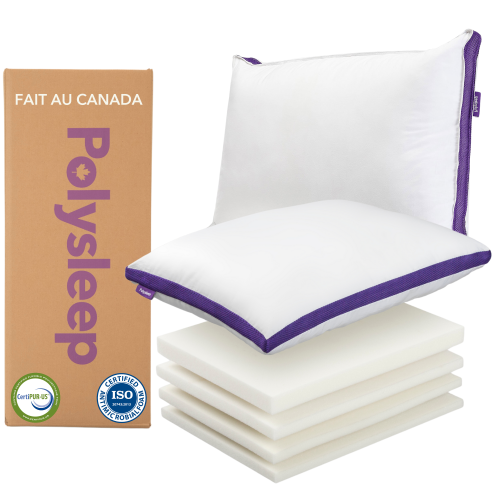 Your price for this item is $350
 -
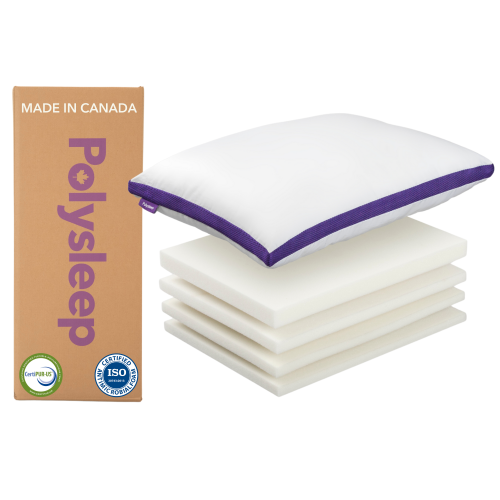 Your price for this item is $175
 -
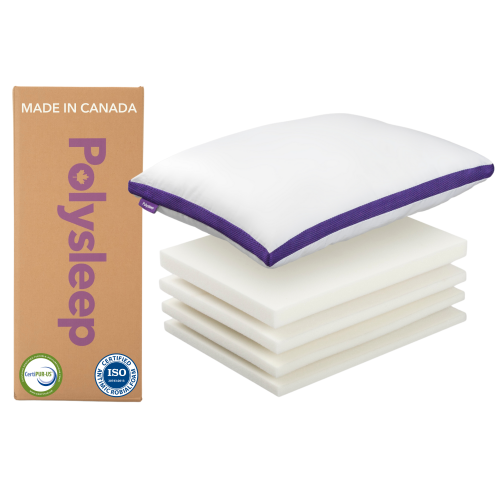 Your price for this item is $150
 -
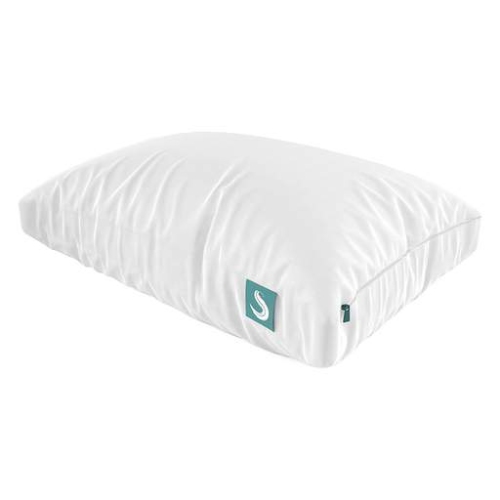 Your price for this item is $153.99
 -
 Your price for this item is $295
 -
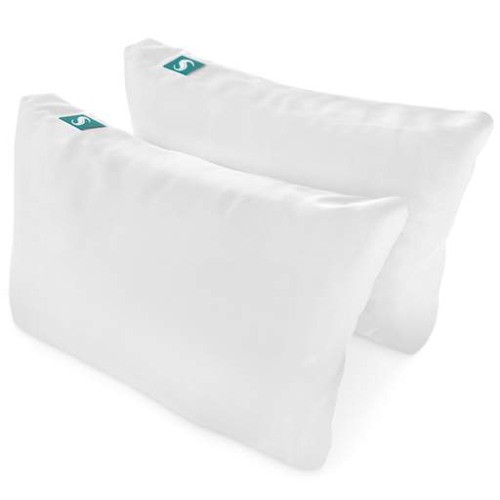 Your price for this item is $243.99
 -
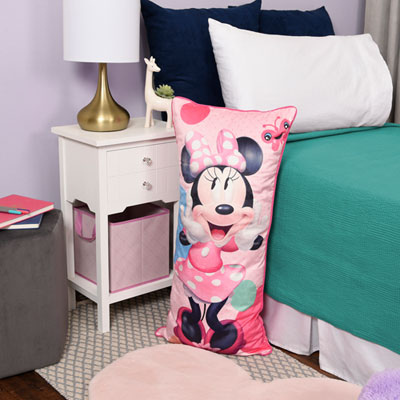 Your price for this item is $24.99
Discover more categories related to Back Pillows for Sleeping
Top Collections:
Pokemon Centers, Kindle Devices, Best Budget Office Chairs, Apple iPhones 16, Best Laptops for Writers, iPhone 15 Apple, Canon G7X Cameras, Refurbished Apple Laptops, Alarm Clock, Motorola Razr Phones
Some products may be subject to Environmental Handling Fees
(EHF) depending on your province.
Learn more about EHFs.