Pillows for Neck Pain
Finding the right pillow can make a world of difference when it comes to alleviating neck pain and ensuring a good night's sleep. Our selection of pillows for neck pain offers a variety of options designed to provide support and comfort, helping you wake up feeling refreshed and ready to tackle the day. Whether you prefer memory foam, cooling gel, or adjustable loft pillows, we have something to suit your needs and preferences. Say goodbye to restless nights and hello to better sleep with our range of neck pain pillows.
Sort
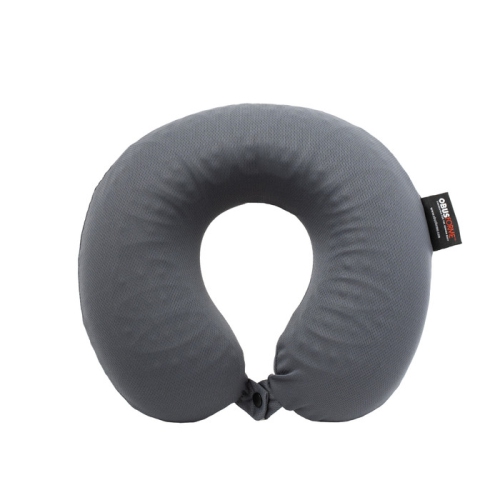
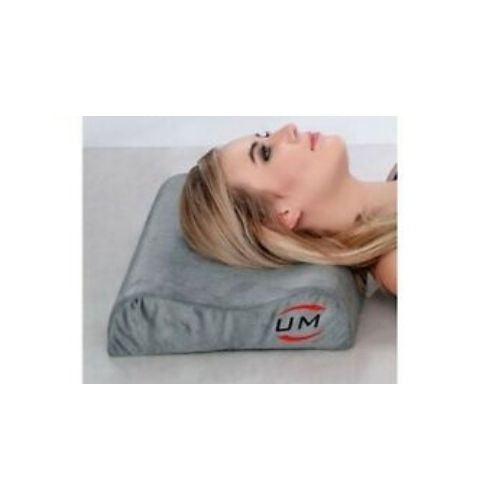
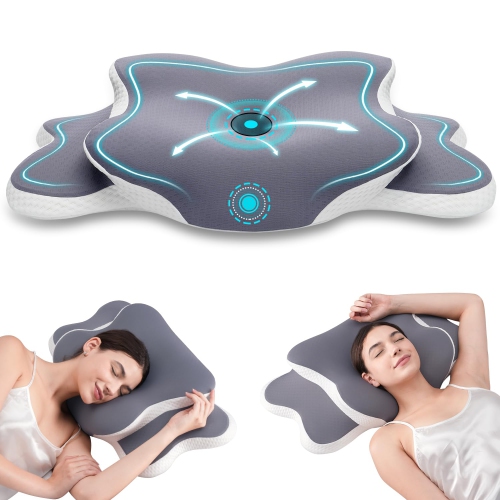
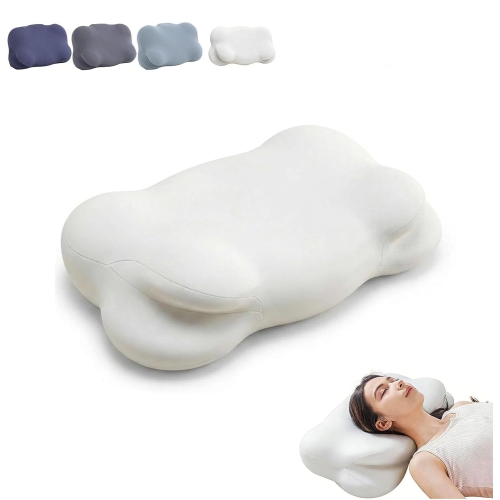

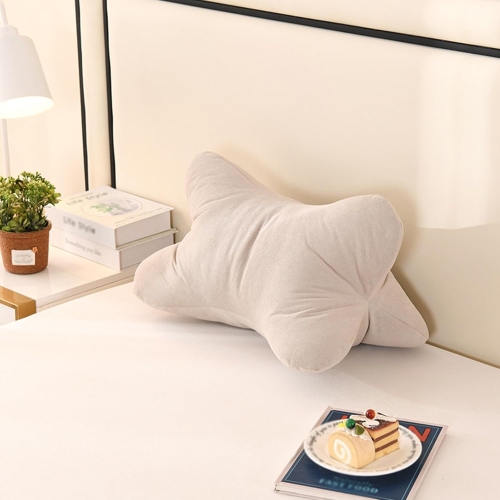
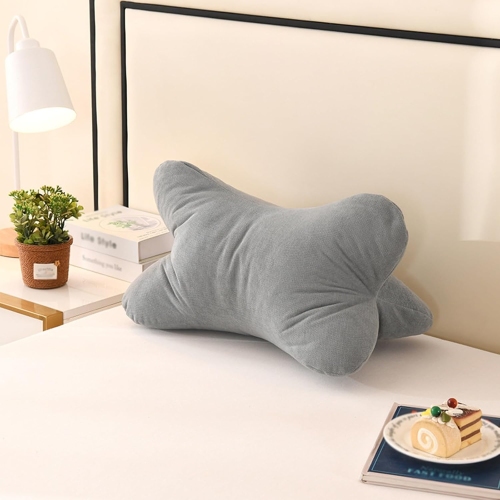
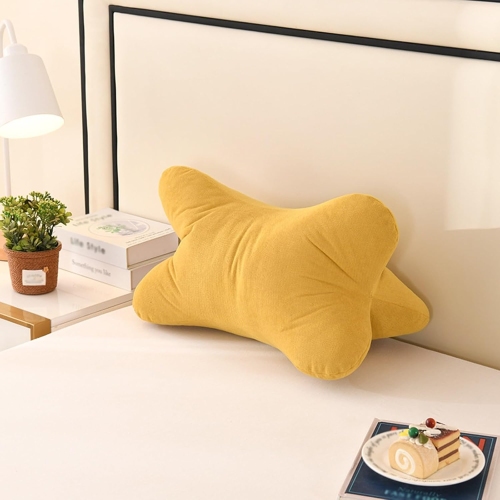
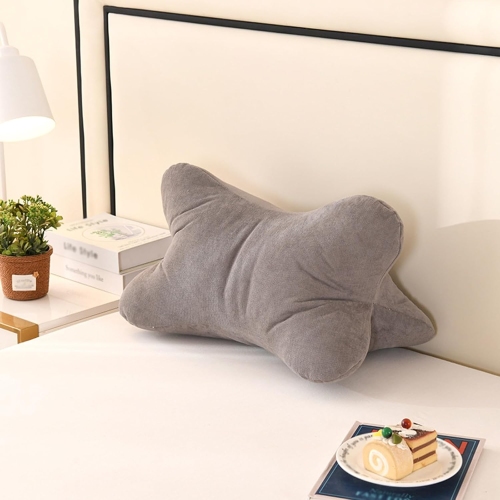


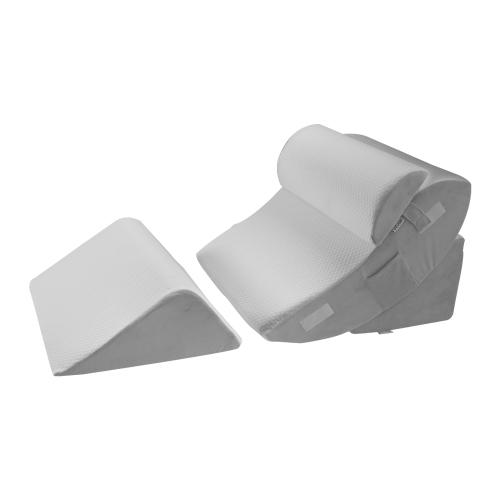
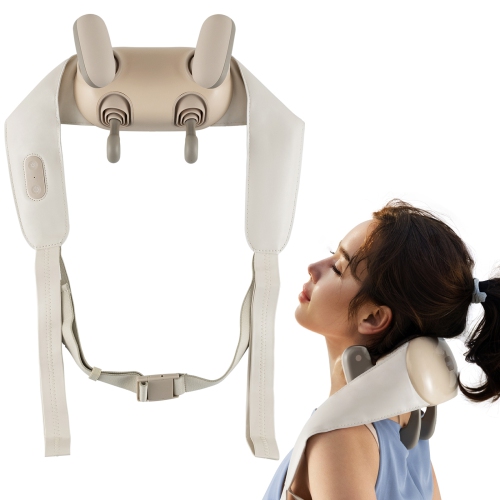
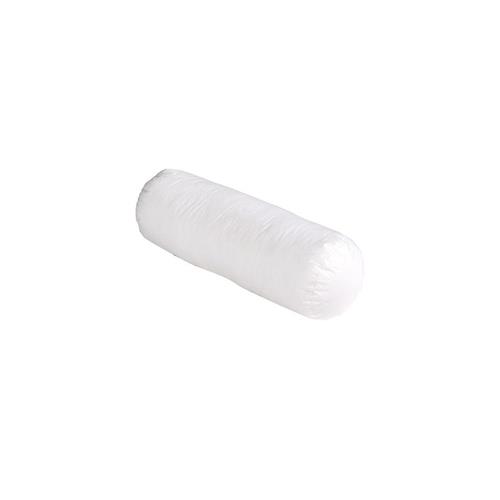
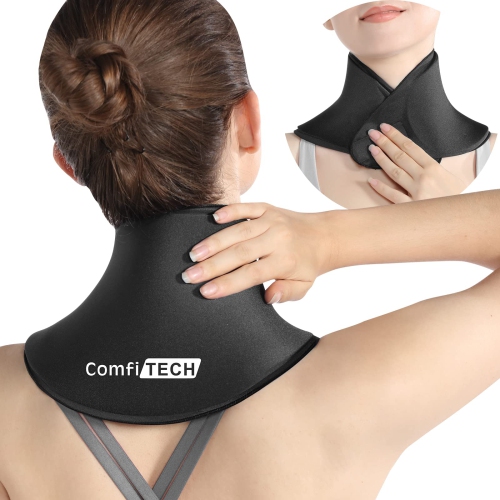
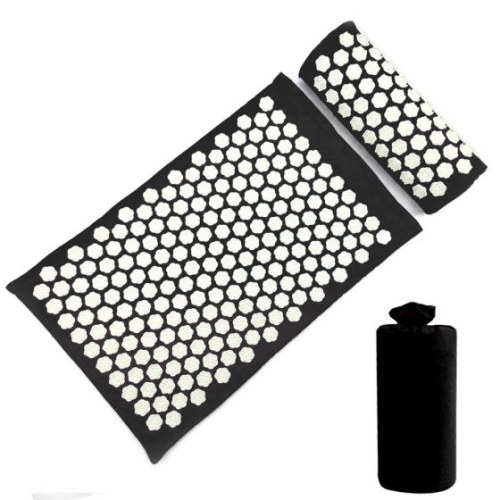
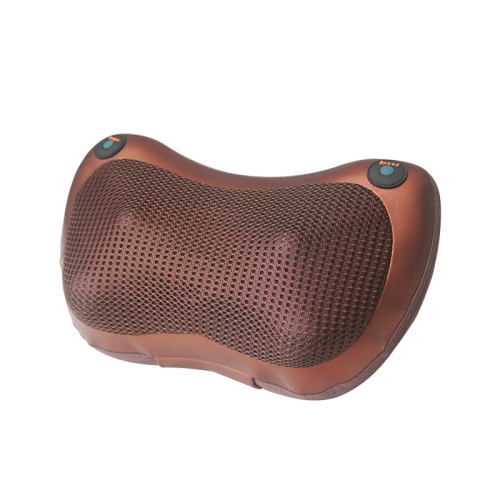
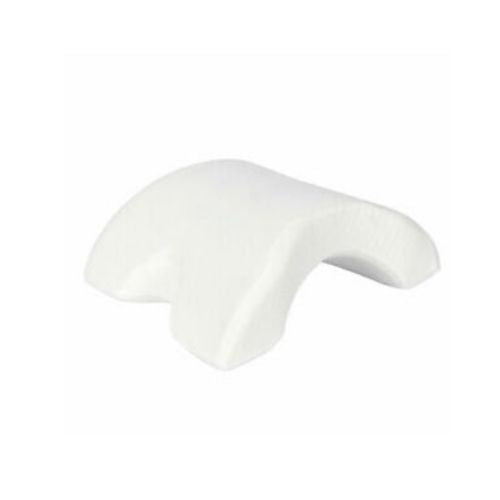
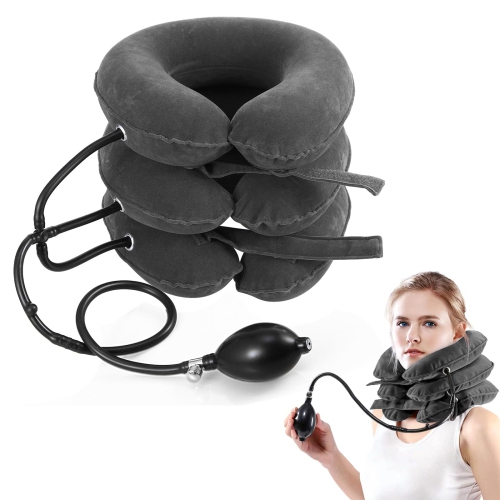
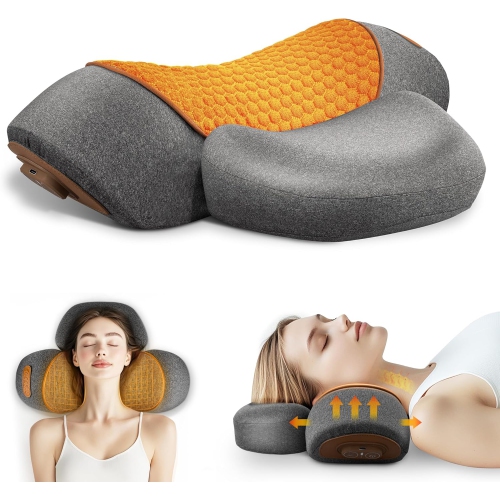
Why pillow height matters as much as firmness
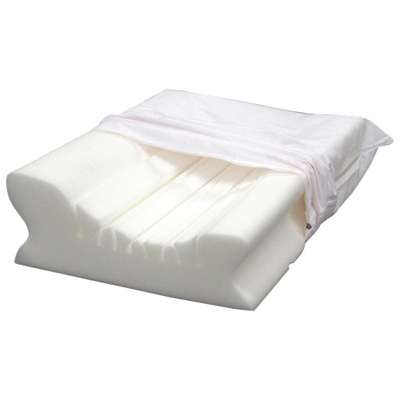
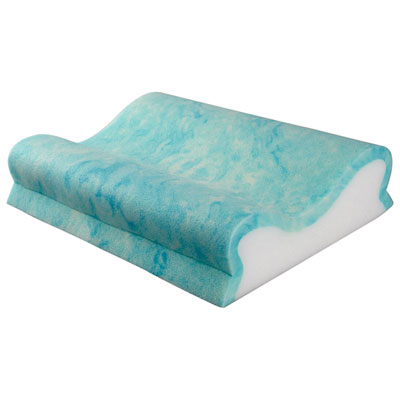
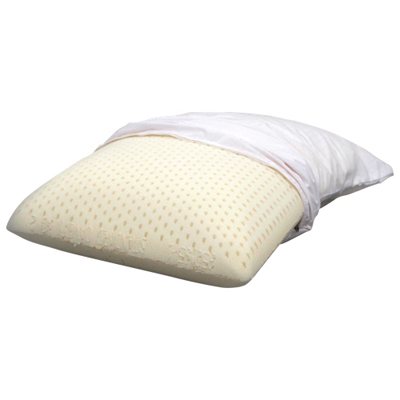
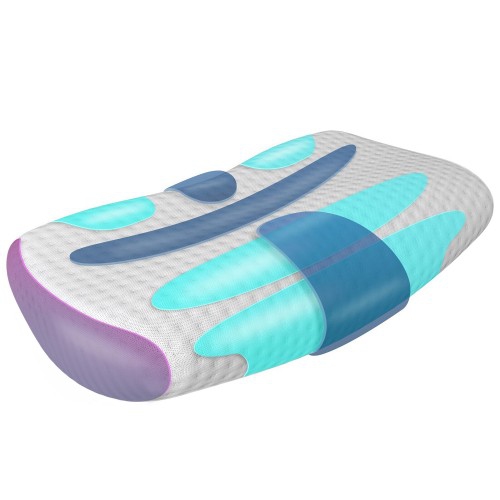
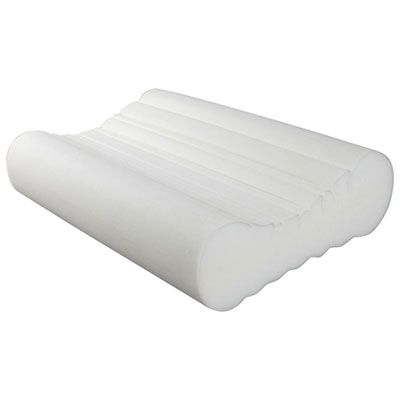
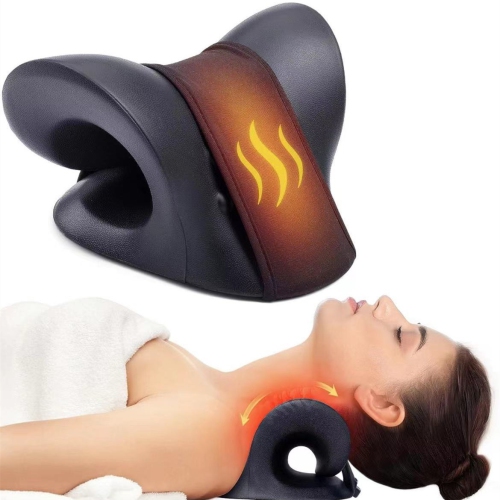
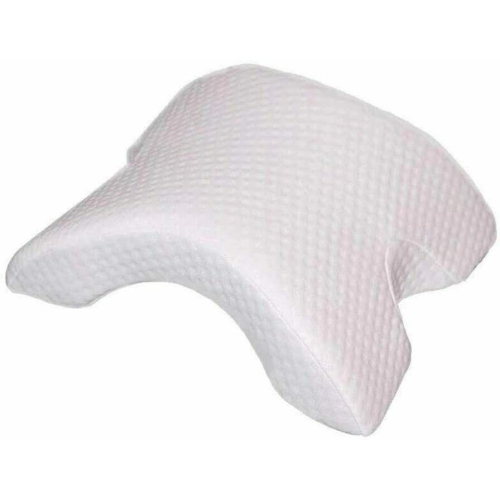
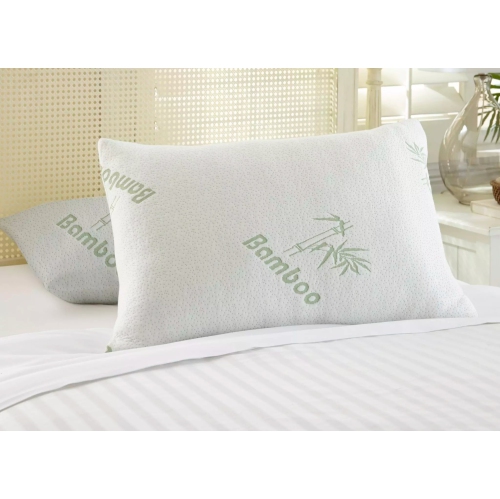
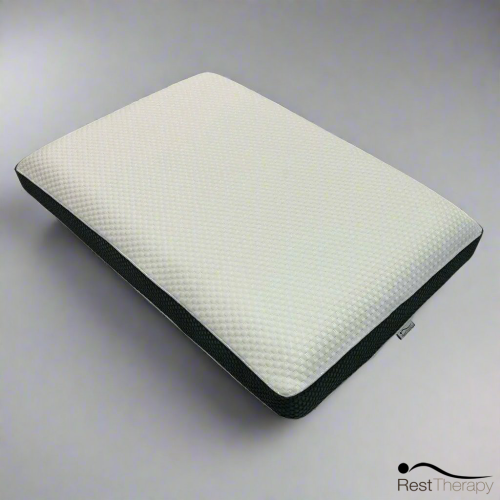
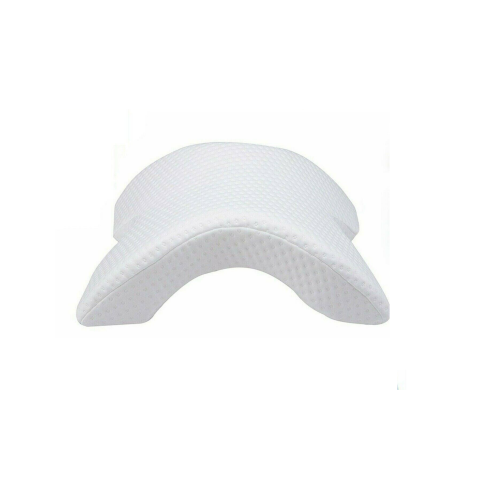
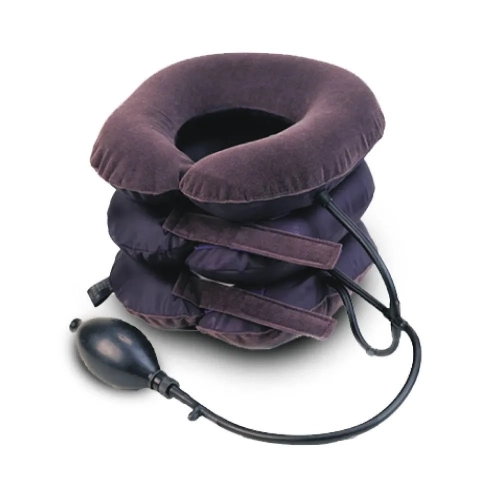
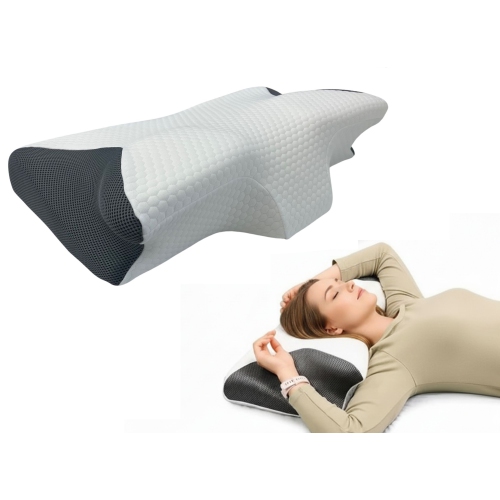
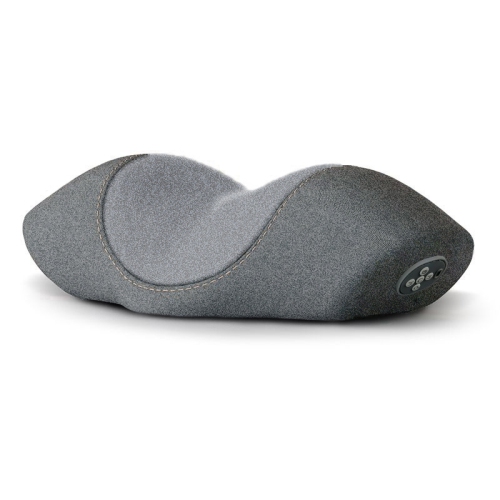
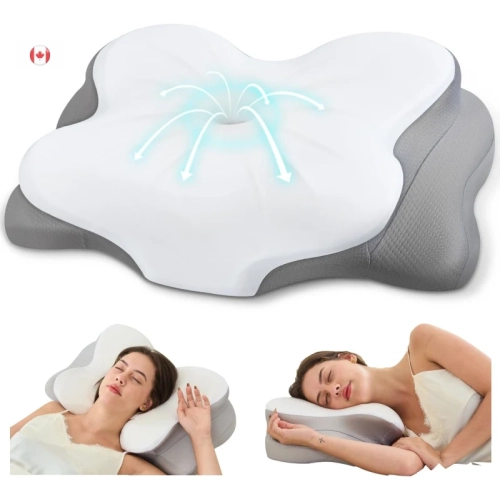
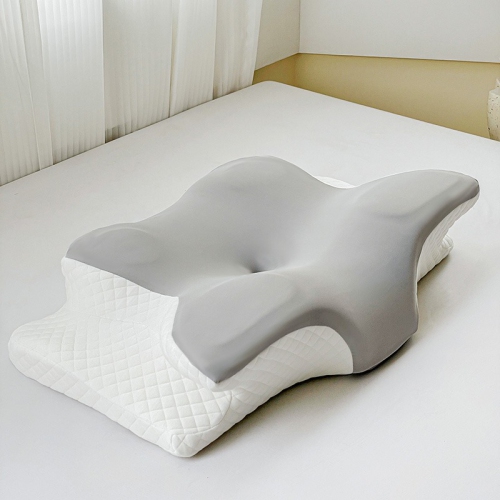
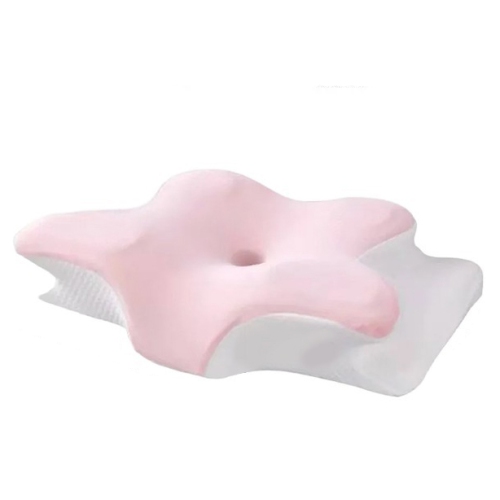
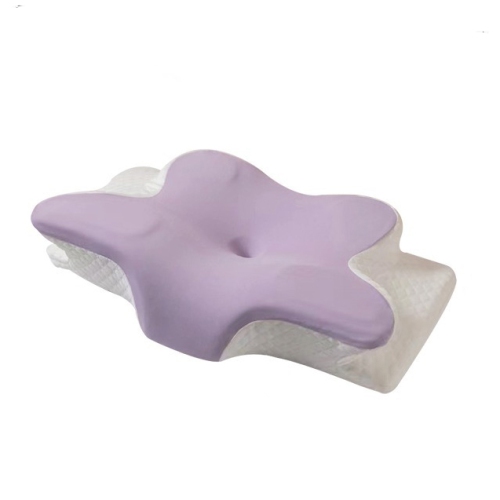
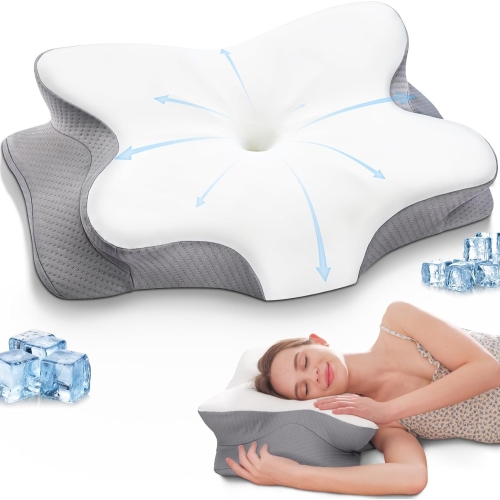
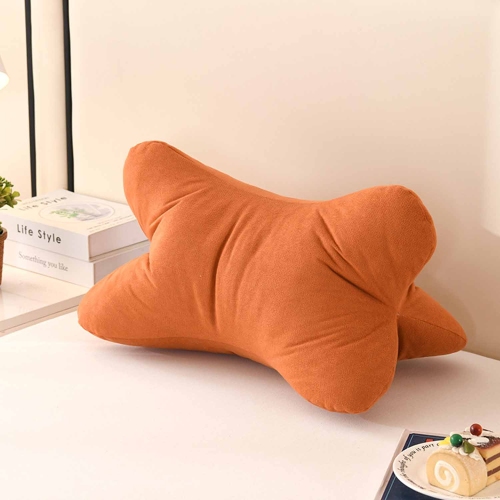
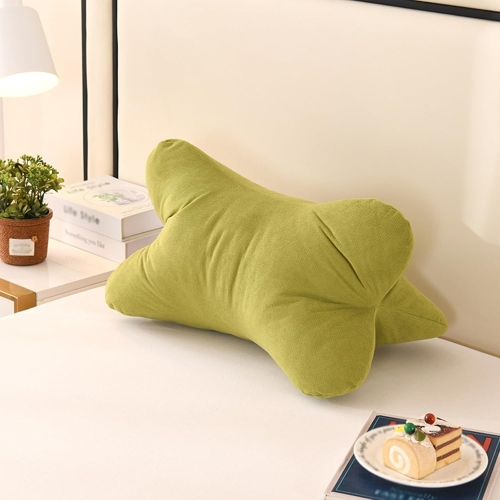
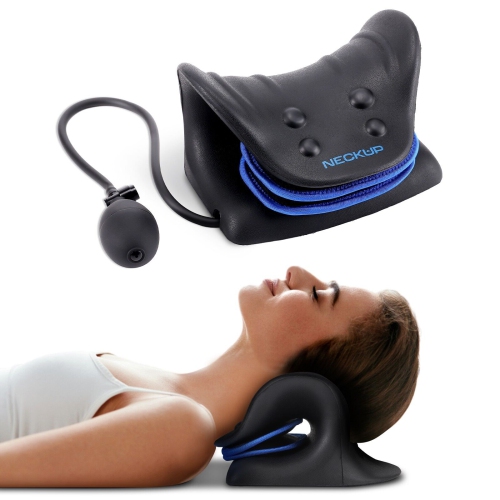
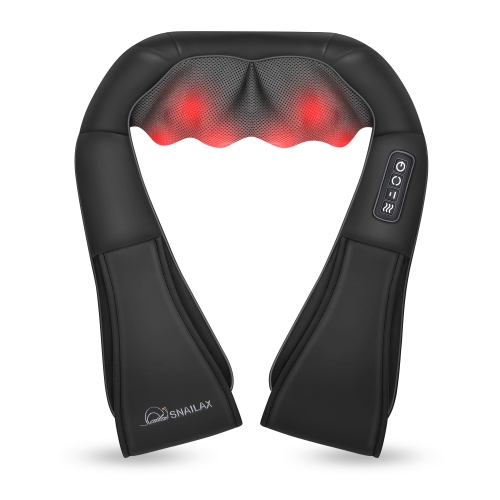
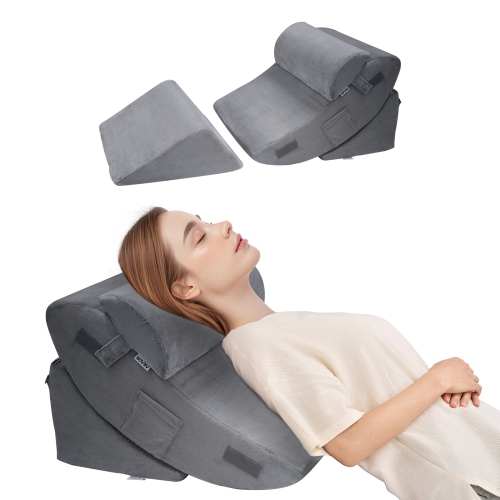
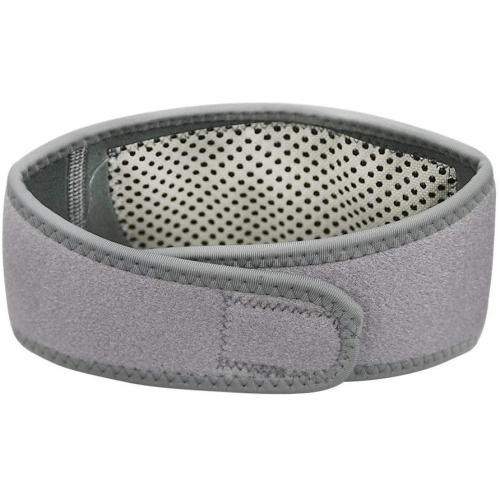
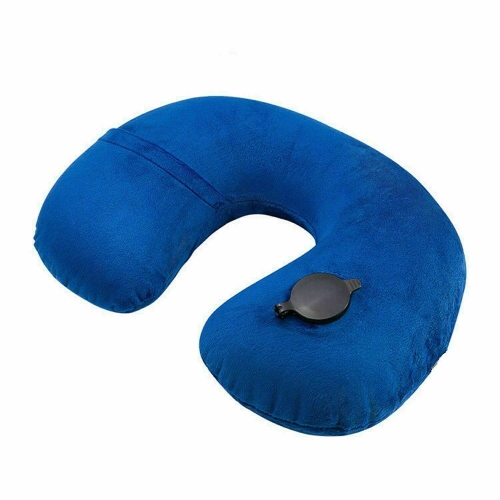
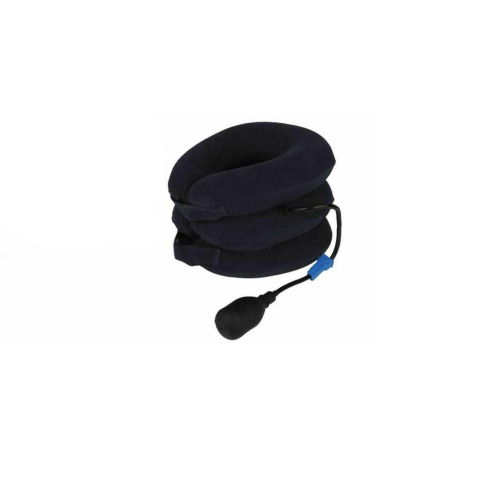
Pillows for neck pain are designed to support the head and neck during rest, with shapes and fillings that may help reduce discomfort caused by an awkward sleeping position. A suitable pillow keeps the head in line with the spine rather than tipping it towards one shoulder, lifting the chin, or pushing it towards the chest. Contoured memory foam, adjustable-fill, latex, and water-based pillows offer different ways to achieve that support, but no single design is the best fit for everyone. Sleeping position, shoulder width, mattress softness, and personal comfort all affect how a pillow feels beneath the neck. For side sleepers, the pillow generally needs enough height, or loft, to fill the space between the head and mattress once the shoulder has settled into the bed. A broad-shouldered person on a firm mattress may need more loft than someone whose shoulder sinks into a softer surface. Back sleepers usually need a lower profile, with gentle support beneath the neck and enough room for the back of the head to rest without being pushed forward. Stomach sleeping keeps the neck turned for extended periods, and a thick pillow can add an upward bend; people who sleep this way may find a very low profile more comfortable. Combination sleepers often benefit from a shape that accommodates movement instead of holding the head in one narrow position. The useful distinction is not simply soft versus firm: a pillow can feel plush at the surface while still offering a supportive base. Likewise, a firm pillow can be uncomfortable if its height is wrong. For anyone comparing Neck Support Pillows, the most relevant features are the resting height under the weight of the head, the placement of neck support, and how easily the pillow allows a natural change of position.
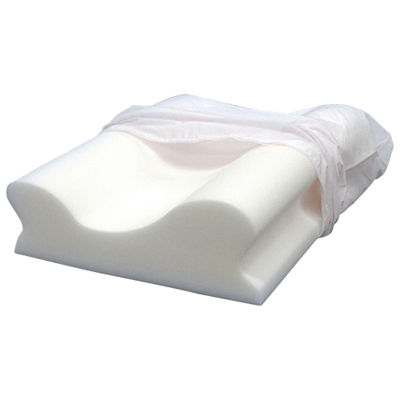
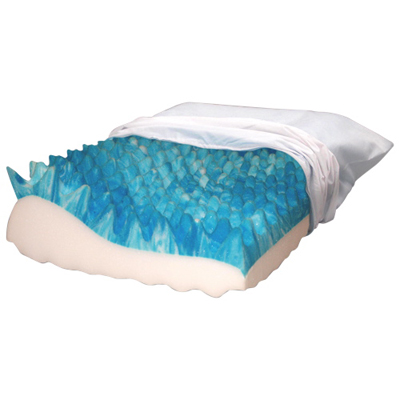
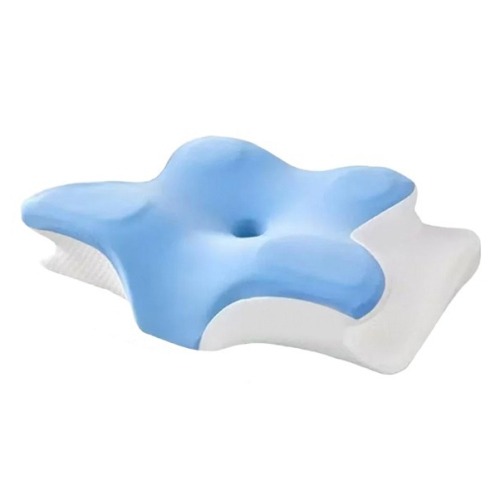
Materials and construction make a noticeable difference to that resting feel. Solid memory foam moulds gradually around the head and neck, offering a close-fitting surface with less spring than latex. A contoured version typically has a recessed centre and one or more raised edges, allowing the head to settle while the neck rests on a higher section. Some designs have edges of different heights, although the intended orientation depends on the pillow’s construction. A contour should meet the neck comfortably rather than press firmly into it or force the head into position. Shredded foam pillows have a looser, more movable feel, and adjustable versions allow filling to be added or removed to change the loft. This can be useful for someone who likes the height of a pillow at first but finds it too tall after settling onto the mattress. Small changes to the filling are easier to assess than removing a large amount at once. Latex tends to feel more buoyant and responds quickly when a sleeper rolls over, while fibre-filled pillows often feel softer and easier to scrunch into shape. Softer fillings may compress substantially overnight, so their uncompressed appearance does not always reflect the support they provide during sleep. Water-based pillows use an internal water chamber beneath a cushioning layer; changing the water volume adjusts the feel and support according to the design. Their added weight and filling requirements are practical considerations alongside comfort. Cover fabric matters too, particularly for people who prefer a smooth surface against the cheek or want a removable layer for frequent washing. Cotton, blended fabrics, and stretch-knit covers differ in texture and breathability. Anyone with a known latex allergy should check the full material description rather than relying on the outer cover’s fabric alone. Labels such as cervical or orthopaedic describe a pillow’s intended role or design, but they do not establish that it will relieve a particular person’s pain. Shape, dimensions, filling, and everyday comfort remain more useful points of comparison.
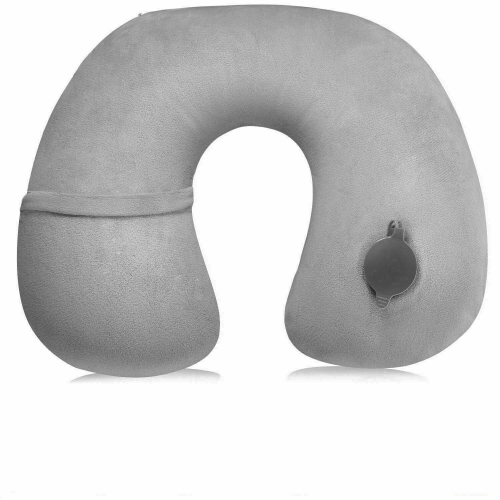
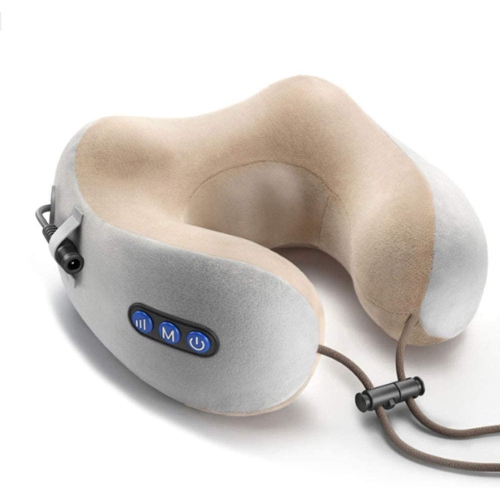
Fit also includes the practical details that make a pillow easy to live with. Length and width affect how much room there is to roll from the back onto the side, while unusually shaped pillows may need a matching cover rather than a standard pillowcase. A tightly stretched case can compress a contour or restrict adjustable filling, changing the feel of the pillow beneath it. For regular use, a removable, washable cover can simplify care, but the cover and inner pillow often have different cleaning requirements. Solid foam cores generally should not be machine washed unless their care label specifically permits it; spot cleaning and thorough air drying may be required instead. Some fibre-filled pillows are machine washable, while water-based designs have separate instructions for emptying, cleaning, and refilling. A washable pillow protector can help limit contact with perspiration and hair products, provided it fits without distorting the shape. Durability depends on the filling, construction, care, and frequency of use rather than a universal replacement schedule. Persistent flattening, hard clumps, crumbling foam, or a hollow that no longer regains its shape can indicate that support has changed. A pillow that once felt comfortable may also become a poor match after a mattress change or a shift in usual sleeping position. Adults who wake with occasional neck stiffness, spend much of the day at a desk, or want more consistent support at night may find these design differences relevant, though a sleep pillow cannot address every cause of discomfort. Travel neck pillows serve a different purpose, supporting the head while seated, and are not automatically substitutes for a bed pillow. As a gift, a neck-support pillow is most thoughtful when the recipient’s preferred sleeping position, firmness, and care needs are known; adjustable filling can offer some flexibility. A new pillow should feel supportive rather than require someone to endure increasing discomfort. Persistent or worsening neck pain, pain following an injury, or symptoms such as numbness, tingling, or weakness warrant assessment by a healthcare professional rather than relying on a pillow alone.
Materials and construction make a noticeable difference to that resting feel. Solid memory foam moulds gradually around the head and neck, offering a close-fitting surface with less spring than latex. A contoured version typically has a recessed centre and one or more raised edges, allowing the head to settle while the neck rests on a higher section. Some designs have edges of different heights, although the intended orientation depends on the pillow’s construction. A contour should meet the neck comfortably rather than press firmly into it or force the head into position. Shredded foam pillows have a looser, more movable feel, and adjustable versions allow filling to be added or removed to change the loft. This can be useful for someone who likes the height of a pillow at first but finds it too tall after settling onto the mattress. Small changes to the filling are easier to assess than removing a large amount at once. Latex tends to feel more buoyant and responds quickly when a sleeper rolls over, while fibre-filled pillows often feel softer and easier to scrunch into shape. Softer fillings may compress substantially overnight, so their uncompressed appearance does not always reflect the support they provide during sleep. Water-based pillows use an internal water chamber beneath a cushioning layer; changing the water volume adjusts the feel and support according to the design. Their added weight and filling requirements are practical considerations alongside comfort. Cover fabric matters too, particularly for people who prefer a smooth surface against the cheek or want a removable layer for frequent washing. Cotton, blended fabrics, and stretch-knit covers differ in texture and breathability. Anyone with a known latex allergy should check the full material description rather than relying on the outer cover’s fabric alone. Labels such as cervical or orthopaedic describe a pillow’s intended role or design, but they do not establish that it will relieve a particular person’s pain. Shape, dimensions, filling, and everyday comfort remain more useful points of comparison.
Fit also includes the practical details that make a pillow easy to live with. Length and width affect how much room there is to roll from the back onto the side, while unusually shaped pillows may need a matching cover rather than a standard pillowcase. A tightly stretched case can compress a contour or restrict adjustable filling, changing the feel of the pillow beneath it. For regular use, a removable, washable cover can simplify care, but the cover and inner pillow often have different cleaning requirements. Solid foam cores generally should not be machine washed unless their care label specifically permits it; spot cleaning and thorough air drying may be required instead. Some fibre-filled pillows are machine washable, while water-based designs have separate instructions for emptying, cleaning, and refilling. A washable pillow protector can help limit contact with perspiration and hair products, provided it fits without distorting the shape. Durability depends on the filling, construction, care, and frequency of use rather than a universal replacement schedule. Persistent flattening, hard clumps, crumbling foam, or a hollow that no longer regains its shape can indicate that support has changed. A pillow that once felt comfortable may also become a poor match after a mattress change or a shift in usual sleeping position. Adults who wake with occasional neck stiffness, spend much of the day at a desk, or want more consistent support at night may find these design differences relevant, though a sleep pillow cannot address every cause of discomfort. Travel neck pillows serve a different purpose, supporting the head while seated, and are not automatically substitutes for a bed pillow. As a gift, a neck-support pillow is most thoughtful when the recipient’s preferred sleeping position, firmness, and care needs are known; adjustable filling can offer some flexibility. A new pillow should feel supportive rather than require someone to endure increasing discomfort. Persistent or worsening neck pain, pain following an injury, or symptoms such as numbness, tingling, or weakness warrant assessment by a healthcare professional rather than relying on a pillow alone.
Top selling and popular products
-
 Your price for this item is $300
 -
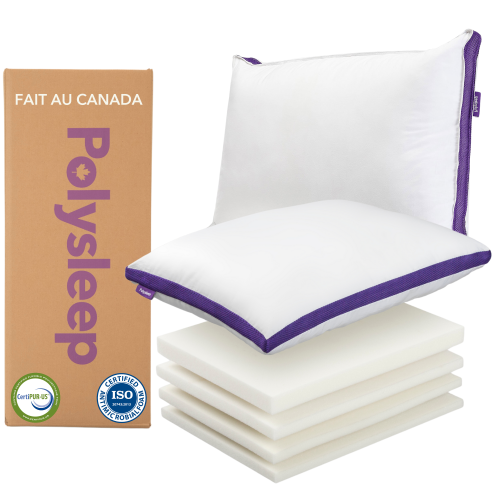 Your price for this item is $350
 -
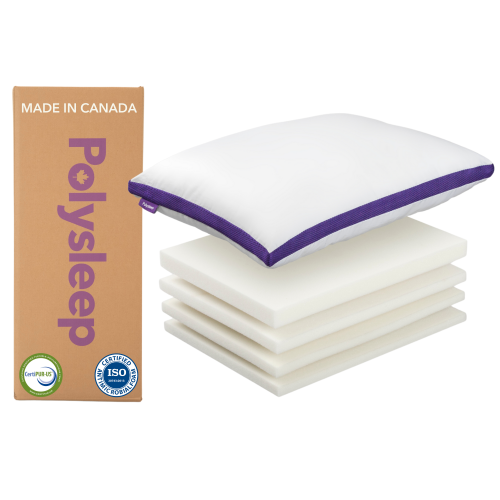 Your price for this item is $175
 -
 Your price for this item is $150
 -
 Your price for this item is $295
 -
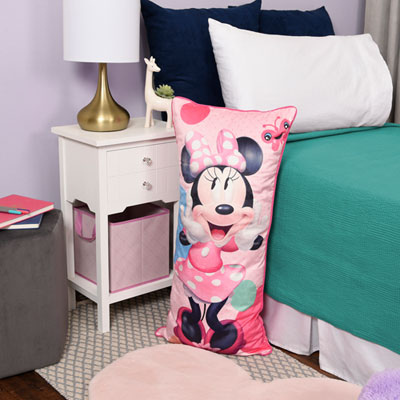 Your price for this item is $24.99
 -
 Your price for this item is $19.99
 -
 Your price for this item is $24.98
Discover more categories related to Pillows for Neck Pain
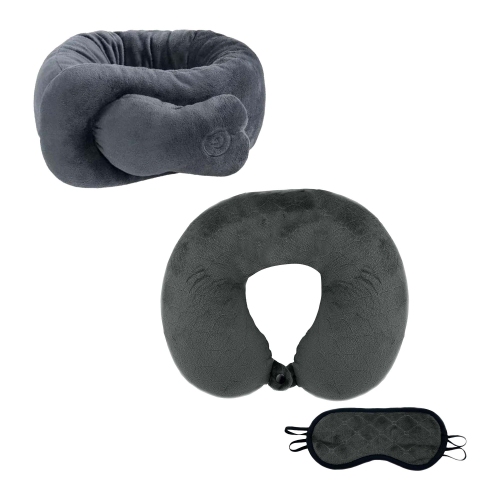
Top Collections:
Pokemon Centers, Kindle Devices, Best Budget Office Chairs, Apple iPhones 16, Canon G7X Cameras, iPhone 15 Apple, Alarm Clock, Refurbished Apple Laptops, Flip Phones, Best Laptops for Writers
Some products may be subject to Environmental Handling Fees
(EHF) depending on your province.
Learn more about EHFs.