Back Support Mattresses
If you're looking to improve your sleep quality and wake up feeling refreshed and rejuvenated, it might be time to consider investing in a back support mattress. Designed with your comfort and spinal health in mind, these mattresses offer the perfect balance of support and pressure relief. Whether you have chronic back pain or simply want to prevent it, our collection of back support mattresses is here to provide you with the ultimate sleep experience. With a variety of styles, sizes, and materials available, finding the perfect mattress to suit your needs has never been easier. Say goodbye to restless nights and hello to a well-supported and restful sleep with our range of back support mattresses.
Sort
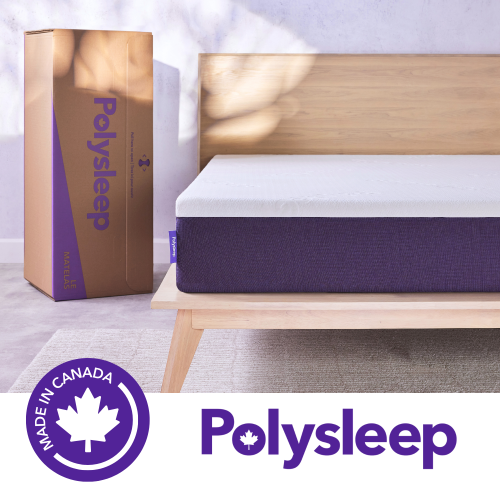
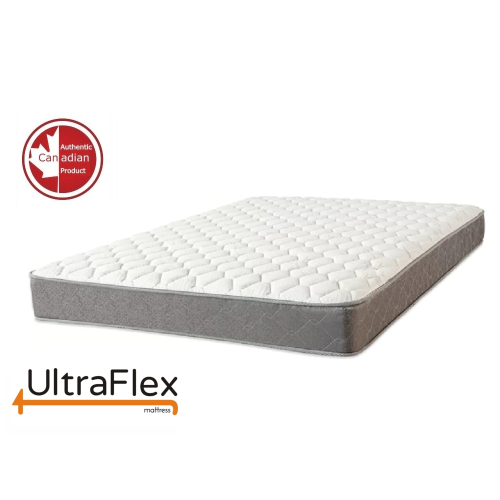
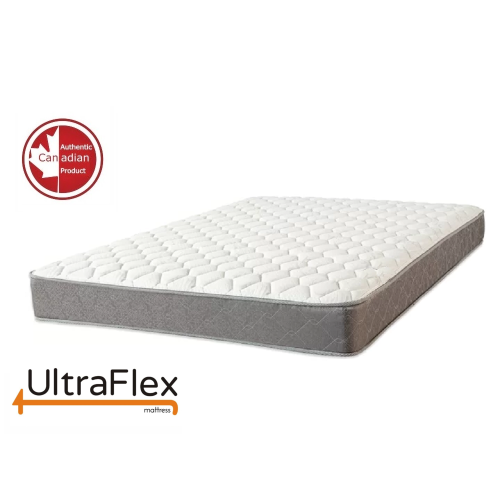
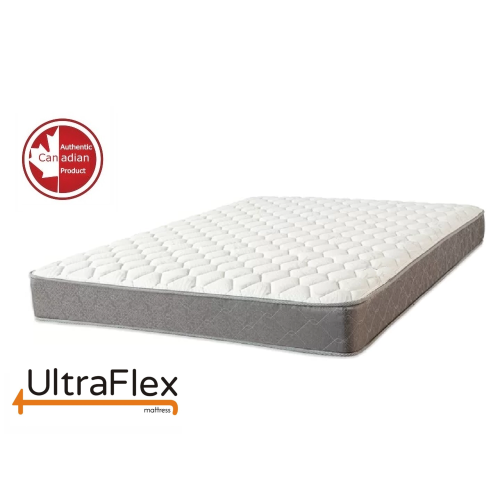
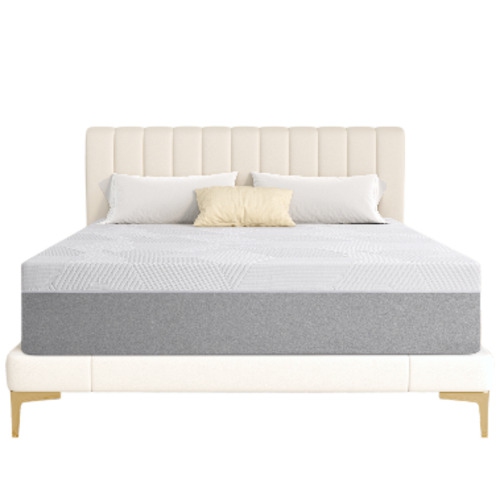
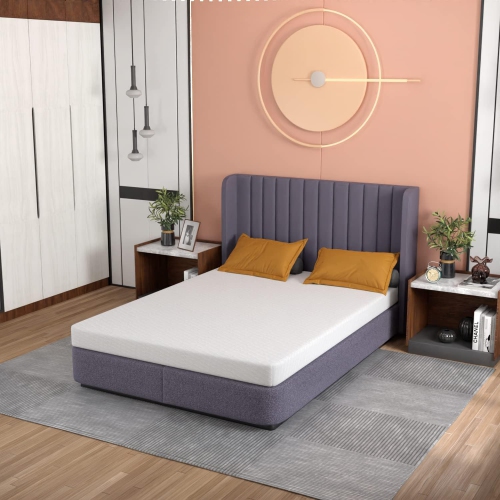
![PATSA [Queen Size 3-Inch Dual Layer Memory Foam Mattress Topper] 2" Gel-Infused Foam + 1" Pillow Top Pad for Back Pain Relief & Comfort Support, 60"](https://multimedia.bbycastatic.ca/multimedia/products/500x500/195/19517/19517976.webp)
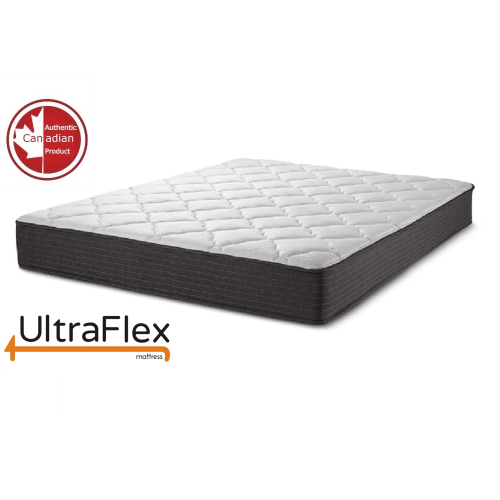

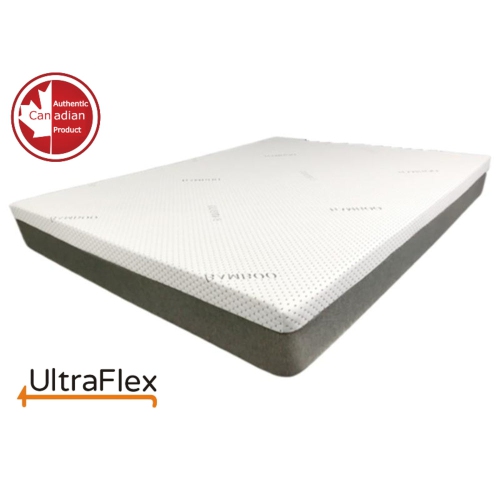
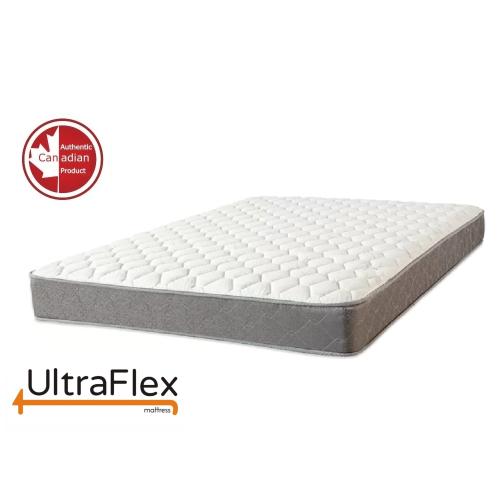

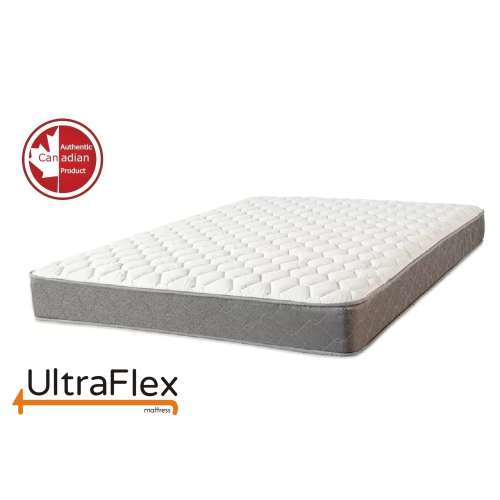
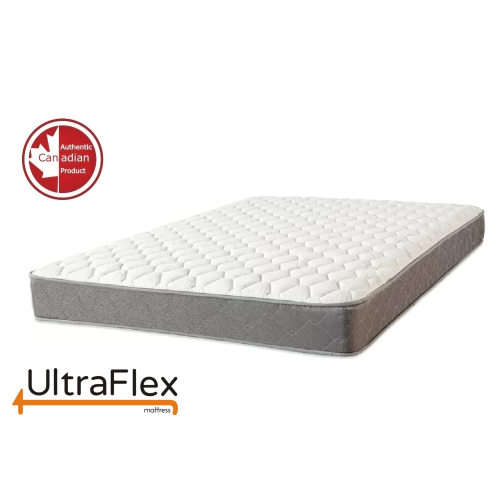
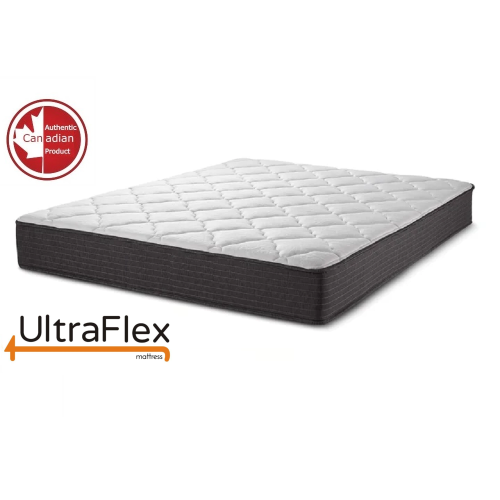
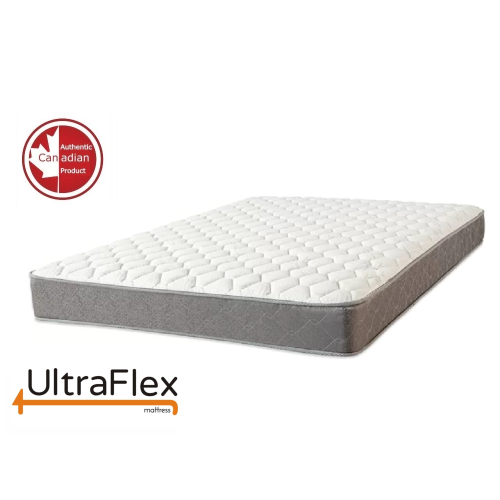


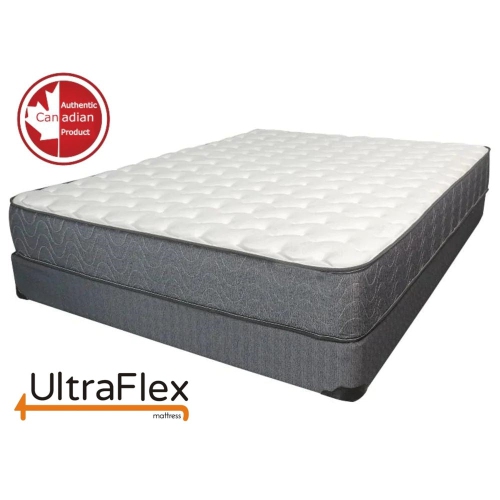
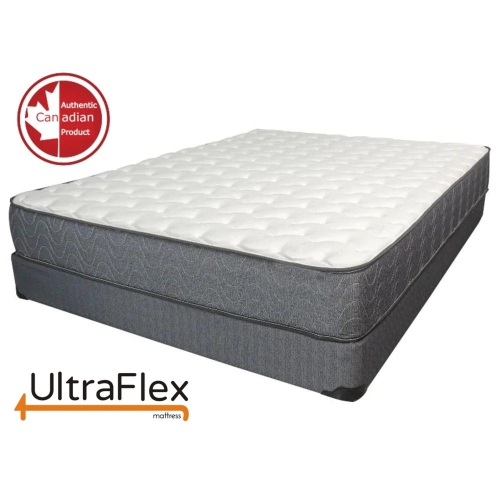
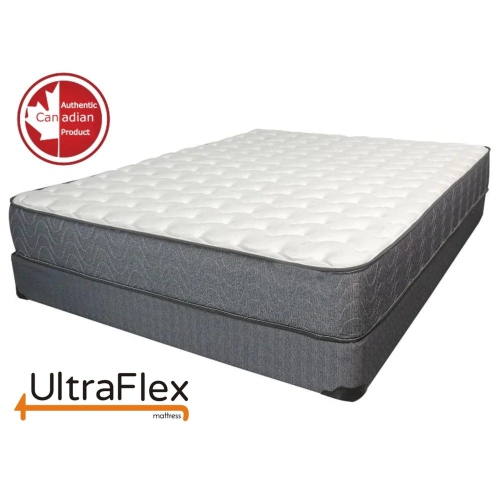
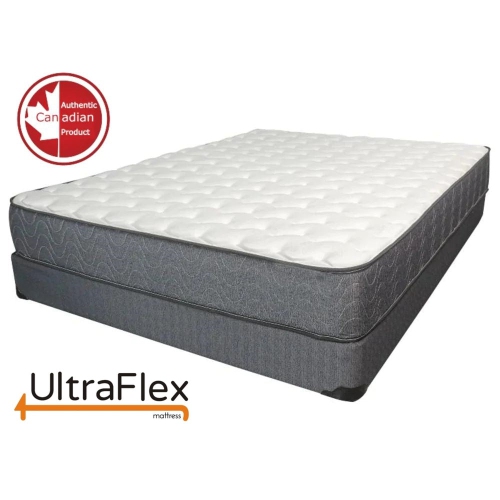
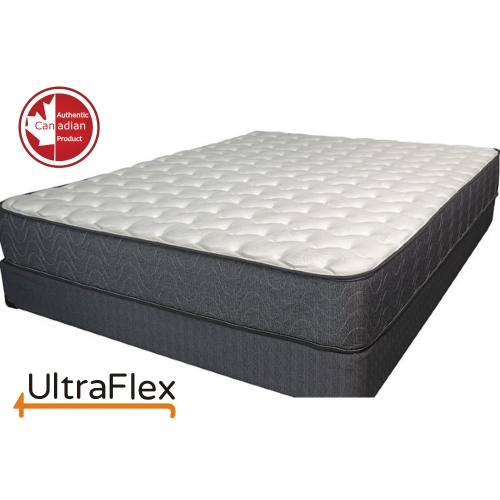
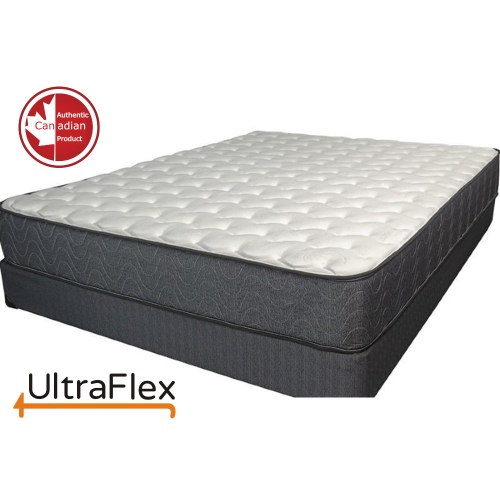
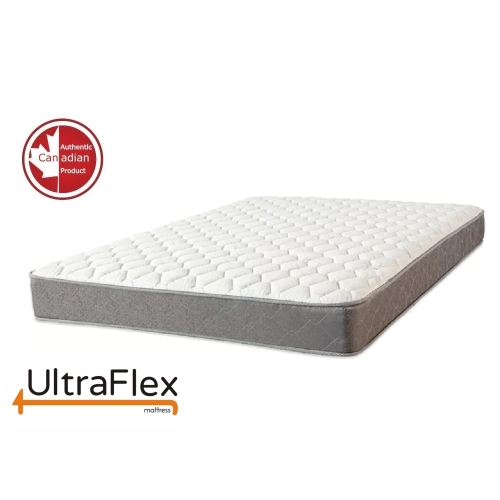
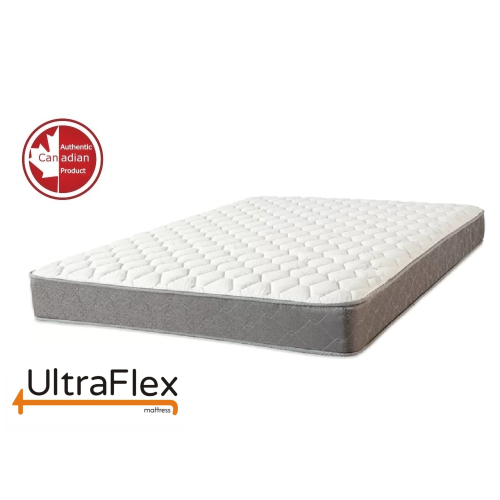
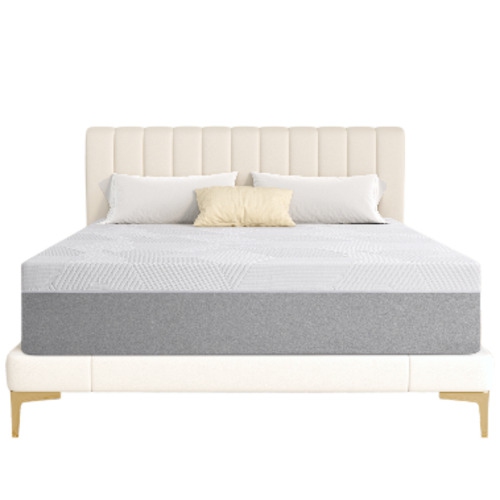
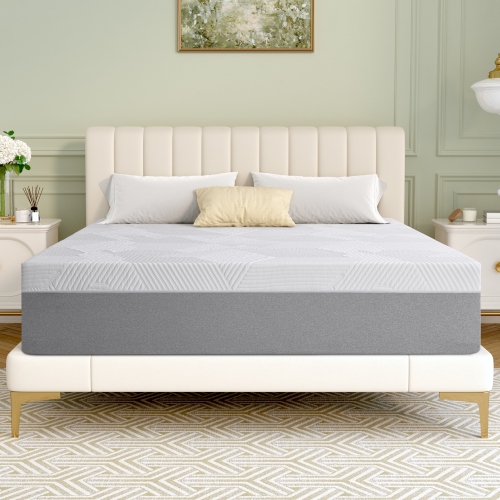
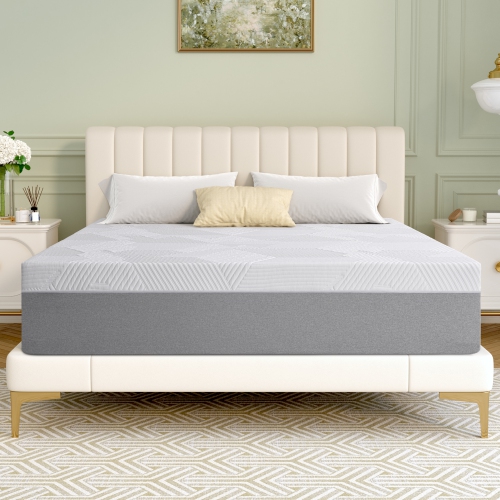
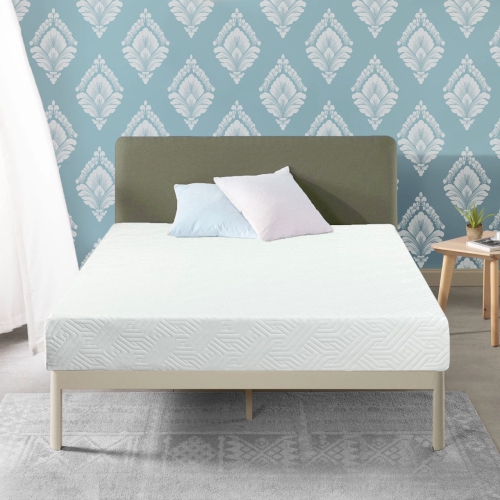
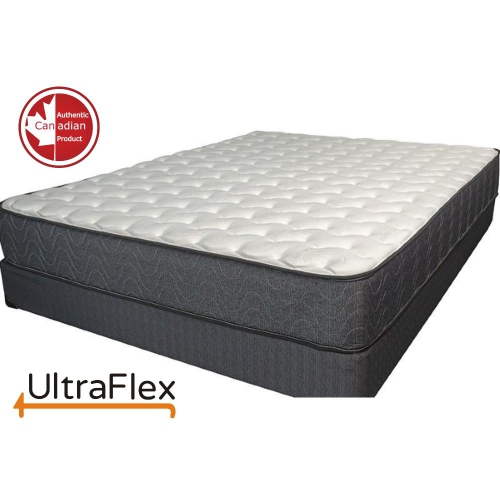
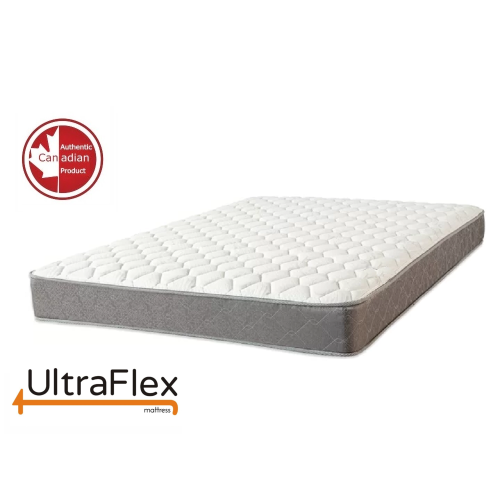
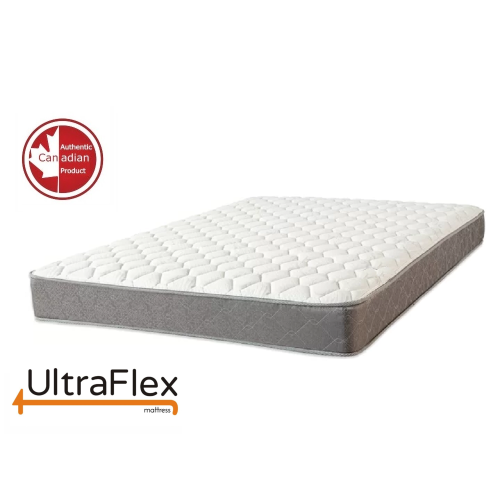
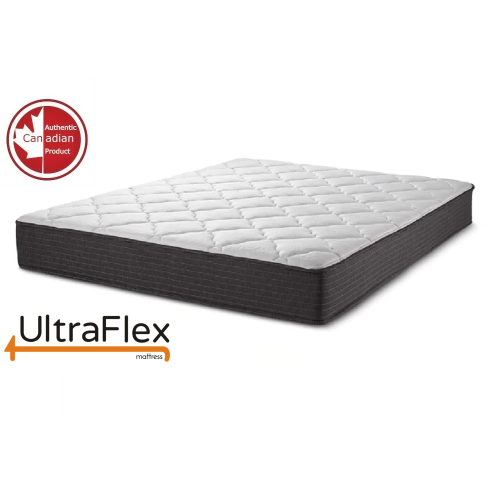
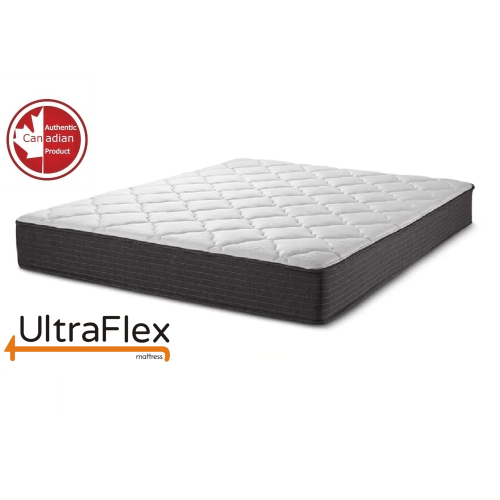
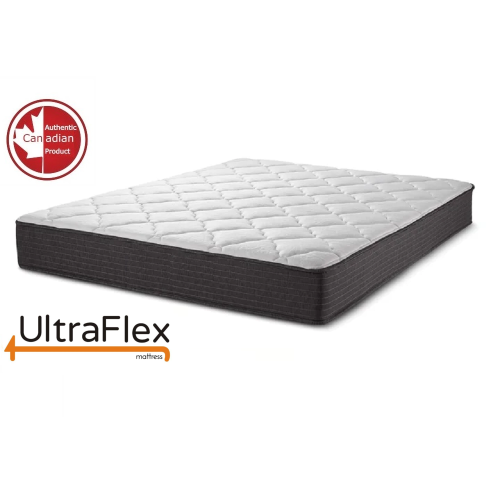
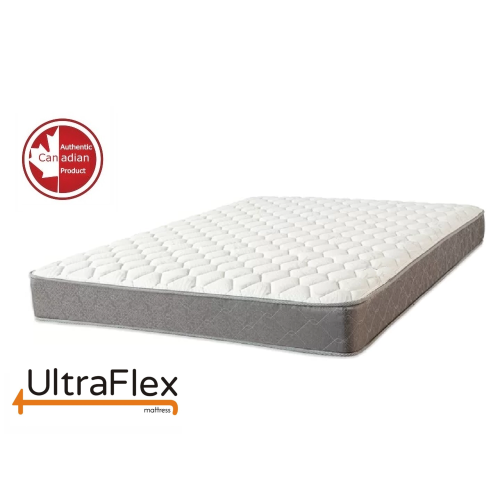
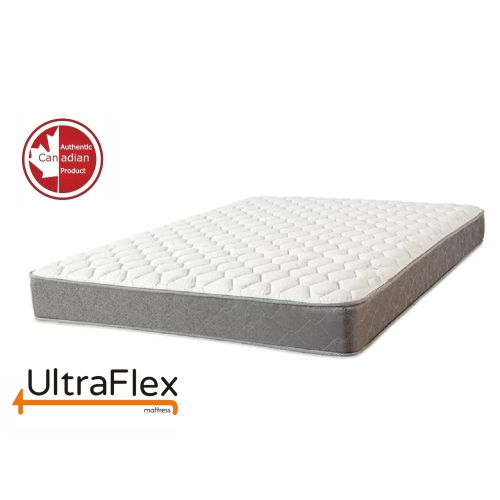
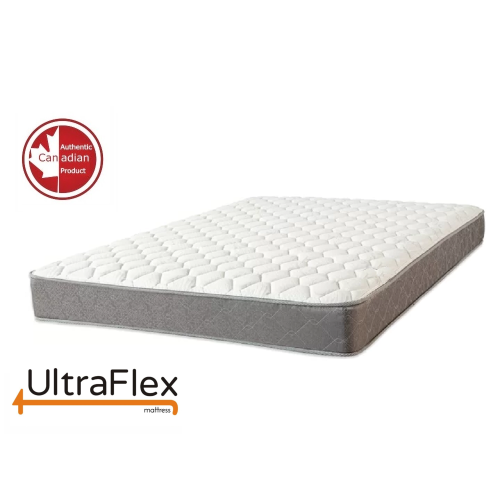
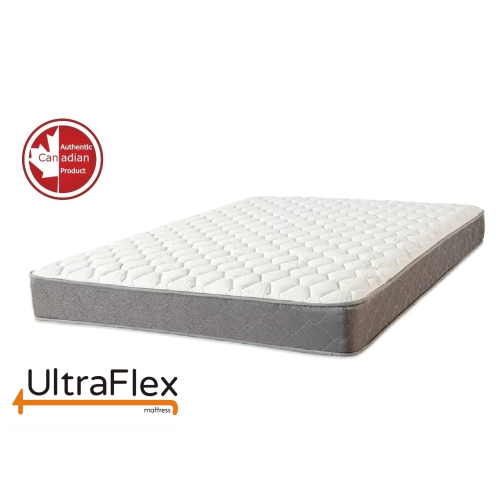
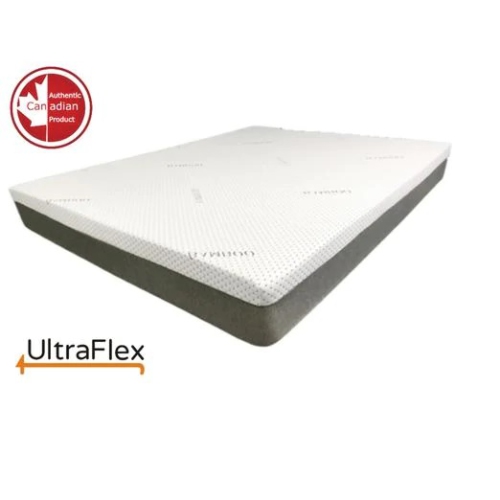
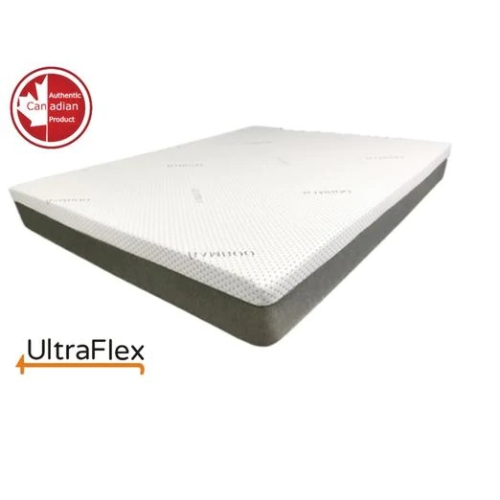
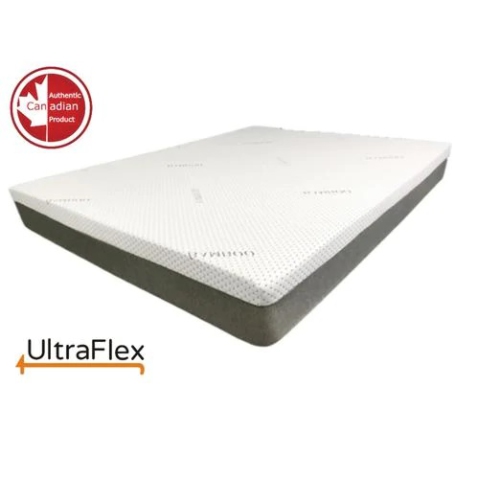
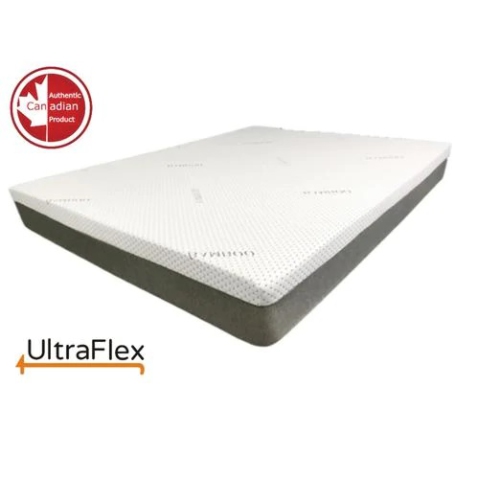
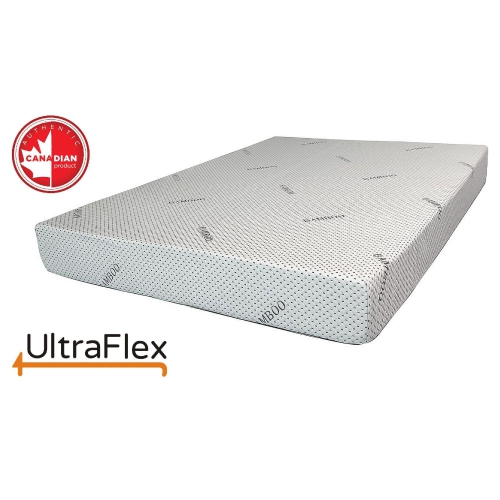
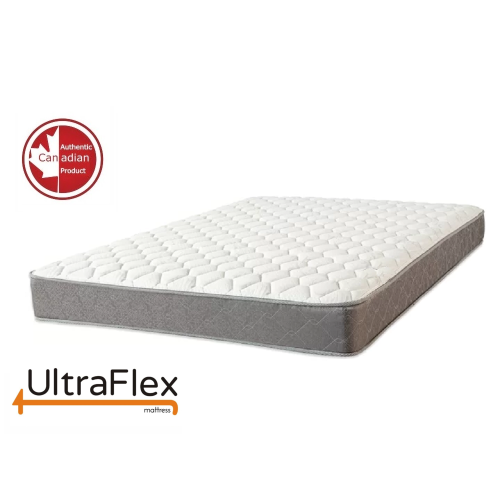
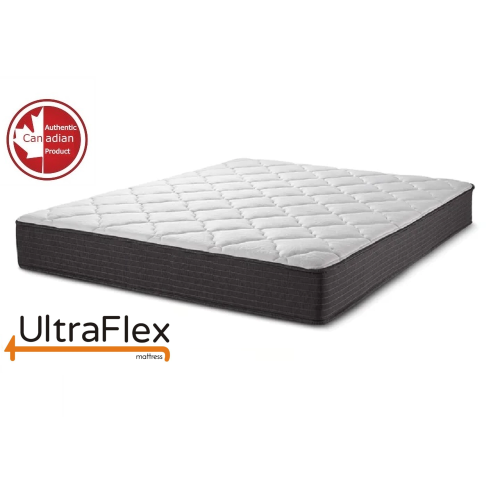
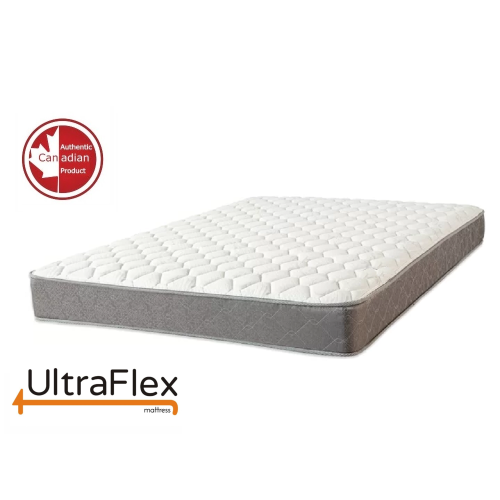
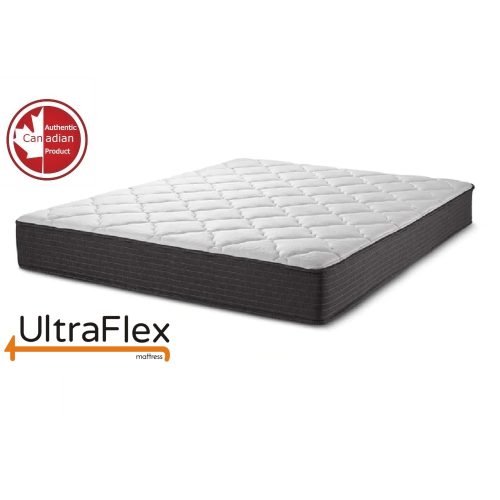
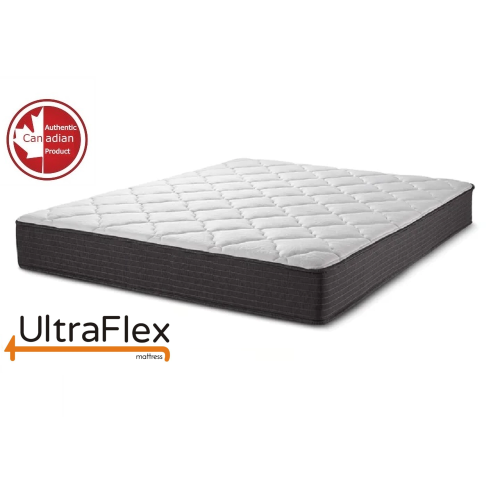
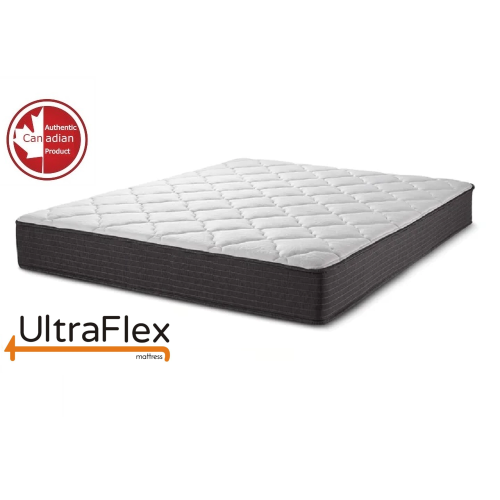
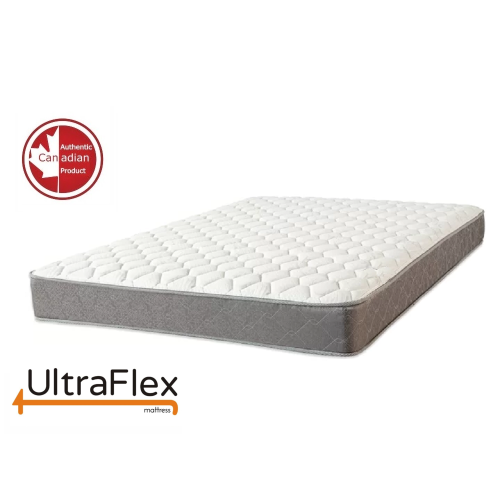
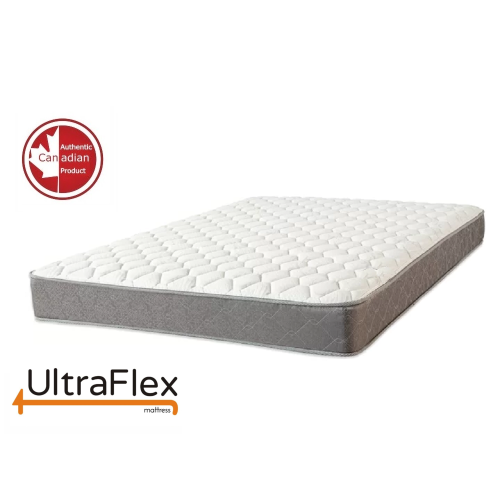

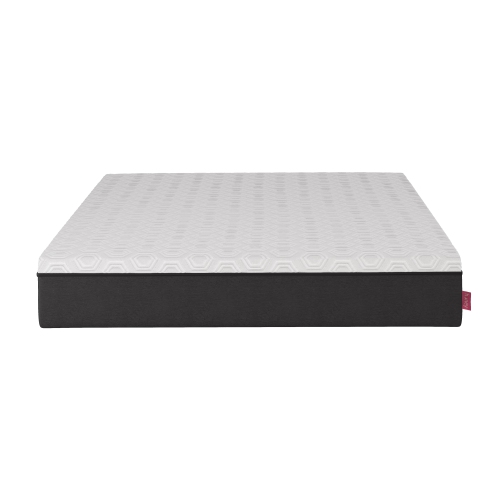
![VISCOLOGIC [] Opal Deep Feel Pillow Top Memory Foam Mattress (Twin Size)](https://multimedia.bbycastatic.ca/multimedia/products/500x500/141/14194/14194089.png)
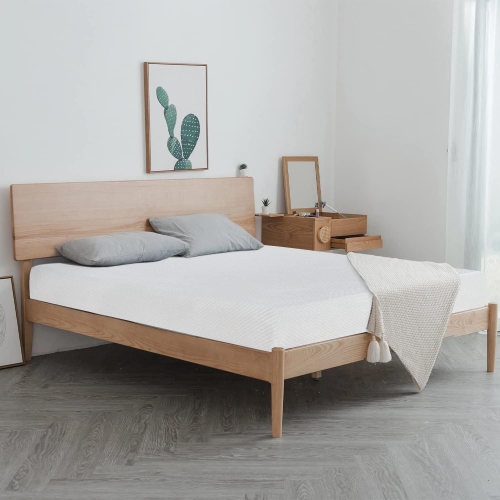
Why a firmer mattress isn’t always more supportive
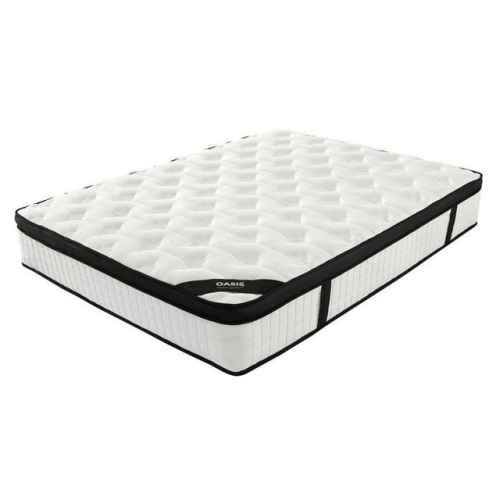
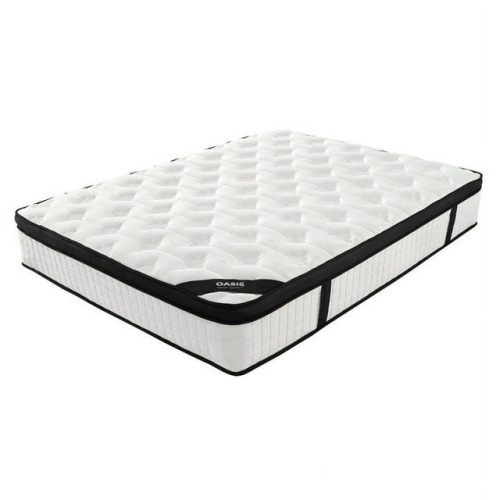
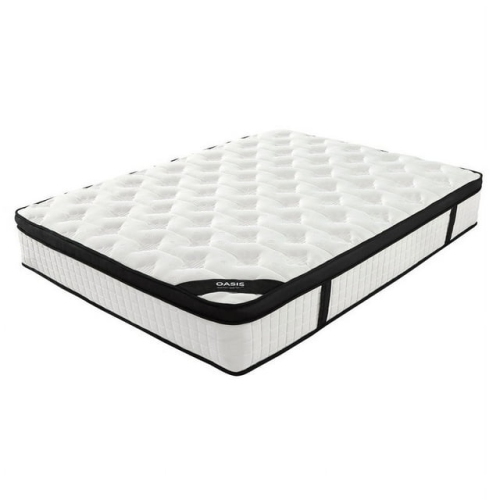
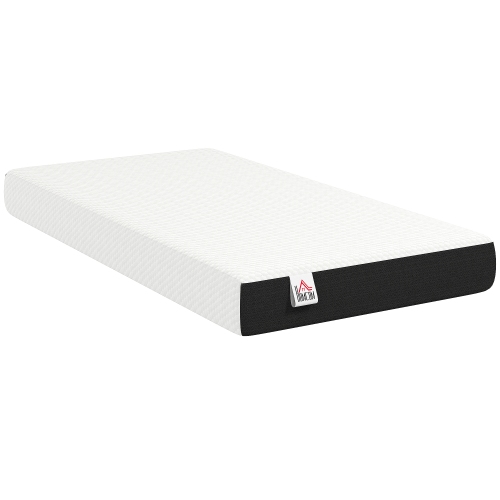
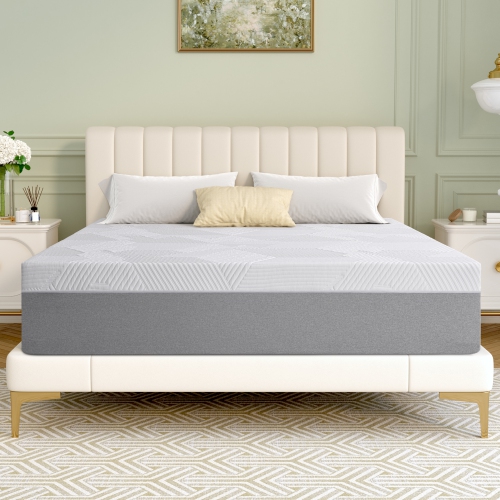
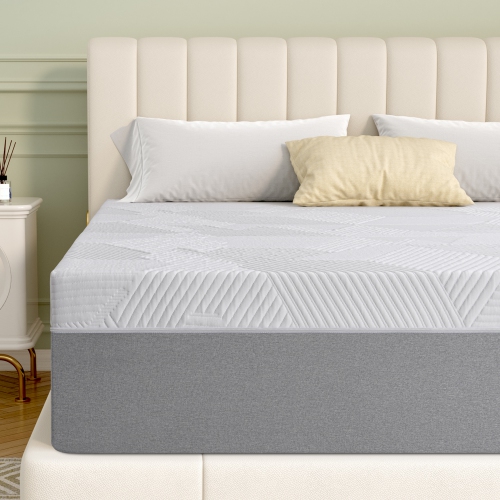
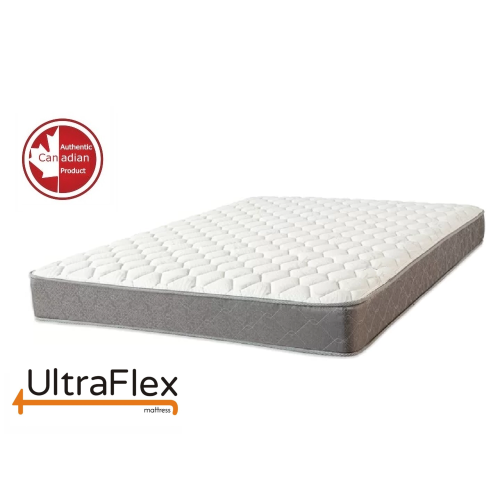
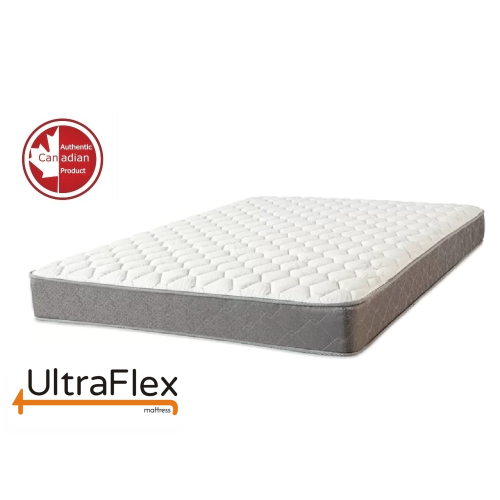
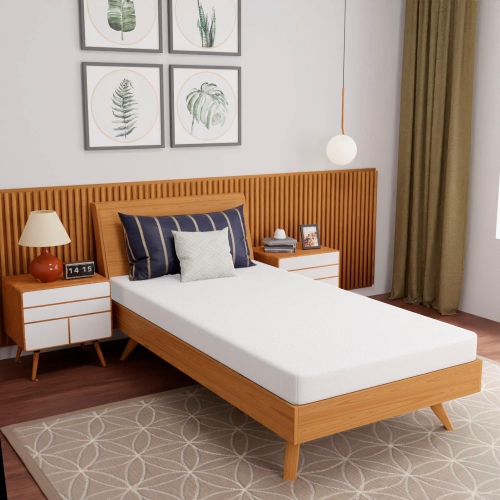
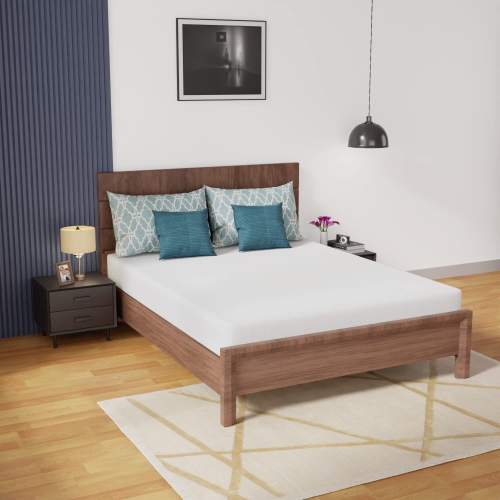
Back support mattresses are designed to balance body support with cushioning, helping the spine rest in a natural position while allowing the shoulders and hips to settle comfortably. The aim is not to hold the back rigidly straight or make the sleeping surface as hard as possible. Instead, a supportive mattress limits excessive sinking around the pelvis while easing pressure where the body meets the bed. Firmness describes how soft or hard the surface feels; support describes how well the layers underneath carry body weight. A mattress can feel plush at the top and still provide substantial support below. For many back sleepers, a medium-firm feel offers a useful starting point, with enough cushioning to accommodate the body’s curves without letting the hips sink noticeably lower than the torso. Side sleepers generally need more give beneath the shoulders and hips, particularly when those areas bear most of their weight. Stomach sleepers often benefit from a firmer surface that helps prevent the pelvis from dipping too deeply. These are starting points rather than fixed rules: body weight, build, pillow height, and personal comfort all affect how a mattress feels. A lighter person may find a firm mattress barely yields, while someone with a heavier build may sink farther into the same surface and need a more substantial support core. People who move between positions also benefit from a surface that allows them to turn without feeling caught in a deep impression. The right balance should feel comfortable when settling down, rolling over, and getting out of bed, not just during the first few moments of lying still. Back support mattresses may suit people furnishing a main bedroom, replacing a sagging sleep surface, or creating a more comfortable guest room. They are not a treatment for an underlying back condition, and persistent or worsening pain deserves assessment by a qualified health professional rather than reliance on a mattress change alone.
Materials and construction shape how that balance of support and cushioning is delivered. Memory foam contours gradually around the body, which can help spread pressure across a wider area and soften the feel beneath prominent shoulders or hips. Its close-fitting feel appeals to sleepers who enjoy a gently cradled position, although ease of movement varies with the foam formulation and depth of the comfort layers. Latex typically has a springier response, compressing under weight and recovering quickly as a sleeper changes position. Other cushioning foams can provide a range of feels, from a light surface softness to a more resistant transition above the support core. Foam density and firmness are different characteristics, so a denser foam is not automatically harder; density can be one useful durability indicator when considered alongside the full construction. In a hybrid mattress, foam or latex comfort layers sit above a coil system, combining cushioning with a more buoyant underlying feel. Individually wrapped pocket coils respond separately to pressure and can help reduce movement travelling across the bed, although motion isolation depends on the mattress as a whole. For partners with different schedules, that distinction can matter when one person turns over or gets up before the other. Zoned support uses variations in coil strength or foam firmness to provide different levels of resistance across the mattress, often adding support near the midsection. Its usefulness depends partly on whether those zones line up comfortably with the sleeper’s height and proportions. Reinforced edges are another practical consideration, especially for someone who sleeps near the perimeter or sits on the side while putting on socks. A stable edge can make more of the sleeping surface feel usable, but edge construction varies and should not be assumed from firmness alone. Quilted tops and deeper cushioning layers influence the initial feel without necessarily changing the strength of the core underneath. Overall thickness, by itself, is not a reliable measure of back support or lasting comfort.
Fit extends beyond choosing between twin, double, queen, and king sizes. A mattress should leave enough room for the sleeper’s usual posture, whether that means stretching out on the back or curling onto one side with bent knees. Taller sleepers may need extra length, while couples should consider whether each person can turn naturally without crowding the other. Measure the bed frame and confirm its interior dimensions, then check that the foundation meets the mattress manufacturer’s requirements for slat spacing, centre support, and weight capacity. Even a well-constructed mattress can feel uneven on a bowed frame or widely spaced slats. Compatibility also matters for adjustable bases: not every mattress is intended to flex repeatedly, and the approved combinations should be confirmed before use. Consider the total height of the mattress and base together, particularly for anyone who finds very low beds difficult to rise from or high beds awkward to enter. Sheets and protectors need sufficient pocket depth to fit securely without pulling tightly across the surface. Routine care helps preserve comfort and keeps the sleeping area easier to maintain. A properly fitted mattress protector can help guard against spills and everyday staining, while cleaning should follow the care label rather than a general upholstery method. Removable covers are not always machine washable. Rotate the mattress only as directed, and do not flip a one-sided design unless the manufacturer specifically permits it. Lasting comfort depends on the quality of the layers, the support beneath them, and how the mattress is used; persistent impressions, unevenness, or a noticeably softened sleeping area can signal that it is time to reassess the setup. Pillows also affect resting posture, so their height should complement the mattress and sleeping position. For comfort beyond the bedroom, Back Support Chairs offer another way to consider how furniture fits the body during seated activities. Together, thoughtful sizing, suitable construction, and consistent care help make a supportive mattress a practical part of an everyday sleep space.
Materials and construction shape how that balance of support and cushioning is delivered. Memory foam contours gradually around the body, which can help spread pressure across a wider area and soften the feel beneath prominent shoulders or hips. Its close-fitting feel appeals to sleepers who enjoy a gently cradled position, although ease of movement varies with the foam formulation and depth of the comfort layers. Latex typically has a springier response, compressing under weight and recovering quickly as a sleeper changes position. Other cushioning foams can provide a range of feels, from a light surface softness to a more resistant transition above the support core. Foam density and firmness are different characteristics, so a denser foam is not automatically harder; density can be one useful durability indicator when considered alongside the full construction. In a hybrid mattress, foam or latex comfort layers sit above a coil system, combining cushioning with a more buoyant underlying feel. Individually wrapped pocket coils respond separately to pressure and can help reduce movement travelling across the bed, although motion isolation depends on the mattress as a whole. For partners with different schedules, that distinction can matter when one person turns over or gets up before the other. Zoned support uses variations in coil strength or foam firmness to provide different levels of resistance across the mattress, often adding support near the midsection. Its usefulness depends partly on whether those zones line up comfortably with the sleeper’s height and proportions. Reinforced edges are another practical consideration, especially for someone who sleeps near the perimeter or sits on the side while putting on socks. A stable edge can make more of the sleeping surface feel usable, but edge construction varies and should not be assumed from firmness alone. Quilted tops and deeper cushioning layers influence the initial feel without necessarily changing the strength of the core underneath. Overall thickness, by itself, is not a reliable measure of back support or lasting comfort.
Fit extends beyond choosing between twin, double, queen, and king sizes. A mattress should leave enough room for the sleeper’s usual posture, whether that means stretching out on the back or curling onto one side with bent knees. Taller sleepers may need extra length, while couples should consider whether each person can turn naturally without crowding the other. Measure the bed frame and confirm its interior dimensions, then check that the foundation meets the mattress manufacturer’s requirements for slat spacing, centre support, and weight capacity. Even a well-constructed mattress can feel uneven on a bowed frame or widely spaced slats. Compatibility also matters for adjustable bases: not every mattress is intended to flex repeatedly, and the approved combinations should be confirmed before use. Consider the total height of the mattress and base together, particularly for anyone who finds very low beds difficult to rise from or high beds awkward to enter. Sheets and protectors need sufficient pocket depth to fit securely without pulling tightly across the surface. Routine care helps preserve comfort and keeps the sleeping area easier to maintain. A properly fitted mattress protector can help guard against spills and everyday staining, while cleaning should follow the care label rather than a general upholstery method. Removable covers are not always machine washable. Rotate the mattress only as directed, and do not flip a one-sided design unless the manufacturer specifically permits it. Lasting comfort depends on the quality of the layers, the support beneath them, and how the mattress is used; persistent impressions, unevenness, or a noticeably softened sleeping area can signal that it is time to reassess the setup. Pillows also affect resting posture, so their height should complement the mattress and sleeping position. For comfort beyond the bedroom, Back Support Chairs offer another way to consider how furniture fits the body during seated activities. Together, thoughtful sizing, suitable construction, and consistent care help make a supportive mattress a practical part of an everyday sleep space.
Top selling and popular products
-
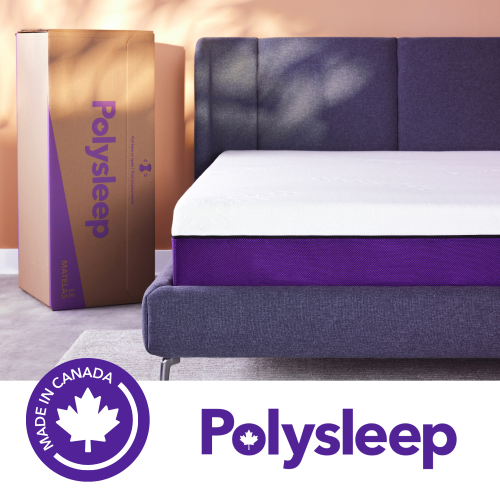 Your price for this item is $1195
 -
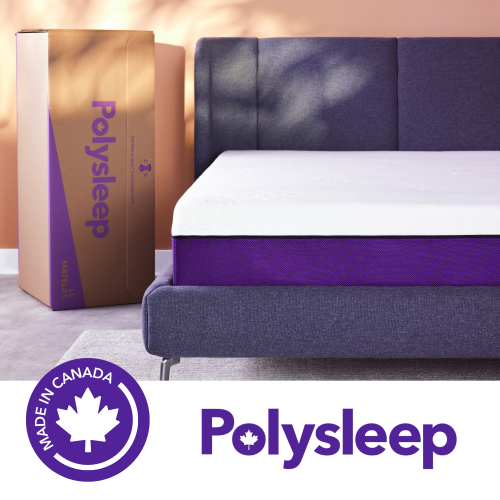 Your price for this item is $1395
 -
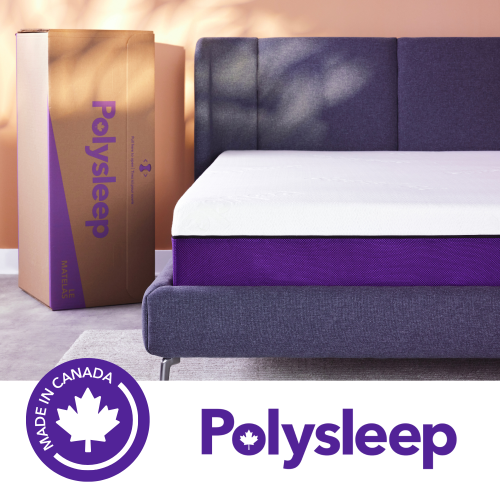 Your price for this item is $1095
 -
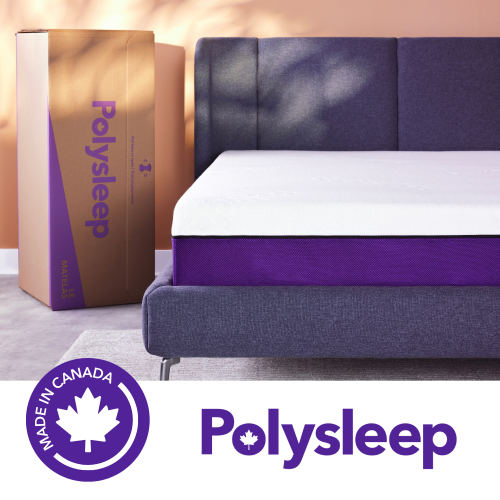 Your price for this item is $945
 -
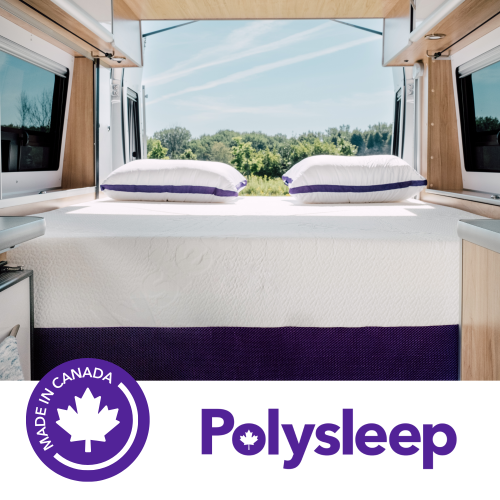 Your price for this item is $1199
 -
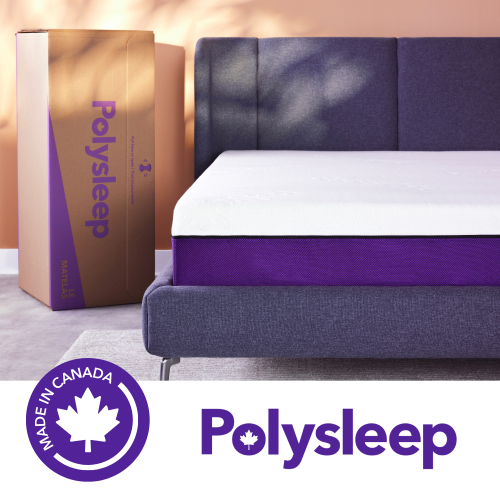 Your price for this item is $1395
 -
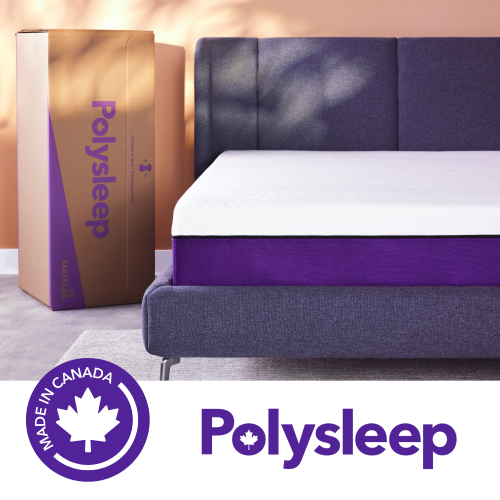 Your price for this item is $895
 -
 Your price for this item is $920
Discover more categories related to Back Support Mattresses
Top Collections:
Pokemon Centers, Kindle Devices, Best Budget Office Chairs, Apple iPhones 16, Best Laptops for Writers, iPhone 15 Apple, Canon G7X Cameras, Refurbished Apple Laptops, Alarm Clock, Motorola Razr Phones
Some products may be subject to Environmental Handling Fees
(EHF) depending on your province.
Learn more about EHFs.