Ergonomic Mattresses
Discover a wide selection of ergonomic mattresses designed to enhance your sleep experience and support your comfort. Whether you're updating your main bedroom or outfitting a guest room, these mattresses offer options to suit a variety of preferences and needs. Explore ergonomic mattresses in multiple sizes and styles to find the perfect fit for your home and enjoy restful nights with added peace of mind.
Sort
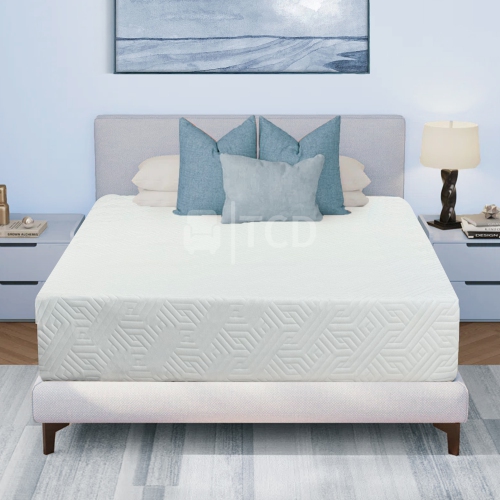
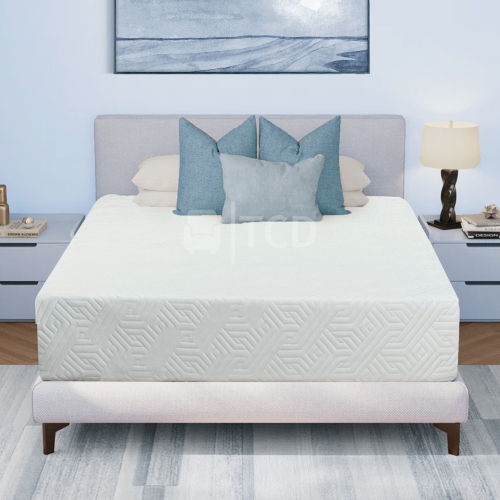
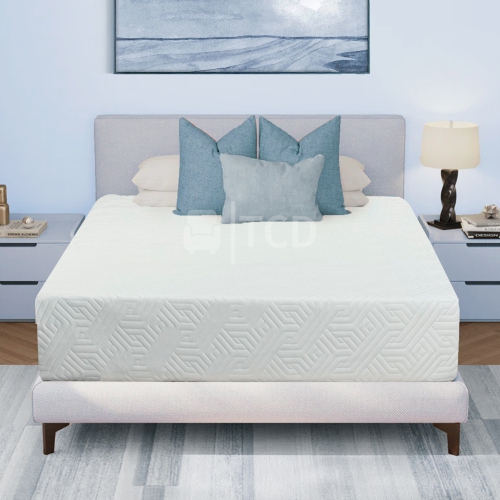
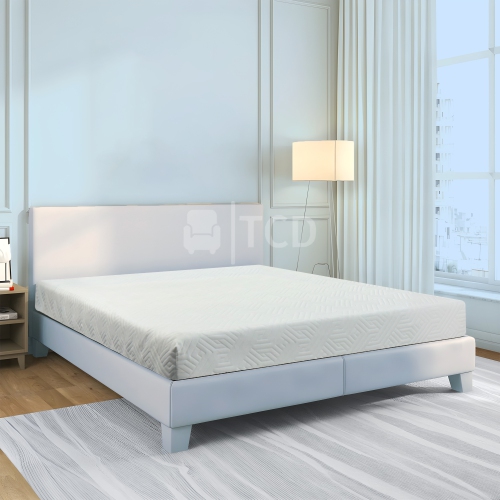
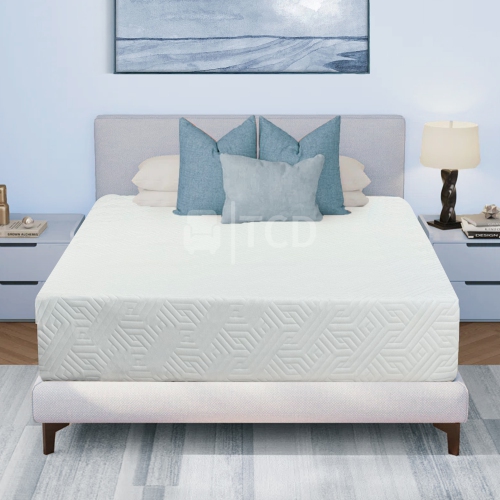
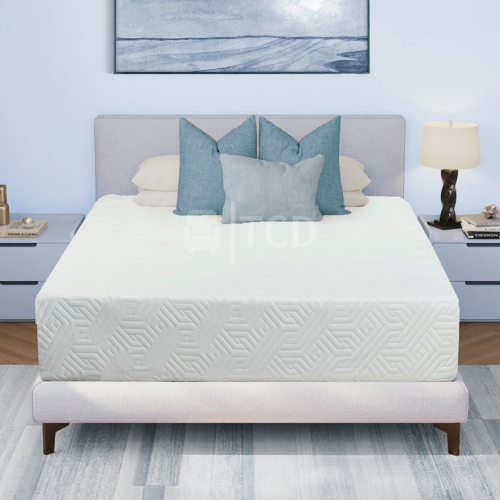
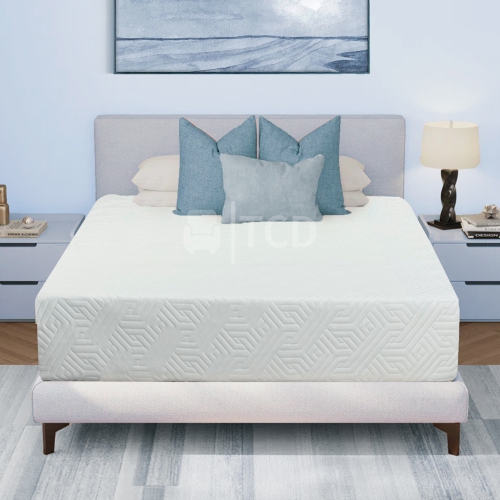
How support zones and mattress construction shape comfort
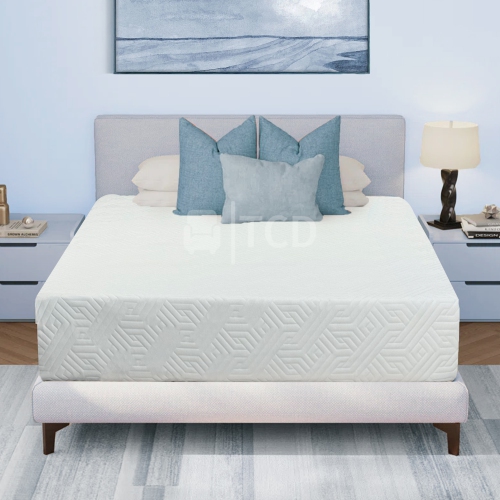
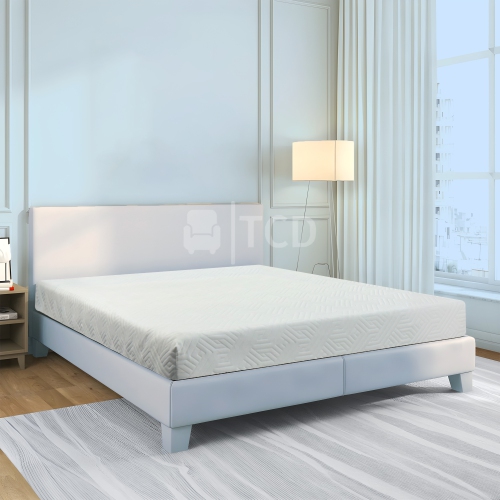
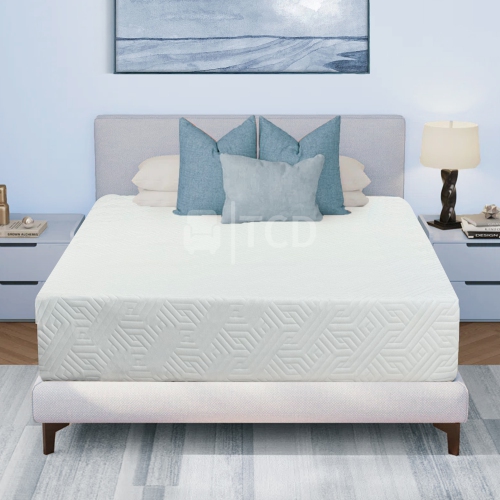
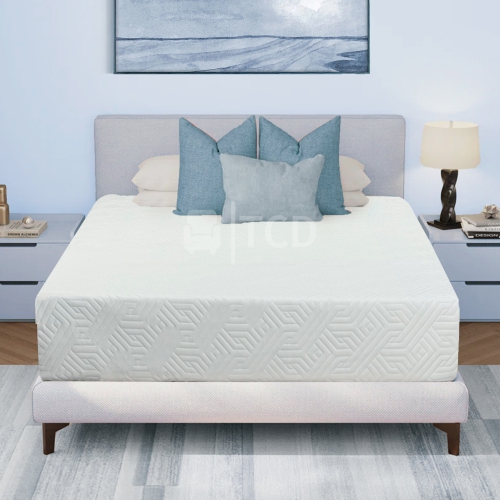
Ergonomic mattresses are designed to support the body’s natural alignment while helping distribute weight more evenly across the sleep surface. Rather than allowing the hips or shoulders to sink too deeply, a well-designed mattress can provide balanced cushioning and targeted support where it is needed most. This may help create a more comfortable sleep position and reduce the pressure that can build up after several hours in bed. Many ergonomic designs use layered foam, responsive springs, or a combination of both to contour gently to the body without feeling overly soft. Some include different support zones, with firmer reinforcement beneath the midsection and more cushioning around the shoulders and hips. The ideal feel depends on body shape, sleeping position, personal comfort preferences, and the type of bed base being used. Side sleepers often appreciate a surface that cushions the shoulders and hips while keeping the waist supported. Back sleepers may prefer an even, stable feel that helps maintain a neutral posture from the shoulders through the lower back. Stomach sleepers typically need enough firmness to prevent the midsection from dipping too far into the mattress. People who change positions during the night may prefer a responsive mattress that makes turning easier, while those who share a bed may place greater importance on motion isolation. An ergonomic mattress can be a practical choice for anyone looking to refresh an older sleep setup, improve comfort in a guest room, or create a more supportive foundation during the cooler months when restful nights feel especially inviting.
When comparing ergonomic mattresses, begin with the construction and overall feel rather than relying on firmness labels alone. Firmness can vary from one manufacturer to another, and the same mattress may feel different depending on a person’s weight, height, sleeping position, and bed frame. Memory foam can offer close contouring and help reduce movement across the surface, while other foam materials may feel more buoyant and make it easier to change positions. Hybrid designs combine foam comfort layers with individually wrapped coils, often providing a blend of pressure relief, airflow, edge support, and responsiveness. Pay attention to the number and arrangement of layers, as well as whether the mattress has reinforced edges for sitting down or using the full width of the bed. Temperature is another important consideration. Some sleepers enjoy the enveloping feel of dense foam, while others prefer breathable covers, open-cell materials, ventilated layers, or coil systems that allow more air movement. Couples should consider motion transfer, edge-to-edge support, and whether both people can find a comfortable position on the same surface. Adjustable bases may require a mattress that can bend and flex without losing its support, so check compatibility before making a purchase. It is also helpful to measure the room, stairways, doorways, and existing frame to confirm that the selected size will fit comfortably. A mattress protector can help guard the sleep surface from spills, dust, and everyday wear, while suitable sheets will preserve the feel of the top layers. For shoppers comparing support-focused options for persistent discomfort or specialized sleep needs, browsing Orthopedic Mattresses can provide another useful point of reference.
An ergonomic mattress can suit a wide range of sleepers, including people furnishing a primary bedroom, updating a child’s room, preparing a guest space, or replacing a mattress that no longer feels comfortable. It can also be a thoughtful practical gift for someone moving into a new home, settling into a first apartment, or creating a more restful bedroom after a change in routine. Because comfort is personal, gifting a mattress is best approached with attention to size, preferred firmness, sleeping position, and the recipient’s bed frame. For a guest room, a medium-feel design with balanced cushioning may accommodate a variety of sleeping styles. For a primary bedroom, shoppers may want to spend more time comparing pressure relief, support zones, motion isolation, and temperature regulation. People who sit at a desk for long periods, spend active days on their feet, or simply wake up feeling stiff may appreciate a sleep surface that feels stable without being hard. An ergonomic mattress may also be useful for a room used by visiting family members, especially when guests have different comfort preferences from the usual occupants. Before placing the mattress on a frame, confirm its dimensions and recommended foundation, and allow compressed designs time to expand according to the care instructions. Rotating the mattress when permitted can help promote even use, while a supportive base can help preserve its intended feel. With the right combination of contouring comfort, dependable support, suitable materials, and a compatible foundation, an ergonomic mattress can turn an ordinary bedroom into a more inviting place to unwind at the end of the day.
When comparing ergonomic mattresses, begin with the construction and overall feel rather than relying on firmness labels alone. Firmness can vary from one manufacturer to another, and the same mattress may feel different depending on a person’s weight, height, sleeping position, and bed frame. Memory foam can offer close contouring and help reduce movement across the surface, while other foam materials may feel more buoyant and make it easier to change positions. Hybrid designs combine foam comfort layers with individually wrapped coils, often providing a blend of pressure relief, airflow, edge support, and responsiveness. Pay attention to the number and arrangement of layers, as well as whether the mattress has reinforced edges for sitting down or using the full width of the bed. Temperature is another important consideration. Some sleepers enjoy the enveloping feel of dense foam, while others prefer breathable covers, open-cell materials, ventilated layers, or coil systems that allow more air movement. Couples should consider motion transfer, edge-to-edge support, and whether both people can find a comfortable position on the same surface. Adjustable bases may require a mattress that can bend and flex without losing its support, so check compatibility before making a purchase. It is also helpful to measure the room, stairways, doorways, and existing frame to confirm that the selected size will fit comfortably. A mattress protector can help guard the sleep surface from spills, dust, and everyday wear, while suitable sheets will preserve the feel of the top layers. For shoppers comparing support-focused options for persistent discomfort or specialized sleep needs, browsing Orthopedic Mattresses can provide another useful point of reference.
An ergonomic mattress can suit a wide range of sleepers, including people furnishing a primary bedroom, updating a child’s room, preparing a guest space, or replacing a mattress that no longer feels comfortable. It can also be a thoughtful practical gift for someone moving into a new home, settling into a first apartment, or creating a more restful bedroom after a change in routine. Because comfort is personal, gifting a mattress is best approached with attention to size, preferred firmness, sleeping position, and the recipient’s bed frame. For a guest room, a medium-feel design with balanced cushioning may accommodate a variety of sleeping styles. For a primary bedroom, shoppers may want to spend more time comparing pressure relief, support zones, motion isolation, and temperature regulation. People who sit at a desk for long periods, spend active days on their feet, or simply wake up feeling stiff may appreciate a sleep surface that feels stable without being hard. An ergonomic mattress may also be useful for a room used by visiting family members, especially when guests have different comfort preferences from the usual occupants. Before placing the mattress on a frame, confirm its dimensions and recommended foundation, and allow compressed designs time to expand according to the care instructions. Rotating the mattress when permitted can help promote even use, while a supportive base can help preserve its intended feel. With the right combination of contouring comfort, dependable support, suitable materials, and a compatible foundation, an ergonomic mattress can turn an ordinary bedroom into a more inviting place to unwind at the end of the day.
Top selling and popular products
-
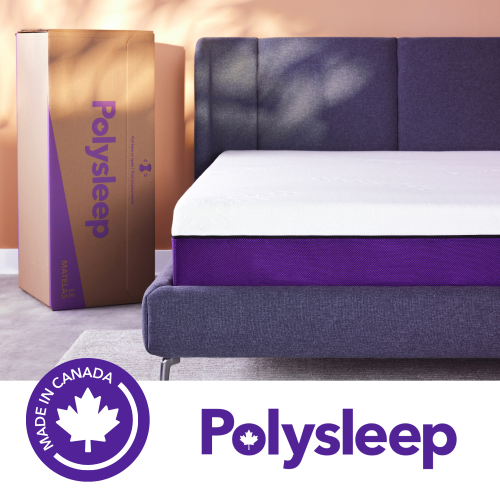 Your price for this item is $1195
 -
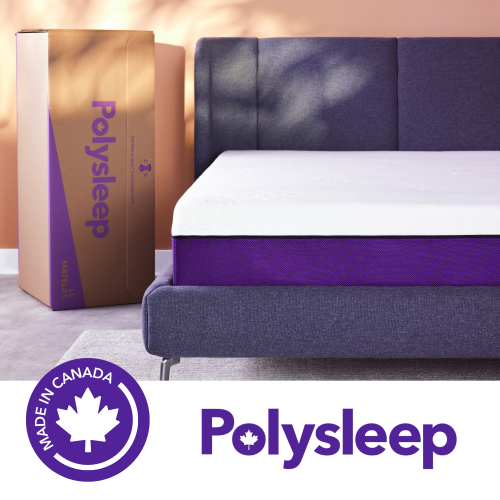 Your price for this item is $1395
 -
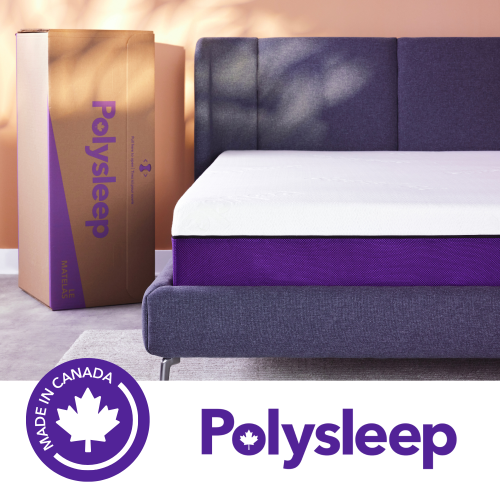 Your price for this item is $1095
 -
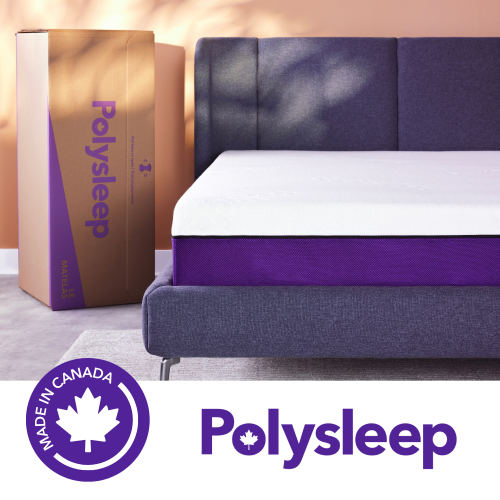 Your price for this item is $945
 -
 Your price for this item is $1199
 -
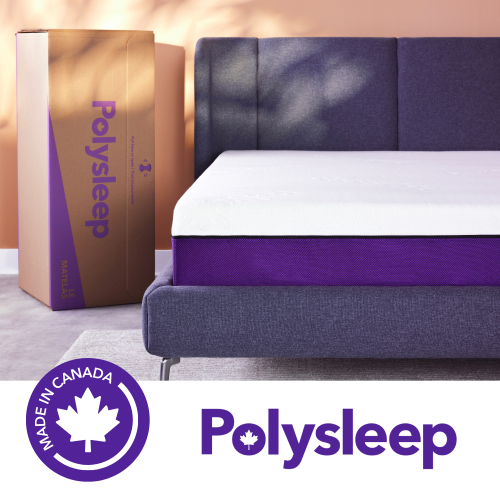 Your price for this item is $1395
 -
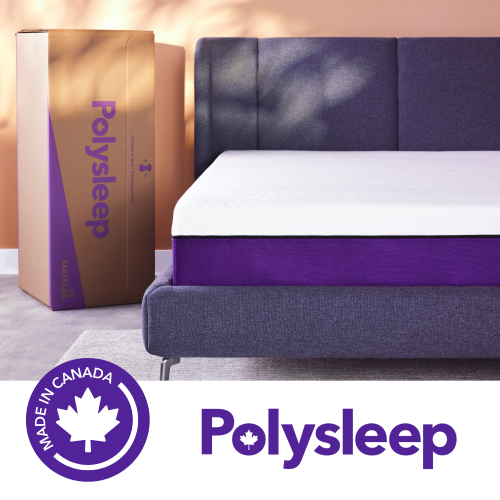 Your price for this item is $895
 -
 Your price for this item is $920
Discover more categories related to Ergonomic Mattresses
Top Collections:
Pokemon Centers, Kindle Devices, Best Budget Office Chairs, Apple iPhones 16, Best Laptops for Writers, iPhone 15 Apple, Canon G7X Cameras, Refurbished Apple Laptops, Alarm Clock, Motorola Razr Phones
Some products may be subject to Environmental Handling Fees
(EHF) depending on your province.
Learn more about EHFs.