Back To School Ergonomic Standing Desks
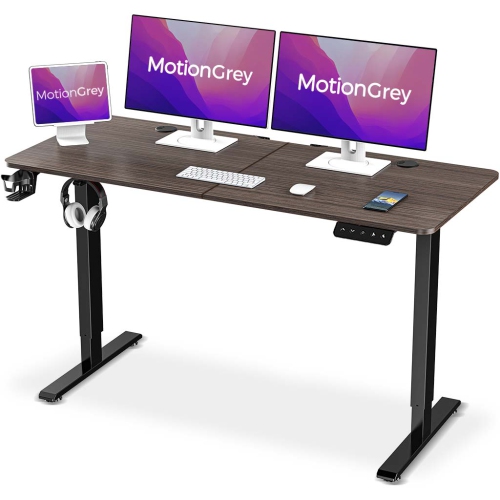
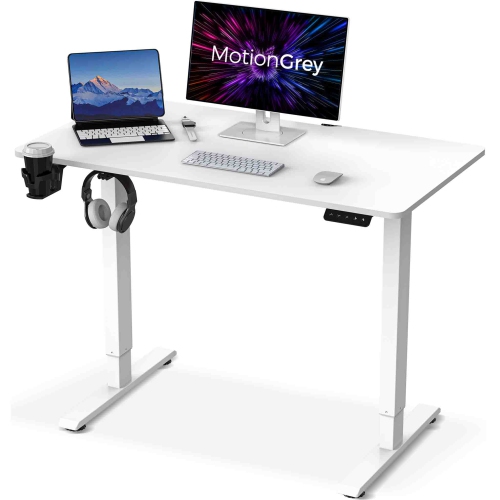
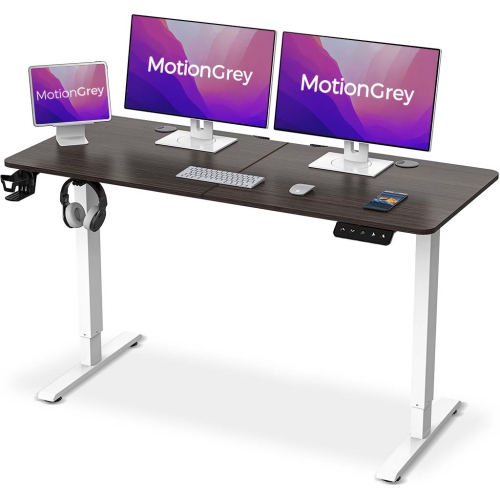
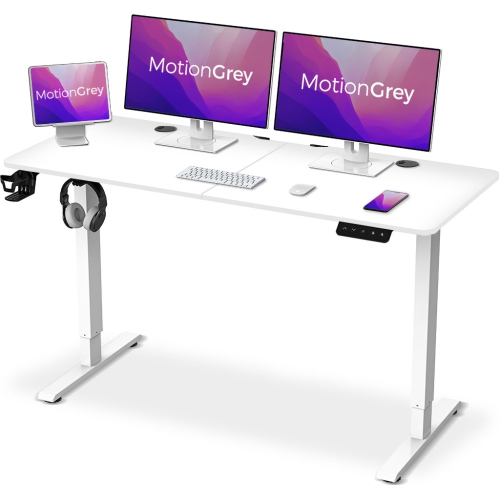
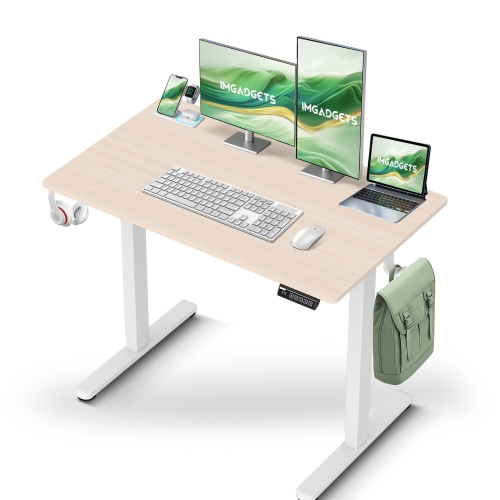
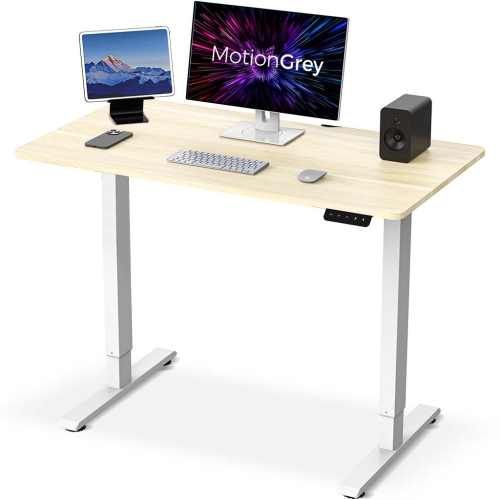
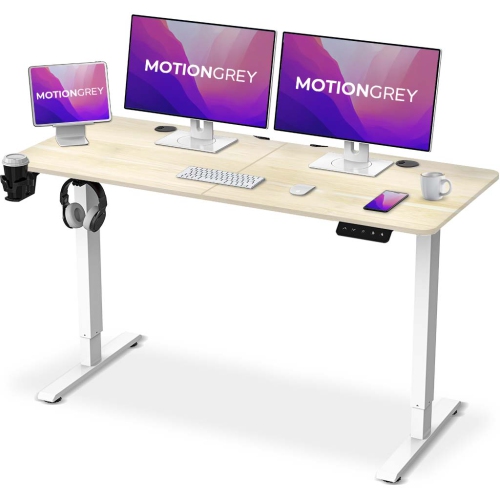
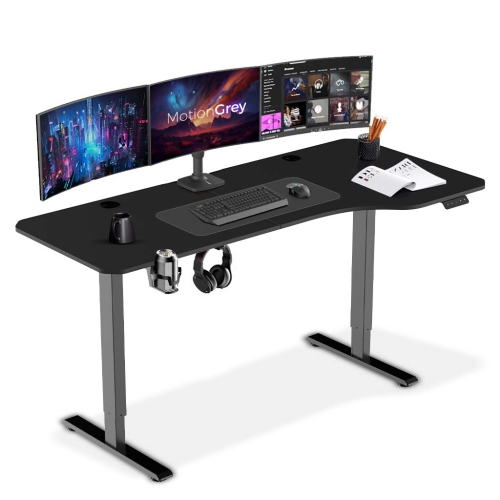
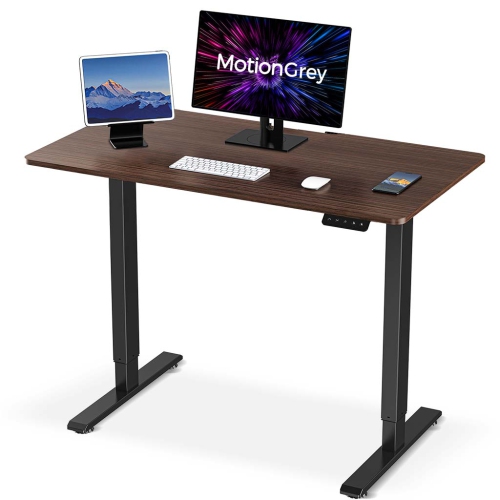
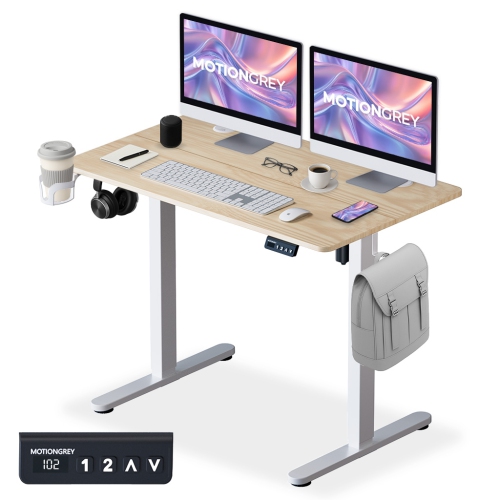
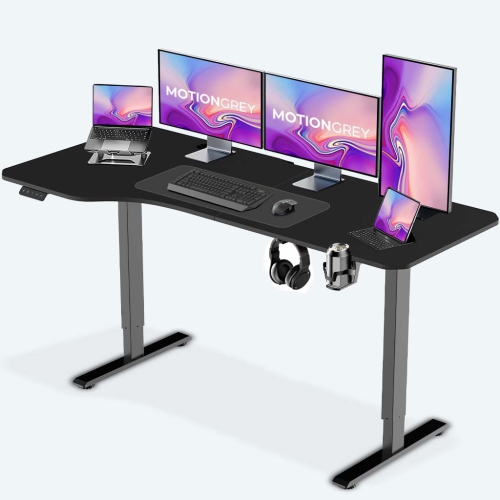
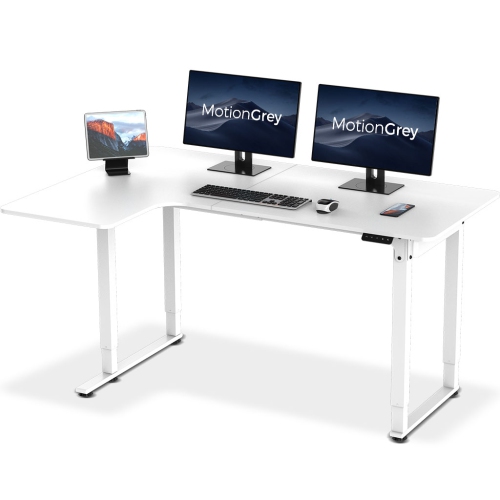
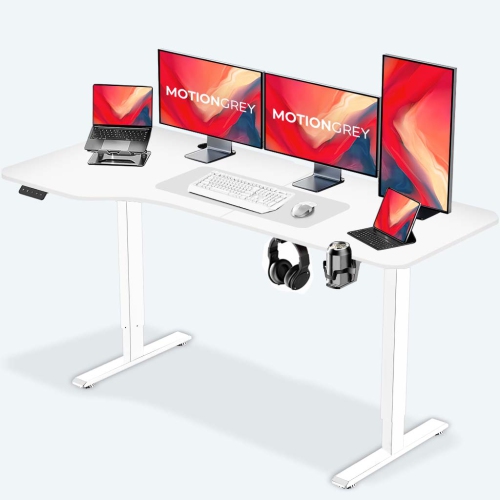
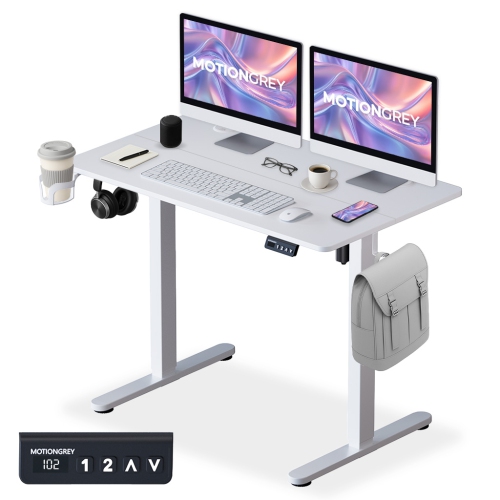
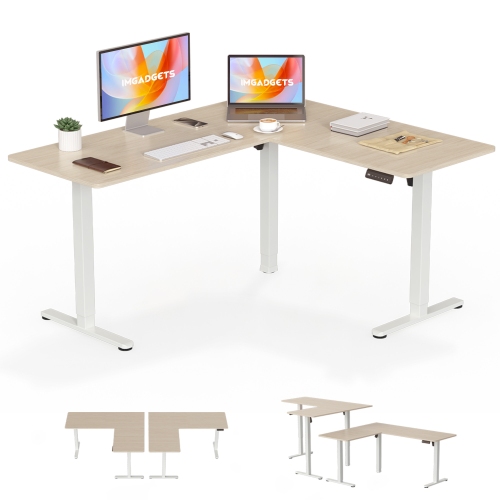
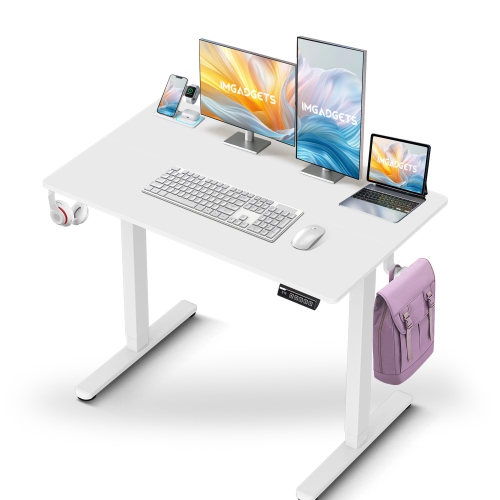
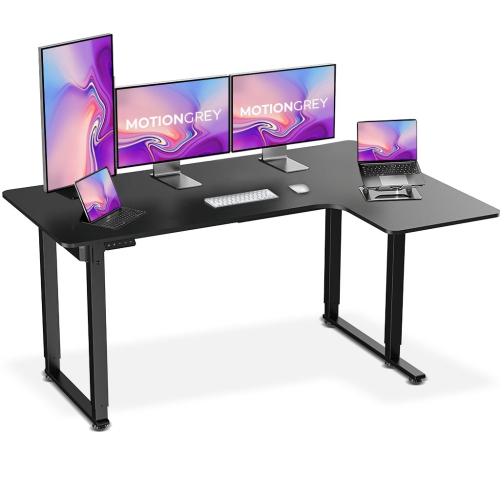
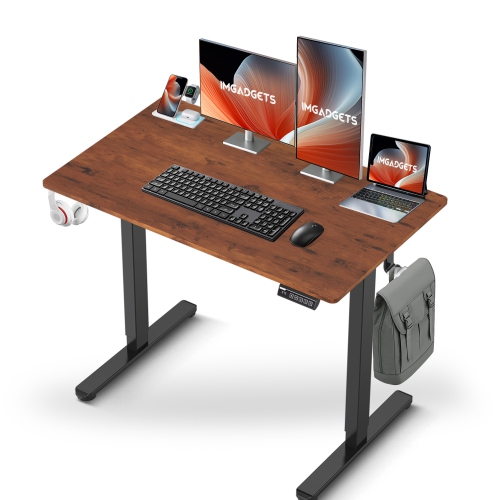
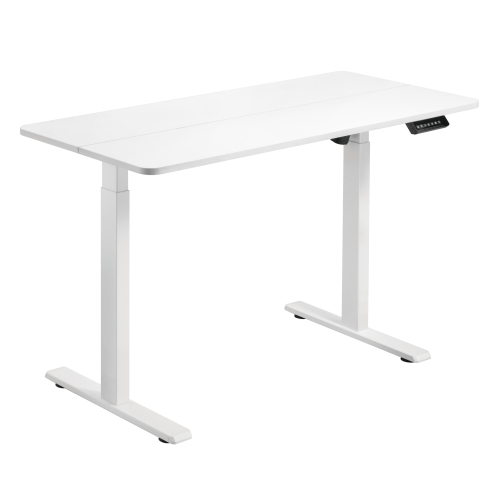
Back-to-school ergonomic standing desks help create a study space with room to work while sitting or standing. Explore desks for homework, online classes, and everyday studying, and compare height ranges, desktop dimensions, and adjustment options to find a fit for your space and study setup.

FAQ
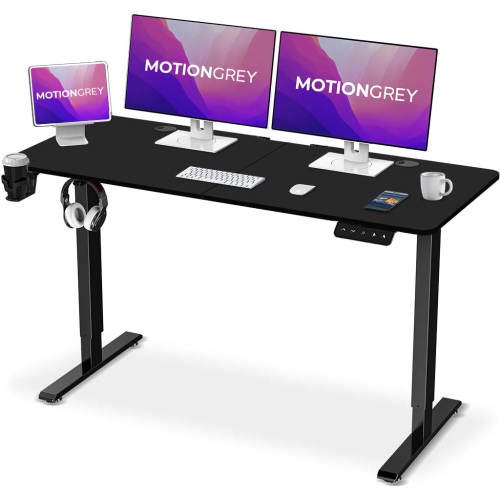
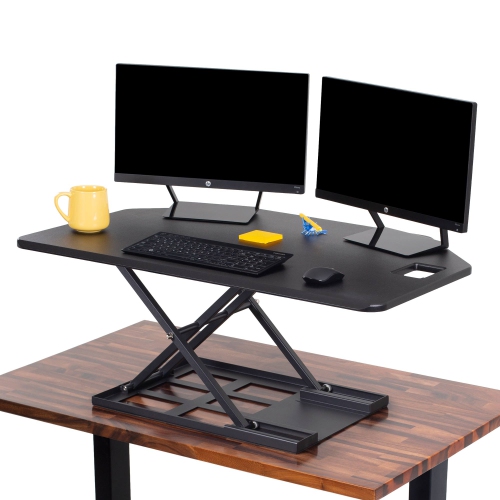
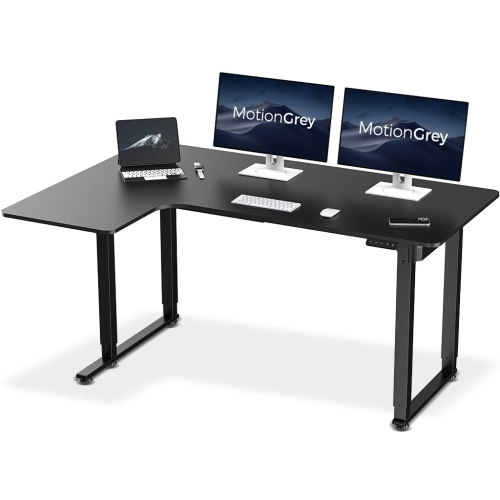
A sit-stand desk has an adjustable work surface that lets students switch between seated and standing positions. It can serve as a workspace for homework, reading, computer tasks, and creative projects.
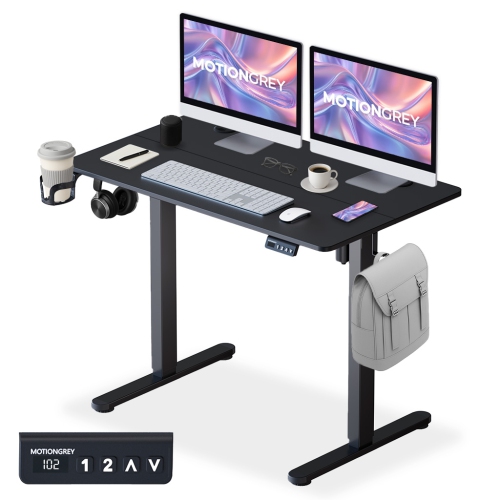
Manual standing desks use a hand crank or a lift mechanism to adjust the work surface. Electric models use motor-driven controls, usually operated through buttons or a keypad. Some electric desks also include programmable settings.
Memory presets store preferred desk positions so users can select them without adjusting the desk manually each time. Depending on the model, a student can save separate settings for seated and standing study sessions, or household members can save their own preferences.
Standing desks may include cable trays, routing holes, clips, or channels for organizing laptop, monitor, and accessory cables. Some also have built-in power outlets or USB ports. Features vary by model, and cable organizers may be sold separately.
Common options include laminate, wood veneer, solid wood, and glass. Finishes range from woodgrain patterns to solid colours, making it easy to coordinate a desk with a bedroom or shared study space. Cleaning requirements vary by material, so follow the manufacturer's care directions.
Top selling and popular products
Discover more categories related to Back To School Ergonomic Standing Desks
Some products may be subject to Environmental Handling Fees (EHF) depending on your province. Learn more about EHFs.