Backyard Umbrella Stands
Create a stylish and functional outdoor oasis with this selection of backyard umbrella stands. These versatile stands provide sturdy support for your patio umbrellas, ensuring they stay securely in place even on windy days. Whether you're looking to upgrade your current stand or need a new one for your outdoor space, we have a variety of options to suit your style and needs. From sleek and modern designs to classic and timeless finishes, this collection of umbrella stands offers both practicality and aesthetic appeal for any backyard setting.
Sort



































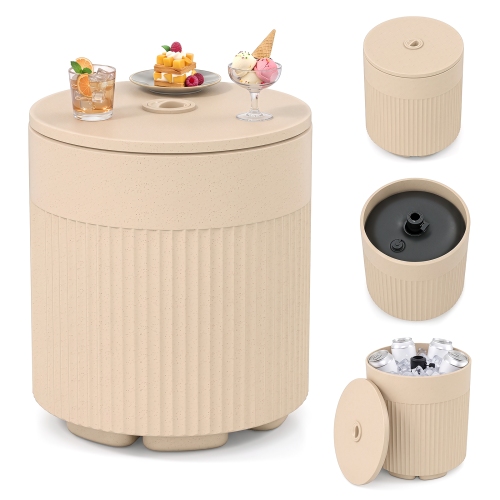






Umbrella stability depends on more than base weight
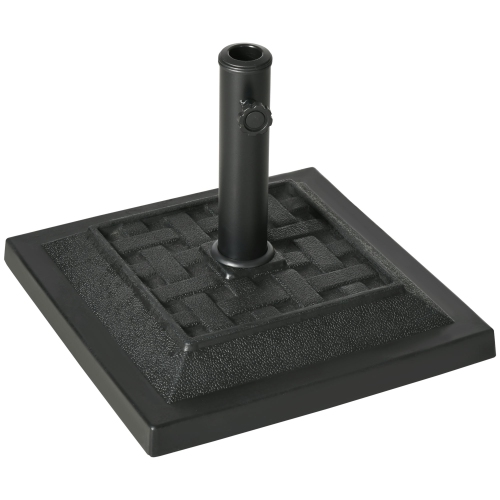
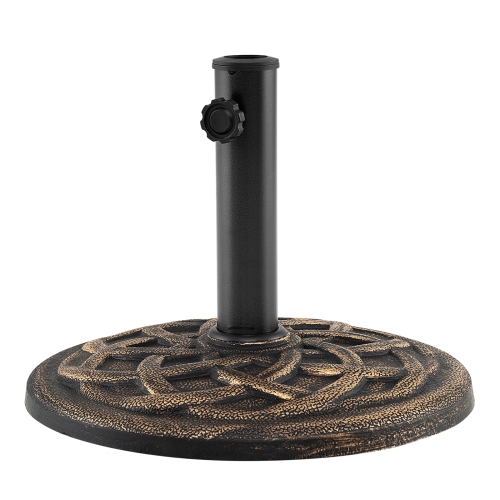
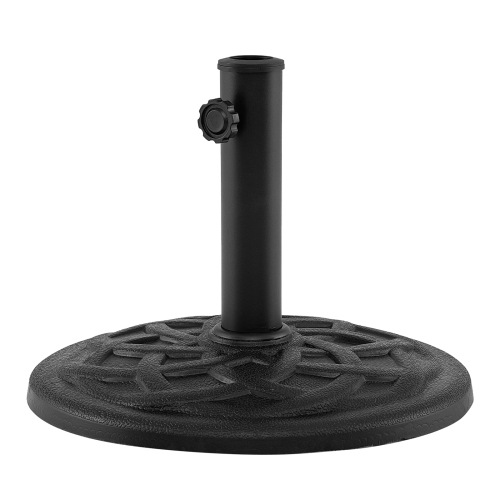
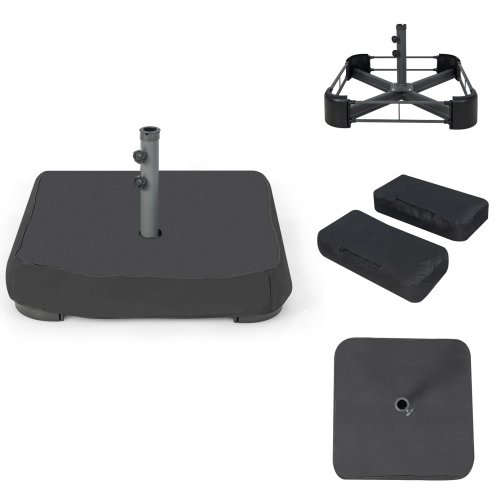
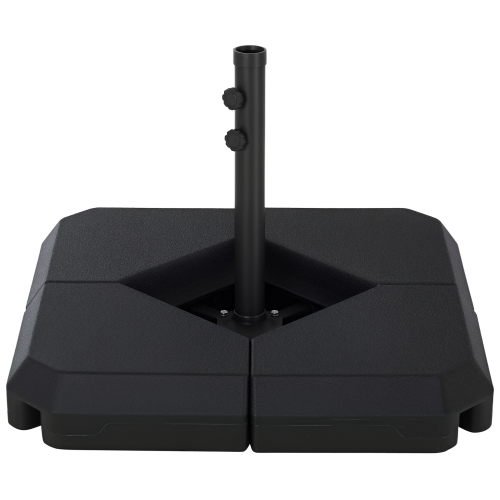
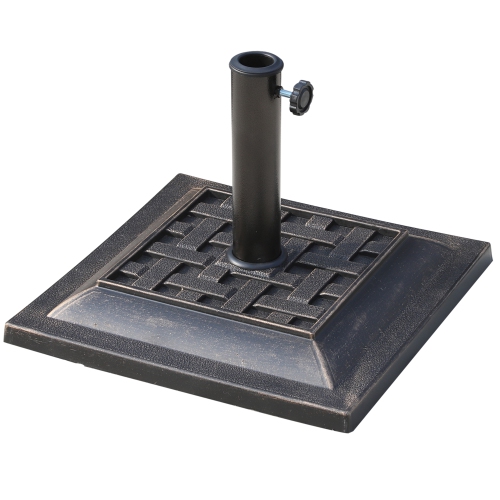
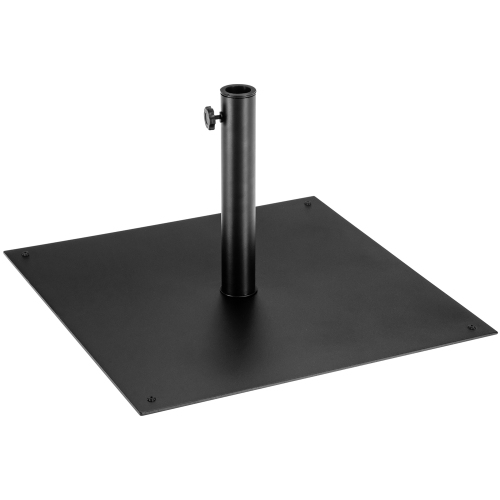
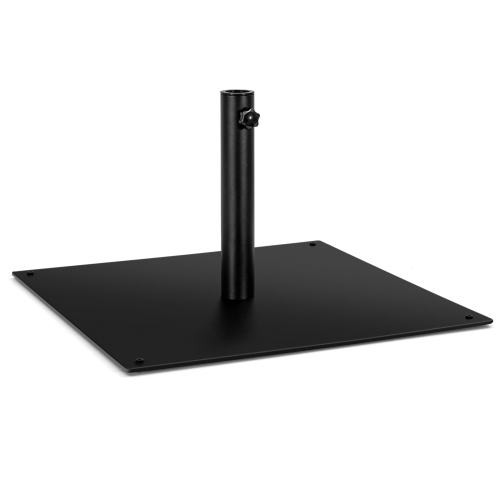
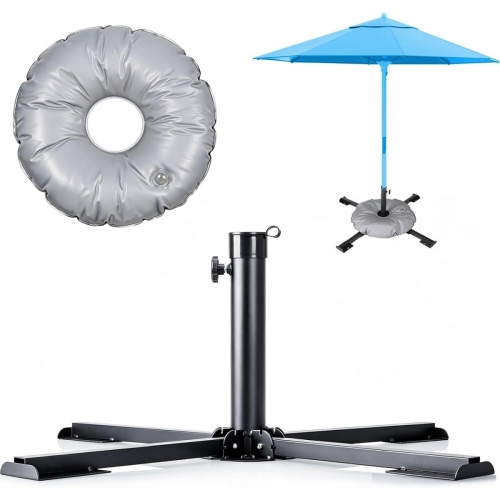
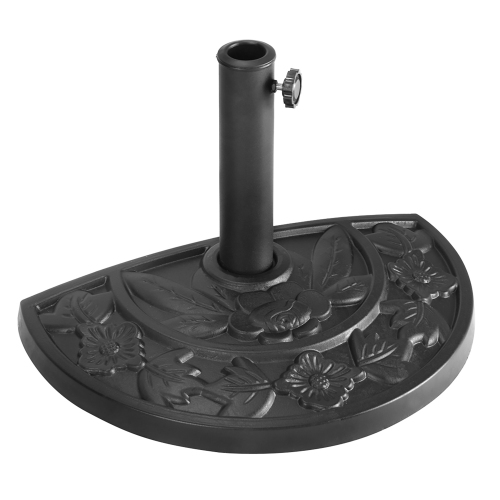
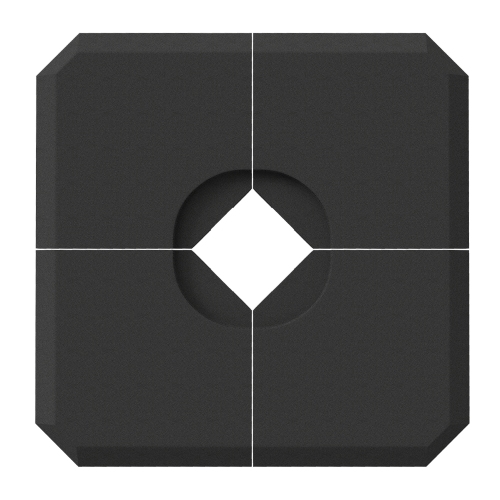
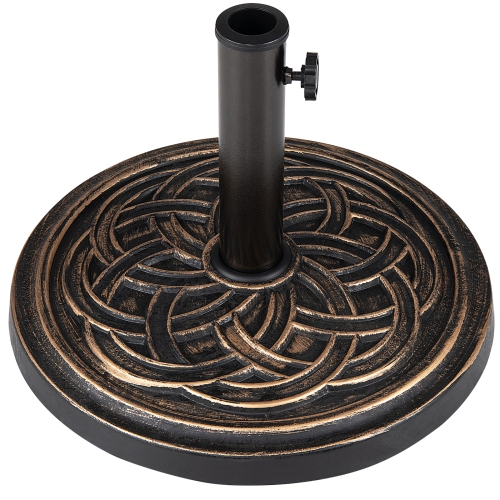
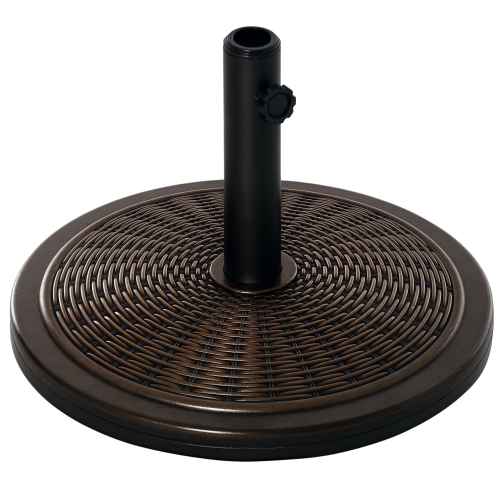
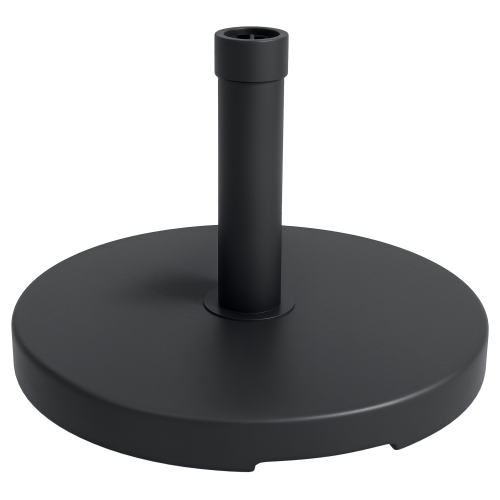
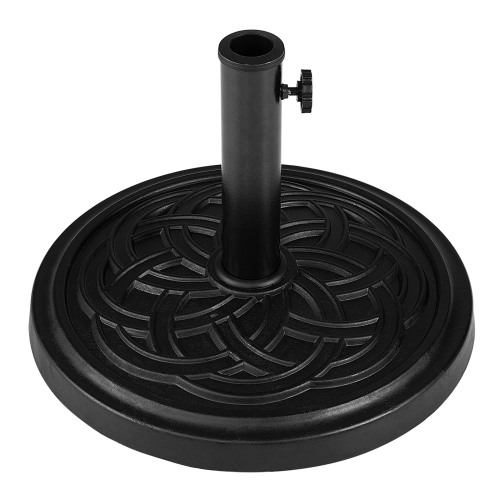
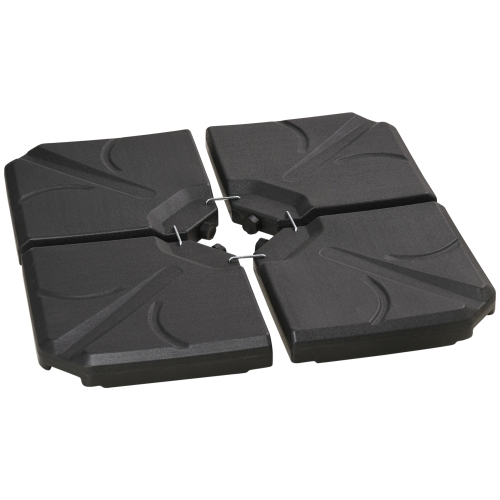
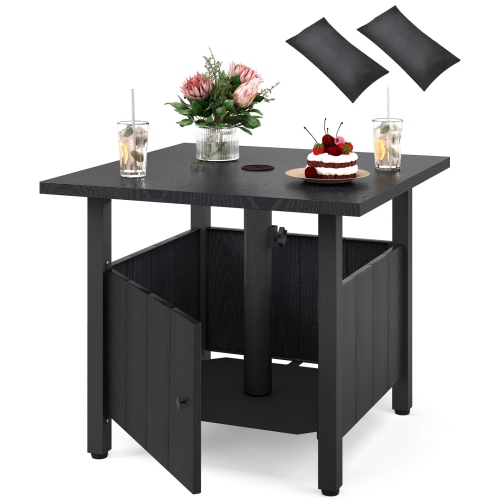
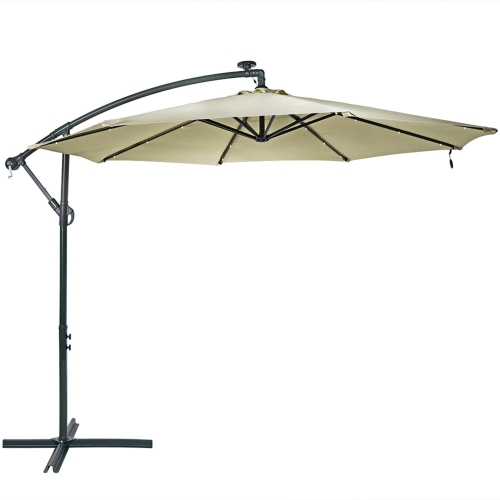
Backyard umbrella stands provide a stable foundation for patio umbrellas, helping keep shade positioned over outdoor dining tables, lounge chairs, and conversation areas. Often called patio umbrella bases, these supports hold the umbrella pole upright and add weight at ground level to help resist movement during normal use. The right fit depends on the umbrella’s design, canopy size, pole diameter, and the support specified by its manufacturer, rather than weight alone. A centre-pole umbrella passing through a patio table has a different setup from a freestanding umbrella beside a chaise longue: the table helps support the pole, but a suitable base is still needed underneath. Cantilever umbrellas extend their canopies away from the mast and generally require a dedicated base system, often with weighted sections that fit a cross-shaped frame. Those sections are not interchangeable with an ordinary round pole stand unless the umbrella manufacturer explicitly allows that arrangement. For any style, the base’s stated weight should be understood in context. A fillable base may list its empty weight separately from its weight when filled, and the final weight varies with the approved filling material. There is no single base weight that suits every umbrella of a given canopy size, particularly where exposure and umbrella construction differ. Manufacturer requirements are the most useful starting point for matching the two. Around a backyard dining set, a low-profile base can leave more room for feet beneath the table; beside a seating group, a broader footprint may be easier to accommodate. Families sharing a compact patio, hosts arranging an outdoor meal, and anyone creating a shaded reading spot can benefit from a stand that fits the space without crowding it. A base supports the umbrella, but it does not make an open canopy safe in strong winds. Closing and securing the umbrella when unattended or when conditions worsen remains important, even with a substantial stand.
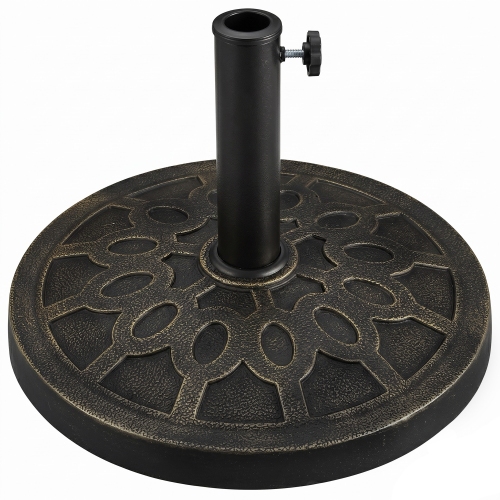
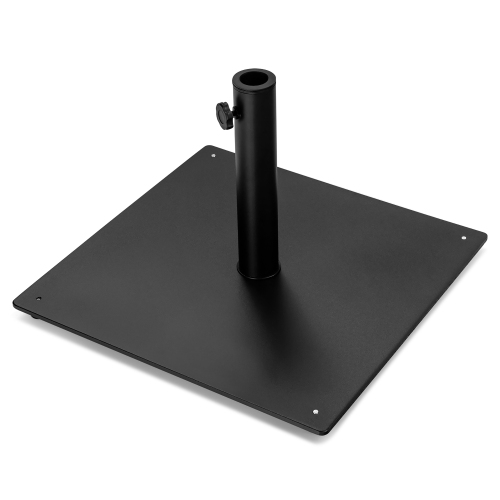
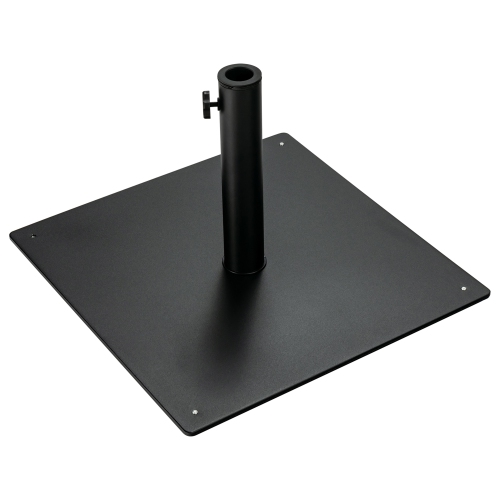
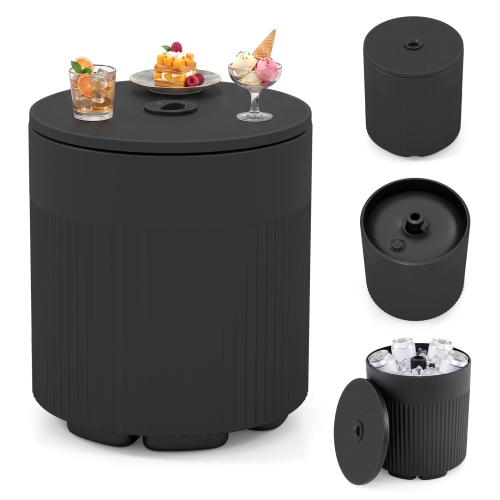
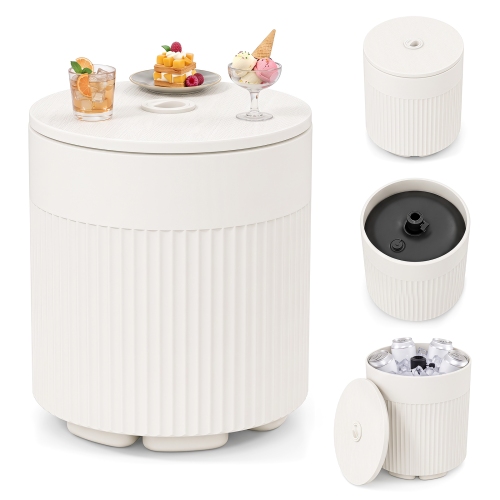
Materials influence how backyard umbrella stands look, how they handle repeated outdoor use, and how much effort they take to move. Cast iron provides substantial weight in a relatively compact form, making it useful where a solid base needs to sit beneath a table or alongside a chair. Its protective finish needs attention if scratched or chipped, since exposed iron can rust. Steel bases can have slim, flat profiles that suit tighter layouts, although their edges, welds, and coatings also benefit from periodic inspection. Concrete and stone bases offer considerable mass, but their surfaces and corners may chip during handling, and moisture exposure matters when temperatures fall below freezing. Resin and high-density polyethylene housings are common choices for fillable bases, with shapes that range from rounded containers to separate panels for compatible cantilever frames. Resistance to fading, cracking, and outdoor wear varies by construction, so material descriptions and care information matter more than appearance alone. Fillable designs are lighter to carry before filling, which can be helpful when a base must travel through a narrow side passage or down a few steps into the yard. Once filled, however, they can be difficult to reposition. Water is convenient where permitted, while approved sand filling can provide a different finished weight; the stated capacity and filling instructions determine what belongs inside. Water-filled bases also require particular attention before freezing weather because expanding ice can damage the housing. Fit is equally important at the pole connection. The umbrella’s outside pole diameter needs to match the stand’s supported range, with the correct sleeve or reducing ring in place where supplied. Tightening knobs help secure a compatible pole, but they do not make an oversized opening or an unsuitable base appropriate. For table setups, the base height, support tube, tabletop opening, and clearance beneath the table all need to work together. A base that looks compact in isolation may still interfere with a table brace or prevent chairs from sliding in comfortably. Rounded edges and a finish that complements nearby furniture can help the stand sit naturally within the arrangement without drawing attention away from the seating area.
Everyday usability often comes down to details that are easy to appreciate once the patio is furnished. A wheeled umbrella stand can make occasional repositioning less strenuous on a smooth, level surface, especially when shade needs to move between a dining area and a nearby lounge space. Wheel locks or other securing mechanisms, where included, need to be engaged during use. Wheels are less helpful on loose gravel, deep joints, or uneven paving, and a heavy base should never be moved by pulling on the umbrella pole. Built-in handles can assist with handling, although the filled weight may still require more than one person to move safely. Placement matters just as much as portability. A level, firm surface helps the base sit as intended, while keeping its edges out of walking routes reduces the chance of catching a foot when carrying a tray or moving a chair. Soft lawn, sloping ground, and raised deck-board edges can prevent some stands from resting evenly. On finished decking, checking the contact surface and the maker’s guidance can help limit marks and trapped moisture beneath the base. Routine care is usually straightforward: remove leaves and dirt, wipe away spills, and clean the surface with a method suitable for its material and finish. Pole sockets, fasteners, fill caps, and locking parts deserve occasional checks for looseness, wear, or damage. During the cooler months, draining water where required, allowing components to dry, and storing them according to their care instructions can help prevent avoidable deterioration. A fitted cover may help keep debris off a base, but it does not replace any required draining or protected storage. For a household that enjoys spending time outdoors, a compatible stand can also be a practical housewarming gift when the umbrella specifications are known. These outdoor supports serve a different purpose from Indoor Umbrella Stands, which hold handheld rain umbrellas near an entrance rather than anchor a patio canopy. Matching the stand to its intended use keeps both the backyard seating area and the doorway better suited to daily life.
Top selling and popular products
-
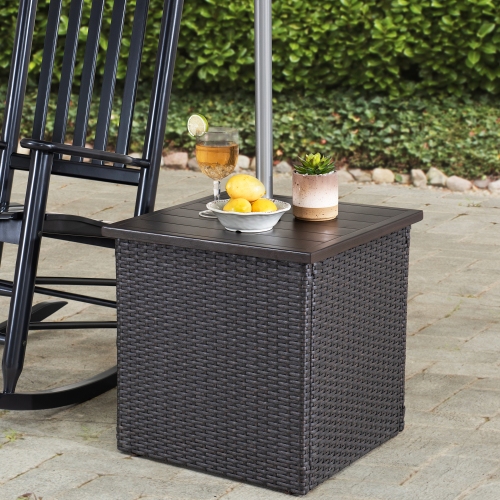 Your price for this item is $160.99
-
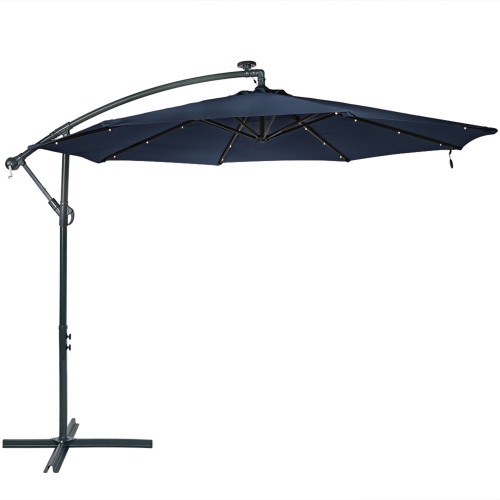 Your price for this item is $248.55
-
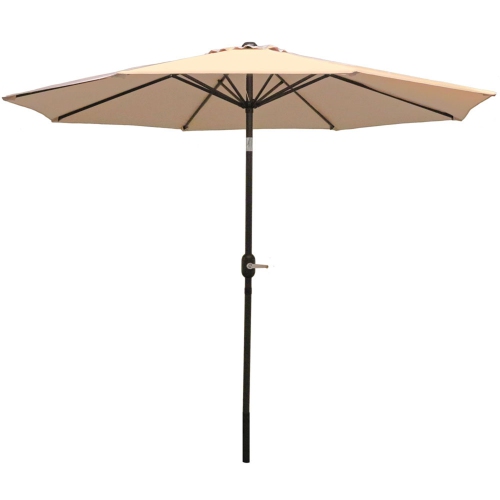 Your price for this item is $146.95
-
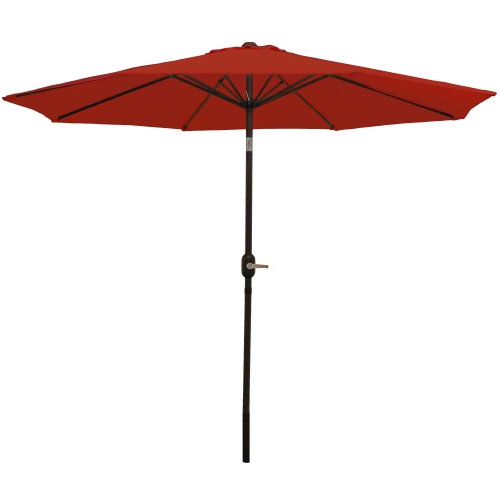 Your price for this item is $146.95
-
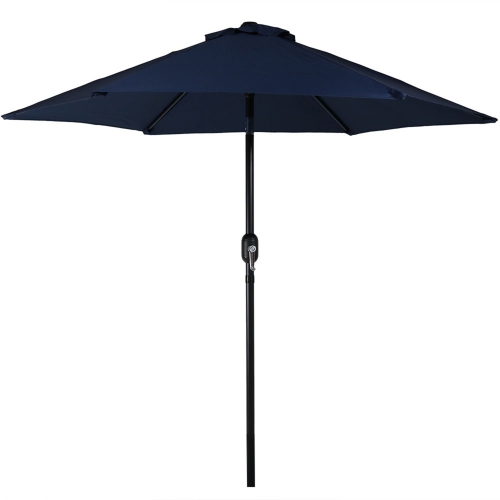 Your price for this item is $146.95
-
 Your price for this item is $146.95
-
 Your price for this item is $248.55
-
 Your price for this item is $152.35
Discover more categories related to Backyard Umbrella Stands
Top Collections:
Pokemon Centers, Best Cameras for Sports Photography, Kindle Devices, Samsung Galaxy Phones, Canon G7X Cameras, Pokémon 30th Celebration Cards, Refurbished Apple Laptops, iPhone 15 Apple, Laptops for Students, Budget Smartphones
Some products may be subject to Environmental Handling Fees
(EHF) depending on your province.
Learn more about EHFs.