Baking Pan Sets
Baking pan sets are the cornerstone of any kitchen for both novice bakers and seasoned chefs alike. With a variety of sizes and shapes, these versatile sets are perfect for crafting everything from delicious cookies to decadent cakes. Whether you're preparing a family dinner or experimenting with a new dessert recipe, having the right baking pan set ensures even cooking and easy cleanup. Explore our selection to find durable, high-quality options that cater to all your baking needs, enhancing your culinary creations with every use.
Sort
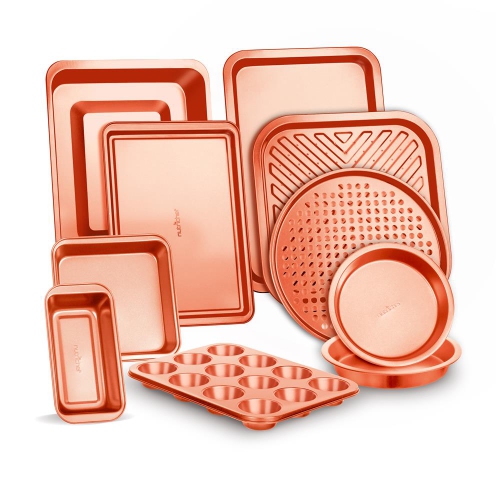


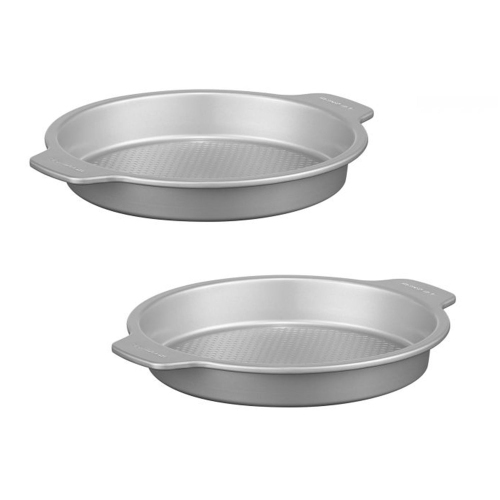
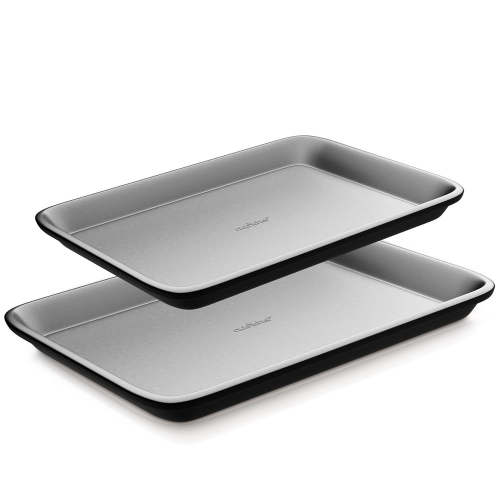


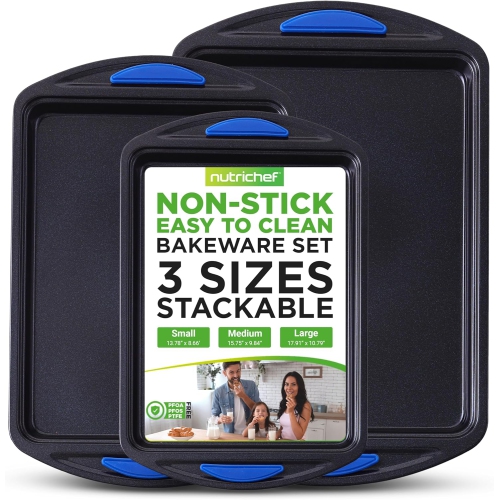

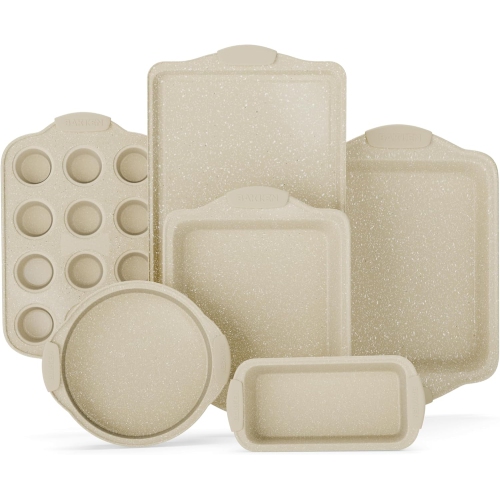

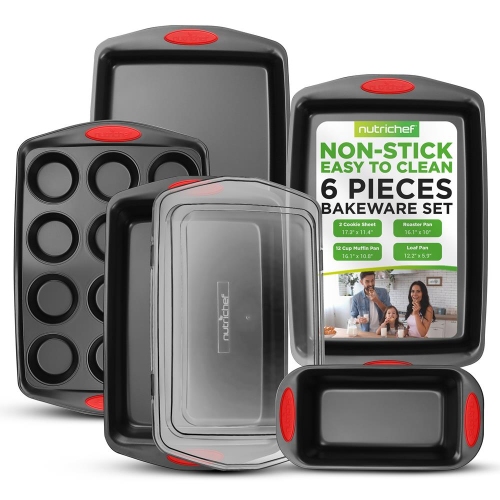
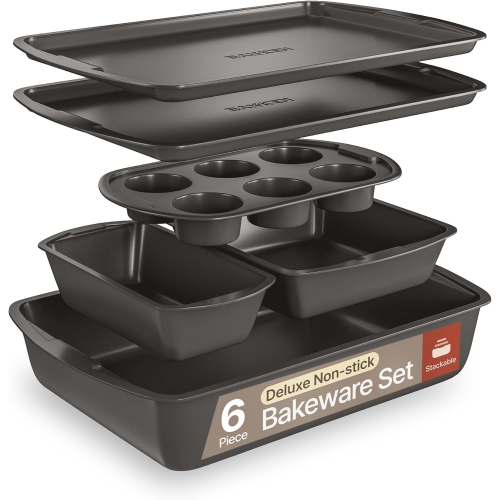


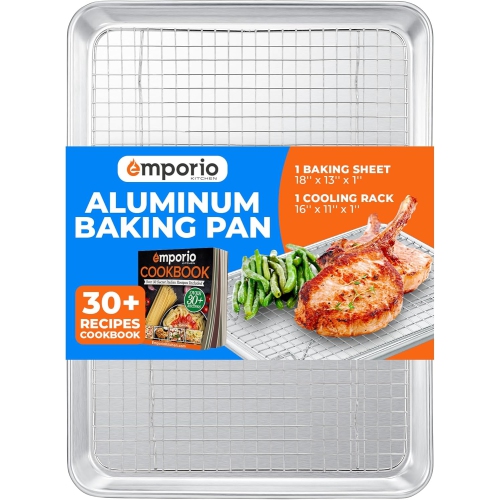


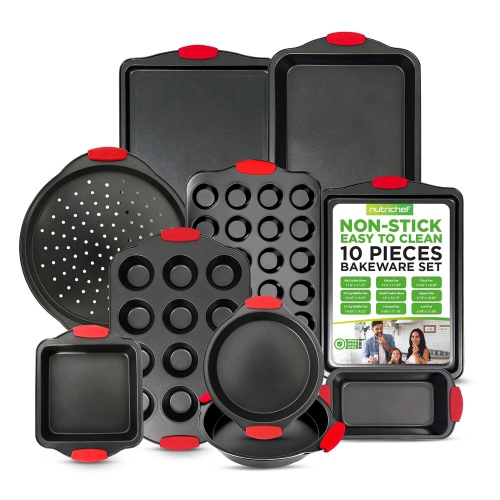


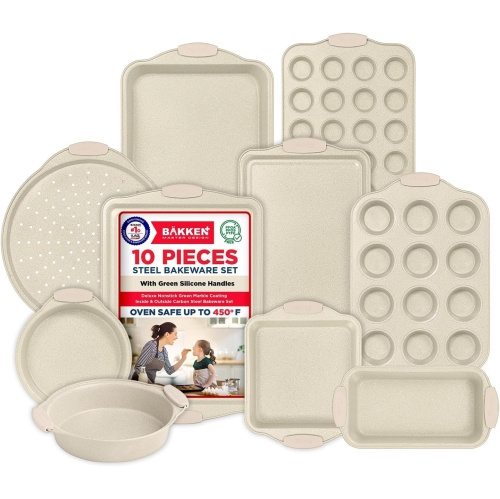
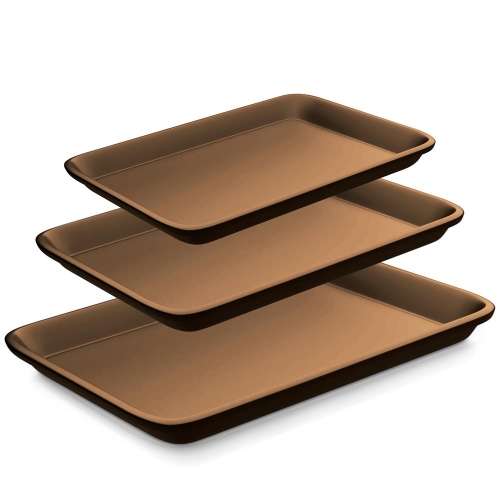


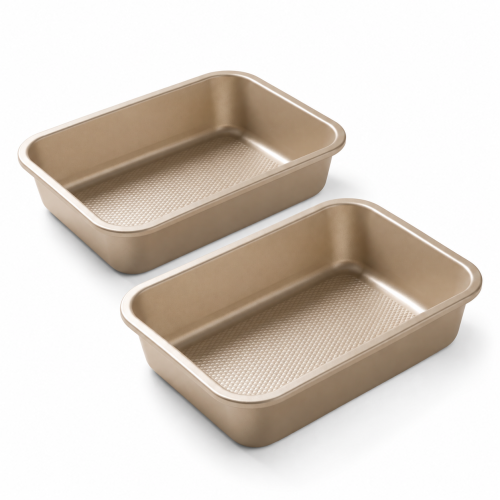
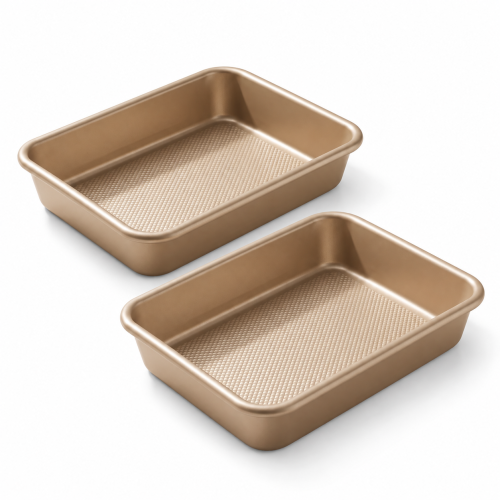
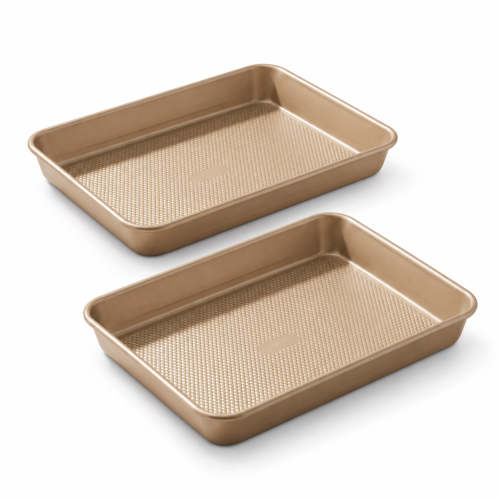
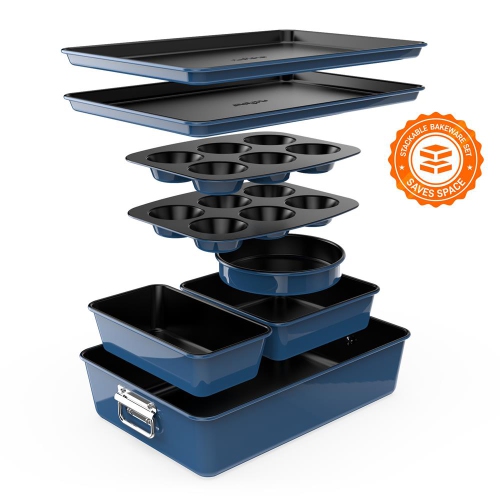

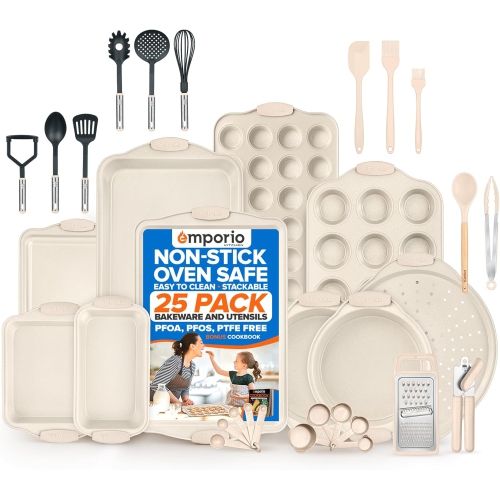


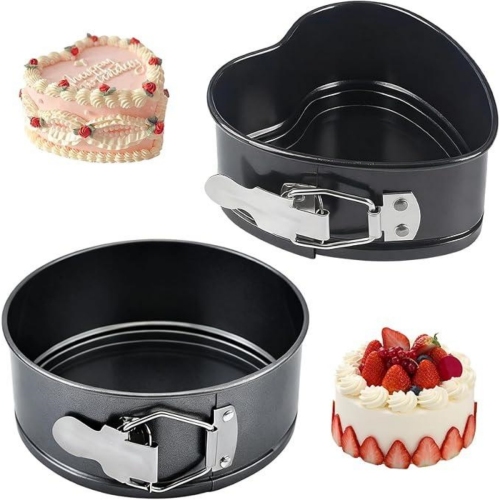


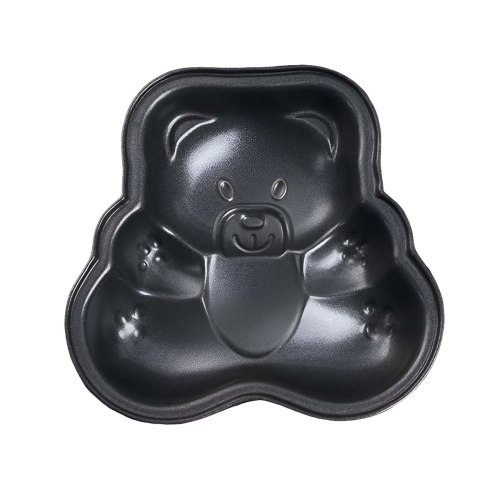
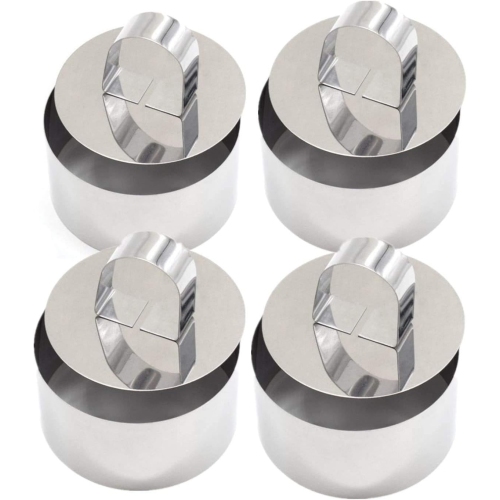
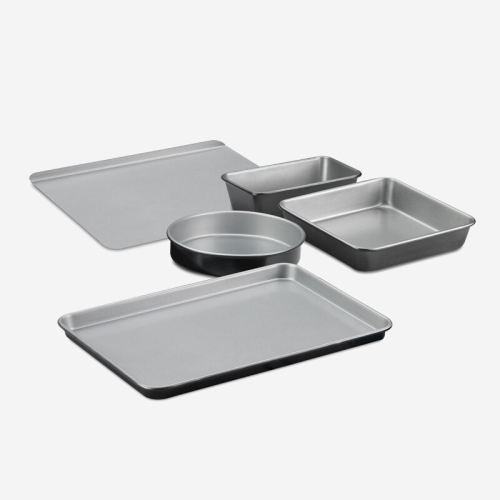
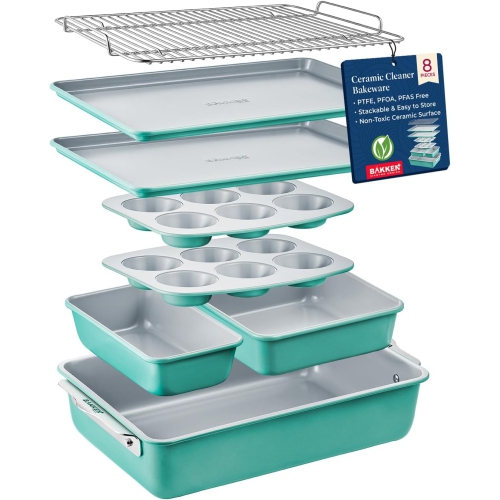

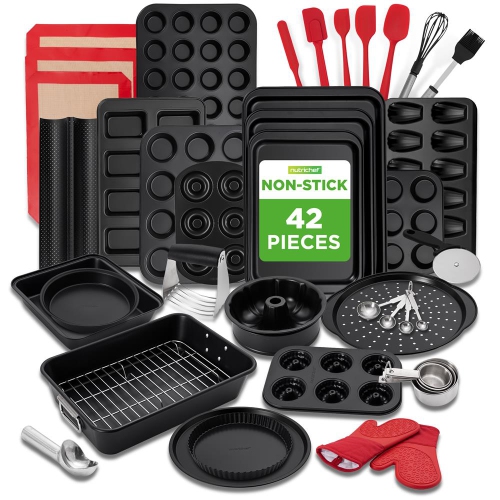
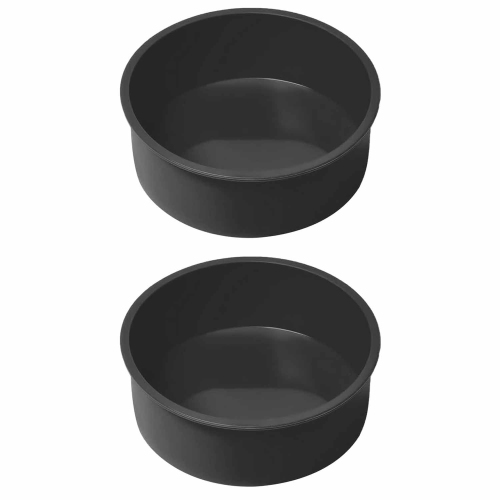
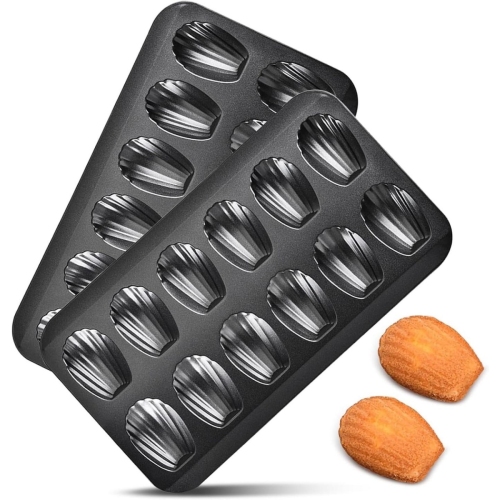





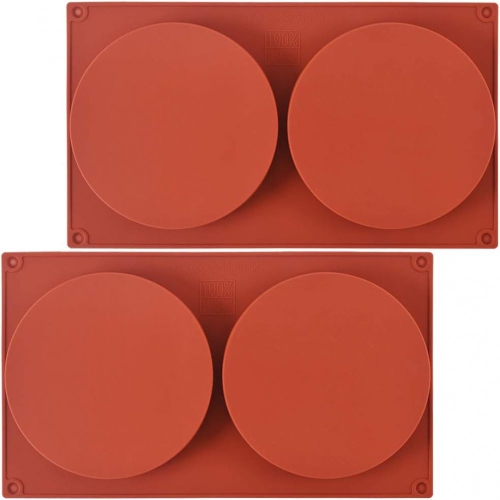


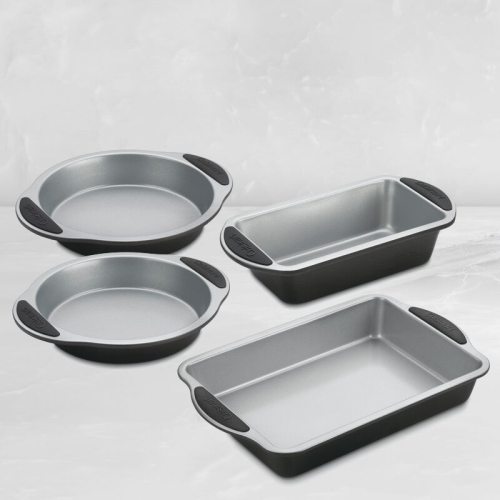


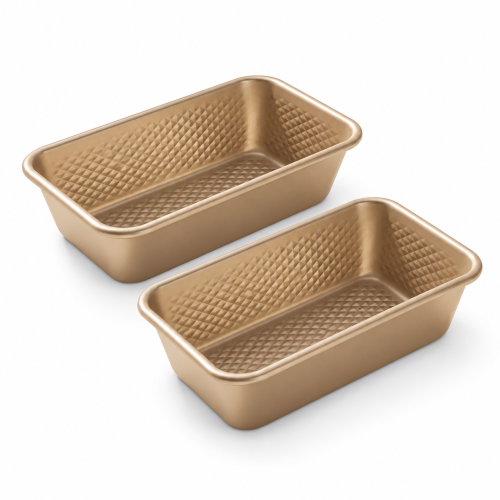
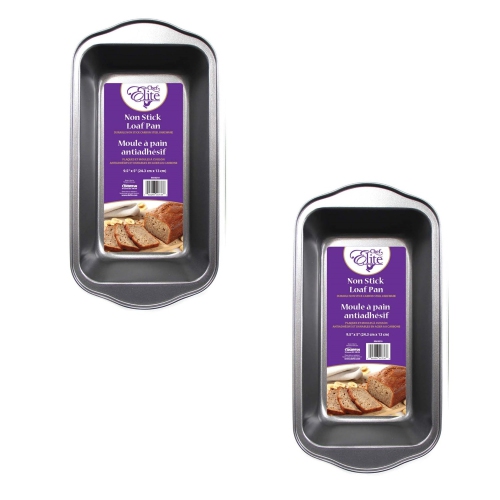


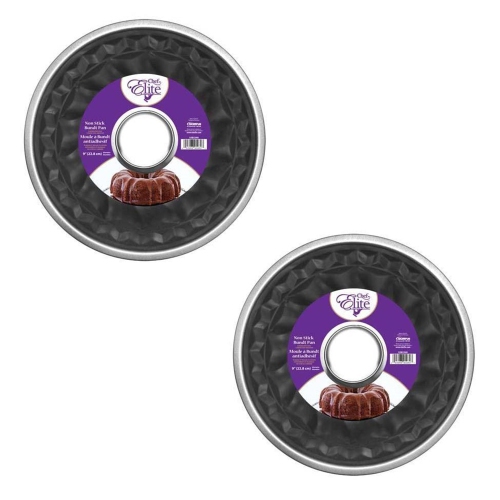

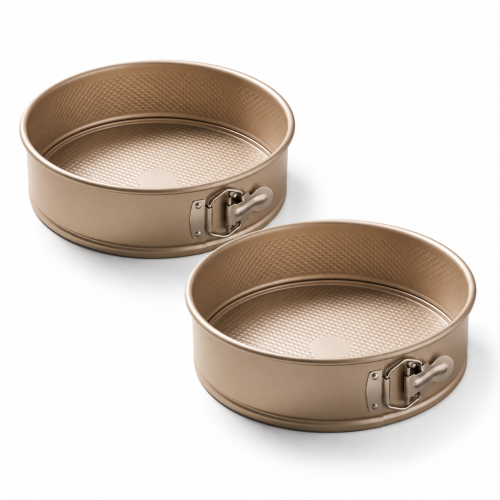

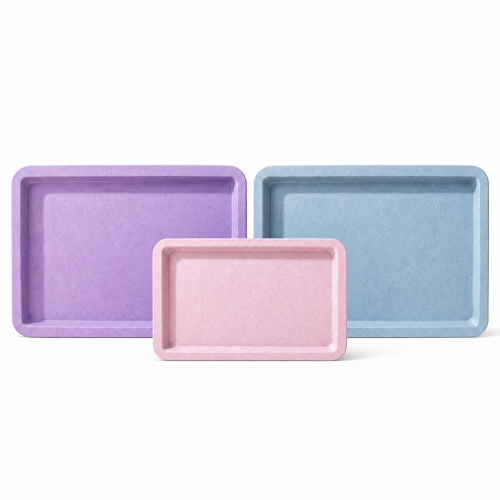


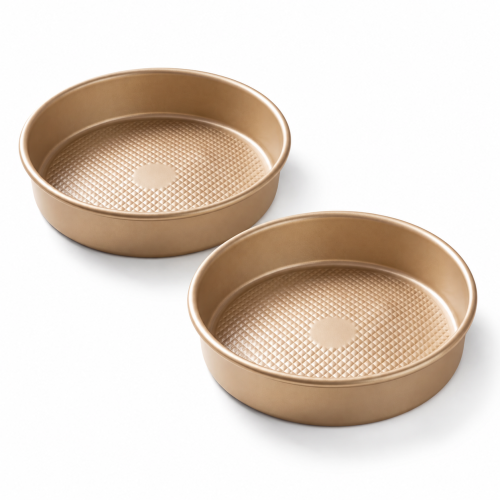


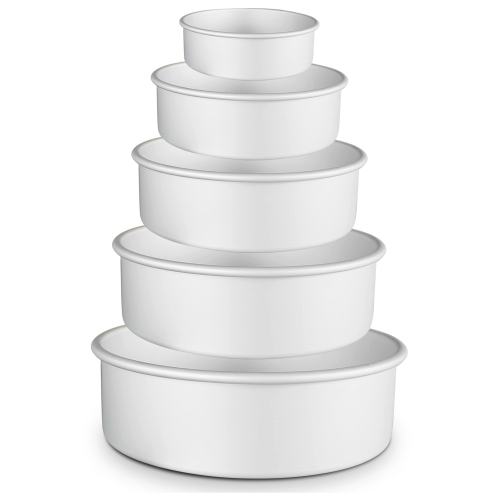
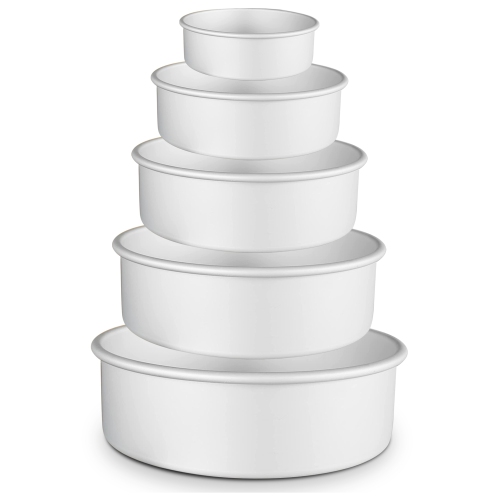
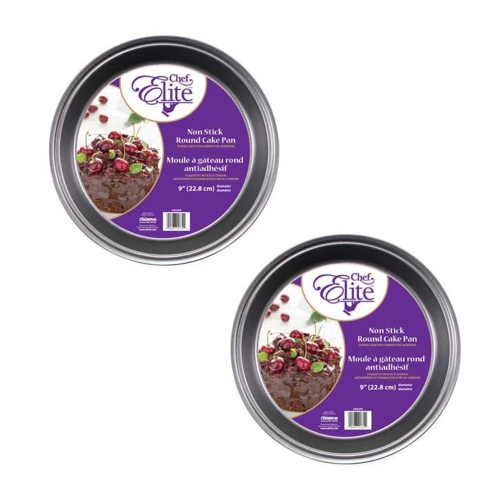
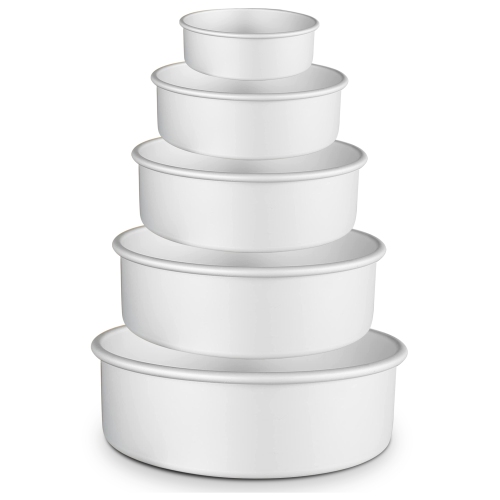






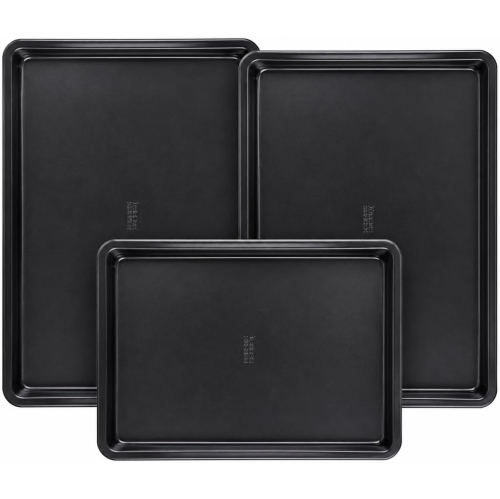
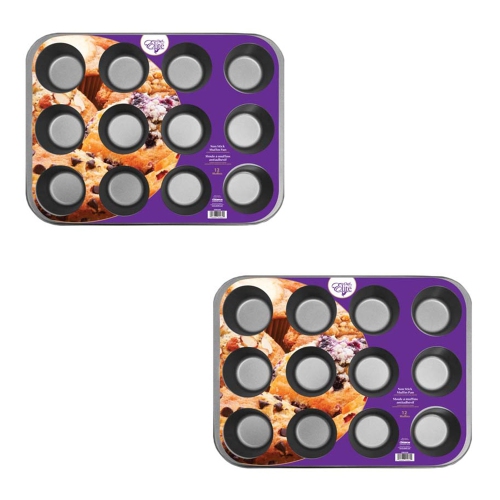
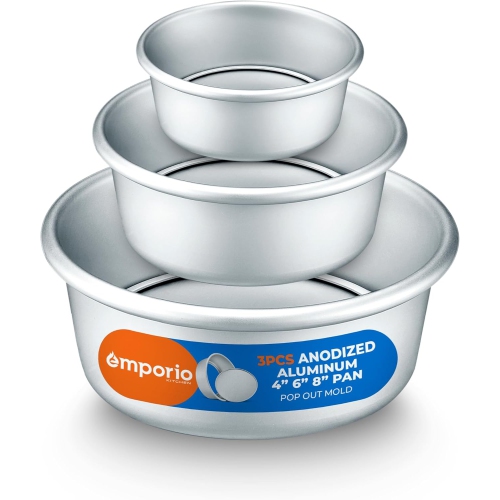


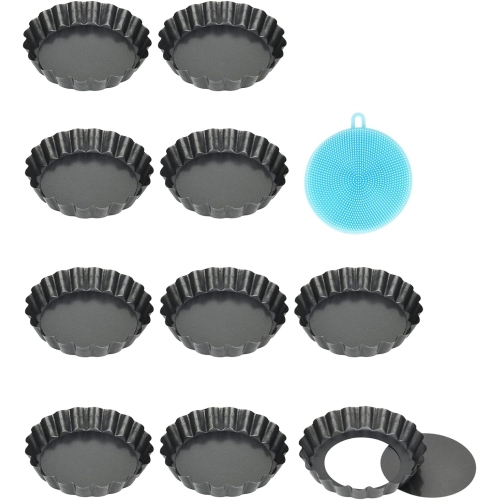


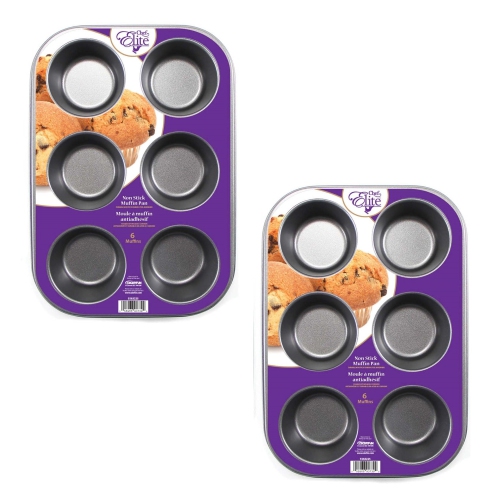
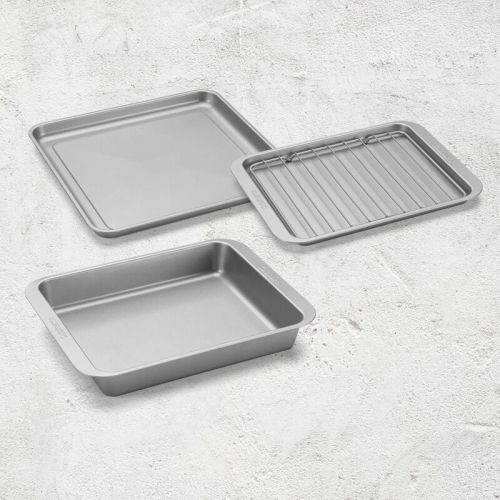

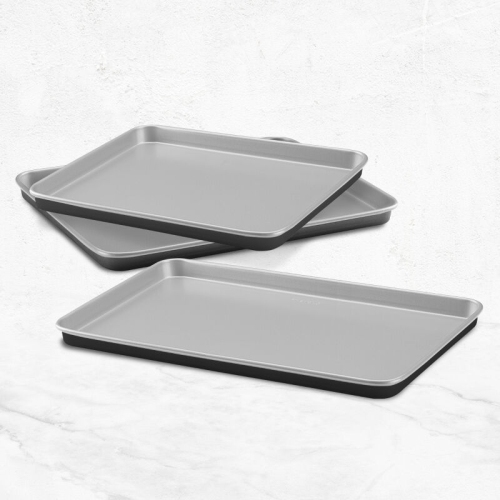


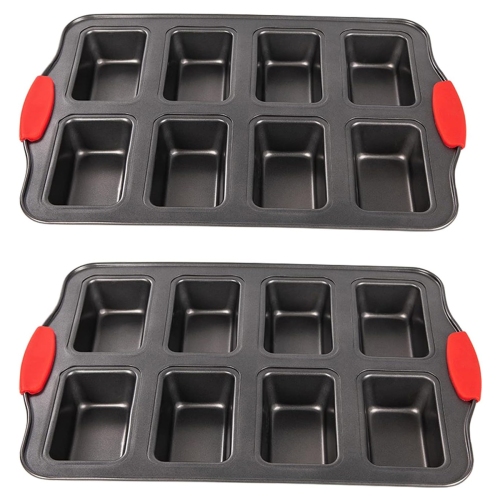


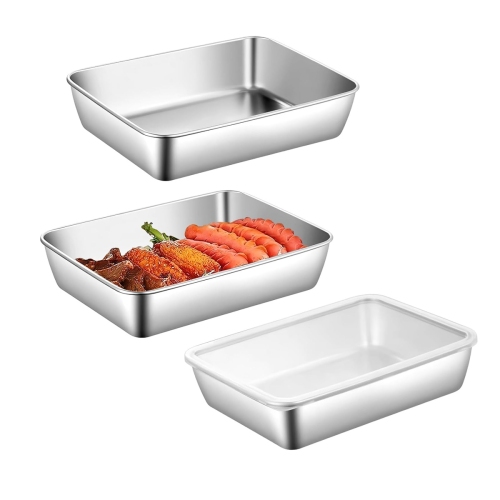

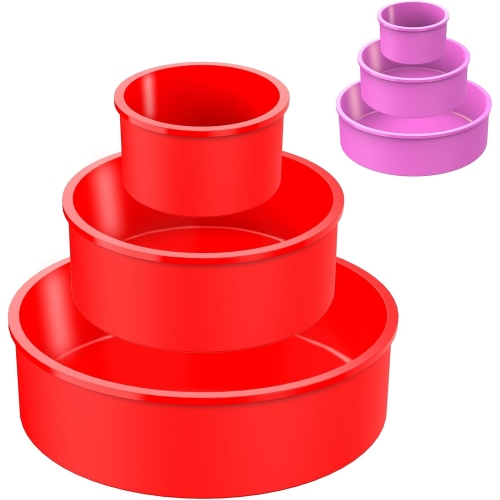

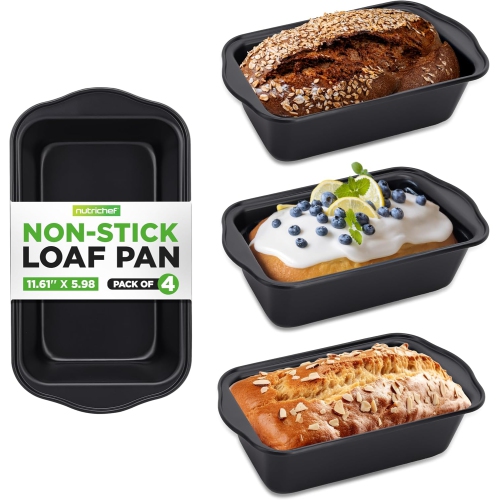


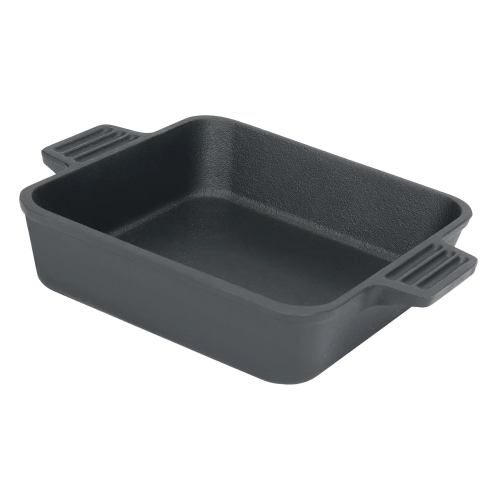
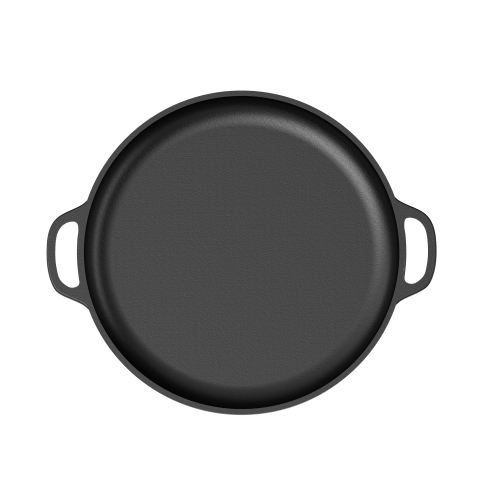
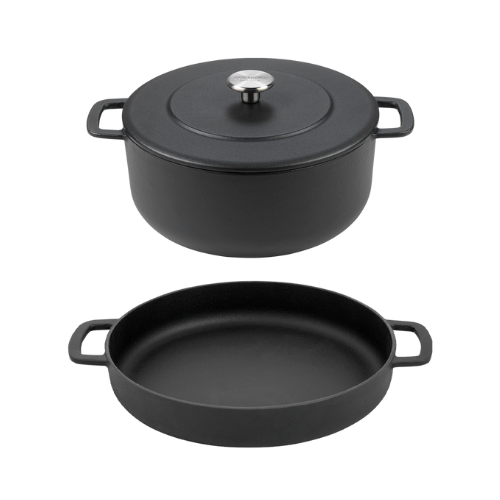
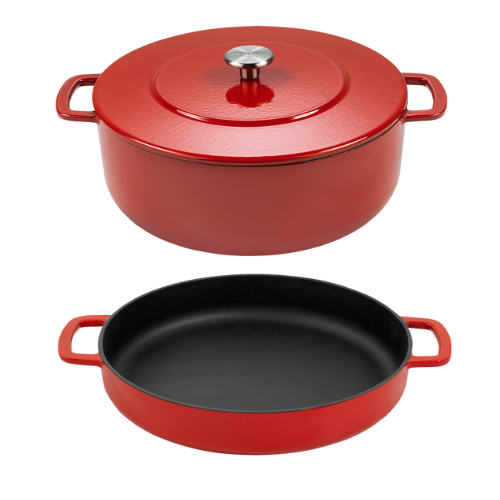

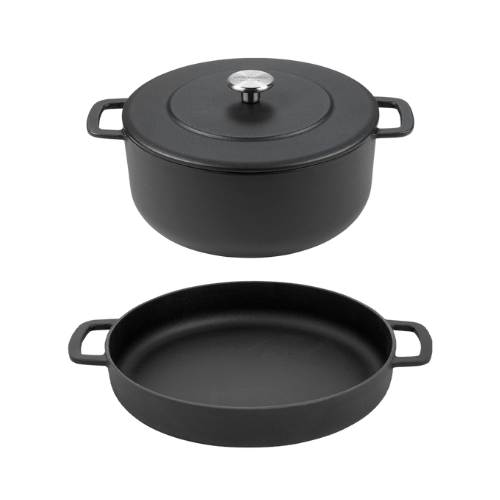
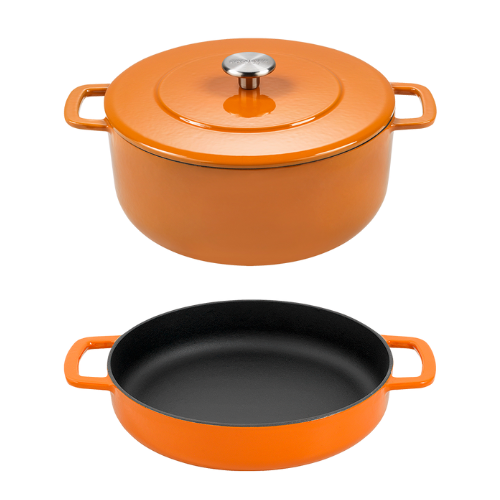

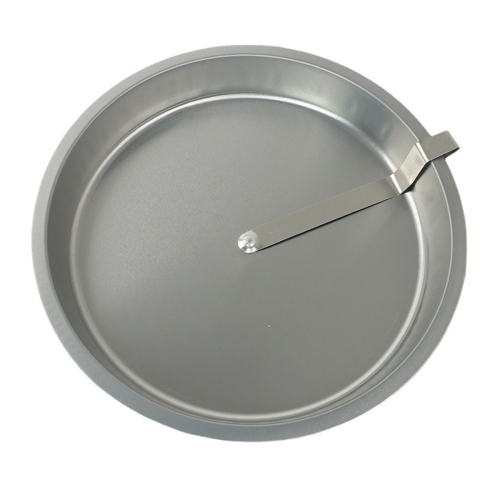


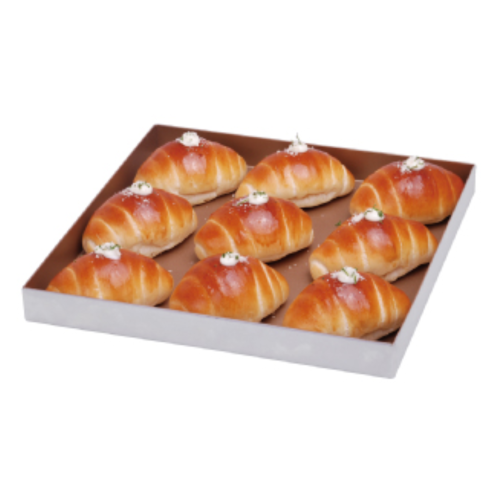


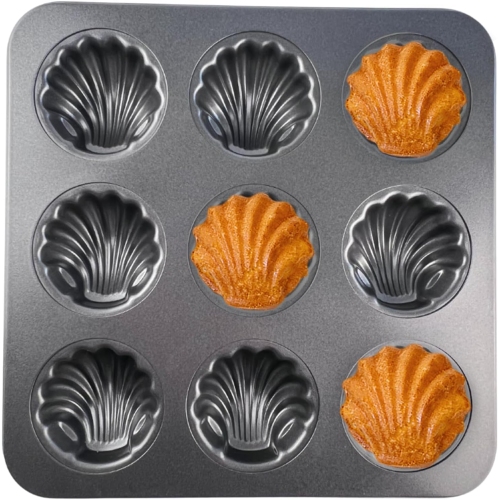
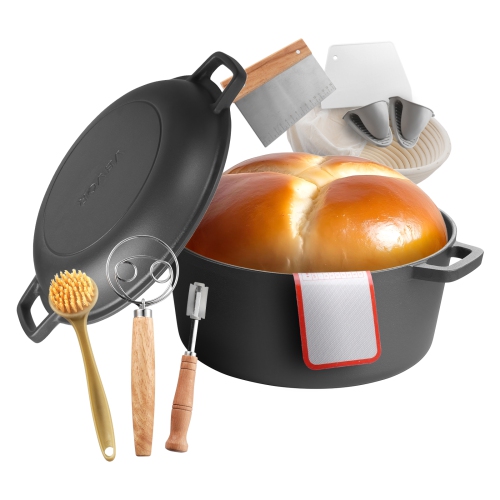


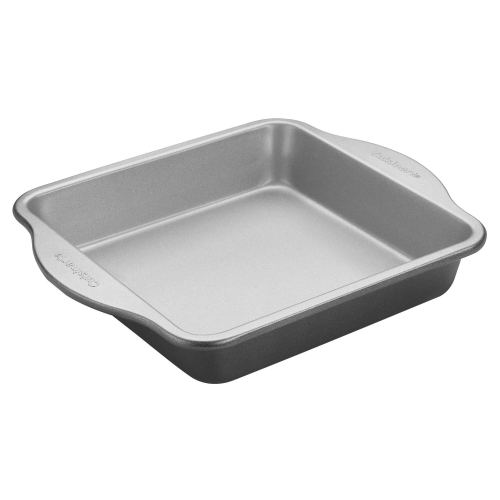

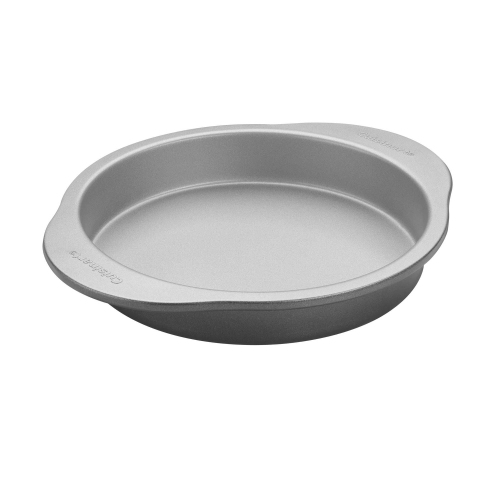
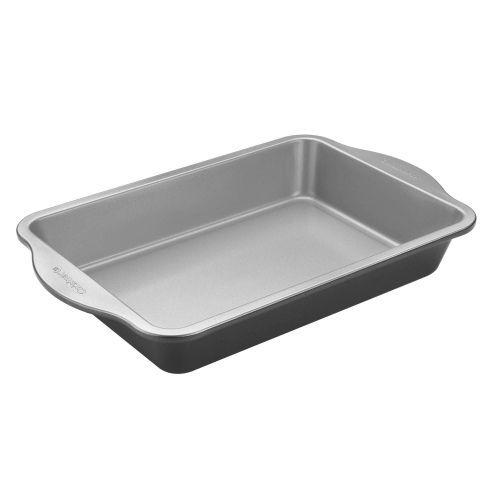
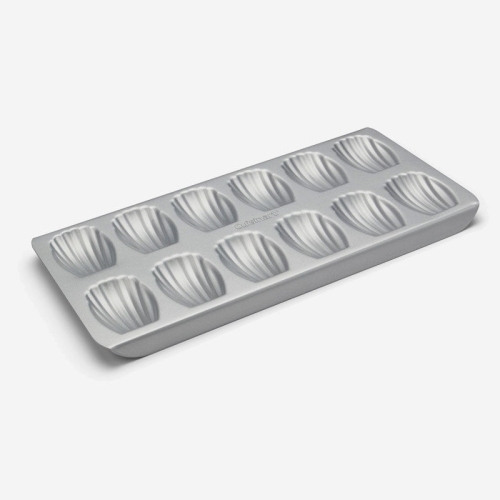


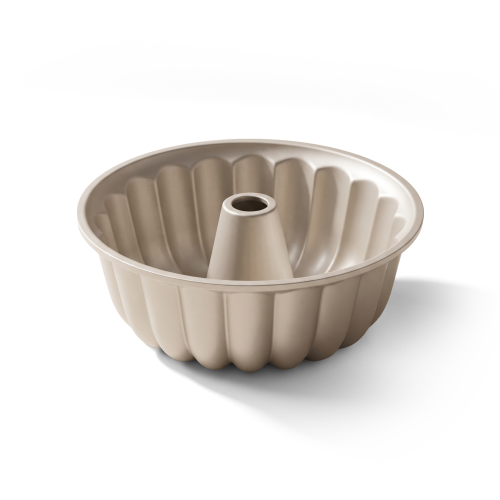


The right pan mix for your favourite bakes
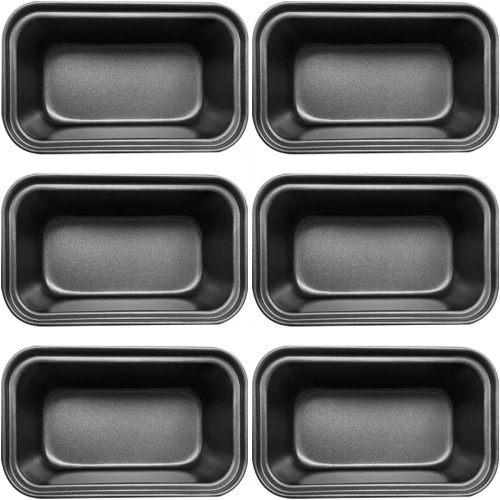
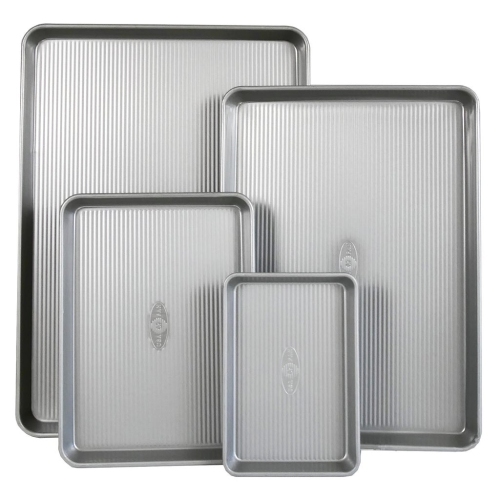
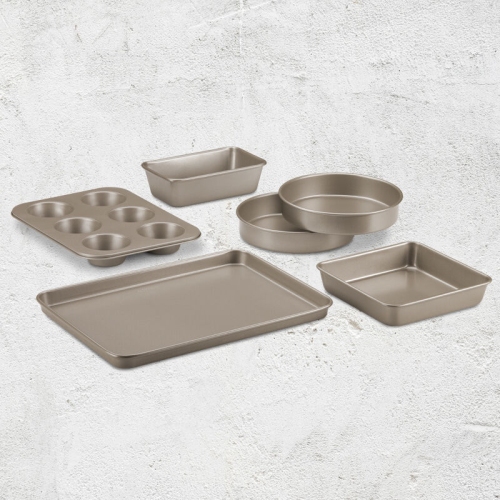
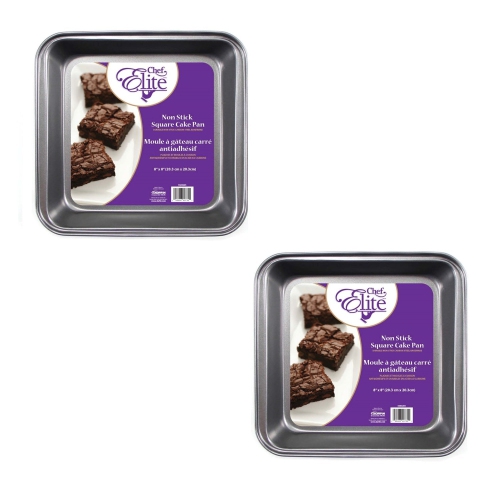
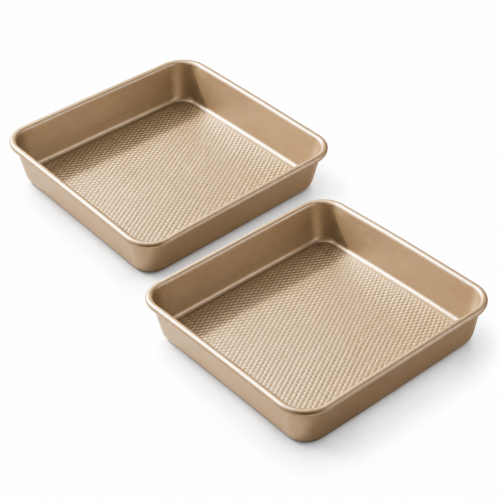
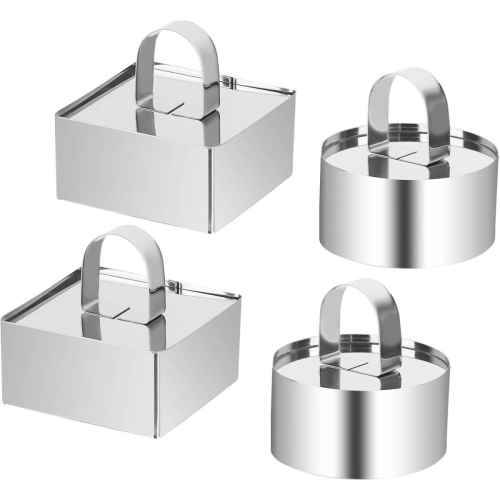
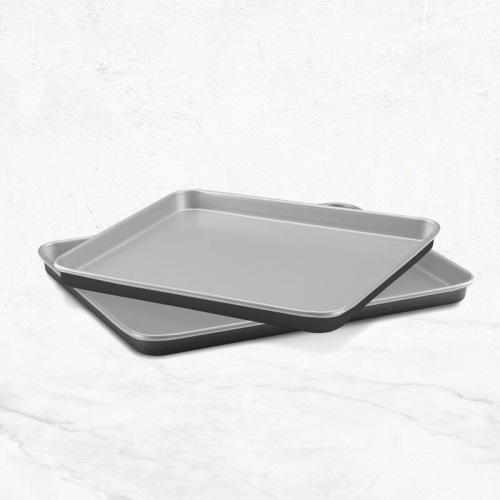
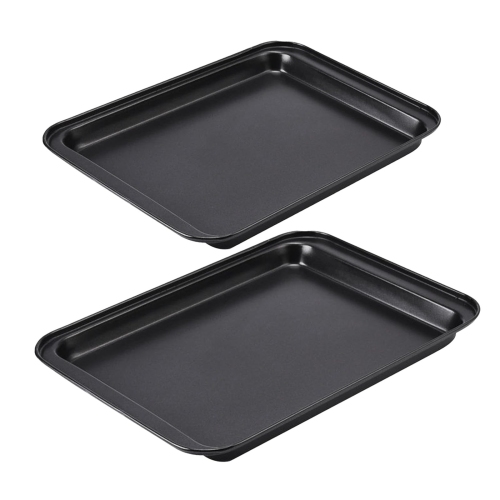
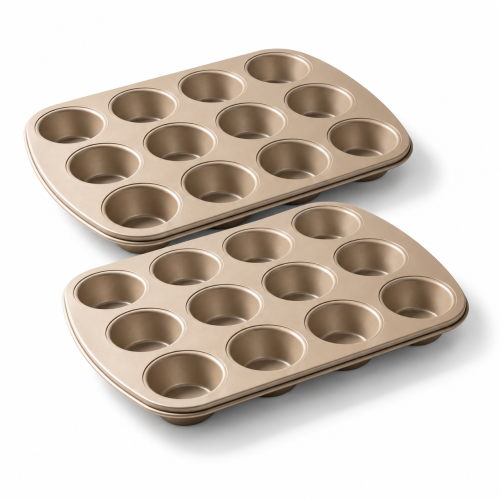
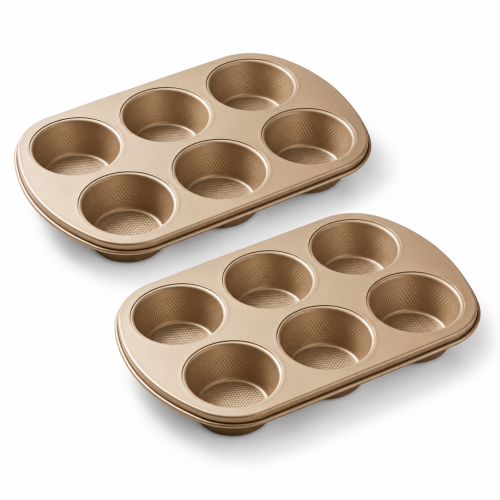
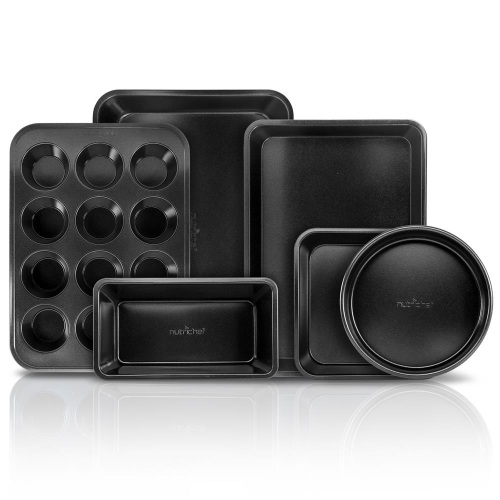
Baking pan sets bring together complementary shapes and sizes for everything from a batch of chocolate chip cookies to a layered birthday cake or a loaf of banana bread. A coordinated set can make everyday baking more straightforward, with pans suited to different recipes rather than one dish pressed into service for every task. Common combinations include baking sheets, round or square cake pans, loaf pans, and muffin tins, while some sets also include rectangular baking pans, cooling racks, or fitted lids. The most useful mix depends on what comes out of the kitchen most often. Someone who regularly makes cupcakes may value muffin tins and a rectangular pan for traybakes, while a bread baker may make better use of loaf pans and sturdy sheets for rolls. Matching round pans are especially helpful for layer cakes, allowing cake layers to bake at the same time when oven space permits. Beyond sweet baking, rimmed sheets and deeper pans can also handle roasted vegetables, baked pasta, and other savoury dishes, provided their construction and care instructions suit the recipe. Pan dimensions matter as much as the assortment. A recipe written for a particular pan size relies on its surface area and depth; a smaller pan can leave batter too deep, while a larger one can produce a thinner bake that finishes sooner. Measurements may describe the interior baking area or the exterior dimensions, so handles and projecting rims deserve attention when comparing a set with oven racks, countertop ovens, and cupboard space. Two pans that fit individually may not fit side by side with enough room for air to circulate. Piece counts also need context: a lid or rack may count towards the total without adding another baking vessel. For compact kitchens, nesting shapes can keep a useful range of pans together, while households that bake several batches at once may prefer repeated sizes over a broader assortment of shapes.
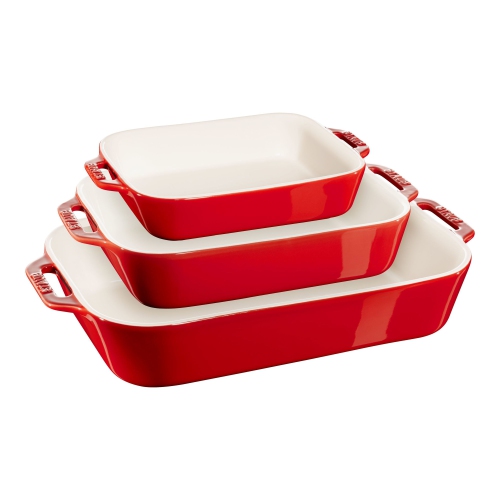
Material and construction influence how a baking pan heats, browns food, releases baked goods, and feels in daily use. Aluminium conducts heat readily and is often used for baking sheets and cake pans, while steel pans can offer a sturdy feel and are frequently finished with a non-stick coating. Carbon steel is another common option, although care requirements differ between coated and uncoated versions. A heavier gauge and reinforced rim can help a metal pan resist bending, but no construction makes a pan immune to damage from sudden temperature changes or use beyond its stated limits. Surface colour also affects results: darker metal finishes tend to encourage stronger browning, particularly around the edges and base, while lighter finishes can be useful when a gentler crust is preferred. Non-stick baking pan sets can make releasing muffins, cakes, and sticky bars easier, though greasing or lining may still be appropriate for the recipe and the manufacturer's directions. Ceramic-coated metal pans and solid ceramic dishes are different types of bakeware, despite their similar names. A ceramic coating provides the cooking surface over a metal body; a solid ceramic dish has a thicker structure that generally heats and cools more gradually. For bakes served directly at the table, Ceramic Bakeware Sets offer dishes that can move from baking to serving when used within their specified limits. Glass bakeware provides a view of browning along the sides and bottom, but also requires careful handling to avoid thermal shock. Silicone moulds offer flexibility for releasing smaller bakes, although some need a baking sheet underneath for stable support. Across these materials, oven-safe limits are specific to the pan, coating, handles, and any included accessories. A lid that fits a baking dish may be intended only for storage, and a pan suitable for oven baking is not automatically suitable for a stovetop or broiler. Those distinctions matter when a set will be used for several kinds of cooking.
The details that make baking pan sets pleasant to use often become noticeable with repeated handling. A broad rim or well-shaped handle gives oven mitts somewhere secure to grip, particularly when a deep pan holds a heavy casserole or a loaf pan is full of batter. Smooth corners can be easier to clean than tightly folded seams, while straight-sided cake pans can help produce layers with a consistent shape for stacking and decorating. A cooling rack, when included, gives freshly baked cookies and cakes space for air to circulate beneath them; its oven suitability should not be assumed unless specified. Care has a direct effect on how well a set holds up. Many coated pans benefit from gentle handwashing with mild dish soap and a soft sponge, even when dishwasher use is permitted, and abrasive scrubbers can damage finishes. Letting pans cool before washing helps avoid sudden temperature changes, while thorough drying is particularly important around rolled rims and seams where moisture may collect. Silicone, nylon, or wooden utensils can help protect coated surfaces, and transferring a cake or pan of bars to a suitable board before slicing keeps sharp blades away from the finish. Parchment paper can simplify lifting out delicate squares and cleaning up sticky mixtures, provided it is used within its own temperature limits and kept away from exposed heating elements. Storage deserves similar attention: a soft separator between nested pans helps prevent rubbing, and heavier dishes are best placed where they can be lifted without an awkward reach. For a first kitchen, a well-matched set can cover familiar recipes without filling cupboards with rarely used shapes. For an experienced home baker, consistent pan sizes can support repeatable results across batches. Baking pan sets can also make practical housewarming or wedding gifts, especially when their dimensions and care needs suit the recipient's kitchen. The strongest match is an assortment that supports real habits, whether that means lunchbox muffins, carefully stacked celebration cakes, or a reliable pan of squares shared with friends.
Top selling and popular products
-
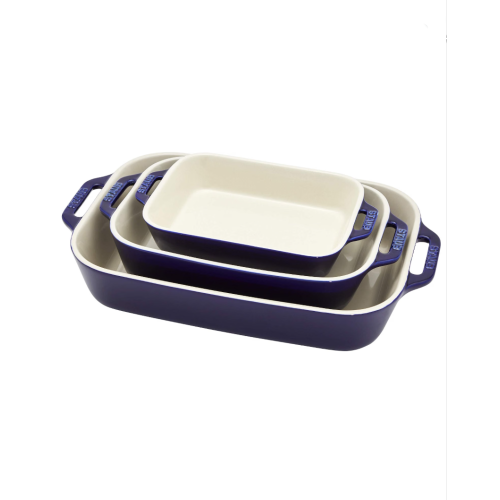 Your price for this item is $179.99
-
 Your price for this item is $129.99
-
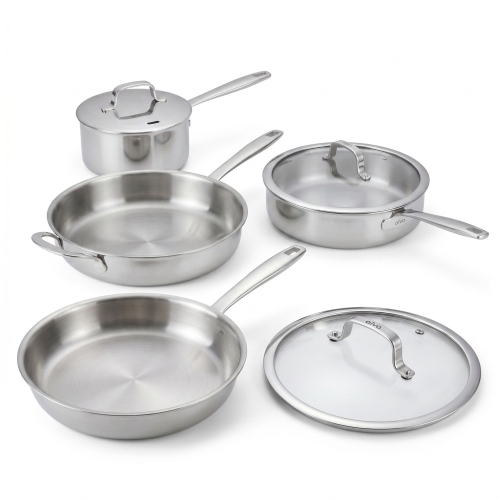 Your price for this item is $979
-
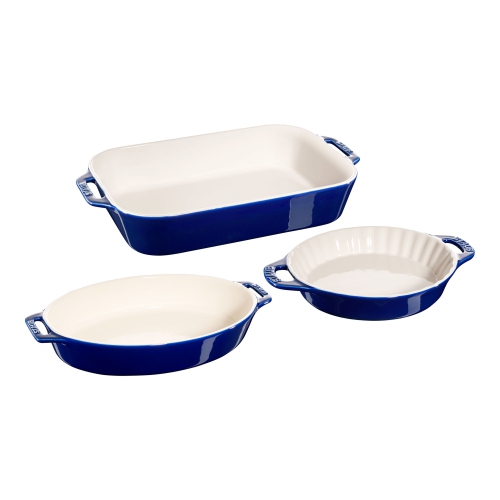 Your price for this item is $129.99
-
 Your price for this item is $129.99
-
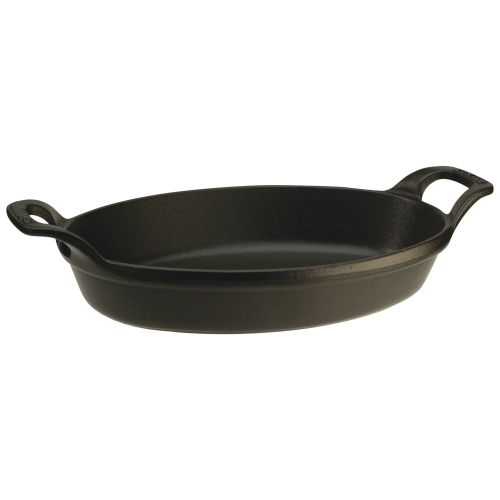 Your price for this item is $199.99
-
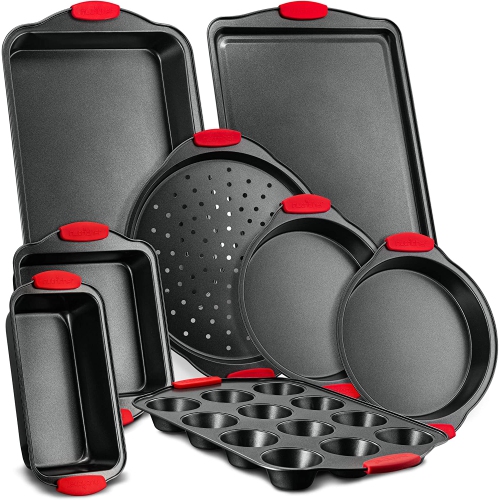 Your price for this item is $65.99
-
 Your price for this item is $46.99
Discover more categories related to Baking Pan Sets

Top Collections:
Best Black Friday Deals This Year, Best Black Friday Deals On Electronics, Kindle Devices, Pokemon Centers, Best Black Friday Deals On Apple Products, Best Cameras for Sports Photography, Dyson Airwrap, Pokémon 30th Celebration Cards, Apple iPhone 17 Pro, Canon G7X Cameras
Some products may be subject to Environmental Handling Fees
(EHF) depending on your province.
Learn more about EHFs.