Baking Sheets for Cookies
Whether you're a seasoned baker or just starting out, having the right baking sheets for cookies is essential to achieving perfectly baked treats every time. From classic aluminum sheets to non-stick options, our selection offers a range of choices to suit your baking needs. With various sizes and materials available, you can find the perfect baking sheet that ensures even heat distribution and prevents sticking. Discover the best baking sheets for cookies that will elevate your baking game and help you create delicious homemade treats with ease.
Sort


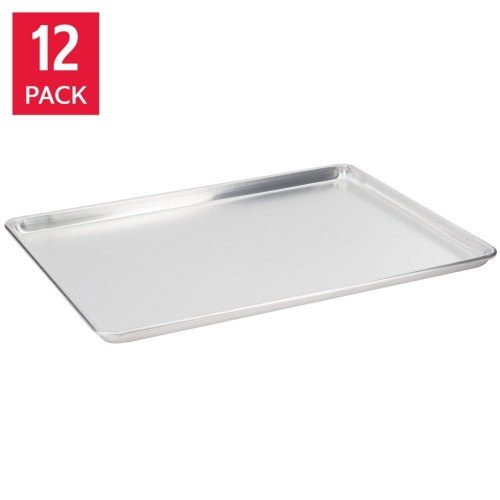
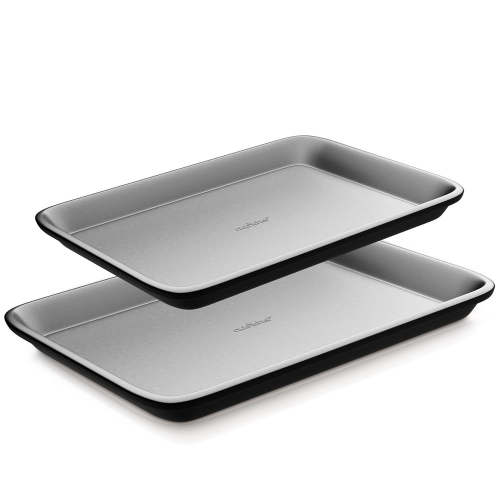


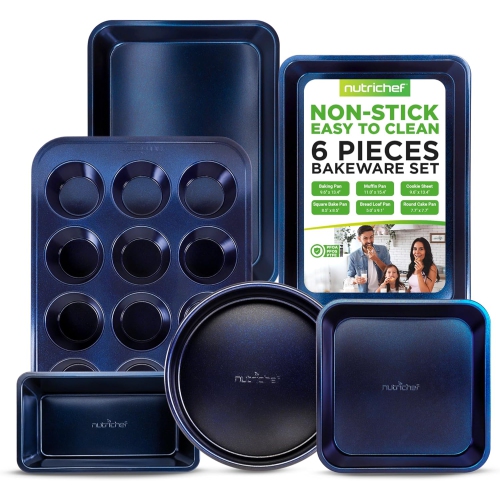


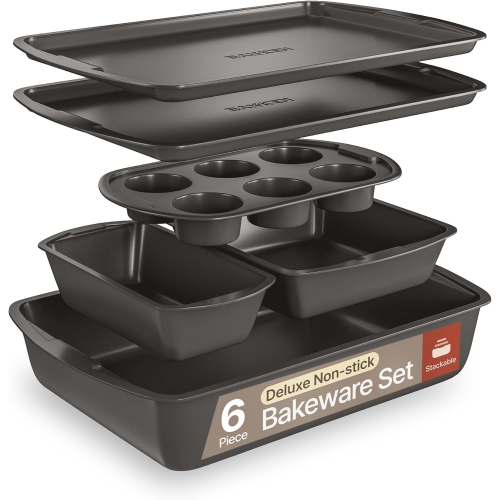


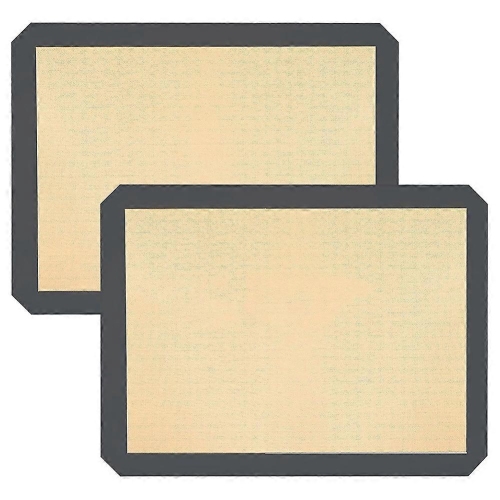


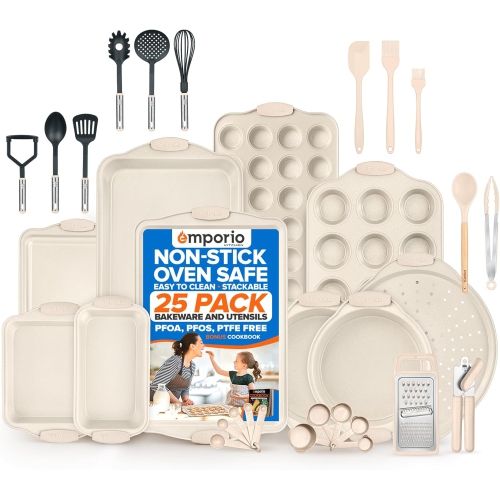
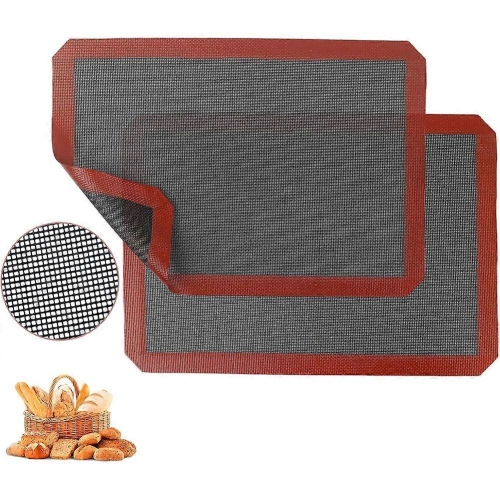


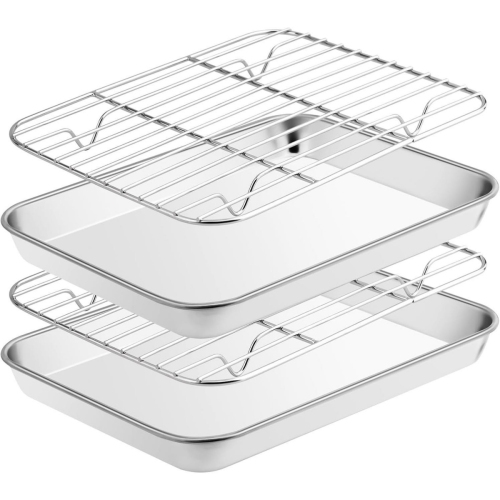





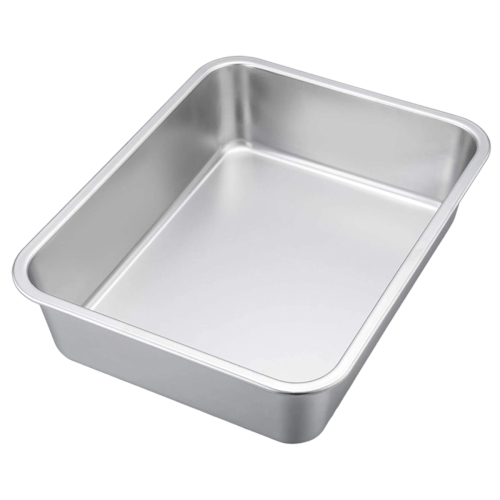


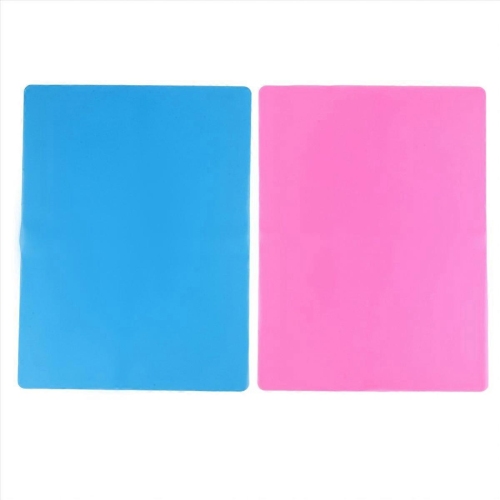

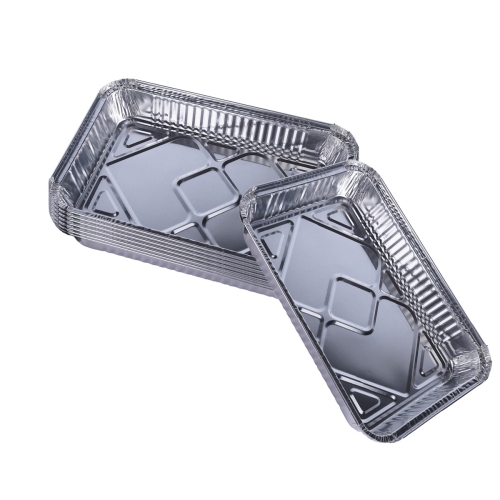

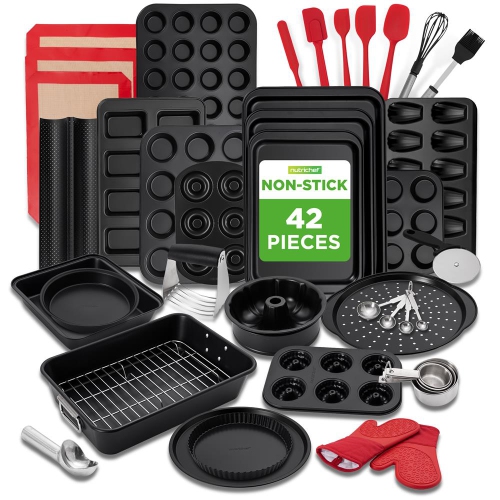
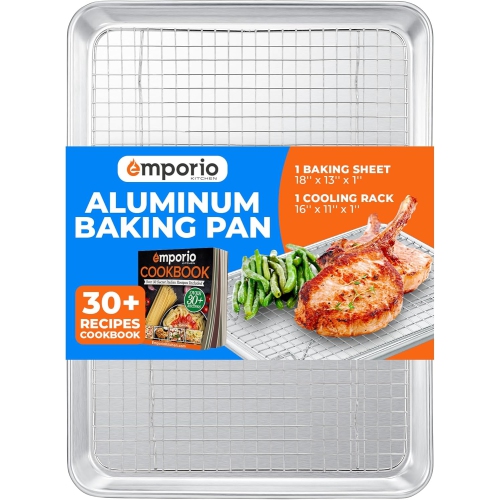

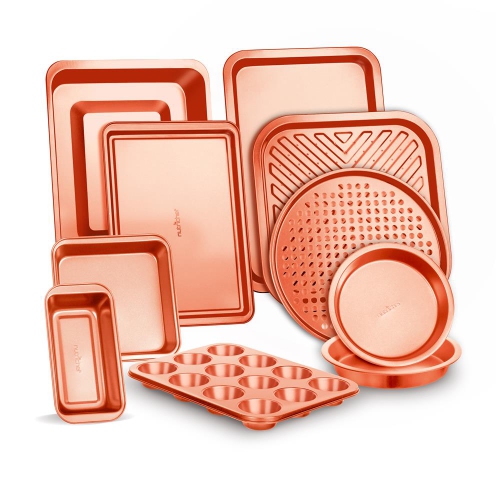

How sheet material shapes cookie browning and texture
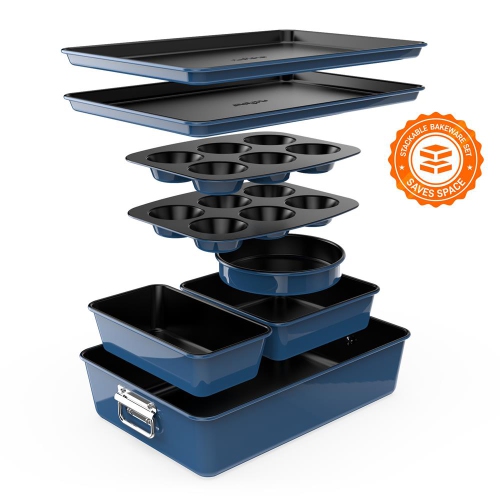
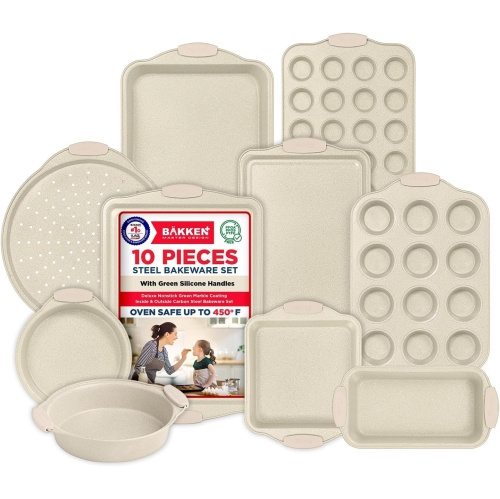
Baking sheets for cookies provide a broad, flat surface that supports even spacing, steady baking and easy transfer to a cooling rack. The most useful features are a material that distributes heat well, dimensions that suit the oven, and an edge design that makes the sheet comfortable to handle. These details matter whether the dough is portioned into thick chocolate chip cookies, rolled into delicate shortbread rounds or cut into shapes that need room to spread. Aluminium is a popular choice because it conducts heat efficiently and responds quickly to changes in oven heat, helping cookies brown evenly when the oven itself heats consistently. Uncoated aluminium sheets generally have a light-coloured surface, which tends to brown cookie bottoms more gently than a dark finish under similar baking conditions. Steel sheets offer a sturdy feel, and many have a non-stick coating that helps baked cookies release with less sticking. Carbon steel combines strength with effective heat transfer, although the sheet’s thickness and surface finish also influence results. Stainless steel is valued for its resistance to rust and its uncoated surface, but it conducts heat less efficiently than aluminium, so construction matters when comparing baking performance. Insulated cookie sheets use an air space between layers to moderate heat reaching the bottom of the dough. That can suit cookies with pale, tender bases, though baking times and crispness may differ from those achieved on a single-layer sheet. No material guarantees identical results across every recipe: butter content, dough thickness, oven accuracy and baking time all affect the finished texture. For a household that enjoys both soft-centred cookies and thin, crisp biscuits, a dependable sheet offers a consistent starting point. A smooth surface, stable construction and enough usable space help make each batch easier to manage, from placing the first spoonful of dough to lifting the last cookie without breaking its edge.
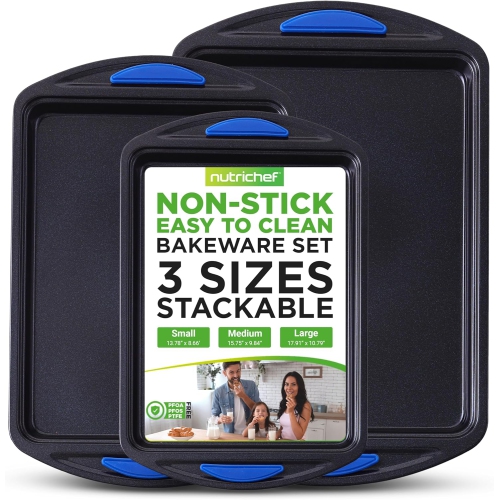
Size and rim style shape how a cookie sheet fits into everyday baking. A half-sheet pan is commonly about 18 by 13 inches, while a quarter-sheet pan is commonly about 13 by 9 inches; exact outer measurements and usable baking areas vary by design. Half-sheet pans fit many full-size home ovens and provide room for larger batches, but compact ovens may need smaller bakeware. The outer dimensions, including any handles or extended edges, determine whether a pan fits on the rack with space around it for air to circulate. A sheet that barely clears the oven walls can be awkward to position and may interfere with airflow. Smaller sheets are useful for baking a few cookies, testing a new dough or separating batches with different baking times. Larger surfaces suit frequent bakers, shared households and anyone preparing treats for a birthday gathering or bake sale, provided the oven can accommodate them comfortably. Rimless cookie sheets, or styles with just one raised edge, give a spatula easy access and allow parchment to slide onto a suitable cooling surface. Low edges can also make it easier to lift delicate shapes without tilting the spatula sharply. Fully rimmed baking sheets offer more versatility, containing crumbs and making the same pan useful for foods such as roasted vegetables. Their raised sides require a slightly different angle when lifting cookies near the corners. Broad gripping areas can make a sheet easier to carry with oven mitts, although they add to its overall footprint. For anyone considering the appliance as well as the bakeware, Best Ovens for Baking Cookies brings the focus to another part of a consistent baking setup. Rack space, heat distribution and room between pans all matter when several trays are involved. Two sheets that fit separately may not leave enough clearance when used together, and crowded racks can produce different results from a single tray baked in the centre.
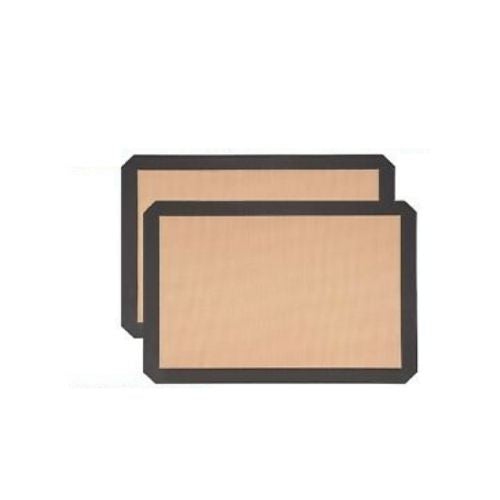
Durability and care are especially important for baking sheets that move regularly between the oven, cooling area and sink. A heavier-gauge sheet generally feels more rigid and may resist bending better than a very thin one, while reinforced rims can help the pan retain its shape. Even sturdy metal can warp under abrupt changes in heat, so a hot sheet belongs on a heat-safe surface rather than under running water. Allowing it to cool before washing also makes handling easier. Cleaning requirements depend on the material and finish, with handwashing often helping preserve both coated and uncoated bakeware. Bare aluminium can discolour in a dishwasher, and harsh cleaners or abrasive pads can damage some finishes. Non-stick surfaces benefit from utensils that will not scratch the coating, such as suitable silicone or nylon tools; sharp cutters and metal spatula corners can leave marks that affect release over time. Parchment paper can reduce sticking and simplify cleanup when used within its stated oven limits. A reusable silicone baking mat offers another release surface, though it can change how cookies spread and brown compared with parchment or bare metal. The liner needs to sit flat within the baking area rather than buckle against the sides. Between batches, a cooled sheet helps fresh portions of dough start under similar conditions; placing dough on an already-hot surface can cause the butter to melt and the cookies to spread before baking begins. Having more than one sheet allows one batch to cool while another is prepared, making a longer baking session feel less rushed. Thorough drying before storage is particularly useful for steel pans, and a soft separator between stacked coated sheets can help prevent scratches. These practical qualities make cookie baking sheets useful for first kitchens, experienced home bakers and families who enjoy measuring, mixing and decorating together. As a housewarming or wedding gift, bakeware suited to the recipient’s oven and baking habits can become part of an everyday routine, whether that means a small batch of oatmeal cookies or several trays to share.
Top selling and popular products
-
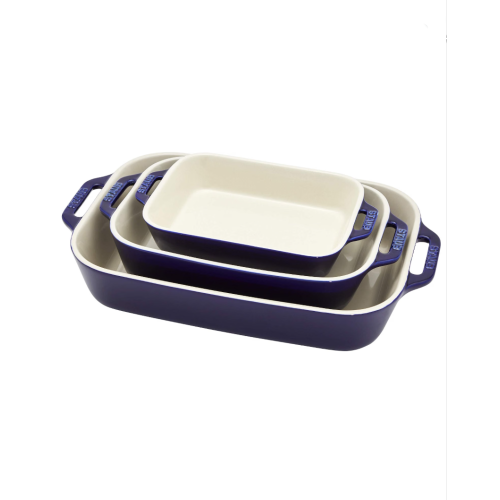 Your price for this item is $179.99
-
 Your price for this item is $239.99
-
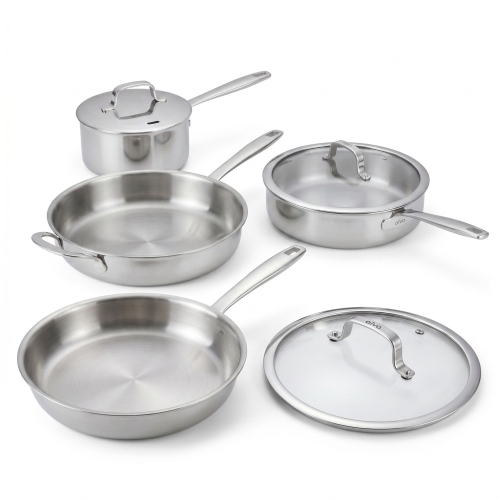 Your price for this item is $979
-
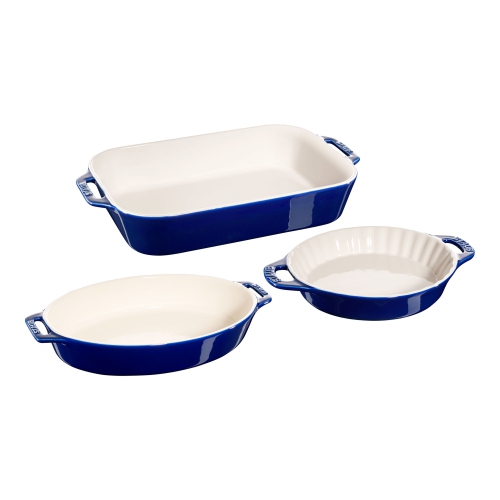 Your price for this item is $199.99
-
 Your price for this item is $179.99
-
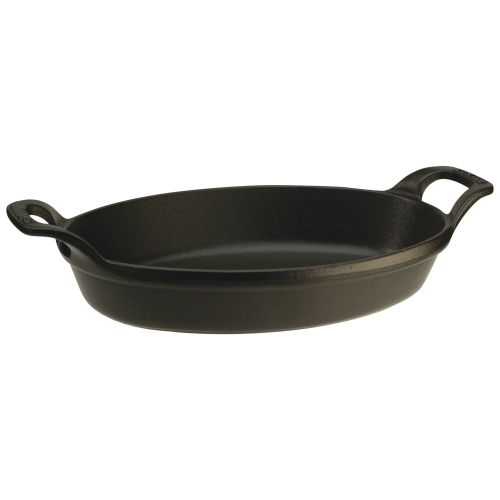 Your price for this item is $199.99
-
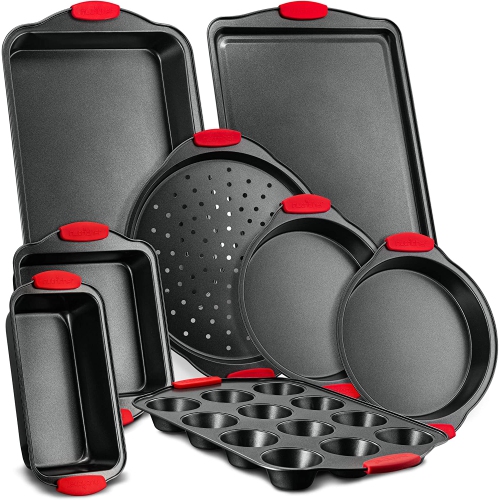 Your price for this item is $65.99
-
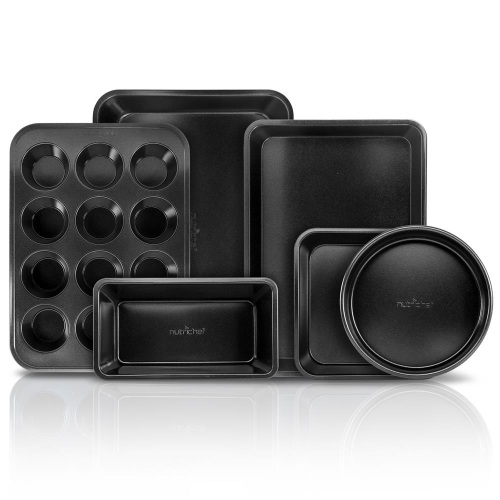 Your price for this item is $46.99
Discover more categories related to Baking Sheets for Cookies
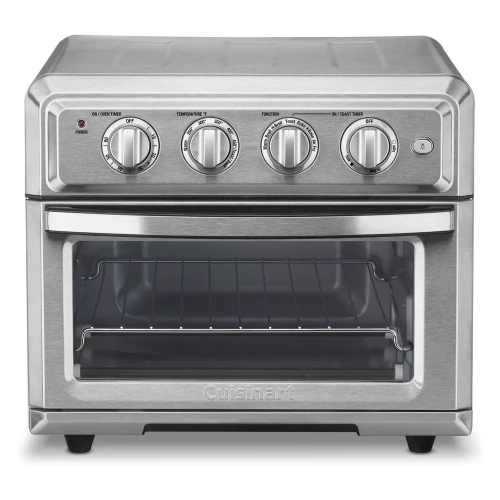

Top Collections:
Pokemon Centers, Kindle Devices, Best Budget Office Chairs, Canon G7X Cameras, Apple iPhones 16, Samsung Galaxy Phones, Refurbished Apple Laptops, Laptops for Students, iPhone 15 Apple, Budget Smartphones
Some products may be subject to Environmental Handling Fees
(EHF) depending on your province.
Learn more about EHFs.