Baking Supplies
Whether you're a seasoned baker or just starting out, our wide selection of baking supplies has everything you need to whip up delicious treats in the kitchen. From measuring cups and spoons to mixing bowls and baking pans, we've got you covered. Discover an array of high-quality ingredients like flour, sugar, and chocolate chips, as well as essential tools such as whisks, spatulas, and rolling pins. With our extensive range of baking supplies, you'll have all the essentials to create mouthwatering cakes, cookies, breads, and more. Get ready to unleash your inner pastry chef and elevate your baking game with Best Buy Canada.
Sort
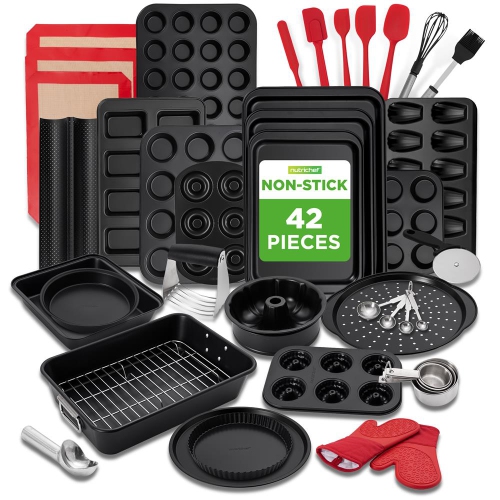
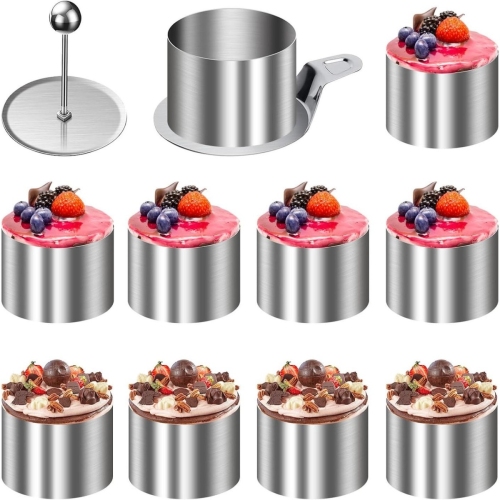
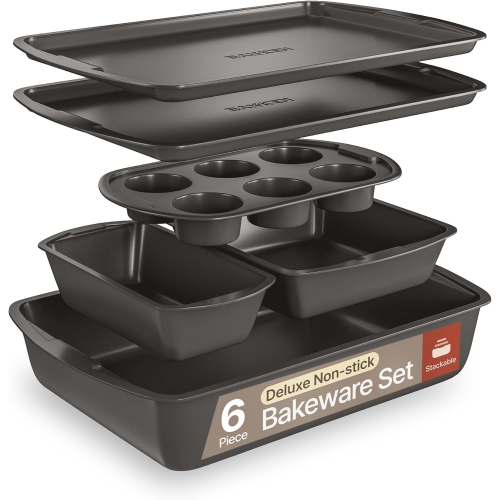
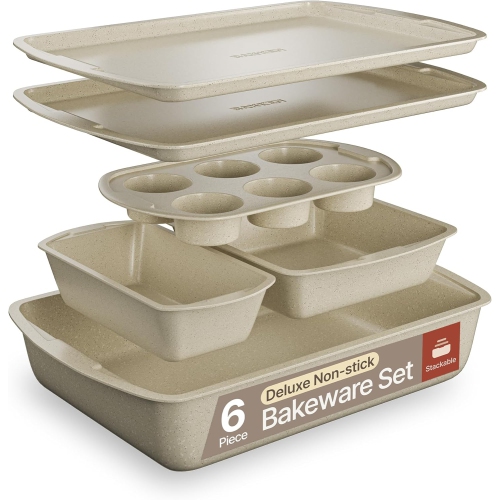

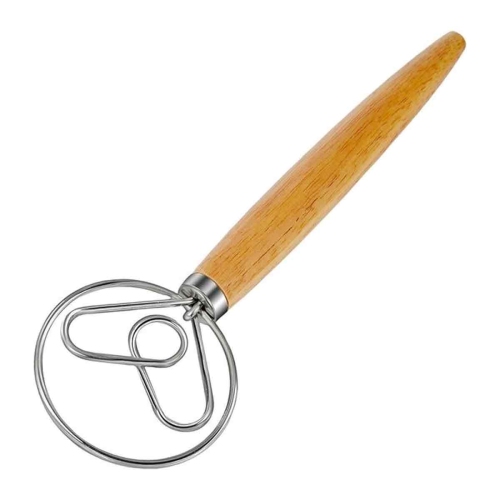
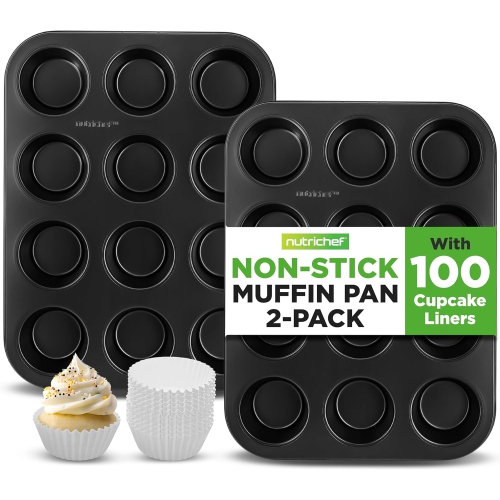
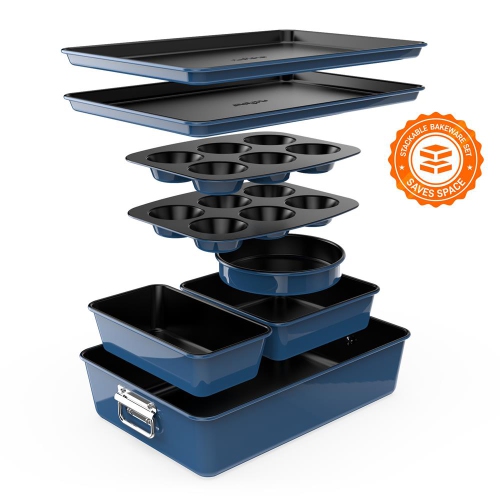
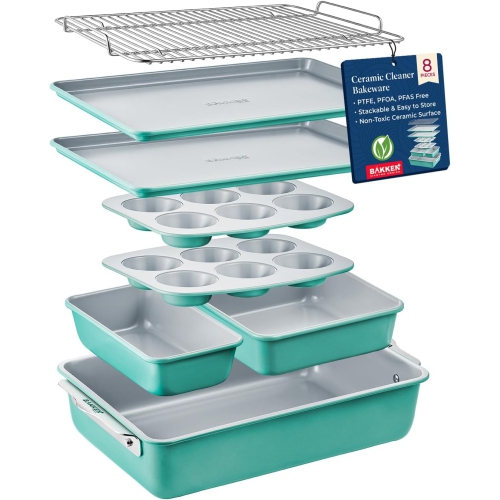

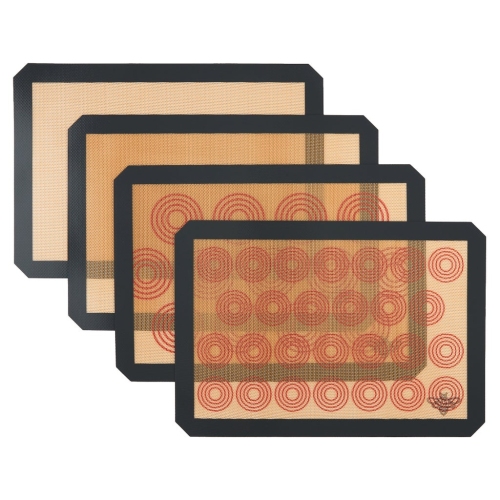
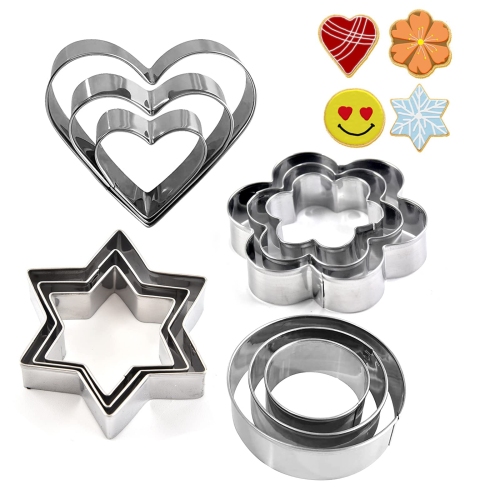
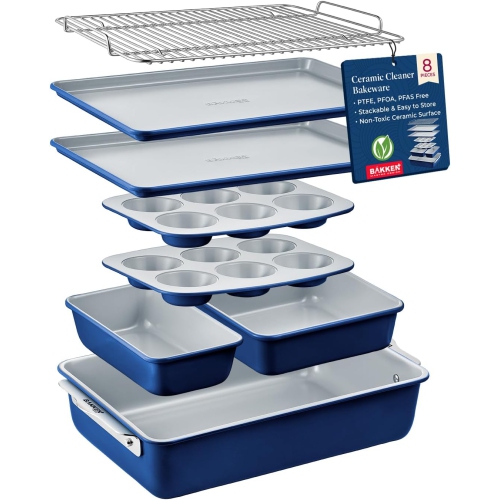
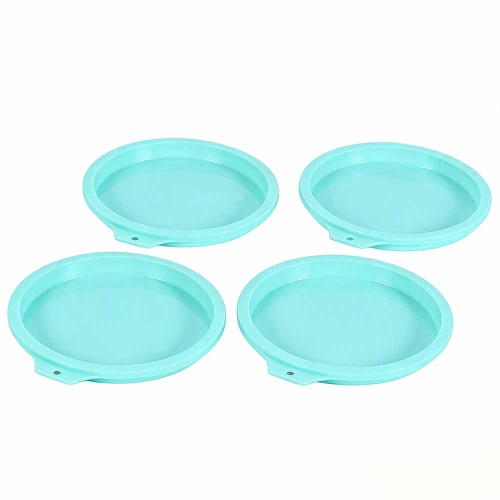






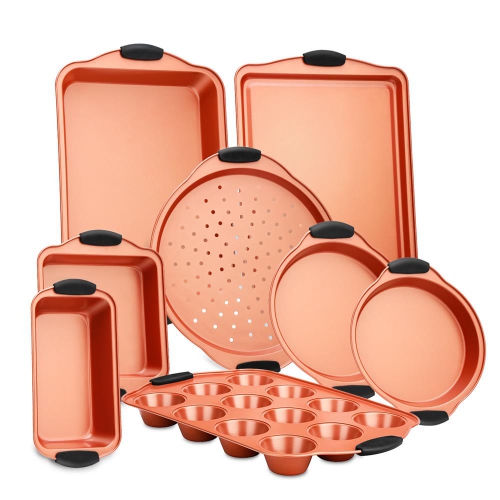
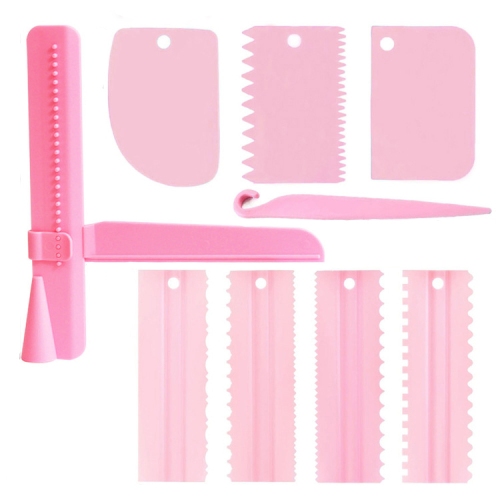

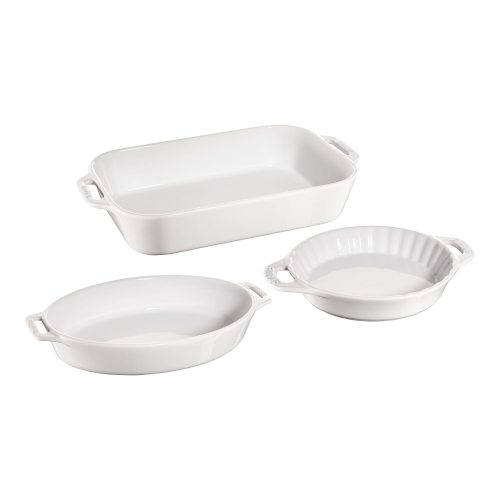
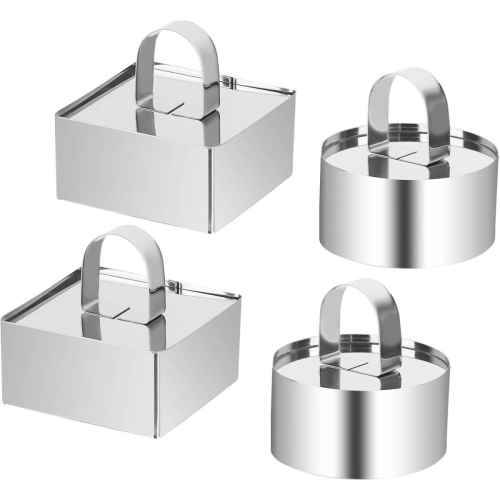
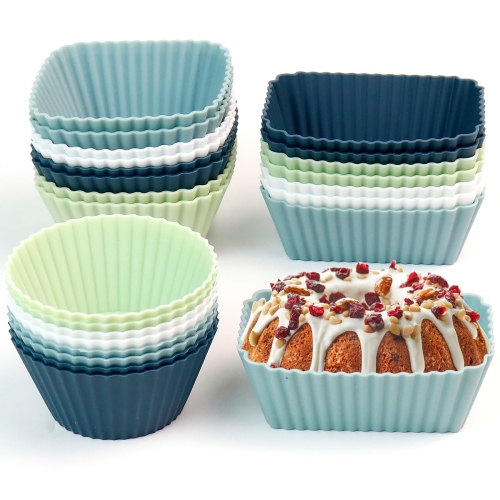

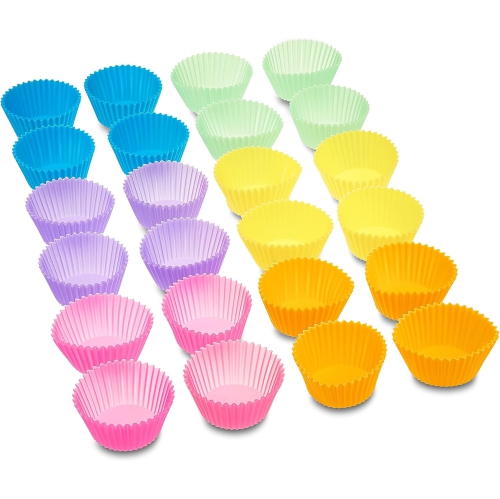
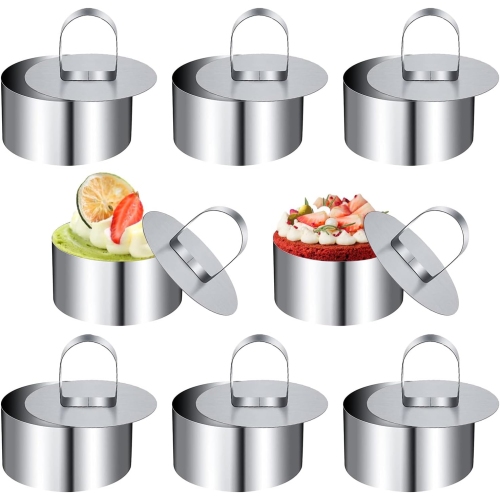
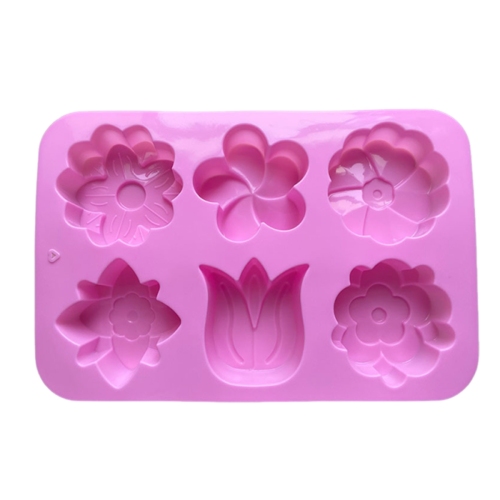

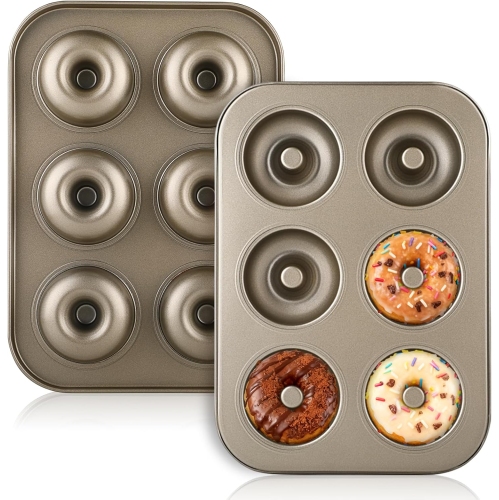

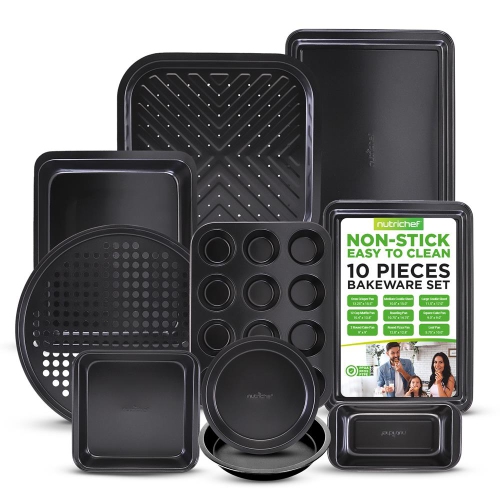
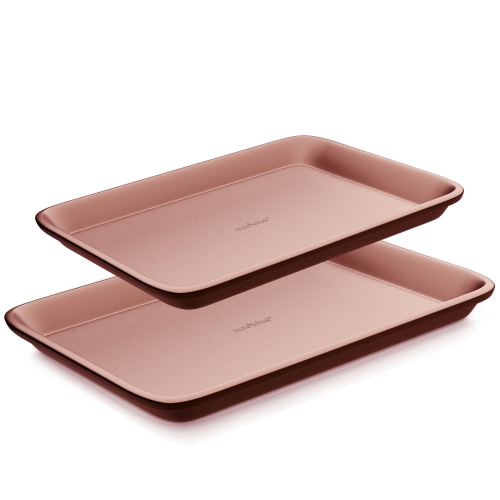


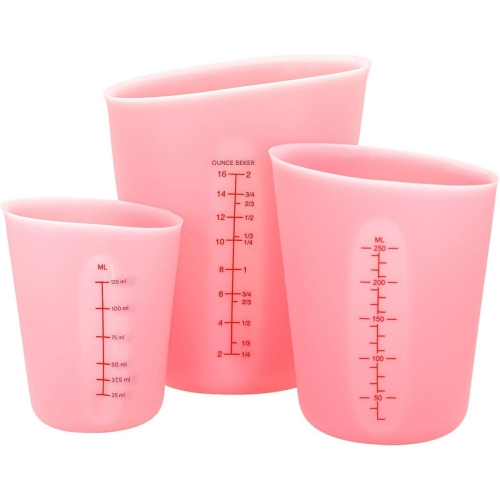
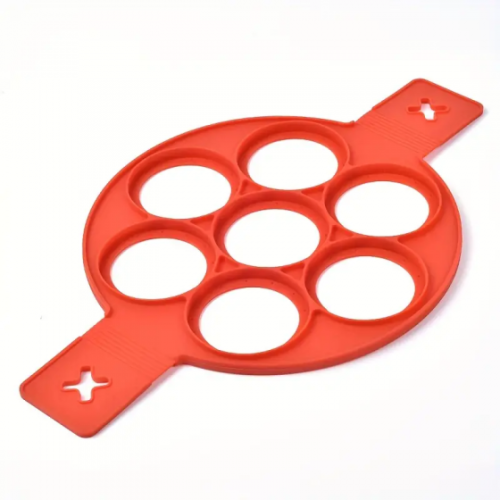
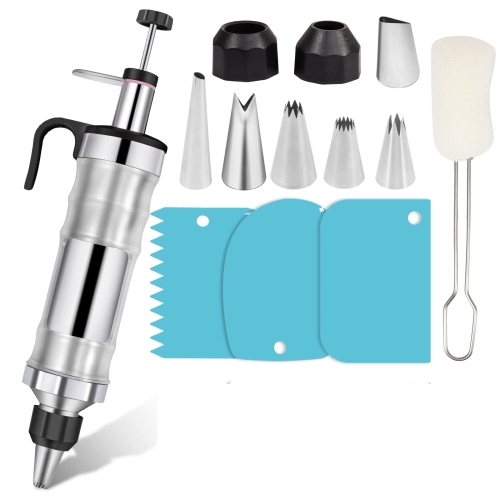
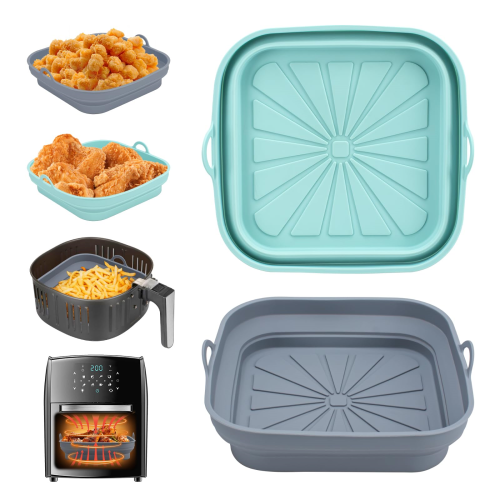


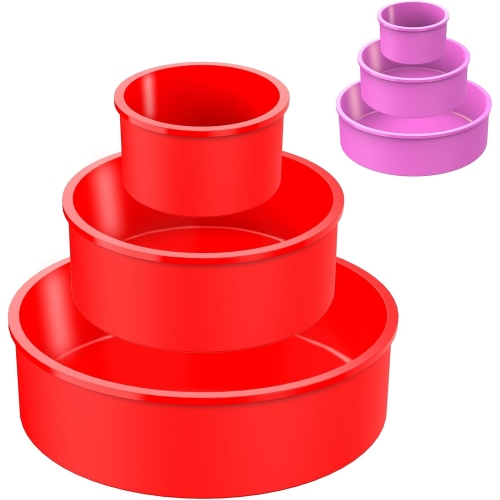
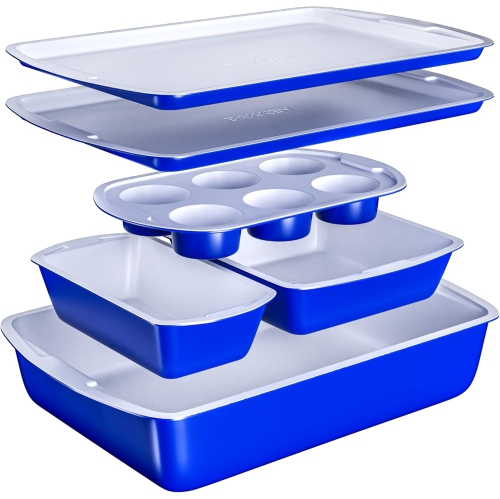

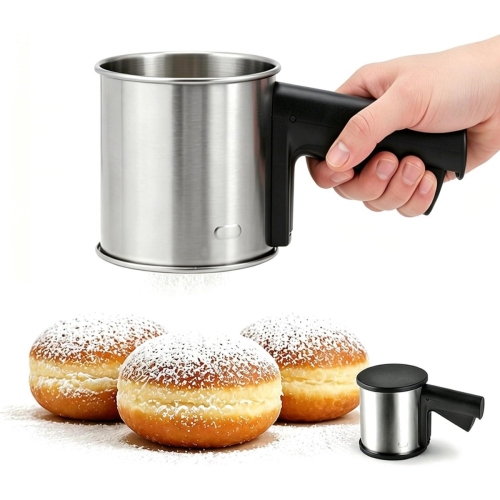

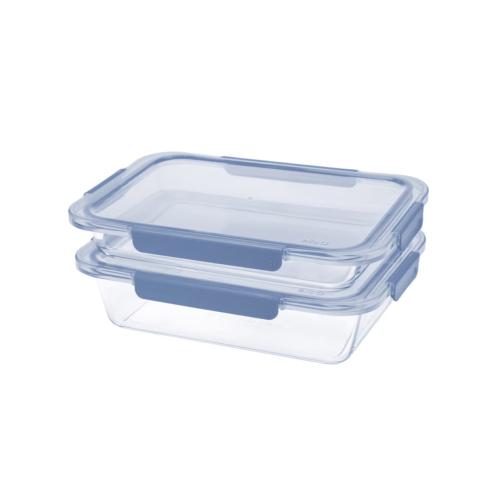

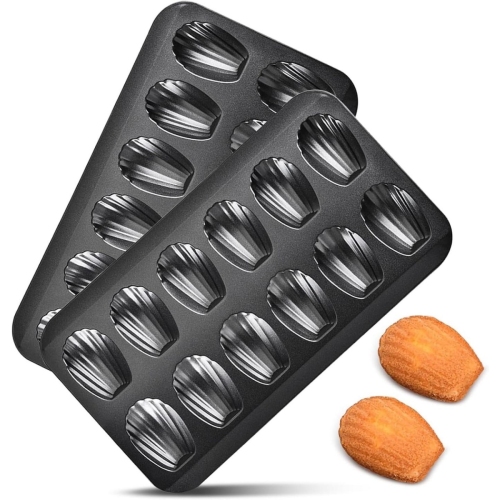
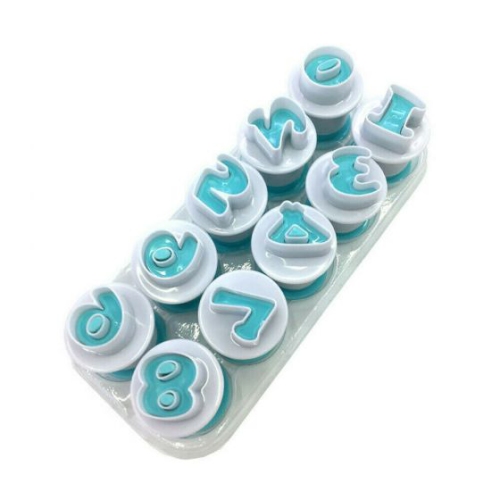
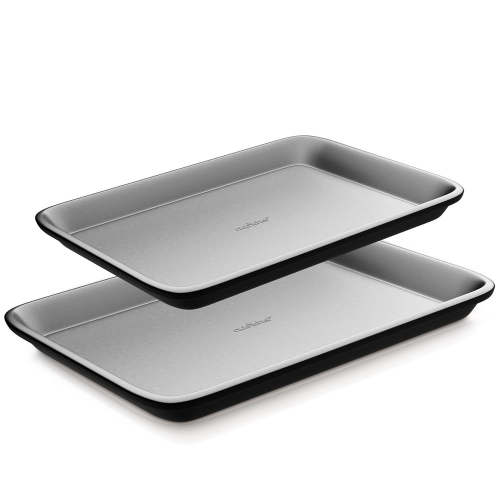
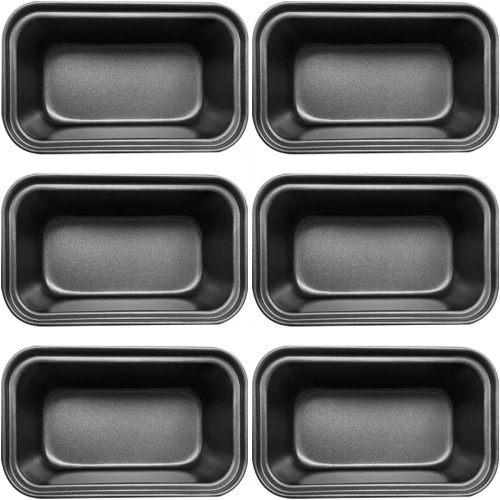


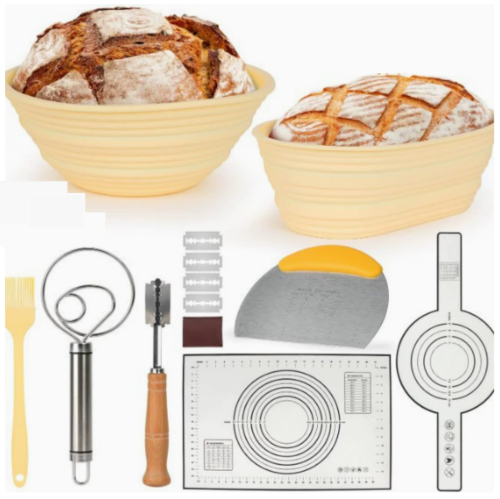
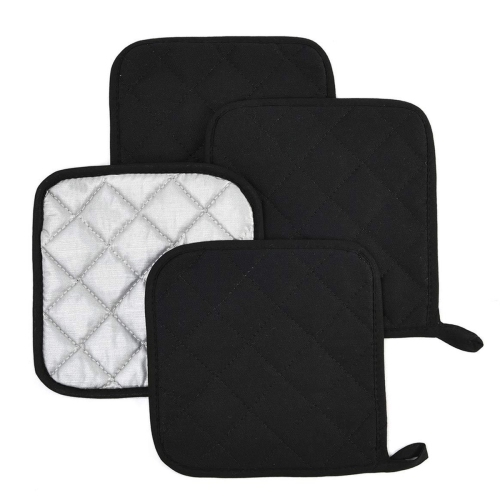
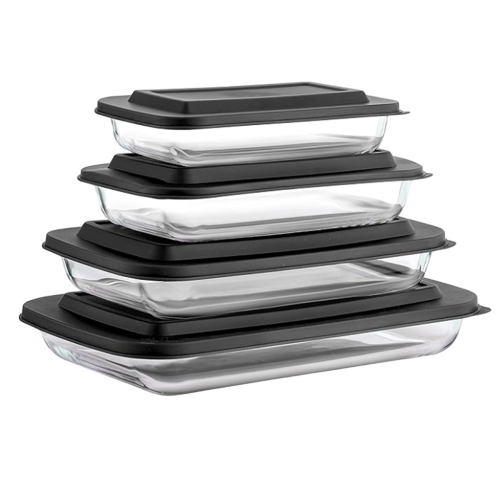
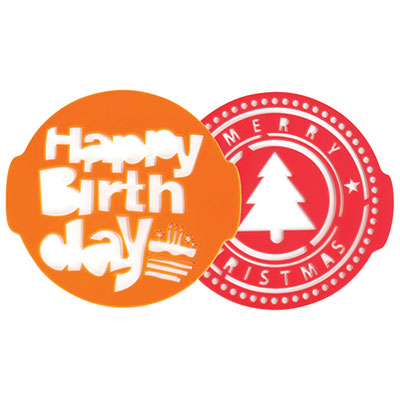

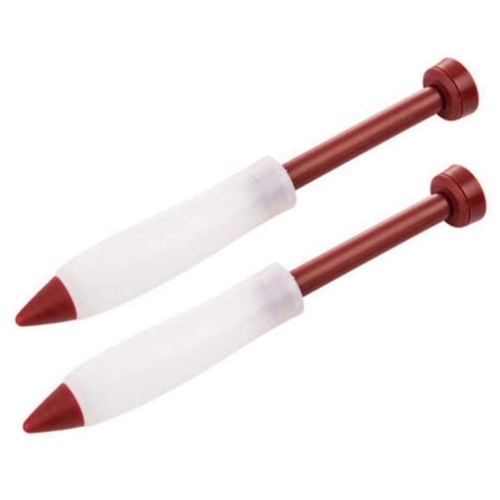
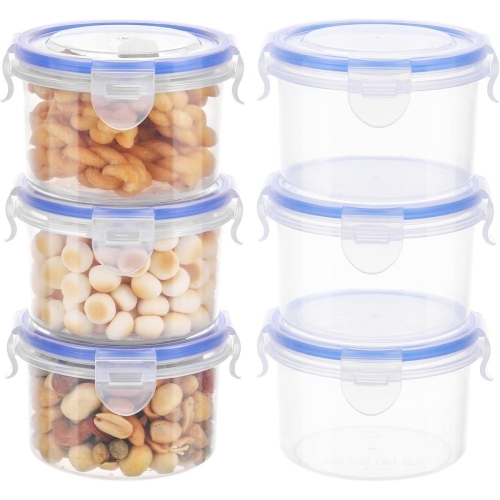
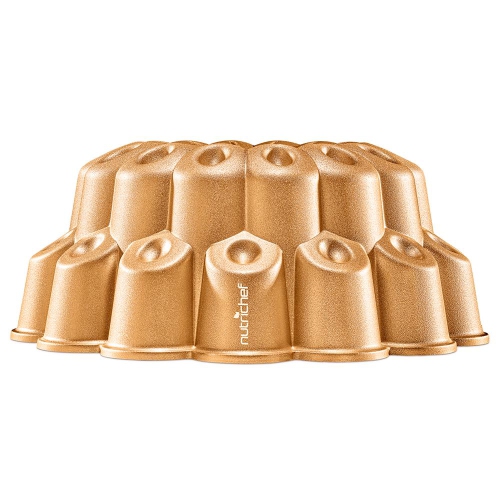
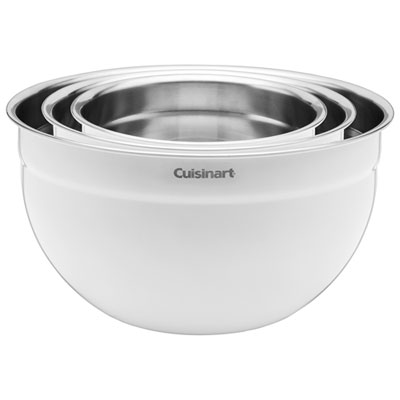
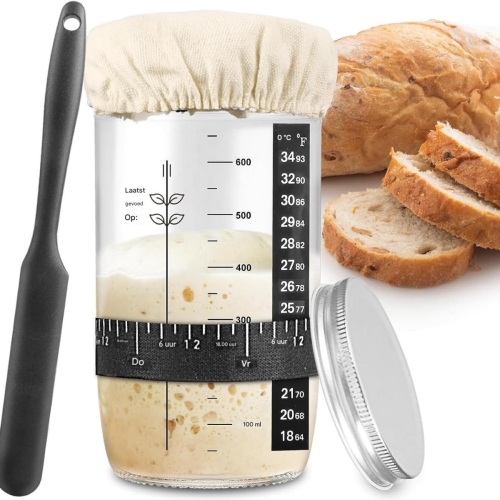
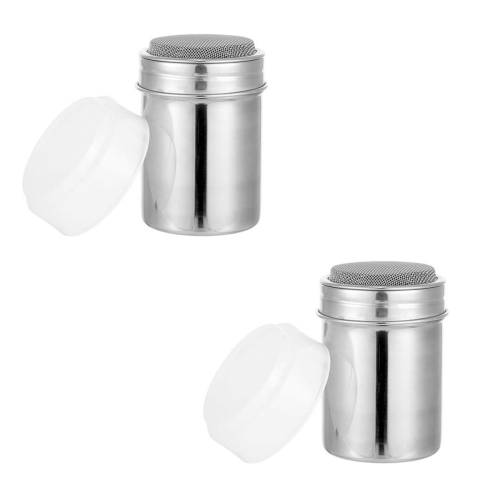
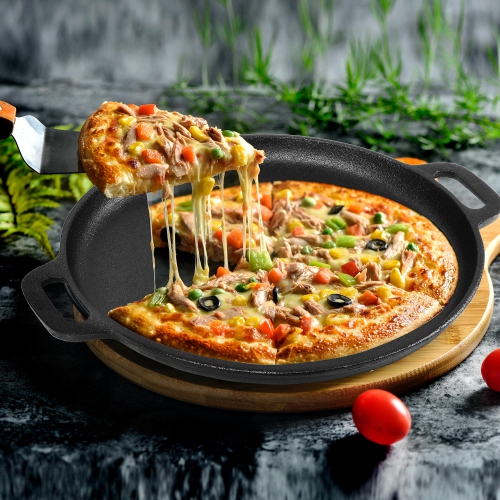
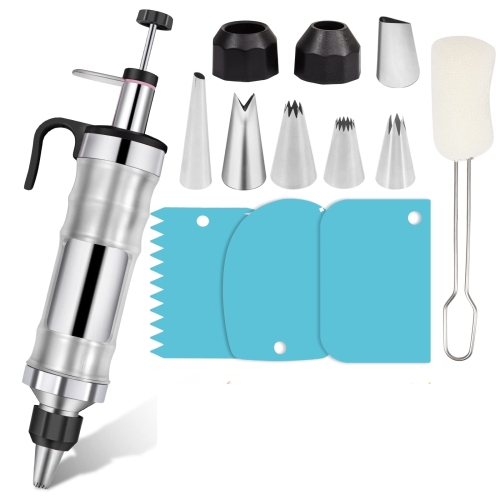
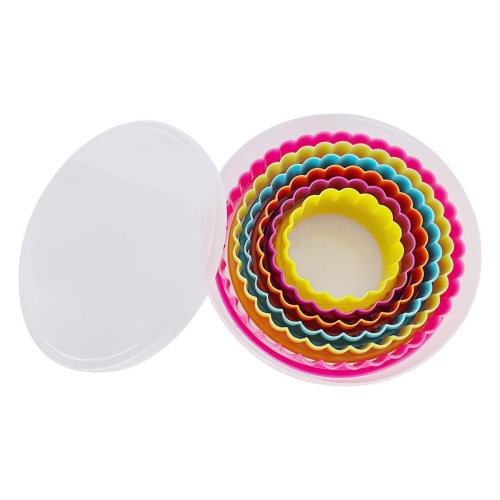

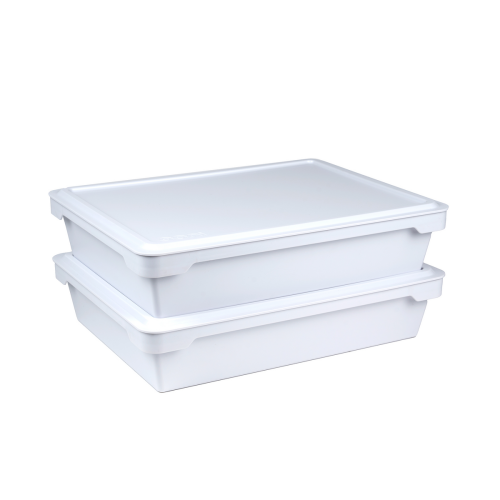
How pan size and materials affect your baking
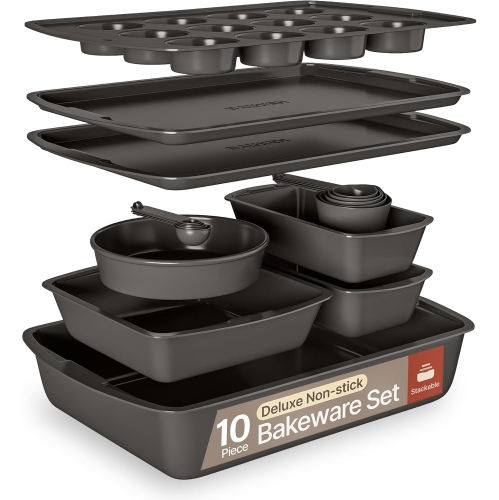
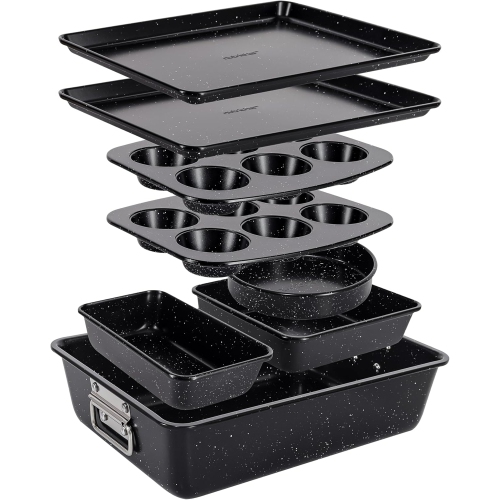
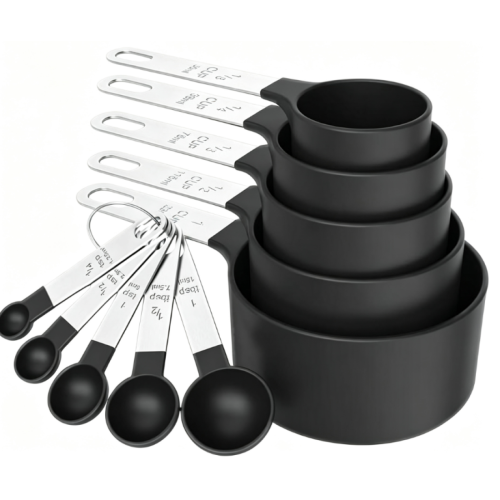
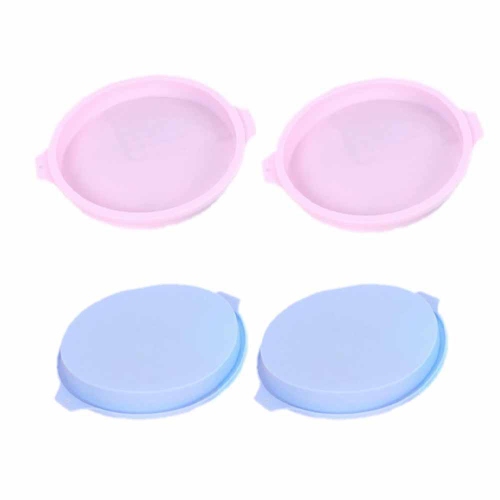
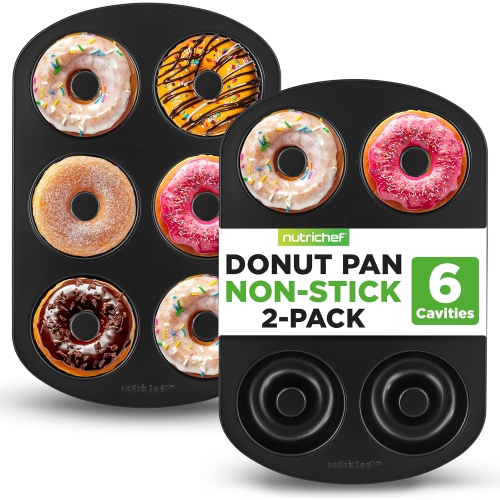
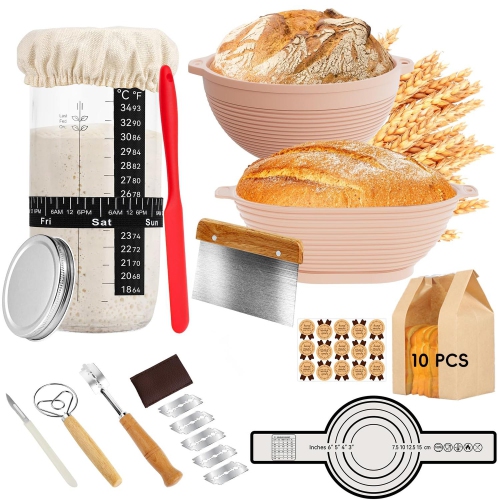
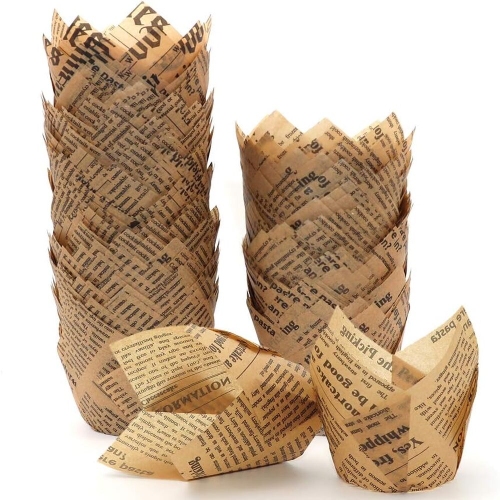
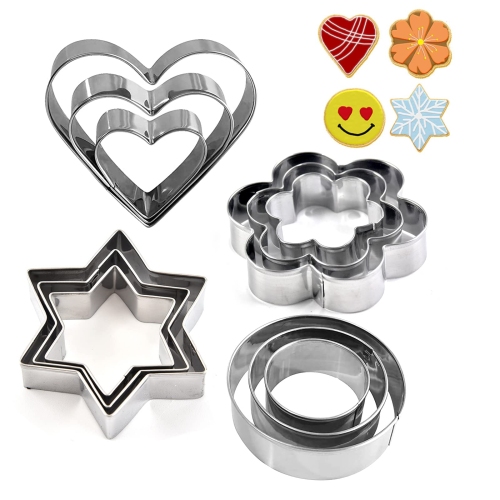
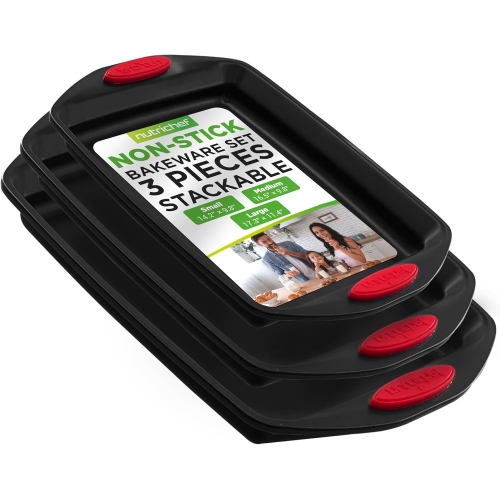
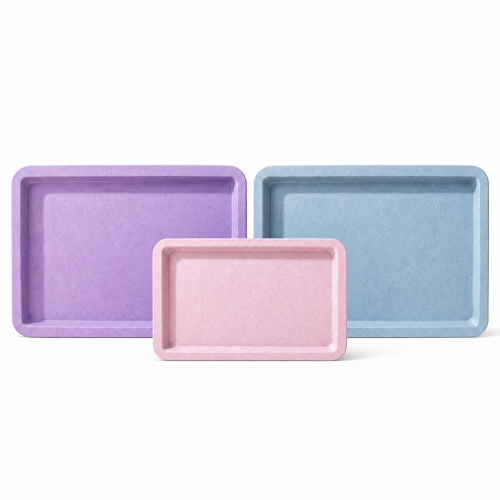
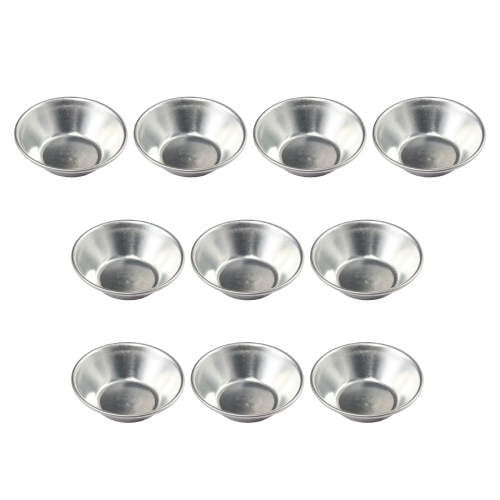
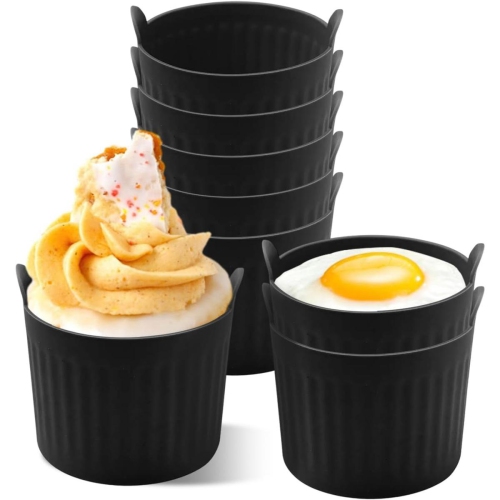
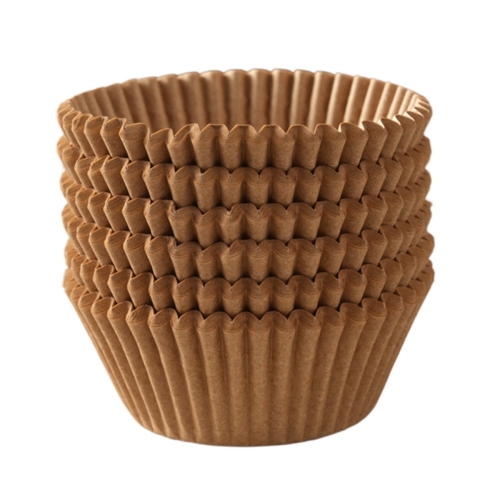
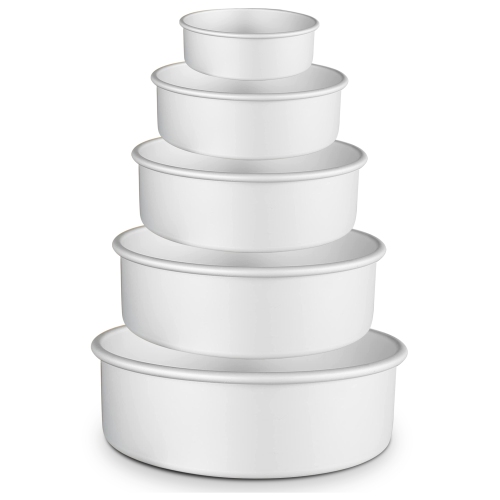
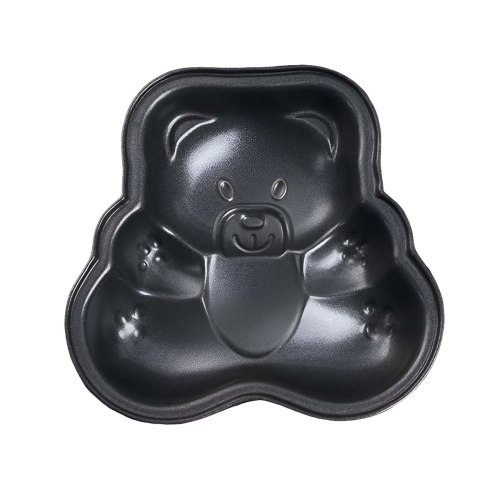
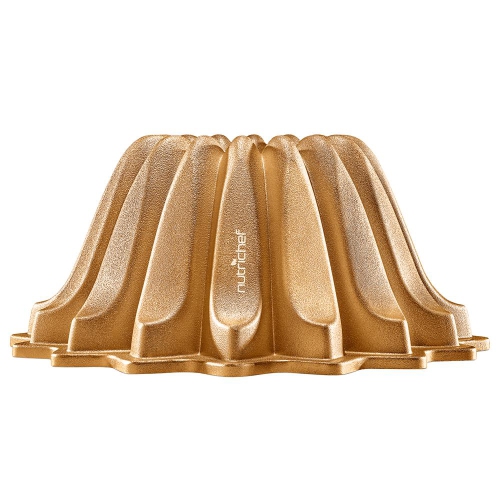
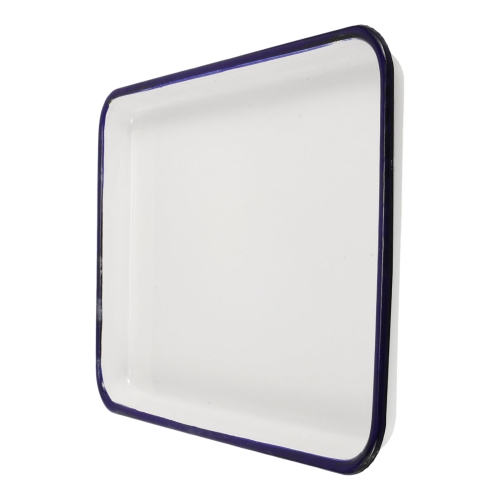
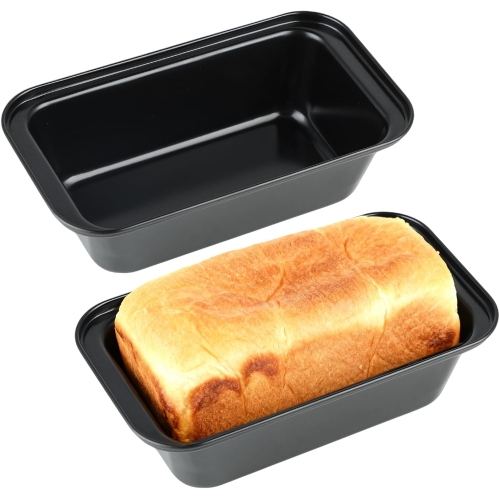
Baking supplies bring structure to a process that can be both precise and wonderfully hands-on, from weighing flour for a sandwich loaf to smoothing batter into a pan for a birthday cake. The category includes tools for measuring, mixing, shaping, baking, cooling, and finishing, with different materials and formats suited to different recipes. For everyday home baking, usefulness often comes down to how comfortably a tool fits into an established routine. A mixing bowl needs enough room for ingredients to come together without flour spilling over the rim, while a comfortable handle can make stirring a thick dough easier. Clear measurement markings are helpful when preparing liquids, and accurate weighing supports repeatable results when working with flour, sugar, and other ingredients that settle differently in a measuring cup. Pan dimensions matter just as much: the size specified in a recipe affects batter depth, baking time, and the finished texture. A shallow layer may bake faster than expected, while a deeper layer can leave the centre needing more time after the edges have browned. Shape also influences intended use, whether the goal is a crisp-edged batch of cookies, a neatly sliced loaf, or a cake with enough height for filling. Beyond the recipe, fit includes the space available in an oven, the clearance around a pan for air circulation, and the room needed to lift it safely with oven mitts. Storage deserves similar attention, especially in kitchens where baking tools share a cupboard with everyday cookware. Nesting shapes and stackable designs can help keep frequently used supplies within reach without making the cupboard difficult to navigate. For someone who bakes occasionally, versatile formats may be more useful than equipment suited to a single technique. Regular bread makers, enthusiastic cake bakers, and families who enjoy preparing snacks together may have different priorities, but they all benefit from supplies that feel manageable, suit their recipes, and make the transition from preparation to cleanup less cumbersome.
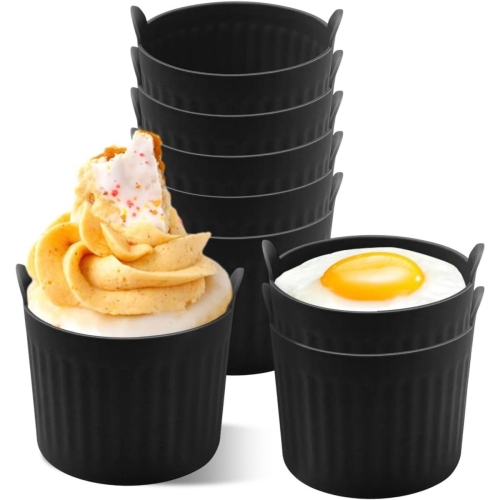
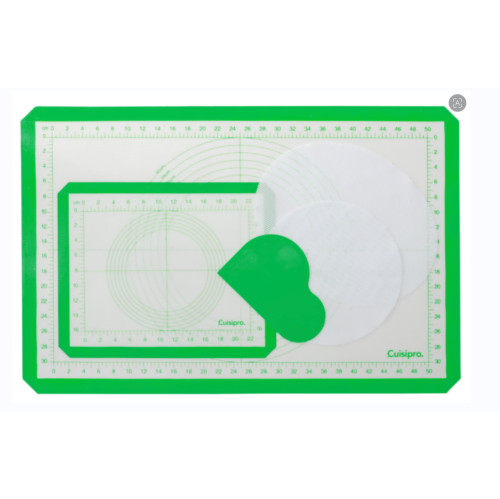
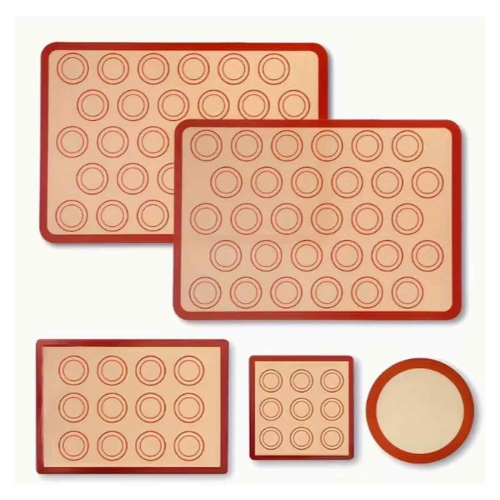
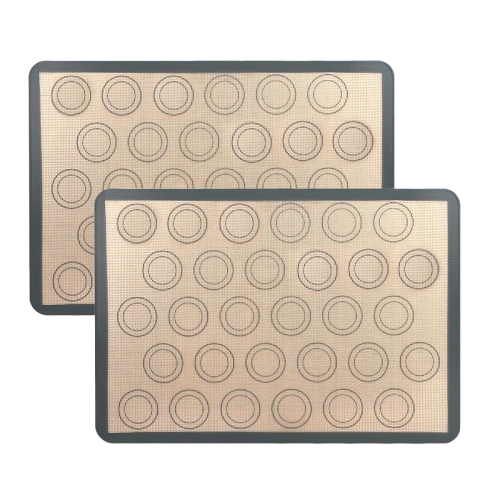
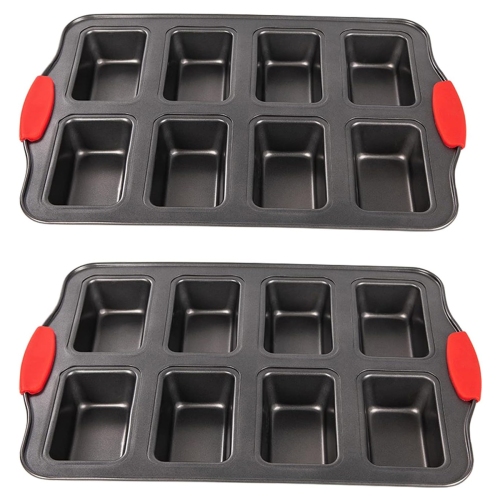
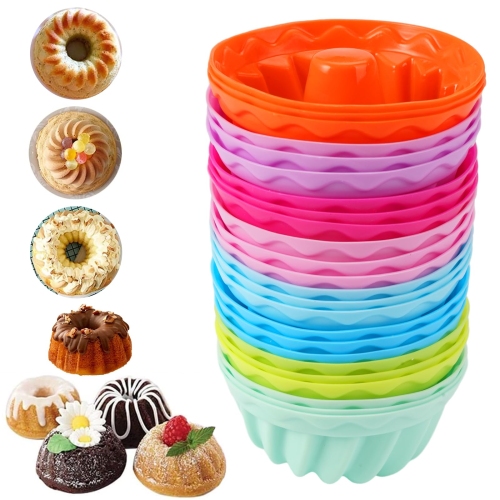
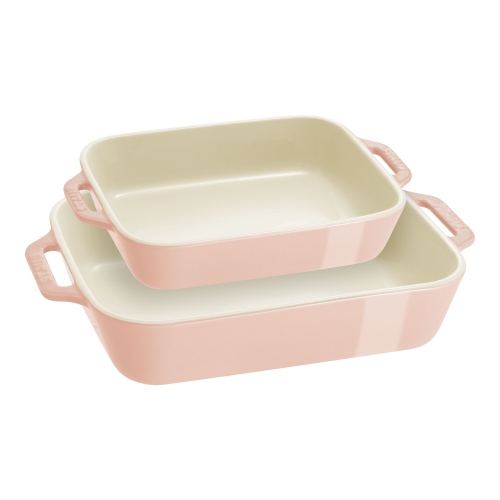
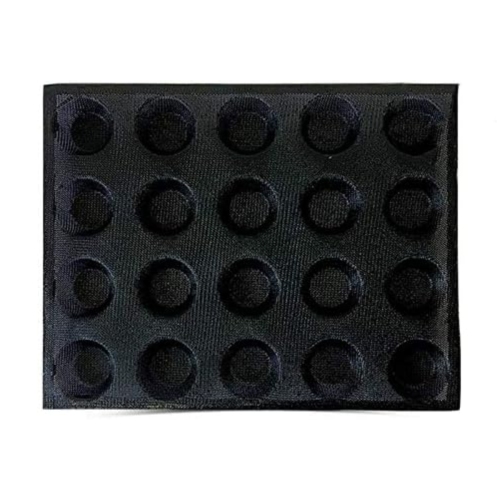
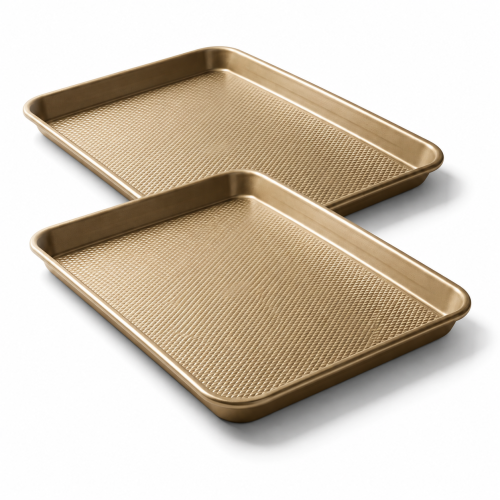
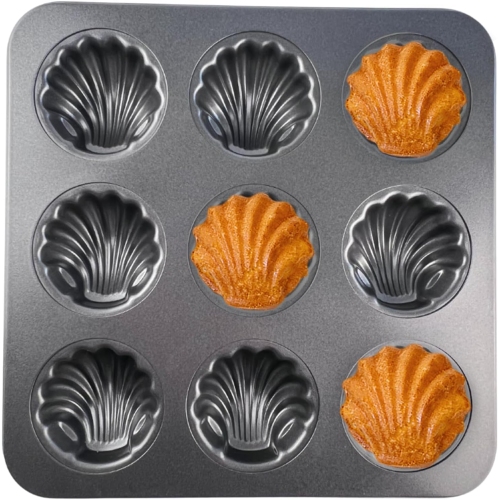
Materials play a noticeable role in how baking supplies perform and how they hold up over time. Metal bakeware is often valued for its responsiveness to oven heat, though thickness, finish, and construction all affect the result. Aluminium conducts heat readily, while sturdy steel designs can provide useful rigidity when carrying a pan filled with batter. Darker finishes may encourage faster browning than lighter surfaces, so a familiar recipe can behave differently when moved to another pan. Glass and ceramic retain heat well and can suit recipes that move from oven to table, but they require attention to the maker’s guidance about temperature changes and permitted uses. A dish that is suitable for baking is not automatically appropriate for direct heat or a sudden move between hot and cold surfaces. Silicone offers flexibility for releasing baked goods and can be convenient for some shapes, although softer forms may need support underneath to stay level during filling and transport. With any material, the stated heat limit and intended application are more useful than appearance alone. Surface finish is another practical consideration. A coated surface may make release and cleanup easier, but it still needs the preparation recommended for the recipe and the bakeware. Sharp edges and abrasive cleaning can damage some finishes, making compatible utensils and gentle care important to long-term performance. Durability also shows up in less obvious details, such as secure handles, smooth seams, rims that feel comfortable to grip, and a base that remains stable on the counter. For utensils used with thick mixtures, stiffness and handle balance can matter more than decorative details. Care requirements should fit the household’s habits: some supplies are dishwasher-safe, while others need handwashing or particular drying methods. Allowing bakeware to cool before cleaning, removing residue without aggressive scraping, and drying it thoroughly where required can help preserve its condition. Manufacturer care directions remain important because two pieces that look similar may have different coatings or construction. Supplies that are straightforward to clean and store are more likely to become dependable parts of a baking routine rather than tools left at the back of a cupboard.
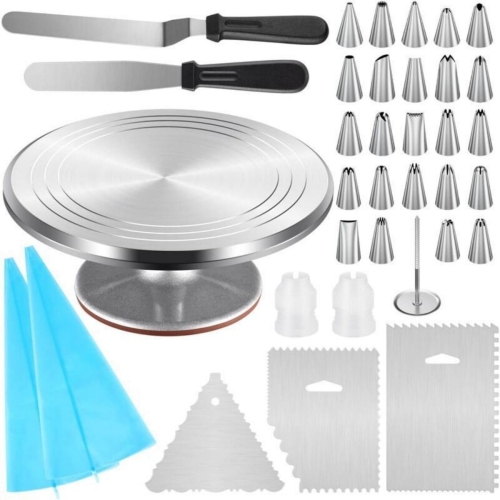
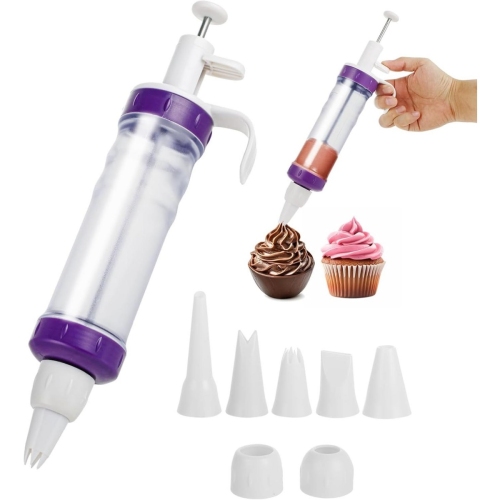
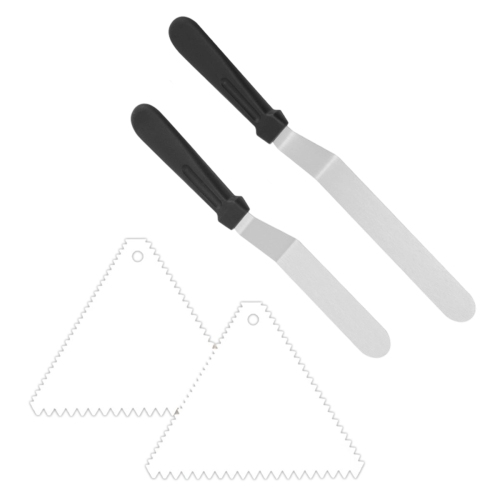
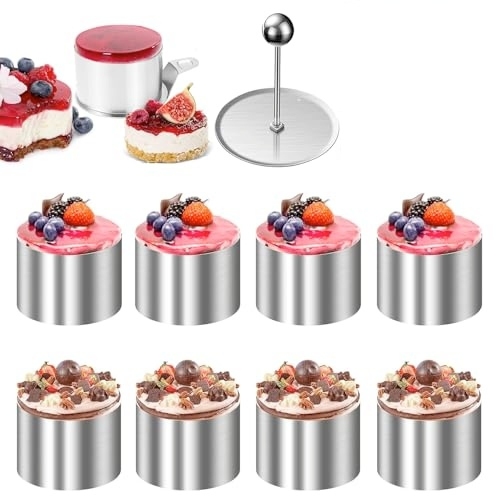
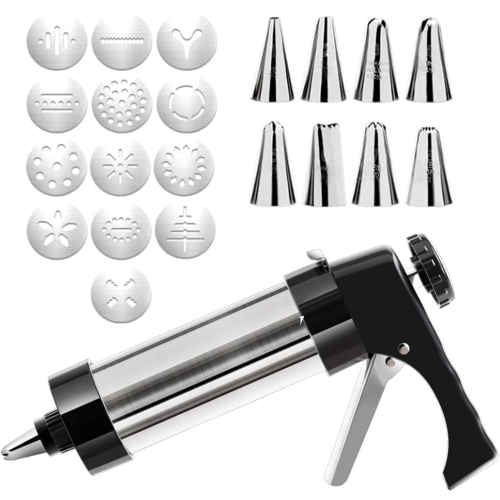
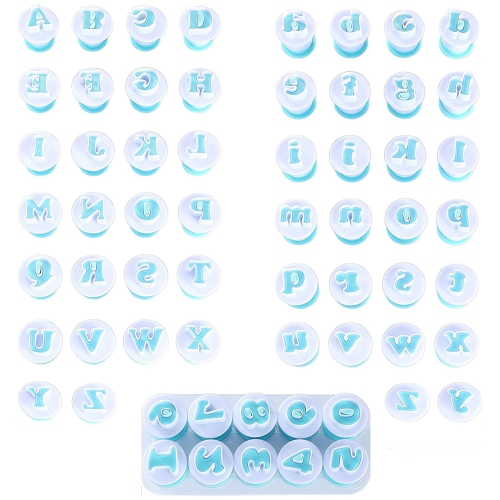
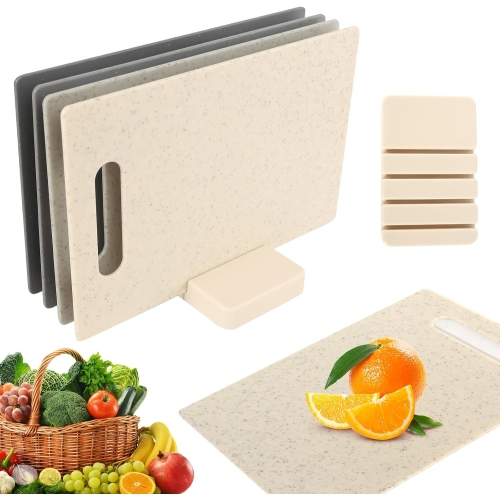
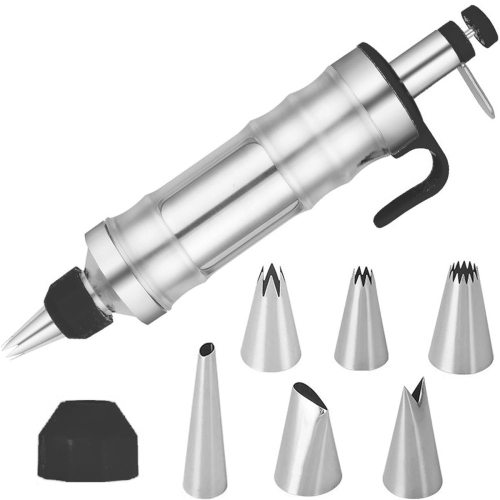
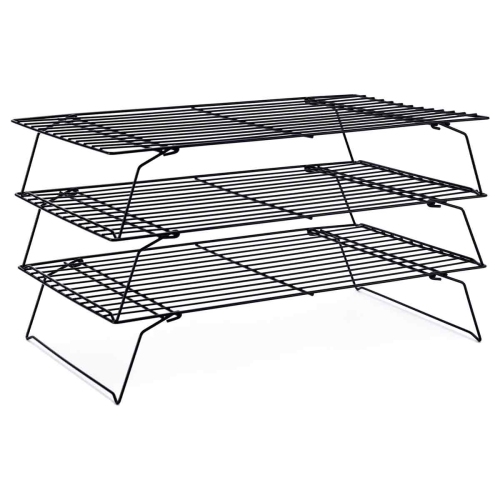
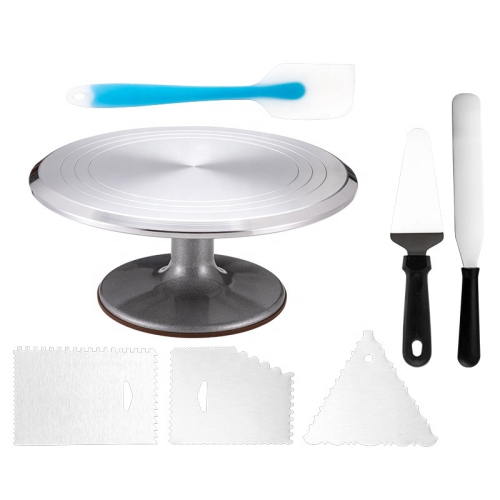
The most useful baking setup reflects what happens after the mixing is finished as well as what happens before it. Cooling space is easy to overlook until a batch comes out of the oven and every clear section of counter is needed. A surface that allows air to circulate beneath baked goods can help prevent trapped moisture from softening the underside, while sufficient working room makes it easier to portion dough or assemble layers without crowding. Decorating brings its own considerations, including control, reach, and the texture of the mixture being applied. A soft frosting calls for a different touch than a firm dough, and comfortable tools can make repeated movements feel less awkward. For finishing touches, Cake Decorating Supplies can complement the essentials used to prepare and bake, whether the aim is a smooth surface, a simple border, or a more detailed celebration cake. Organization helps keep these stages connected: smaller accessories are easier to use when their sizes and shapes are visible, and frequently used supplies benefit from a consistent place near the main preparation area. Households baking with children may appreciate manageable proportions and easy-to-clean surfaces, with adults handling hot bakeware and tasks that require sharp tools. More experienced bakers may focus on consistent measurements, reliable pan construction, and equipment that supports repeated batches. Baking supplies can also make thoughtful gifts for someone setting up a kitchen, returning to a favourite hobby, or developing a particular interest in bread, pastry, or cake making. A good match considers the recipient’s counter space, storage, preferred recipes, and comfort with cleanup rather than simply adding more equipment. For shared kitchens, supplies that work across several recipes can be especially practical. The goal is a collection that supports the baking someone actually enjoys, with enough precision for dependable results and enough comfort to make the process satisfying. From the first measured ingredient to the final slice, well-suited baking supplies help turn familiar recipes and new projects into food worth sharing.
Top selling and popular products
-
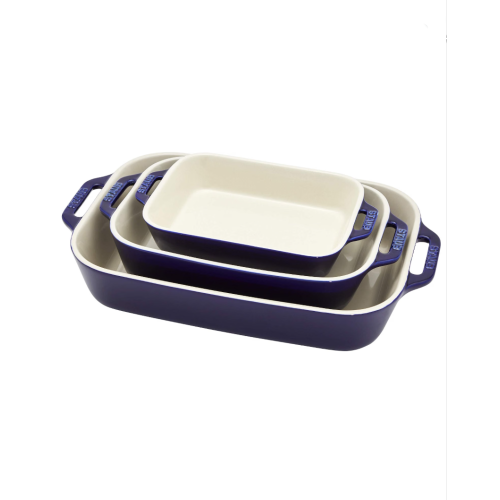 Your price for this item is $179.99
-
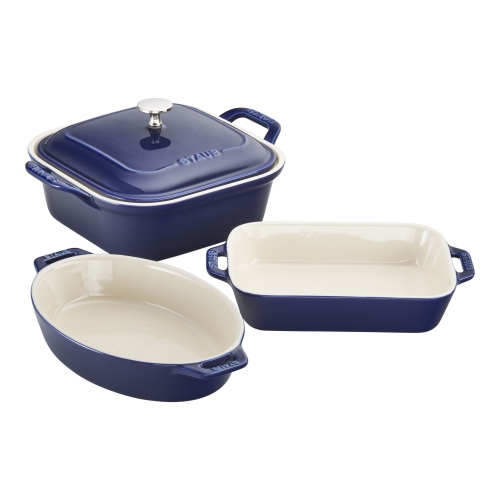 Your price for this item is $129.99
-
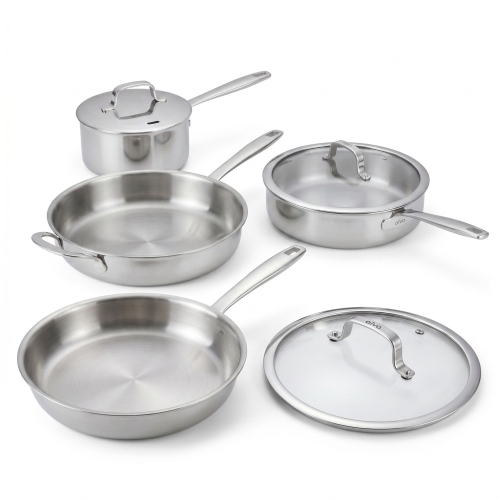 Your price for this item is $979
-
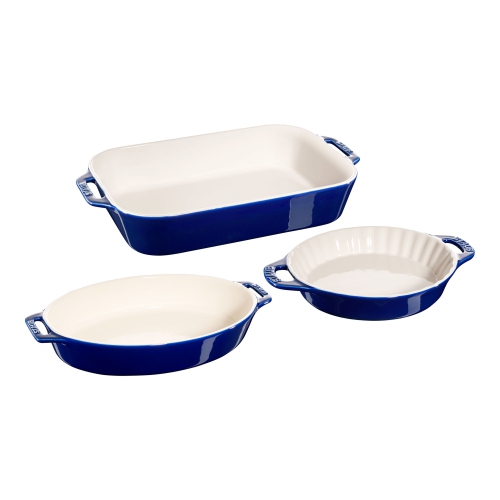 Your price for this item is $129.99
-
 Your price for this item is $129.99
-
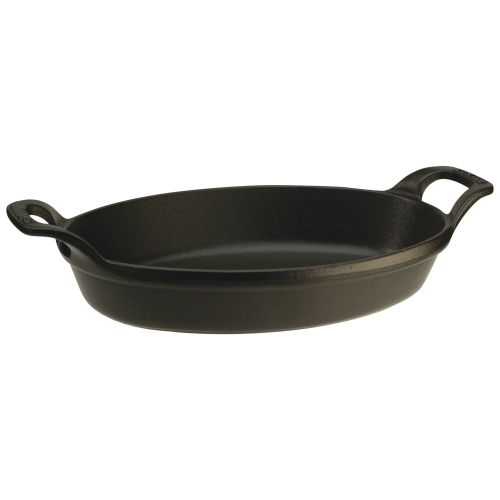 Your price for this item is $199.99
-
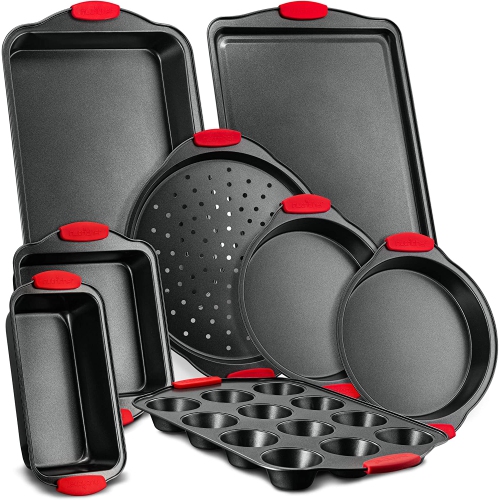 Your price for this item is $65.99
-
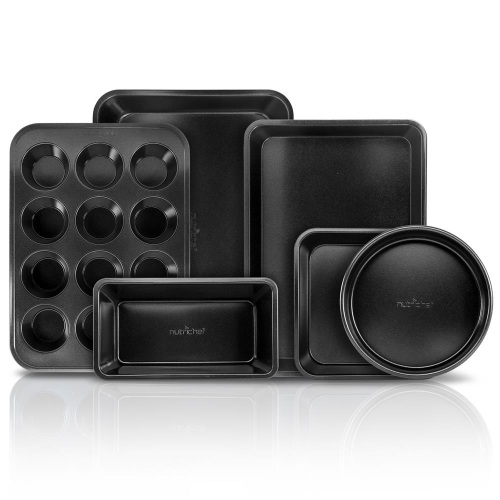 Your price for this item is $46.99
Discover more categories related to Baking Supplies

Top Collections:
Best Black Friday Deals This Year, Best Black Friday Deals On Electronics, Kindle Devices, Pokemon Centers, Best Black Friday Deals On Apple Products, Best Cameras for Sports Photography, Dyson Airwrap, Pokémon 30th Celebration Cards, Apple iPhone 17 Pro, Canon G7X Cameras
Some products may be subject to Environmental Handling Fees
(EHF) depending on your province.
Learn more about EHFs.