Balcony Furniture for Apartments
Transform your outdoor space with balcony furniture for apartments, designed to help you make the most of limited square footage. Whether you're looking to create a cozy spot for morning coffee or a stylish area to entertain guests, the right furniture can elevate your apartment balcony into a relaxing retreat. Explore a variety of options that suit different tastes and layouts, making it easy to find pieces that fit your needs and complement your personal style. Discover how balcony furniture for apartments can enhance comfort and functionality while maximizing your available space.
Sort
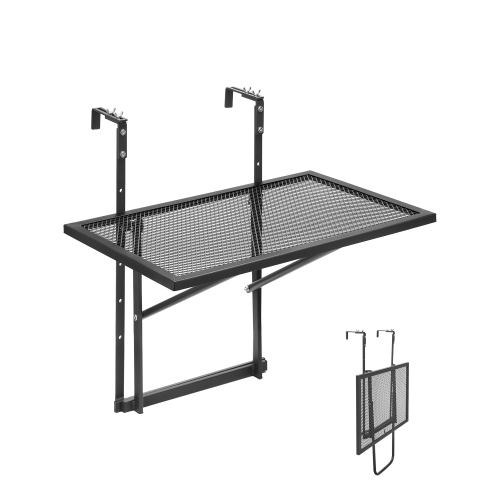

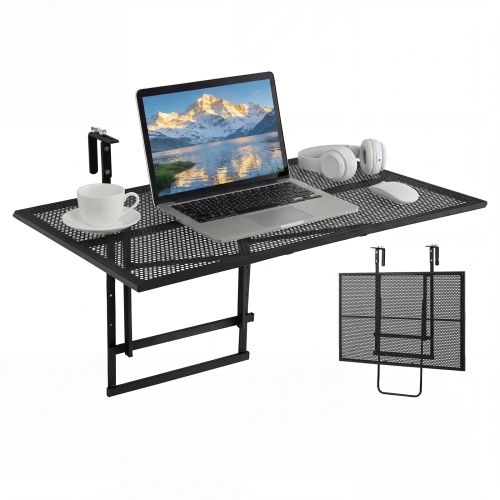

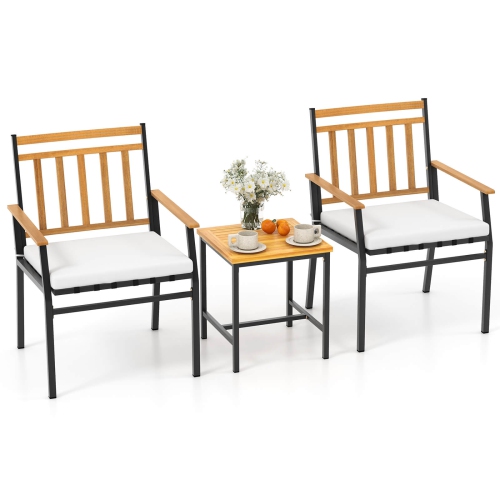
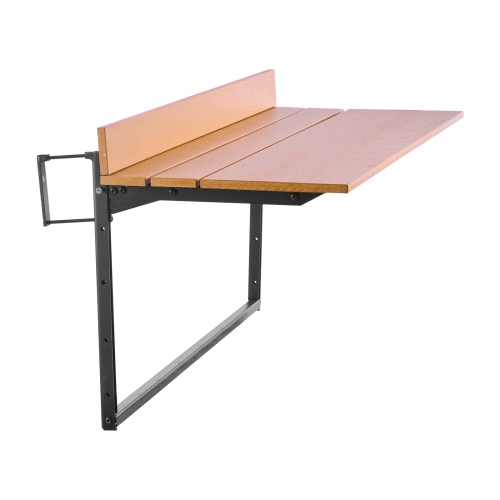
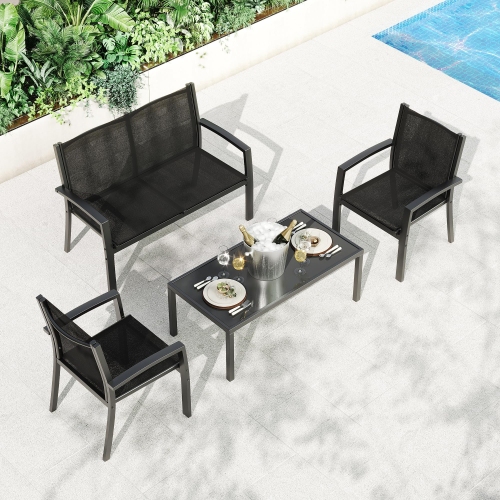
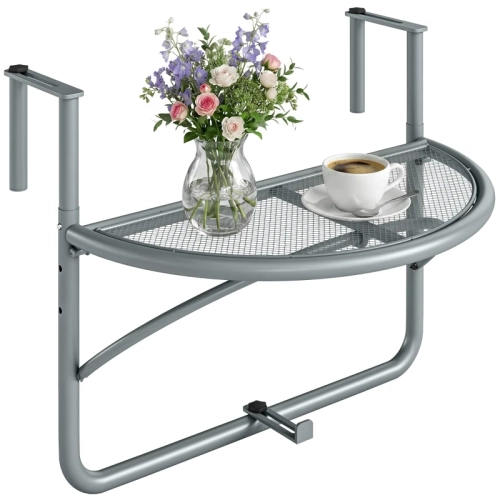
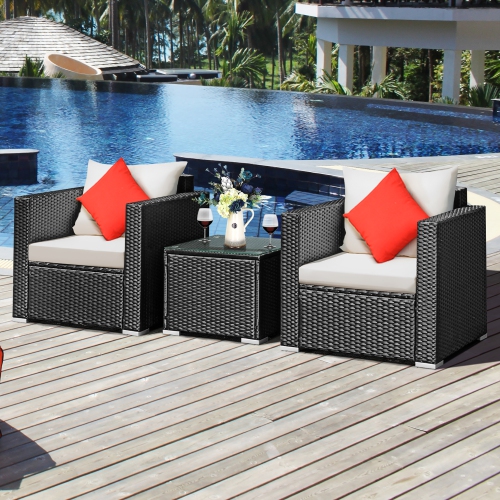
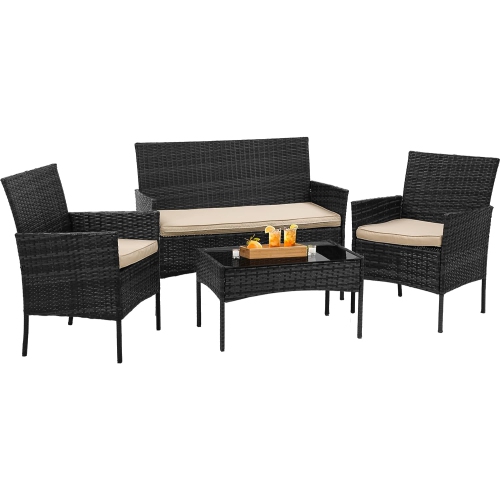

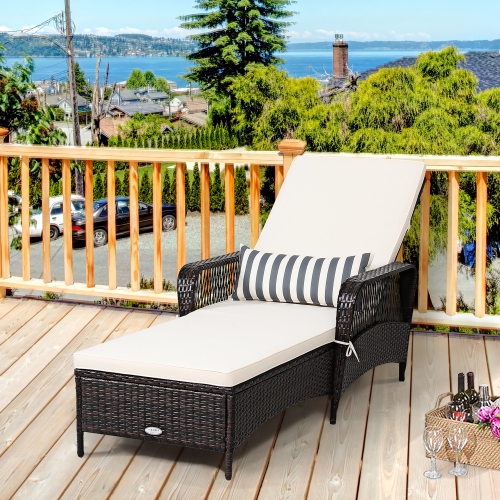
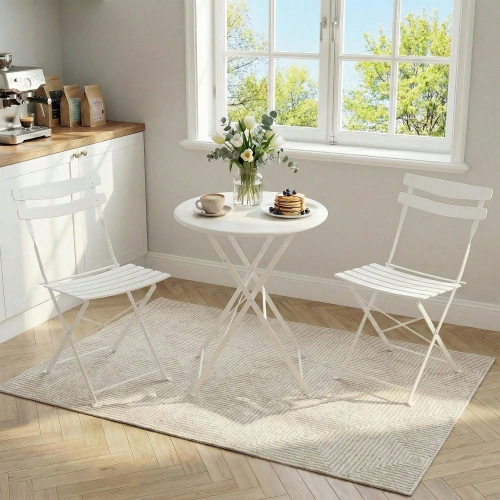
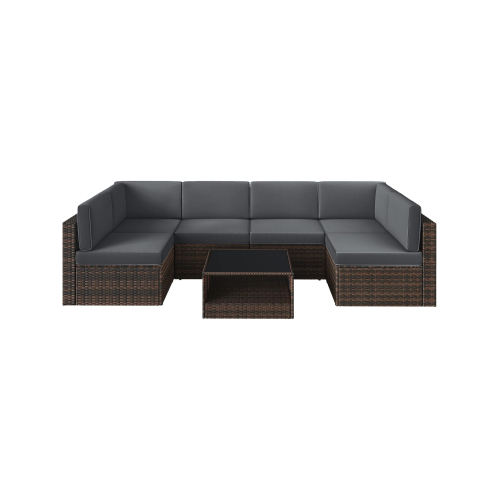
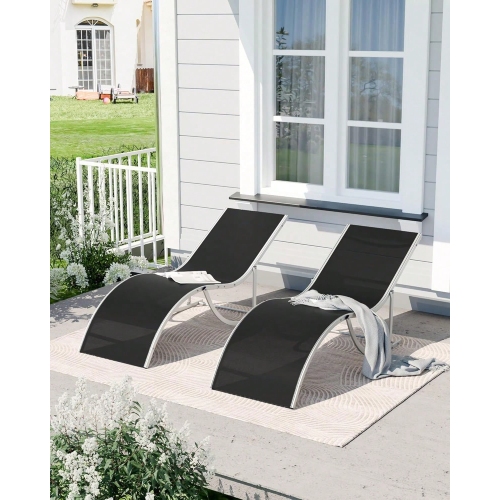
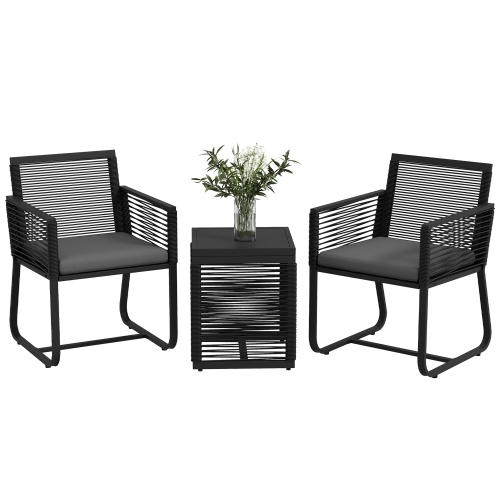

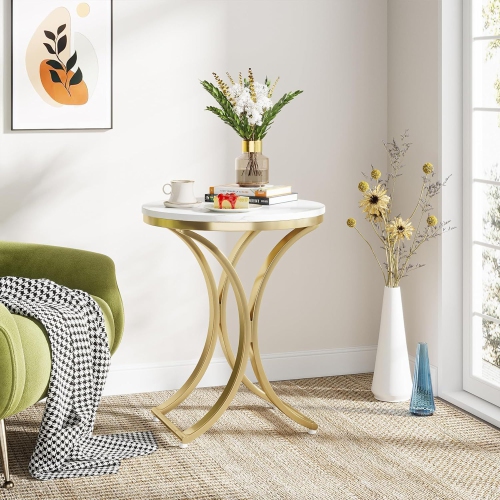
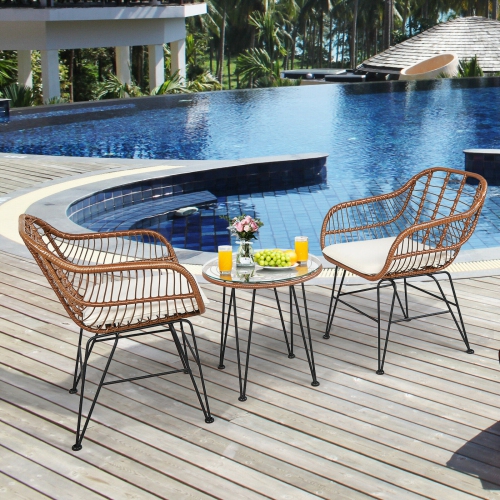
Balcony comfort starts with room to move
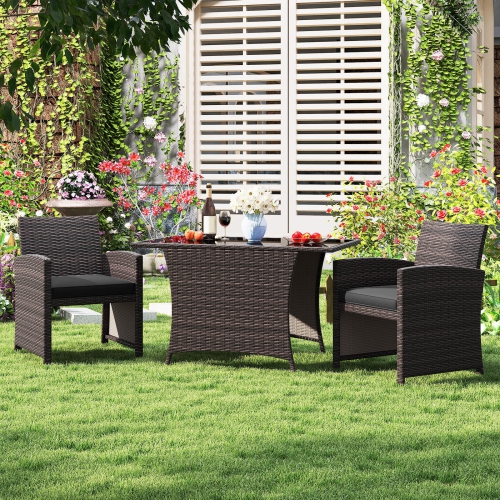
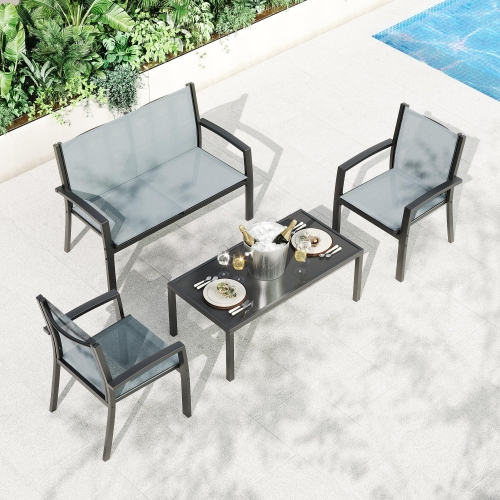
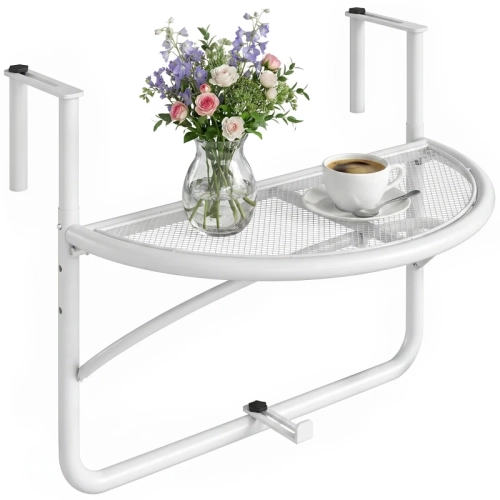
Balcony furniture for apartments brings together compact proportions, outdoor-ready materials, and space-saving features that make a small footprint easier to enjoy. Folding chairs, slim tables, stackable seating, and benches with storage can create a comfortable place for morning coffee, a casual meal, or a quiet break without filling every corner. The best fit depends on how the balcony is used as much as its size. A narrow balcony may suit two chairs arranged along one side with a small table between them, while a deeper space may accommodate a compact dining arrangement with room to pull out the seats. Furniture dimensions tell only part of the story: door clearance, chair movement, and an unobstructed walking route all affect how comfortable the finished arrangement feels. A tabletop that fits neatly against a wall still needs enough surrounding space for someone to sit down without squeezing past another person. Folding designs offer flexibility when the same balcony needs to serve different purposes, and nesting tables provide separate surfaces that tuck together after use. Stackable chairs can be helpful for occasional company, provided there is a suitable place to store them safely. For renters and condo residents, freestanding pieces can also simplify rearranging or moving without permanent alterations. The appeal of balcony furniture is not limited to making the space look finished; it is about making everyday routines more comfortable within the room available. A supportive chair and a surface large enough for a mug and book may be more useful than a larger arrangement that restricts movement. Building rules, balcony load limits, and access requirements also matter, particularly when considering heavier furniture or anything that attaches to a railing. Furniture should not obstruct exits or create a climbing step beside a guardrail. Thoughtful proportions leave the balcony feeling like a usable extension of the apartment rather than a crowded storage area.
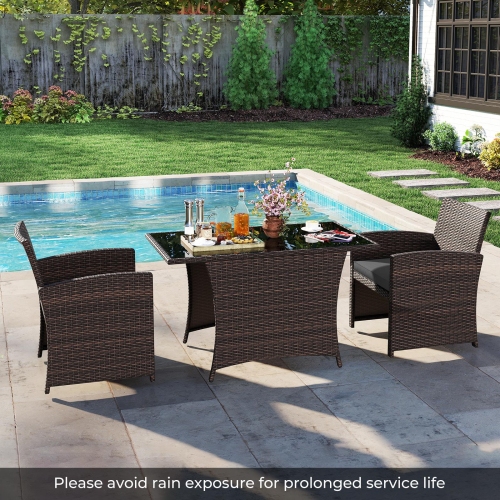
Materials influence the appearance, weight, durability, and maintenance needs of apartment balcony furniture. Aluminum frames are generally light enough to reposition easily and resist rust, making them practical where furniture needs to move frequently. Powder-coated steel can provide a sturdy feel and a smooth finish, although scratches or chips in its protective coating need attention because exposed steel can rust. The quality of joints, fasteners, and surface finishes is just as important as the frame material, especially for seating that is folded, stacked, or moved regularly. Synthetic wicker offers a woven texture often associated with lounge seating, but its performance depends on both the weave and the frame underneath. Furniture intended for outdoor use is better suited to balcony exposure than indoor pieces with a similar appearance. Wood adds visible grain and a warmer visual character, with care requirements that vary by species and finish. Some wood surfaces change colour with exposure, while others need periodic treatment to maintain their intended appearance; the manufacturer’s care directions are the most reliable reference. Plastic and resin furniture can offer straightforward cleaning and manageable weight, though construction, stability, and outdoor-use ratings still deserve attention. On an exposed balcony, resistance to moisture and sunlight matters, but no material makes every part of an arrangement maintenance-free. Water can collect in joints, cushions can retain moisture, and protective finishes can wear over time. Covered balconies also receive wind-driven rain and reflected sunlight, so overhead shelter does not remove the need for suitable materials. Furniture weight involves a practical trade-off: lighter pieces are easier to carry through an apartment, while heavier pieces are less convenient to reposition. Weight alone does not make furniture safe in strong winds. Secure storage and any fastening methods should follow the furniture manufacturer’s directions and building requirements. Smooth feet, compatible protective pads, and well-finished edges can also help limit scuffs on balcony flooring.
Comfort comes from the relationship between seat height, seat depth, back support, and the surface being used alongside the chair. Upright seating generally suits meals, conversation, and short breaks, while deeper lounge seating allows a more relaxed posture but usually occupies more floor space. A low lounge chair paired with a dining-height table may look coordinated yet feel awkward when reaching for a drink or plate. Armrests can make sitting down and standing up easier, although their width and height affect whether a chair slides beneath a table. Cushions add softness, but generous padding is only useful when it leaves enough usable seat depth and provides appropriate support. Removable covers can make care simpler where the care label permits washing, and fabric intended for outdoor use is better suited to balcony conditions. Water-resistant fabric should not be assumed to be waterproof, and cushions generally benefit from being stored clean and dry when not in use. Storage benches can keep small accessories close at hand, but their interiors are not necessarily watertight; the stated construction and care requirements determine what belongs inside. A restrained mix of colours and textures can connect the balcony to the adjoining room without requiring every piece to match. Slim frames keep sightlines open, woven surfaces add texture, and a compact table with a stable base provides a dependable landing place for everyday essentials. Rounded corners may be easier to move around in tight layouts, while level placement and intact feet help prevent rocking. Routine care usually centres on removing dust and debris, wiping surfaces with an appropriate cleaner, checking fasteners, and allowing damp components to dry thoroughly. Covers need to fit properly and be used as directed rather than trapping moisture against furniture. For a first apartment, a shared condo, or a smaller home, well-proportioned balcony furniture offers a simple kind of comfort: somewhere to sit, something within reach, and enough open space to enjoy being there.
Top selling and popular products
-
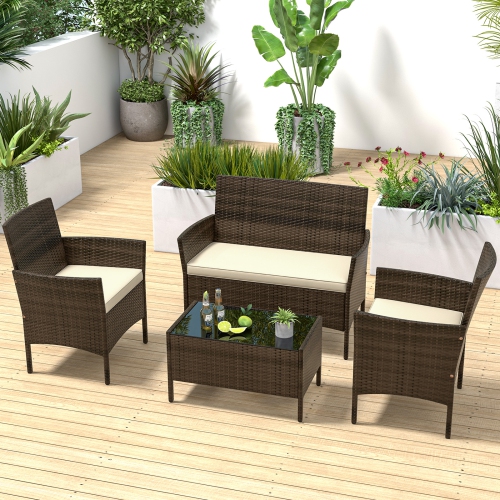 Your price for this item is $246.99
-
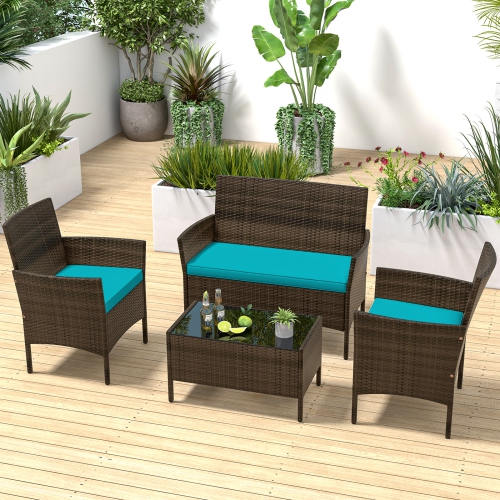 Your price for this item is $243.99
-
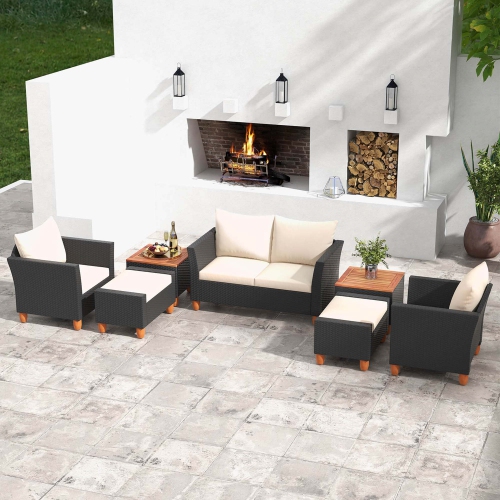 Your price for this item is $629.99
-
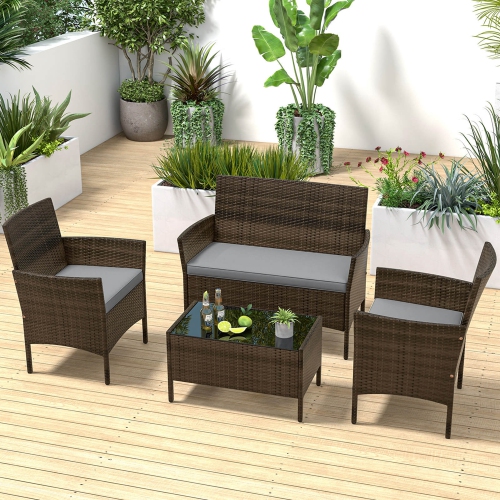 Your price for this item is $236.99
-
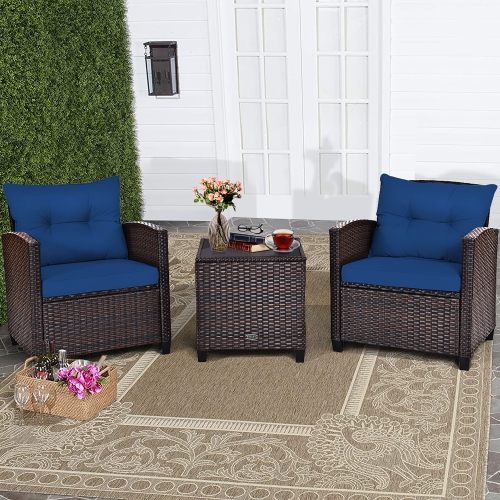 Your price for this item is $220.99
-
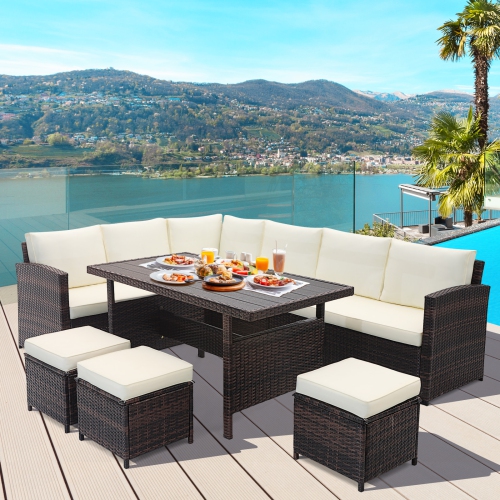 Your price for this item is $828.99
-
 Your price for this item is $654.99
-
 Your price for this item is $972.99
Discover more categories related to Balcony Furniture for Apartments

Top Collections:
Best Black Friday Deals This Year, Best Black Friday Deals On Electronics, Kindle Devices, Dyson Airwrap, Best Cameras for Sports Photography, Best Budget Office Chairs, Canon G7X Cameras, PS5 Pro Consoles, Best Black Friday Deals On Apple Products, XBOX One S Consoles
Some products may be subject to Environmental Handling Fees
(EHF) depending on your province.
Learn more about EHFs.