Ball Mounts
When it comes to towing equipment, ball mounts are essential for connecting your trailer to your vehicle securely. Whether you're hauling a boat, RV, or utility trailer, finding the right ball mount is crucial for safe and efficient towing. With various sizes, weight capacities, and styles available, choosing the perfect ball mount can make all the difference in your towing experience. Explore our selection of ball mounts to find the ideal option for your towing needs.
Sort


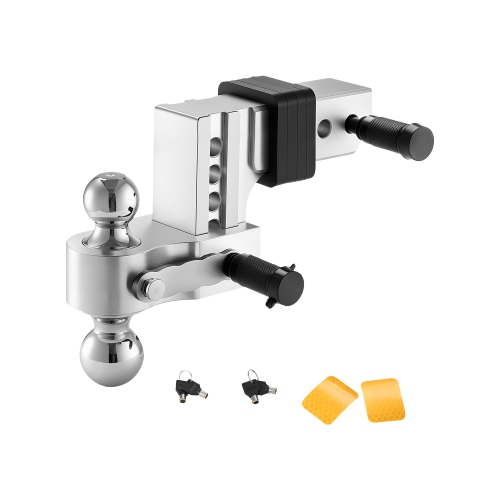
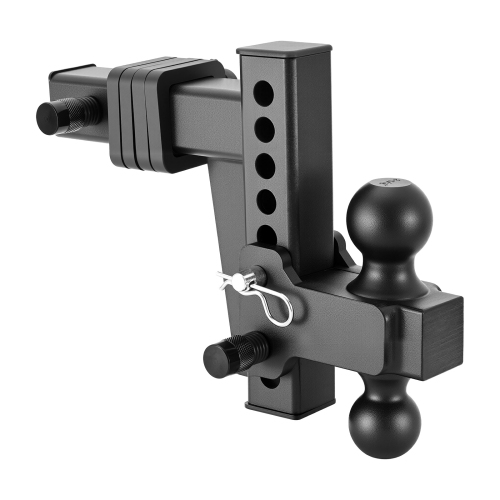
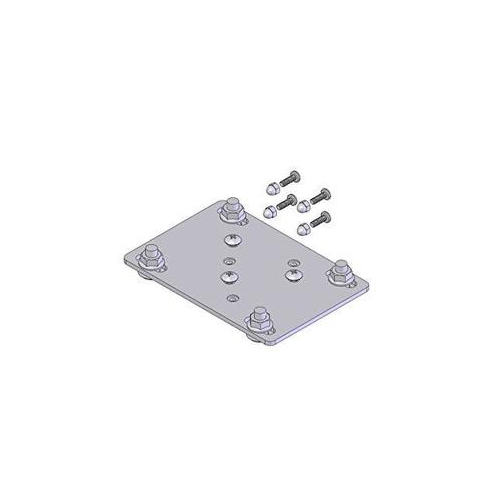
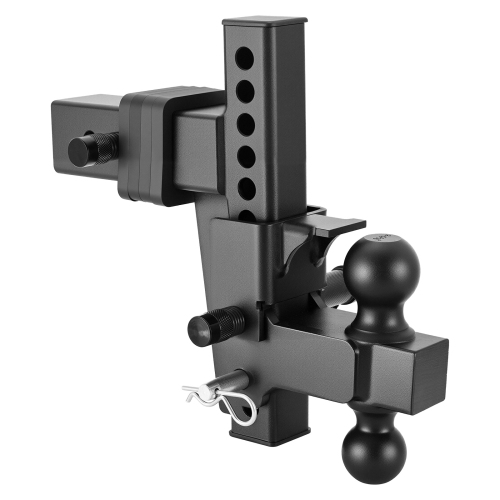
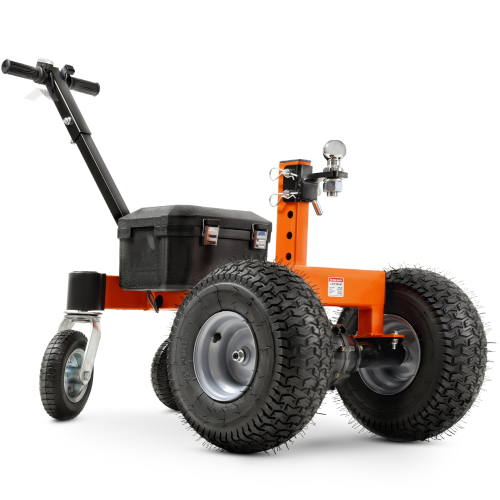
Towing compatibility starts with the right measurements
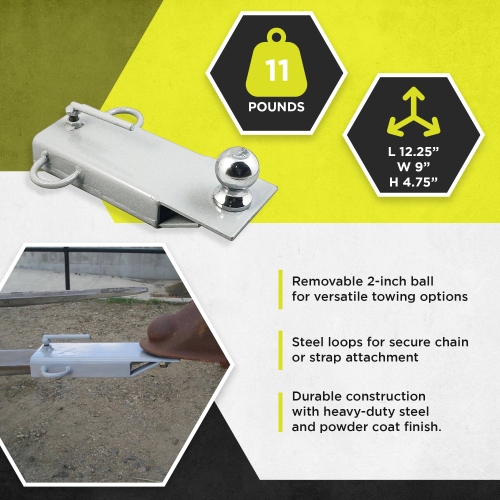
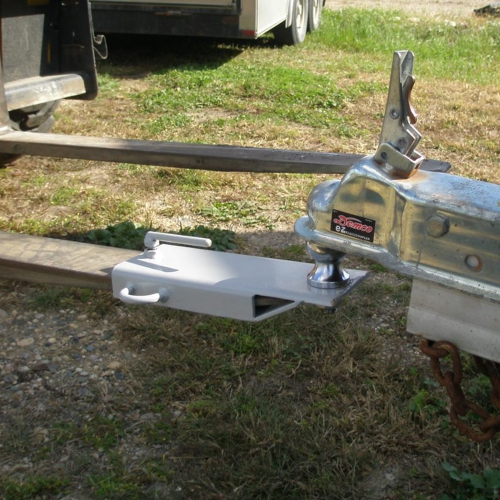
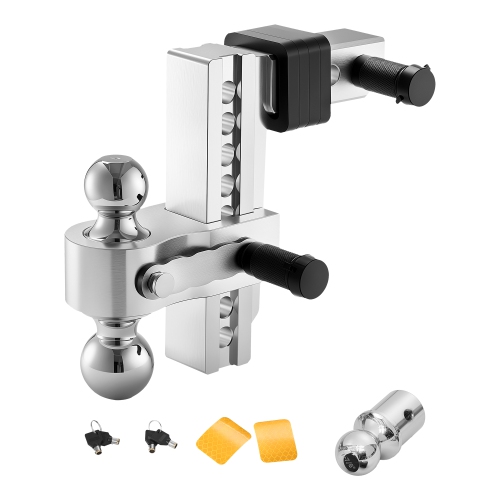
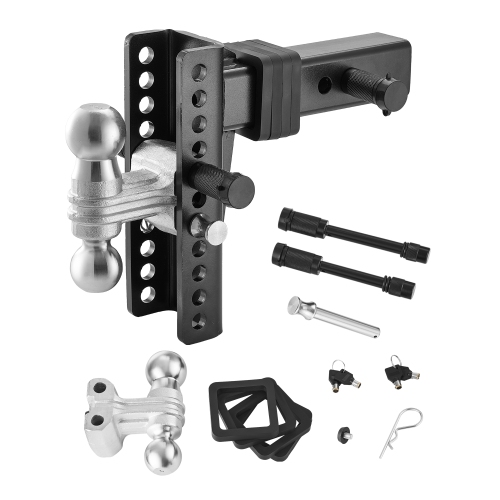
Ball mounts are removable hitch components that connect a vehicle’s receiver hitch to a trailer coupler. They are commonly used with pickup trucks, SUVs, vans and other tow vehicles for hauling utility trailers, boat trailers, cargo trailers, motorcycle trailers and recreational equipment. A typical ball mount consists of a shank that slides into the receiver, a platform that supports the trailer ball, and a pin or locking device that keeps the assembly in place. Some models include a pre-installed trailer ball, while others allow you to select and install a compatible ball separately. The right setup depends on the receiver opening, trailer coupler, total trailer weight and the height relationship between the vehicle and trailer. A properly matched ball mount helps the trailer travel level, keeps weight distributed more predictably and can make connecting and disconnecting equipment much easier during busy weekends, moving projects or trips to the cottage. For drivers who tow only occasionally, a ball mount can be a practical addition to a vehicle’s essential towing kit; for frequent towers, keeping a few compatible options on hand can make it easier to switch between trailers with different coupler heights. Those shopping for a practical gift for a new truck owner, recreational vehicle enthusiast or someone preparing for a home renovation may also find a ball mount useful, provided the receiver and towing specifications are known before purchase.
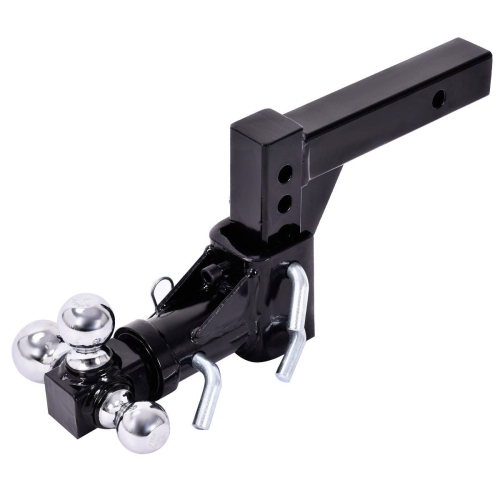
Begin by identifying the receiver size on the vehicle. The shank must match the receiver opening, with common receiver dimensions including 1-1/4 inch, 2 inch and larger sizes used for heavier-duty applications. The shank length should provide enough clearance for the hitch pin and vehicle bumper without extending farther than necessary. Next, confirm the trailer ball size required by the coupler. Common ball diameters include 1-7/8 inch, 2 inch and 2-5/16 inch, but the required size should be taken from the coupler markings or trailer documentation rather than guessed. The ball’s diameter, shank diameter and weight rating all need to match the coupler and ball mount. Capacity is equally important: compare the ball mount’s gross trailer weight rating and tongue weight rating with the fully loaded trailer, including cargo, fuel, water and accessories. The vehicle, receiver, trailer ball and trailer itself must also be rated for the load, since a high-rated component does not increase the towing limit of the vehicle. For height, park the tow vehicle and trailer on level ground, measure from the ground to the top of the receiver opening, then measure from the ground to the underside of the level trailer coupler. If the receiver sits higher than the coupler, choose a drop ball mount; if the coupler sits higher, choose a rise configuration. The difference between these measurements provides a useful starting point, though the ball height and loaded suspension should also be considered. The goal is a trailer that sits as level as possible when connected, with enough clearance for driveways, ramps and uneven surfaces. Adjustable ball mounts can be helpful when one vehicle is used with trailers of different heights, while fixed drop or rise mounts offer a straightforward option for a consistent towing setup. Dual-ball designs can accommodate trailers with different coupler sizes, but each ball still needs to be used only within its marked rating.
Before every trip, inspect the ball mount, trailer ball, pin, clip and receiver for cracks, excessive wear, bending or heavy corrosion. Make sure the shank is fully inserted and secured with a suitable hitch pin or lock, and confirm that the coupler is completely seated over the ball and locked before attaching safety chains and wiring. Trailer lights, brake connections and safety chains should be checked as part of the same routine, even when the trailer has been used recently. Follow the tightening and torque instructions for the trailer ball and mounting hardware; a ball that looks secure can still be unsafe if it has not been tightened correctly. It is also wise to recheck the connection after driving a short distance, particularly when carrying a heavy or unfamiliar load. During the warmer months, ball mounts may be used for landscaping supplies, building materials, boats, campers and outdoor equipment, while cooler months can bring towing needs such as firewood, enclosed cargo or seasonal recreational gear. Road salt, rain and storage conditions can affect metal components over time, so clean and dry the mount after use and store it in a protected place when it is not installed. Those comparing towing accessories may also wish to explore Gooseneck Mounts for trailer systems designed around a different connection style. Whether selecting a simple fixed mount or a more adaptable option, matching every component to the vehicle and trailer specifications is the best way to create a secure, level and dependable towing connection.
Begin by identifying the receiver size on the vehicle. The shank must match the receiver opening, with common receiver dimensions including 1-1/4 inch, 2 inch and larger sizes used for heavier-duty applications. The shank length should provide enough clearance for the hitch pin and vehicle bumper without extending farther than necessary. Next, confirm the trailer ball size required by the coupler. Common ball diameters include 1-7/8 inch, 2 inch and 2-5/16 inch, but the required size should be taken from the coupler markings or trailer documentation rather than guessed. The ball’s diameter, shank diameter and weight rating all need to match the coupler and ball mount. Capacity is equally important: compare the ball mount’s gross trailer weight rating and tongue weight rating with the fully loaded trailer, including cargo, fuel, water and accessories. The vehicle, receiver, trailer ball and trailer itself must also be rated for the load, since a high-rated component does not increase the towing limit of the vehicle. For height, park the tow vehicle and trailer on level ground, measure from the ground to the top of the receiver opening, then measure from the ground to the underside of the level trailer coupler. If the receiver sits higher than the coupler, choose a drop ball mount; if the coupler sits higher, choose a rise configuration. The difference between these measurements provides a useful starting point, though the ball height and loaded suspension should also be considered. The goal is a trailer that sits as level as possible when connected, with enough clearance for driveways, ramps and uneven surfaces. Adjustable ball mounts can be helpful when one vehicle is used with trailers of different heights, while fixed drop or rise mounts offer a straightforward option for a consistent towing setup. Dual-ball designs can accommodate trailers with different coupler sizes, but each ball still needs to be used only within its marked rating.
Before every trip, inspect the ball mount, trailer ball, pin, clip and receiver for cracks, excessive wear, bending or heavy corrosion. Make sure the shank is fully inserted and secured with a suitable hitch pin or lock, and confirm that the coupler is completely seated over the ball and locked before attaching safety chains and wiring. Trailer lights, brake connections and safety chains should be checked as part of the same routine, even when the trailer has been used recently. Follow the tightening and torque instructions for the trailer ball and mounting hardware; a ball that looks secure can still be unsafe if it has not been tightened correctly. It is also wise to recheck the connection after driving a short distance, particularly when carrying a heavy or unfamiliar load. During the warmer months, ball mounts may be used for landscaping supplies, building materials, boats, campers and outdoor equipment, while cooler months can bring towing needs such as firewood, enclosed cargo or seasonal recreational gear. Road salt, rain and storage conditions can affect metal components over time, so clean and dry the mount after use and store it in a protected place when it is not installed. Those comparing towing accessories may also wish to explore Gooseneck Mounts for trailer systems designed around a different connection style. Whether selecting a simple fixed mount or a more adaptable option, matching every component to the vehicle and trailer specifications is the best way to create a secure, level and dependable towing connection.
Top selling and popular products
-
 Your price for this item is $0.99
 -
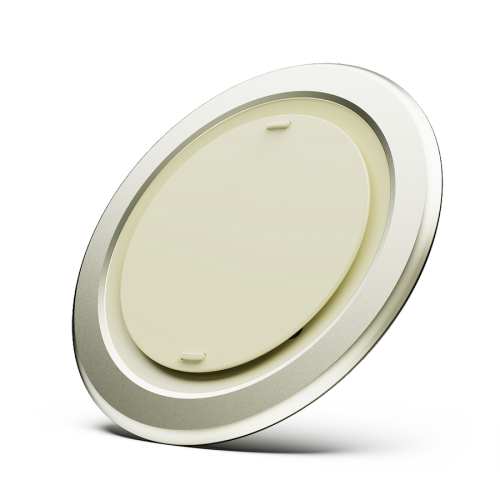 Your price for this item is $34.99
 -
![ANDOBIL Phone Holder Car Vent, [Military Sturdy, Firmly Grip & Never Slip] Car Phone Holder Mount Universal Vent Cell Phone Holder Car, Fit For](https://multimedia.bbycastatic.ca/multimedia/products/500x500/196/19675/19675335.jpeg) Your price for this item is $59.49
Your price for this item is $59.49 -
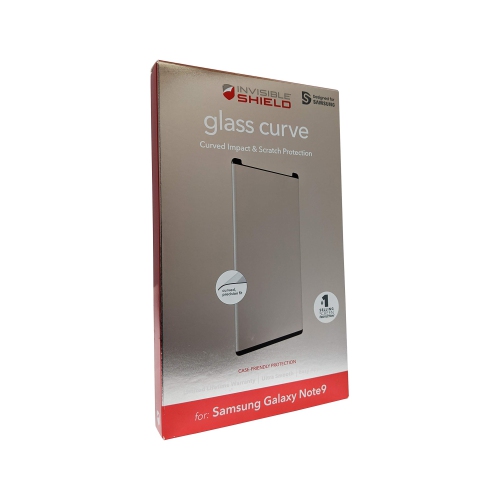 Your price for this item is $40.49
 -
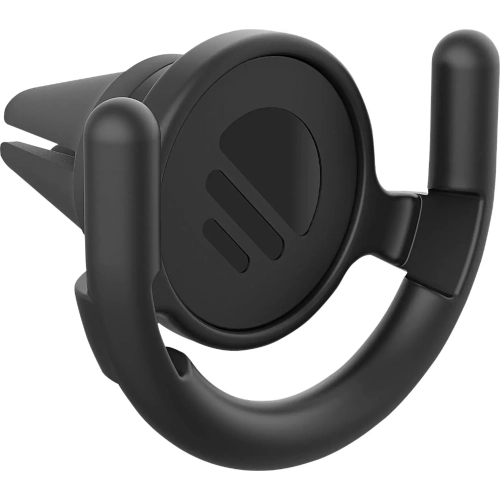 Your price for this item is $49.99
 -
 Your price for this item is $1099
 -
 Your price for this item is $79.99
 -
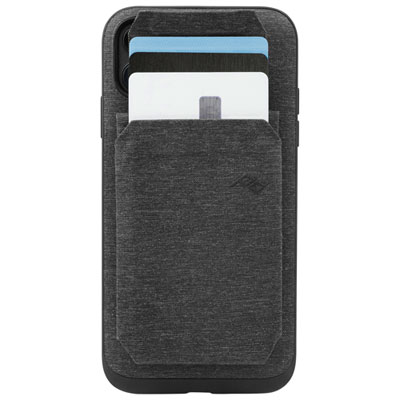 Your price for this item is $69.99
Discover more categories related to Ball Mounts
Top Collections:
Pokemon Centers, Kindle Devices, Best Budget Office Chairs, Canon G7X Cameras, Apple iPhones 16, Samsung Galaxy Phones, Refurbished Apple Laptops, Laptops for Students, iPhone 15 Apple, Budget Smartphones
Some products may be subject to Environmental Handling Fees
(EHF) depending on your province.
Learn more about EHFs.