Basement Storage Shelves
Basements are often a storage area for the family. It can be used to store items like boxes, bags, and old clothes. It is important that you have a place to store these items so they do not take up the space of your house. Here are some storage shelves that will help you keep your basement organized and free of clutter.
Sort
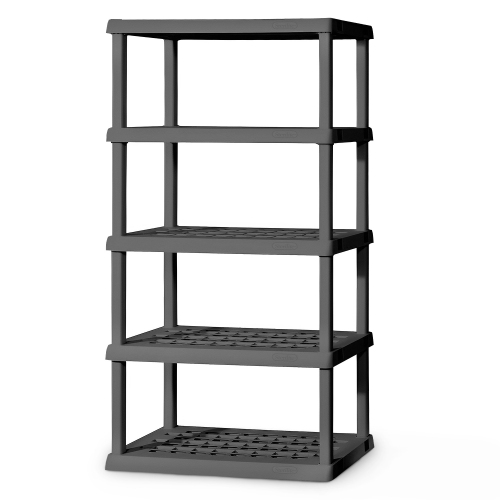
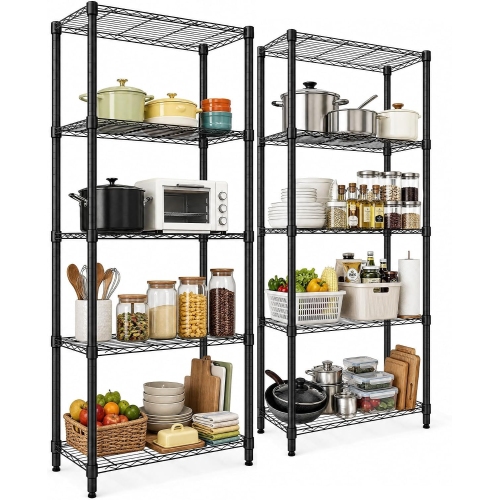
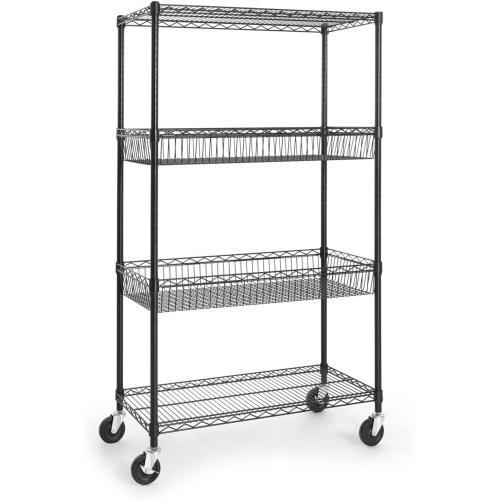
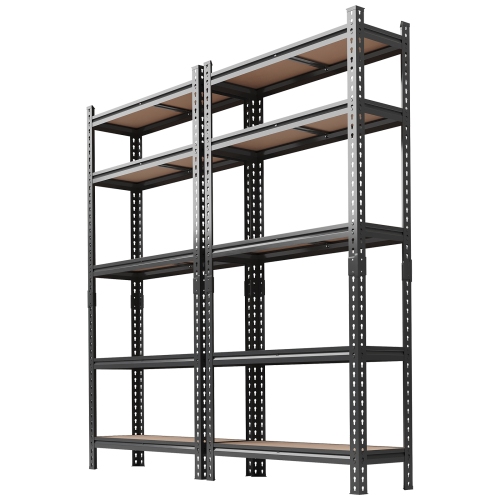
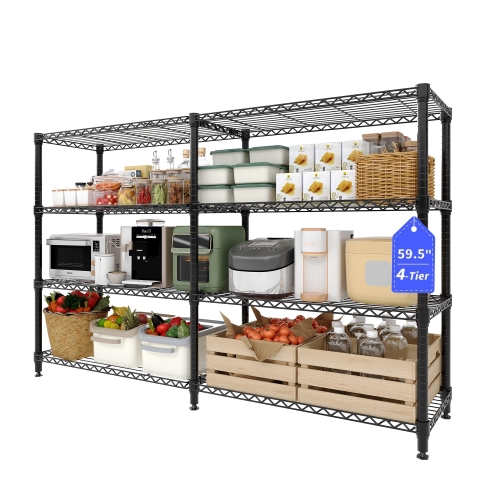
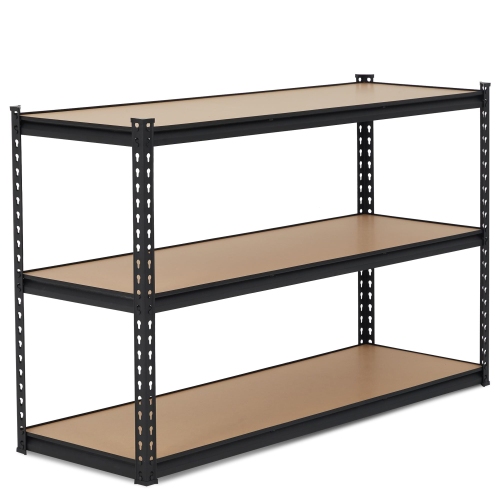
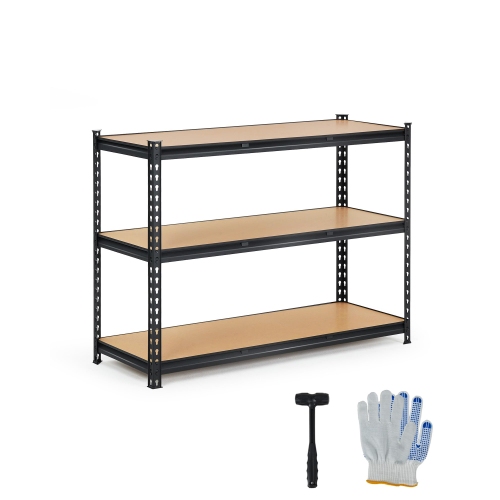
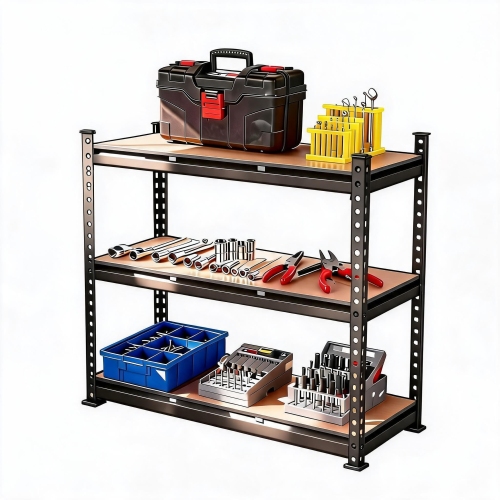




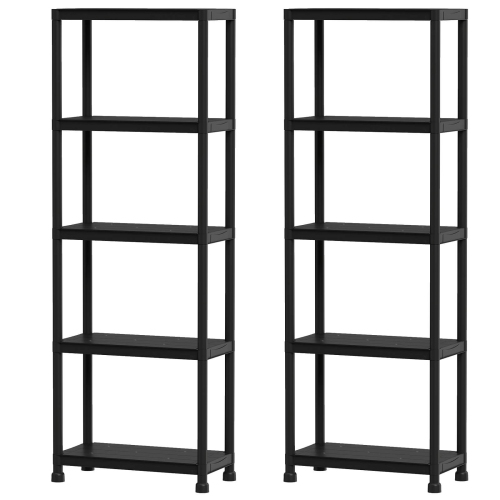
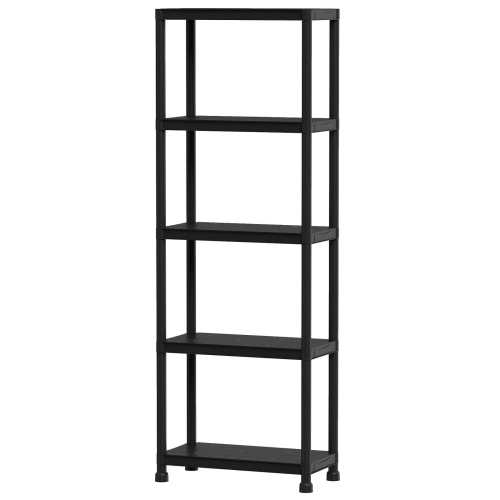
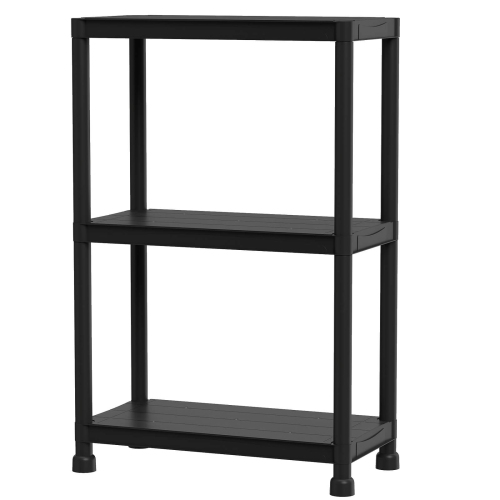
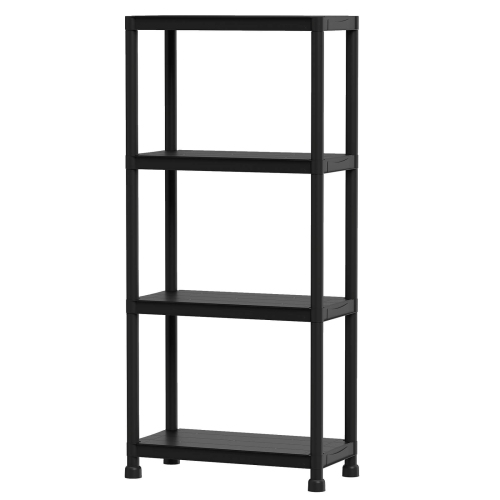

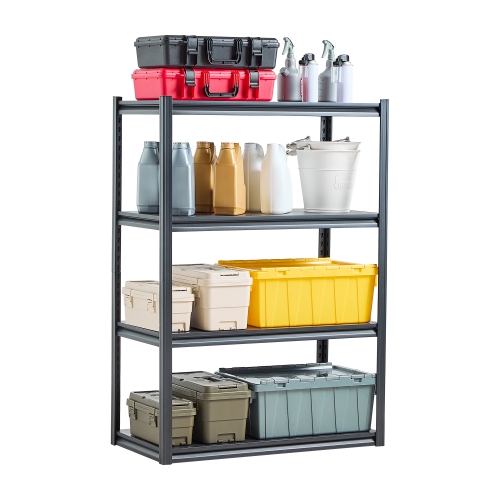
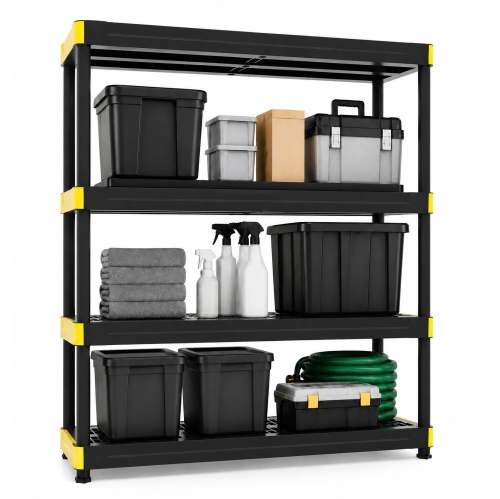
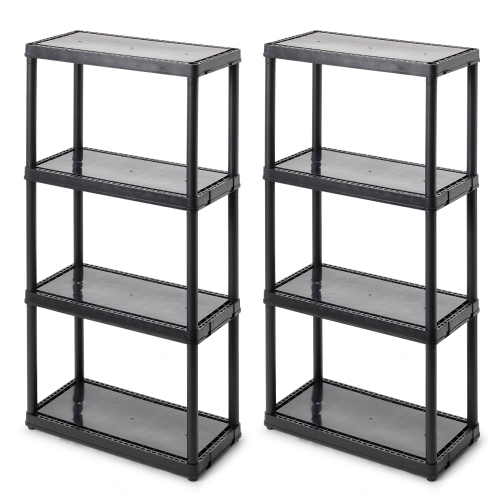
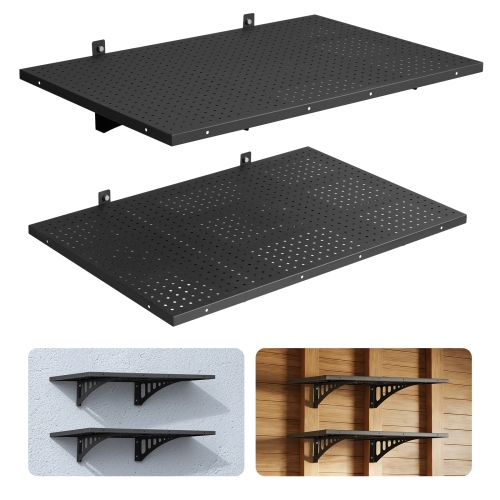



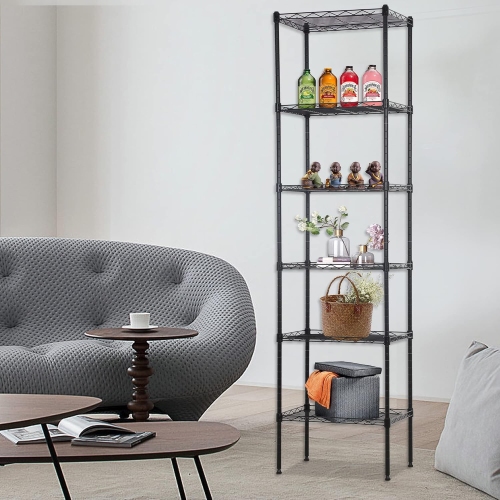
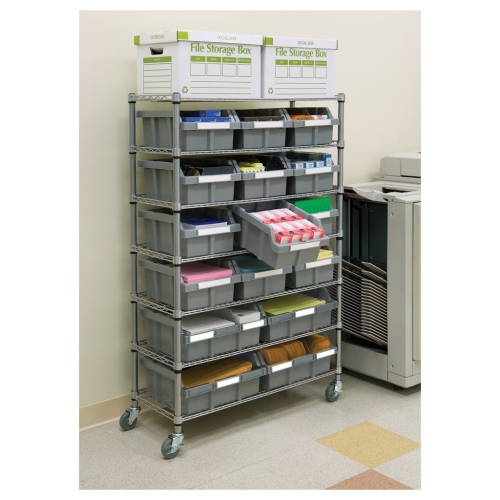
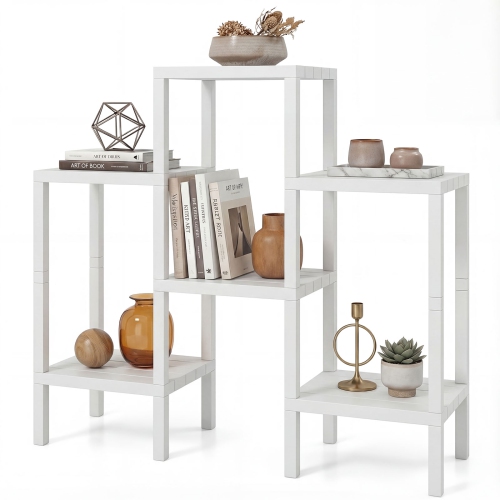
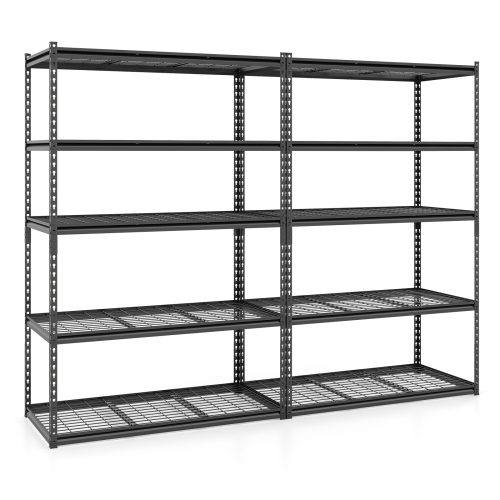
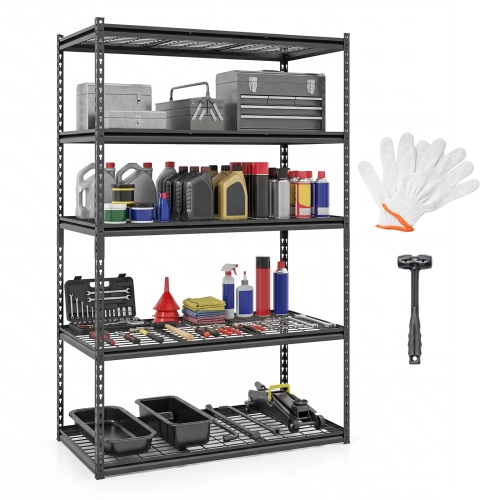
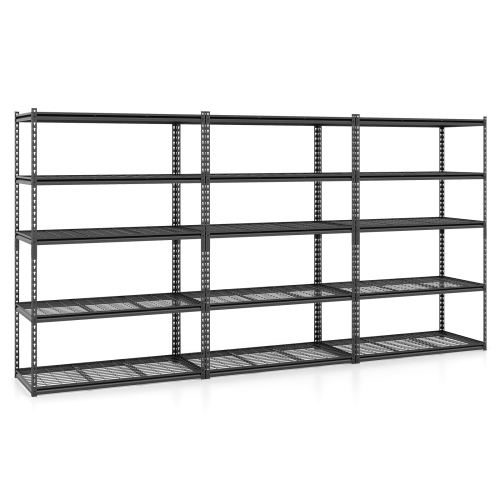
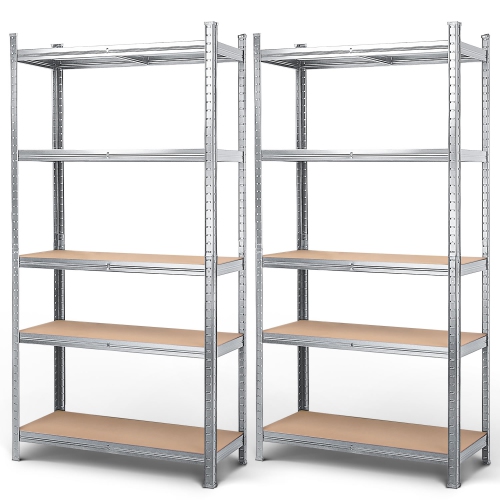
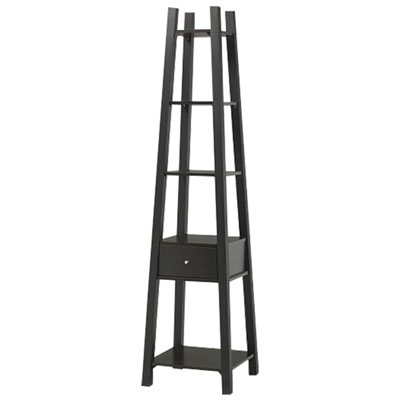
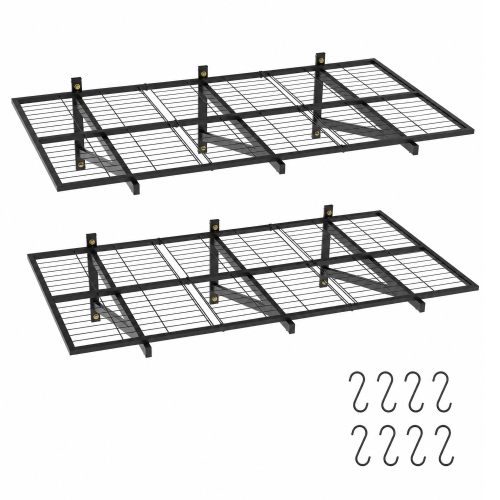
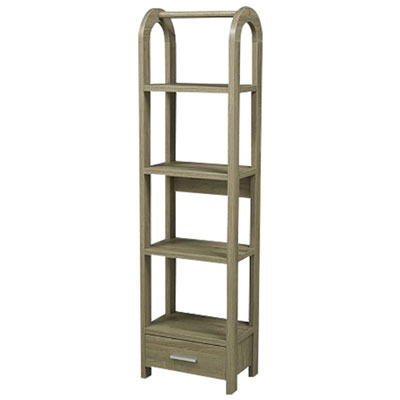
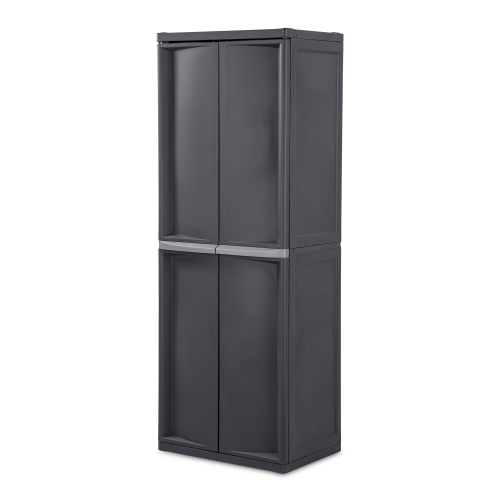
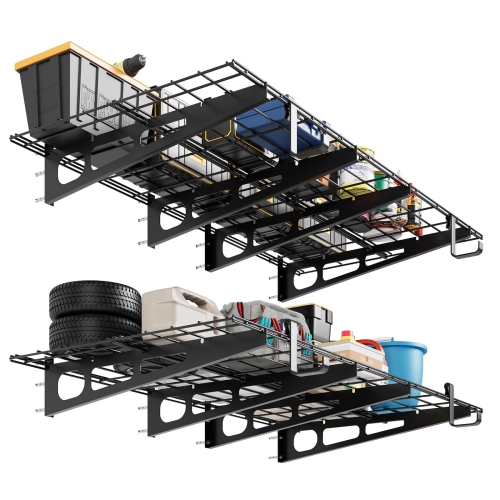


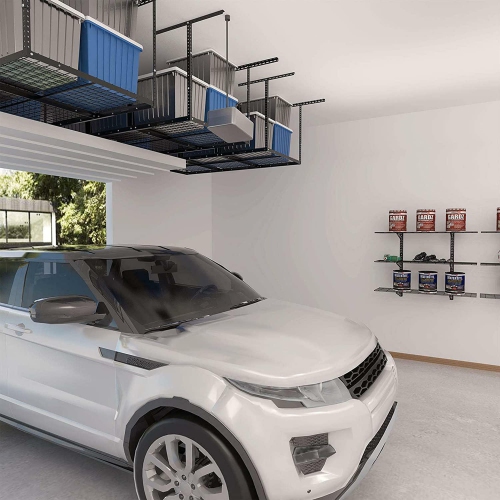
Smart storage strategies for damp basements and busy households
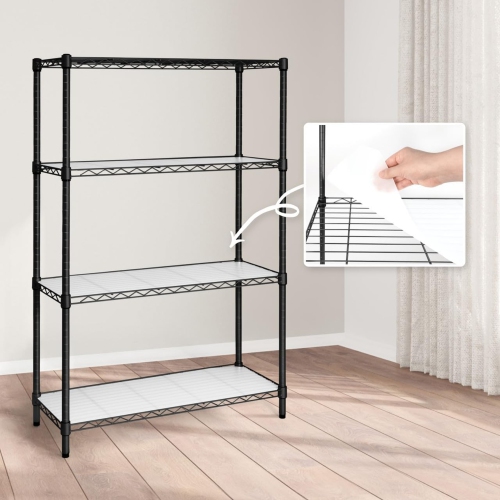
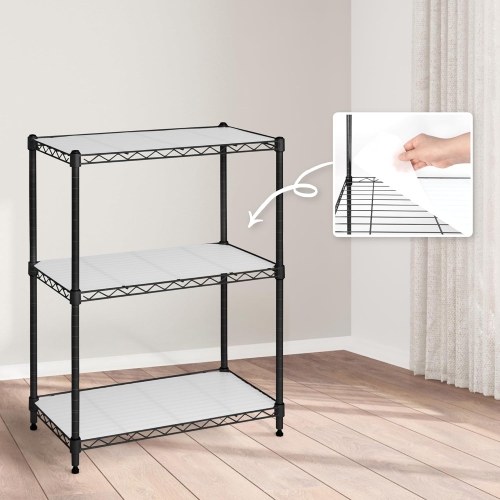
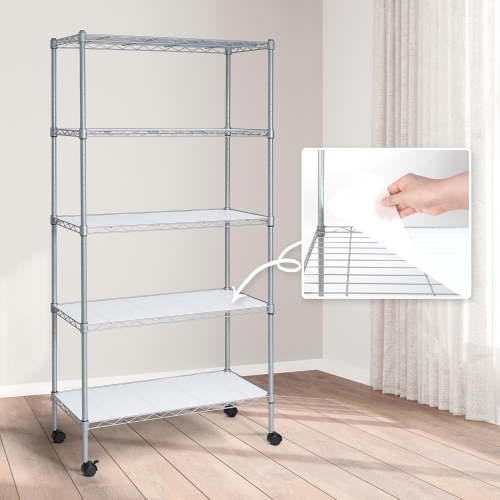
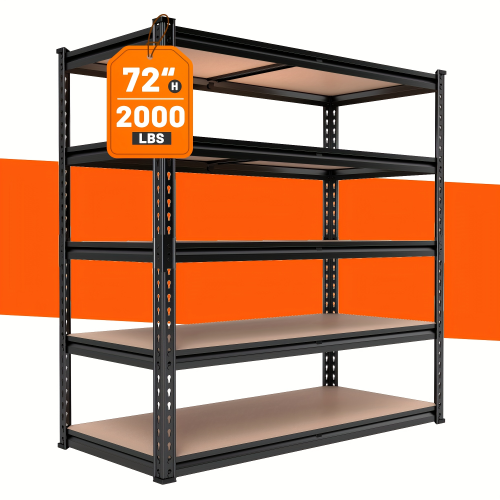
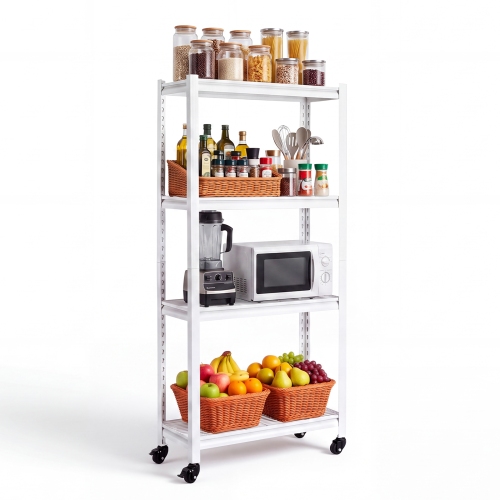
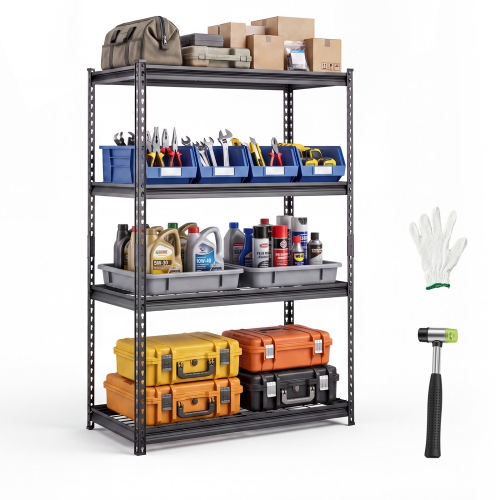
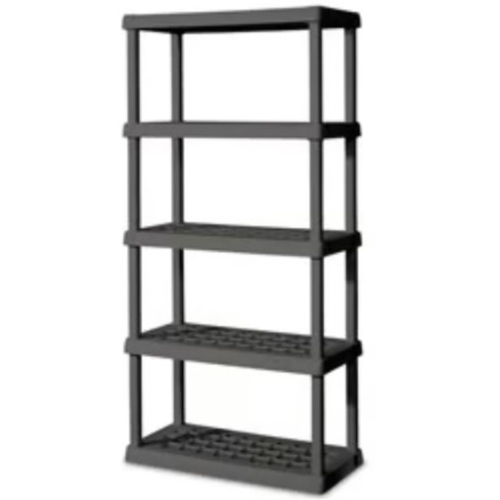
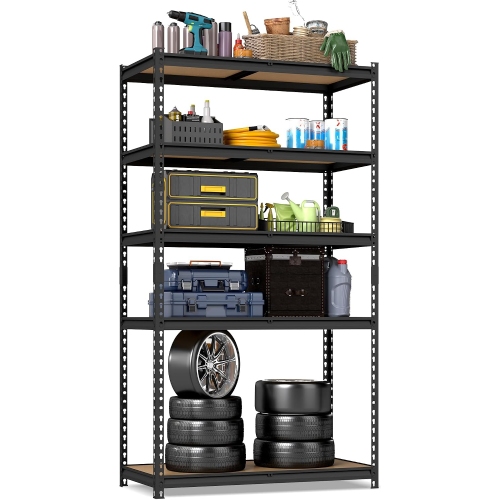
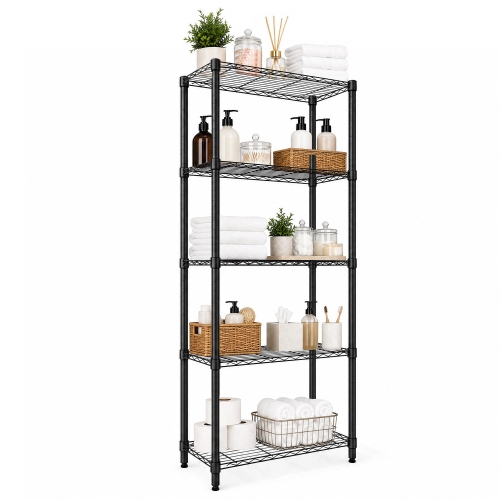
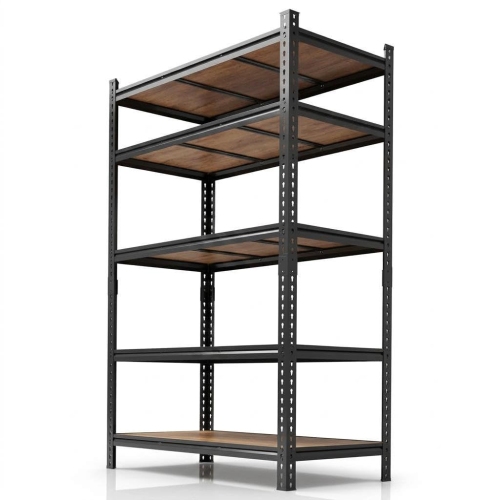
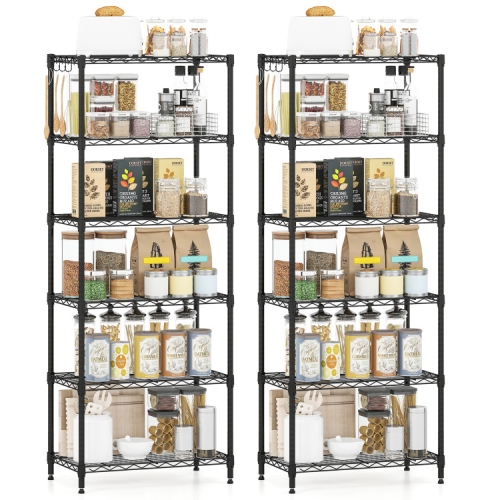
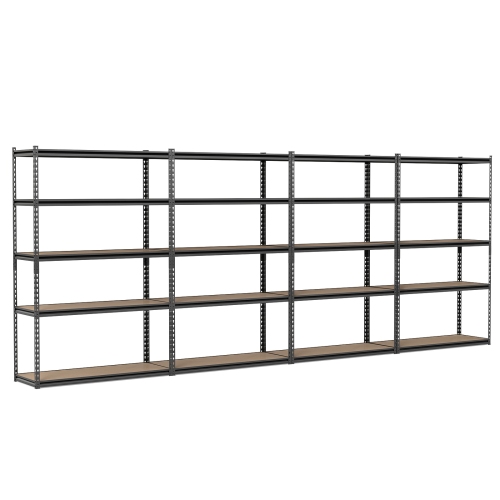
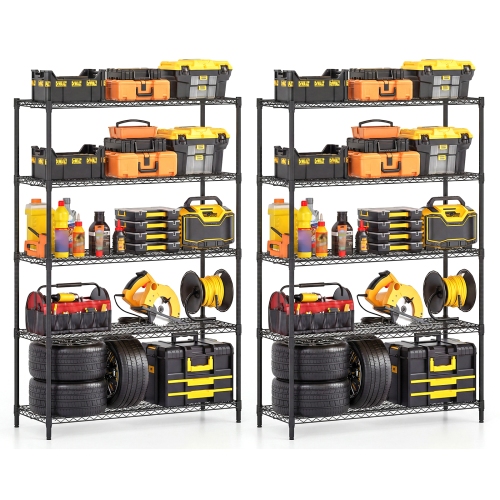
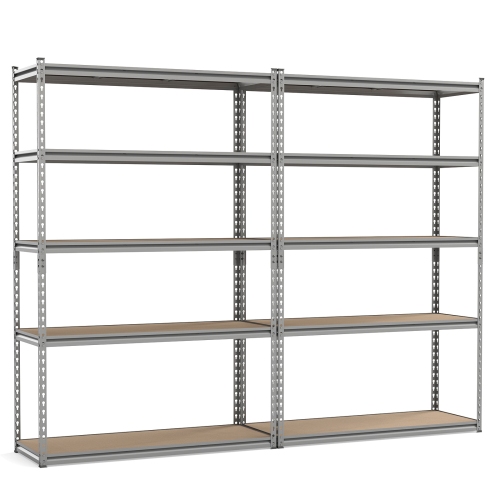
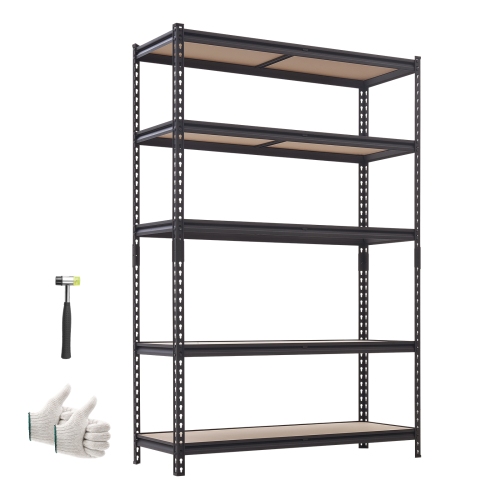
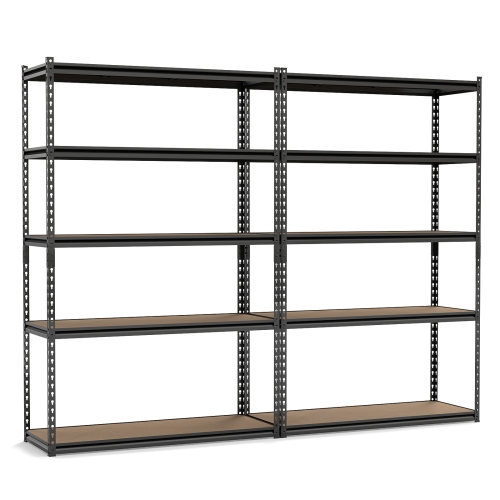
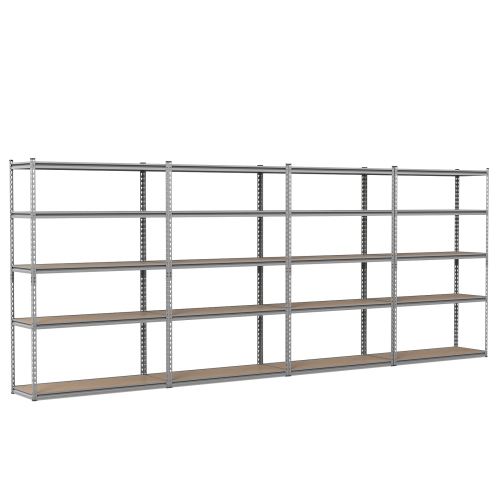
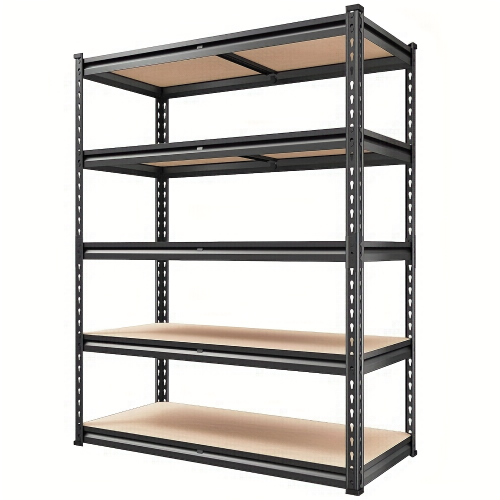
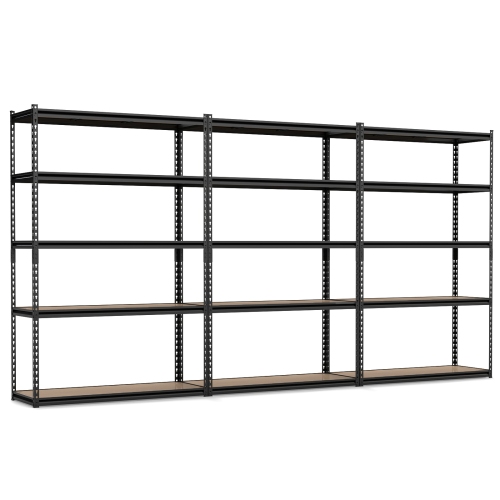
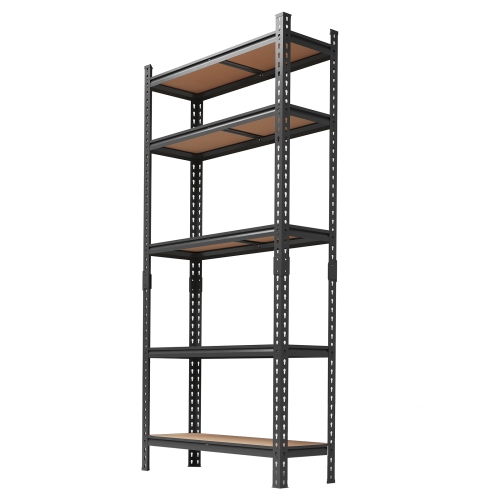
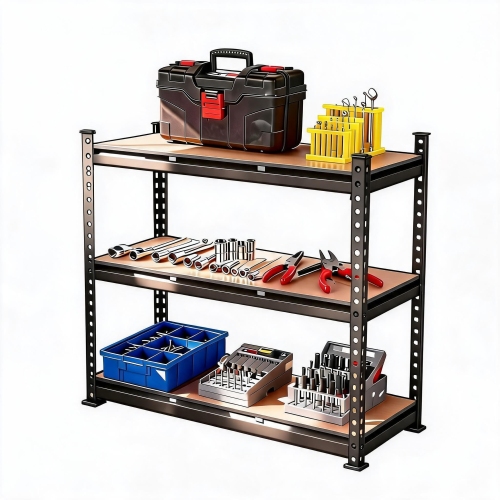
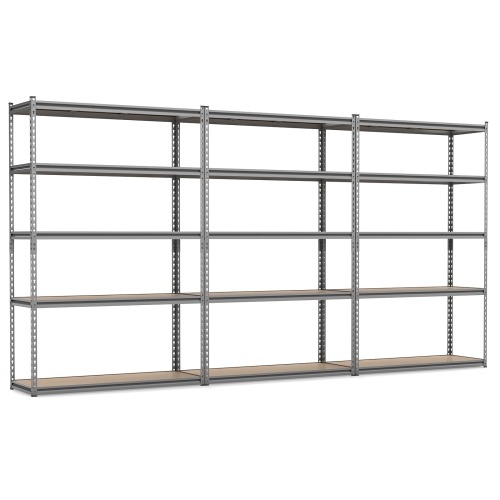
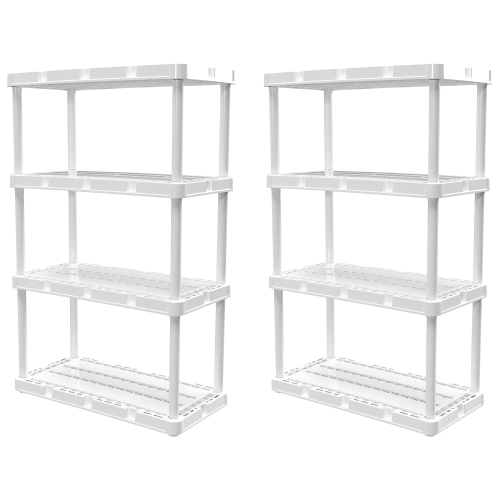
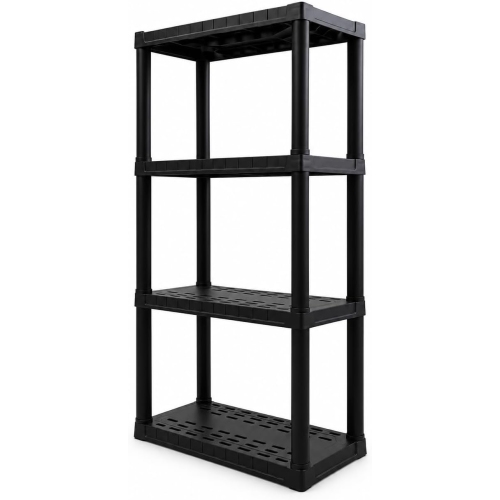
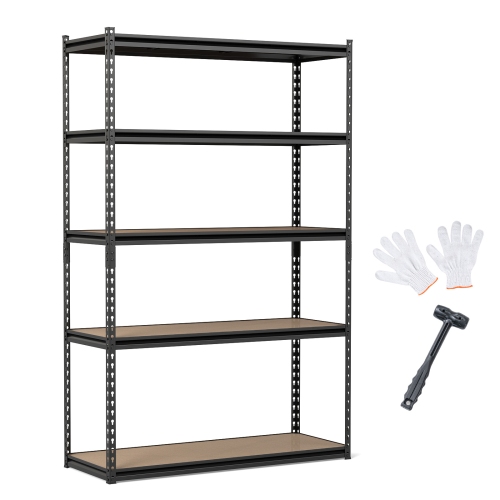
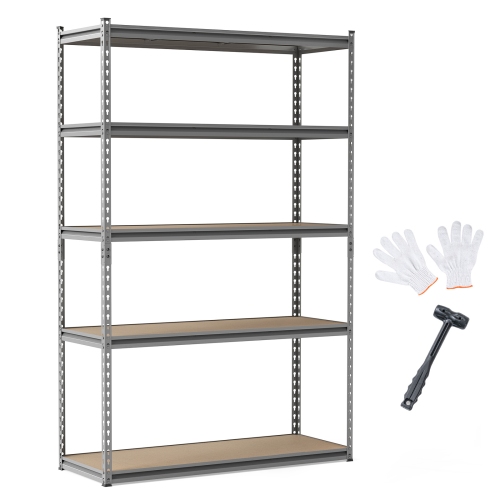
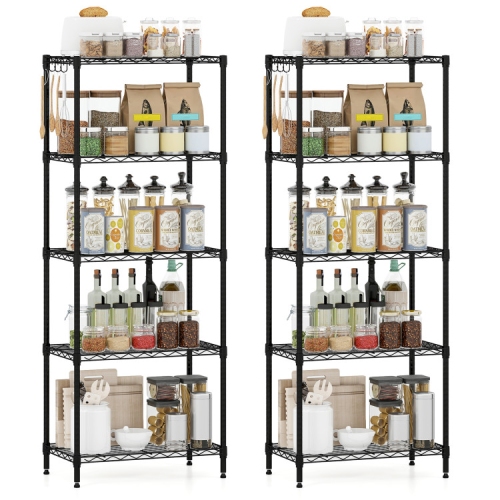
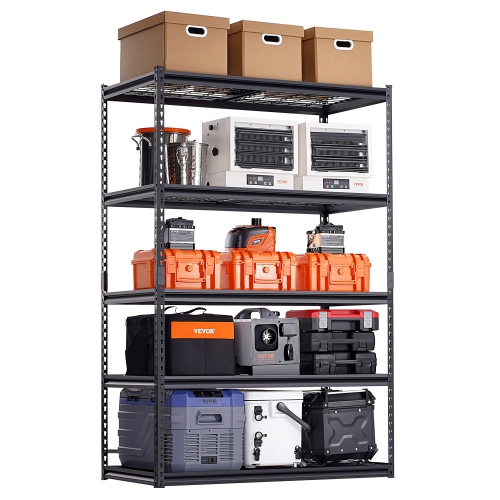
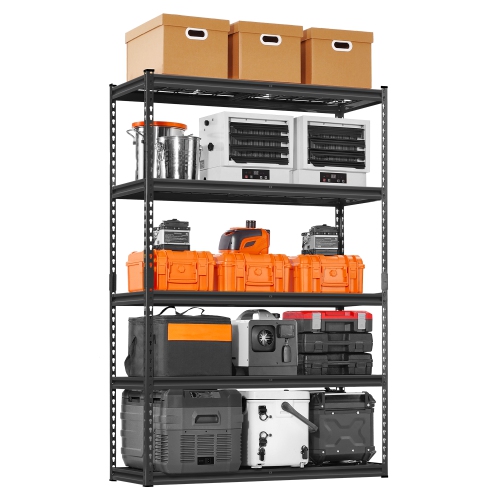
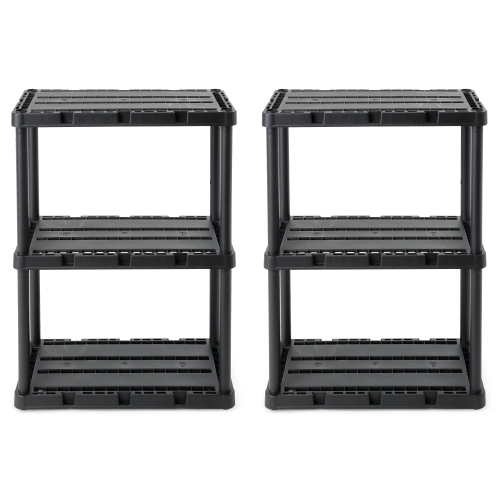
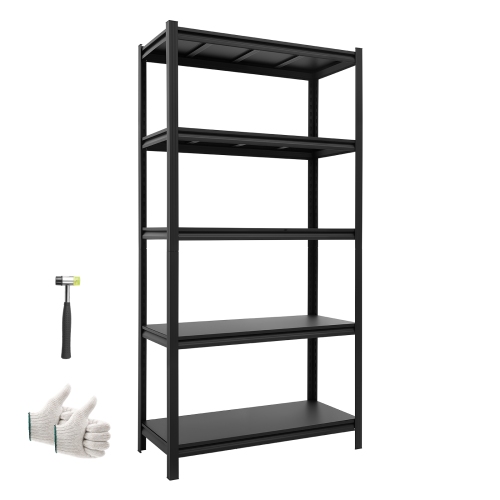
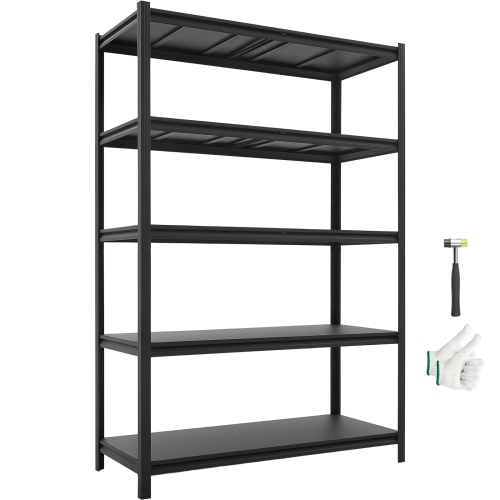
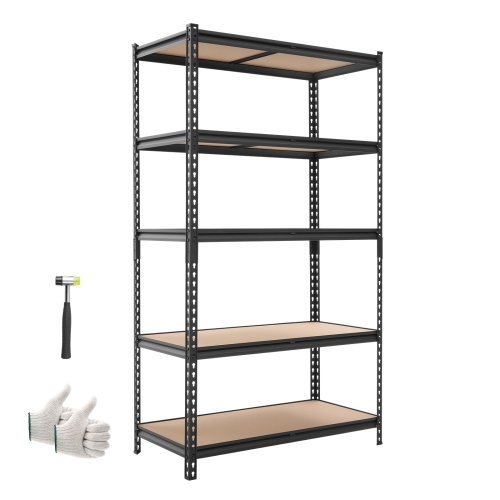
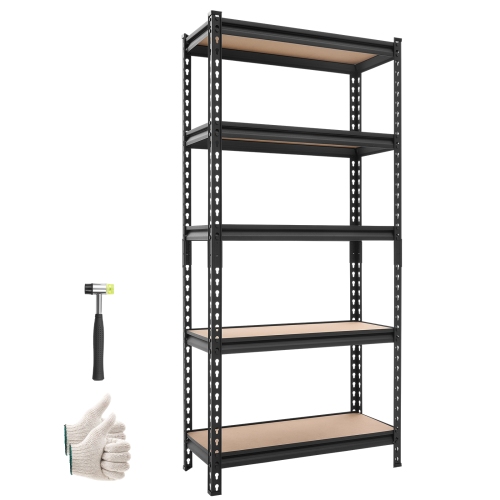
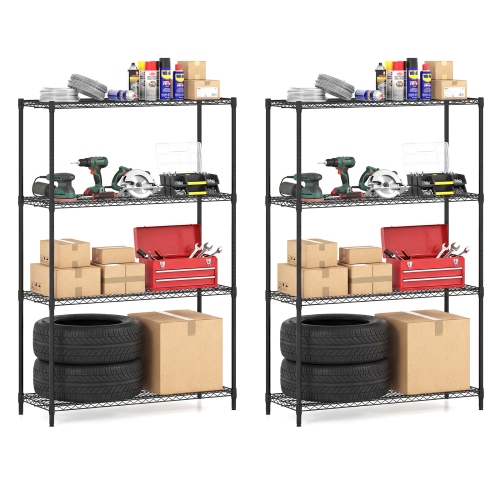
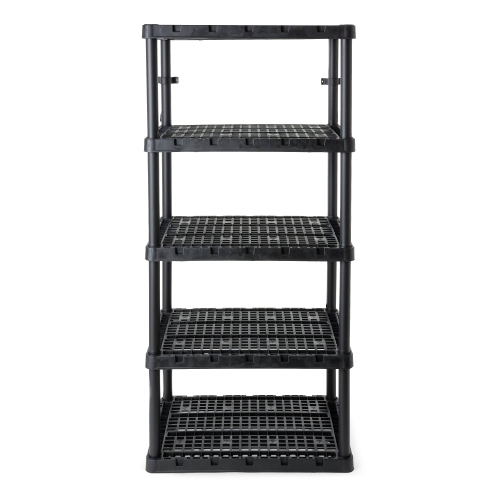
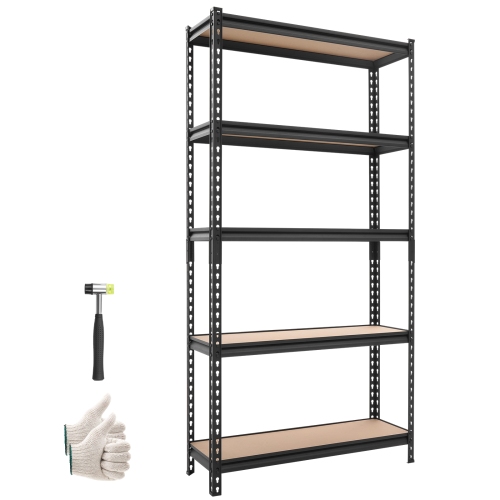
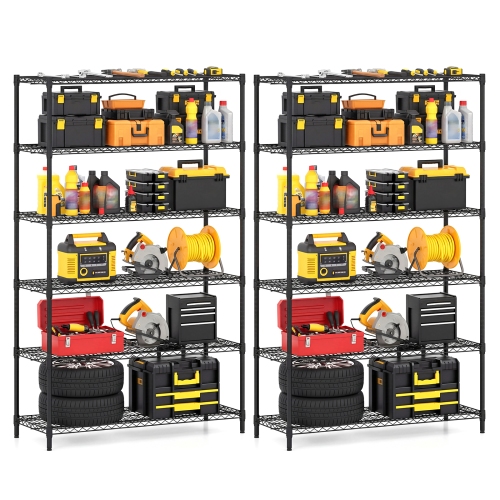
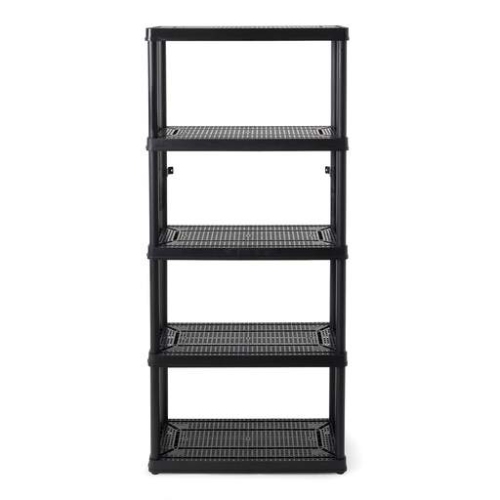
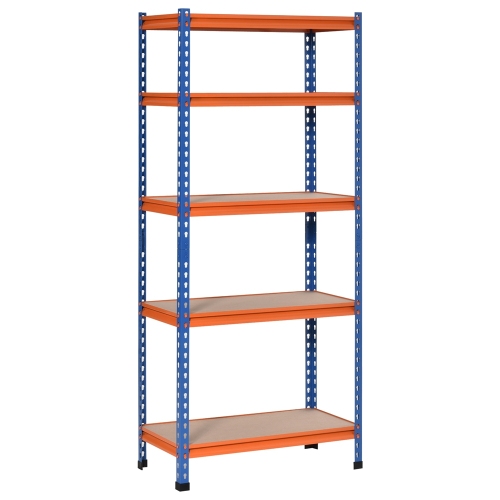
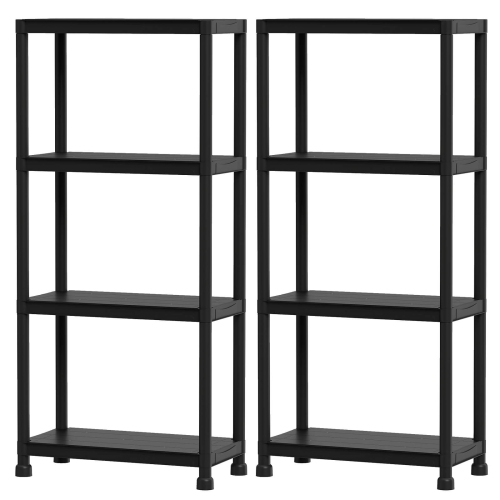
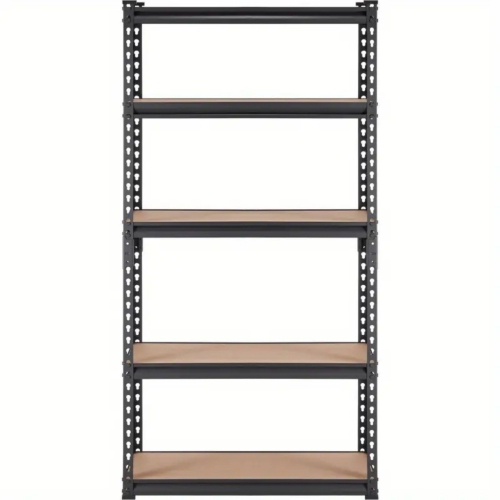
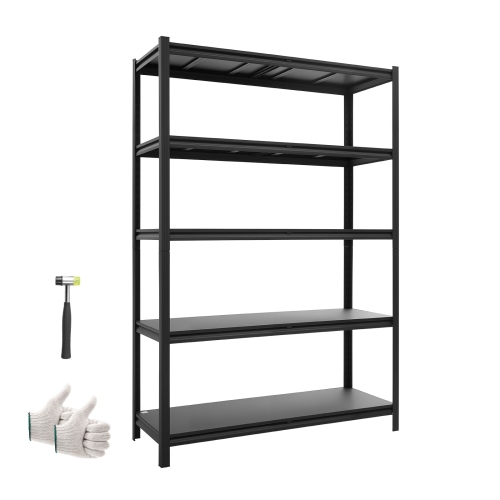
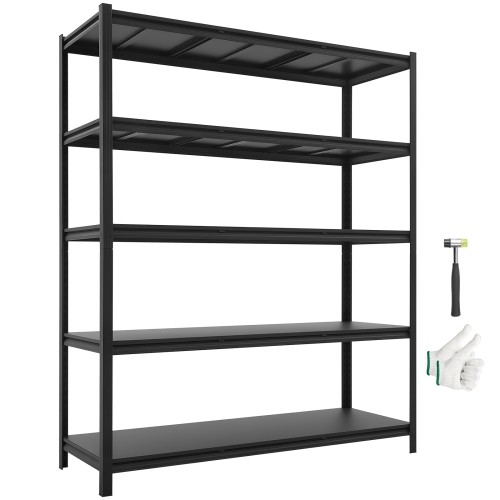
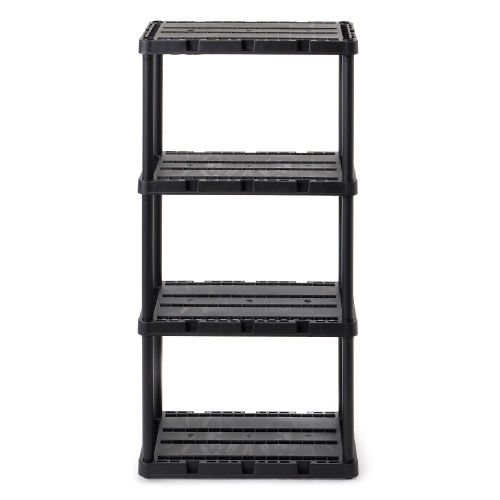
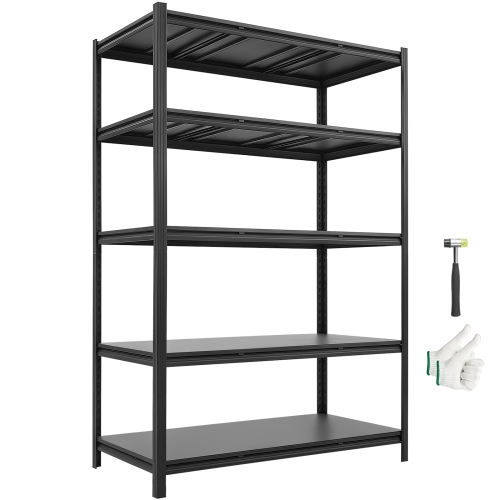
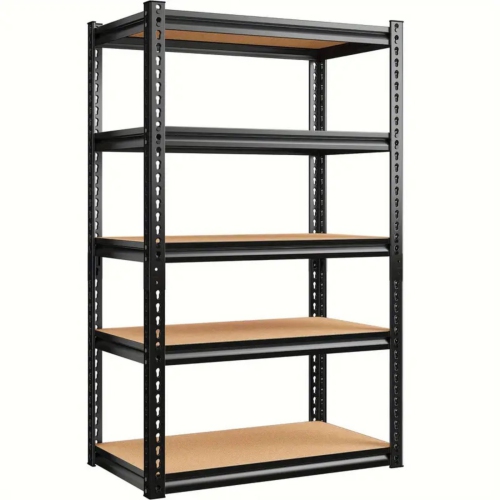
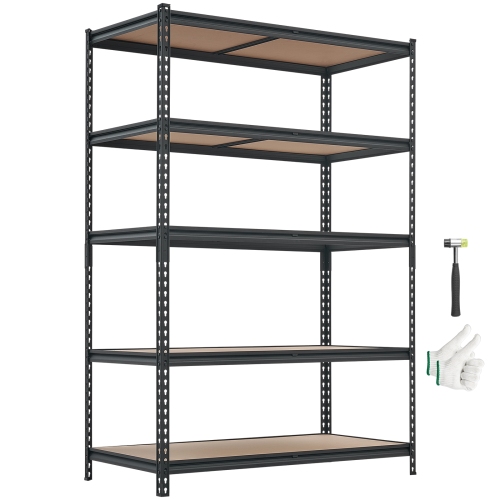
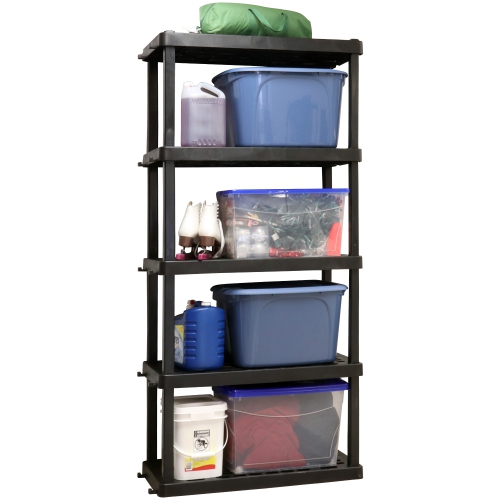
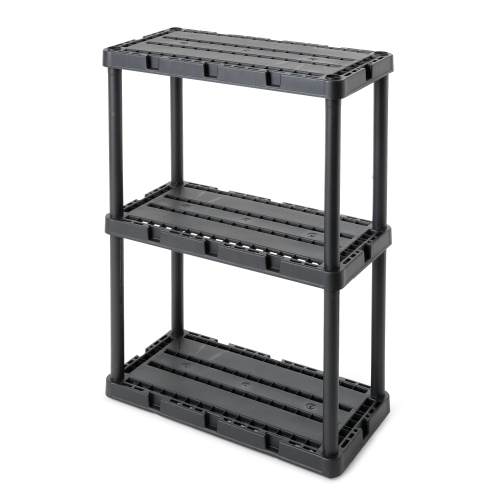
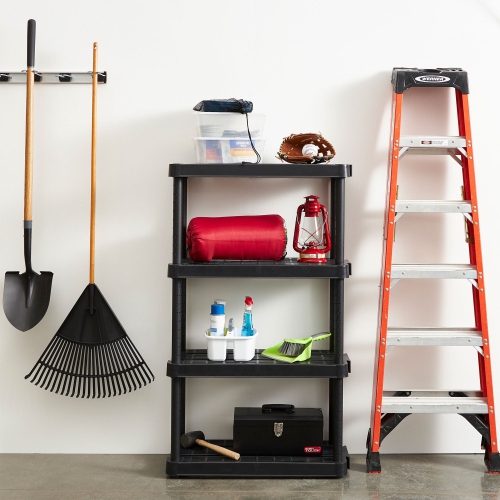
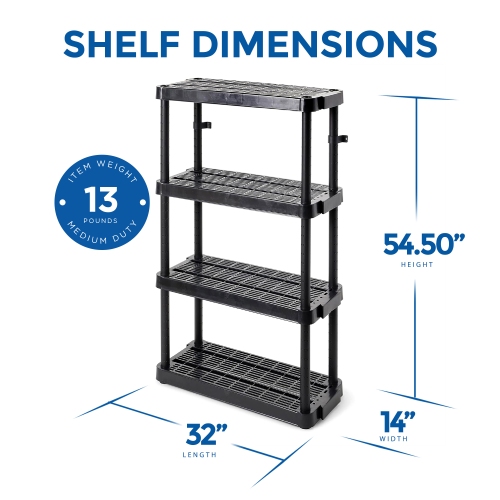
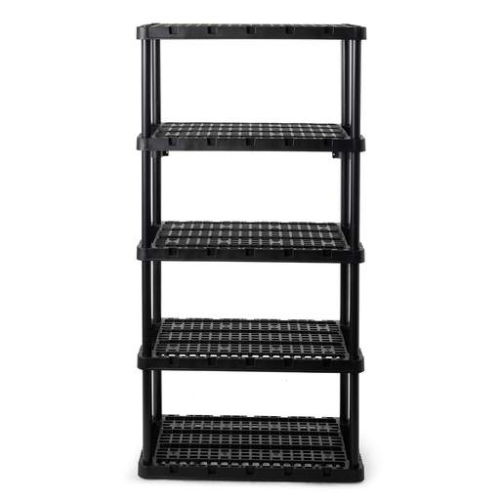
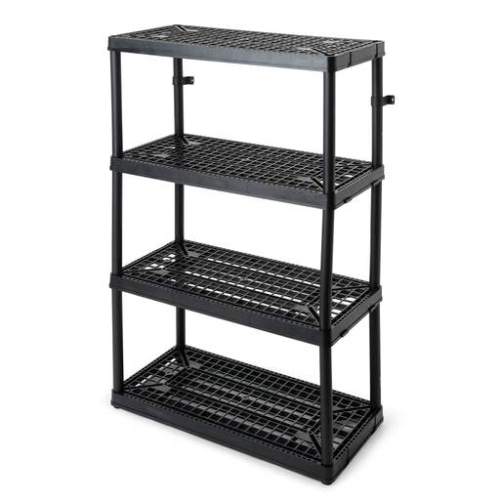
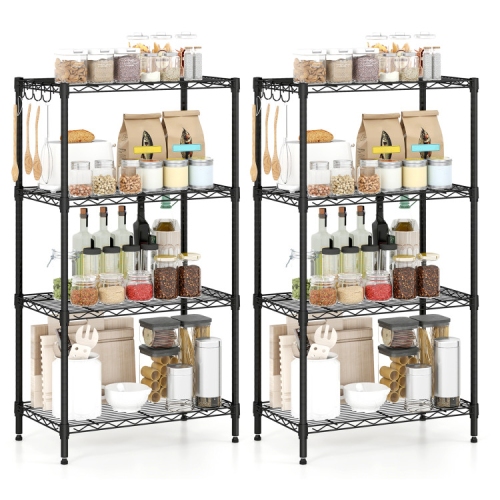
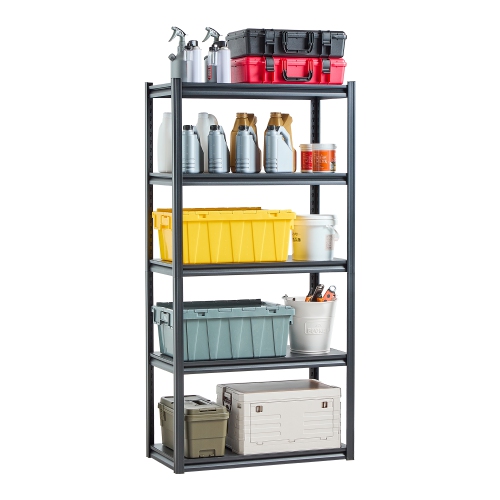
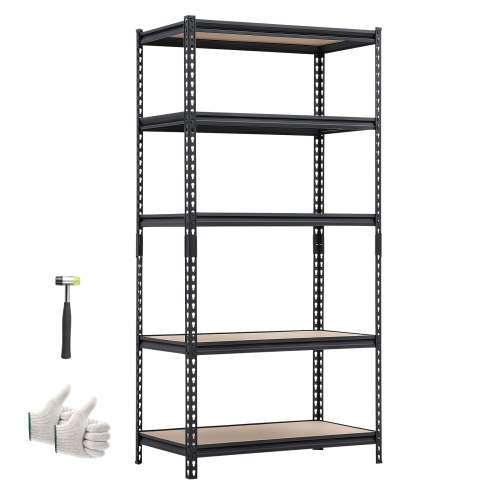
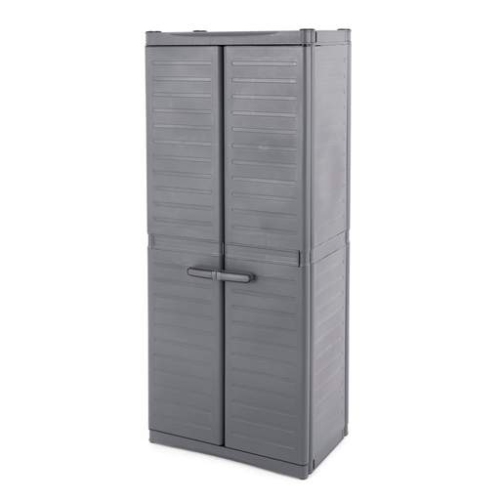
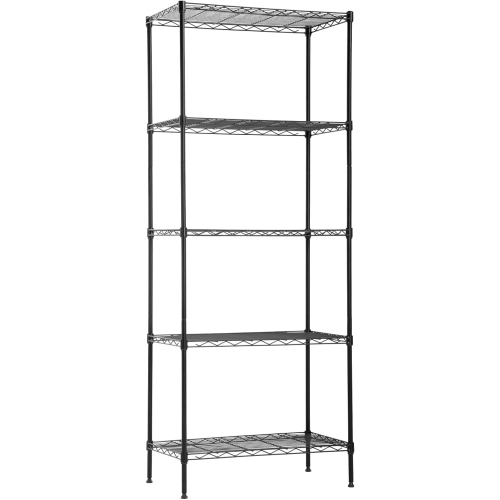
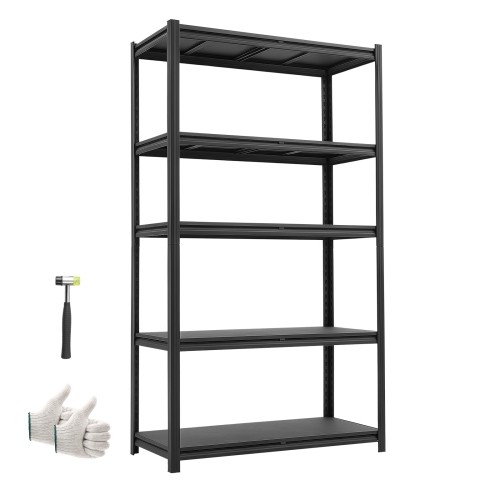
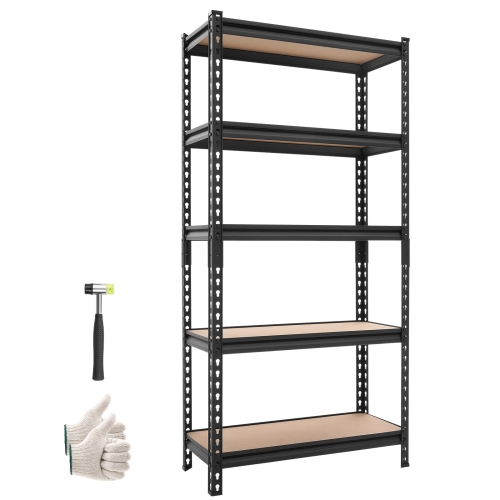
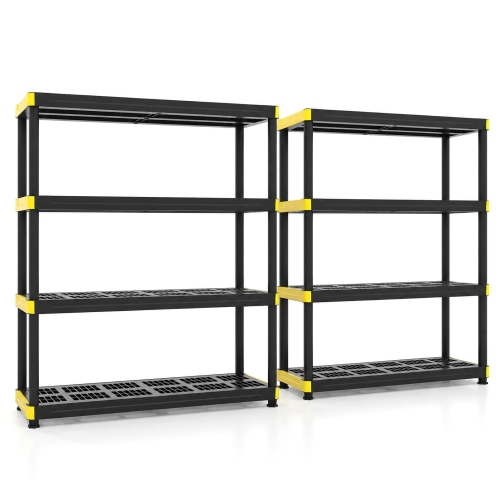
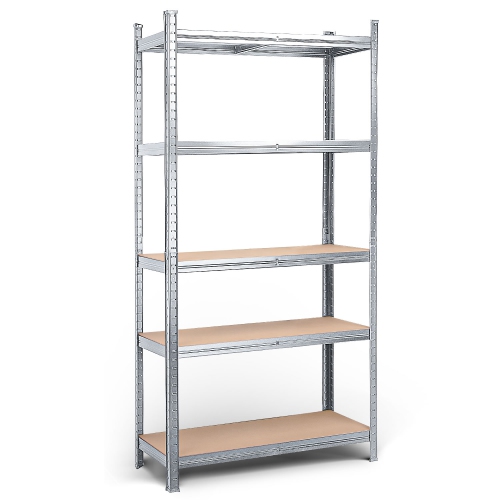
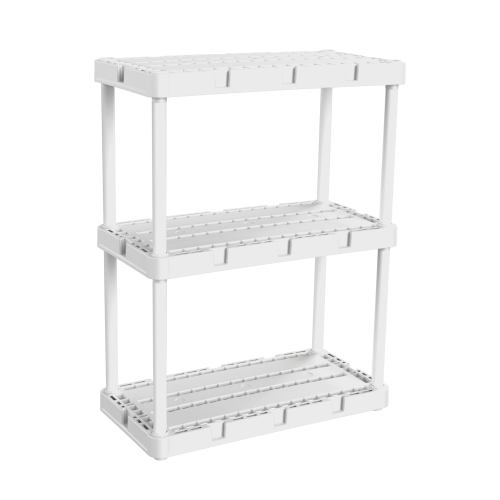
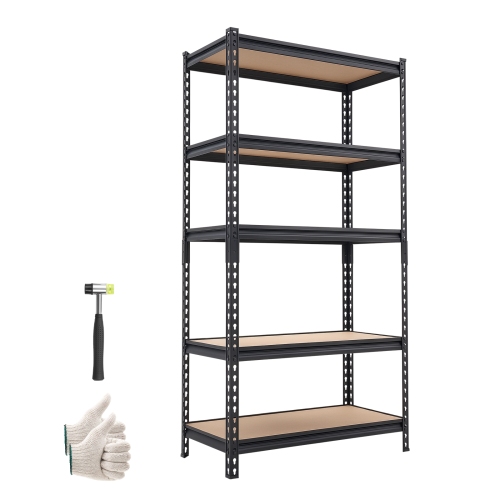
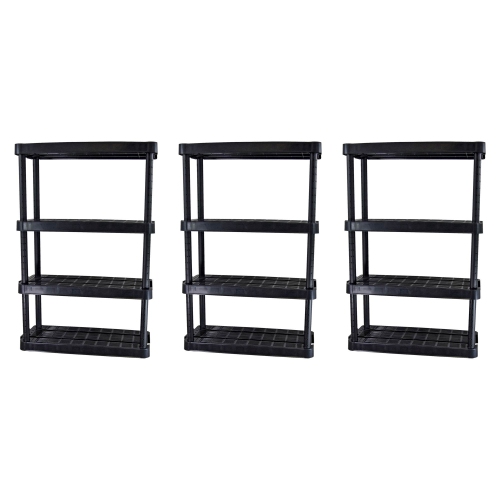
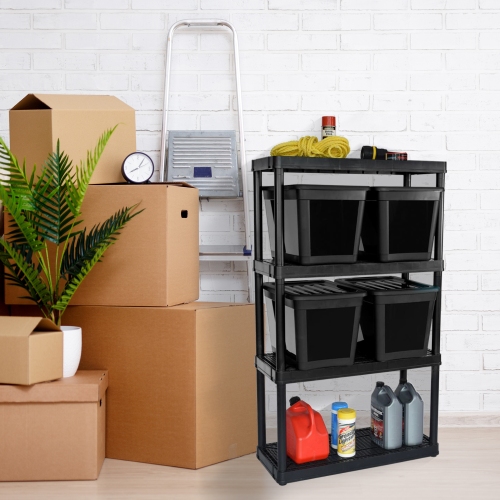
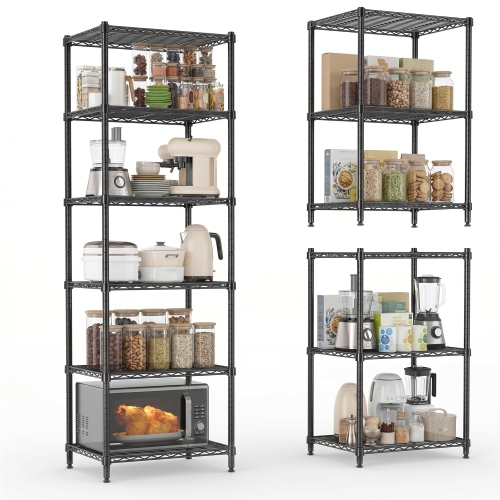
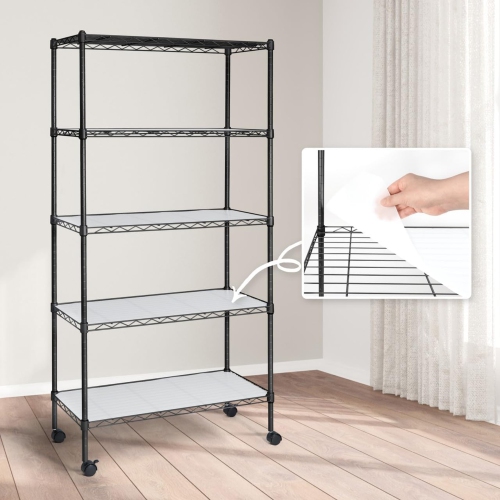
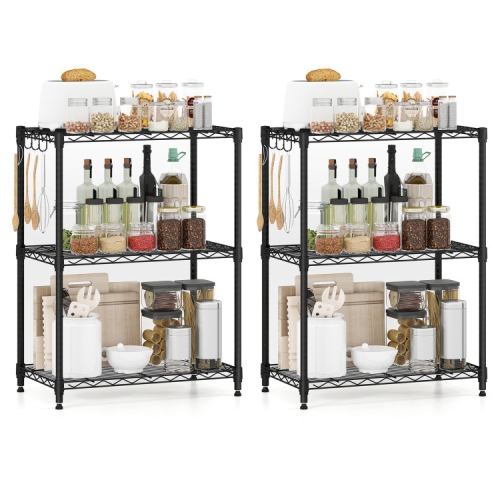
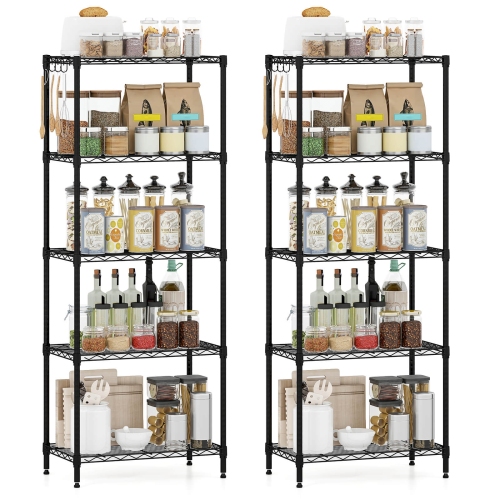
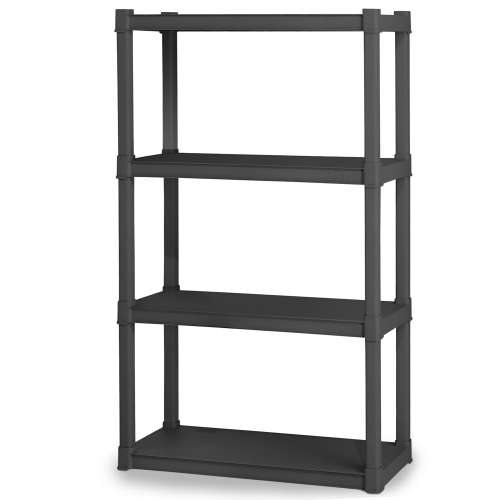
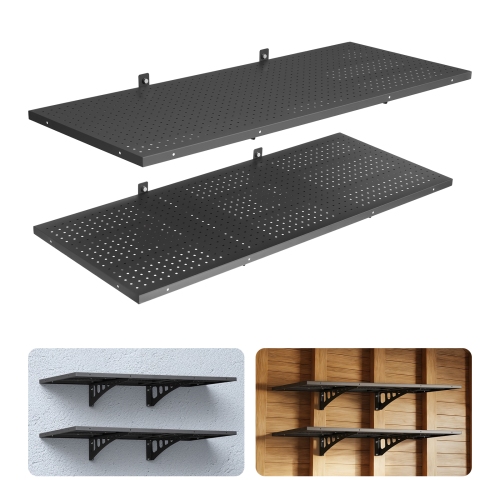
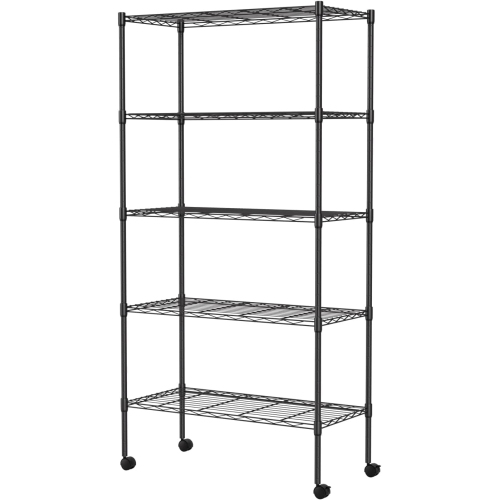
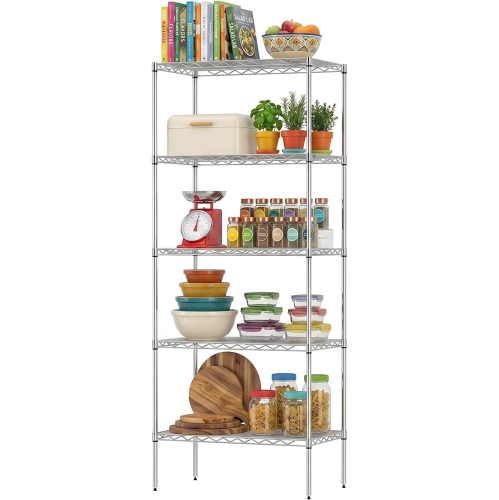
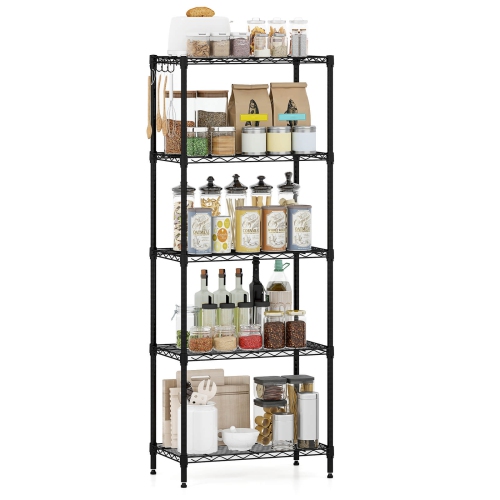
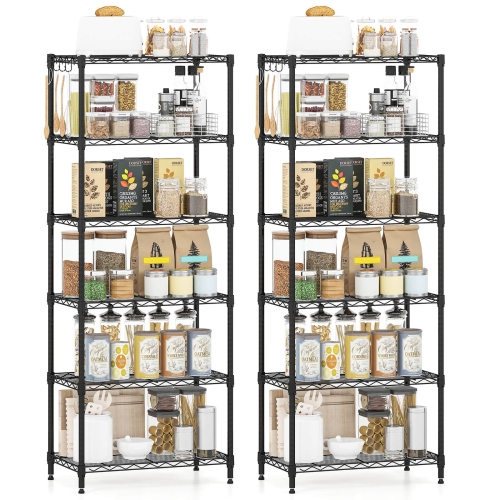
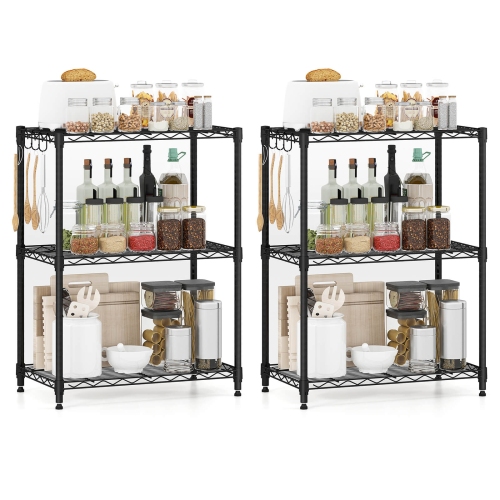
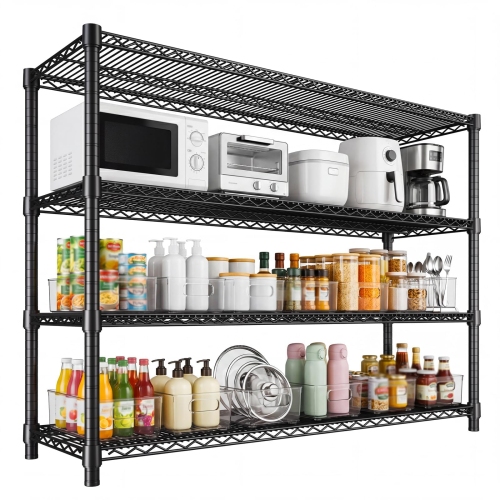
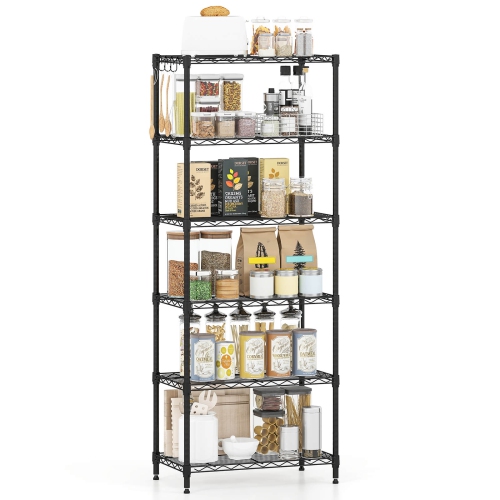
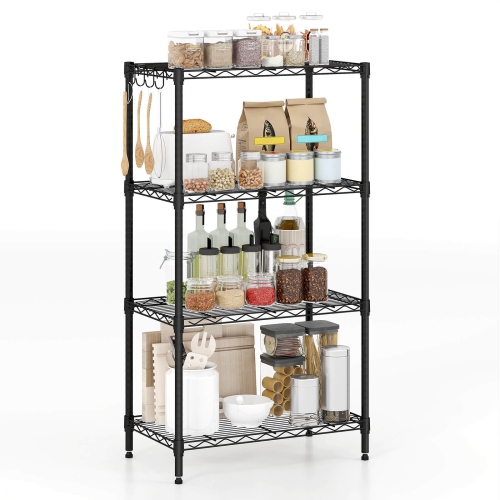
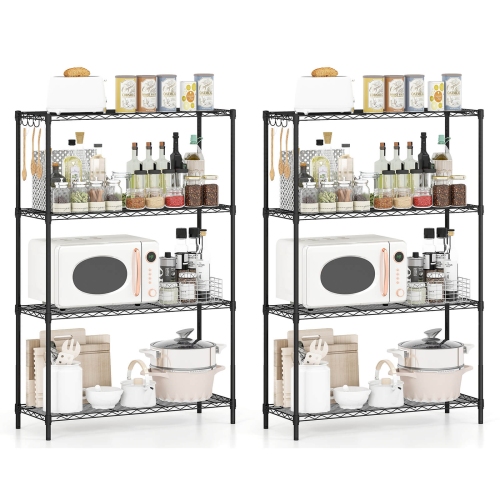
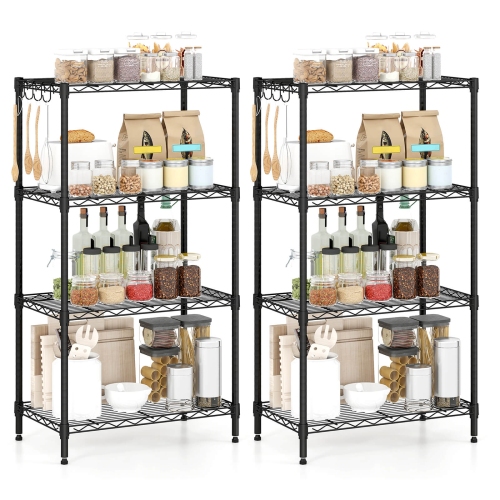
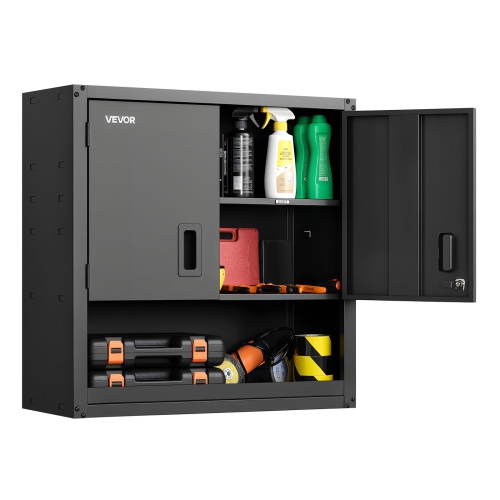
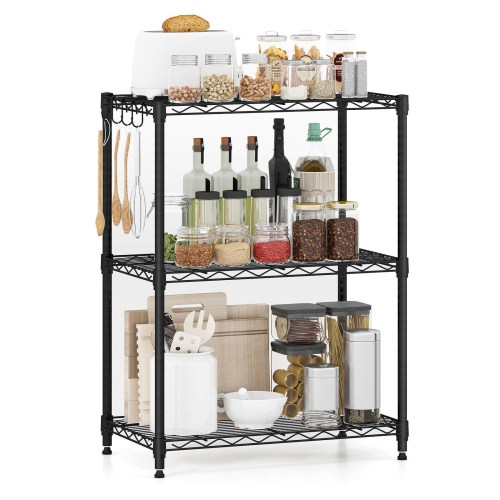
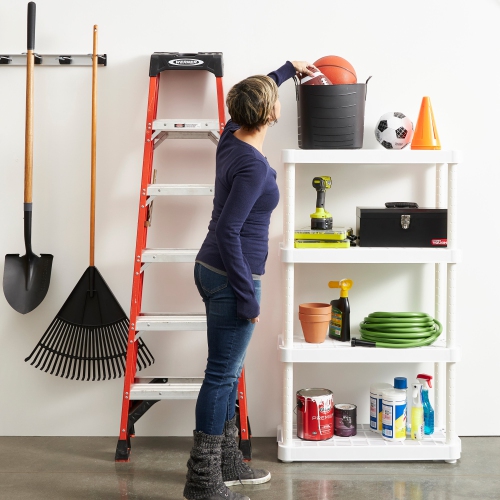
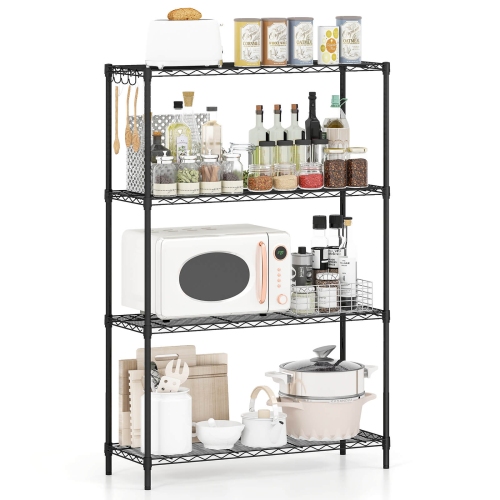
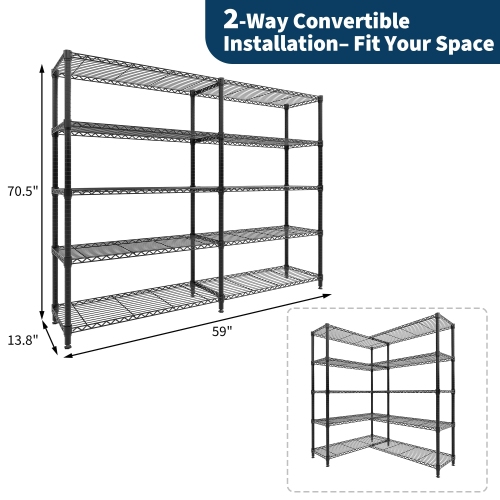
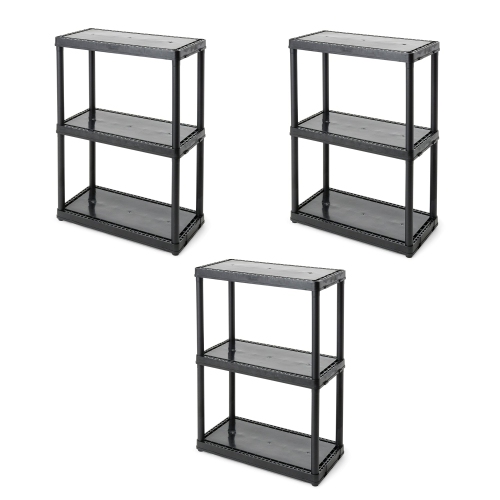
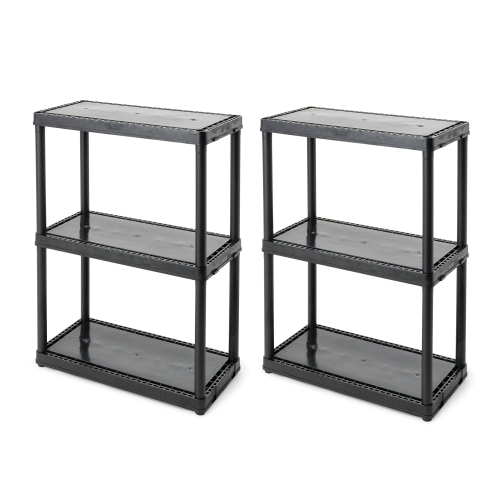
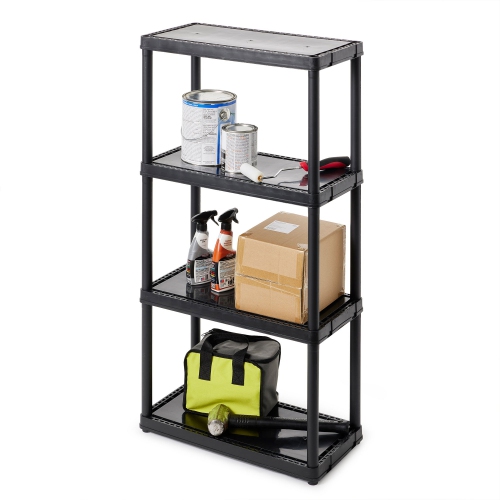
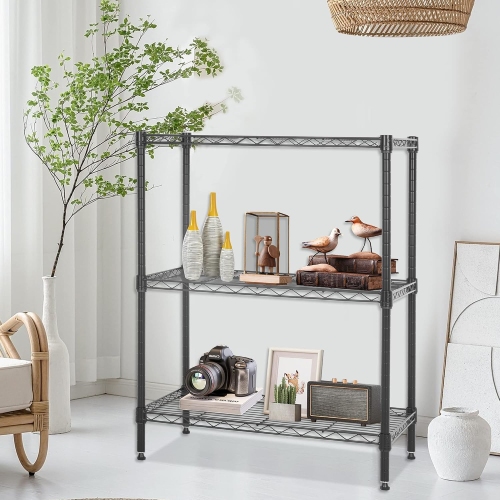
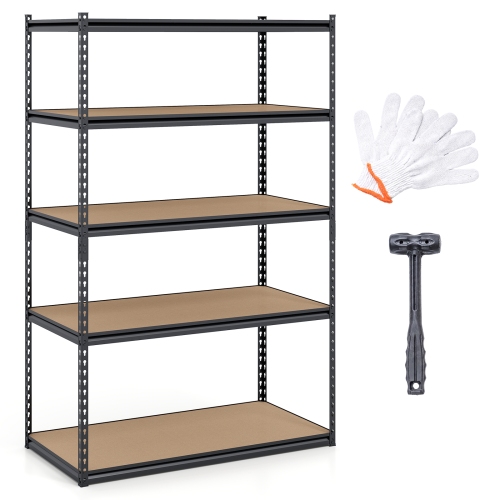
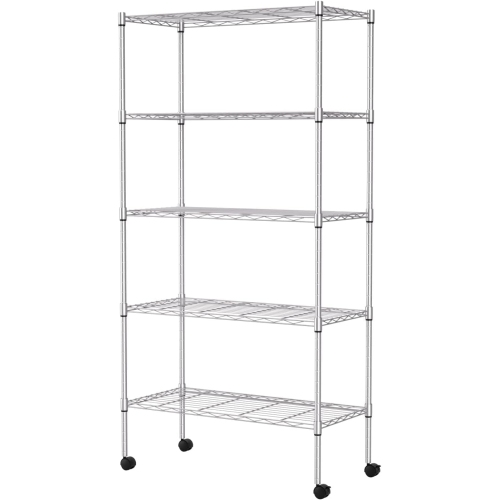
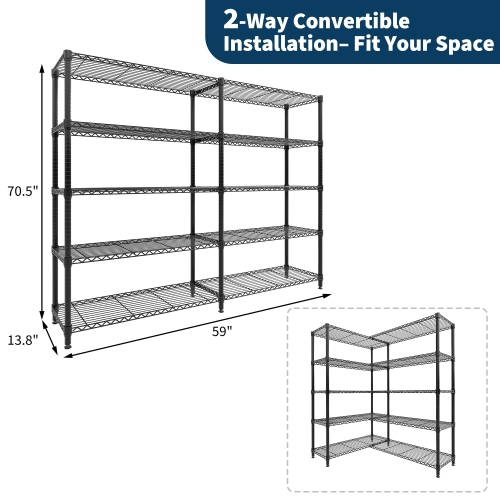
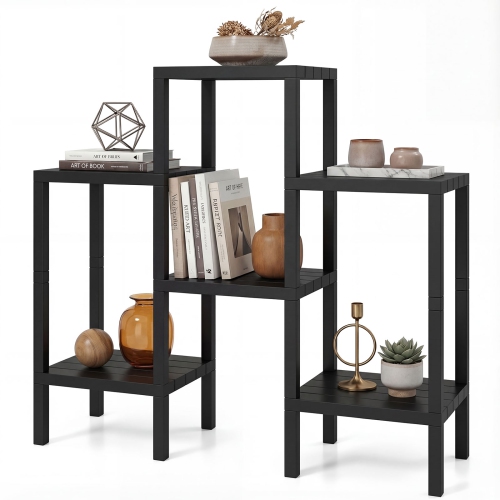
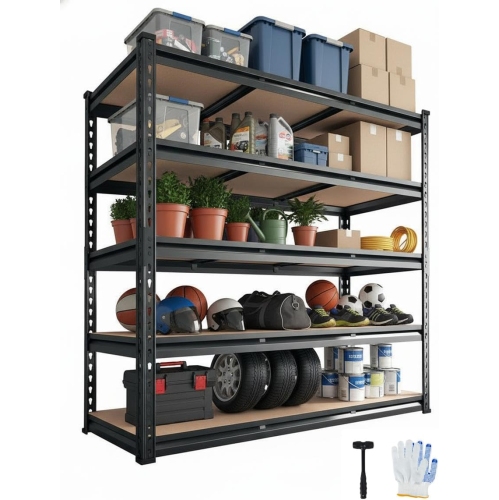
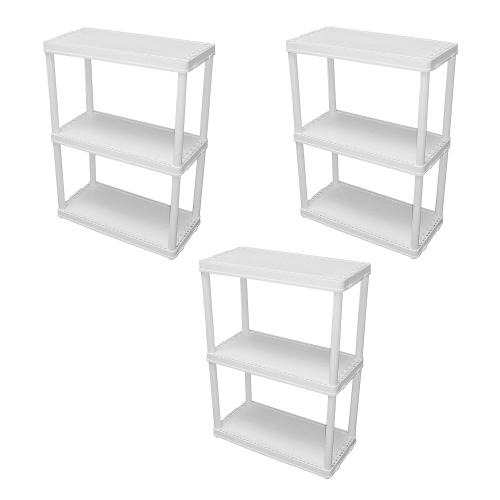
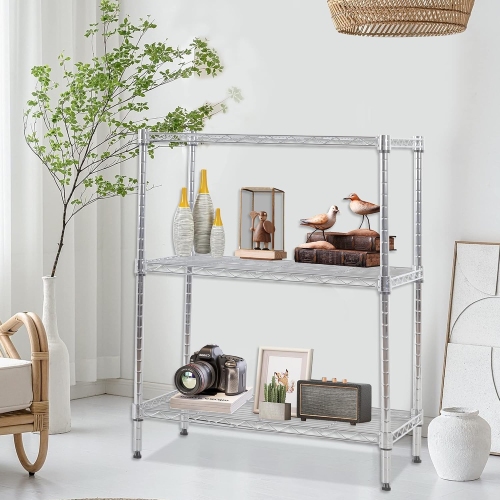
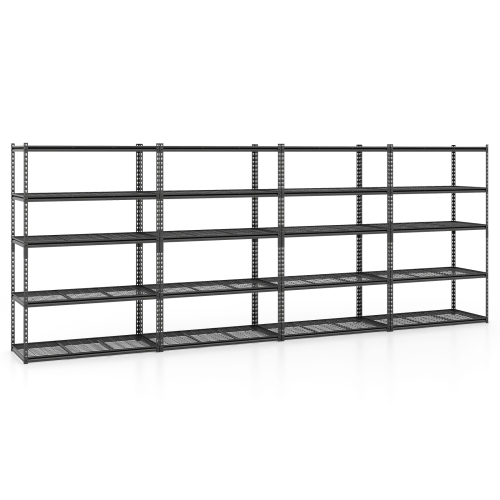
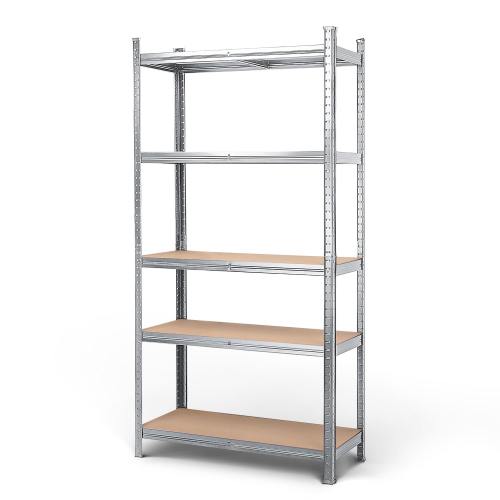
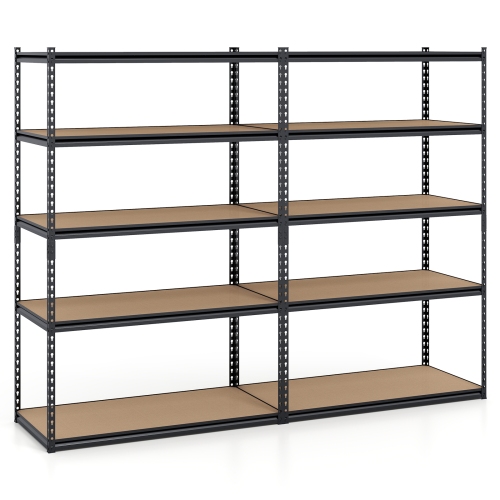
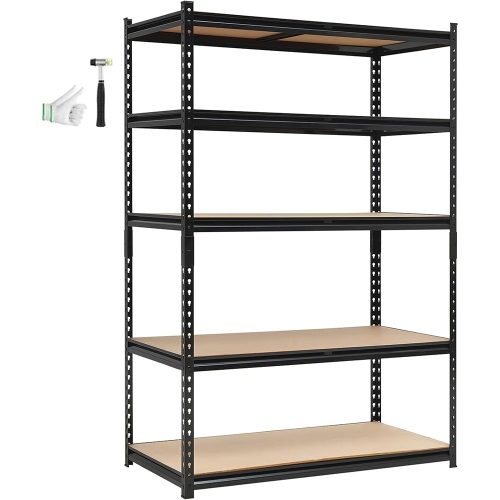
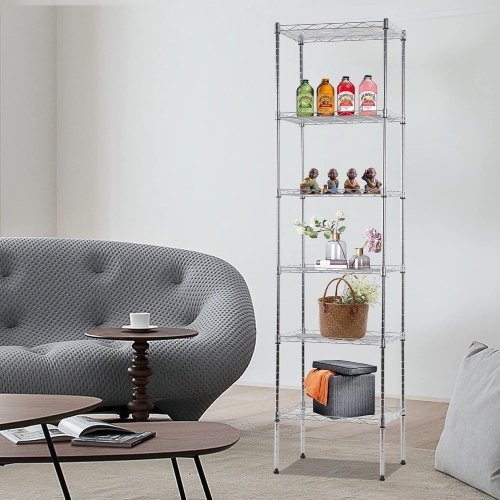
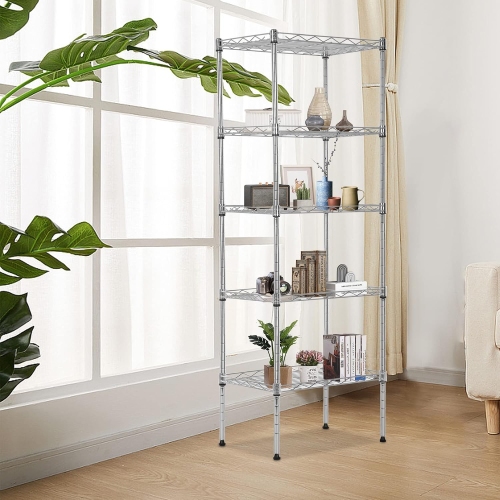
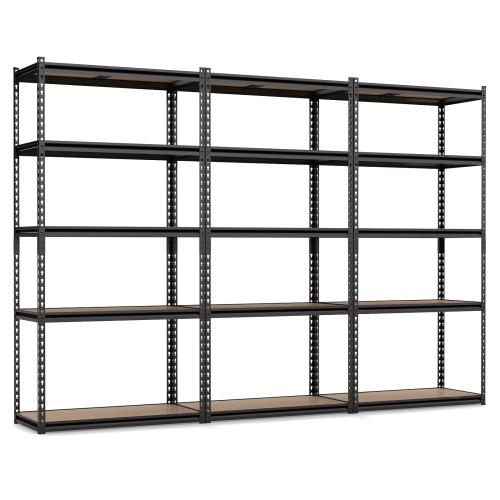
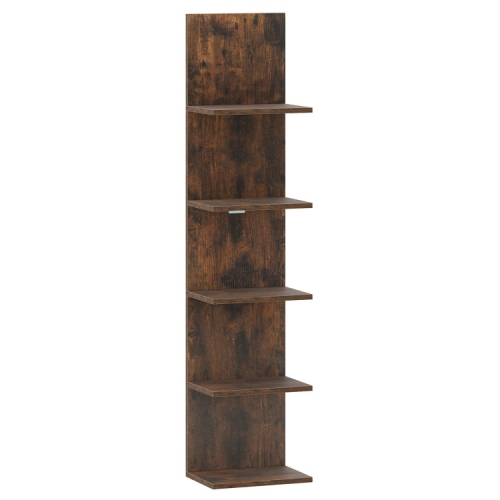
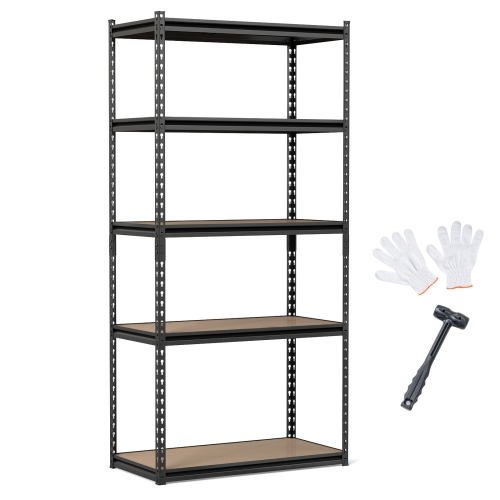
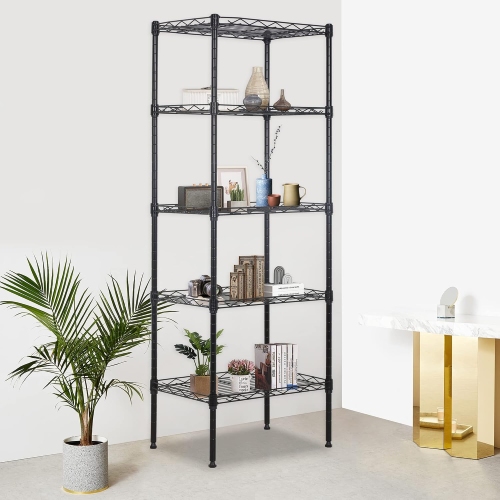
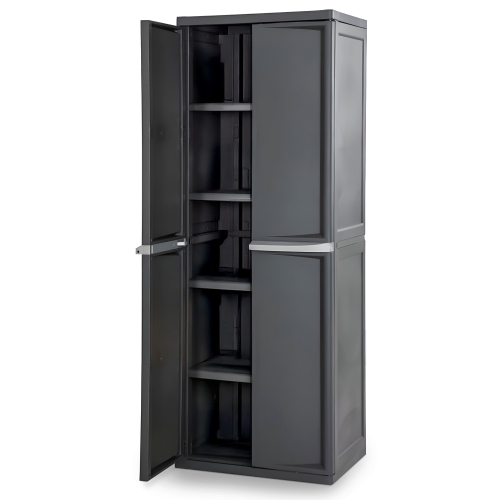
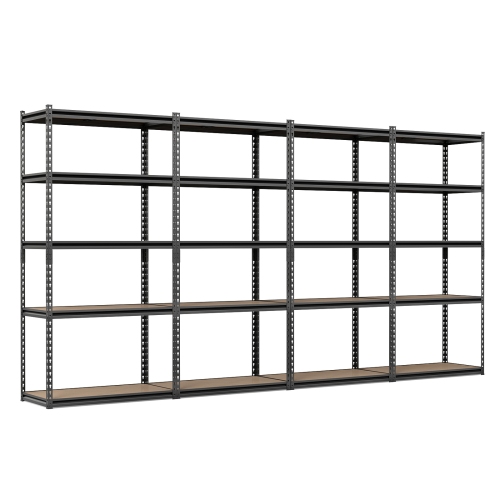
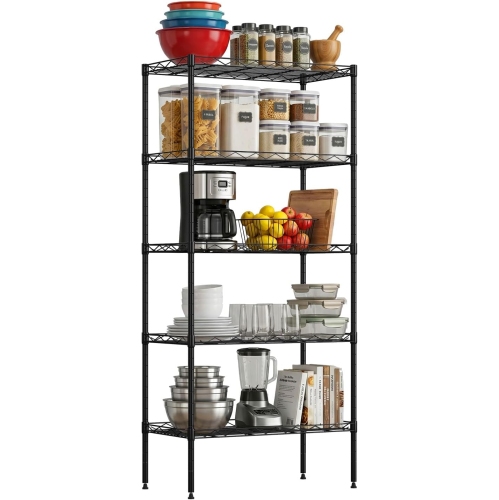
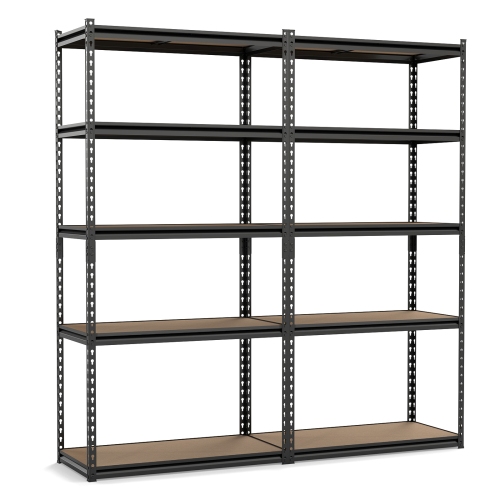
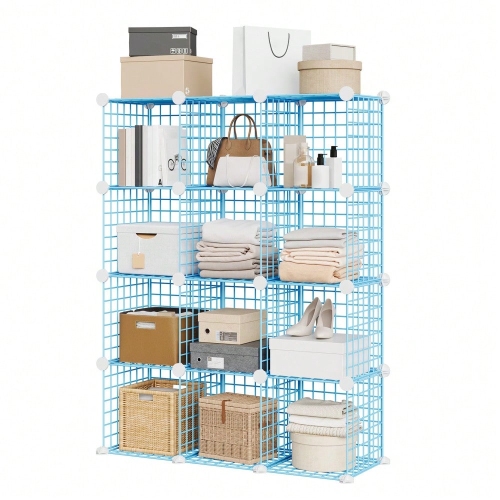
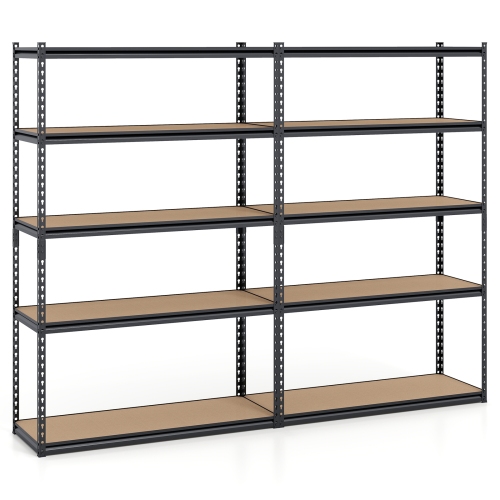
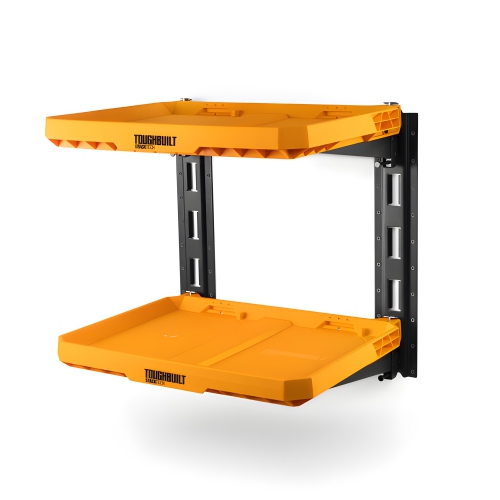
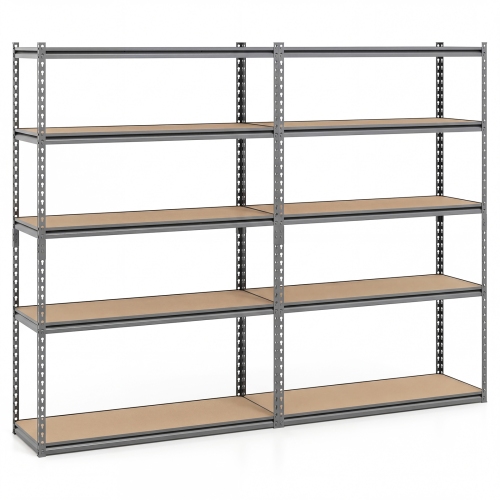
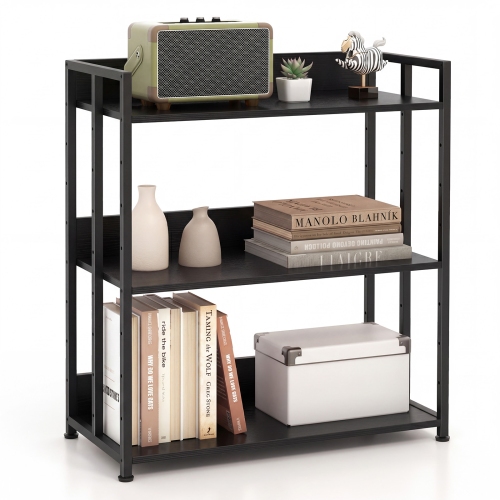
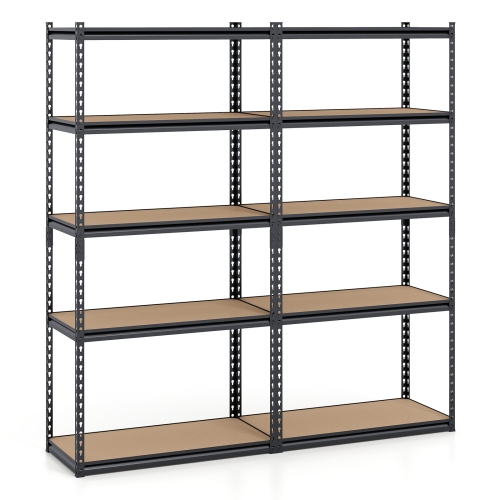
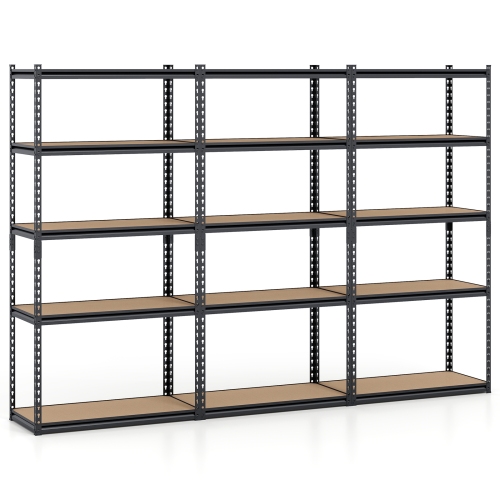
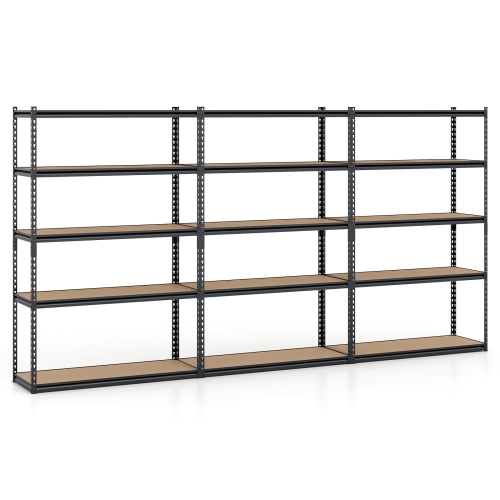
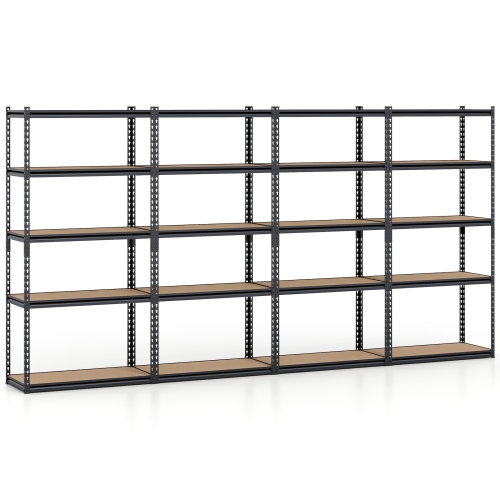
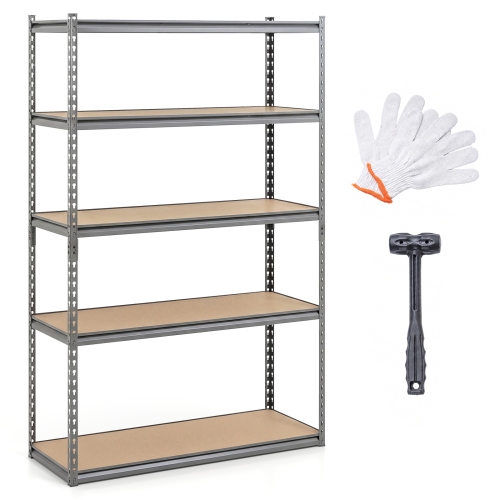
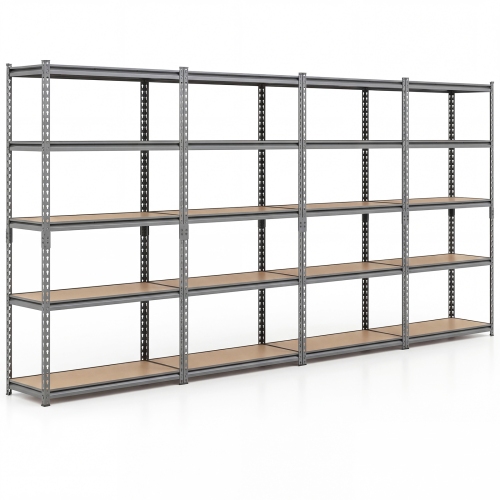
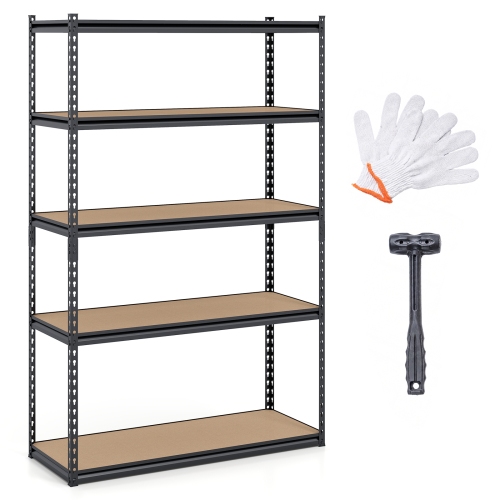
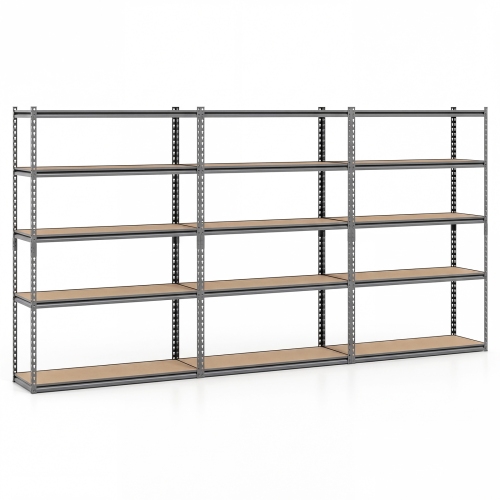
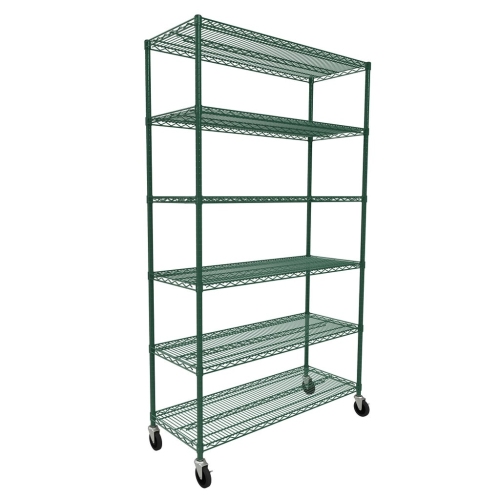
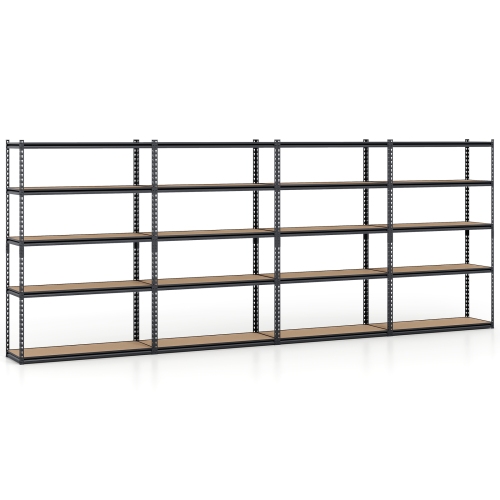
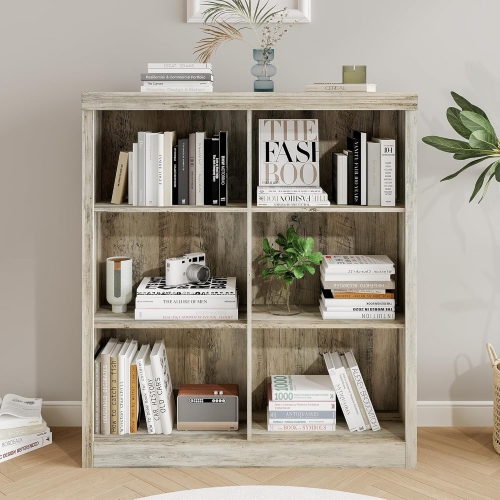
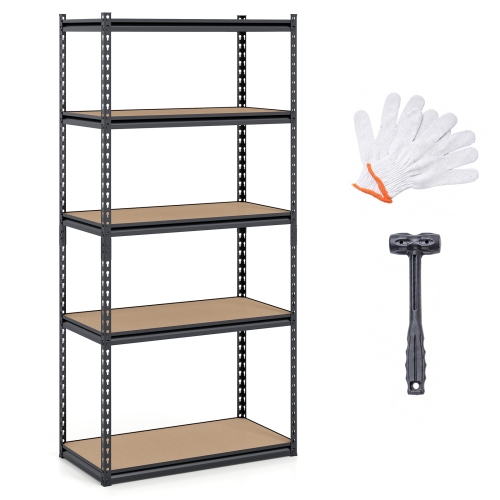
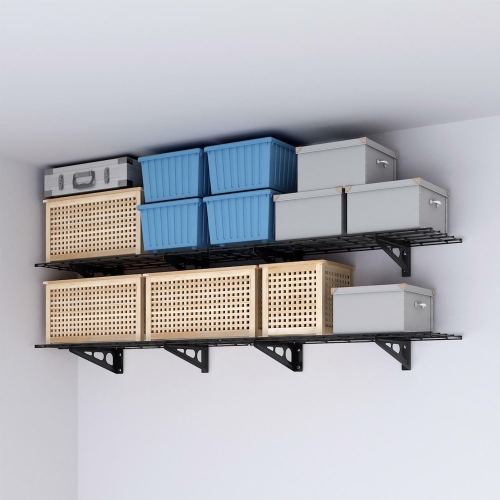
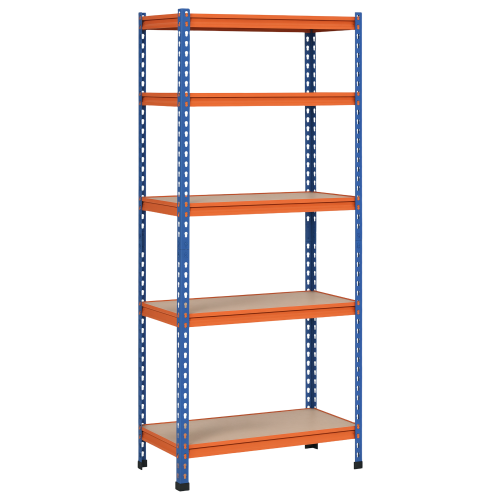
Basement storage shelves help turn an underused utility area into an orderly place for everyday belongings, seasonal items, household supplies, tools, sports equipment, and more. Instead of stacking boxes in uneven piles along the wall, shelving creates clear levels that make it easier to see what you have and reach it without moving several containers first. The right setup can be useful in a finished basement with a recreation area, a laundry room, a workshop, or an unfinished storage space with exposed pipes and concrete floors. When choosing shelves, start by considering the conditions in the room and the weight of the items you plan to store. Steel shelving is often a practical choice for heavier bins, hand tools, paint supplies, small appliances, and automotive accessories, while treated plastic or resin shelving can be useful in areas where moisture, splashes, or occasional condensation are concerns. Check the stated weight capacity for each shelf and consider whether that capacity applies evenly across the surface or to a specific point. A shelf intended for lightweight linens may not be suitable for dense boxes of books, ceramic dishes, or power tools. Adjustable shelf heights can make the unit more versatile, allowing room for tall storage totes on one level and smaller containers, folded blankets, or cleaning supplies on another. A boltless or tool-free assembly style may also be helpful when you are organizing a basement in stages, particularly if the layout changes as you sort through stored belongings. Look for stable frames, reinforced shelves, level feet, and finishes designed for utility spaces. Untreated wood, particle board, and MDF can absorb moisture in a damp basement, which may lead to swelling, warping, stains, or an unpleasant musty odour. If wood-look styling matters in a finished room, consider how the material is sealed and whether it is suited to the humidity level where the shelves will be placed.
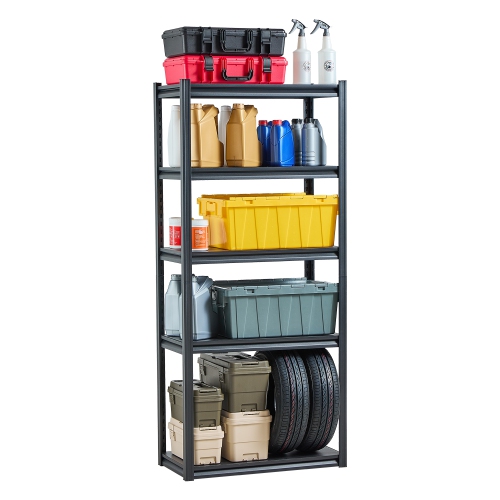
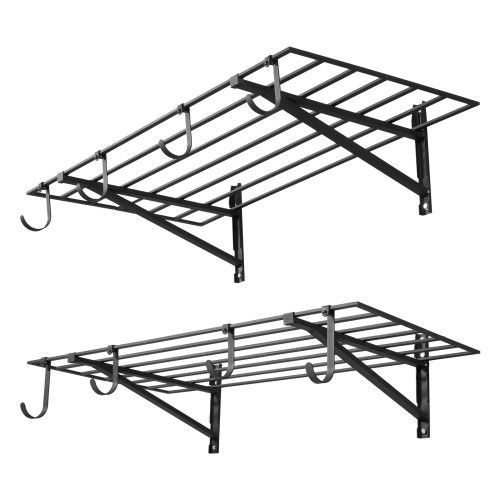
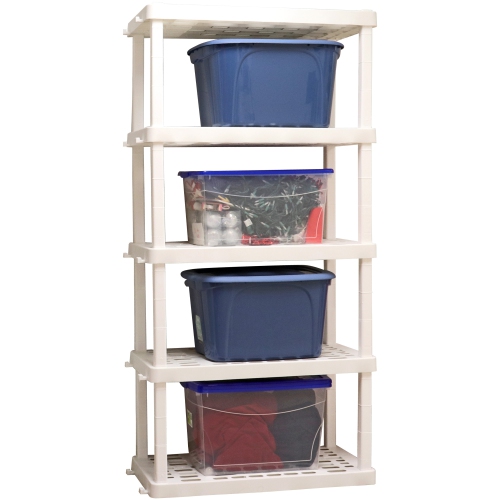
Basement conditions can change throughout the year, so sensible placement and storage habits matter just as much as the shelf material. Keep the lowest shelf raised roughly 4 to 8 inches off the floor whenever possible. This extra clearance helps protect stored belongings from minor pooling, damp concrete, dust, and the occasional spill, while also making it easier to sweep or vacuum underneath the unit. Avoid placing shelving directly beneath plumbing connections, sump equipment, windows, or other areas where drips may occur. In a space that feels cool and damp, a dehumidifier and good air circulation can help reduce moisture around both the shelving and its contents. Leave a small gap between the unit and the wall where practical, and avoid packing boxes so tightly that air cannot move around them. Plastic storage bins with secure lids are generally more suitable than cardboard for items that will remain in the basement through the cooler months, especially clothing, decorations, documents, children’s keepsakes, and linens. Use clear containers or simple labels so that a stored item can be identified without opening every box. Heavier containers should sit on the lower shelves, with lighter belongings placed higher up to improve stability and make lifting safer. Tall shelving should be positioned on a level surface and secured according to the manufacturer’s instructions; anchoring it to a suitable wall stud or masonry surface can help prevent tipping, particularly in homes with children, pets, or frequent basement activity. Keep shelves away from furnace clearances, electrical panels, water shut-off valves, and access points that need to remain unobstructed. A little planning can make a significant difference: leave enough room to walk between units, measure doorways and stairwells before buying, and check the available ceiling height when selecting a tall rack. For rooms where floor space is limited, Wall Storage Shelves can provide another way to organize smaller items while keeping the floor clearer.
These storage solutions can suit a wide range of households and routines. A family may use them to keep sports gear, board games, craft materials, and outgrown children’s belongings together without letting the basement become difficult to navigate. Someone working from home may use a sturdy unit for paper supplies, office equipment, and archive boxes, while a hobbyist may need open shelving for fabric, model-building materials, hand tools, or equipment cases. In a laundry area, shelves can hold detergent, spare towels, baskets, and household cleaners at an easy-to-reach height, while a workshop may benefit from a combination of broad shelves and smaller sections for fasteners, cords, and accessories. Basement shelves can also be a thoughtful practical gift for a new homeowner, a family preparing to organize a move, or anyone setting up a workshop, laundry room, or dedicated storage area. Before purchasing, measure the intended footprint and compare it with the size of your bins, containers, and largest items. Consider whether you prefer open access for frequently used supplies or a more concealed arrangement with lidded totes and labelled boxes. A modular unit may make sense when storage needs are likely to grow, while a compact shelf can be a better fit beside a freezer, workbench, or laundry appliance. Pay attention to assembly requirements, shelf spacing, maximum load, finish, and whether levelling feet or wall-anchoring hardware are included. During the cooler months, when outdoor equipment, extra bedding, seasonal décor, and home maintenance supplies often move indoors, an organized shelving system keeps everything visible and off the floor. With durable materials, suitable clearance, sensible weight distribution, and a layout that matches the room, basement storage shelves can make a dark, crowded corner feel more usable and bring a reliable sense of order to the rest of the home.
Top selling and popular products
-
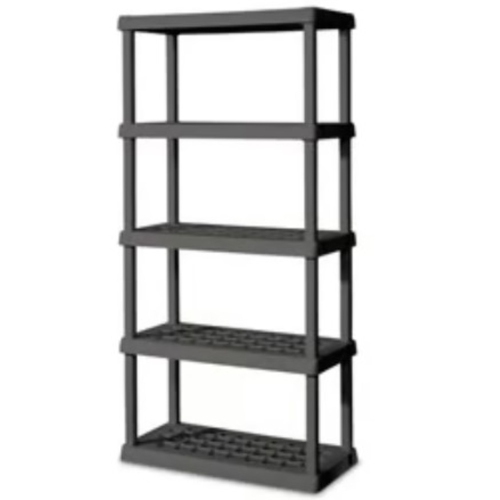 Your price for this item is $1274.99
-
 Your price for this item is $159.99
-
 Your price for this item is $341.99
-
 Your price for this item is $189.99
-
 Your price for this item is $274
-
 Your price for this item is $274
-
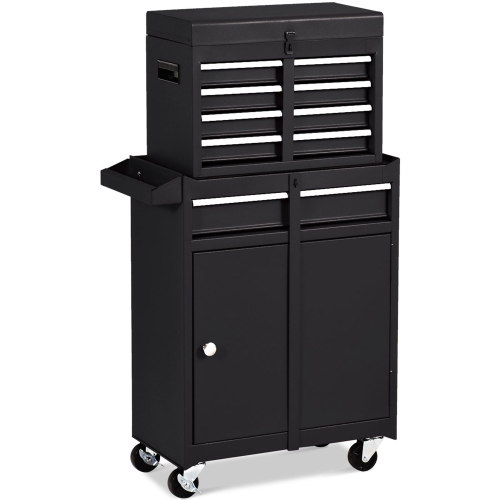 Your price for this item is $189.99
-
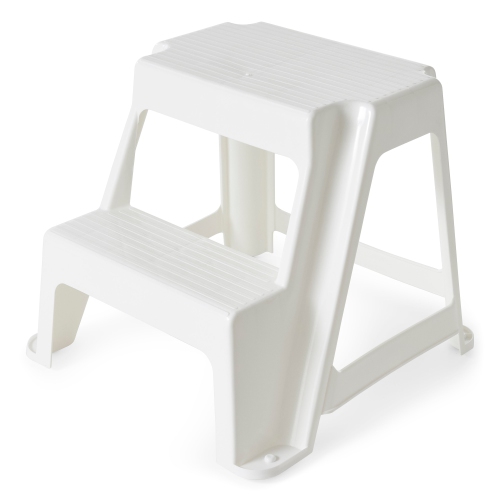 Your price for this item is $183.99
Discover more categories related to Basement Storage Shelves
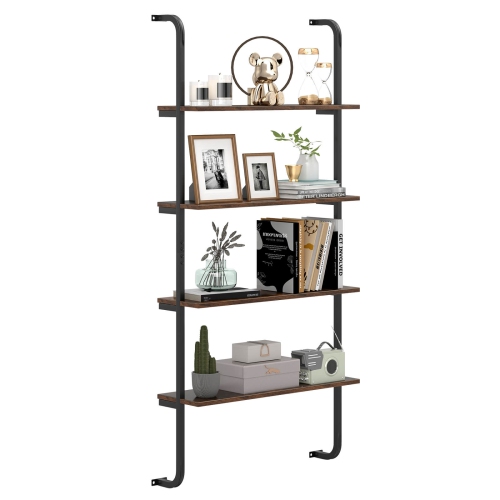
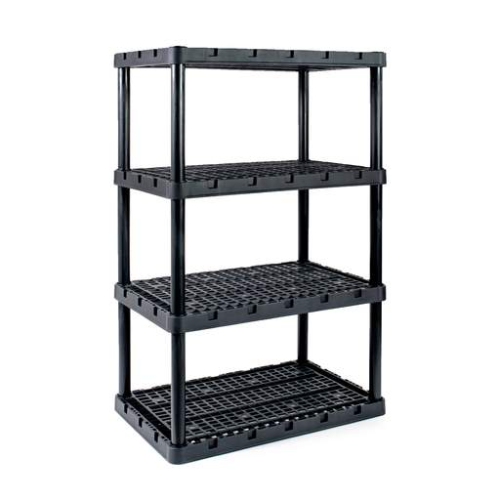
Top Collections:
Best Black Friday Deals This Year, Best Black Friday Deals On Electronics, Kindle Devices, Pokemon Centers, Best Black Friday Deals On Apple Products, Best Cameras for Sports Photography, Dyson Airwrap, Pokémon 30th Celebration Cards, Apple iPhone 17 Pro, Canon G7X Cameras
Some products may be subject to Environmental Handling Fees
(EHF) depending on your province.
Learn more about EHFs.