Bathroom Furniture Sets
Upgrade your bathroom with style and functionality by exploring our selection of bathroom furniture sets. From sleek modern designs to timeless classics, our collection offers a range of options to suit every taste and space. Whether you're looking to maximize storage, enhance organization, or simply refresh the look of your bathroom, our furniture sets are designed to meet your needs. Discover a variety of finishes, sizes, and configurations to create a cohesive and inviting atmosphere in your bathroom.
Sort

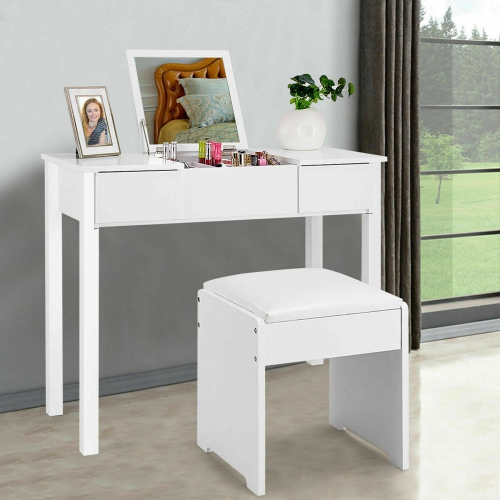


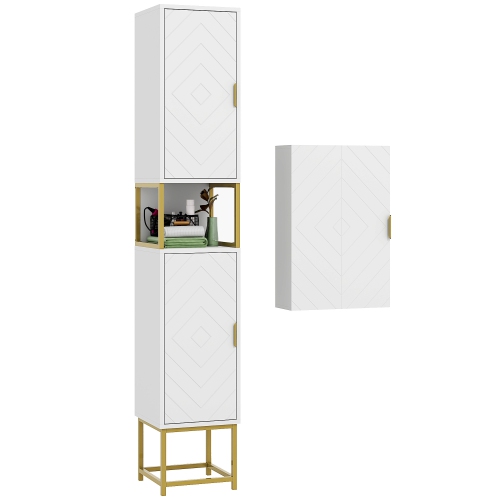


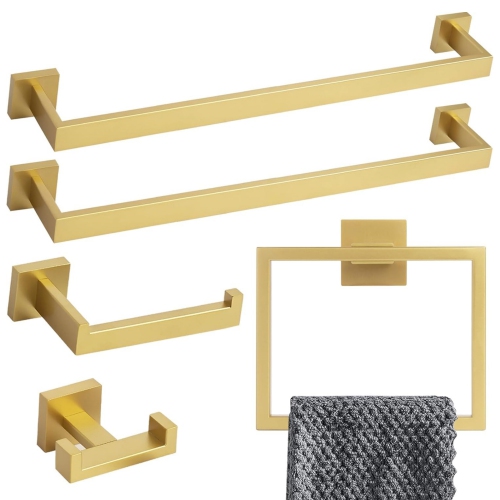


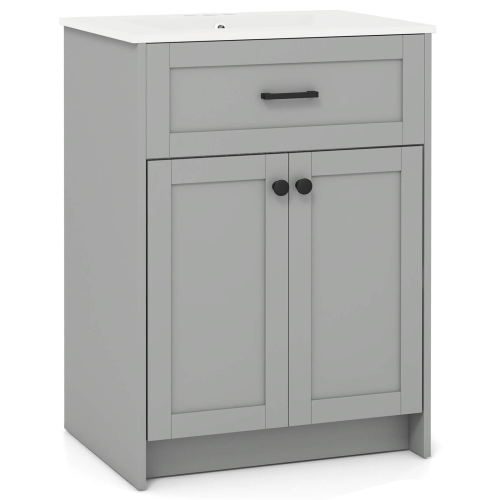


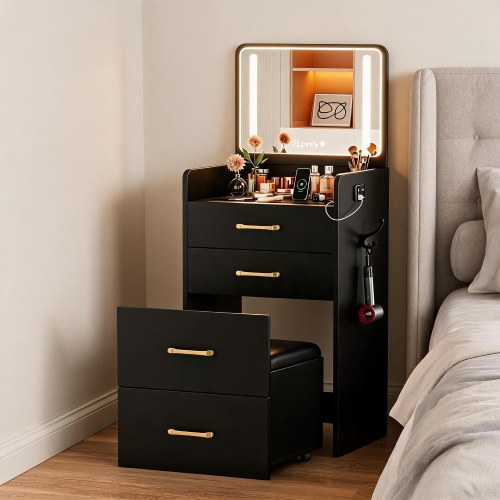


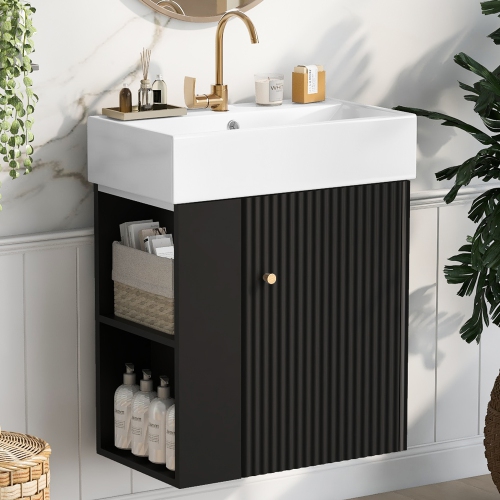
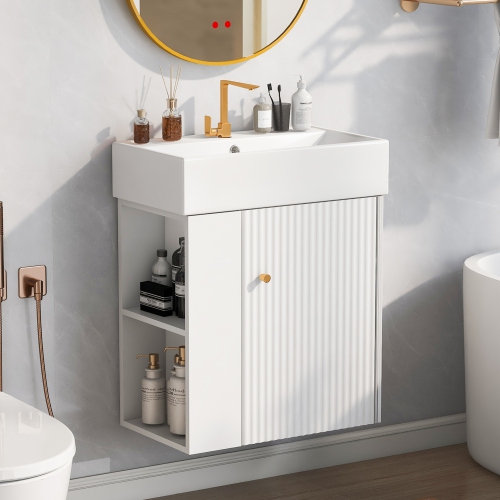


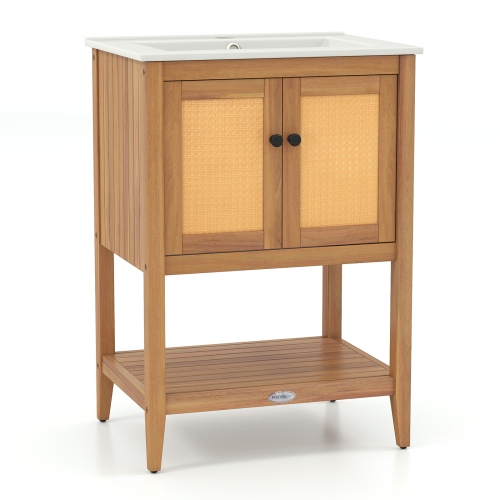
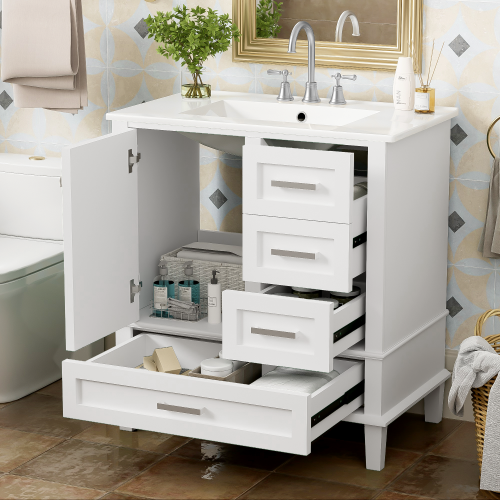


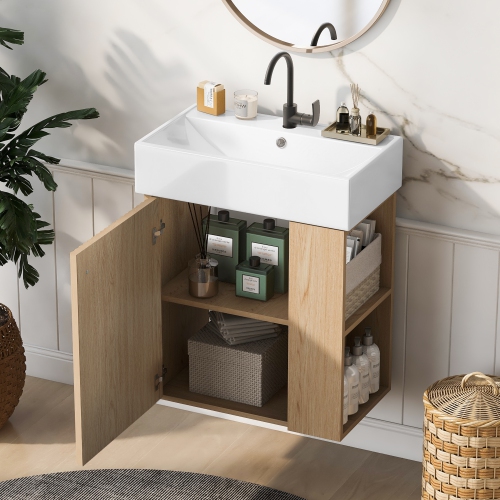

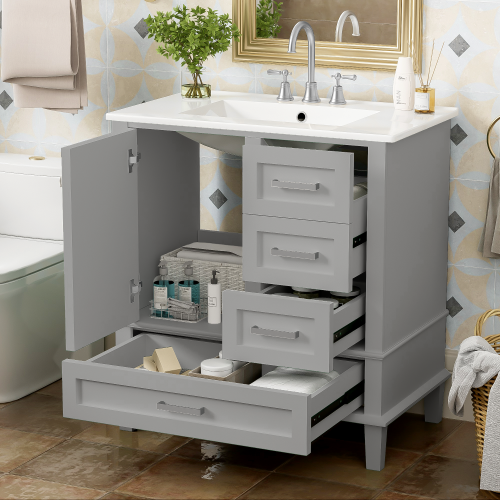


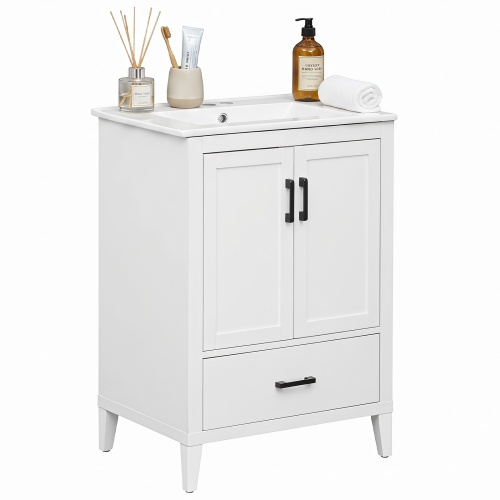
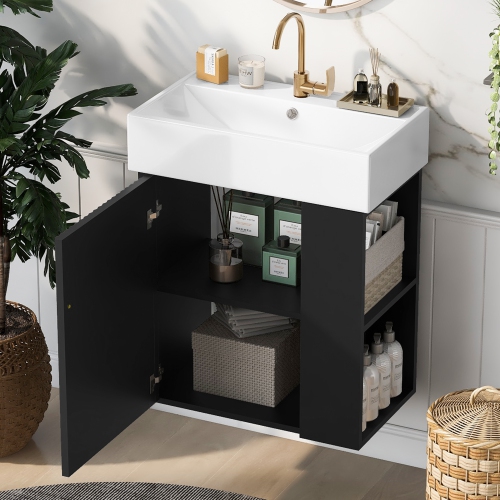


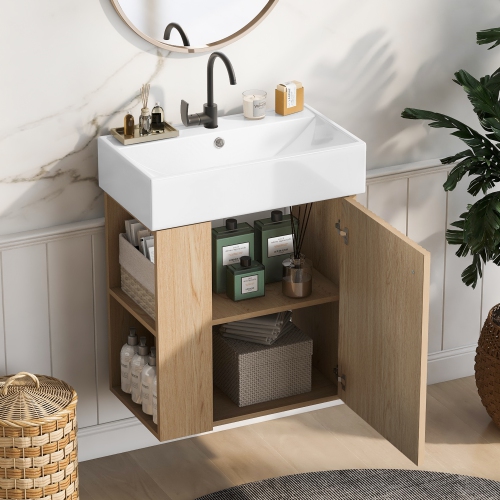
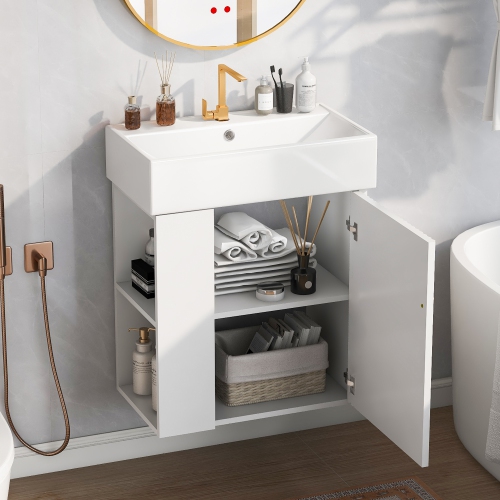

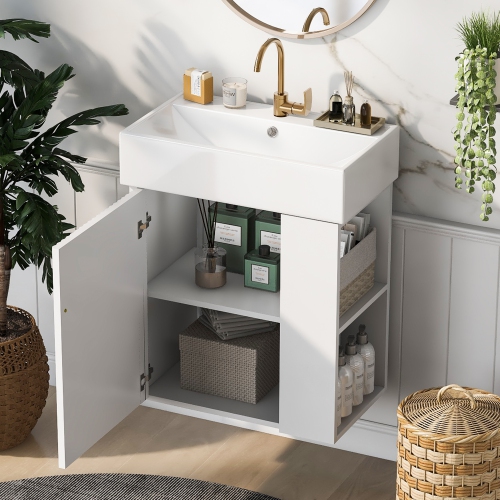
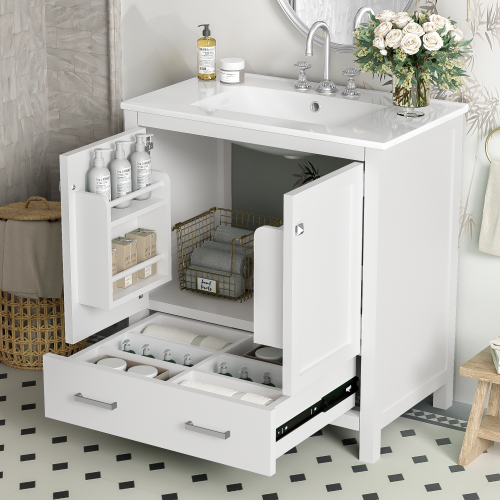
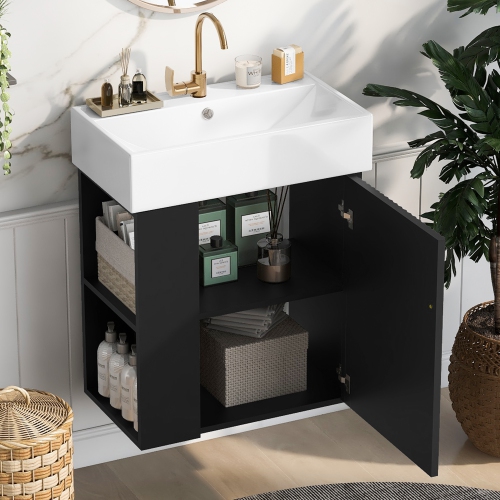
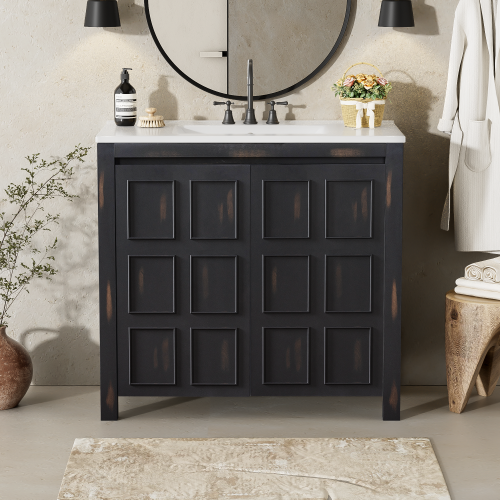


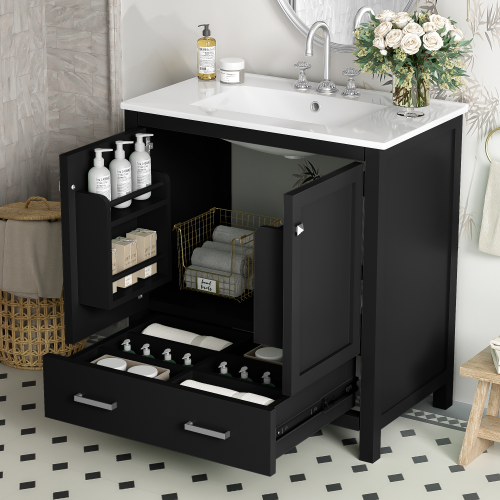

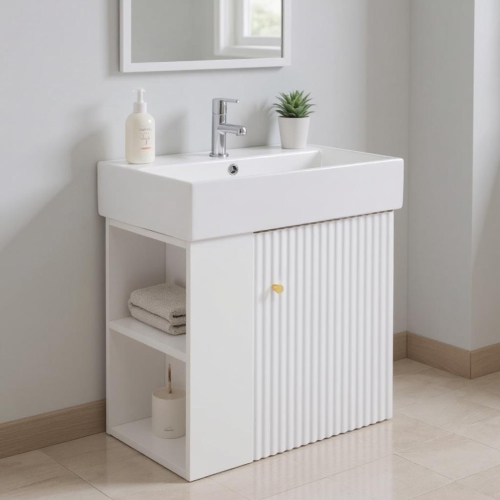
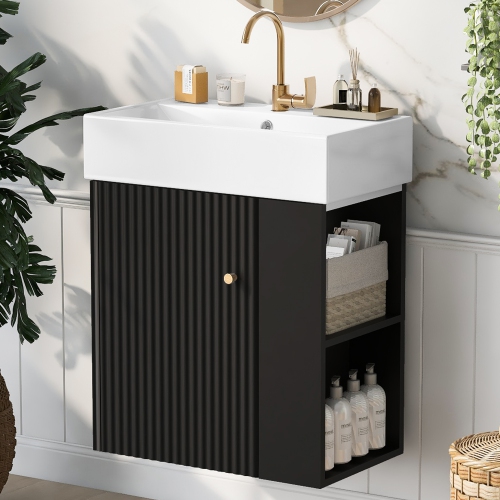


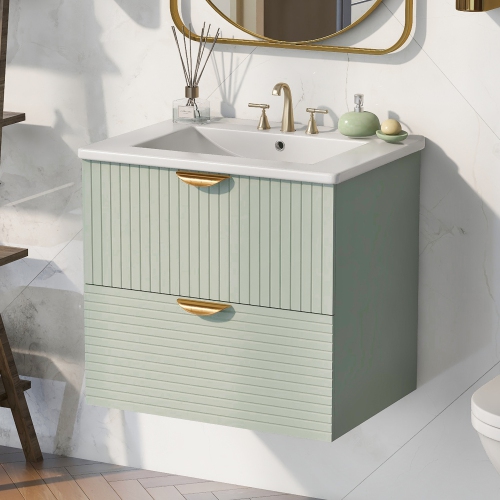


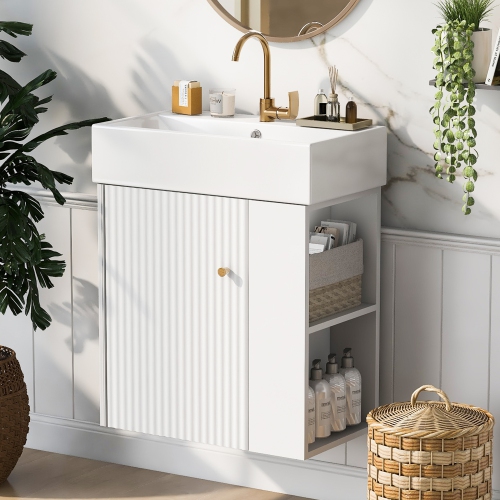


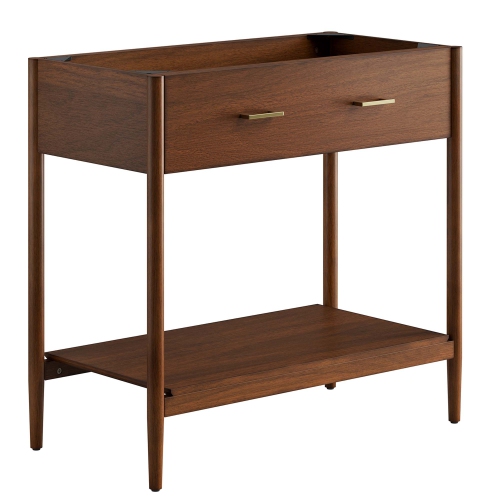

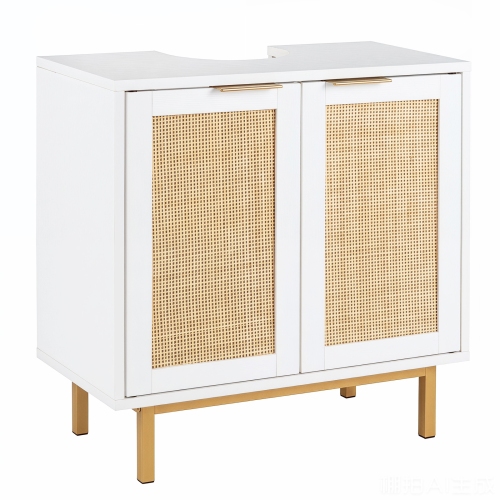


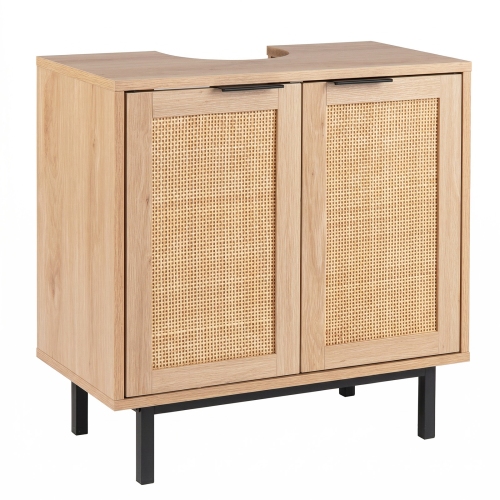


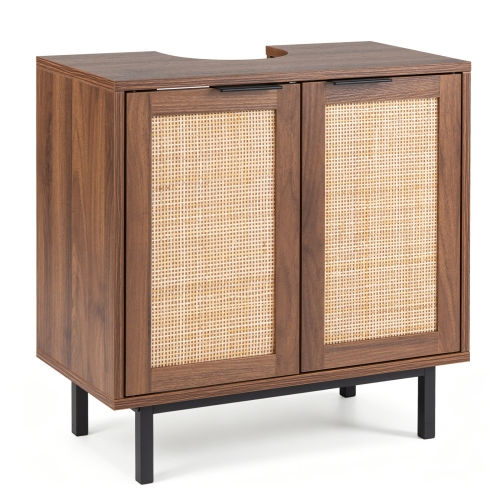


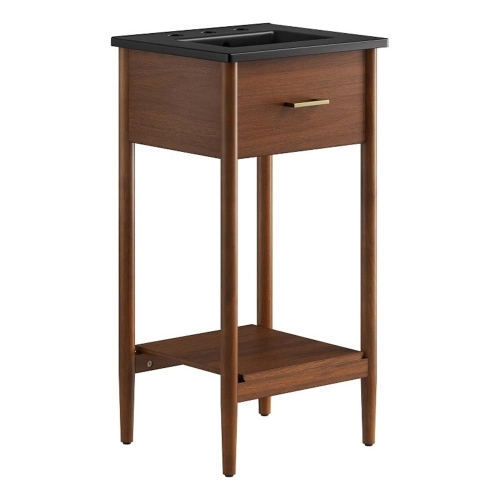
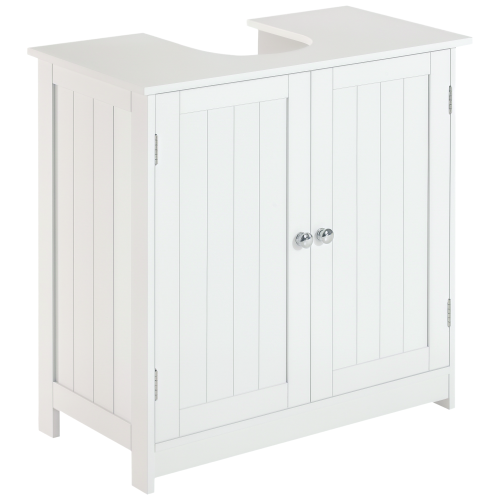


Coordinated storage that goes beyond the bathroom sink
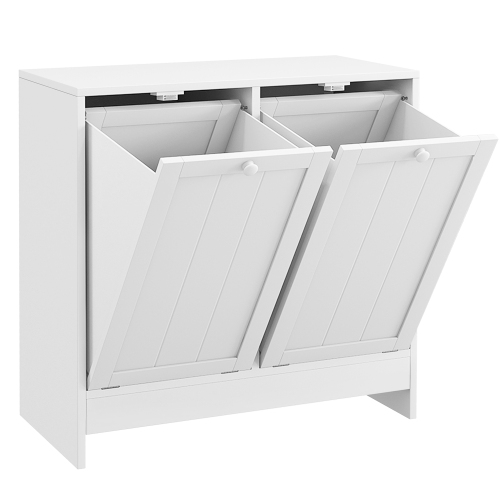
Bathroom furniture sets bring coordinated storage and furnishings together, helping a bathroom feel organized rather than assembled from unrelated pieces. Depending on the configuration, a set may include a vanity, matching mirror, tall linen cabinet, wall cabinet, or over-the-toilet storage unit. Some groupings centre on the sink area, while others consist mainly of freestanding cabinets for towels, toiletries, and everyday essentials. The shared finish, hardware, and proportions give these pieces a consistent appearance, whether the room has crisp white cabinetry, warm wood tones, or a darker finish with contrasting handles. The distinction between broader furniture groupings and Bathroom Vanity Sets is useful: vanity sets focus on the sink area, whereas bathroom furniture sets may extend storage throughout the room. Exact contents vary, and a coordinated set does not necessarily include a sink, countertop, faucet, or mirror. In a family bathroom, drawers can separate hair accessories from shaving supplies, while a linen tower keeps folded towels away from the busy countertop. A guest bathroom may need only a compact cabinet and matching mirror to create a tidy, welcoming space. In a shared ensuite, a wider vanity and supplementary storage can give each person a distinct place for daily necessities. Closed cupboards keep spare toilet rolls and cleaning supplies out of sight, while open shelves provide easy access to frequently used towels. Adjustable shelves accommodate bottles of different heights, and shallow drawers make small essentials easier to see without rummaging through a deep cupboard. The most useful arrangement reflects what actually needs a home: bulky bath towels, a hair dryer, skincare bottles, or extra soap. Coordinated furniture is especially practical when refreshing an existing bathroom without changing every fixture, because a consistent cabinet style can connect the sink area with storage elsewhere in the room.
A good fit depends on more than the width of the largest cabinet. Bathroom furniture needs room for doors and drawers to open, people to move comfortably, and existing fixtures to remain accessible. A tall cabinet that fits neatly beside the vanity may still interfere with a light switch, towel rail, or the swing of the bathroom door. Depth matters just as much in narrow rooms, where a shallower cabinet can preserve a clear route between the entrance, toilet, and shower. Over-the-toilet units make use of vertical space, but their lower shelf and support legs need to accommodate the toilet tank, flush controls, baseboards, and any nearby plumbing. Access to shut-off valves and the tank lid remains important after installation. Vanity dimensions also have to work with the existing water supply and drain locations; the space beneath a sink is not always fully usable for drawers or shelves. Single-sink arrangements often suit powder rooms and smaller bathrooms, while double-sink configurations need enough width and surrounding space to be genuinely comfortable for two people. Freestanding furniture offers a familiar cabinet profile, sometimes with legs that leave the floor visible beneath it. Wall-mounted pieces create an open look and make the floor below easier to reach, but they require suitable wall support and secure installation. Tall storage cabinets also need appropriate anchoring according to the manufacturer's directions, particularly in homes with children. Adjustable feet can help accommodate slight floor unevenness, while recessed bases may sit more neatly against walls with baseboards. For households with different reach or mobility needs, frequently used belongings are best kept within comfortable reach rather than on the highest shelf or at the back of a deep cupboard. Installation requirements, assembly needs, and the position of fixed shelves all affect how a set works in practice. Where plumbing changes or electrical connections are involved, qualified installation helps ensure the finished arrangement is safe and functional.
Materials, construction, and care influence how bathroom furniture holds up to splashes, frequent handling, and everyday cleaning. Solid wood brings natural grain and character, but its finish still needs protection from standing water. Plywood, engineered wood, and medium-density fibreboard are also used in bathroom cabinetry, often with painted, veneered, or laminated surfaces. Their performance depends on the quality of the finish, sealed edges, and construction rather than the material name alone. A spill left around a sink or along an exposed cabinet edge can damage a surface that otherwise handles normal bathroom use well. Wiping away water promptly and maintaining good ventilation help protect furniture finishes. Where a set includes a countertop, ceramic, engineered stone, and natural stone have different care requirements; some natural stone surfaces need periodic sealing, while other finishes call for particular cleaners. The manufacturer's care information is the best reference for the surface involved. A soft cloth and an appropriate mild cleaner are often preferable to abrasive pads that can scratch cabinetry, mirror edges, or polished hardware. Sturdy hinges, secure drawer runners, and well-supported shelves matter in a cabinet opened many times a day. Soft-close mechanisms can reduce slamming, although smooth movement and solid construction remain important alongside that feature. Handles should be comfortable to grip with damp hands, and shelf capacity should suit the weight of folded linens or larger toiletries. Appearance also affects how the room feels over time. Simple cabinet fronts and restrained hardware sit comfortably with many tile patterns, while framed doors or visible wood grain create a more furniture-like presence. A matching mirror can tie the arrangement together without every bathroom accessory needing the same finish. Light-coloured cabinetry can make a compact room feel less visually crowded, while deeper tones provide definition against pale walls. Open storage looks inviting with neatly folded towels but exposes its contents to dust and splashes; closed storage offers a calmer appearance when daily routines leave little time for arranging shelves. Whether furnishing a first home, improving a shared bathroom, or making a guest space more useful, bathroom furniture sets work best when their coordinated appearance is matched by sensible storage, comfortable proportions, and surfaces that are straightforward to care for.
Top selling and popular products
-
 Your price for this item is $1804.05
-
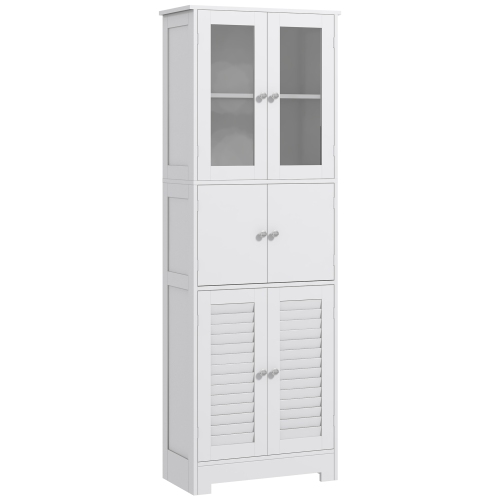 Your price for this item is $184.59
-
 Your price for this item is $199.99
-
 Your price for this item is $138.99
-
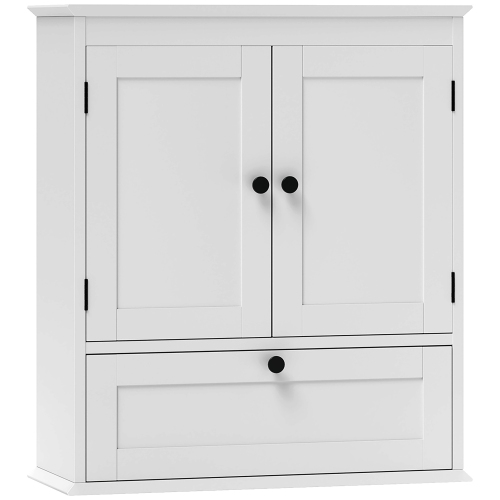 Your price for this item is $91.99
-
 Your price for this item is $143.21
-
 Your price for this item is $199.99
-
 Your price for this item is $547.39
Discover more categories related to Bathroom Furniture Sets

Top Collections:
Pokemon Centers, Kindle Devices, Best Cameras for Sports Photography, Pokémon 30th Celebration Cards, Apple iPhones 16, Canon G7X Cameras, iPhone 15 Apple, Flip Phones, Samsung Galaxy Phones, Alarm Clock
Some products may be subject to Environmental Handling Fees
(EHF) depending on your province.
Learn more about EHFs.