Bathroom Storage Cabinets
Organize your bathroom in style with our selection of sleek and functional bathroom storage cabinets. Whether you're looking to declutter your space, maximize storage, or simply add a touch of elegance to your decor, our range of cabinets offers the perfect solution. From compact wall-mounted units to spacious floor cabinets, you'll find a variety of sizes, styles, and finishes to suit your aesthetic preferences and storage needs.
Sort
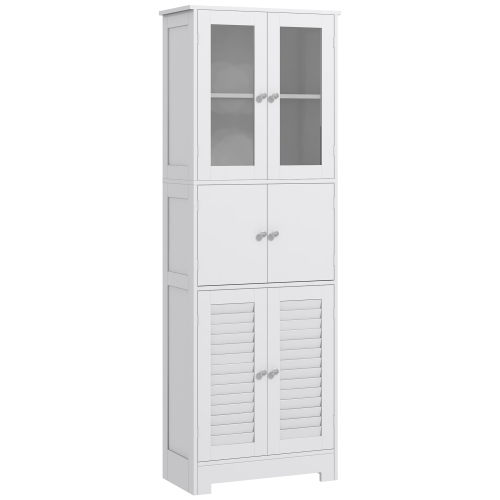

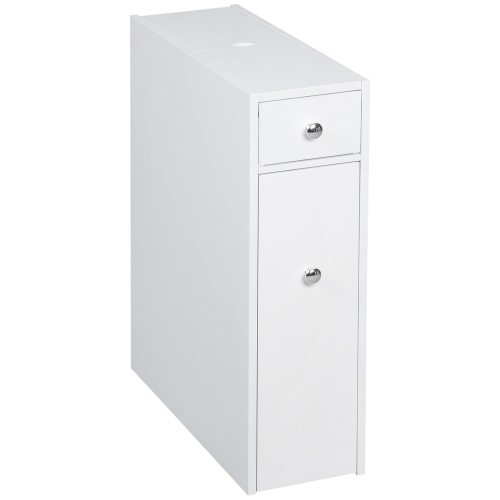
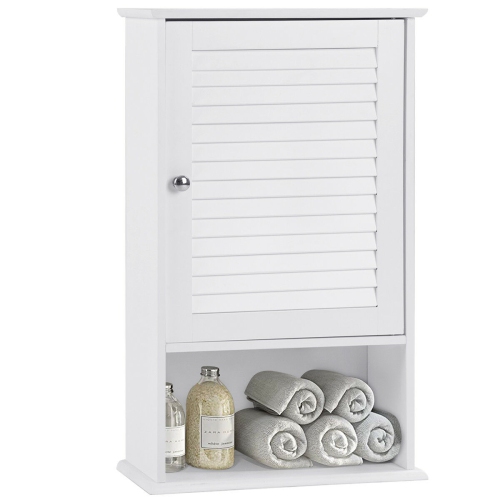
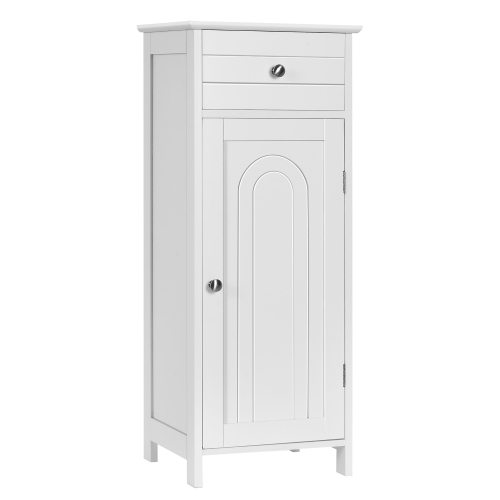
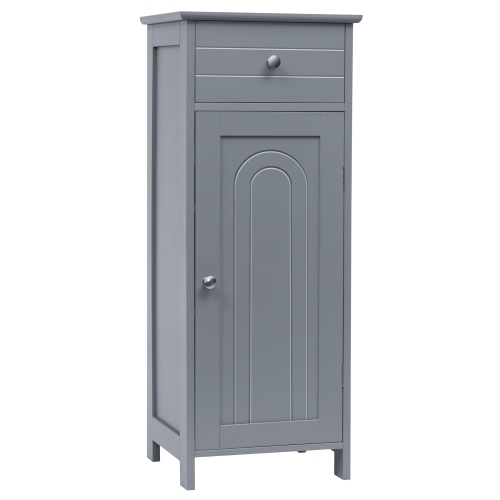
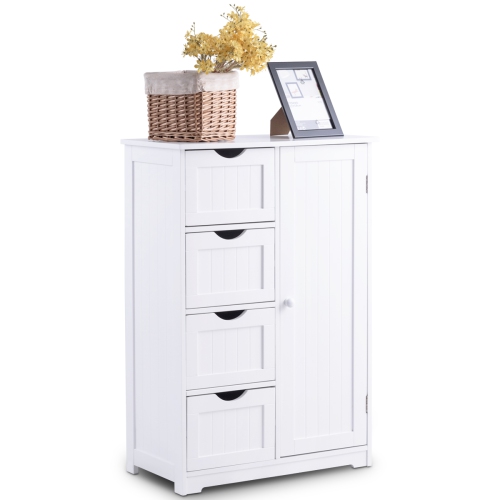
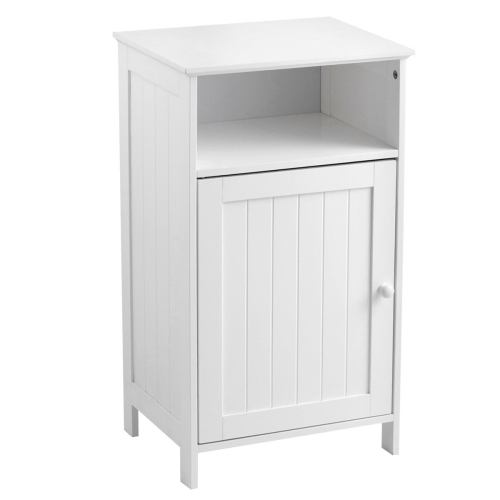
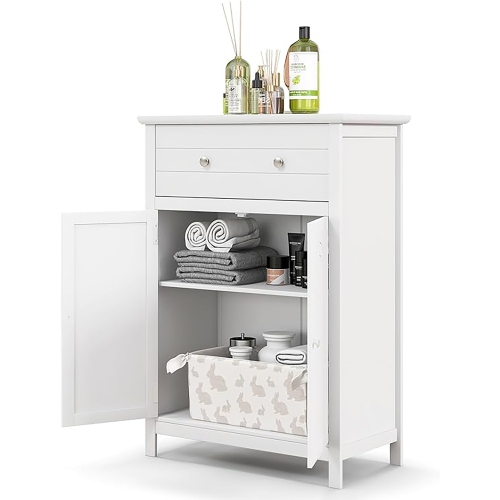
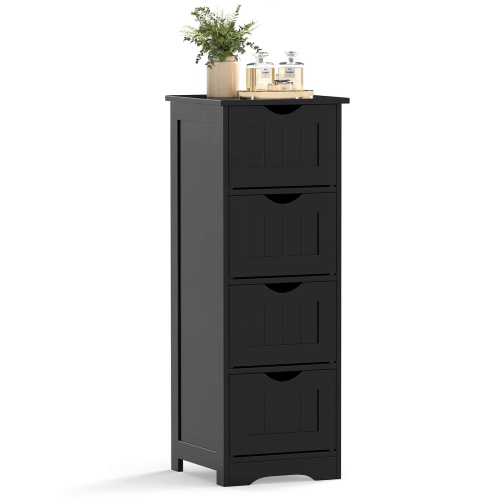
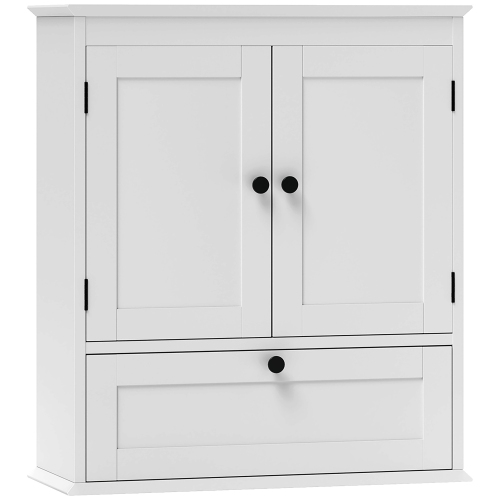
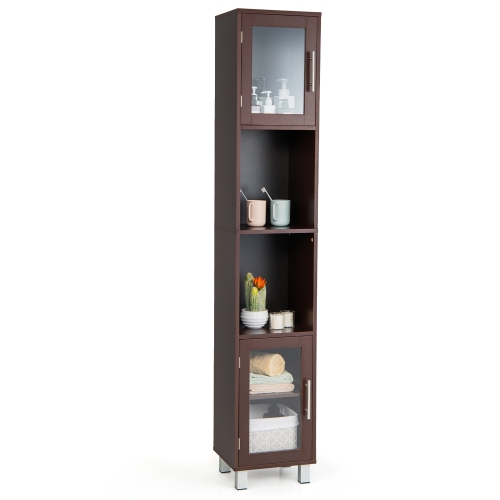
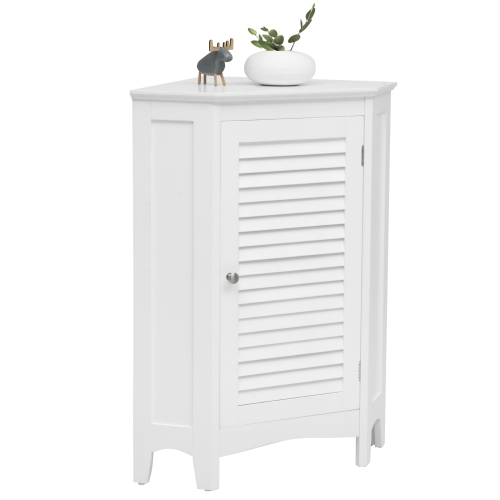

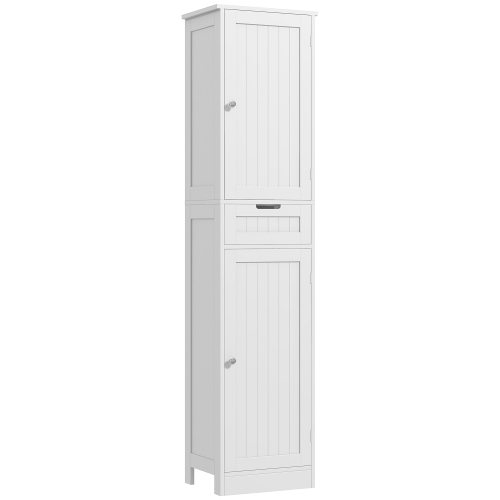
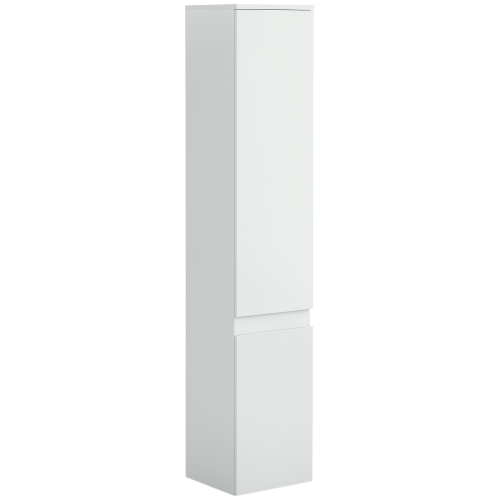
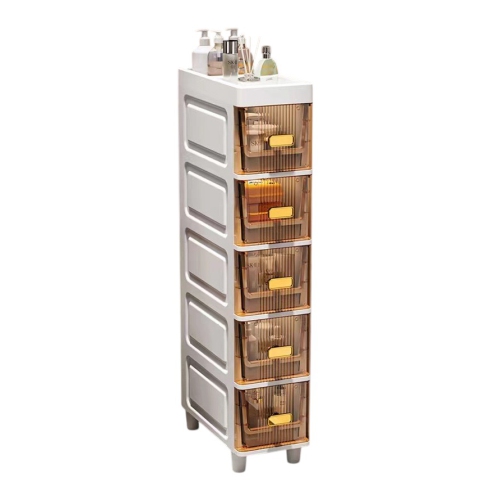
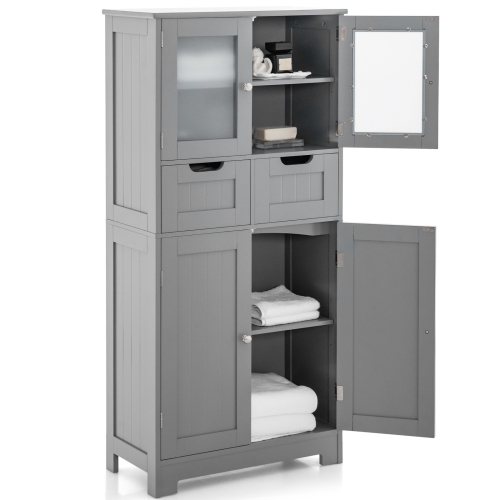
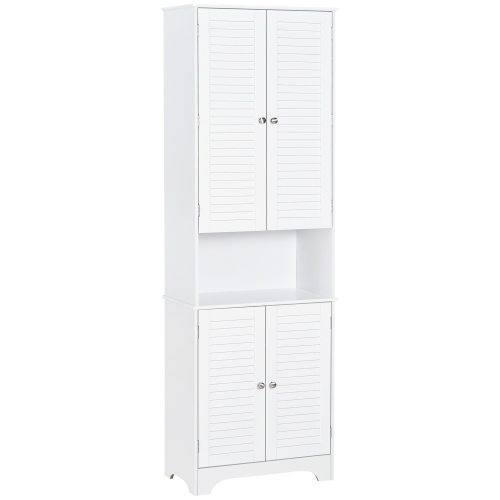
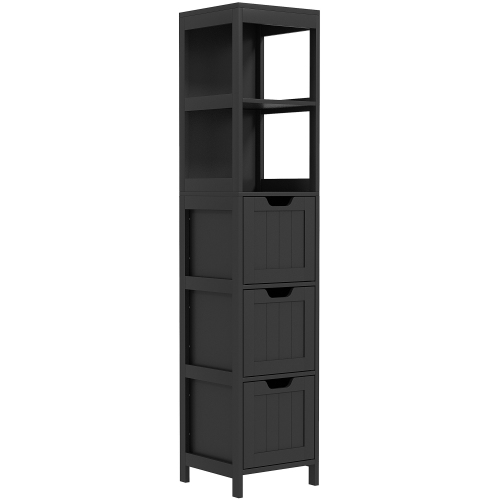
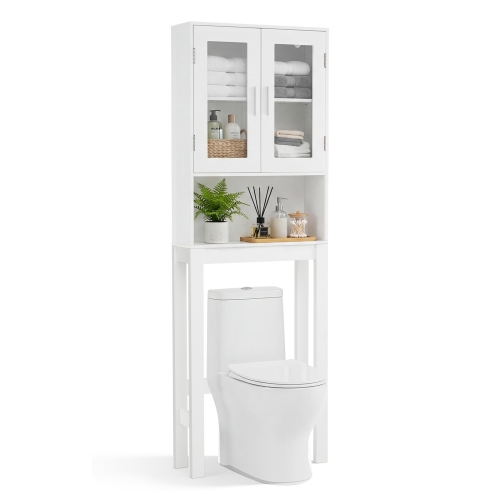
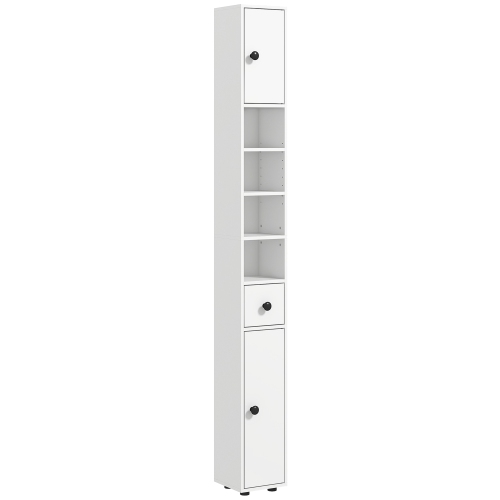
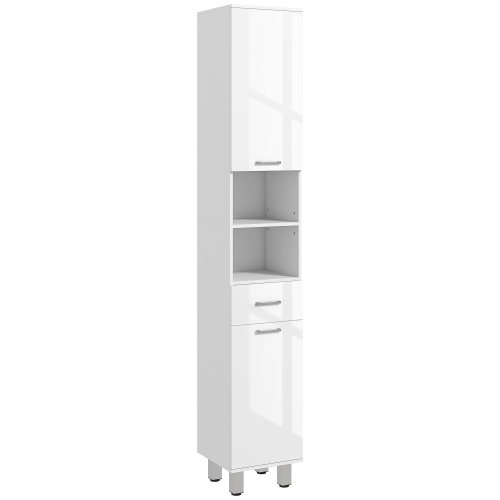
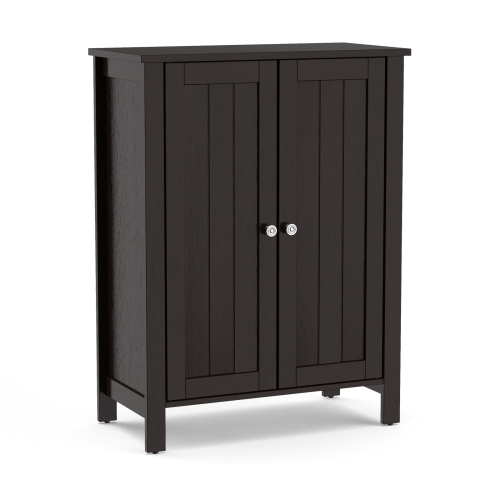
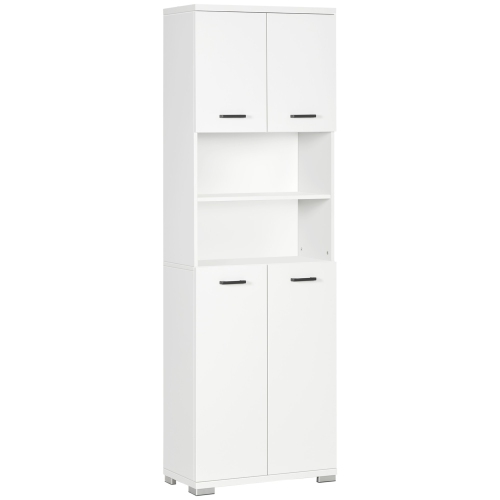
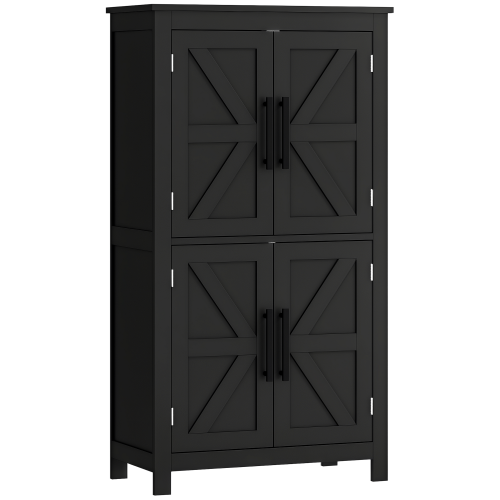

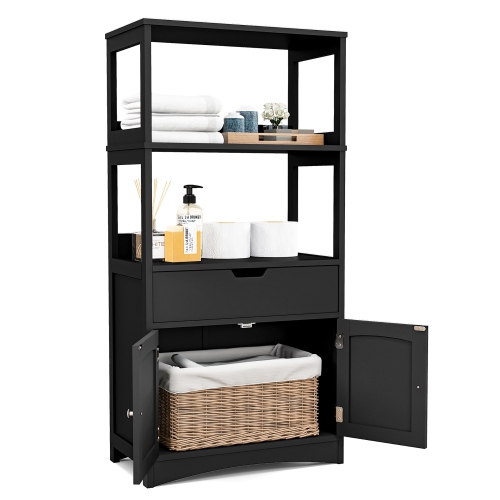
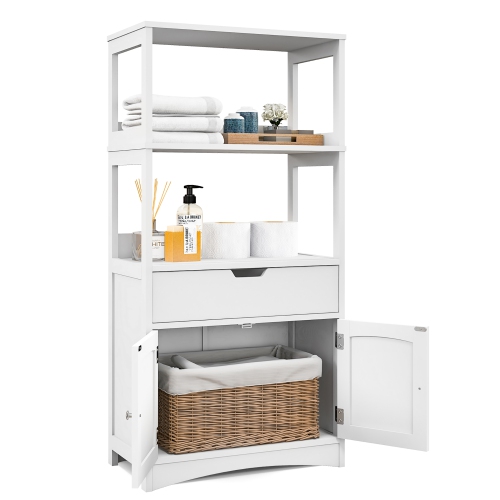
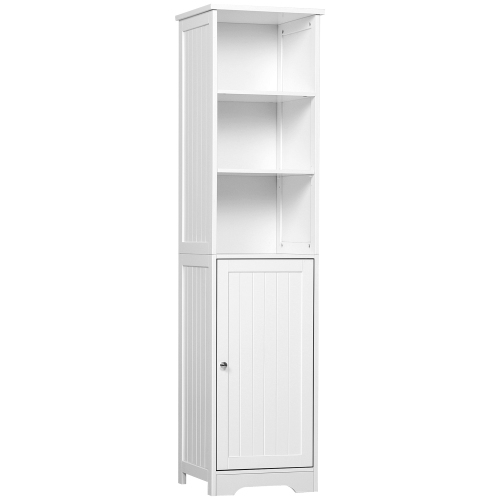
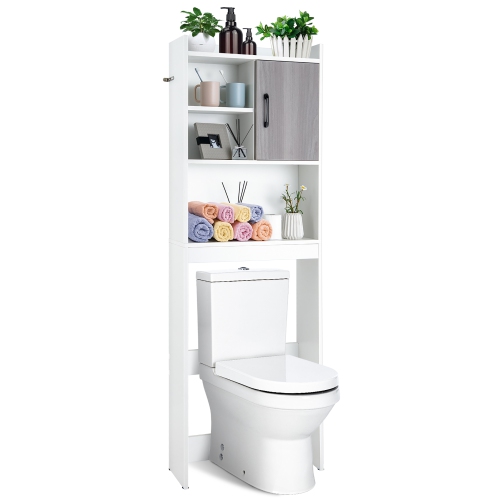
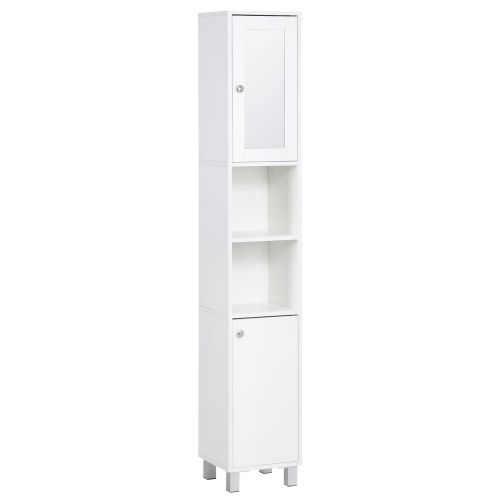
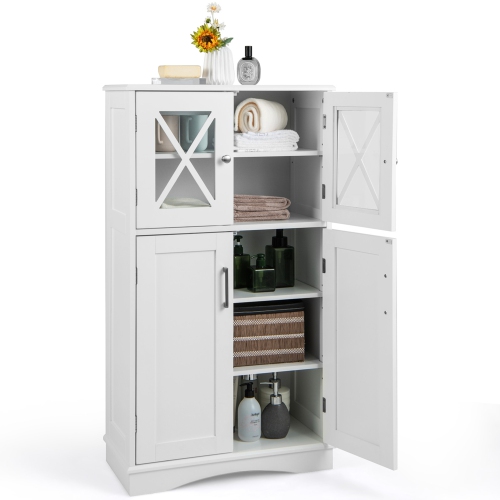
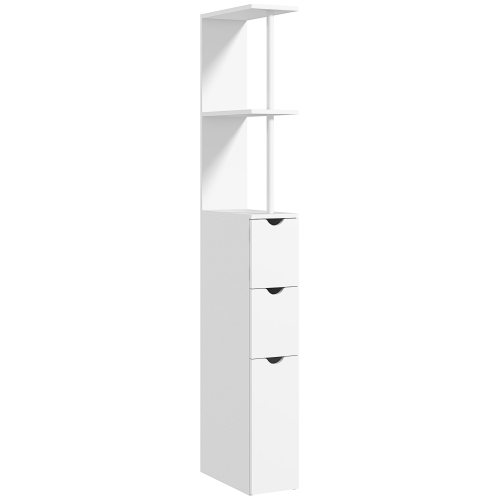
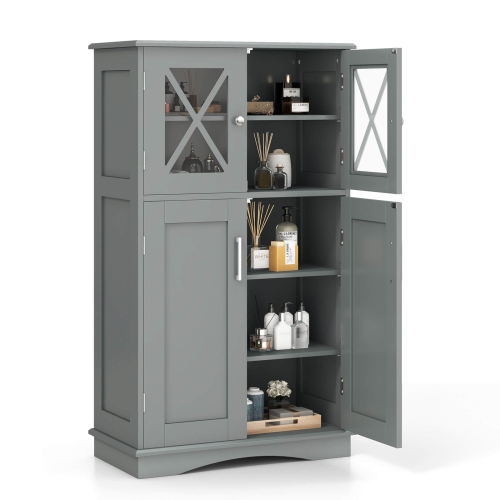
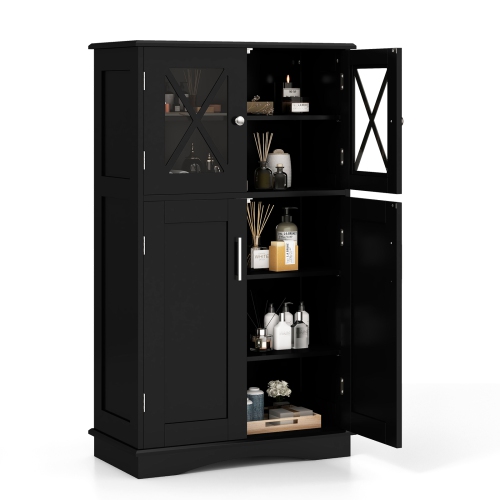
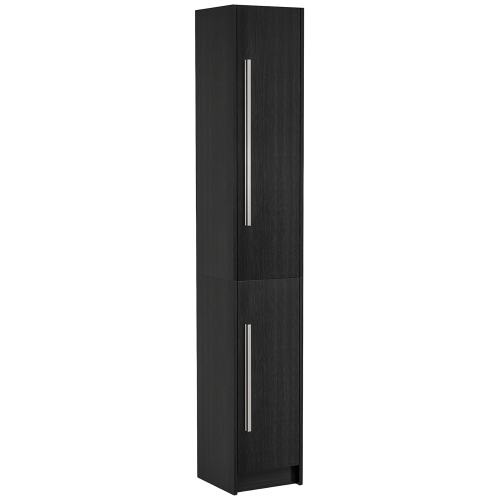
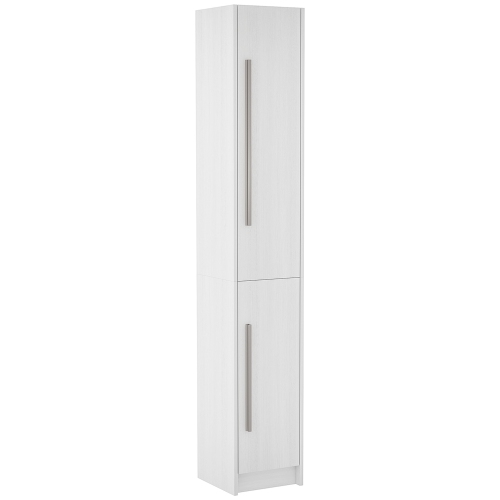
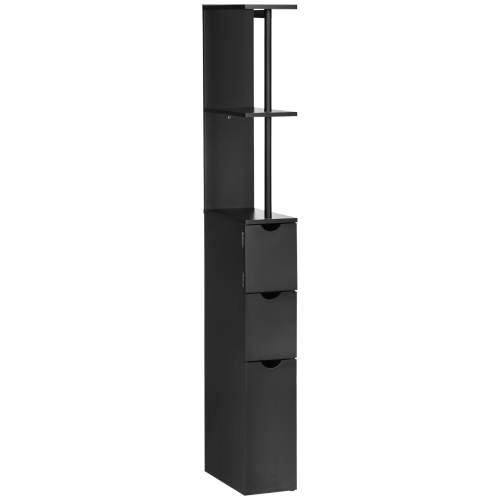
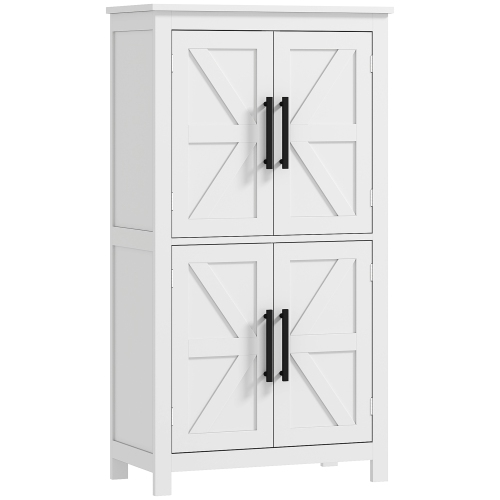
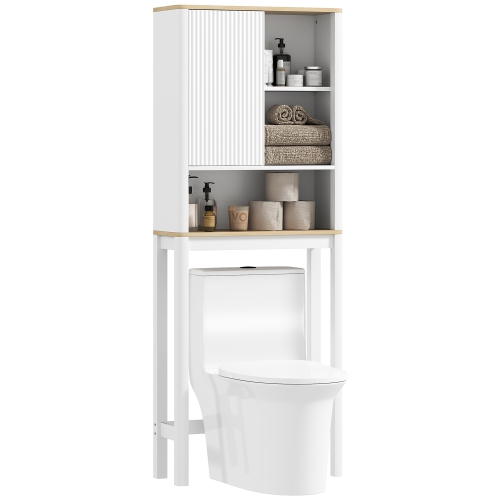
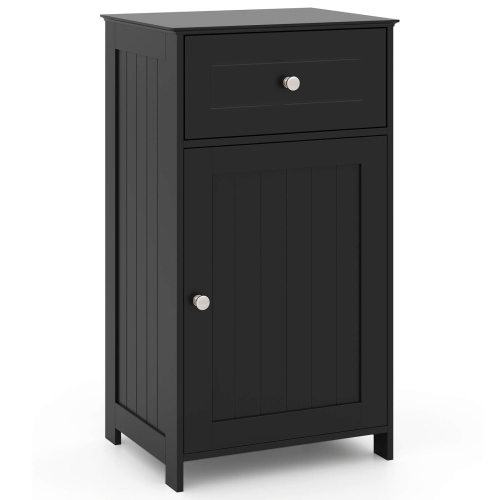
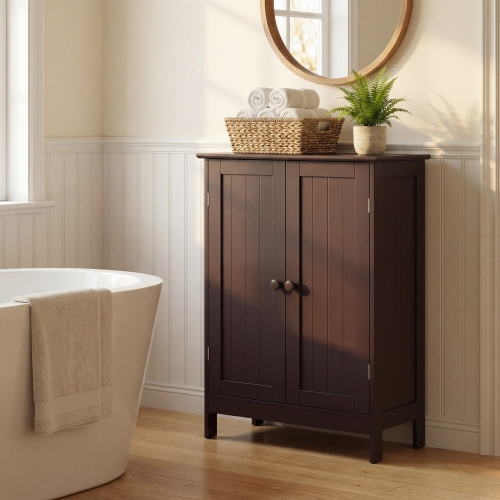
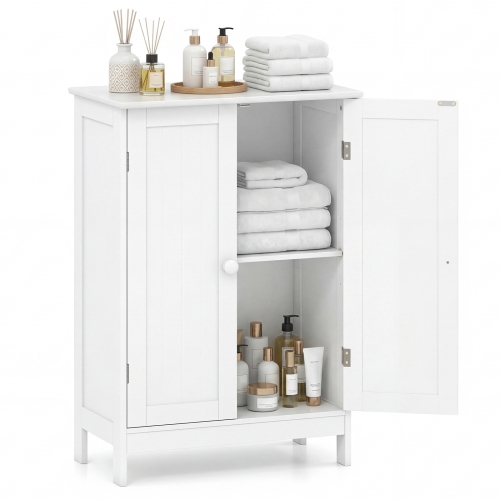
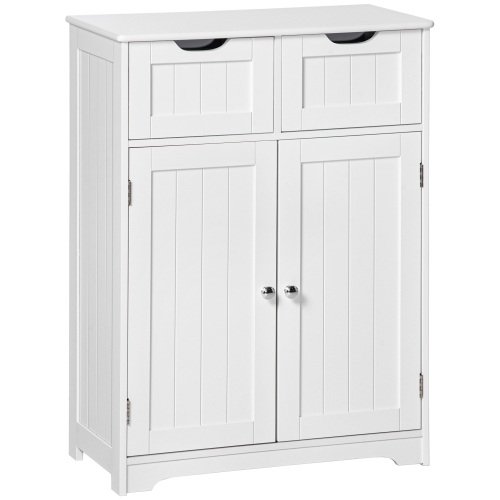
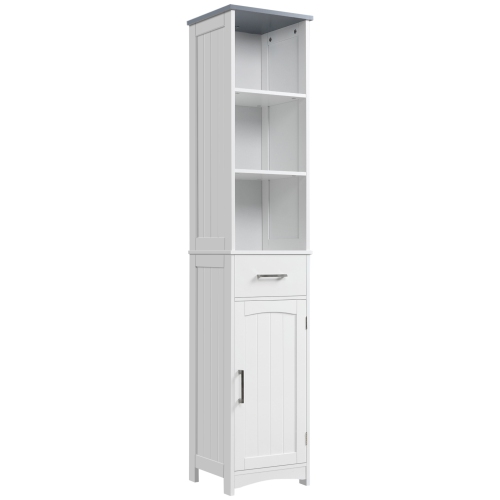

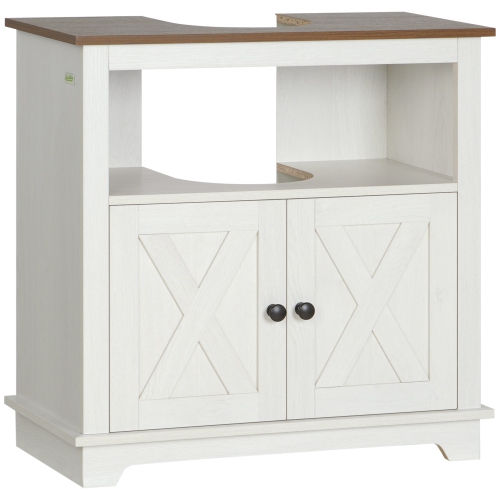
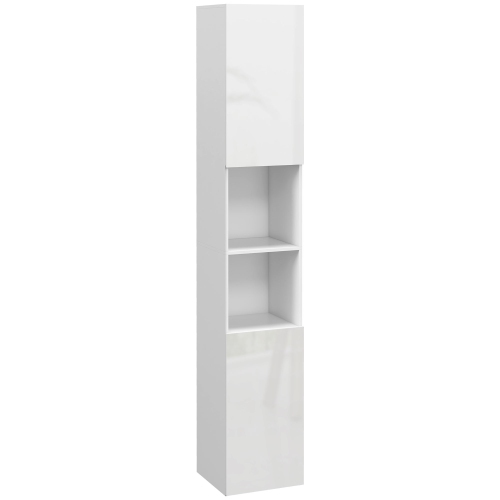
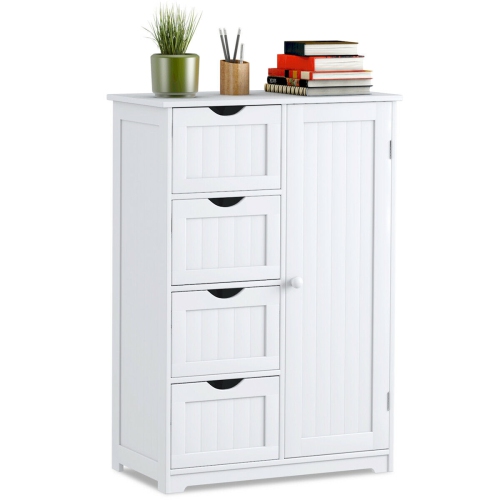
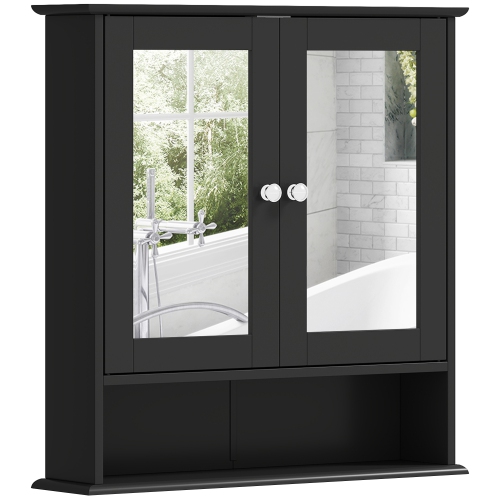
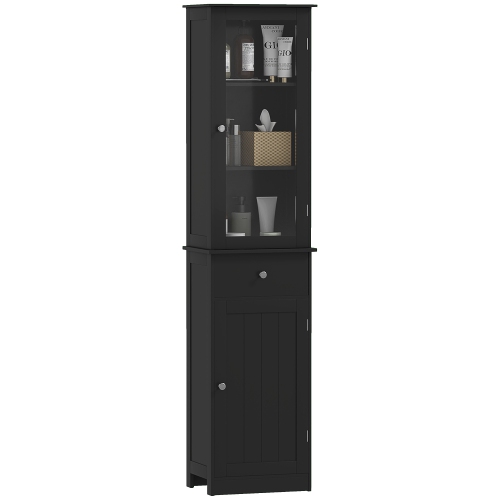
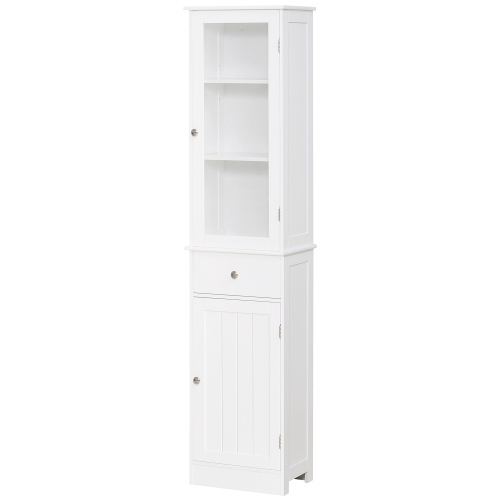
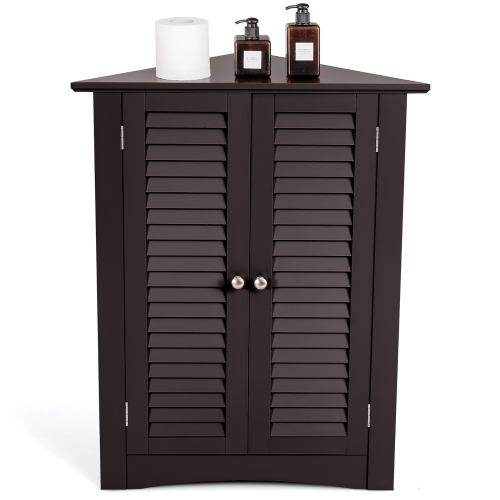
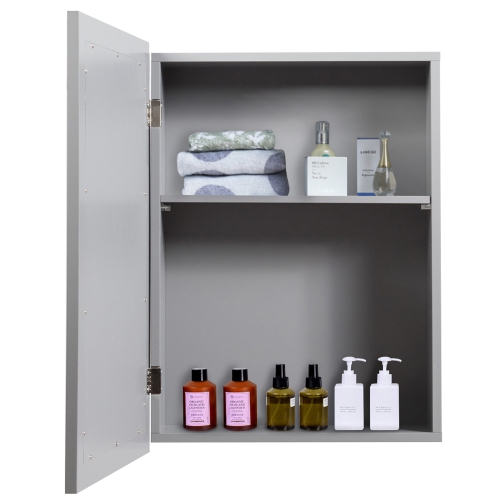
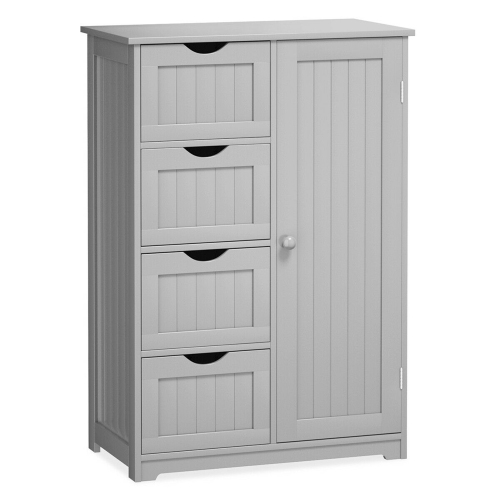
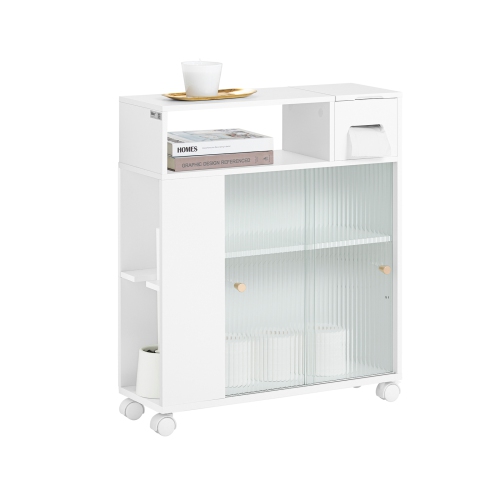
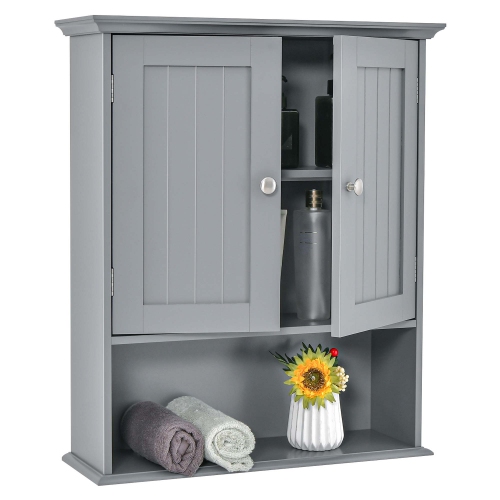
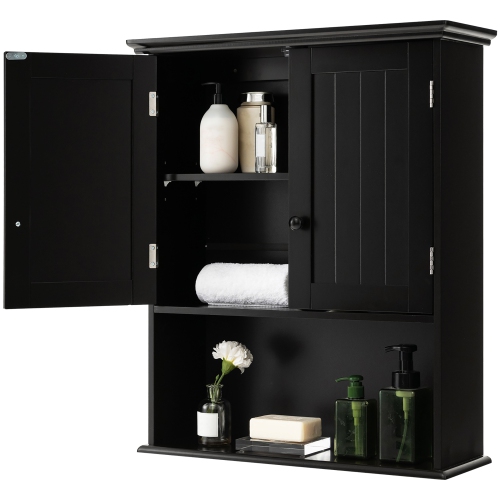
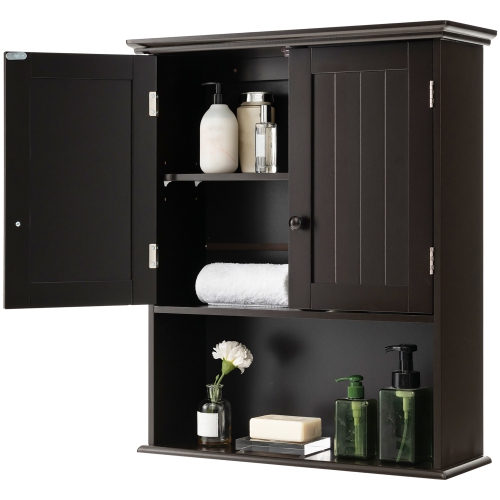
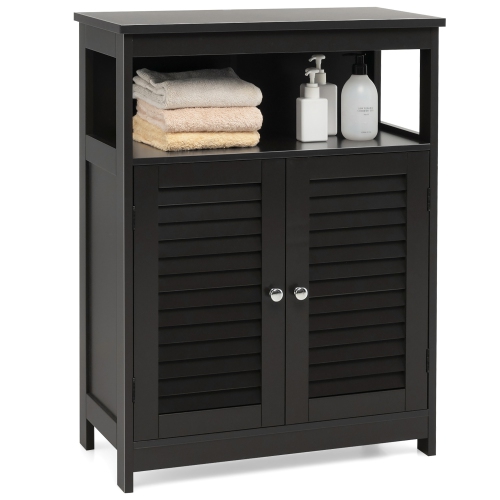
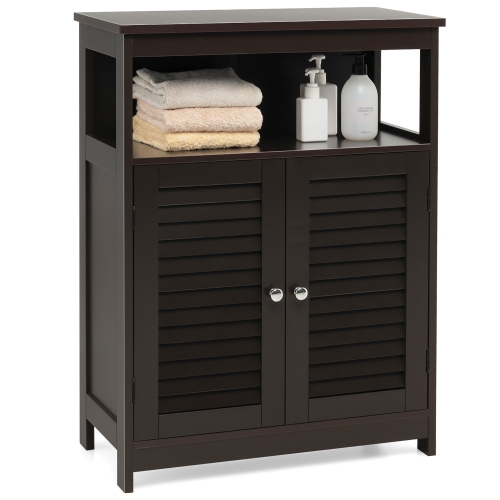
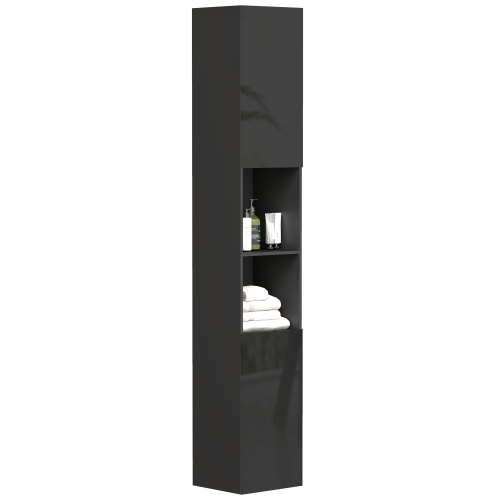
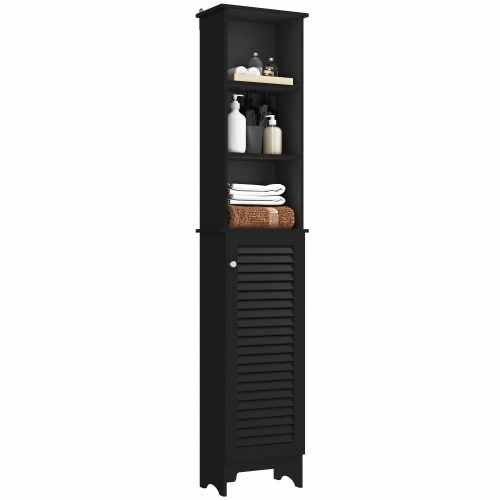
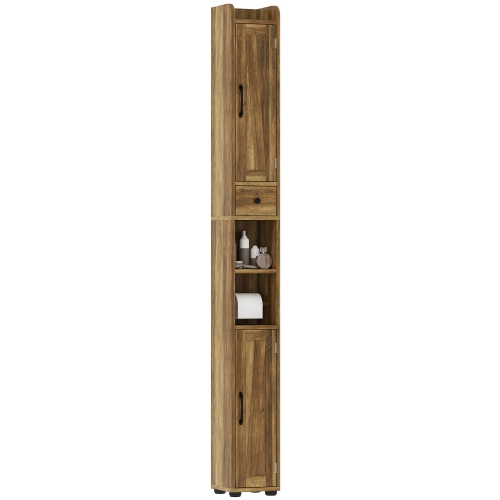
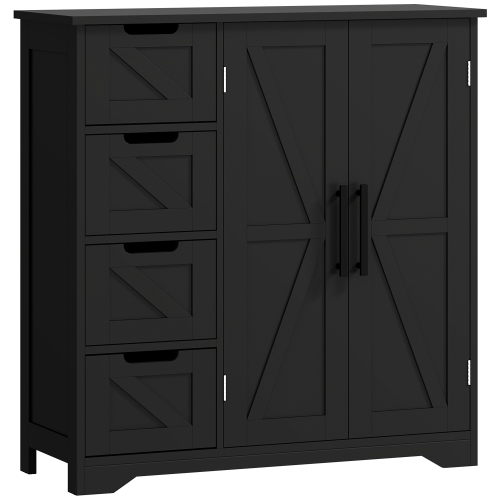
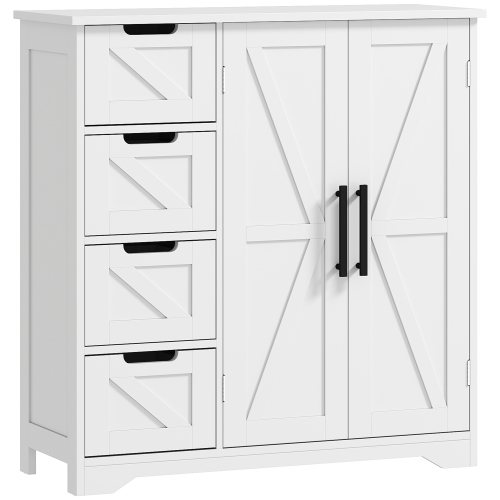
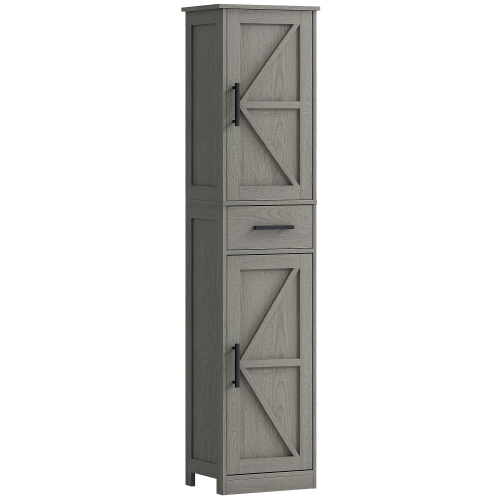
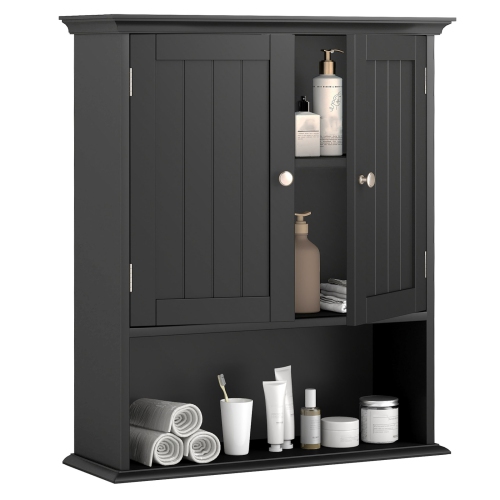
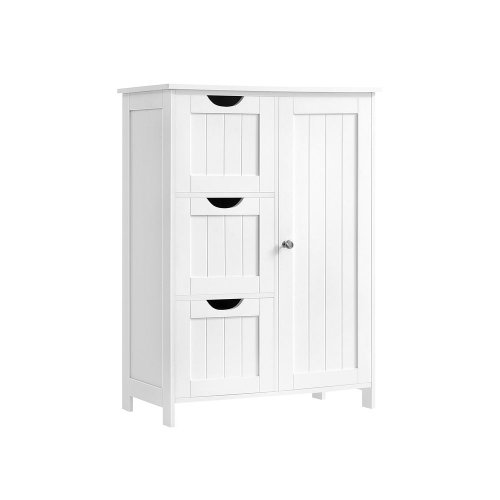
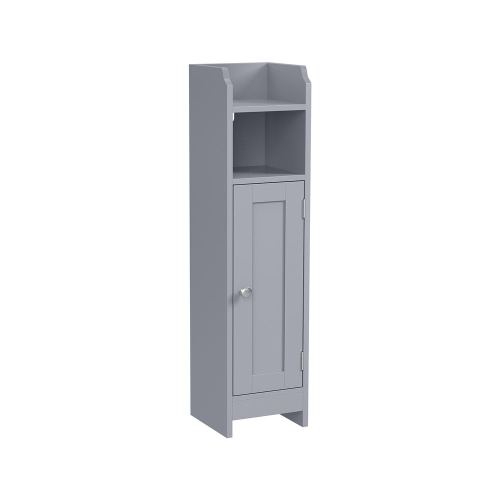
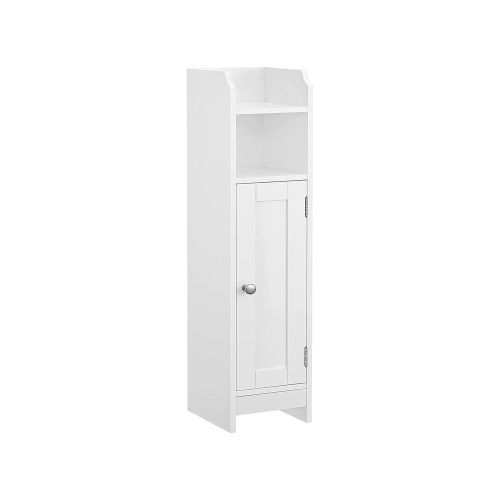
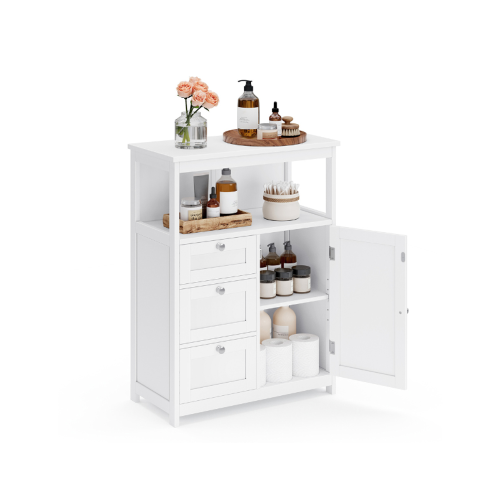
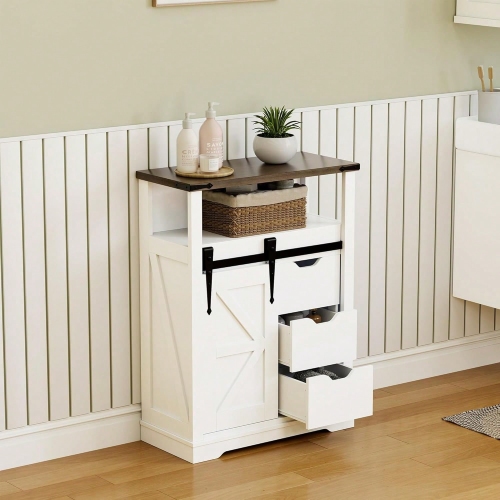
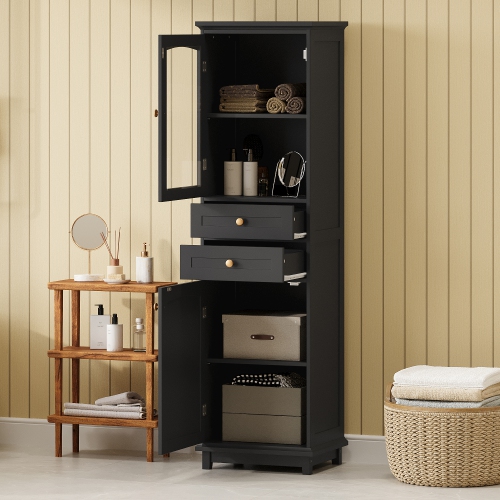
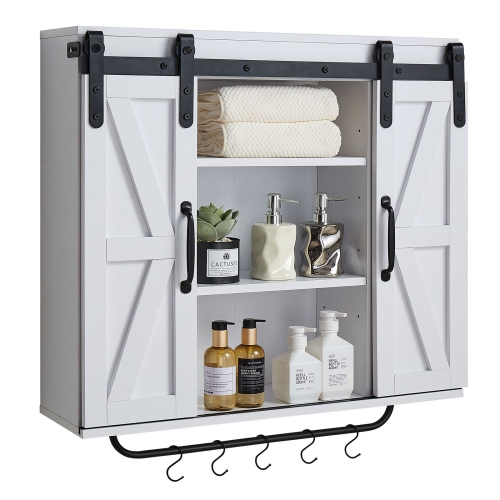
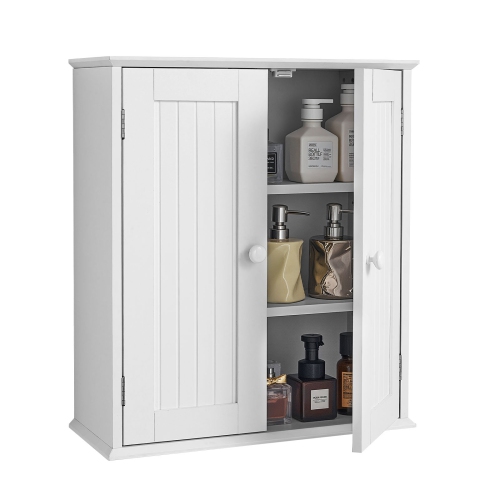
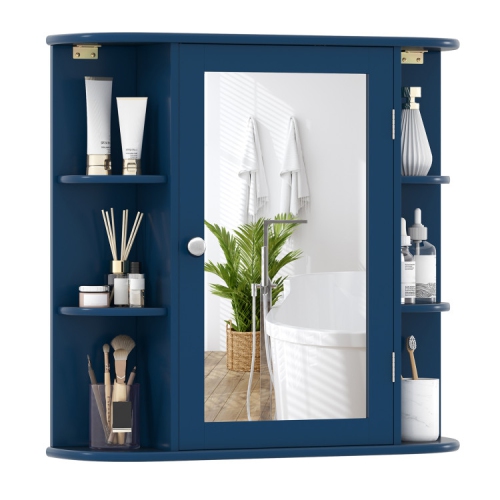
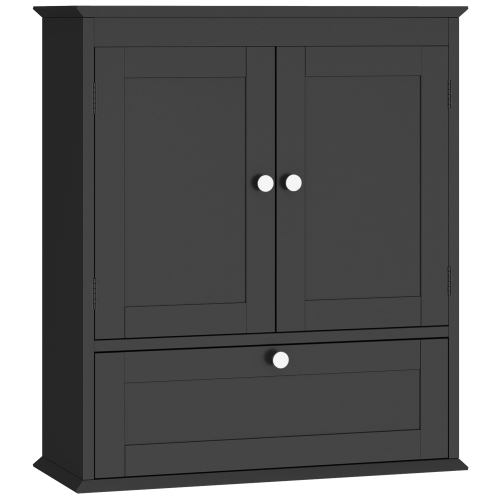
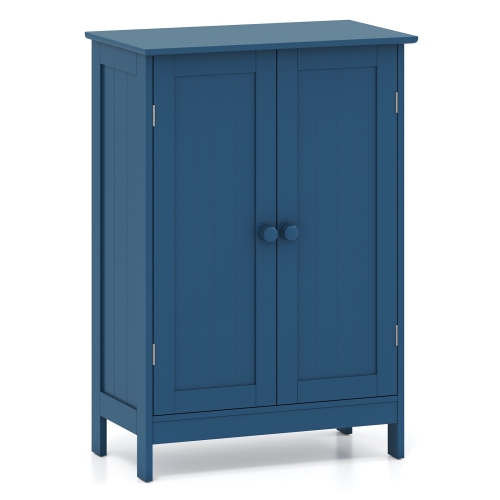
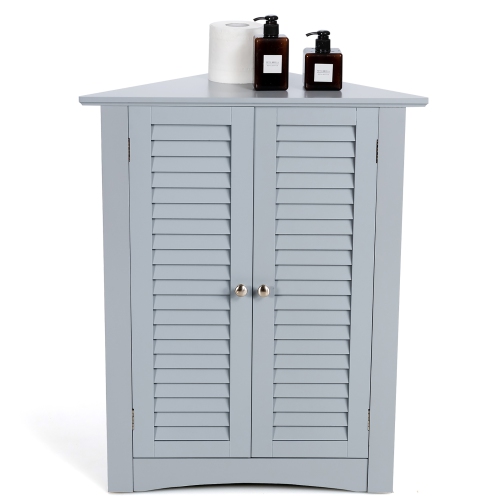
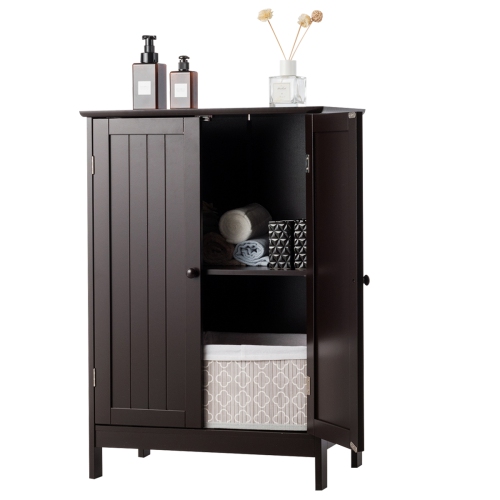
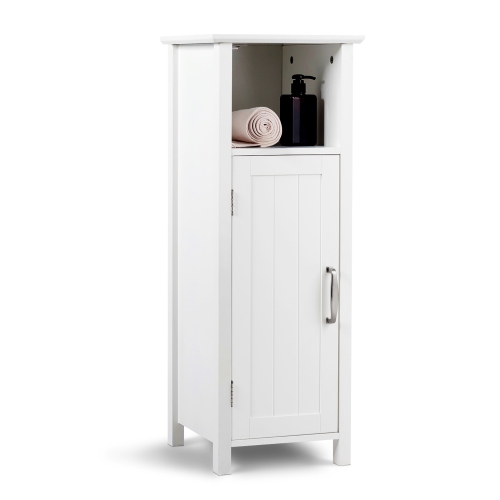
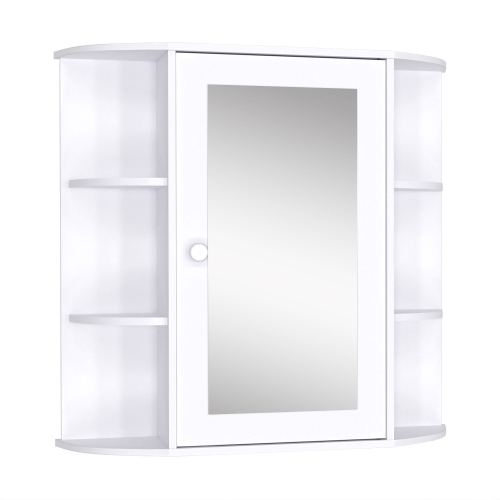
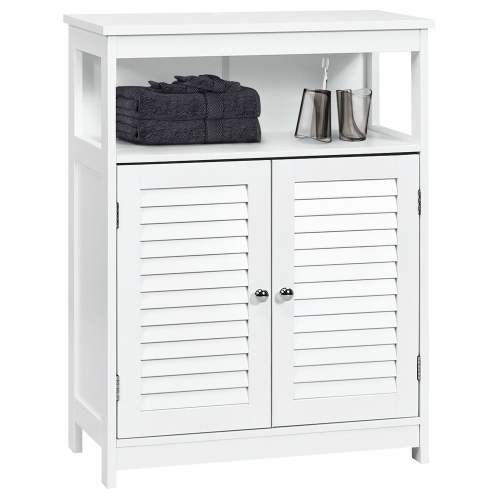
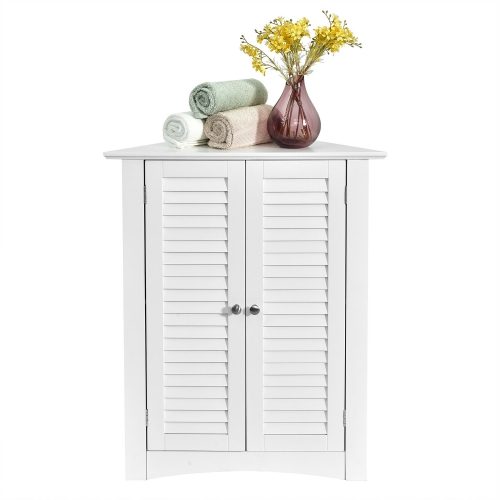
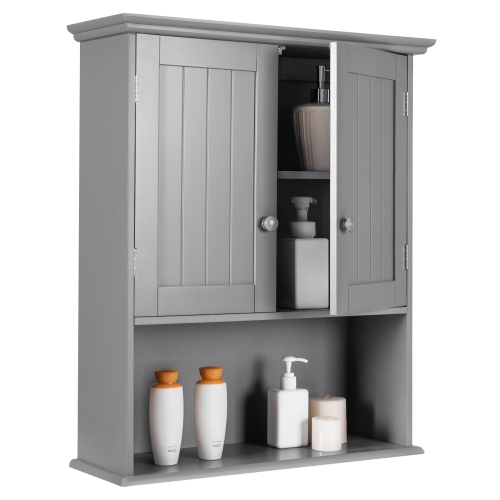
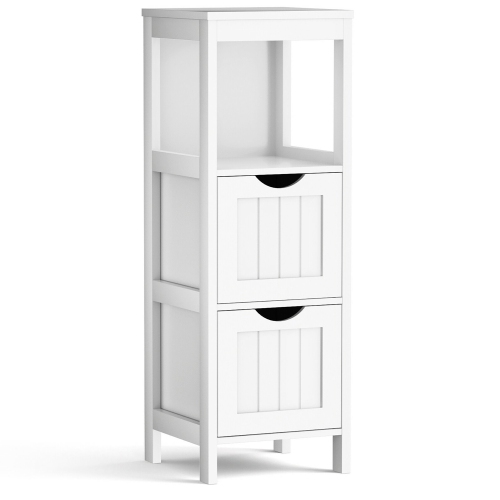
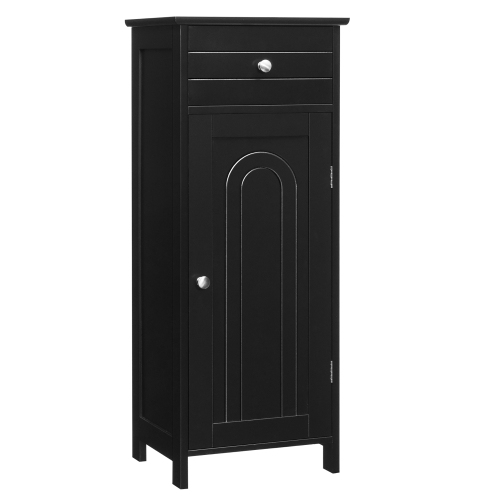
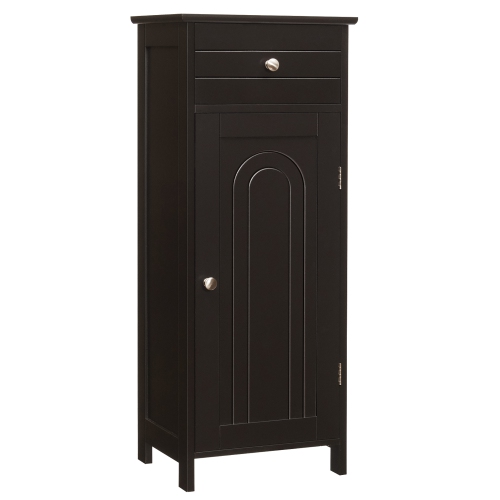
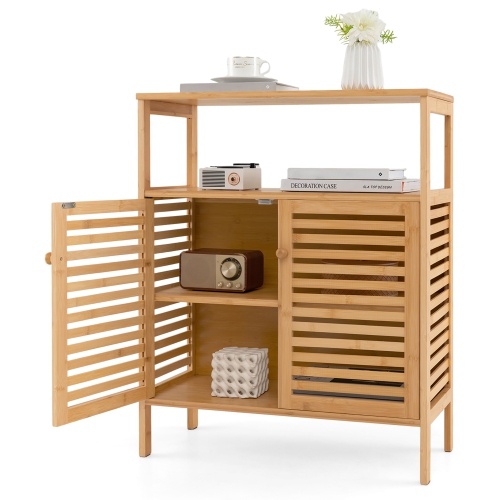
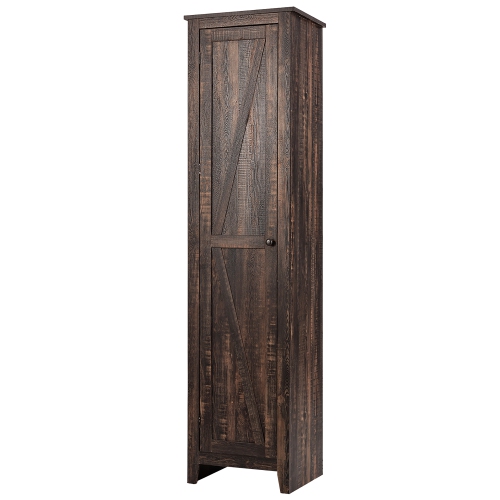
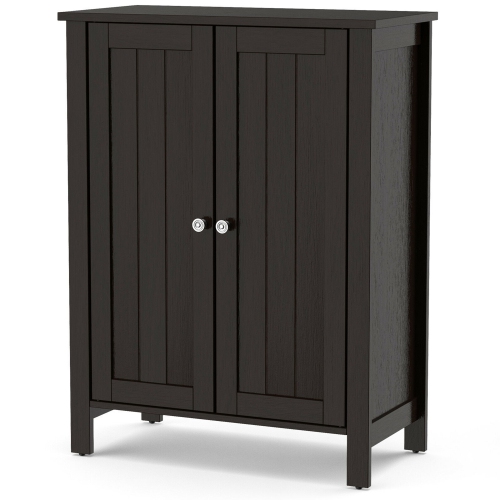
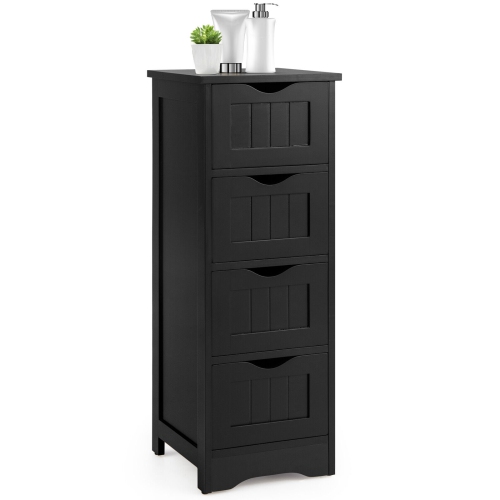
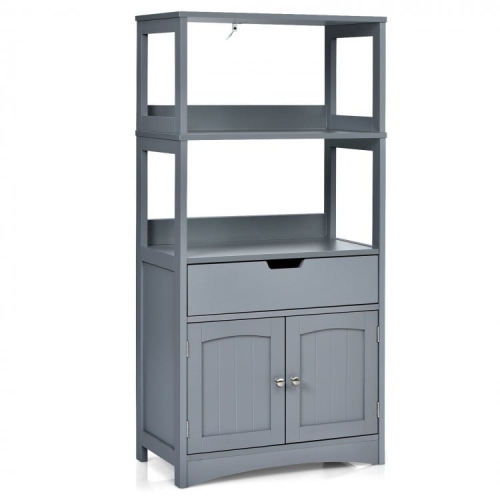
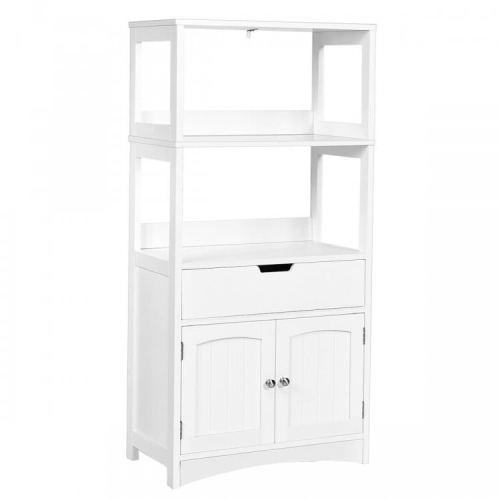
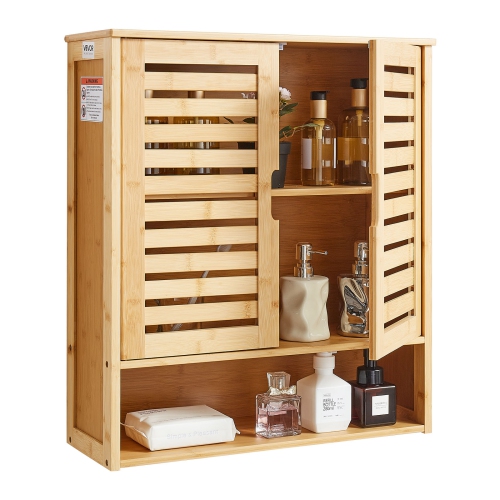
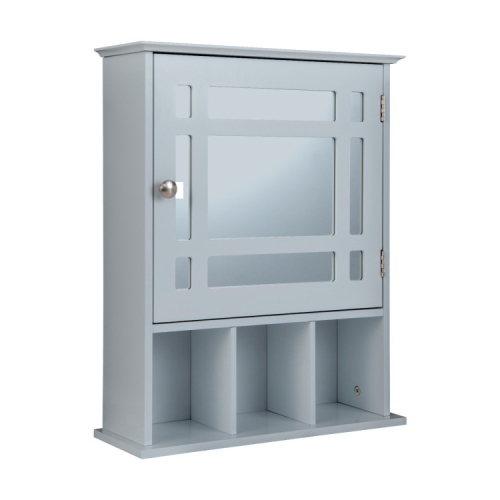
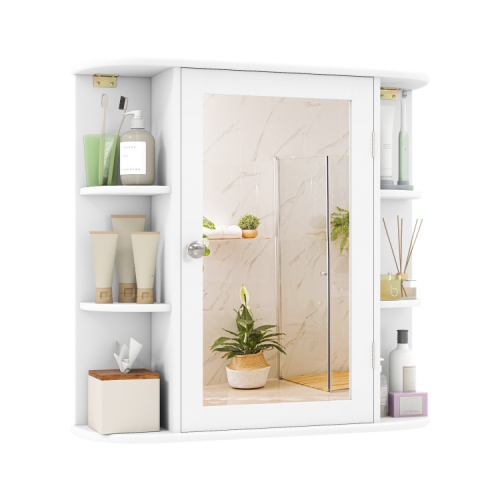
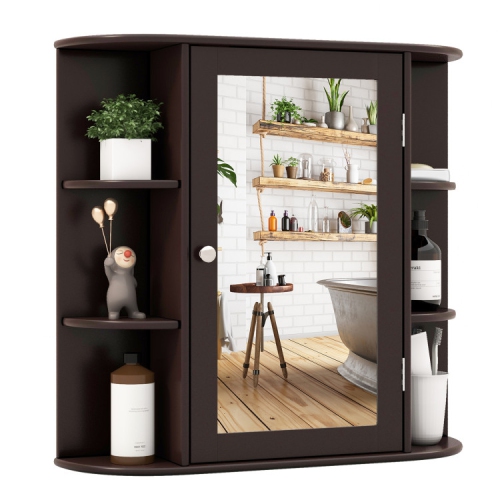

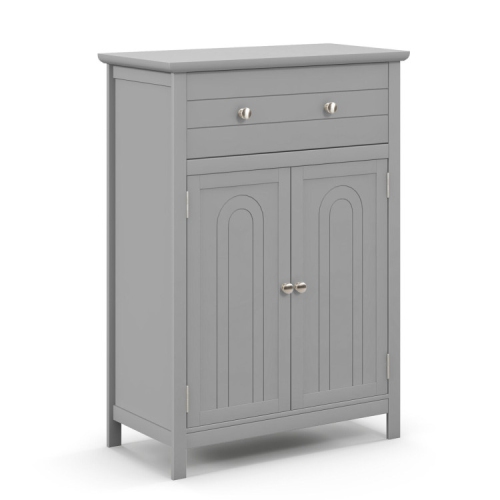
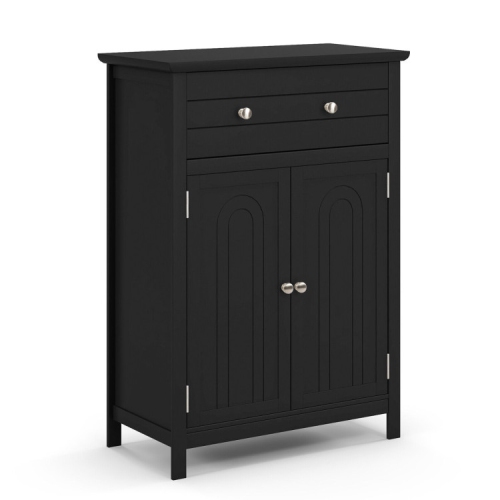
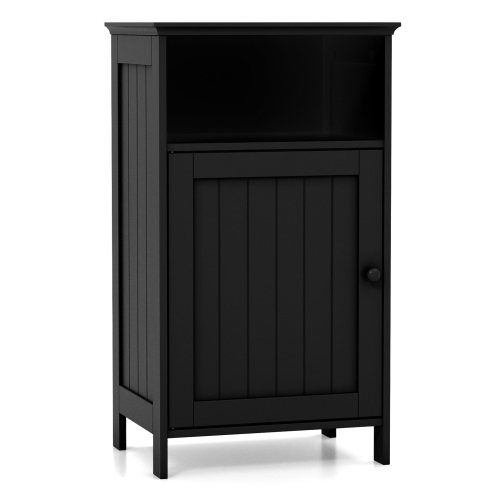
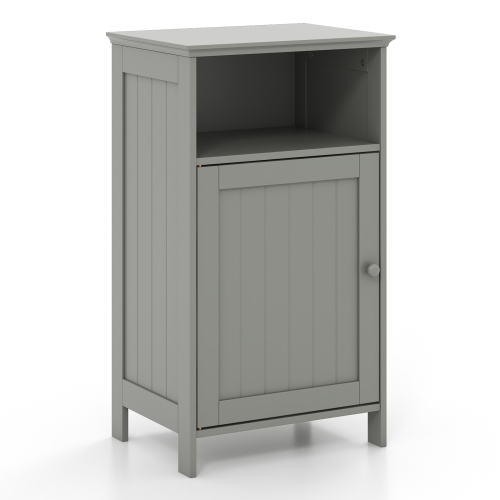
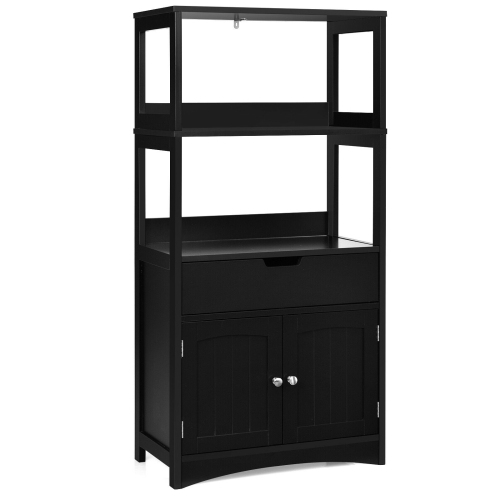
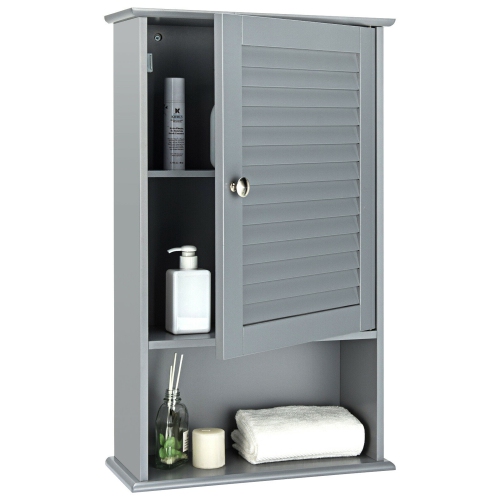
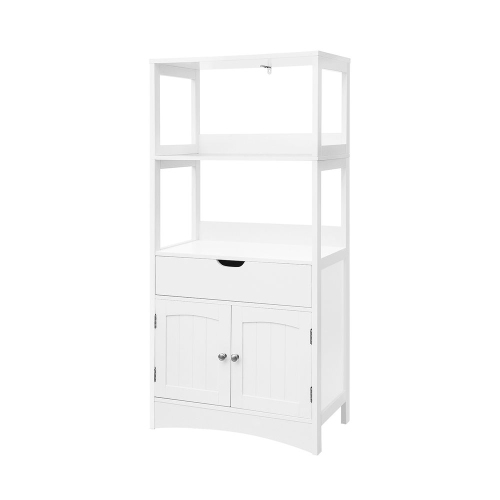
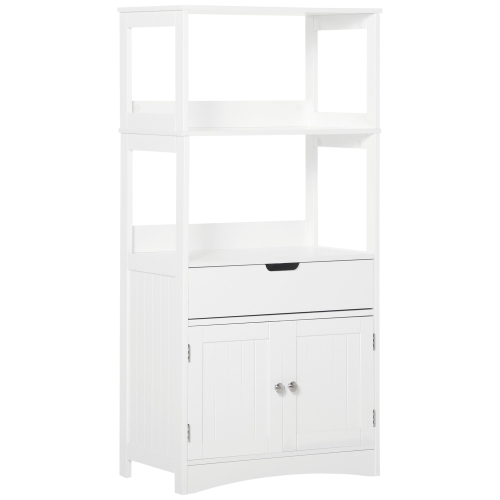
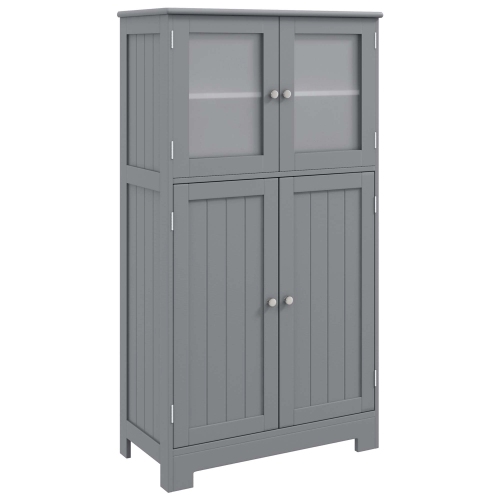
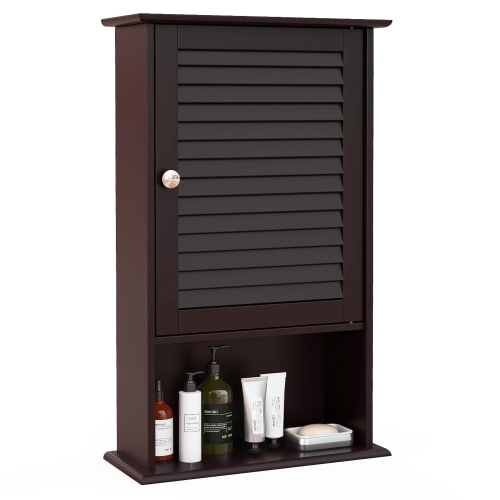
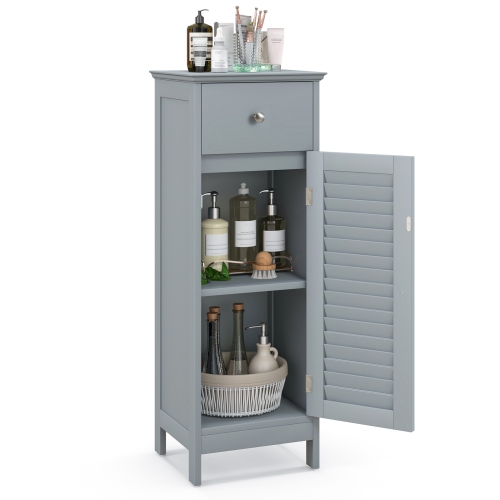
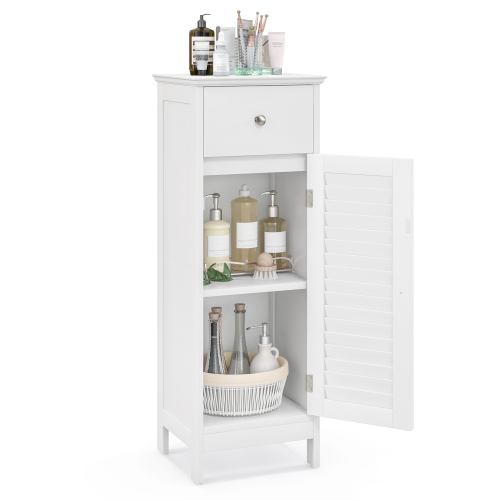

Less countertop clutter without replacing your bathroom vanity
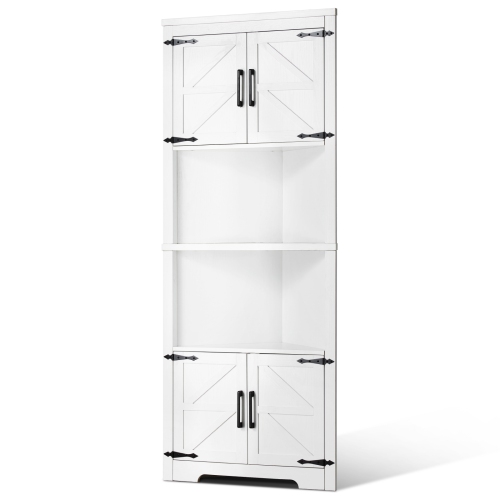
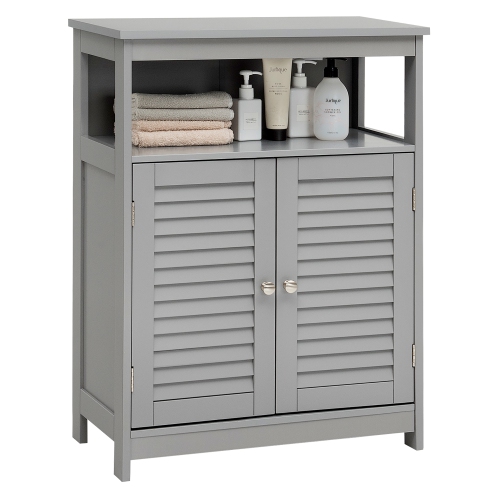
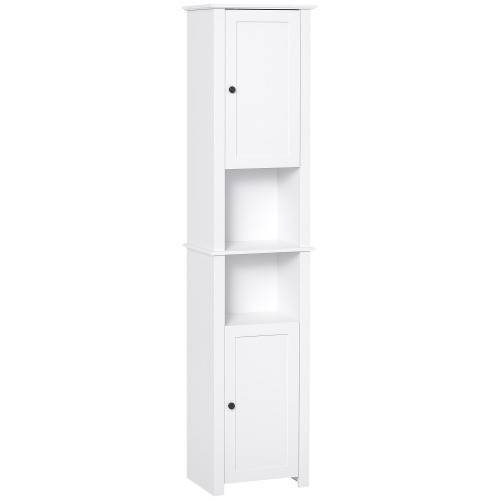
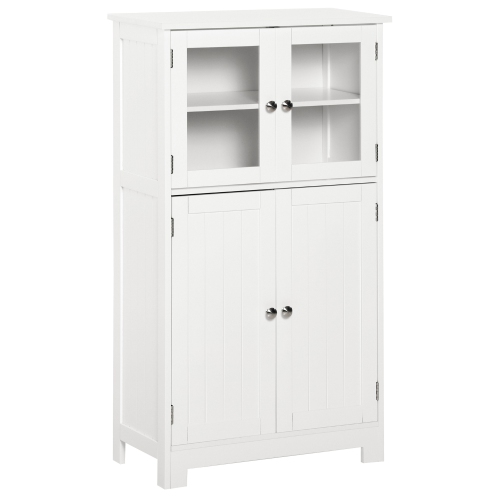
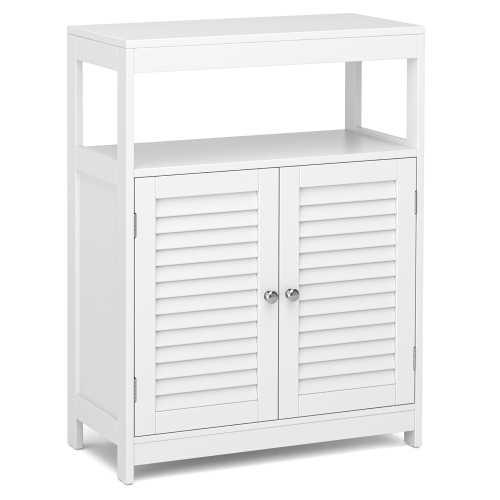
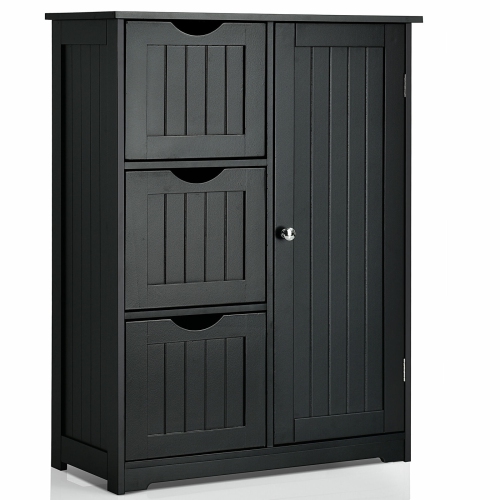
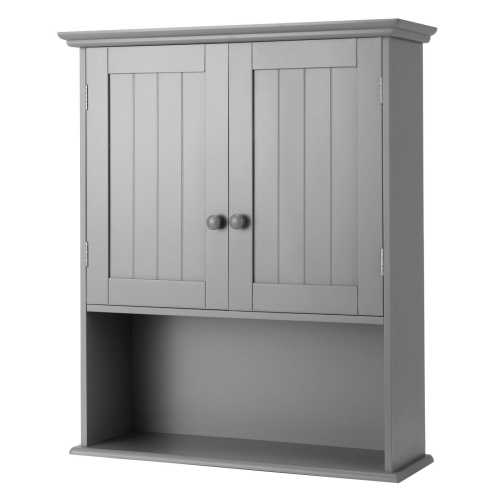
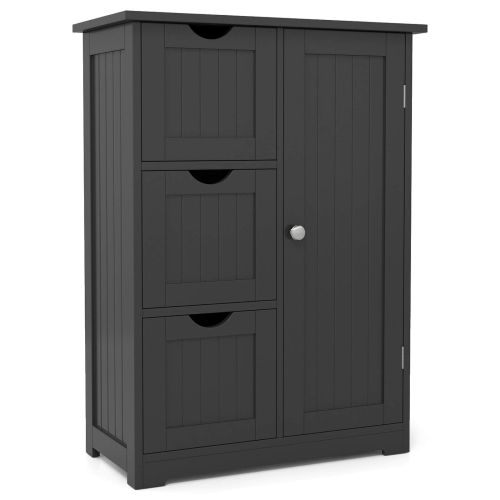
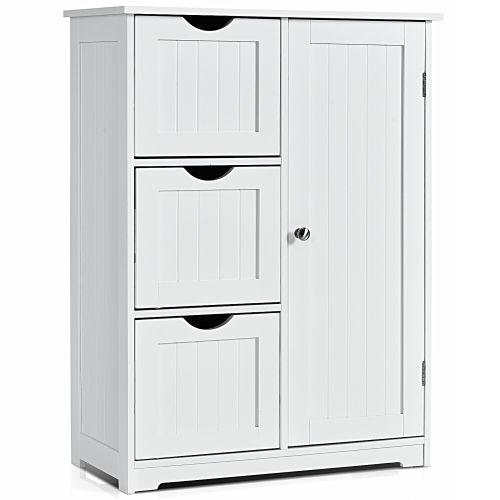
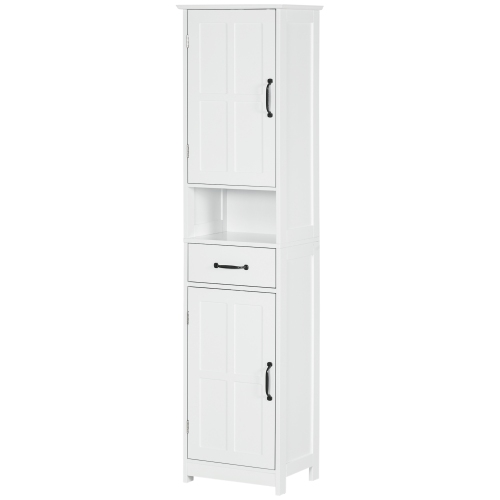
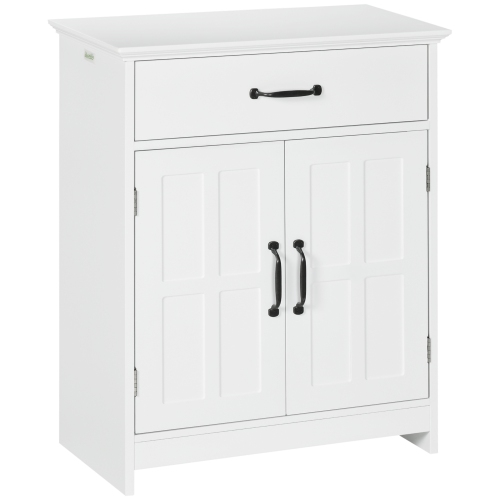
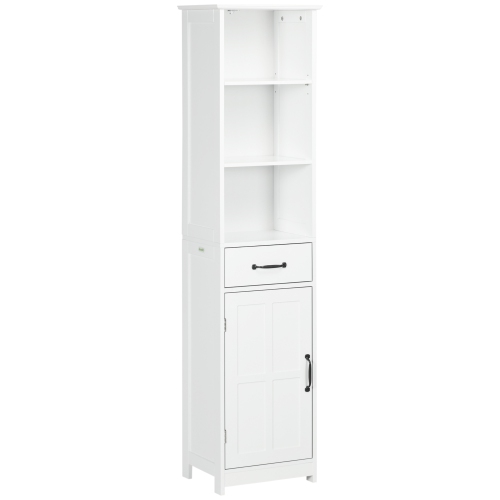
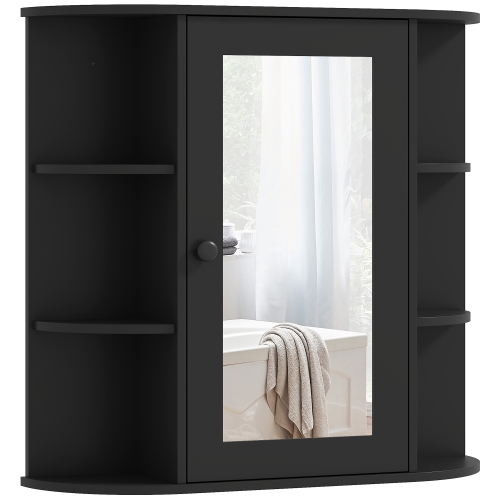
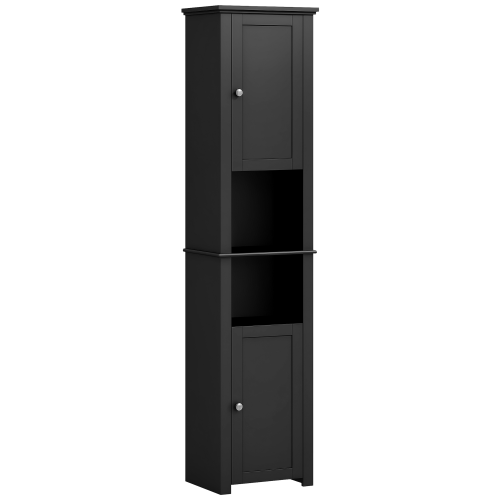
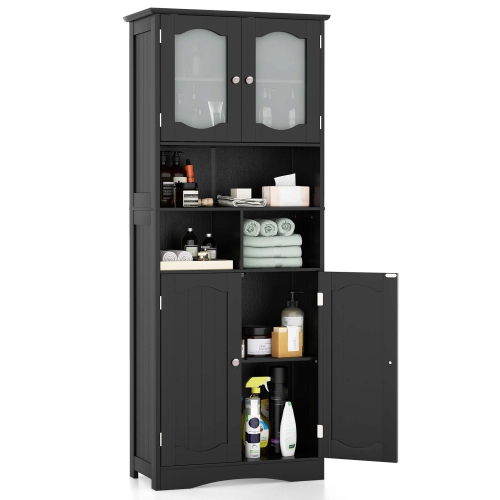
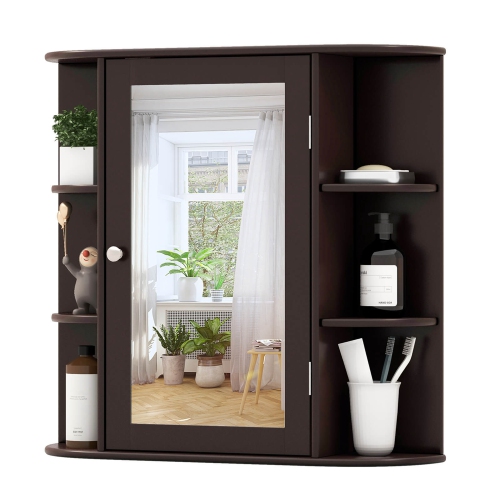
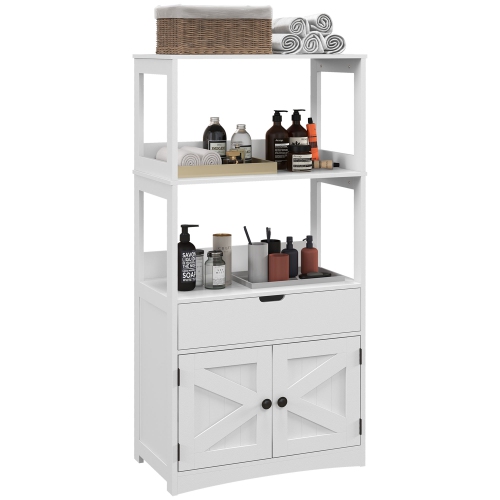
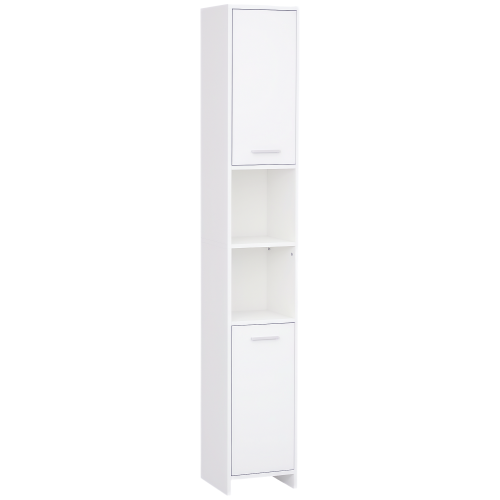
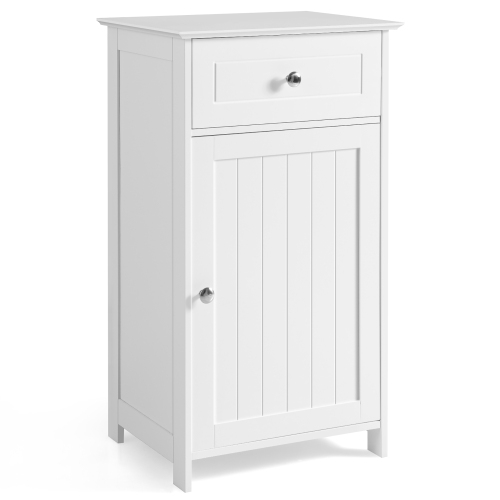
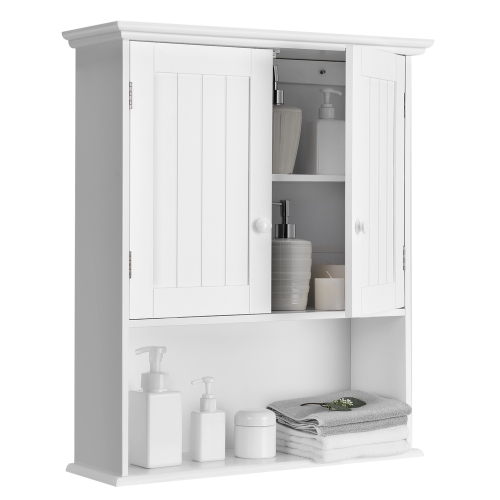
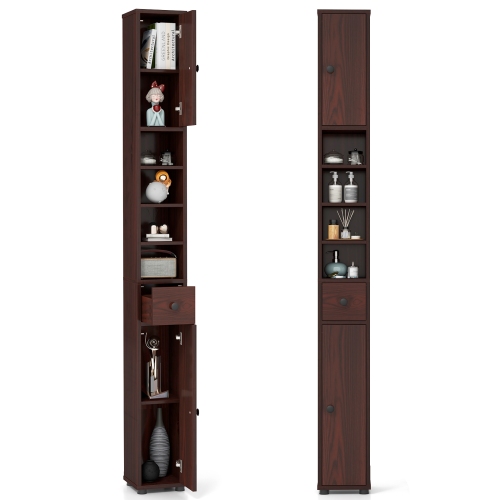
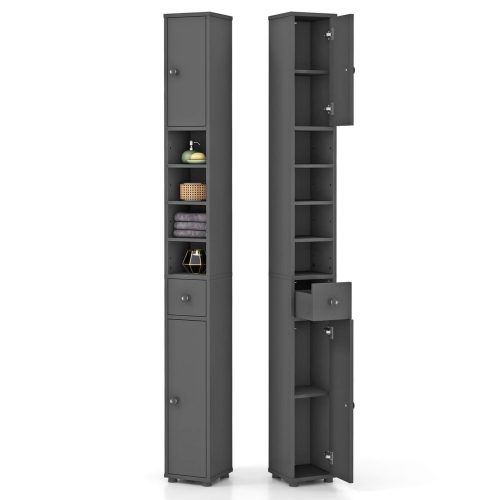
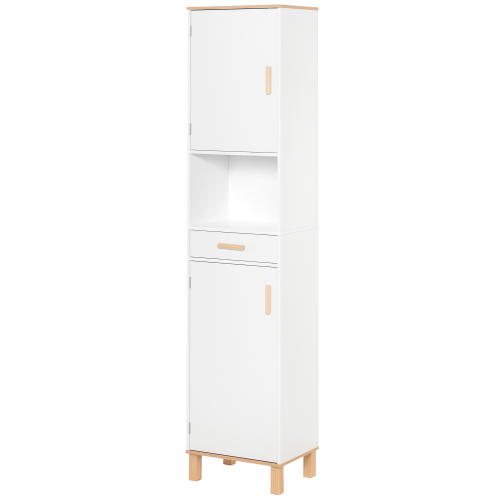
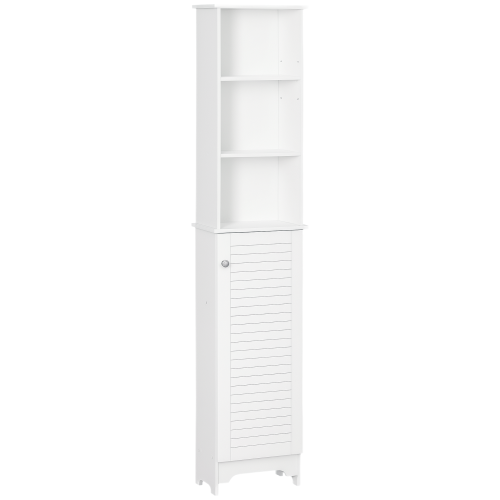
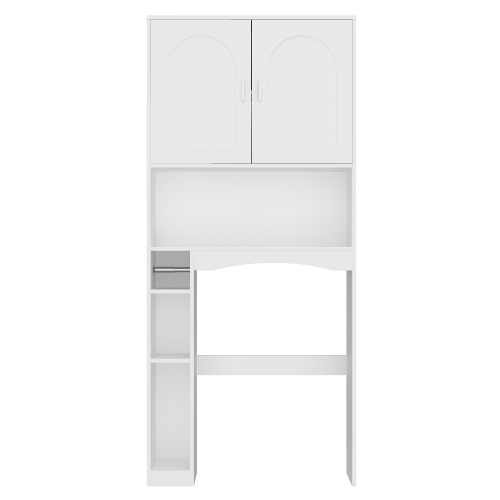
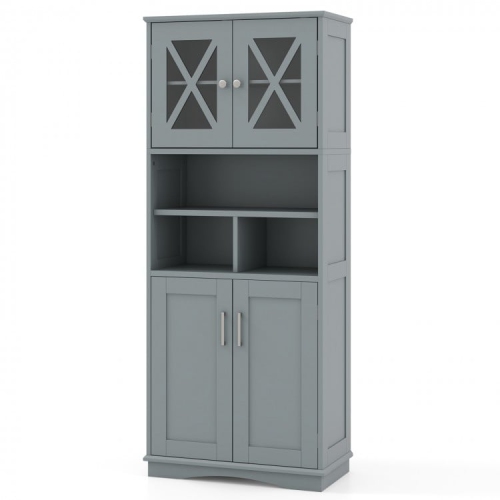
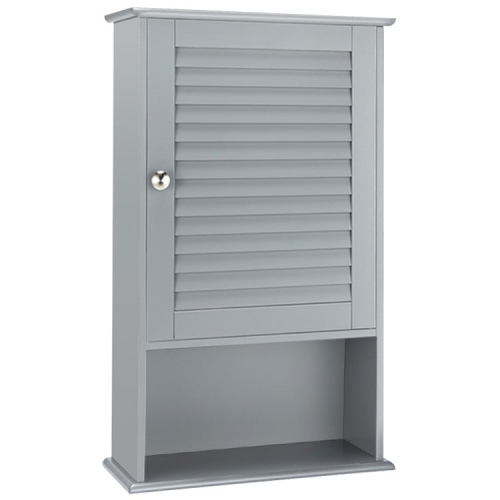
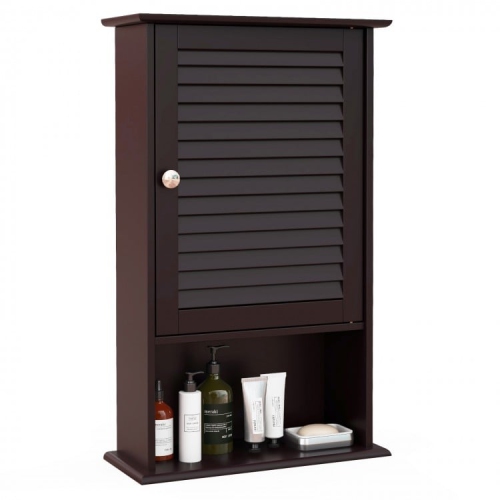
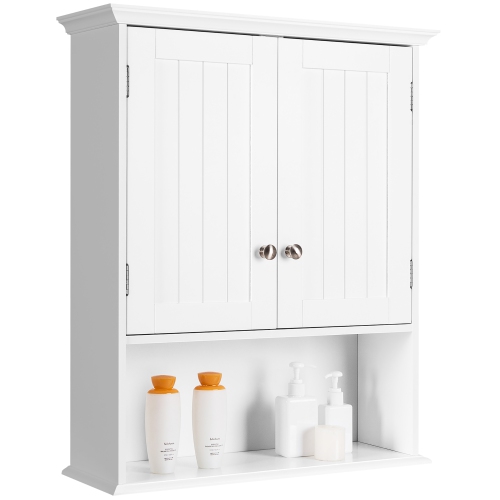
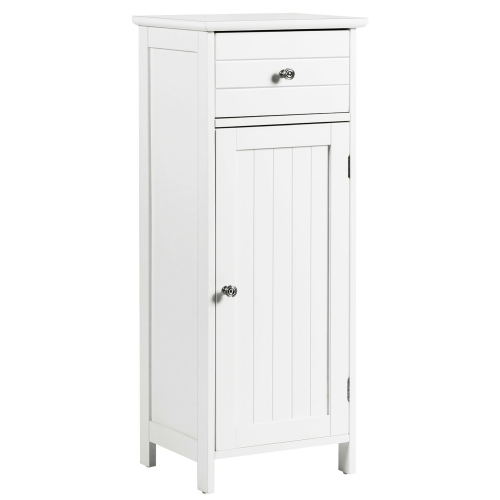
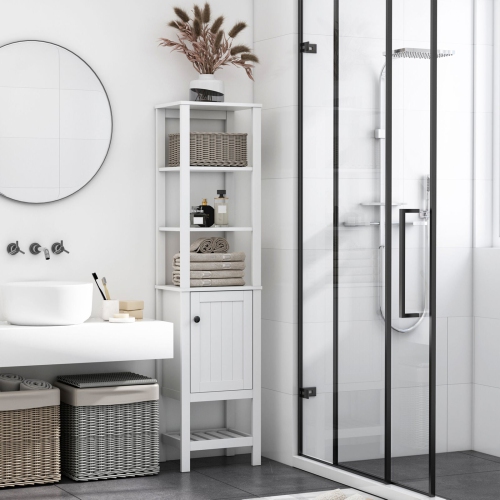
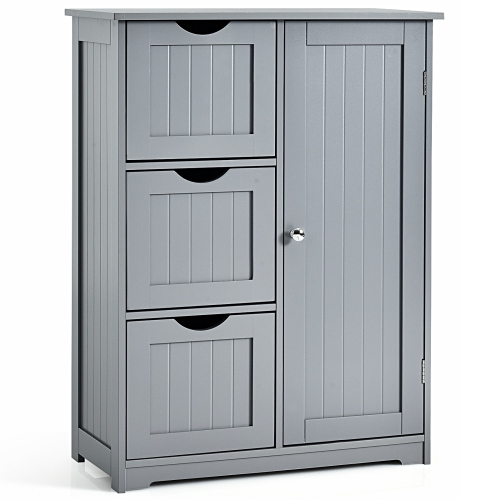
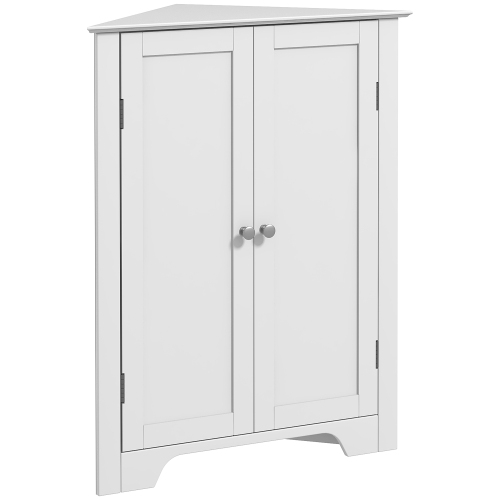
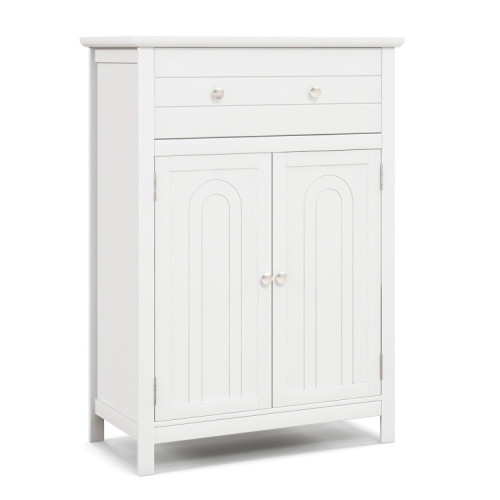
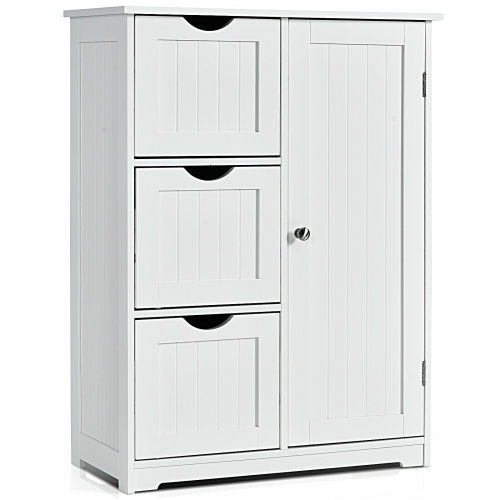
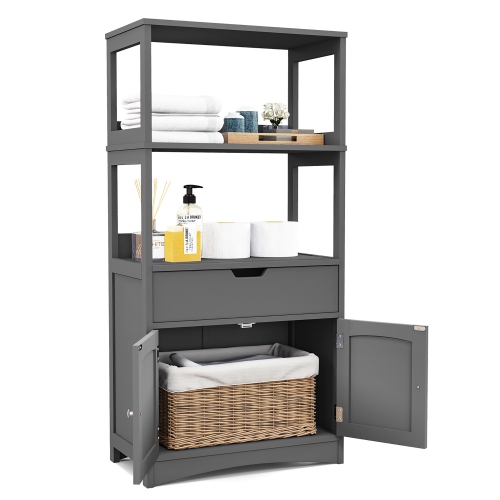
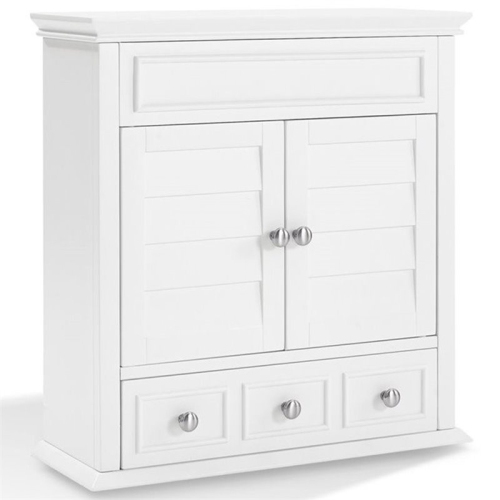
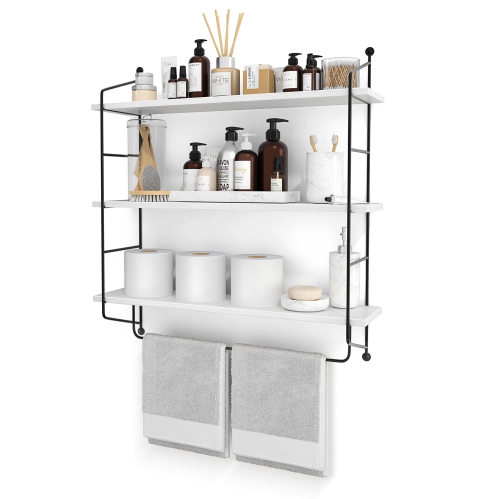
Bathroom storage cabinets give towels, toiletries, cleaning supplies, and everyday essentials a dedicated place without leaving every surface on display. The main styles include freestanding floor cabinets, slim storage towers, wall-mounted cabinets, linen cabinets, and over-the-toilet units, each suited to a different part of the room. A compact floor cabinet can fill an unused corner beside a vanity, while a tall, narrow tower brings several levels of storage to a small footprint. Wider linen cabinets suit bathrooms with room for folded bath towels, washcloths, and spare bedding, although the usable shelf depth matters as much as the cabinet’s overall size. Wall-mounted designs leave the floor clear and can make a small bathroom feel less crowded, particularly when there is little space between the sink, toilet, and shower. For a streamlined look above a vanity or along an open wall, modern bathroom wall storage cabinets pair enclosed storage with simple shapes that work alongside contemporary fixtures. Over-the-toilet cabinets use the space above the tank, but their lower clearance needs to accommodate the toilet, plumbing connections, and access for maintenance. Open shelves keep frequently used towels within reach, doors conceal spare supplies, and drawers separate smaller belongings that might otherwise collect around the sink. A combination of these features often suits a shared bathroom, where one person needs easy access to hair accessories and another needs space for shaving supplies. In a powder room, a shallow cabinet may be enough for extra toilet paper, hand towels, and soap. A larger family bathroom may benefit from separate compartments for each person, plus a higher shelf for less frequently used supplies. These differences make bathroom cabinets more than a finishing touch: the right layout can reduce countertop clutter and make daily routines easier without requiring a new vanity or a major change to the room.
A cabinet’s fit depends on the space around it as well as its listed height, width, and depth. The footprint should leave comfortable access to the toilet, sink, and shower, with enough clearance for cabinet doors and drawers to open fully. A narrow gap beside a vanity may look suitable for storage until a drawer pull, baseboard, or nearby door swing is taken into account. Tall cabinets also need space above and around them for assembly and secure installation, especially beneath a sloped ceiling or near an existing wall fixture. Interior measurements help distinguish a cabinet that holds a few small containers from one that accommodates folded bath sheets or upright bottles. Adjustable shelves offer flexibility as storage needs change, while fixed shelves provide clearly defined compartments for consistent arrangements. Materials influence both appearance and everyday care. Painted or laminated engineered wood offers a smooth, coordinated finish, but exposed edges and damaged seams can be vulnerable to water. Solid wood brings natural grain and character, though its finish still needs protection from prolonged moisture. Metal cabinets can provide a crisp, simple profile; a suitable protective coating helps resist corrosion, particularly around joints and hardware. Glass-front doors make contents easier to see and can lighten the appearance of a larger cabinet, while opaque doors keep mismatched containers out of sight. No material should be assumed waterproof unless that property is specifically stated. In a bathroom, durability also depends on details such as securely attached handles, well-aligned hinges, stable shelving, and drawer runners that move smoothly under their intended load. A moisture-resistant finish is useful, but ventilation and distance from direct splashes still matter. The most practical cabinet balances its look with the demands of its location, whether that means a wipeable surface beside the sink or enclosed towel storage away from the shower opening.
Everyday use often reveals which storage details matter most. A deep cupboard can hold bulky supplies, but smaller belongings are easier to find when the interior has drawers, shelf divisions, or room for removable containers. Shallow shelves keep everyday toiletries visible rather than letting them disappear behind taller bottles. For households sharing one bathroom, assigning a drawer or shelf to each person can keep routines organized without filling the countertop with separate bags. Guest bathrooms benefit from an obvious place for clean hand towels and spare toilet paper, while a main bathroom may need more room for grooming tools and refill containers. Towels are best stored fully dry, and frequently handled supplies are easier to manage on surfaces that can be wiped clean. Spills should be removed promptly with a soft cloth, with cleaning methods matched to the cabinet’s finish; abrasive pads and harsh cleaners can dull coatings or damage edges. Hinges, handles, and mounting points may need occasional checks, particularly on cabinets opened many times a day. Freestanding does not necessarily mean installation-free: tall or top-heavy units may require wall anchoring according to the manufacturer’s directions. Wall-mounted cabinets need fixings appropriate to the wall construction and the combined weight of the cabinet and its contents. Plumbing and electrical lines also affect where mounting hardware can safely go. In homes with children, secure storage for medicines and cleaning products deserves particular attention, since a high shelf alone is not a substitute for a suitable locked compartment. Appearance can support this practical planning rather than compete with it. A white or light-coloured cabinet can blend with pale tiles, a wood-grain finish can add warmth beside plain fixtures, and a darker finish can give a simple room a stronger focal point. Matching every surface is not necessary; repeating a handle finish or a similar door profile can create a cohesive look. With the right proportions, accessible compartments, and appropriate care, bathroom storage cabinets help turn awkward gaps and unused wall space into useful storage that fits naturally into daily life.
A cabinet’s fit depends on the space around it as well as its listed height, width, and depth. The footprint should leave comfortable access to the toilet, sink, and shower, with enough clearance for cabinet doors and drawers to open fully. A narrow gap beside a vanity may look suitable for storage until a drawer pull, baseboard, or nearby door swing is taken into account. Tall cabinets also need space above and around them for assembly and secure installation, especially beneath a sloped ceiling or near an existing wall fixture. Interior measurements help distinguish a cabinet that holds a few small containers from one that accommodates folded bath sheets or upright bottles. Adjustable shelves offer flexibility as storage needs change, while fixed shelves provide clearly defined compartments for consistent arrangements. Materials influence both appearance and everyday care. Painted or laminated engineered wood offers a smooth, coordinated finish, but exposed edges and damaged seams can be vulnerable to water. Solid wood brings natural grain and character, though its finish still needs protection from prolonged moisture. Metal cabinets can provide a crisp, simple profile; a suitable protective coating helps resist corrosion, particularly around joints and hardware. Glass-front doors make contents easier to see and can lighten the appearance of a larger cabinet, while opaque doors keep mismatched containers out of sight. No material should be assumed waterproof unless that property is specifically stated. In a bathroom, durability also depends on details such as securely attached handles, well-aligned hinges, stable shelving, and drawer runners that move smoothly under their intended load. A moisture-resistant finish is useful, but ventilation and distance from direct splashes still matter. The most practical cabinet balances its look with the demands of its location, whether that means a wipeable surface beside the sink or enclosed towel storage away from the shower opening.
Everyday use often reveals which storage details matter most. A deep cupboard can hold bulky supplies, but smaller belongings are easier to find when the interior has drawers, shelf divisions, or room for removable containers. Shallow shelves keep everyday toiletries visible rather than letting them disappear behind taller bottles. For households sharing one bathroom, assigning a drawer or shelf to each person can keep routines organized without filling the countertop with separate bags. Guest bathrooms benefit from an obvious place for clean hand towels and spare toilet paper, while a main bathroom may need more room for grooming tools and refill containers. Towels are best stored fully dry, and frequently handled supplies are easier to manage on surfaces that can be wiped clean. Spills should be removed promptly with a soft cloth, with cleaning methods matched to the cabinet’s finish; abrasive pads and harsh cleaners can dull coatings or damage edges. Hinges, handles, and mounting points may need occasional checks, particularly on cabinets opened many times a day. Freestanding does not necessarily mean installation-free: tall or top-heavy units may require wall anchoring according to the manufacturer’s directions. Wall-mounted cabinets need fixings appropriate to the wall construction and the combined weight of the cabinet and its contents. Plumbing and electrical lines also affect where mounting hardware can safely go. In homes with children, secure storage for medicines and cleaning products deserves particular attention, since a high shelf alone is not a substitute for a suitable locked compartment. Appearance can support this practical planning rather than compete with it. A white or light-coloured cabinet can blend with pale tiles, a wood-grain finish can add warmth beside plain fixtures, and a darker finish can give a simple room a stronger focal point. Matching every surface is not necessary; repeating a handle finish or a similar door profile can create a cohesive look. With the right proportions, accessible compartments, and appropriate care, bathroom storage cabinets help turn awkward gaps and unused wall space into useful storage that fits naturally into daily life.
Top selling and popular products
-
 Your price for this item is $109.31
 -
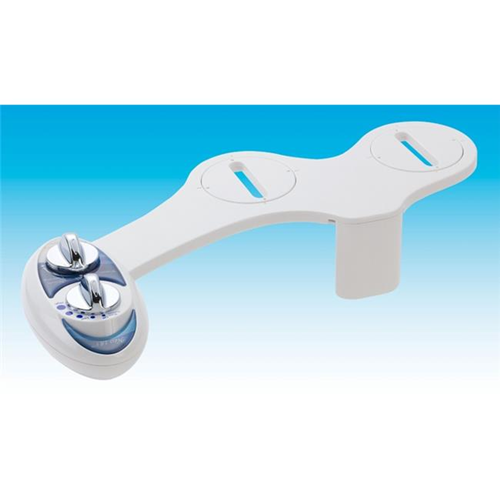 Your price for this item is $200.83
 -
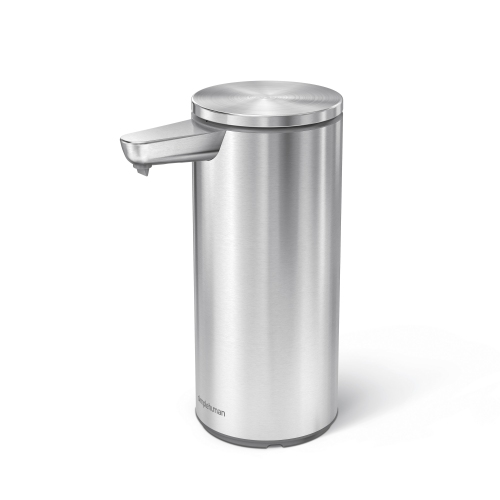 Your price for this item is $90
 -
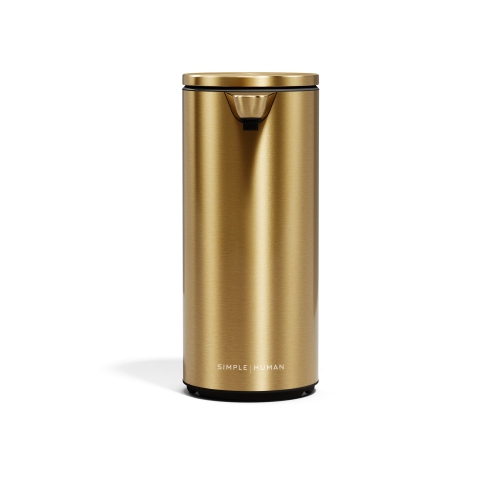 Your price for this item is $100
 -
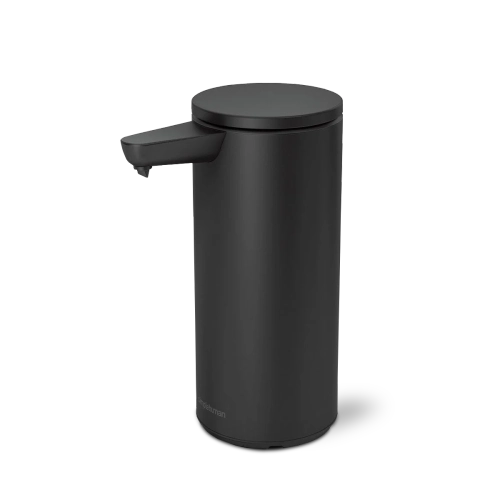 Your price for this item is $100
 -
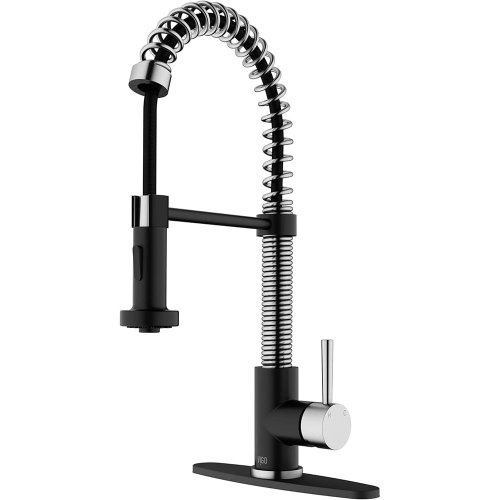 Your price for this item is $426.55
 -
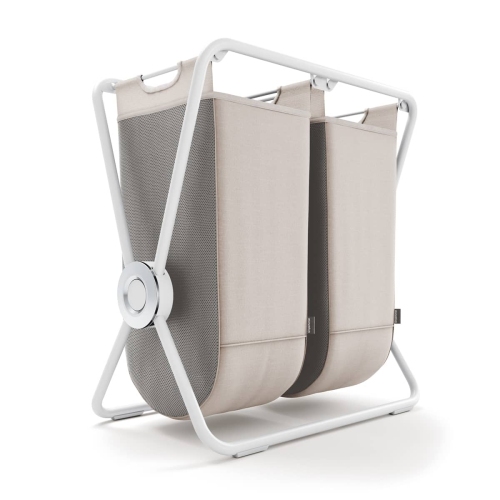 Your price for this item is $300
 -
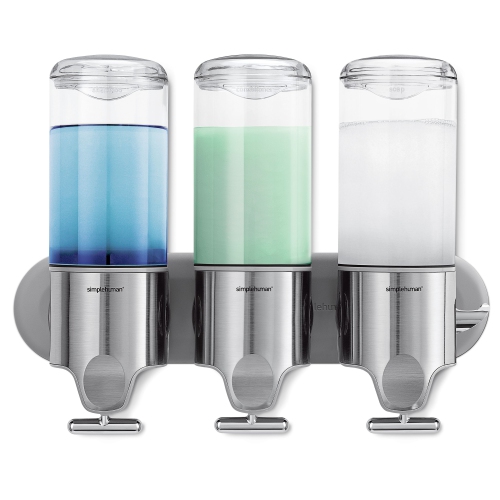 Your price for this item is $120
Discover more categories related to Bathroom Storage Cabinets

Top Collections:
Pokemon Centers, Kindle Devices, Best Budget Office Chairs, Apple iPhones 16, Best Laptops for Writers, iPhone 15 Apple, Canon G7X Cameras, Refurbished Apple Laptops, Alarm Clock, Motorola Razr Phones
Some products may be subject to Environmental Handling Fees
(EHF) depending on your province.
Learn more about EHFs.