Bathroom Storage Containers
Transform your bathroom into an organized oasis with our versatile selection of bathroom storage containers. Designed to declutter and maximize space, these containers are perfect for storing toiletries, cosmetics, cleaning supplies, and more. Whether you’re looking for sleek and modern designs or practical and functional solutions, our collection offers a variety of options to suit any style and need. Elevate your bathroom’s functionality while keeping it tidy and stylish with our range of innovative storage solutions.
Sort
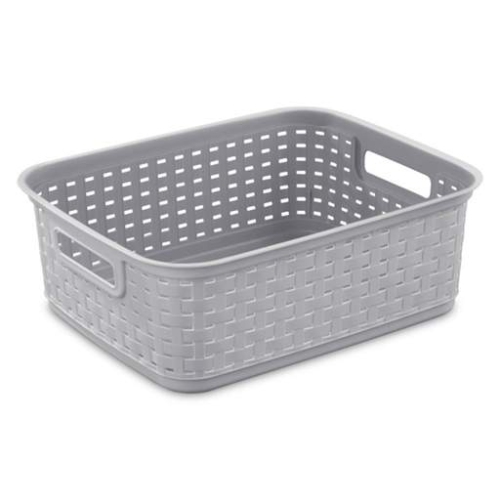
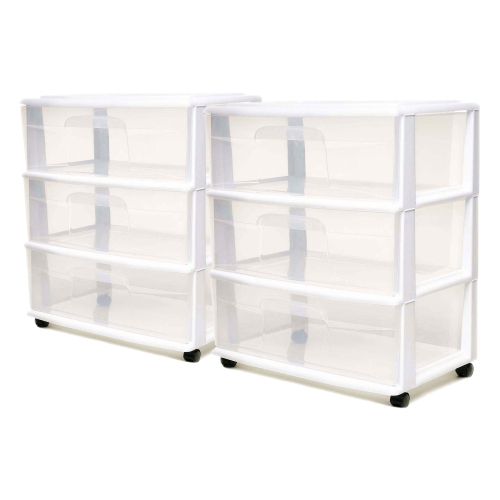
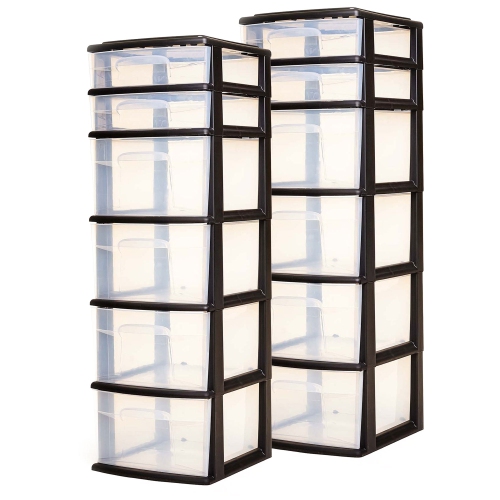
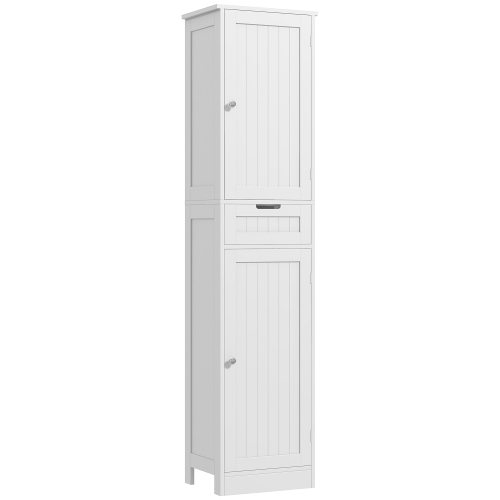
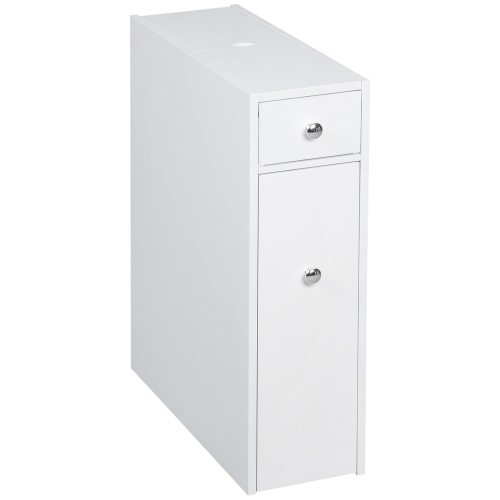
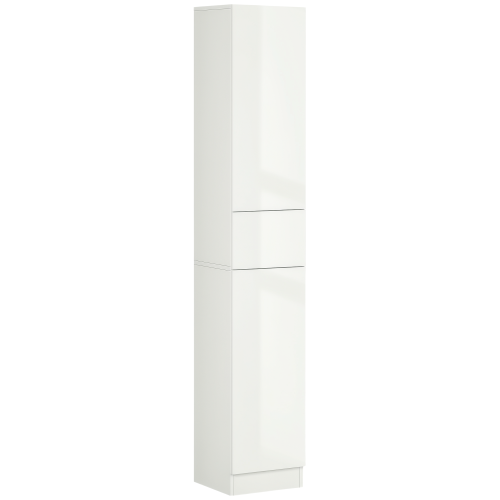
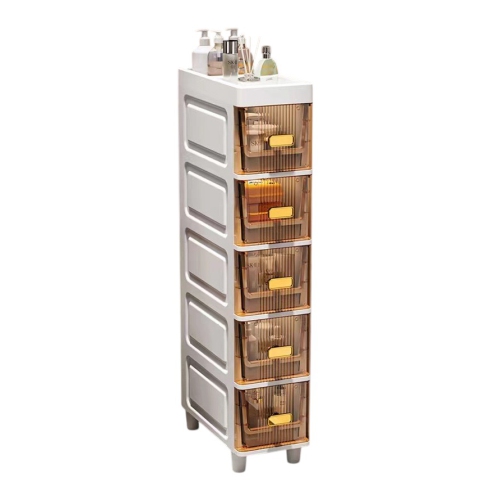
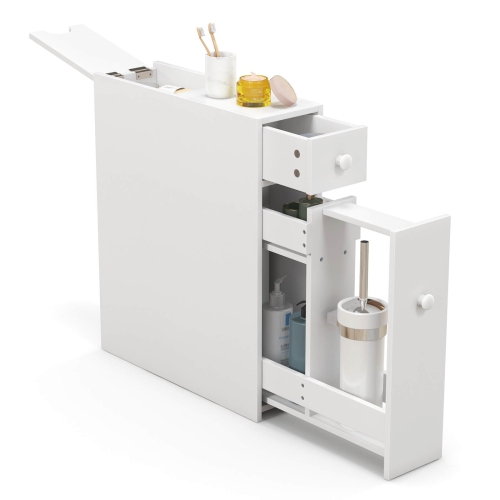
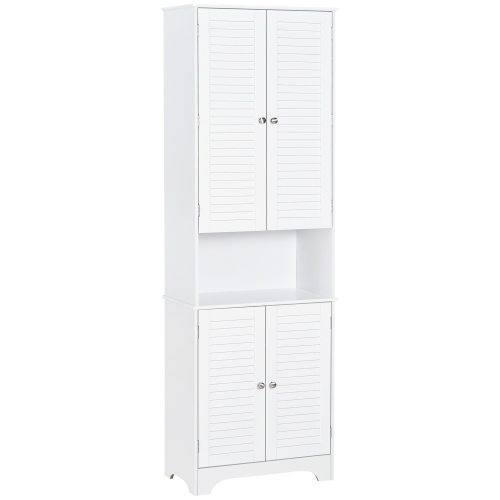
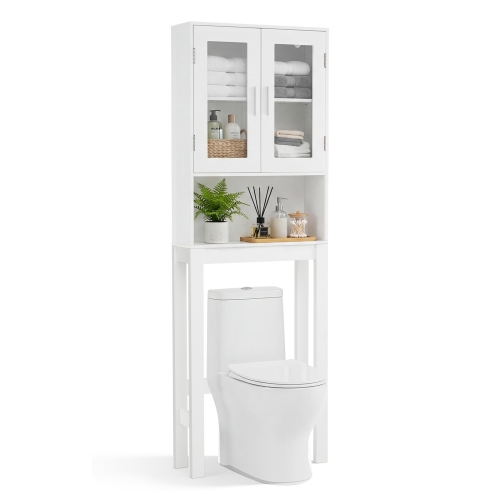
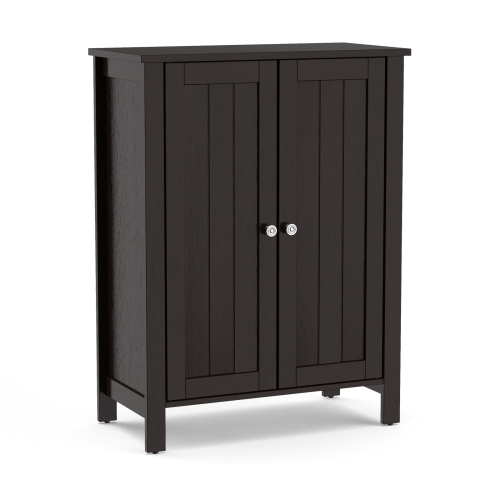
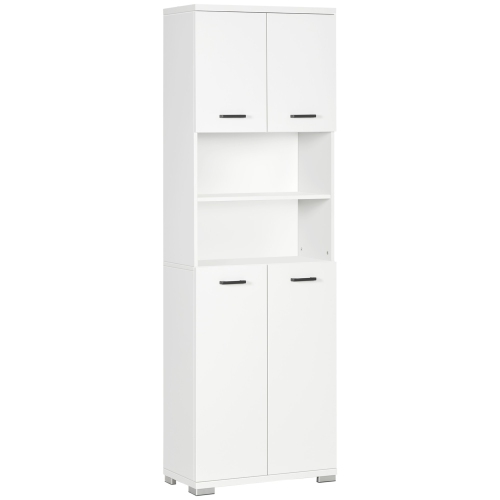
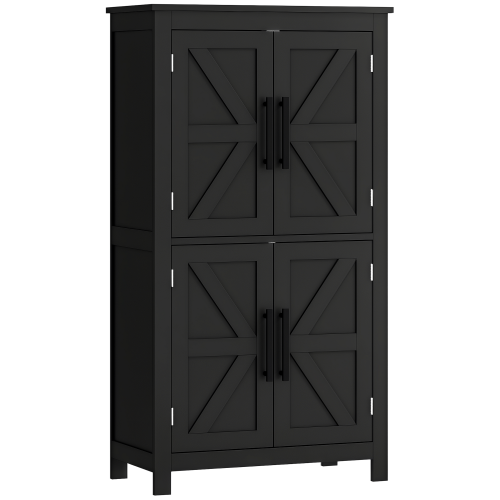

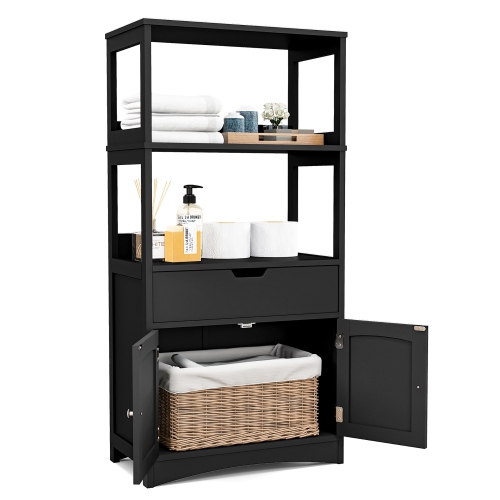
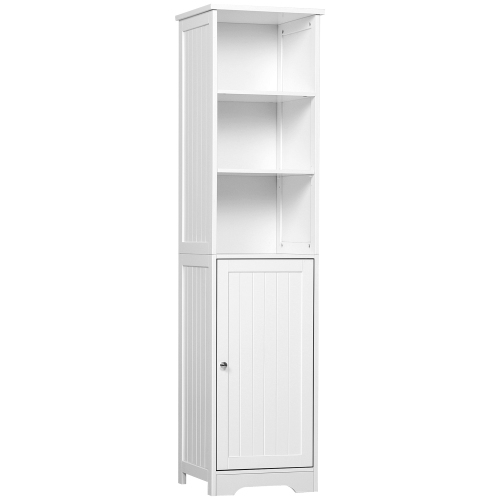
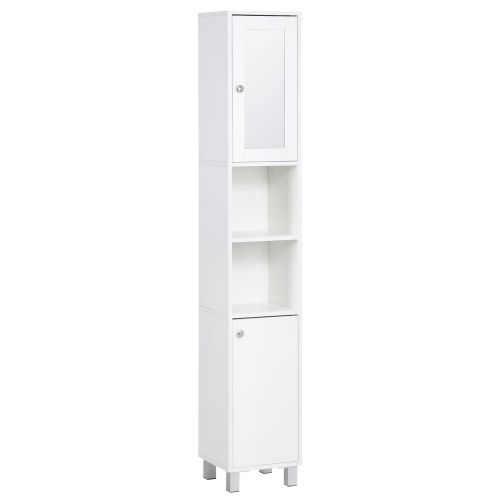

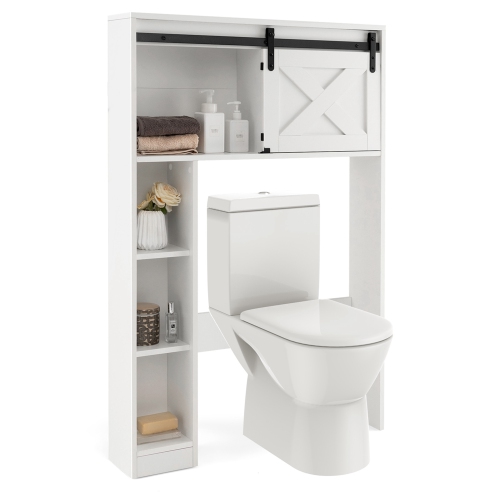
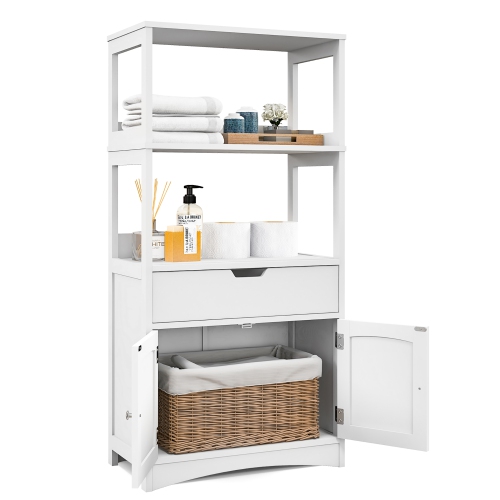
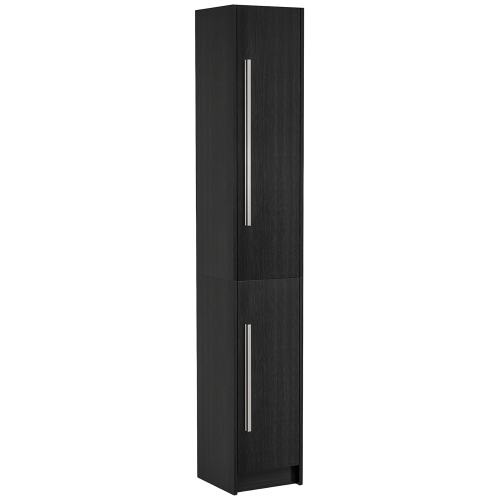
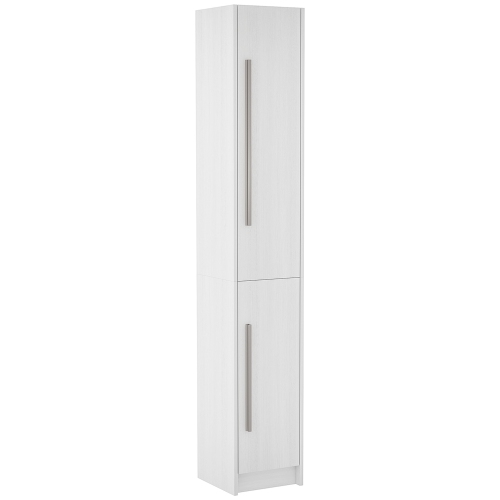
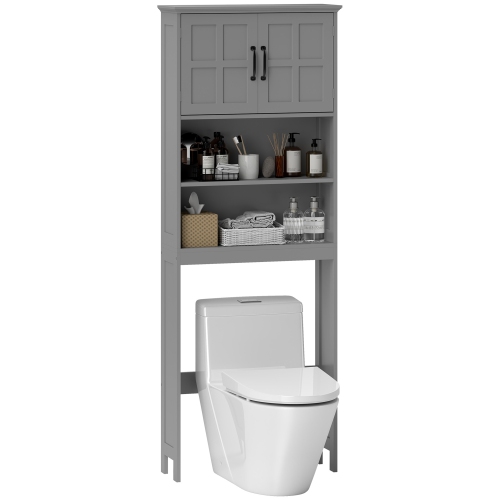
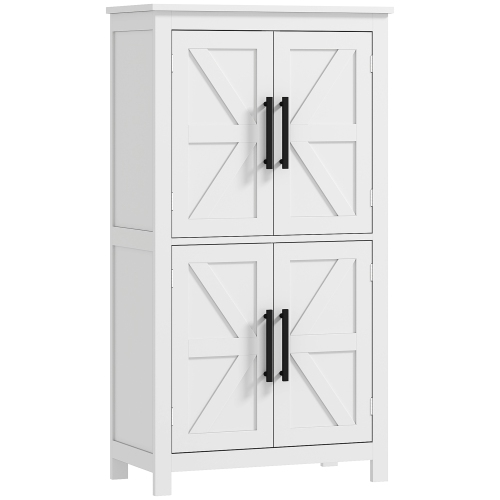
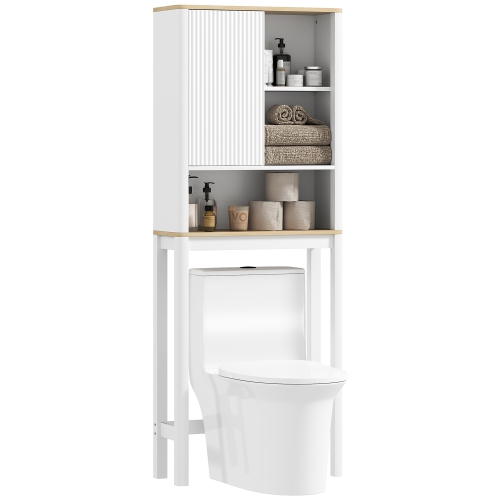
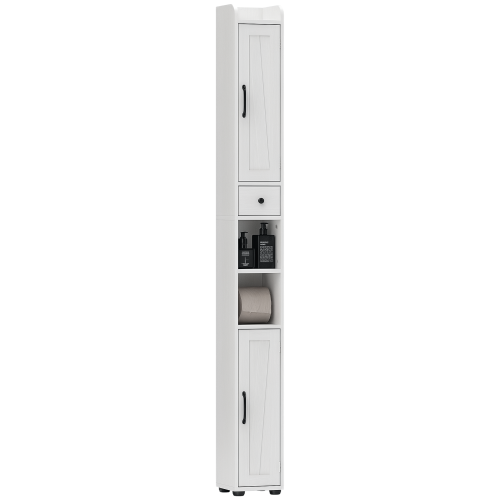
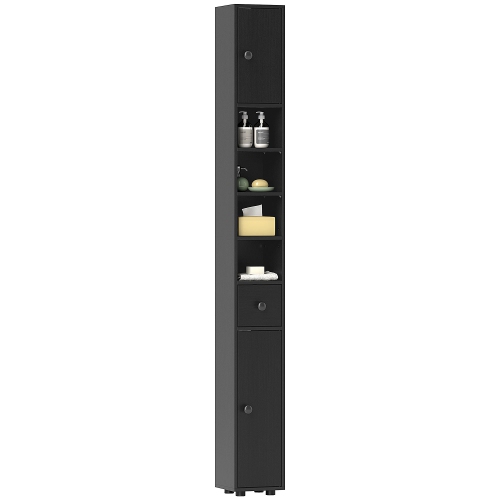
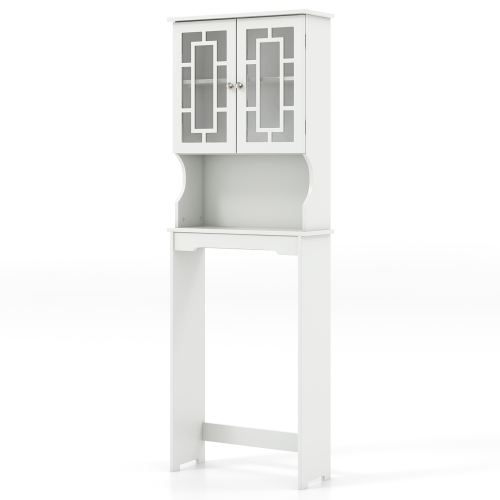
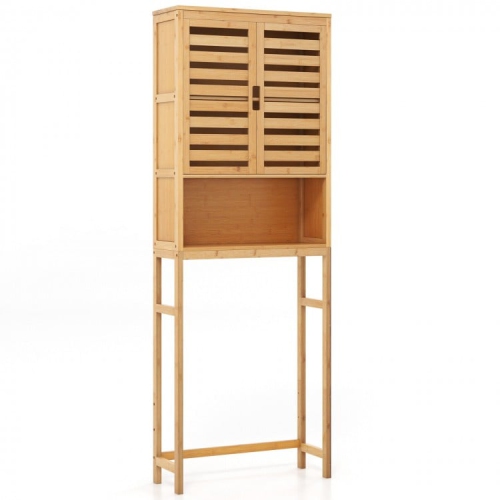
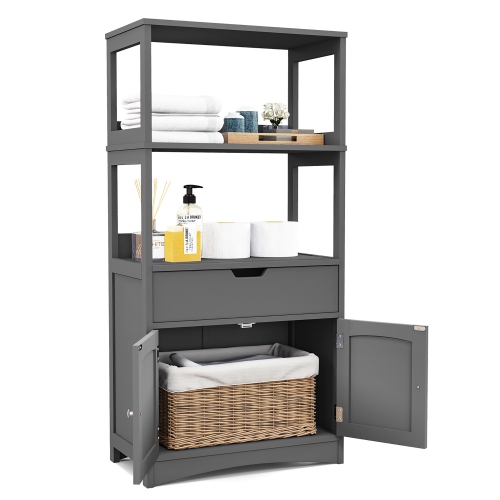
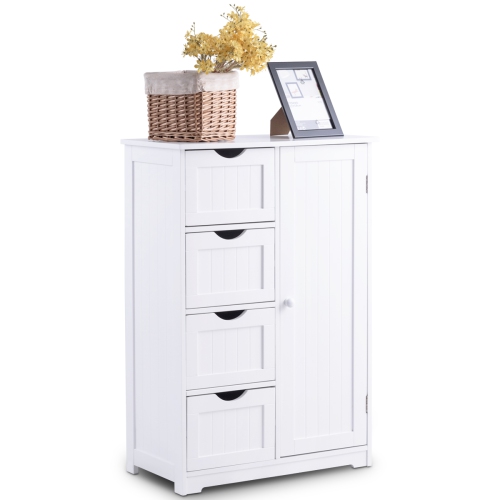
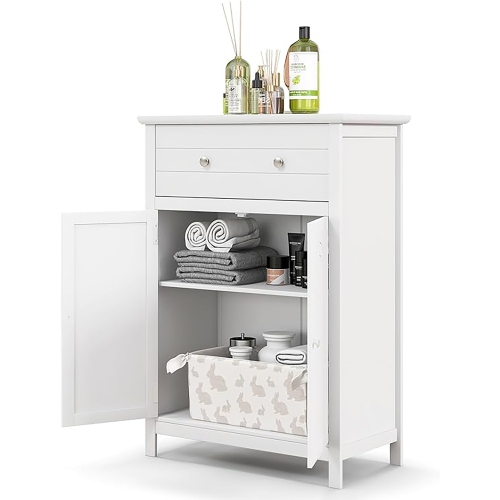
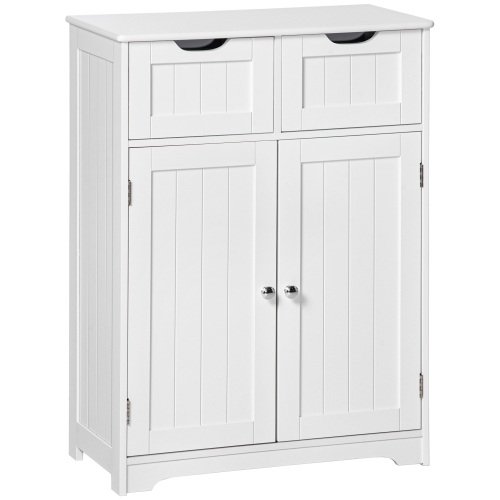
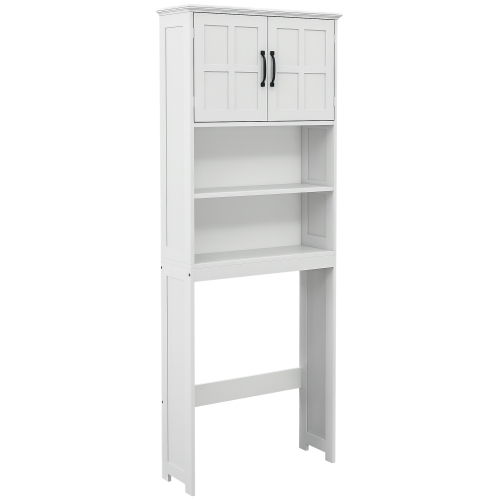
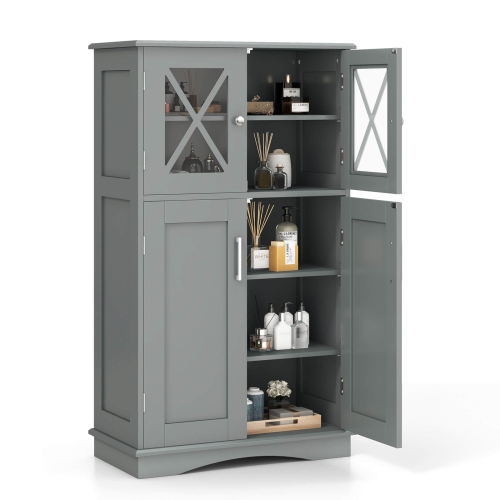
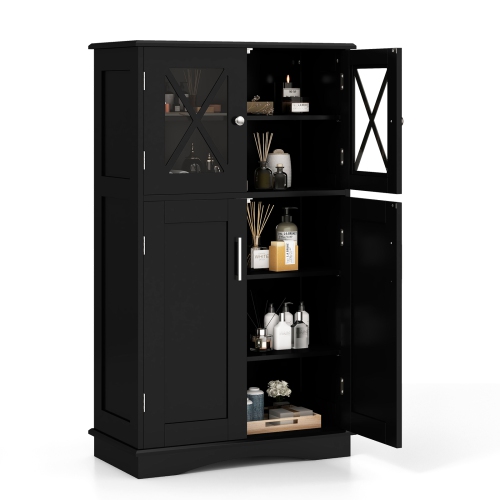
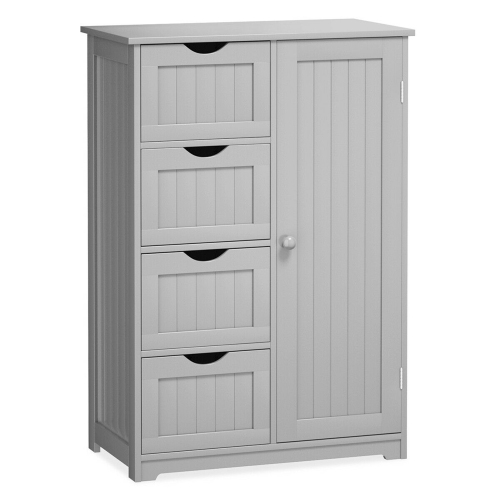
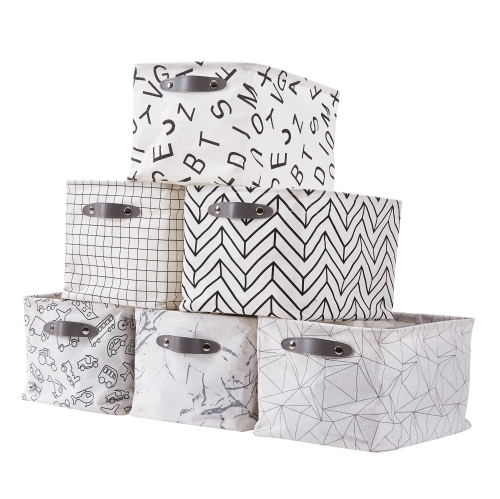
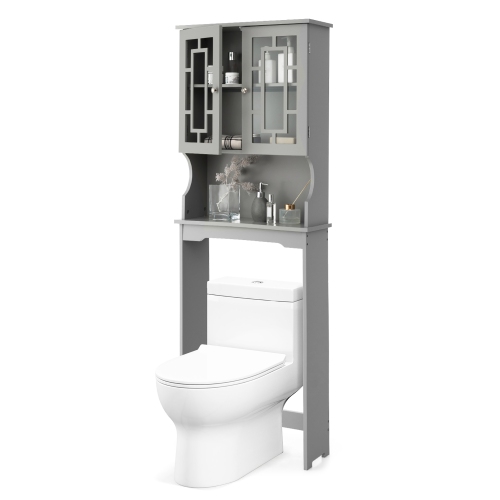
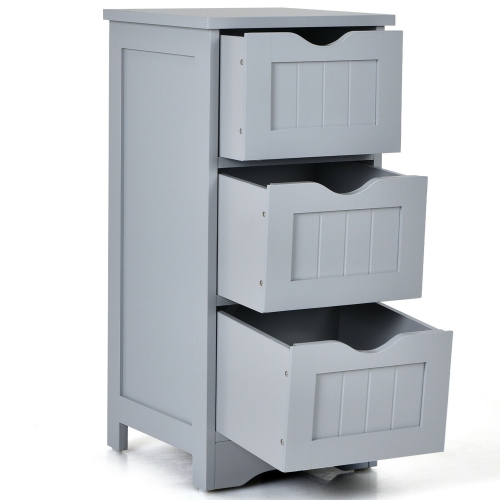
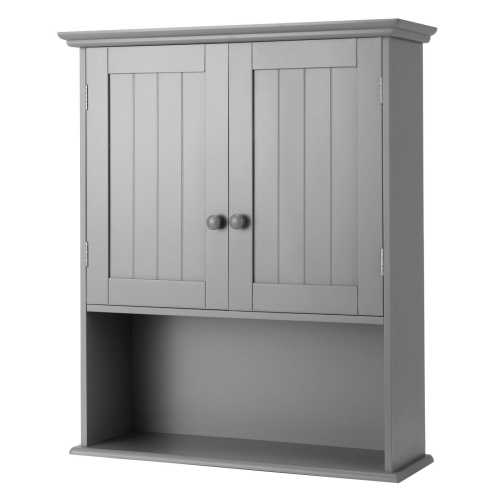
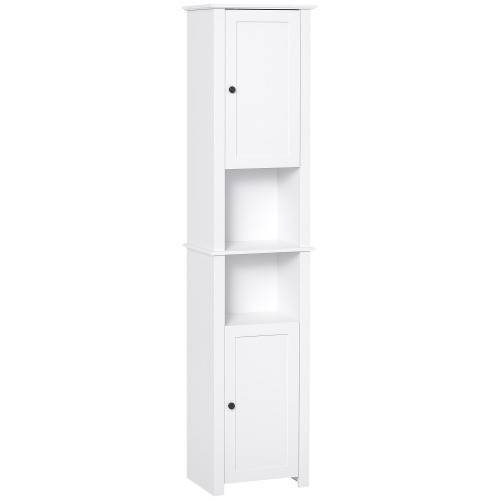
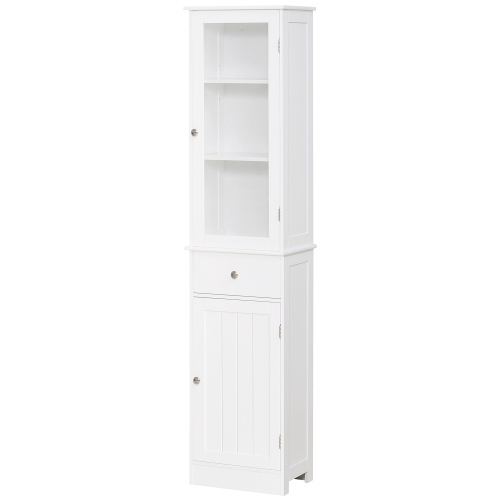
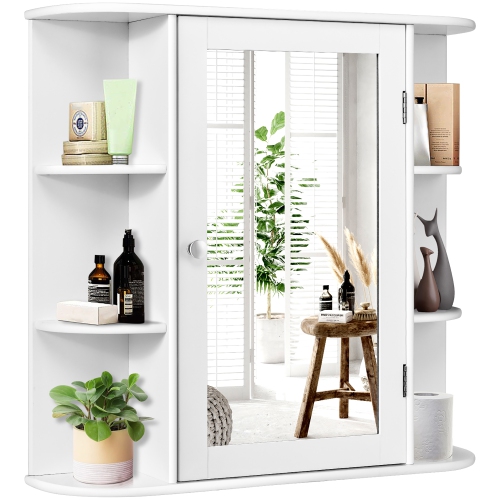
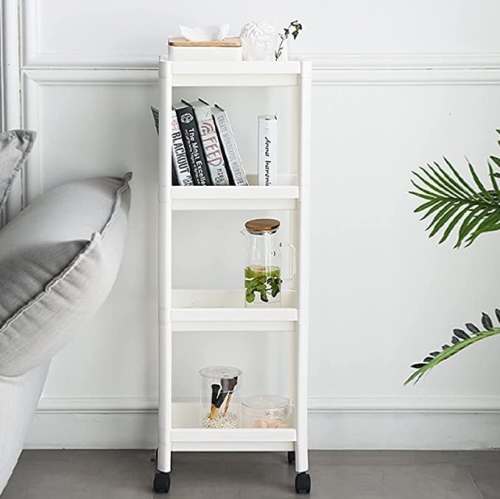
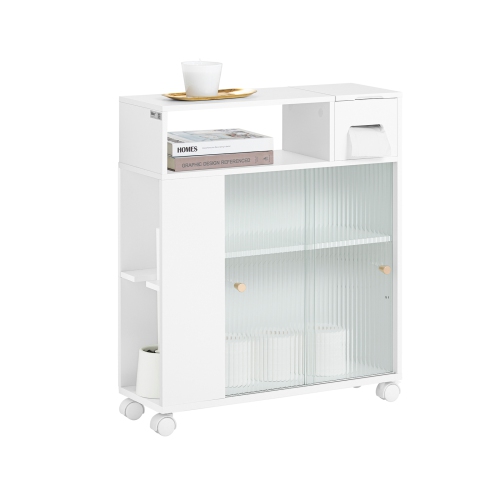
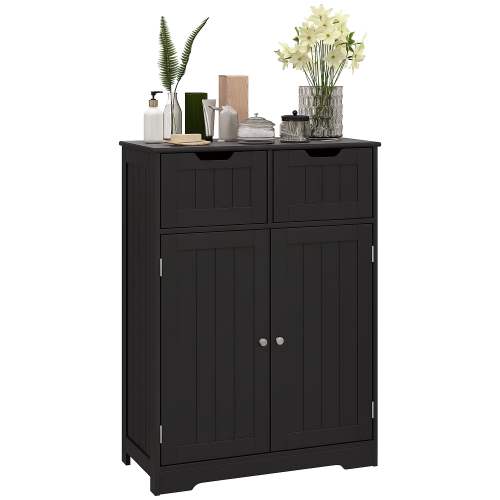
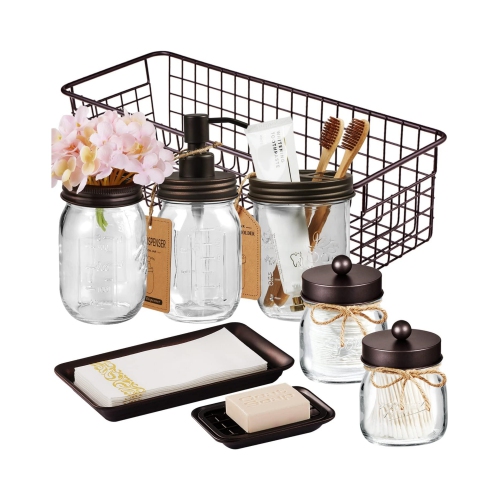
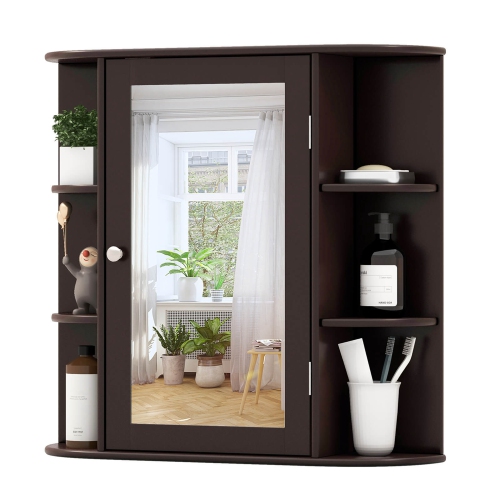
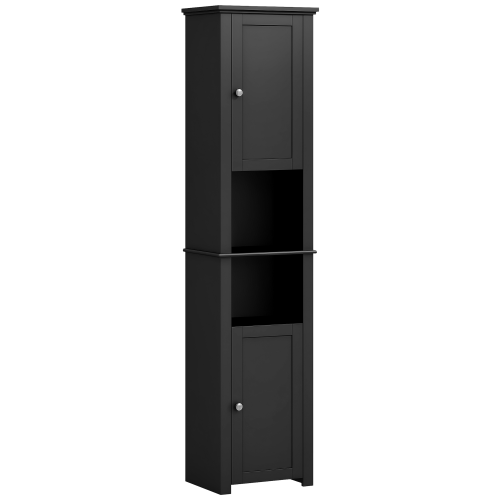
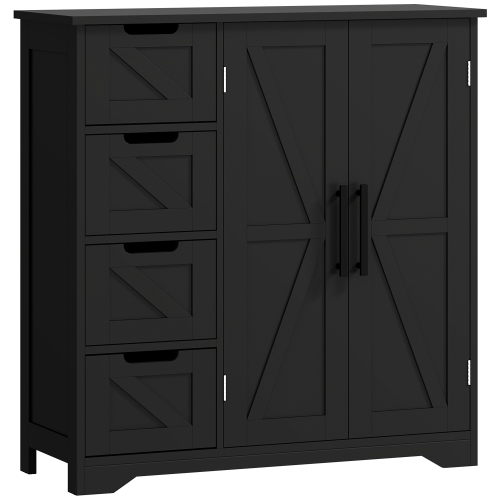
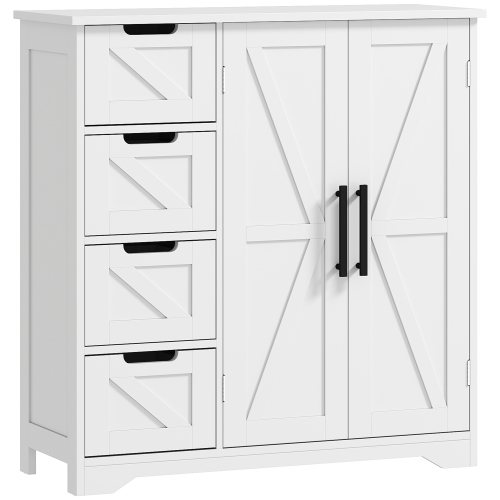
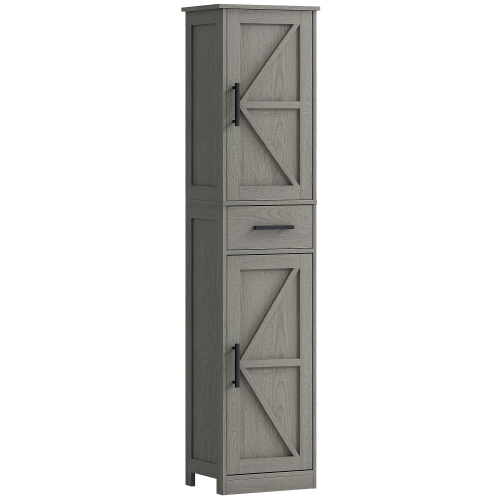
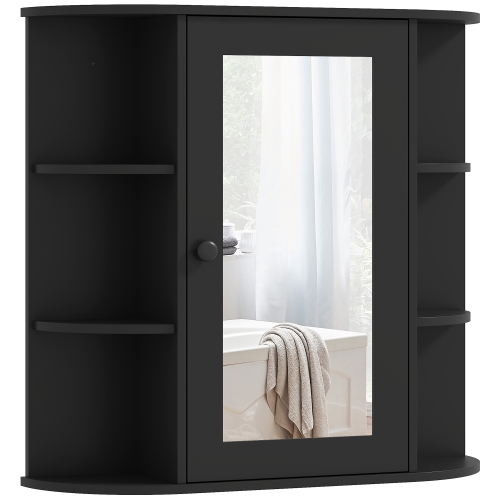
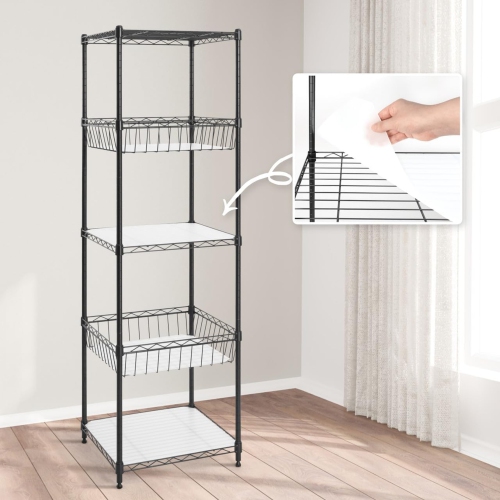
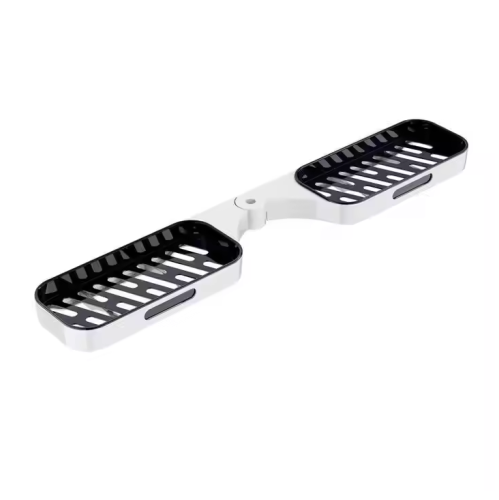
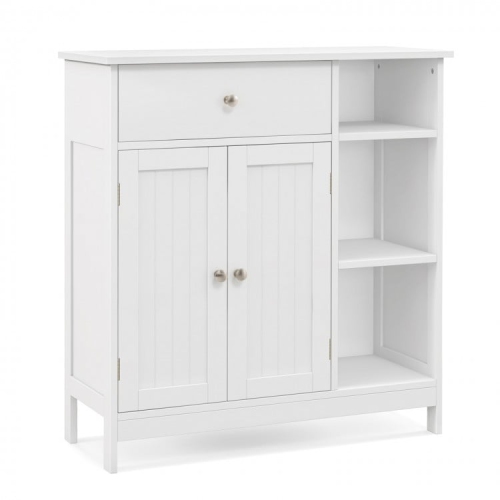
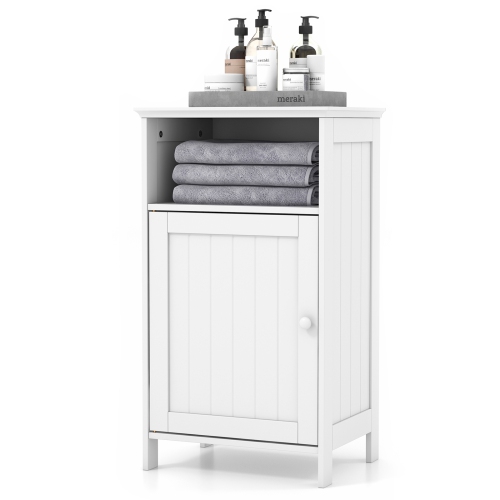
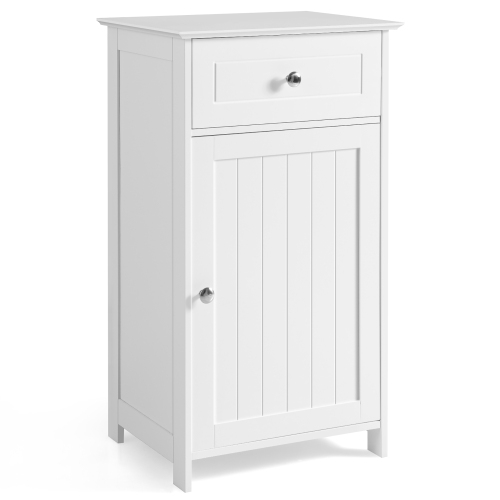
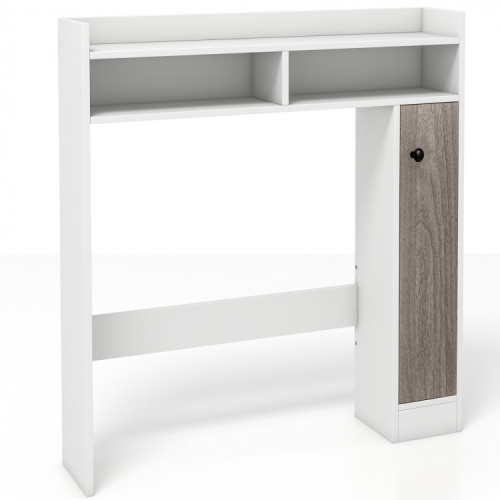
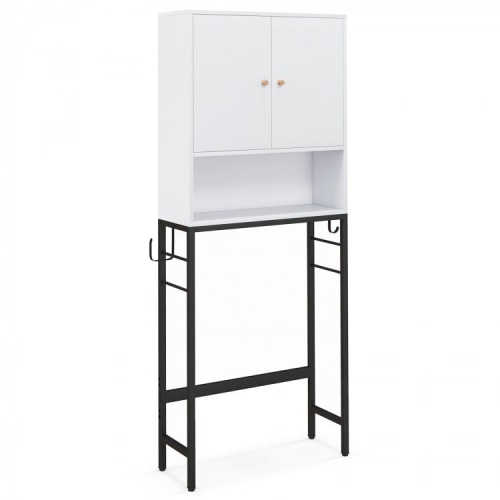
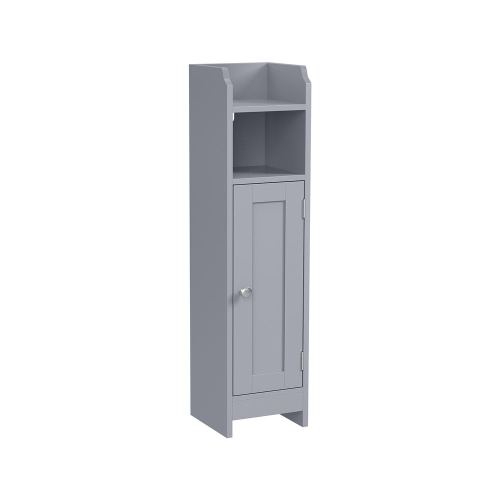
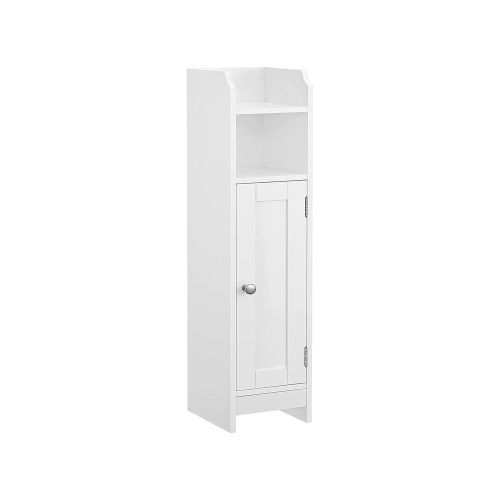
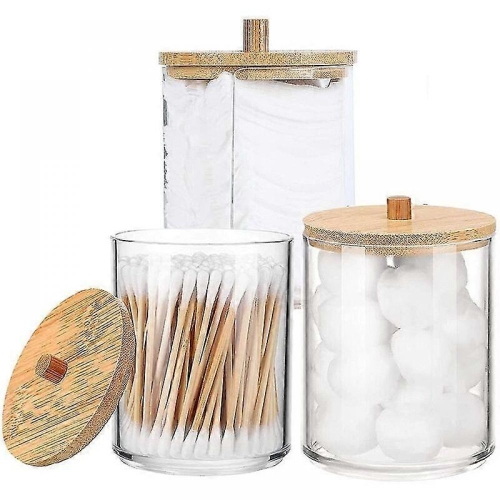
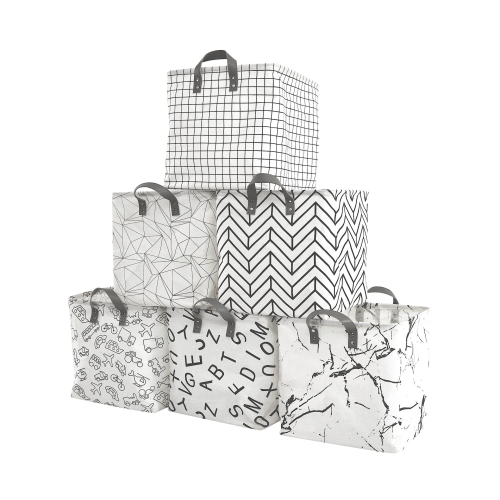
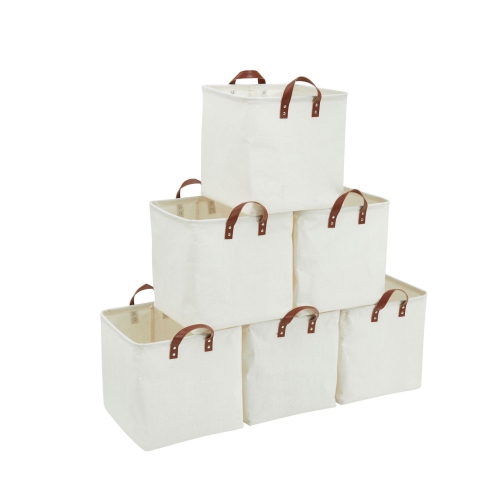
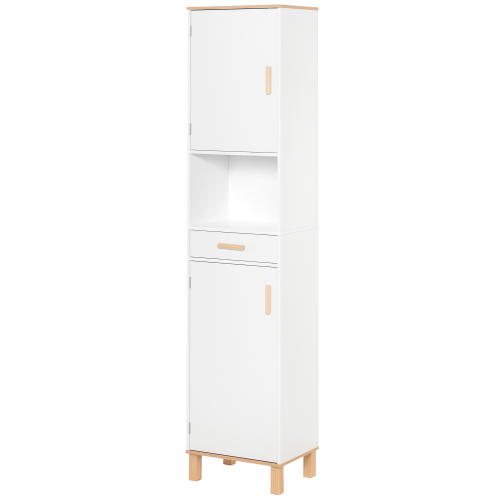
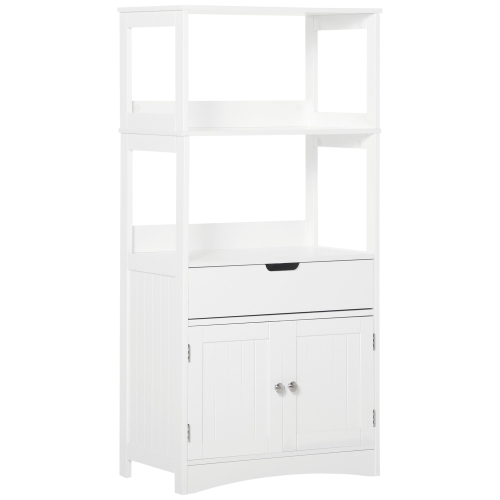
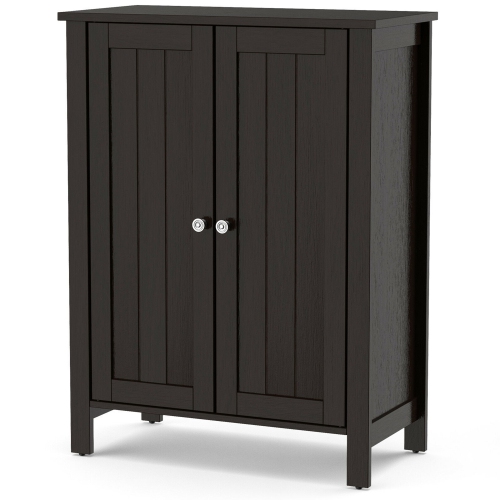
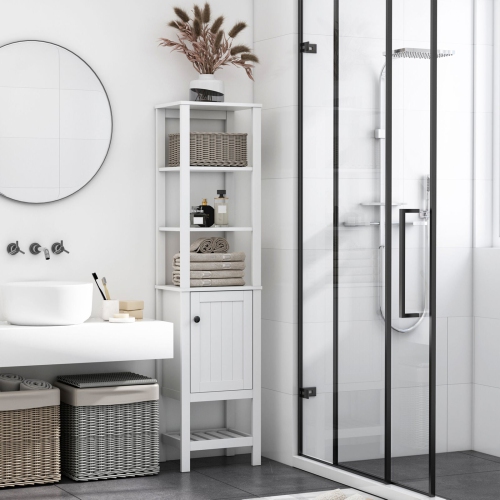
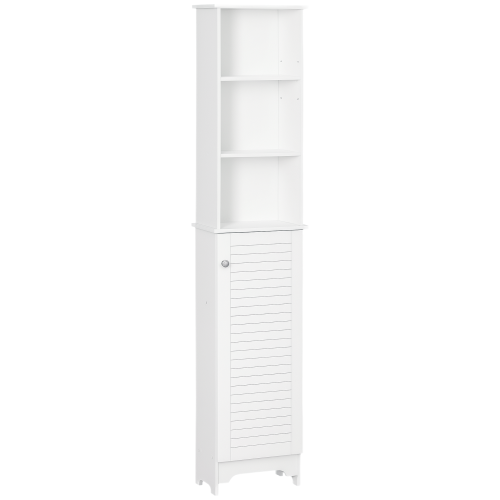
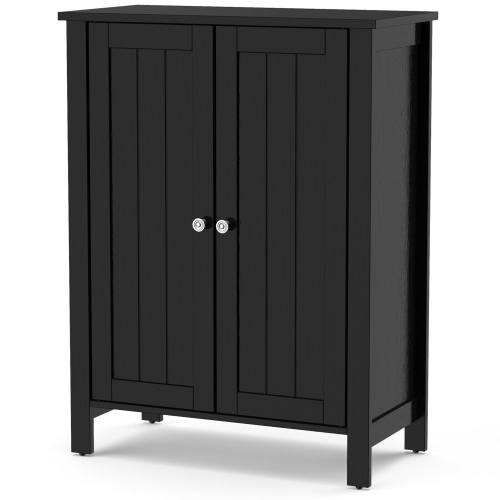
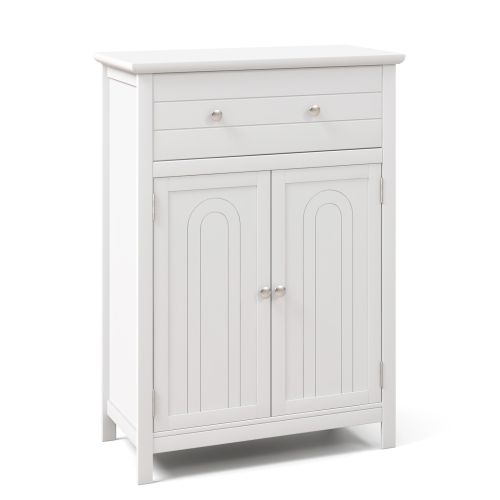
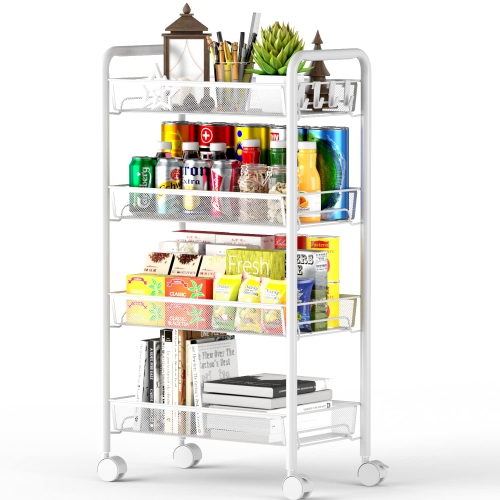
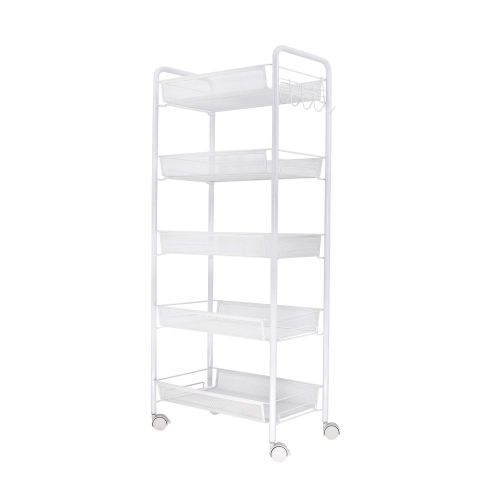
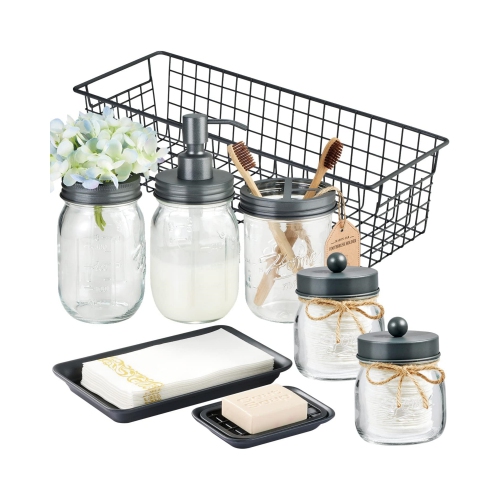
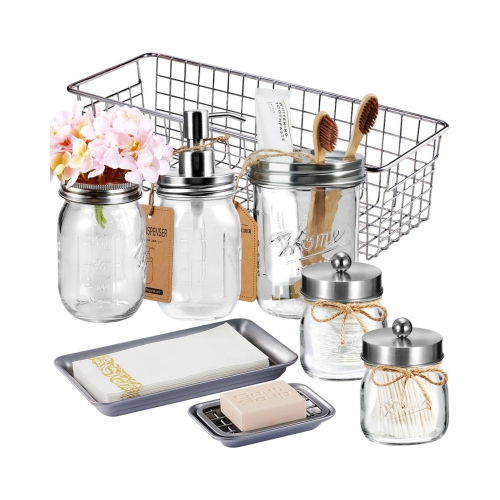
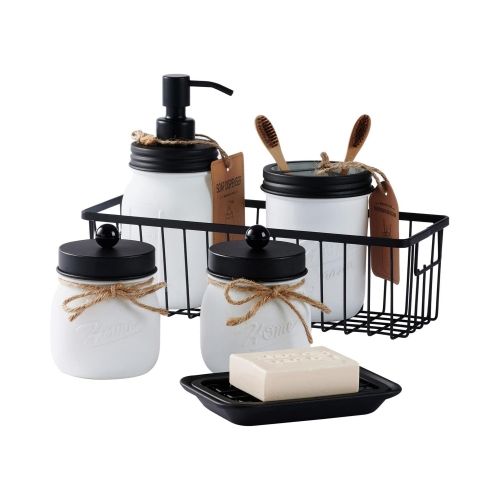

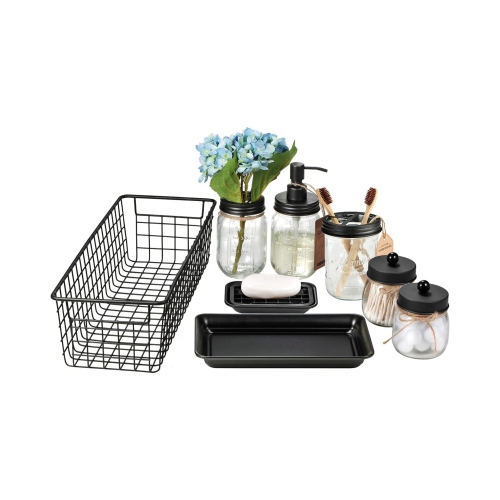
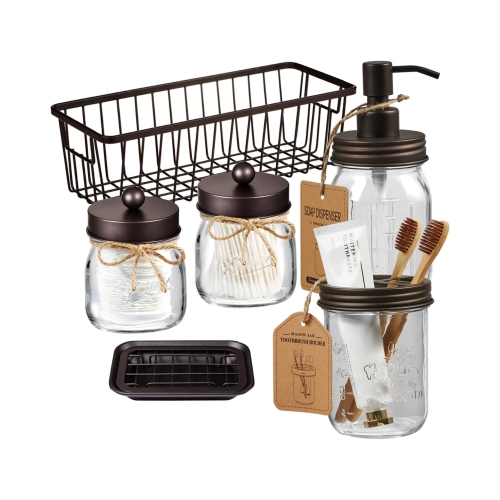
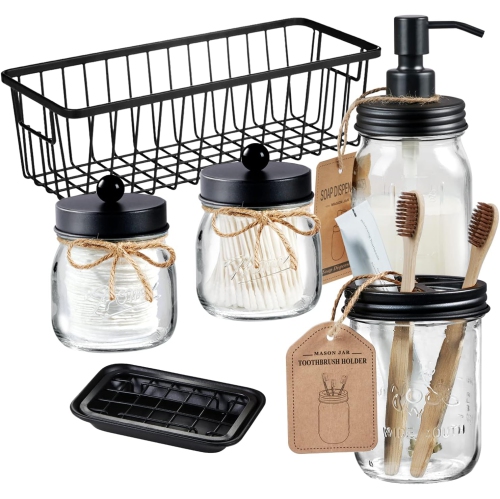
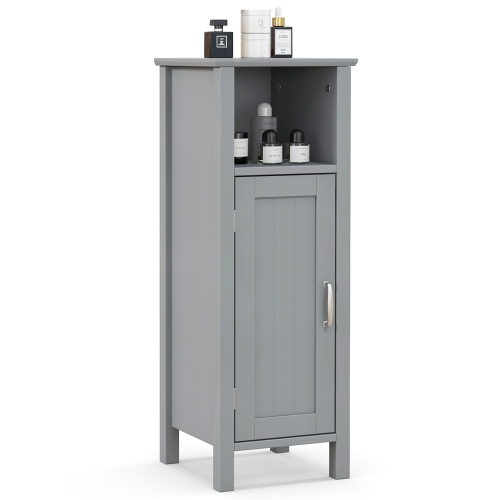
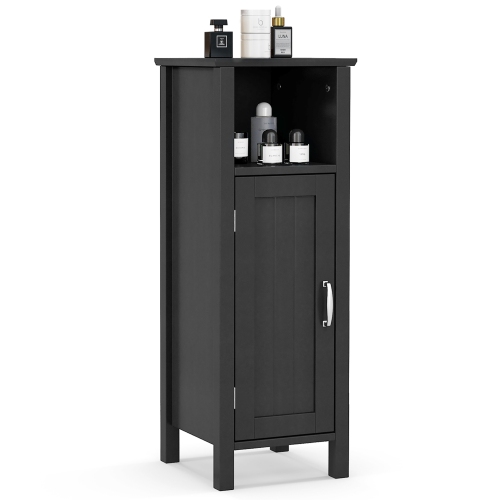
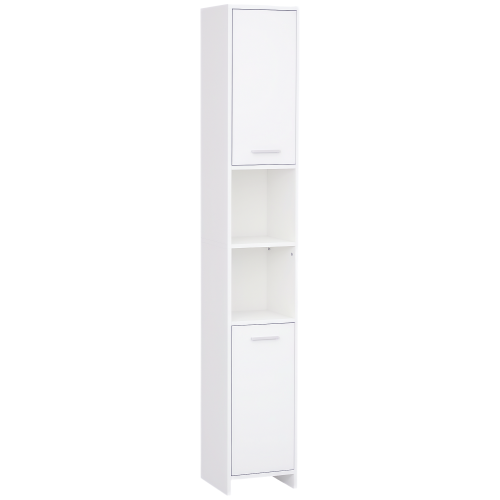


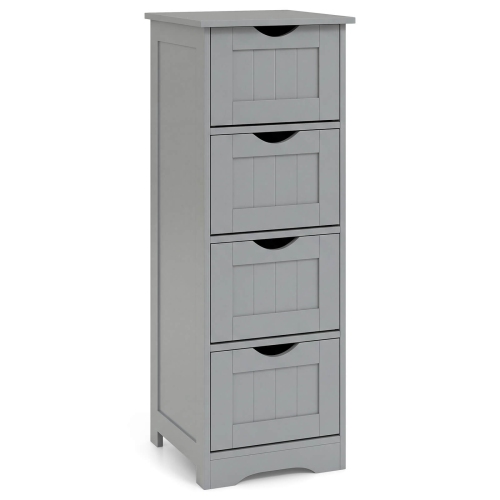
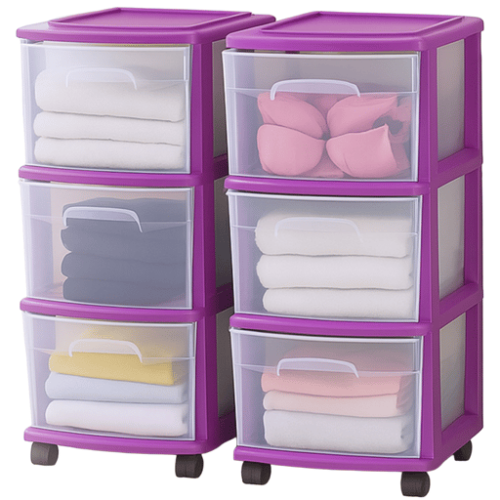
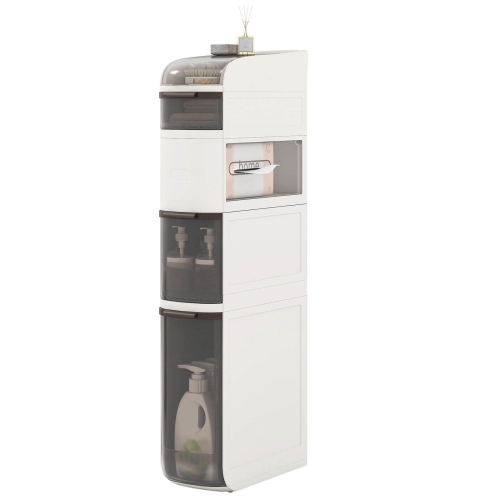
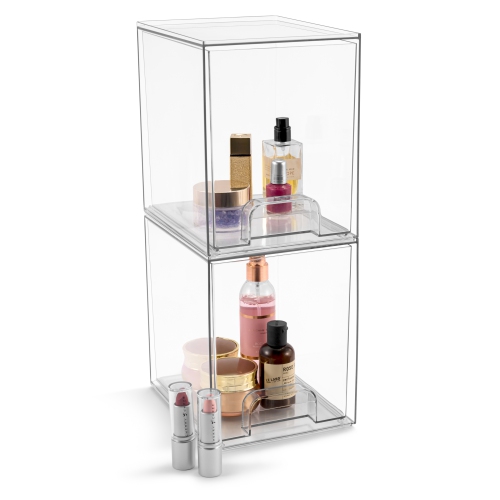
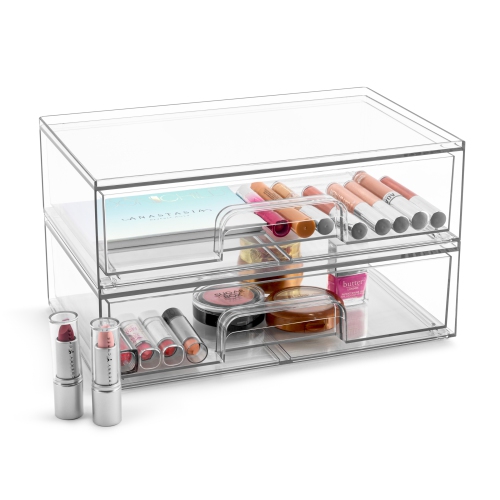
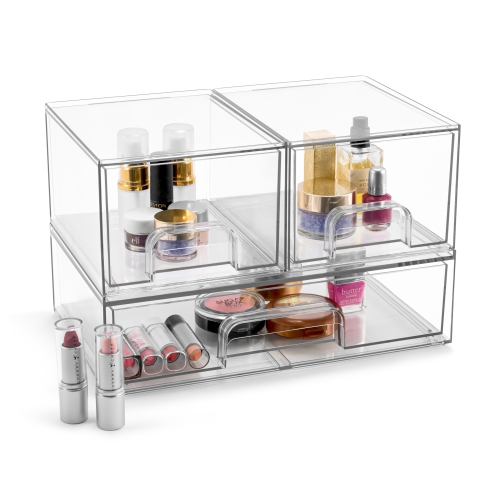
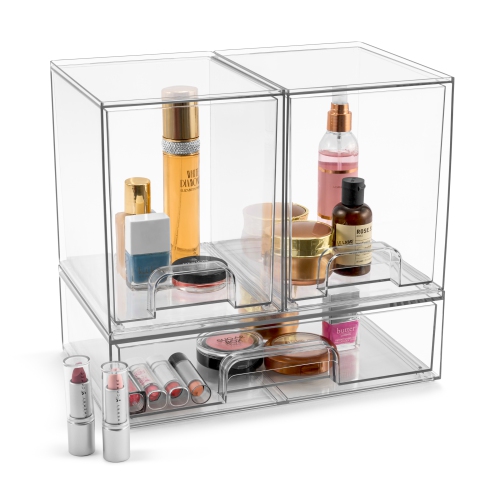
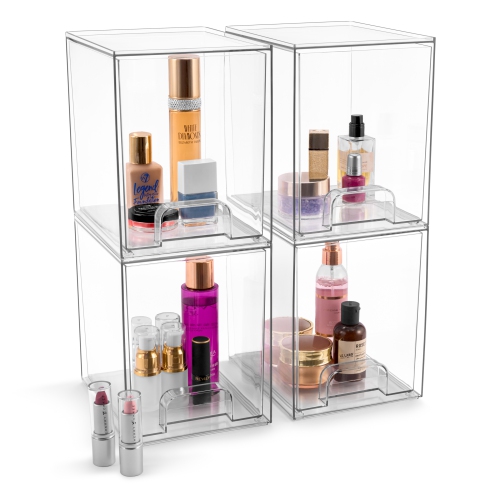
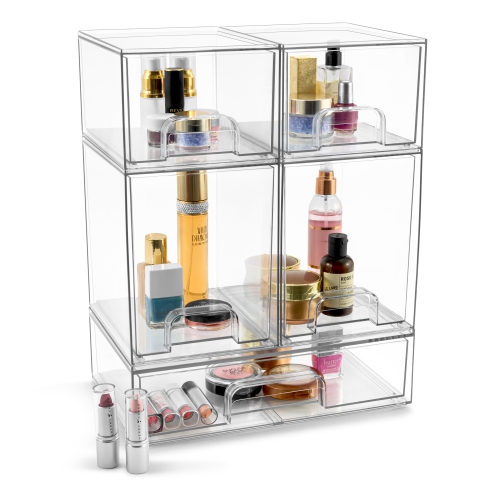
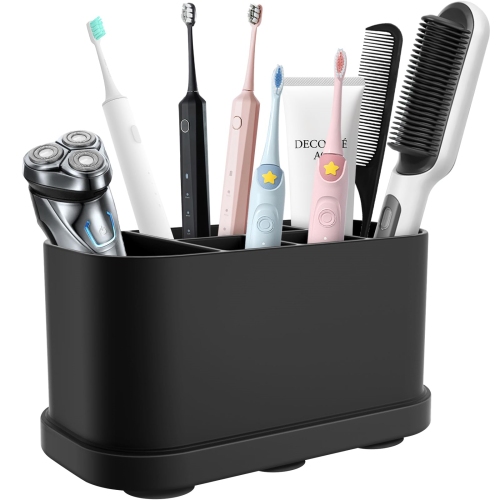
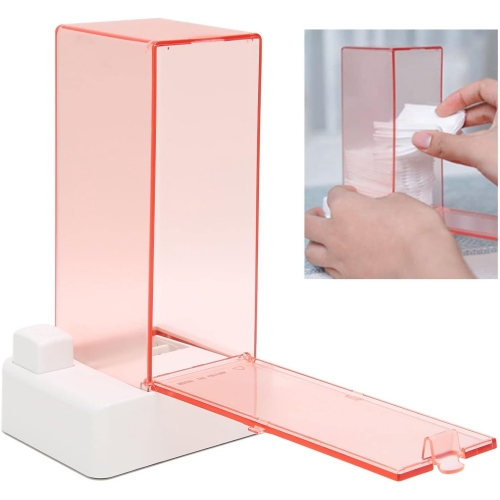
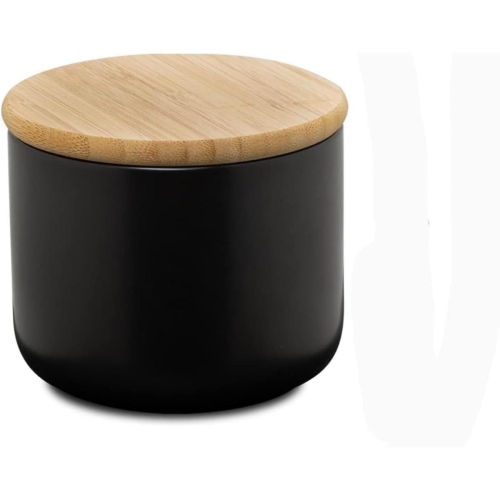
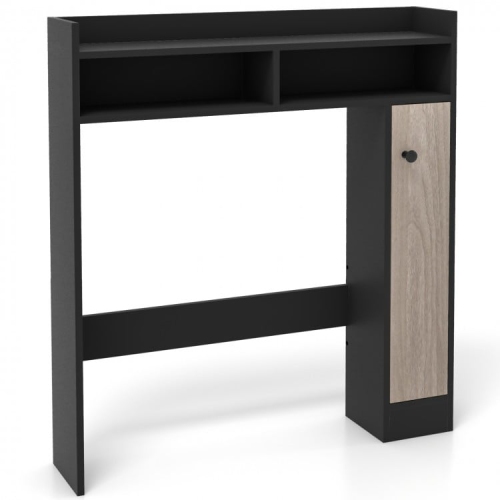
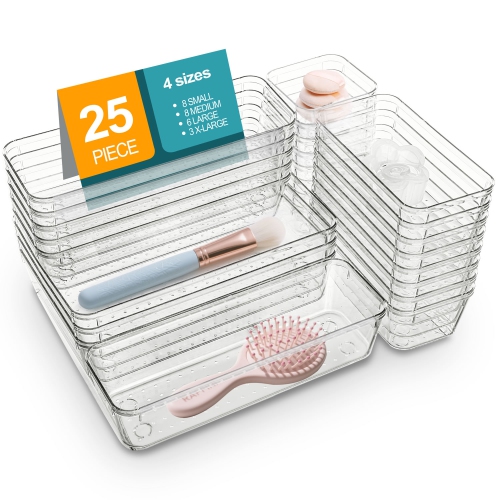
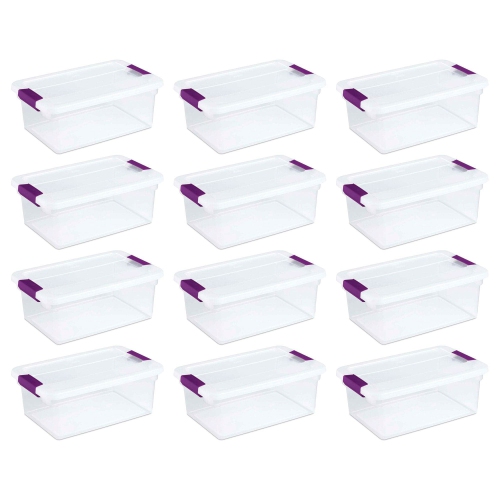
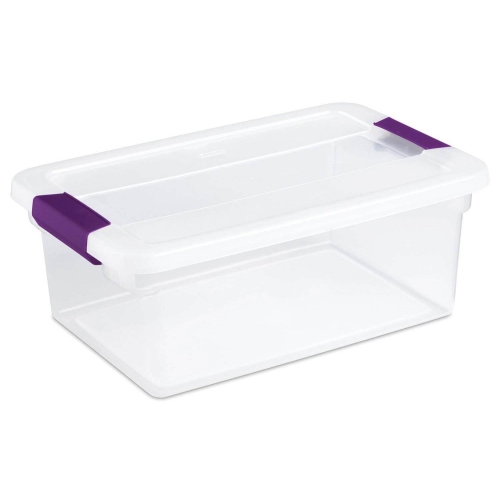
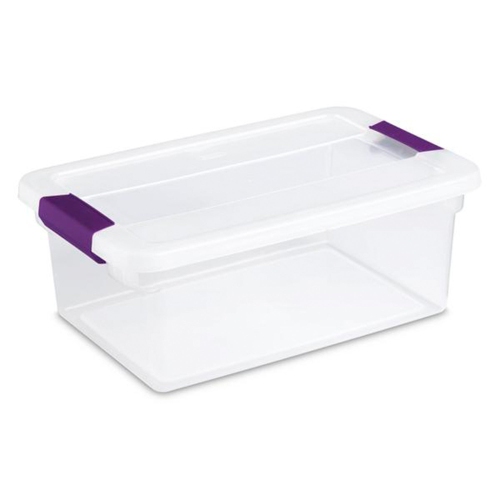
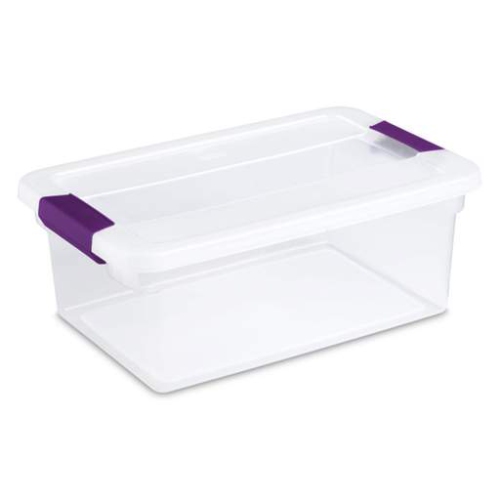
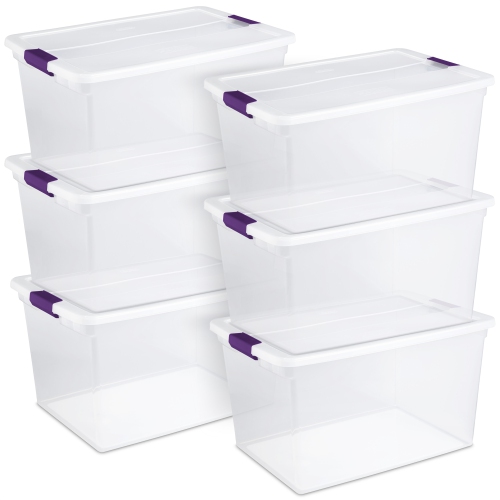
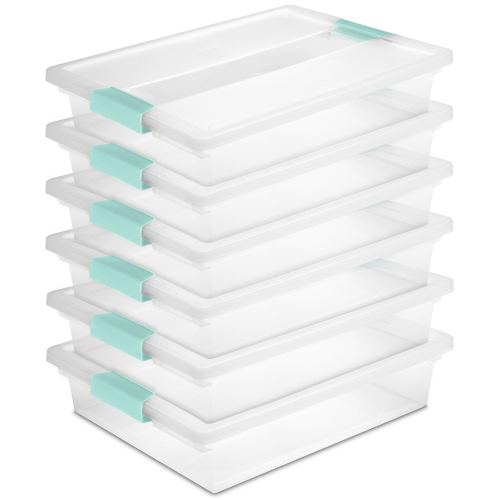
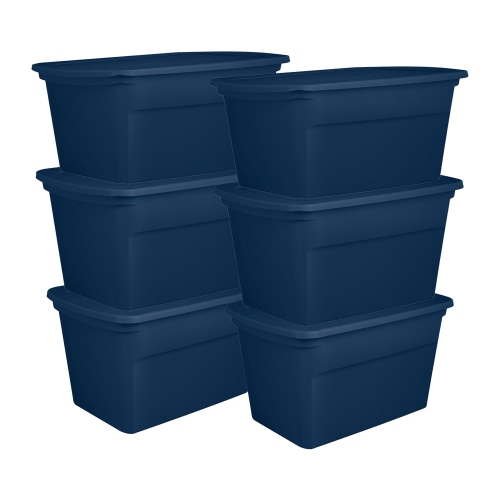
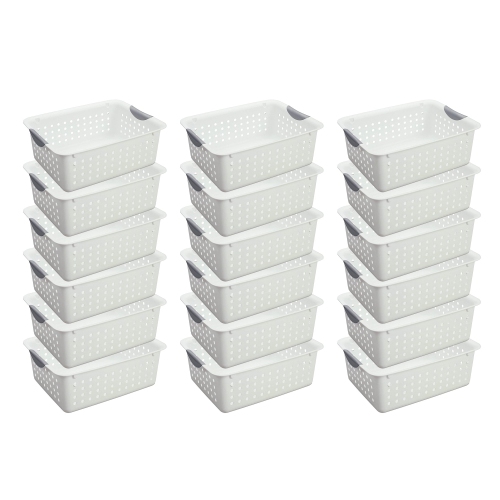
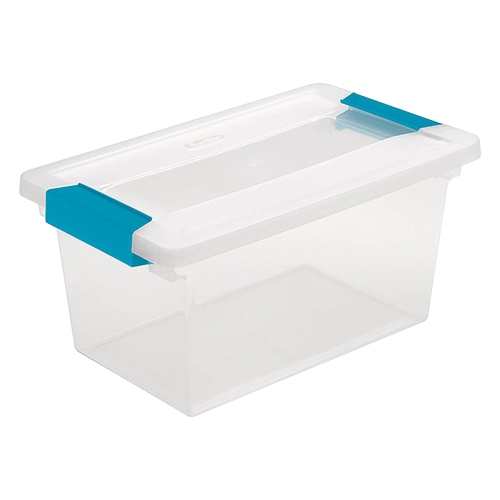
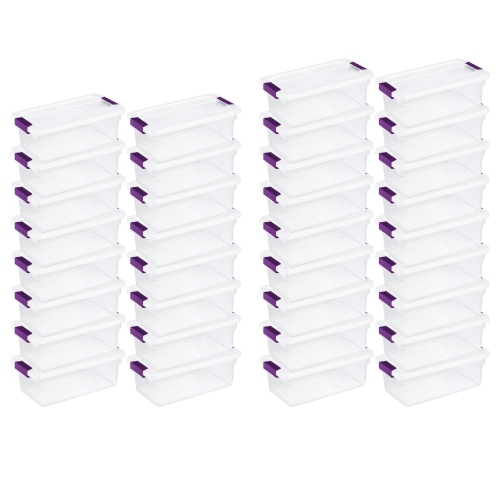
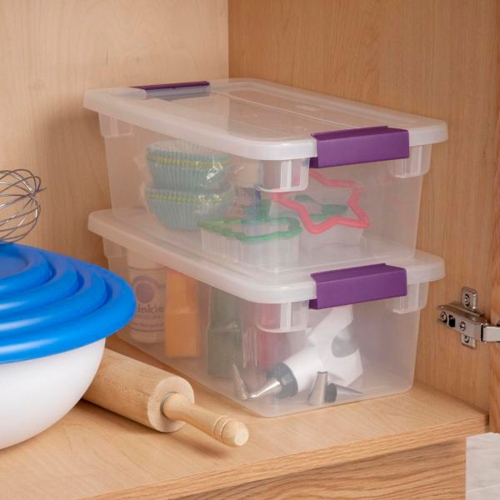
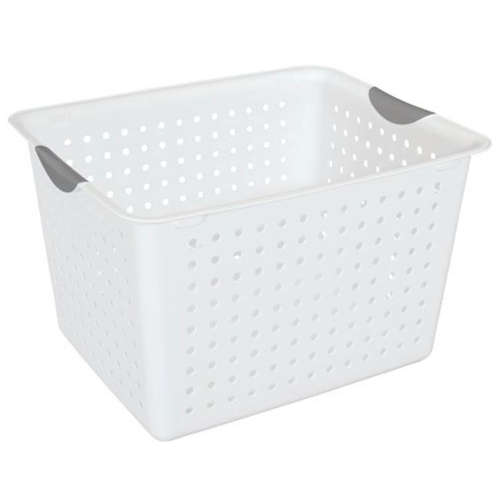
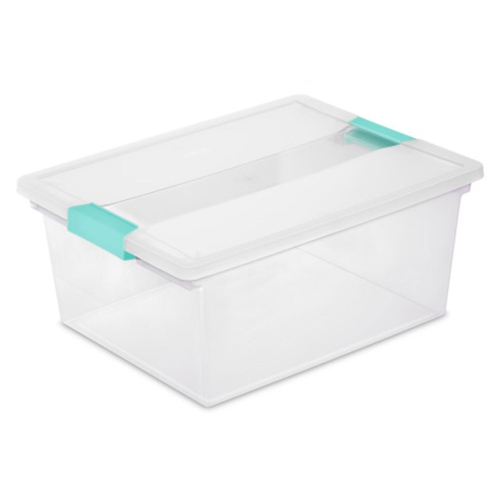

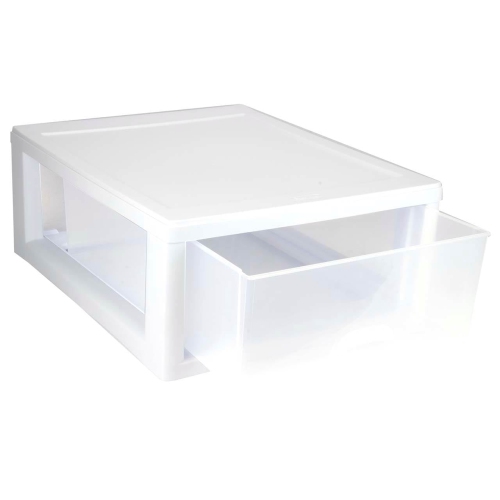
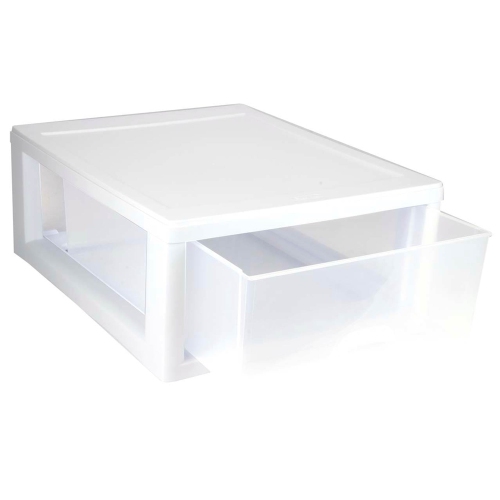
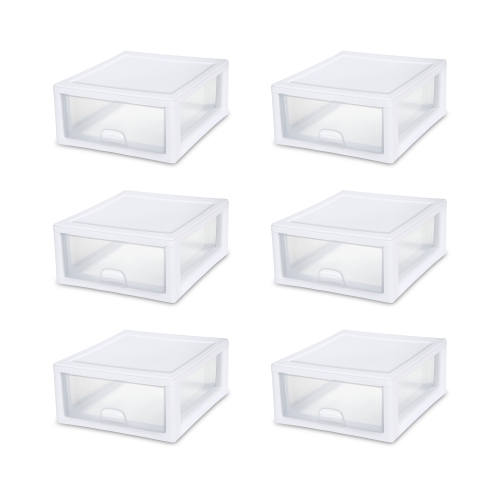
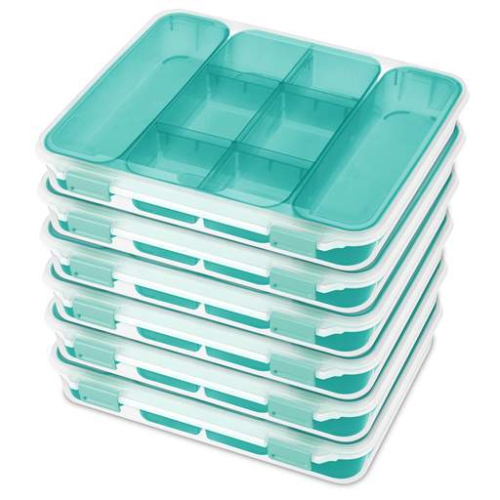
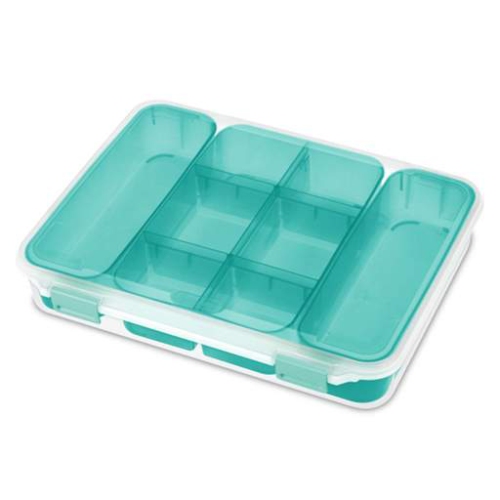
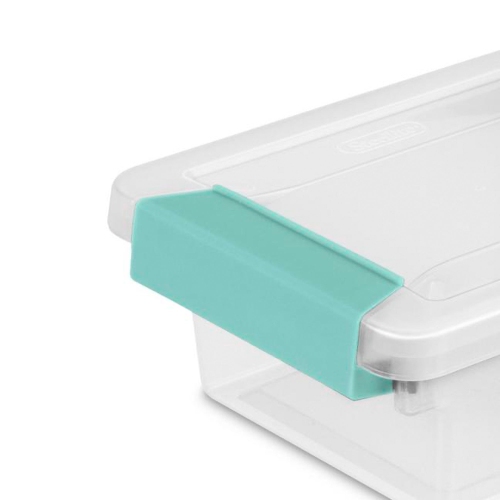
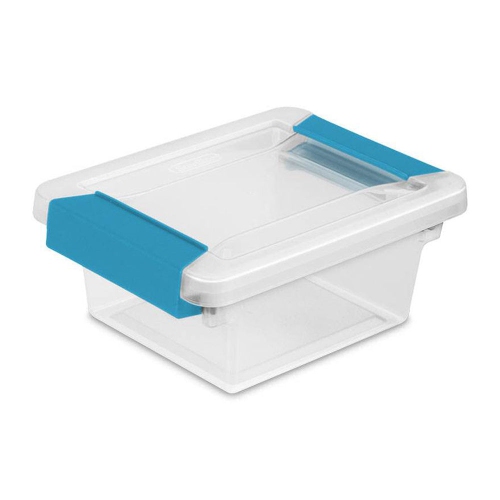
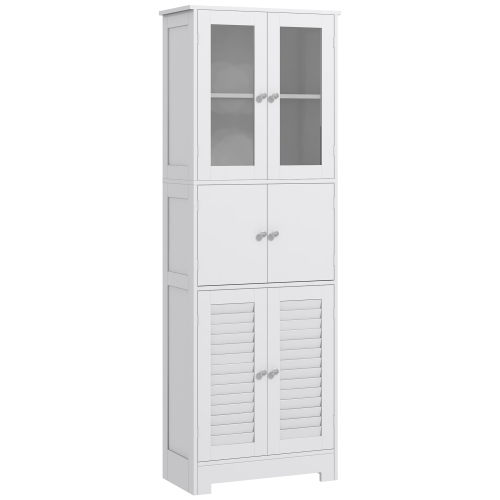
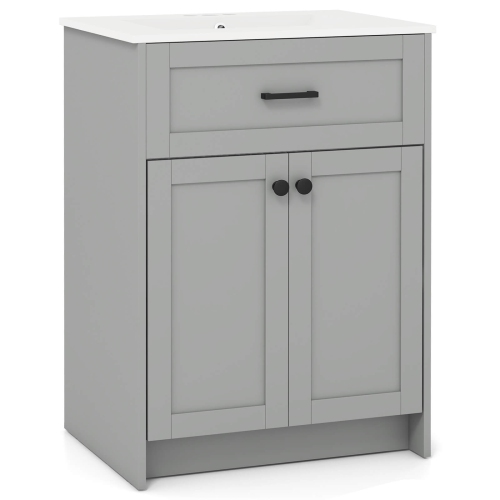
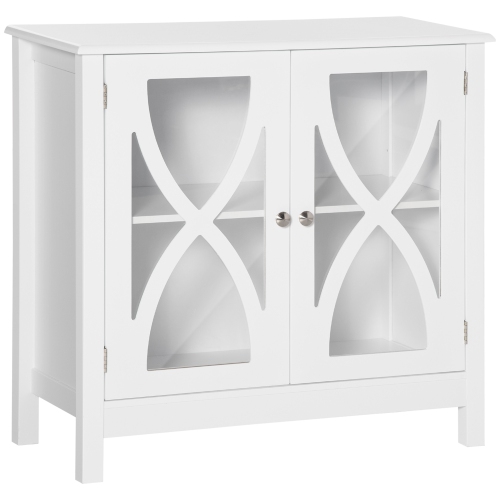
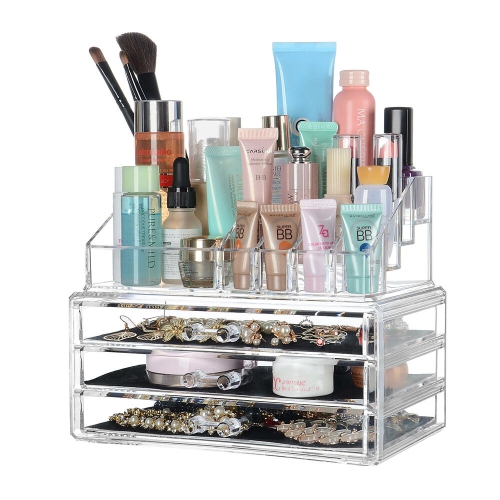
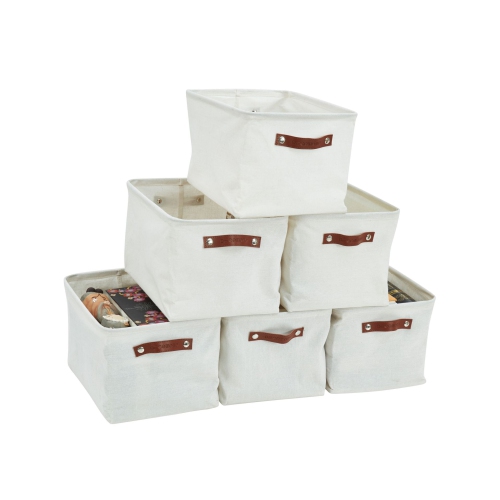
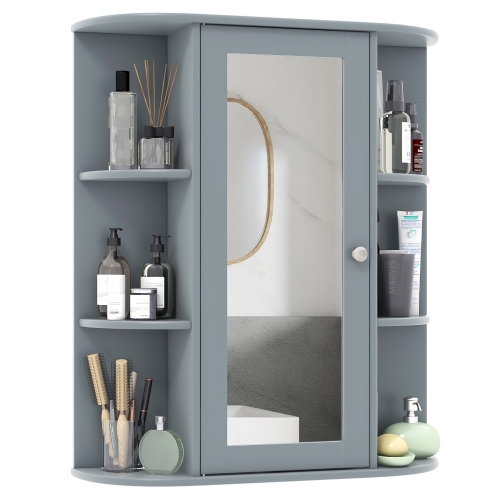
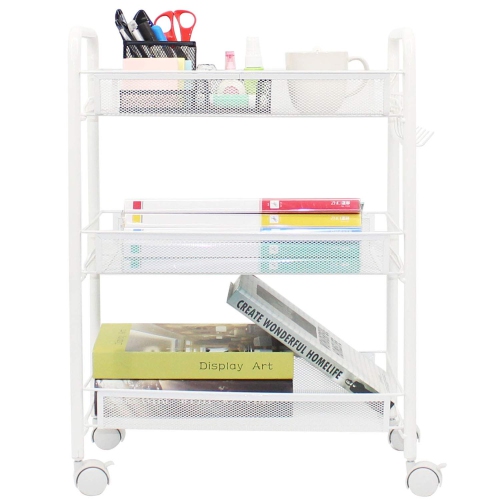
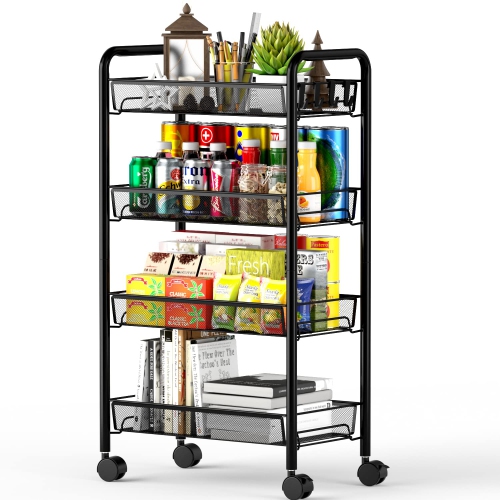
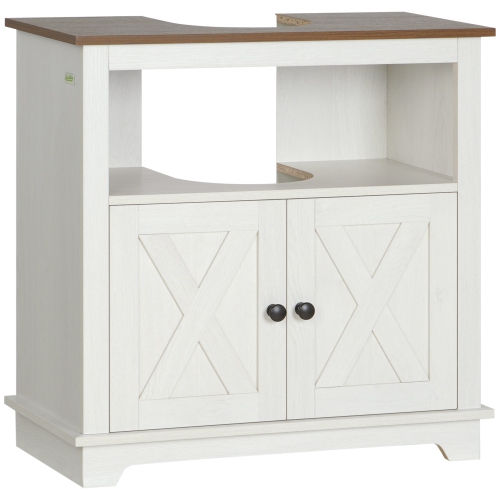
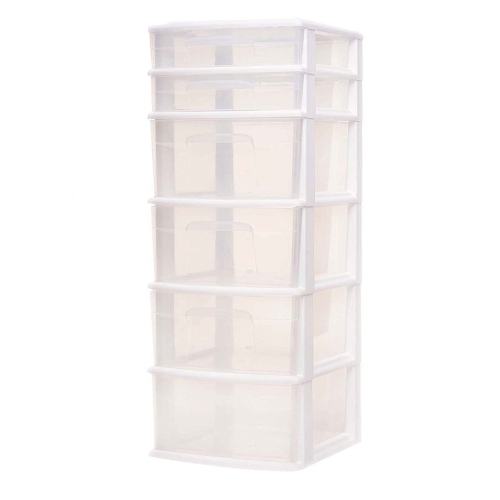
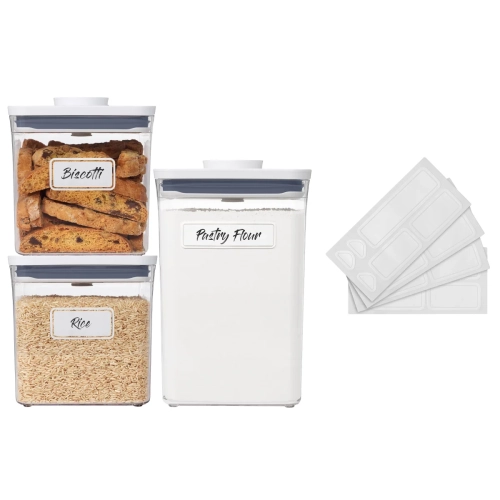
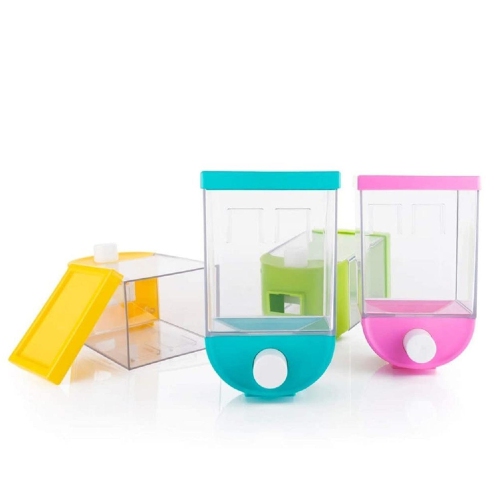
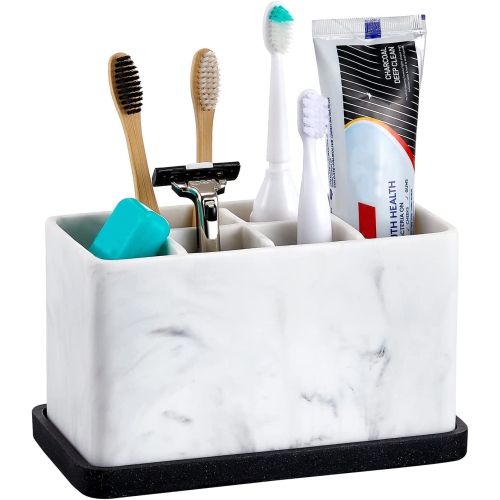
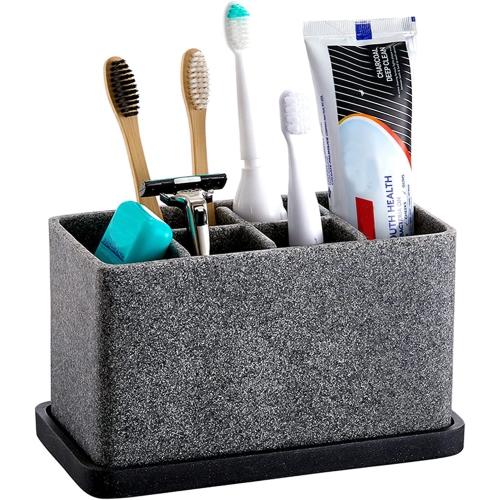
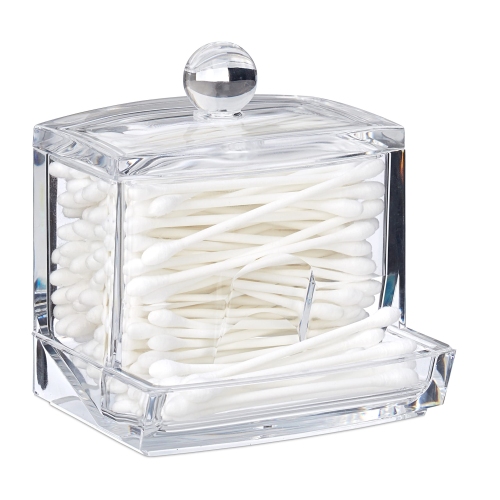
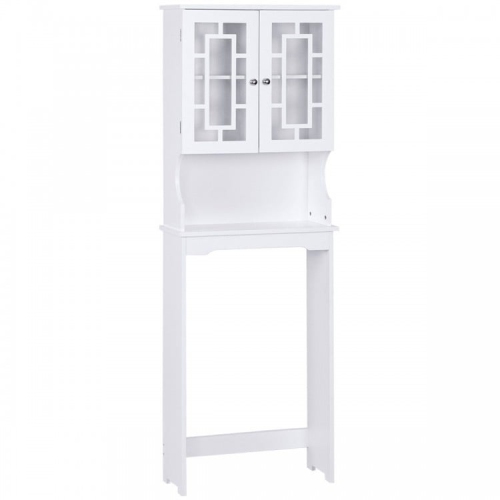
Everyday essentials within reach without crowding the counter
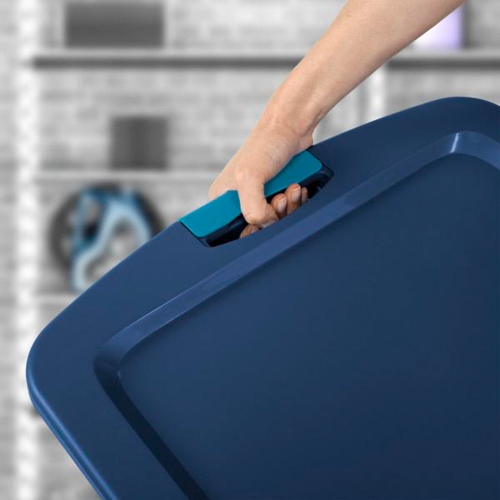
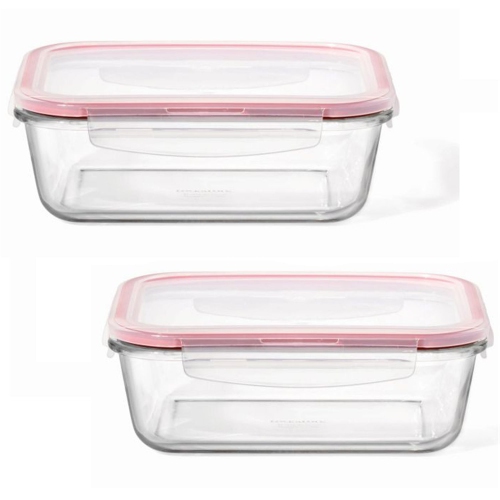
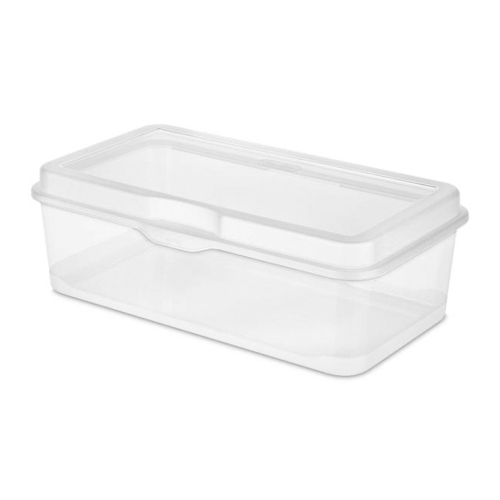
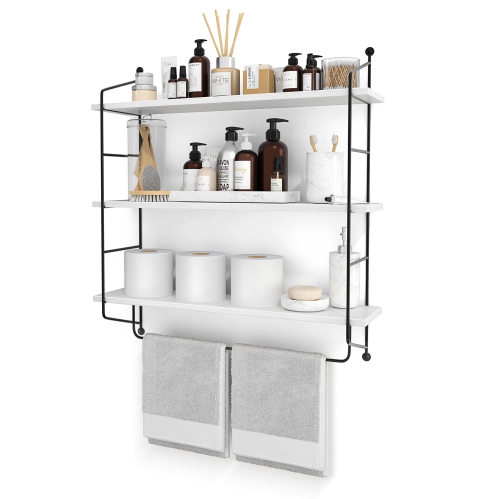
Bathroom storage containers keep toiletries, grooming supplies, and bathroom essentials organized on counters, inside drawers, and beneath the sink. Common types include baskets and bins for larger supplies, canisters and jars for cotton pads and swabs, divided organizers for small accessories, and portable caddies for products used together. Each serves a different purpose: an open bin makes a spare bottle easy to reach, while a lidded container helps protect clean contents from dust and incidental splashes. On a busy vanity, a few appropriately sized containers can separate everyday essentials from supplies that only need occasional access, leaving more room around the basin. Clear containers make contents visible at a glance, which is useful for small accessories that otherwise disappear into a drawer. Opaque containers conceal mixed packaging and create a more uniform appearance on open shelves. Baskets work well for rolled face cloths, packaged toiletries, and spare toilet paper, provided they are kept away from direct splashes. Small canisters suit loose cotton supplies, while shallow trays can group grooming products without hiding shorter bottles behind taller ones. Under-sink storage bins are useful for separating backup toiletries from cleaning supplies, especially where plumbing divides the cabinet into awkward sections. In a shared bathroom, individual caddies give each person a designated place for daily essentials and can be lifted out when needed. A guest bathroom may need only a compact container for spare toiletries and a basket of clean hand towels; a family bathroom often benefits from distinct spaces for different routines. The most useful bathroom organizers reflect what actually happens in the room, whether that means keeping hair accessories together, making a daily shaving routine easier, or preventing unopened supplies from getting buried. Containers also make cleaning less fiddly: lifting one tray off the counter is simpler than moving several bottles separately. A coordinated appearance can be appealing, but the practical benefit comes from giving each category a clear home without filling every usable surface.
Material affects how bathroom storage containers look, feel, and stand up to regular handling. Plastic bins are generally lightweight and easy to move, making them practical for drawers, cupboards, and shared spaces. Smooth interiors are often easier to wipe than deeply textured surfaces, while sturdy rims and well-fitted handles matter when a bin holds several full bottles. Clear acrylic offers visibility and a polished appearance, although it can scratch, and some cleaning products may damage its finish. Glass canisters provide a clear view of their contents and have a substantial feel on a vanity, but their weight and potential to break make placement important. They are better kept on stable surfaces away from edges, particularly in bathrooms used by children. Ceramic containers can add colour or texture while concealing their contents, though they may chip if knocked against a basin or another hard surface. Metal containers offer a different finish and can be durable, but their suitability for damp spaces depends on the metal, coating, and construction. A rust-resistant finish does not make every container suitable for standing water, and scratches in a protective coating may affect how well it wears. Woven baskets and wood containers bring texture to shelving and work best where they can stay dry; absorbent materials are less suitable beside a frequently splashed sink. Care requirements deserve attention, particularly for containers holding loose cotton supplies or accessories used near the face. Removable dividers, accessible corners, and simple lid shapes make regular cleaning more manageable. Follow the manufacturer's cleaning directions rather than assuming a container is dishwasher-safe or compatible with strong cleaners. Allow washed containers to dry fully before refilling them. For storage inside a shower, designs intended for wet-area use, with drainage and surfaces that can be cleaned easily, are more appropriate than solid-bottom containers that collect water. Good durability is not just about a heavy material; secure joins, comfortable handles, stable bases, and lids that continue to fit properly all contribute to everyday usefulness.
Fit is especially important in bathrooms, where a small difference in width or height can determine whether storage feels convenient or cramped. Useful measurements include the interior dimensions of a drawer or cupboard, the clearance beneath plumbing, and the space needed to lift a lid or pull out a bin. Drawer organizers should sit below the moving parts and leave enough clearance for the drawer to close without catching on contents. Beneath the sink, several narrow containers may make better use of the space around pipes than one large basket. On shelves, handles facing forward can make containers easier to retrieve, while stackable designs may suit backup supplies that do not need frequent access. Stacking is less convenient for daily essentials if reaching the lower container means moving everything above it. Containers can also add structure inside Bathroom Storage Cabinets, separating small toiletries from folded linens and keeping deeper shelves from becoming a jumble. The contents themselves help determine the right shape: tall bottles need sufficient height and a stable base, small hair accessories benefit from shallow compartments, and folded cloths need enough room to remove one without disturbing the rest. Avoid packing containers so tightly that labels become hidden or lids cannot close. For someone with limited grip strength, a lightweight bin with generous handles or an easy-lift lid may be more comfortable than a heavy jar or a tightly fitted cover. In households with children, break-resistant containers can be practical, but ordinary lids are not child-resistant closures; medicines, sharp grooming tools, and cleaning products still need appropriate secure storage. Keep products that require their original packaging in that packaging so directions and safety information remain attached. A coordinated set of organizers can make a useful housewarming gift when the recipient's space and preferences are known, though flexible sizes are often easier to accommodate than oversized containers. Whether the bathroom is compact or shared by several people, storage works best when frequently used essentials remain within comfortable reach and spare supplies have a separate, clearly defined place.
Material affects how bathroom storage containers look, feel, and stand up to regular handling. Plastic bins are generally lightweight and easy to move, making them practical for drawers, cupboards, and shared spaces. Smooth interiors are often easier to wipe than deeply textured surfaces, while sturdy rims and well-fitted handles matter when a bin holds several full bottles. Clear acrylic offers visibility and a polished appearance, although it can scratch, and some cleaning products may damage its finish. Glass canisters provide a clear view of their contents and have a substantial feel on a vanity, but their weight and potential to break make placement important. They are better kept on stable surfaces away from edges, particularly in bathrooms used by children. Ceramic containers can add colour or texture while concealing their contents, though they may chip if knocked against a basin or another hard surface. Metal containers offer a different finish and can be durable, but their suitability for damp spaces depends on the metal, coating, and construction. A rust-resistant finish does not make every container suitable for standing water, and scratches in a protective coating may affect how well it wears. Woven baskets and wood containers bring texture to shelving and work best where they can stay dry; absorbent materials are less suitable beside a frequently splashed sink. Care requirements deserve attention, particularly for containers holding loose cotton supplies or accessories used near the face. Removable dividers, accessible corners, and simple lid shapes make regular cleaning more manageable. Follow the manufacturer's cleaning directions rather than assuming a container is dishwasher-safe or compatible with strong cleaners. Allow washed containers to dry fully before refilling them. For storage inside a shower, designs intended for wet-area use, with drainage and surfaces that can be cleaned easily, are more appropriate than solid-bottom containers that collect water. Good durability is not just about a heavy material; secure joins, comfortable handles, stable bases, and lids that continue to fit properly all contribute to everyday usefulness.
Fit is especially important in bathrooms, where a small difference in width or height can determine whether storage feels convenient or cramped. Useful measurements include the interior dimensions of a drawer or cupboard, the clearance beneath plumbing, and the space needed to lift a lid or pull out a bin. Drawer organizers should sit below the moving parts and leave enough clearance for the drawer to close without catching on contents. Beneath the sink, several narrow containers may make better use of the space around pipes than one large basket. On shelves, handles facing forward can make containers easier to retrieve, while stackable designs may suit backup supplies that do not need frequent access. Stacking is less convenient for daily essentials if reaching the lower container means moving everything above it. Containers can also add structure inside Bathroom Storage Cabinets, separating small toiletries from folded linens and keeping deeper shelves from becoming a jumble. The contents themselves help determine the right shape: tall bottles need sufficient height and a stable base, small hair accessories benefit from shallow compartments, and folded cloths need enough room to remove one without disturbing the rest. Avoid packing containers so tightly that labels become hidden or lids cannot close. For someone with limited grip strength, a lightweight bin with generous handles or an easy-lift lid may be more comfortable than a heavy jar or a tightly fitted cover. In households with children, break-resistant containers can be practical, but ordinary lids are not child-resistant closures; medicines, sharp grooming tools, and cleaning products still need appropriate secure storage. Keep products that require their original packaging in that packaging so directions and safety information remain attached. A coordinated set of organizers can make a useful housewarming gift when the recipient's space and preferences are known, though flexible sizes are often easier to accommodate than oversized containers. Whether the bathroom is compact or shared by several people, storage works best when frequently used essentials remain within comfortable reach and spare supplies have a separate, clearly defined place.
Top selling and popular products
-
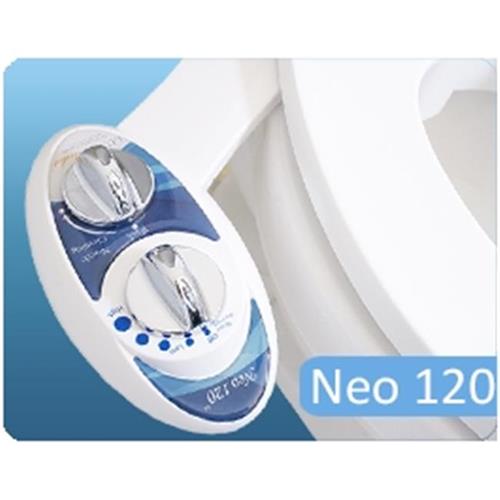 Your price for this item is $109.31
 -
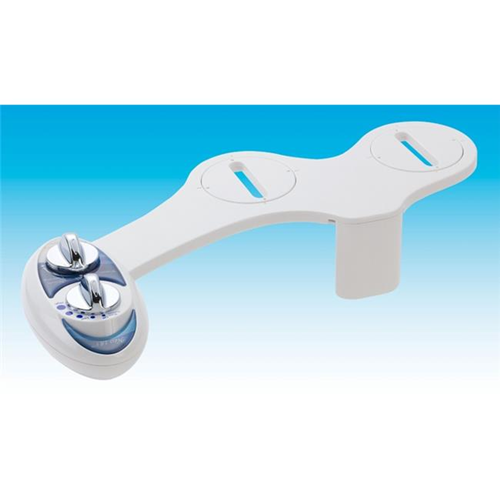 Your price for this item is $200.83
 -
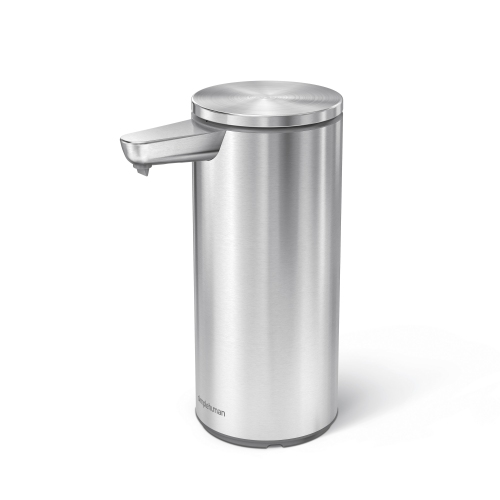 Your price for this item is $90
 -
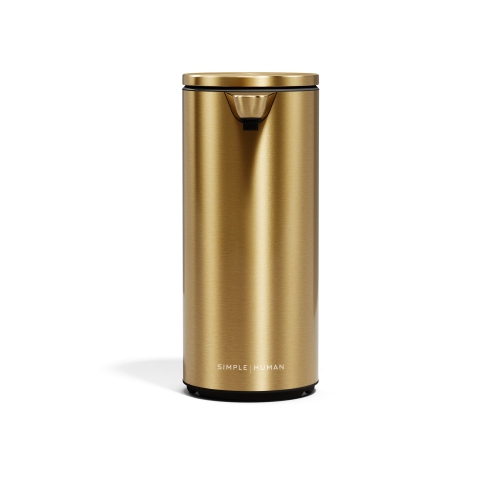 Your price for this item is $100
 -
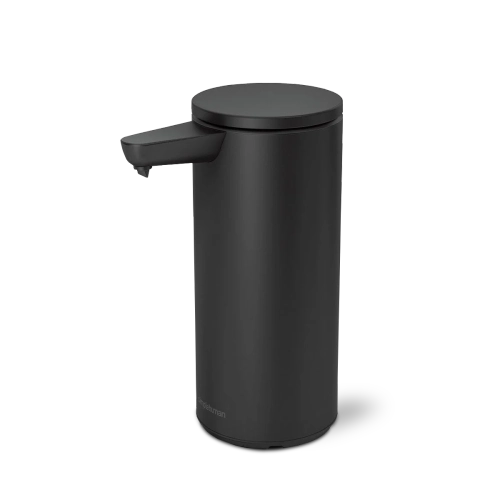 Your price for this item is $100
 -
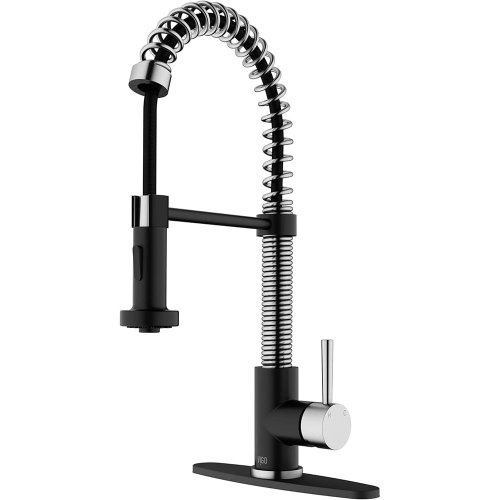 Your price for this item is $426.55
 -
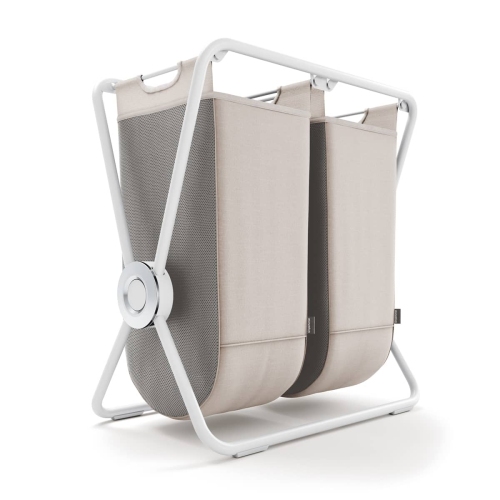 Your price for this item is $300
 -
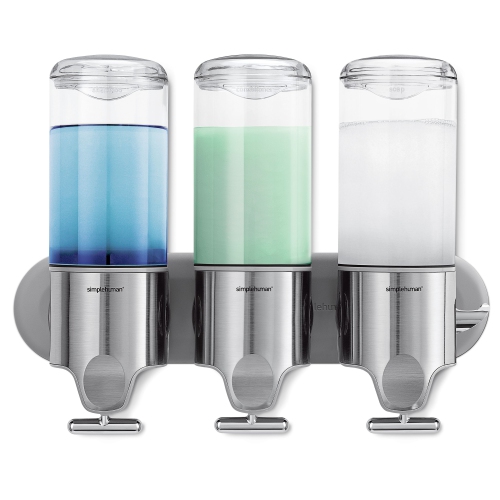 Your price for this item is $120
Discover more categories related to Bathroom Storage Containers
Top Collections:
Pokemon Centers, Kindle Devices, Best Budget Office Chairs, Apple iPhones 16, Best Laptops for Writers, iPhone 15 Apple, Canon G7X Cameras, Refurbished Apple Laptops, Alarm Clock, Motorola Razr Phones
Some products may be subject to Environmental Handling Fees
(EHF) depending on your province.
Learn more about EHFs.