Batteries for Off Grid Living
Batteries for Off Grid Living are essential for powering your lifestyle beyond traditional electrical grids. Whether you’re setting up a remote cabin, RV, or tiny home, reliable batteries help keep your devices, appliances, and tools running smoothly. Explore a wide selection designed to support your energy needs and provide peace of mind wherever your adventures take you. Find the right batteries to help maximize your independence and enjoy uninterrupted power in any off grid environment.
Sort





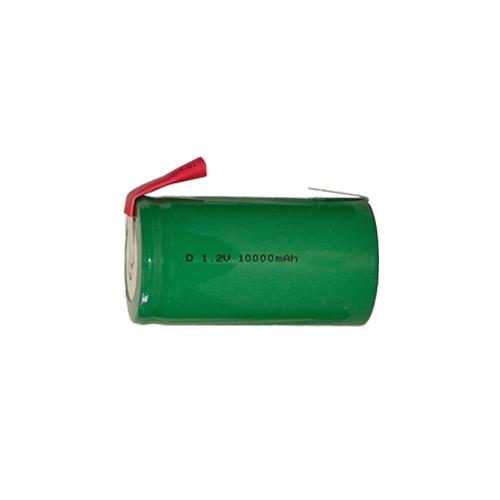


Why battery capacity is only part of the picture
Batteries for off-grid living store electricity for use when a connection to the utility grid is not part of the setup. In a remote cabin, an RV, or a small standalone home, that stored power can keep lights on, a refrigerator running, and essential electronics charged between charging sessions. Unlike a starting battery, which delivers a brief burst of power to crank an engine, a deep-cycle battery is designed to supply energy over longer periods and accept repeated recharging. The right fit depends on both the amount of electricity needed each day and how quickly connected equipment draws it. Battery capacity describes stored energy, while power output describes how much equipment can operate at once. A refrigerator, a water pump, and a microwave can place very different demands on the same system, particularly when motors require extra power at startup. For comparing capacity, watt-hours provide a clearer picture than amp-hours alone because amp-hour ratings must be considered alongside battery voltage. A steady 100-watt load uses 1,000 watt-hours, or one kilowatt-hour, over ten hours; the battery needs additional capacity to account for conversion losses and preserve any reserve recommended by its manufacturer. This distinction matters for a weekend cabin with a few lights just as much as for a full-time residence with daily appliance use. Usable capacity is also different from the total capacity printed on a label, since battery chemistry and recommended discharge limits affect how much stored energy is available in practice. Remote workers may prioritize consistent power for a laptop and Wi-Fi router, while RV travellers may need a compact battery bank that supports lighting, ventilation fans, and a water pump. In each case, the battery stores energy rather than producing it, so a compatible charging source remains part of the overall setup. Solar panels, an appropriate generator-powered charger, or another supported electrical supply can replenish that storage, depending on the installation.
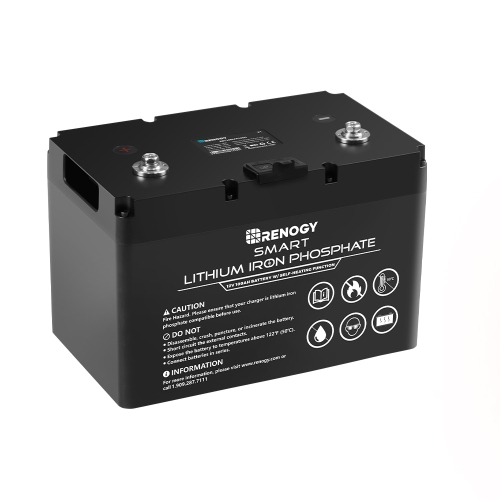
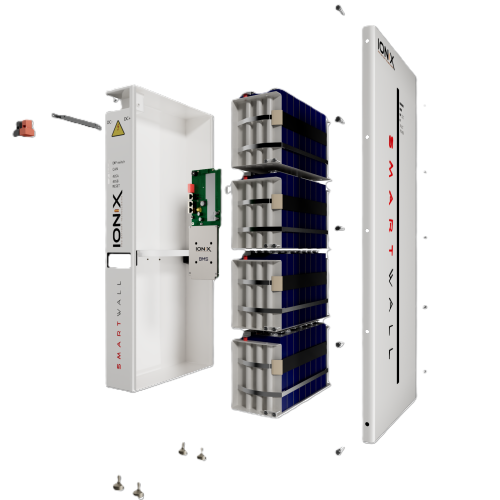
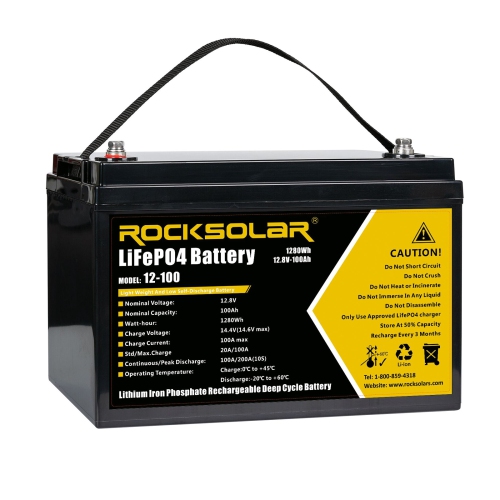
Battery chemistry influences weight, usable capacity, charging requirements, and ongoing care. Lithium iron phosphate batteries, often identified as LiFePO4 batteries, are a common choice for off-grid storage because they generally provide substantial usable capacity, relatively low weight, and long cycle life when operated within their specified limits. Many include a battery management system that monitors cell voltage and helps protect against conditions such as excessive discharge, overcharging, and short circuits. Those protections do not replace correctly sized wiring, suitable circuit protection, or a compatible charger. Charging settings matter: a charger intended for another battery chemistry may use a profile that is unsuitable for lithium iron phosphate cells. Absorbent glass mat batteries, commonly called AGM batteries, use a lead-acid design with electrolyte held within fibreglass mats. They do not require routine water top-ups and can suit applications where their weight, discharge limits, and charging characteristics are acceptable. Compared with lithium iron phosphate batteries of similar rated energy capacity, AGM batteries are generally heavier and may require a larger total bank to provide the same usable energy while staying within recommended discharge limits. Flooded lead-acid batteries have different care requirements, including electrolyte checks and appropriate ventilation, making access for maintenance an important part of their fit. No battery chemistry eliminates the need for inspection. Secure terminals, clean connections, intact cases, and suitable storage practices all contribute to dependable service. Durability also depends on how deeply batteries are discharged, how frequently they cycle, and whether charging follows the manufacturer’s requirements. Published cycle-life figures are most meaningful when the discharge depth and test conditions are comparable; they are not a guaranteed service life in years. For a cabin visited occasionally, self-discharge and storage instructions may matter as much as daily cycling performance. For a home occupied throughout the year, consistent charging and enough capacity to avoid repeatedly exhausting the bank become especially important.
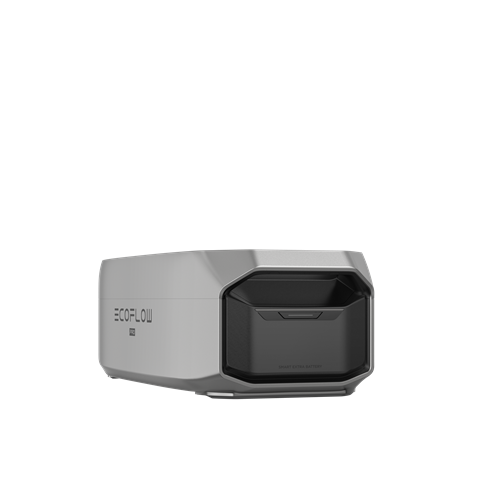
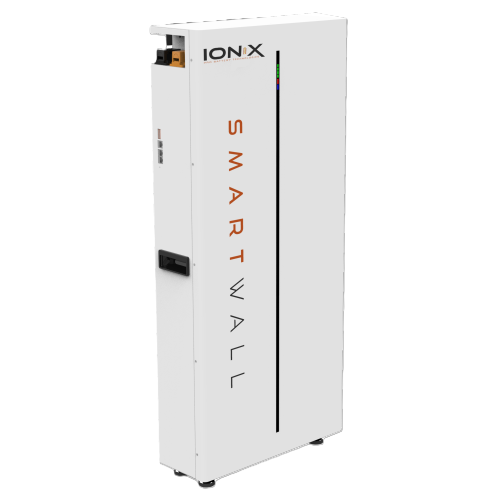
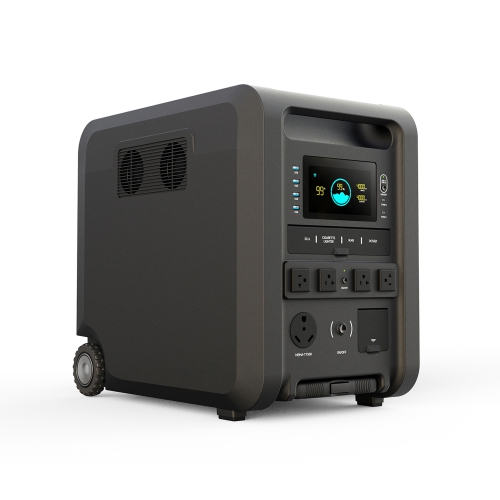
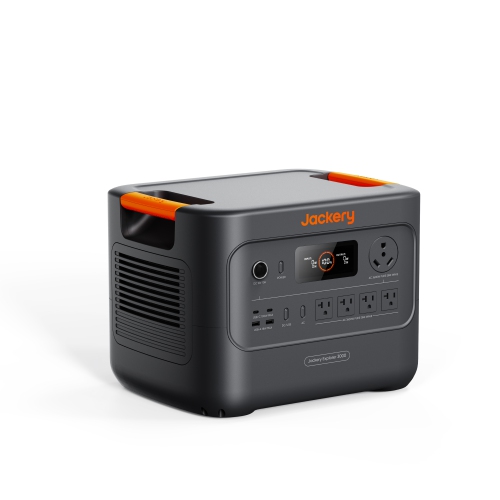
Compatibility extends beyond the battery itself. Off-grid battery systems commonly use nominal 12V, 24V, or 48V configurations, and the battery bank must match the inverter, charge controller, and other connected equipment. A compact RV installation may use a 12V system, while a larger stationary setup may use a higher voltage to reduce current for a given power demand. That does not make different batteries interchangeable: terminal type, charging profile, current limits, and the manufacturer’s approved connection arrangements all affect compatibility. Adding batteries in series or parallel is only suitable when the manufacturer permits that configuration, and mixing batteries of different chemistries, capacities, ages, or states of charge can create performance and safety problems. Physical fit matters, too. Battery dimensions, weight, mounting requirements, and access to terminals determine whether a bank belongs beneath an RV seat, inside a dedicated compartment, or in a purpose-built stationary installation. Space for inspection and appropriate ventilation should remain part of that layout, rather than an afterthought once the equipment is in place. An integrated portable power station offers a different format, combining battery storage with an inverter and charging electronics in one enclosure; its usable capacity, outlet ratings, and supported charging methods still need to suit the intended loads. Where another charging source is needed, Portable Generators for Off Grid Living can complement battery storage through a compatible charging arrangement, with any fuel-burning generator operated outdoors and well away from doors, windows, and vents. Battery monitoring can make day-to-day use more predictable by showing charge level, energy use, and charging progress, although readings depend on the monitoring equipment and its setup. Permanent installations also require properly rated components, electrical equipment approved for use in Canada, and professional installation where required. Whether the intended use is a modest cabin retreat or a fully occupied off-grid home, a well-matched battery system brings together usable storage, compatible charging, manageable upkeep, and room for the electrical demands of everyday life.
Top selling and popular products
-
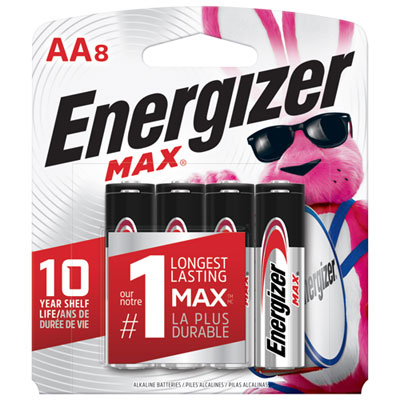 Your price for this item is $11.99
-
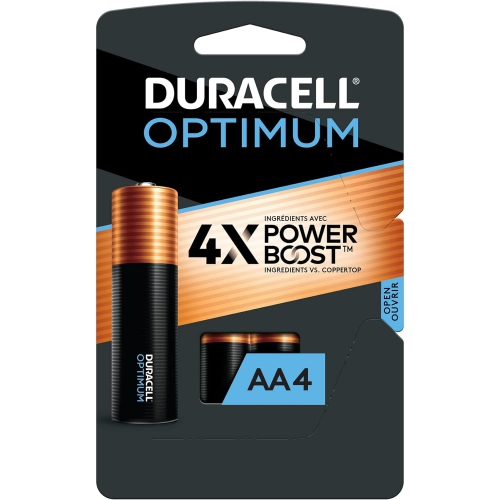 Your price for this item is $19.97
-
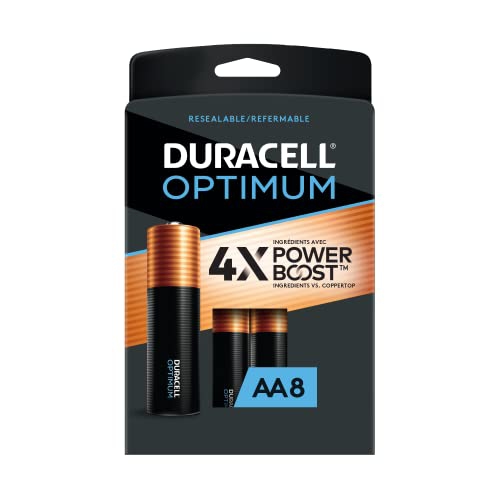 Your price for this item is $38.97
-
 Your price for this item is $57.97
-
 Your price for this item is $38.97
-
 Your price for this item is $17.99
-
 Your price for this item is $19.99
-
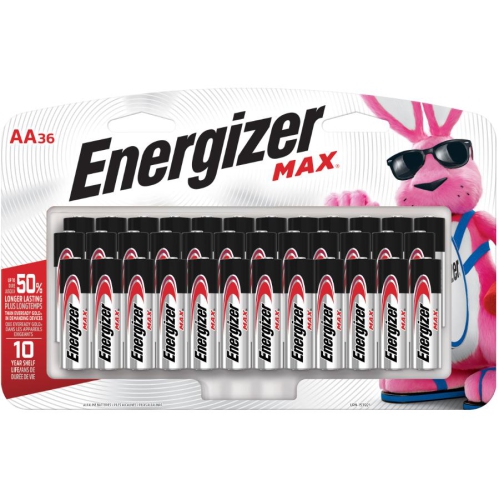 Your price for this item is $27.99
Discover more categories related to Batteries for Off Grid Living
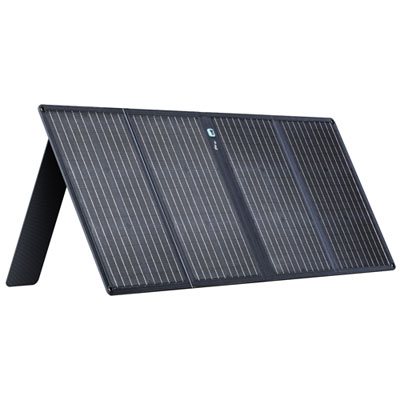
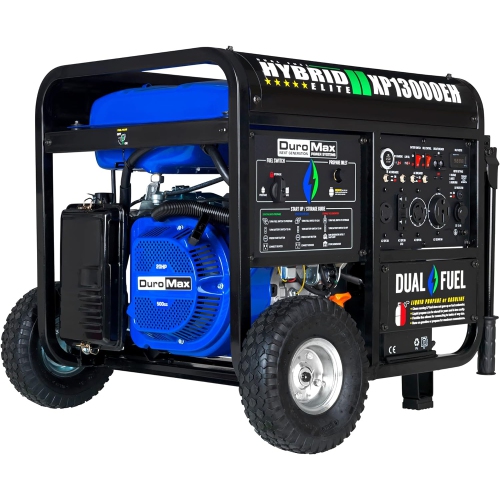
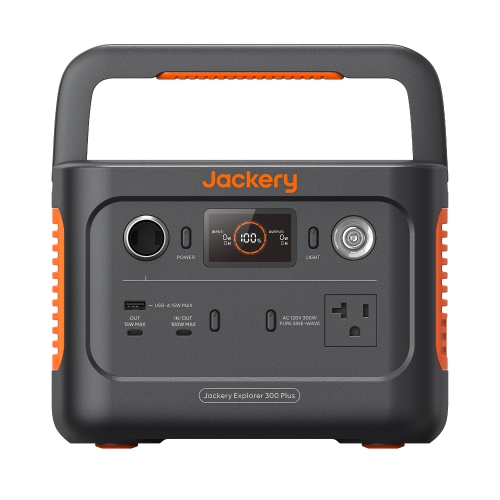
Top Collections:
Pokemon Centers, Kindle Devices, Best Cameras for Sports Photography, Best Budget Office Chairs, Pokémon 30th Celebration Cards, Apple iPhones 16, Canon G7X Cameras, iPhone 15 Apple, Flip Phones, Samsung Galaxy Phones
Some products may be subject to Environmental Handling Fees
(EHF) depending on your province.
Learn more about EHFs.