Off Grid Power Solutions
When it comes to off-grid living or outdoor adventures, having reliable power solutions is essential for staying connected and powered up. Explore a range of innovative off-grid power solutions that are designed to keep your devices charged and ready to go, whether you're camping in the wilderness, traveling off the beaten path, or simply looking for sustainable energy options. From portable solar panels to power stations, find the perfect off-grid power solution to meet your energy needs and keep you powered wherever your adventures take you.
Sort
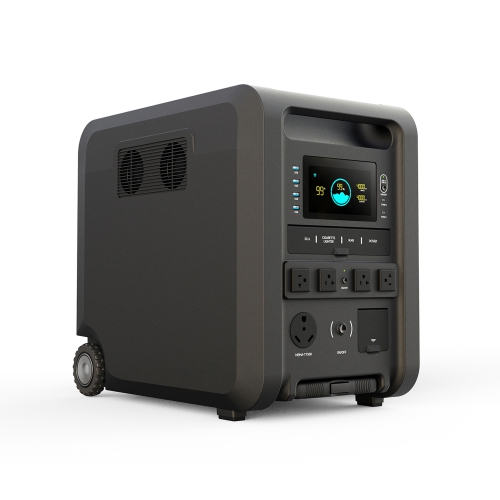
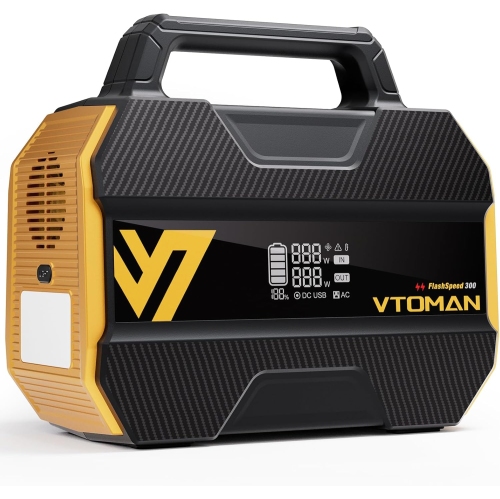
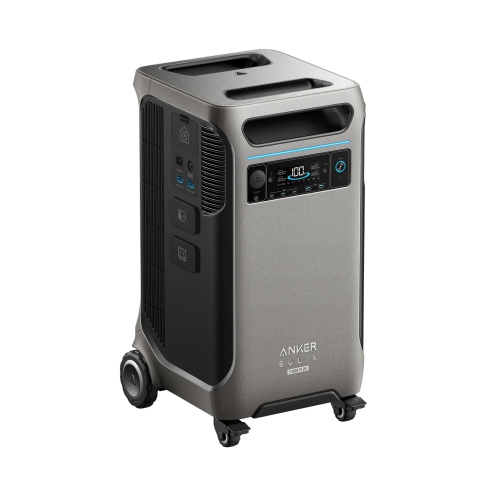
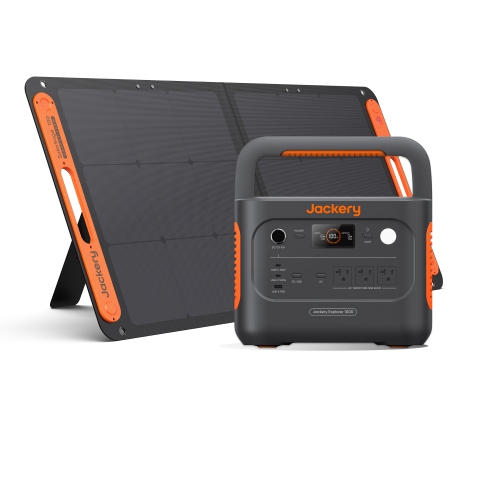
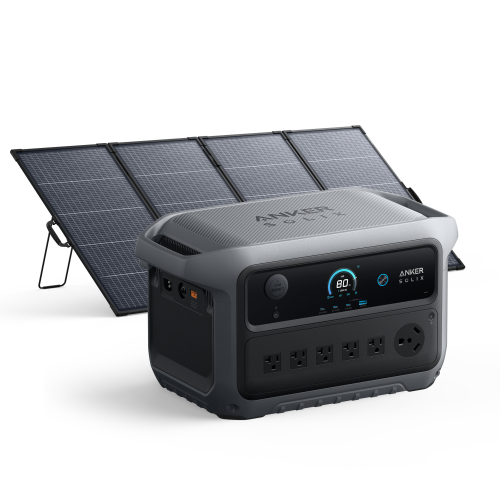
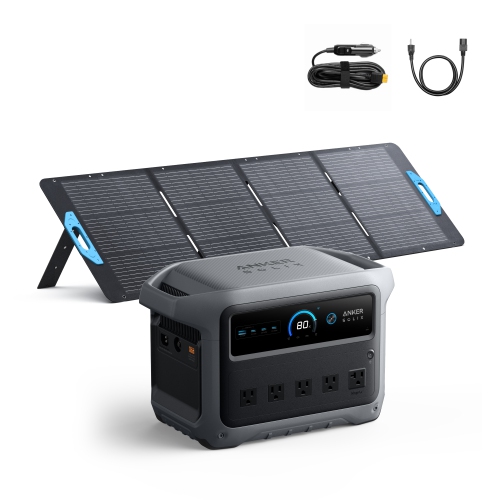
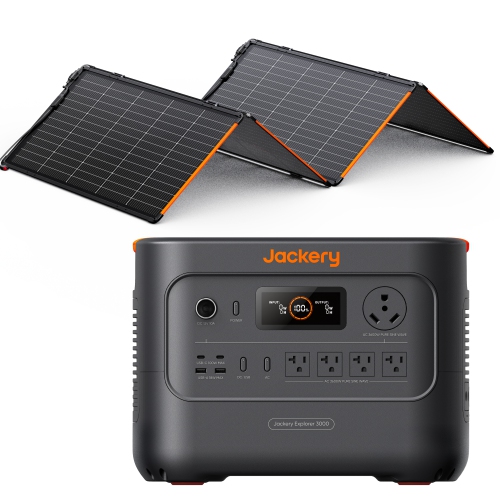
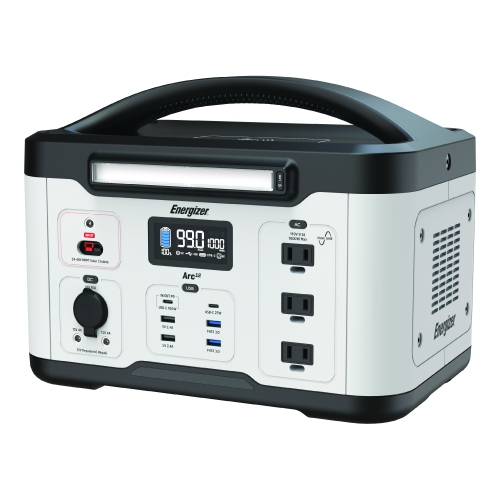
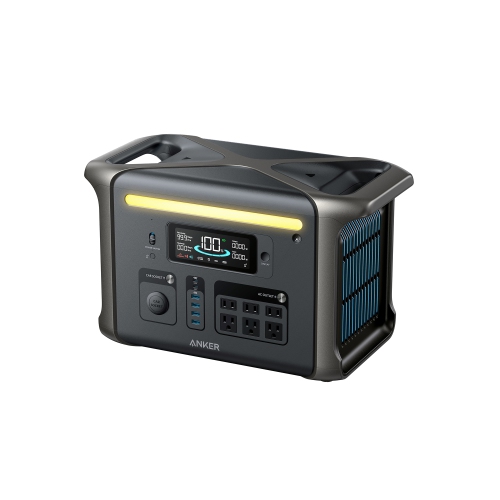
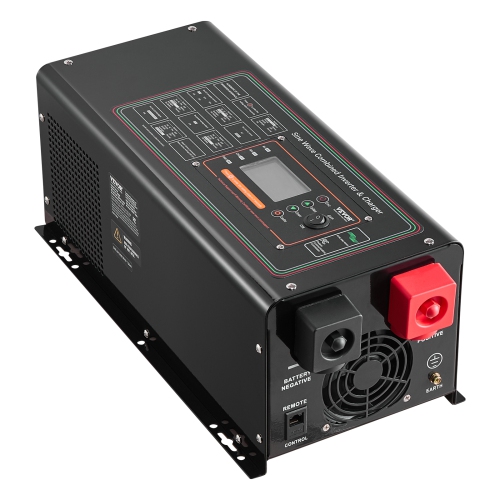
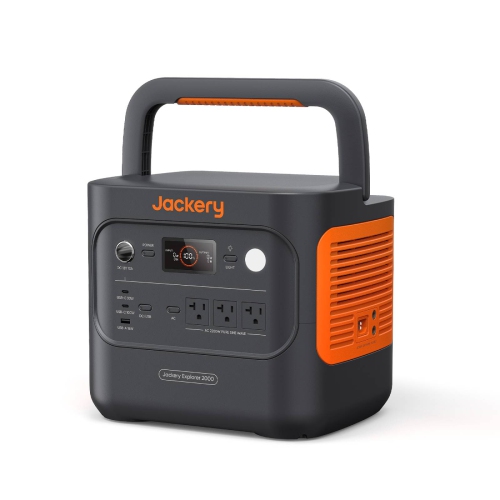
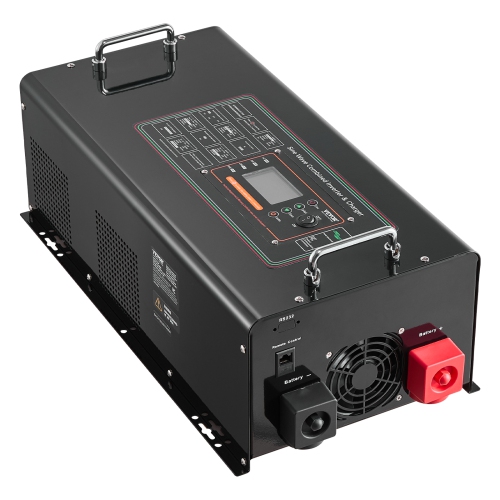
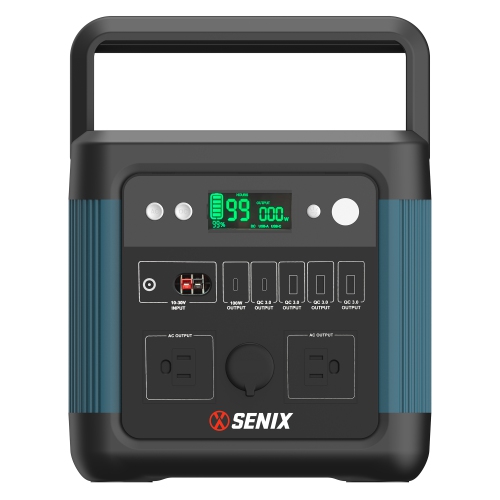
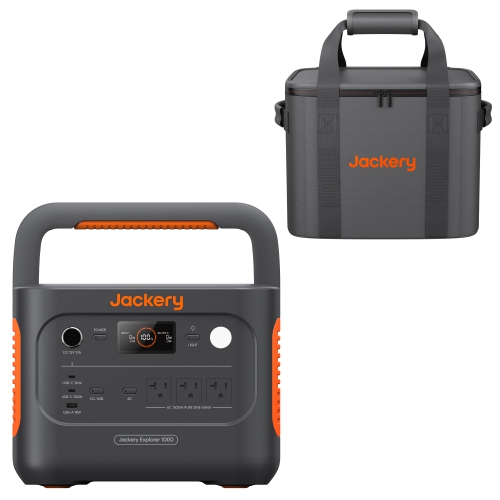
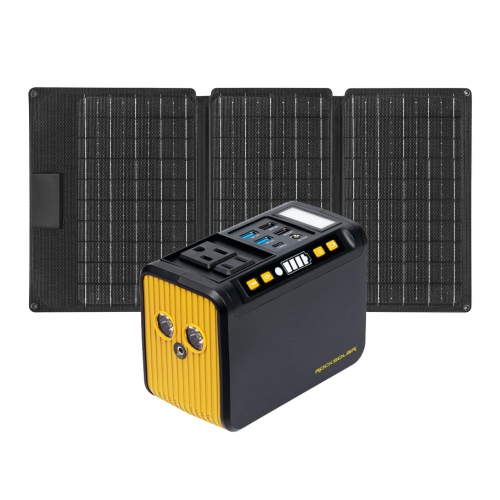
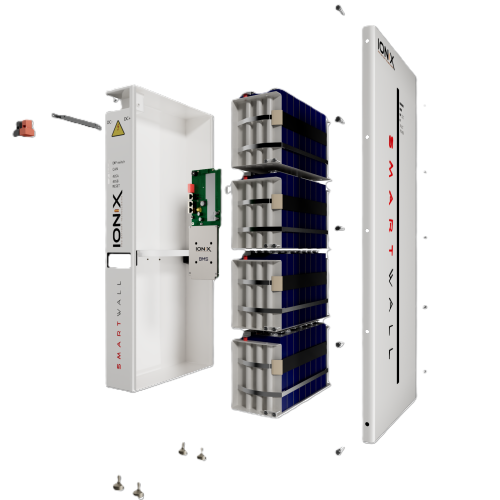
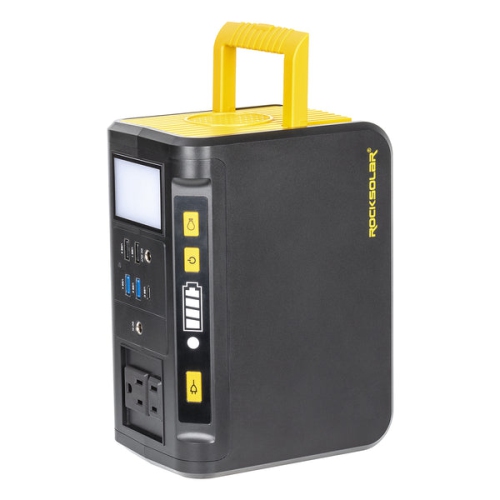
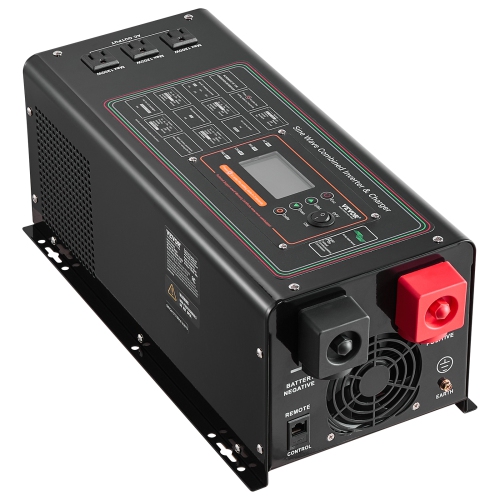
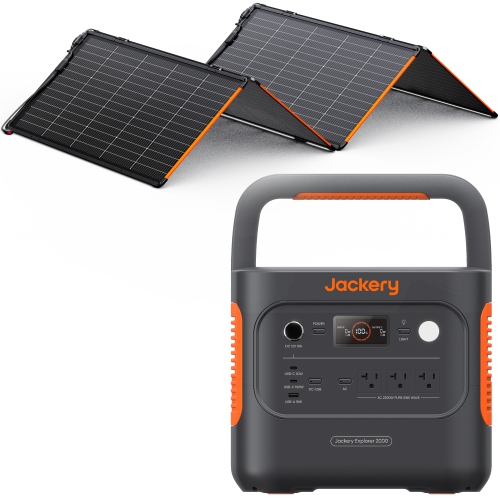
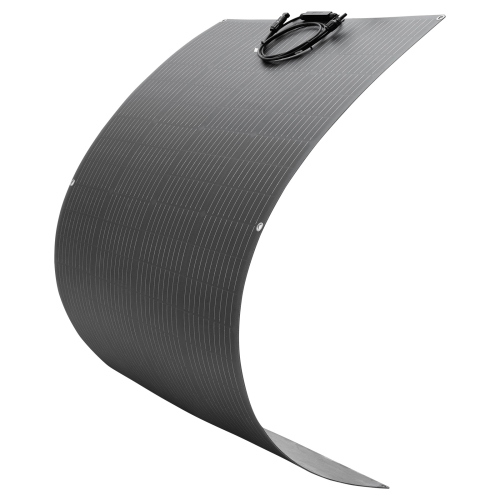


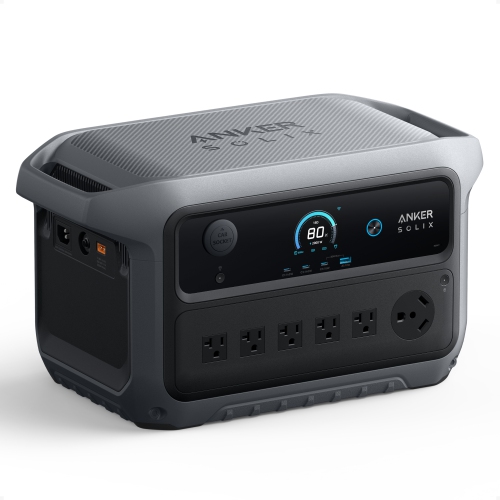
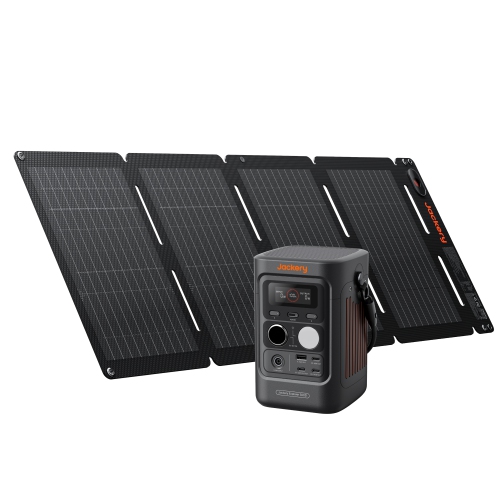
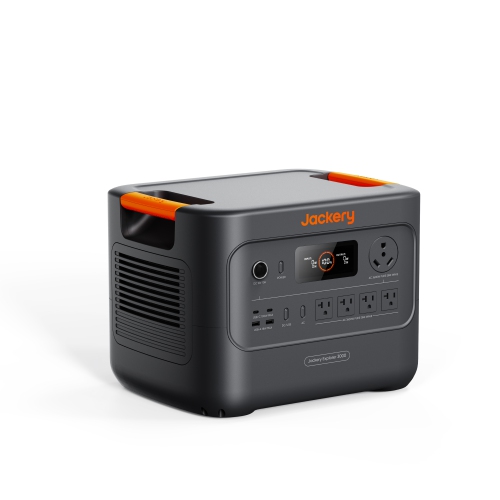
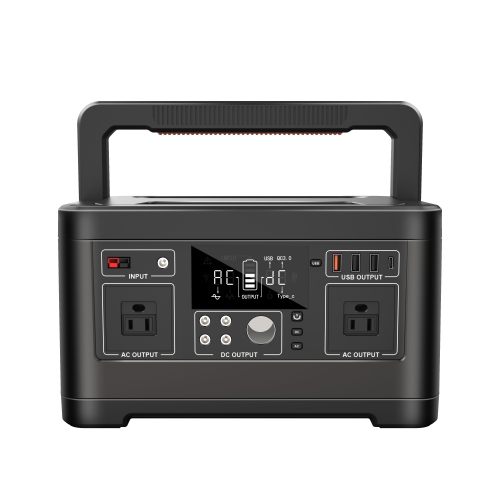
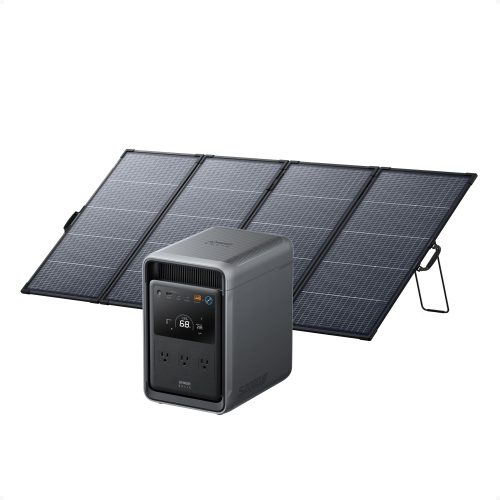
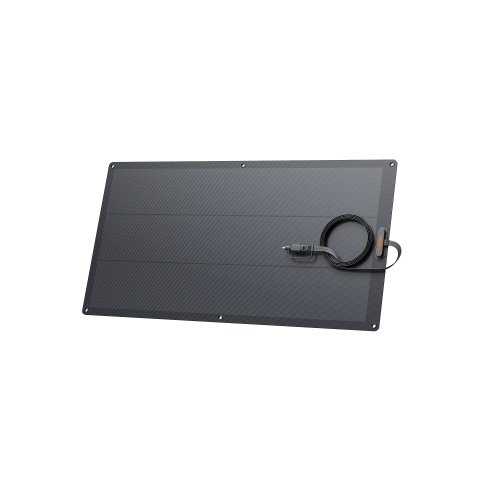
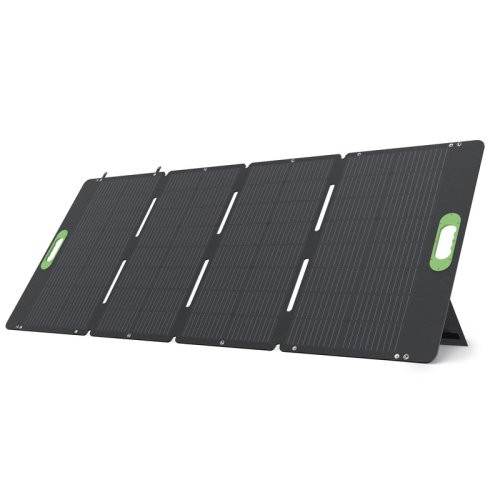
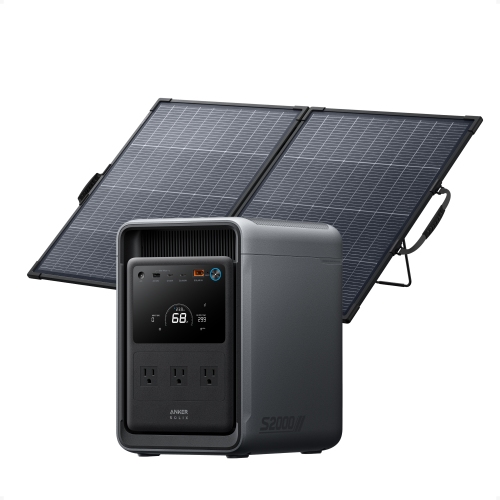
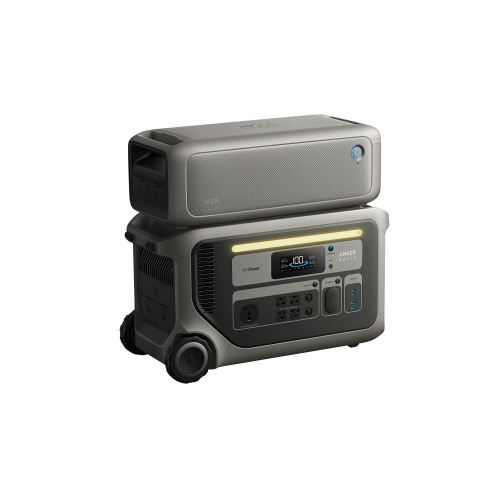
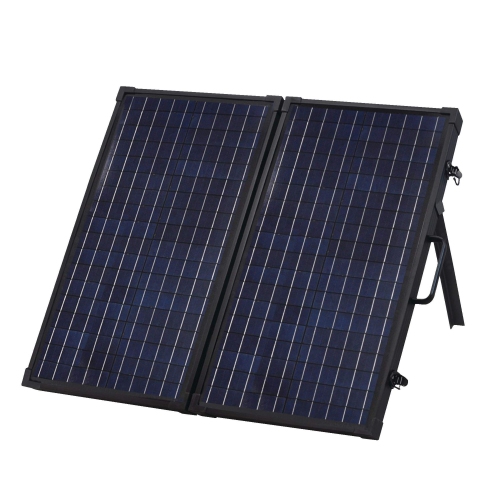

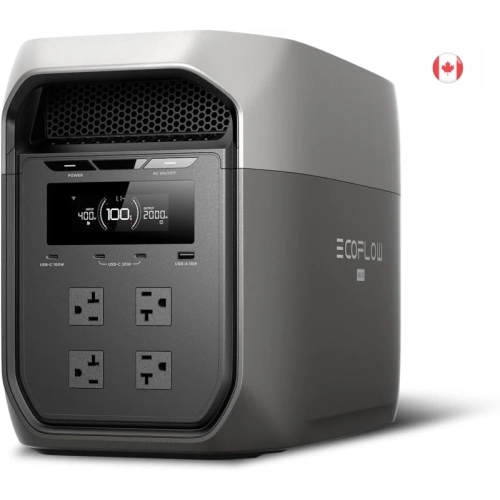
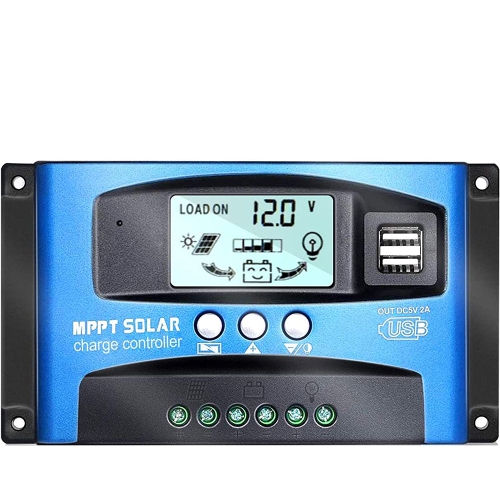
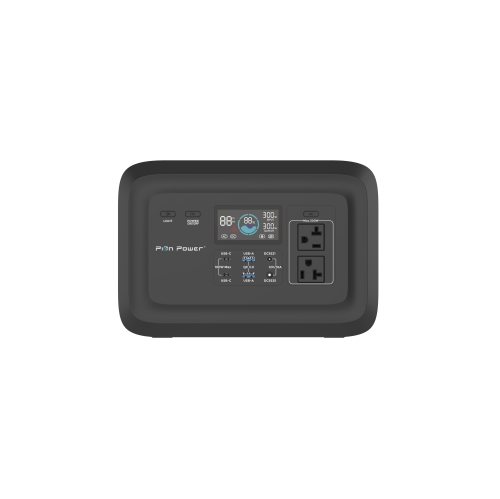
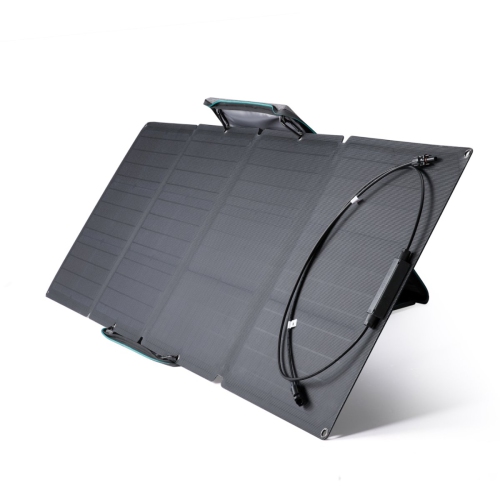
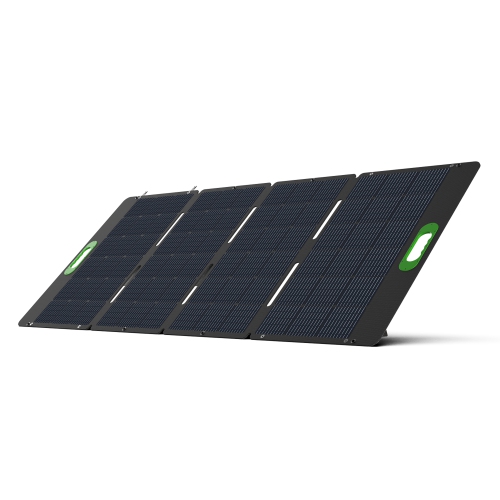
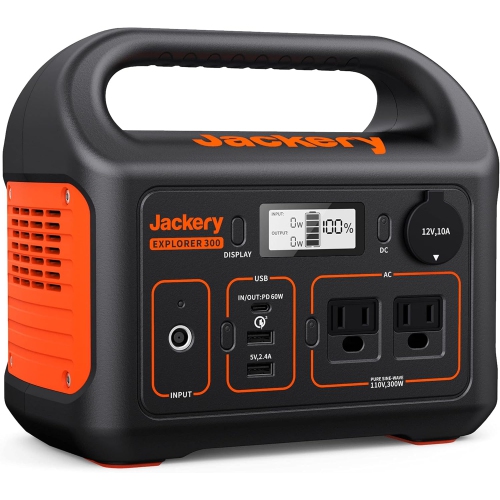
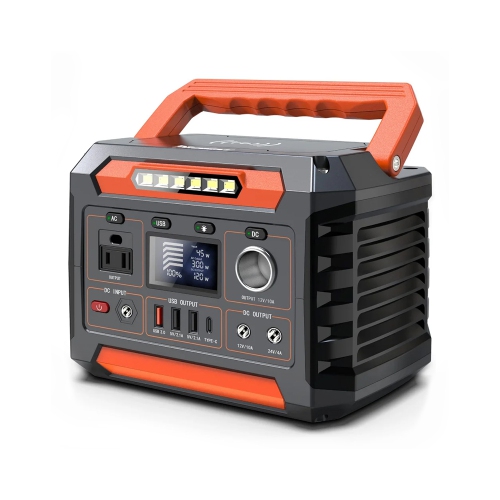
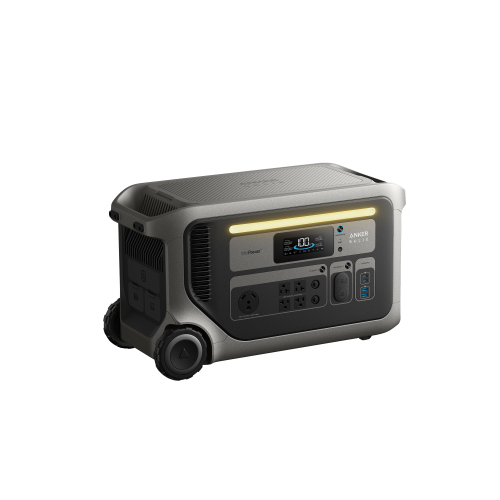
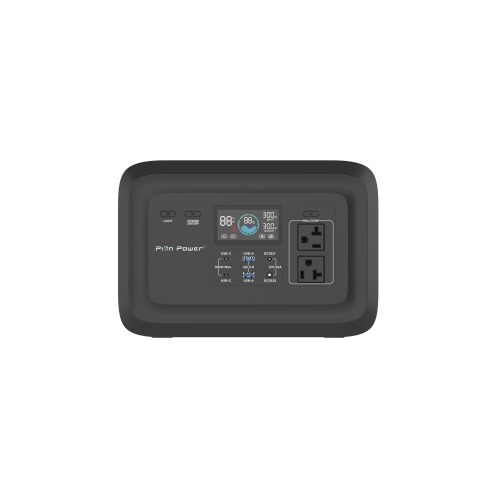

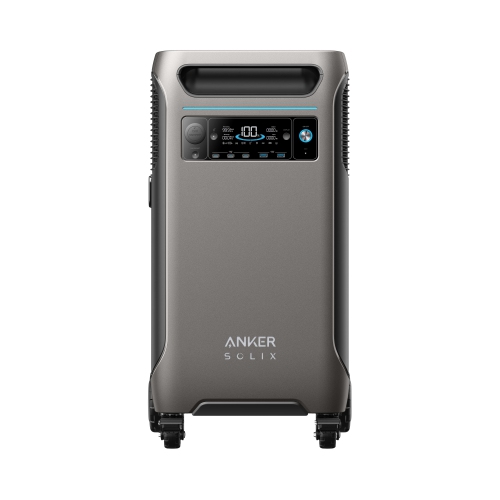
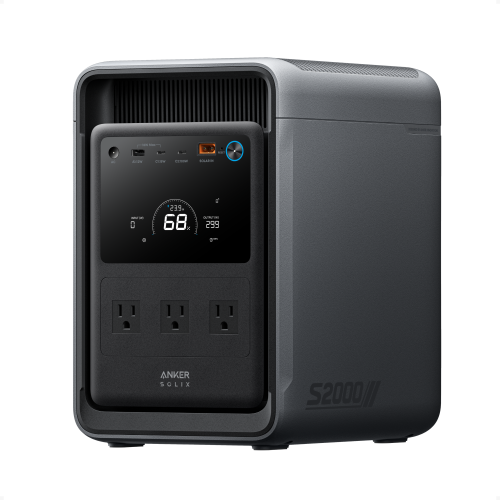
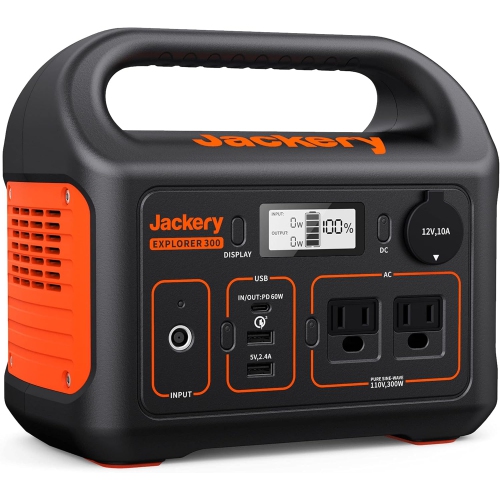
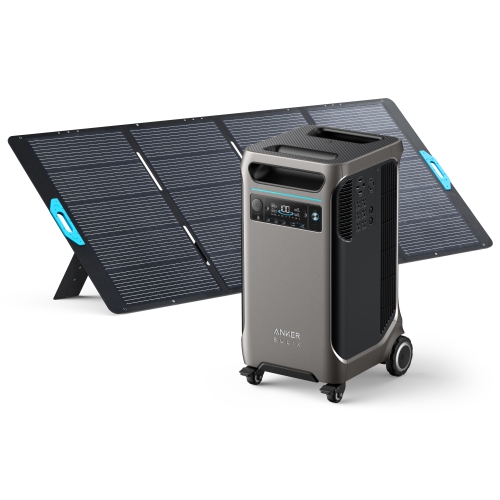
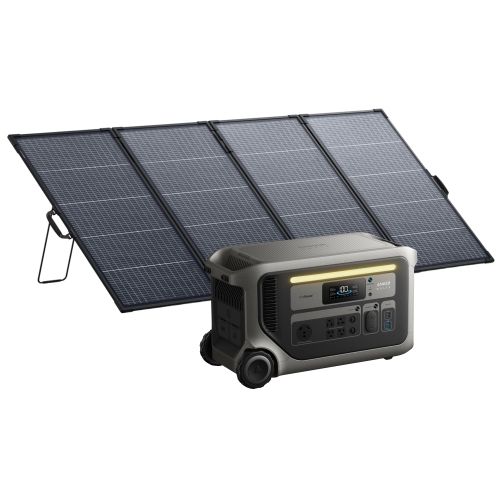

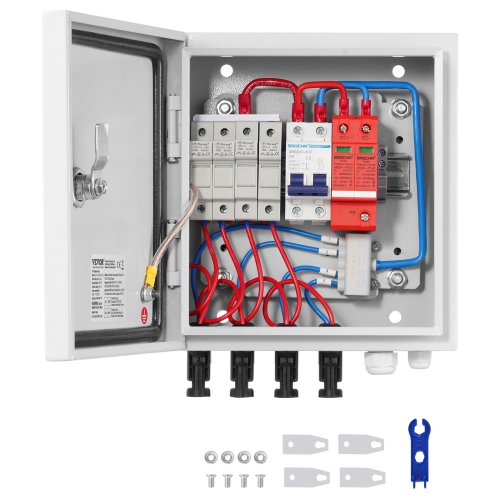
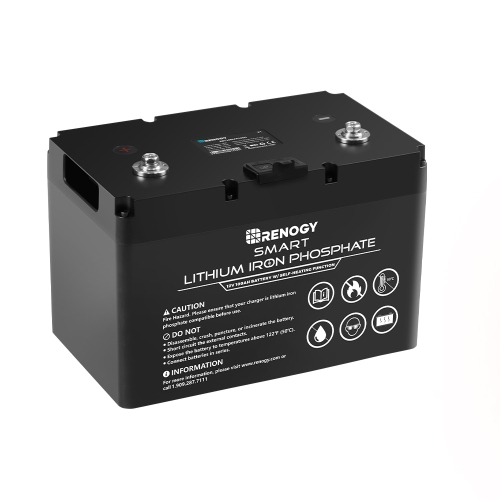

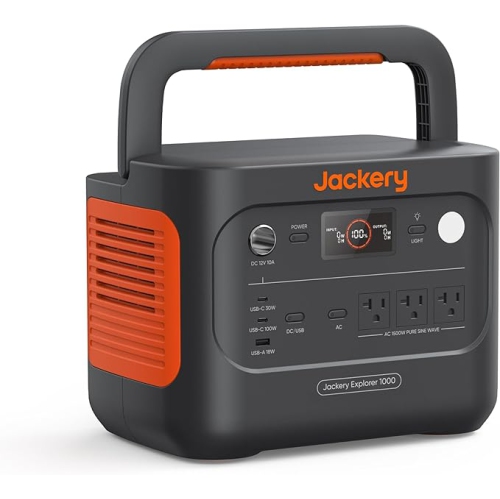
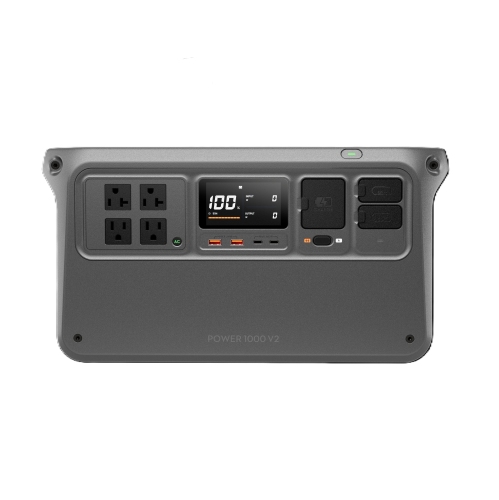
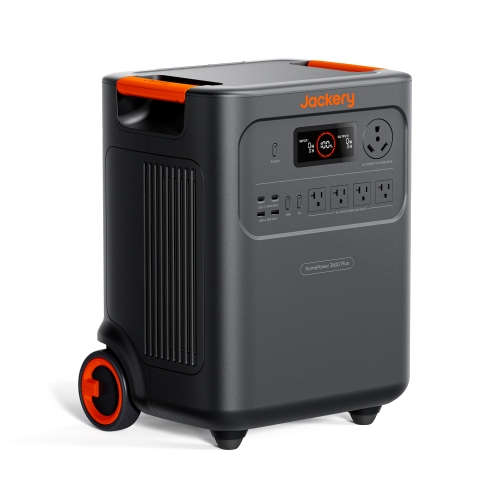
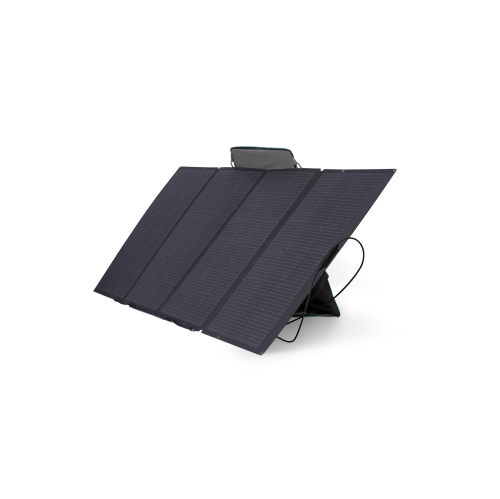
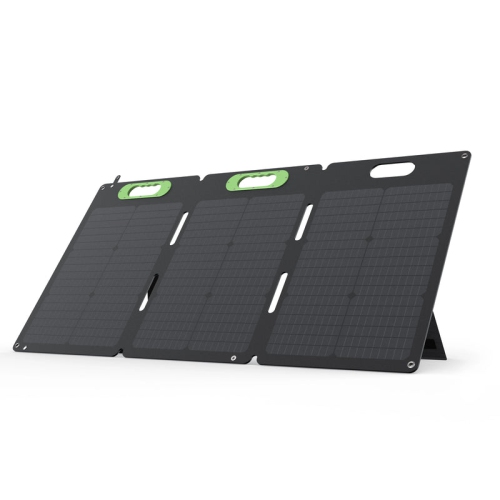
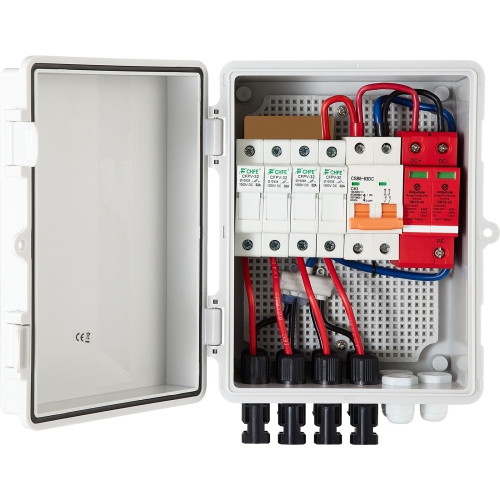
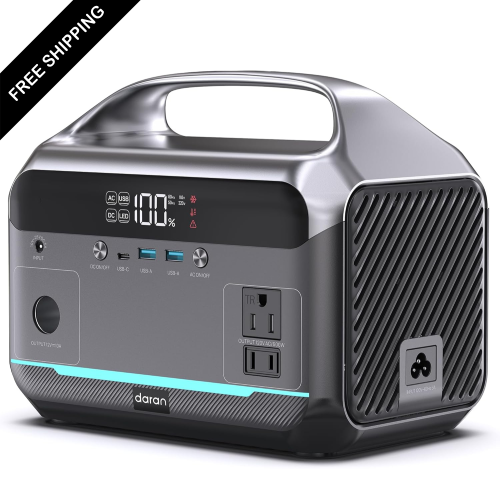
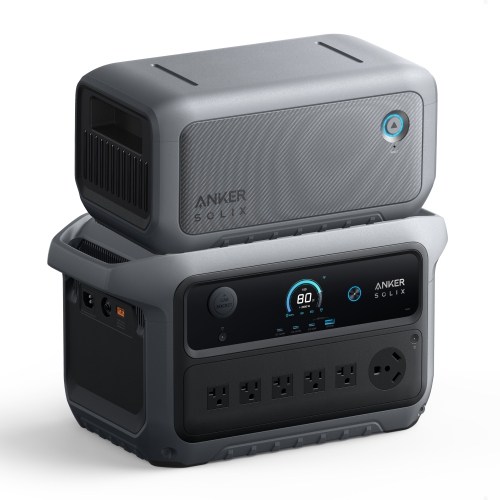
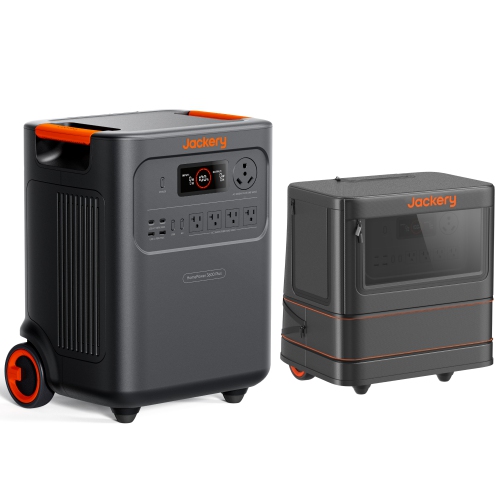
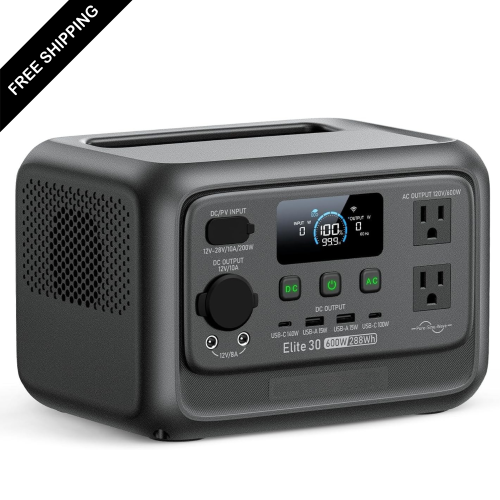
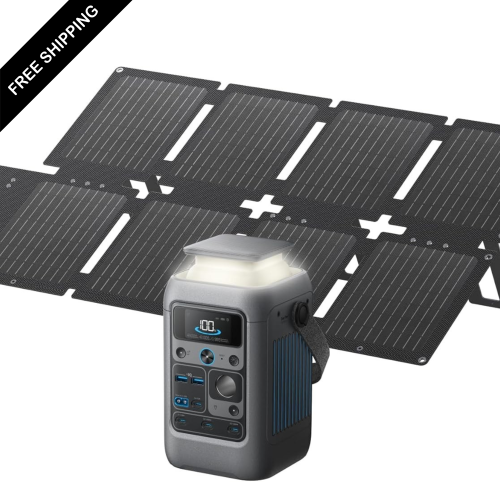
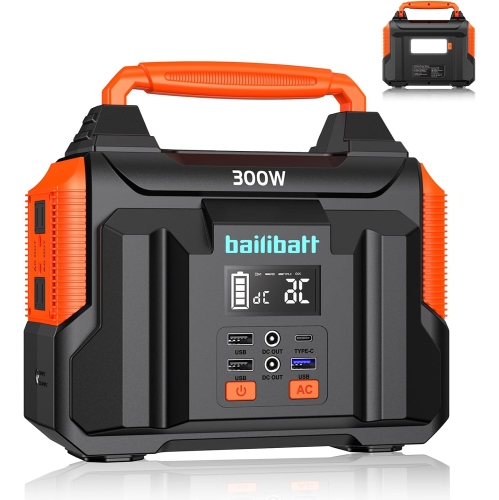
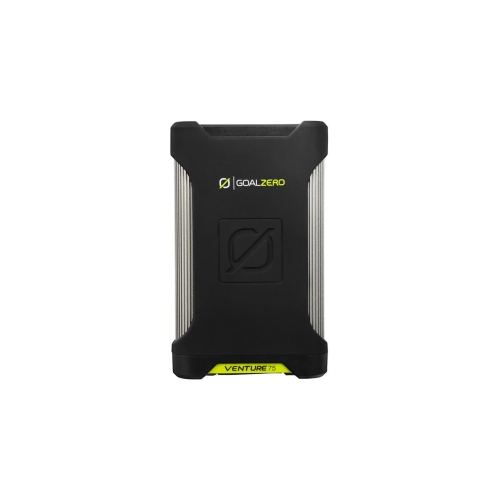

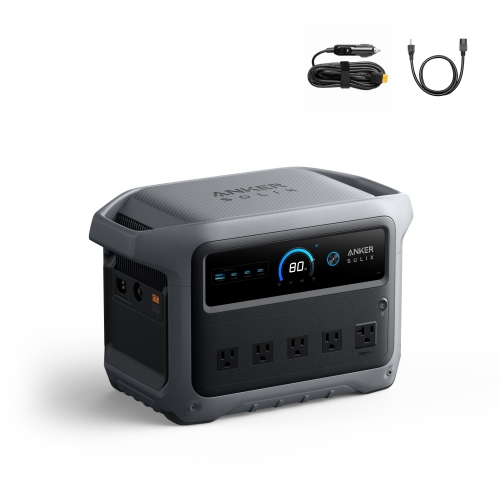
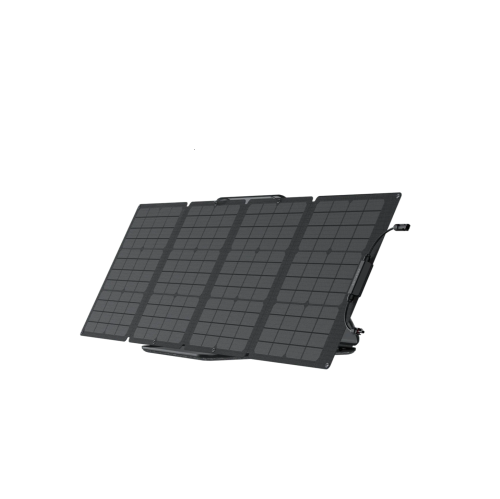
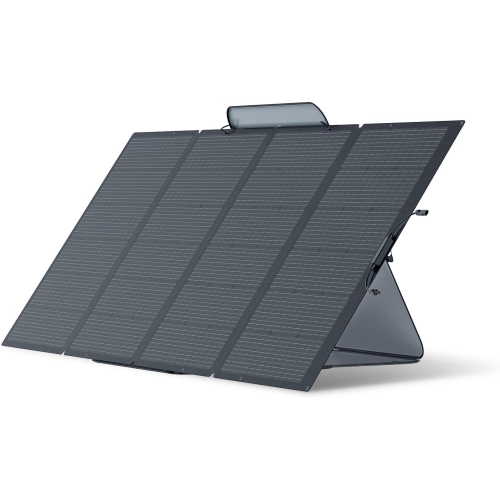
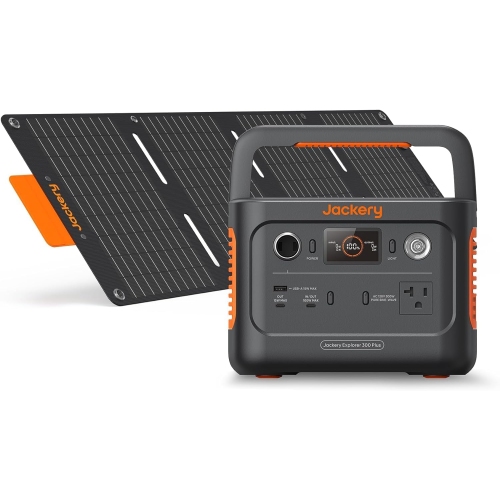

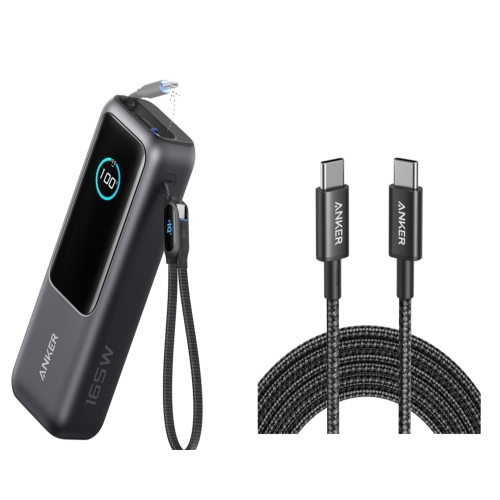



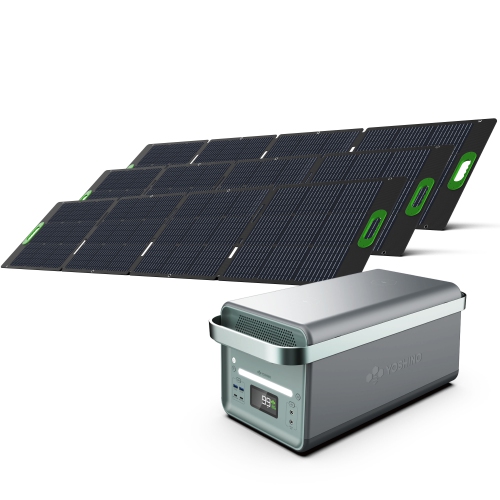
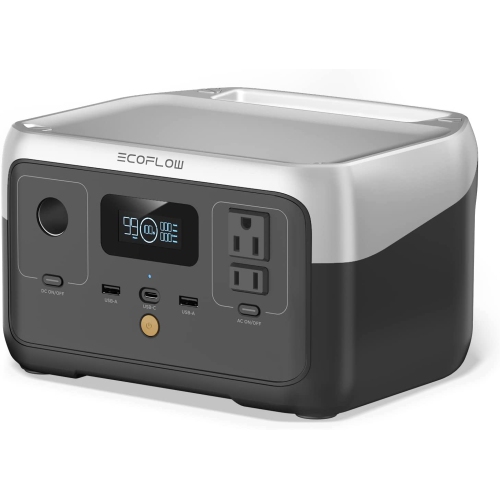
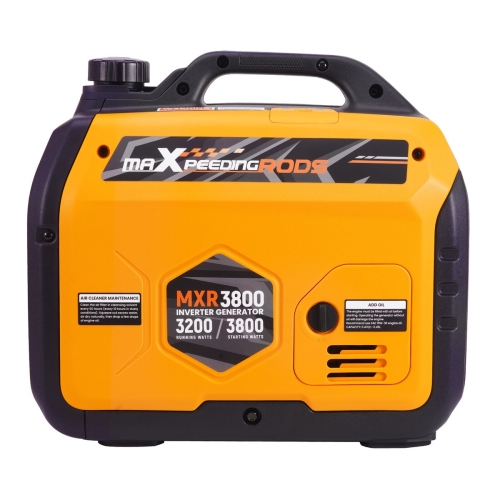

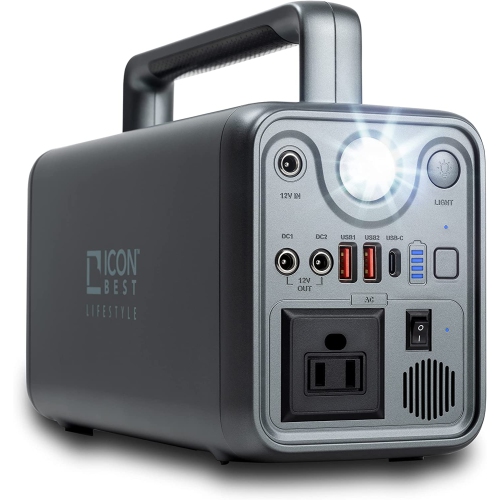
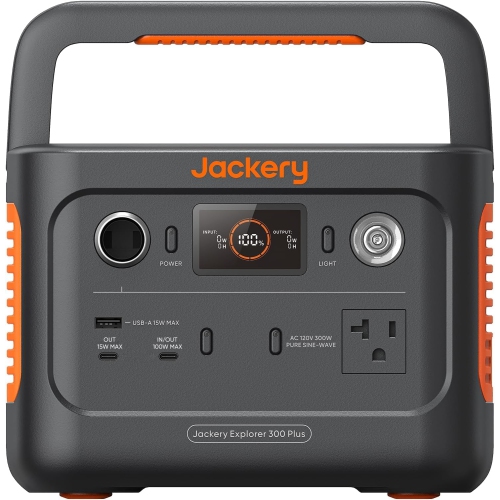
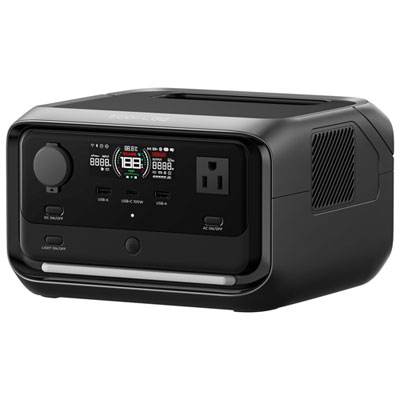

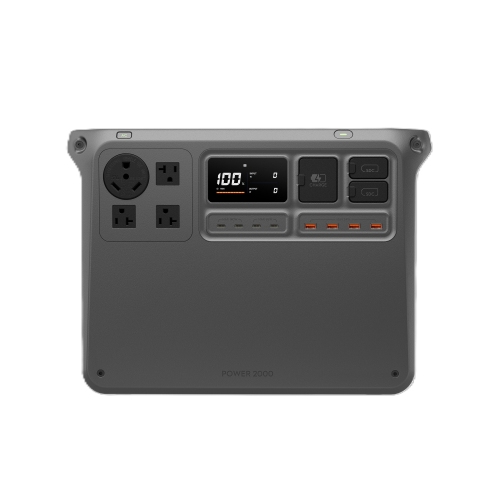
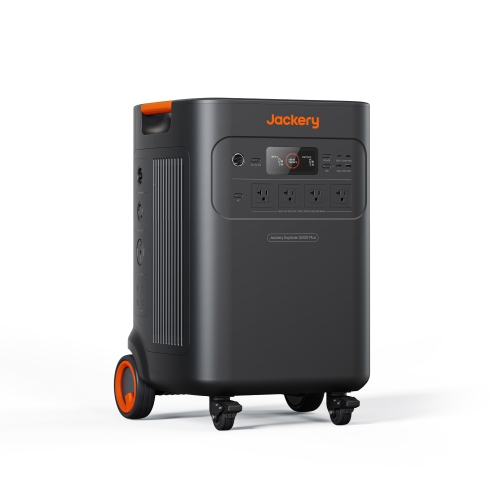
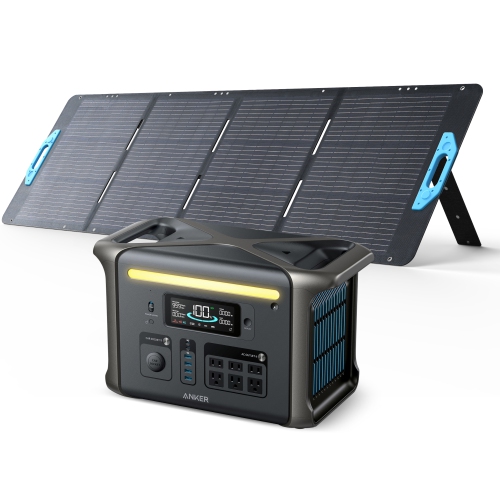
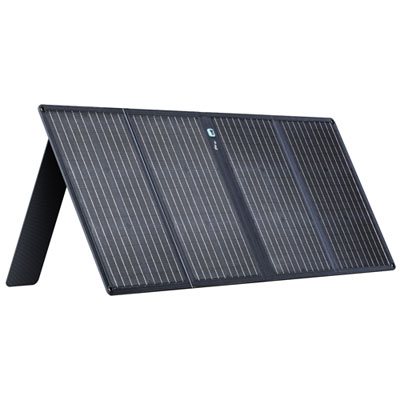
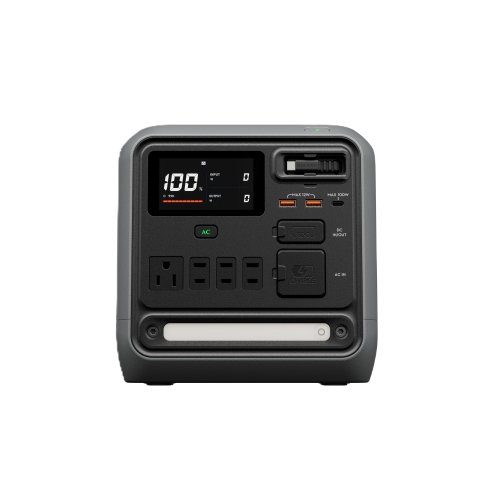
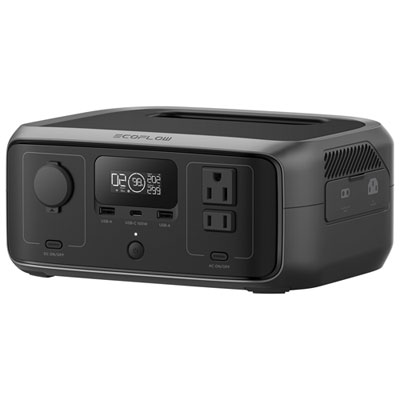


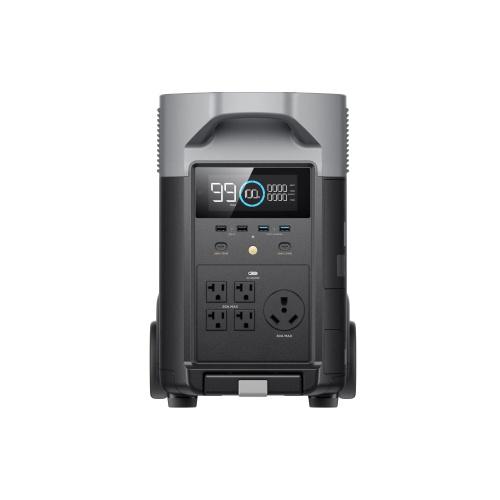
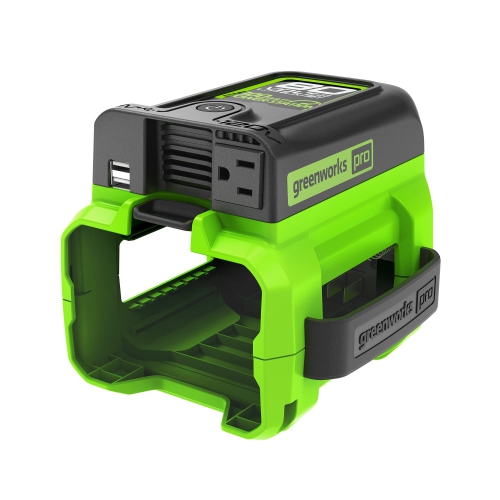
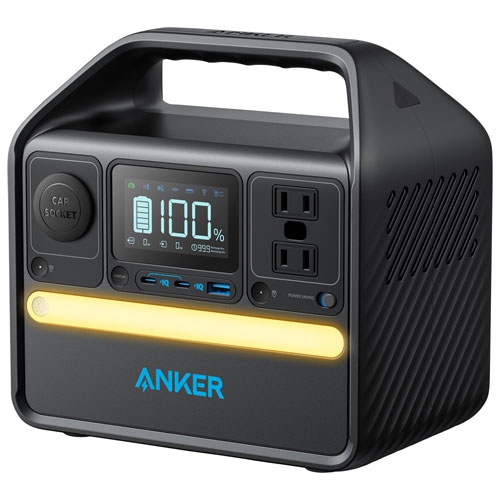
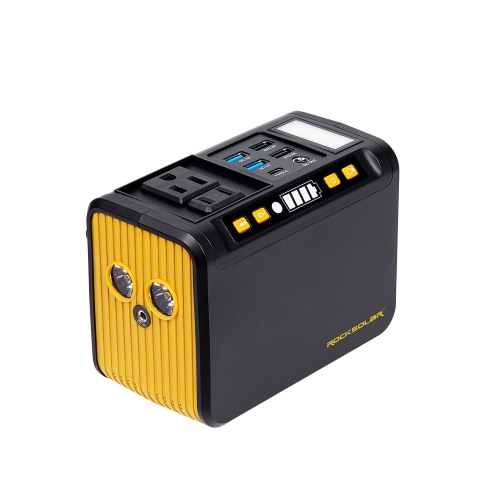



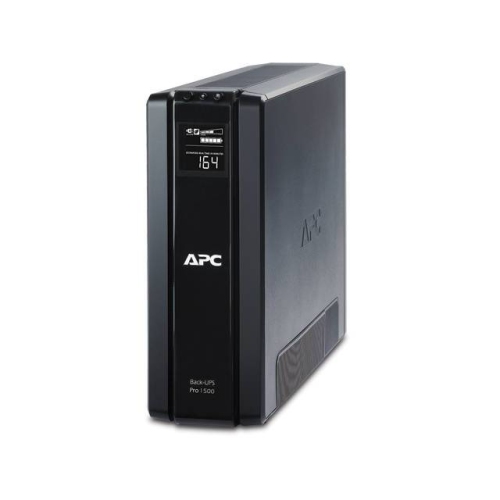
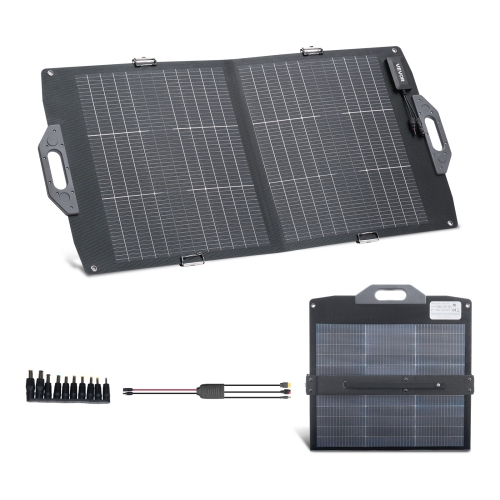
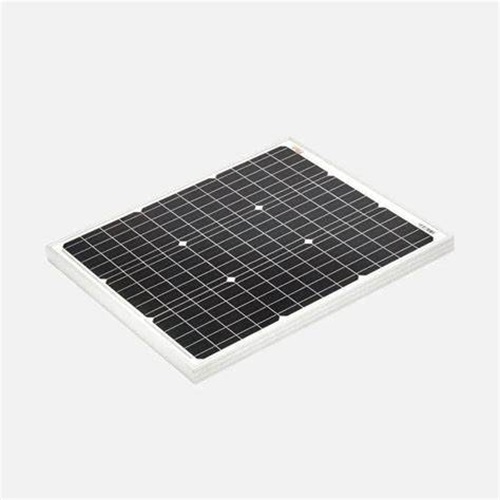
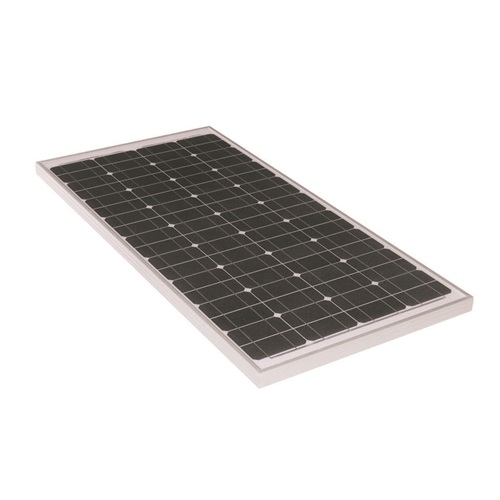
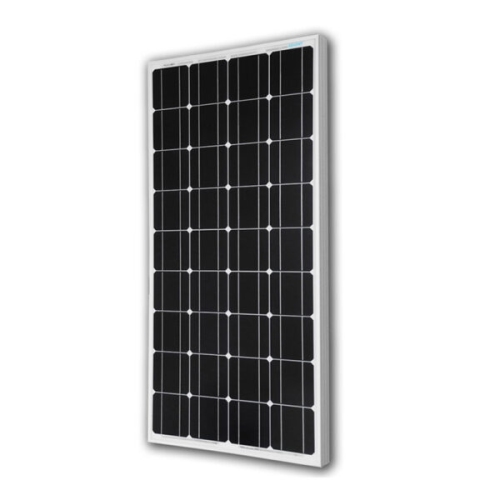
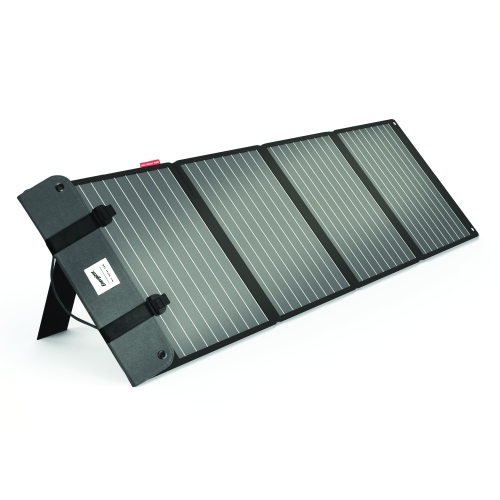
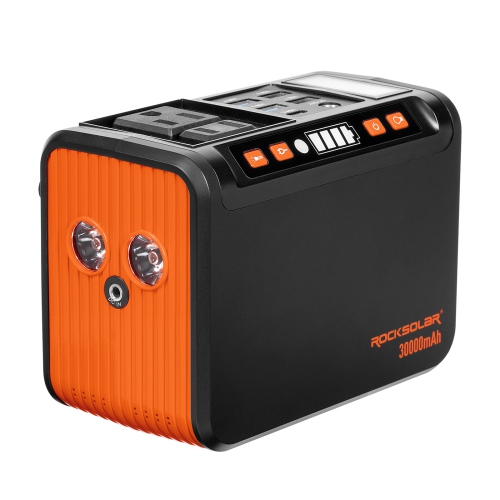

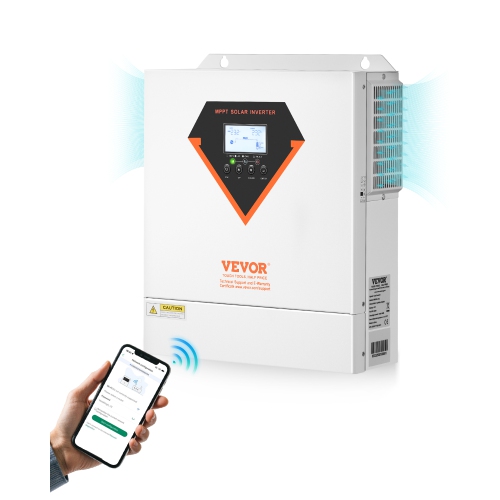
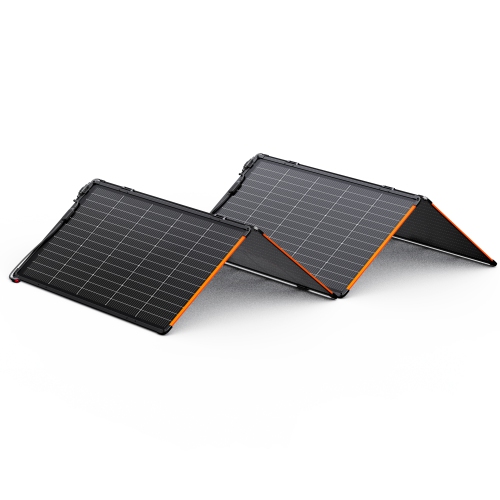
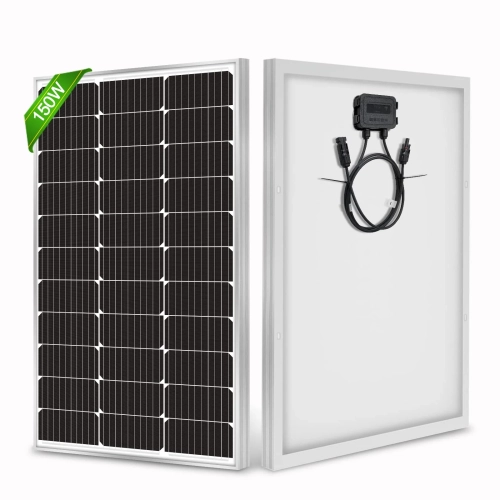
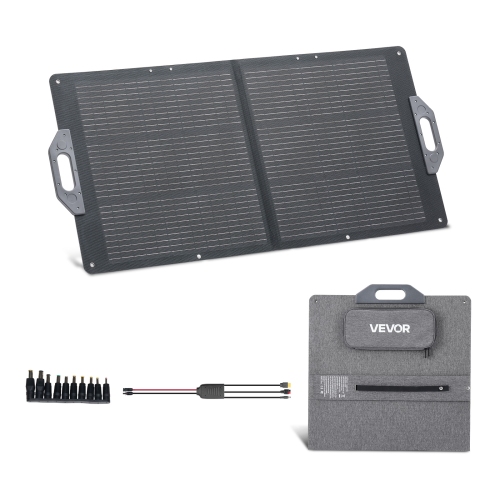
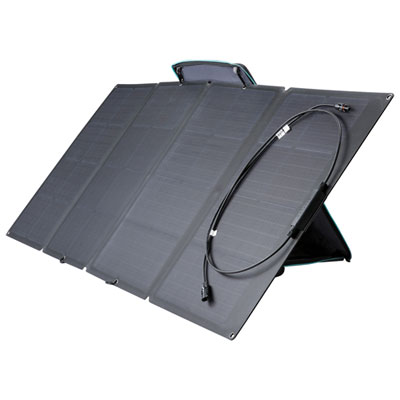

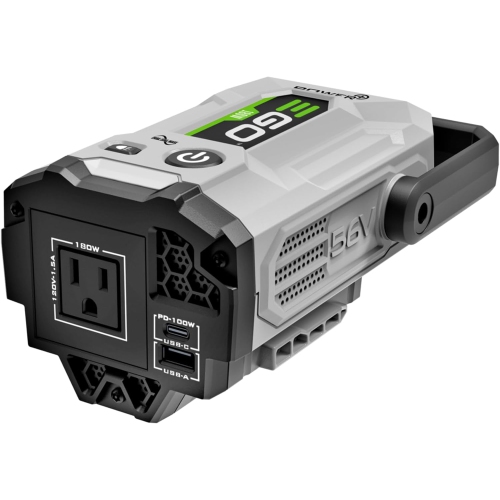
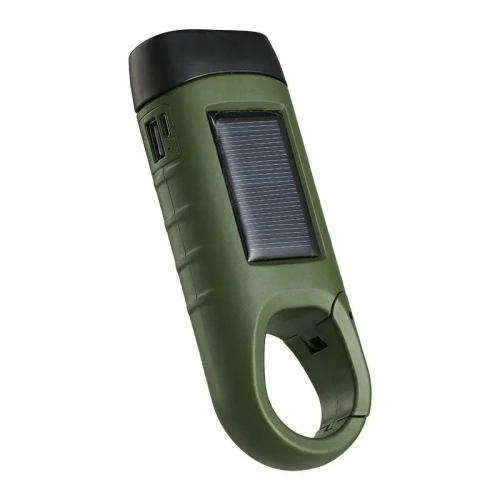
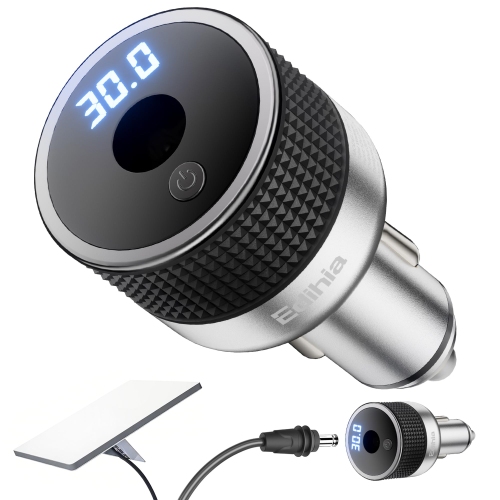
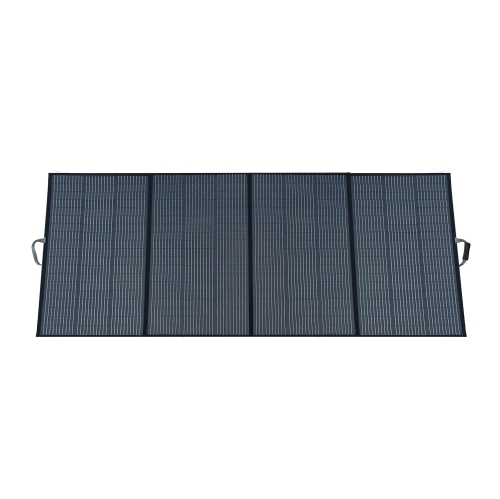
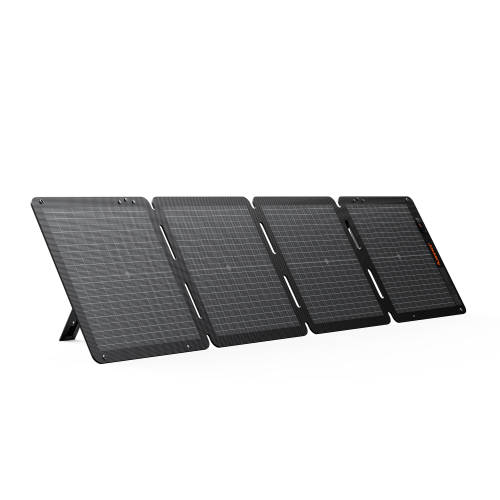
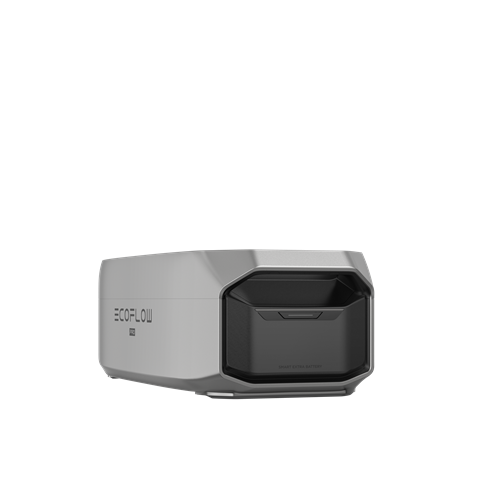
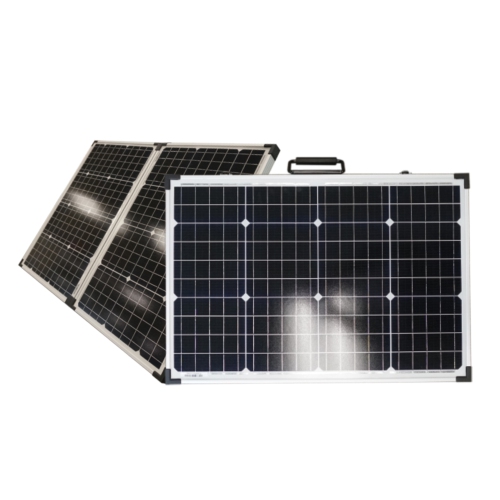
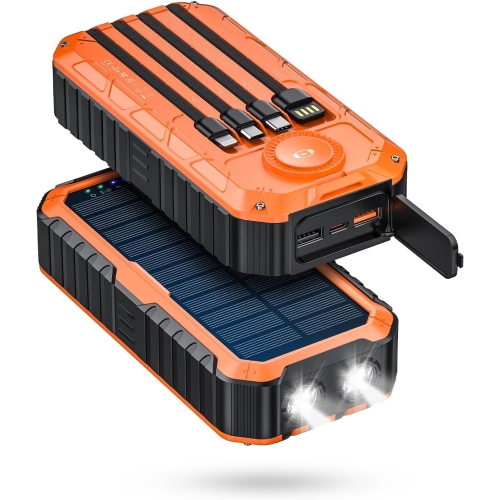

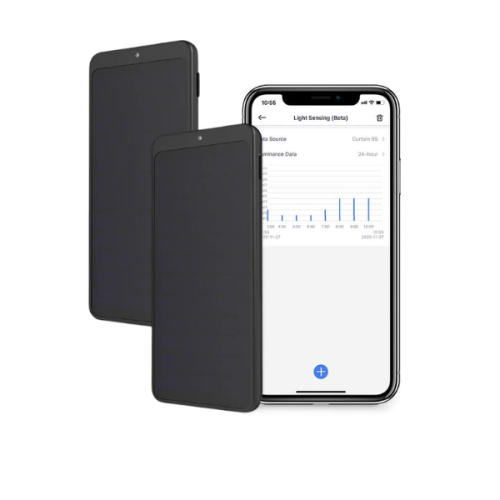
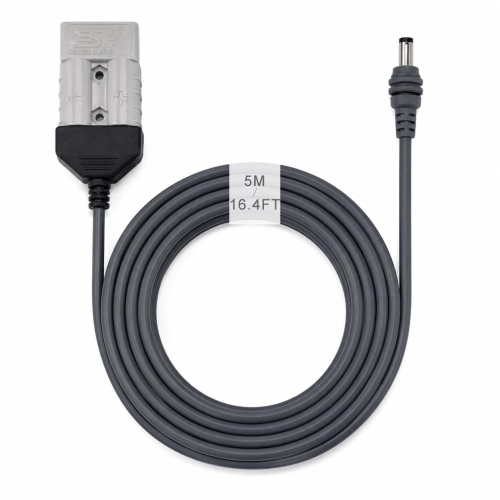
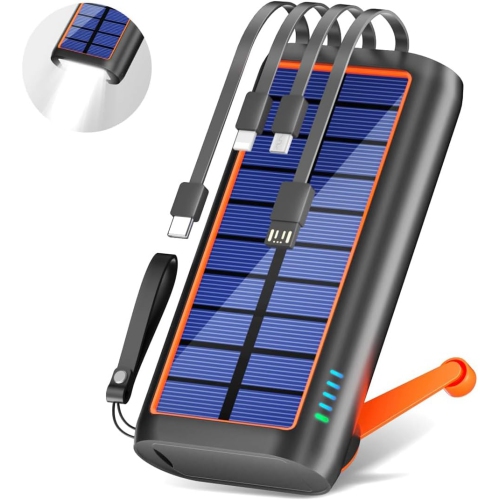
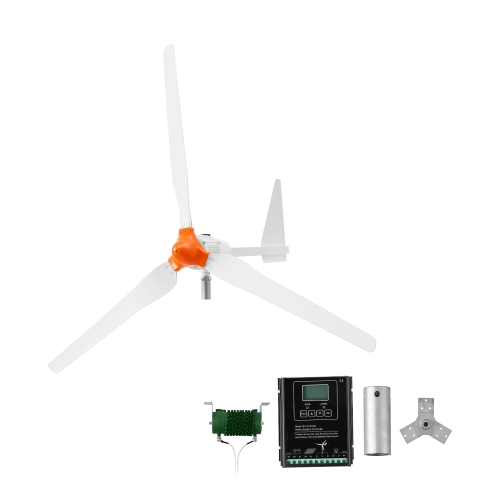
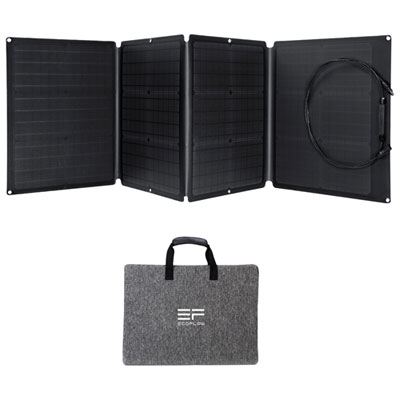
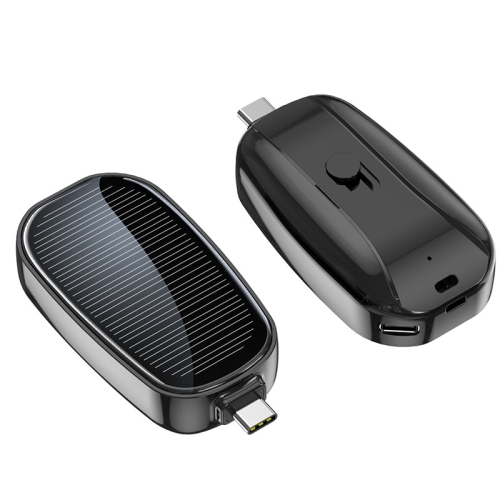
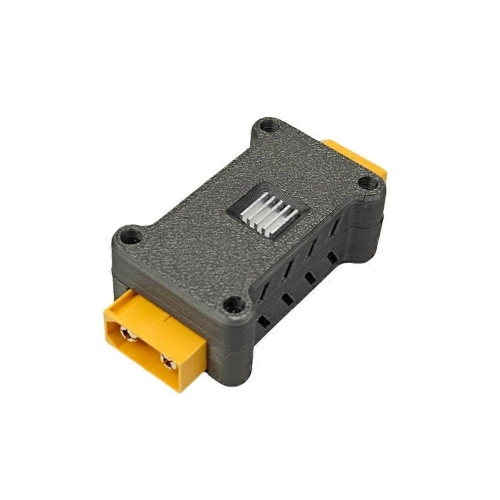
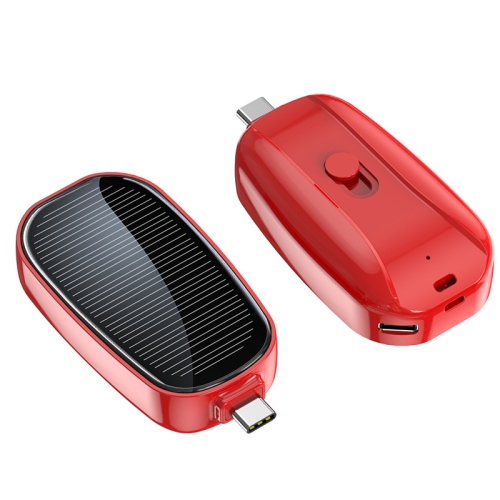
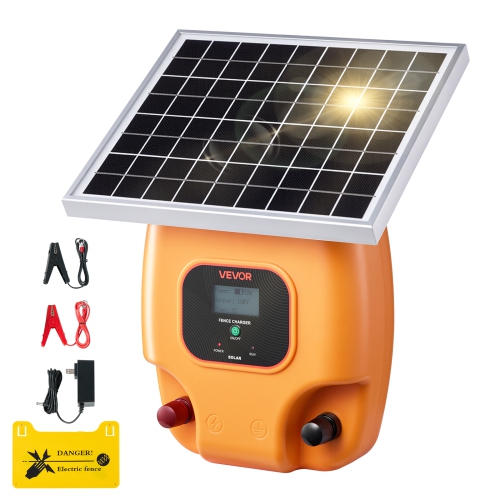
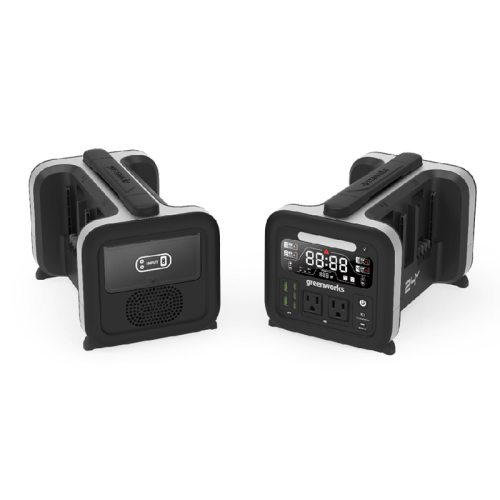
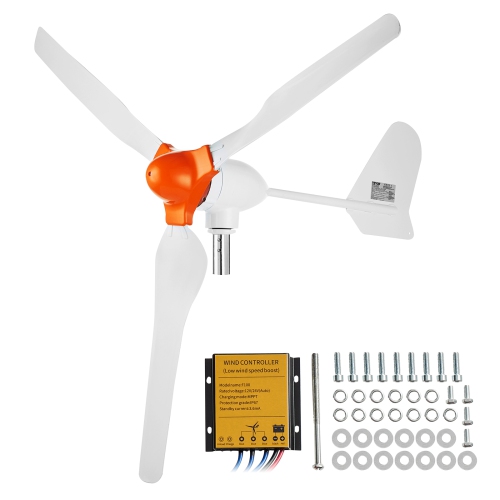
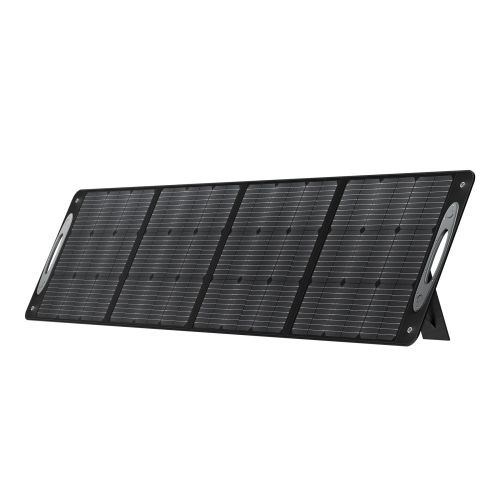
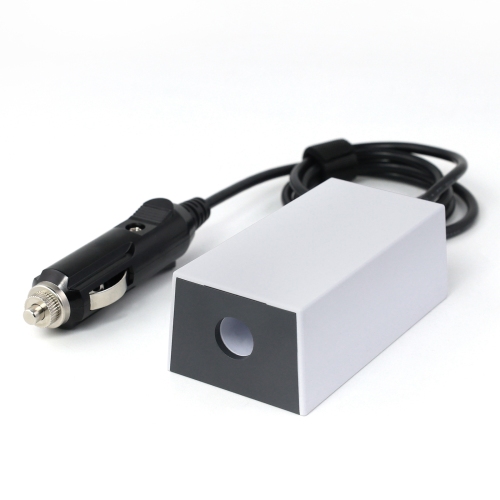
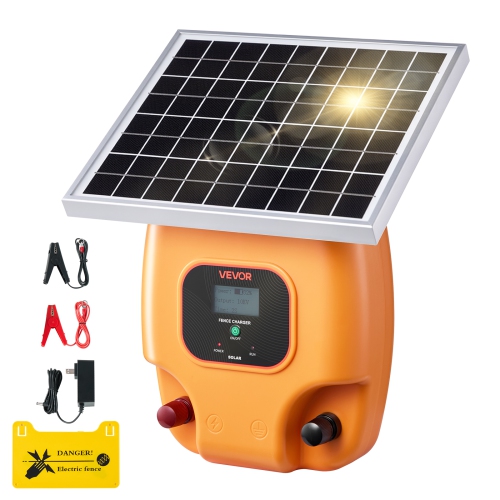

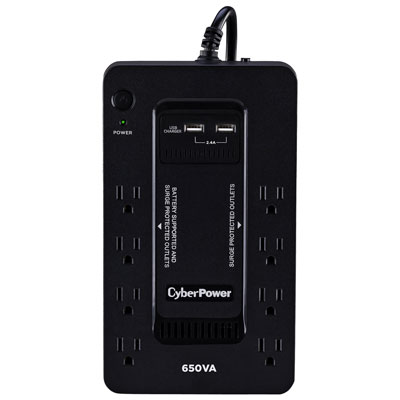
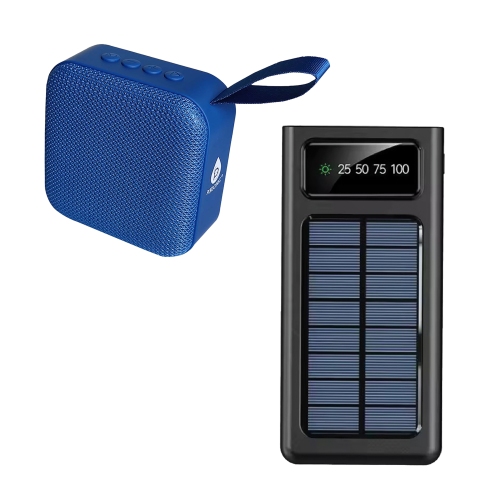

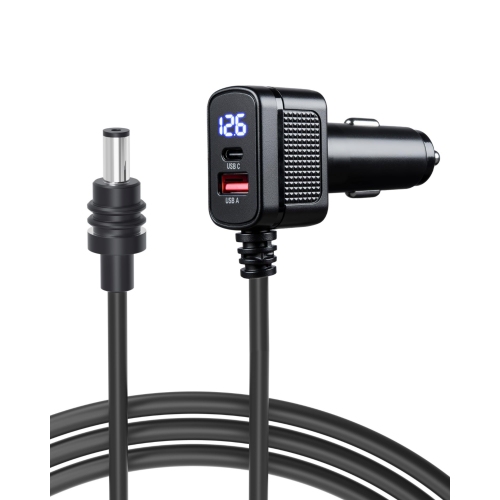
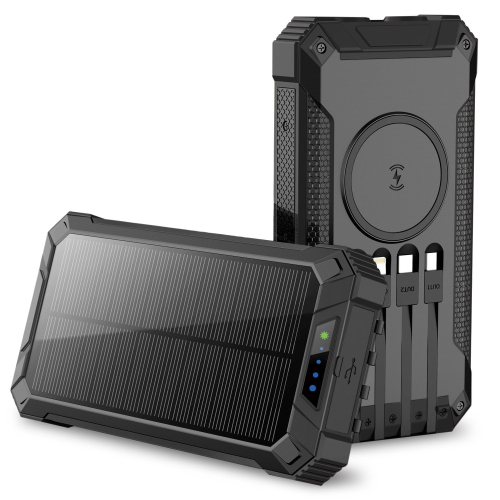
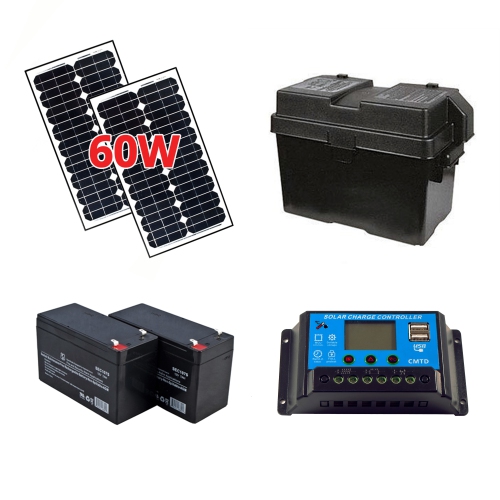
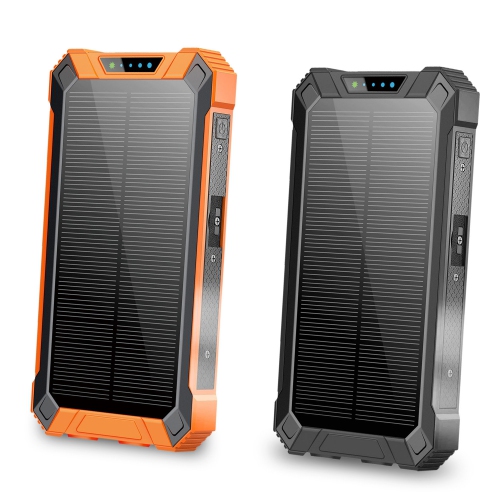
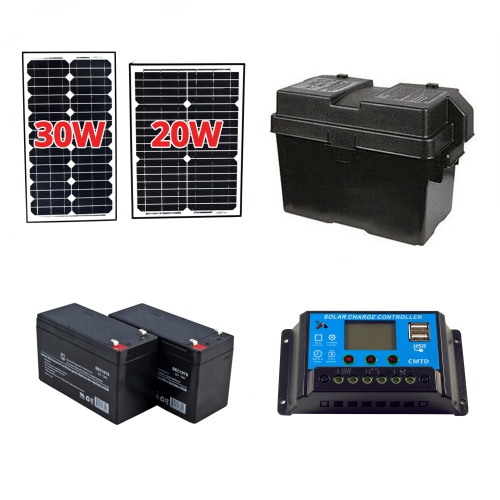
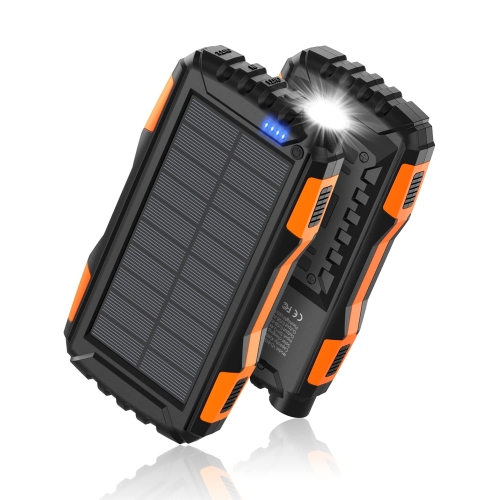
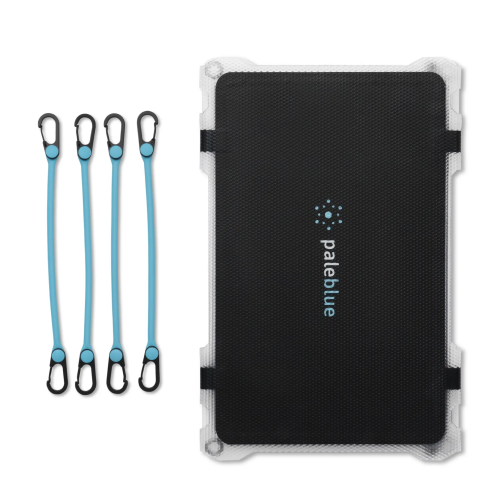
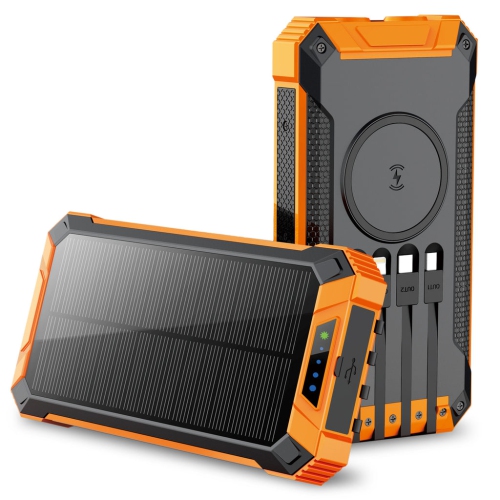
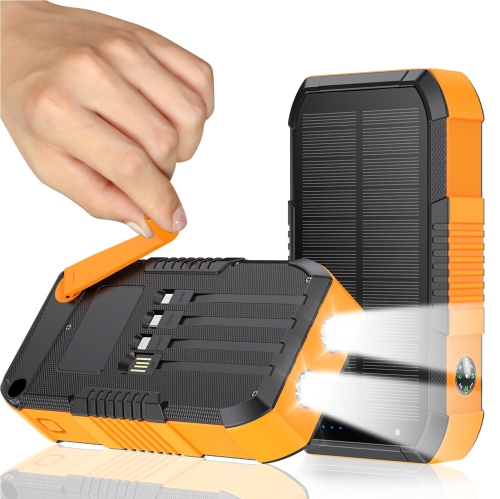
Power planning for cabins, RVs, campsites, and emergencies
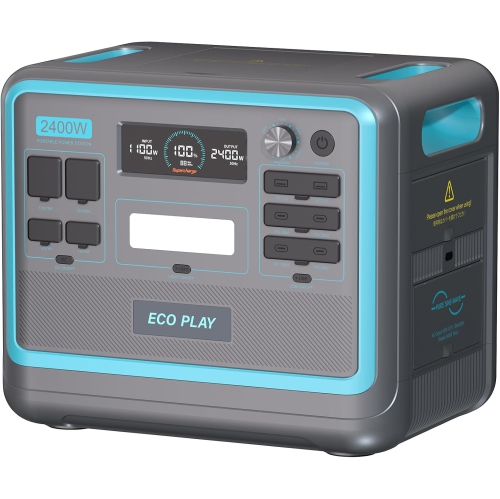
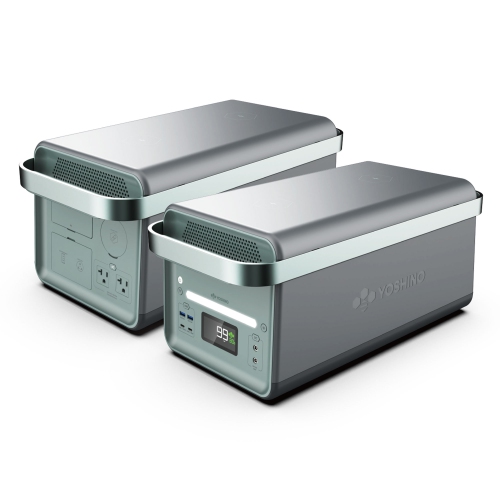
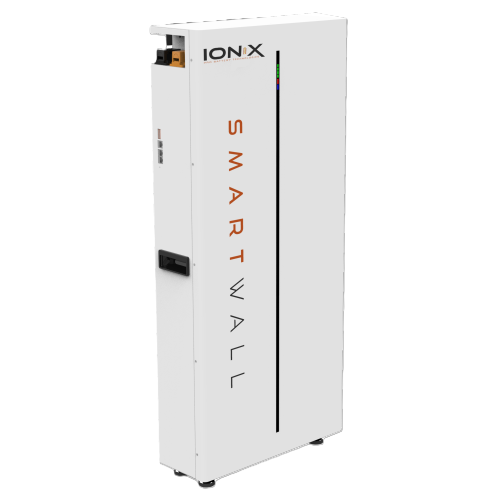
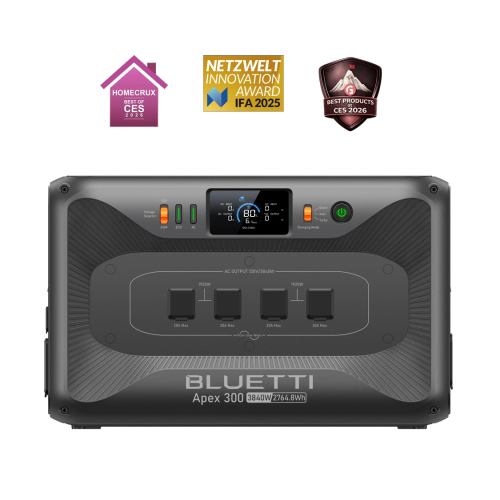
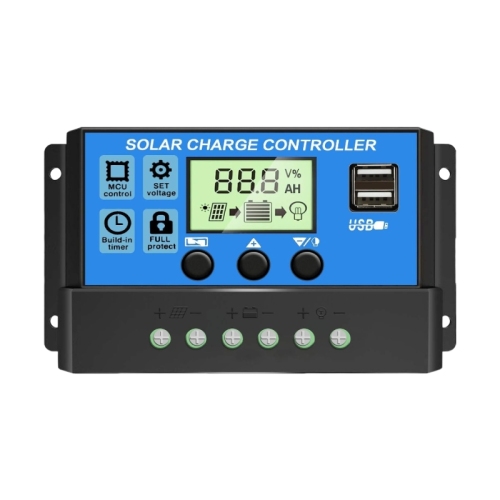
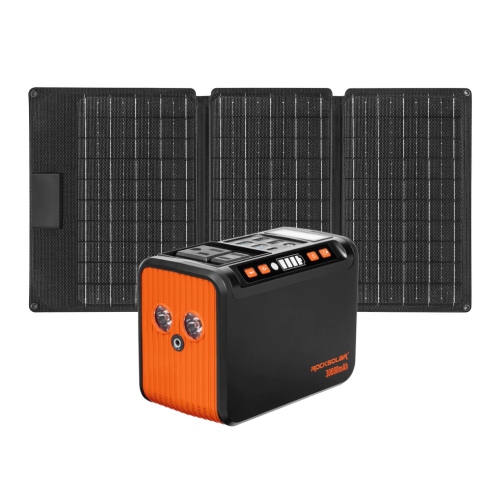
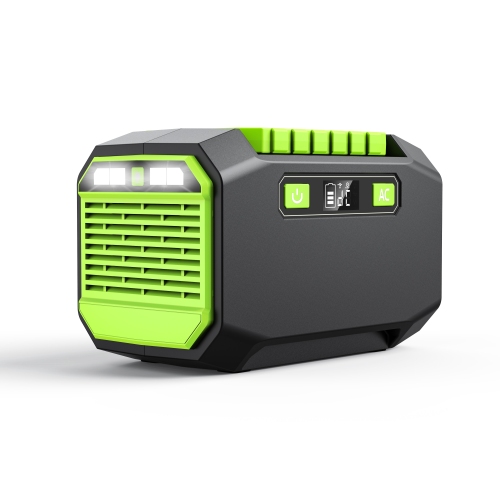
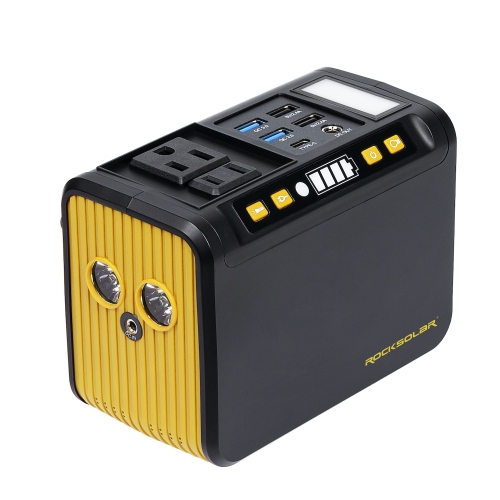
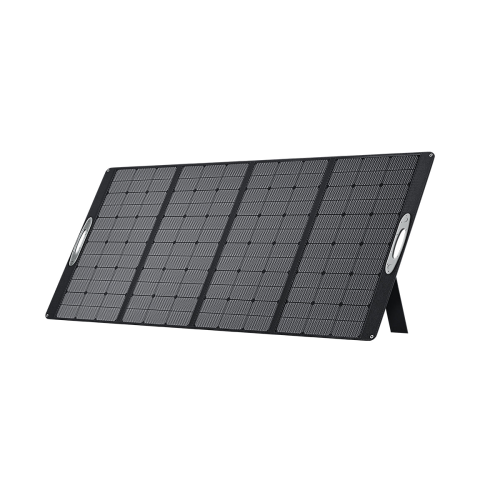
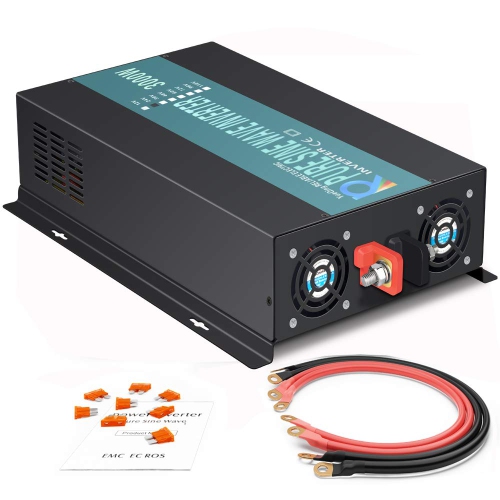
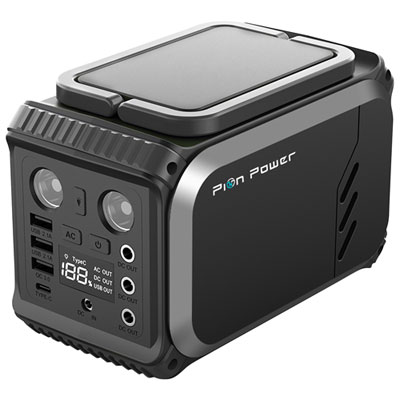
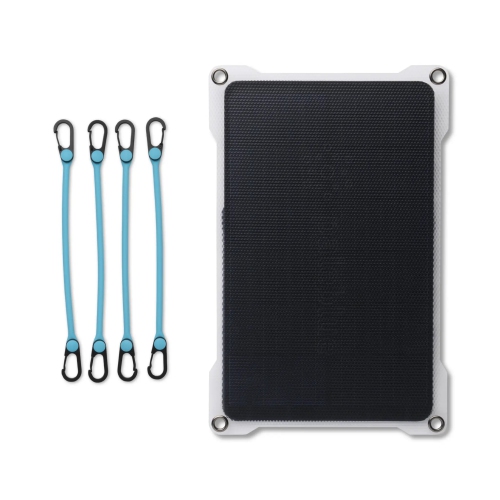
Off-grid power solutions are designed to provide usable electricity where a traditional utility connection is unavailable, unreliable, or inconvenient. They can support a remote cabin, seasonal property, RV, campsite, workshop, boat, outdoor event, or home emergency kit, depending on the system’s capacity and configuration. A complete setup may include solar panels to collect energy during daylight, a charge controller to regulate the incoming current, a battery bank to store energy, an inverter to convert direct current (DC) into the alternating current (AC) used by many household devices, and a backup generator for longer periods of limited sunlight or heavy demand. Portable power stations can combine several of these functions in one enclosure, making them practical for smaller loads and temporary use. When browsing Power Solutions, start by considering the setting, the equipment you need to run, and how long you need power to last. Someone spending a weekend in a cabin may need reliable lighting, phone charging, a small refrigerator, and perhaps a communications device, while an RV user may also want to operate a water pump, television, cooking appliance, or other higher-draw equipment. A system for a full-time off-grid residence requires much more planning than one intended for occasional recreation or emergency charging.
Power demand is the most important starting point. Make a list of the devices you expect to use, then note each item’s wattage and the number of hours it may operate in a typical day. Multiplying watts by hours gives watt-hours, which helps estimate the battery capacity required. For example, a 10-watt light used for five hours consumes about 50 watt-hours, while a 1,000-watt appliance used for one hour consumes about 1,000 watt-hours. Devices with motors, compressors, heating elements, or pumps can draw a much larger starting surge than their normal running wattage, so the inverter should be rated to handle both figures. Battery capacity also needs a practical margin rather than being matched exactly to the estimated load. Cooler weather, shade, shorter daylight, conversion losses, and unexpected use can all reduce the energy available. Lithium iron phosphate batteries are often chosen for their long service life, steady output, and relatively low weight, while other battery types may suit different budgets or installation requirements. Check the system’s usable capacity, maximum continuous output, surge rating, charging methods, operating temperature range, display information, ports, and expandability instead of focusing on a single headline specification. A power station with USB ports may be ideal for personal electronics, whereas a system with standard AC outlets, 12-volt connections, and additional battery support may be more suitable for a cabin or RV. Keep cables, connectors, ventilation, and weather protection in mind as well; equipment should be installed and used according to the manufacturer’s instructions, with appropriate clearance and protection from moisture.
Off-grid power equipment can be especially useful for people who spend time away from town, including campers, anglers, hunters, RV travellers, cabin owners, remote workers, and property managers. It can also make a thoughtful gift for someone preparing a trailer for the road or setting up a comfortable base at a seasonal retreat, particularly when the system matches the recipient’s actual equipment and travel habits. During the cooler months, dependable stored power can help keep communication devices charged, provide light when evenings arrive early, and support essential electronics during a temporary outage. In a remote setting, arranging the system is often a matter of balancing convenience with available capacity: low-power LED lighting, efficient charging habits, and careful scheduling can stretch stored energy considerably. Solar panels work best with a clear view of the sky and should be positioned to avoid shade from trees, buildings, or roof structures; output naturally varies with cloud cover, snow, panel angle, and the length of the day. A generator may provide useful additional support when several days of poor weather limit charging, but it should be operated outdoors in a well-ventilated area, away from doors, windows, and air intakes, and never inside a cabin, garage, tent, or vehicle. Before purchasing, confirm compatibility between panels, controllers, batteries, inverters, and charging accessories, and consider whether the equipment can be transported, stored, and maintained easily. For a permanent installation or a system serving high-demand appliances, consult a qualified professional and follow local electrical requirements. The right off-grid power solution should fit the intended load, location, available charging conditions, and level of independence without adding unnecessary complexity.
Top selling and popular products
-
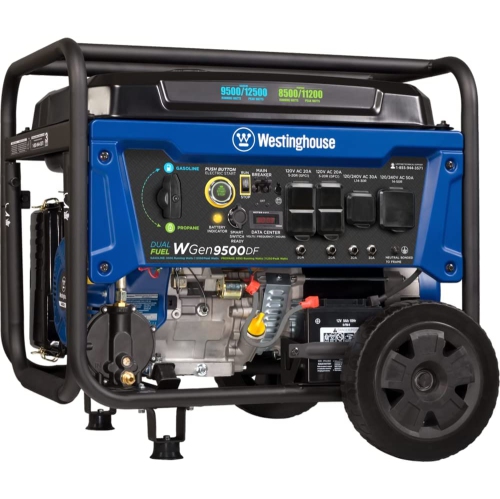 Your price for this item is $2799
-
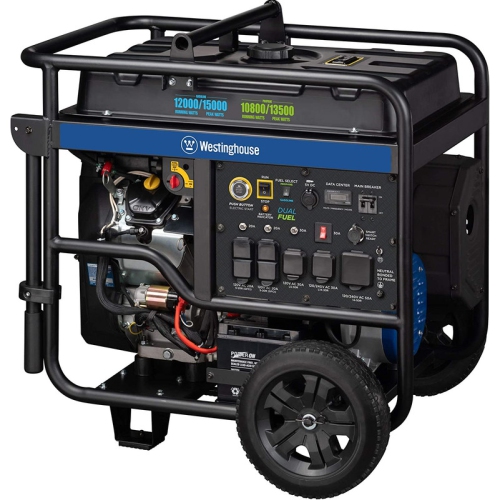 Your price for this item is $6199
-
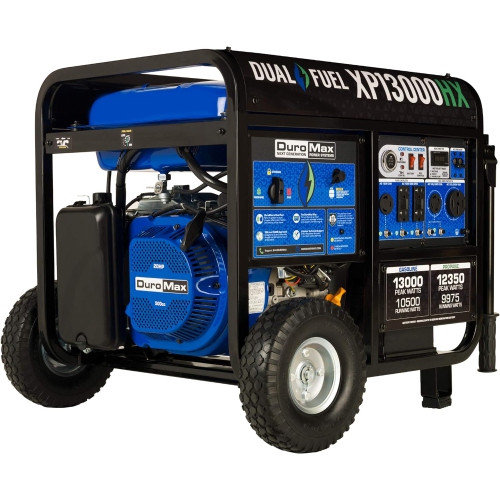 Your price for this item is $3499
-
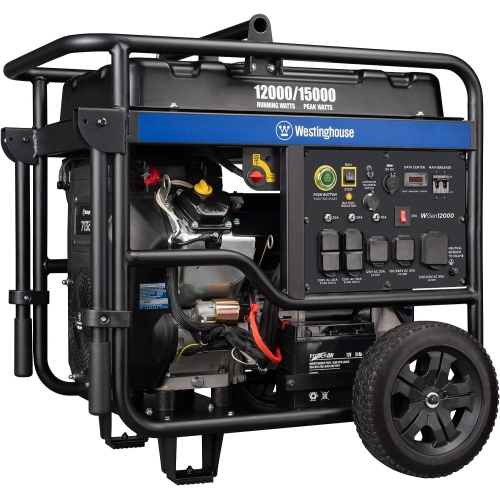 Your price for this item is $5499
-
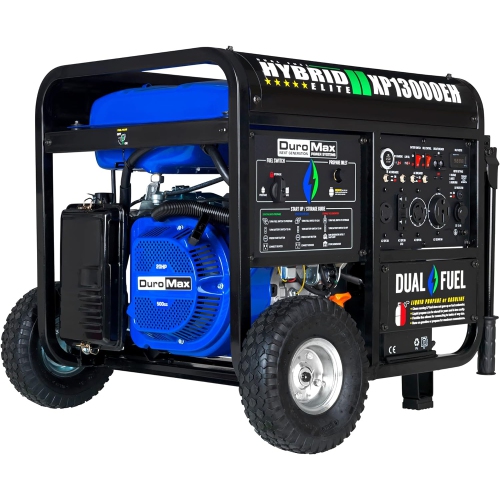 Your price for this item is $2899
-
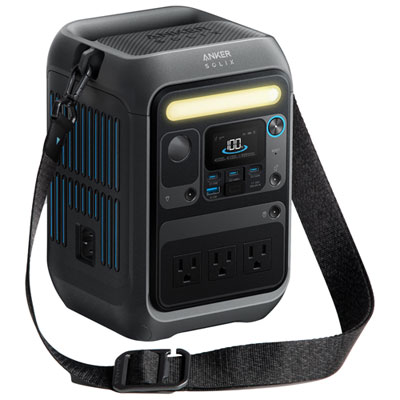 Your price for this item is $369.99
-
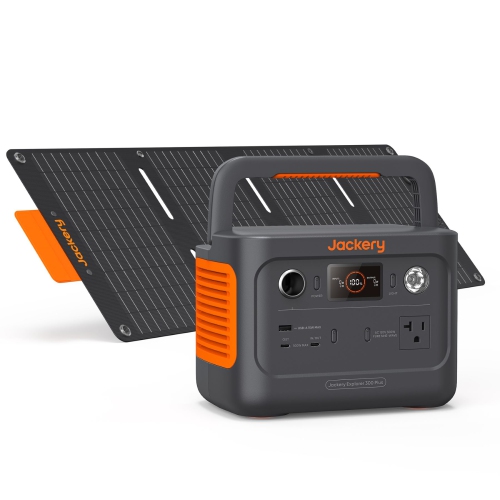 Your price for this item is $399
-
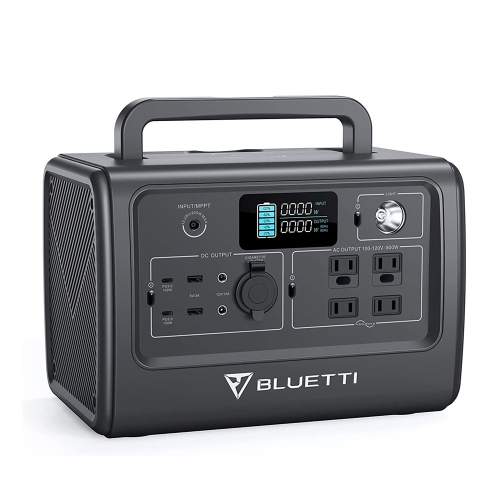 Your price for this item is $549
Discover more categories related to Off Grid Power Solutions
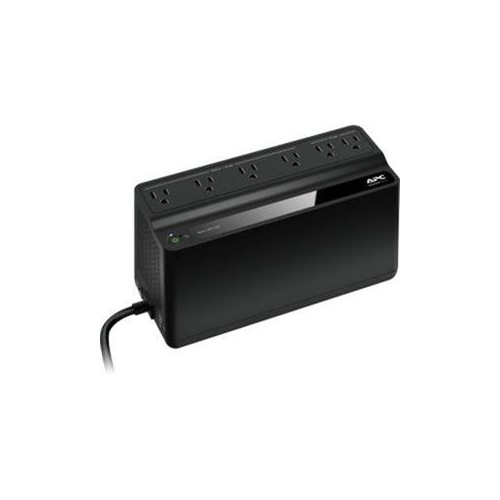
Top Collections:
Pokemon Centers, Kindle Devices, Best Cameras for Sports Photography, Pokémon 30th Celebration Cards, Apple iPhones 16, Canon G7X Cameras, iPhone 15 Apple, Flip Phones, Samsung Galaxy Phones, Alarm Clock
Some products may be subject to Environmental Handling Fees
(EHF) depending on your province.
Learn more about EHFs.