BBQ 3 Burners
BBQ 3 Burner grills are the perfect choice for anyone looking to elevate their outdoor cooking experience. With ample space to prepare delicious meals for friends and family, these grills offer versatility and style for any backyard or patio setup. Whether you’re hosting a summer cookout or enjoying a quiet evening meal, BBQ 3 Burner options provide the performance and convenience you need to make every gathering memorable. Explore a variety of designs and features to find the ideal addition to your outdoor entertaining space.
Sort
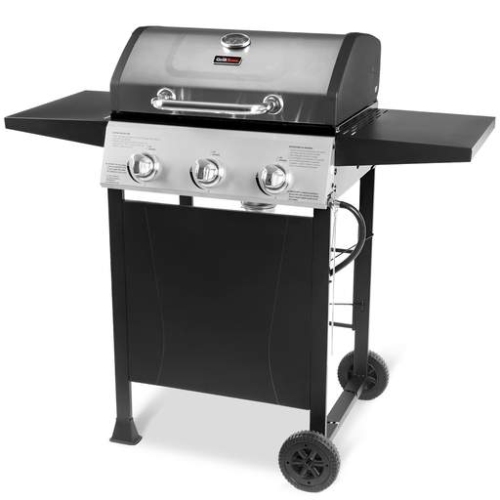
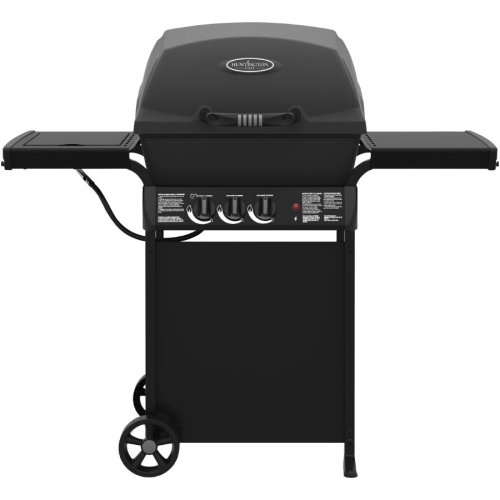
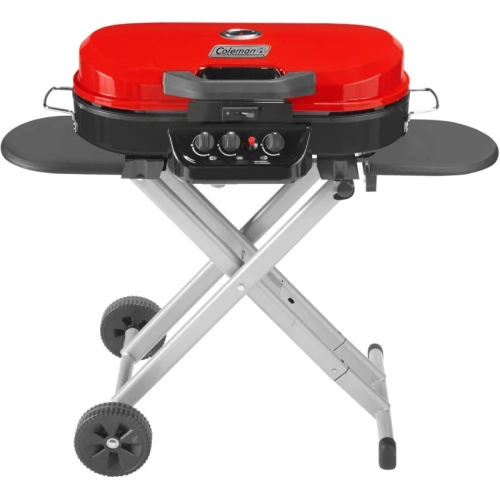
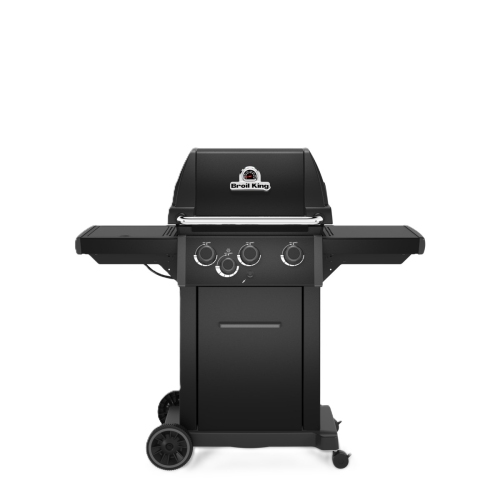
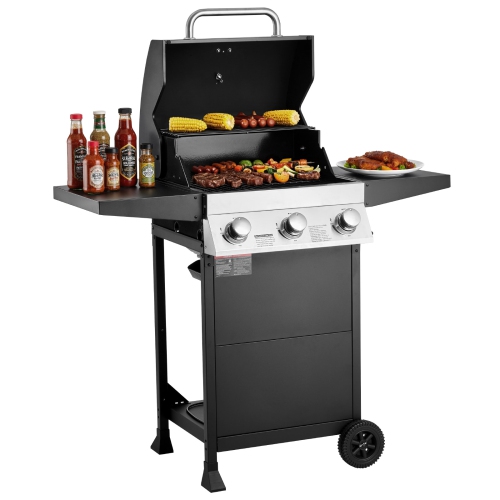
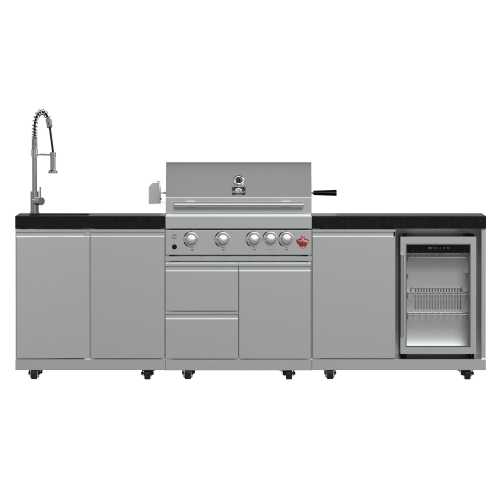
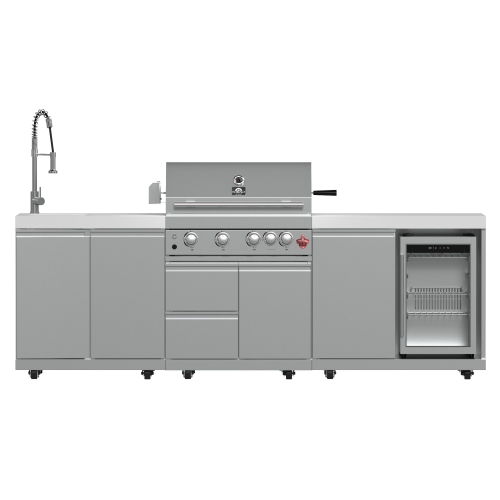
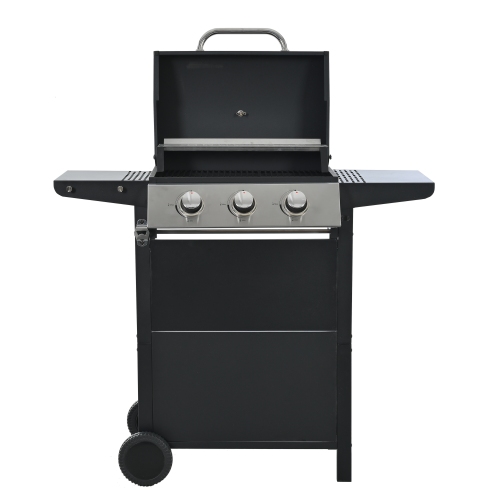
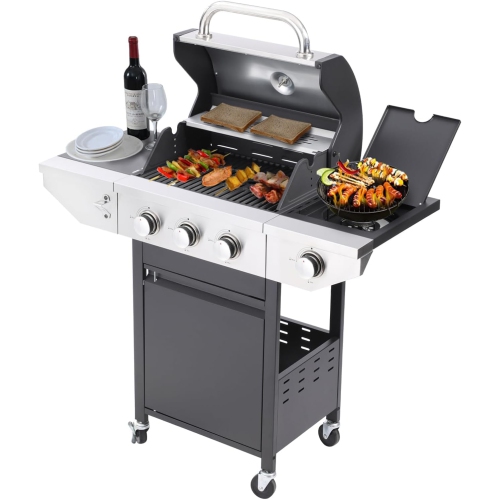
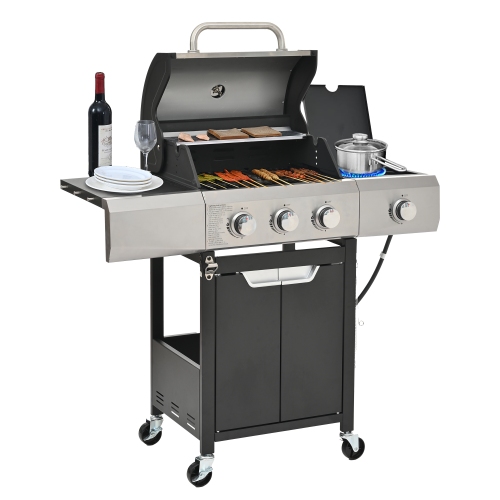
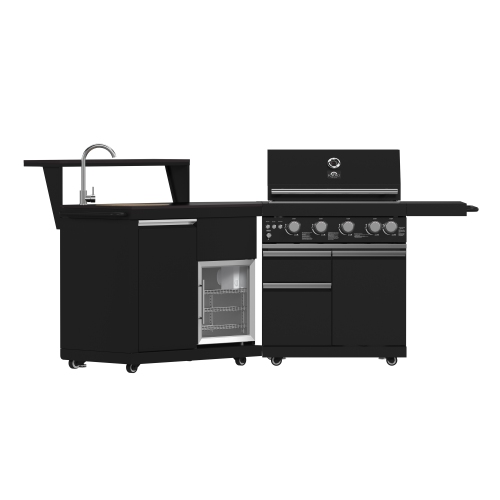
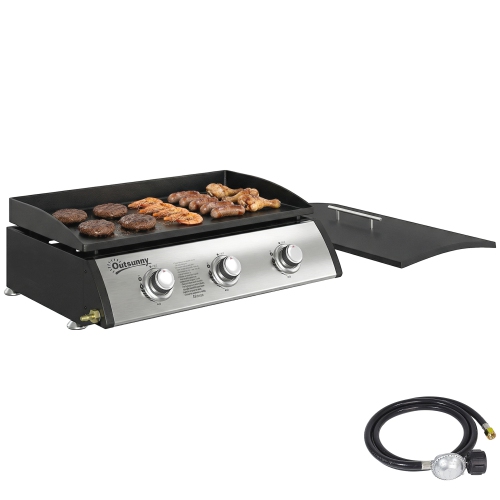
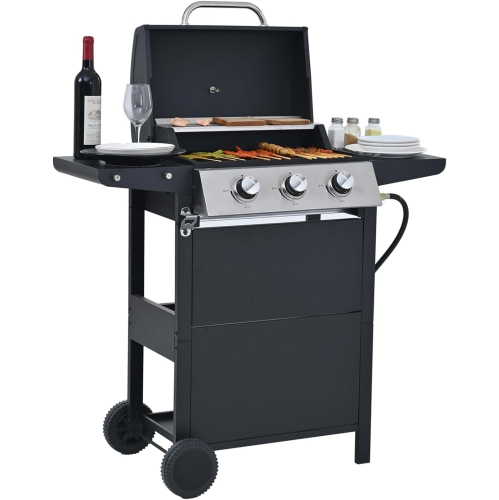
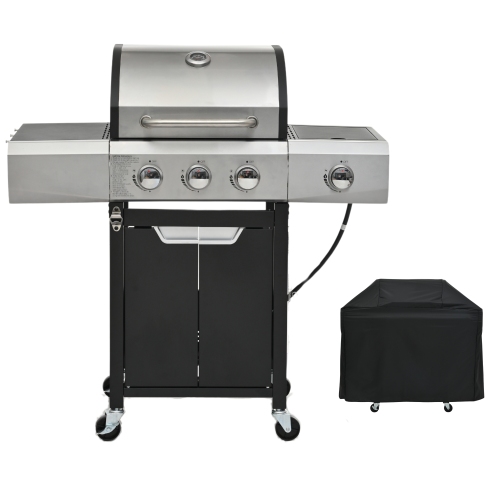
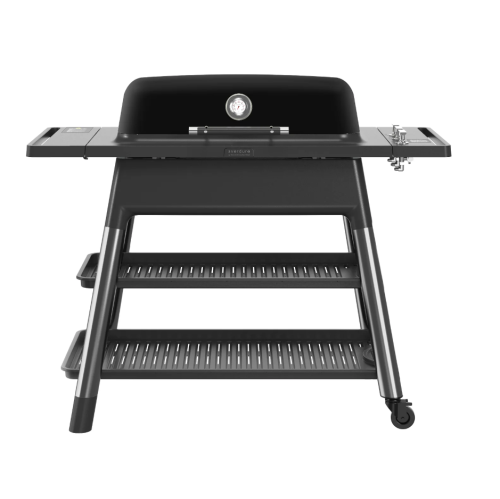
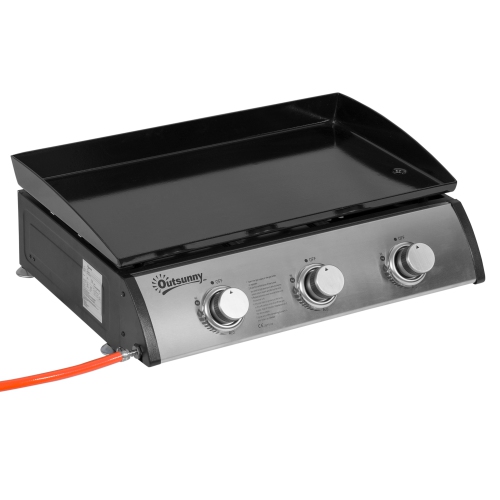
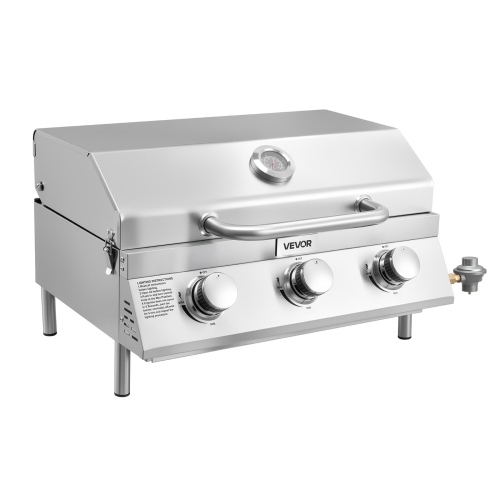
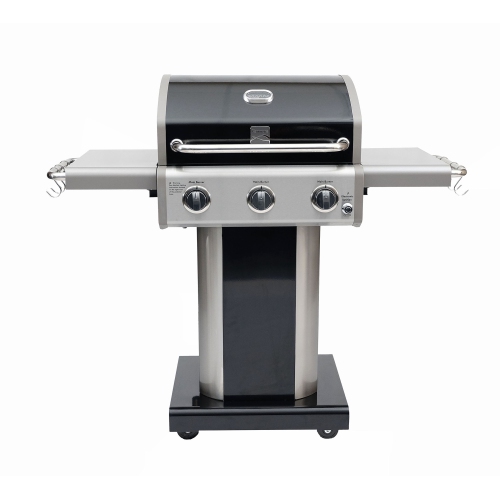
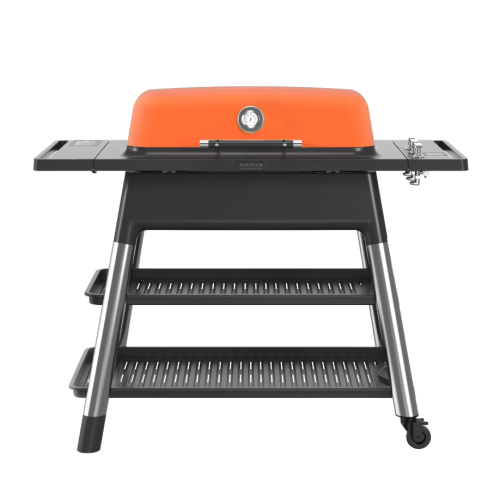
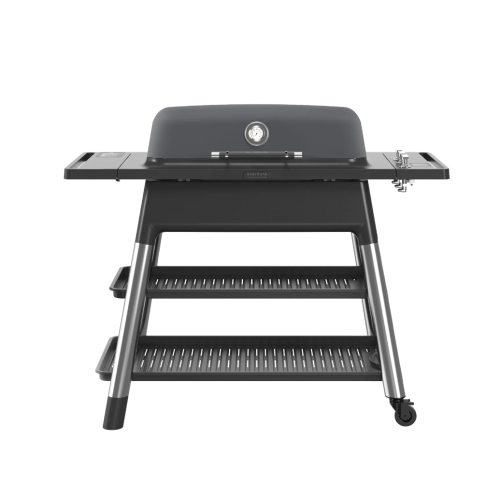
Room for family meals with flexible heat zones
A three-burner BBQ is a gas barbecue with three main burners, typically controlled independently so different parts of the cooking surface can provide different levels of heat. This layout offers room for everyday meals without necessarily requiring the footprint of a larger four- or five-burner grill. Many three-burner gas BBQs provide approximately 30,000 to 38,000 BTUs of main-burner output and around 340 to 450 square inches of primary cooking space, although specifications vary by design. That size can suit meals for four to six people, depending on portion sizes and what is being cooked. A grate filled with burgers accommodates food differently from one holding thick steaks, corn, and a grill basket of vegetables. Primary cooking area is the most useful measurement for comparing usable grilling space; a warming rack adds another level but does not replace the main grate for direct cooking. Within the broader selection of Gas BBQ Grills, three-burner designs offer a practical balance between cooking flexibility and manageable size. Separate controls make it possible to sear over one burner while keeping another area gentler for peppers, flatbreads, or food that is nearly ready to serve. Turning off a burner can also create an indirect cooking zone, with food positioned away from the lit burners for a roast or thicker cut that needs more gradual cooking. The shape of the cooking surface matters here: enough depth can make it easier to arrange larger portions without crowding them. Burner count and BTU output alone do not determine cooking performance. Heat distribution, grate construction, lid fit, and the relationship between burner output and cooking area all influence how a barbecue cooks. A well-proportioned three-burner layout can be useful for couples who enjoy preparing several dishes together, families making regular dinners, and hosts serving a small gathering in batches.
Materials and construction affect both the cooking experience and how a three-burner barbecue fits into an outdoor cooking space. Cast-iron grates hold heat well and can produce defined sear marks, while their weight makes them less convenient to lift for cleaning. Porcelain-coated cast iron combines heat retention with a coated surface that needs gentle handling to avoid chips. Stainless steel grates offer another cooking surface, with performance and durability influenced by the thickness and construction of the metal. No grate material eliminates the need for cleaning or suitable food preparation, and coating alone does not guarantee that delicate fish or marinated chicken will release cleanly. Beyond the grates, a sturdy firebox, securely fitted lid, stable cart, and accessible grease tray contribute to a barbecue that feels dependable in regular use. Stainless steel exterior panels still need care to prevent staining, while painted or coated surfaces benefit from cleaning methods that protect their finish. Physical fit deserves as much attention as cooking capacity. Overall width includes side shelves and handles, and the lid needs space to open fully without contacting a wall or overhead obstruction. Manufacturer-specified clearances, building rules, and local restrictions determine whether a particular outdoor location is suitable, including on balconies. Folding shelves can reduce the space needed for storage, but the barbecue still requires its full operating clearance when in use. Side shelves provide a useful landing area for a tray of uncooked food, utensils, or a clean serving platter. A side burner, when included, is separate from the three main burners and can accommodate a saucepan without occupying the grilling surface. Warming racks, utensil hooks, locking wheels, and enclosed storage can add convenience, although their usefulness depends on the layout. A lower shelf should not be assumed to be suitable for storing every accessory or fuel container; the appliance instructions govern what can safely be kept there.
Fuel type is another distinction among three-burner BBQs. Propane designs use a compatible cylinder, offering flexibility in an approved outdoor location without relying on a fixed household gas connection. Natural gas designs require a suitable supply connection and proper installation, making the position of the gas outlet an important consideration. Propane and natural gas barbecues are not interchangeable unless the manufacturer specifically permits conversion using approved components and procedures. Hose routing, access to the shut-off, and space for handling a cylinder all affect day-to-day convenience. These details are particularly relevant when a barbecue is intended as a housewarming, wedding, or shared household gift: the recipient’s available space and fuel setup matter more than burner count alone. Care requirements also influence long-term satisfaction. Removable grates, accessible burner covers, and a grease collection system that can be reached without awkward lifting make routine upkeep easier. Grease should not be allowed to accumulate, and cleaning should follow the manufacturer’s directions with the appliance safely shut down and cooled as required. Grate-cleaning tools need to suit the surface; tools that can shed wire bristles require particular care, including checking the cooking surface before food is added. Burner openings, ignition components, and gas connections also need attention according to the owner’s manual. A fitted cover can help keep dust and debris off a barbecue once it has cooled, while accessible replacement grates and other compatible parts can support ongoing use. For cooking, a lid-mounted thermometer provides a general reading inside the barbecue rather than the internal temperature of food, so a separate food thermometer remains useful for checking doneness safely. Keeping raw-food trays separate from serving platters and leaving enough working room beside the grill makes meal preparation more comfortable. With suitable materials, a practical footprint, and independently controlled burners, a three-burner BBQ can accommodate quick grilled sandwiches, family suppers, and relaxed meals with friends without requiring an oversized outdoor cooking station.
Top selling and popular products
-
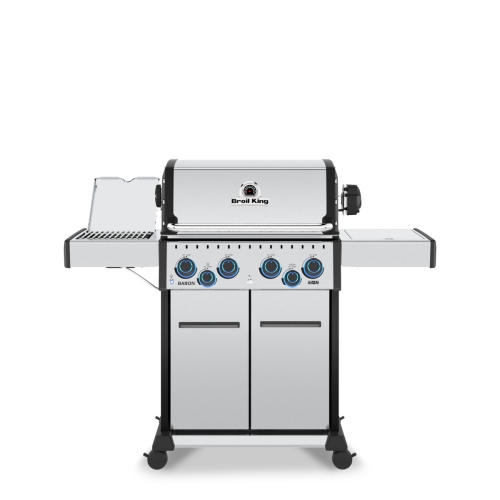 Your price for this item is $1559
-
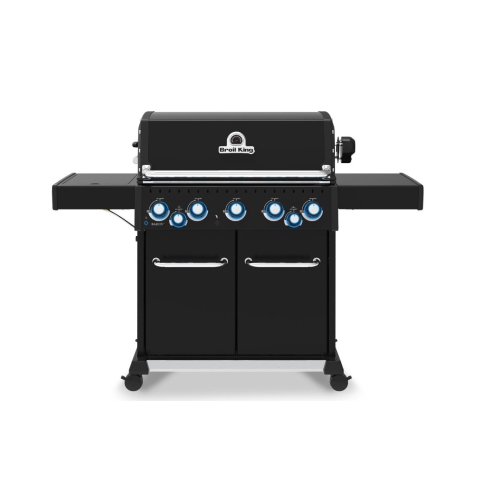 Your price for this item is $2374.99
-
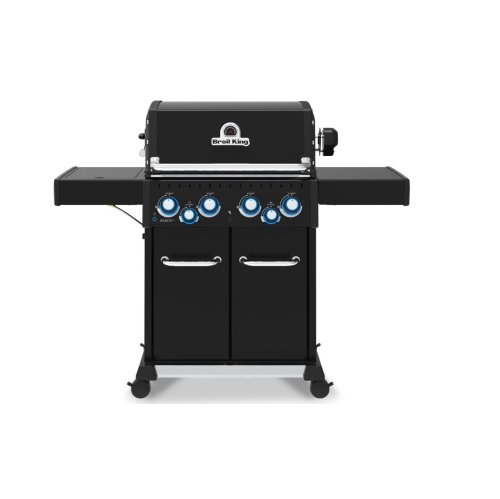 Your price for this item is $1299
-
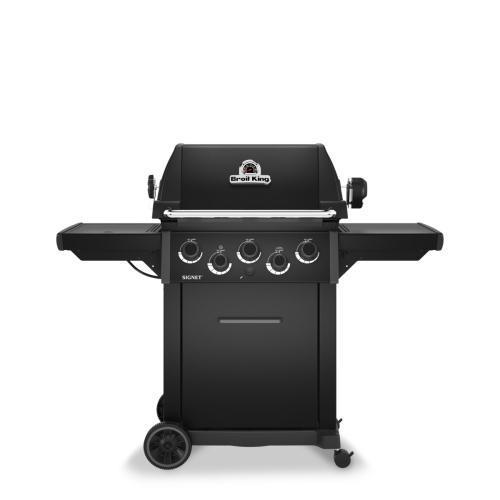 Your price for this item is $959
-
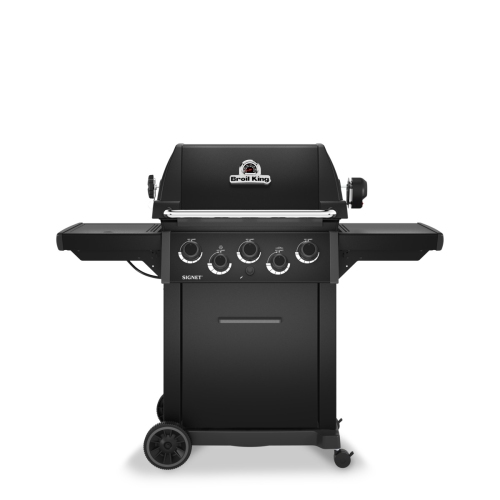 Your price for this item is $899
-
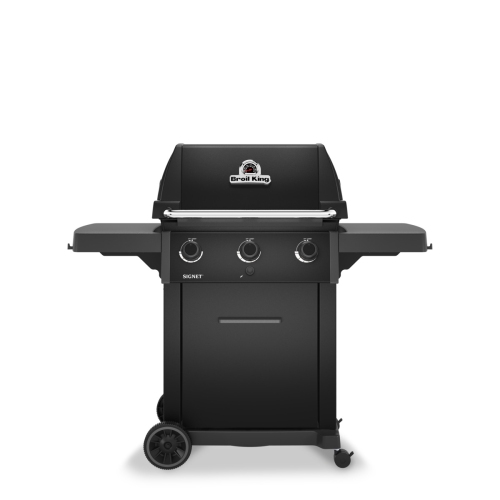 Your price for this item is $699
-
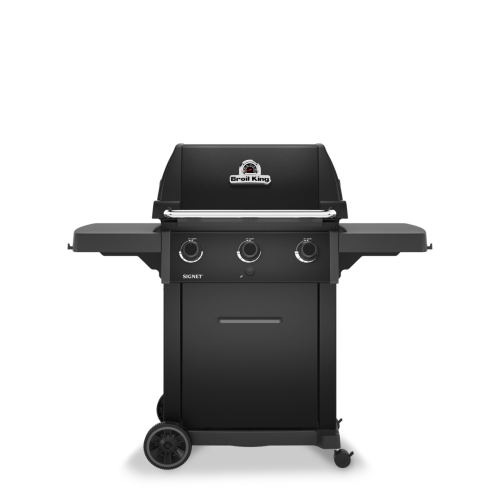 Your price for this item is $759
-
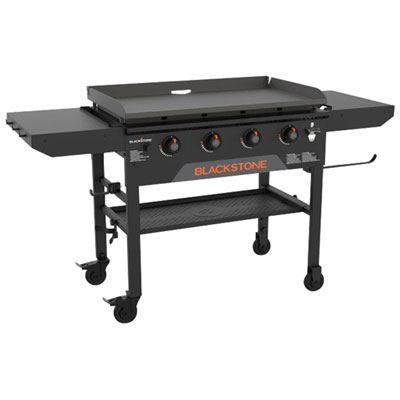 Your price for this item is $599.99
Discover more categories related to BBQ 3 Burners
Top Collections:
Best Black Friday Deals This Year, Best Black Friday Deals On Electronics, Kindle Devices, Pokemon Centers, Best Black Friday Deals On Apple Products, Best Cameras for Sports Photography, Dyson Airwrap, Pokémon 30th Celebration Cards, Apple iPhone 17 Pro, Canon G7X Cameras
Some products may be subject to Environmental Handling Fees
(EHF) depending on your province.
Learn more about EHFs.