BBQ Brushes
Looking to take your grilling to the next level? Look no further than our selection of BBQ brushes. These versatile tools are a must-have for any backyard chef, helping you keep your grill clean and ready for action. Whether you're a seasoned pro or just starting out, our range of BBQ brushes offers something for everyone. From sturdy bristles that tackle even the toughest grease and grime to ergonomic handles that provide a comfortable grip, we have the perfect brush to suit your needs.
Sort
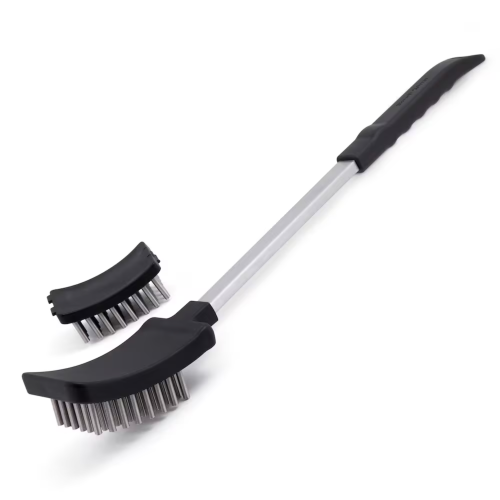
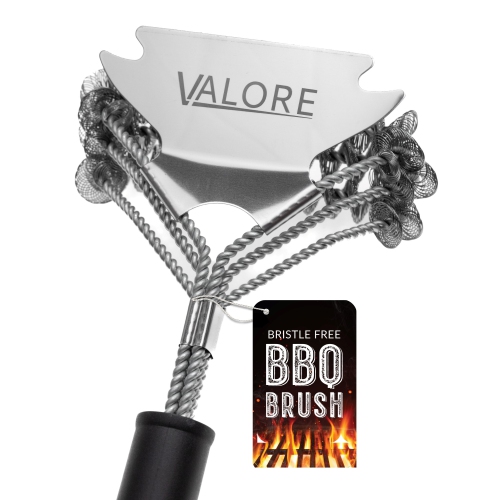
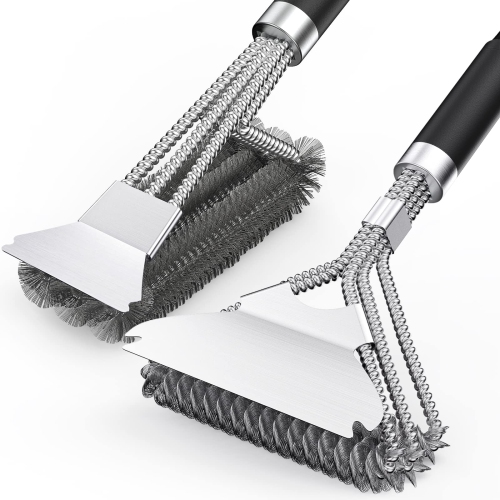
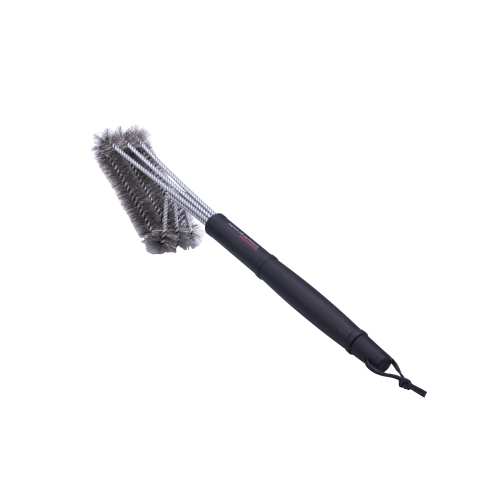
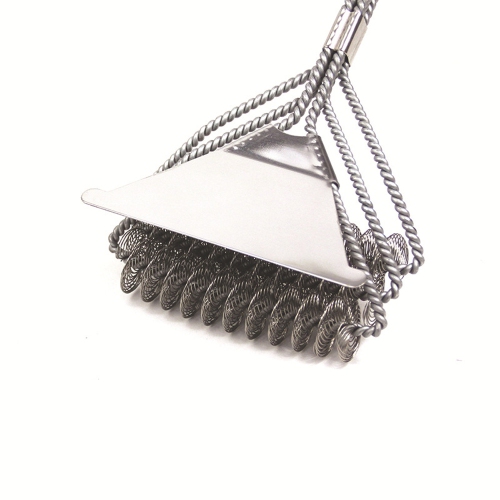
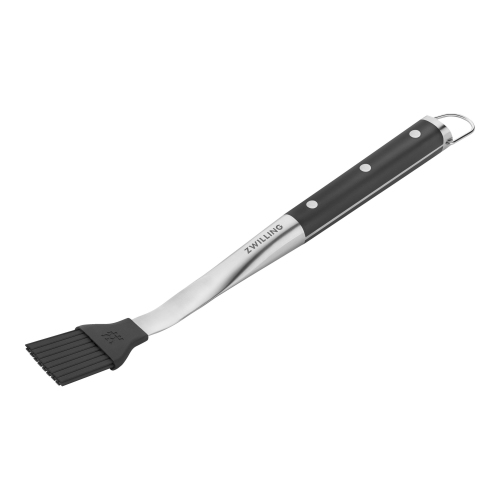
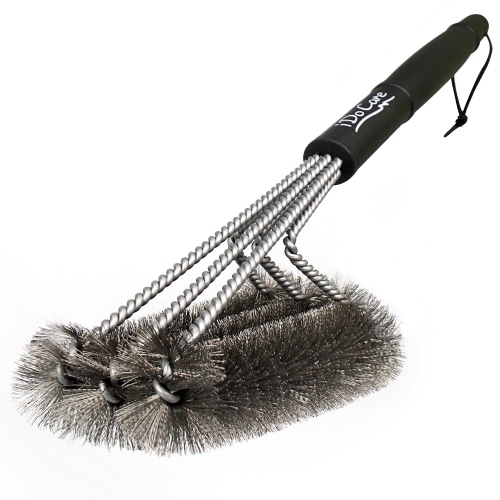
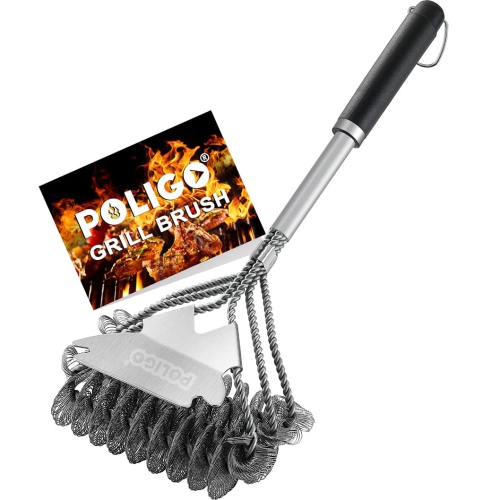
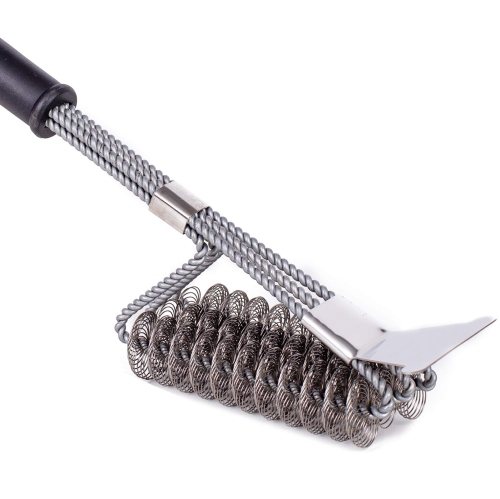
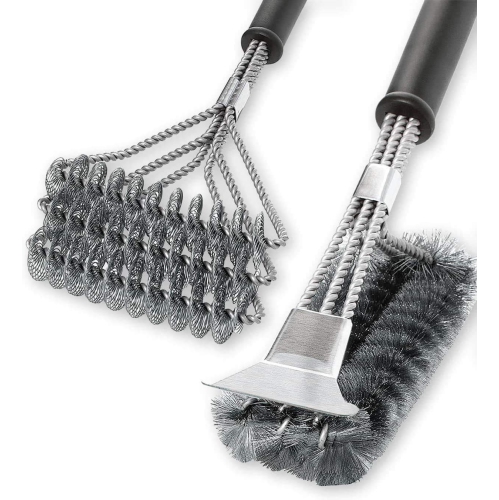
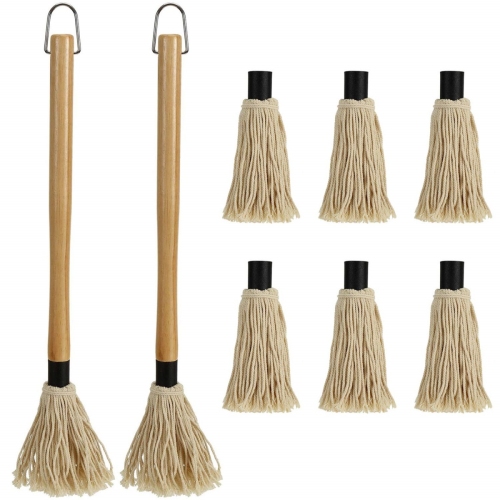
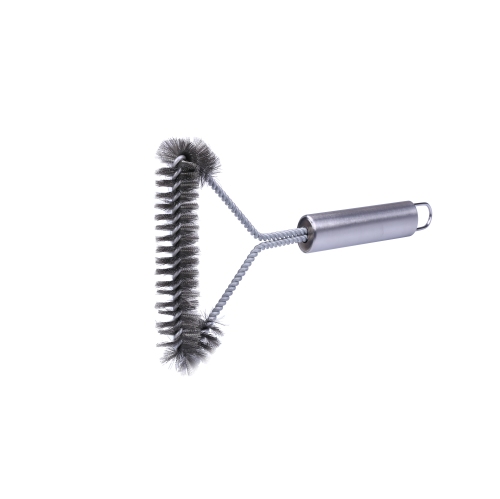
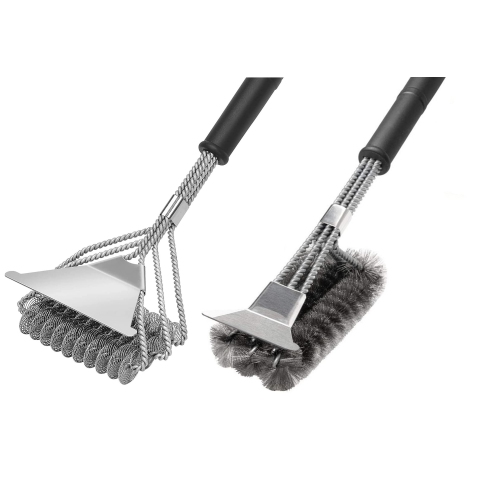
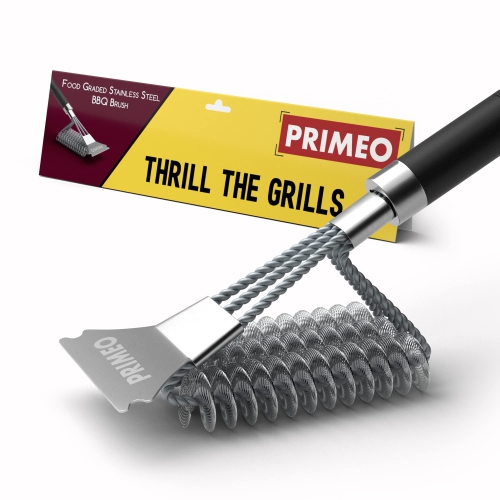
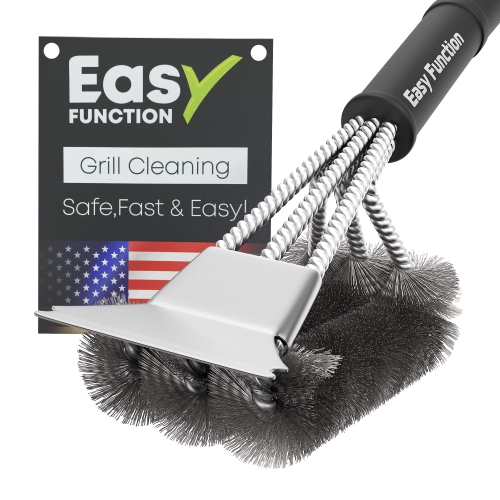
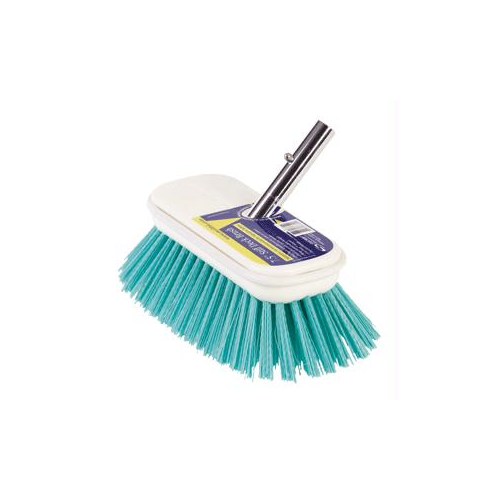
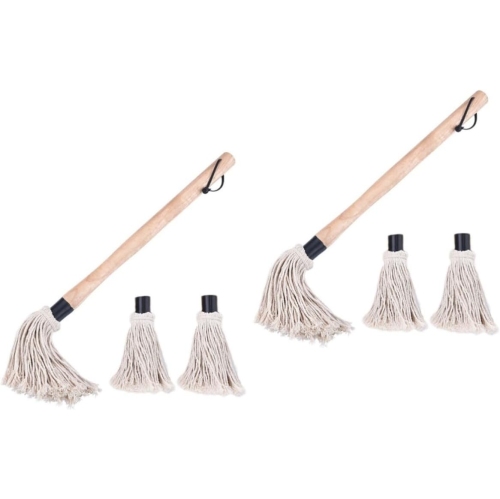
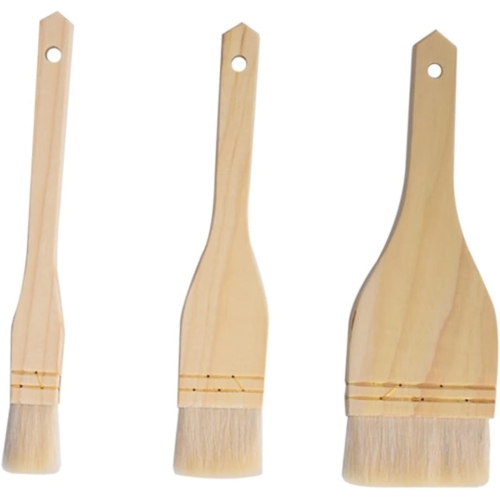
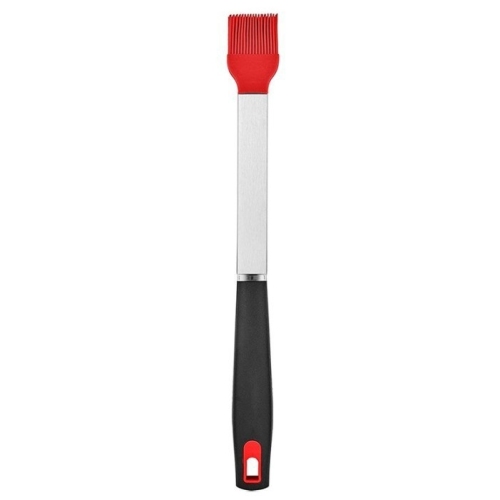
Cleaning and basting brushes serve different barbecue needs
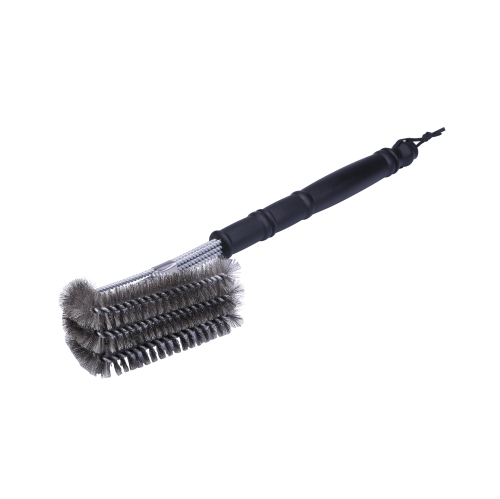
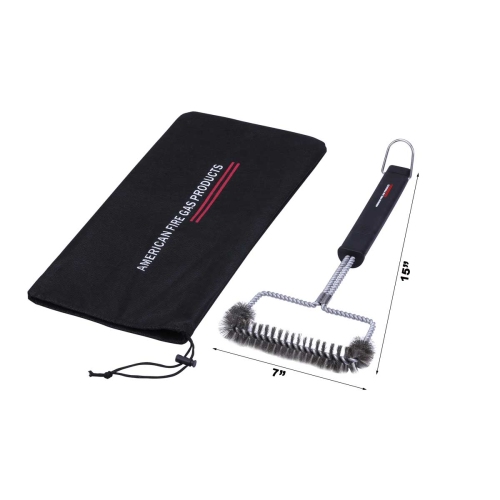
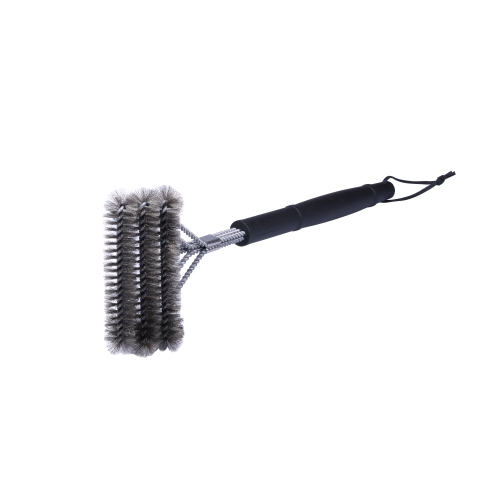
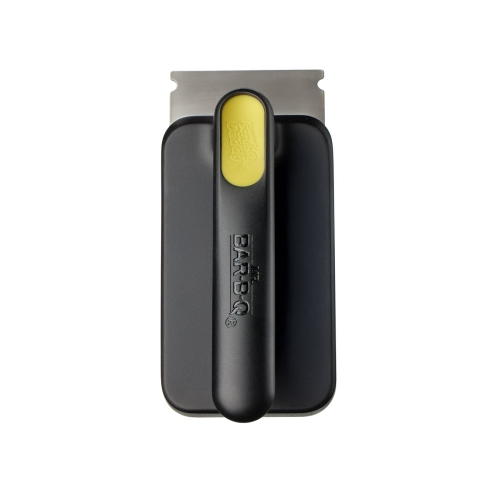
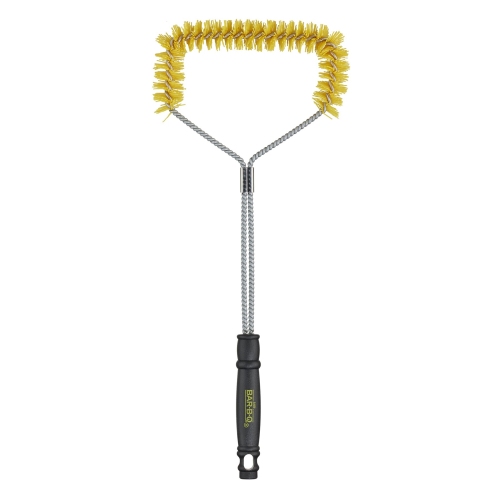
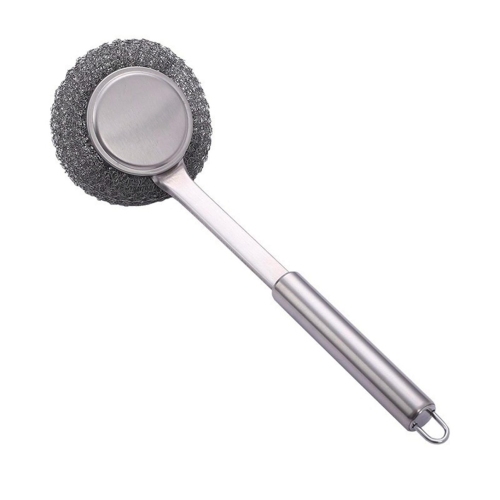
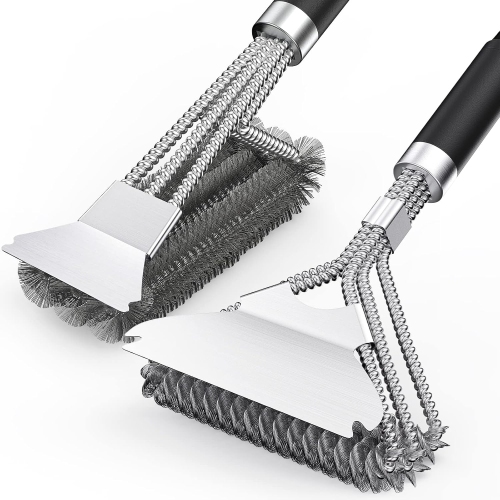
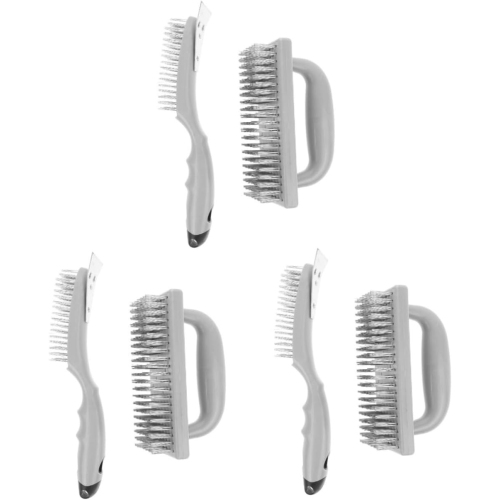
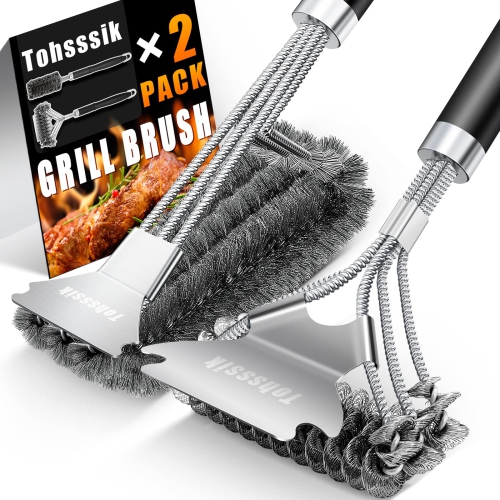
BBQ brushes are useful for two different parts of outdoor cooking: cleaning the grill before and after use, and applying marinades, butter, sauces, or glazes while food cooks. Understanding the difference makes it easier to choose a brush that suits your routine. A grill-cleaning brush is designed to loosen charred food, baked-on grease, and residue from cooking grates, while a basting brush spreads flavour over meat, seafood, vegetables, and other foods without disturbing them. As the weather warms, a dependable cleaning brush helps prepare the barbecue for its first full season of cooking, and during the cooler months it can help keep the grill ready for weekend meals, family gatherings, and occasional outdoor cooking. These tools can also make practical gifts for someone moving into a new home, setting up an outdoor kitchen, or building a collection of barbecue accessories. When selecting a BBQ brush, consider the type of grill grate, the amount of cleaning required, the foods you usually prepare, and how comfortable the handle feels in your hand. A broad head can cover more of the grate with each pass, while a narrower design may be better for reaching between bars, around hinges, and along the edges of a cooking surface. A long handle provides useful distance from heat and helps you apply pressure without placing your hand directly over a warm grate. Look for a sturdy grip that remains comfortable when damp or greasy, along with a hanging loop or other storage feature if you keep cooking tools beside the barbecue.
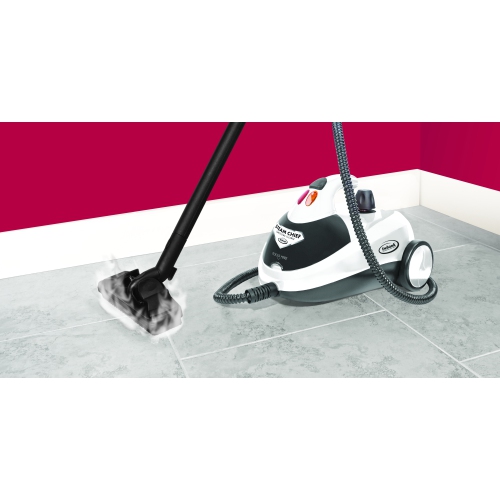
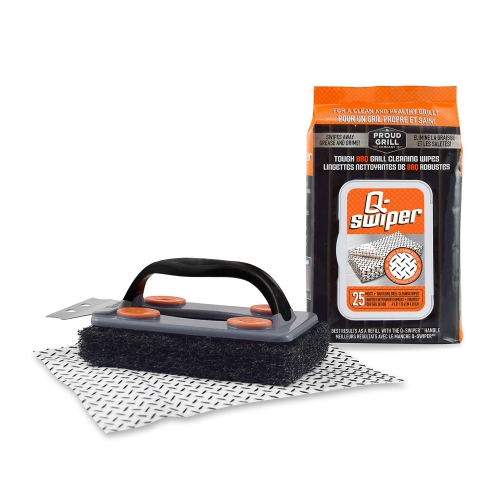
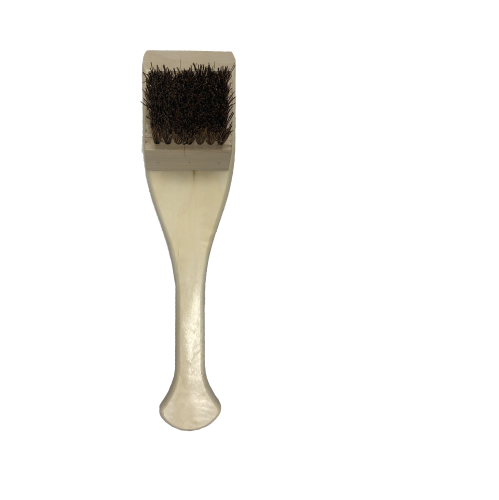
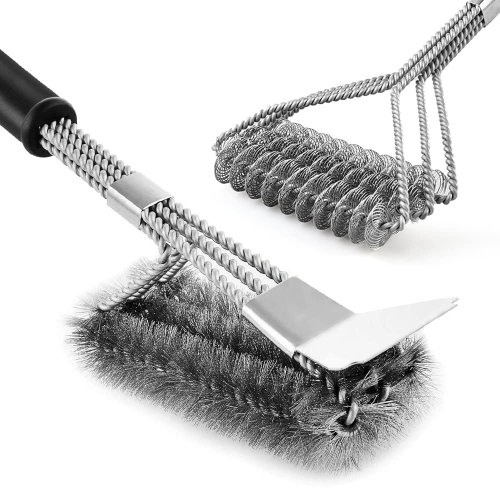
For grill cleaning, bristle-free designs are a popular choice for cooks who want to remove stuck-on residue without loose metal wires. Coiled stainless steel, woven mesh, and natural wood scraper surfaces can work against hardened food and grease while following the shape of many grates. They are particularly useful when a grill needs more than a quick wipe, such as after cooking marinated foods, burgers, or items that leave a sugary glaze behind. Steam-activated pads and sponge-style scrubbers offer another approach: when moistened and heated, they can help soften stubborn residue so less force is needed during cleaning. Traditional wire brushes can also be effective for deep scrubbing, especially on heavily used grates, but they require careful inspection before each use. Check for loose, bent, or missing wires, examine the brush head and attachment points, and replace a worn brush rather than continuing to use it. After cleaning, wipe the grate with a damp cloth or paper towel and inspect the cooking surface for any remaining debris before placing food on it. Natural plant-fibre bristles, including stiff Palmyra-style fibres, are another option for grill maintenance; they can provide firm scrubbing action, but the head should still be checked regularly for wear. No matter which cleaning style you choose, avoid pressing a damaged brush against hot food or leaving the tool exposed to the elements. Wash away grease and food particles according to the care instructions, allow the brush to dry thoroughly, and store it in a clean, dry location. A small amount of preparation before cooking can make the entire barbecue session feel more relaxed, from the first sizzle of vegetables to the final round of grilled chicken.
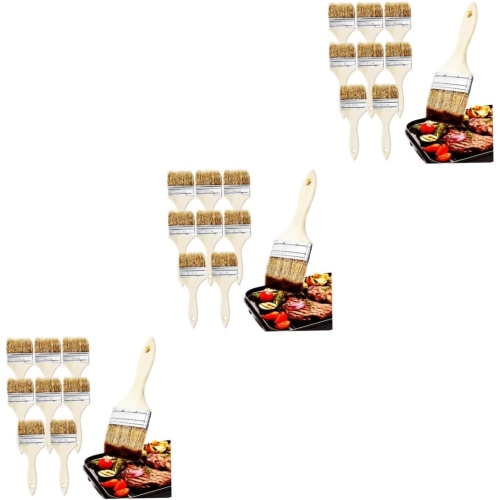
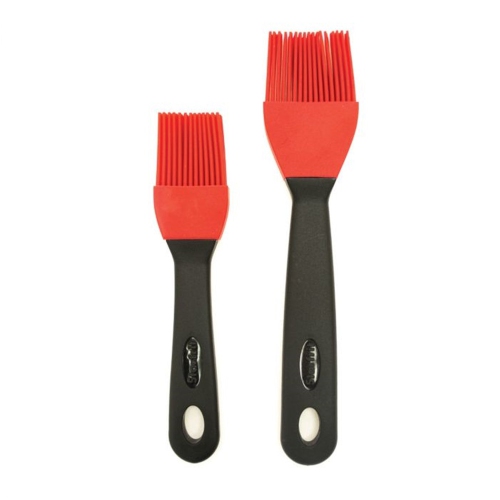
Basting brushes are made for a different job and are best chosen according to the texture and temperature of the ingredients being applied. Silicone bristles are heat-resistant, flexible, and easy to rinse, making them suitable for thick barbecue sauce, honey-based glazes, melted butter, and oil. Their smooth surface tends to release sauces evenly and is often simple to clean, with some designs suitable for dishwasher cleaning when the manufacturer’s instructions allow it. Natural bristles can absorb thinner marinades, seasoned oils, and butter, helping distribute a light coating over food, although they need prompt and thorough washing to prevent food residue from remaining in the bristles. A brush with dense bristles can hold more liquid for fewer trips between the kitchen and grill, while a smaller head offers greater control when coating individual ribs, delicate fish, corn, mushrooms, or sliced vegetables. Heat resistance matters when brushing food directly on the barbecue, and a longer handle can help keep fingers away from hot grates and rising steam. Use separate brushes for raw marinades and finished sauces when possible, particularly when one mixture has touched uncooked meat or seafood. Clean the brush promptly after use, paying close attention to the base of the bristles where sauce can collect, and let it dry completely before storing it. Keeping one brush for grate care and another for basting also prevents ash, grease, and charred particles from transferring onto food. With the right BBQ brush on hand, routine maintenance becomes easier and sauces go on more evenly, helping create the glossy finish and layered flavour associated with outdoor cooking. For cooks who mainly want to coat food rather than scrub a grate, explore BBQ Basting Brushes to compare tools suited to marinades, sauces, and glazes.
For grill cleaning, bristle-free designs are a popular choice for cooks who want to remove stuck-on residue without loose metal wires. Coiled stainless steel, woven mesh, and natural wood scraper surfaces can work against hardened food and grease while following the shape of many grates. They are particularly useful when a grill needs more than a quick wipe, such as after cooking marinated foods, burgers, or items that leave a sugary glaze behind. Steam-activated pads and sponge-style scrubbers offer another approach: when moistened and heated, they can help soften stubborn residue so less force is needed during cleaning. Traditional wire brushes can also be effective for deep scrubbing, especially on heavily used grates, but they require careful inspection before each use. Check for loose, bent, or missing wires, examine the brush head and attachment points, and replace a worn brush rather than continuing to use it. After cleaning, wipe the grate with a damp cloth or paper towel and inspect the cooking surface for any remaining debris before placing food on it. Natural plant-fibre bristles, including stiff Palmyra-style fibres, are another option for grill maintenance; they can provide firm scrubbing action, but the head should still be checked regularly for wear. No matter which cleaning style you choose, avoid pressing a damaged brush against hot food or leaving the tool exposed to the elements. Wash away grease and food particles according to the care instructions, allow the brush to dry thoroughly, and store it in a clean, dry location. A small amount of preparation before cooking can make the entire barbecue session feel more relaxed, from the first sizzle of vegetables to the final round of grilled chicken.
Basting brushes are made for a different job and are best chosen according to the texture and temperature of the ingredients being applied. Silicone bristles are heat-resistant, flexible, and easy to rinse, making them suitable for thick barbecue sauce, honey-based glazes, melted butter, and oil. Their smooth surface tends to release sauces evenly and is often simple to clean, with some designs suitable for dishwasher cleaning when the manufacturer’s instructions allow it. Natural bristles can absorb thinner marinades, seasoned oils, and butter, helping distribute a light coating over food, although they need prompt and thorough washing to prevent food residue from remaining in the bristles. A brush with dense bristles can hold more liquid for fewer trips between the kitchen and grill, while a smaller head offers greater control when coating individual ribs, delicate fish, corn, mushrooms, or sliced vegetables. Heat resistance matters when brushing food directly on the barbecue, and a longer handle can help keep fingers away from hot grates and rising steam. Use separate brushes for raw marinades and finished sauces when possible, particularly when one mixture has touched uncooked meat or seafood. Clean the brush promptly after use, paying close attention to the base of the bristles where sauce can collect, and let it dry completely before storing it. Keeping one brush for grate care and another for basting also prevents ash, grease, and charred particles from transferring onto food. With the right BBQ brush on hand, routine maintenance becomes easier and sauces go on more evenly, helping create the glossy finish and layered flavour associated with outdoor cooking. For cooks who mainly want to coat food rather than scrub a grate, explore BBQ Basting Brushes to compare tools suited to marinades, sauces, and glazes.
Top selling and popular products
-
 Your price for this item is $56.99
 -
 Your price for this item is $50.96
 -
 Your price for this item is $29.99
 -
 Your price for this item is $54.99
 -
 Your price for this item is $39.99
 -
 Your price for this item is $22.99
 -
 Your price for this item is $46.48
 -
 Your price for this item is $61.98
Discover more categories related to BBQ Brushes
Top Collections:
Pokemon Centers, Kindle Devices, Best Budget Office Chairs, Apple iPhones 16, Canon G7X Cameras, iPhone 15 Apple, Alarm Clock, Refurbished Apple Laptops, Flip Phones, Best Laptops for Writers
Some products may be subject to Environmental Handling Fees
(EHF) depending on your province.
Learn more about EHFs.